
- Chinese
- French
- German
- Portuguese
- Spanish
- Russian
- Japanese
- Korean
- Arabic
- Irish
- Greek
- Turkish
- Italian
- Danish
- Romanian
- Indonesian
- Czech
- Afrikaans
- Swedish
- Polish
- Basque
- Catalan
- Esperanto
- Hindi
- Lao
- Albanian
- Amharic
- Armenian
- Azerbaijani
- Belarusian
- Bengali
- Bosnian
- Bulgarian
- Cebuano
- Chichewa
- Corsican
- Croatian
- Dutch
- Estonian
- Filipino
- Finnish
- Frisian
- Galician
- Georgian
- Gujarati
- Haitian
- Hausa
- Hawaiian
- Hebrew
- Hmong
- Hungarian
- Icelandic
- Igbo
- Javanese
- Kannada
- Kazakh
- Khmer
- Kurdish
- Kyrgyz
- Latin
- Latvian
- Lithuanian
- Luxembou..
- Macedonian
- Malagasy
- Malay
- Malayalam
- Maltese
- Maori
- Marathi
- Mongolian
- Burmese
- Nepali
- Norwegian
- Pashto
- Persian
- Punjabi
- Serbian
- Sesotho
- Sinhala
- Slovak
- Slovenian
- Somali
- Samoan
- Scots Gaelic
- Shona
- Sindhi
- Sundanese
- Swahili
- Tajik
- Tamil
- Telugu
- Thai
- Ukrainian
- Urdu
- Uzbek
- Vietnamese
- Welsh
- Xhosa
- Yiddish
- Yoruba
- Zulu
- Kinyarwanda
- Tatar
- Oriya
- Turkmen
- Uyghur





OEM AND ORIGINAL KOMATSU COVER 195-27-34131
When you see a part number like pop up in an order, especially with the terms OEM and Original slapped next to it, that's when the real conversation starts. In our line of work, that combination isn't just a product description; it's a statement of intent, and frankly, a common source of confusion. Many buyers assume OEM for Komatsu automatically means it rolled off Komatsu's own assembly line, but that's not the full picture. The reality is more nuanced, involving licensed system suppliers who operate under strict protocols. It's this gray zone—between pure original and aftermarket—where companies like Jining Gaosong Construction Machinery Co., Ltd. carve out their role, acting as an OEM product supplier within the Komatsu system while also functioning as a third-party sales channel for genuine parts in constrained markets.
The Anatomy of a Cover: More Than Just a Number
Take the OEM AND ORIGINAL KOMATSU COVER . It's not a flashy component; it's a workhorse cover, likely for a pump or valve assembly on a mid-sized excavator. The original tag implies it meets Komatsu's material and dimensional specs to the letter—the right gauge steel, specific powder coating, and precise mounting hole alignment. But here's the kicker: an OEM version from a system supplier might be physically identical, produced on the same tooling, yet lack the final Komatsu branding or packaging. I've held both in my hands. The weight, the finish, the way the bolt holes line up—indistinguishable. The difference often boils down to supply chain logistics and regional distribution rights.
This is where the practical headaches begin. A customer in a region with official distributor shortages needs that cover for a downtime machine. They order an original part, but what arrives, while functionally perfect, might come in a plain box from a facility like Gaosong's. Is it original? Technically, yes, by specification and provenance. Is it the same as buying from a main dealer? In substance, absolutely. In paperwork and pedigree, there's a subtle distinction. We spend a lot of time explaining this nuance on platforms like their site, https://www.takematsumachinery.com, clarifying that they help solve parts supply challenges by bridging this exact gap.
I recall a situation in Southeast Asia where a fleet owner was adamant about receiving only genuine Komatsu packaging. The machine was down, the official channel had a 6-week lead time. We supplied the cover from a system OEM source, with all mill certificates and quality documentation. It fit and worked flawlessly. The customer's relief was palpable, but there was still that initial hesitation—a testament to the powerful, and sometimes problematic, weight of the original label.
System Suppliers vs. Aftermarket: A Critical Distinction
This is the core of the misunderstanding. A random aftermarket manufacturer reverse-engineers the cover. They might get it 95% right. But that missing 5% could be a critical tempering process on the metal or a slightly different rubber seal compound that fails in six months. An OEM product supplier within the Komatsu system, however, operates differently. They are part of the approved manufacturing ecosystem. They have the original drawings, the approved material sourcing lists, and their production runs are subject to audit. The part from such a supplier, like those Jining Gaosong supplies, is a true original in every functional sense.
The problem is verification. How does a buyer in, say, West Africa know? It comes down to documentation and reputation. A credible supplier provides traceability. For a cover, you should be able to request—and get—details on the steel batch, coating specs, and which Komatsu plant model it's designated for. If a seller hesitates or gives vague answers, that's a red flag. Over the years, I've learned to look for the subtle tells: the way the edges are deburred, the consistency of the weld seam on a bracket if it has one, even the part number stamping depth and font. The OEM AND ORIGINAL ones have a certain... consistency of craftsmanship.
We've tested the cheap aftermarket copies. They often save cost on the sealing surface finish or use a lower-grade phosphate coating. In a high-vibration, abrasive environment, that difference manifests as premature rust, seal wear, and fluid leaks. A failure that leads to secondary damage on a pump is a cost multiplier no fleet manager needs.
The Practical Role of Third-Party Sales Channels
This is why the dual role of a company like Jining Gaosong is so pragmatic. As their site states, they are a third-party sales company for Komatsu, helping to solve parts supply challenges in certain countries. This isn't marketing fluff. Official distribution networks have gaps—remote locations, geopolitical trade barriers, or simple inventory miscalculations. A system-authorized third-party sales channel moves genuine-spec parts into these voids.
I've worked with channels like this to move a pallet of covers, including the , into a mining operation in a country under trade sanctions. The official pipeline was frozen. The alternative was months of downtime or risky aftermarket parts. The solution came through a network that leveraged its position as an OEM system supplier to facilitate a compliant, traceable transfer of parts. The paperwork was complex, but the part that arrived was correct and reliable.
It requires a deep understanding of not just the parts, but international commerce, logistics, and Komatsu's own internal supply rules. A seller just dropshipping from a catalog can't do this. It requires the embedded knowledge of someone who knows which parts are commonly bottlenecked, which regional quality certifications are needed, and how to navigate the line between original and OEM system without misrepresentation.
On-the-Ground Verification and Common Pitfalls
So, you're holding a KOMATSU COVER that claims to be OEM/Original. What now? First, forget the box. Look at the part. The paint should be a consistent, matte texture, not glossy or thin. The part number stamping should be crisp, not etched or painted on. Check the weight against a known-good sample if you have one. Most importantly, check the fit. Does it mount without force? Do the bolt holes align perfectly, or do you need to persuade it with a pry bar? A true original part fits like it's returning home.
A common pitfall is focusing solely on price. The OEM system part will be priced between the exorbitant main-dealer tag and the suspiciously cheap aftermarket knock-off. If a price seems too good to be true for an original, it almost certainly is. Another mistake is not asking for the source. A reputable supplier will tell you, This is from our OEM partner factory under the Komatsu system, much like Gaosong's stated business model. Vagueness is a deal-breaker.
I've been burned before, early in my career. Ordered what was promised as an original seal kit for a different Komatsu component. The price was a 30% discount. What arrived was a collection of generic seals in a zip-lock bag. The machine leaked within a week. The lesson was expensive but clear: the discount is often just the down payment on your future repair bill. Now, for critical wear-and-tear covers like the , I never compromise on the provenance.
Closing the Loop: Why Specificity Matters
It all circles back to that specific part number. The OEM AND ORIGINAL KOMATSU COVER isn't a generic concept. It's a specific solution for a specific machine's need. The industry's move towards transparency is forcing a better conversation about what these terms mean. It's no longer enough to just say OEM. The question now is, OEM from where within the system?
Suppliers who are upfront about their position, like Jining Gaosong Construction Machinery Co., Ltd. stating they are an OEM product supplier within the Komatsu system, build trust. They acknowledge the complexity. Their website, Takematsu Machinery, becomes a point of reference, not just a storefront. It's a signal that they understand the layers of the business.
In the end, for the mechanic in the field or the fleet manager staring at a downed machine, the philosophy is simple. You need a part that fits, works, and lasts as long as the one it replaced. Whether it comes in a branded box from Tokyo or a plain box from a certified system factory in Jining is secondary. The integrity of the part is primary. And that integrity is defined by the specifications, the manufacturing pedigree, and the honesty of the supply chain behind it. Getting that right for a simple cover is what builds the foundation for everything else.
Related Products
Related Products
Best Selling Products
Best Selling Products-
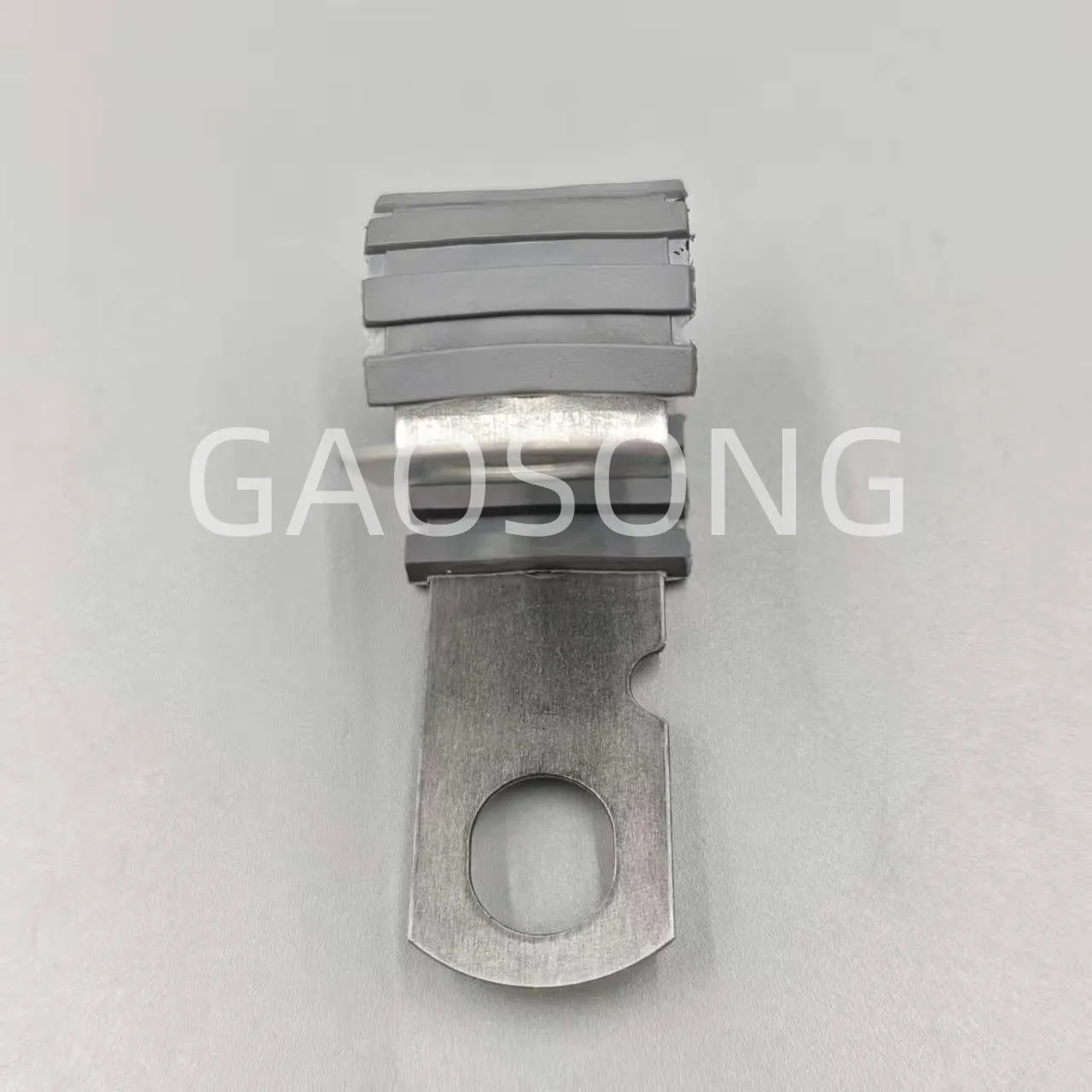 600-051-2180 CLIP-Komatsu Original Factory
 -
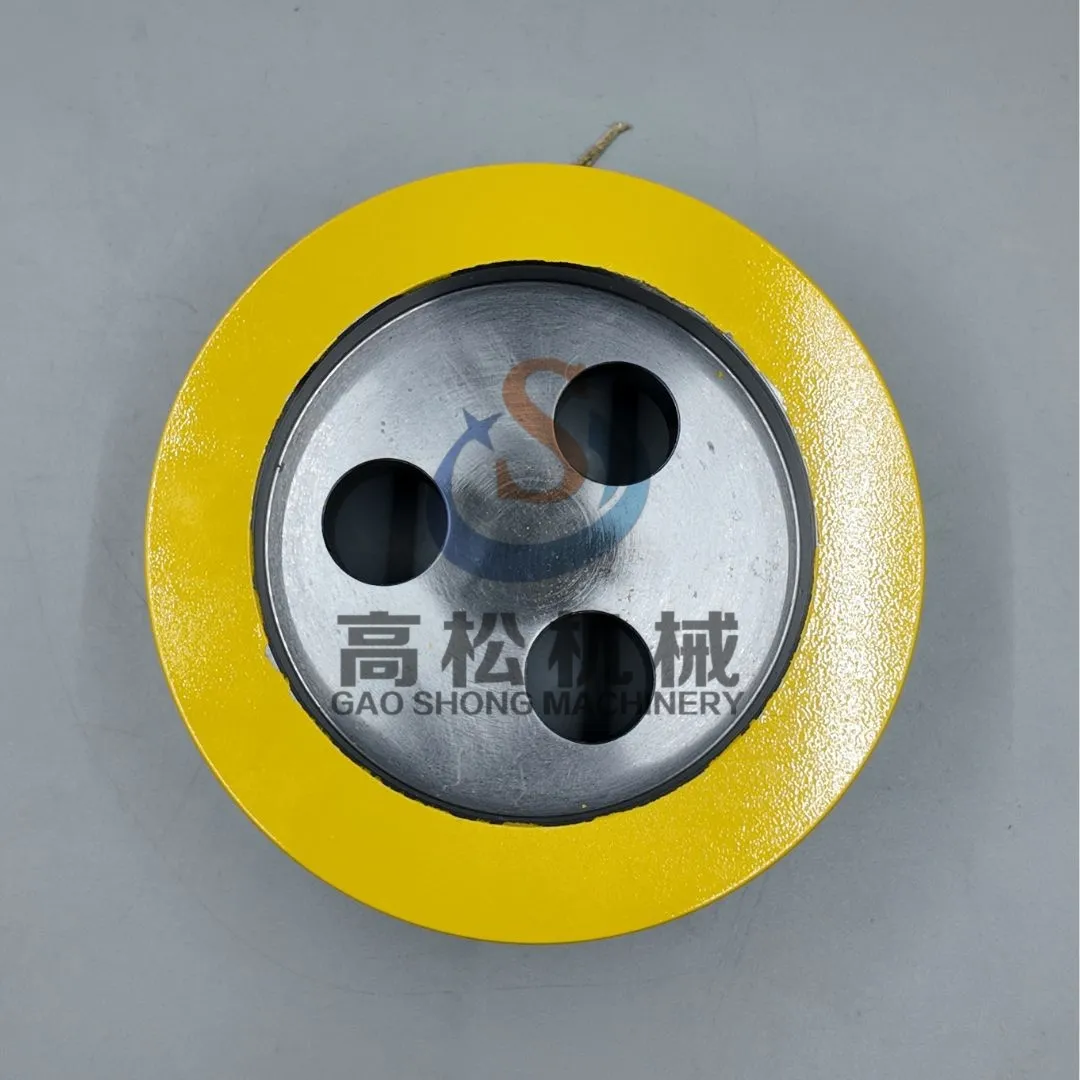 2A8-70-13570 Excavator Arm Bucket Link Cover for PC500-10
 -
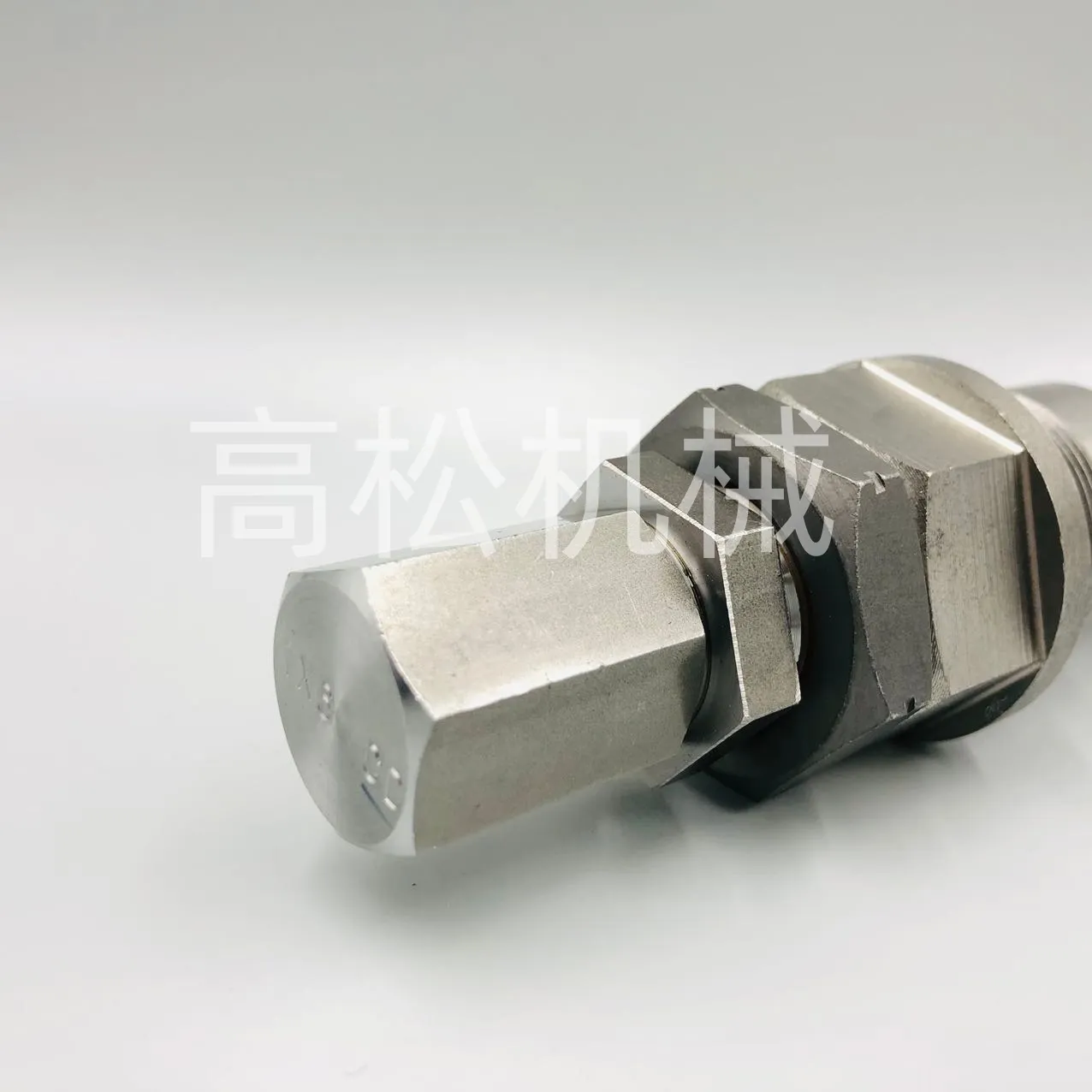 Komatsu700-89-66000 RELIEF VALVE-Komatsu Original Factory
 -
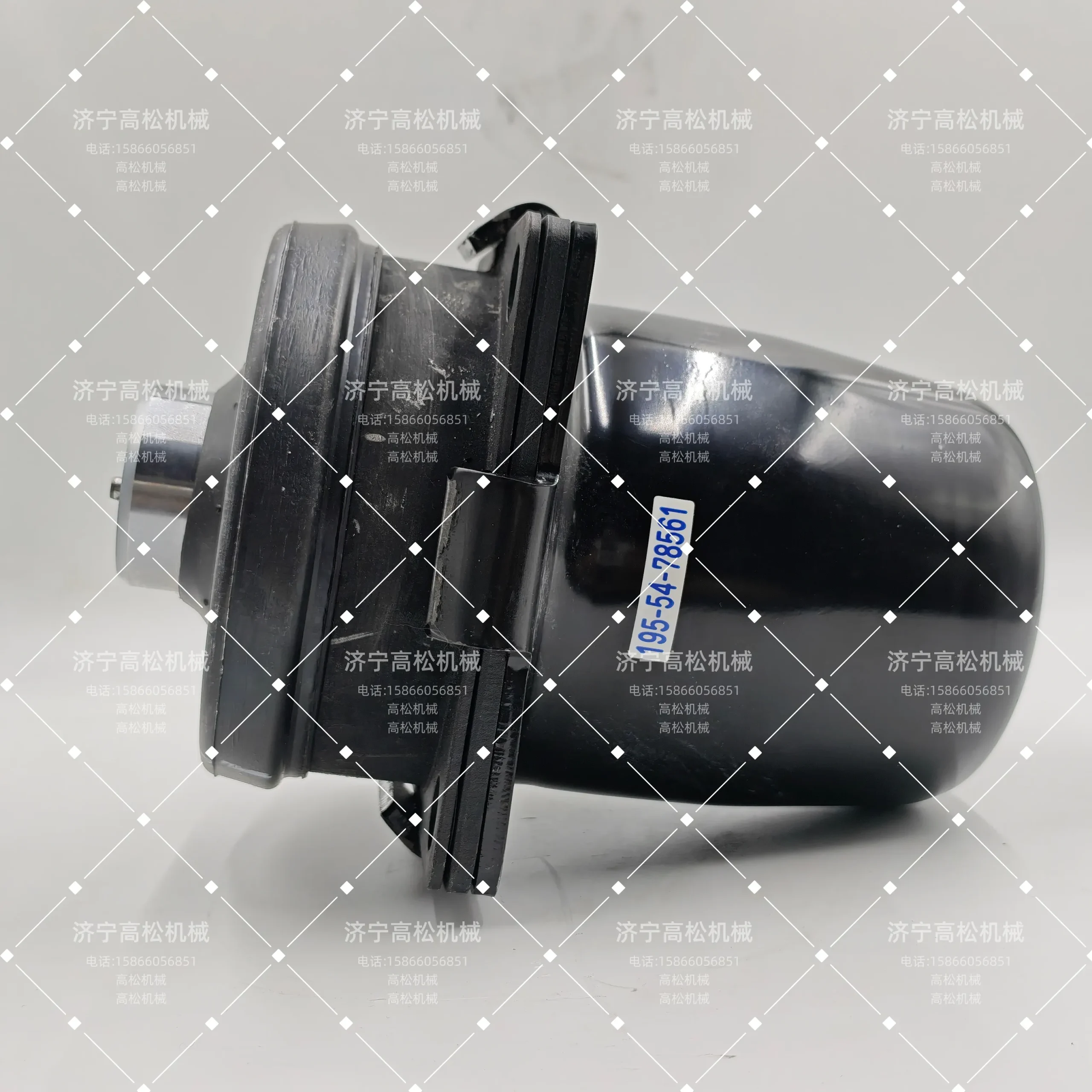 Komatsu Shock Absorbers 195-54-78412 195-54-78561 for D375A-6
 -
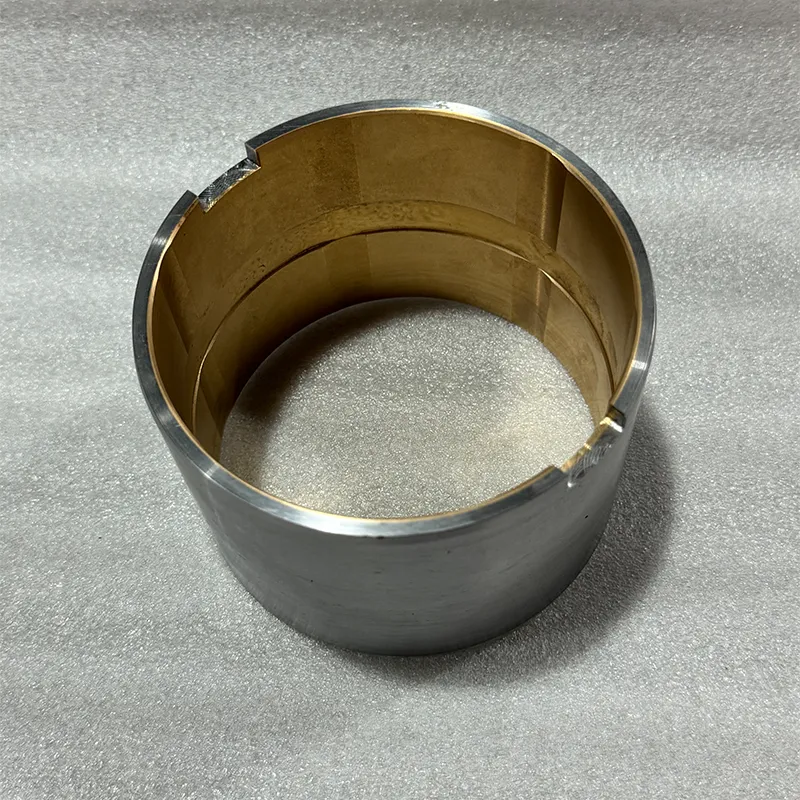 Komatsu original D375A-1 Sleeve 195-61-41160
 -
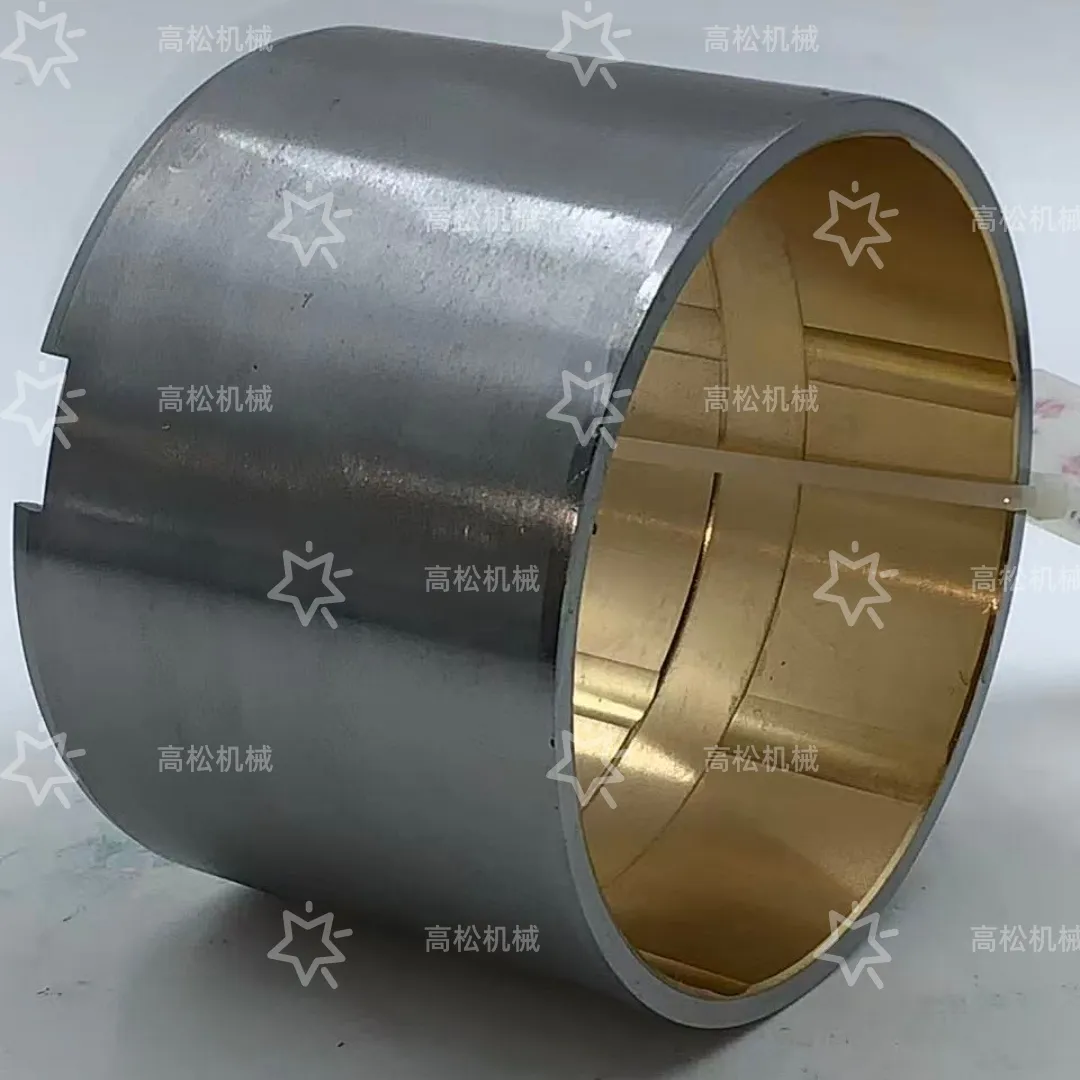 BUSHING 195-61-41160, myKomatsu – Buy Komatsu Parts
 -
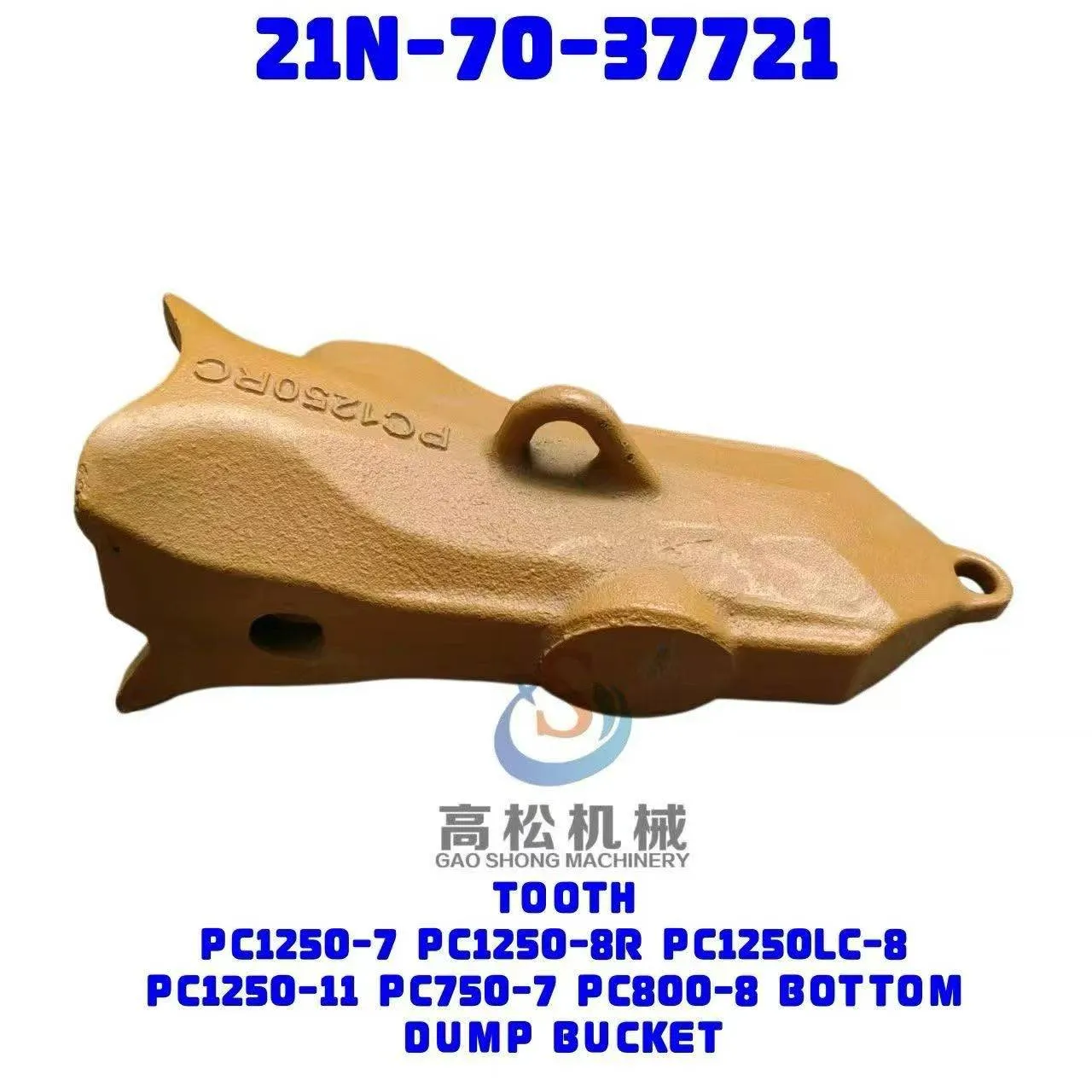 21n-70-37721 Bucket teeth, suitable for the following vehicle models. PC1250-7 PC1250-8R PC1250LC-8 PC1250-11 PC750-7 PC800-8 BOTTOM TOOTH PC1250-7 PC1250-8R PC1250LC-8 PC1250-11 PC750-7 PC800-8 BOTTOM DUMP BUCKET
 -
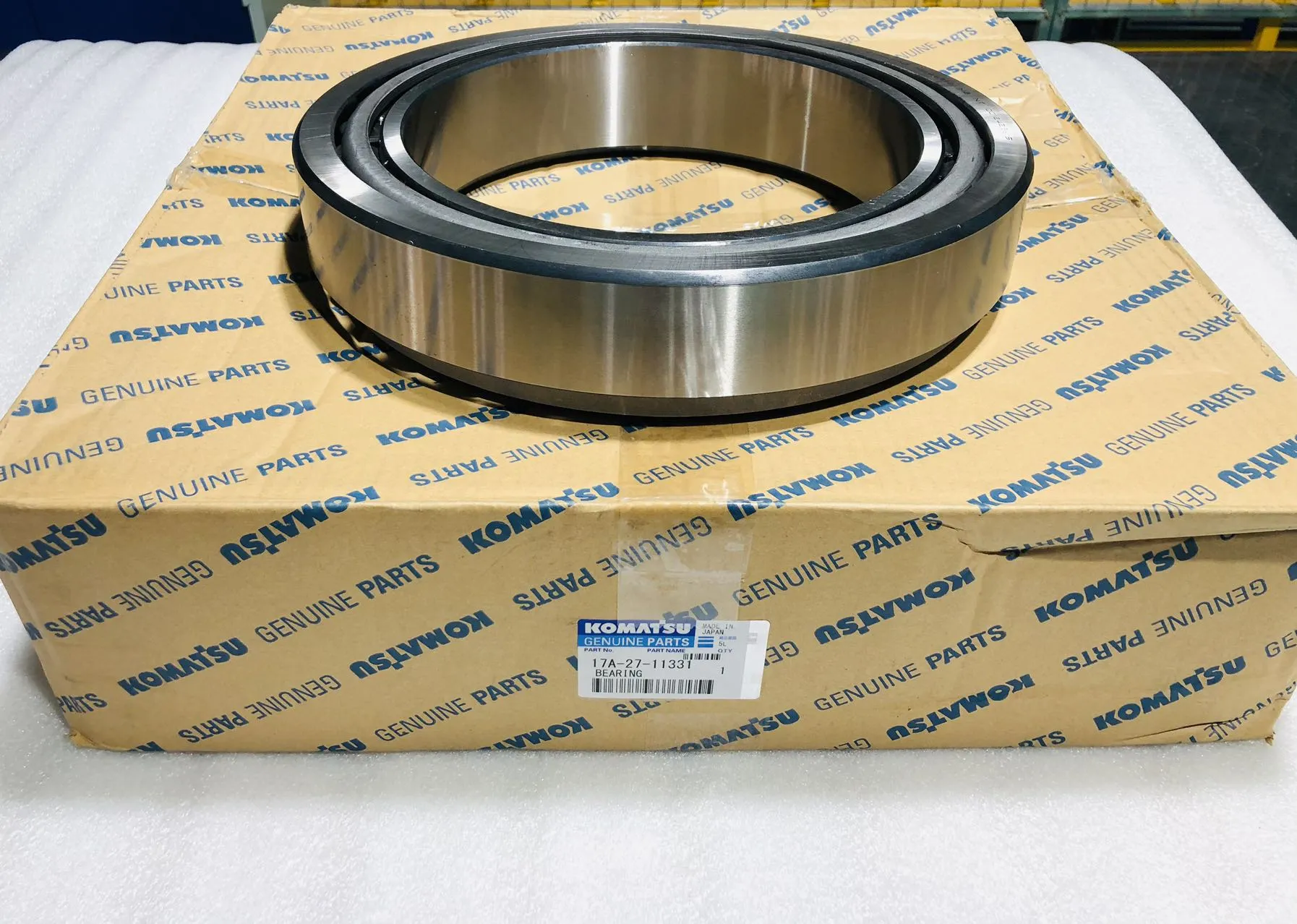 17A-27-11331 Komatsu D155
 -
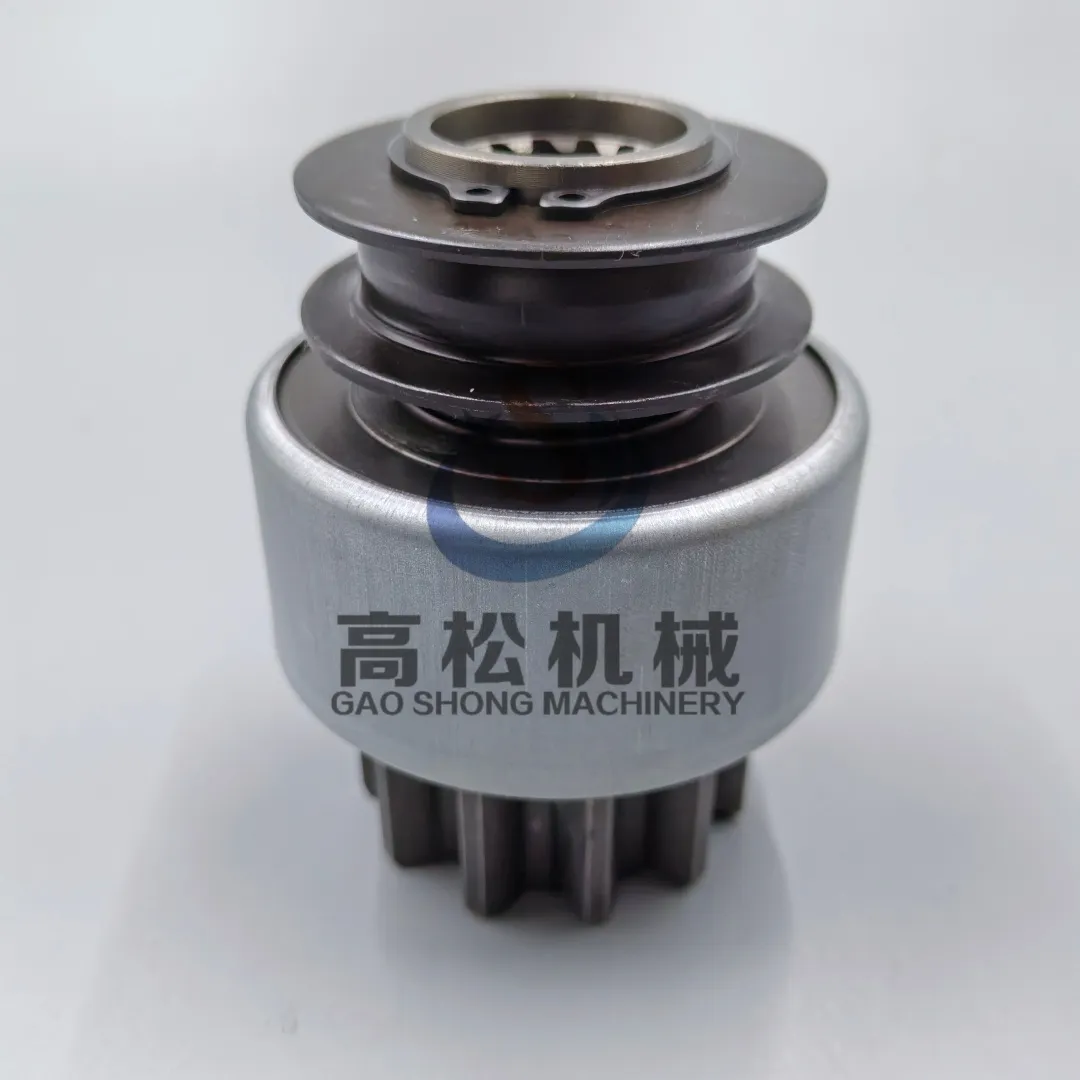 KD0-23500-1024 Komatsu CLUTCH ASS’Y
 -
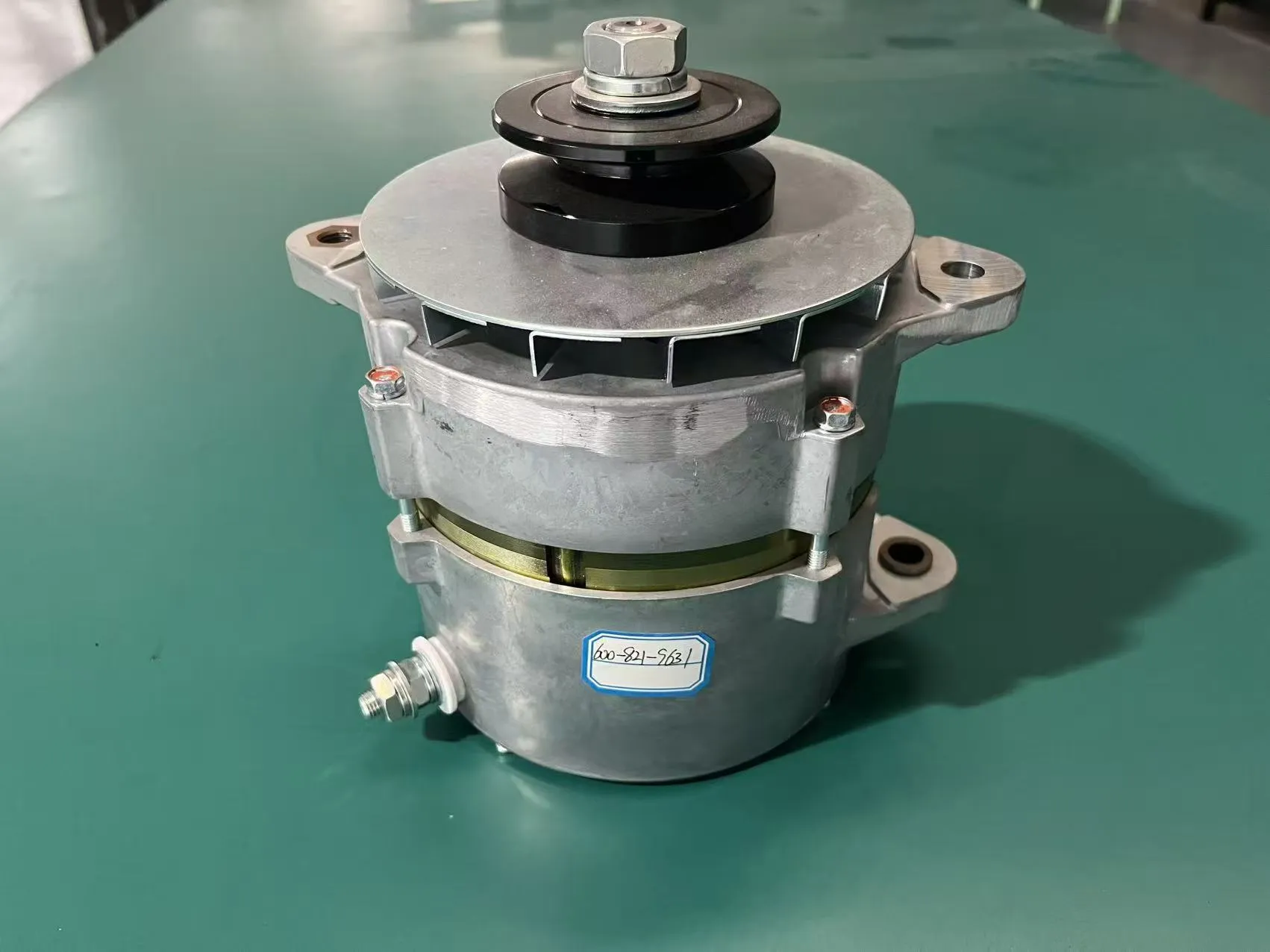 600-821-9631 Komatsu SA12V140 ALTERNATOR
 -
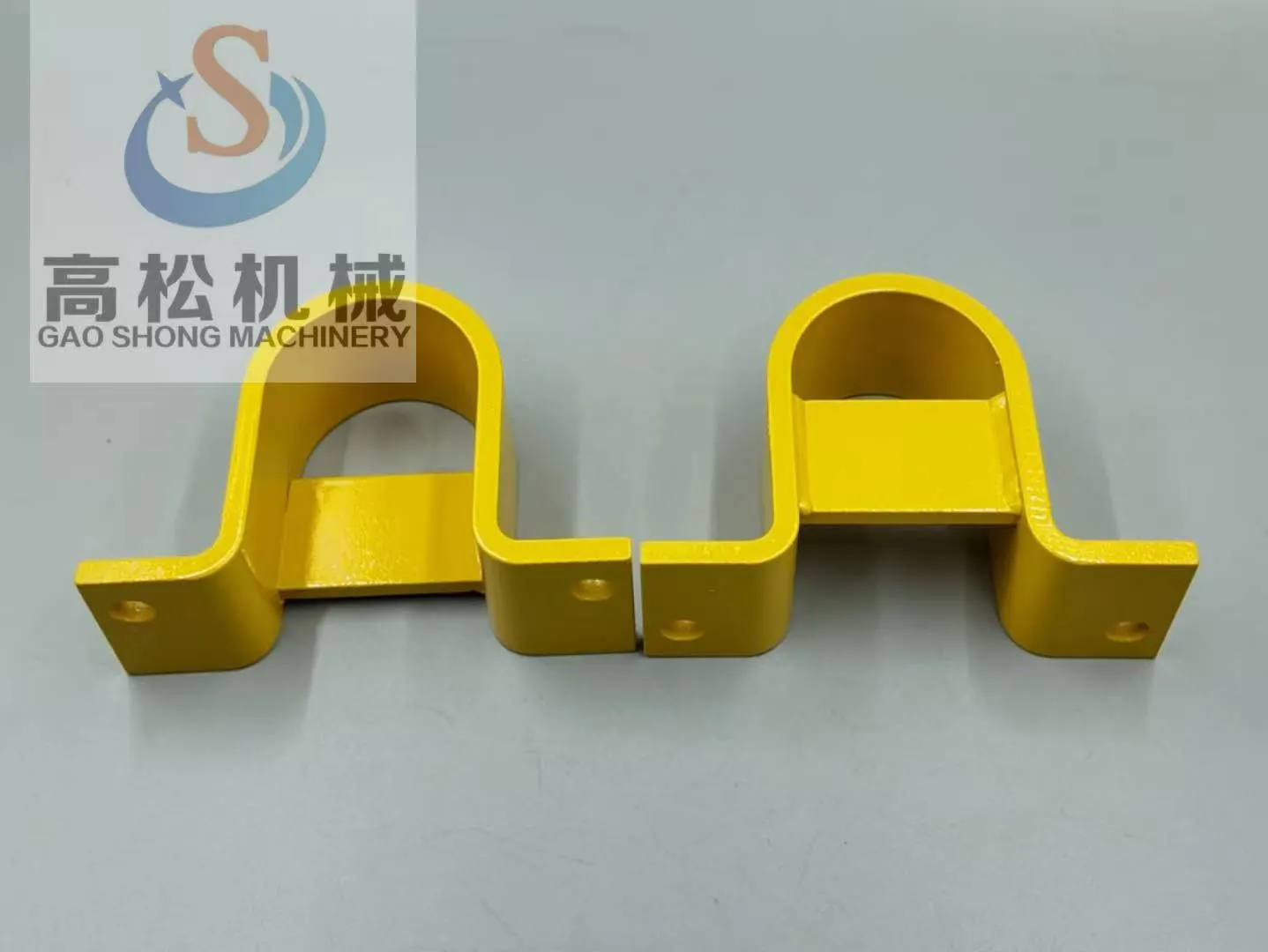 425-04-21430 Compatible models: WA500 Komatsu cover. Large inventory, current spot pricing advantages.
 -
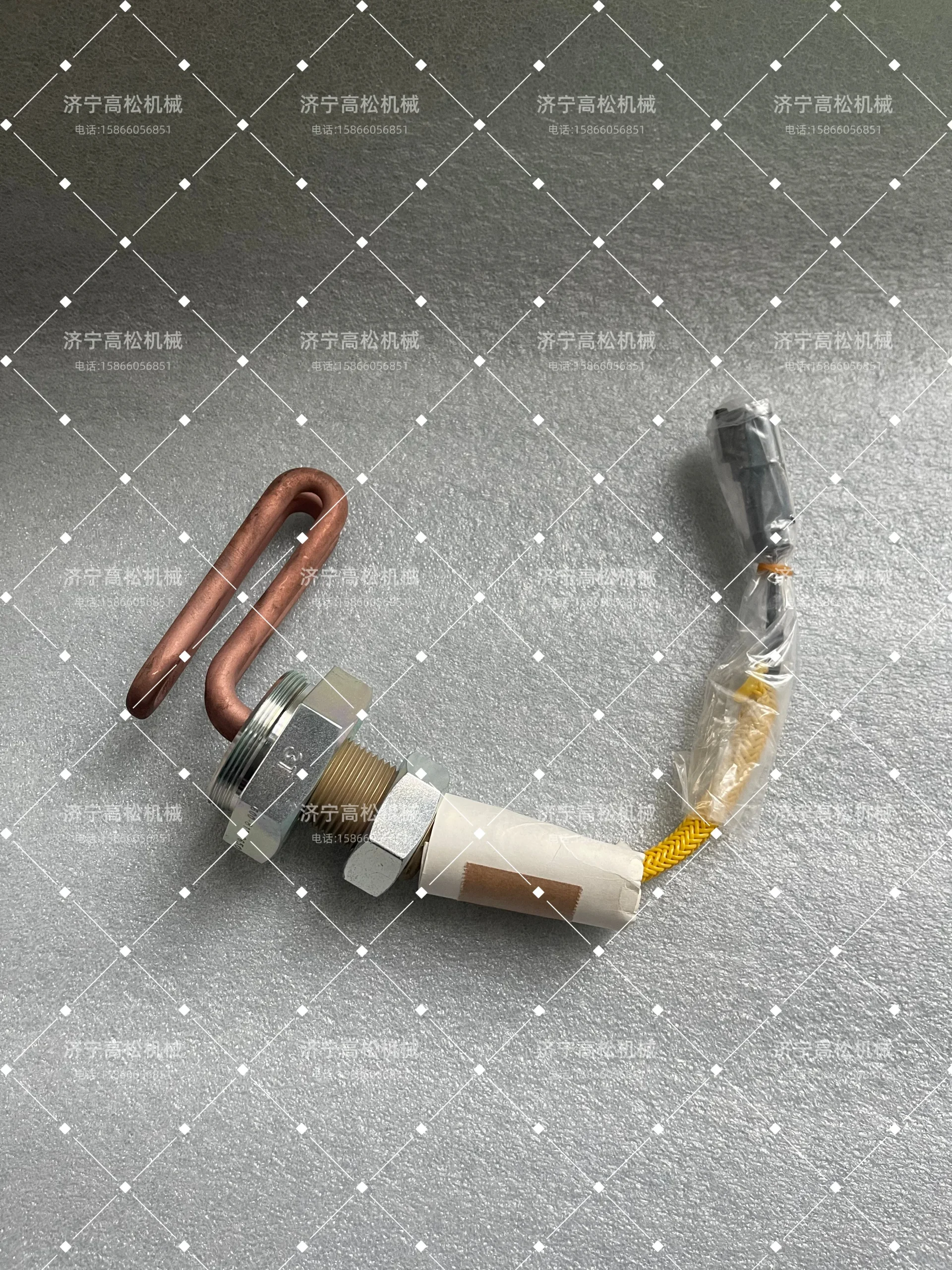 600-815-9650 – HEATER fits KOMATSU