
- Chinese
- French
- German
- Portuguese
- Spanish
- Russian
- Japanese
- Korean
- Arabic
- Irish
- Greek
- Turkish
- Italian
- Danish
- Romanian
- Indonesian
- Czech
- Afrikaans
- Swedish
- Polish
- Basque
- Catalan
- Esperanto
- Hindi
- Lao
- Albanian
- Amharic
- Armenian
- Azerbaijani
- Belarusian
- Bengali
- Bosnian
- Bulgarian
- Cebuano
- Chichewa
- Corsican
- Croatian
- Dutch
- Estonian
- Filipino
- Finnish
- Frisian
- Galician
- Georgian
- Gujarati
- Haitian
- Hausa
- Hawaiian
- Hebrew
- Hmong
- Hungarian
- Icelandic
- Igbo
- Javanese
- Kannada
- Kazakh
- Khmer
- Kurdish
- Kyrgyz
- Latin
- Latvian
- Lithuanian
- Luxembou..
- Macedonian
- Malagasy
- Malay
- Malayalam
- Maltese
- Maori
- Marathi
- Mongolian
- Burmese
- Nepali
- Norwegian
- Pashto
- Persian
- Punjabi
- Serbian
- Sesotho
- Sinhala
- Slovak
- Slovenian
- Somali
- Samoan
- Scots Gaelic
- Shona
- Sindhi
- Sundanese
- Swahili
- Tajik
- Tamil
- Telugu
- Thai
- Ukrainian
- Urdu
- Uzbek
- Vietnamese
- Welsh
- Xhosa
- Yiddish
- Yoruba
- Zulu
- Kinyarwanda
- Tatar
- Oriya
- Turkmen
- Uyghur






OEM AND ORIGINAL KOMATSU COVER 17M-27-41480
When you see that part number, 17M-27-41480, pop up on a screen or a quote, the immediate assumption is you're looking at a genuine Komatsu part. That's where the trouble often starts. The term 'OEM AND ORIGINAL' gets thrown around so loosely in our line of work that it's lost a lot of its meaning. I've spent years dealing with undercarriage and structural components, and this cover—often for a dozer blade cylinder or a similar pivotal point—is a perfect example of a part where the difference between a true OEM-spec item and a passable copy isn't just about price, it's about machine integrity and downtime risk. A lot of suppliers will list it as 'OEM quality' or 'equivalent to original,' but if it's not coming through the proper Komatsu system channels, you're rolling the dice.
The Reality of the OEM Designation
Here's the core of it: true OEM for Komatsu means the part was manufactured under the direct authorization and specification of Komatsu itself. It's not just a reverse-engineered copy. For a component like the 17M-27-41480 cover, the material grade, casting process, heat treatment, and final machining tolerances are all dictated by Komatsu's engineering. The 'ORIGINAL' tag should mean it came off the exact same production line that supplies Komatsu's assembly plants. In practice, though, the supply chain has layers.
This is where companies like Jining Gaosong Construction Machinery Co., Ltd. operate. They position themselves as an OEM product supplier within the Komatsu system. What that translates to, from my experience, is they likely have the tooling and the technical data package (TDP) from Komatsu to produce this cover to the exact factory print. They aren't just guessing; they're building to the source blueprint. That's a different league from a generic foundry making a 'looks-like' part. You can check their approach at https://www.takematsumachinery.com—their stated role is to solve parts supply gaps, which is a huge pain point in many regions.
The failure I've seen isn't always catastrophic breakage. More often, it's a fitment issue. You go to bolt on a non-OEM cover, and the bolt holes are off by a millimeter or two. Or the sealing surface isn't perfectly flat, leading to a persistent leak you can't chase down. You waste half a day machining it to fit, which kills any cost savings. A true OEM-spec part from a system supplier should bolt up like the one you took off.
Material and Process: The Devil's in the Details
Let's talk about the metal itself. A cover like this isn't just a hunk of steel; it's a structural component that deals with stress and vibration. Komatsu's spec might call for a specific grade of cast steel with certain impact resistance properties. A copycat might use a cheaper, more brittle casting. It might pass a visual inspection, even a basic measurement, but under repeated loading, it could develop a hairline crack that you won't find until it fails completely.
The machining process is another giveaway. The original part will have precise, clean machining on all sealing surfaces and bolt holes. I've handled aftermarket covers where the drilling was rough, leaving burrs that damage the seal during installation. It's a small thing that causes a big problem. A supplier operating as a third-party sales company for Komatsu has a reputation within that ecosystem to uphold. Their business hinges on being a reliable alternative, not a source of comebacks.
Heat treatment is the invisible step. Does the cover have the right hardness to resist wear where the pin rides? A soft cover will wear prematurely, causing slop in the linkage. An improperly hardened one could be too brittle. You only find out months later, long after the supplier warranty, if there even was one, has expired.
Navigating the Supply Grey Zone
The market is flooded with parts labeled for Komatsu. The challenge for a fleet manager or a service tech is filtering the noise. When you're in a bind, waiting for a part from the official dealer isn't always an option, especially in certain countries where logistics are a nightmare. That's the gap companies like Gaosong aim to fill. They're not the black-market copy; they're the parallel, system-approved channel. It's a crucial distinction.
I learned this the hard way on a project years back. We needed a Komatsu cover 17M-27-41480 for a D65 dozer in a remote location. The local dealer had a 6-week lead time. We sourced a guaranteed OEM part from a general exporter. It arrived, looked okay, but the bolt pattern was just enough off that we had to oval out the holes with a grinder. It worked, but it was a hack job. The machine was down an extra day for our field fix. Had we used a known system supplier, even a third-party one, the process would have been clean.
Their website intro, stating they help solve parts supply challenges in certain countries, rings true. It's not marketing fluff; it's the daily reality for contractors operating outside major industrial hubs. The value isn't just in having the part, but in having the correct part that doesn't create more work.
Verification and Trust
So how do you verify what you're getting? First, documentation. A legitimate supplier within the Komatsu system should be able to provide material certifications and traceability for critical parts. They might not have the Komatsu logo on the box (due to licensing), but the part number and manufacturing markings should be crisp and professional, not poorly stamped.
Second, engage technically. Don't just ask for a price. Ask about the material spec, the manufacturing origin, and their warranty policy on fit and function. A confident supplier will answer these questions. A broker will dodge them. The description on Takematsu Machinery's site suggests they are the former—a supplier with direct OEM ties, not just a reseller.
Finally, it's about building a relationship with a source you can trust for more than just this one cover. The construction machinery world runs on these relationships. Finding a source that consistently delivers parts that fit and last is worth its weight in gold, saving you from unplanned downtime and costly field modifications.
The Bottom Line on 17M-27-41480
At the end of the day, the part number is just a reference. What matters is the pedigree of the component behind it. For a wear item or a simple gasket, maybe the risk is lower. But for a machined structural cover like this, the OEM specification is critical. The term OEM AND ORIGINAL should mean something more than a marketing tagline.
Suppliers that are integrated into the Komatsu manufacturing ecosystem, like Jining Gaosong presents itself, offer a viable path to get that spec-compliant part without always going through the main dealer funnel. They exist because the official supply chain has bottlenecks. Their success depends on their ability to meet the engineering standard, not just approximate it.
My take? Always cross-reference. If the official channel is too slow or costly, a system-authorized third-party is your next best bet. Avoid the generic will-fit options for this category of part. The few dollars you save upfront will be spent tenfold on labor and downtime when the fit or the material isn't right. It's a lesson learned not from a manual, but from greasy hands and missed deadlines.
Related Products
Related Products

Best Selling Products
Best Selling Products-
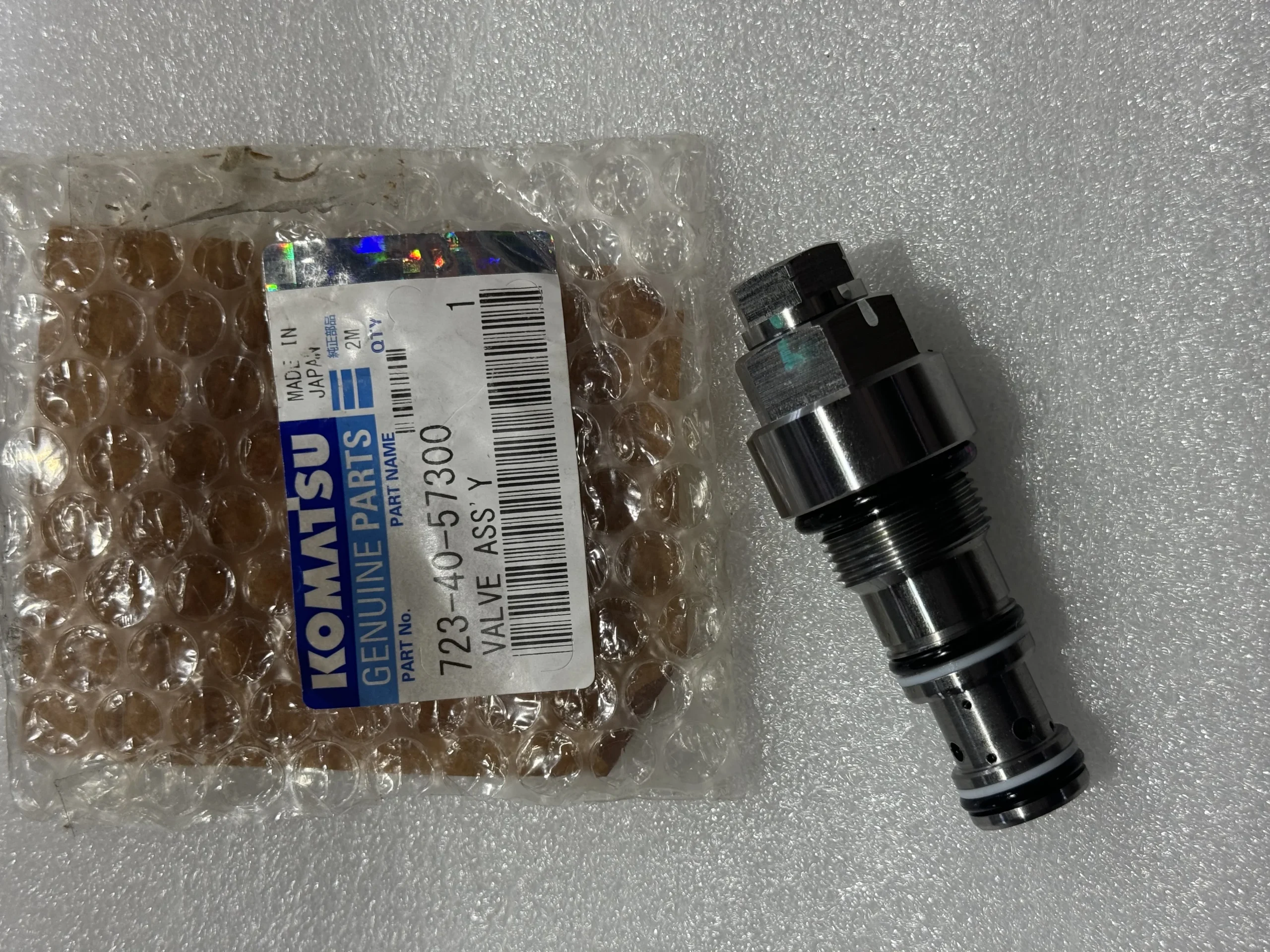 WA480-6 Main Valve 723-40-57300
 -
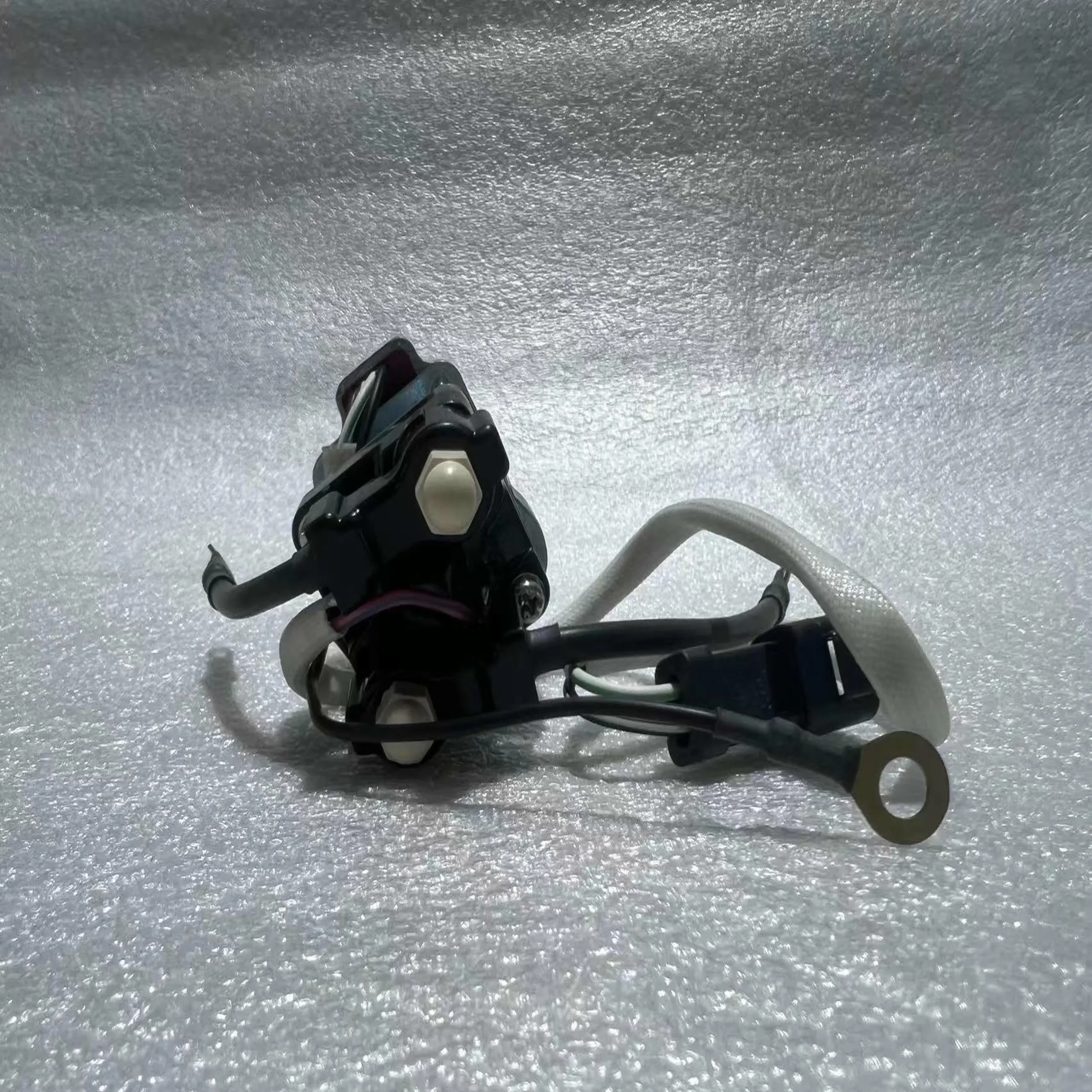 SWITCH ASSEMBLY KD0-25000-8332 – KOMATSUD61EX, D61PX, HM300, HM350, HM400, PC300, PC300HD, PC300LL, PC350LL, PC360, PC400, PC450, PC490, S6D125E, SA6D114E, SA6D125E, SA6D140E, SAA12V140E, SAA6D114E, SAA6D125E, SAA6D140E
 -
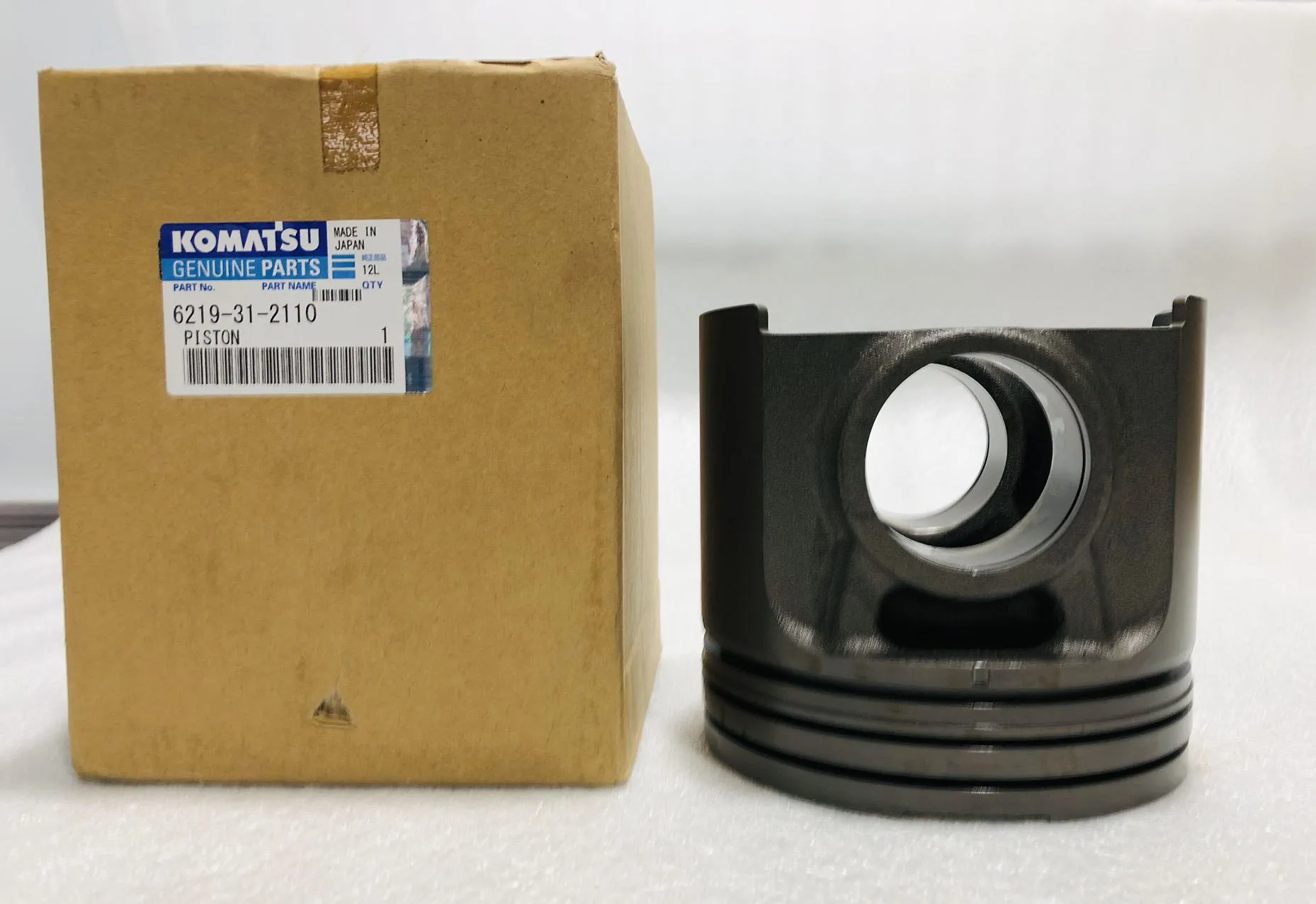 6219-31-2110 PISTON–Komatsu Original Factory
 -
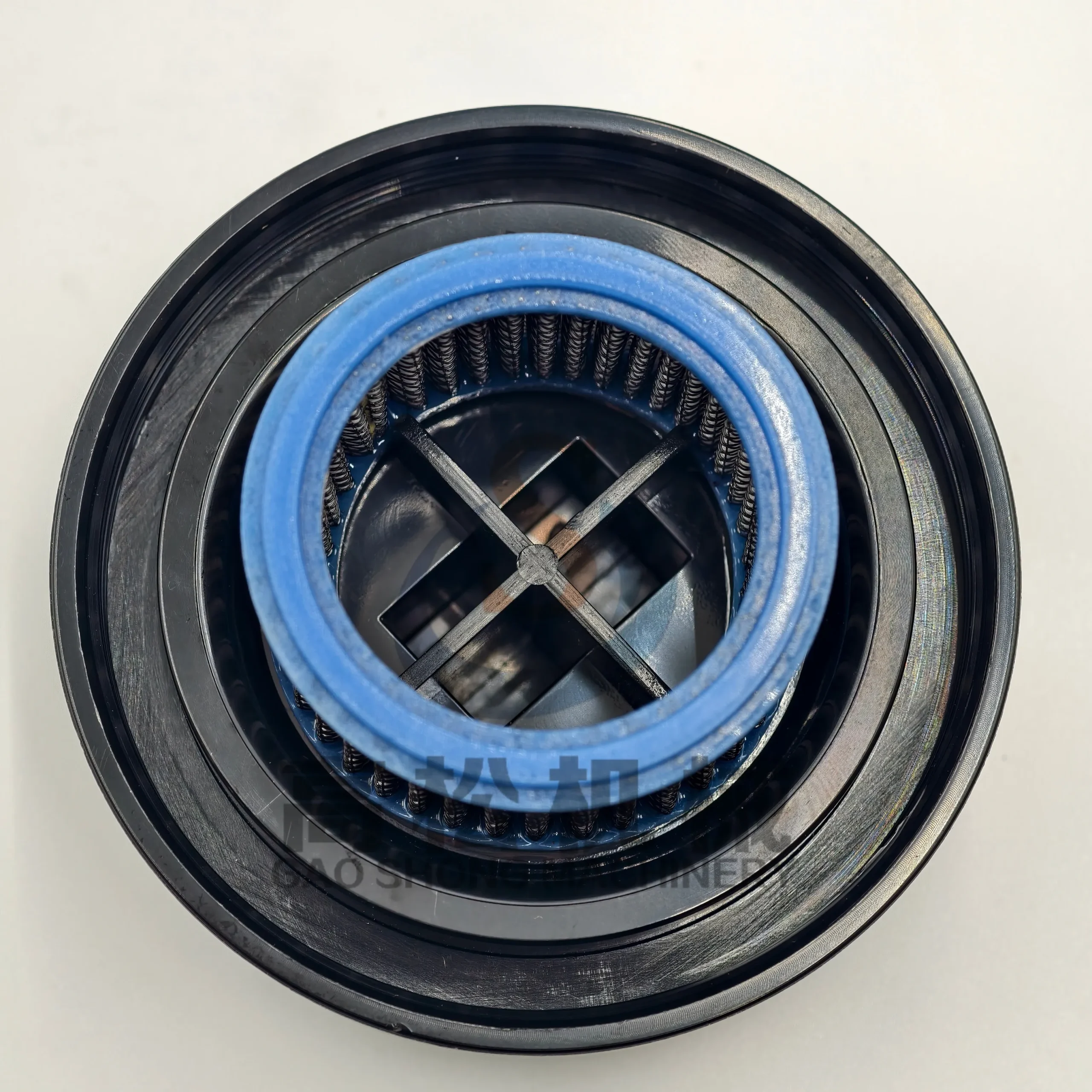 21T-04-31170 Komatsu fuel tank filter vent pipe
 -
 144-15-22881 Komatsu Seal Ring
 -
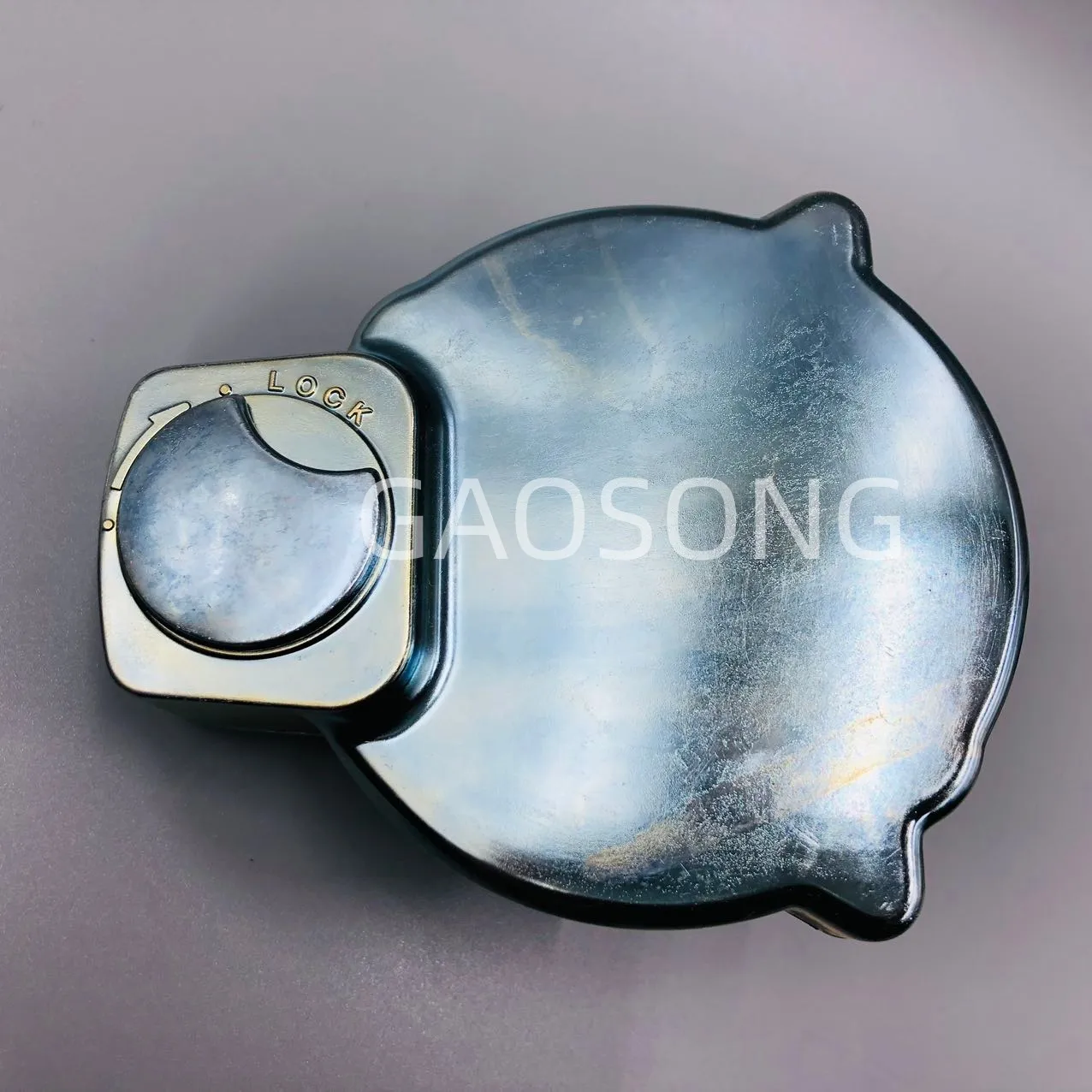 17A-60-11310 CAP ASS’Y–Komatsu Original Factory
 -
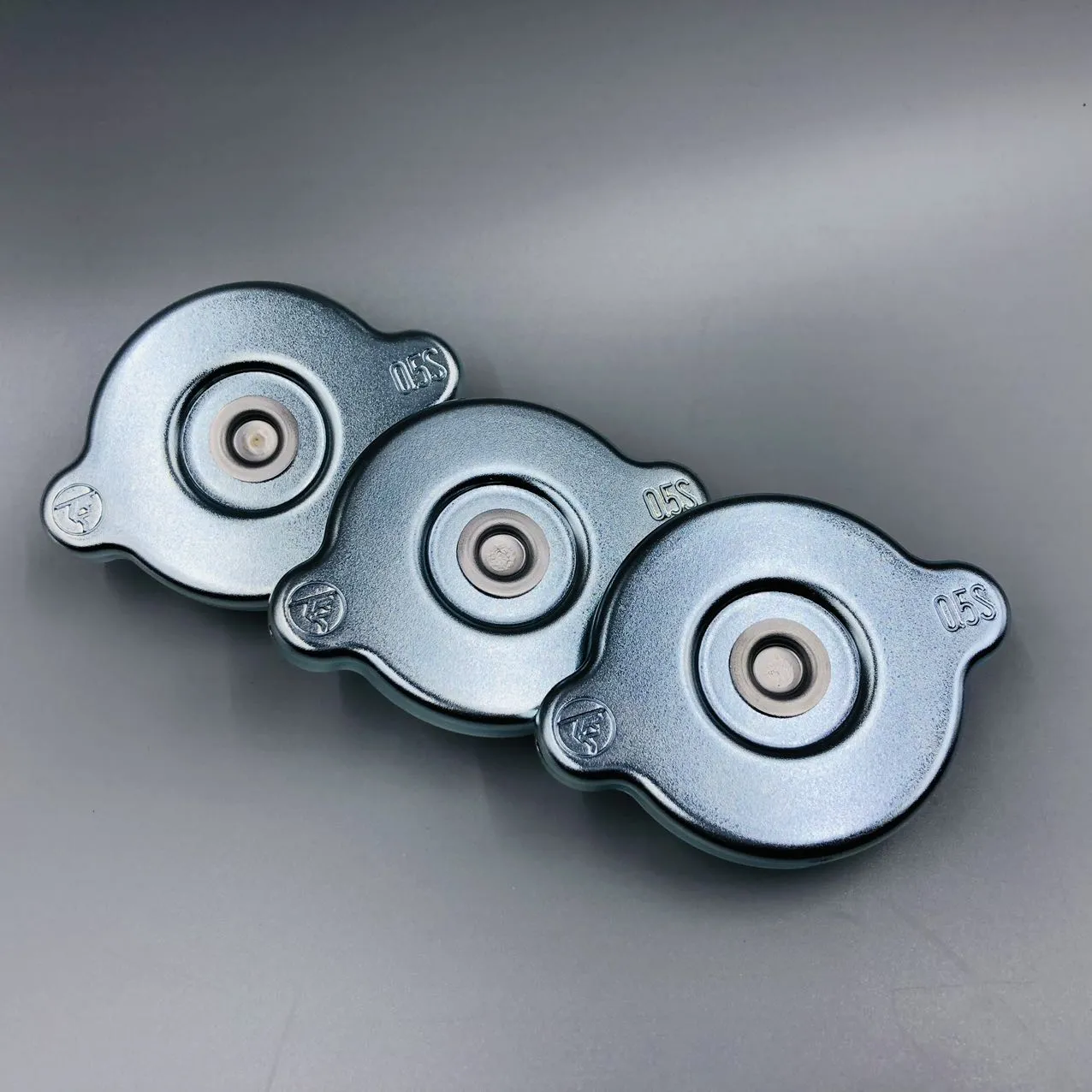 Water Tank Radiator Cap 20Y-03-22110 for Komatsu PC130-8 PC200-8 PC220-8 PC300-8 PC400-8
 -
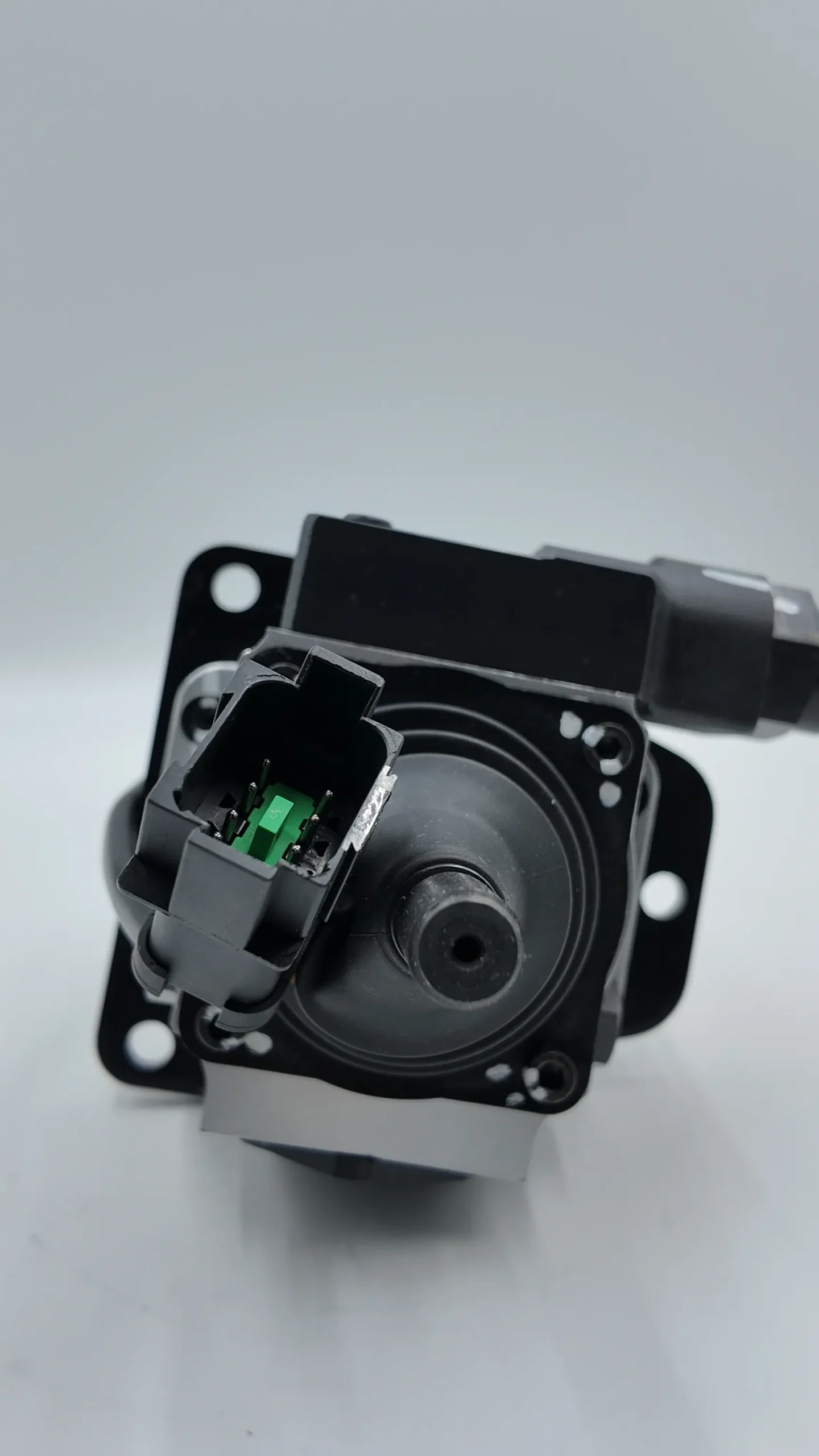 702-16-02290,702-16-02210,702-16-02212 LEVER ASS’Y Komatsu Original Factory
 -
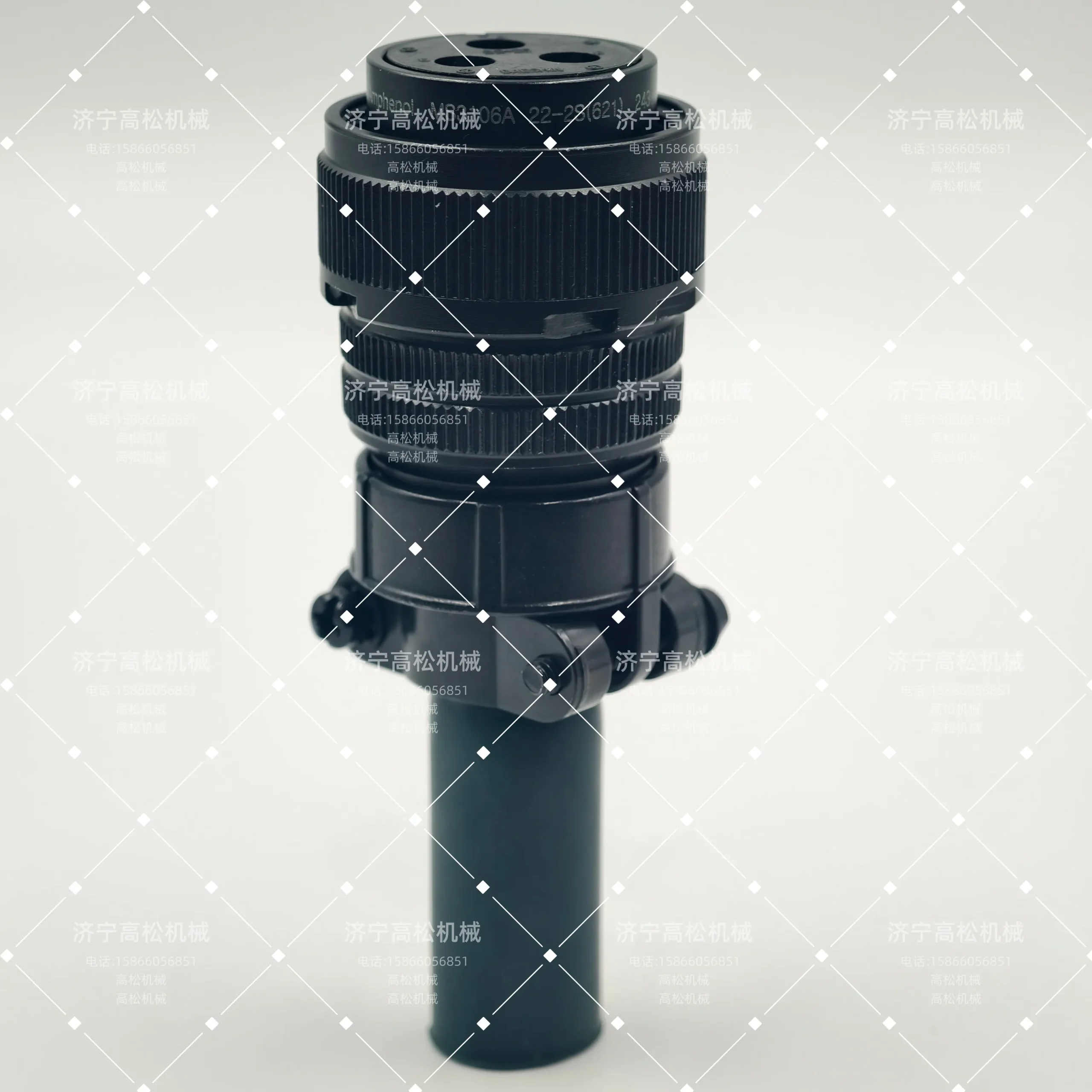 Top Quality 175-06-37871 Plug for Komatsu Mining Excavator Heavy…
 -
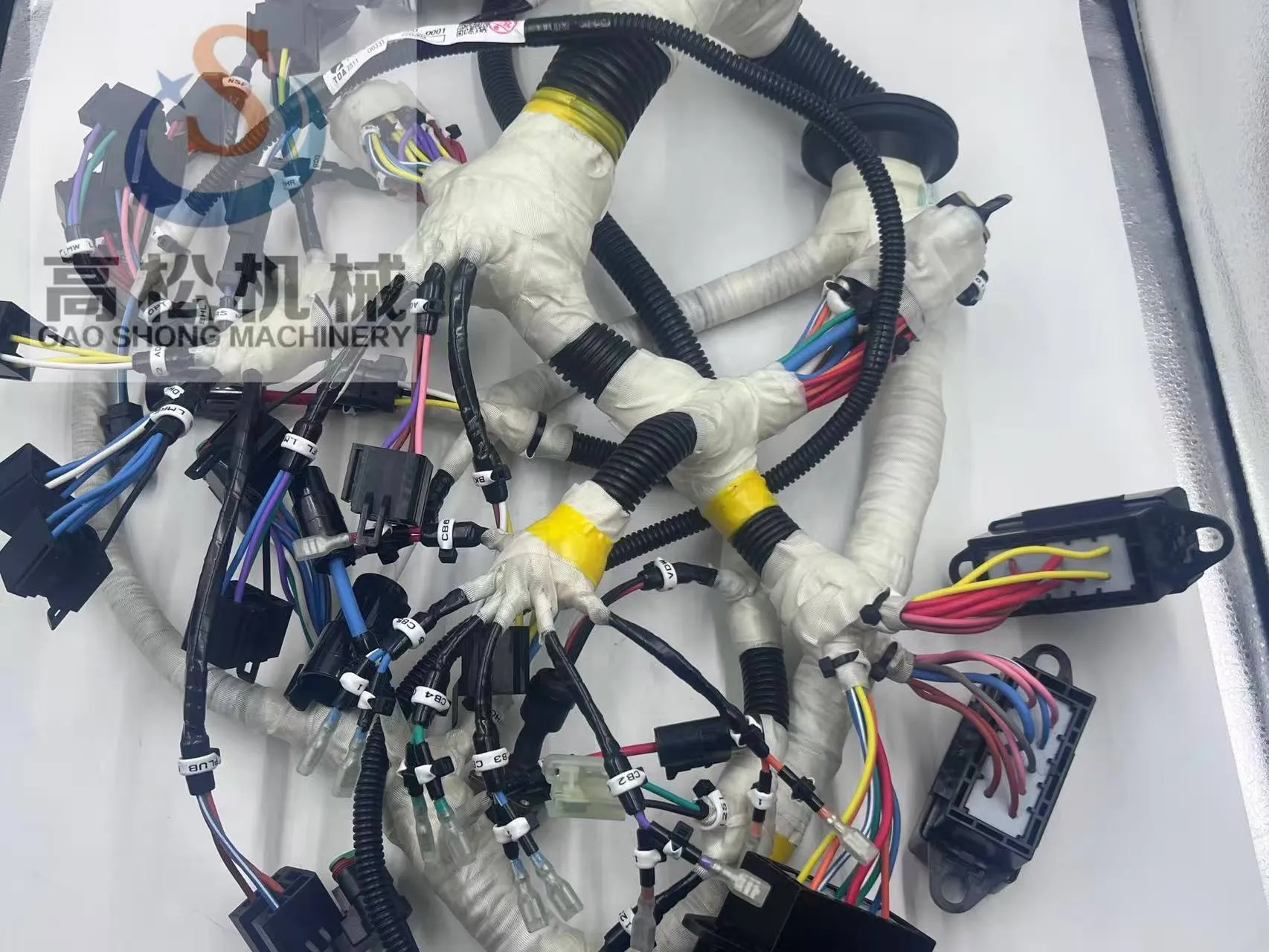 D375A-6Wiring harness 195-06-84641
 -
 22W-70-16120 WASHER (50A ALTERNATOR) – 22w7016120
 -
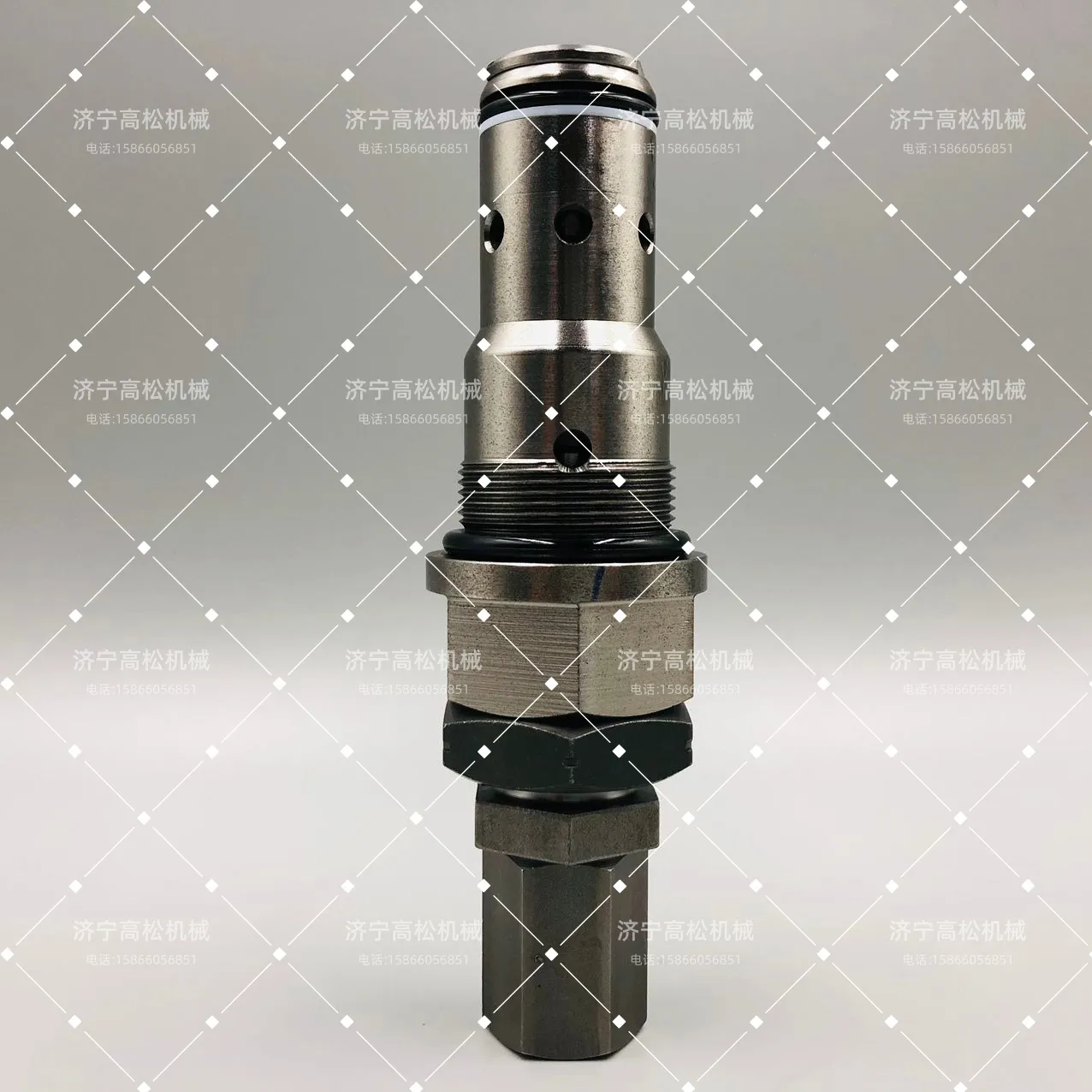 RELIEF VALVE 700-89-66000 – KOMATSU Part catalog