
- Chinese
- French
- German
- Portuguese
- Spanish
- Russian
- Japanese
- Korean
- Arabic
- Irish
- Greek
- Turkish
- Italian
- Danish
- Romanian
- Indonesian
- Czech
- Afrikaans
- Swedish
- Polish
- Basque
- Catalan
- Esperanto
- Hindi
- Lao
- Albanian
- Amharic
- Armenian
- Azerbaijani
- Belarusian
- Bengali
- Bosnian
- Bulgarian
- Cebuano
- Chichewa
- Corsican
- Croatian
- Dutch
- Estonian
- Filipino
- Finnish
- Frisian
- Galician
- Georgian
- Gujarati
- Haitian
- Hausa
- Hawaiian
- Hebrew
- Hmong
- Hungarian
- Icelandic
- Igbo
- Javanese
- Kannada
- Kazakh
- Khmer
- Kurdish
- Kyrgyz
- Latin
- Latvian
- Lithuanian
- Luxembou..
- Macedonian
- Malagasy
- Malay
- Malayalam
- Maltese
- Maori
- Marathi
- Mongolian
- Burmese
- Nepali
- Norwegian
- Pashto
- Persian
- Punjabi
- Serbian
- Sesotho
- Sinhala
- Slovak
- Slovenian
- Somali
- Samoan
- Scots Gaelic
- Shona
- Sindhi
- Sundanese
- Swahili
- Tajik
- Tamil
- Telugu
- Thai
- Ukrainian
- Urdu
- Uzbek
- Vietnamese
- Welsh
- Xhosa
- Yiddish
- Yoruba
- Zulu
- Kinyarwanda
- Tatar
- Oriya
- Turkmen
- Uyghur





OEM AND ORIGINAL KOMATSU COVER 17M-12-41150
When you see that part number, 17M-12-41150, pop up on a screen or a quote, the immediate assumption is that you're dealing with a genuine Komatsu part. That's where the first pitfall is. In our line, the terms OEM and Original get thrown around so loosely they've almost lost meaning. I've had customers swear they bought original only to find a decent replica, or worse, a part that fails prematurely because the casting porosity was off. The cover for, say, a pump or valve assembly on a mid-sized excavator might look identical, but the devil is in the material spec and the machining tolerances. Just because a supplier says OEM doesn't mean it came off the same line as the part Komatsu ships to their main dealers. There's a whole ecosystem out there.
The Gray Zone of OEM Supply
This is where companies like Jining Gaosong come into the picture. They position themselves as an OEM product supplier within the Komatsu system. In practice, what that often means is they are producing components to the original engineering drawings and material specifications, sometimes under a licensing or contract manufacturing agreement. They might even be the original foundry or machine shop for certain non-critical or high-volume covers. So, for a part like the 17M-12-41150, they could very well be the source. The part is functionally original, but its path to market isn't through Komatsu's primary distribution channel.
I recall a shipment we handled last year for a client in Southeast Asia. They needed a batch of these covers urgently. The local Komatsu dealer had a 12-week lead time and a sky-high price. We sourced through a channel that led back to a supplier like Gaosong. The parts arrived in Komatsu-branded boxes, with the correct part number stamped, but the packaging felt slightly different—the cardboard was a shade off. The parts themselves? Micrometer checks matched, the bolt holes aligned perfectly, and the heat treatment seemed spot on. They worked without a hitch. But it forces you to think: is this original? Technically, yes. Logistically, it's a parallel supply line.
The challenge for buyers is verification. When you're on a site like https://www.takematsumachinery.com, you're tapping into that secondary but authorized network. Their stated role as a third-party sales company helping solve parts supply challenges in certain countries is exactly this. They aren't a random parts reseller; they are a conduit for factory-spec components where the official pipeline is clogged or prohibitively expensive. You're not buying a aftermarket part. You're buying an OEM part through a different door.
When Original Isn't a Sticker
Let's talk about failure points. A cover isn't just a piece of metal; it's a sealing surface, a structural component, and a thermal management piece. I've seen non-OEM spec covers warp under sustained hydraulic heat, leading to gasket blowouts. The material grade is critical. A true original Komatsu cover will use a specific ductile iron or aluminum alloy. Some replicas use a cheaper, more brittle cast iron. It might pass a visual inspection, but under stress cycling, it develops hairline cracks around the bolt bosses. That's a catastrophic failure waiting to happen, leading to fluid contamination and system damage far exceeding the part's cost.
We learned this the hard way a few years back. Trying to save cost on a rebuild, we used a cover labeled OEM Equivalent from a different supplier. It wasn't from a recognized system supplier like Gaosong. The price was 40% lower. It lasted about 800 hours before we noticed seepage. Upon removal, we found the flange face had distorted, creating an uneven sealing surface. The equivalent material had a lower thermal fatigue resistance. The downtime and rework cost erased any savings ten times over. Now, our first question is always, Can you provide the material certification traceable to the OEM spec? If the answer is vague, we walk away.
This is why the distinction on a website matters. When Jining Gaosong Construction Machinery Co., Ltd. states they are within the Komatsu system, it implies accountability and traceability. They're not just selling a shape; they're selling the material science and the quality protocol behind it. For a part number like 17M-12-41150, that traceability is everything. It's the difference between a machine running for another 10,000 hours and an unexpected stop in the middle of a critical dig.
The Practical Sourcing Dilemma
In the field, you're often faced with a triage situation: machine down, production halted. The official dealer network is fantastic, but it's not omnipresent or always swift, especially for older models or in remote regions. This is the gap third-party sales companies fill. Their value isn't just in having the part; it's in having the correct, system-approved part. You develop a shortlist of trusted suppliers who understand this nuance.
My process now involves a few key checks. First, I cross-reference the part number across known system suppliers. If a company like Gaosong lists it, that's a strong indicator. Second, I ask for specific details: batch numbers, any OEM packaging evidence (even partial), and most importantly, the country of origin for the raw casting. Often, the true OEM suppliers in China for Komatsu are clustered in specific industrial regions. A vague answer is a red flag.
Finally, it comes down to a risk assessment. For a non-critical cosmetic cover, maybe the tolerance is wider. But for a hydraulic cover like the 17M-12-41150, which sees constant pressure and thermal cycles, the risk is high. Paying a premium for a part sourced through a verified channel like the one described is, in reality, cheap insurance. The premium over a dubious equivalent is negligible compared to the cost of machine downtime, fluid loss, and secondary component damage.
Beyond the Part Number: The System View
Focusing solely on the cover 17M-12-41150 is a bit myopic. The real insight is understanding the supply chain it represents. Komatsu, like all major OEMs, relies on a vast network of tier-one and tier-two suppliers. Companies like Jining Gaosong Construction Machinery Co., Ltd. operate in that network. Their existence and their public-facing role as a third-party sales outlet acknowledge a simple market reality: the official distribution model doesn't efficiently serve every corner of the global market.
This isn't about gray market parts. It's about authorized parallel supply. The parts are to spec. The documentation should be available. The failure rate, in my experience with reputable system suppliers, is statistically identical to parts from the main dealer. The difference is often in logistics, cost structure, and regional availability. For a fleet manager in a country with import restrictions or slow dealer response, a website like takematsumachinery.com becomes a vital tool. It's a direct line to the factory-spec inventory without three layers of distributor markup.
So, when you next evaluate a source for an OEM and original Komatsu cover, look beyond the keywords. Look for the company's stated position within the OEM ecosystem. Look for technical transparency. And weigh the total cost of ownership, not just the purchase price. That part number is just a code; the supply chain behind it is what guarantees your machine keeps running.
Concluding Thoughts from the Field
There's no magic bullet. Sourcing parts like the 17M-12-41150 cover requires a blend of technical knowledge and supply chain savvy. You develop a feel for it. The overly polished website with every part under the sun is often a warning. The more specific, technically detailed site that openly discusses its role within the OEM system—that carries more weight. It shows a focus, not just a catalog.
My advice? Build relationships with a couple of suppliers who demonstrate this system understanding. Use them for technical queries. Test them with a non-critical order first. Validate the parts. If a company can consistently deliver Komatsu-spec components like this cover, with proper documentation and at a competitive price point that reflects streamlined logistics, you've found a partner. They are solving the real-world problem of availability and cost, without compromising on the engineering integrity of the part itself.
In the end, the goal is to get the machine back to work. Whether the 17M-12-41150 cover comes in a box directly from Komatsu Japan or from a sealed carton from an authorized system supplier in China, if it meets every specification and performs identically, it has done its job. The industry is moving this way. Understanding it is no longer optional; it's a core part of the job.
Related Products
Related Products
Best Selling Products
Best Selling Products-
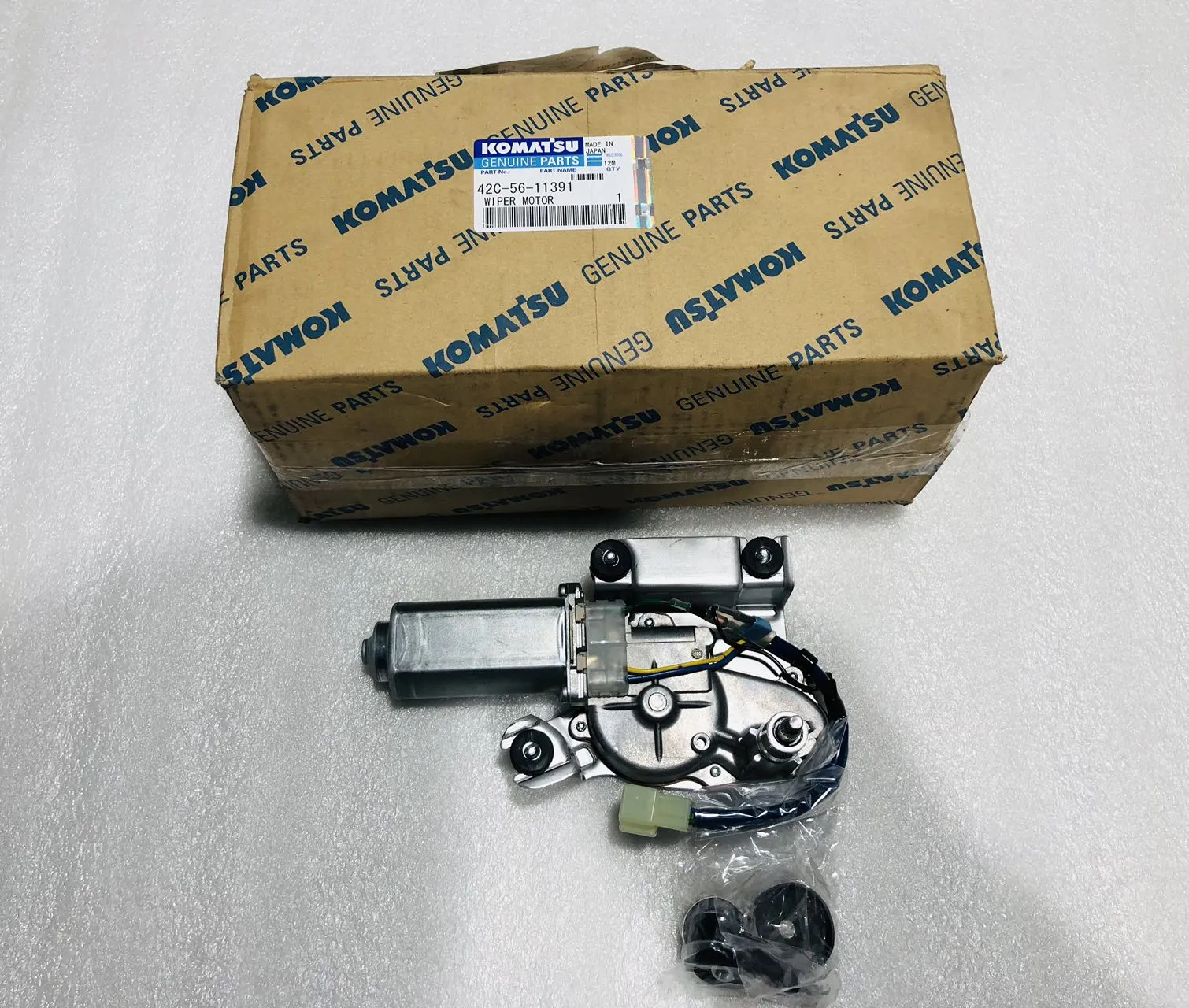 Komatsu 42C-56-11391 WIPER MOTOR
 -
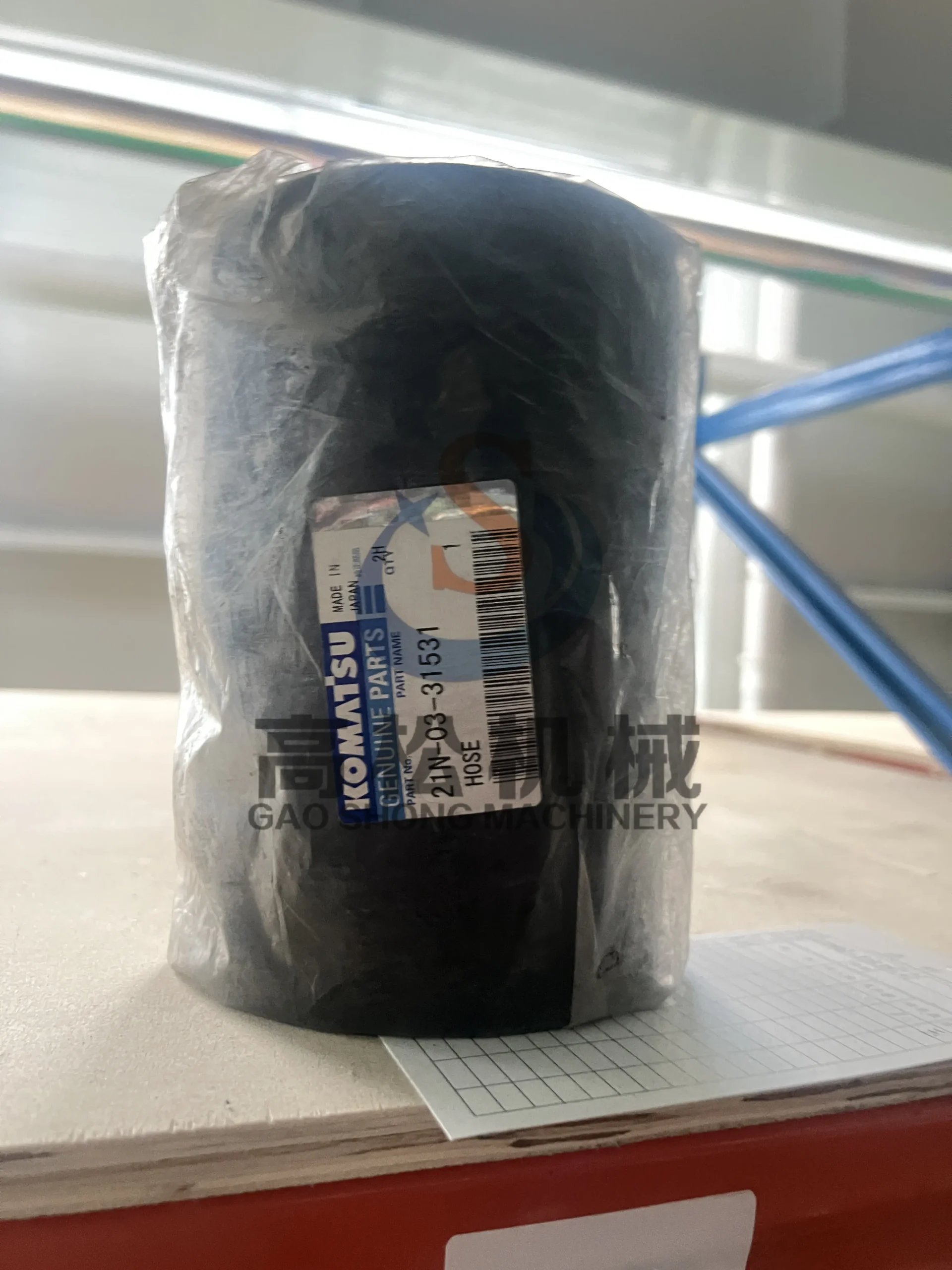 HOSE 21N-03-31531 – KOMATSU
 -
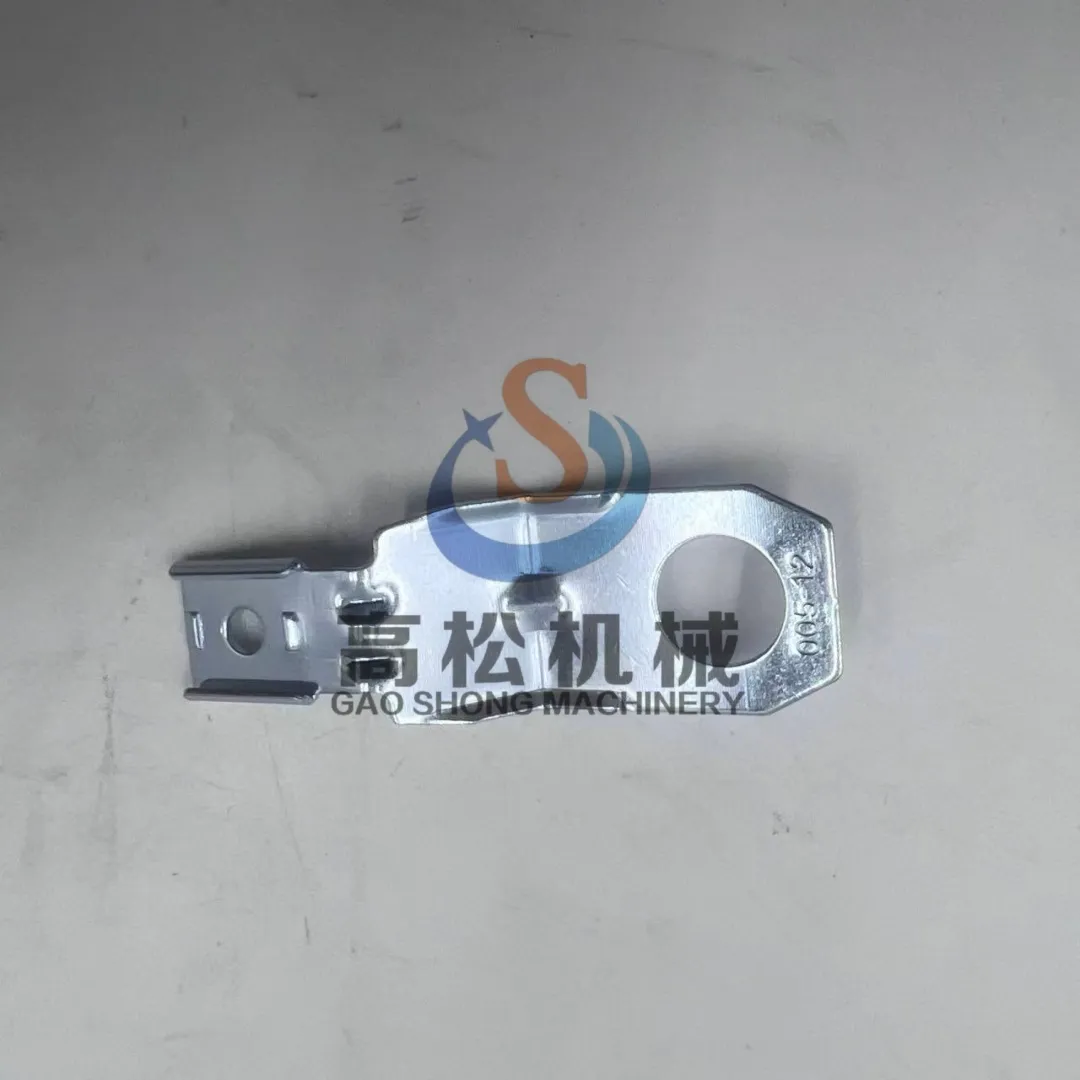 193-21012 CLIP,(WITHOUT ACCUMULATOR) – Komatsu
 -
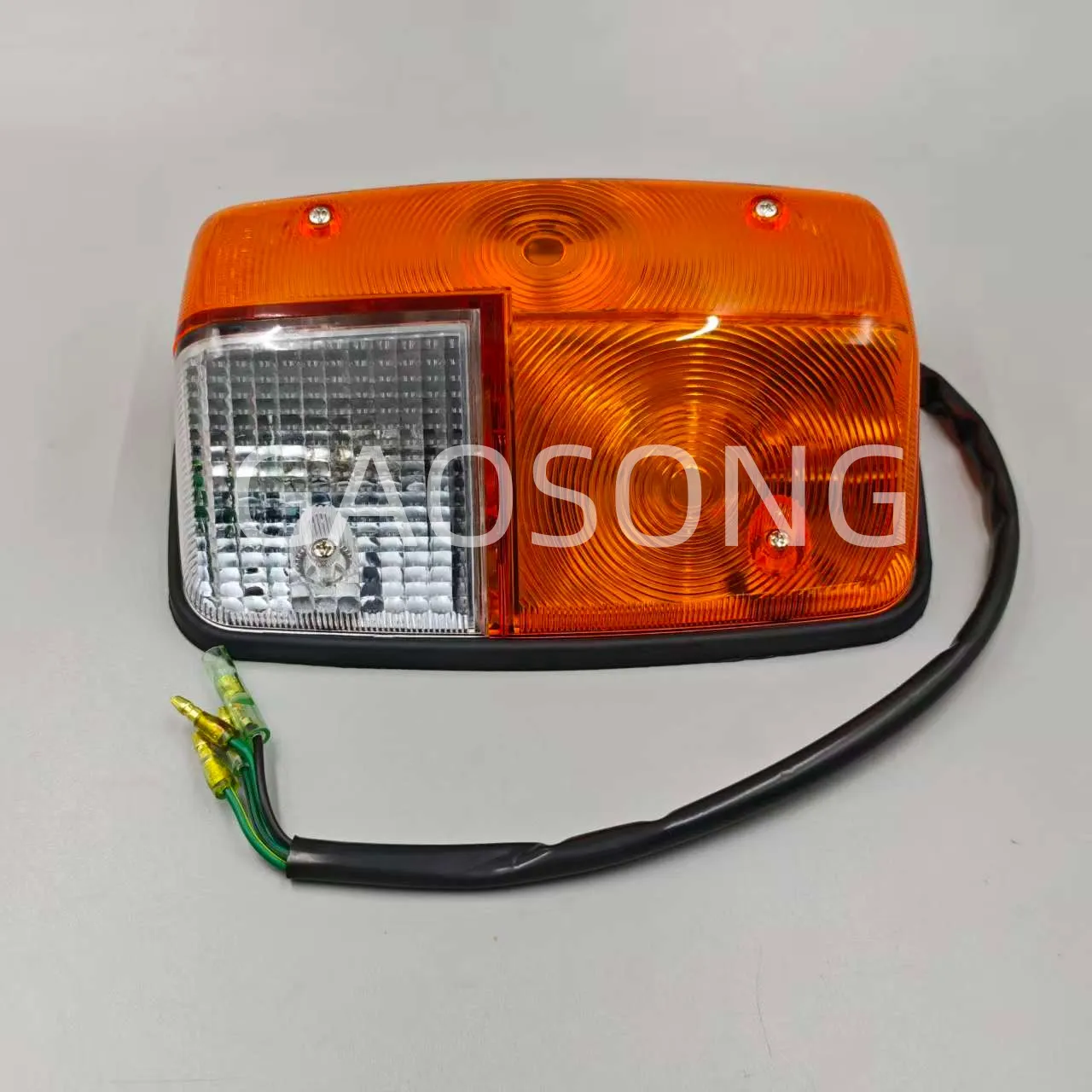 421-06-13401 LAMP ASS’Y,R.H.-Komatsu Original Factory
 -
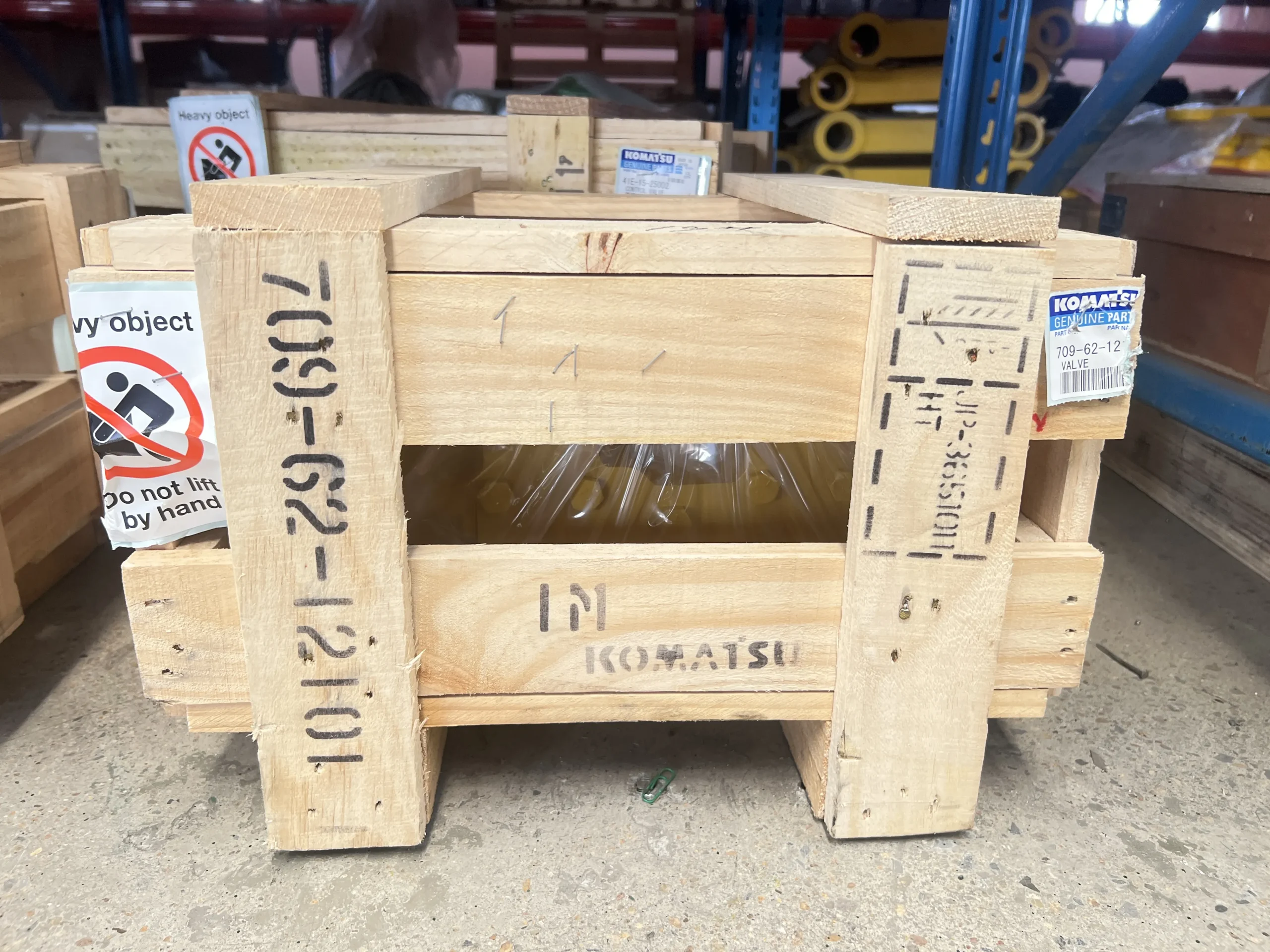 D375A-5E0 Valve Assembly 709-62-12101
 -
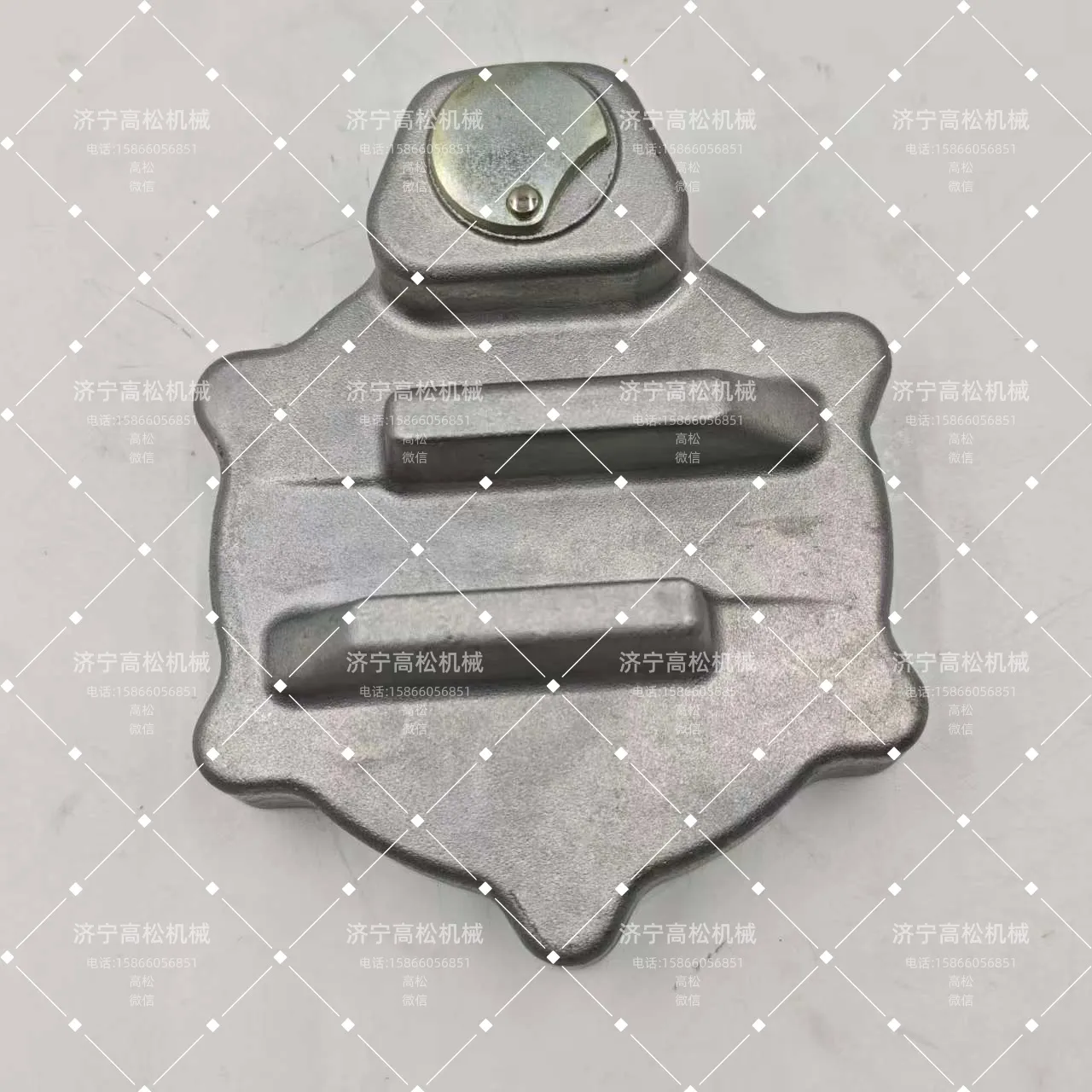 07053-10000 Cap-Radiator Fits KOMATSUU Models
 -
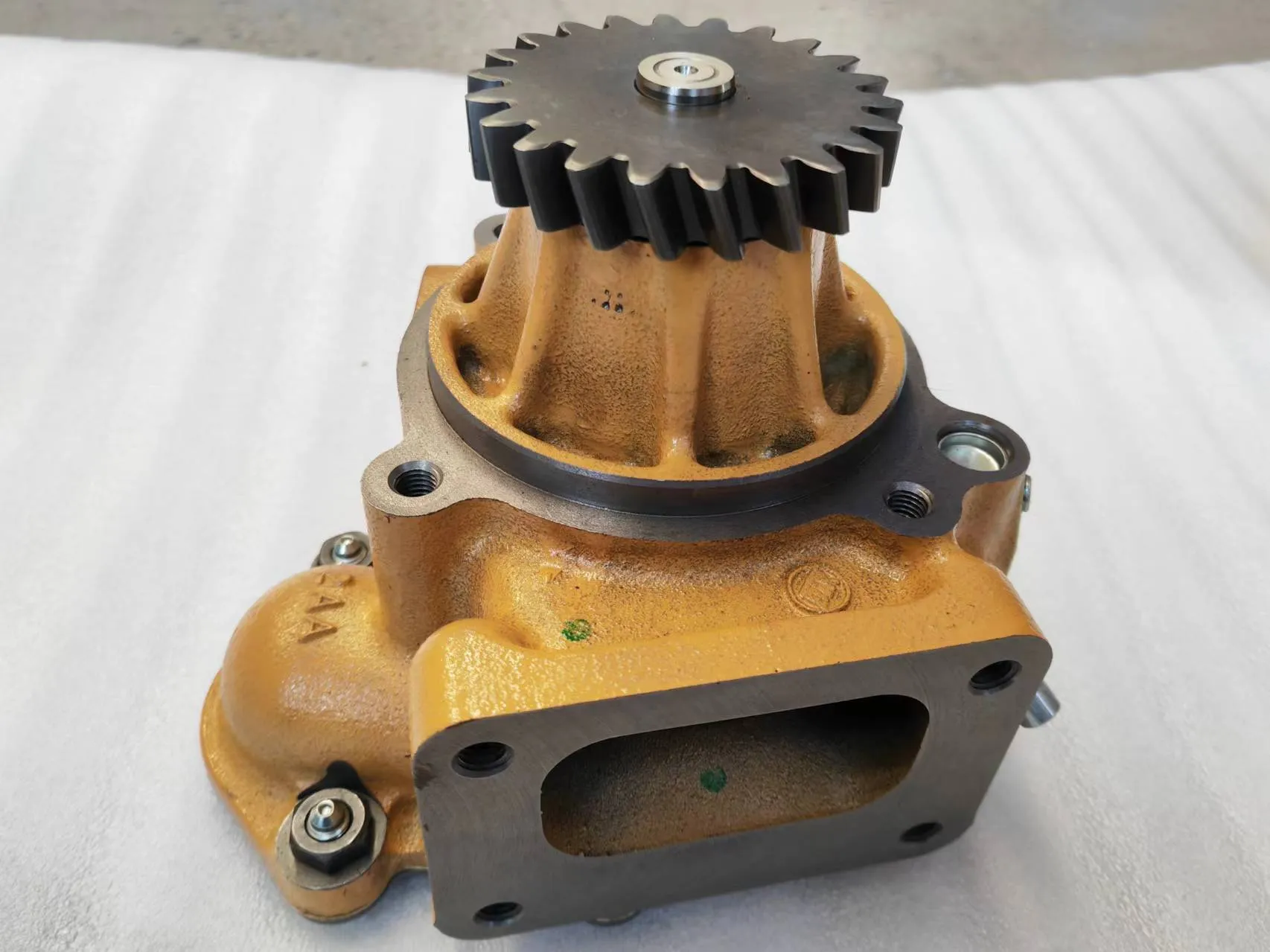 WA480-6 engine water pump 6251-61-1101
 -
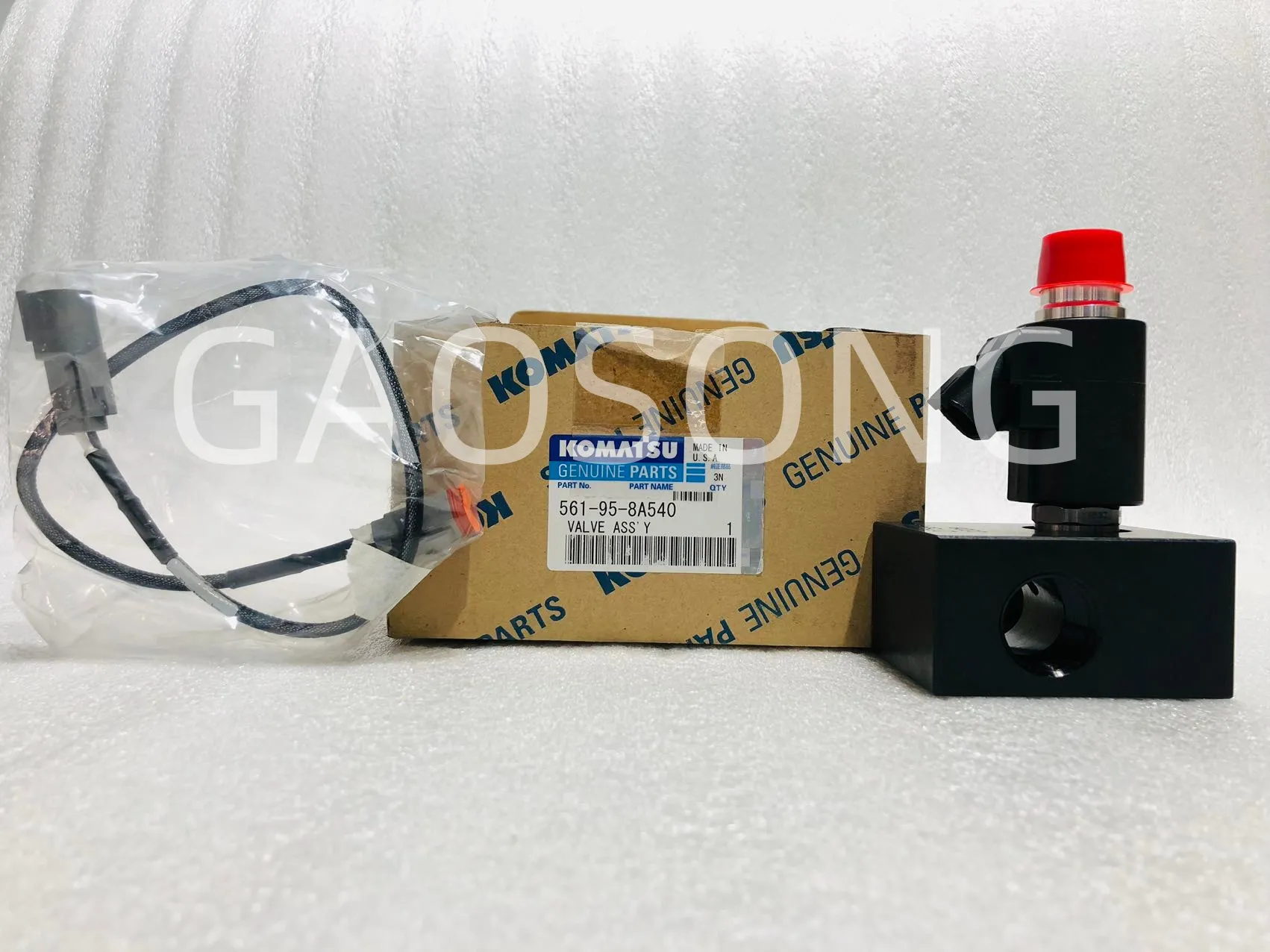 561-95-8A530 • PUMP ASSEMBLY-Komatsu Original Factory
 -
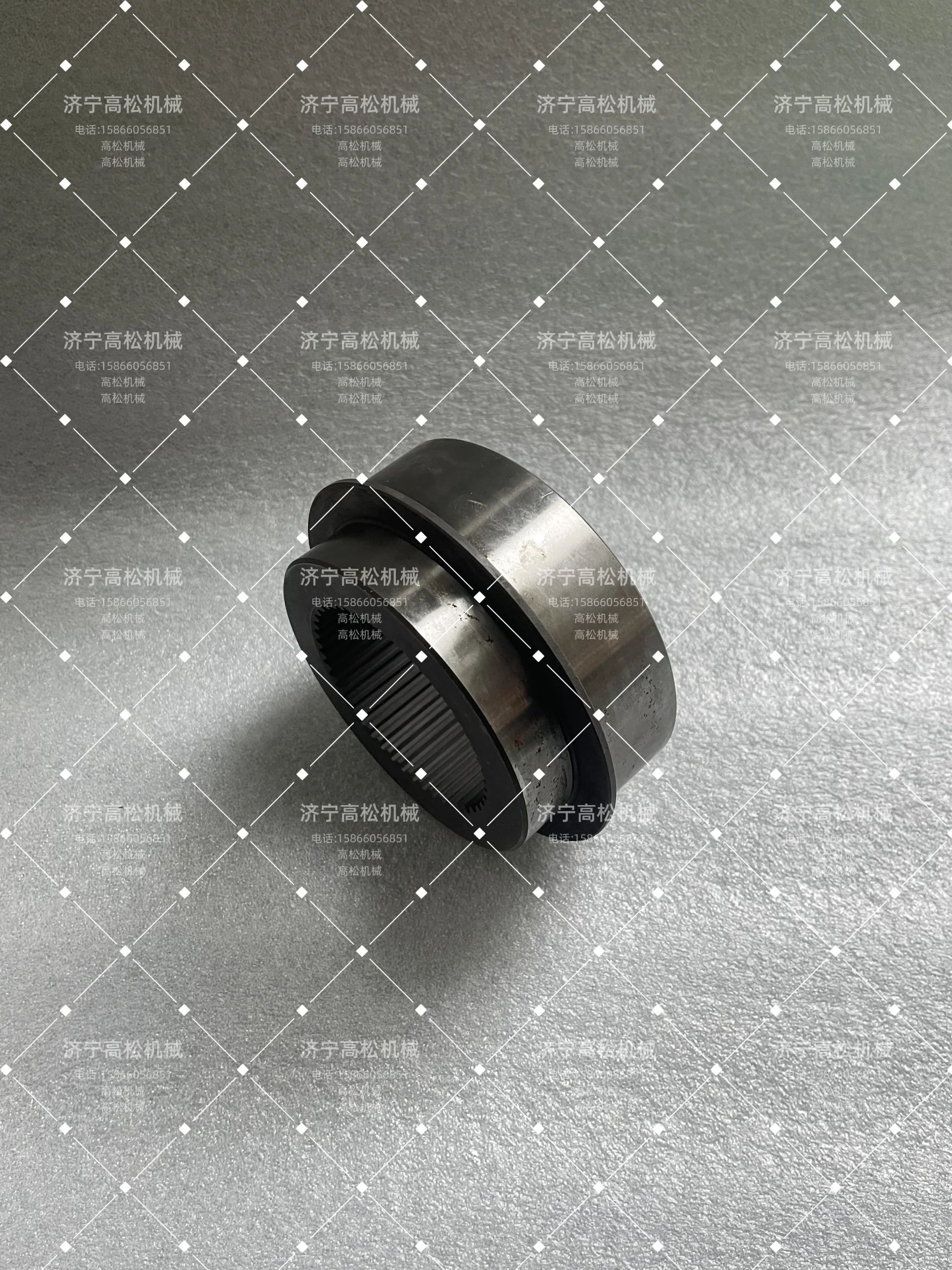 195-15-82570 Komatsu Spacer
 -
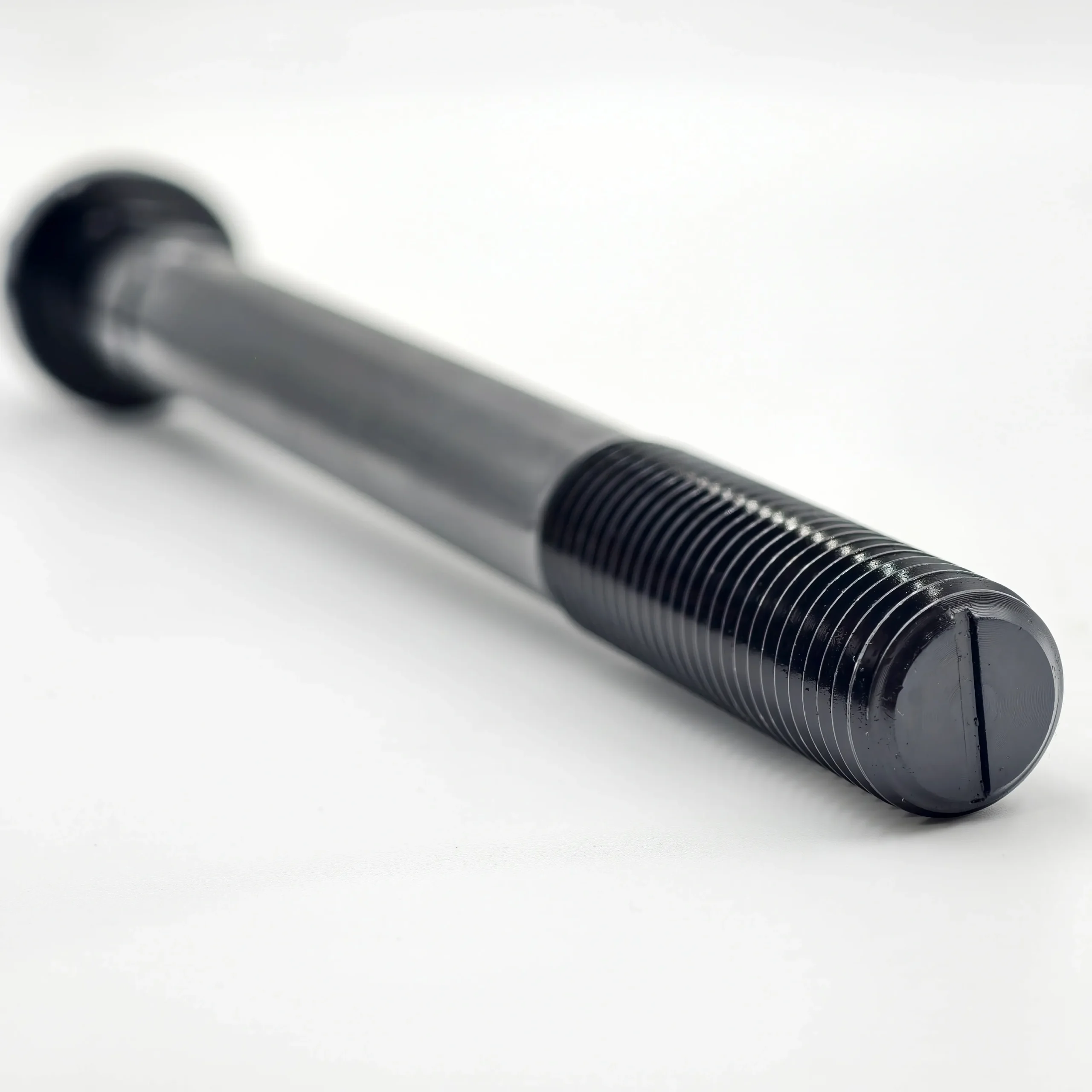 6217-11-1610-BOLT,HEAD- Komatsu Original Factory
 -
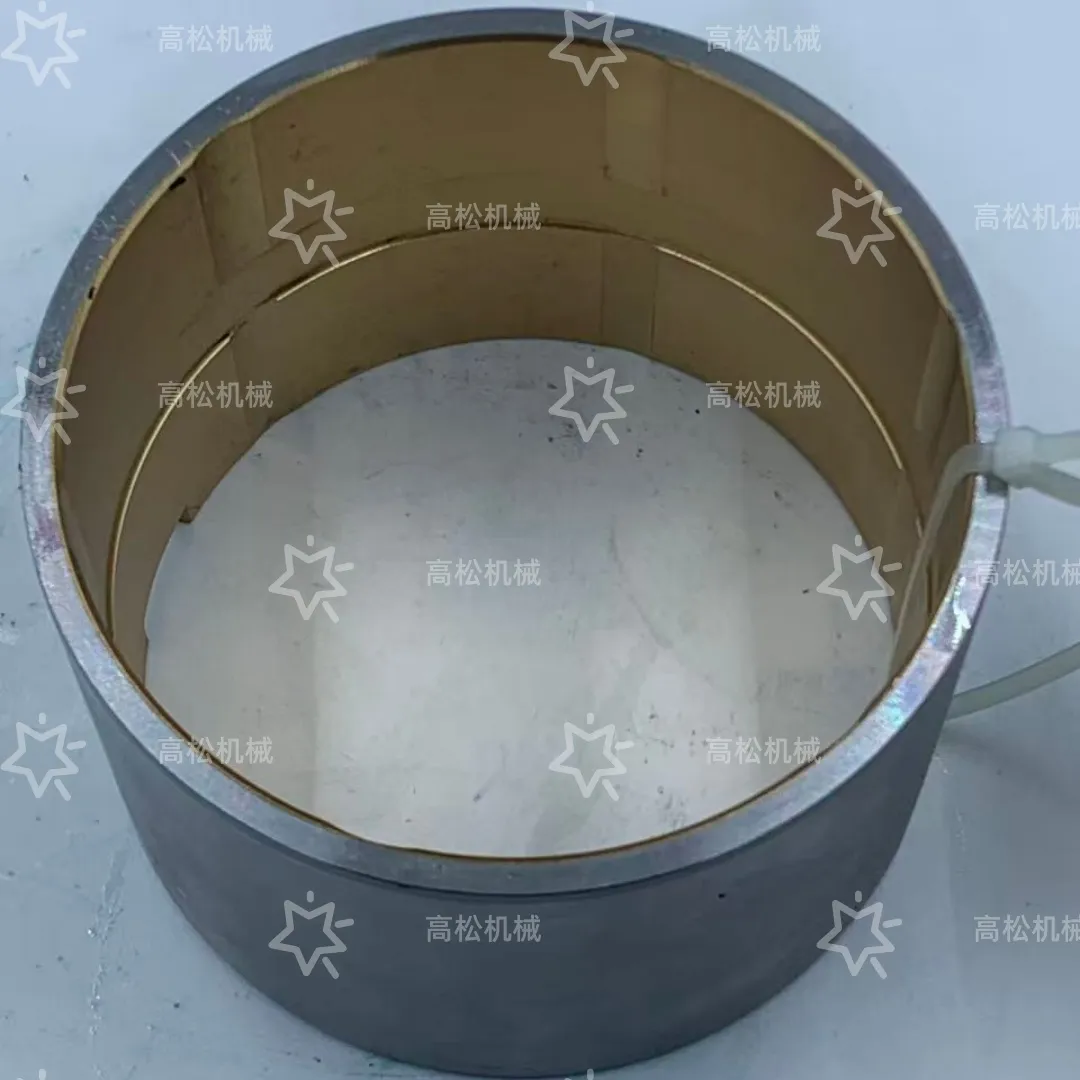 Bulldozer D375A-1 Bushing 195-61-41160 1956141160
 -
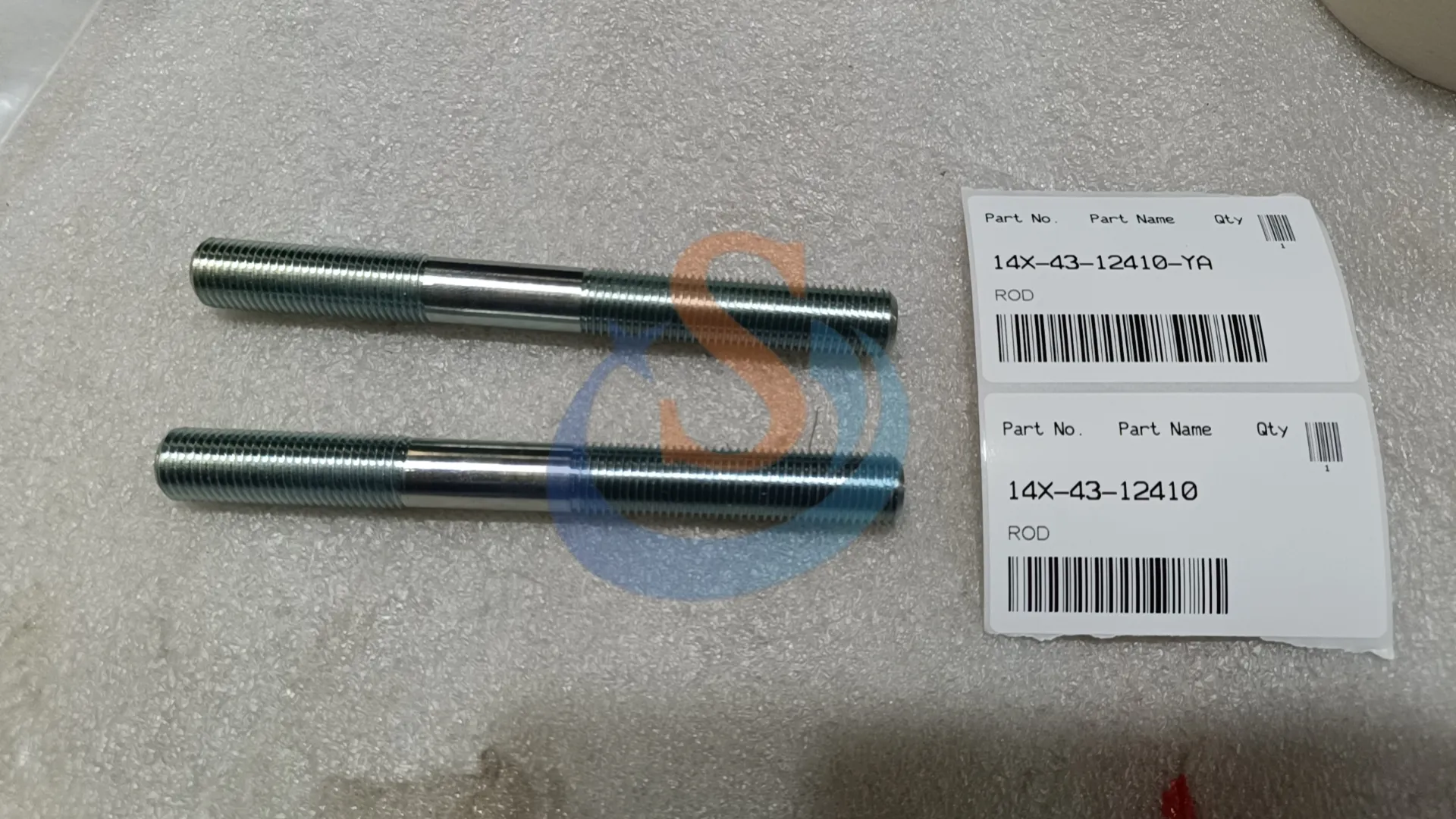 14X-43-12410,ROD,komatsu,D155A,D375A,D275A