
- Chinese
- French
- German
- Portuguese
- Spanish
- Russian
- Japanese
- Korean
- Arabic
- Irish
- Greek
- Turkish
- Italian
- Danish
- Romanian
- Indonesian
- Czech
- Afrikaans
- Swedish
- Polish
- Basque
- Catalan
- Esperanto
- Hindi
- Lao
- Albanian
- Amharic
- Armenian
- Azerbaijani
- Belarusian
- Bengali
- Bosnian
- Bulgarian
- Cebuano
- Chichewa
- Corsican
- Croatian
- Dutch
- Estonian
- Filipino
- Finnish
- Frisian
- Galician
- Georgian
- Gujarati
- Haitian
- Hausa
- Hawaiian
- Hebrew
- Hmong
- Hungarian
- Icelandic
- Igbo
- Javanese
- Kannada
- Kazakh
- Khmer
- Kurdish
- Kyrgyz
- Latin
- Latvian
- Lithuanian
- Luxembou..
- Macedonian
- Malagasy
- Malay
- Malayalam
- Maltese
- Maori
- Marathi
- Mongolian
- Burmese
- Nepali
- Norwegian
- Pashto
- Persian
- Punjabi
- Serbian
- Sesotho
- Sinhala
- Slovak
- Slovenian
- Somali
- Samoan
- Scots Gaelic
- Shona
- Sindhi
- Sundanese
- Swahili
- Tajik
- Tamil
- Telugu
- Thai
- Ukrainian
- Urdu
- Uzbek
- Vietnamese
- Welsh
- Xhosa
- Yiddish
- Yoruba
- Zulu
- Kinyarwanda
- Tatar
- Oriya
- Turkmen
- Uyghur






OEM AND ORIGINAL KOMATSU COVER 14X-12-11210
You see that part number, 14X-12-11210, and the terms 'OEM' and 'Original' thrown around, and it's easy to assume they're the same thing. In the Komatsu world, especially with covers and housings, that's where the confusion starts. I've spent years on both sides of the counter, sourcing and supplying, and the distinction isn't just semantics—it's about the supply chain you're tapping into. An 'Original' part implies it came off the Komatsu production line, destined for a new machine assembly. An 'OEM' part, while made to the exact same blueprint and often in the same factory, might follow a different distribution path, like through a system supplier like Jining Gaosong Construction Machinery Co., Ltd.. Their role is crucial; they operate as an OEM product supplier within the Komatsu system, which means they have access to these genuine, factory-spec parts but can help navigate the logistical headaches when the main channels are blocked. That cover isn't just a piece of metal; it's a precision fit for pressure and alignment on, say, a pump or valve bank. Getting it wrong means leaks, downtime, and a much bigger bill.
The Anatomy of a Cover and Why Specs Matter
Let's break down 14X-12-11210. It's not a flashy part. It's a cover, probably for a hydraulic component or an access point on an excavator like a PC300 or PC400 series. The '14X' prefix is a classic Komatsu family code. The job seems simple: seal and protect. But the devil's in the details—the flatness tolerance, the grade of steel, the specific thickness, and the bolt hole patterning. A fraction of a millimeter off, and you'll never get it to seat properly against the gasket. I've seen non-OEM versions that looked perfect on the shelf but warped under torque because the heat treatment was off. The original Komatsu spec accounts for the vibration and thermal cycles of a 20-ton machine working in a quarry. That's what you're paying for: engineering that's been tested in the field for thousands of hours.
This is where a supplier's credibility is tested. When Jining Gaosong says they are an OEM product supplier, it should mean they can trace that batch of covers back to the certified production line that also feeds Komatsu's own parts distribution. It's not a copy; it's the same part from the same source, just arriving via a different truck. Their website, https://www.takematsumachinery.com, positions them to solve parts supply challenges, which is often the reality in many markets. You're not just buying a part; you're buying access to a pipeline that might be the only one open to you.
I remember a case in a Southeast Asian port where a contractor was down a PC360 because of a cracked 14X-12-11210. The local Komatsu dealer had a 6-week lead time. They found a genuine part on the local market that fit like garbage. We sourced the actual OEM cover through a channel similar to Gaosong's model—it was identical to the one we took off, down to the subtle casting marks. The machine was back in 48 hours. The lesson? Original can sometimes just mean boxed in Komatsu packaging, but true OEM specification is what gets the machine running.
The Gray Market and the Original Mirage
Here's a common pitfall. A broker offers you an Original Komatsu cover at a 30% discount. The packaging looks convincing, maybe even has a Komatsu logo. But is it? Often, these are surplus parts from old machine production runs, or they might be rejects that were diverted from the factory. They might be original in the sense that Komatsu once touched them, but they weren't meant for the aftermarket. Their quality isn't guaranteed. I've unwrapped such a part to find minor surface porosity in the casting—a defect that wouldn't pass QC for a new machine assembly but is good enough to sell. That porosity becomes a fatigue point, a future crack.
A legitimate OEM product supplier within the Komatsu system doesn't deal in this gray zone. Their value is in providing a legitimate, traceable alternative to the official dealer network. Their business, as Jining Gaosong Construction Machinery Co., Ltd. notes, is built on being a third-party sales company for Komatsu that solves supply problems, not creates them by moving questionable stock. When supply chains to certain countries get tight due to tariffs or logistics, these established system suppliers become the lifeline. They have the formal relationships to get the real stuff.
You develop an eye for it. The paint texture on the cover, the consistency of the part number stamping, even the weight. The OEM/OEM-sourced part will have a heft and finish that's uniform. The fake or gray market part often feels just slightly different—lighter, or the paint is too glossy. It's a tactile thing you learn after holding hundreds of them.
When Good Enough Isn't: A Costly Lesson
We tried to save money once on a bulk rebuild for a fleet of Dash-8 loaders. The 14X-12-11210 equivalent was needed. A local machine shop offered to make them for half the price. We provided the drawings. The samples looked fine. We ordered fifty. Big mistake. The first ten failed within months. The issue was the sealing surface. The shop had machined it to the right Ra (surface roughness) value, but their process created microscopic directional grooves instead of the specified cross-hatch pattern. It didn't seal dynamically with the rubber gasket under pressure and vibration. The resulting hydraulic leaks contaminated systems and led to pump failures. The savings were wiped out ten times over by the secondary damage and downtime.
This experience cemented why the OEM specification is non-negotiable for such components. It's not about the material cost; it's about the manufacturing process and the quality assurance behind it. A supplier like the one mentioned, which operates inside the Komatsu ecosystem, understands this. They aren't just selling a cover; they are providing the assurance that the part has passed the same functional checks as the one on a brand-new machine rolling off the line in Japan.
It changed how I source. Now, the first question isn't just Is it original? It's What is your supply channel? Can you provide documentation linking this batch to the OEM production? If the answer is vague, I walk away.
Sourcing Strategy: Beyond the Part Number
So, you need a OEM AND ORIGINAL KOMATSU COVER 14X-12-11210. Typing that into a search engine gets you a million hits. How do you filter? First, I ignore any site that has every part under the sun for every brand. That's a red flag for a general trader. I look for suppliers that specialize in Komatsu or at least major Japanese equipment. Their technical descriptions will be more accurate. A site like takematsumachinery.com explicitly states its role within the Komatsu system, which is a strong indicator of a focused, knowledgeable source.
Next, I engage. I'll send an email asking not just for price and availability, but for specific details: Can you confirm the material specification per Komatsu drawing? Is this part from current production or new old stock? A legitimate supplier will answer these confidently. A trader will hesitate or give a generic answer. The goal is to find the partner who understands the engineering, not just the commerce.
Finally, it's about building a relationship with a source like Jining Gaosong. In this business, having a reliable contact who can navigate Komatsu's vast parts universe and deliver authentic OEM components, especially for older models or in difficult regions, is an asset. They become your external parts desk. When they say they're helping to solve parts supply challenges in certain countries, that's a practical reality they deal with daily. Tapping into that network is smarter than chasing the cheapest listing online.
The Bottom Line: Value Versus Price
At the end of the day, the debate over OEM AND ORIGINAL KOMATSU COVER 14X-12-11210 boils down to total cost of ownership. The upfront price difference between a true OEM-sourced part and a clone can be significant. But you have to factor in the risk. The risk of downtime when it fails prematurely. The risk of collateral damage to more expensive components. The risk of voiding warranties on a recent overhaul.
For a critical but unglamorous part like a cover, using a verified channel is cheap insurance. The supplier's position as an integrated OEM product supplier is their most valuable feature. It means they have the technical and commercial linkage to Komatsu that a random parts website will never have.
So, when that part number comes up on your screen or work order, don't just order it. Think about the machine it's going on, the environment it works in, and the cost of it being off-line. Then, source it from a partner who understands all that, too. That's how you keep iron moving and profits in the black. It's not just a cover; it's a keystone in your machine's reliability.
Related Products
Related Products

Best Selling Products
Best Selling Products-
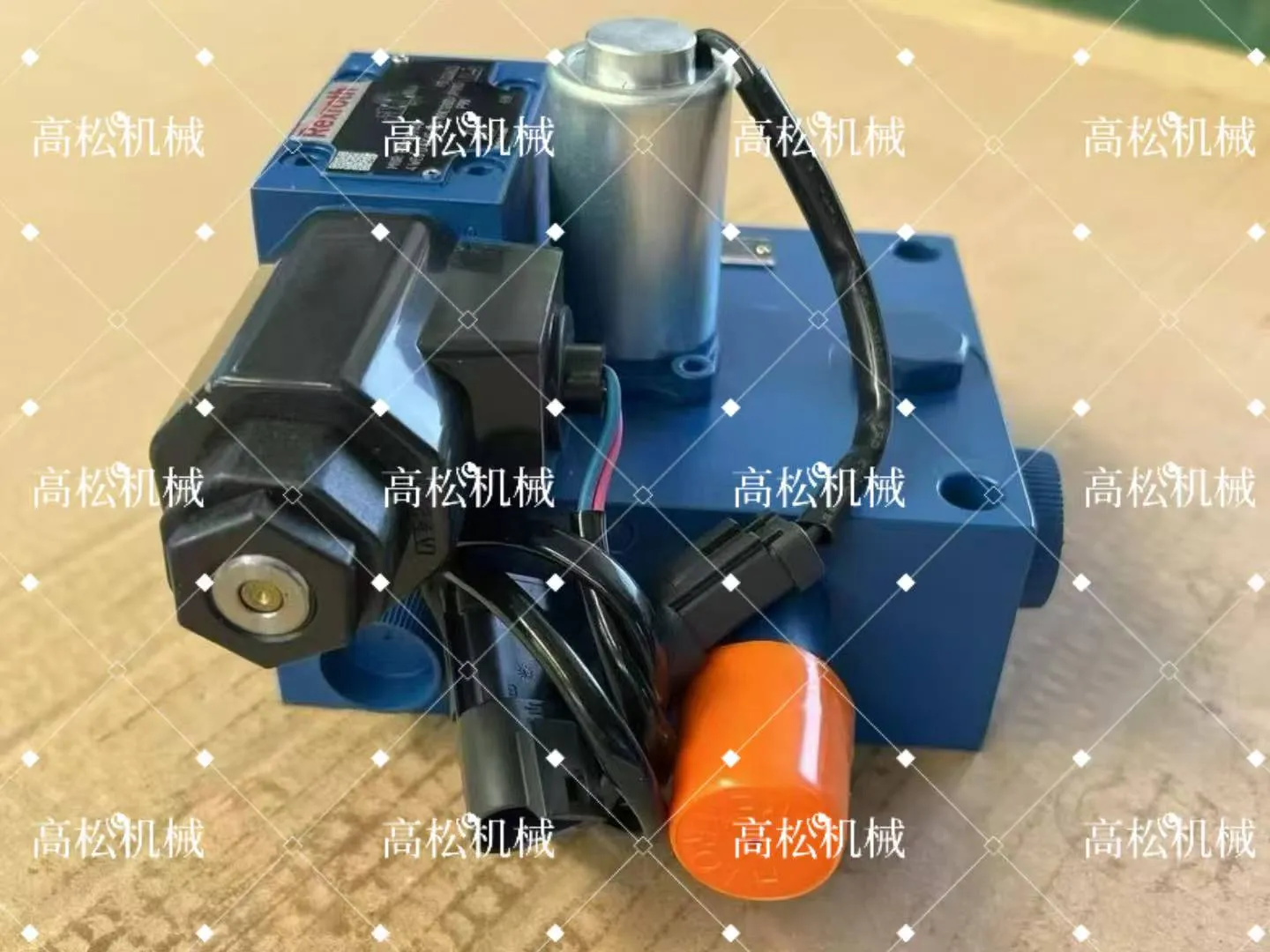 New available valve assembly hm300-5 for charging the hydraulic battery 56d-43-37101 for earth-digging machinery of komatsu
 -
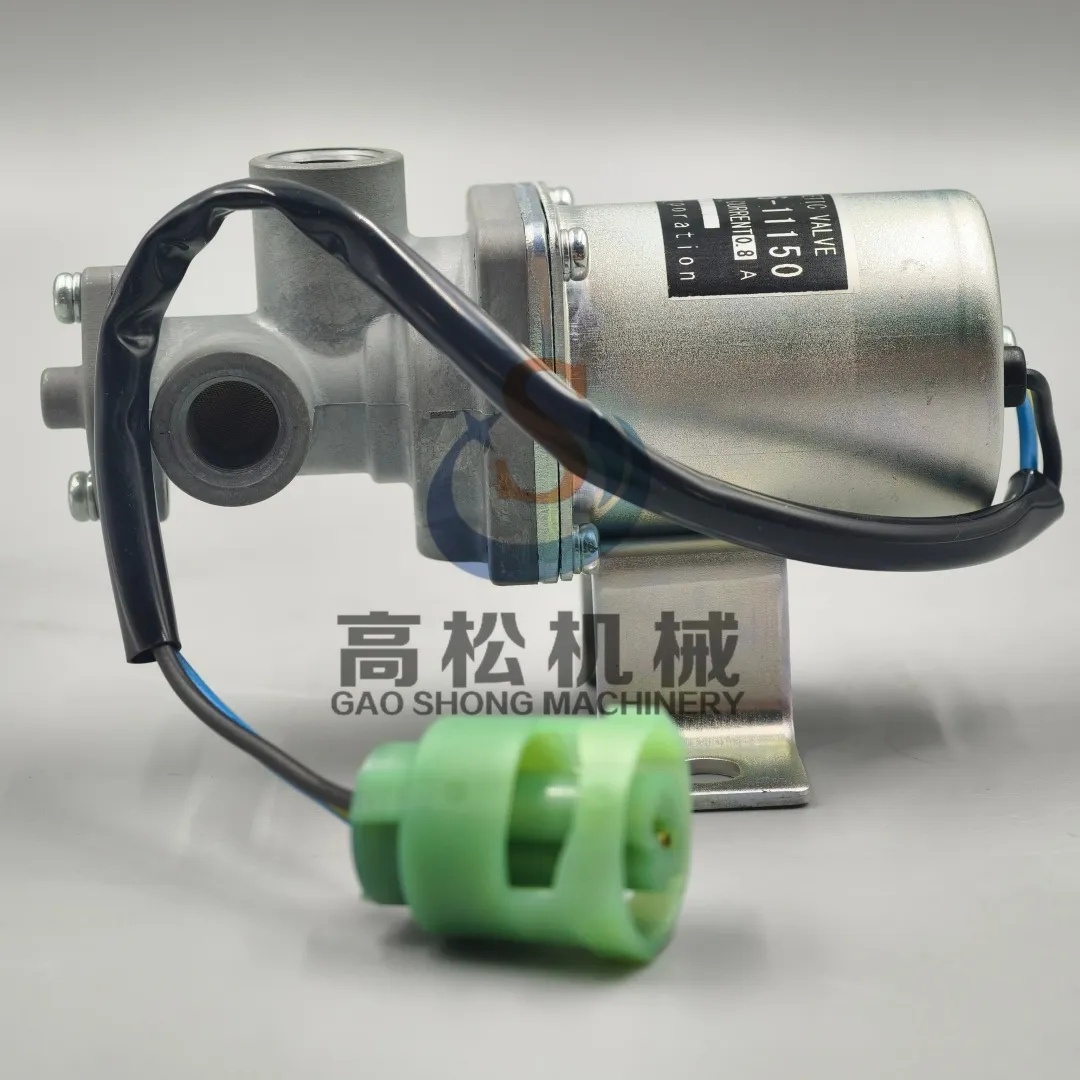 Komatsu Relay 425-06-11150 for Wheel loader WA600-1
 -
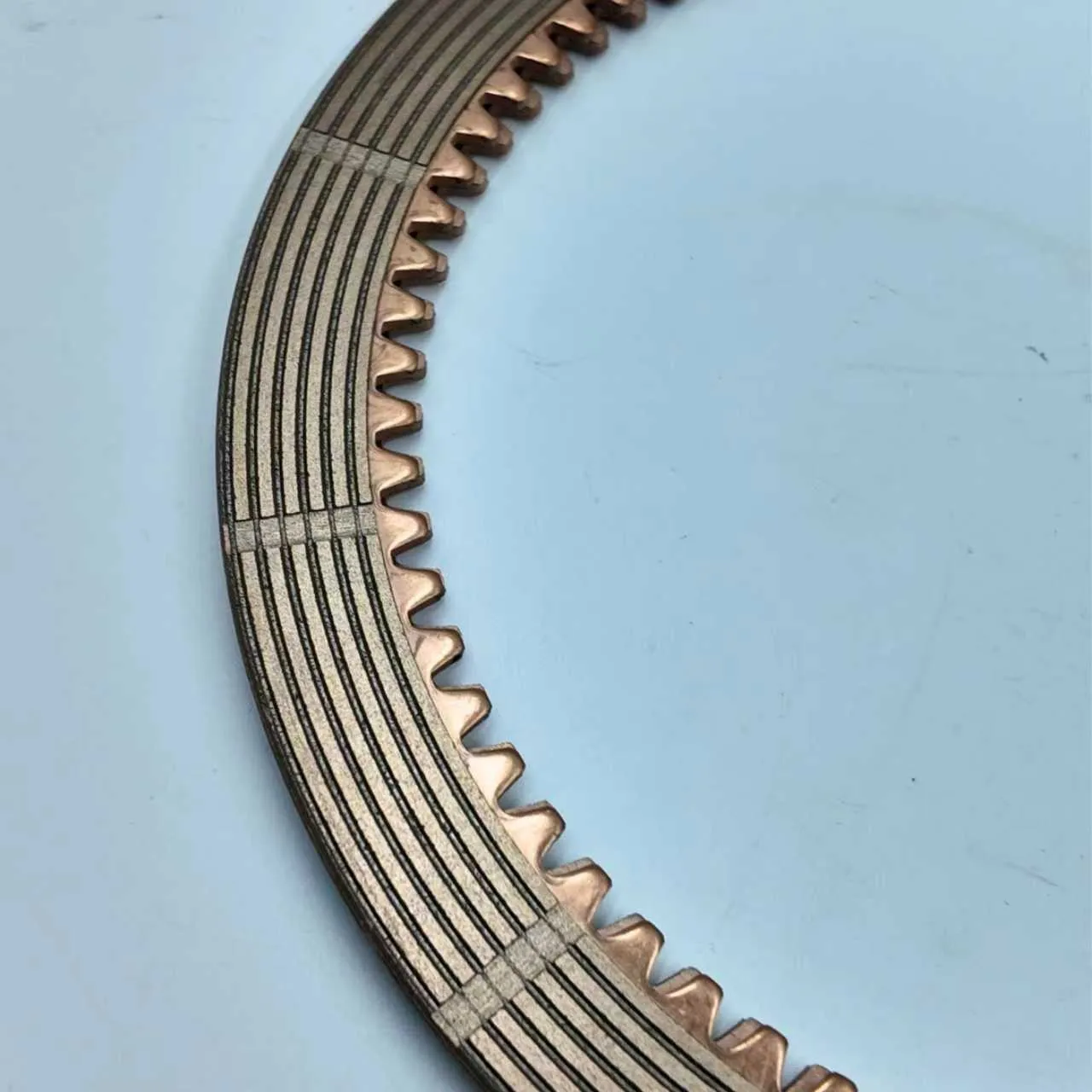 23S-15-12710 Komatsu Disc
 -
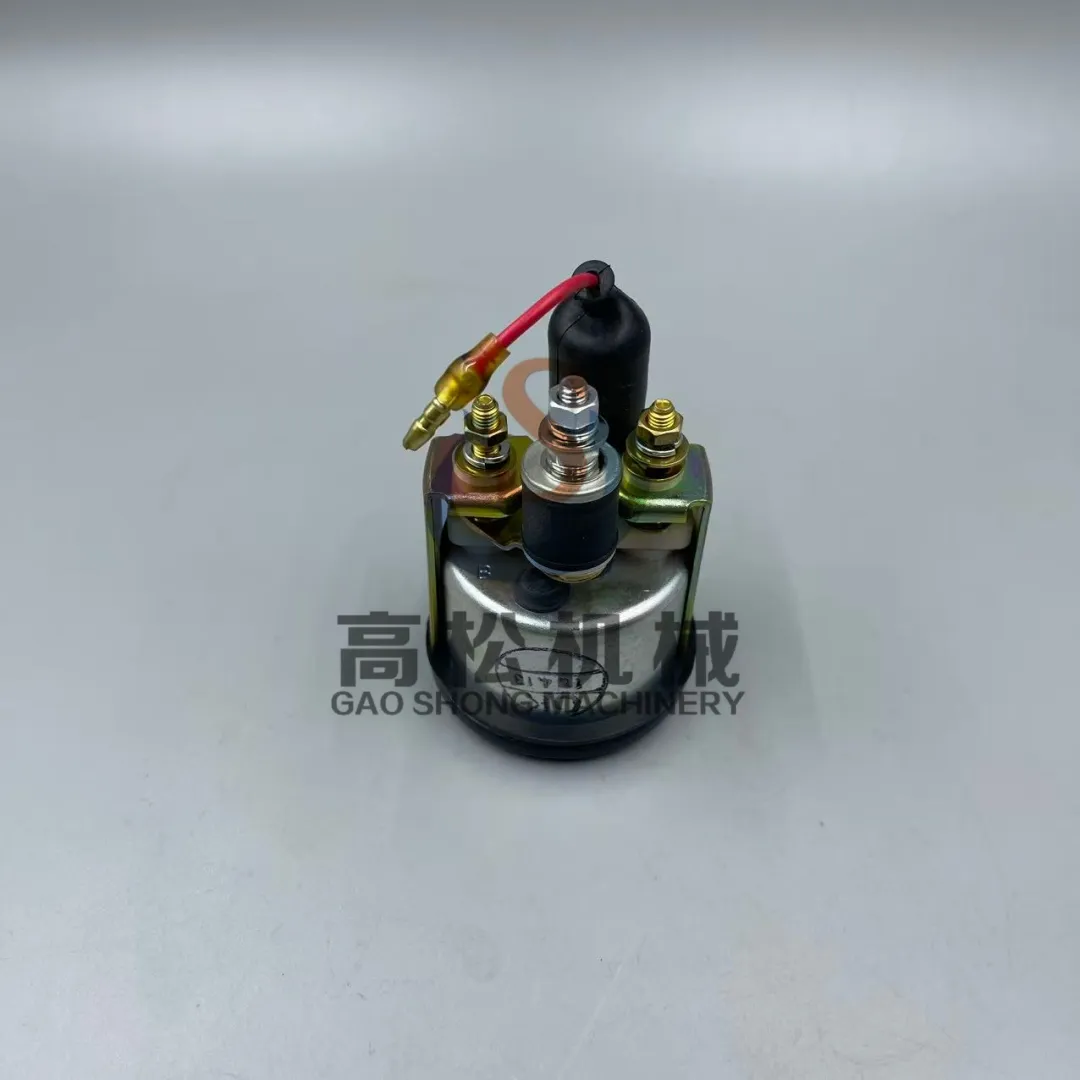 195-06-23110 – GAUGE, WATER TEMP 1950623110 fits KOMATSU
 -
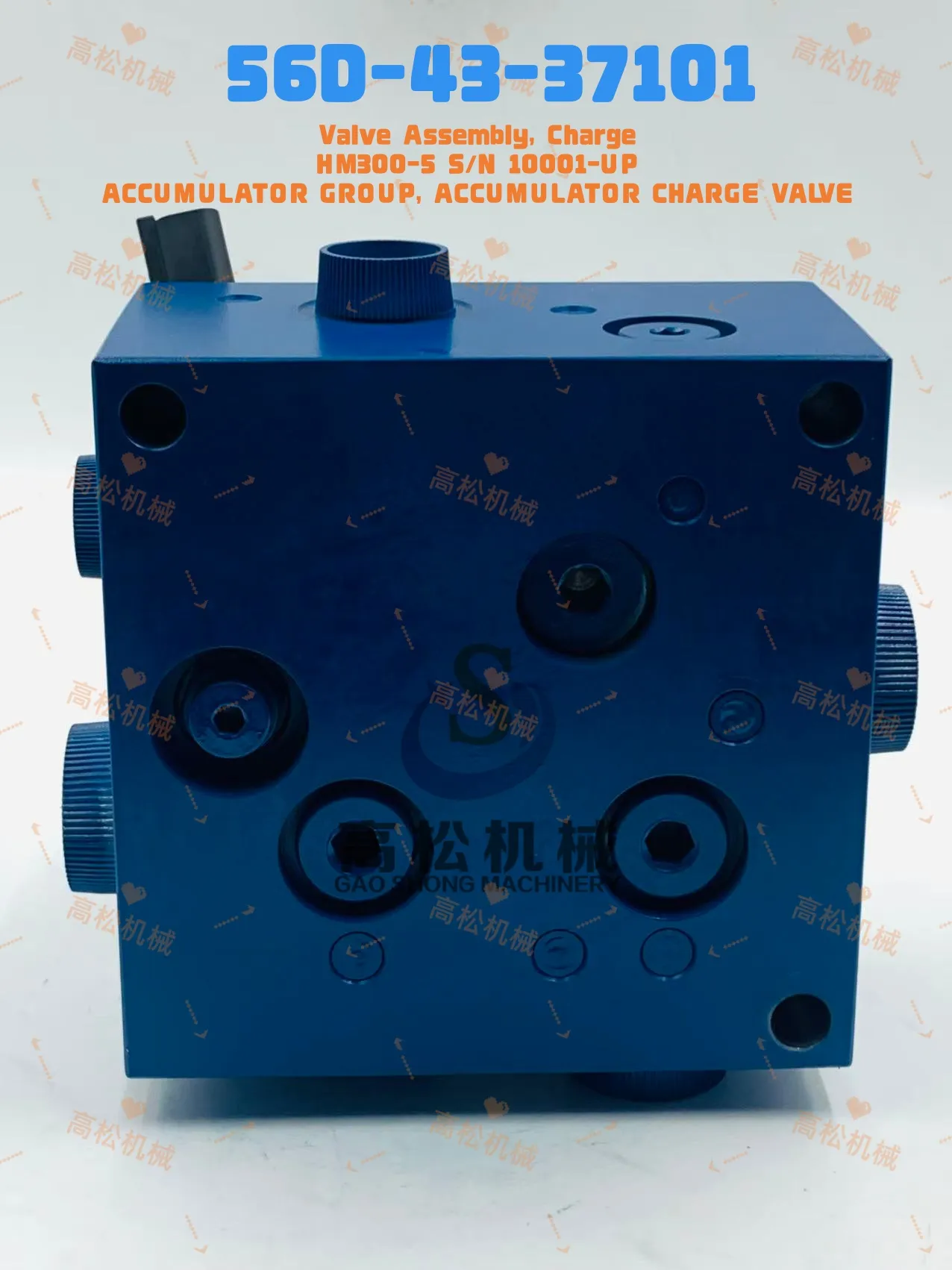 56D-43-37101 Valve Assembly, Charge for HM300 Komatsu Dump Truck Parts High Quality
 -
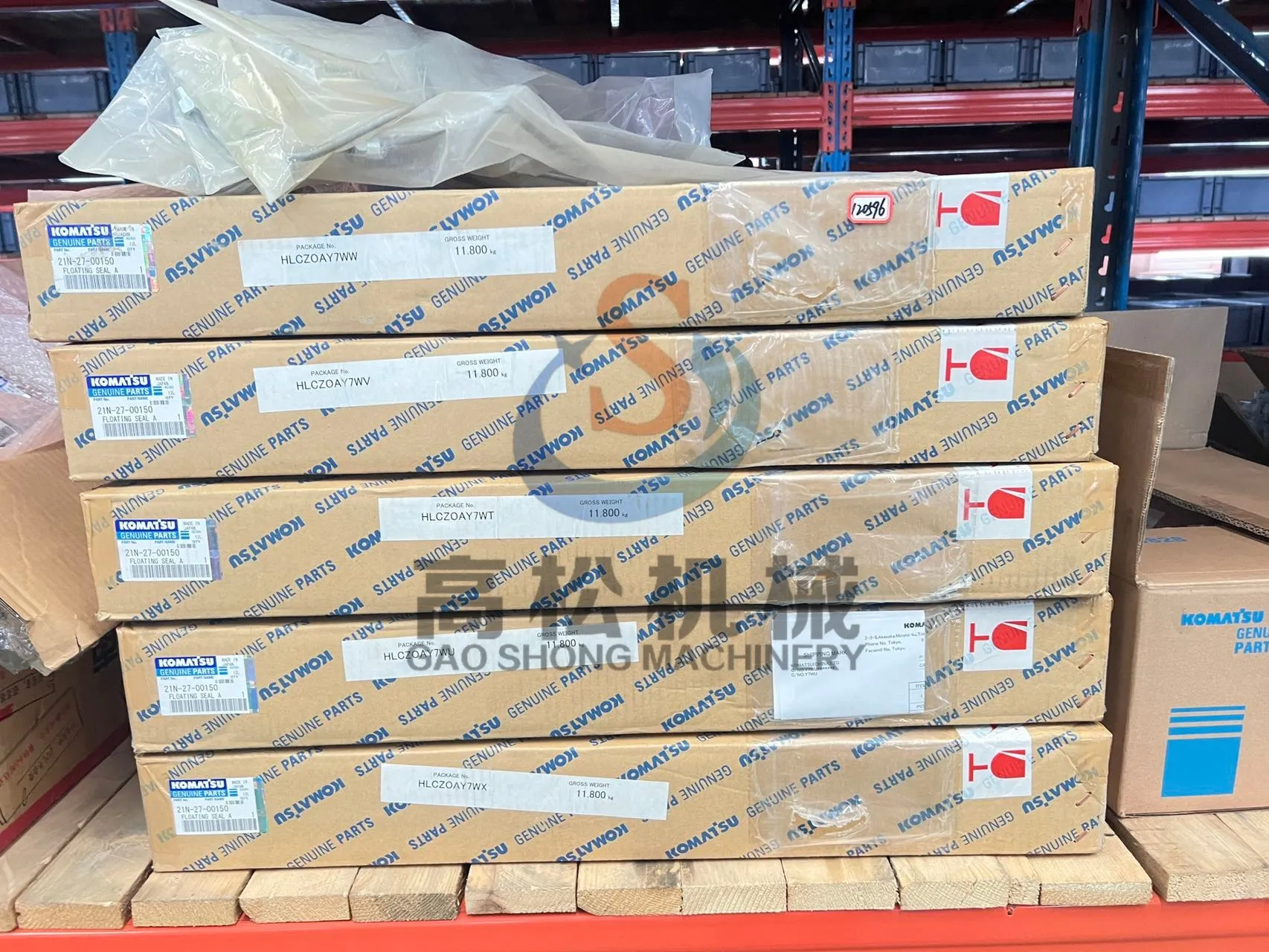 21N-27-00150 Komatsu Floating Seal Assembly
 -
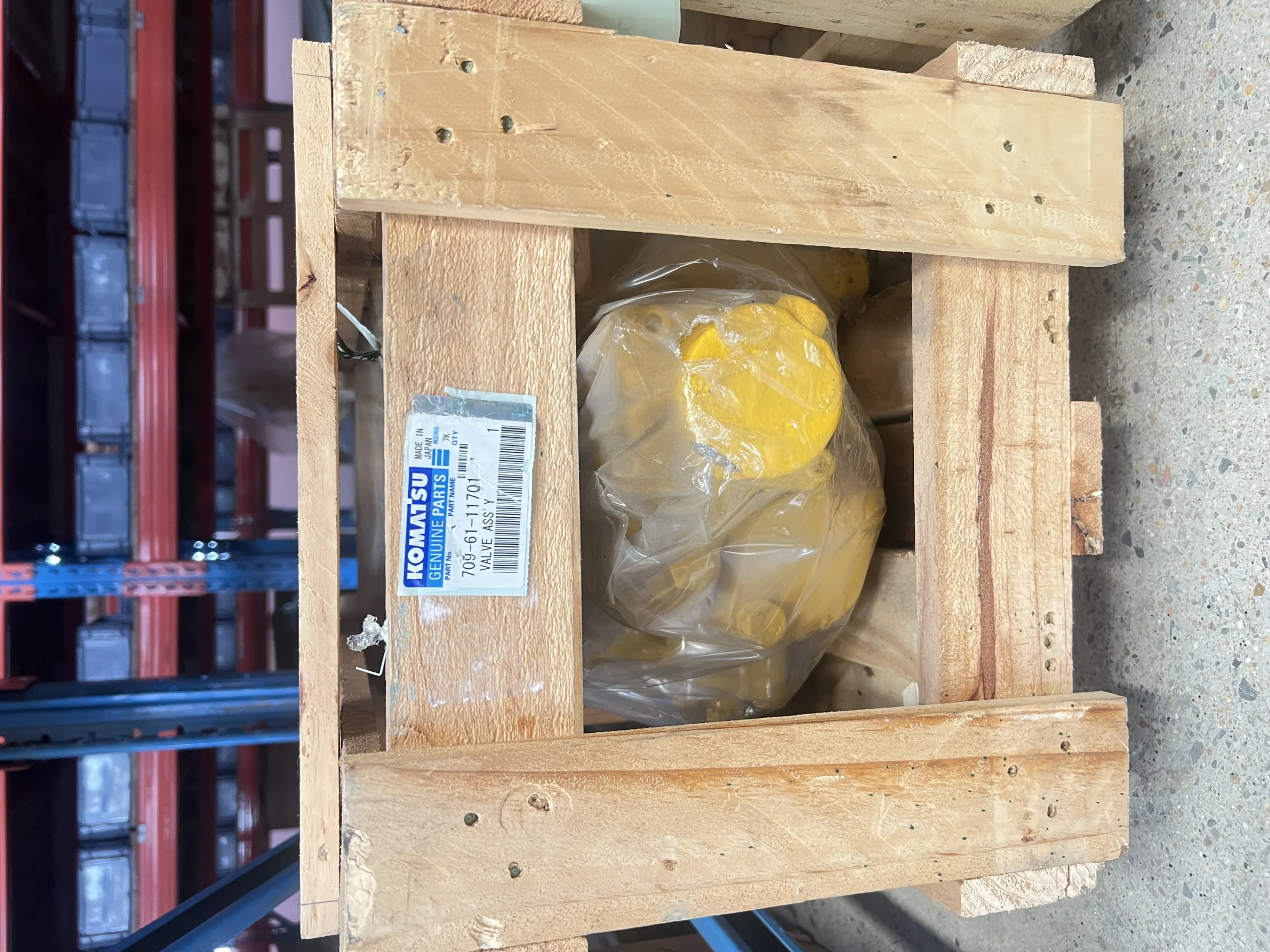 D375A-3D Valve Assembly 709-61-11701
 -
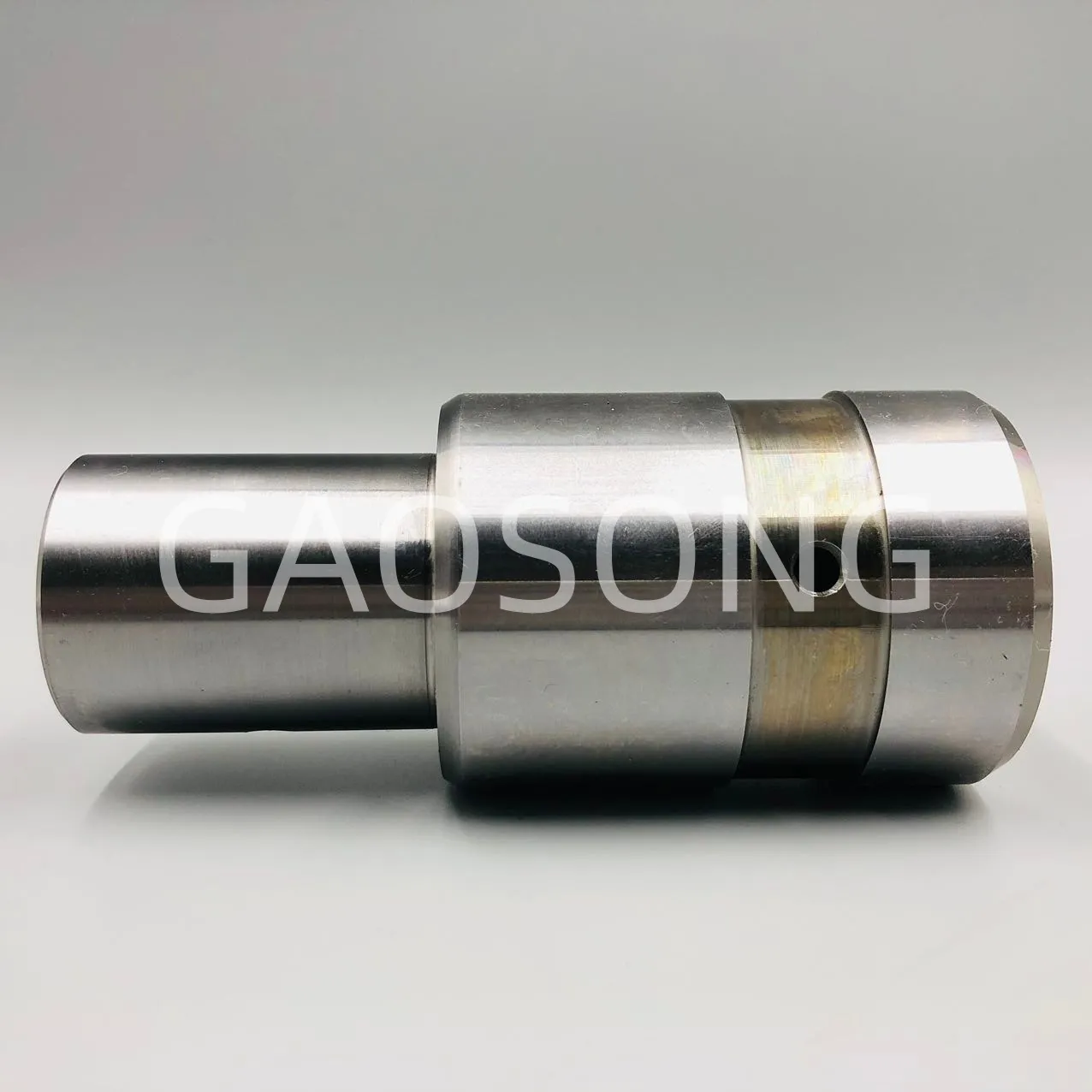 6240-61-4630 • SHAFT-Komatsu Original Factory
 -
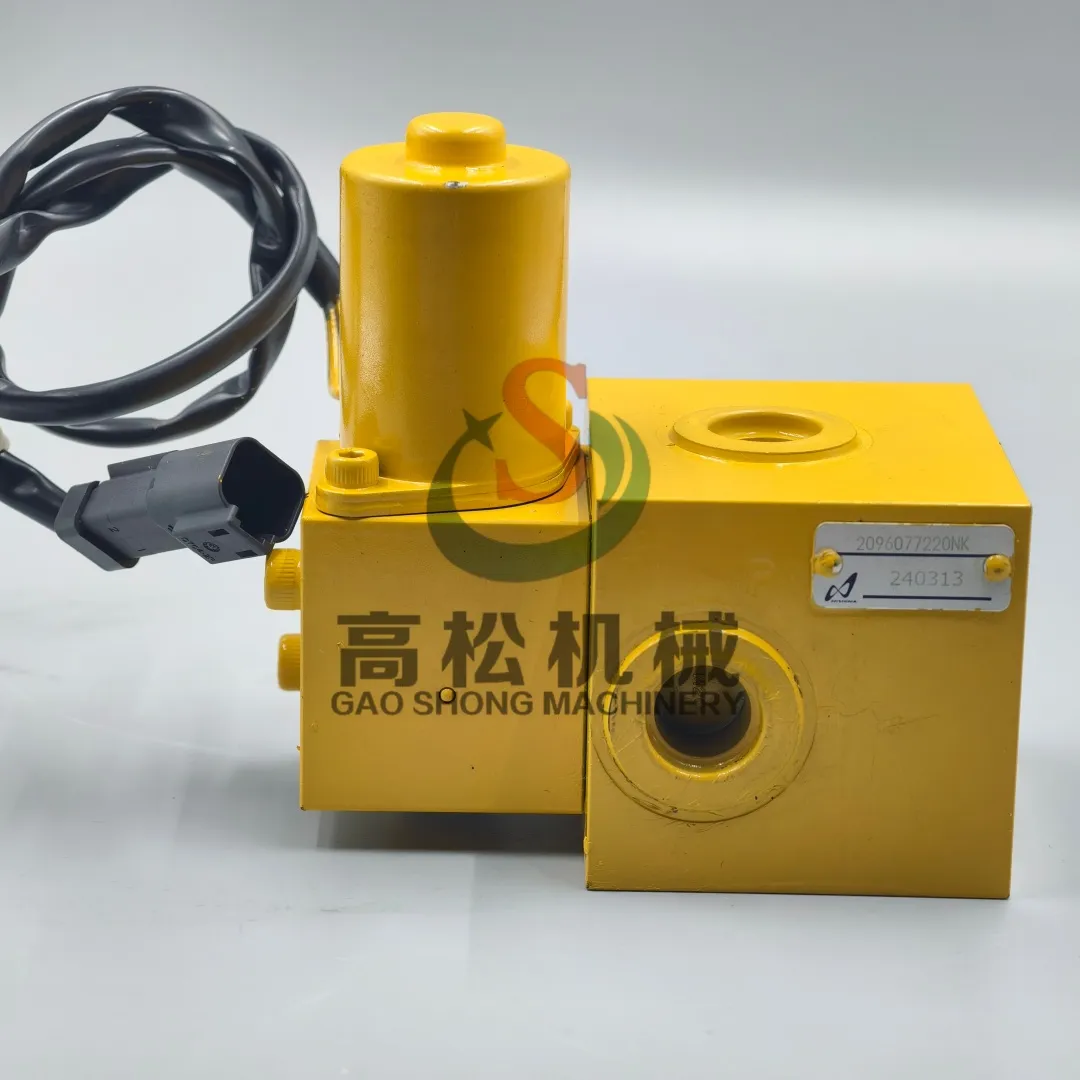 Solenoid Valve 209-60-77220 for PC1250-8 PC800-8 PC600-8 Excavator
 -
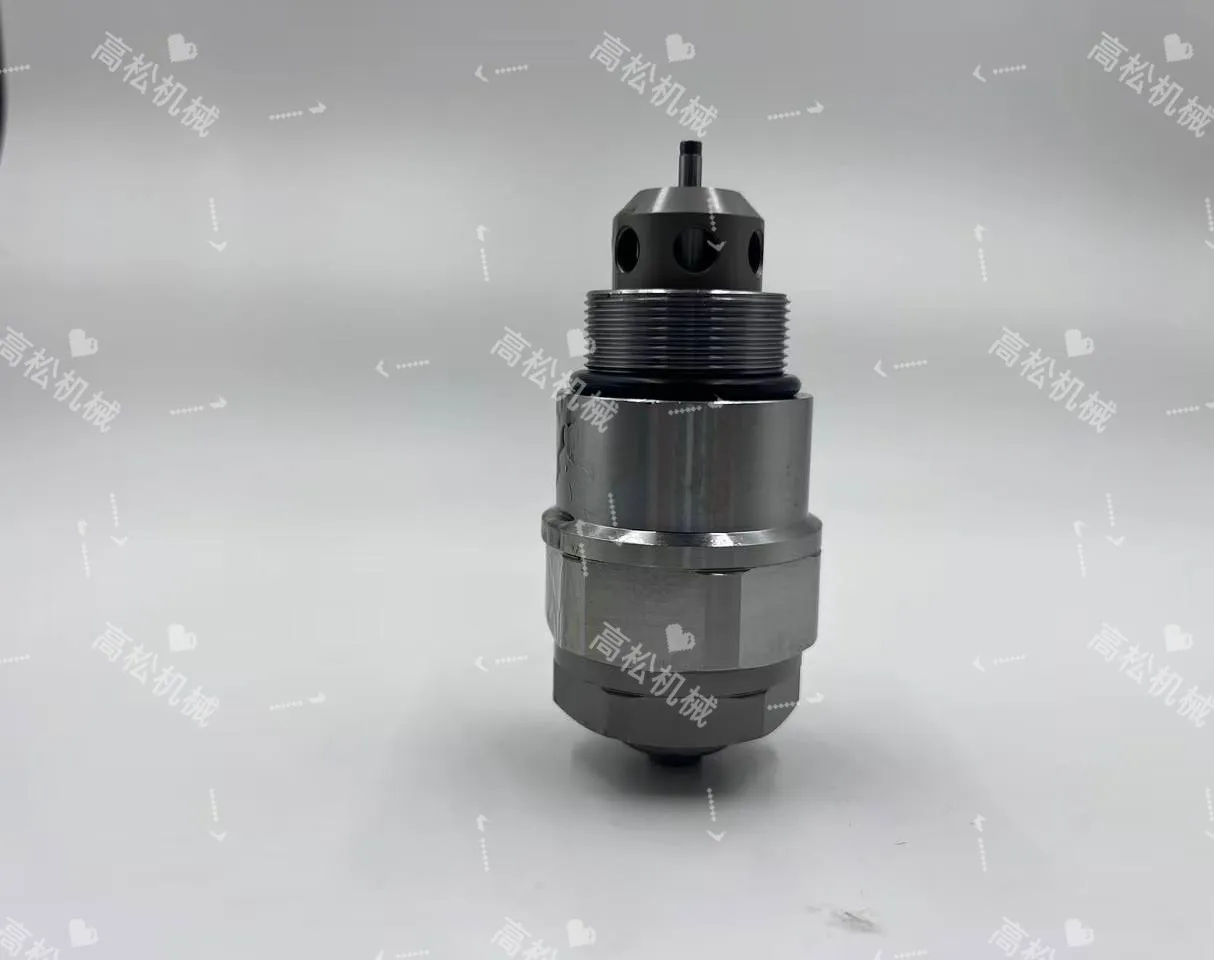 709-90-71700VALVE ASS’Y,SUCTION AND SAFETY D155A-2A CONTROL VALVE VALVE ASS’Y,SUCTION AND SAFETY PC1250SP-8R MAIN VALVE
 -
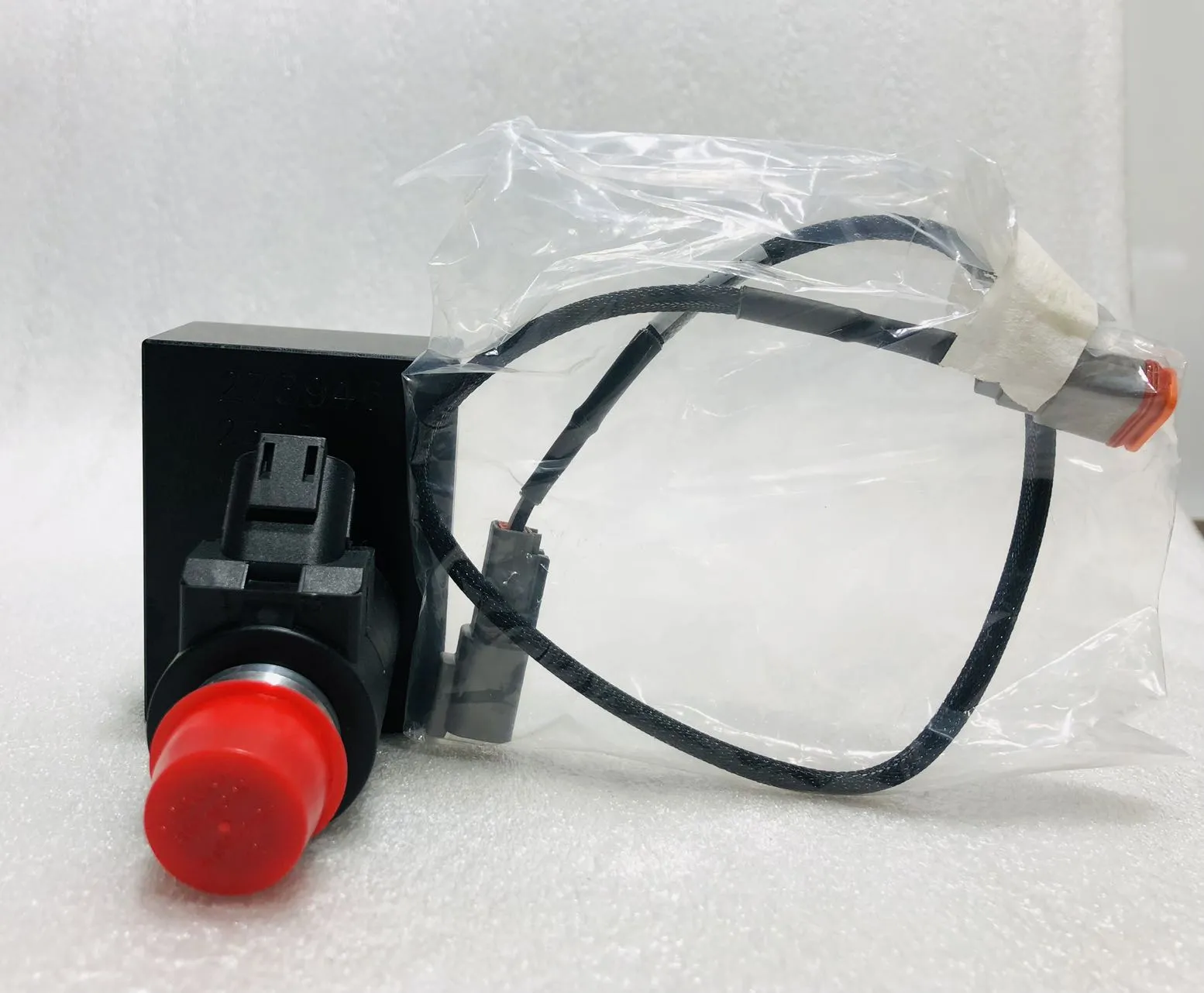 561-95-8A530• PUMP ASSEMBLY Applicable: Komatsu self-unloading truck HD series
 -
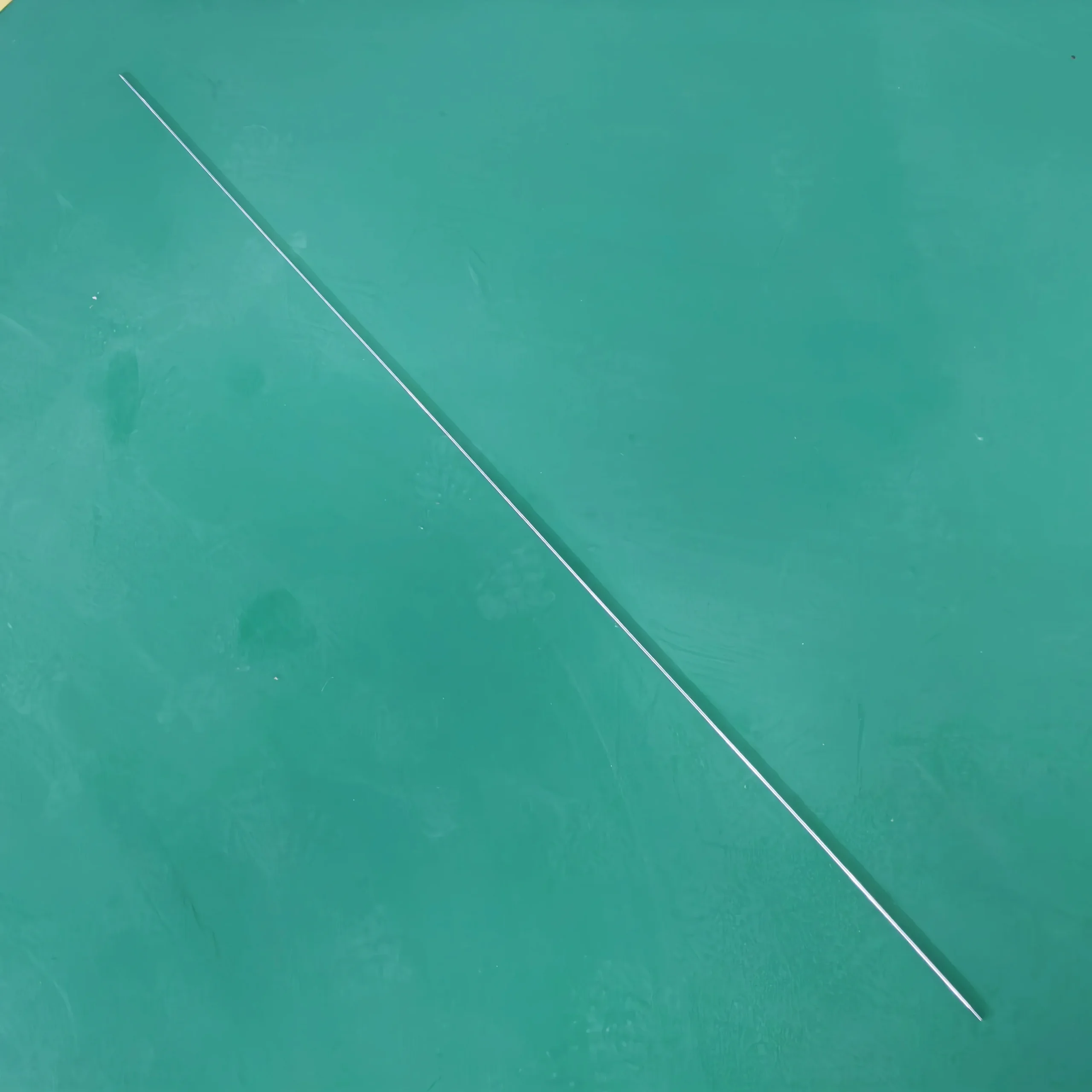 WIRE 21N-25-31130 – KOMATSU