
- Chinese
- French
- German
- Portuguese
- Spanish
- Russian
- Japanese
- Korean
- Arabic
- Irish
- Greek
- Turkish
- Italian
- Danish
- Romanian
- Indonesian
- Czech
- Afrikaans
- Swedish
- Polish
- Basque
- Catalan
- Esperanto
- Hindi
- Lao
- Albanian
- Amharic
- Armenian
- Azerbaijani
- Belarusian
- Bengali
- Bosnian
- Bulgarian
- Cebuano
- Chichewa
- Corsican
- Croatian
- Dutch
- Estonian
- Filipino
- Finnish
- Frisian
- Galician
- Georgian
- Gujarati
- Haitian
- Hausa
- Hawaiian
- Hebrew
- Hmong
- Hungarian
- Icelandic
- Igbo
- Javanese
- Kannada
- Kazakh
- Khmer
- Kurdish
- Kyrgyz
- Latin
- Latvian
- Lithuanian
- Luxembou..
- Macedonian
- Malagasy
- Malay
- Malayalam
- Maltese
- Maori
- Marathi
- Mongolian
- Burmese
- Nepali
- Norwegian
- Pashto
- Persian
- Punjabi
- Serbian
- Sesotho
- Sinhala
- Slovak
- Slovenian
- Somali
- Samoan
- Scots Gaelic
- Shona
- Sindhi
- Sundanese
- Swahili
- Tajik
- Tamil
- Telugu
- Thai
- Ukrainian
- Urdu
- Uzbek
- Vietnamese
- Welsh
- Xhosa
- Yiddish
- Yoruba
- Zulu
- Kinyarwanda
- Tatar
- Oriya
- Turkmen
- Uyghur






OEM AND ORIGINAL KOMATSU COLUMN ASSY 569-40-83300
Let's cut straight to it: when someone searches for 'OEM AND ORIGINAL KOMATSU COLUMN ASSY ', they're usually in a bind. They've got a machine down, probably a mid-sized Komatsu excavator, and they need the steering column assembly. The big misconception? Thinking OEM and Original are always the same thing coming from the same source. In the real world, especially outside Japan's direct supply chain, that's where the gray area—and the real work—begins.
The Part Number Reality Check
First, the part number itself: . It's not just a code; it's a specific configuration. This isn't a universal steering column. It's for specific models, and I've seen guys order a compatible only to find the wiring harness connector orientation is 90 degrees off from their machine's socket. The devil is in those details. The ASSY suffix means it's the full assembly—column, brackets, often with the ignition switch and combination switch already mounted. You don't want to be piecing this together from individual sub-numbers on a tight deadline.
So, what does OEM mean here? In the purest sense, it means the part is made by the original design manufacturer, the factory that Komatsu contracted to produce it. It should be identical. But here's the catch: that factory might also sell the same physical part, with the same tooling, through different channels after fulfilling its contract with Komatsu. That's where a company like Jining Gaosong Construction Machinery Co., Ltd. comes into play. They operate within that system. They're not just a reseller; they're a supplier with access to these OEM production lines. You can check their portal at https://www.takematsumachinery.com—their pitch about being an OEM product supplier within Komatsu's system and solving parts challenges is exactly the niche this part lives in.
I recall a shipment last year where the packaging was plain brown boxes, no Komatsu logos, but the parts inside were spot-on. The casting marks, the torque on the steering shaft universal joint, even the shade of black paint on the column shroud—it was all correct. That's OEM. Original would have come in a Komatsu-branded box with a Komatsu parts sticker and a price tag 40% higher. For getting a machine back to work, the former is often the smarter play.
Field Failures and the Aftermarket Trap
You learn more from failures than successes. We tried a non-OEM alternative once for a client on a budget. The part looked right, bolted up fine. But within 200 hours, the tilt mechanism developed play. Not dangerous, but annoying. The root cause? The bushing material was a softer alloy. The OEM part uses a specific sintered bronze composite. The aftermarket copy saved cost there. That experience cemented the rule: for core control assemblies like a COLUMN ASSY, never gamble. The cost of a second downtime event wipes out any initial savings.
This is the supply challenge Jining Gaosong mentions. In some regions, getting the Original boxed part can take 12 weeks. An OEM-spec part from their channel might take 3. The machine owner's choice is simple: wait and lose revenue, or find a reliable parallel channel. The key is verification. We now always ask for the factory batch code and, if possible, photos of the casting marks near the column base. A legitimate OEM supplier won't hesitate to provide that.
The ignition switch on this assembly is another point of failure. The OEM unit has a distinct, positive click in each position. The cheap copies feel mushy. I've had to replace just the switch because the customer bought a full aftermarket column that failed, and we salvaged the situation by installing an OEM-grade switch into the new (proper) OEM assembly. A messy, time-consuming fix that could have been avoided.
The Installation Nuances Everyone Misses
Putting in a seems straightforward: unbolt the old, bolt in the new. But it's not. The column often needs to be clocked correctly during installation—meaning its rotational position when the wheels are straight must be set before fully tightening the mounting bolts. If it's off, the spiral cable for the airbag (if equipped) can get damaged when turning the steering wheel. The service manual mentions this, but in a rushed field repair, it's easily overlooked.
Then there's the wiring. The new assembly might have a different plug tail. You need the correct Komatsu harness adapter, or you'll be splicing wires. Splicing is a last resort—it introduces potential points of failure for moisture and vibration. A proper supplier should ask for your machine's serial number to cross-reference the exact harness configuration. If they don't ask, that's a red flag.
Torque specs matter here too. The bracket bolts into the cab floor are often in a high-vibration zone. Under-torque, and they'll come loose. Over-torque, and you'll strip the threads in the thin cab metal. You need a torque wrench and the right sequence. It's these little disciplines that separate a lasting repair from a callback.
Why the System Matters
When Jining Gaosong says they're within the Komatsu system, it implies a level of traceability. It means the part's metallurgy, heat treatment, and QC processes align with Komatsu's engineering standards. This is crucial for a safety-critical component. The steering column isn't just a shaft; it's a primary control interface and a collapse element in a impact. Using a part with unverified material properties is a liability.
My advice is to treat suppliers like this as partners. Their role as a third-party sales company for Komatsu means they can often bridge the gap between the official dealership's bureaucracy and the urgent need on the ground. They've seen which parts are chronically back-ordered and have established lines to them. The is one of those parts.
The relationship is about trust built on details. A good supplier will tell you, This batch has an updated seal on the lower bearing, or We recommend replacing the four mounting bolts as they're TTY (torque-to-yield). That's practical, field-level knowledge you won't get from a generic parts website.
Concluding Thoughts: Value Beyond the Price Tag
So, when you're sourcing an OEM AND ORIGINAL KOMATSU COLUMN ASSY , you're not just buying a piece of metal. You're buying the correct fit, the material integrity, the dimensional stability, and the assurance that the failure mode—if it ever occurs—will be predictable and known. The premium, if any, over a pure copy is insurance.
Companies operating in the space Gaosong describes fill a vital role. They mitigate the certain countries problem—be it due to tariffs, logistics, or simple allocation issues from the mothership. Their value is in providing a verifiable, quality-equivalent part without the flagship branding and its associated cost and delay.
In the end, it comes down to this: know your source, verify the specifics of the part, and never compromise on the core mechanics of a primary control assembly. The column is something the operator touches every minute of the day. Getting it right isn't just technical; it's operational common sense.
Related Products
Related Products

Best Selling Products
Best Selling Products-
 Original komatsu GD661A-1 Pull Rod 238-46-11810
 -
 CUSHION 56B-16-11211 – KOMATSU
 -
 Komatsu 21N-03-32360 Connector, price for original… — Pricing.Parts
 -
 170-09-13250 Bearing for komatsu Dozer D85P-21 D85P-18 D85E-21 D85A-21
 -
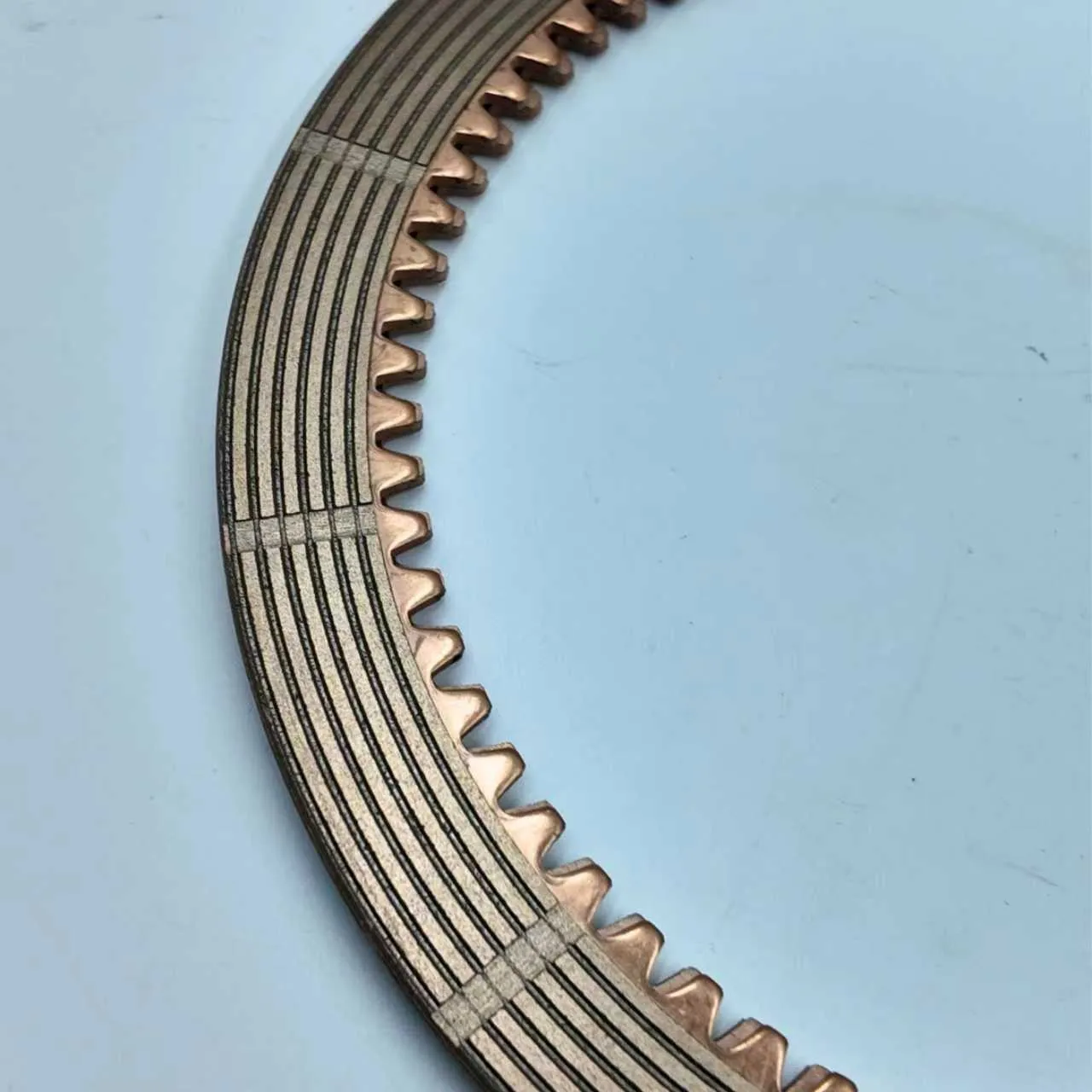 23S-15-12710 Komatsu Disc
 -
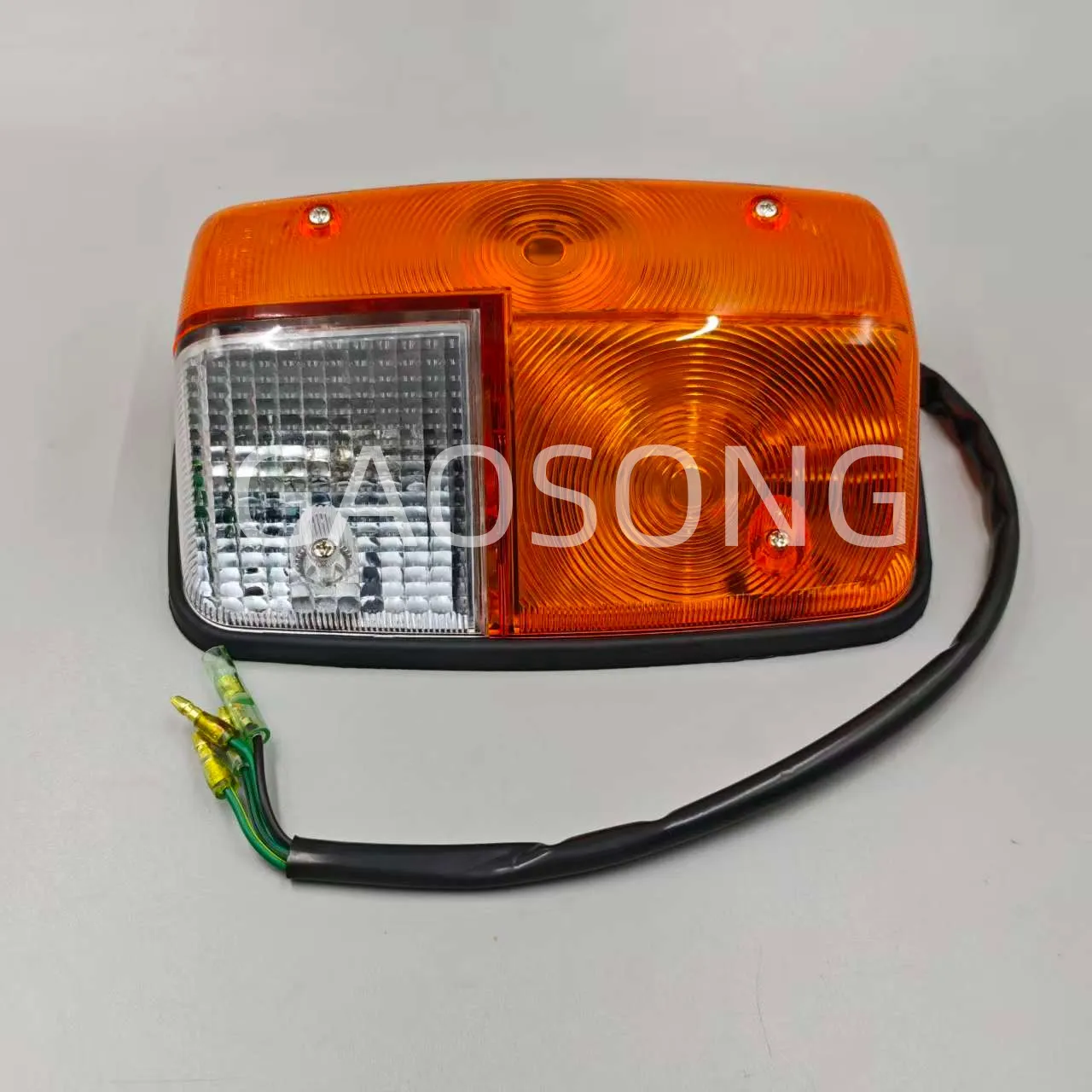 421-06-13401 LAMP ASS’Y,R.H.-Komatsu Original Factory
 -
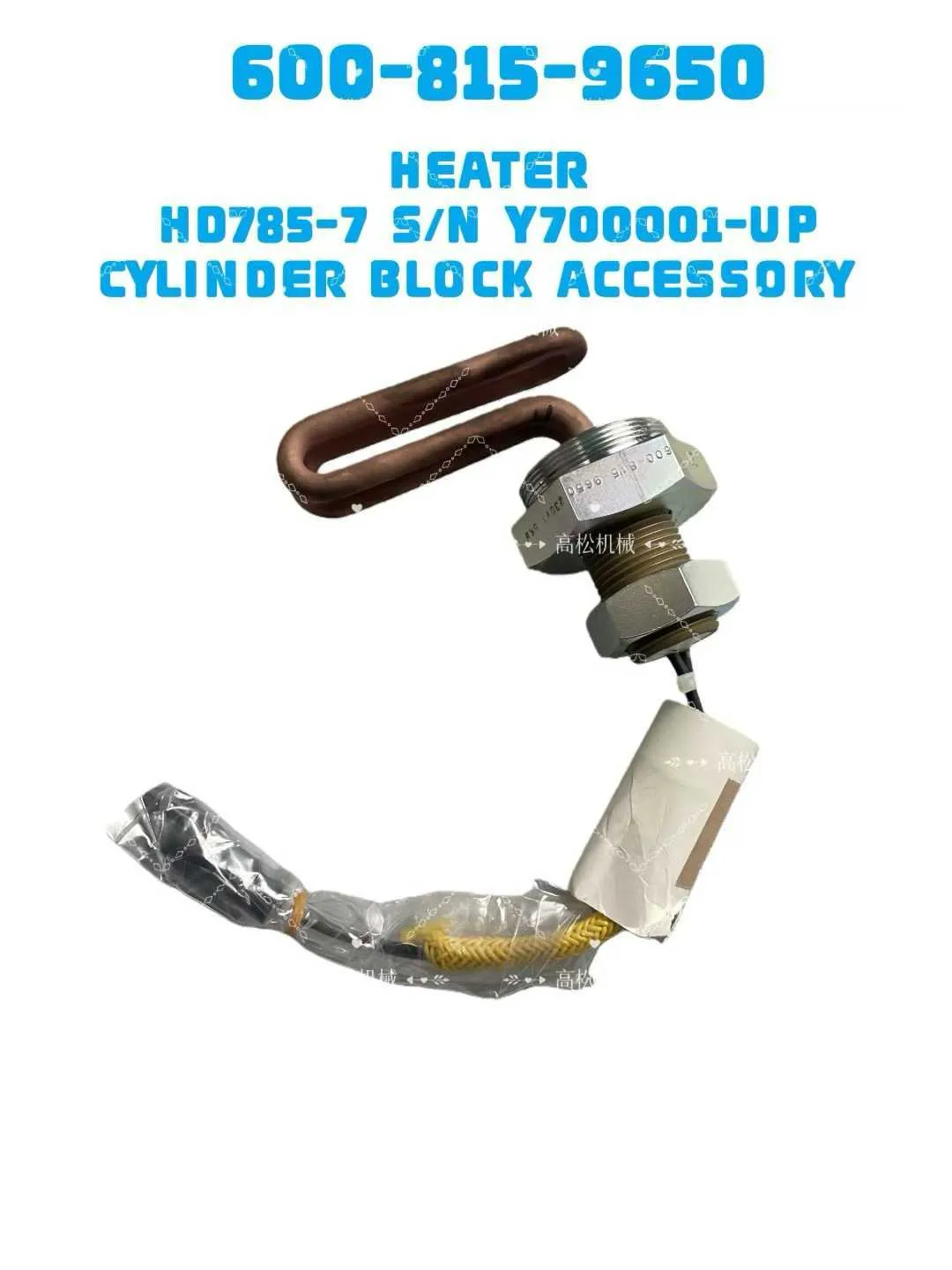 600-815-96504 HEATER HD785-7 5/N Y700001-UP6CYLINDER BLOCK ACCESSORY
 -
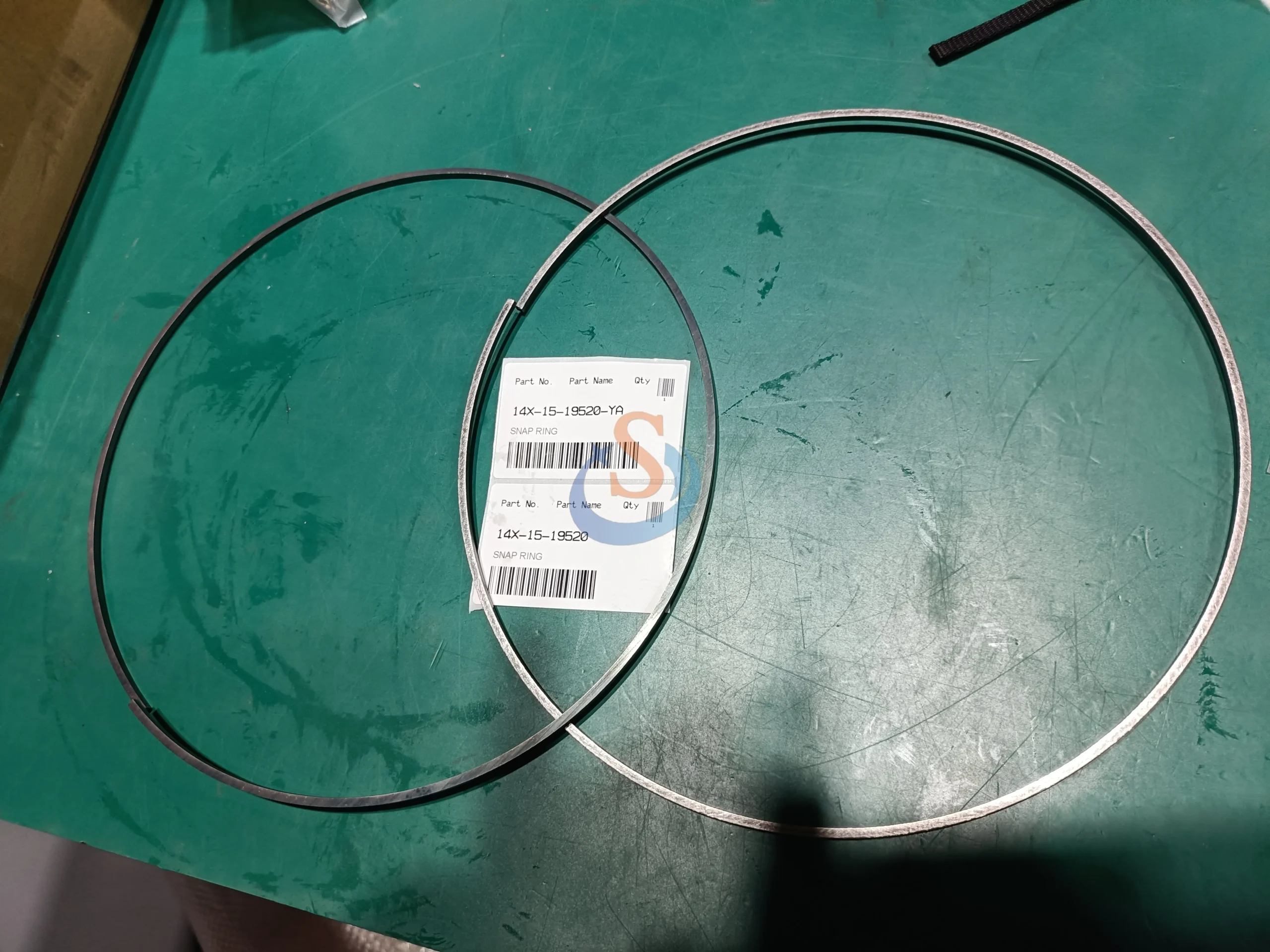 14X-15-19520 RING,SNAP D68ESS,D85PX,WA500
 -
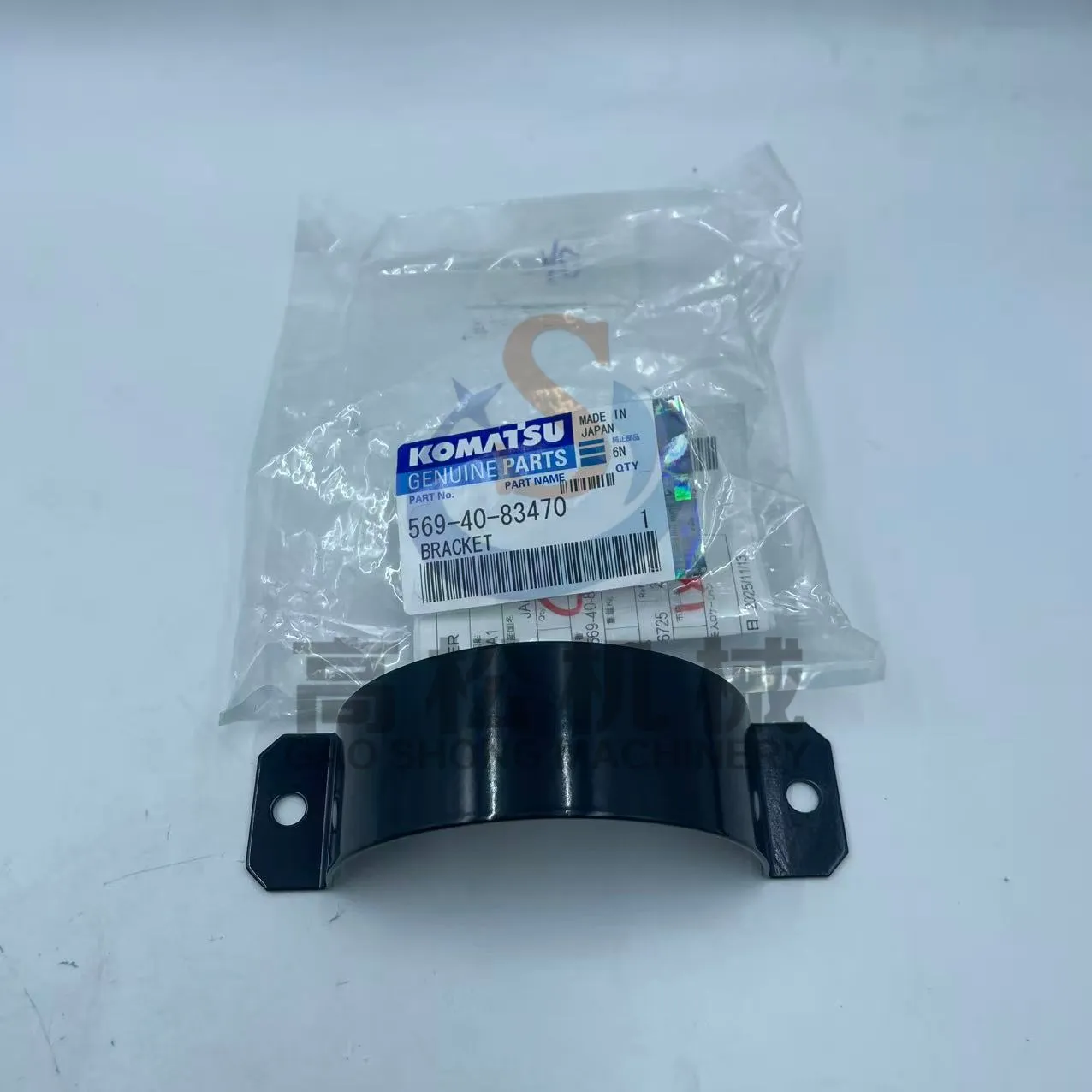 569-40-83470 Komatsu Bracket
 -
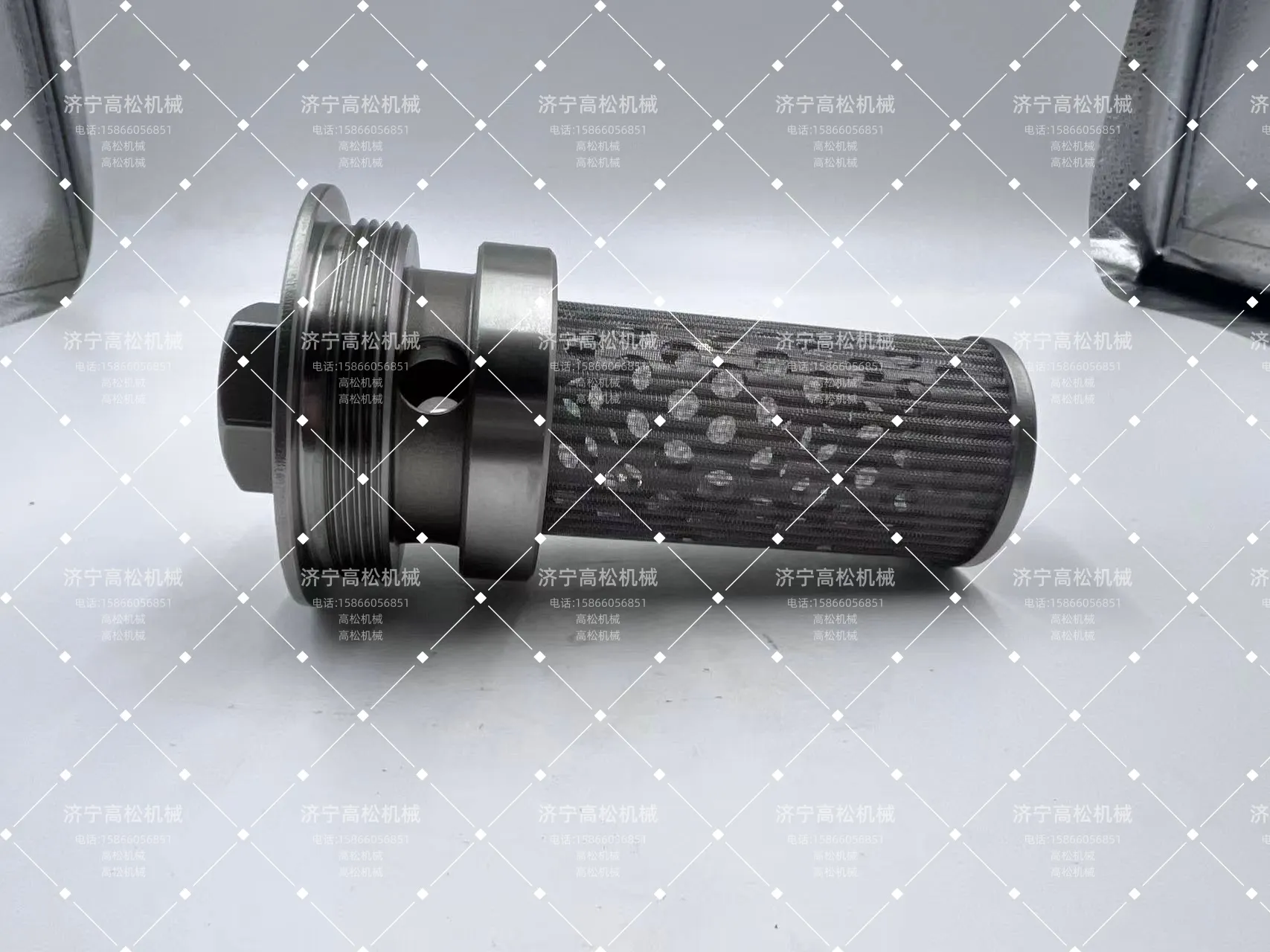 Original Brand New Filter element 195-04-11150 Filter Suitable for…
 -
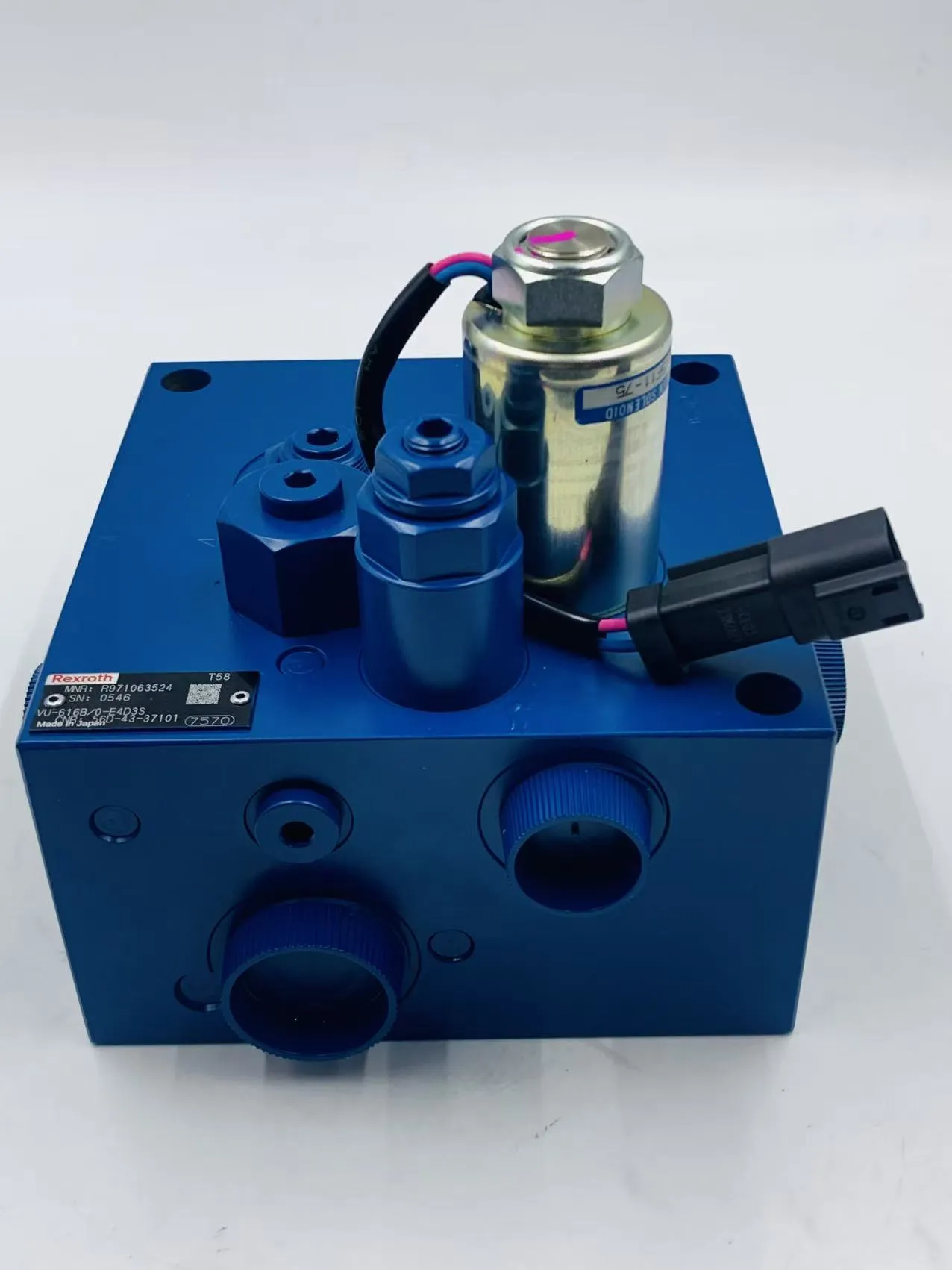 56D-43-37101 Valve Assembly, Charge for HM300 Komatsu Dump Truck Parts High Quality Original Factory
 -
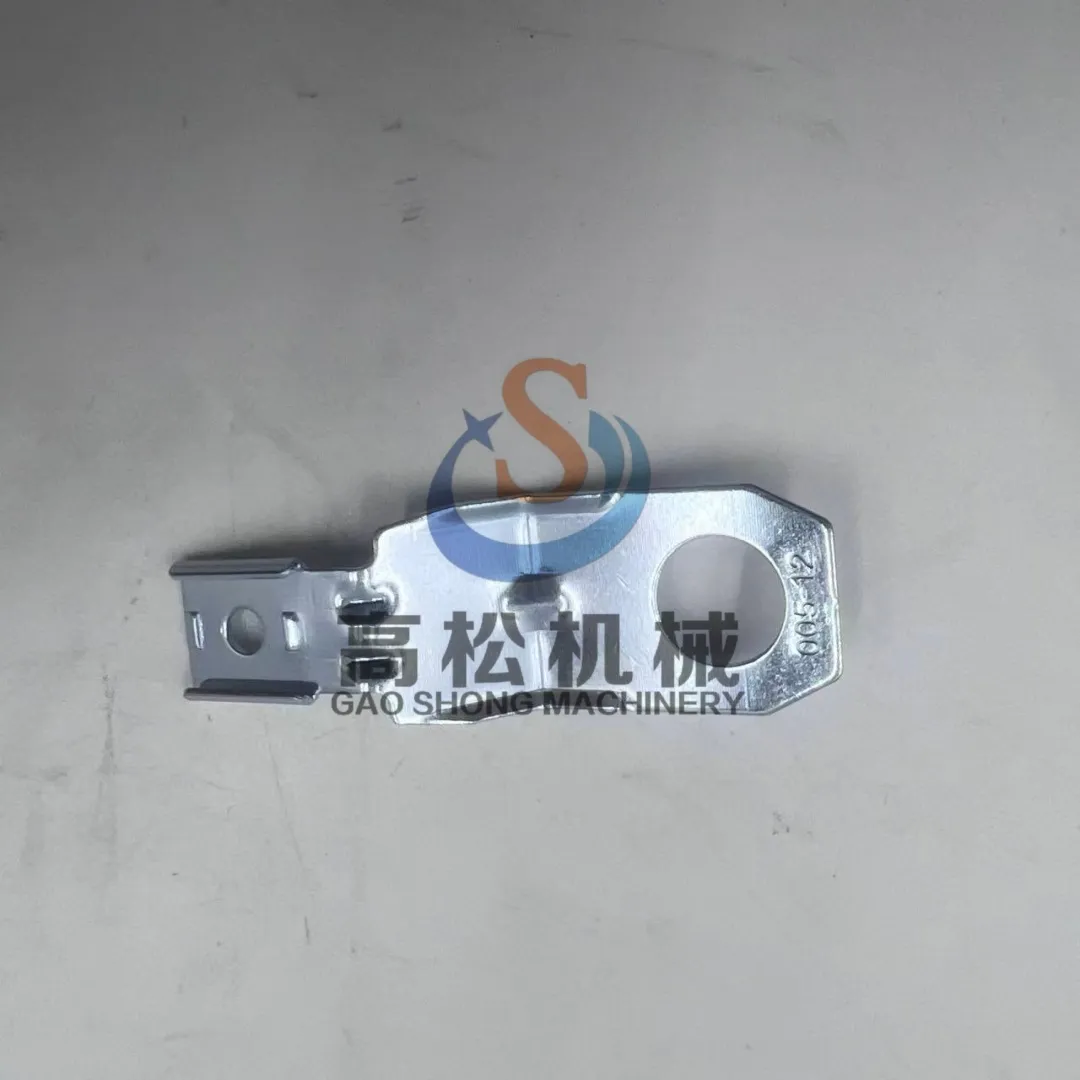 193-21012 CLIP,(WITHOUT ACCUMULATOR) – Komatsu