
- Chinese
- French
- German
- Portuguese
- Spanish
- Russian
- Japanese
- Korean
- Arabic
- Irish
- Greek
- Turkish
- Italian
- Danish
- Romanian
- Indonesian
- Czech
- Afrikaans
- Swedish
- Polish
- Basque
- Catalan
- Esperanto
- Hindi
- Lao
- Albanian
- Amharic
- Armenian
- Azerbaijani
- Belarusian
- Bengali
- Bosnian
- Bulgarian
- Cebuano
- Chichewa
- Corsican
- Croatian
- Dutch
- Estonian
- Filipino
- Finnish
- Frisian
- Galician
- Georgian
- Gujarati
- Haitian
- Hausa
- Hawaiian
- Hebrew
- Hmong
- Hungarian
- Icelandic
- Igbo
- Javanese
- Kannada
- Kazakh
- Khmer
- Kurdish
- Kyrgyz
- Latin
- Latvian
- Lithuanian
- Luxembou..
- Macedonian
- Malagasy
- Malay
- Malayalam
- Maltese
- Maori
- Marathi
- Mongolian
- Burmese
- Nepali
- Norwegian
- Pashto
- Persian
- Punjabi
- Serbian
- Sesotho
- Sinhala
- Slovak
- Slovenian
- Somali
- Samoan
- Scots Gaelic
- Shona
- Sindhi
- Sundanese
- Swahili
- Tajik
- Tamil
- Telugu
- Thai
- Ukrainian
- Urdu
- Uzbek
- Vietnamese
- Welsh
- Xhosa
- Yiddish
- Yoruba
- Zulu
- Kinyarwanda
- Tatar
- Oriya
- Turkmen
- Uyghur






OEM AND ORIGINAL KOMATSU CLUTCH 2A7-01-21543
When you see a search term like 'OEM AND ORIGINAL KOMATSU CLUTCH 2A', it immediately flags a specific, real-world headache. Someone's deep in a machine, probably a mid-sized Komatsu dozer or loader, and they're hitting the parts wall. The AND in that phrase is the tell—it's not just a part number lookup; it's a question of provenance and trust. Is it truly OEM, or just marketed as original? That distinction costs thousands and determines if a machine runs for another 5000 hours or fails in six months. I've seen too many shops burn money on a clutch pack that looked right in the box but wore out faster than a cheap bearing.
The 2A: More Than Just a Number
Let's get into the dirt on this specific part. The KOMATSU CLUTCH 2A isn't some universal component; it's engineered for a specific friction surface area and heat dissipation profile. I remember a job in Indonesia where a rebuilt unit, supposedly using original discs, kept slipping under high torque. Upon tear-down, the steel plates didn't have the exact micro-finishing—the subtle cross-hatch pattern—that the genuine Komatsu plates have. That finish isn't just for looks; it holds oil to manage heat during the initial engagement phase. The aftermarket plates were smooth. They worked, but not for long, and not under full load. That's the devil in the details with a part like this.
This is where the OEM system gets murky. Komatsu authorizes certain factories to produce these parts. An OEM product supplier within the Komatsu system, like Jining Gaosong Construction Machinery Co., Ltd., operates in that authorized space. They're not just resellers; they're part of the production and quality chain. Their website, https://www.takematsumachinery.com, frames it well: they help solve parts supply challenges in certain countries. That's a polite way of saying they navigate the logistical and sometimes contractual bottlenecks that leave dealers and independent workshops stranded. When you're in a remote mining operation and the official channel quotes a 12-week lead time, a company like this becomes critical.
The original tag gets thrown around loosely. In my experience, for a clutch pack to be considered original, it must come from Komatsu's designated supply chain, down to the specific material specs for the friction material, the grade of steel for the plates, and even the spring pressure on the diaphragm. I've compared side-by-side: a clutch from a system supplier like Gaosong versus a purely aftermarket compatible unit. The weight difference in the pressure plate assembly was noticeable—about a kilo lighter on the aftermarket one, indicating thinner casting or different alloy. That translates directly to fatigue life.
Why the OEM AND ORIGINAL Search is So Common
People search this way because they've been burned. The market is flooded with clones that stamp the Komatsu part number right on the box. I fell for it once early in my career. The price was 40% below dealer cost, and the packaging was convincing. It failed spectacularly during a pressure test—the hub splines stripped. The metal was too soft. The lesson? The part number is just the entry point. You need to vet the source. This is the niche that a third-party sales company for Komatsu legitimately fills. They aren't moving counterfeit goods; they're providing an alternative authorized pipeline. Their business is built on solving the genuine supply challenge, not circumventing it.
Consider the logistics. A genuine part from Komatsu might ship from Japan to a regional warehouse, then to a national distributor, then to a dealer, then to you. Each layer adds cost and time. An authorized OEM supplier might ship directly from their factory, which is producing to Komatsu's print, to the end user. The core specification—the OEM AND ORIGINAL KOMATSU CLUTCH essence—is intact, but the route is more efficient. This is what Gaosong's company intro hints at. They're not magicians; they're leveraging their position within the system to streamline access.
The failure mode I see most often with questionable clutch assemblies is heat-related glaze and warpage. The 2A, when right, can handle the shock loads from directional changes in a loader. A sub-par unit will overheat, the friction material will crystallize, and you'll get a shudder on engagement that feels like a driveline issue. I've wasted days chasing ghosts, replacing driveshafts and even checking torque converters, only to trace it back to a clutch that couldn't handle the BTU load. Now, my first checkpoint is the source documentation and a magnet test on the steel plates—genuine ones have a specific magnetic pull due to the steel alloy.
Practical Verification and Sourcing
So, how do you verify? It's not foolproof, but you develop a system. First, ignore the shiny box. Ask for the material certification or the batch traceability code. An OEM system supplier should be able to provide this, linking the part back to a Komatsu-approved production run. Second, look at the physical details. On the 2A, there's a specific, almost imperceptible, chamfer on the inner edge of the clutch discs. It's a machining step many clones skip. Third, weigh the components. I keep a simple digital scale in the shop. Discrepancies of more than 2-3% on major components are a red flag.
This is where leveraging a company's stated role is key. When a supplier explicitly states they are an OEM product supplier within the Komatsu system, it's a claim you can test. Ask them: Can you provide the Komatsu engineering drawing number for this clutch assembly? A reseller of aftermarket parts will stumble. An entity within the system, like the one mentioned, will either have it or get it. Their website, takematsumachinery.com, is a starting point for that conversation, not the end. It signals they are part of a structured supply solution.
I recall a sourcing success for a fleet of D65EX dozers. The official lead time was prohibitive. We went through a channel similar to Gaosong's described model. The parts arrived in Komatsu-branded, but slightly different, packaging. The concern was immediate. However, the paperwork was all there—mill certificates for the steel, friction material spec sheets matching Komatsu's MSDS. We installed them. That was four years ago. Those machines are still running on that same set of clutches, with normal wear rates. It validated that the OEM AND ORIGINAL path isn't always the straight line through the dealership.
The Cost of Getting It Wrong
The financial hit isn't just the part cost. It's the downtime. A failed clutch on a Komatsu machine means splitting the machine—a 20- to 40-hour job for a skilled crew, plus the crane time. If you have to do it twice because the first part failed prematurely, you've easily blown $15-20k in labor and lost revenue, on top of the part cost. That's why the initial search is so desperate and specific. People aren't just buying a part; they're buying insurance against catastrophic downtime. A genuine KOMATSU CLUTCH 2A, whether via the traditional dealer or a vetted system supplier, is that insurance.
The temptation to save 30% upfront is huge, especially for independent operators. But the math almost never works. I've built a simple rule: if the price difference between a verified OEM-source part and an unknown original is more than 25%, the unknown part is almost certainly a compromise. The authorized third-party sales companies typically price 10-15% below the dealer network, which reflects the streamlined logistics, not a cut in specification. That's a sustainable model.
Another layer is the warranty and support. An aftermarket part might come with a warranty, but it's often just a replacement of the part. A failure from an OEM-system source usually triggers a deeper technical review. I've had suppliers send engineers to site after a rare failure to inspect the installation and the failed component. That level of support is baked into the OEM ecosystem. It's about protecting the performance reputation of the machine brand itself, not just moving a box.
Closing the Loop on the Search
So, back to that search string: 'OEM AND ORIGINAL KOMATSU CLUTCH 2A'. It represents a user who's learned that the part number alone is meaningless. They're looking for the confluence of correct specification and reliable access. They need the quality of the OEM part with the availability that the official channel sometimes lacks. This gap is precisely what companies operating as OEM product supplier within the Komatsu system aim to fill.
The key takeaway isn't to distrust all non-dealer sources. It's to differentiate between a generic aftermarket manufacturer and an authorized system participant. The latter's value proposition, as seen on sites like takematsumachinery.com, is solving supply challenges with specification-compliant parts. Your job is to verify that authorization. Ask for proof of being in the system—certifications, audit reports, direct references to Komatsu engineering standards.
In the end, the clutch is just a collection of steel, copper, and ceramics. What makes it the OEM AND ORIGINAL KOMATSU CLUTCH is the controlled process behind it and the accountability of the supply chain. Finding a source that maintains that control while being responsive to market realities is the real win. It turns a desperate search into a reliable, repeatable sourcing strategy. That's the difference between being stuck and being up and running.
Related Products
Related Products

Best Selling Products
Best Selling Products-
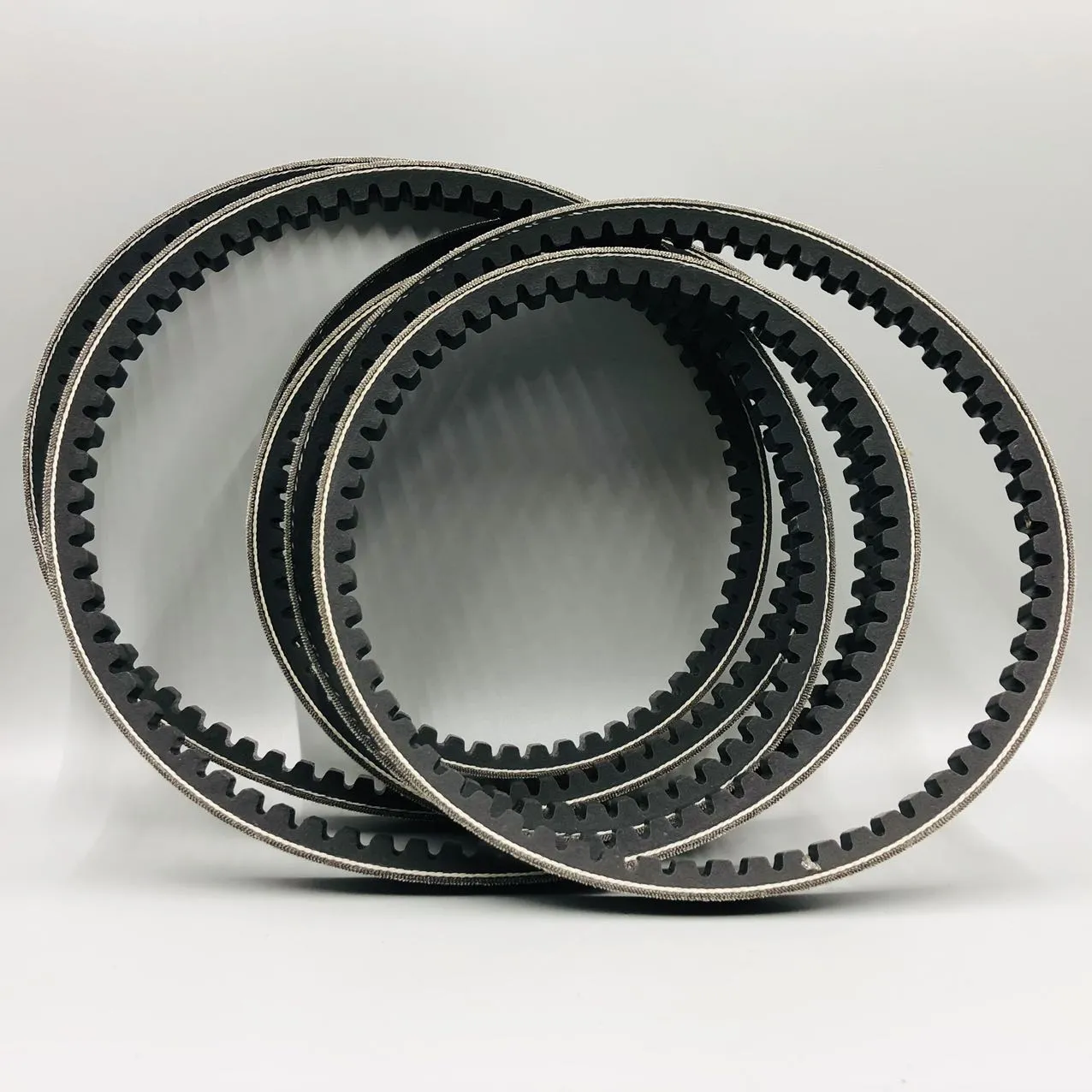 Komatsu mechanical belt6219-61-3420
 -
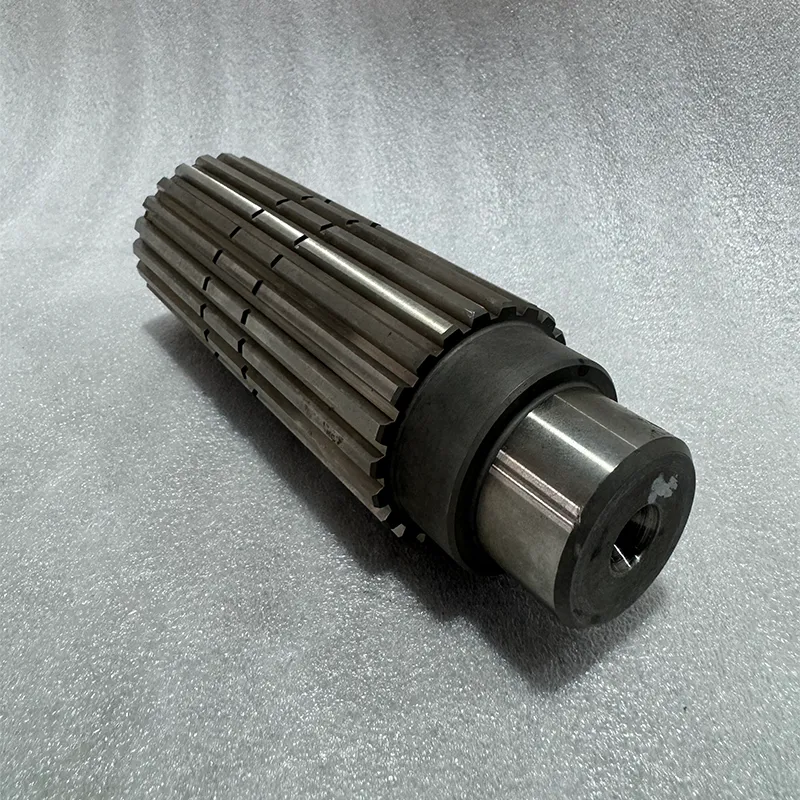 Komatsu original D65PX-15 Gear Shaft 14X-12-11411
 -
 07213-50710 Connector, suitable for Komat Su D275A/D375A/D475A/PC600/PC1250
 -
 Komatsu original throttle knob 21T-26-11270 stop washer
 -
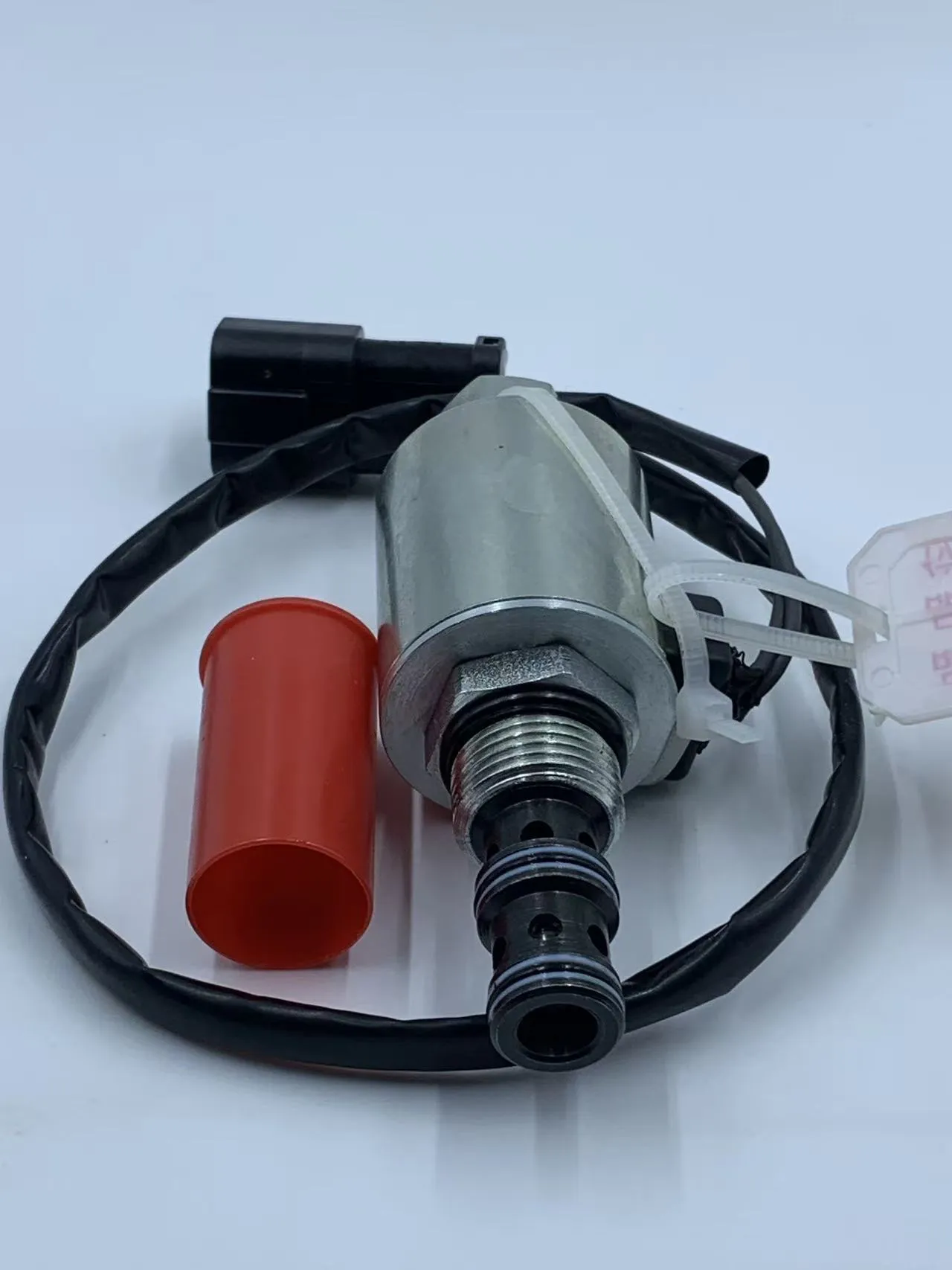 20Y6011713 excavator solenoid valve construction machinery parts suitable for Komatsu PC200-7 20Y-60-11713
 -
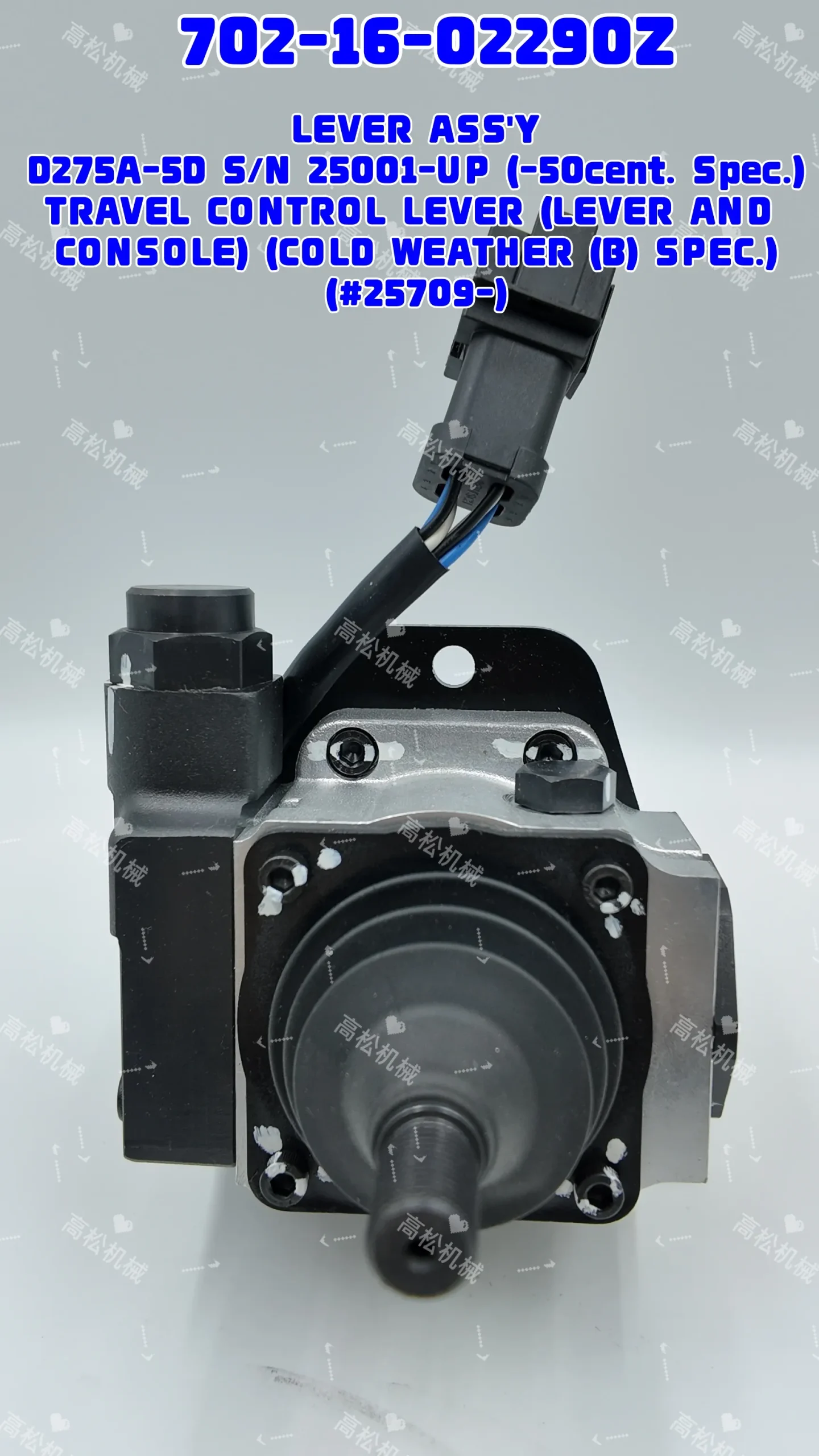 komatsu-part-702-16-02290 LEVER ASS’Y D65PX-15E0 D155AX-6 D155AX-8 D275A-5R D85EXI-18 FLOOR FRAME, TRAVEL CONTROL LEVER FLOOR FRAME, LEVER ROPS CAB, PCCS (PALM COMMAND CONTROL SYSTEM) LEVER
 -
Komatsu PC220-8, PC350-8, PC450-8 excavator filter assemblies 20Y-62-51681 (20Y62-51681, 20Y-625168) (pilot filters
-
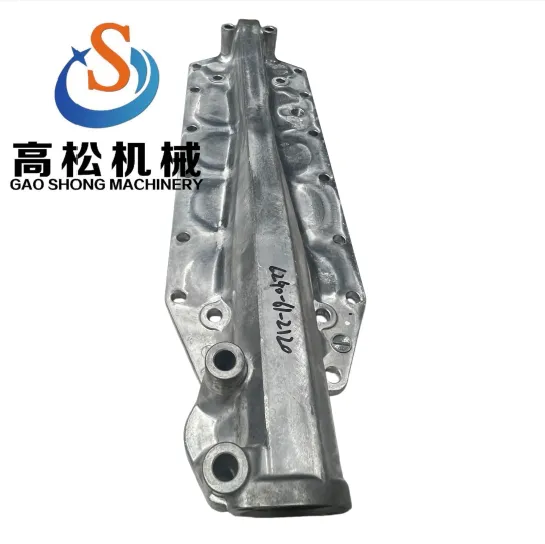 Engine Oil Cooler Cover for Cummins QSK23 SA6D170 Engine 4096006 6240-61-2120 Oil Cooler Cover 6240612120
 -
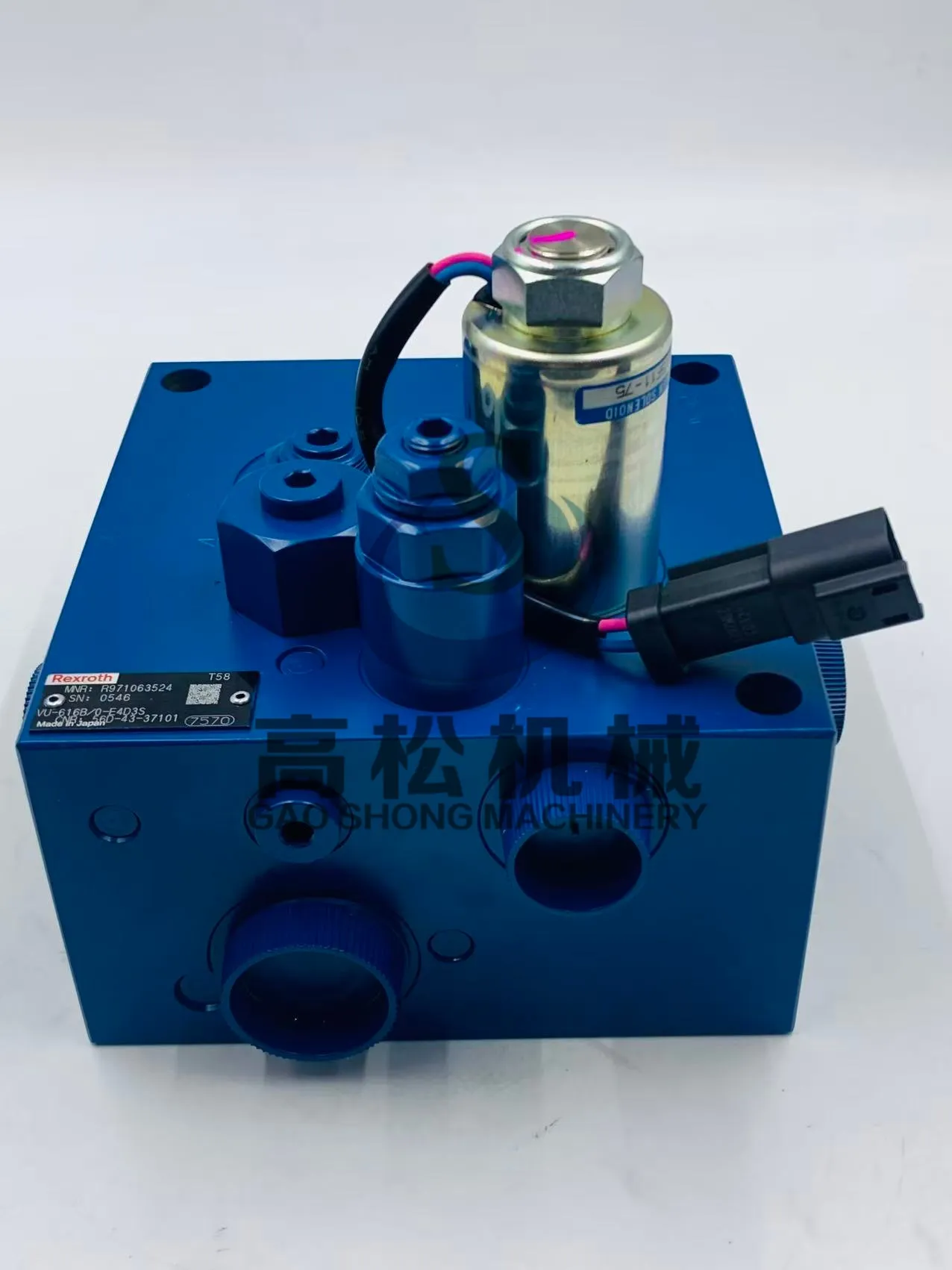 56D-43-37101 Komatsu Valve Assembly
 -
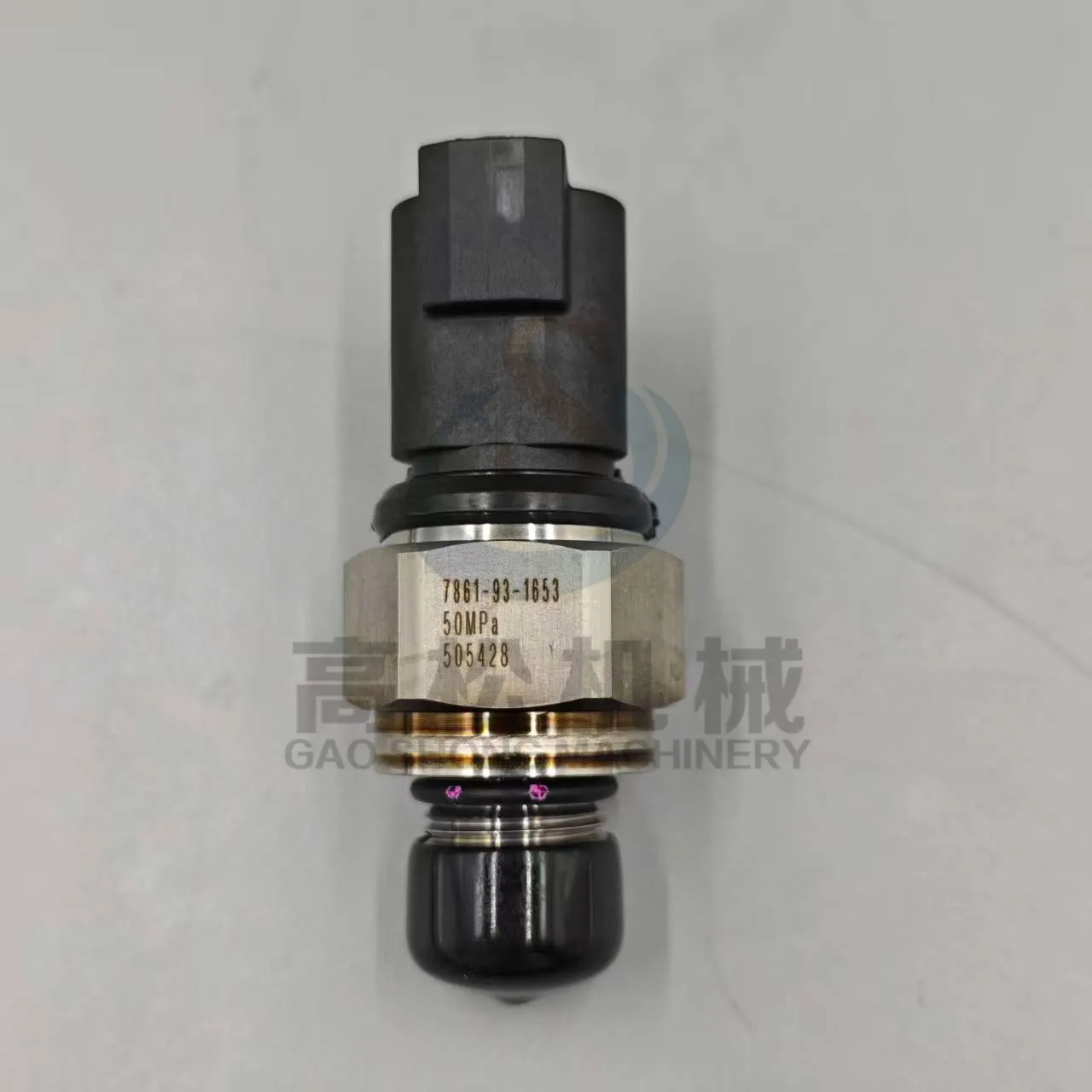 Komatsu 7861-93-1653 Sensor Pres
 -
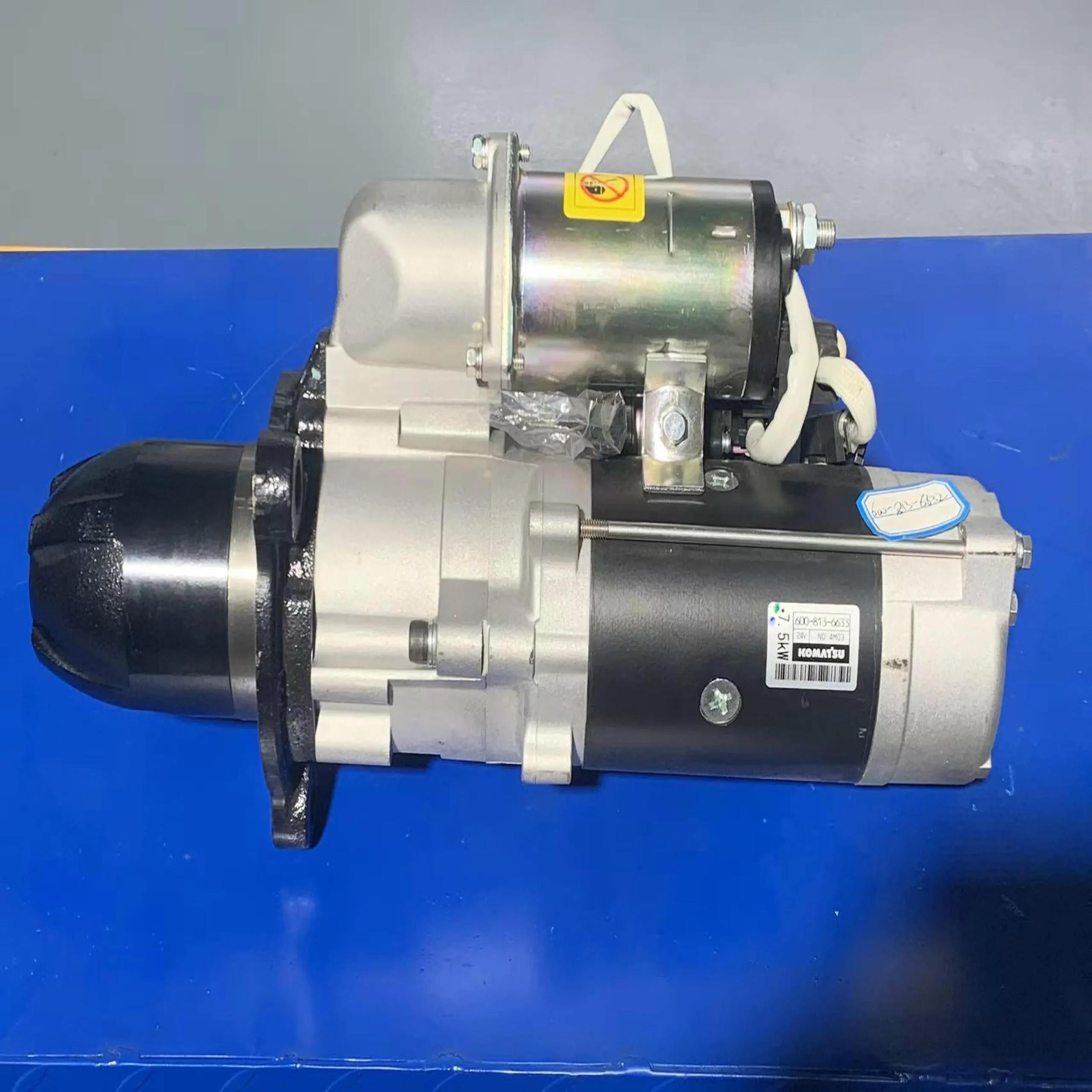 600-813-6632 PC400-8 Start Motor
 -
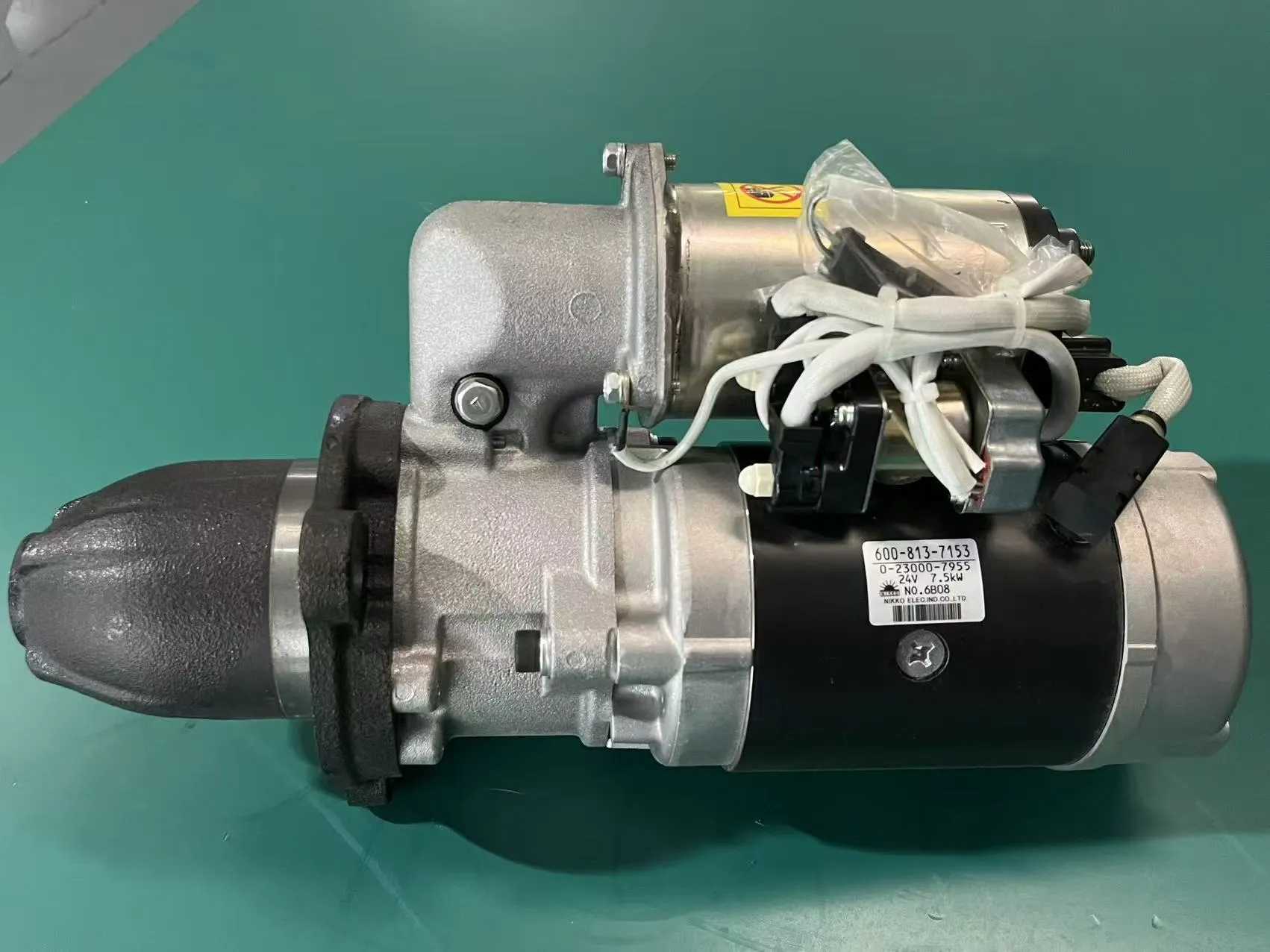 608-813-6632 #Komatsu #Komatsu Machinery Parts spot 2025