
- Chinese
- French
- German
- Portuguese
- Spanish
- Russian
- Japanese
- Korean
- Arabic
- Irish
- Greek
- Turkish
- Italian
- Danish
- Romanian
- Indonesian
- Czech
- Afrikaans
- Swedish
- Polish
- Basque
- Catalan
- Esperanto
- Hindi
- Lao
- Albanian
- Amharic
- Armenian
- Azerbaijani
- Belarusian
- Bengali
- Bosnian
- Bulgarian
- Cebuano
- Chichewa
- Corsican
- Croatian
- Dutch
- Estonian
- Filipino
- Finnish
- Frisian
- Galician
- Georgian
- Gujarati
- Haitian
- Hausa
- Hawaiian
- Hebrew
- Hmong
- Hungarian
- Icelandic
- Igbo
- Javanese
- Kannada
- Kazakh
- Khmer
- Kurdish
- Kyrgyz
- Latin
- Latvian
- Lithuanian
- Luxembou..
- Macedonian
- Malagasy
- Malay
- Malayalam
- Maltese
- Maori
- Marathi
- Mongolian
- Burmese
- Nepali
- Norwegian
- Pashto
- Persian
- Punjabi
- Serbian
- Sesotho
- Sinhala
- Slovak
- Slovenian
- Somali
- Samoan
- Scots Gaelic
- Shona
- Sindhi
- Sundanese
- Swahili
- Tajik
- Tamil
- Telugu
- Thai
- Ukrainian
- Urdu
- Uzbek
- Vietnamese
- Welsh
- Xhosa
- Yiddish
- Yoruba
- Zulu
- Kinyarwanda
- Tatar
- Oriya
- Turkmen
- Uyghur






OEM AND ORIGINAL KOMATSU CARRIER 421-23-32630
When you see a part number like for a Komatsu carrier roller, especially paired with terms like 'OEM' and 'original', it sets off immediate alarms for anyone who's been sourcing parts for a while. The assumption is often that if it's labeled 'OEM', it must be identical to the part that comes off the Komatsu production line. That's the first and most costly misconception. In reality, the landscape for components like this carrier roller is fragmented. There's the genuine Komatsu part, there are parts made by the actual original equipment manufacturer (OEM) who supplies Komatsu, and then there's a whole world of aftermarket copies that blur the lines. I've seen too many projects get delayed because someone bought a 'genuine' that turned out to be a high-quality replica—good, but not quite right for the specific application stress, leading to premature wear on the track chain. The part number itself is specific, but its provenance is the real story.
The OEM Reality vs. The Original Claim
Let's break down the terminology, because this is where the rubber meets the road. 'OEM' for a Komatsu part like the carrier roller technically refers to the factory that forged, machined, and assembled it under contract for Komatsu. That factory might also sell the same physical part, from the same production line, but without the Komatsu logo and packaging. This is a true OEM part. It's functionally identical. The challenge is proving that lineage. Many suppliers use 'OEM' loosely to mean 'compatible with', which it is not.
Then there's 'Original'. This should mean it came from Komatsu's official parts distribution network. It has the branding, the part number etched in the specific way Komatsu does it, and the full warranty. But in certain markets, especially where official distribution is thin or parts are on indefinite backorder, the supply chain gets creative. You might get a part that is original in every mechanical sense but arrived through unofficial channels. This is where companies like Jining Gaosong Construction Machinery Co., Ltd. operate. They position themselves within that gray area, stating they are an OEM product supplier within the Komatsu system and a third-party sales company. In practice, this often means they have access to the OEM factory output or surplus genuine stock, helping to solve parts supply challenges in certain countries, as their site takematsumachinery.com notes. It's a vital service, but it requires a lot of trust and verification from the buyer.
I recall a situation in 2019 where we needed a set of these rollers for a PC700-8. The official channel quoted a 12-week lead time. We found a supplier claiming to have OEM-original units in stock. The price was 30% lower than Komatsu's. The parts arrived, and visually, they were perfect. The metallurgy report we commissioned later showed a slight variance in the alloy composition of the roller flange. It wasn't enough to fail immediately, but our telematics data showed a 15% higher temperature spike in that roller group after six months of heavy operation. Was it the OEM? Probably. Was it the exact same spec Komatsu certified? Evidently not. That's the subtle, expensive difference.
Identifying the Authentic: It's in the Details
So how do you spot the real deal? It's never about the shiny new paint. First, look at the casting marks and part number stamping. The genuine Komatsu carrier roller will have a crisp, deep, and cleanly finished stamp. The '' won't have rough edges or faint spots. Counterfeits often have softer, less precise stamps because the tooling is a copy of a copy. Second, the grease fitting. It seems trivial, but the thread specification and the fitting's brand (often a specific Japanese manufacturer) are consistent on genuine parts. I've seen otherwise perfect rollers with cheap, non-standard fittings that strip during the first service.
The packaging is another tell, though it's often discarded. Genuine Komatsu parts come in specific, high-quality boxes with distinct labeling and foam inserts that hold the roller securely to prevent shipping damage to the sealing surfaces. The OEM version from the same factory might come in a plain brown box with simple foam. The aftermarket copy will often use flimsy cardboard and bubble wrap. If the part arrives with any damage to the seal lands or threads, it's dead on arrival, regardless of its origin.
Finally, the documentation. A legitimate OEM supplier like the one mentioned should be able to provide traceability—a batch number, a certificate of conformity from the foundry, something more than just a commercial invoice. When I've engaged with suppliers on takematsumachinery.com, the ones who are legitimate are quick to offer these details. The ones who aren't will get vague, talking only about high-quality materials and OEM standards. That's your cue to walk away.
The Practical Trade-Off: Cost, Availability, and Risk
This is the constant calculus. The genuine Komatsu part is low-risk but high-cost and potentially high-wait. The true OEM part is the sweet spot for value, if you can verify it. The aftermarket is high-risk but low-cost and high-availability. For a critical, high-wear component like a carrier roller, I lean heavily towards verified OEM or genuine. The cost of a failure isn't just the part; it's the downtime, the potential damage to the track chain and frame, and the labor for a second replacement.
We tried the budget route once on a smaller machine. The aftermarket analogs lasted about 1800 hours before showing significant bushing wear and seal failure. The OEM-sourced ones we used as a replacement are currently past 5000 hours with normal wear. The math is simple: even at double the price, the cost-per-hour of the verified part was far lower. The initial savings were completely illusory.
This is precisely the niche that third-party sales companies fill. They aren't for every purchase. But when you're in a bind, in a region where the official network is absent, and you need a part with known provenance, their role is invaluable. Their entire business hinges on being a reliable bridge between the OEM production capacity and the end-user in challenging markets. You're not just buying a part; you're buying their credibility and their access.
Beyond the Part Number: System Thinking
Focusing solely on the can be a mistake. A carrier roller doesn't work in isolation. Its performance is tied to the condition of the track chain (especially the link height), the sprocket, and the other rollers. Installing a perfect new OEM roller on a worn-out track is a waste of money. It will wear prematurely. Any good supplier, whether Komatsu direct or a company like Jining Gaosong, should be asking about the machine serial number and hours, and the condition of the surrounding system. If they don't, they're just order-takers, not technical partners.
I've made this error myself, early on. We replaced a single failed roller with a verified part. It failed again in 800 hours. The problem was the adjacent track link was slightly out of spec, creating a bending moment on the roller pin. The lesson was to always inspect and measure the entire assembly. Now, when sourcing a critical part, the conversation starts with the system, not the box.
This systems approach is what separates a parts seller from a solutions provider. The website for Jining Gaosong Construction Machinery Co., Ltd. mentions solving supply challenges. The best way to solve a challenge isn't just to drop-ship a box; it's to understand why the part failed, what else might be needed, and ensuring the replacement integrates correctly. That requires a level of practical, field-based knowledge that you can't fake.
Concluding Without a Bow
There's no neat conclusion here. The market for OEM and original Komatsu parts is messy, pragmatic, and driven by urgent need. The part number is just an entry point. The real work is in the verification, the relationship with the supplier, and the understanding that the part is a component in a dynamic, punishing system. Companies operating as third-party conduits exist because the official pipeline has gaps. Their value is proportional to their transparency and technical acumen. You learn to judge that not by glossy brochures, but by the specificity of their answers, their willingness to provide proof, and their questions about your machine. It's an imperfect process, but it's the real one.
Related Products
Related Products

Best Selling Products
Best Selling Products-
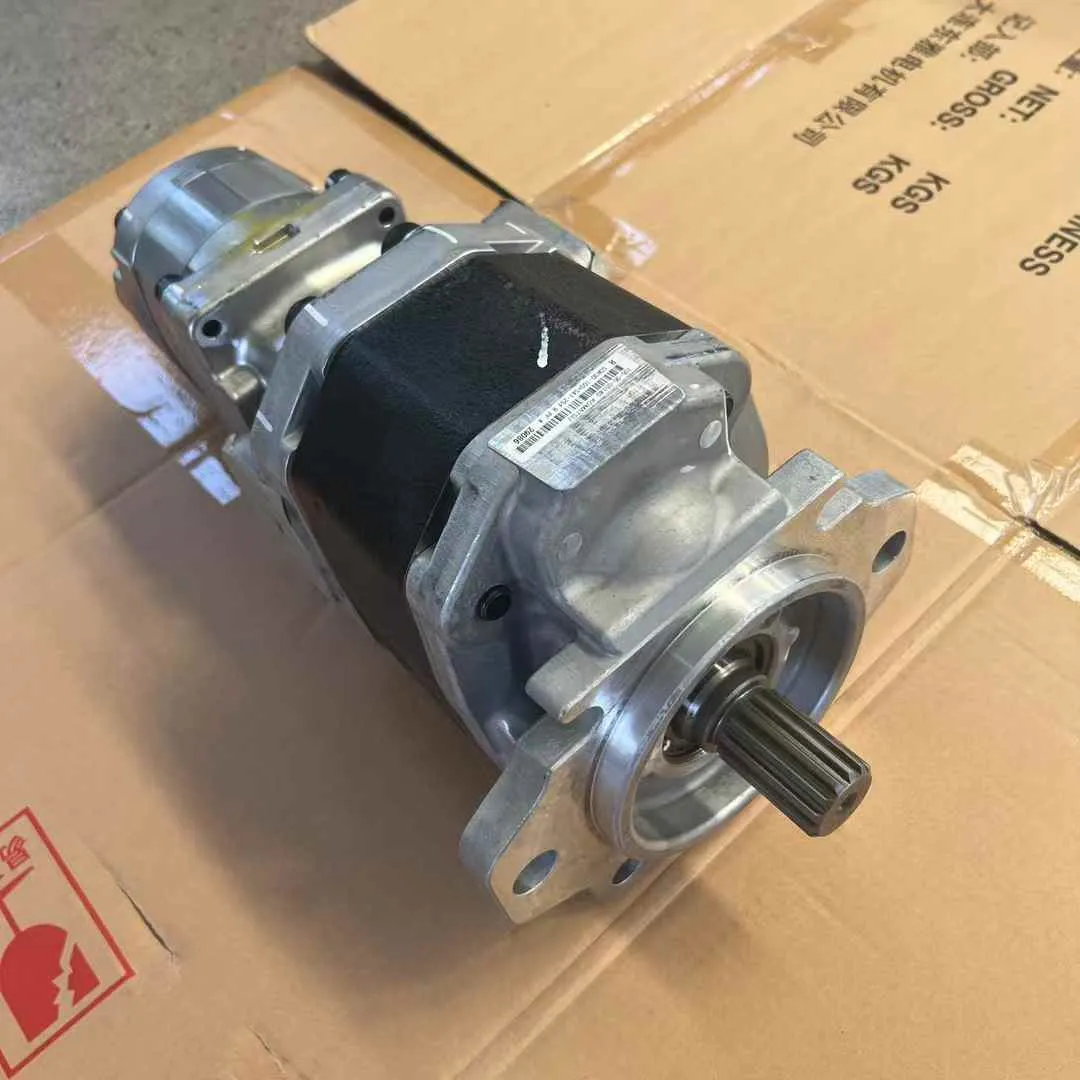 705-95-05140 HydraulicPump
 -
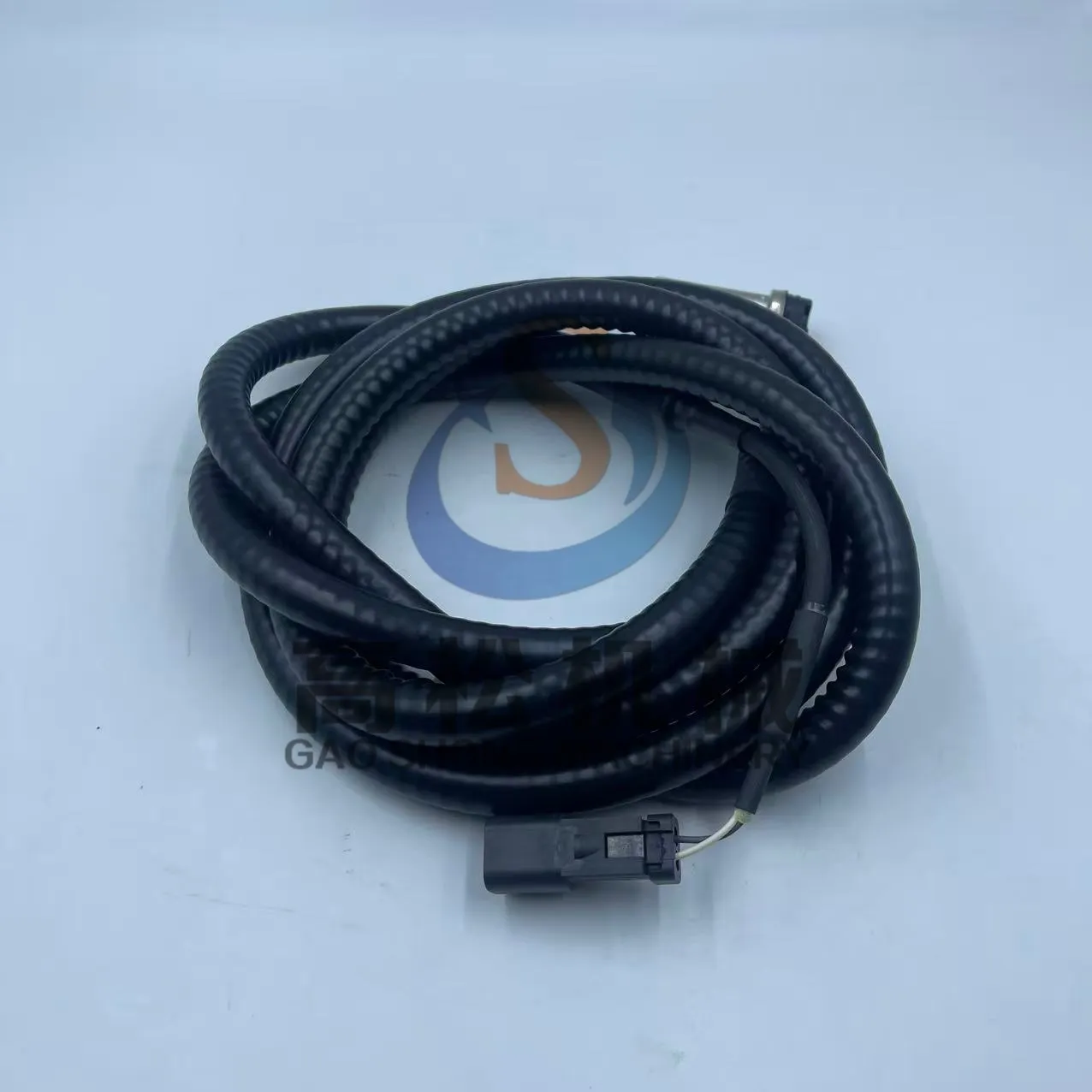 566-88-66143 – KOMATSU SENSOR
 -
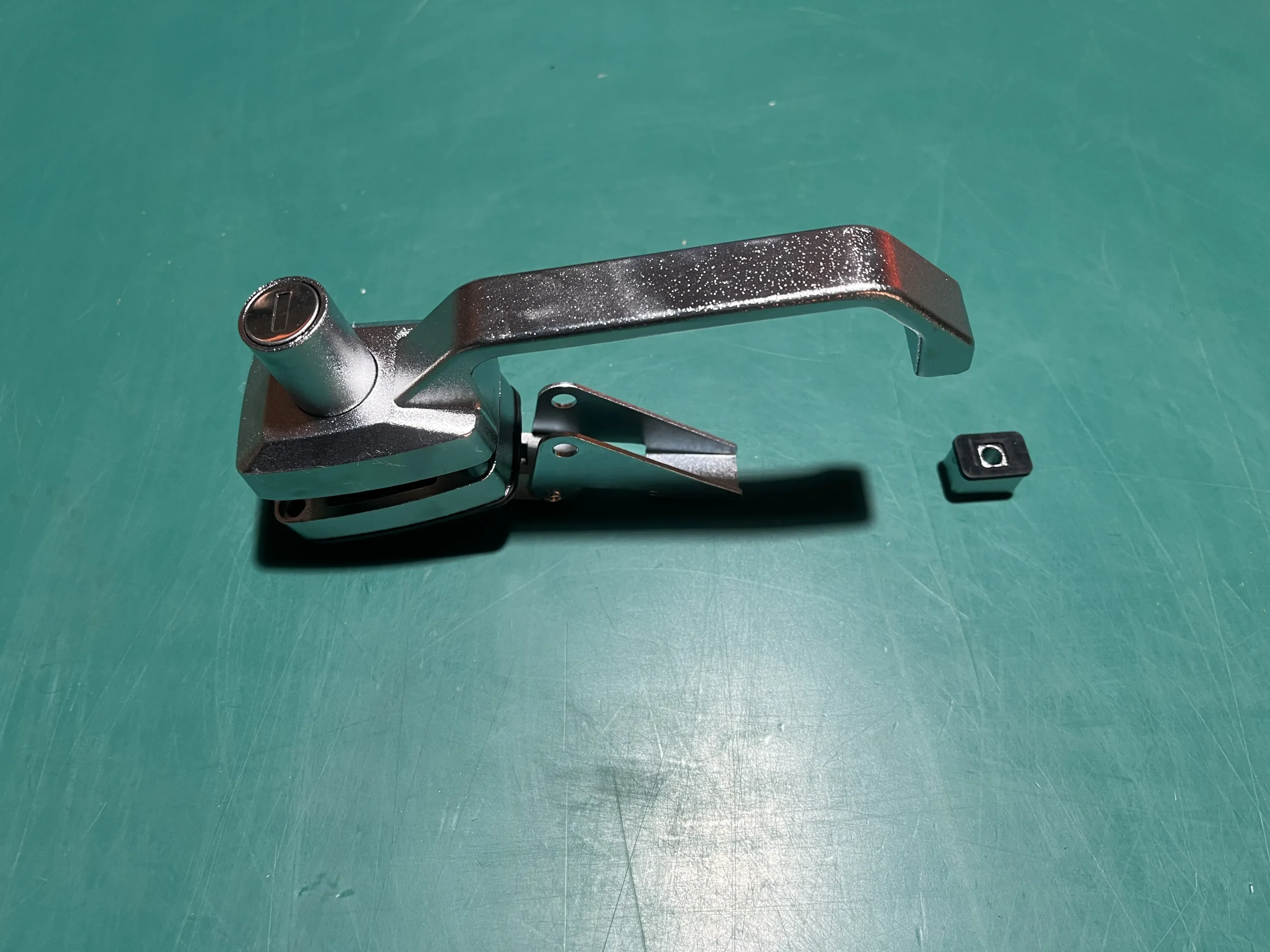 Komatsu Locks 198-Z11-3710 for Bulldozer D65EX-12
 -
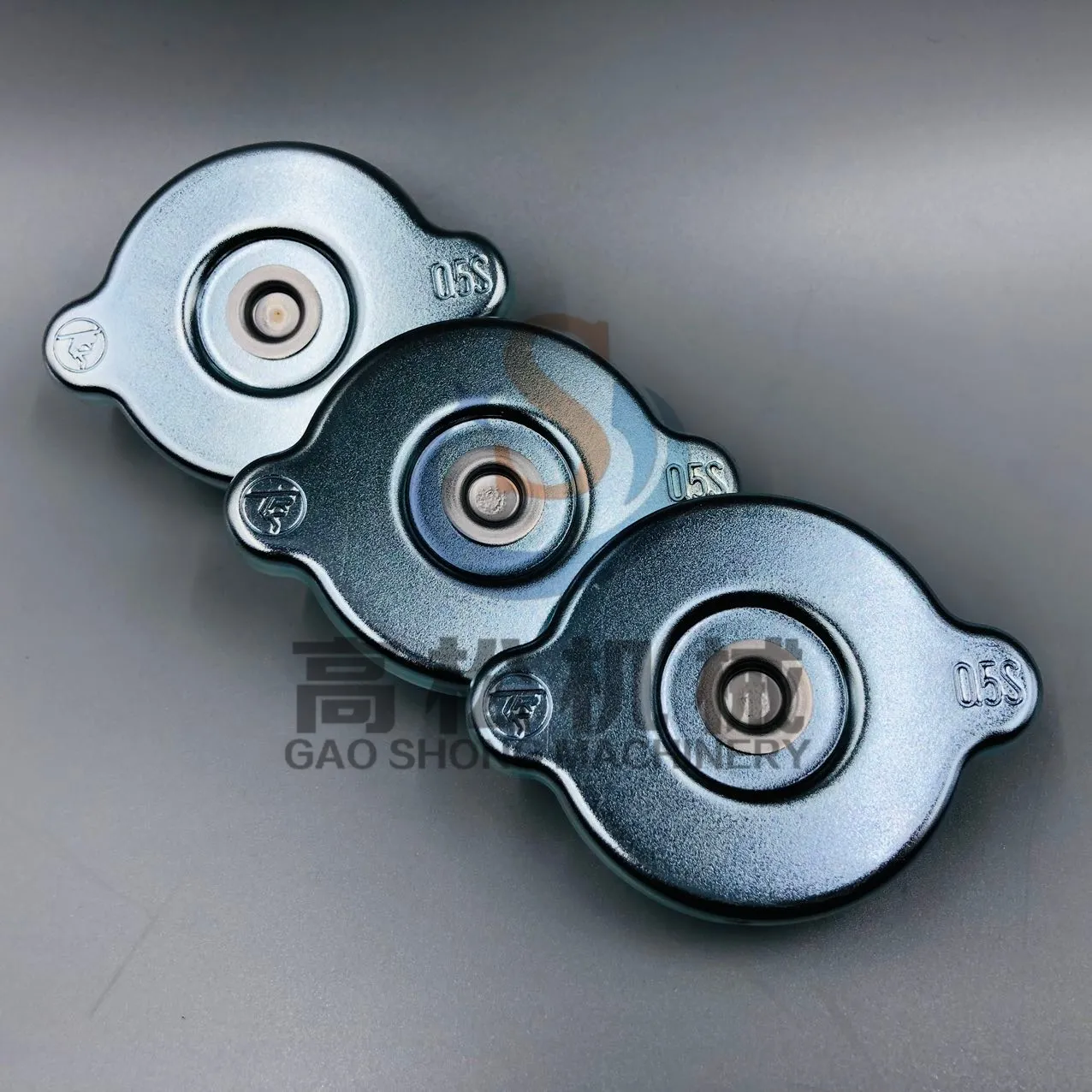 Water Tank Radiator Cover 20Y-03-22110
 -
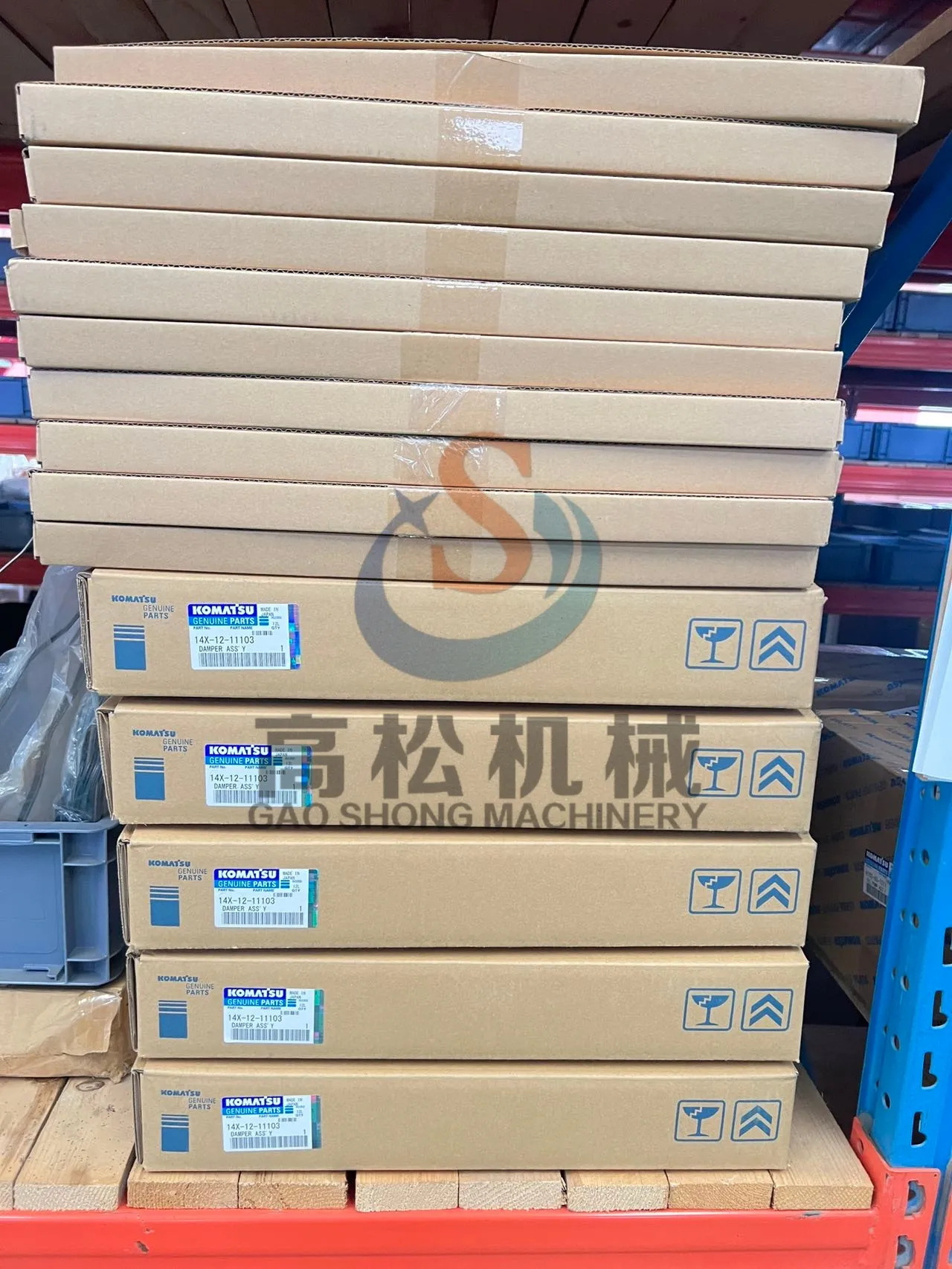 14X-12-11103 Komatsu Damper Disc Assembly
 -
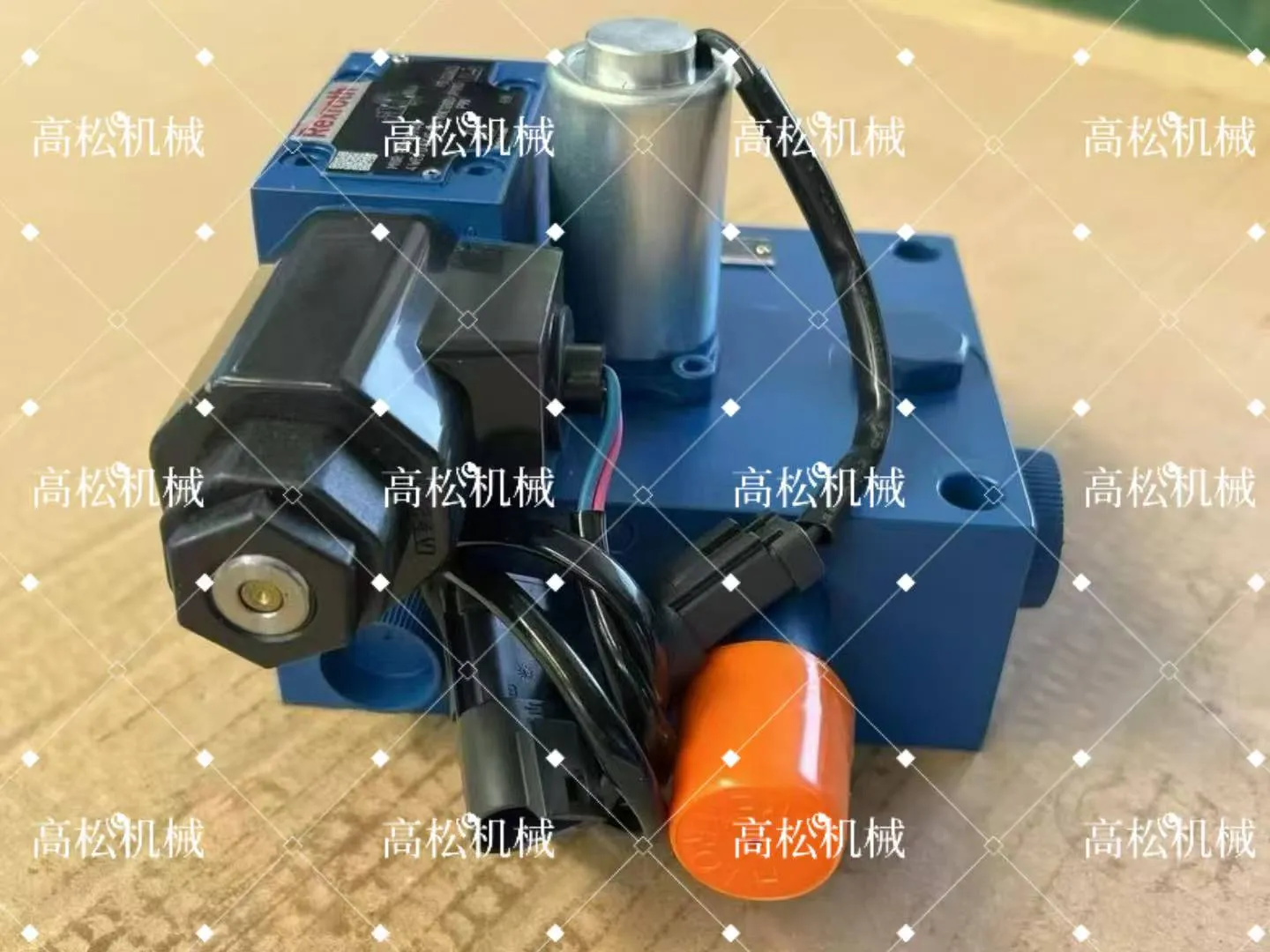 New available valve assembly hm300-5 for charging the hydraulic battery 56d-43-37101 for earth-digging machinery of komatsu
 -
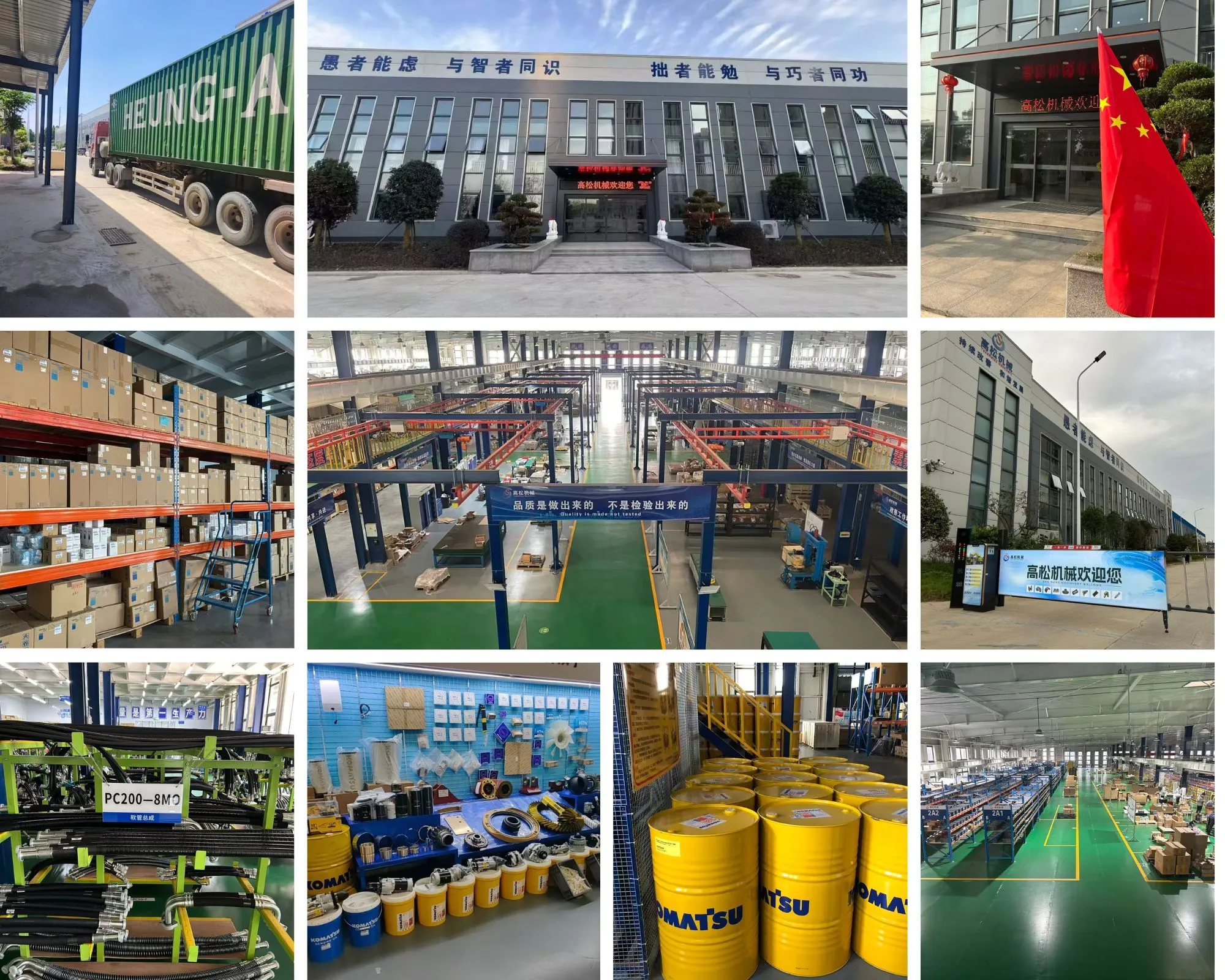 6693-22-5600 Komatsu Valve Assembly
 -
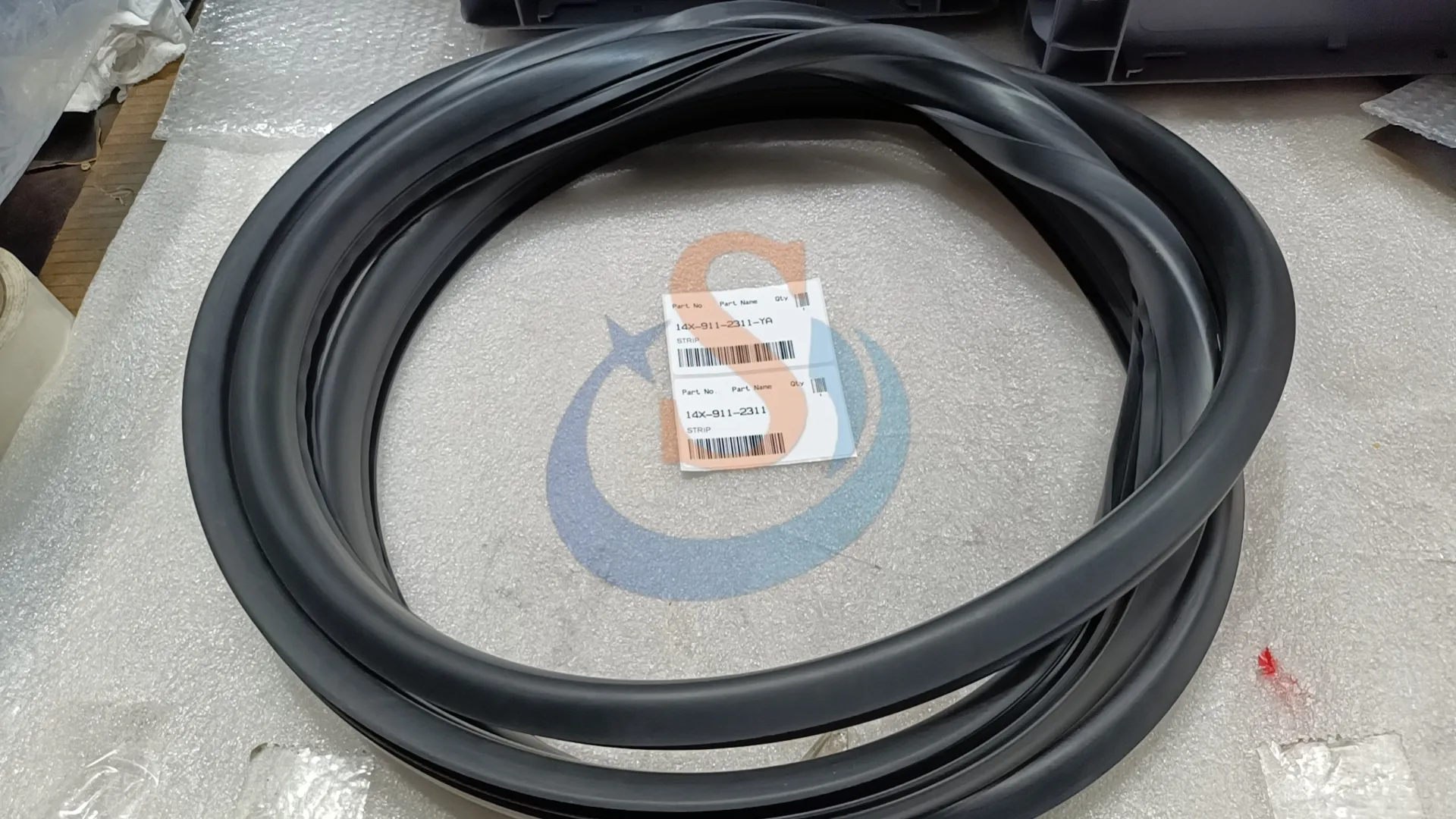 14X-911-2311,STRIP WEATHER,D155A,D375A,D65E
 -
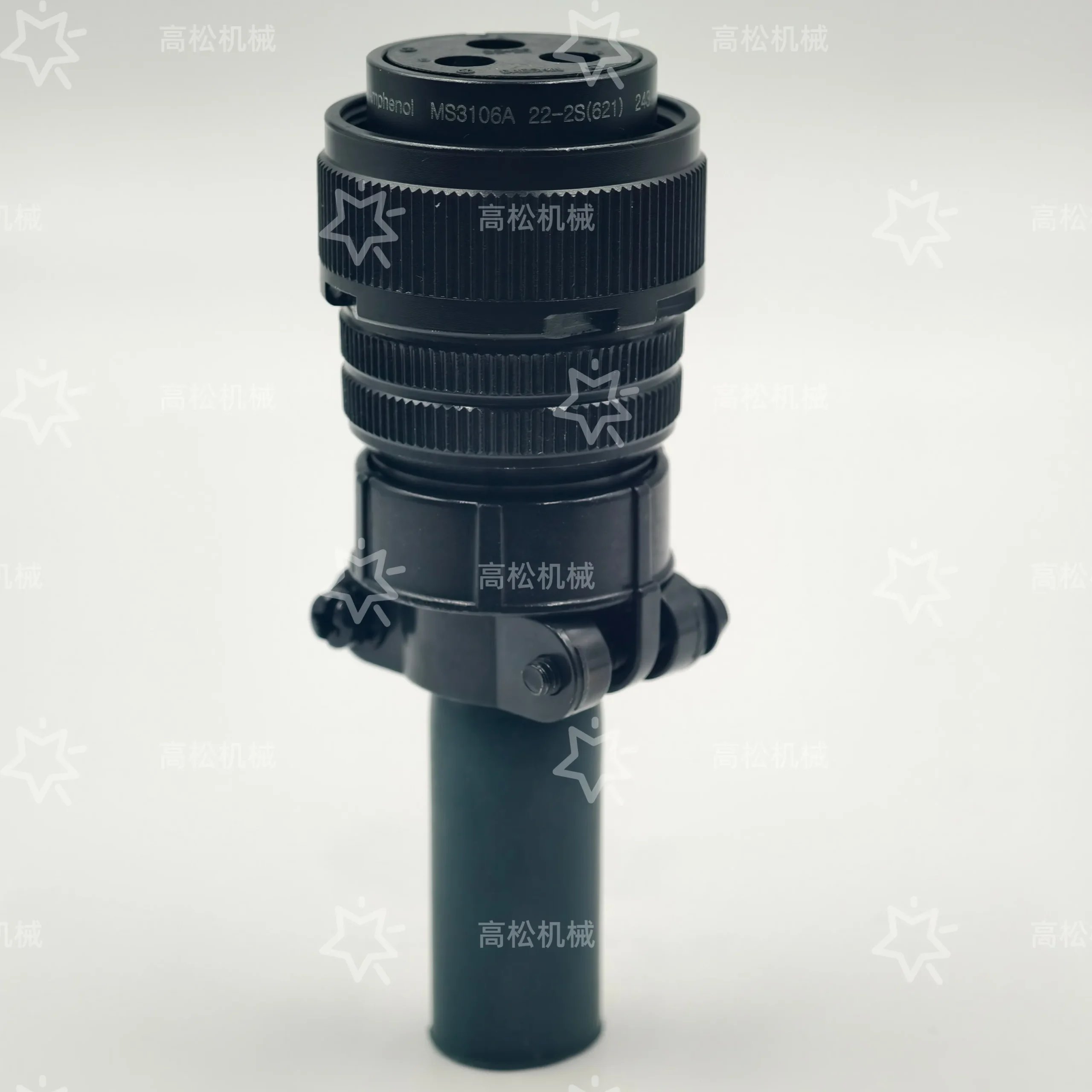 175-06-37871 komatsu Plug
 -
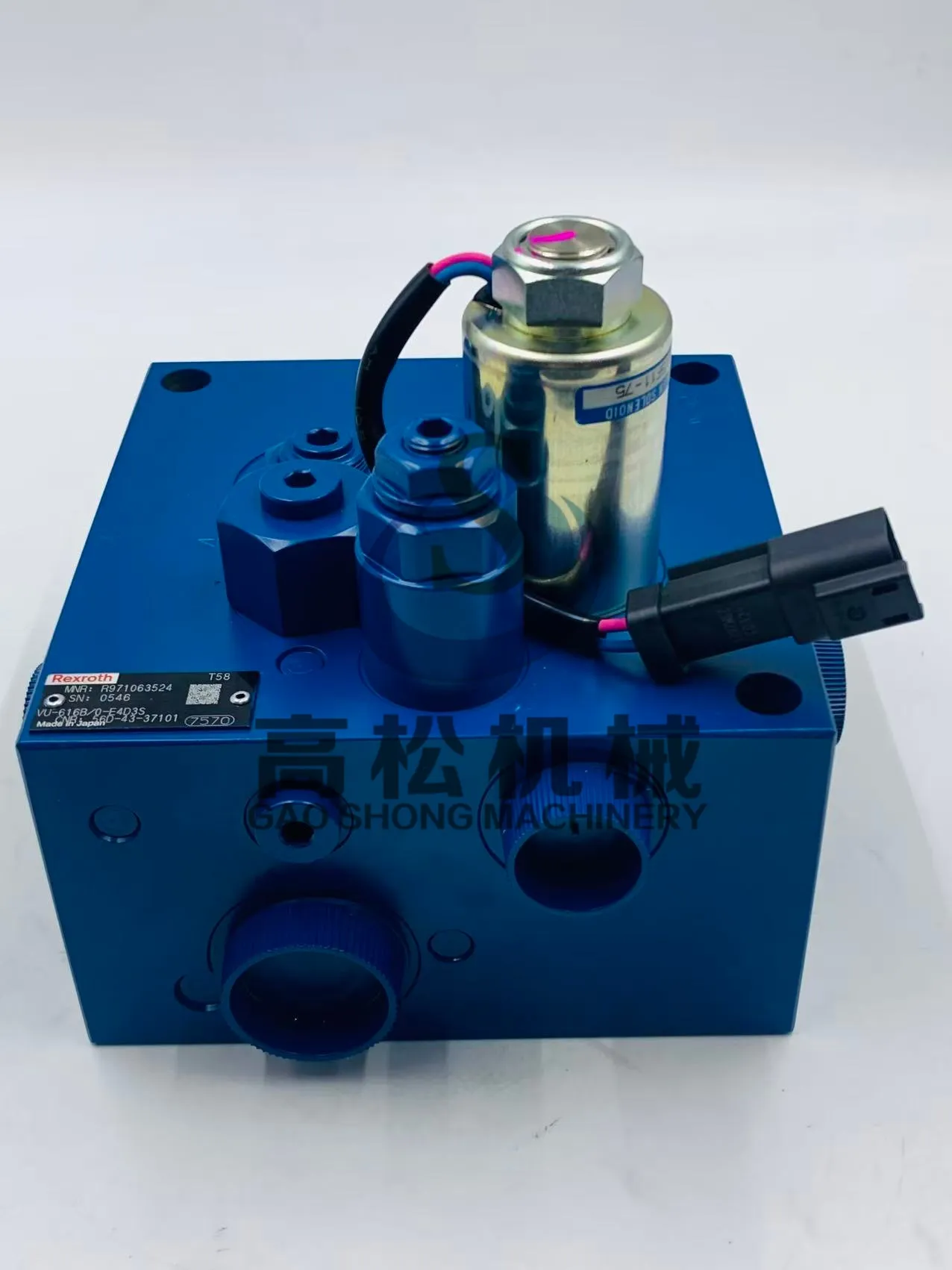 56D-43-37101 Komatsu Valve Assembly
 -
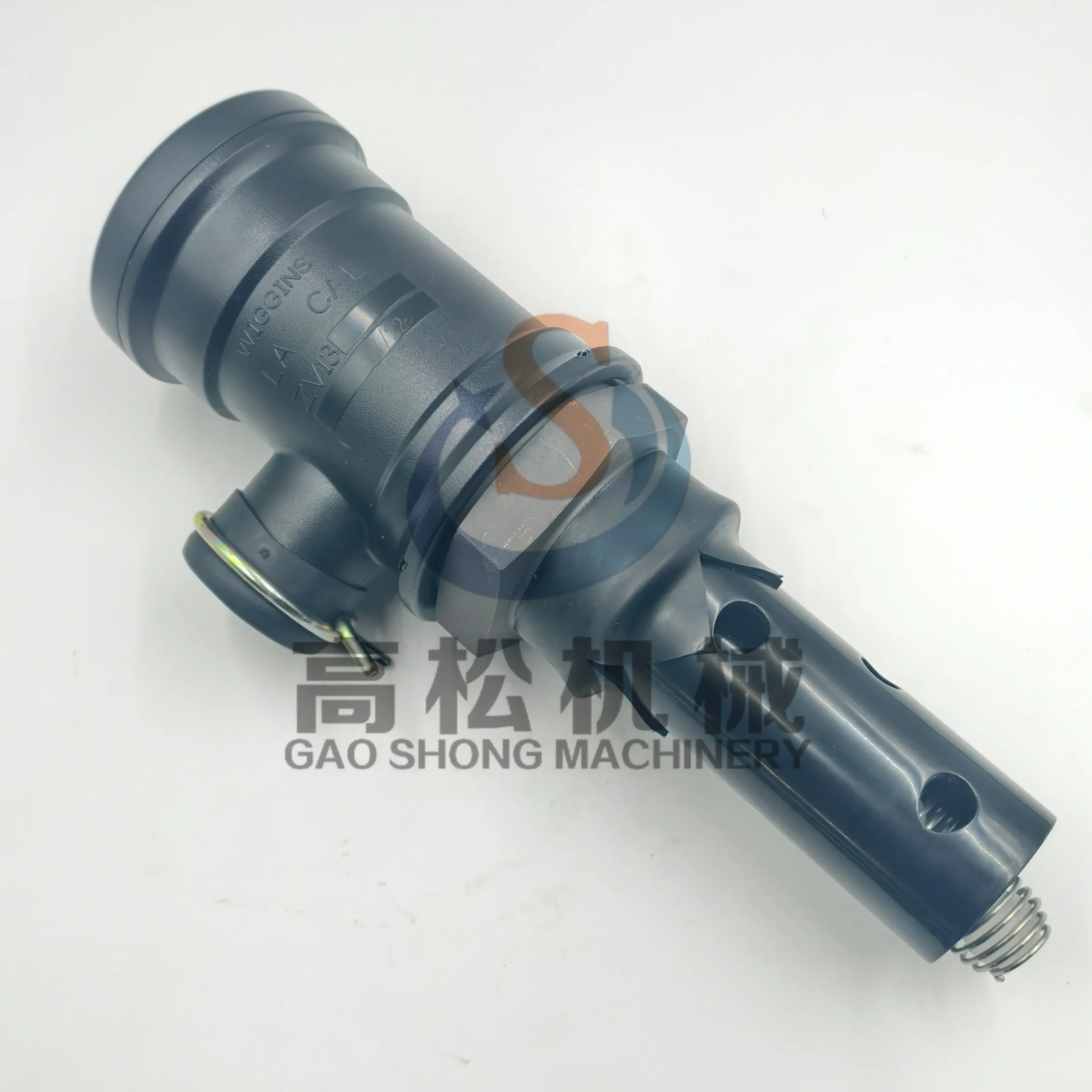 21T-04-31130 VENT ASS’Y (Komatsu)
 -
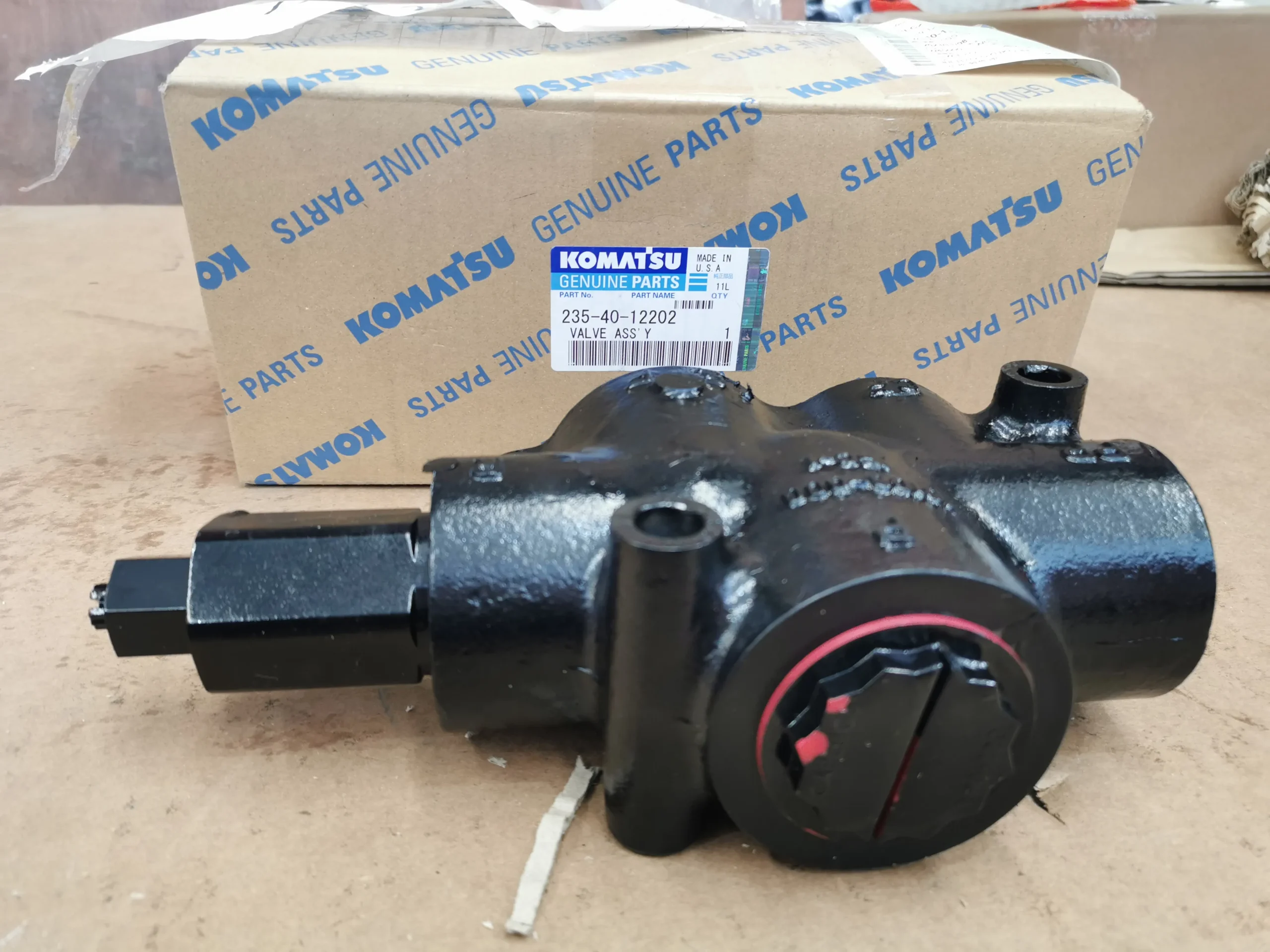 GD825A-2 valve assembly 235-40-12202