
- Chinese
- French
- German
- Portuguese
- Spanish
- Russian
- Japanese
- Korean
- Arabic
- Irish
- Greek
- Turkish
- Italian
- Danish
- Romanian
- Indonesian
- Czech
- Afrikaans
- Swedish
- Polish
- Basque
- Catalan
- Esperanto
- Hindi
- Lao
- Albanian
- Amharic
- Armenian
- Azerbaijani
- Belarusian
- Bengali
- Bosnian
- Bulgarian
- Cebuano
- Chichewa
- Corsican
- Croatian
- Dutch
- Estonian
- Filipino
- Finnish
- Frisian
- Galician
- Georgian
- Gujarati
- Haitian
- Hausa
- Hawaiian
- Hebrew
- Hmong
- Hungarian
- Icelandic
- Igbo
- Javanese
- Kannada
- Kazakh
- Khmer
- Kurdish
- Kyrgyz
- Latin
- Latvian
- Lithuanian
- Luxembou..
- Macedonian
- Malagasy
- Malay
- Malayalam
- Maltese
- Maori
- Marathi
- Mongolian
- Burmese
- Nepali
- Norwegian
- Pashto
- Persian
- Punjabi
- Serbian
- Sesotho
- Sinhala
- Slovak
- Slovenian
- Somali
- Samoan
- Scots Gaelic
- Shona
- Sindhi
- Sundanese
- Swahili
- Tajik
- Tamil
- Telugu
- Thai
- Ukrainian
- Urdu
- Uzbek
- Vietnamese
- Welsh
- Xhosa
- Yiddish
- Yoruba
- Zulu
- Kinyarwanda
- Tatar
- Oriya
- Turkmen
- Uyghur






OEM AND ORIGINAL KOMATSU CARRIER 208-27-61160
When you see a part number like , especially with the terms 'OEM' and 'Original Komatsu Carrier' slapped on it, your first instinct might be relief—finally, the right part for your Komatsu machine. But that's where the real conversation starts, not ends. In my years dealing with undercarriage and carrier rollers, I've learned that this combination of terms often signals a complex sourcing scenario, not a simple purchase. It's rarely about just finding the part; it's about understanding its provenance, the supply chain gaps it fills, and the very real performance differences that might not be on the data sheet. The term 'OEM' itself can be a minefield if you don't know who the actual system supplier is.
The Reality Behind the Part Number: More Than Just a Code
Let's break down . This is a carrier roller, a workhorse component that takes a brutal beating. The 'Komatsu Carrier' designation is crucial—it means this is designed for the specific load, spacing, and sealing system of a Komatsu track frame. An 'original' one, sourced directly from Komatsu's own network, comes with a certain expectation of metallurgy, heat treatment, and bearing quality. But here's the rub: Komatsu doesn't forge every roller in-house. They rely on a network of certified OEMs who manufacture to their exacting blueprints. So, when a company like Jining Gaosong Construction Machinery Co., Ltd. positions itself as an OEM product supplier within the Komatsu system, it's claiming a specific tier in that ecosystem. They might be producing, or have sourced from, the very factory that feeds Komatsu's first-line distribution.
The practical implication? I've seen rollers that look identical side-by-side. Same dimensions, same paint, even similar packaging. But the one from a direct Komatsu dealer and one from a third-party supplier claiming OEM lineage can have subtle differences. The seal might be a different brand—still good, but maybe with a different lip material. The grease fill might be slightly off-spec. These aren't necessarily deal-breakers, but they are judgment calls. You're not just buying a part; you're buying the quality assurance and the warranty chain behind it. I recall a site in Indonesia where we used a non-Komatsu-branded but OEM-spec roller for a PC300. It lasted 80% of the life of the previous genuine part, which, given the cost difference, was an economic win for the customer. But we had to monitor seal weepage more closely from day one.
This is where the value of a knowledgeable supplier becomes tangible. It's not about selling a box. It's about providing context. A good supplier will tell you, This is from the same foundry as the Komatsu-tagged part, but it's from a batch post their final QA inspection, or This is our own production using the original tooling, here's our material cert. The website takematsumachinery.com gets this right in their intro—they explicitly state their dual role as an OEM system supplier and a third-party sales company solving supply challenges. That honesty frames the conversation. You're dealing with someone who acknowledges the complexity, not someone hiding behind vague marketing terms.
OEM vs. Original: A Distinction with a Difference
This is probably the biggest point of confusion I encounter. Original implies a direct lineage from Komatsu, complete with their logo and part number branding. OEM simply means the company is an Original Equipment Manufacturer capable of producing it. A company can be an OEM without selling a single original Komatsu part. Their role, as Gaosong's description hints, is often to fill gaps. Maybe a region has prohibitive tariffs on finished parts, so they supply components or complete units through alternative channels. Or perhaps there's a backlog at the main distribution center, and production from the OEM factory is diverted to keep projects moving.
I learned this the hard way early on. We ordered a batch of OEM carrier rollers for a fleet of Dash-8 excavators. The supplier was reputable, the certs looked good. The parts performed admirably... for about 1200 hours. Then, we started seeing premature spalling on the roller path. The failure mode pointed to a material hardness issue. Upon investigation, we found the OEM had, for that batch, used a slightly different alloy mix to meet a cost target for a different market. It was still OEM, still met broad industry standards, but it wasn't to the precise, unforgiving spec of the original Komatsu part for that application. The lesson wasn't that OEM is bad; it's that the spec is everything. Now, my first question is always, Can you provide the full technical data sheet, not just the commercial spec sheet?
This nuance is critical for the business model described by Jining Gaosong. Being a third-party sales company for Komatsu in certain countries isn't just about having a catalog. It's about having the technical backbone to advise when an OEM-spec part is a perfect fit and when it's worth pushing for the original, even at a higher cost or longer lead time. It's a consultancy role disguised as parts sales.
The Supply Chain Puzzle and Practical Sourcing
Why does a part like the even become a topic of discussion? Because supply chains break. A mine in West Africa can't wait 6 months for a container of parts to clear central distribution. That's the solving parts supply challenges part of the equation. In these scenarios, an OEM supplier with a flexible logistics network is worth its weight in gold. They might hold buffer stock, have access to production slots, or even facilitate cross-shipping from other regions.
I've worked with suppliers who operate like this. You send them the Komatsu part number. They come back with options: Option A: Genuine Komatsu, 12-week lead time from Japan. Option B: OEM-original, same factory as Komatsu's, no branding, 2-week lead time from our warehouse in Singapore. Here's the comparative cost and our warranty terms. That clarity is professional gold. It puts the decision-making power—and the risk assessment—back in the hands of the fleet manager or mechanic who knows the machine's duty cycle and downtime cost.
The website takematsumachinery.com positions itself for this exact conversation. They're not trying to be Komatsu; they're positioning as a parallel, technically-astute channel. For a non-critical wear part on a machine nearing end-of-life, their OEM offering might be the most rational economic choice. For a core component on a machine in a 24/7 production cycle, they might be the conduit to get the genuine part faster through their third-party network. This flexibility is their value proposition.
On-the-Ground Verification and Final Thoughts
All this theory means nothing without field verification. Whenever I source a critical wear part from a new channel, especially with OEM claims, I start with a single unit. The inspection is forensic. Weigh it. Measure every critical dimension with calipers. Check the seal part number and cross-reference it. Look for casting marks. Then, install it and track its hours meticulously, alongside a known genuine part on a similar machine. You're looking for divergence in temperature, noise, and wear pattern.
This process has led me to trust certain suppliers and drop others. The trustworthy ones welcome this scrutiny. They provide traceability. Their OEM and original Komatsu carrier claims are backed by documentation, not just words. The part number becomes a starting point for a technical dialogue, not a sales pitch. In the end, the market for these parts exists because the official channels can't always meet the messy, urgent, and cost-sensitive realities of global equipment operation. Companies that operate in this space successfully, like the one described, do so by marrying manufacturing access with real-world operational understanding. They sell solutions to a parts problem, not just the parts themselves. And that, in my book, is what separates a parts vendor from a technical partner.
Related Products
Related Products

Best Selling Products
Best Selling Products-
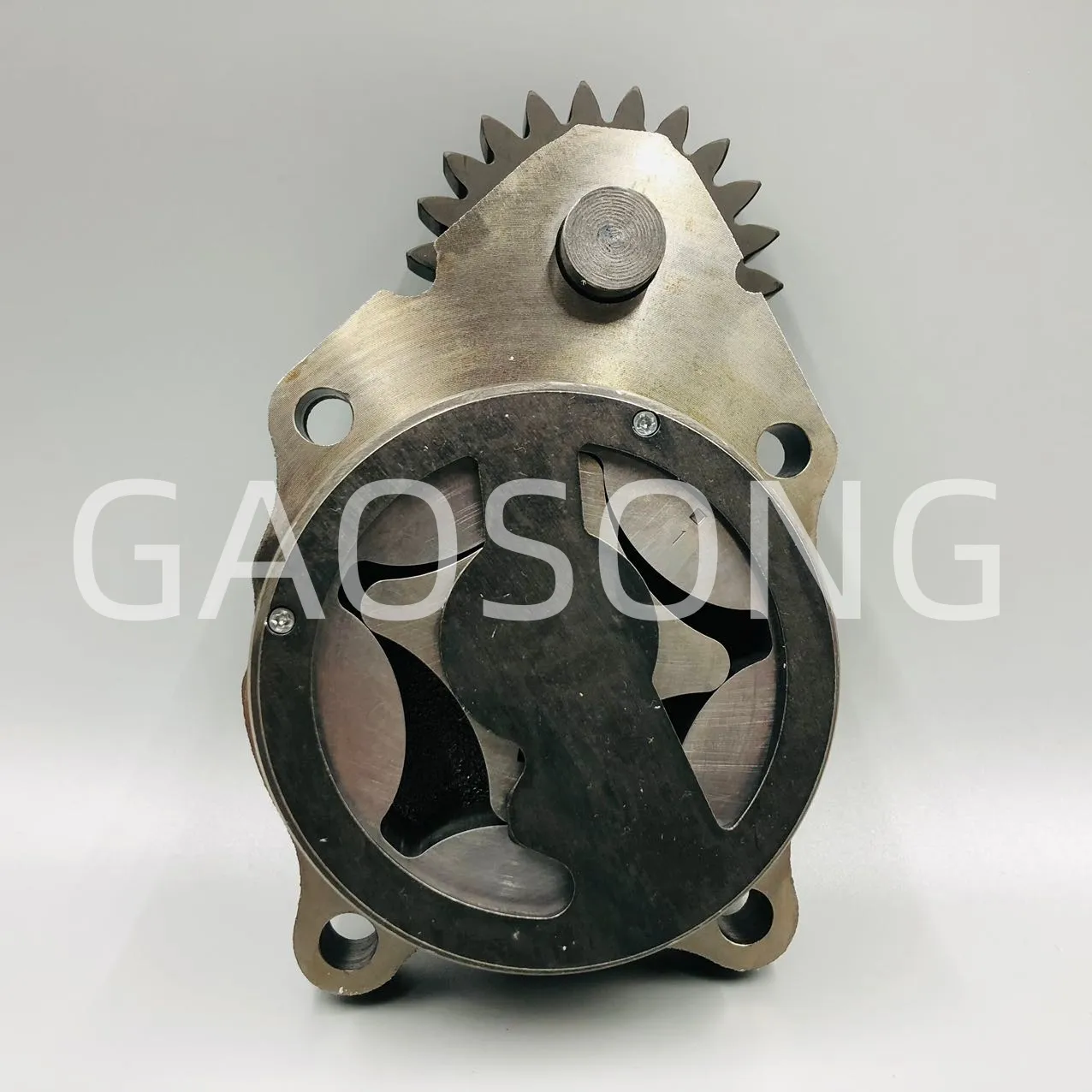 6754-51-1111 Pump Assembly, Oil-Komatsu Original Factory
 -
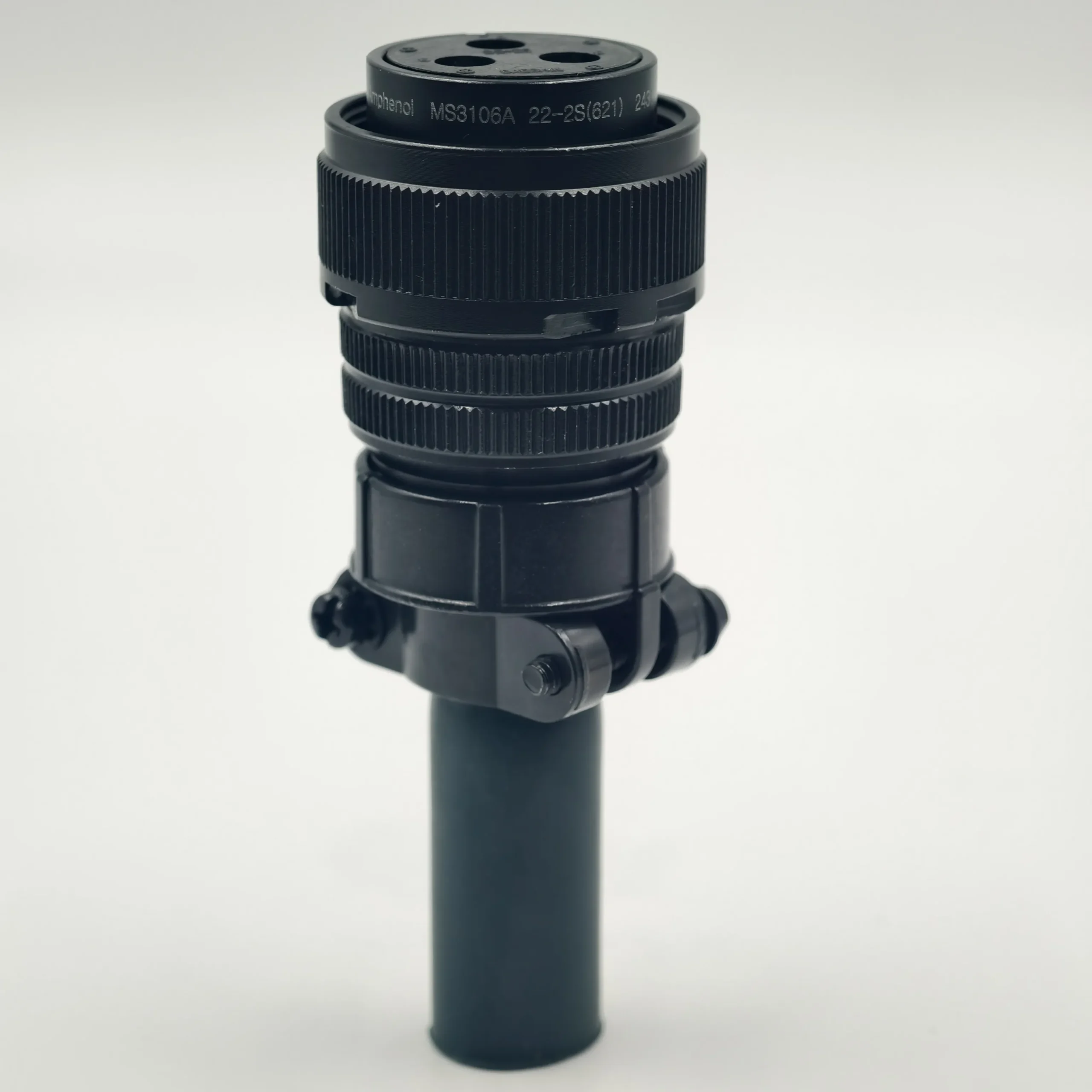 175-06-37871 PLUG(WITH HEATER) (Komatsu)
 -
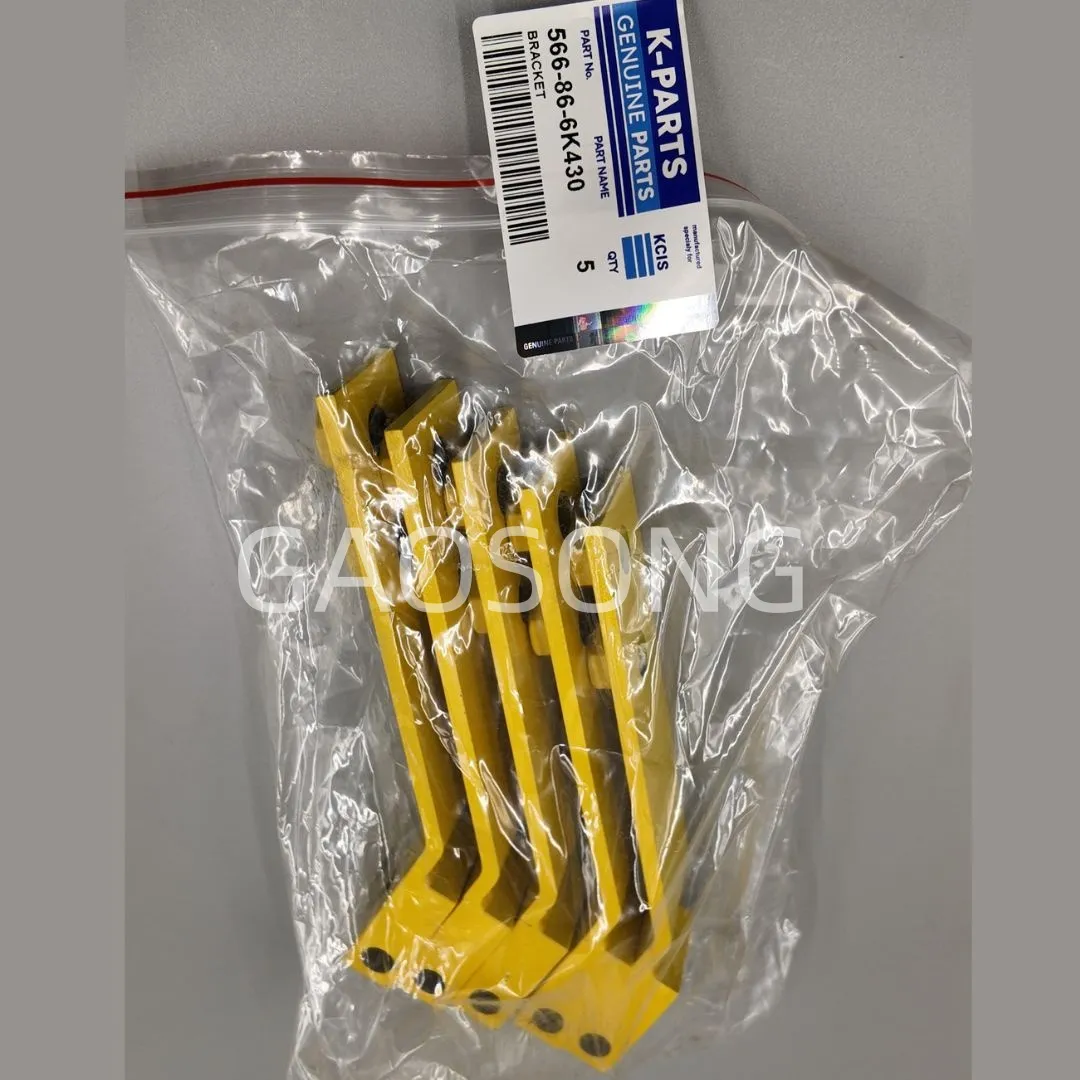 566-86-6K430 BRACKET–Komatsu Original Factory
 -
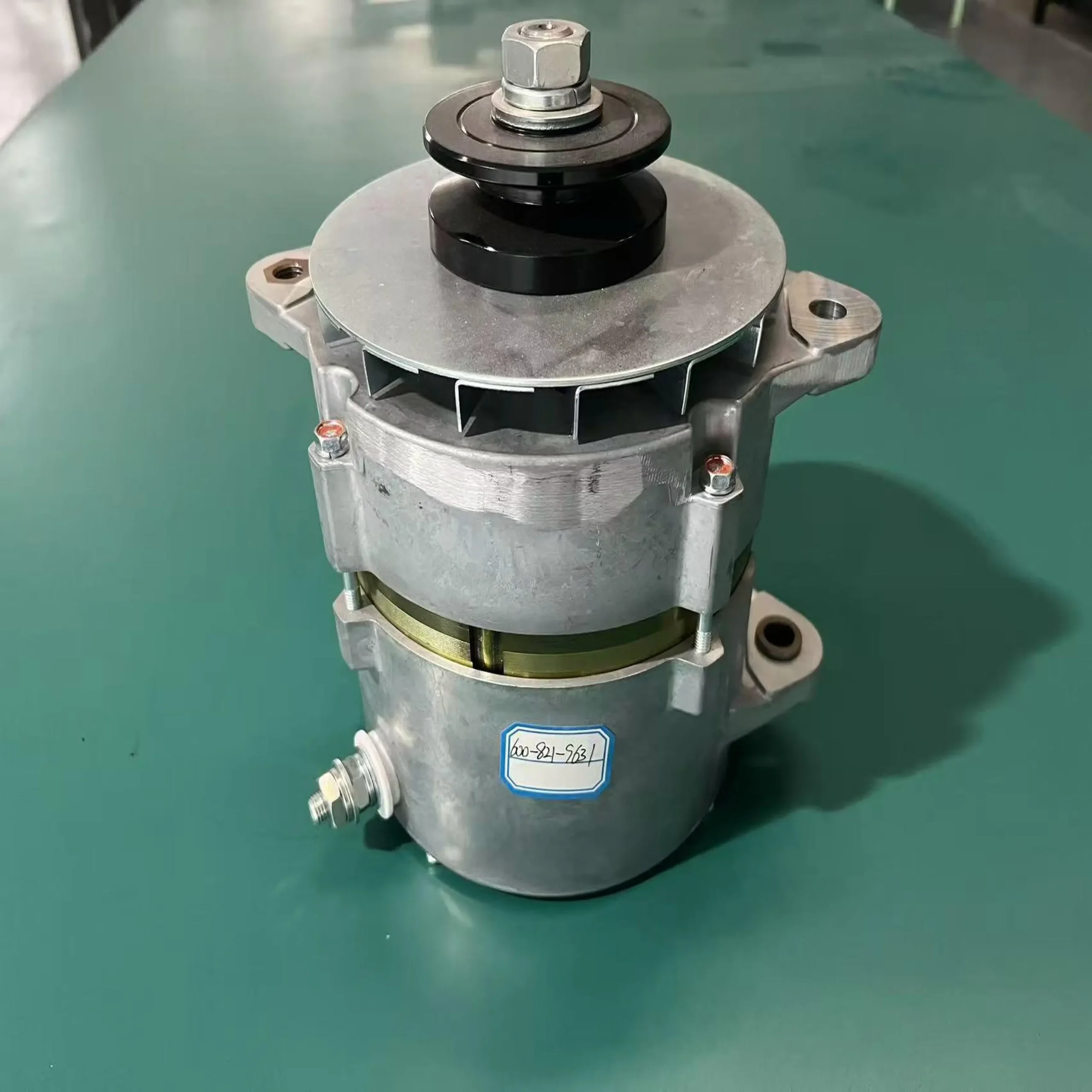 ATG20053 Alternator Compatible With Komatsu Cummins QSK23 600-821-9631 600-821-8260 600-821-9360 600-821-9550 600-821-9311 600-821-9511
 -
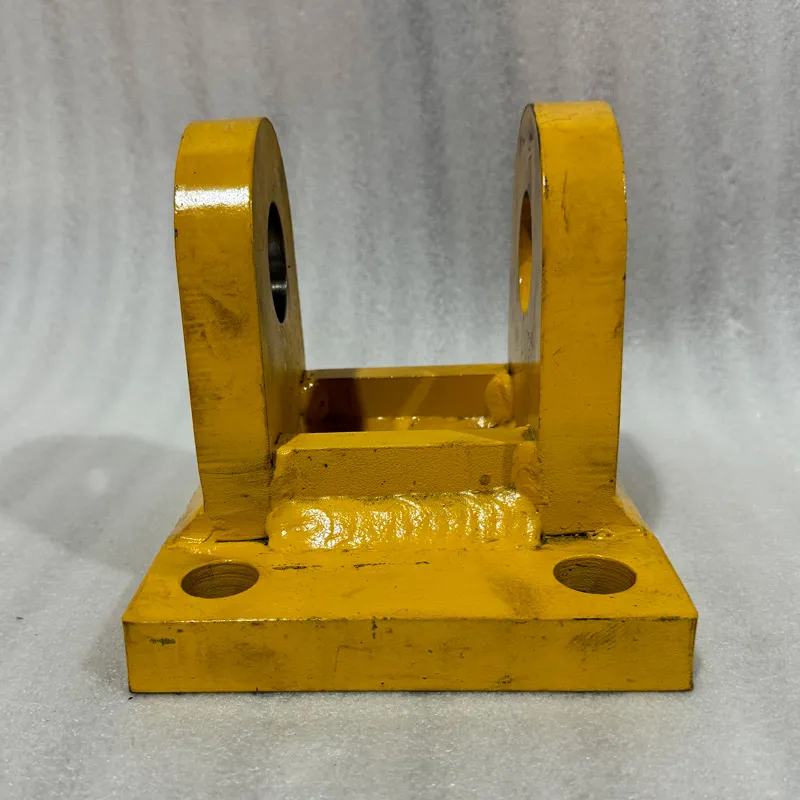 Original komatsu GD661A-1 Pull Rod 238-46-11810
 -
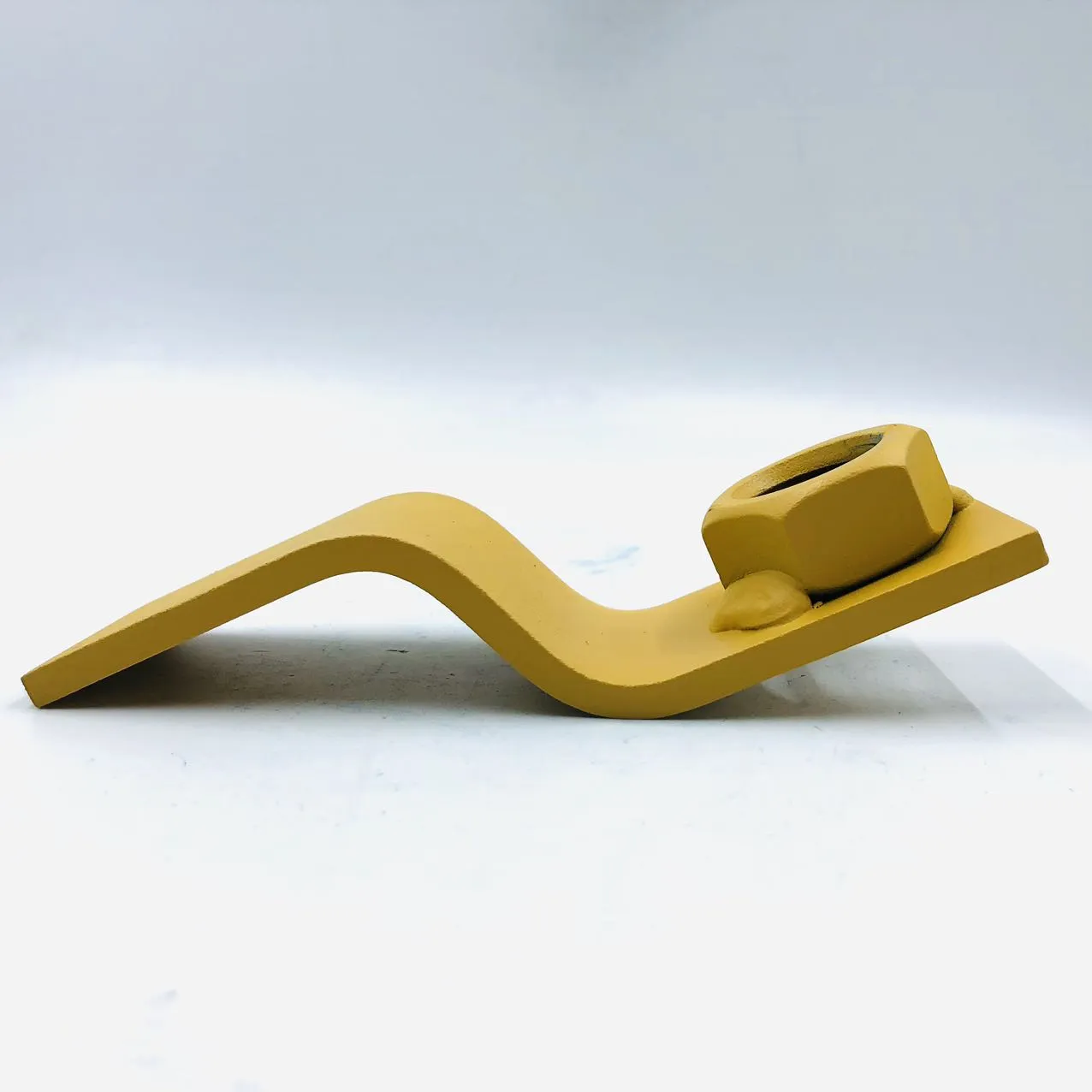 21T-01-67330 Komatsu Machinery Parts
 -
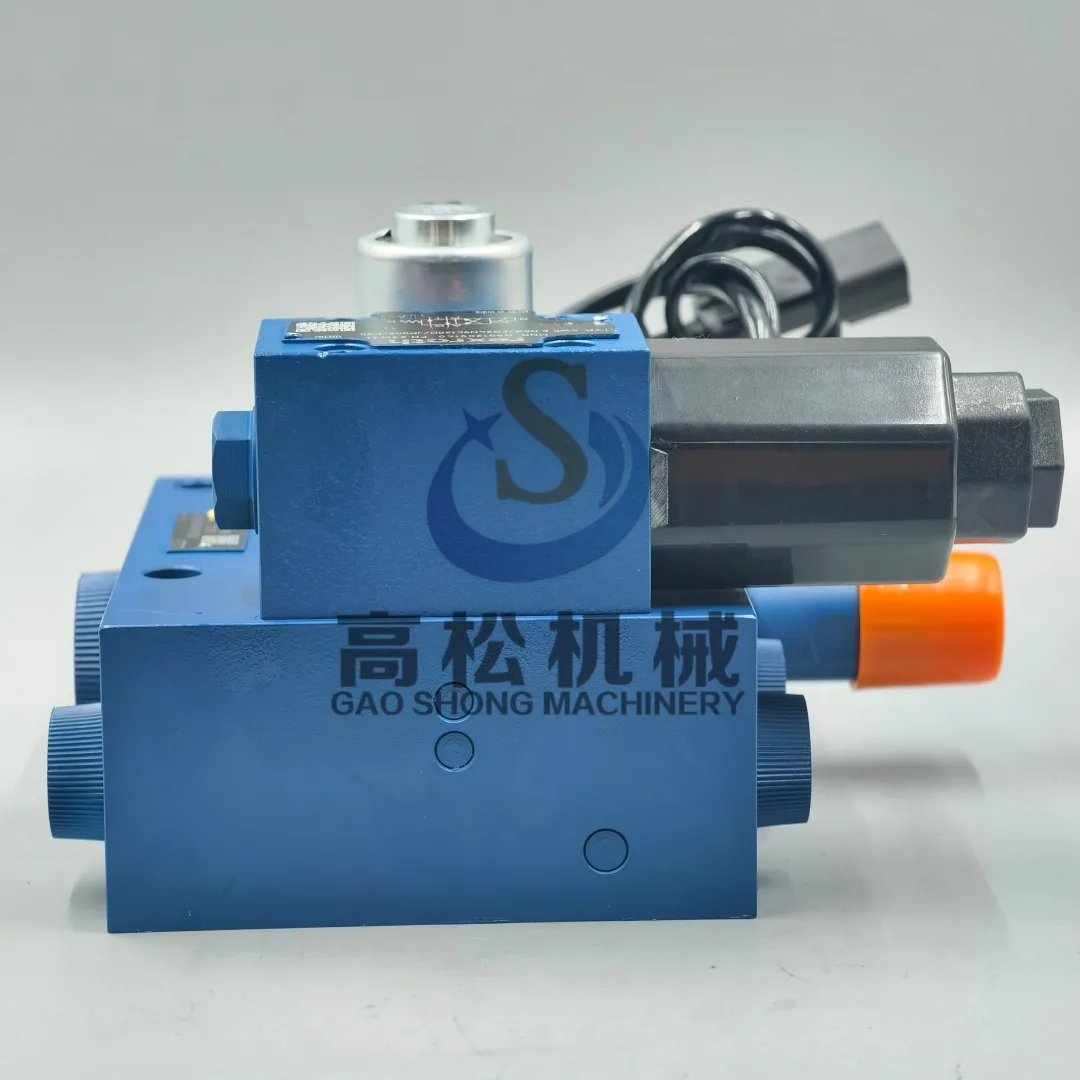 Original VALVE ASS’Y 56B-43-12402 for DUMP TRUCKS HD325 HD605
 -
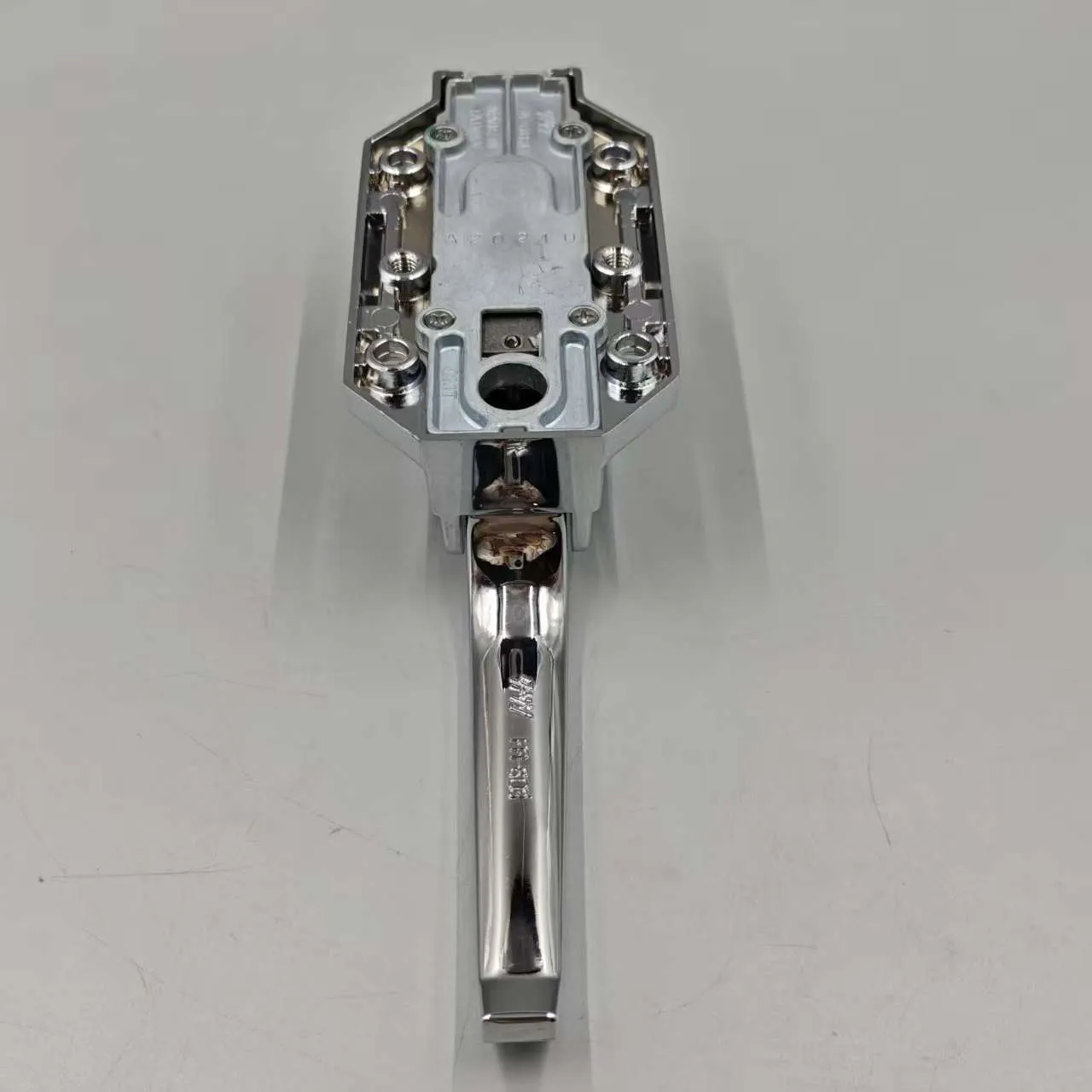 21T-54-35421 Komatsu Handle
 -
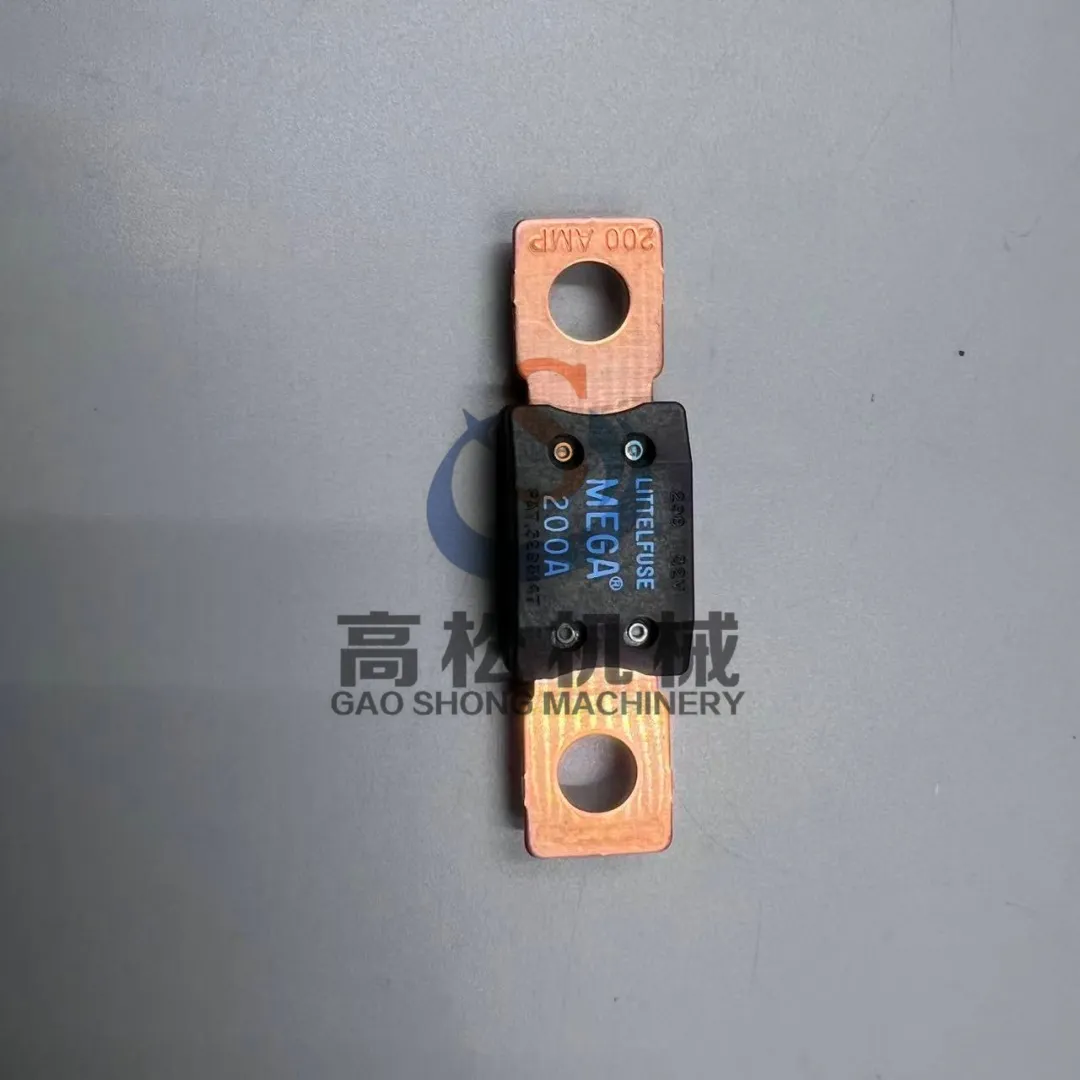 Komatsu 561-06-81610 Fuse
 -
 Komatsu 6151-61-3201 CASE ASS’Y, FAN DRIVE… — Pricing.Parts
 -
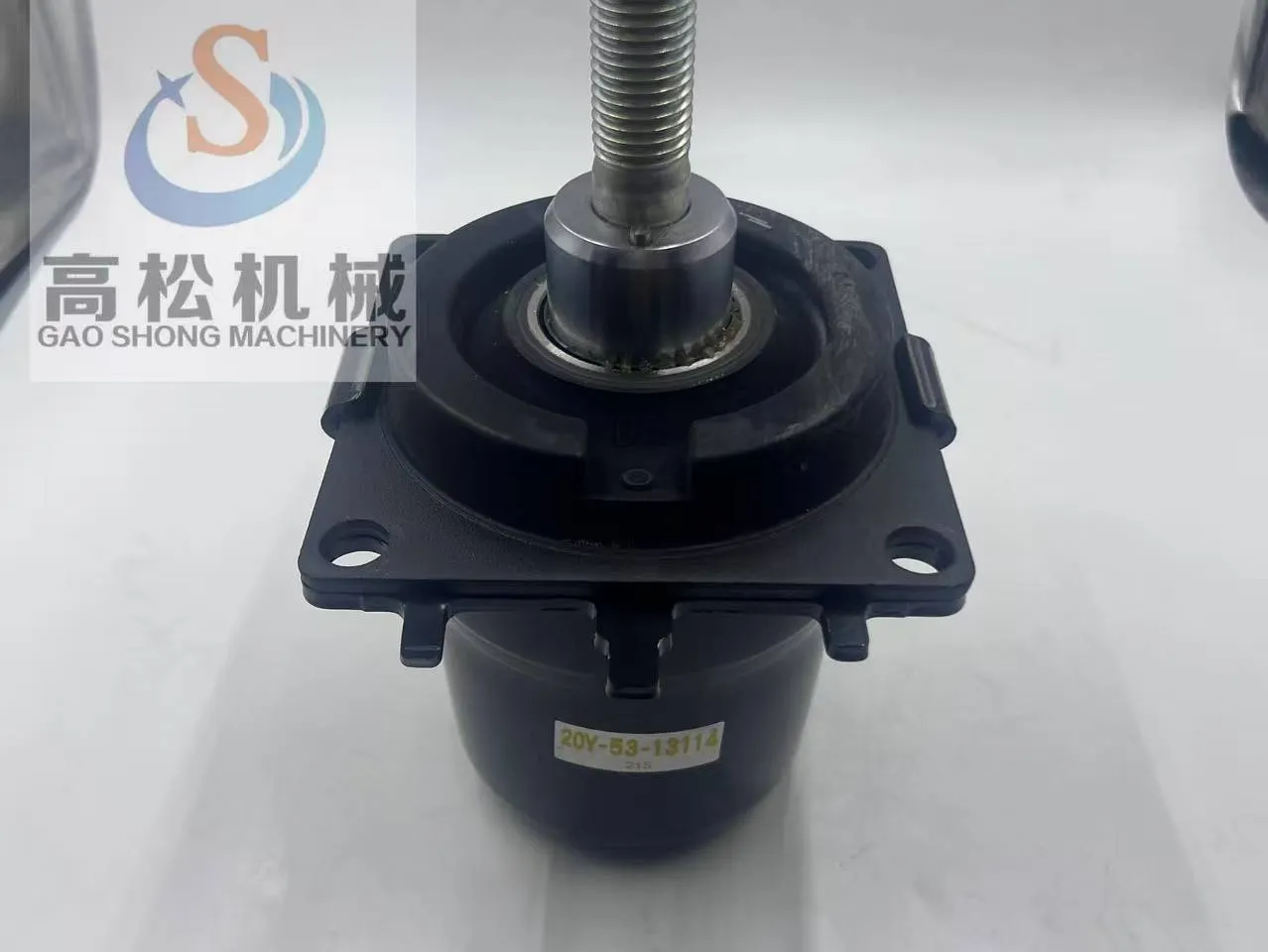 20Y-53-13114 Compatible with PC200-8, Komatsu original buffer.
 -
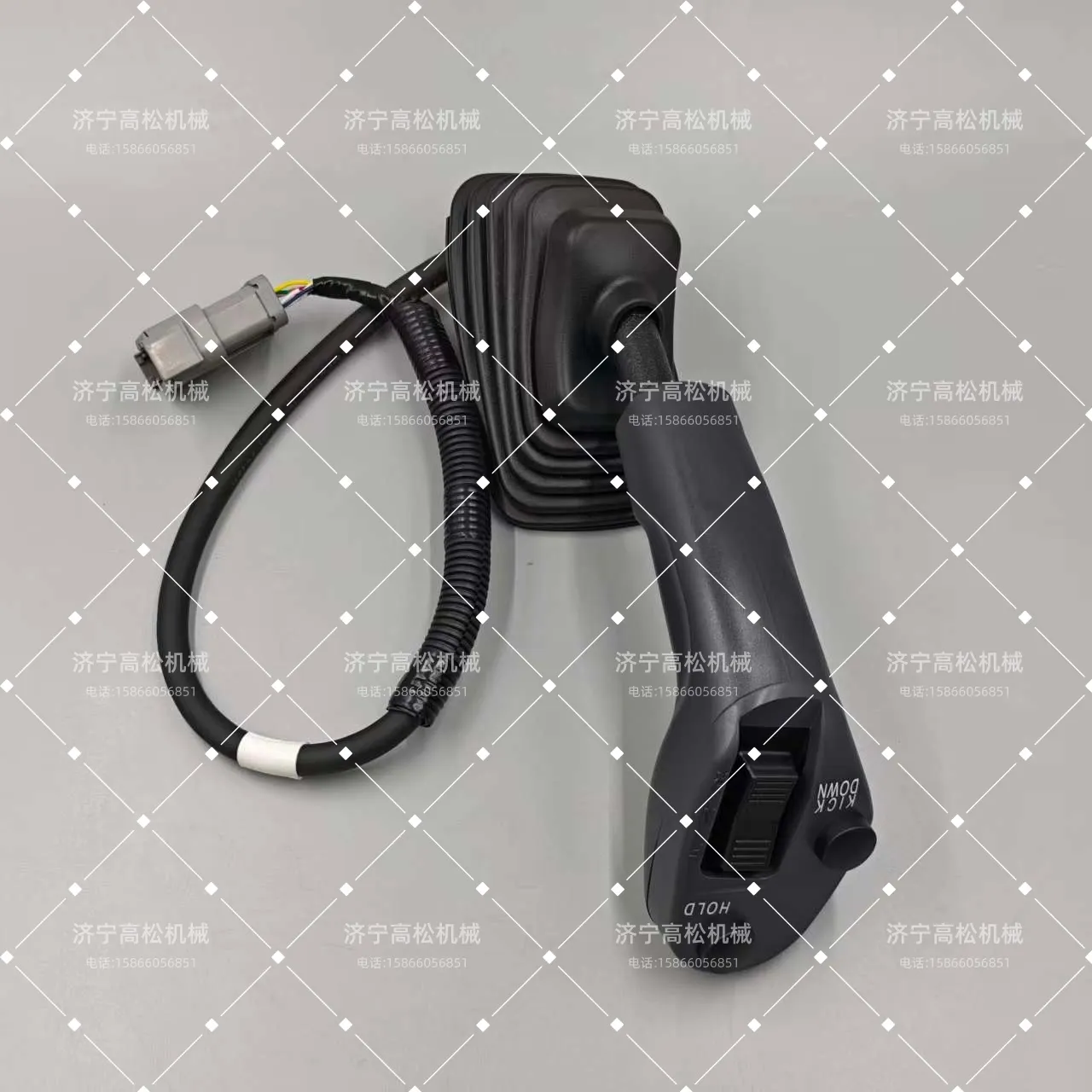 Original Brand New LEVER ASSEMBLY 423-V91-4144 for Komatsu…