
- Chinese
- French
- German
- Portuguese
- Spanish
- Russian
- Japanese
- Korean
- Arabic
- Irish
- Greek
- Turkish
- Italian
- Danish
- Romanian
- Indonesian
- Czech
- Afrikaans
- Swedish
- Polish
- Basque
- Catalan
- Esperanto
- Hindi
- Lao
- Albanian
- Amharic
- Armenian
- Azerbaijani
- Belarusian
- Bengali
- Bosnian
- Bulgarian
- Cebuano
- Chichewa
- Corsican
- Croatian
- Dutch
- Estonian
- Filipino
- Finnish
- Frisian
- Galician
- Georgian
- Gujarati
- Haitian
- Hausa
- Hawaiian
- Hebrew
- Hmong
- Hungarian
- Icelandic
- Igbo
- Javanese
- Kannada
- Kazakh
- Khmer
- Kurdish
- Kyrgyz
- Latin
- Latvian
- Lithuanian
- Luxembou..
- Macedonian
- Malagasy
- Malay
- Malayalam
- Maltese
- Maori
- Marathi
- Mongolian
- Burmese
- Nepali
- Norwegian
- Pashto
- Persian
- Punjabi
- Serbian
- Sesotho
- Sinhala
- Slovak
- Slovenian
- Somali
- Samoan
- Scots Gaelic
- Shona
- Sindhi
- Sundanese
- Swahili
- Tajik
- Tamil
- Telugu
- Thai
- Ukrainian
- Urdu
- Uzbek
- Vietnamese
- Welsh
- Xhosa
- Yiddish
- Yoruba
- Zulu
- Kinyarwanda
- Tatar
- Oriya
- Turkmen
- Uyghur






OEM AND ORIGINAL KOMATSU CAP 195-71-61291
Let's talk about that part number, . It's a cap, right? For Komatsu equipment. But here's the thing everyone in the field knows but rarely says out loud: when you see OEM AND ORIGINAL slapped together like that, it's usually a red flag. It's marketing language trying to bridge a gap that, in practice, is massive. True Komatsu original parts come through a very specific channel. The term OEM within the Komatsu system is where it gets interesting, and frankly, where most of the confusion—and opportunity—lies for guys trying to keep machines running without blowing the budget.
The Reality of OEM in the Komatsu Ecosystem
I've ordered this specific cap, the , from different sources over the years. The experience with a company like Jining Gaosong Construction Machinery Co., Ltd. (you can find them at takematsumachinery.com) is a perfect case study. They position themselves as an OEM product supplier within Komatsu's system and a third-party sales company. This isn't just fluff; it speaks directly to the supply chain chaos in certain regions. They're not claiming to be Komatsu, but they're claiming a legitimate production link. The key is understanding what that link means.
An OEM product from such a supplier often means it was manufactured in a facility that has, or had, a production agreement with Komatsu. Maybe it's the same tooling, the same blueprints, maybe even the same raw material batch. But it's not coming off the line destined for Komatsu's official packaging and logistics. It's coming off that line for a partner like Gaosong. This is critical. The dimensional specs are usually spot-on. The thread pattern on this cap will match. The material grade might be identical. But the certification trail, the heat lot documentation, the strict QA cycle that a genuine Komatsu part undergoes? That's the variable.
I remember a project in Indonesia where we had a fleet of PC300s. We needed a batch of these caps for hydraulic tank maintenance. The official channel had a 12-week lead time, which was a non-starter. We went with a supplier making similar claims. The parts looked perfect, physically interchangeable. But after about 80 hours of operation in a high-vibration environment, we started seeing micro-fractures at the base of the thread on two units. Not a catastrophic failure, but a leak path. Was it a material impurity? A slight variance in the annealing process? We never got the full metallurgical report. The supplier replaced them, no questions asked, which tells you something. The original Komatsu part from the dealer? Never saw that issue, even on machines with triple the hours.
Why the Original Claim is a Minefield
This is where you have to be sharp. Original implies it is the very part Komatsu would ship from their depot. For a part like a cap, which is sometimes viewed as non-critical, the temptation to blur lines is huge. A true original KOMATSU CAP will have very specific, often subtle, markings. Not just the part number cast in, but a supplier code, a mold number, sometimes a tiny logo. The finish—whether it's a phosphate coating or a specific black oxide—has a consistent look and feel. The O-ring groove will be machined, not cast, with a specific surface finish to seal properly.
The third-party sales model, which Gaosong mentions, exists precisely because Komatsu's own distribution can't or won't serve certain markets efficiently. These companies solve the availability challenge. But you, as the buyer, are taking on the quality verification role. I've learned to ask for batch testing reports, even for something as simple as a cap. If they're a legitimate OEM-linked supplier, they should have that data. If they balk, you have your answer.
I once made the mistake of not checking this on a bulk order for a mining contractor. The caps were for auxiliary systems on dump trucks. They fit, they worked. But six months later, during a routine fluid analysis, we found elevated copper levels. Traced it back to a brass component in the cap's vent mechanism that was degrading faster than spec. The original Komatsu cap uses a specific bronze alloy for that piece. The ones we got? Close, but not quite. The cost savings were wiped out by the fluid contamination and diagnostic time. It was a lesson in the true cost of a bargain.
Practical Sourcing and Verification Steps
So, how do you navigate this? First, acknowledge the need. If you need a CAP tomorrow and the dealer is out of stock, alternatives are your only option. A company like Jining Gaosong Construction Machinery Co., Ltd. represents a tier of supplier that is above the pure knock-off market. Their value proposition, as stated on their site takematsumachinery.com, is solving parts supply challenges. That's real. They are a pragmatic solution.
My process now is physical comparison. I always keep one verified genuine part as a master. For this cap, I'd compare weight first. A difference of more than a gram or two can indicate material density issues. Then, under a magnifier, check the casting lines and machining marks. The genuine part has a certain cleanliness to its manufacturing. The threads should feel identical when screwed by hand onto a known-good fitting—no binding, no unusual looseness.
Finally, engage with the supplier technically. Don't just ask for price and availability. Ask why they are an OEM supplier. What specific components do they produce? Can they trace this cap back to the production run? Their willingness and ability to answer these questions in detail is more telling than any website claim. Their role as a third-party sales company means they should understand these pressures and have a process to address them. If they don't, you're just buying from a catalog.
Closing Thoughts on Value and Risk
At the end of the day, the part number is just a reference. The object you receive is what matters. For non-critical, non-safety applications, or as a temporary fix to get a machine back to the shop, a high-quality OEM-linked part from a transparent supplier is a fantastic tool. It keeps operations moving. The model Gaosong describes is valid and necessary in our globalized, yet fragmented, equipment market.
But for a core system on a machine facing intense duty cycles, the risk calculus changes. The extra cost of the indisputably genuine part is actually insurance. It's buying the full weight of Komatsu's engineering and quality assurance. The failure of a cap can lead to contamination, which can take out a pump or valve worth thousands.
There's no single right answer. It's a spectrum of cost, risk, and availability. The key is to stop seeing OEM AND ORIGINAL as a single, guaranteed thing. See it for what it is: a description of a supply chain relationship. Your job is to interrogate that relationship for every order, for every single cap, based on the specific context of your need. That's the real professional practice.
Related Products
Related Products

Best Selling Products
Best Selling Products-
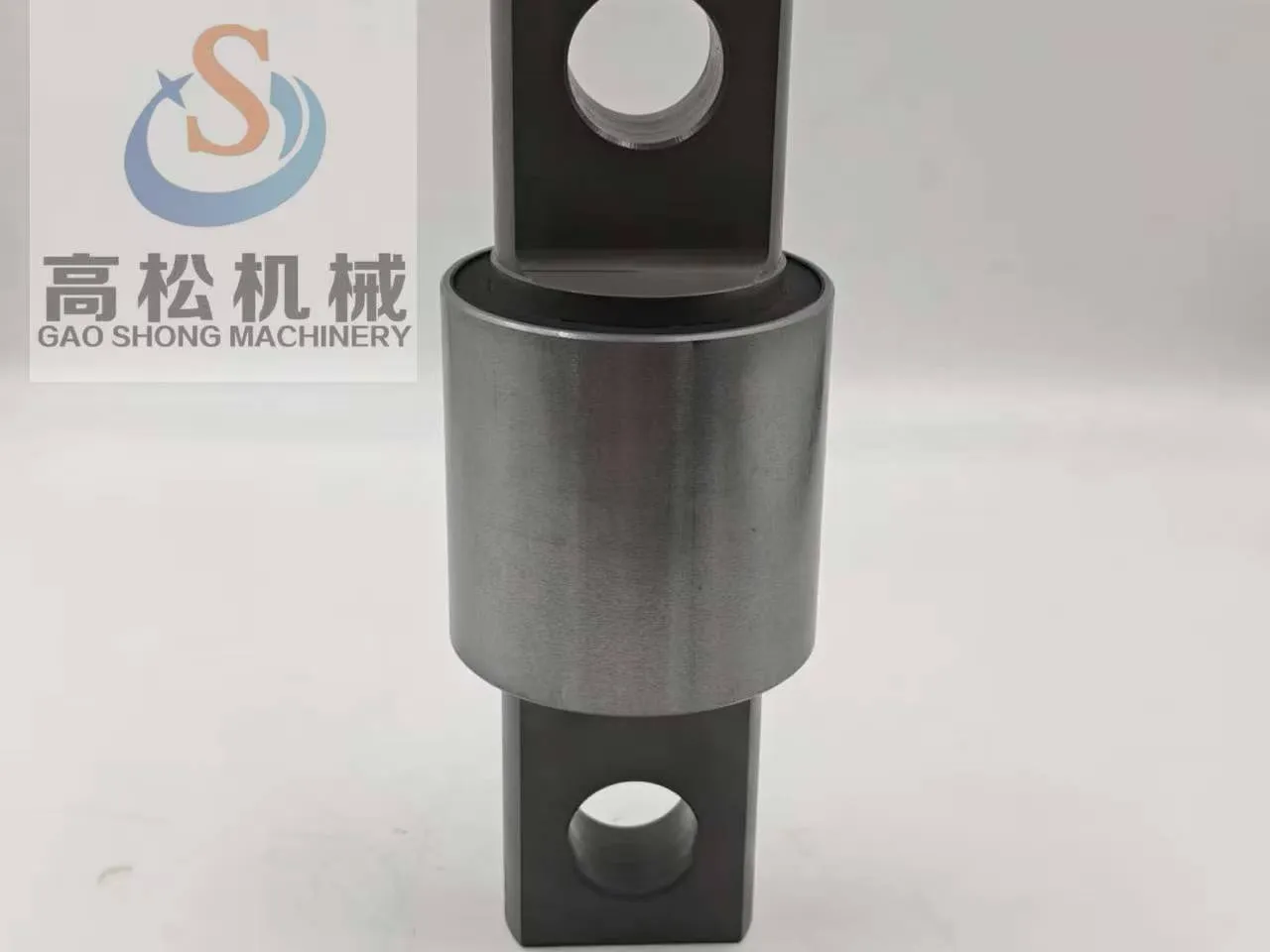 56B-16-11211 Komatsu buffer pad parts HM250, HM300, HM300TN, HM350, HM400
 -
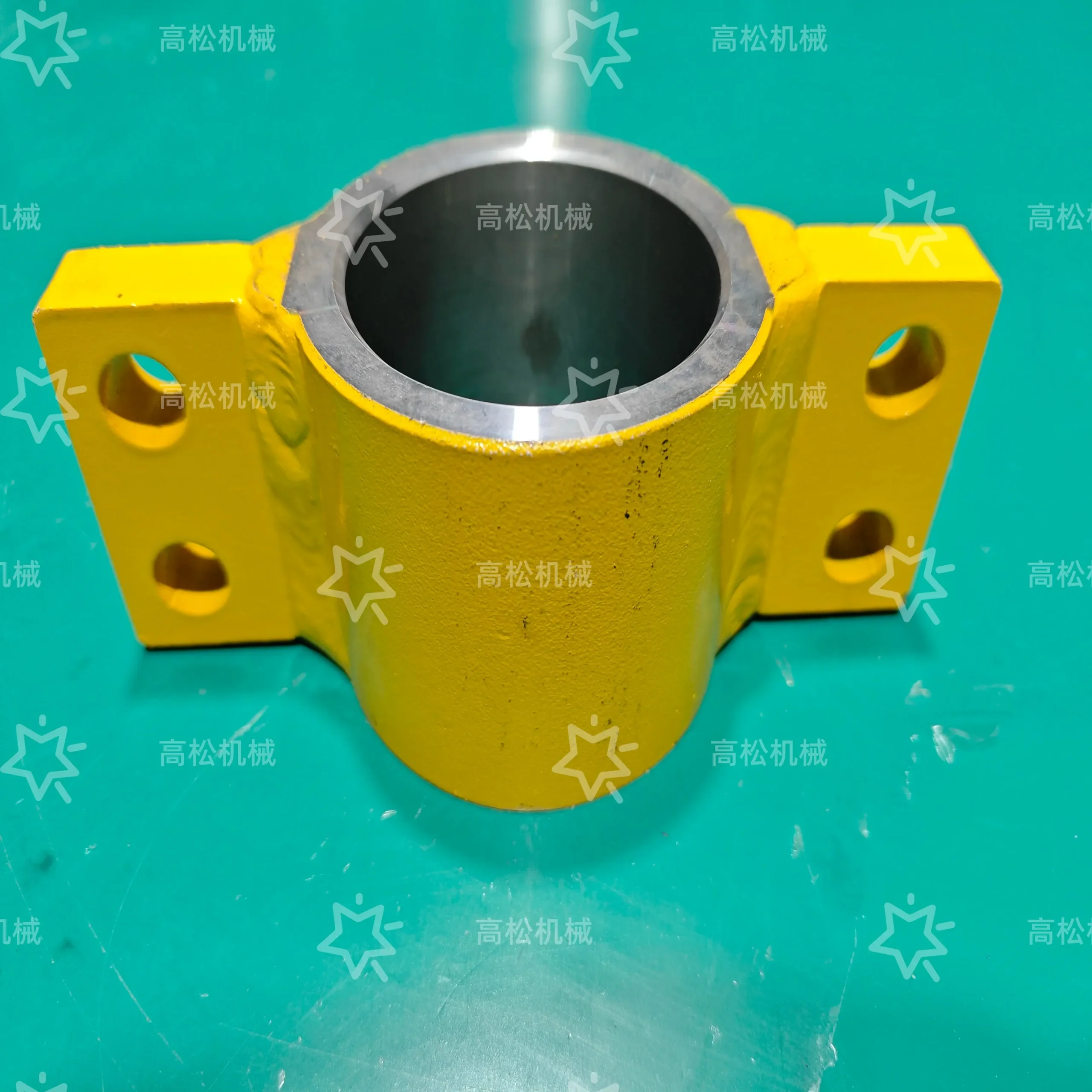 Komatsu Push± Machine Parts 195-20-35100
 -
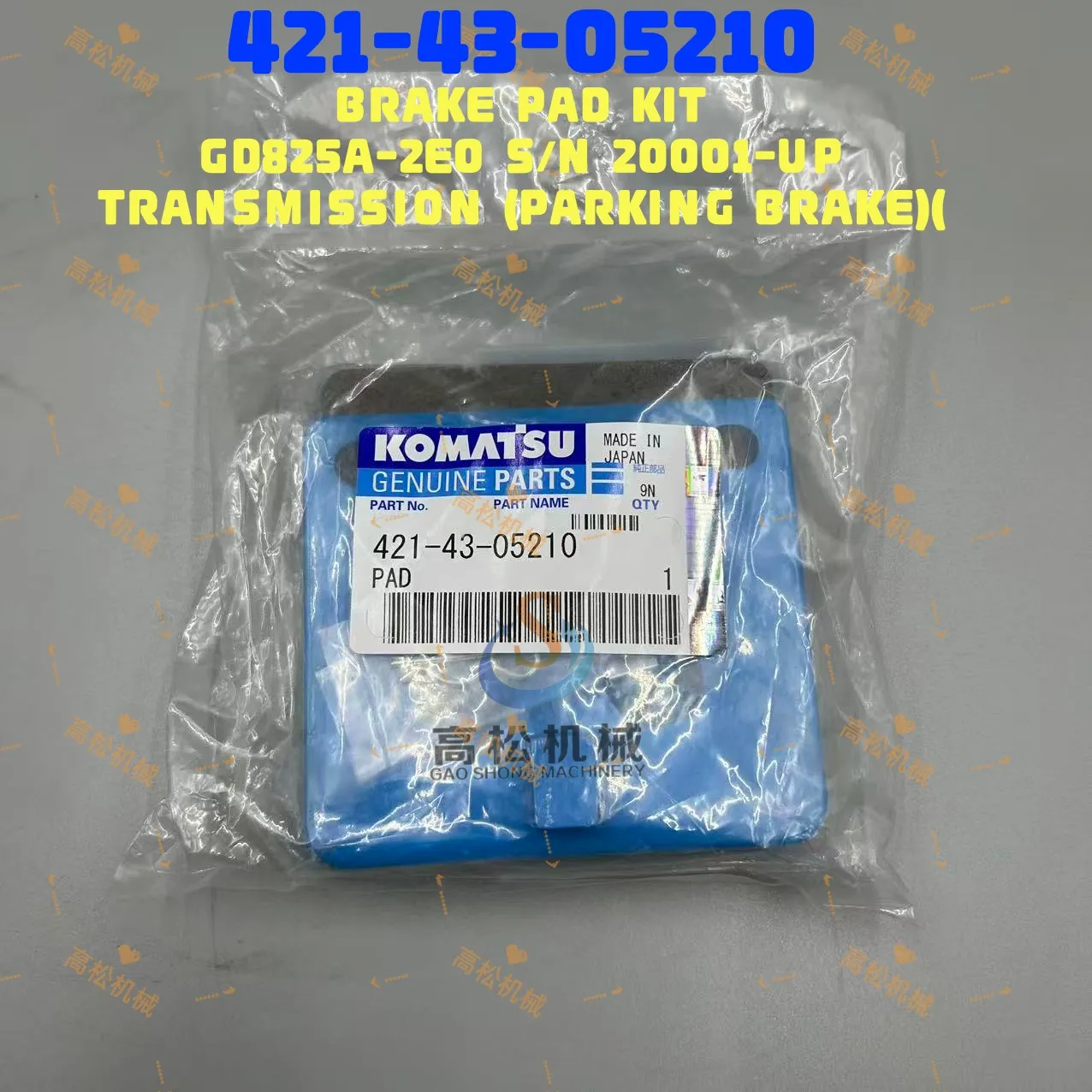 421-43-05210Brake pad kit 421-43-05210 for Komatsu GD825A-2 GD825A-2E0
 -
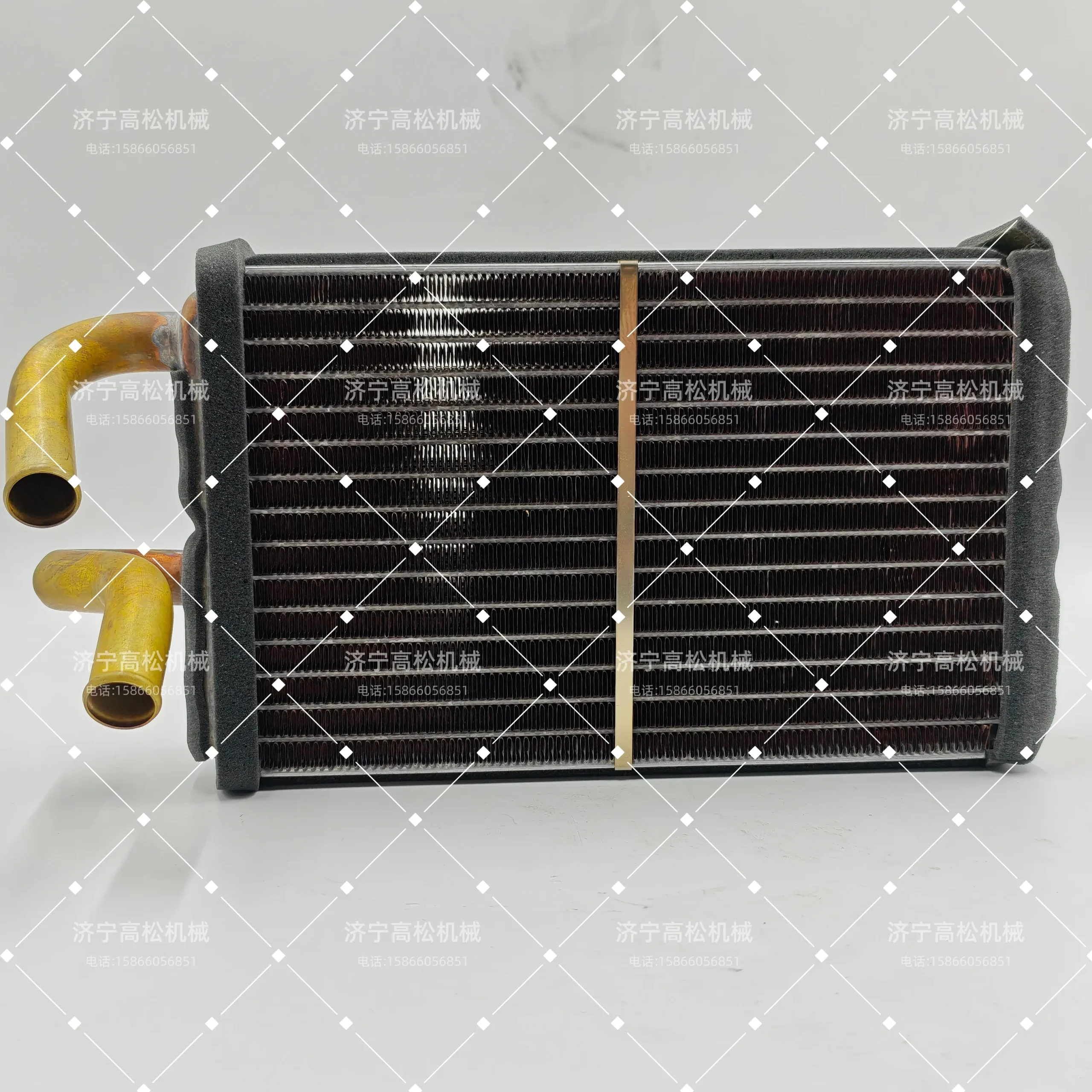 Genuine ND116410-9681 Unit Sub Assy for HD255, HD465, HD605
 -
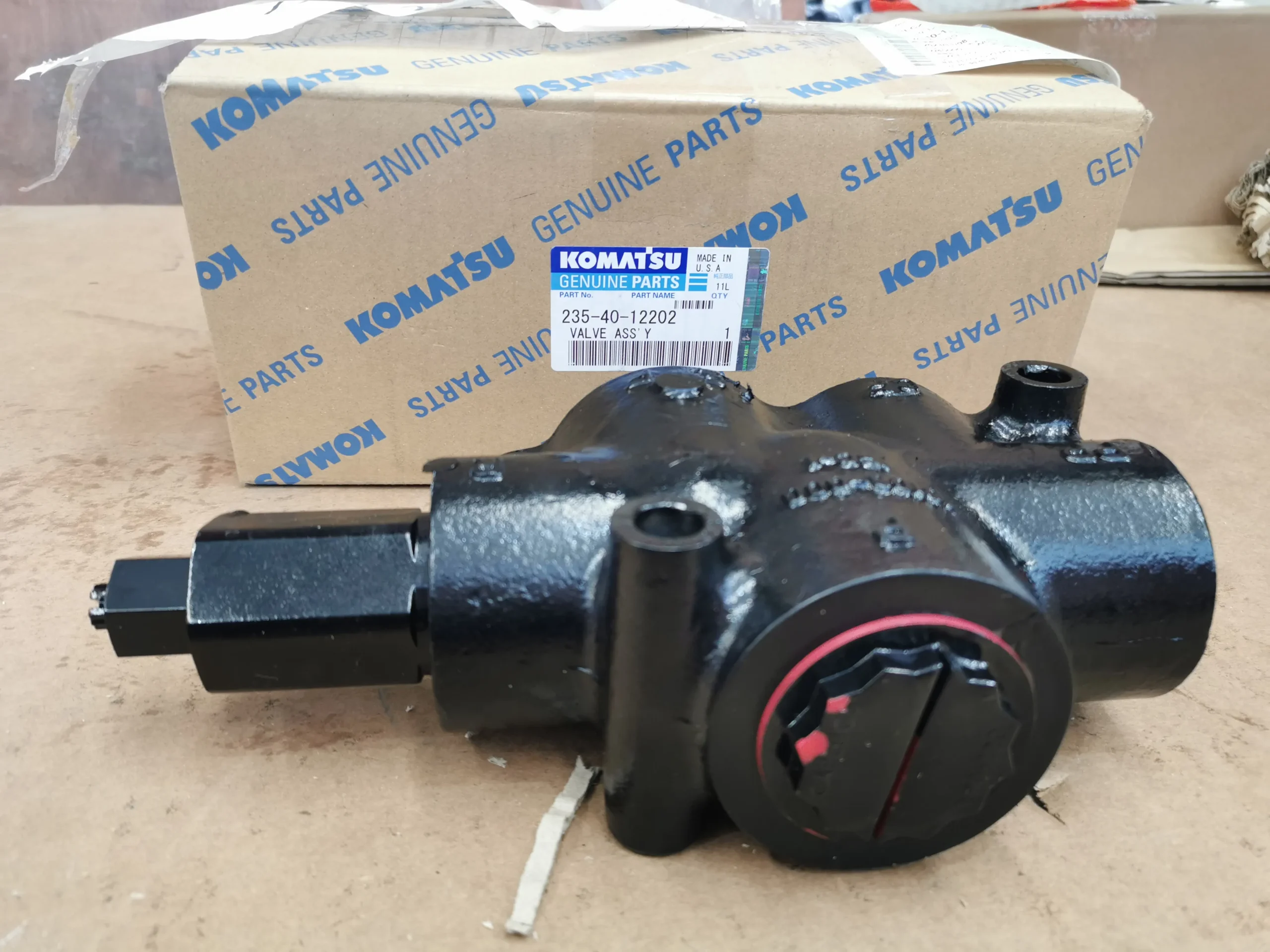 GD825A-2 valve assembly 235-40-12202
 -
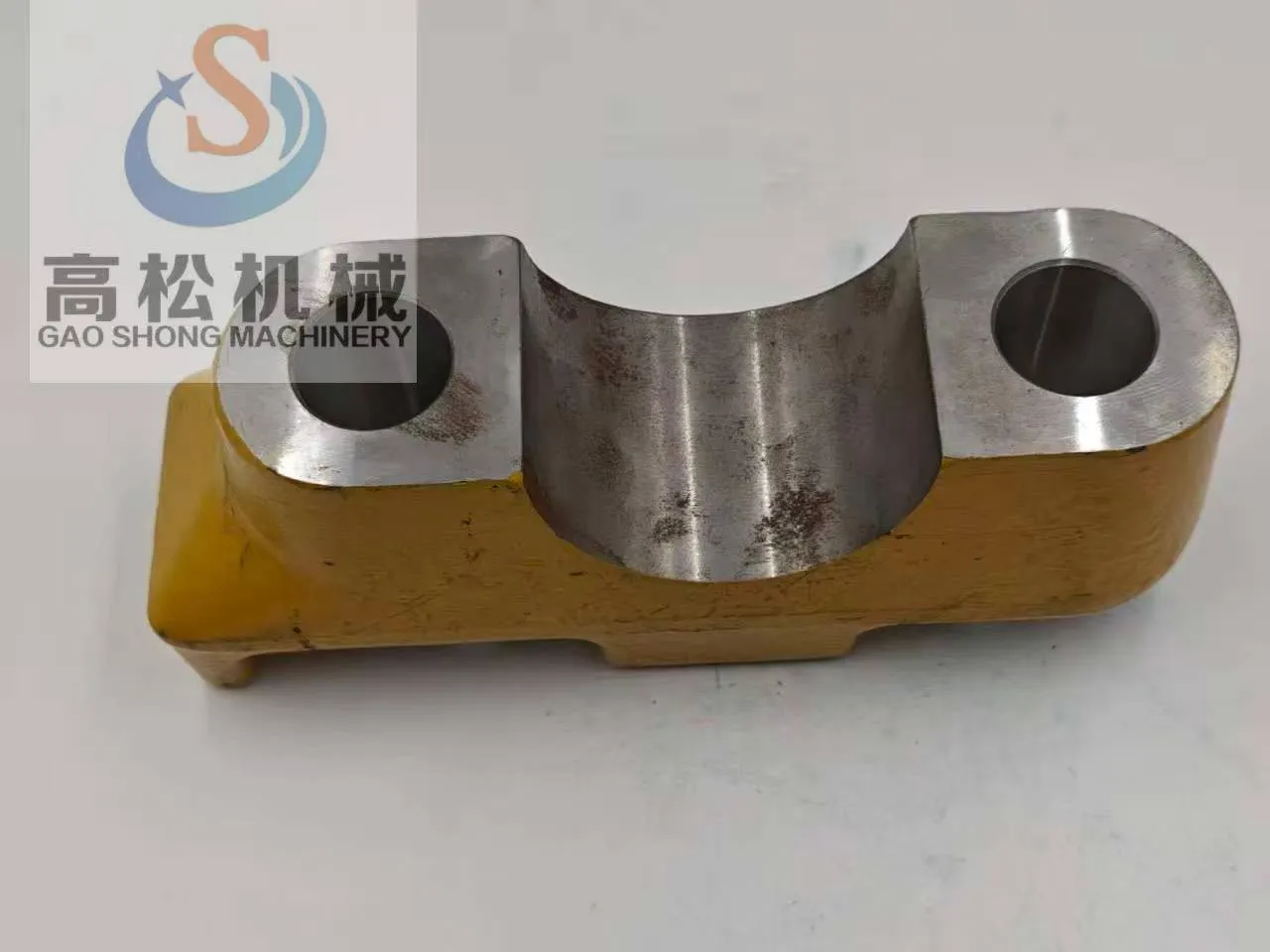 Cover 195-30-62141 for Komats bulldozer D375A
 -
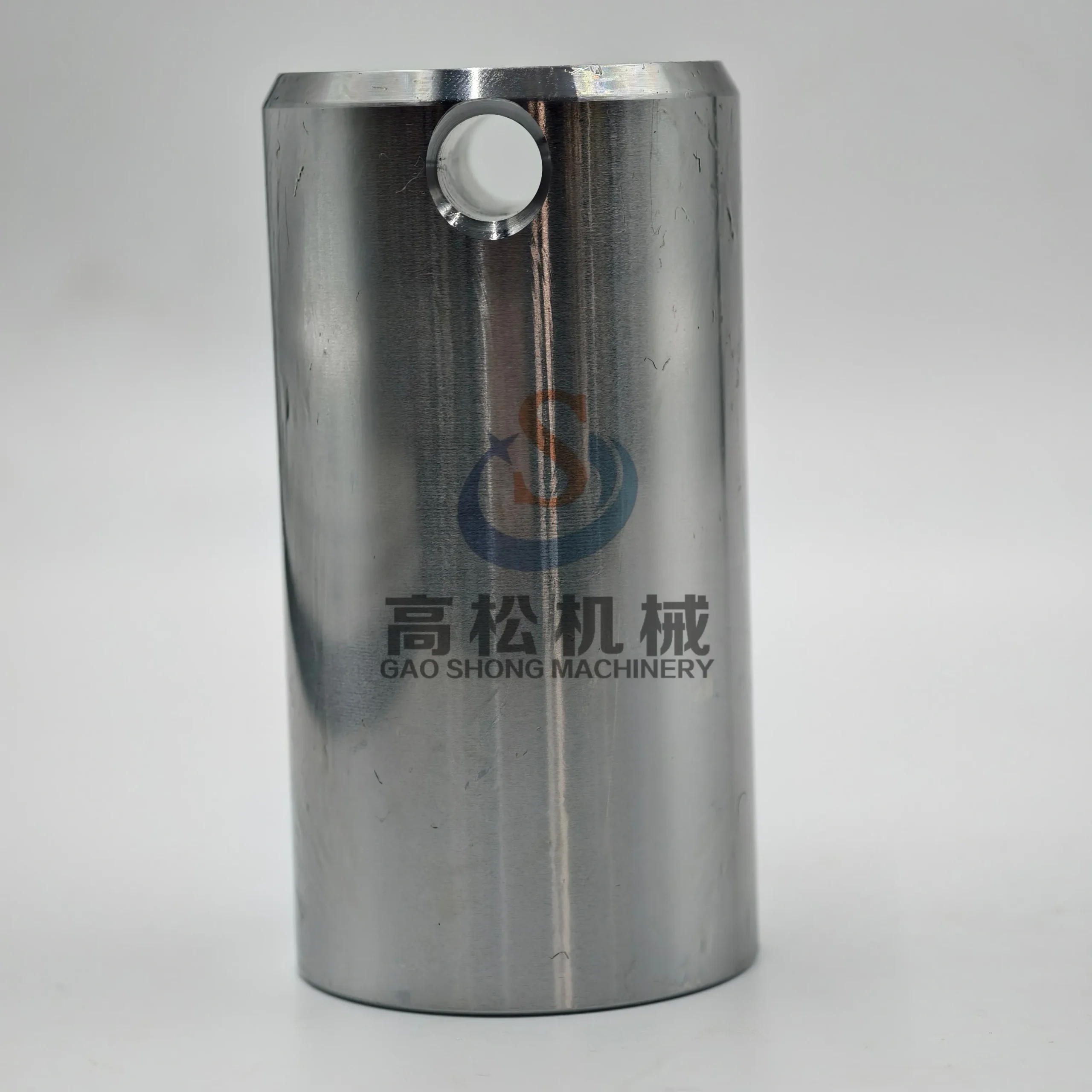 20Y-27-31160Komatsu Pin – 20Y-27-31160
 -
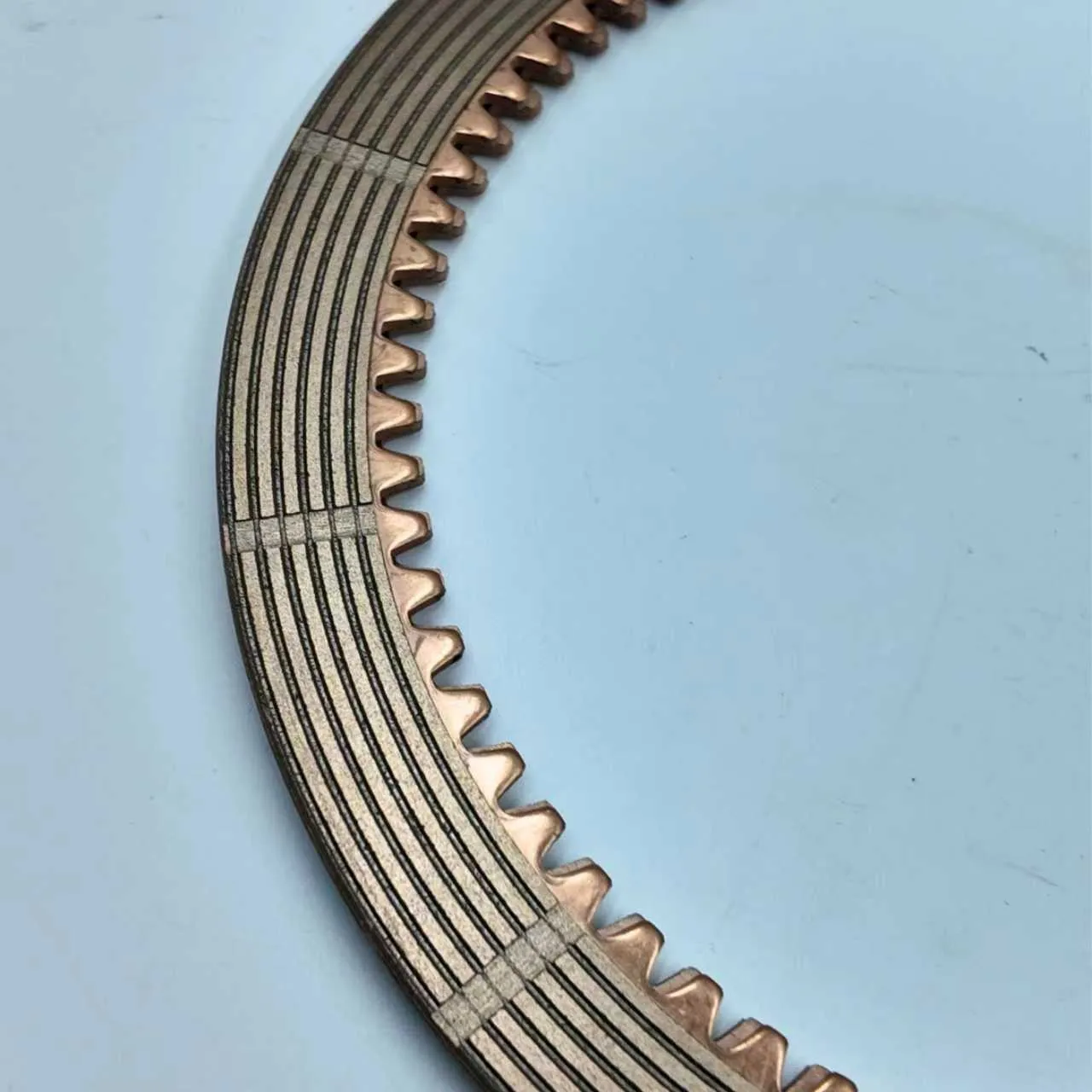 23S-15-12710 Komatsu Disc
 -
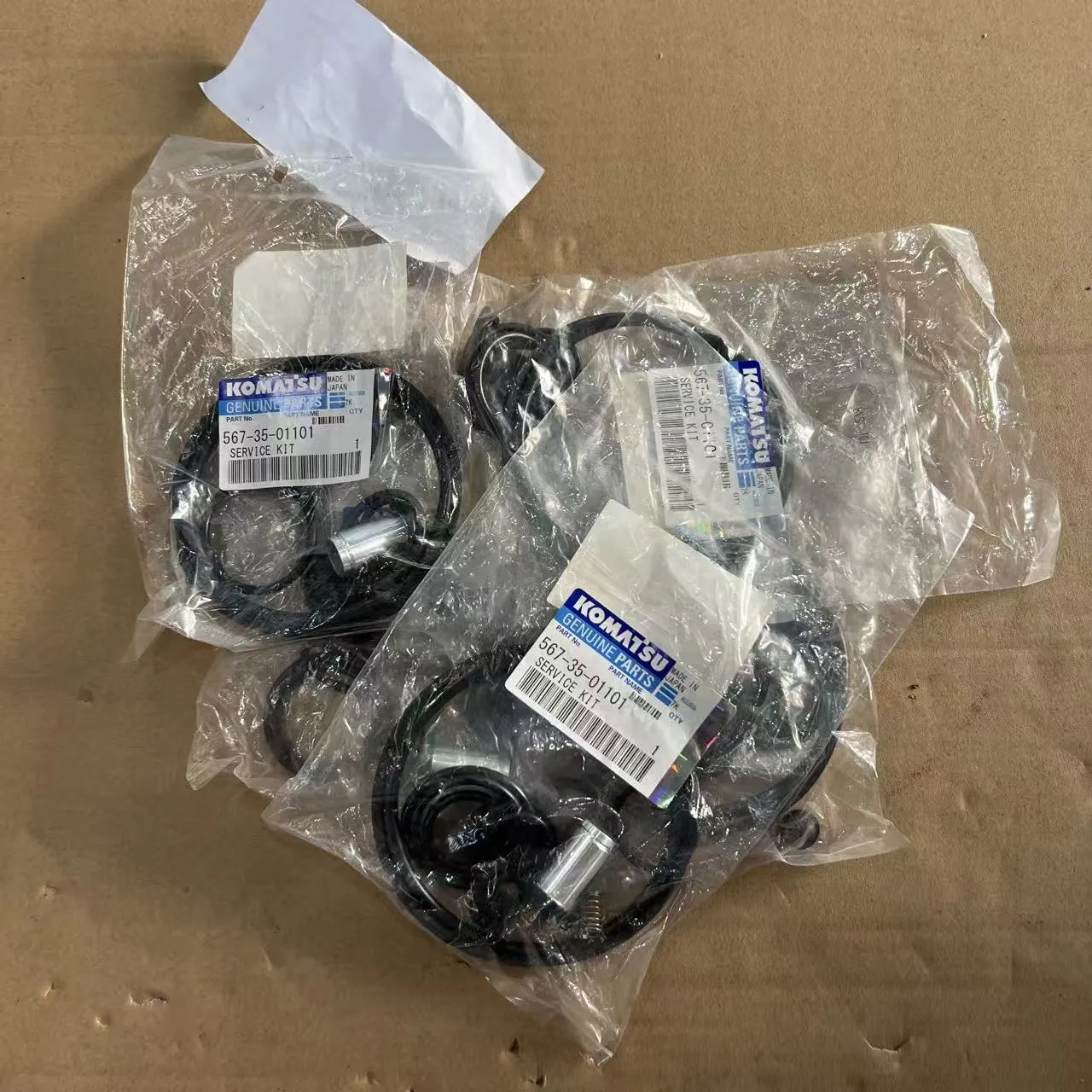 Komatsu 567-35-01101 Service Kit
 -
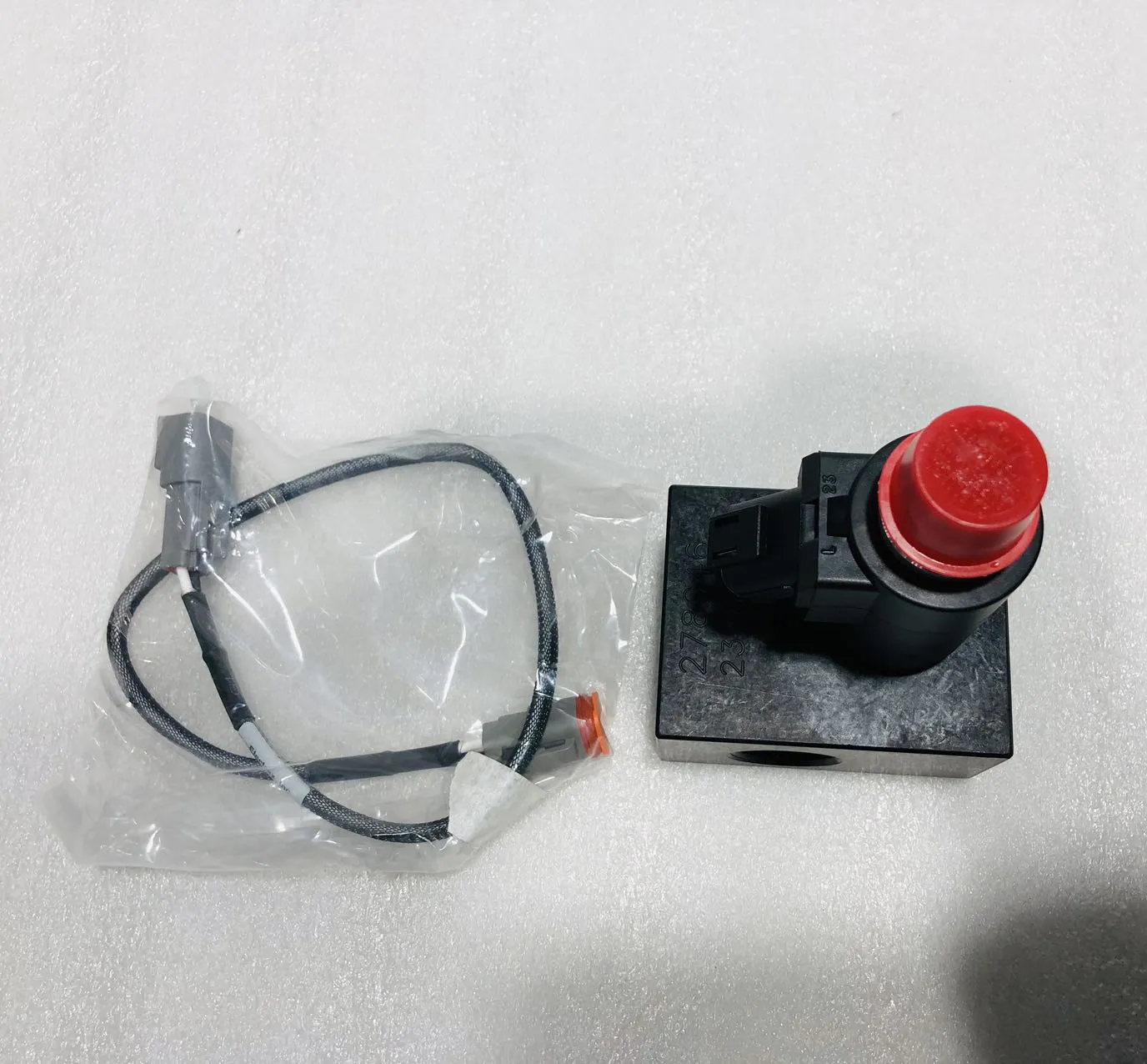 Komatsu 561-95-8A540 VALVE… — Pricing.Parts
 -
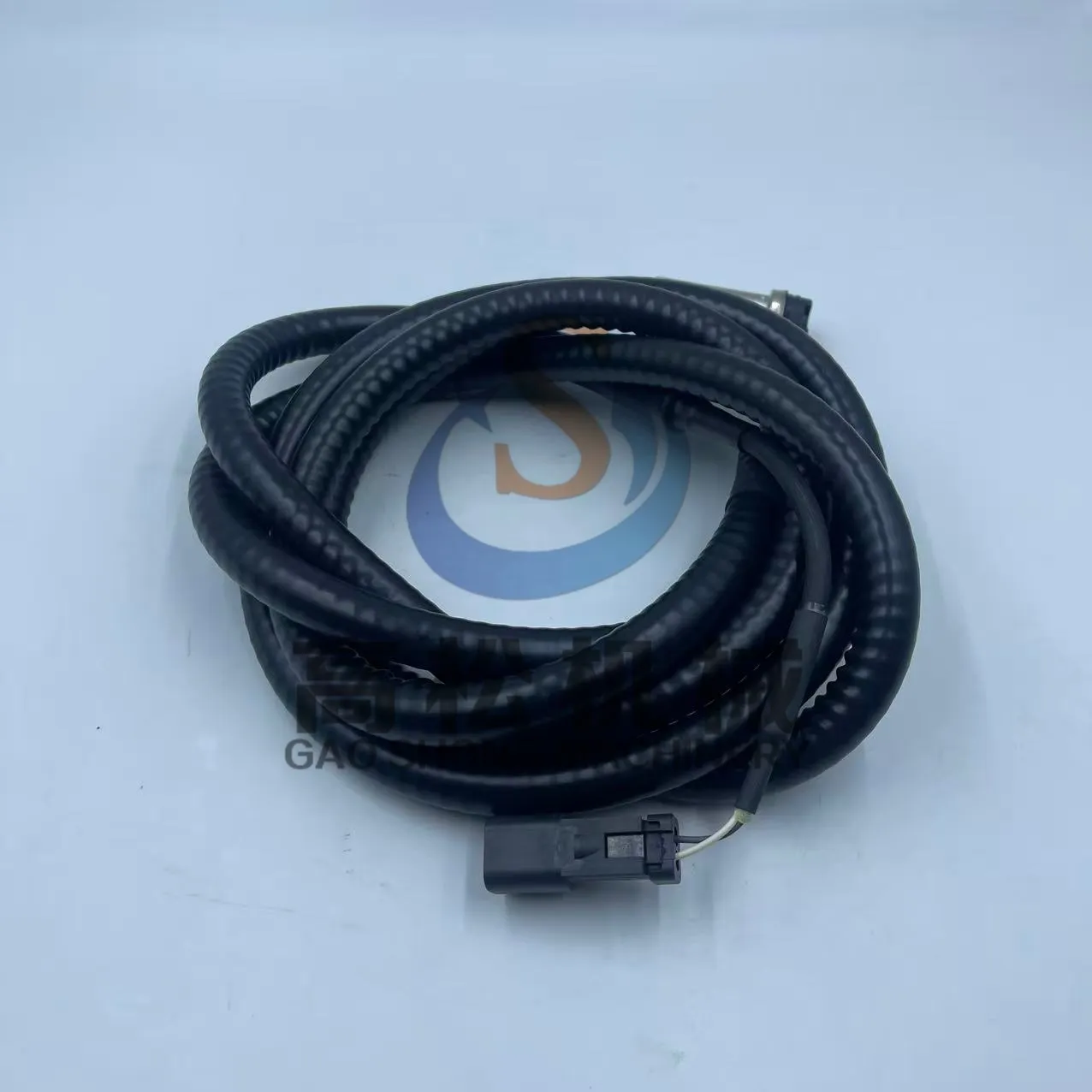 566-88-66143 – KOMATSU SENSOR
 -
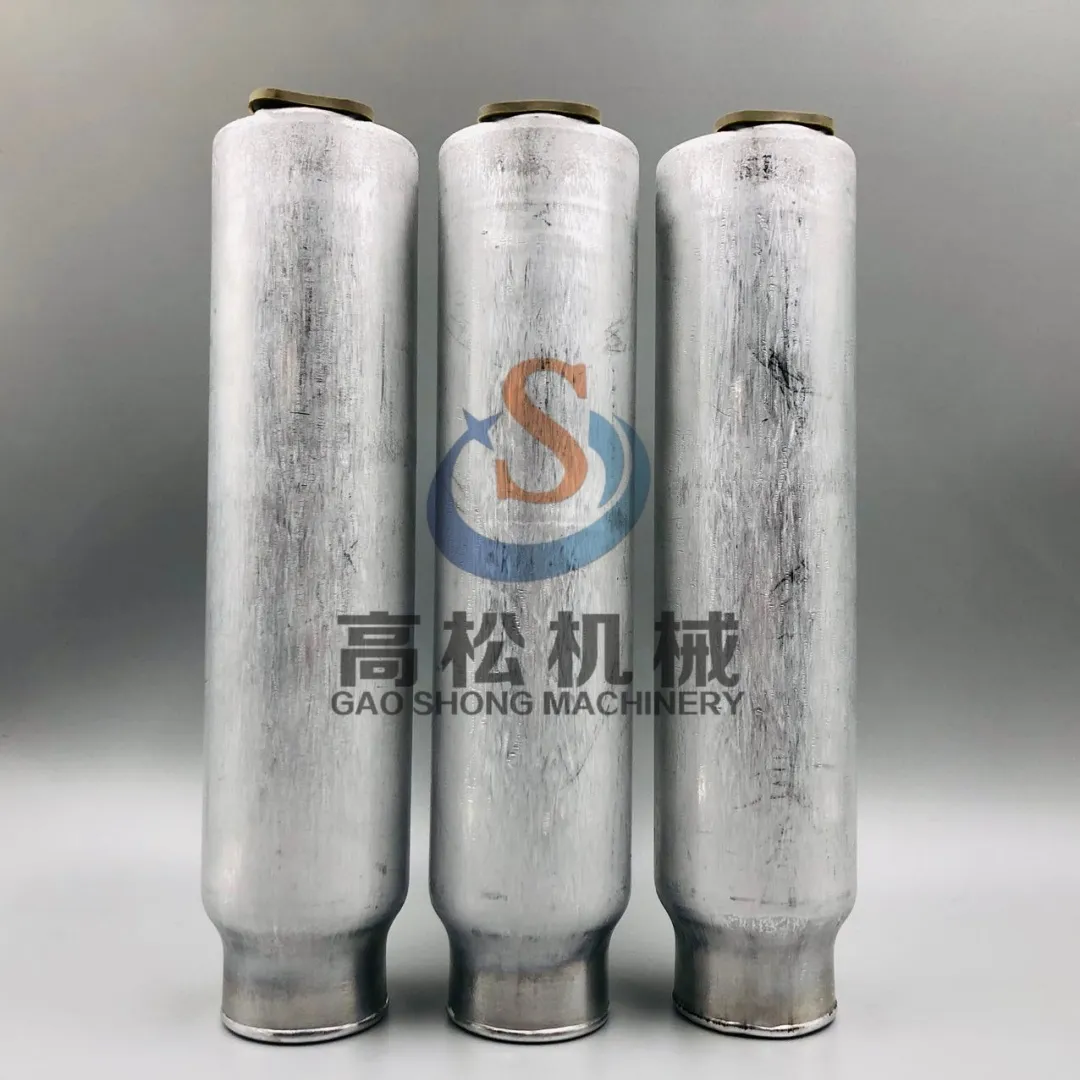 20Y-979-3120 Receiver Drier For Komatsu Equipment