
- Chinese
- French
- German
- Portuguese
- Spanish
- Russian
- Japanese
- Korean
- Arabic
- Irish
- Greek
- Turkish
- Italian
- Danish
- Romanian
- Indonesian
- Czech
- Afrikaans
- Swedish
- Polish
- Basque
- Catalan
- Esperanto
- Hindi
- Lao
- Albanian
- Amharic
- Armenian
- Azerbaijani
- Belarusian
- Bengali
- Bosnian
- Bulgarian
- Cebuano
- Chichewa
- Corsican
- Croatian
- Dutch
- Estonian
- Filipino
- Finnish
- Frisian
- Galician
- Georgian
- Gujarati
- Haitian
- Hausa
- Hawaiian
- Hebrew
- Hmong
- Hungarian
- Icelandic
- Igbo
- Javanese
- Kannada
- Kazakh
- Khmer
- Kurdish
- Kyrgyz
- Latin
- Latvian
- Lithuanian
- Luxembou..
- Macedonian
- Malagasy
- Malay
- Malayalam
- Maltese
- Maori
- Marathi
- Mongolian
- Burmese
- Nepali
- Norwegian
- Pashto
- Persian
- Punjabi
- Serbian
- Sesotho
- Sinhala
- Slovak
- Slovenian
- Somali
- Samoan
- Scots Gaelic
- Shona
- Sindhi
- Sundanese
- Swahili
- Tajik
- Tamil
- Telugu
- Thai
- Ukrainian
- Urdu
- Uzbek
- Vietnamese
- Welsh
- Xhosa
- Yiddish
- Yoruba
- Zulu
- Kinyarwanda
- Tatar
- Oriya
- Turkmen
- Uyghur





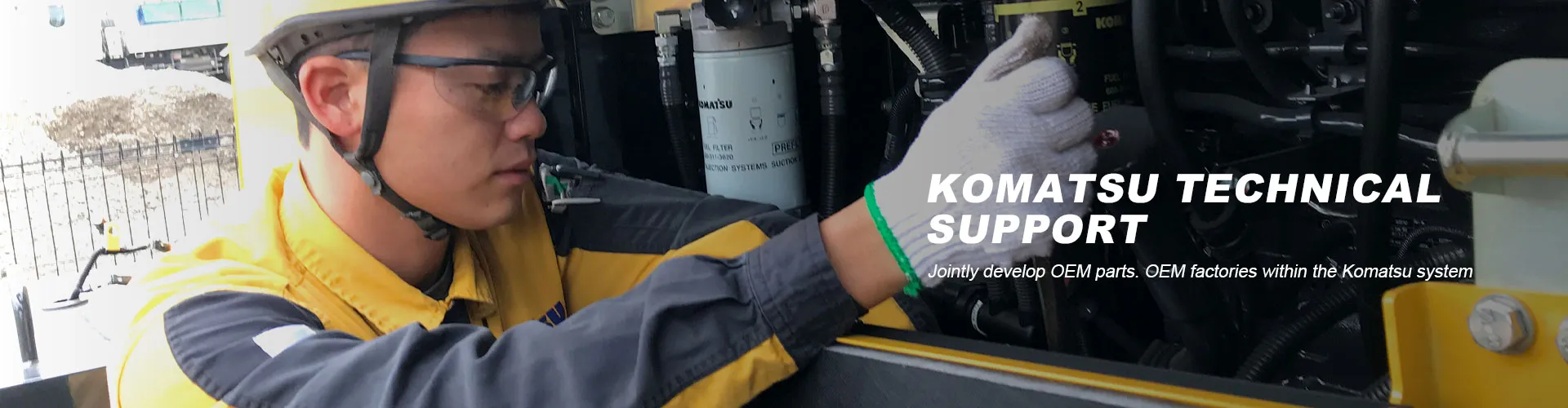
OEM AND ORIGINAL KOMATSU CAP 17M-71-41971
Let's talk about that part number, 17M-71-41971. It's a cap. Seems simple. But in the Komatsu world, especially with hydraulic systems, a cap isn't just a cover. It's a seal, a pressure barrier, often with specific threading and material specs to handle vibration and fluid exposure. The big confusion always swirls around the terms OEM AND ORIGINAL KOMATSU. People use them interchangeably, but they're not the same thing, and that difference costs money and downtime.
The OEM Reality vs. The Original Myth
Here's the core of it. When we say OEM AND ORIGINAL KOMATSU CAP 17M-71-41971, we're mixing two supply chains. Original Komatsu means it came off the line at a Komatsu factory, packed in Komatsu-branded packaging, distributed through their official network. You pay for that entire ecosystem. The OEM route is different. It means the part is made by the Original Equipment Manufacturer—the actual factory that forged, machined, and assembled this component for Komatsu in the first place. This is where companies like Jining Gaosong Construction Machinery Co., Ltd. operate. They are an OEM product supplier within the Komatsu system, which is a specific and legitimate position. They have access to the same production lines, the same blueprints, the same material certs.
The catch? The parts might not have the Komatsu logo laser-etched or come in the blue and white box. But the dimensional tolerances, the steel grade, the heat treatment? Identical. I've held both in my hands. You measure them, you test the hardness, there's no functional difference. The myth is that only the branded box guarantees quality. That's marketing, not metallurgy.
I've seen guys insist on the original for a simple cap, paying a 60-80% premium and waiting three weeks for it to ship from a central warehouse. Meanwhile, the machine is sitting idle. If the OEM part is from a verified system supplier, it's on the shelf, it fits, it works. The failure point is never the cap itself if it's to spec; it's the O-ring or the mating surface it seals against.
Why This Specific Cap? A Case in Point
So why pick on CAP 17M-71-41971? It's not a glamorous part. It's likely a hydraulic tank cap or a breather cap for a pump on a mid-sized excavator, maybe a PC200-8 or similar. Its job is to keep contaminants out and let pressure equalize. The devil is in the details: the thread pitch is fine, and it often has a nylon or rubber insert for sealing. A cheap knock-off will get the thread wrong, cross-thread on installation, or the insert will degrade in UV light or with certain hydraulic oils.
We had a situation in a quarry in Southeast Asia. They kept having moisture ingress issues in a PC300 hydraulic system. They replaced the main seals, the breather, everything. The problem persisted. Turns out, they were using a non-OEM substitute for this very cap. The substitute didn't have the proper micro-breather channel in the design. It was basically a solid plug, causing vacuum and condensation cycles inside the tank. Swapped it out for a proper OEM AND ORIGINAL KOMATSU spec cap from a trusted supplier, problem cleared in days. The lesson wasn't to buy the most expensive, but to buy the correct specification.
This is exactly the gap Jining Gaosong talks about filling. As a third-party sales company for Komatsu, they aren't just selling random parts. They're providing access to the OEM-spec supply chain for parts supply challenges in certain countries where the official network is thin or markups are insane. They can tell you, Yes, this 17M-71-41971 is from the same foundry, here's the batch lot. That's actionable intel.
The Gray Market and Verification Headaches
Now, the messy part. Not every part labeled OEM is. The term gets slapped on aftermarket parts that are kind of like the original. This is where experience matters. You develop an eye for it. The machining marks on a genuine or true OEM cap are clean. The plating is even—often a yellow chromate or black oxide finish that's consistent. The weight feels right. The fake ones feel lighter, the threads look rough under a loupe, the finish flakes.
A practical tip I always give: for a part like this, order one first. Don't buy a bulk pallet. Fit it. Does it thread on smoothly by hand for the last few turns? That's a good sign. Does it require a wrench from the start? Red flag. Check the sealing surface. Is it flat, with a defined groove for the O-ring? I've seen OEM caps where the groove was machined off-center.
This verification process is why having a direct line to a supplier embedded in the system is valuable. You can ask specific questions about provenance. A company like the one mentioned gets this. They're not a faceless online parts mega-store; they're solving a specific logistics and verification problem for Komatsu equipment owners.
Cost vs. Value in the Long Run
Let's talk numbers, but not just sticker price. The ORIGINAL KOMATSU cap might invoice at $45. A verified OEM version might be $18. A generic aftermarket fits Komatsu cap might be $6. The $6 part is a liability. It fails, you get contamination, you spend $200 on fluid analysis and $2000 on a pump flush. The $45 part is safe but eats into your maintenance budget on a component where the extra cost brings negligible extra benefit.
The $18 OEM-spec part is the sweet spot for operational efficiency. It frees up cash for other critical parts where the brand does matter, like main pump rotors or electronic controllers. This is strategic parts management. You allocate your budget to where the engineering pedigree is non-negotiable, and you source intelligently for commodity items like caps, filters, and standard seals.
This is the unspoken part of the job. It's not just fixing machines; it's managing a bill of materials across a fleet, making judgment calls on every line item. The CAP 17M-71-41971 is a perfect test case. If you can navigate its sourcing correctly, you understand the whole game.
Wrapping It Up: A Matter of Trust and Specs
So, back to the keyword: OEM AND ORIGINAL KOMATSU CAP 17M-71-41971. It's a search query born out of confusion and need. The buyer is trying to reconcile quality with cost. The answer isn't one or the other. It's understanding the hierarchy: Original (Branded) > OEM-Spec (Unbranded, Same Source) > Aftermarket (Generic). For a component like this, tier two is almost always the optimal choice.
The reliability comes from the specification, not the logo. Your job is to find a supplier who guarantees that spec. That's where the real value of a specialized third-party sales company comes in. They cut through the noise. They provide the part that makes the machine work, not the part that comes with the most expensive marketing story.
Next time you need that cap, or any similar simple part, dig deeper. Ask for material certification. Ask which Komatsu model series it's for. The right supplier will have those answers instantly. If they don't, you're just buying a piece of metal, and that's a gamble you can't afford to take, even on something as small as a cap.
Related Products
Related Products
Best Selling Products
Best Selling Products-
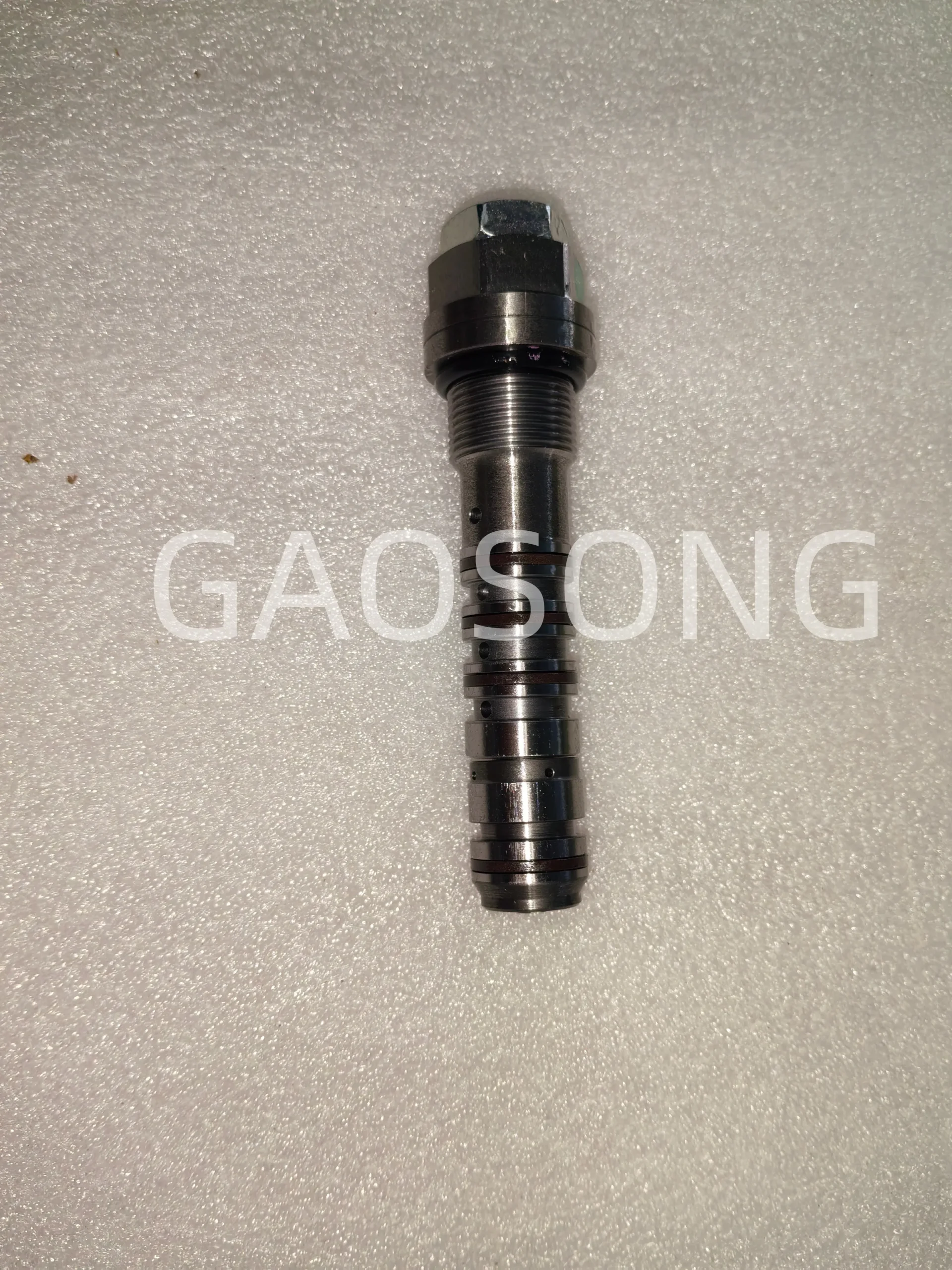 708-2G-03720 • Valve Assembly-Komatsu Original Factory
 -
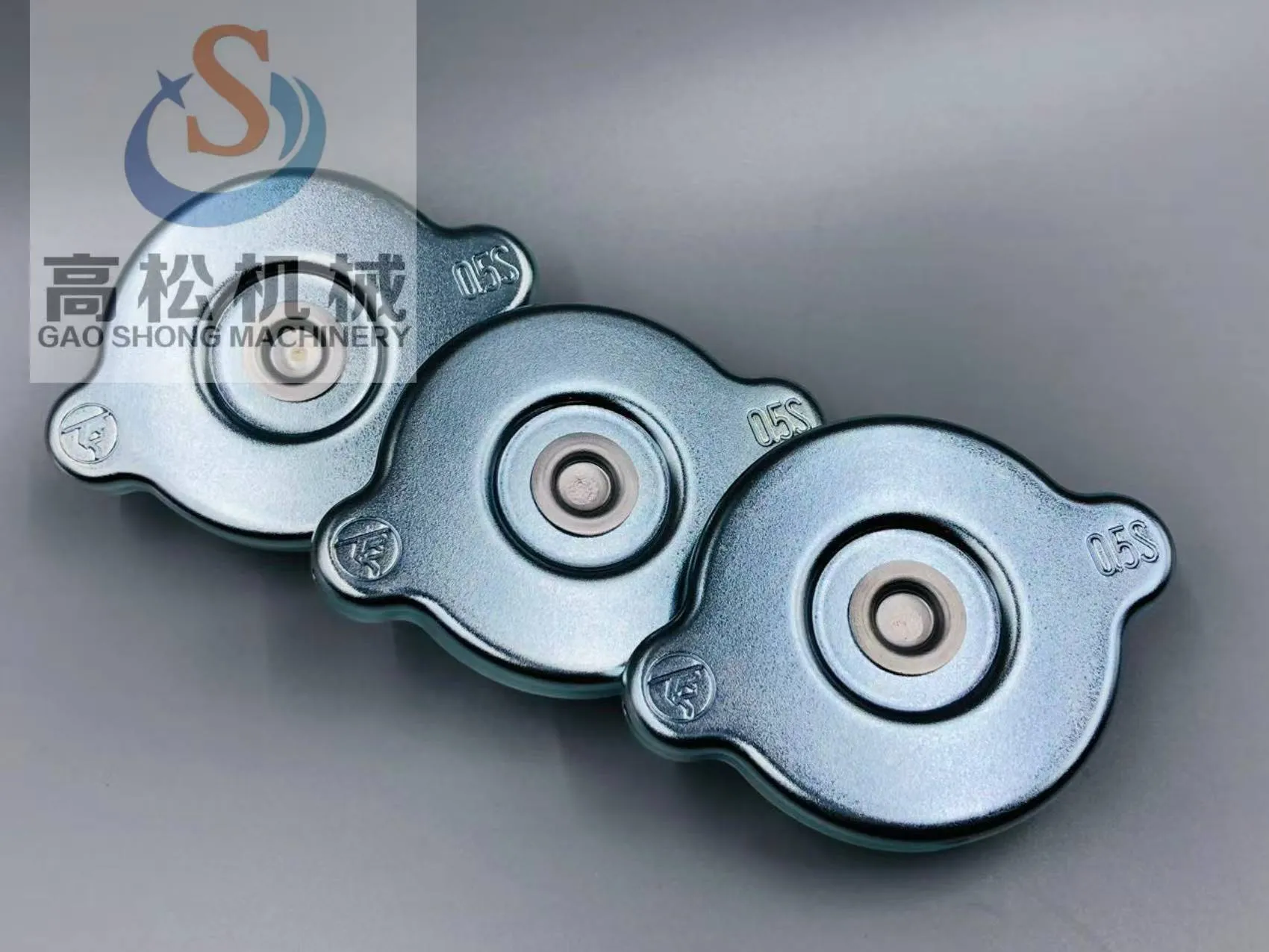 Cap of excavator radiator 20y-03-22110 for pc200-8 pc200-7
 -
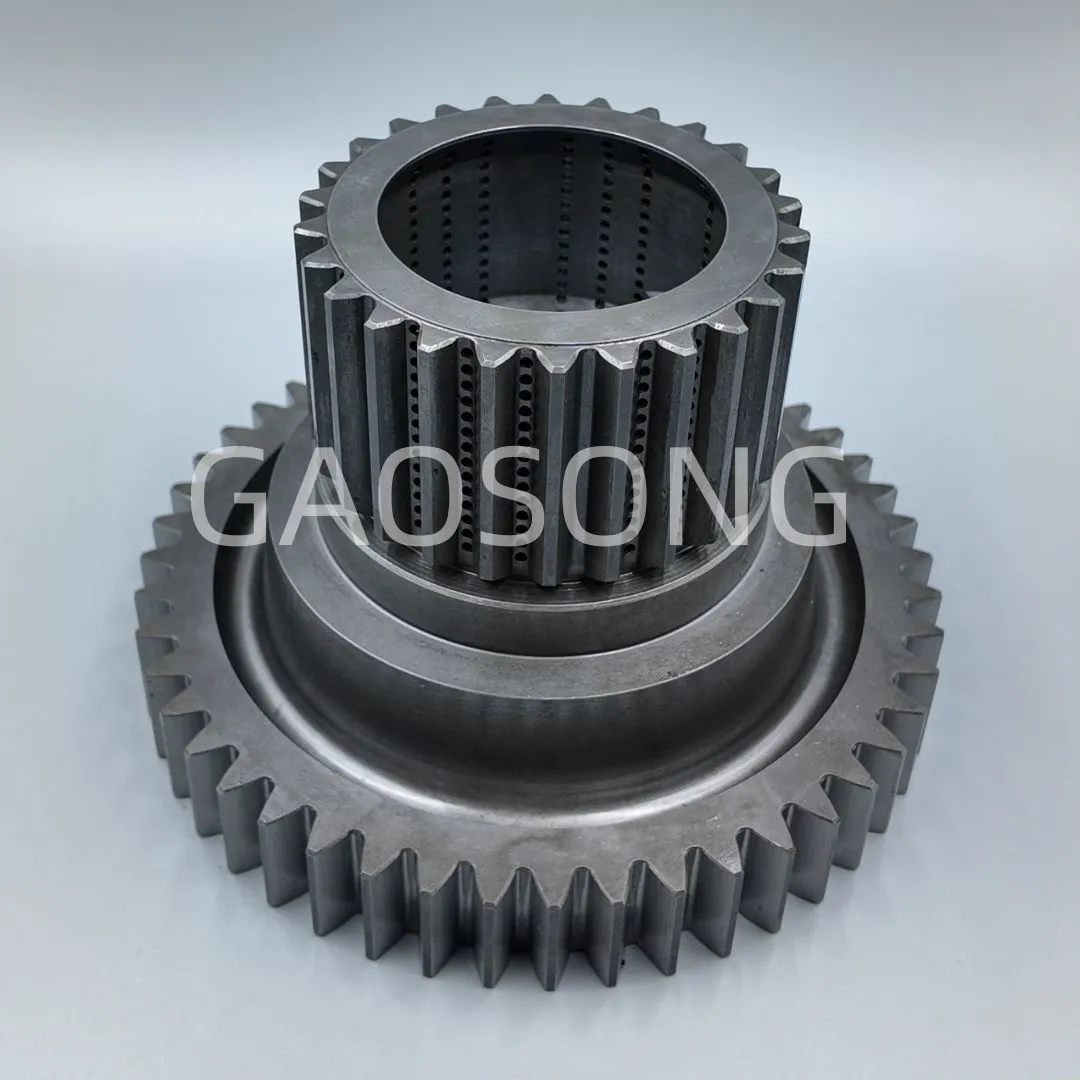 714-07-12420 •• GEAR¤ 48 TEETH,FORWARD–Komatsu Original Factory
 -
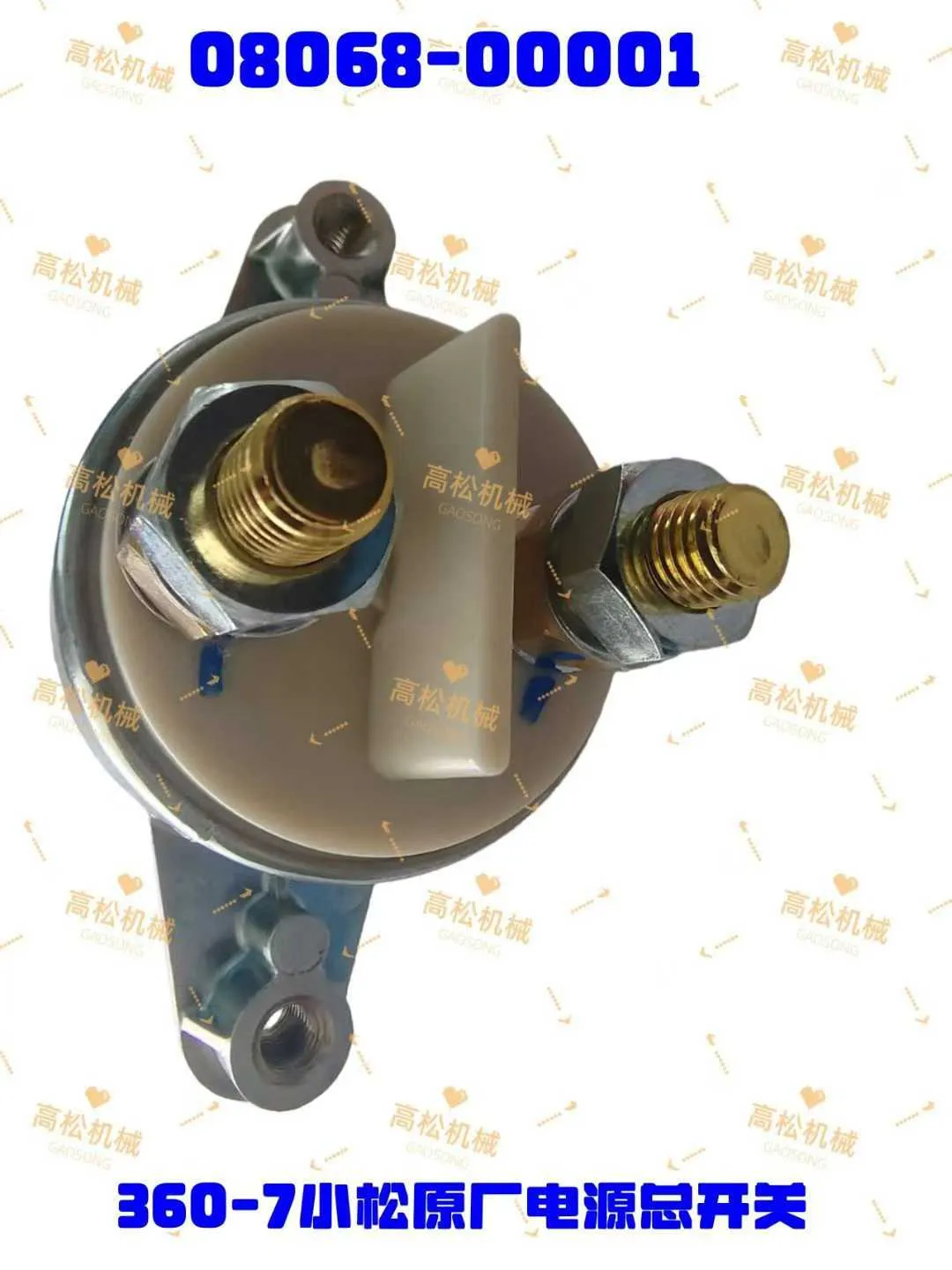 Part Number: 08068-00001 S; Applicable Model: PC360-7
 -
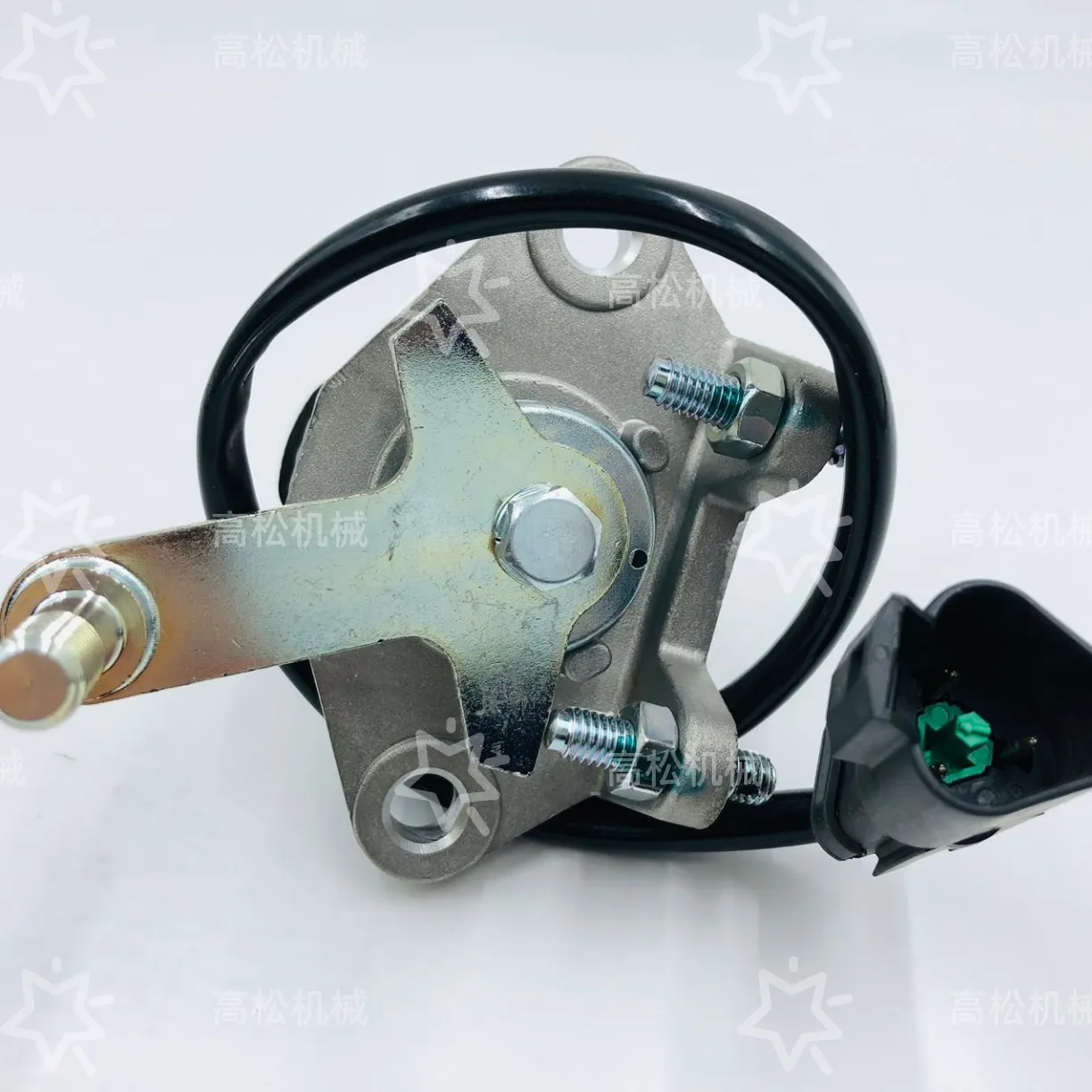 7861-93-4040 Bulldozer D275 D375 Sensor
 -
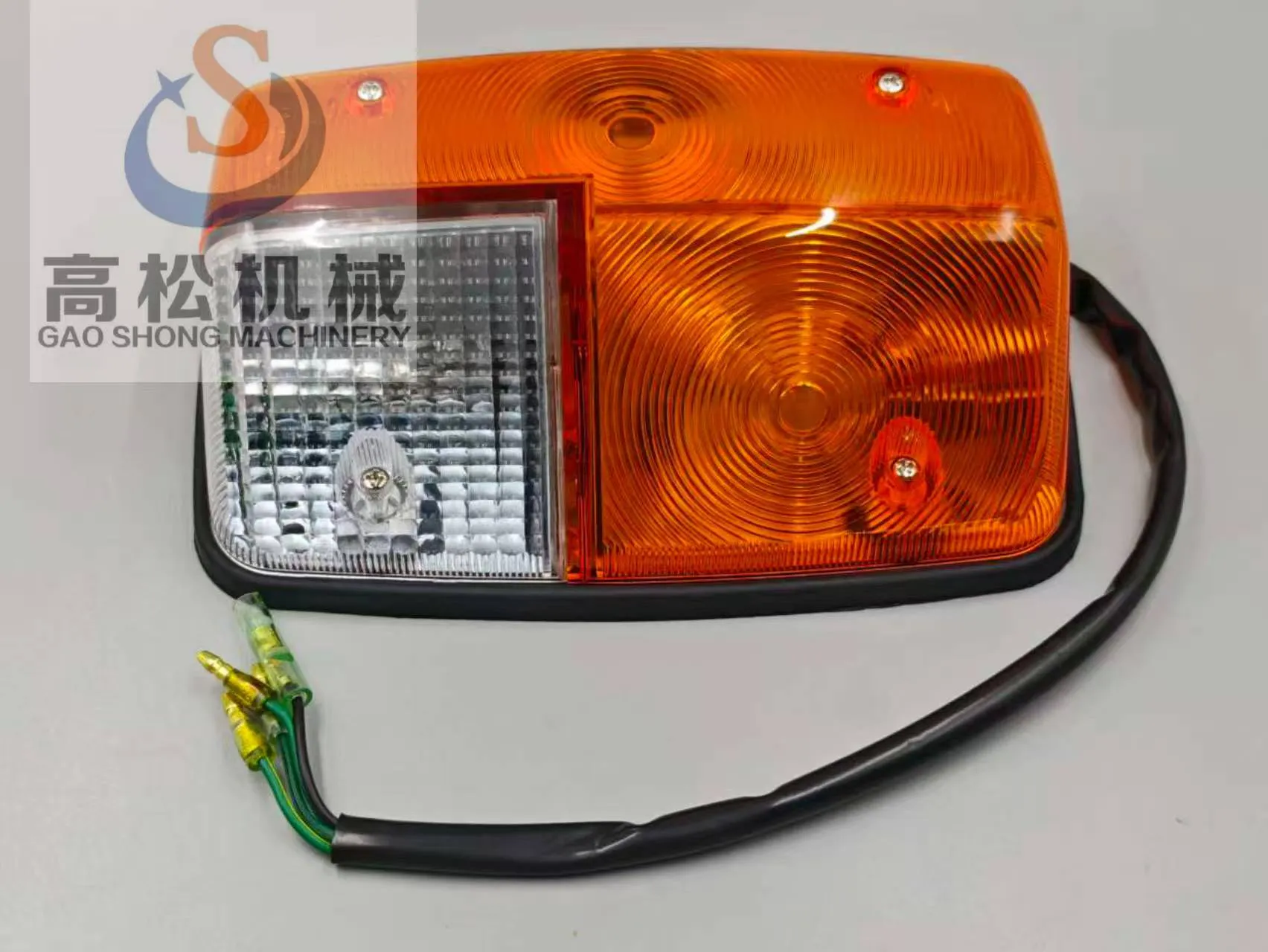 High quality, sales leader, light assembly 421-06-13401 421-06-13301, light assembly for komatsu gd405a-2 hd785-5lc 542 558
 -
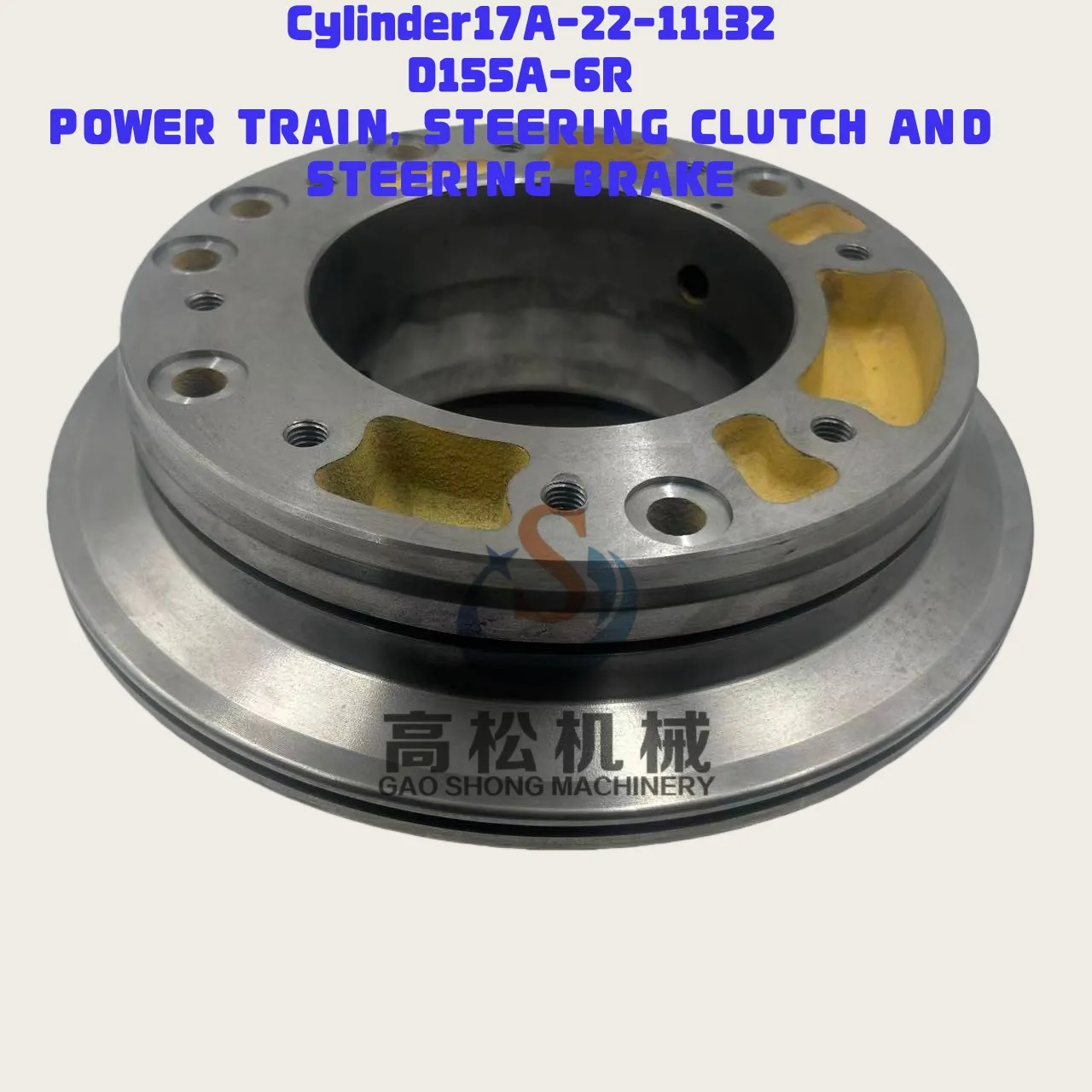 CYLINDER 17A-22-11132 D155A-6 D155A-3 D155A-5 D155A-6R STEERING CLUTCH AND BRAKE
 -
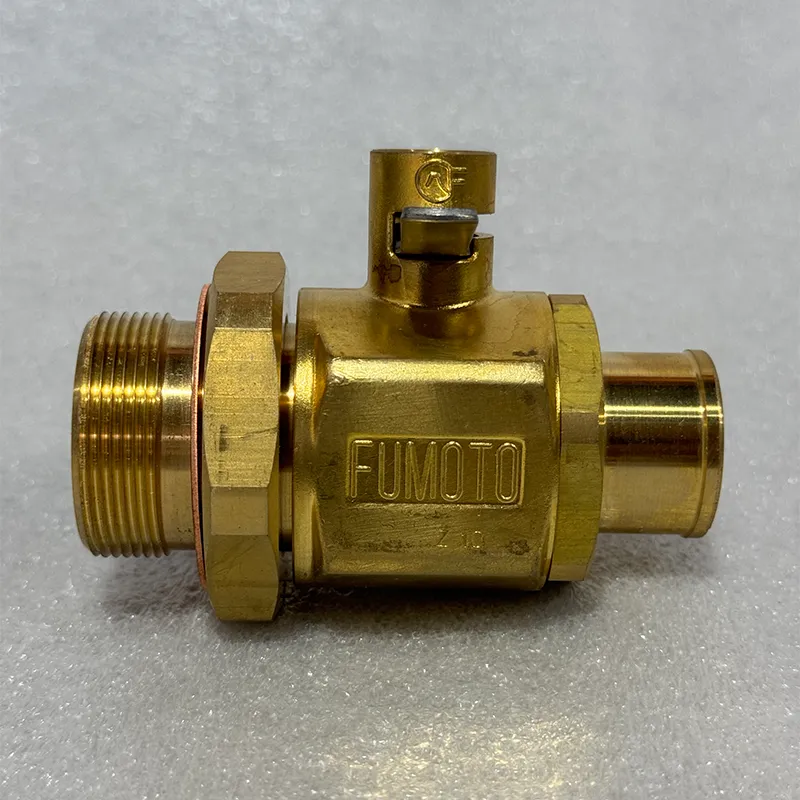 Original komatsu PC2000-8 Valve 21T-01-31490
 -
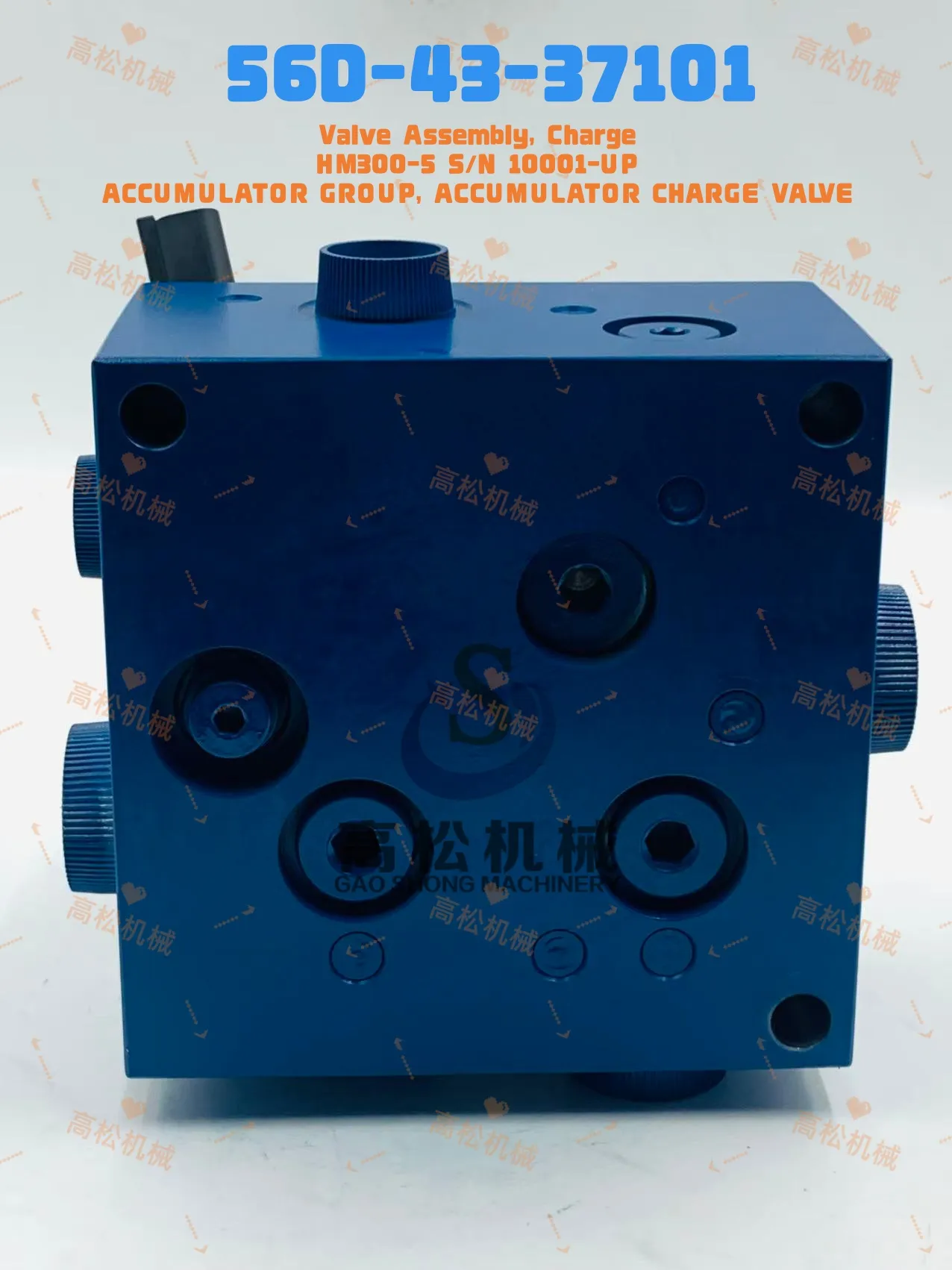 56D-43-37101 Valve Assembly, Charge for HM300 Komatsu Dump Truck Parts High Quality
 -
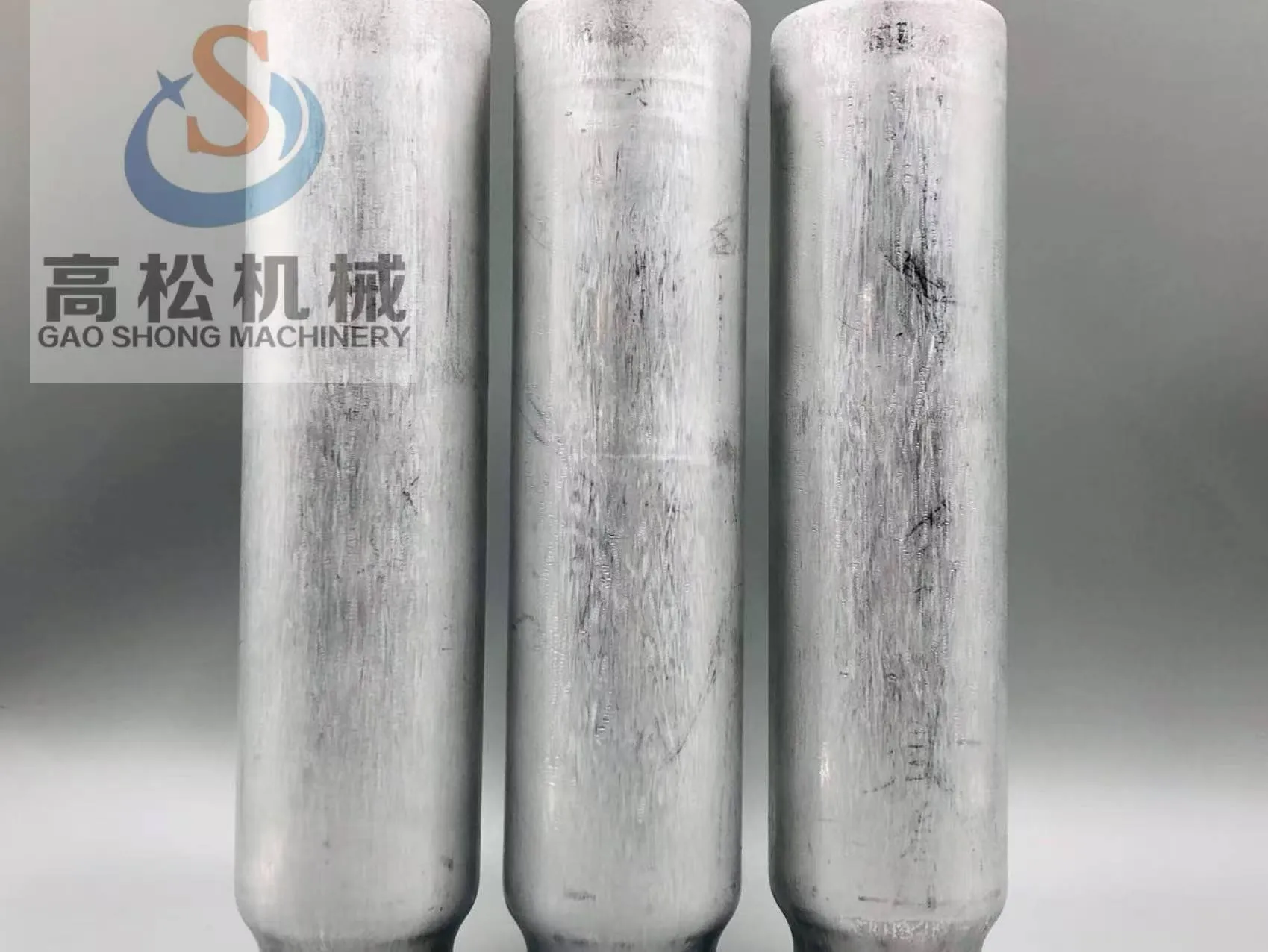 Air conditioning receiver dryer 20Y-979-3120 suitable for Komatsu
 -
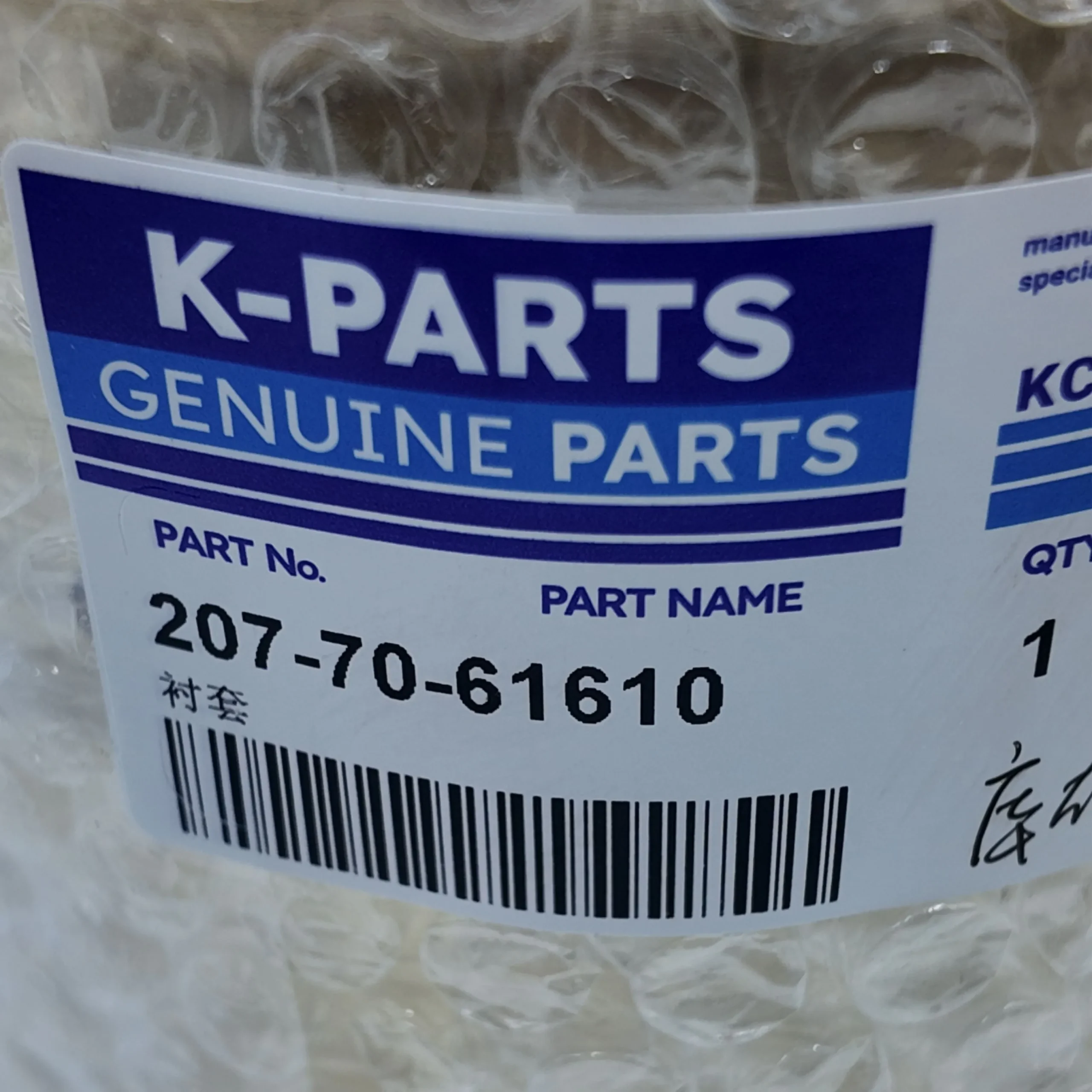 207-70-61610• BUSHING Komatsu Original Factory
 -
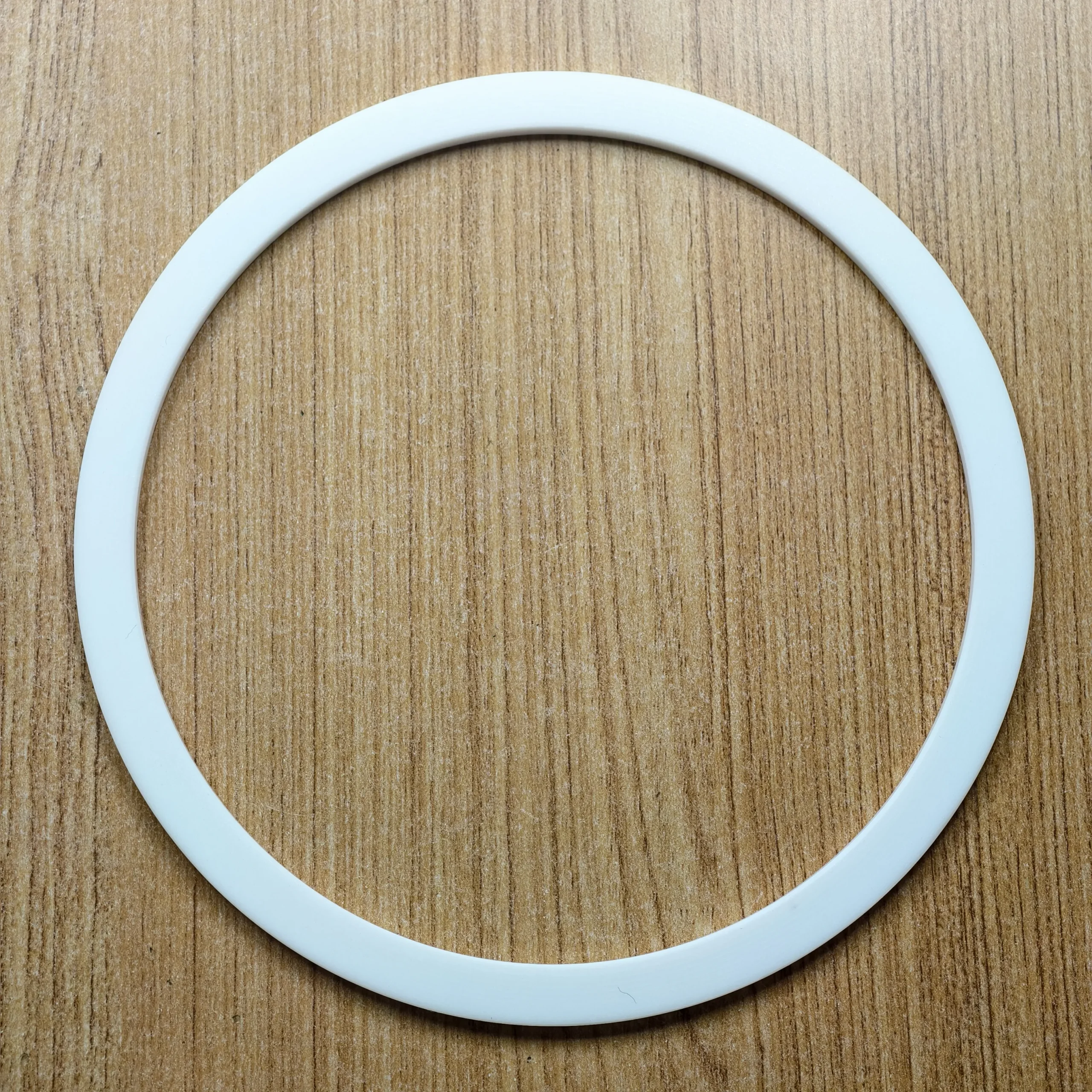 21N-30-14170 21N3014170 Spare Ring for Komatsu Excavator PC1250 PC1250SP