
- Chinese
- French
- German
- Portuguese
- Spanish
- Russian
- Japanese
- Korean
- Arabic
- Irish
- Greek
- Turkish
- Italian
- Danish
- Romanian
- Indonesian
- Czech
- Afrikaans
- Swedish
- Polish
- Basque
- Catalan
- Esperanto
- Hindi
- Lao
- Albanian
- Amharic
- Armenian
- Azerbaijani
- Belarusian
- Bengali
- Bosnian
- Bulgarian
- Cebuano
- Chichewa
- Corsican
- Croatian
- Dutch
- Estonian
- Filipino
- Finnish
- Frisian
- Galician
- Georgian
- Gujarati
- Haitian
- Hausa
- Hawaiian
- Hebrew
- Hmong
- Hungarian
- Icelandic
- Igbo
- Javanese
- Kannada
- Kazakh
- Khmer
- Kurdish
- Kyrgyz
- Latin
- Latvian
- Lithuanian
- Luxembou..
- Macedonian
- Malagasy
- Malay
- Malayalam
- Maltese
- Maori
- Marathi
- Mongolian
- Burmese
- Nepali
- Norwegian
- Pashto
- Persian
- Punjabi
- Serbian
- Sesotho
- Sinhala
- Slovak
- Slovenian
- Somali
- Samoan
- Scots Gaelic
- Shona
- Sindhi
- Sundanese
- Swahili
- Tajik
- Tamil
- Telugu
- Thai
- Ukrainian
- Urdu
- Uzbek
- Vietnamese
- Welsh
- Xhosa
- Yiddish
- Yoruba
- Zulu
- Kinyarwanda
- Tatar
- Oriya
- Turkmen
- Uyghur






OEM AND ORIGINAL KOMATSU CAP 17M-71-21970
When you see a part number like 17M-71-21970, specifically a CAP, floating around with both 'OEM' and 'Original Komatsu' tags, it immediately sets off my internal alarm. In this business, those terms are not synonyms, and assuming they are is where most costly downtime begins. I've seen too many guys, desperate to get a machine running, order what they think is a genuine Komatsu cap, only to receive a part that fits but fails under real pressure. The confusion isn't accidental; it's built into the global aftermarket ecosystem. My take? If you're dealing with critical sealing components, understanding the provenance isn't just good practice—it's a financial necessity.
The Part Number Tells a Story, If You Listen
Let's break down 17M-71-21970. The '17M' prefix typically ties it to a specific machine family or assembly, often an engine component group. This isn't just a random cap; it's likely a cover, cap, or plug for a pressurized system—think hydraulic tank, final drive, or pump housing. The OEM (Original Equipment Manufacturer) for Komatsu is, well, Komatsu. But here's the rub: companies operating within Komatsu's authorized supply chain, like Jining Gaosong, can produce these as OEM product suppliers. Their part carries the same number, is made to the same blueprint, and should be functionally identical. The Original Komatsu tag, however, implies it came off Komatsu's own branded line, often with a different price tag and packaging.
The physical differences can be subtle. I've held both. The OEM-supplied version from a certified partner might have a slightly different finish on the metal or a variation in the rubber compound of an integrated seal. It's not necessarily worse. Sometimes, the supplier has iterated on the material based on field feedback Komatsu hasn't officially adopted yet. But you need to know which you're getting. I once had a batch where the threading was perfect, but the torque specification for sealing was off by 10%, leading to seeps on a PC300 pump. The supplier, a reputable one, had updated their process, and the documentation lagged. That's the hands-on detail you won't find in a catalog.
This is where a company's stated role matters. On their site, Jining Gaosong Construction Machinery Co., Ltd. explicitly states they are an OEM product supplier within the Komatsu system and a third-party sales company. This is a crucial distinction. It means they have the legitimacy to produce and source authentic-spec parts, but they also operate in the secondary market to solve parts supply challenges. For a part like this cap, they might be the source for the OEM version, or they might be sourcing true original surplus. You have to ask.
Field Failures and the Cost of Assumptions
I'll share a painful lesson. We had a fleet of older Dash-6 excavators. A CAP 17M-71-21970 on the hydraulic control valve kept weeping. We sourced a cheaper OEM-compatible part from a non-authorized vendor. It stopped the leak for about 200 hours. Then it failed catastrophically, not just leaking but cracking, allowing contamination into the valve stack. The downtime and flush cost eclipsed any savings fifty times over. The failure point? The metal thickness was within a half-millimeter of spec, but the alloy couldn't handle the high-frequency vibration from the adjacent pump. A genuine OEM part, even from a secondary supplier like Gaosong, would have had the proper fatigue resistance.
The takeaway isn't always buy the most expensive. It's about traceability. An authorized OEM supplier, even as a third-party seller, provides a chain of accountability. If that cap fails, you can go back to them with batch numbers and production data. With a no-name part, you hit a dead end. For non-critical, cosmetic caps, maybe the risk is low. But for anything on a hydraulic or lubrication circuit, assume it's critical.
Another scenario: counterfeit packaging. It's rampant. I've seen Original Komatsu boxes for common parts like caps that were perfect replicas, but the parts inside had casting flash and poor machining. A reliable intermediary, which Takematsu Machinery positions itself as, often has more rigorous inbound quality checks for their third-party sales stream because their reputation is on the line. They're solving supply challenges, not just moving boxes.
Specs, Interchange, and the Reality of Maintenance
Officially, Komatsu doesn't endorse interchange. Practically, everyone does it. The question is how. For a simple cap, the specs are material (steel grade, often with plating), thread pitch and diameter, sealing surface angle, and burst pressure rating. An OEM supplier's part will match all these. A will-fit part might match only the threads. I keep a digital caliper and a thread gauge in my desk for this exact reason. A visual inspection of a purported OEM 17M-71-21970 should reveal clean, consistent machining, a clear (not stamped) part number, and a proper sealing surface without tooling marks.
In regions with sanctions or complex logistics, the model described by Jining Gaosong becomes vital. They aren't just selling a part; they're providing a pathway to equipment uptime. If a mine in a remote country can't get an original cap through official channels for weeks, an OEM-spec part from a verified channel that arrives in days is the operational answer. This is the solving parts supply challenges in action. It's not theoretical.
Don't overlook the seal. Often, this cap has an integrated O-ring or a copper washer. The OEM part will use the specified material—say, Viton for fuel resistance or a specific hardness of copper. Aftermarket might use generic nitrile or a softer alloy that deforms permanently. I've started ordering critical seals separately from a specialist, even when buying an OEM cap, to double down on reliability. It's a bit obsessive, but it works.
Sourcing Strategy: Building a Reliable Pipeline
My strategy now is layered. For critical, hard-to-get parts for older models, I've built relationships with a few select companies that are transparent about their role. A website like Gaosong's is telling—they openly state their dual role as OEM supplier and third-party seller. That honesty is a starting point for a conversation. I'd call and ask: For part 17M-71-21970, do you currently produce this as an OEM supplier, or is this from third-party stock? Can you provide material certification? Their willingness to answer separates partners from vendors.
Price is a signal, but not a definitive one. An OEM-supplied part might be 30% less than a Komatsu-boxed original, while a low-quality clone might be 70% less. The dangerous zone is the 40-50% discount range—it looks legitimate enough to trick you. Always cross-reference the physical part with a known-good original when you first source from a new supplier. Document the differences with photos. Create your own internal quality guide.
Ultimately, a part number is just a code. The substance is in the supply chain behind it. For a ubiquitous component like a CAP 17M-71-21970, the risk isn't in the part's complexity, but in the complacency it invites. Treating it as a trivial purchase is where the trap lies. By understanding the ecosystem—where companies like Jining Gaosong fit as OEM-inside players—you move from guessing to managing risk. You stop just buying parts and start managing asset integrity, one seemingly insignificant cap at a time.
Conclusion: Beyond the Label
So, what's the verdict on OEM AND ORIGINAL KOMATSU CAP 17M-71-21970? The label is less important than the pedigree. OEM from a system-authorized supplier like Gaosong often represents the best value: spec-perfect without the brand premium. Original Komatsu is the gold standard but can be inaccessible. The nightmare is the unspecified third-party part masquerading as either. The goal isn't to navigate to a single correct answer, but to make an informed choice based on criticality, availability, and supplier transparency. In our world, the right part is the one that keeps the machine running reliably, whose supplier stands behind it, and whose origin you understand well enough to defend your decision to the boss when the pressure is on. Everything else is just noise.
Related Products
Related Products
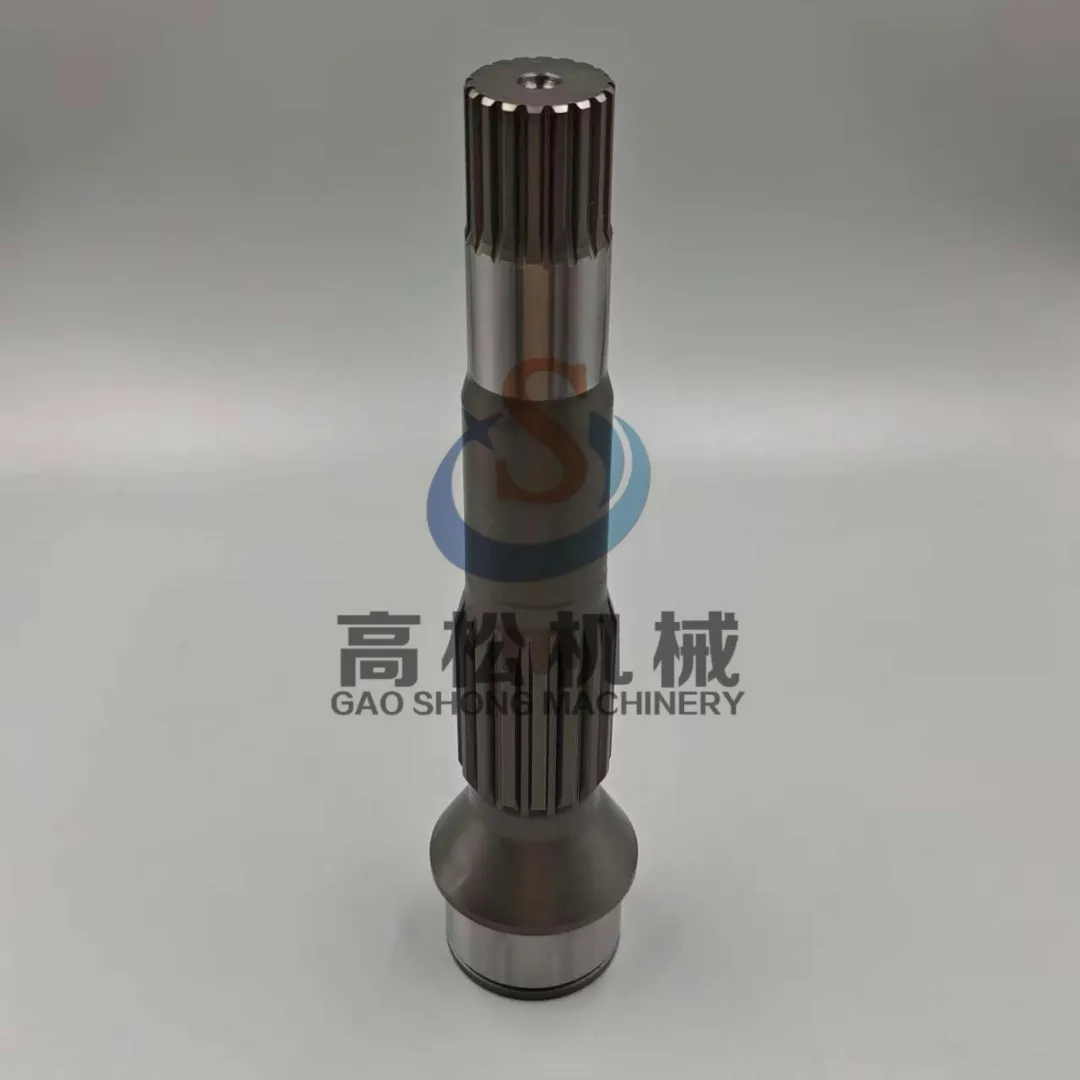
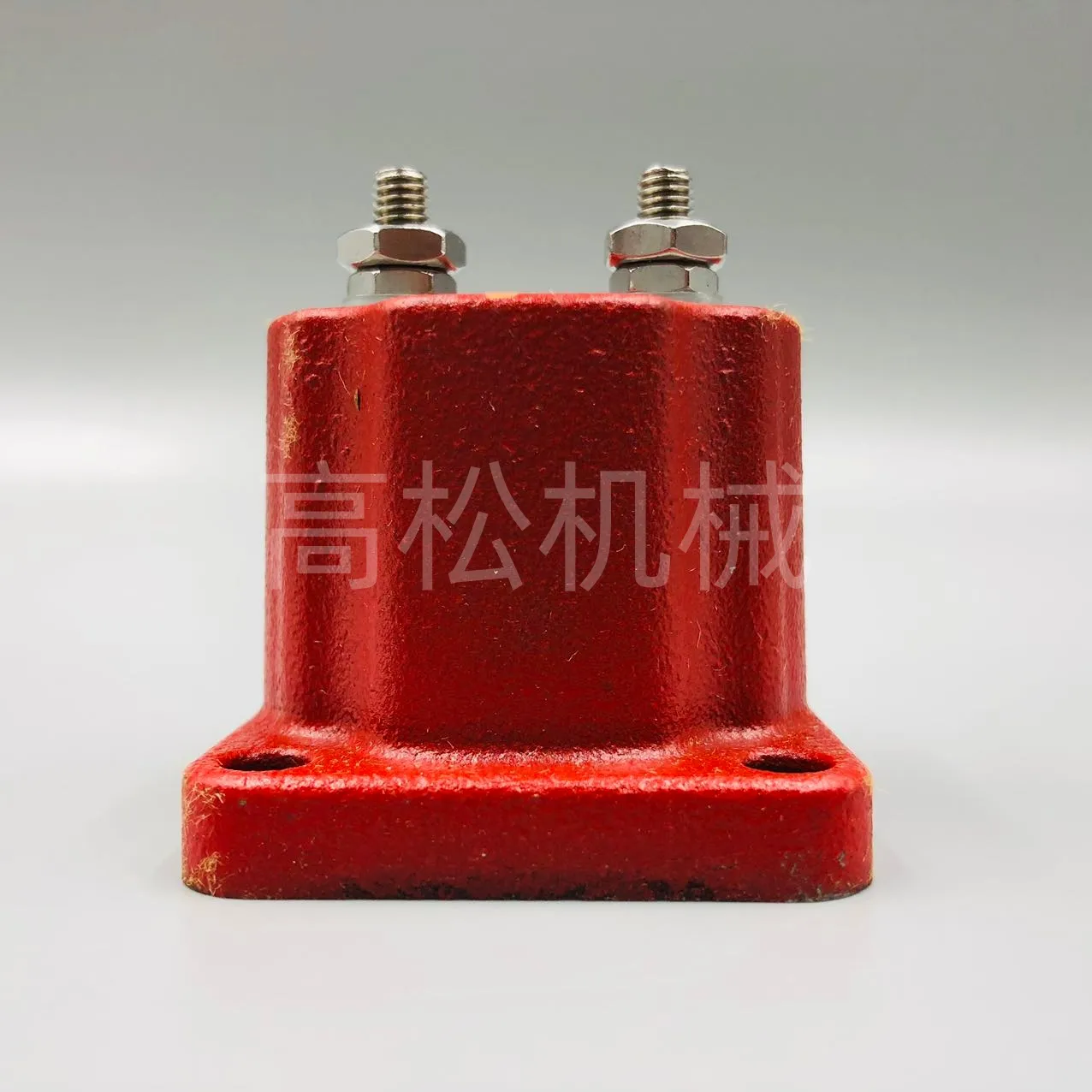

Best Selling Products
Best Selling Products-
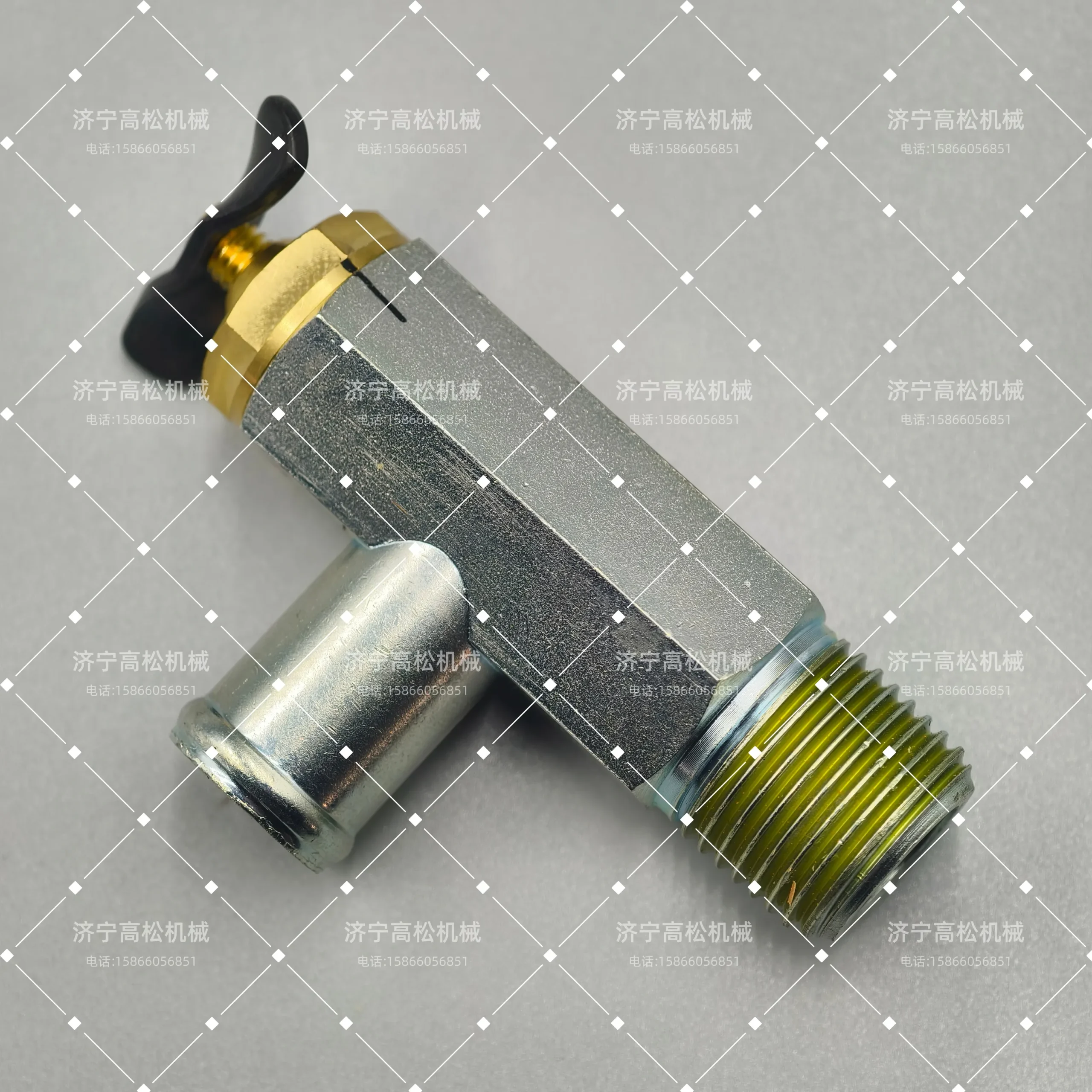 Komatsu 09482-10000 VALVE, HOSE, price for… — Pricing.Parts
 -
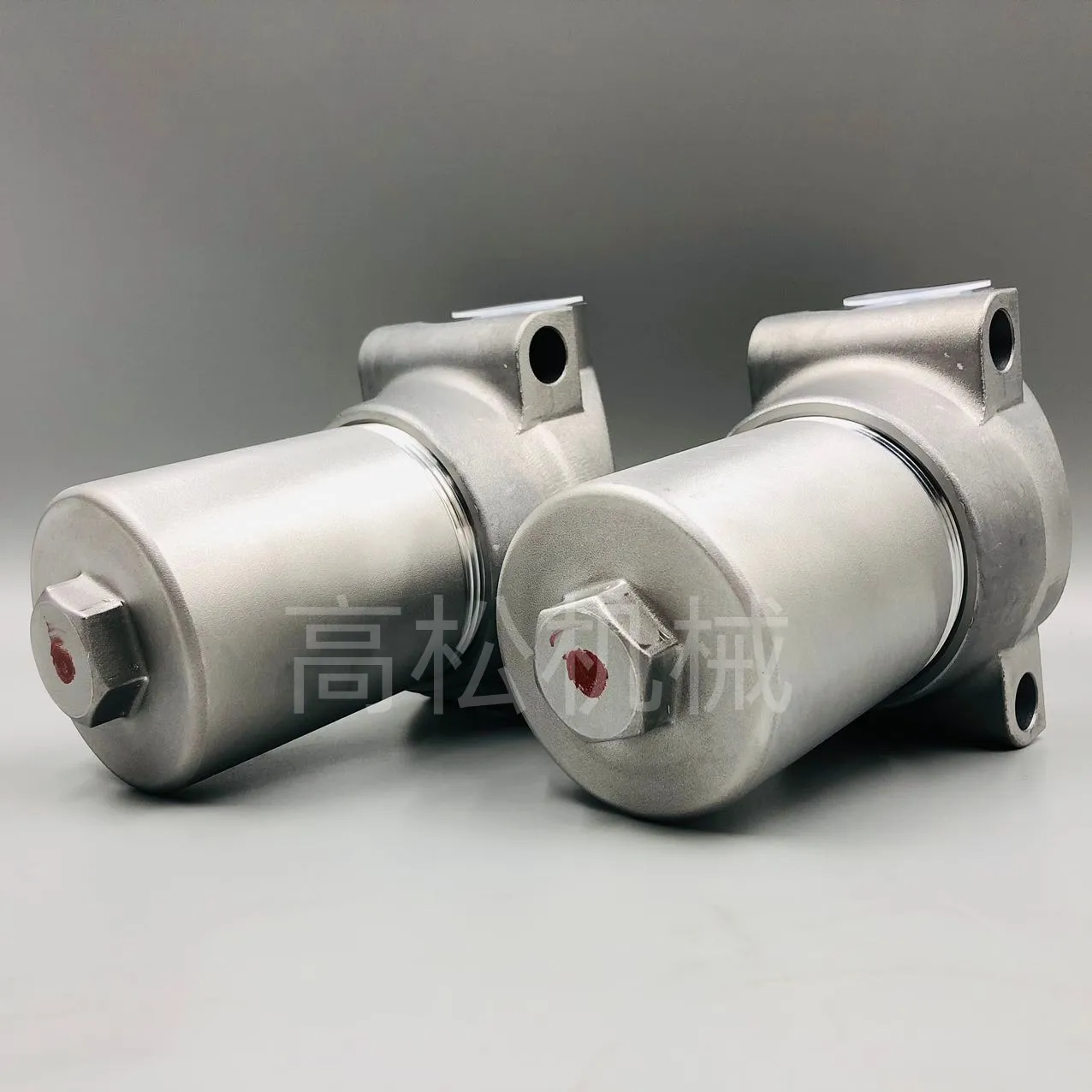 20Y-62-51681 FILTER ASS’Y-Komatsu Original Factory
 -
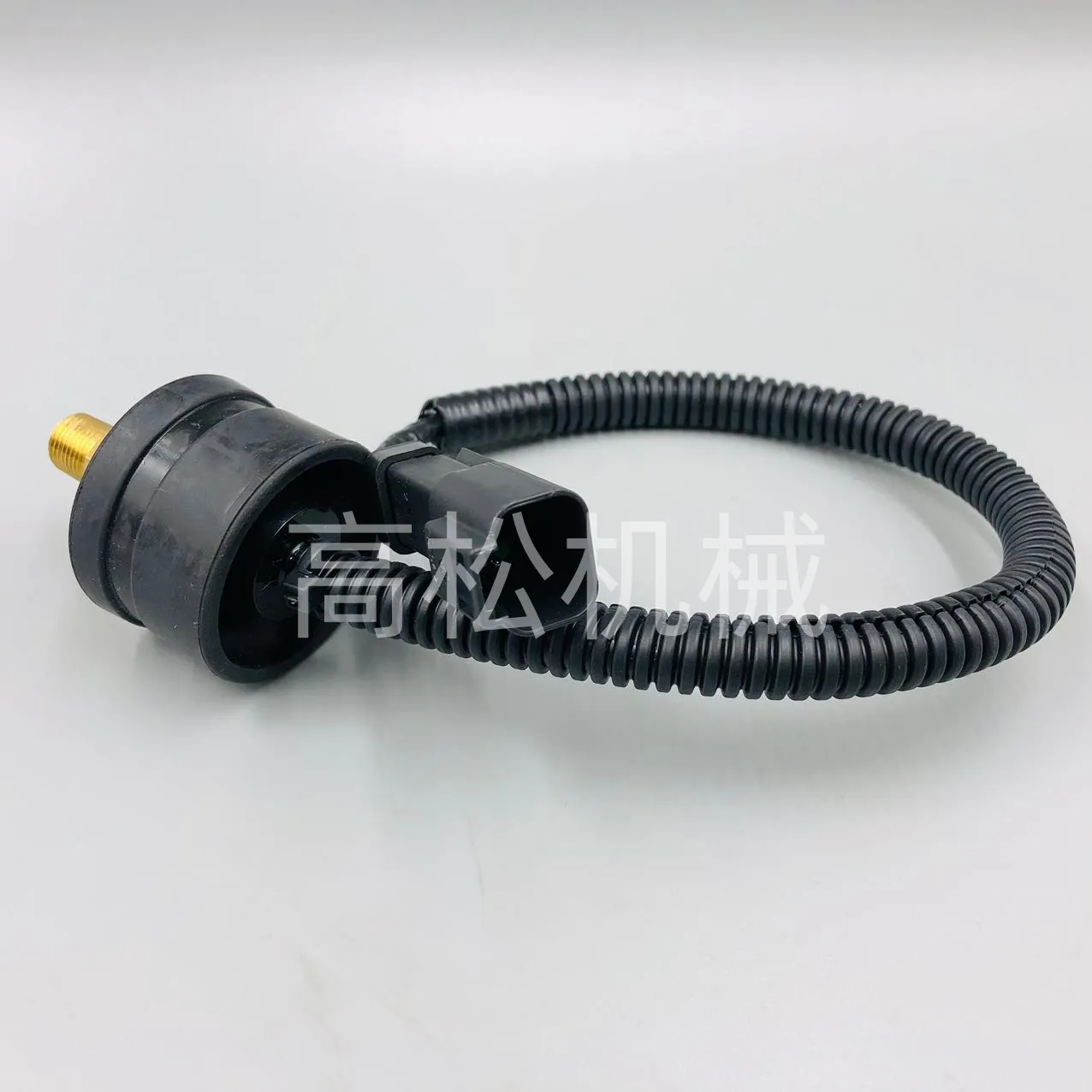 7861-93-1430 SENSOR,SWITCH-Komatsu Original Factory
 -
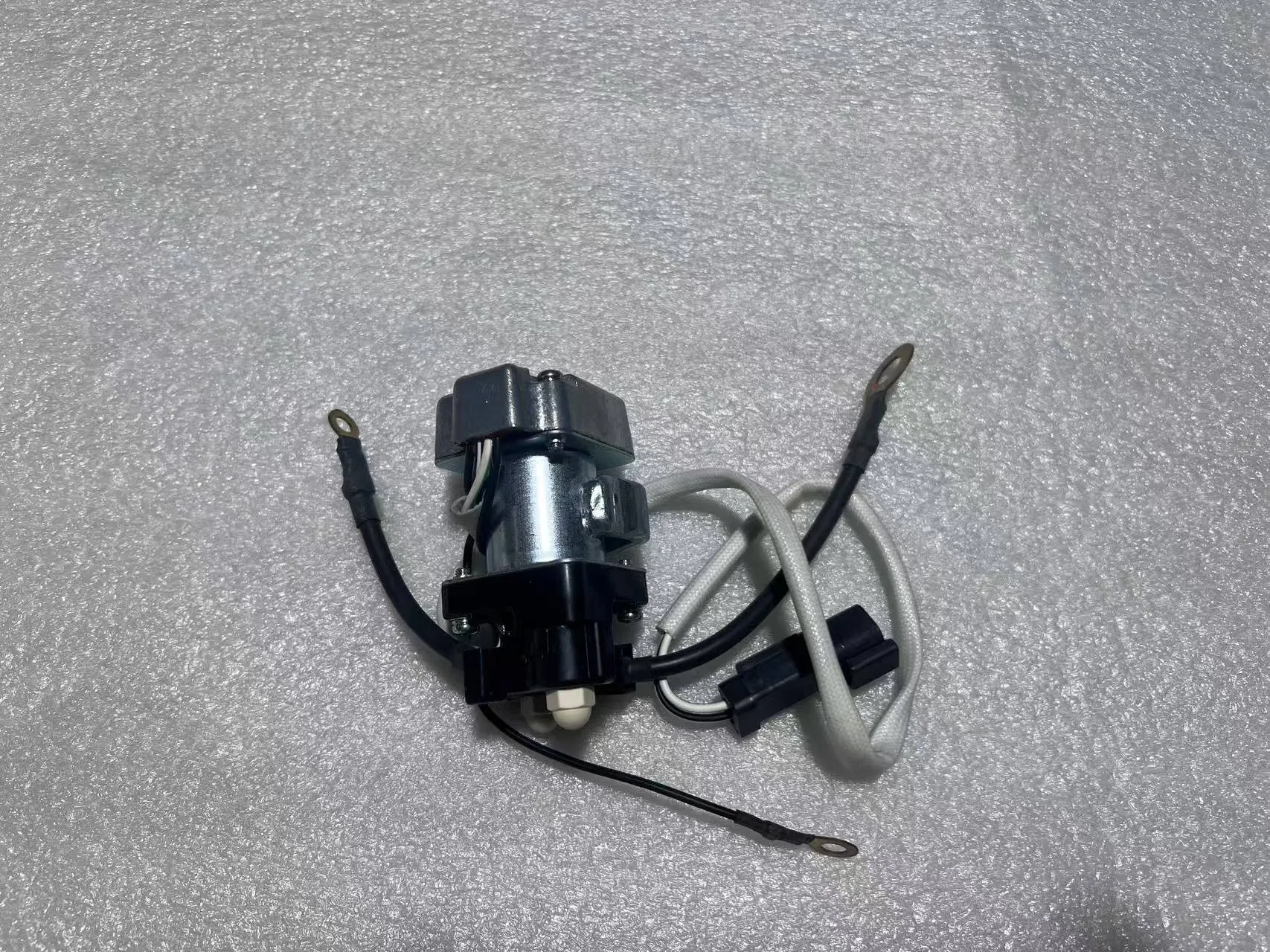 High-Quality Komatsu Spare Parts 421-06-11440 BREAKER for…
 -
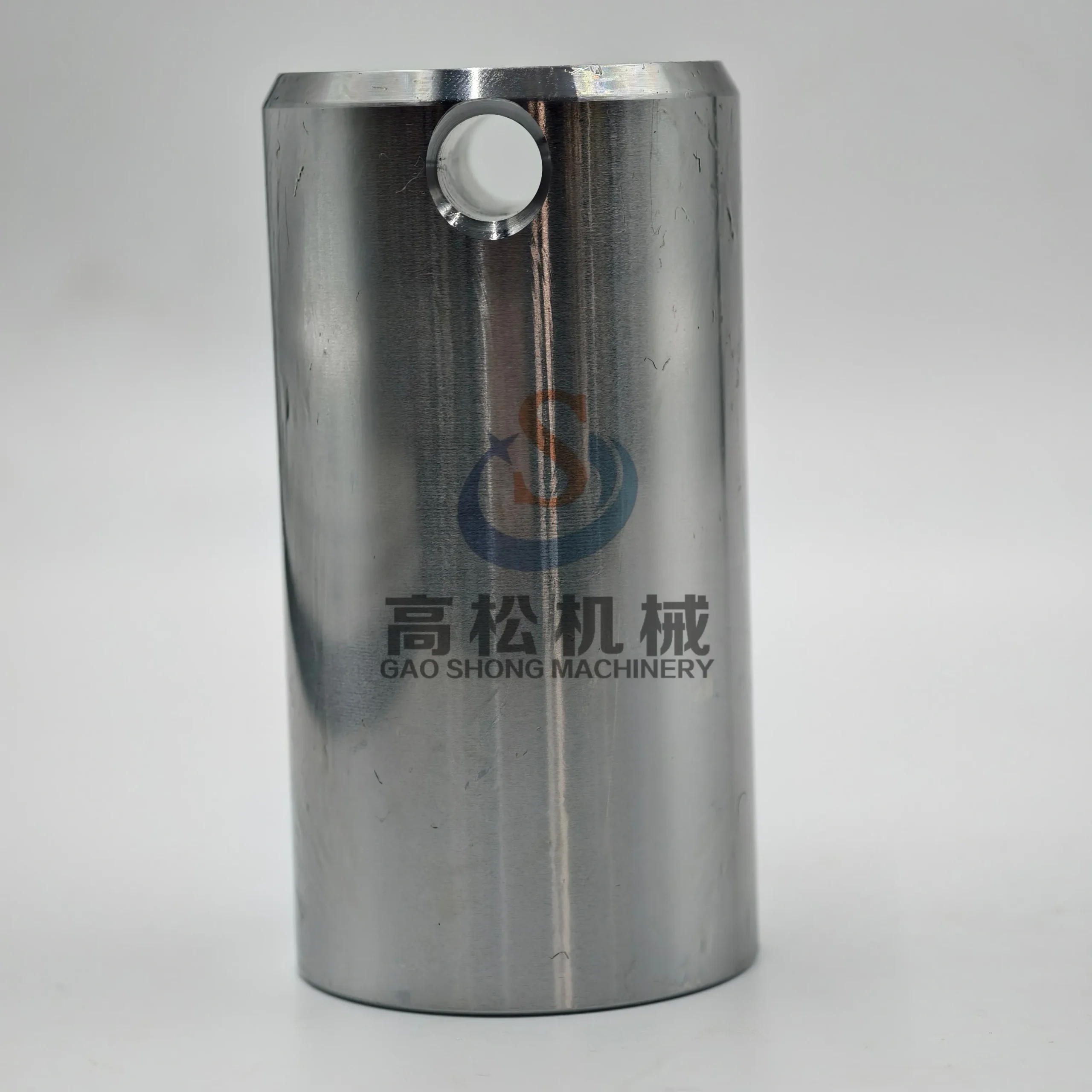 20Y-27-31160Komatsu Pin – 20Y-27-31160
 -
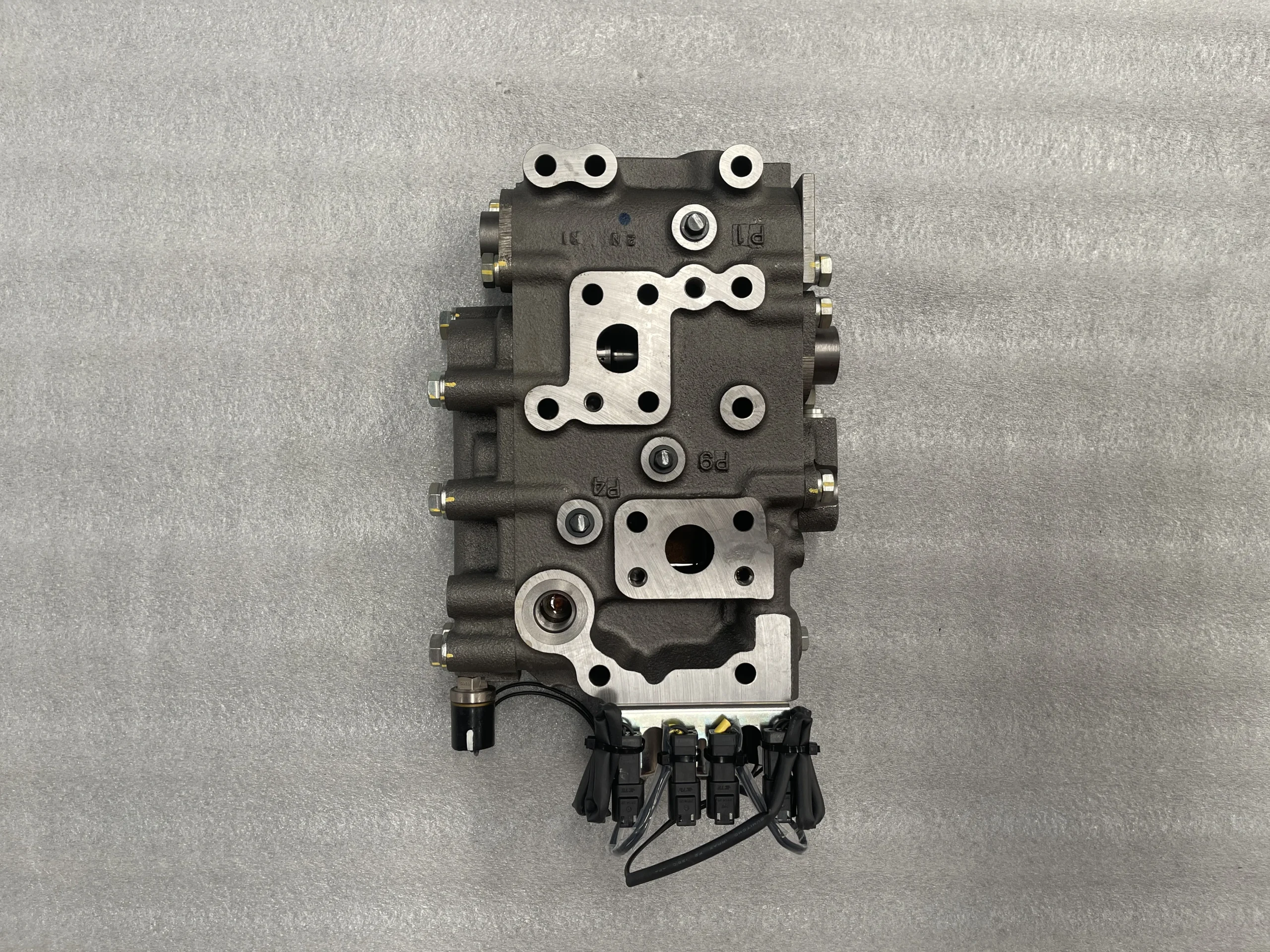 7830-62-2007 Komatsu Controller for Komatsu D85
 -
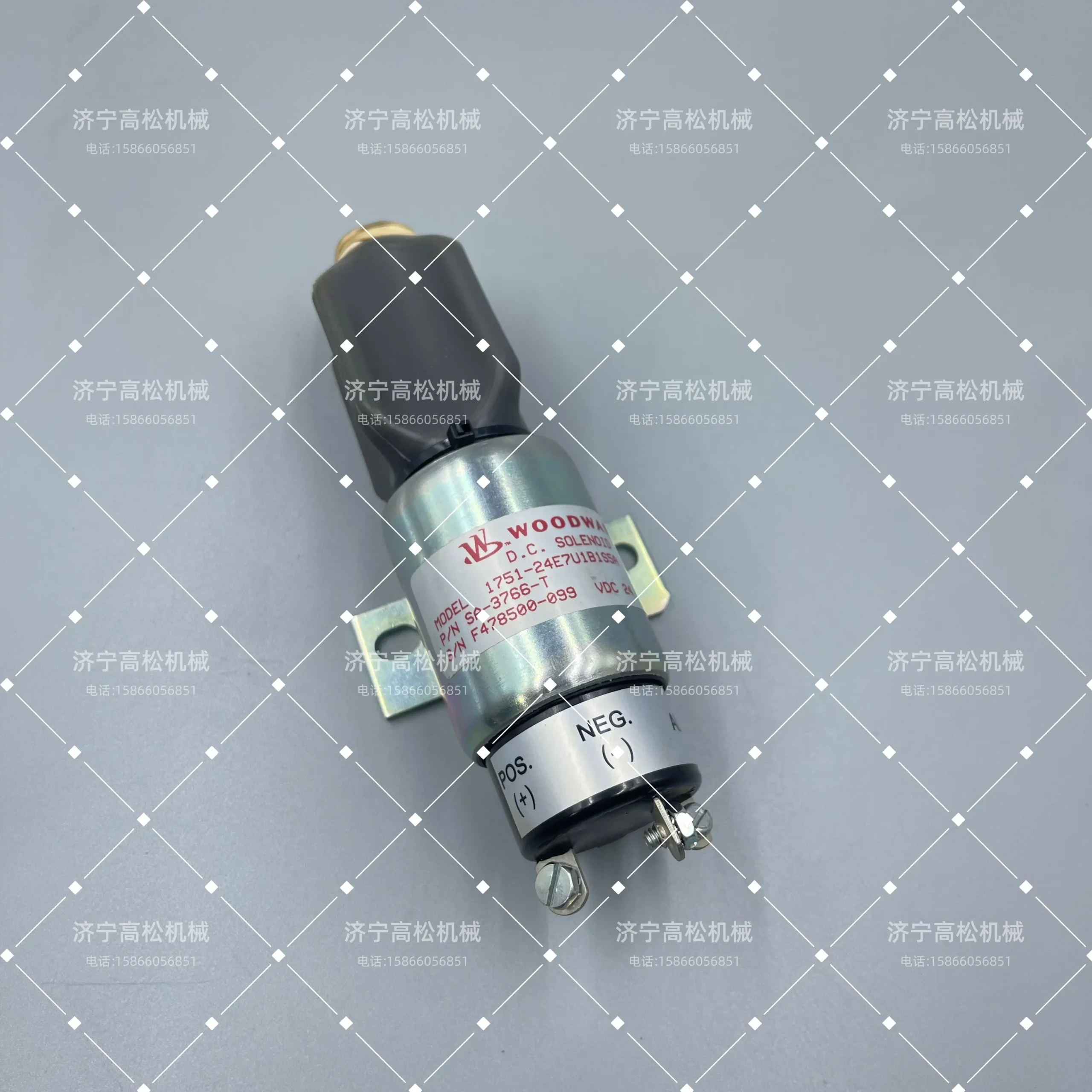 Solenoid Valve 600-815-7550 For Komatsu D41pf-6, High Quality…
 -
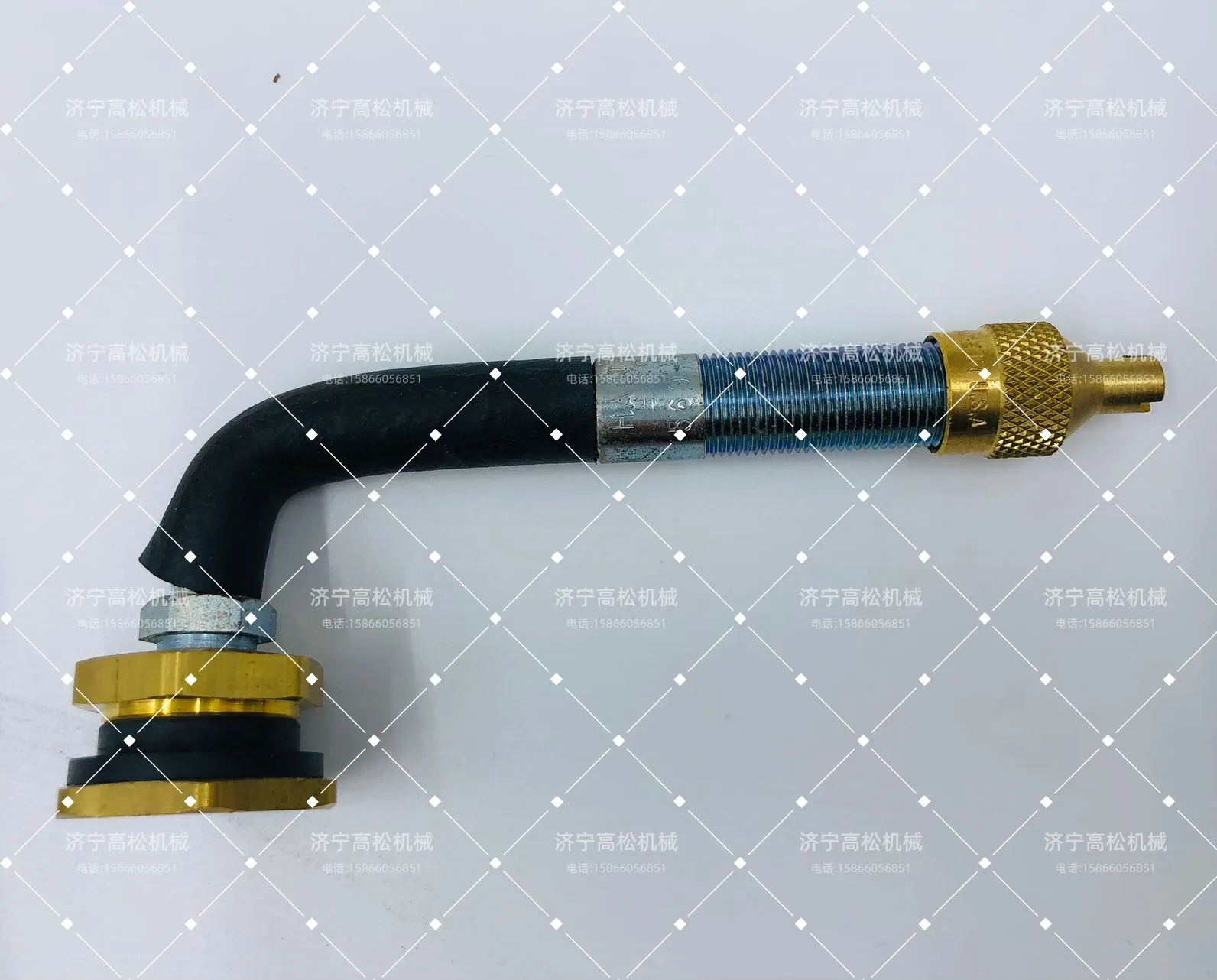 569-30-11600 Komatsu VALVE ASS’Y
 -
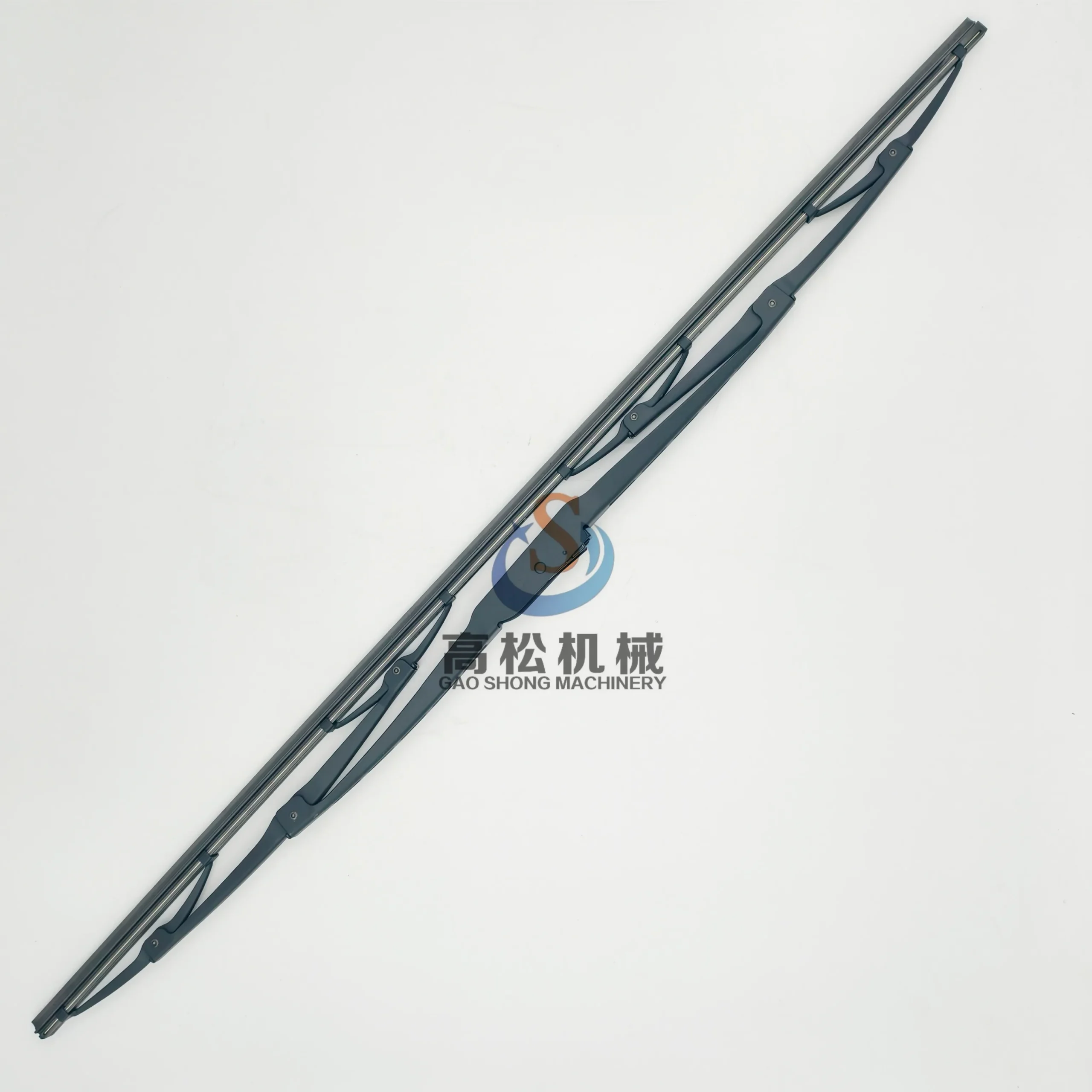 BLADE,FRONT 56B-54-13240 HM250-2 HM300-2 HM350-2 HM400-2 (ecot3) OPERATOR’S CAB (WIPER)
 -
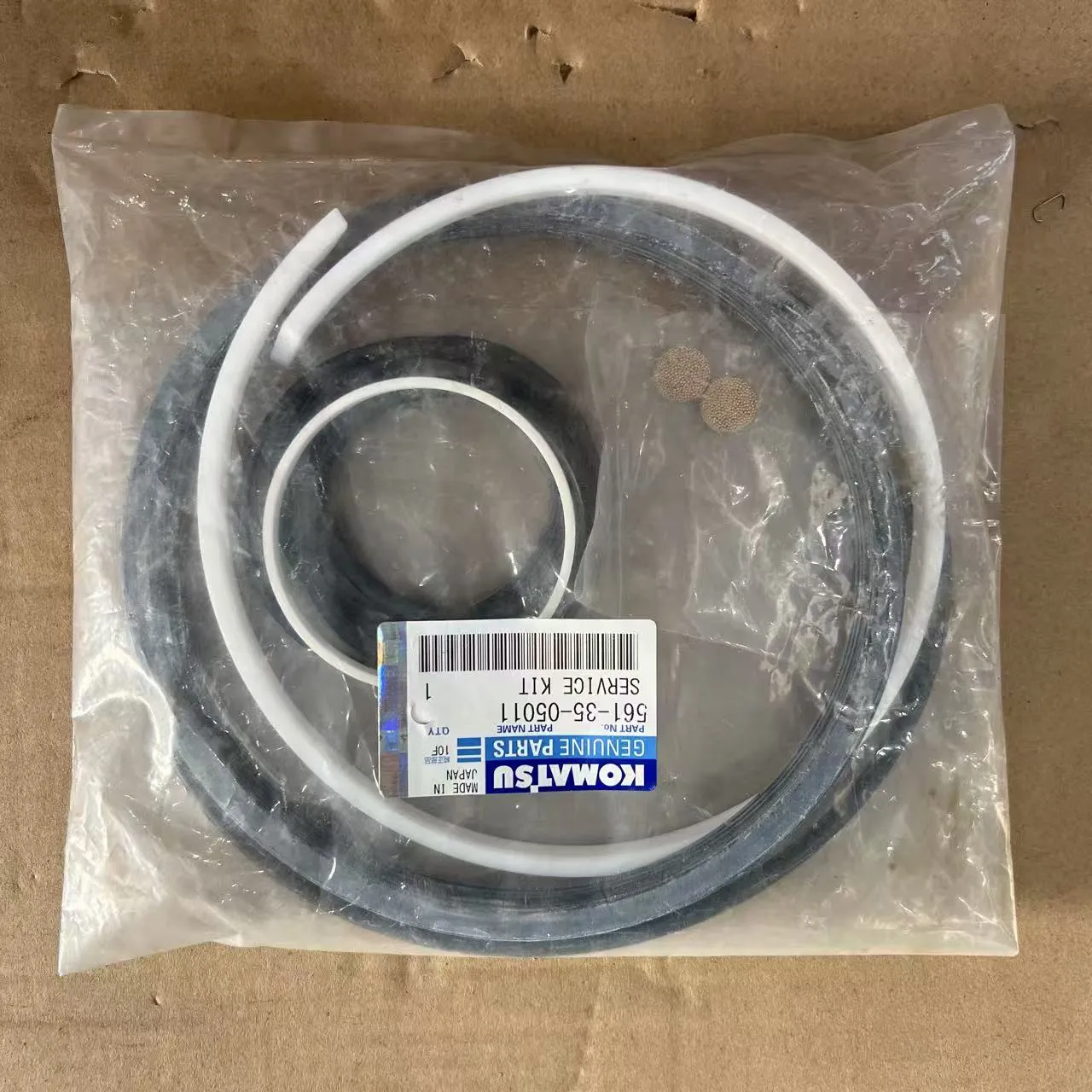 SERVICE KIT – 561-35-05011
 -
 WA480-6 engine water pump 6251-61-1101
 -
 Valve Assembly 20Y-60-31450 – KOMATSU