
- Chinese
- French
- German
- Portuguese
- Spanish
- Russian
- Japanese
- Korean
- Arabic
- Irish
- Greek
- Turkish
- Italian
- Danish
- Romanian
- Indonesian
- Czech
- Afrikaans
- Swedish
- Polish
- Basque
- Catalan
- Esperanto
- Hindi
- Lao
- Albanian
- Amharic
- Armenian
- Azerbaijani
- Belarusian
- Bengali
- Bosnian
- Bulgarian
- Cebuano
- Chichewa
- Corsican
- Croatian
- Dutch
- Estonian
- Filipino
- Finnish
- Frisian
- Galician
- Georgian
- Gujarati
- Haitian
- Hausa
- Hawaiian
- Hebrew
- Hmong
- Hungarian
- Icelandic
- Igbo
- Javanese
- Kannada
- Kazakh
- Khmer
- Kurdish
- Kyrgyz
- Latin
- Latvian
- Lithuanian
- Luxembou..
- Macedonian
- Malagasy
- Malay
- Malayalam
- Maltese
- Maori
- Marathi
- Mongolian
- Burmese
- Nepali
- Norwegian
- Pashto
- Persian
- Punjabi
- Serbian
- Sesotho
- Sinhala
- Slovak
- Slovenian
- Somali
- Samoan
- Scots Gaelic
- Shona
- Sindhi
- Sundanese
- Swahili
- Tajik
- Tamil
- Telugu
- Thai
- Ukrainian
- Urdu
- Uzbek
- Vietnamese
- Welsh
- Xhosa
- Yiddish
- Yoruba
- Zulu
- Kinyarwanda
- Tatar
- Oriya
- Turkmen
- Uyghur






OEM AND ORIGINAL KOMATSU BUSHING 707-76-16030
When you see a part number like , especially for a Komatsu bushing, the immediate assumption in many shops is that it's a straightforward, off-the-shelf item. But that's where the first misconception lies. The term original gets thrown around loosely, and OEM gets conflated with genuine Komatsu, which isn't always the case. In my years dealing with undercarriage and component supply, I've found that this specific bushing for certain Komatsu excavator models represents a perfect case study in the grey areas of parts procurement. It's not just a piece of metal; it's a point of tension between factory supply chains, machine uptime, and cost management.
The Reality Behind Original and OEM
Let's clarify this because it causes real operational headaches. Genuine Komatsu parts come through the official dealer network, with all the traceability and price tags that entails. An OEM product, however, means it's manufactured by the original equipment manufacturer—or a factory authorized by Komatsu—to the exact same specifications, but it might be sold through different channels. For a component as critical as a bushing, where wear tolerance is everything, this distinction is not academic. I've seen non-OEM copies of the that looked identical but wore out 40% faster, throwing off the entire track chain pitch.
The challenge in certain regions, say parts of Africa or Southeast Asia, is that the official channel might be non-existent or plagued by long lead times. A machine down for weeks waiting for a bushing is a financial disaster. This is where companies operating within the Komatsu ecosystem but outside the strict dealer network become crucial. They fill the gap. A supplier like Jining Gaosong Construction Machinery Co., Ltd. positions itself in this space. From what I've gathered, they function as an OEM product supplier within the Komatsu system, which suggests they have access to the same manufacturing sources but can distribute more flexibly to address these regional supply challenges.
You develop a feel for it. A true OEM-original will have very specific machining marks, a consistent hardness profile, and the packaging, while sometimes plain, will have lot codes. The material grade is the real tell. We once did a spectrographic analysis on a batch we were skeptical about—the carbon and chromium content was off by a few points from the spec. It wasn't from the authorized factory line. That batch came from a supplier that was just a reseller, not an integrated part of the system like the one mentioned on their site https://www.takematsumachinery.com.
On-the-Ground Application and Failure Points
This bushing typically goes into the track link assembly. The failure I see most often isn't catastrophic breakage; it's accelerated, uneven wear. When a non-conforming bushing wears too fast, it doesn't just affect itself. It causes excessive play, which then hammers the sprocket and the link rails. You end up replacing a whole set of components because you tried to save $50 on one bushing. The cost multiplier is brutal.
I recall a contractor running a fleet of PC300s. They sourced what was sold as original Komatsu bushings from a local vendor at a too-good-to-be-true price. The bushings seized on the pins within 800 hours, a classic sign of improper heat treatment or subpar alloy. The seizure galled the pin bores in the links, effectively writing off the entire link assembly. The downtime and repair bill dwarfed any parts savings. The lesson was that provenance is everything. The vendor had no direct line to the OEM factory; they were just several steps down a dubious supply chain.
This is the specific problem a company like Jining Gaosong seems to address. Their stated role as a third-party sales company for Komatsu aimed at solving parts supply challenges in certain countries rings true to the logistical nightmares I've witnessed. They aren't just another parts shop; they are a logistical bridge. For a maintenance manager in a remote location, knowing there's a channel that can get a certified OEM bushing to you in days, not months, without going through three intermediaries, is the difference between profit and loss.
Sourcing Strategy and Verification
So how do you navigate this? First, abandon the idea that the part number alone guarantees authenticity. My process now involves direct technical dialogue with the supplier. For a bushing, I ask about the manufacturing standard (is it JIS? A specific Komatsu internal spec?), the primary factory location, and for material certification documentation. A supplier embedded in the OEM system should be able to provide this, or at least a credible reference to it.
I've visited factories that produce these components. The ones making true OEM parts for Komatsu have rigorous process controls for quenching and tempering. The finish on the ID is smooth to a specific Ra value to prevent stress concentrations. When evaluating a source like the one listed, I'd want to understand their exact linkage. Are they a contracted sales agent for a specific OEM factory? Do they hold inventory of these bushings, or do they drop-ship from factory stock? Their website, Takematsu Machinery, would be my starting point for these questions, looking for clues about their partnerships and logistics network.
Price remains a factor, but it becomes a benchmark. If the price for a is 70% below the Komatsu dealer list, it's almost certainly not OEM-original. If it's 15-30% below, that aligns with the cost structure of a third-party sales company that bypasses some of the dealer markup. That's a realistic and sustainable margin for a legitimate operator in this space.
The Bigger Picture: System Reliability
Focusing on a single bushing might seem pedantic, but it's symbolic. The reliability of a machine is a chain—literally, in this case—and its weakest link is often the part whose provenance was an afterthought. Using a verifiable OEM product for the Komatsu bushing is an investment in predictable wear rates, planned maintenance intervals, and protecting adjacent, more expensive components.
The market needs these hybrid entities. The pure Komatsu dealer model doesn't serve every geography effectively. There's a legitimate niche for technically proficient intermediaries who can deliver factory-grade parts through agile logistics. Their value isn't just in the box they ship, but in the assurance that what's inside conforms to the original design intent, preventing the cascade of failures that come from a single substandard component.
In the end, it comes down to trust built on transparency. When I look at a supplier's claim, like Jining Gaosong's, I'm looking for evidence of that deep system integration. Can they talk shop about the metallurgy of the ? Can they explain why a certain heat treat curve is critical? That's the language of a practitioner, not just a reseller. That's who you want sourcing your bushings.
Related Products
Related Products

Best Selling Products
Best Selling Products-
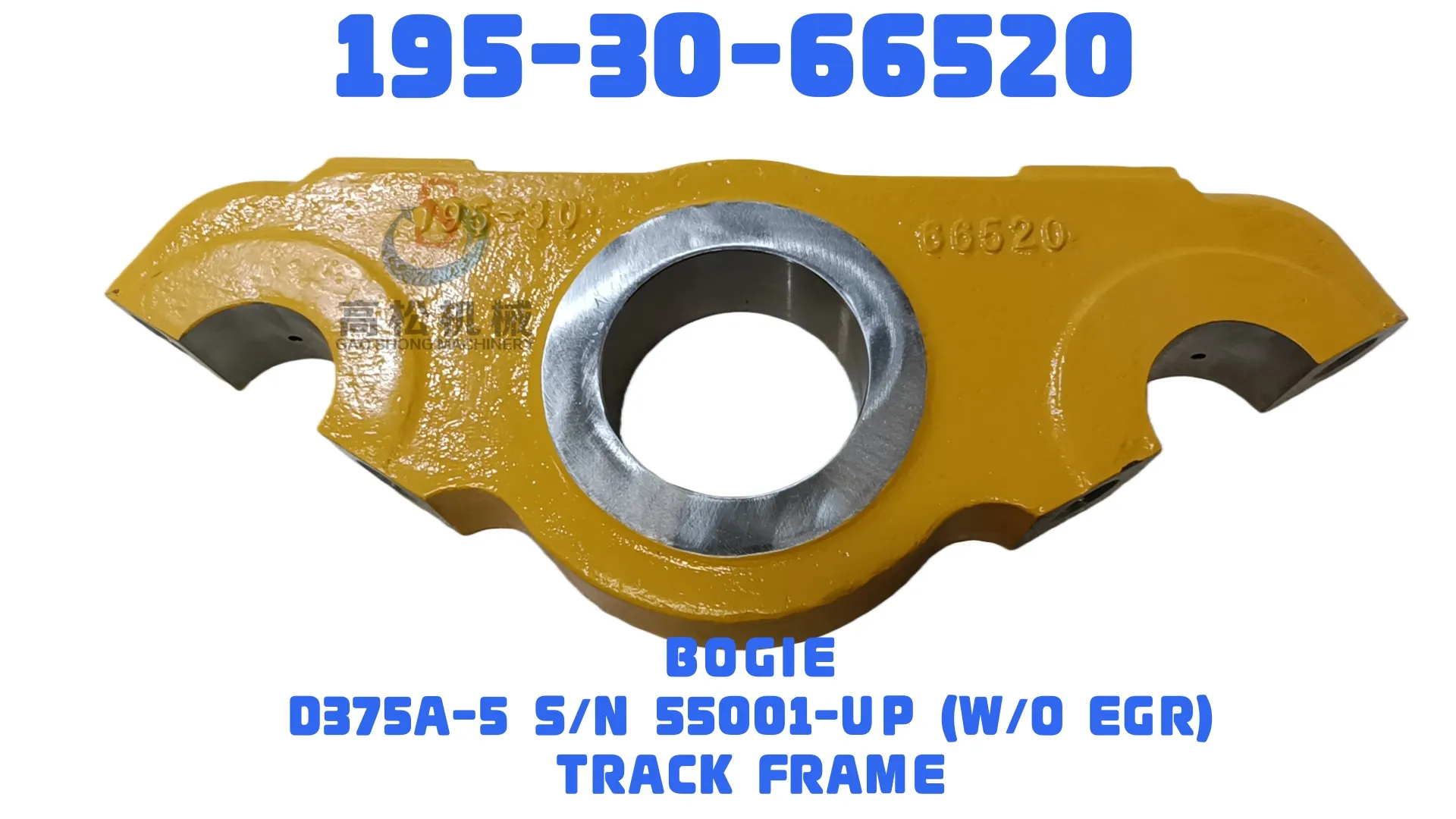 Komatsu Bogie Assembly, 195-30-66520 D375A-5 and D375A-5D TRACK FRAME, BOGIE
 -
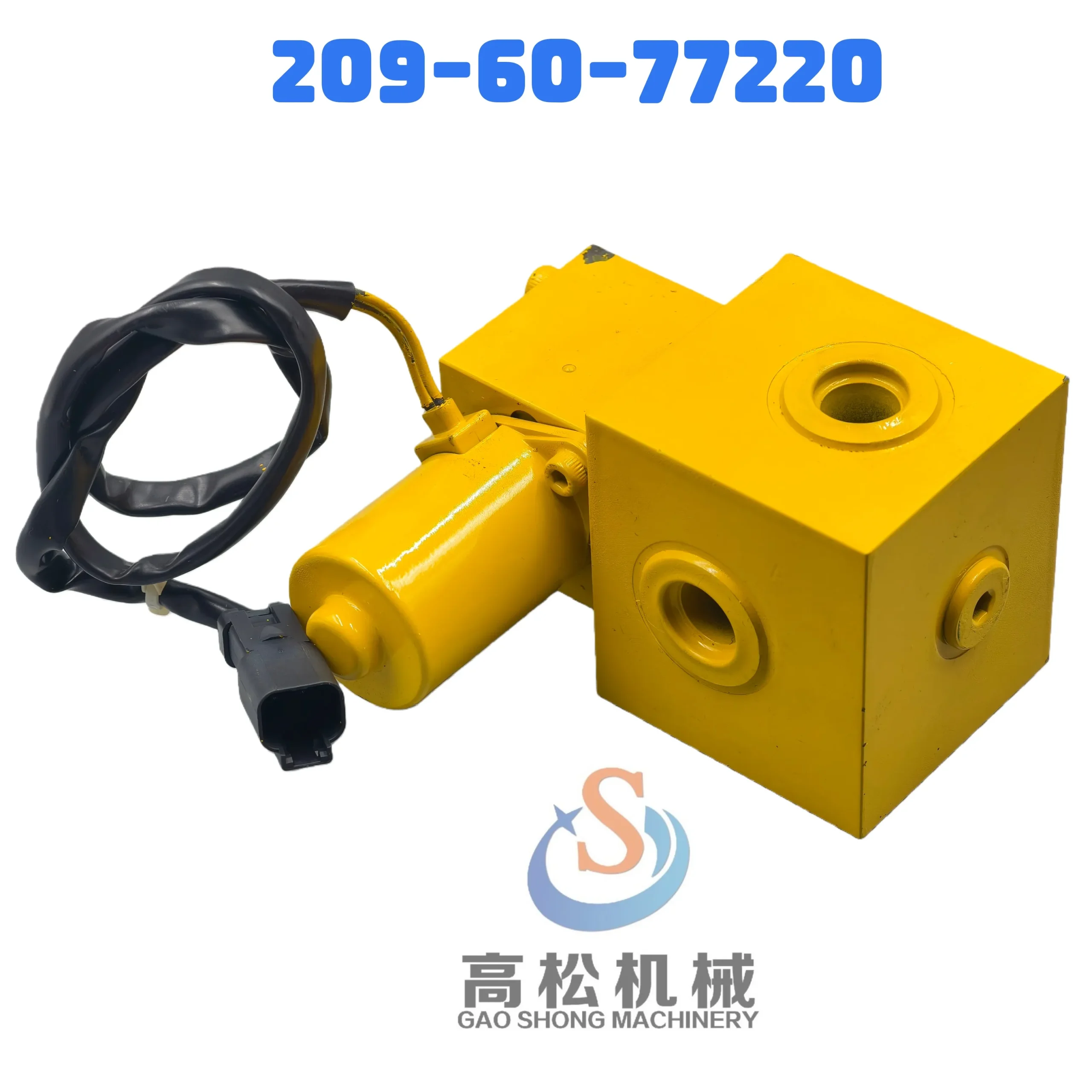 209-60-77220 VALVE ASS’Y KOMATSU parts BOTTOM, COOLANT, PC1250, PC1250SP, PC2000, PC600, PC650, PC700, PC800, PC800SE, PC850, PC850SE, TRAVEL
 -
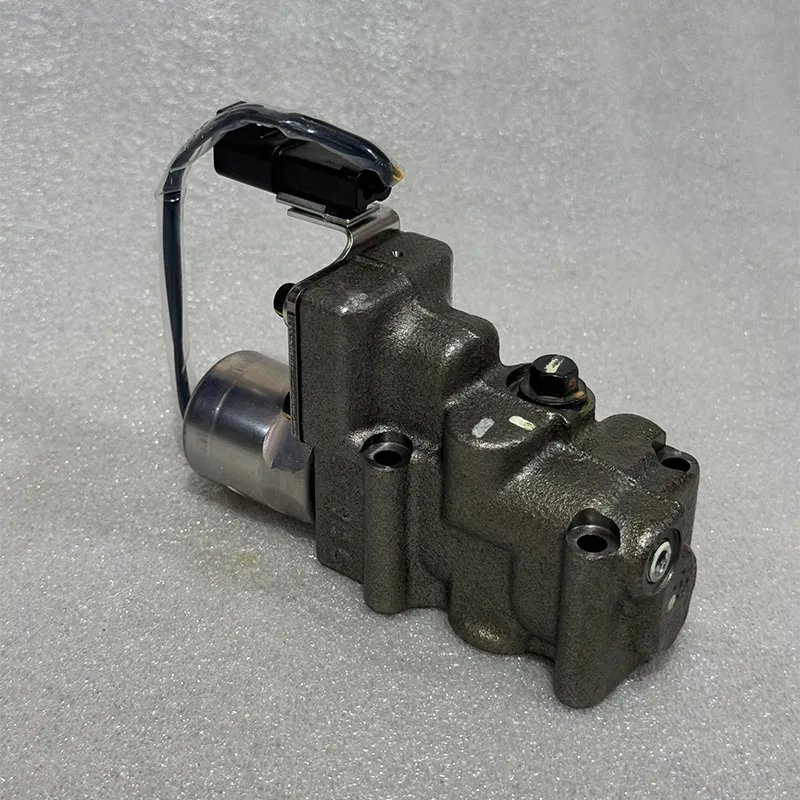 Original komatsu HD785-7 Valve Assembly 561-15-75500
 -
 ND116410-9681 •• UNIT SUB ASS’Y-Komatsu Original Factory
 -
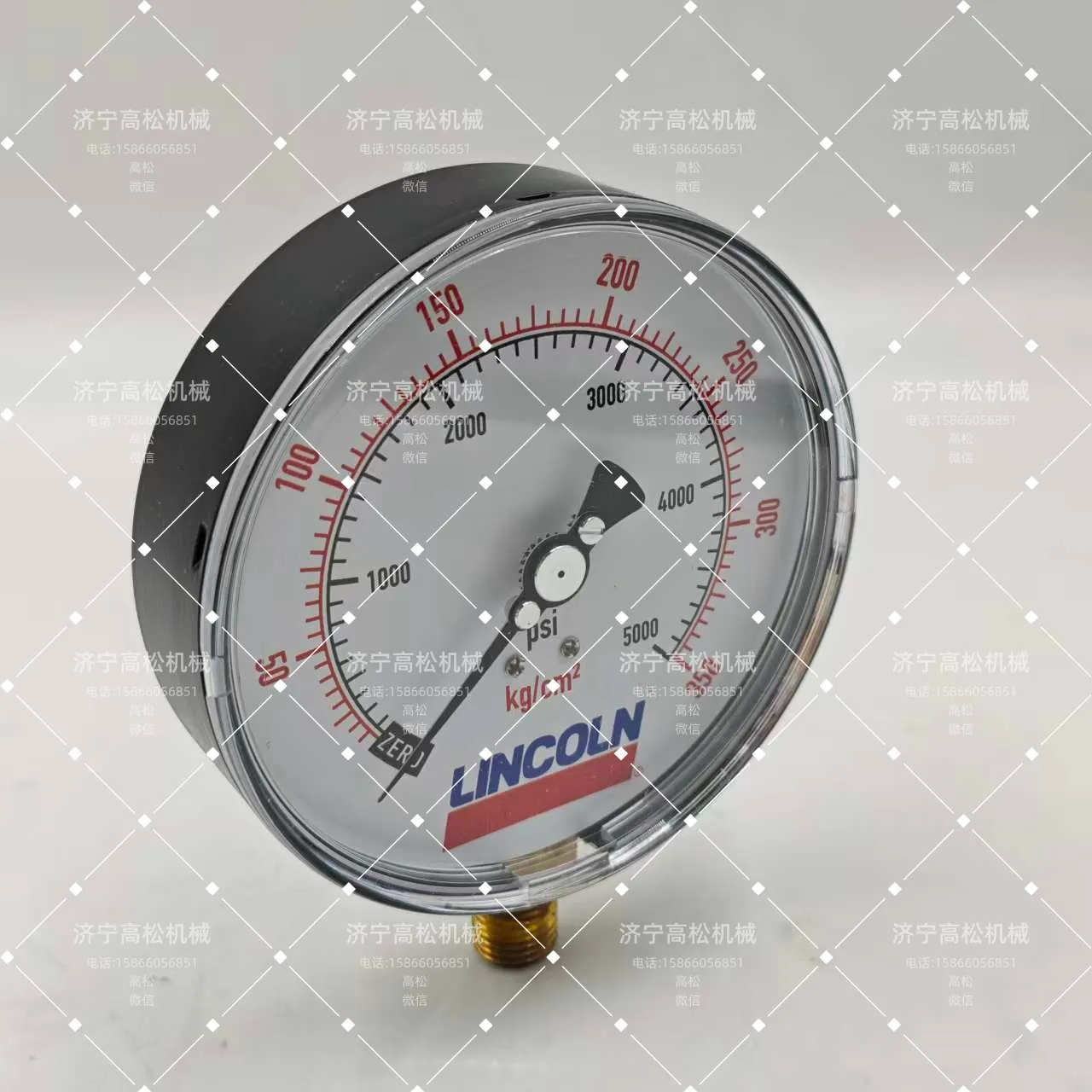 427-S95-2410 Komatsu Gauge, Pressure
 -
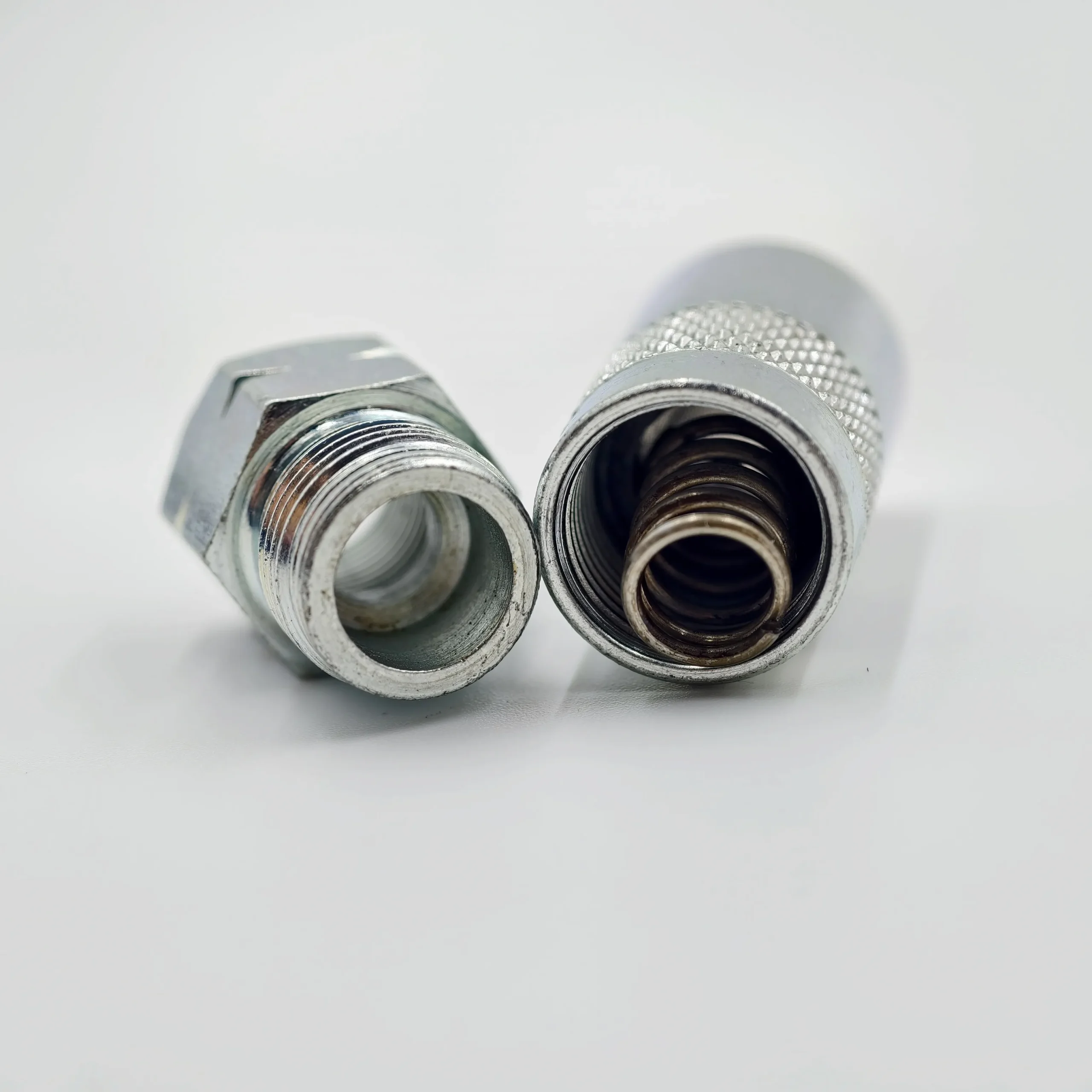 209-68-11640• COUPLER ASS’Y-Komatsu Original Factory
 -
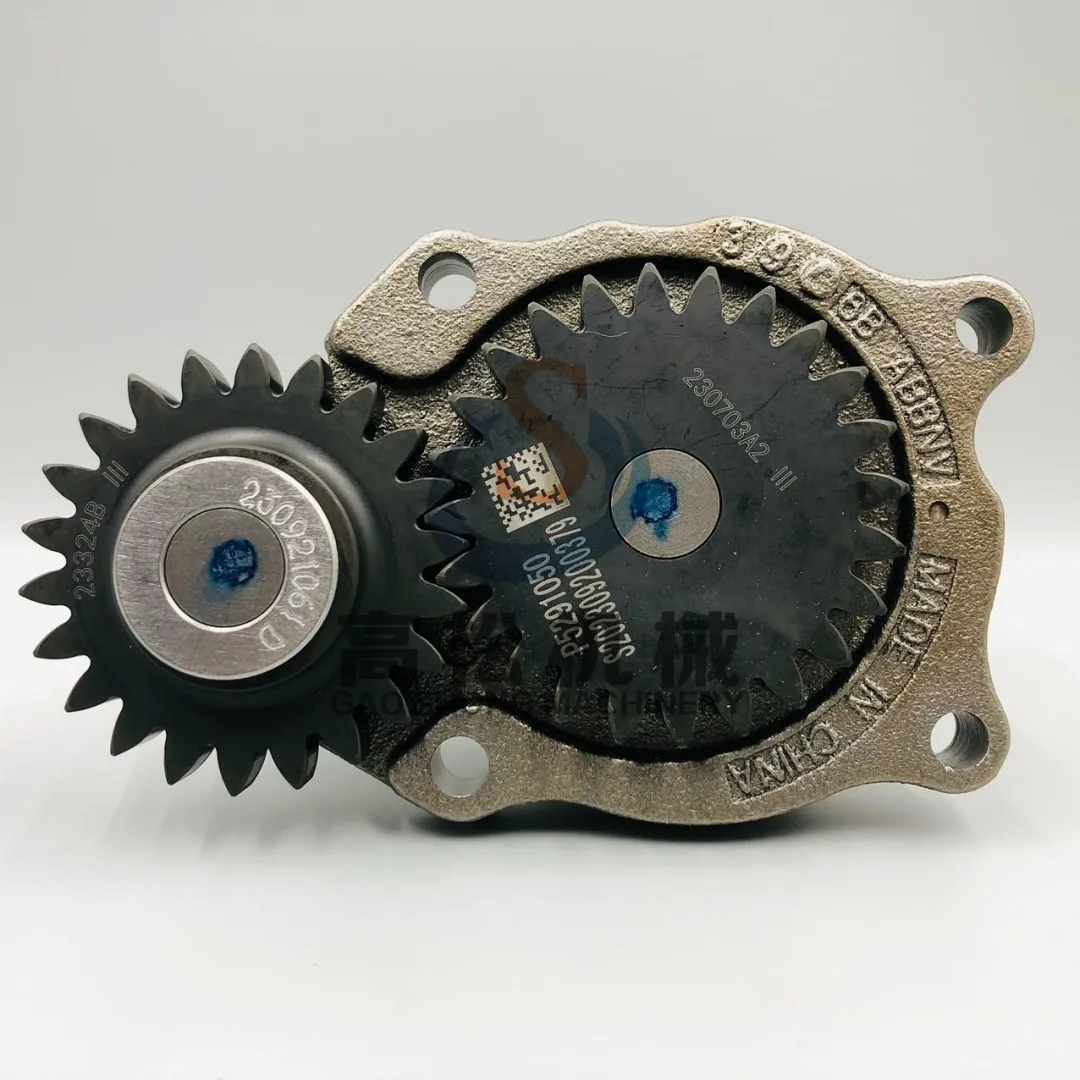 6754-51-1111 6754511111 Fuel Transfer Pump for Komatsu
 -
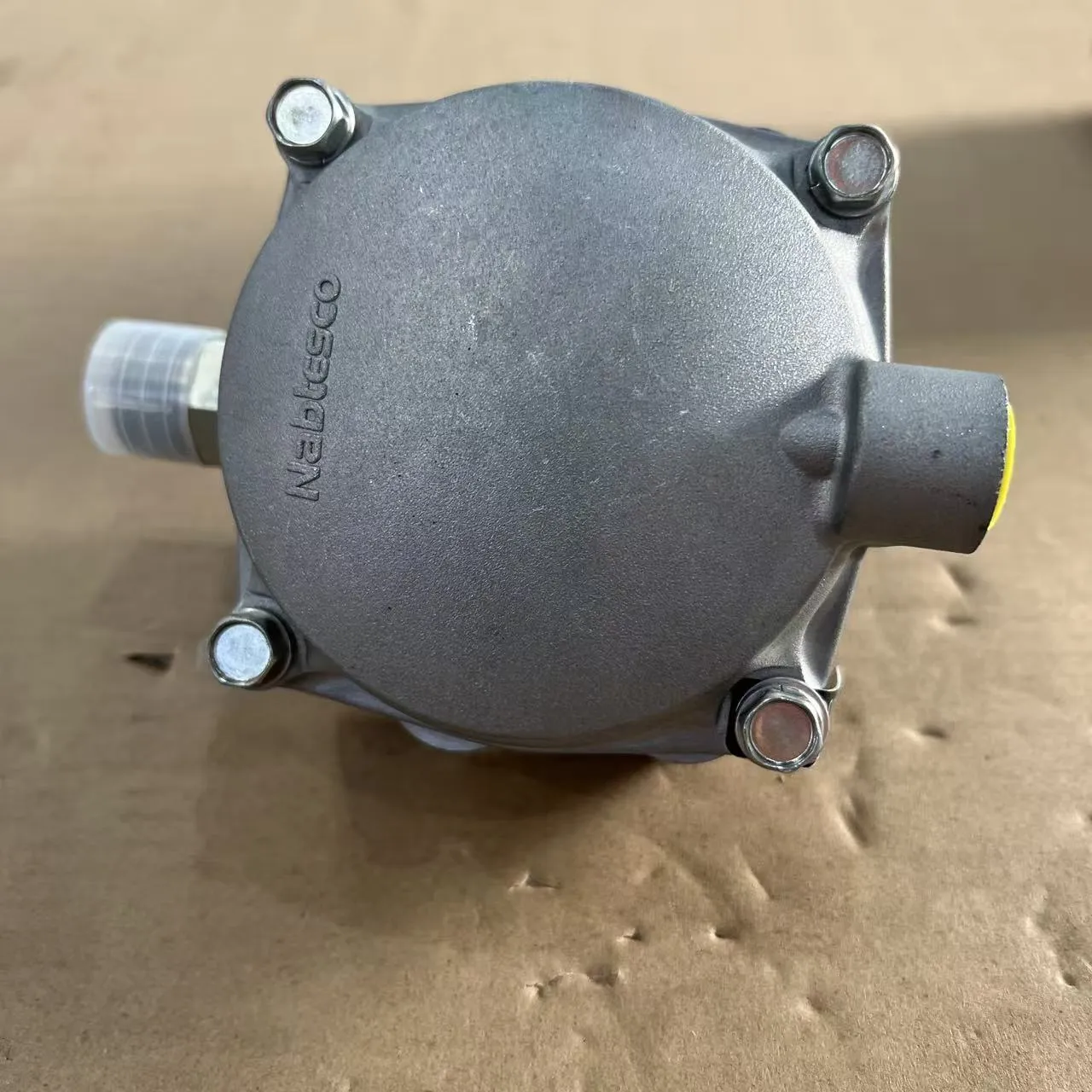 Relay Valve 561-35-61601 for Komatsu Dump Truck…
 -
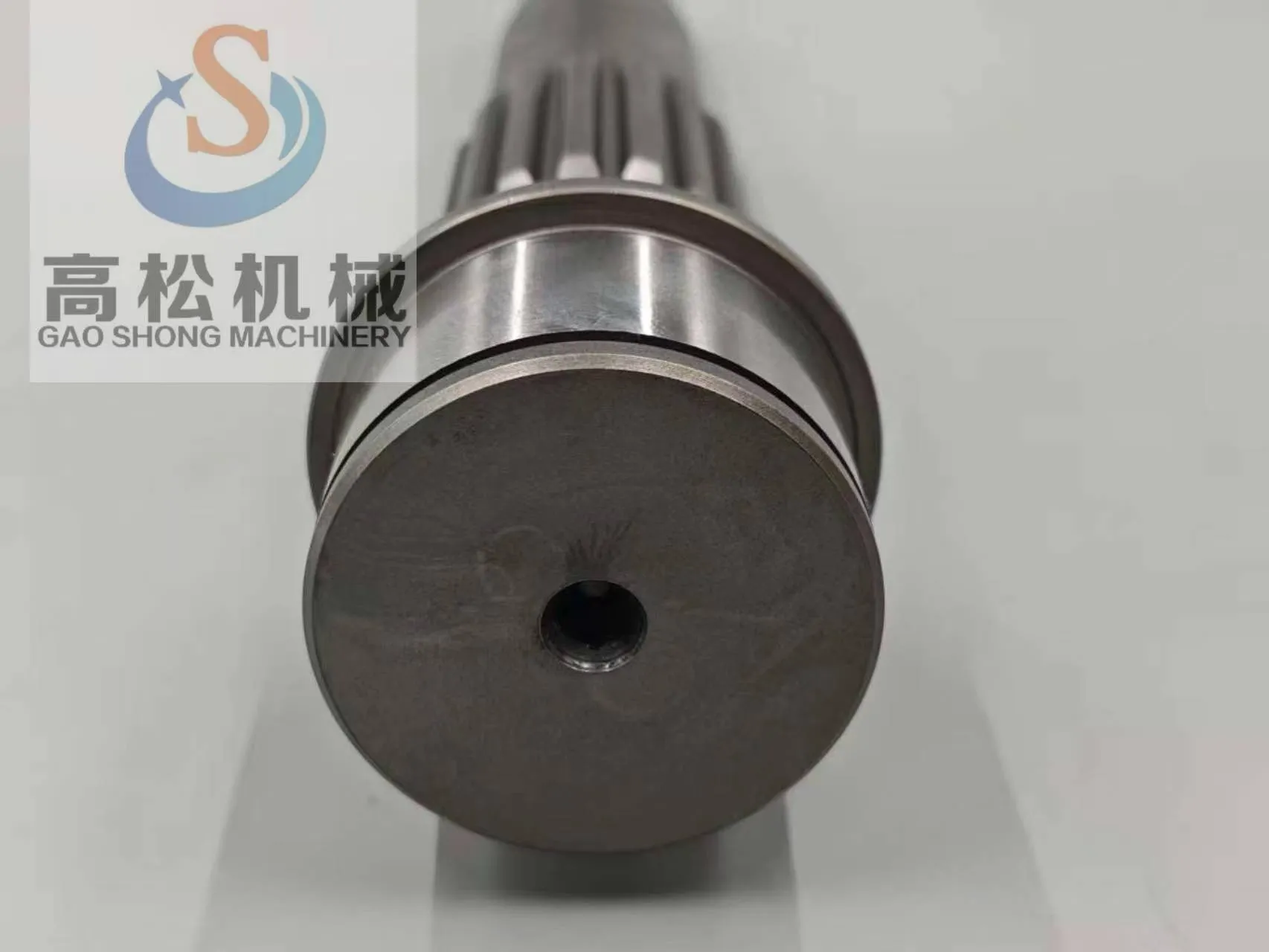 Driven Shaft Komatsu HPV140 708-2G-12121 | ASPECT PLUS
 -
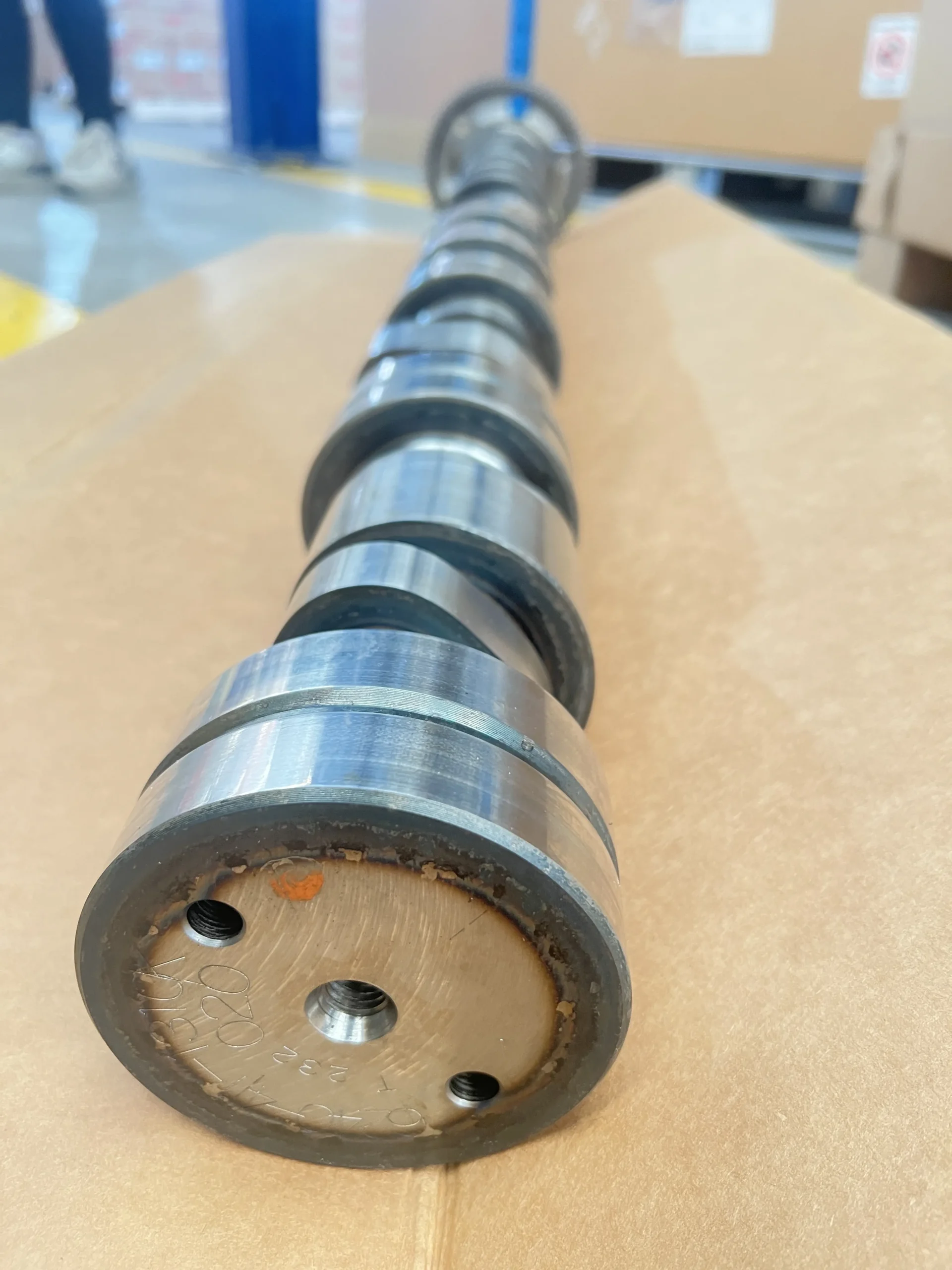 SAA6D170E-3F-8 Camshaft Assembly 6240-41-1300
 -
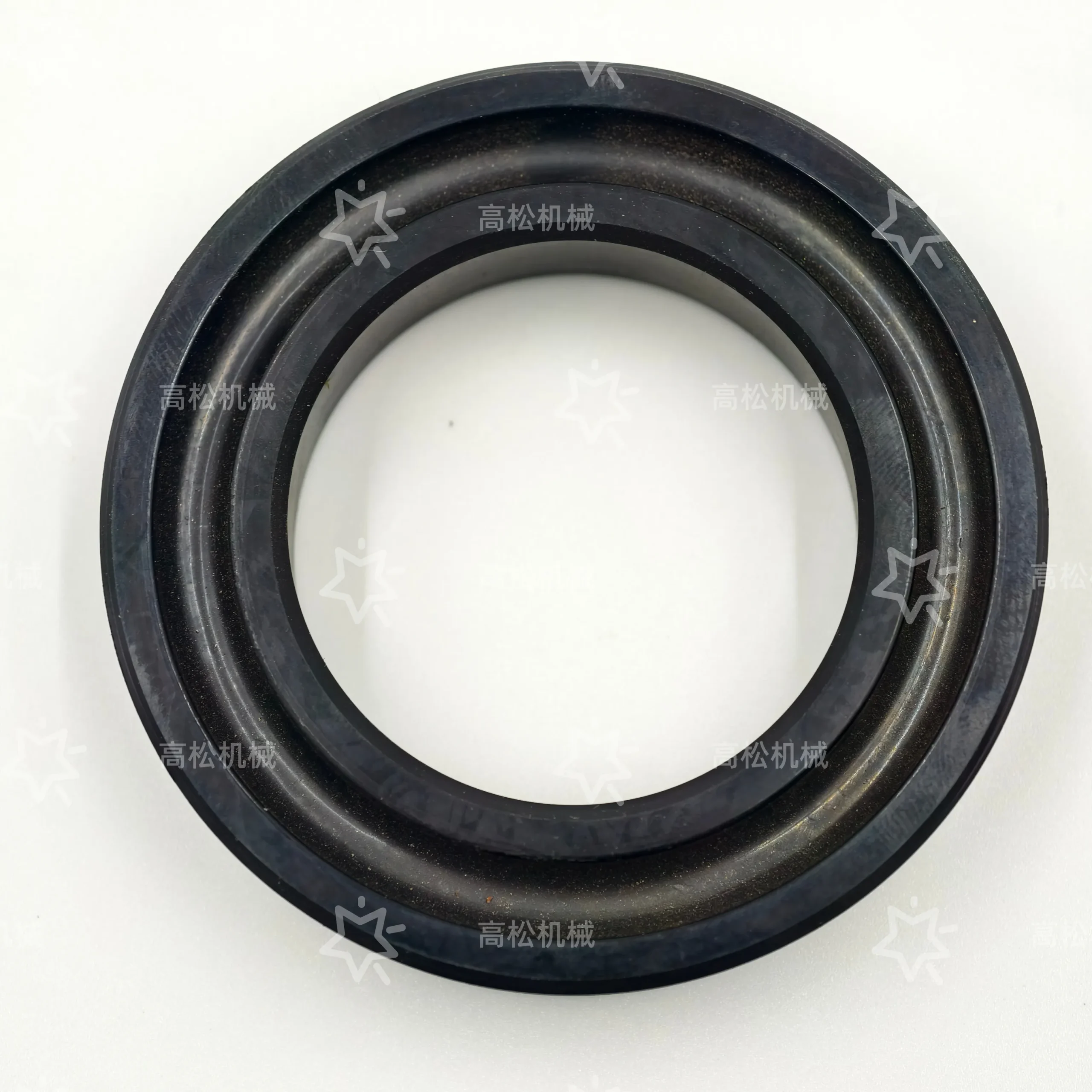 09370-00070 – U-PACKING fits Komatsu
 -
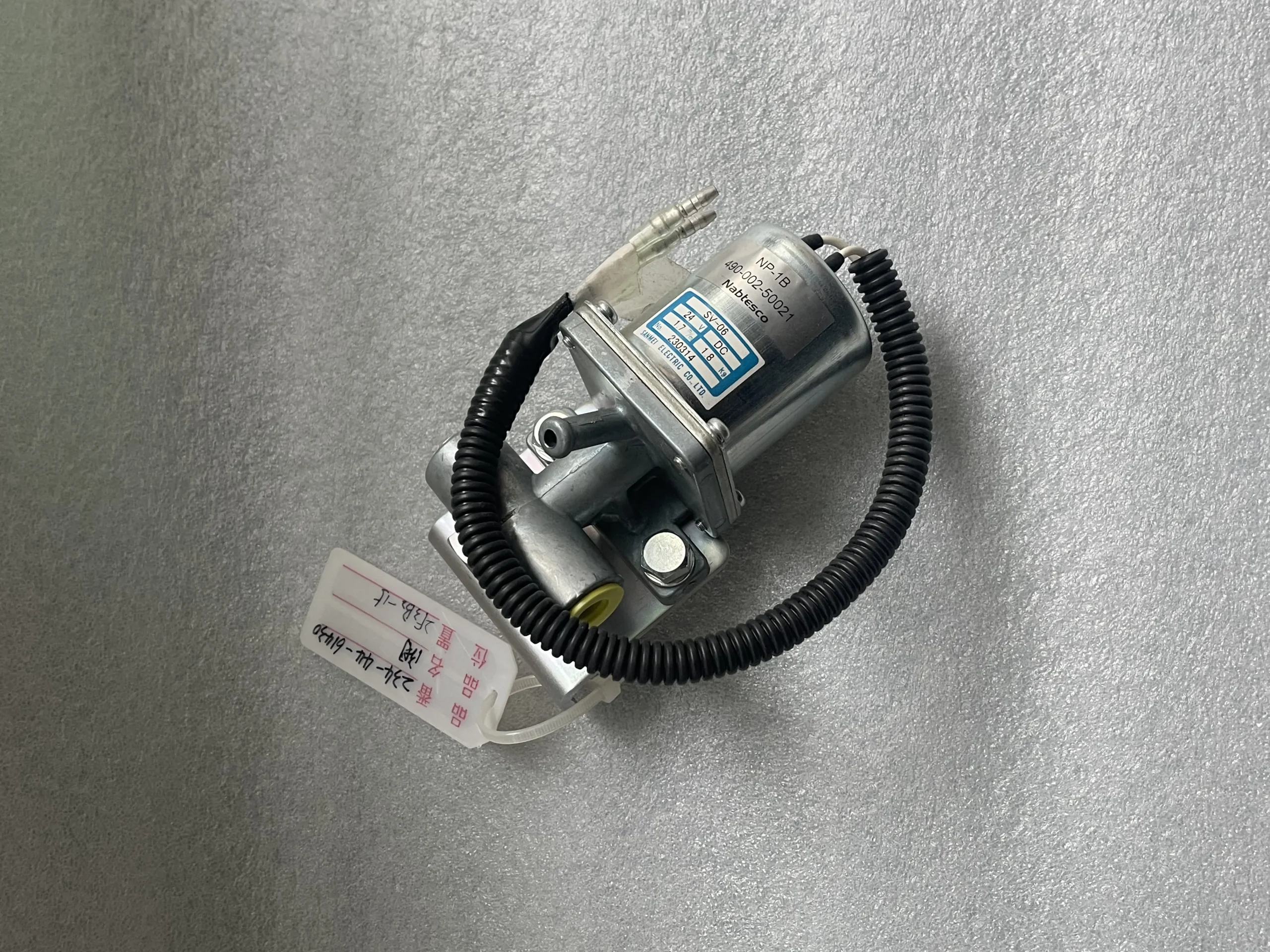 VALVE 234-44-61430