
- Chinese
- French
- German
- Portuguese
- Spanish
- Russian
- Japanese
- Korean
- Arabic
- Irish
- Greek
- Turkish
- Italian
- Danish
- Romanian
- Indonesian
- Czech
- Afrikaans
- Swedish
- Polish
- Basque
- Catalan
- Esperanto
- Hindi
- Lao
- Albanian
- Amharic
- Armenian
- Azerbaijani
- Belarusian
- Bengali
- Bosnian
- Bulgarian
- Cebuano
- Chichewa
- Corsican
- Croatian
- Dutch
- Estonian
- Filipino
- Finnish
- Frisian
- Galician
- Georgian
- Gujarati
- Haitian
- Hausa
- Hawaiian
- Hebrew
- Hmong
- Hungarian
- Icelandic
- Igbo
- Javanese
- Kannada
- Kazakh
- Khmer
- Kurdish
- Kyrgyz
- Latin
- Latvian
- Lithuanian
- Luxembou..
- Macedonian
- Malagasy
- Malay
- Malayalam
- Maltese
- Maori
- Marathi
- Mongolian
- Burmese
- Nepali
- Norwegian
- Pashto
- Persian
- Punjabi
- Serbian
- Sesotho
- Sinhala
- Slovak
- Slovenian
- Somali
- Samoan
- Scots Gaelic
- Shona
- Sindhi
- Sundanese
- Swahili
- Tajik
- Tamil
- Telugu
- Thai
- Ukrainian
- Urdu
- Uzbek
- Vietnamese
- Welsh
- Xhosa
- Yiddish
- Yoruba
- Zulu
- Kinyarwanda
- Tatar
- Oriya
- Turkmen
- Uyghur






OEM AND ORIGINAL KOMATSU BUSHING 707-76-16011
Let’s cut straight to it: when you see a part number like paired with terms like ‘OEM’ and ‘Original’, your alarm bells should ring. In this business, that combination is a red flag for confusion, if not outright deception. Many buyers, especially those dealing with older Komatsu models or in regions with supply chain gaps, think they’re getting genuine Komatsu-manufactured bushings when they order an ‘OEM’ part. That’s the first, and most costly, misconception. OEM in the aftermarket often just means ‘fits like’, not ‘is identical to’. The real original Komatsu bushing for that excavator arm pin is a different beast altogether in terms of metallurgy, heat treatment, and precision. I’ve seen too many jobs where a so-called OEM bushing wore out in half the expected cycle, leading to downtime that cost more than the part itself ever could.
The Reality of the
So, what is the ? It’s a specific pin bushing for Komatsu excavators, think PC300 or PC400 series. The ‘Original’ tag means it was produced under Komatsu’s direct specification, with their quality control. The catch? Genuine original parts flow through Komatsu’s official channels, and they come with a price and, sometimes, a long lead time. That’s where the market gets murky. Third-party suppliers, especially those claiming to be within the Komatsu system, pop up offering this part. The question is always: what are you actually getting?
I remember a project in Southeast Asia where we had a PC360LC-8 down because of a failed front linkage bushing. The local supplier swore they had the original Komatsu bushing in stock. The packaging looked convincing, but the machining marks were off—too rough. We installed it under pressure. It lasted about 400 hours before showing abnormal wear. Upon pulling it, the bronze alloy was clearly subpar. That was a lesson in visual inspection; sometimes the finish tells you everything. A true original part has a specific, consistent machining texture and a deep, rich color to the bronze that knock-offs struggle to replicate.
This is precisely the gap that legitimate suppliers within the ecosystem aim to fill. Companies like Jining Gaosong Construction Machinery Co., Ltd. position themselves interestingly. They state they are an OEM product supplier within the Komatsu system and a third-party sales company. In practice, this often means they might produce or source components that meet Komatsu’s engineering drawings and material specs under license or agreement, or they facilitate the distribution of genuine parts outside the main dealer network. Their site, https://www.takematsumachinery.com, highlights solving parts supply challenges in certain countries, which is the real pain point. When you’re in a remote location and the official channel says 12 weeks, a reliable third-party with direct system access is worth its weight in gold.
OEM vs. Original: A Supplier's Perspective
From a supplier’s standpoint, like Gaosong’s stated role, the distinction is operational. Supplying an ‘OEM’ bushing for means providing a part manufactured to be functionally interchangeable. It should fit the pin and housing without modification. However, the material certificate and the hardening process might follow the supplier’s own standard, which they deem ‘equivalent’. An ‘Original’ part, in their context as a system supplier, implies it comes from a production line approved by Komatsu, possibly even using the same forging blanks and bearing the same part number stamping.
I’ve dealt with scenarios where the paperwork made all the difference. A shipment of bushings from a trusted intermediary had full traceability: mill certificates for the copper-tin alloy, SPC data from the CNC turning process, and a Komatsu-approved vendor code on the packing list. That’s as close to ‘original’ as you can get without buying from a Komatsu dealer. The bushings performed flawlessly. Another batch, for the same machine model, labeled simply ‘OEM’, had a generic material declaration and no heat treat lot number. We used them for less critical, slower-cycle machines as a risk mitigation.
The challenge for buyers is verifying these claims. Does Jining Gaosong Construction Machinery Co., Ltd. have a formal, verifiable agreement with Komatsu? Can they provide the material certs upon request? Their value proposition—helping to solve parts supply challenges—is valid only if the parts they move don’t create bigger challenges through premature failure. A good test is to ask for a certification pack for a single, sample part. Their willingness and ability to provide it speaks volumes.
Field Failures and Diagnostic Clues
Nothing teaches like failure. A mis-specified or counterfeit original Komatsu bushing fails in telltale ways. Premature, uneven wear is the most common. Instead of a smooth, polished wear pattern, you see scoring or galling. This often points to incorrect hardness or poor lubrication properties in the bronze alloy. I’ve also seen bushings crack or deform under load, which screams of inadequate yield strength—a sign of wrong material or improper heat treatment.
One particular headache with the and similar large linkage bushings is ‘brinelling’—where the bushing develops indentations from the pin under shock load. A genuine part is designed with a margin for this. A soft copy will brinell quickly, leading to excessive clearance and a loud, damaging knock in the linkage. Diagnosing this often leads you back to the part’s provenance. When you pull a failed bushing, cut it in half. Look at the grain structure. A fine, uniform grain usually indicates proper casting and forging. A coarse or porous structure is a dead giveaway of a low-quality substitute.
This is where the practical knowledge trumps the catalog. The part number is just an address. The substance is in the specs that number represents. Suppliers who understand this, who have seen these failures in the field, are the ones that curate their supply chain rigorously. They don’t just sell a ; they sell the correct performance envelope for that bushing.
Sourcing Strategy and Risk Management
So, how do you source this part smartly? First, identify the criticality. Is this for a high-production, high-load machine, or a secondary backup unit? For critical applications, push for verifiable original parts, even if it means longer wait times or using a facilitator like Gaosong to navigate the official system. For less critical uses, a high-quality OEM alternative from a reputable foundry can be a cost-effective solution, but you must have confidence in that foundry.
Building a relationship with a specialist third-party sales company can be strategic. Their entire business, as https://www.takematsumachinery.com suggests, is built on solving the access problem. A good one will be transparent. They’ll tell you, “This batch is from Komatsu’s Thai plant, here’s the documentation,” or “This is our own production, here are our test results against Komatsu spec.” They manage the risk by knowing their sources. Your job is to audit that.
Never just buy on part number alone. The description OEM AND ORIGINAL KOMATSU BUSHING in a listing is meaningless without context. Ask the seller to define their terms. Request certification. Check the physical part upon arrival—measure it, weigh it, inspect the finish. The weight can be a quick check; a significantly lighter bushing likely has less metal or a lower-density alloy. These are the hands-on checks that separate a working part from a machine-damaging liability.
Closing the Loop on the
It all circles back to clarity and consequence. The part number is a precise engineering identifier. The terms ‘OEM’ and ‘Original’ are commercial labels fraught with interpretation. In the real world of keeping machines running, your goal isn’t to buy a label; it’s to buy a specific set of performance characteristics that will last a predictable number of hours under a given load.
Entities like Jining Gaosong Construction Machinery Co., Ltd. exist because the official pipeline can be slow or inaccessible. Their legitimacy hinges on providing not just the part, but the assurance—the proof—that it meets the necessary standard. As a professional on the ground, that proof is what you’re really purchasing.
Next time you need that bushing, look past the keywords. Dig into the supplier’s actual capability and transparency. Ask the pointed questions. Inspect relentlessly. The right part, whether it comes in a Komatsu box or through a validated third-party channel, will perform. The wrong one, regardless of its label, will cost you ten times its price in downtime. That’s the only judgment that ultimately matters in this business.
Related Products
Related Products

Best Selling Products
Best Selling Products-
 Komatsu Loader WA420-3 Charge Valve 419-43-27401 China…
 -
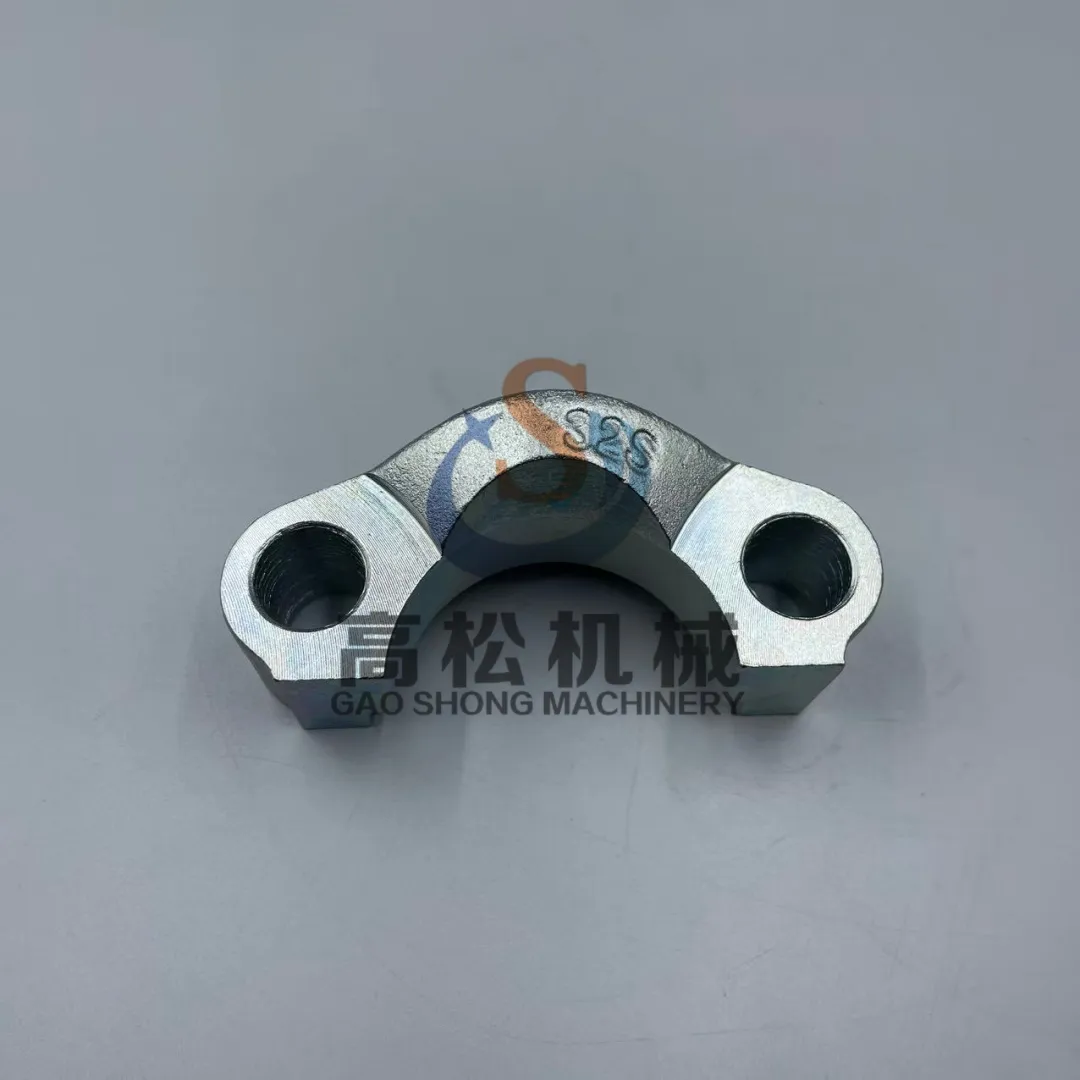 FLANGE 07371-52080 – KOMATSU Part
 -
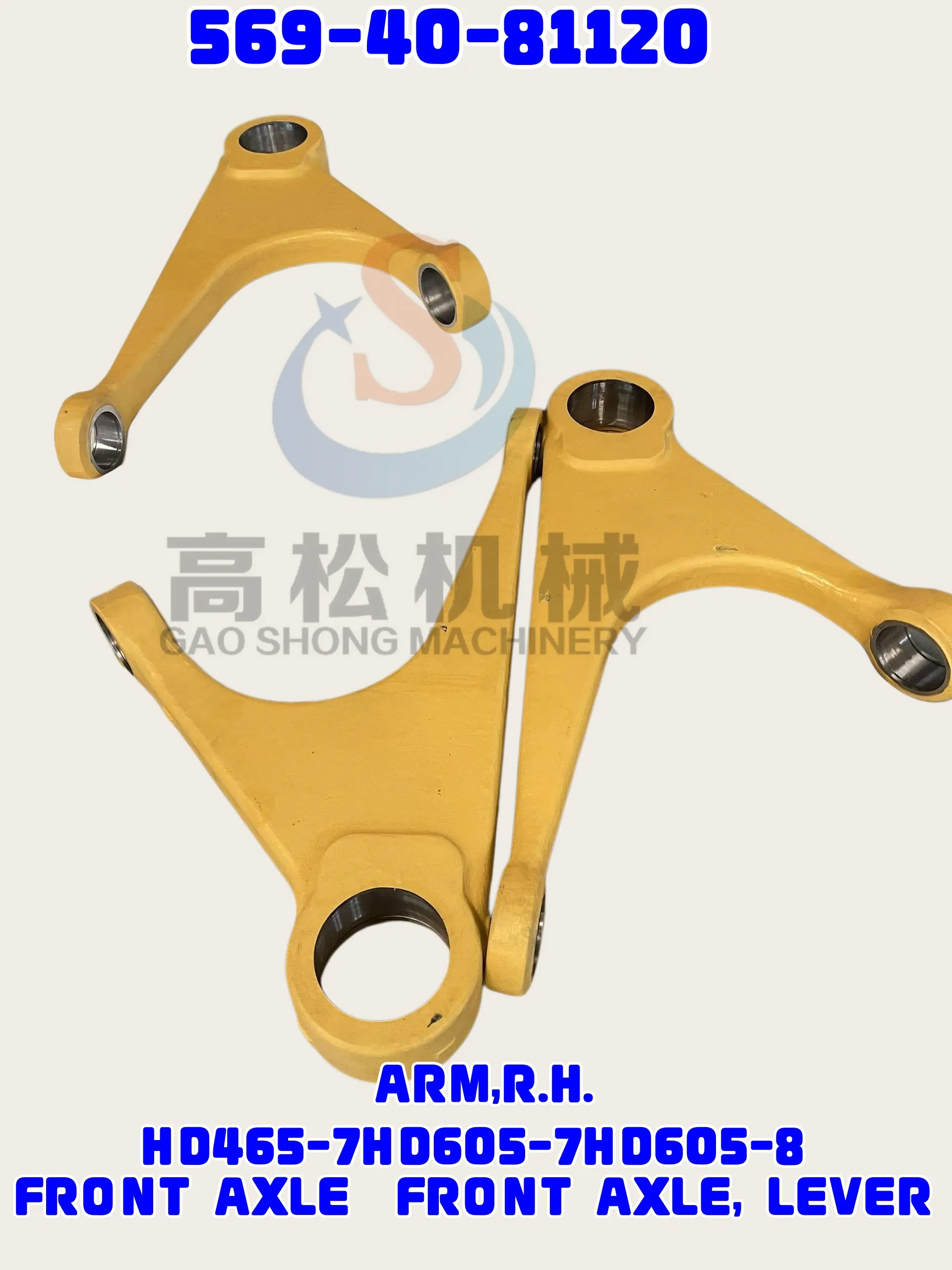 HD465-7 komatsu-part-569-40-81120 ARM,R.H. HD605-7 HD465-7 HD605-7E HD605-7E1 HD465-8 HD465-7R FRONT AXLE (R.H.) (KNUCKLE AND ARM LEVER)
 -
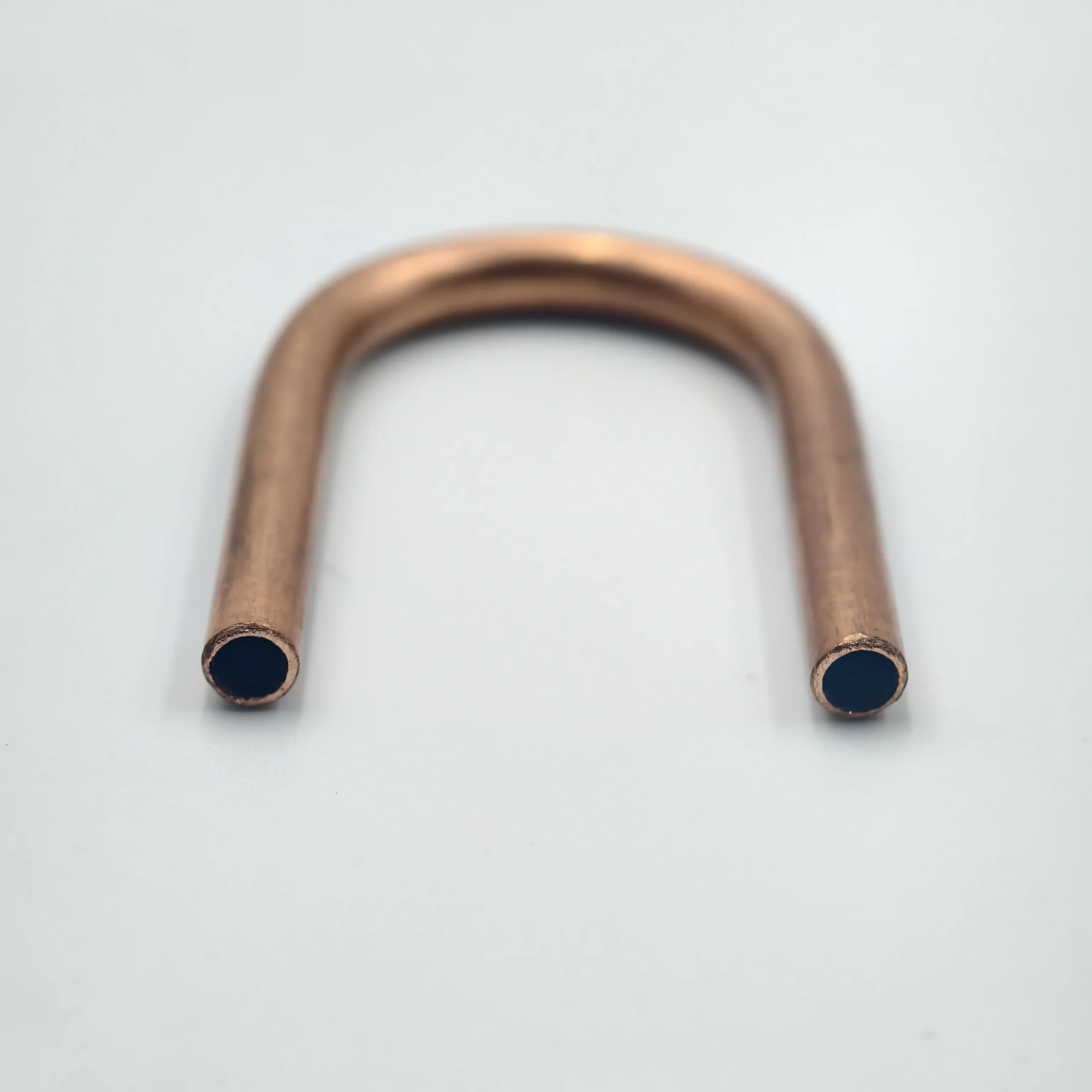 TUBE 21N-68-32360 – KOMATSU.
 -
 Komatsu Holder 195-27-31390
 -
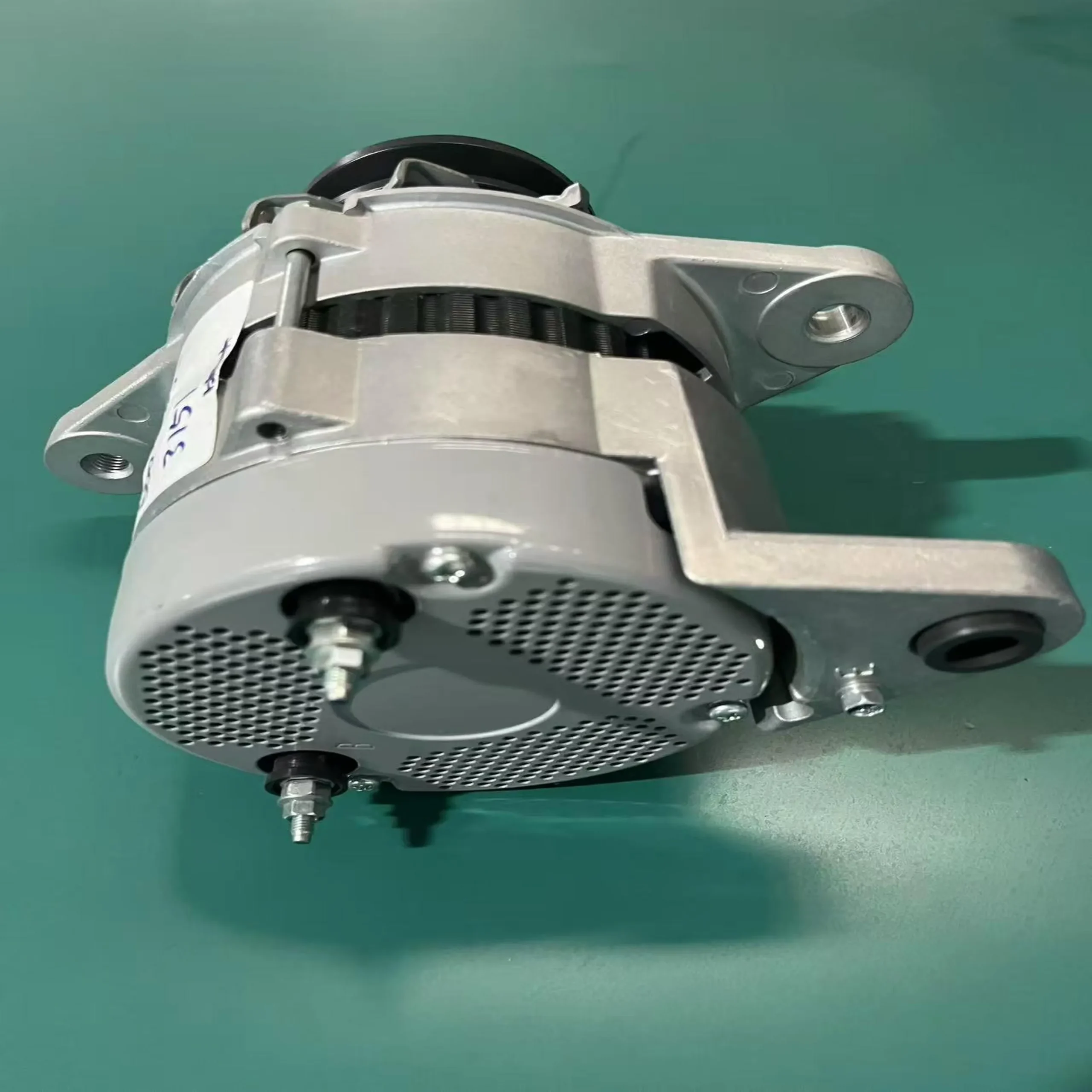 600-825-3151 Komatsu ALTERNATOR PC-400
 -
 6693-22-5600 Komatsu Valve Assembly
 -
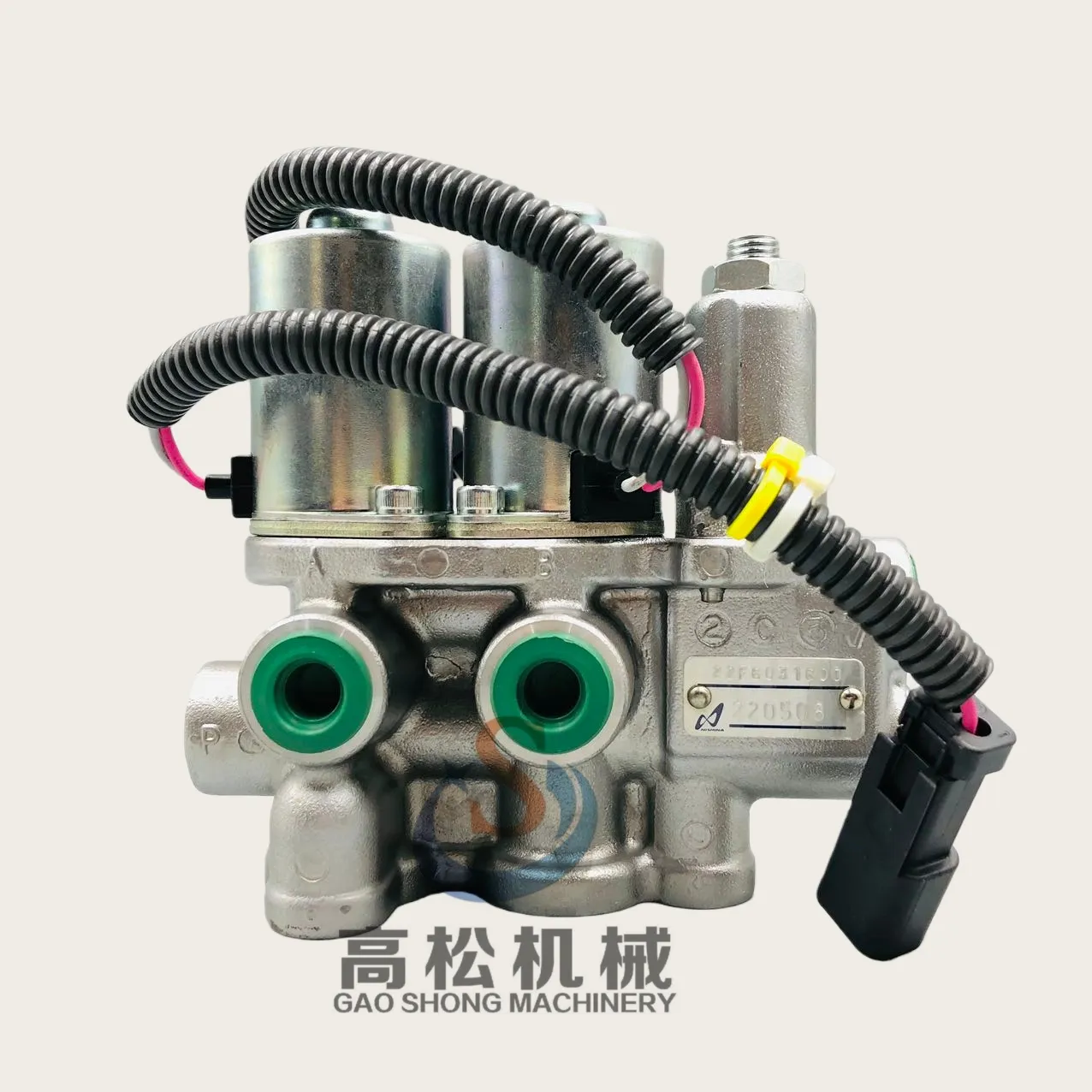 komatsu 22F-60-31600 VALVE ASS’Y PC18MR-3 PC35MR-3 PC45MR-3 PC55MR-3 MAIN VALVE
 -
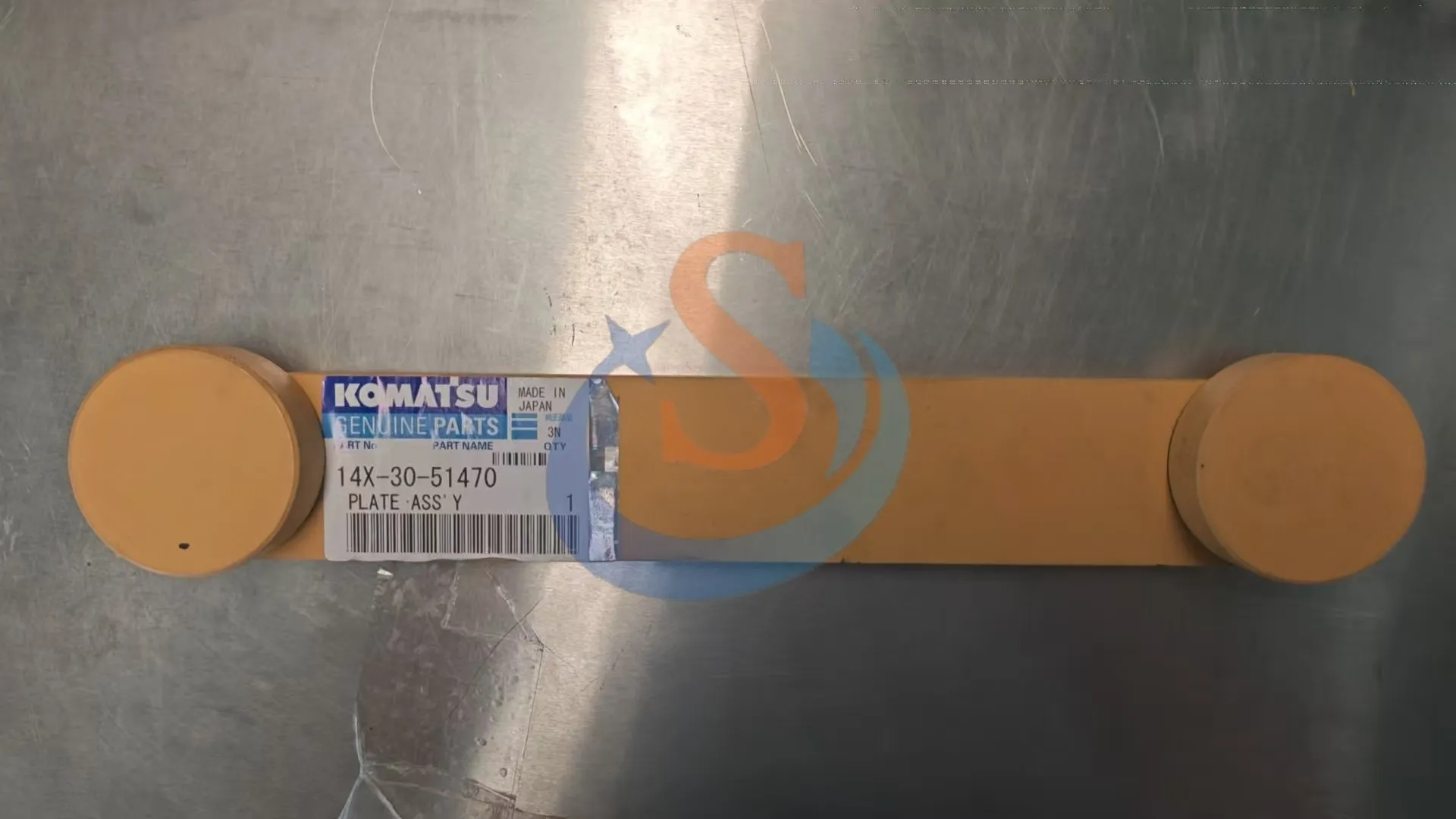 14X-30-51470,PLATE ASS’Y,D65EX,D65PX,D65WX
 -
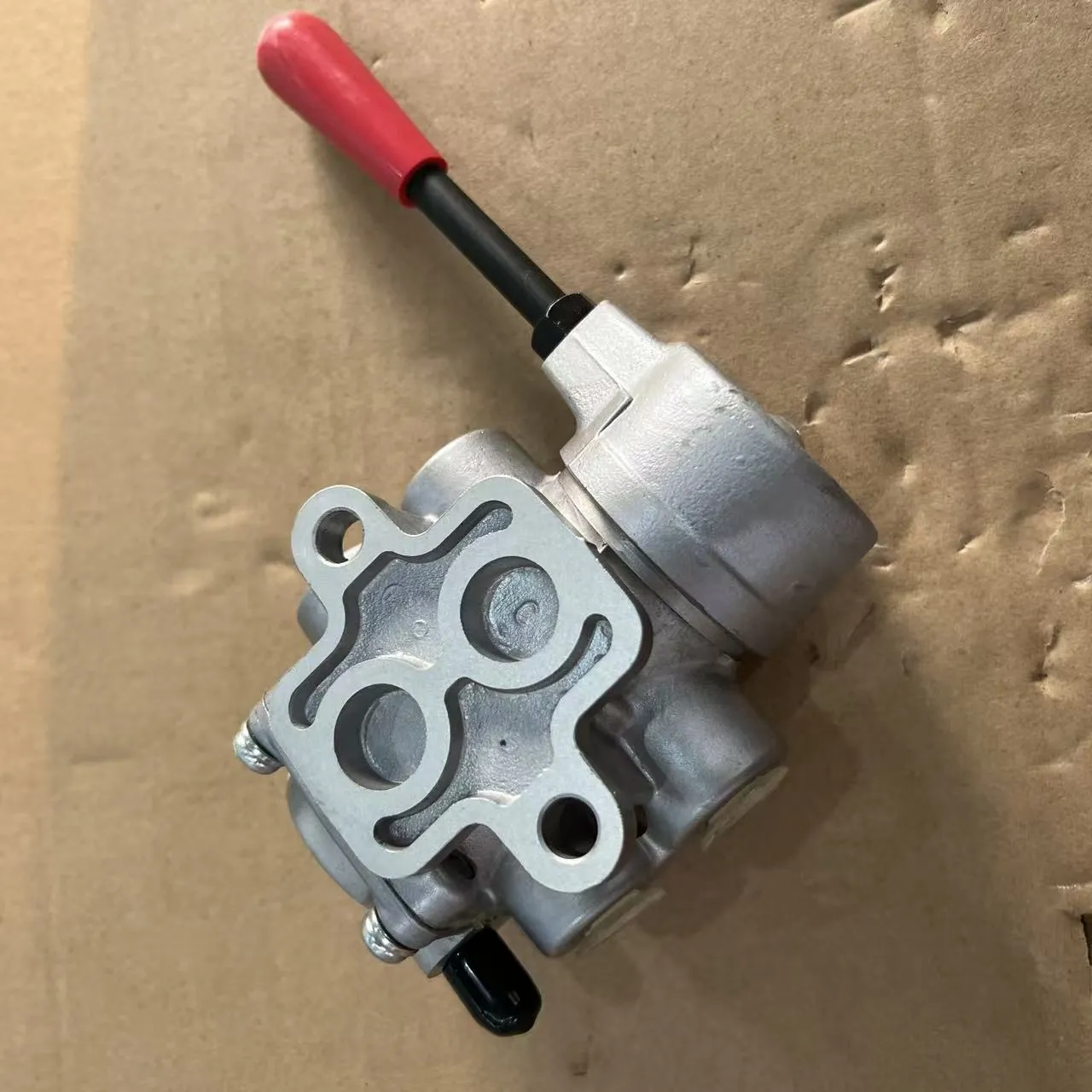 Komatsu 561-87-66102 EMERGENCY BRAKE… — Pricing.Parts
 -
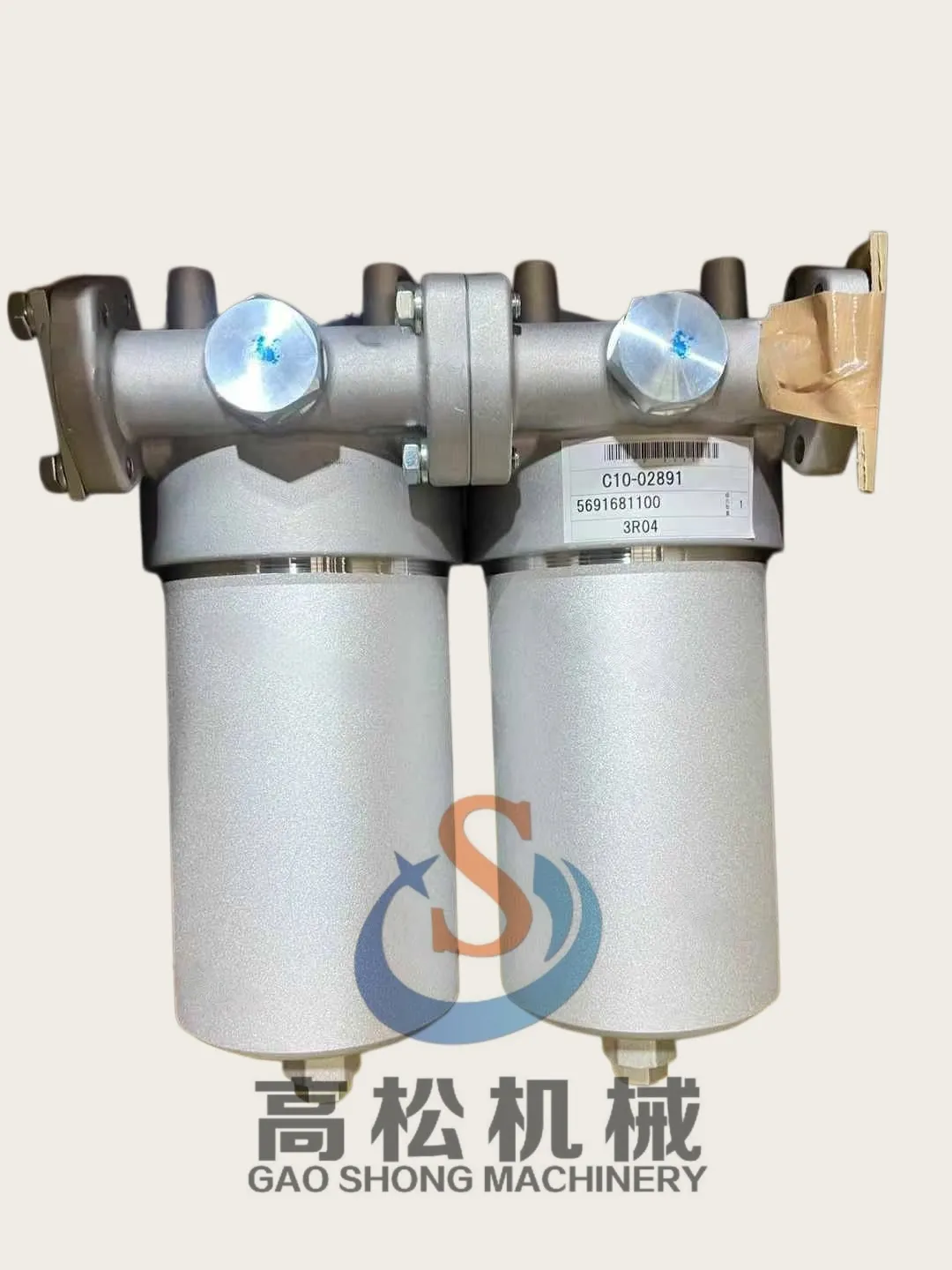 OIL FILTER ASS’Y 569-16-81100 425-16-21240 427-16-21120 569-16-81160 HD325-7 HD325-7R HD405-7 HD405-7R HD605-7 HD785-7 HD605-7E1 HD605-8 HD785-7 HYDRAULIC TANK ASS’Y (TRANSMISSION OIL FILTER¤ INNER PARTS) TRANSMISSION OIL FILTER
 -
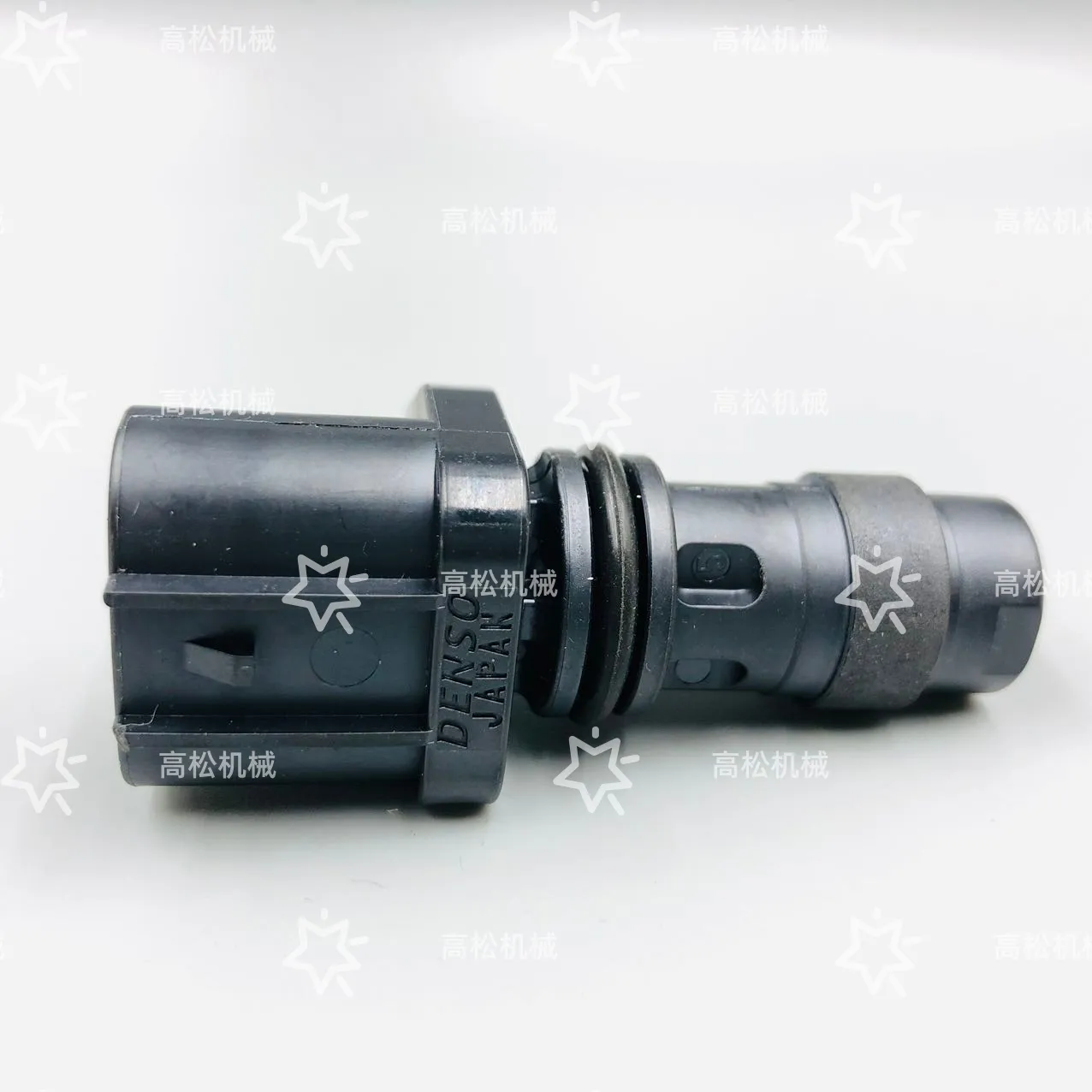 ND949979-1300 Camshaft Position Sensor for Komatsu Excavator PC400-8 PC450-8