
- Chinese
- French
- German
- Portuguese
- Spanish
- Russian
- Japanese
- Korean
- Arabic
- Irish
- Greek
- Turkish
- Italian
- Danish
- Romanian
- Indonesian
- Czech
- Afrikaans
- Swedish
- Polish
- Basque
- Catalan
- Esperanto
- Hindi
- Lao
- Albanian
- Amharic
- Armenian
- Azerbaijani
- Belarusian
- Bengali
- Bosnian
- Bulgarian
- Cebuano
- Chichewa
- Corsican
- Croatian
- Dutch
- Estonian
- Filipino
- Finnish
- Frisian
- Galician
- Georgian
- Gujarati
- Haitian
- Hausa
- Hawaiian
- Hebrew
- Hmong
- Hungarian
- Icelandic
- Igbo
- Javanese
- Kannada
- Kazakh
- Khmer
- Kurdish
- Kyrgyz
- Latin
- Latvian
- Lithuanian
- Luxembou..
- Macedonian
- Malagasy
- Malay
- Malayalam
- Maltese
- Maori
- Marathi
- Mongolian
- Burmese
- Nepali
- Norwegian
- Pashto
- Persian
- Punjabi
- Serbian
- Sesotho
- Sinhala
- Slovak
- Slovenian
- Somali
- Samoan
- Scots Gaelic
- Shona
- Sindhi
- Sundanese
- Swahili
- Tajik
- Tamil
- Telugu
- Thai
- Ukrainian
- Urdu
- Uzbek
- Vietnamese
- Welsh
- Xhosa
- Yiddish
- Yoruba
- Zulu
- Kinyarwanda
- Tatar
- Oriya
- Turkmen
- Uyghur






OEM AND ORIGINAL KOMATSU BUSHING 707-46-18050
Let's talk about . If you're sourcing Komatsu parts, you've seen this bushing code. The immediate assumption is that 'OEM' and 'Original' are the same thing. They're not. That's the first pitfall. In our line, 'OEM' often means it's made by a factory authorized by Komatsu to produce the part to spec, sometimes even on the same line as the 'Original' part destined for Komatsu's own packaging. 'Original' means it comes in the genuine Komatsu box, through their official distribution. The confusion between these terms costs people real money and downtime.
The in the Wild
This bushing is for the Komatsu PC300, PC360 class excavators, a high-wear item in the arm linkage. The spec is precise: case-hardened steel, specific Rockwell hardness, and a particular oil groove pattern. I've seen aftermarket versions that look identical until you measure the wall thickness or the hardness is off by a few points. They fail in half the time, causing scoring on the pin that leads to a five-times more expensive repair.
We had a client in Indonesia last year who insisted on the cheapest option for a fleet of three machines. They bought a batch of non-OEM bushings labeled as compatible. Within 400 hours, we had excessive play and metal flakes in the grease. The downtime for three machines, plus the new pins we now needed, obliterated any savings. It was a classic, expensive lesson.
This is where a supplier's role gets critical. It's not just about having the part. It's about knowing its provenance. A company like Jining Gaosong Construction Machinery Co., Ltd. operates in that specific niche. They're an OEM product supplier within the Komatsu system. In practice, this means they likely have access to production from the same manufacturing partners Komatsu uses, but the parts are channeled outside the official Genuine pipeline to help solve parts supply challenges in certain countries.
The OEM Pathway and Traceability
When I order from an OEM-system supplier, my first question is about certification and batch traceability. A proper OEM part should have mill certificates for the steel, heat treat logs, and final inspection reports. It shouldn't just be a PDF they email you; the lot number on the part should match the documentation.
I recall checking a shipment from https://www.takematsumachinery.com a while back. The bushings were packed in plain white boxes, but each had a laser-etched number. We could trace it back to a specific production run at a foundry in Japan that also supplies Komatsu directly. That's the level of transparency you need. The finish was right—the honing marks were consistent, and the chamfer was clean, no tooling burrs.
The absence of the Komatsu logo is what makes it an OEM part, not an Original one. But the metallurgy and tolerances are held to the same standard. For many operations, especially where official distribution is thin or lead times are insane, this is the smart compromise. You're not paying for the red and yellow box, you're paying for the engineered component.
Failures and Misapplications
Not all failures are due to part quality. I've seen the installed dry, without proper lubrication of the pin and bushing bore during press-fit. The immediate galling creates a heat zone that anneals the case-hardened surface. Now you have a soft bushing. It's toast in days. The installation procedure is as important as the part itself.
Another nuance is the serial number break. Early PC300-6 machines sometimes used a different bushing. The is primarily for the -7 and -8 models. If you don't check the machine serial number against the parts catalog and just go by model, you might get a fit but a slight mismatch in clearance. It'll work, but wear patterns will be uneven. You need a supplier who asks for your serial number, not just the model.
This is where the third-party role of a company like Gaosong is useful. They're not just order-takers. As a third-party sales company for Komatsu, their technical support should catch these application issues. A good sales engineer will ask, What's the machine serial and what's the symptom? before ever quoting a price.
The Economics of Original vs. OEM
Let's talk numbers. A genuine Original from a Komatsu dealer might list for, say, $280. The OEM version from a system supplier might be $190. A generic aftermarket could be as low as $90. The OEM option sits in that sweet spot of about 30-35% savings against genuine, without the 70% risk discount of the aftermarket.
The cost isn't just the part. It's the labor to install it (which is the same for all three options) and the cost of the next downtime if it fails early. If the OEM part lasts 95% as long as the Original, the total cost of ownership is lower. If the aftermarket part lasts 50% as long, you lose money. It's a simple calculus, but one often ignored for upfront price.
For fleet managers, this is the core decision. Using a trusted OEM supplier creates a predictable maintenance budget. You're not gambling on the gray market. You're buying a known quantity with traceable quality. In their company intro, Gaosong frames it as solving supply challenges. Really, they're selling risk mitigation.
Verification and Trust Building
So how do you verify? First, physical audit. Cut a sample bushing from a new batch. Check the case depth with a hardness tester across the cross-section. The core should be tough, the surface hard. Second, dimensional check with air gauges for the ID. The tolerance is usually +/- 0.02mm. It's tight.
I don't trust shiny websites. I trust suppliers who don't mind me asking for a sample to destructively test. I've had good technical exchanges with teams at suppliers who understand this process. They'll send a sample part from the same lot with the full documentation pack. That builds trust.
Ultimately, the keyword OEM AND ORIGINAL KOMATSU BUSHING represents a choice in your supply chain philosophy. Do you need the official stamp, or do you need the engineering integrity with better accessibility? For most of the field repairs I oversee, the OEM route through a knowledgeable system supplier is the pragmatic choice. It keeps machines running, costs controlled, and provides a paper trail that holds up in an audit. The part number is just the start; the story behind it is what matters.
Related Products
Related Products

Best Selling Products
Best Selling Products-
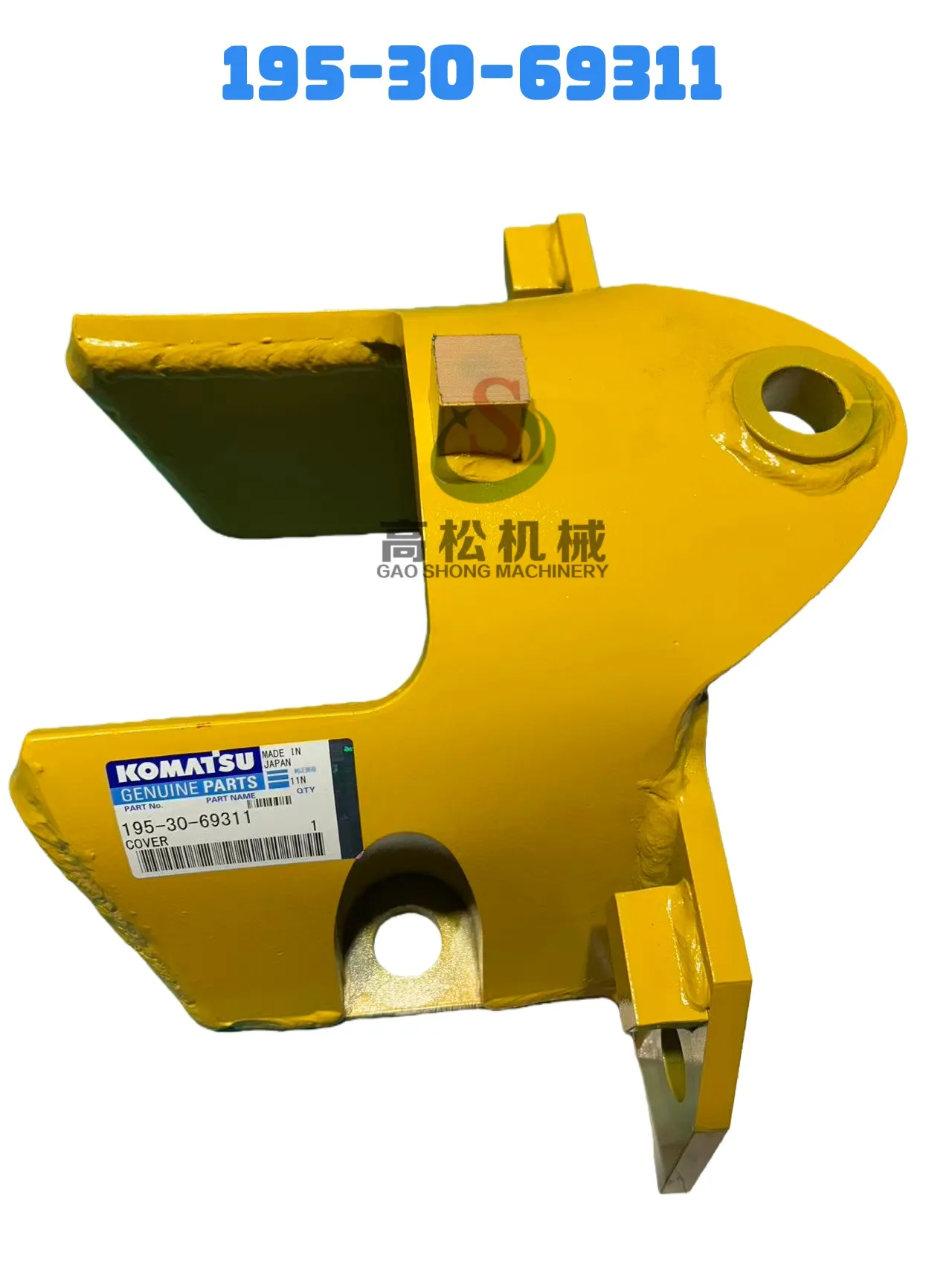 komatsu parts195-30-69311 COVER D375A-5 D375A-6 D375AI-8 D375A-8E0 TRACK FRAME
 -
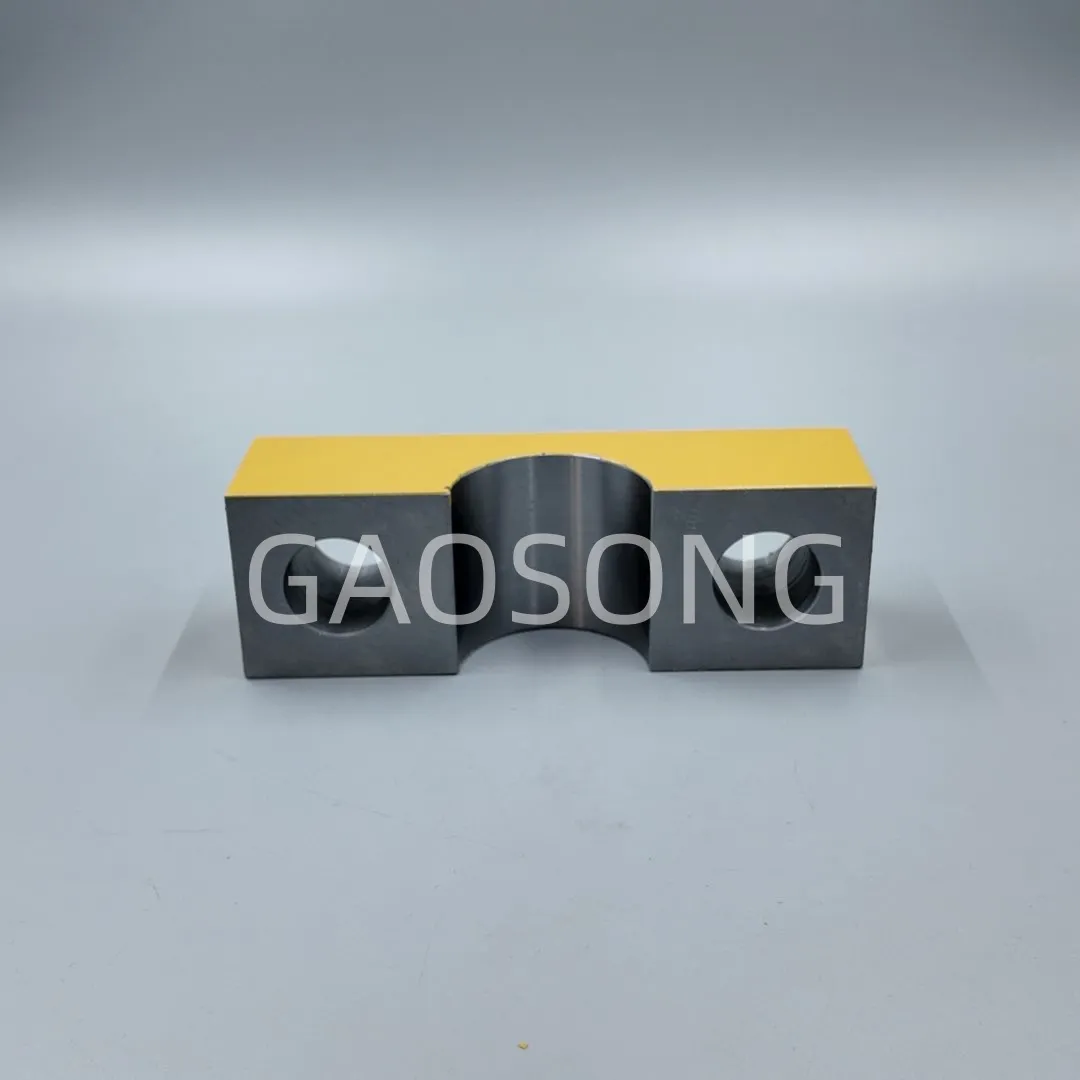 56B-50-12150 PLATE-Komatsu Original Factory
 -
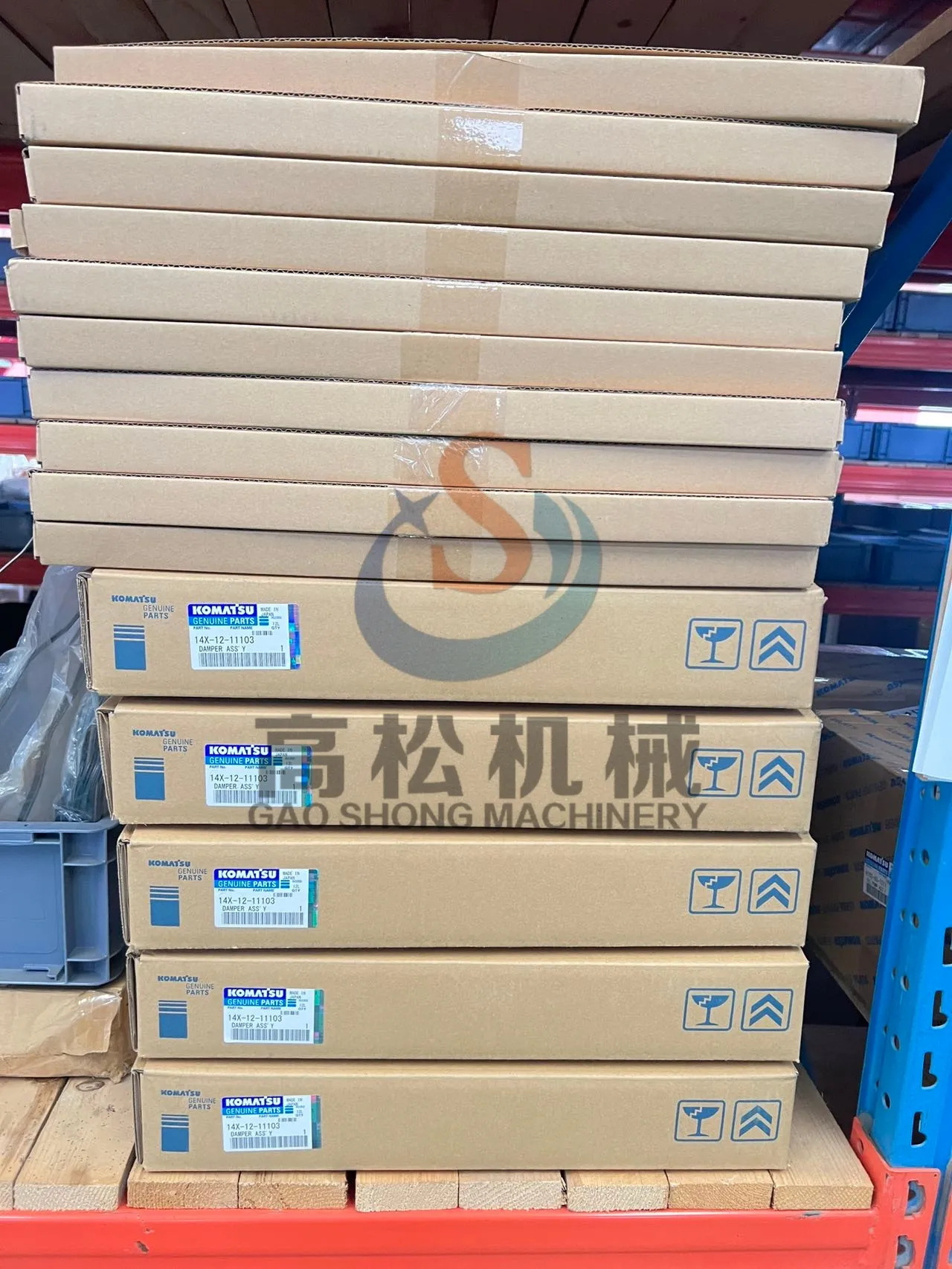 14X-12-11103 Komatsu Damper Disc Assembly
 -
 21N-30-14160 PACKING (Komatsu)
 -
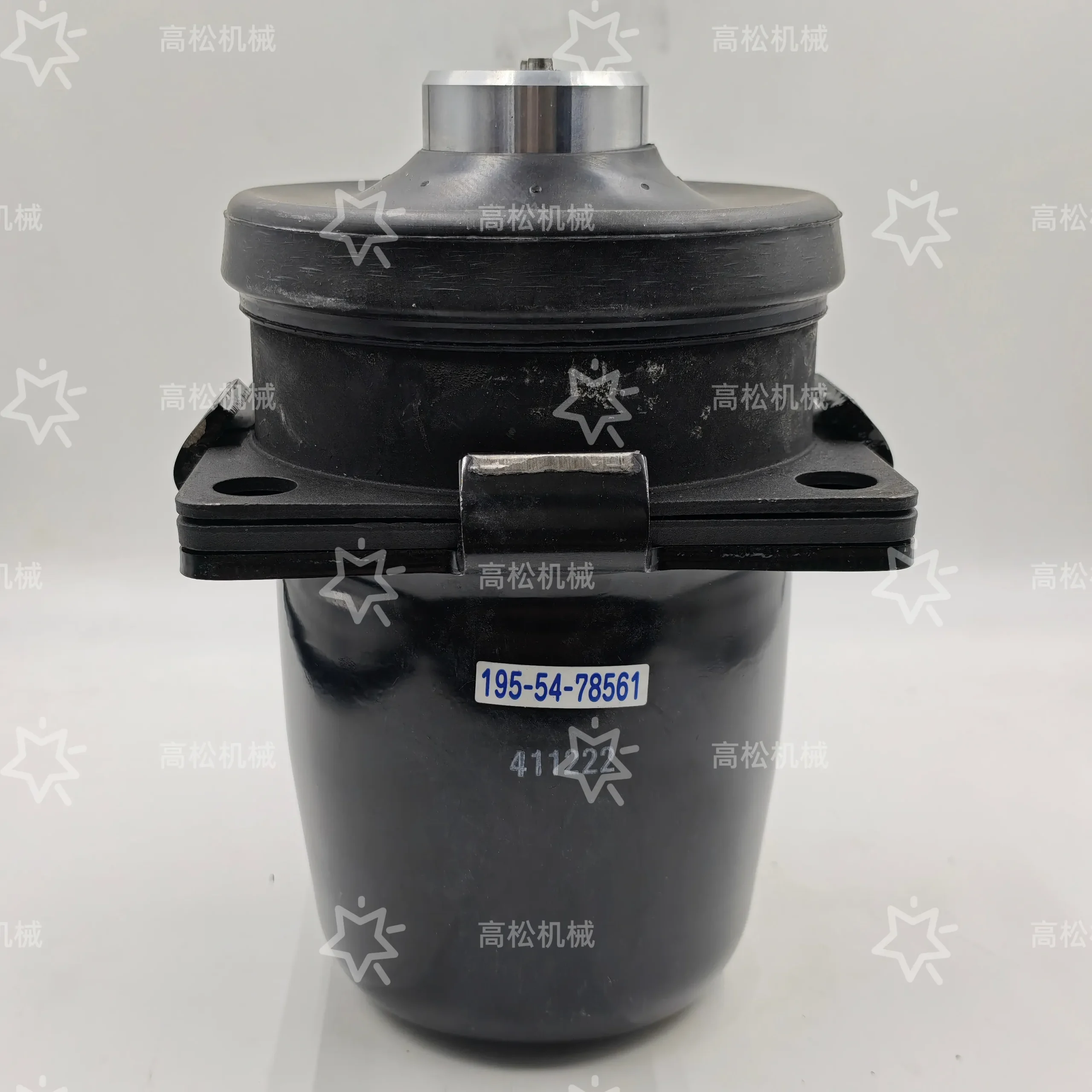 195-54-78561 Engine Cushion for D275A D375A Bulldozer
 -
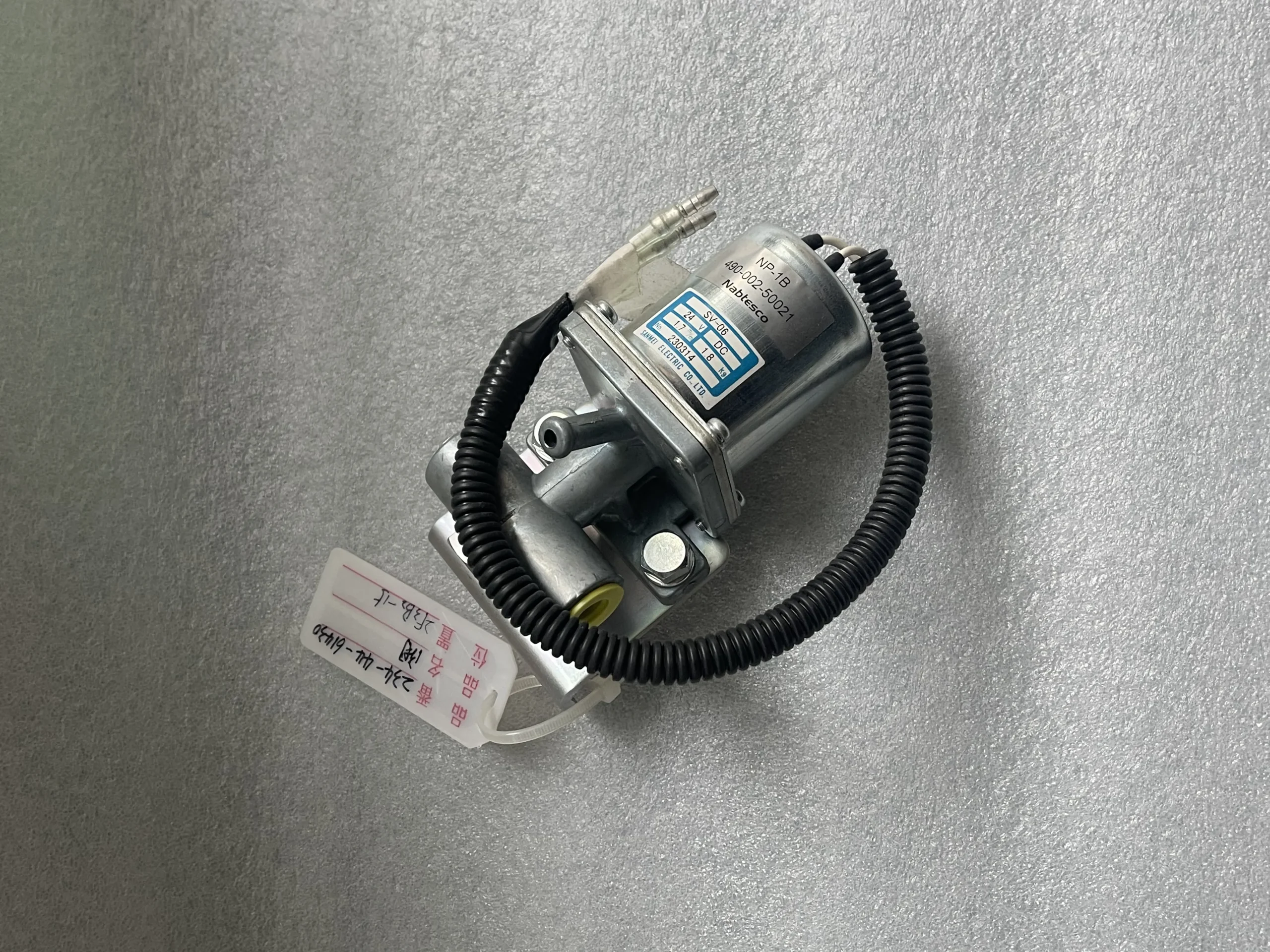 SOLENOID VALVE 234-44-61430 for GD705/825
 -
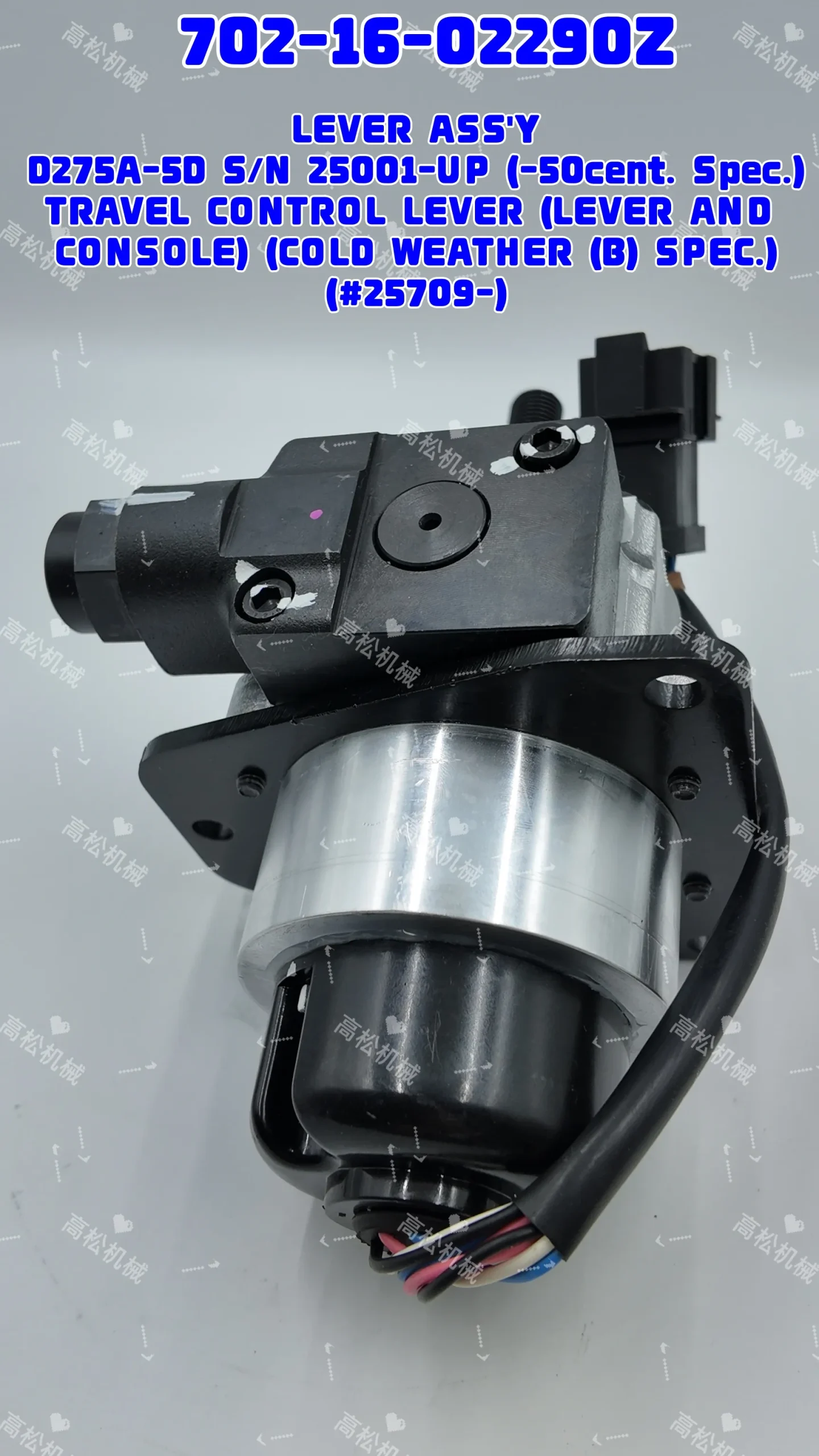 702-16-02290 Original Lever Assy for Bulldozer D275A-5r D65ex-16 D65px D155ax-6 in Stock
 -
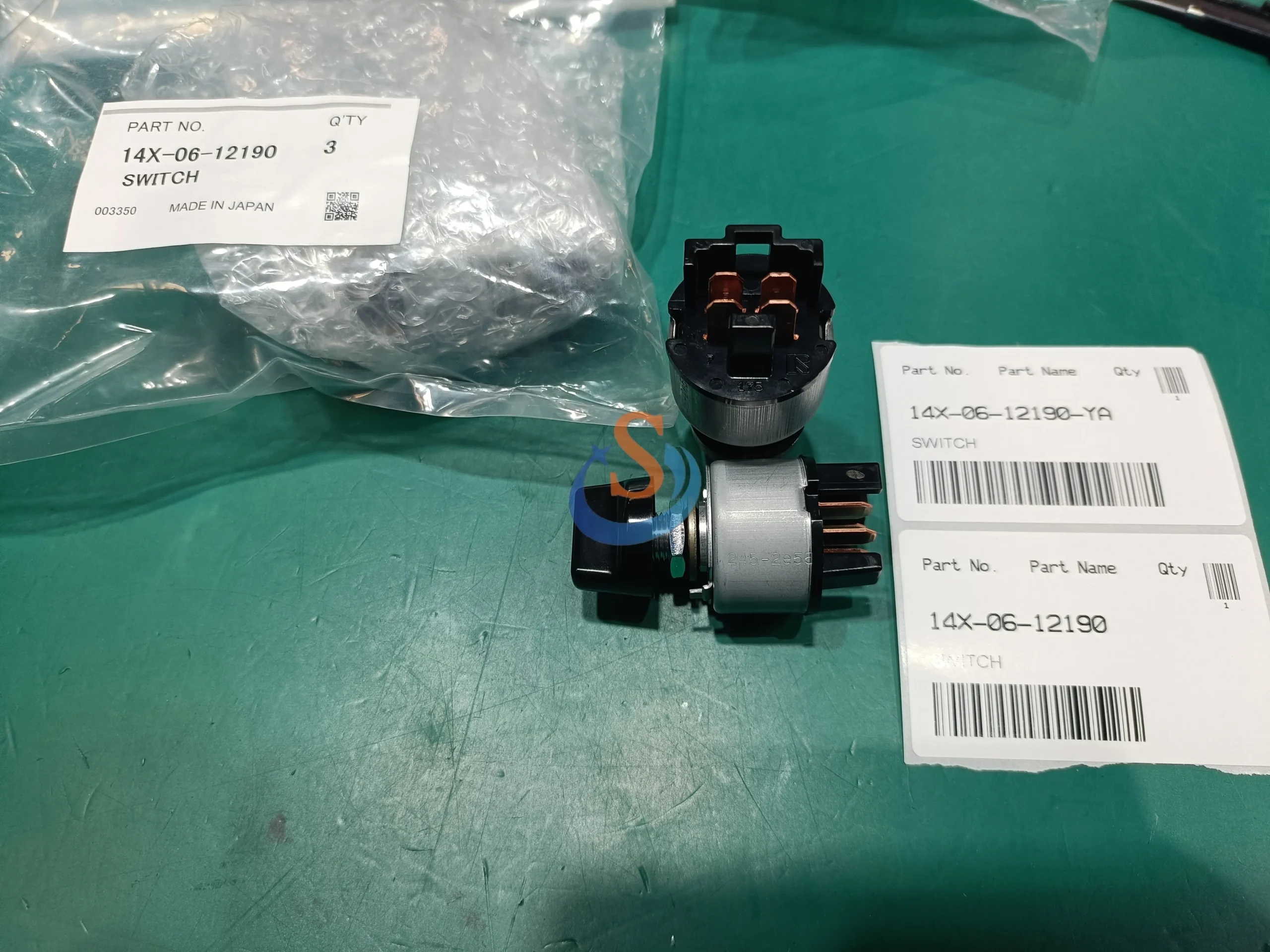 14X-06-12190 SWITCH D375A/D475A
 -
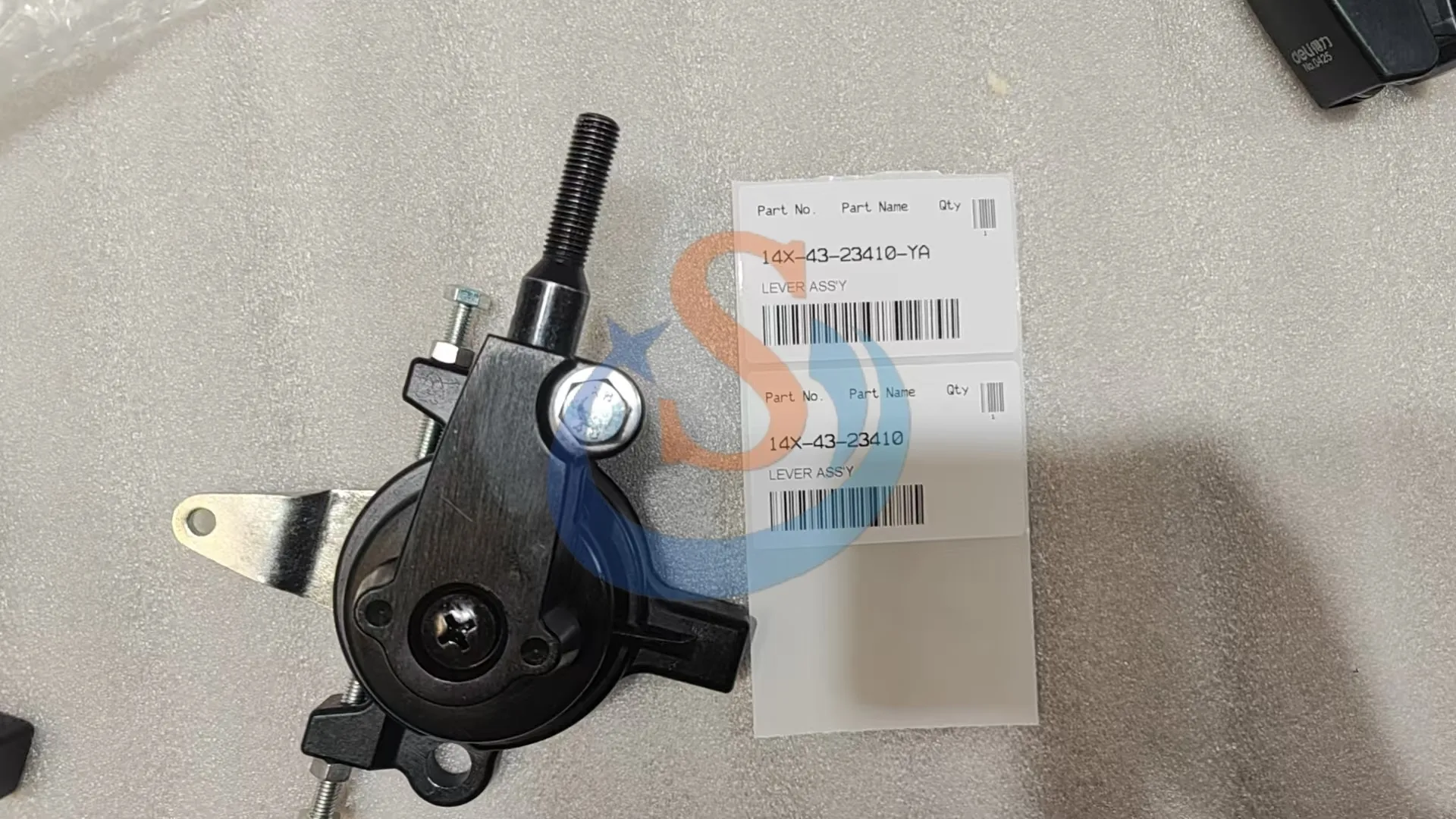 14X-43-23410,LEVER ASS’Y,D65PX,D85E,D65E
 -
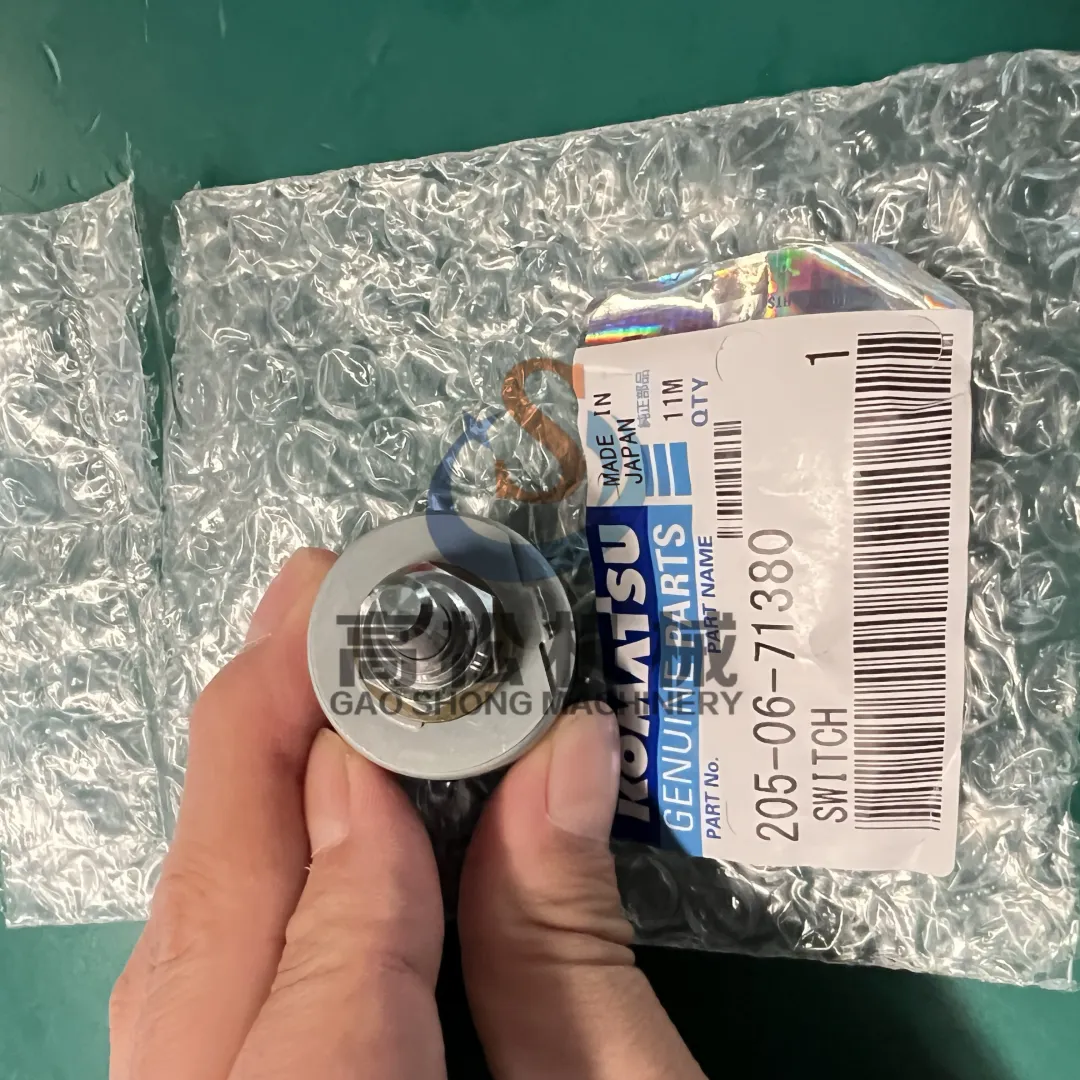 205-06-71380Spare part 205-06-71380 SWITCH,LIGHTING (Komatsu)
 -
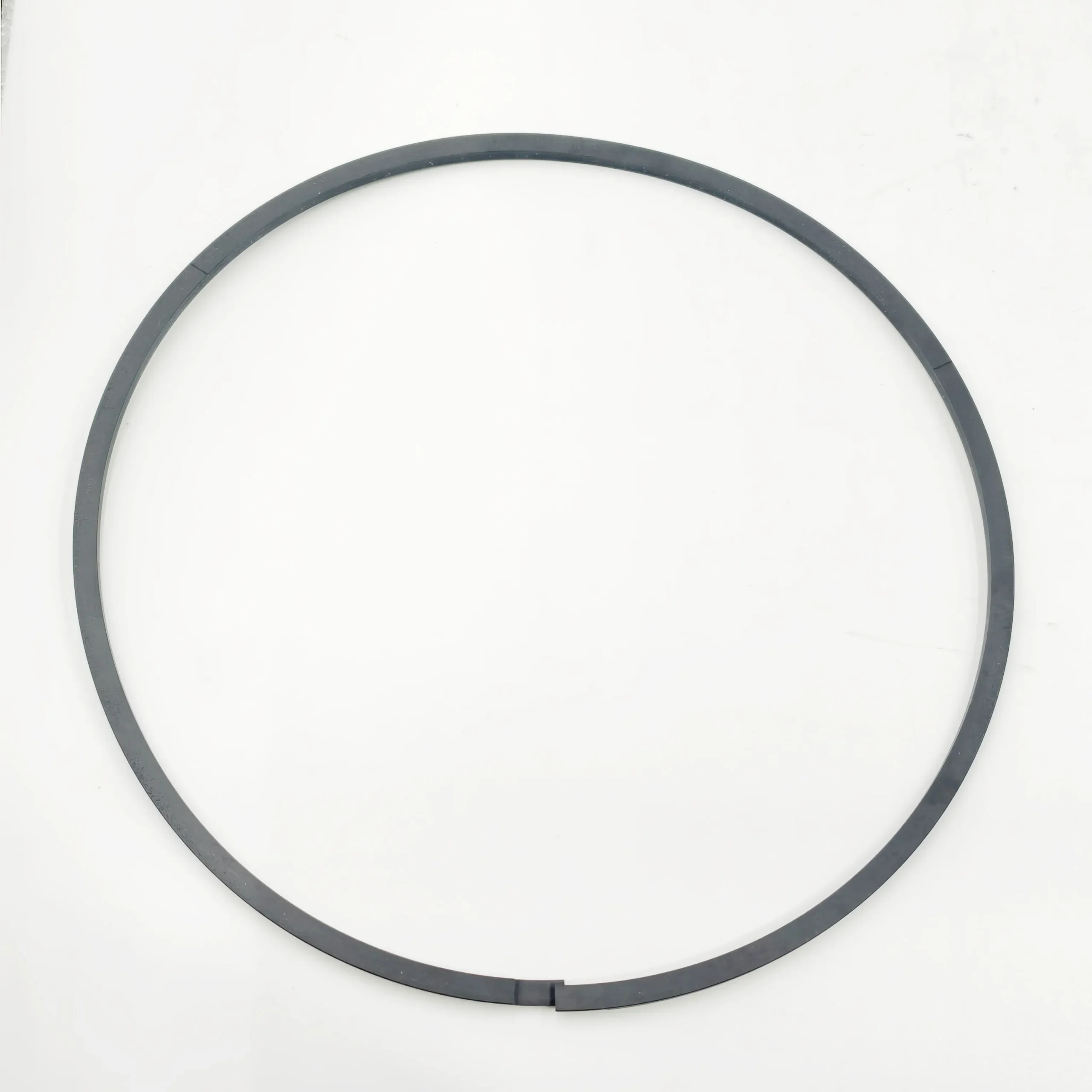 KOMATSU-SEAL RING 14X-15-19210
 -
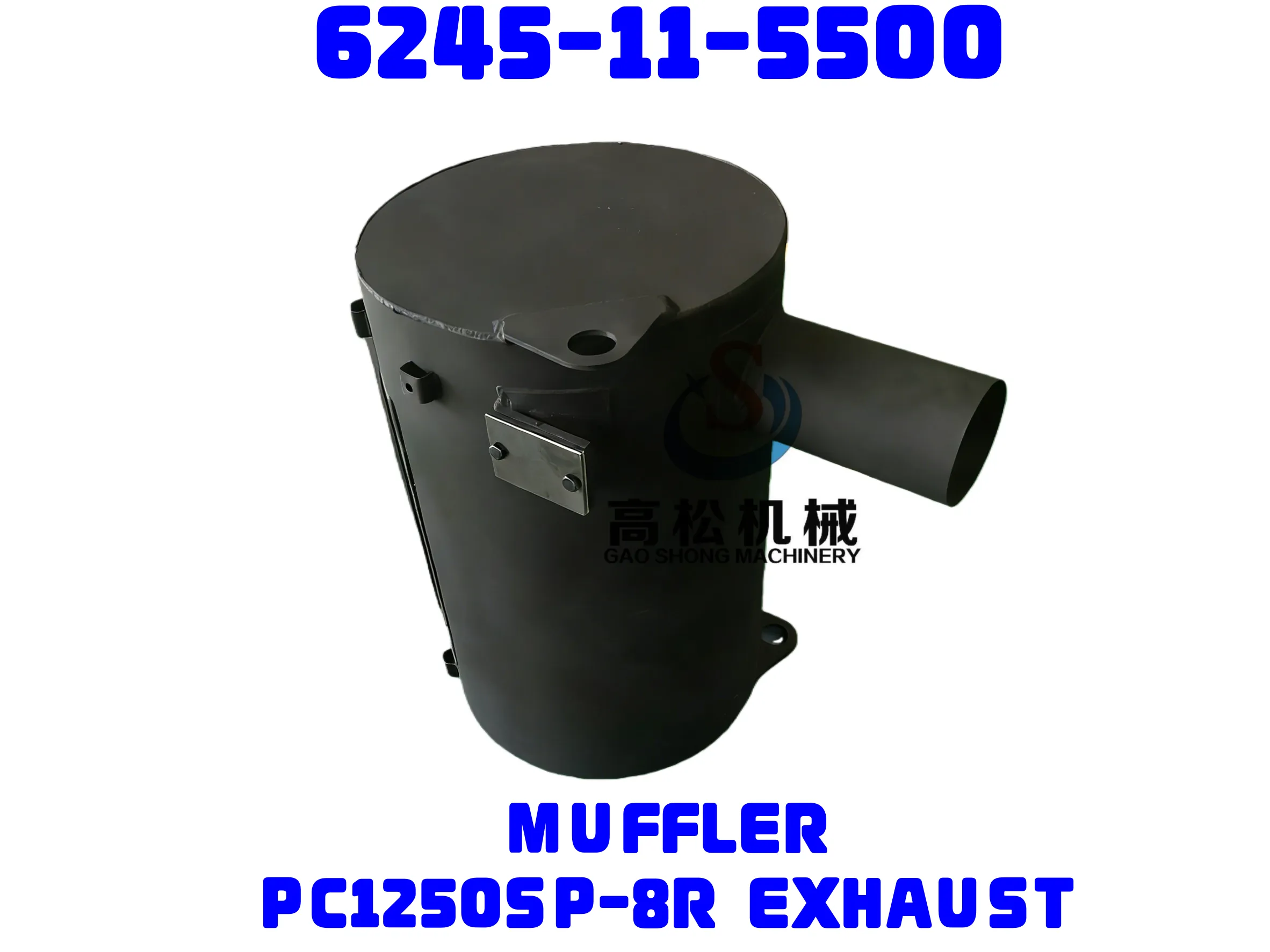 komatsu parts 6245-11-5500 MUFFLER PC1250SP-8R EXHAUST MUFFLER SAA6D170E-5CR-W MUFFLER MOUNTING