
- Chinese
- French
- German
- Portuguese
- Spanish
- Russian
- Japanese
- Korean
- Arabic
- Irish
- Greek
- Turkish
- Italian
- Danish
- Romanian
- Indonesian
- Czech
- Afrikaans
- Swedish
- Polish
- Basque
- Catalan
- Esperanto
- Hindi
- Lao
- Albanian
- Amharic
- Armenian
- Azerbaijani
- Belarusian
- Bengali
- Bosnian
- Bulgarian
- Cebuano
- Chichewa
- Corsican
- Croatian
- Dutch
- Estonian
- Filipino
- Finnish
- Frisian
- Galician
- Georgian
- Gujarati
- Haitian
- Hausa
- Hawaiian
- Hebrew
- Hmong
- Hungarian
- Icelandic
- Igbo
- Javanese
- Kannada
- Kazakh
- Khmer
- Kurdish
- Kyrgyz
- Latin
- Latvian
- Lithuanian
- Luxembou..
- Macedonian
- Malagasy
- Malay
- Malayalam
- Maltese
- Maori
- Marathi
- Mongolian
- Burmese
- Nepali
- Norwegian
- Pashto
- Persian
- Punjabi
- Serbian
- Sesotho
- Sinhala
- Slovak
- Slovenian
- Somali
- Samoan
- Scots Gaelic
- Shona
- Sindhi
- Sundanese
- Swahili
- Tajik
- Tamil
- Telugu
- Thai
- Ukrainian
- Urdu
- Uzbek
- Vietnamese
- Welsh
- Xhosa
- Yiddish
- Yoruba
- Zulu
- Kinyarwanda
- Tatar
- Oriya
- Turkmen
- Uyghur






OEM AND ORIGINAL KOMATSU BUSHING 707-46-18010
Let's cut straight to it: when someone types in 'OEM AND ORIGINAL KOMATSU BUSHING ', they're usually in a bind, trying to figure out if the part they're about to buy is the real deal or a convincing copy. The term 'OEM' gets thrown around so loosely now it's almost lost its meaning. I've seen suppliers slap 'OEM' on a box that contains a part made in a factory that has never seen a Komatsu blueprint. The key with this specific bushing, the , is understanding the ecosystem. Komatsu doesn't sell every single part under its own label to the aftermarket; they license specific manufacturers. So, an 'OEM product supplier within the Komatsu system', like Jining Gaosong, operates in that grey—or rather, official—zone between the brand and the open market. They're not just another reseller; they're part of the authorized production chain. This distinction is everything when your excavator's swing circle is on the line.
The in the Wild
This isn't a glamorous part. It's a bushing, likely for a linkage or a pin joint on a mid-sized to large machine, think a PC300 or similar. It's all about wear resistance and precise inner diameter tolerances. The failure mode I've most commonly encountered isn't catastrophic breakage; it's accelerated, uneven wear that leads to slop in the joint. You get knocking, lost efficiency, and then it starts eating into the pin. The 'ORIGINAL' tag matters here because the metallurgy and the hardening process are proprietary. A sub-par version will wear out in half the hours, and the cost isn't just the bushing—it's the downtime and the labor to tear down the joint again.
We tried a batch of so-called 'OEM-equivalent' bushings for a fleet job about three years back, thinking we'd save on capex. The supplier had all the certs. They looked identical, same packaging even. But within 800 hours, we had excessive play. When we pulled them, the wear pattern was all wrong—concentrated in one quadrant, indicating a hardness inconsistency. The lesson was brutal: visual inspection and paperwork can be perfect, but the performance under load reveals the truth. That's when you start valuing a source that is embedded in the system, a company that clarifies its role like Jining Gaosong does as an OEM product supplier and a third-party sales channel. It's a more honest starting point.
Another practical headache is the waiting game. For certain regions, getting a genuine Komatsu-boxed part can take weeks. This is exactly the 'parts supply challenges in certain countries' that companies like the one mentioned aim to solve. They can often move authorized OEM stock faster through parallel channels. So, when you're sourcing a KOMATSU BUSHING , you're not just buying a piece of metal; you're buying a logistics solution and a guarantee of provenance that cuts through the market noise.
Decoding the Supply Chain
The phrase 'within the Komatsu system' is the operative part of Jining Gaosong's description. It doesn't mean they are Komatsu. It means they have a contractual or licensed manufacturing agreement to produce specific components to Komatsu's engineering standards, often for distribution outside of Komatsu's primary channels. This is a legitimate and critical part of global heavy equipment support. For a model-specific part like the , it means the forging, machining, heat treatment, and quality checks follow the same process sheets as the part that would go into a new machine on the assembly line in Japan.
Contrast this with a 'compatible' or 'will-fit' part. Those are reverse-engineered. They measure a worn original and try to replicate it. The problem is they're replicating a worn spec, not the design spec. The clearances, the oil groove geometry, the surface finish—it's never quite right. An OEM-system part comes from the design data. This is why, in my own sourcing, I now prioritize finding these authorized system suppliers. Their website, https://www.takematsumachinery.com, for instance, explicitly states this dual role, which immediately signals a different level of access and accountability.
I recall a conversation with a procurement manager for a mining operation in South America. His biggest issue wasn't price; it was traceability. He needed to document the origin of every critical wear part for audit and warranty purposes. A part from an OEM product supplier within the Komatsu system comes with that paper trail—mill certificates, batch numbers, and often a direct lineage back to the approved vendor list. A generic aftermarket part comes with a generic compliance certificate that's barely worth the paper it's printed on. For operations where equipment uptime is directly tied to revenue, this traceability is non-negotiable.
On-Site Realities and Failures
Let's talk about installation, because even a perfect part can be ruined. The is typically an interference fit. You need proper heating for installation and the right tools. I've seen mechanics use a rosebud torch and heat the thing until it's blue, completely destroying the temper. The correct way is controlled, even heating in an induction heater or an oven. An OEM-or-system part assumes this procedure is followed. Its material properties are designed for it. A knock-off might have unpredictable reactions to heat, warping or softening prematurely.
Another subtle point is the lubrication groove. On the genuine or true OEM-system bushing, the groove is machined to a specific depth and profile to ensure grease penetrates the entire interface between the pin and bushing surface. On a cheap copy, this groove is often shallower or machined with a different tool path, leading to poor grease distribution. This creates dry spots, which lead to the accelerated wear I mentioned earlier. It's a tiny detail you'd never notice until you have the two parts side-by-side after a failure.
We once had a recurring failure on a PC360-8 where this specific bushing would last only 1500 hours. We replaced it with Komatsu-boxed parts, same result. Finally, we looked at the mating pin, which was sourced from a different aftermarket supplier. It was within dimensional spec but had a lower surface hardness. It was acting like a file, wearing down the bushing. The fix was to always replace the pin and bushing as a matched set, and to source both from the same reputable, system-level supplier. The problem vanished. It highlighted that the ORIGINAL KOMATSU BUSHING doesn't operate in a vacuum; its performance is tied to the entire assembly's quality.
The Value of a Specialized Partner
This is where the model of a company like Jining Gaosong Construction Machinery Co., Ltd. makes sense. Positioning as both an OEM product supplier and a third-party sales company isn't marketing fluff; it's a functional description of a hybrid role. They can provide the system-level part with its inherent reliability, but through a more agile, third-party sales structure that can navigate local import rules, offer bundled deals, or provide faster shipping to regions where the official distribution is slow. For a maintenance manager, this is a practical solution.
When you're dealing with a critical wear item, you're not just ordering a part. You're initiating a transaction that carries the risk of equipment downtime. The confidence that the part, say the KOMATSU BUSHING , comes from an authorized production source mitigates a huge portion of that risk. It turns a maintenance event from a potential recurring problem into a predictable, scheduled intervention.
In the end, the search for 'OEM AND ORIGINAL' is a search for certainty in an uncertain supply chain. It's about cutting through the aliases and finding the nodes that have a direct, accountable connection to the original specifications. The terminology on a supplier's 'About Us' page—if it's clear and technically specific like the example here—often tells you more than any product listing ever could. It tells you where they sit in the chain, and therefore, what level of quality and consistency you can realistically expect when that box arrives on your shop floor.
Related Products
Related Products

Best Selling Products
Best Selling Products-
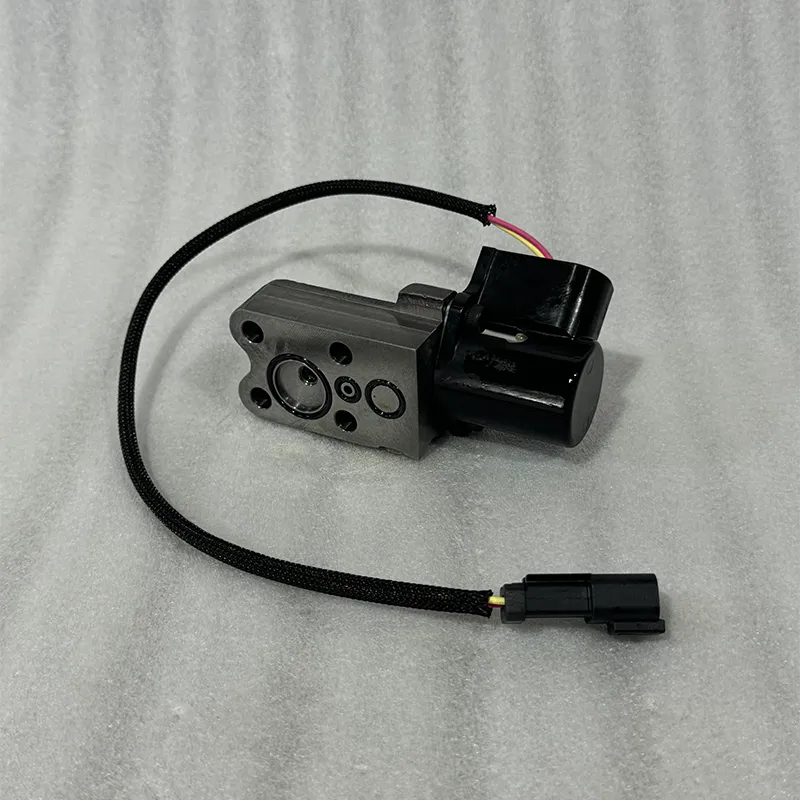 Original komatsu PC2000-8 Pilot Valve 708-7S-01330
 -
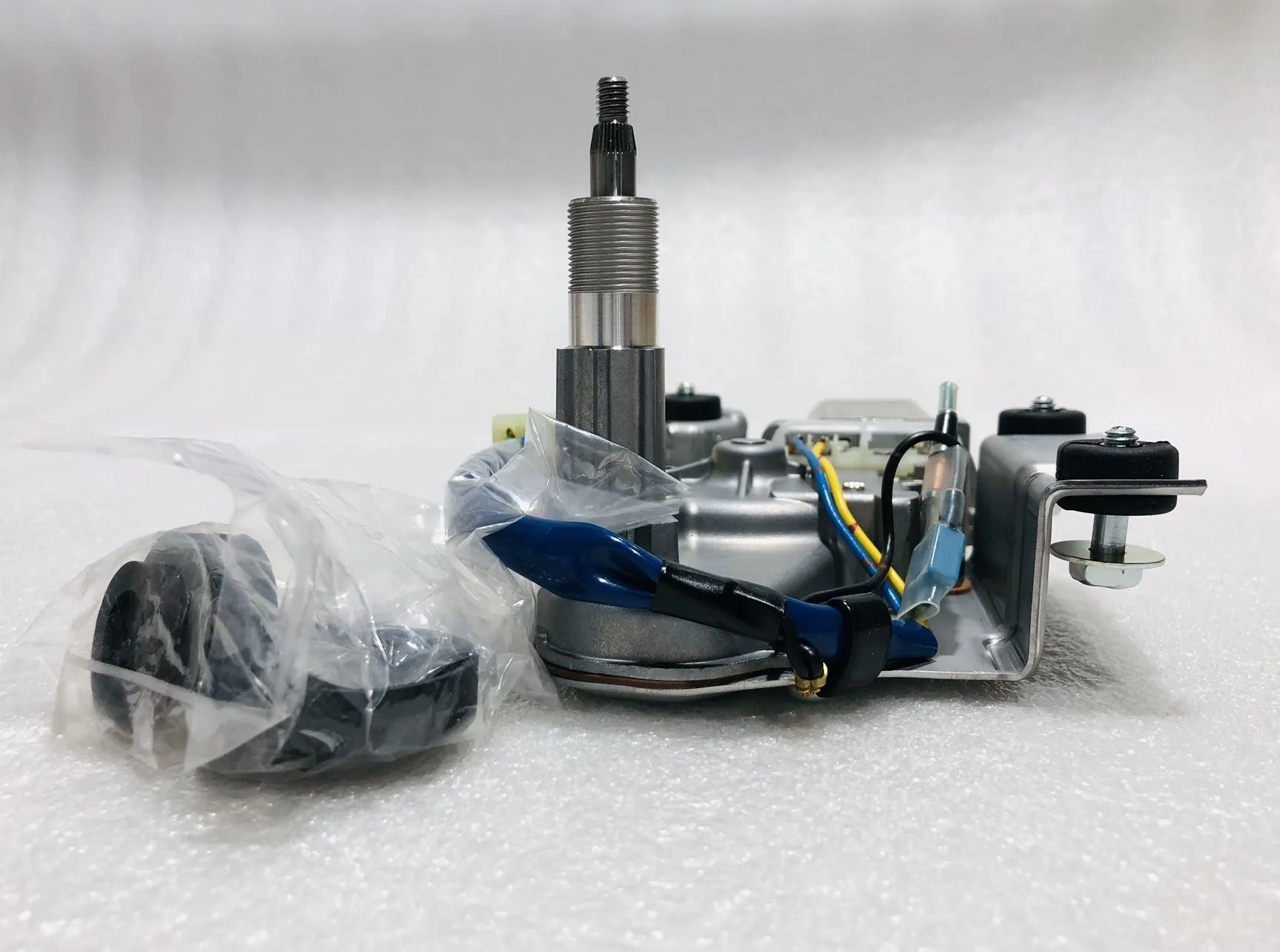 23B-951-2610 Komatsu MOTOR,WIPER
 -
 Original separator 195-15-82570 for d375a-5 domer komatsu
 -
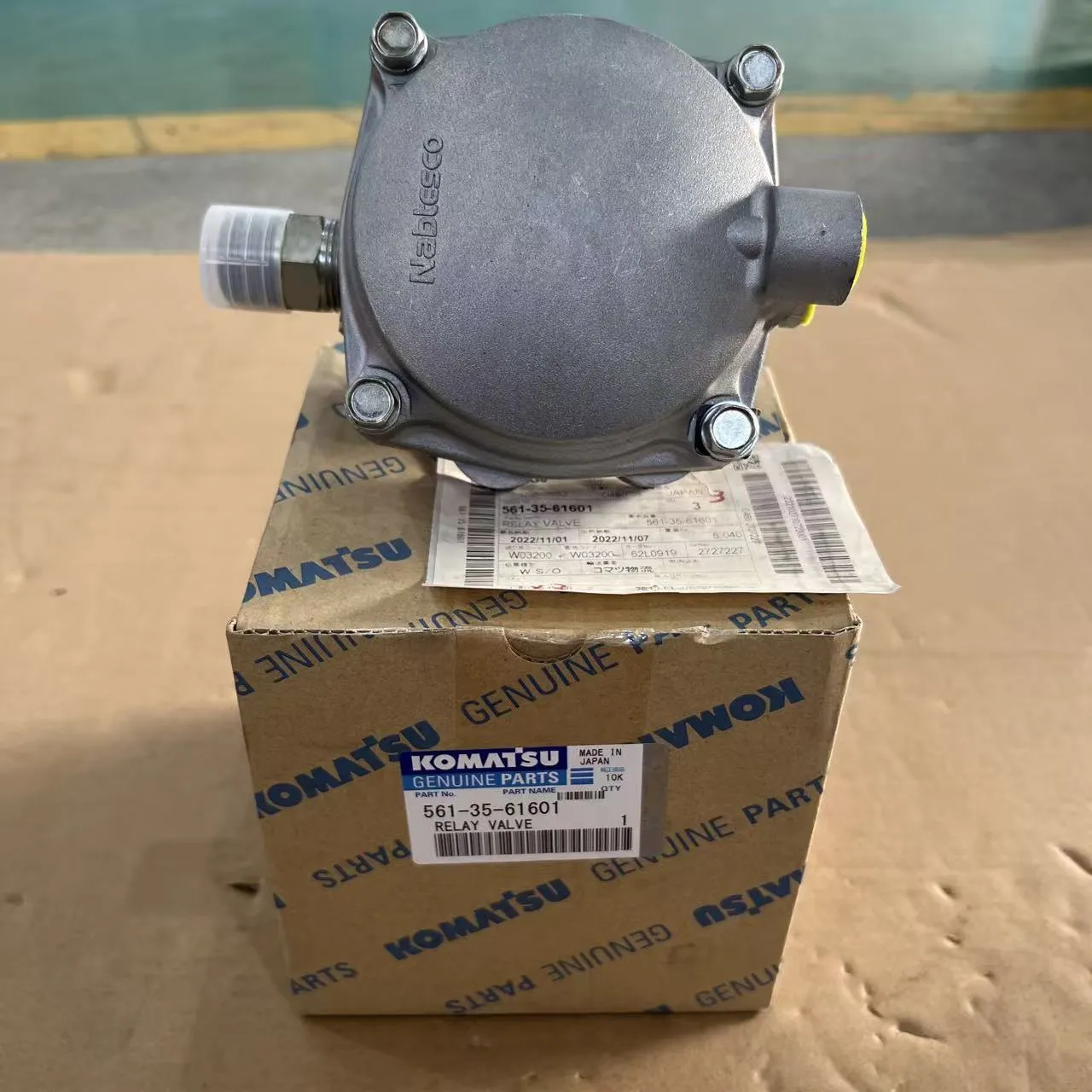 RELAY VALVE ASS’Y 561-35-61601 – KOMATSU
 -
Kubota Excavator Receiver Drier 20Y-979-3120
-
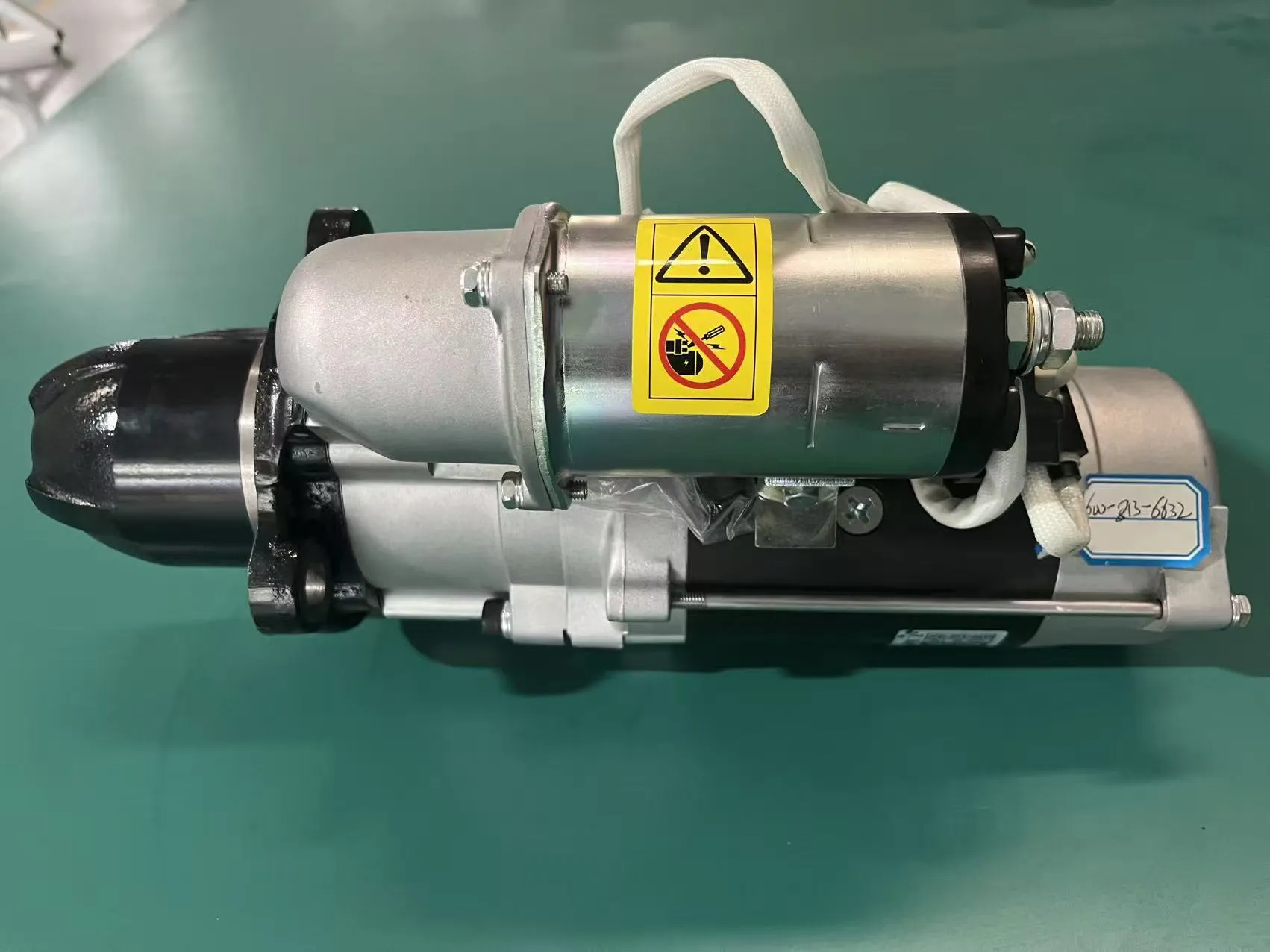 High Quality Excavator Spare Parts 600-813-6632 PC400-8 Start…
 -
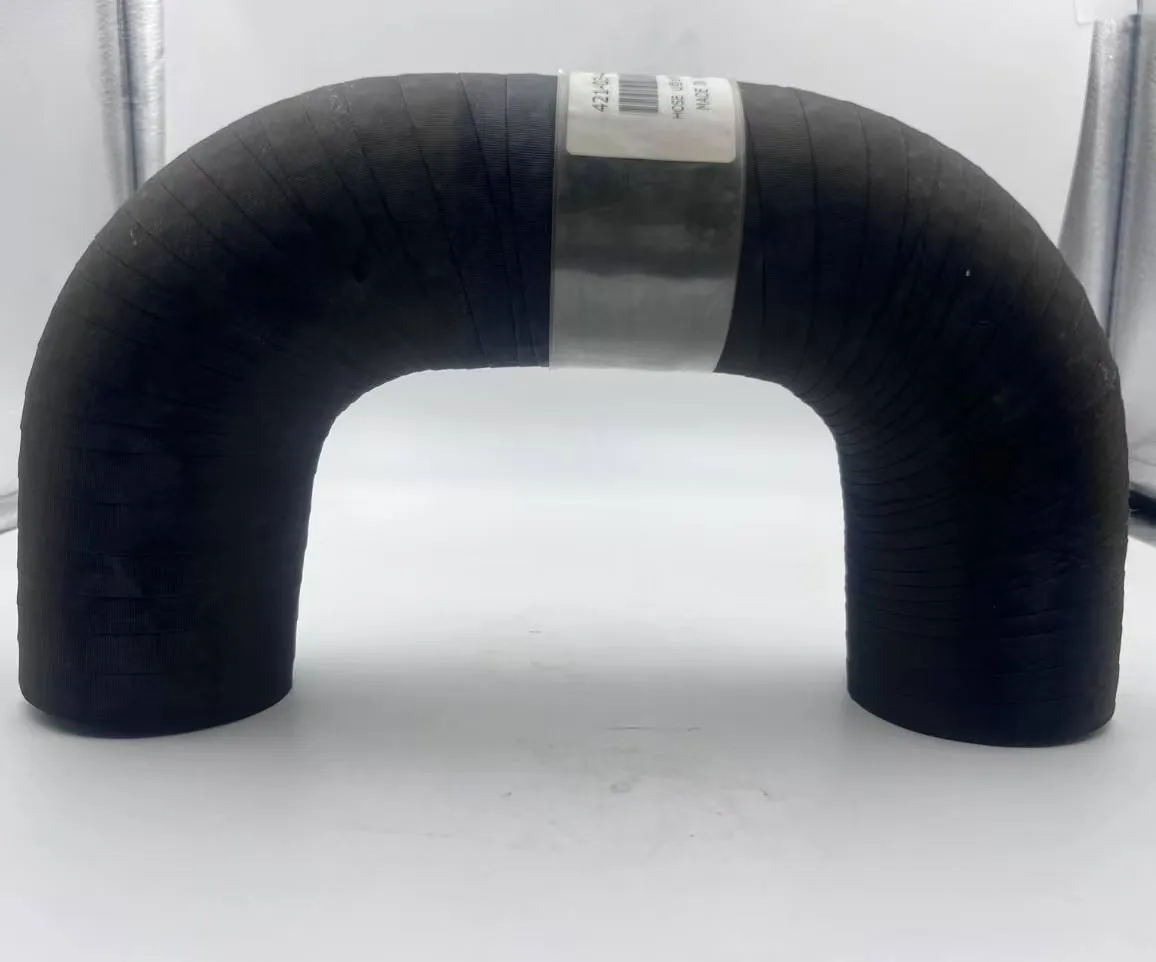 421-03-44430 HOSE for WA450-6 WA380-7-8 WA470-6-7-8 WA480-6-8 Wheel Loader RADIATOR 1
 -
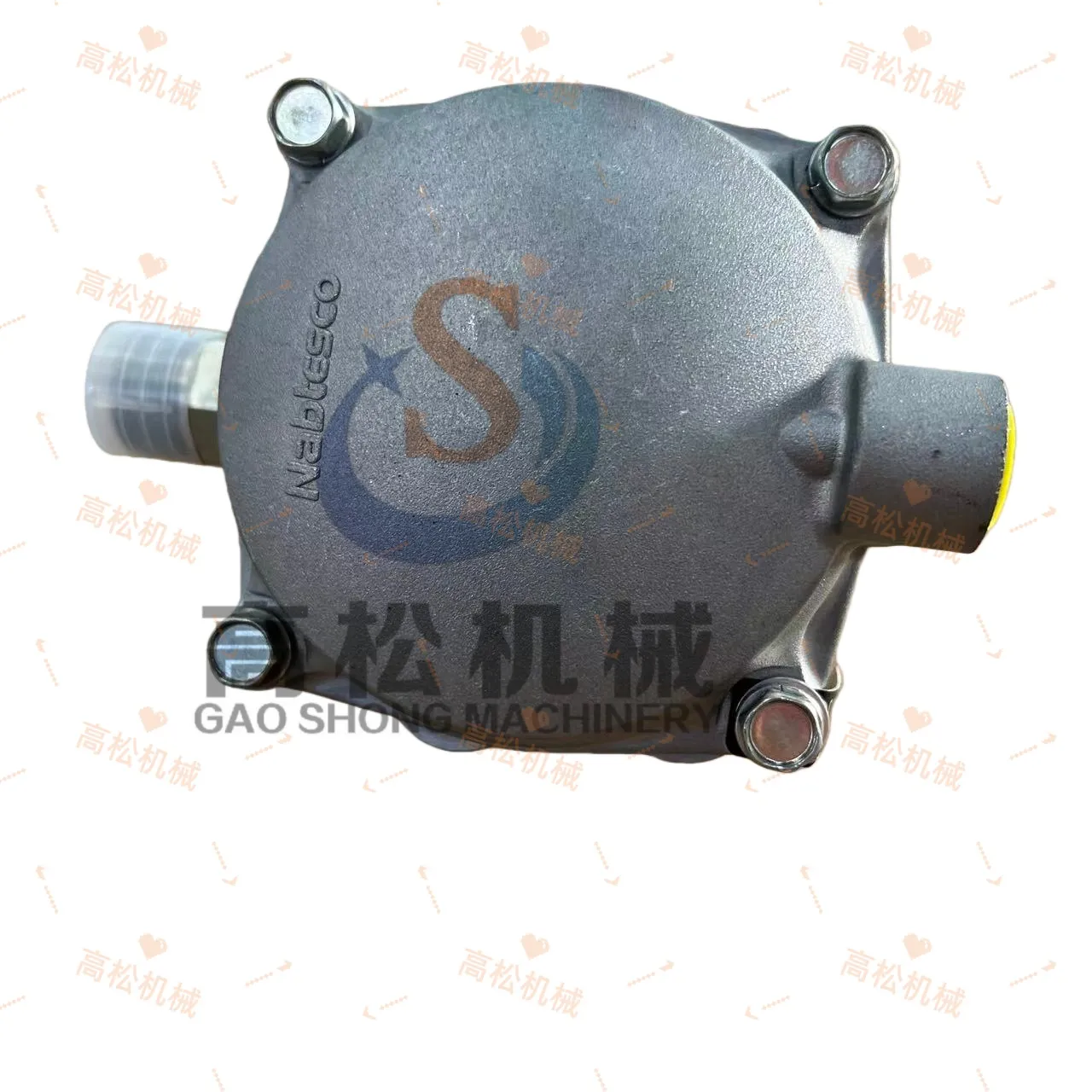 Komatsu HD785-5 Relay Valve 565-44-11200
 -
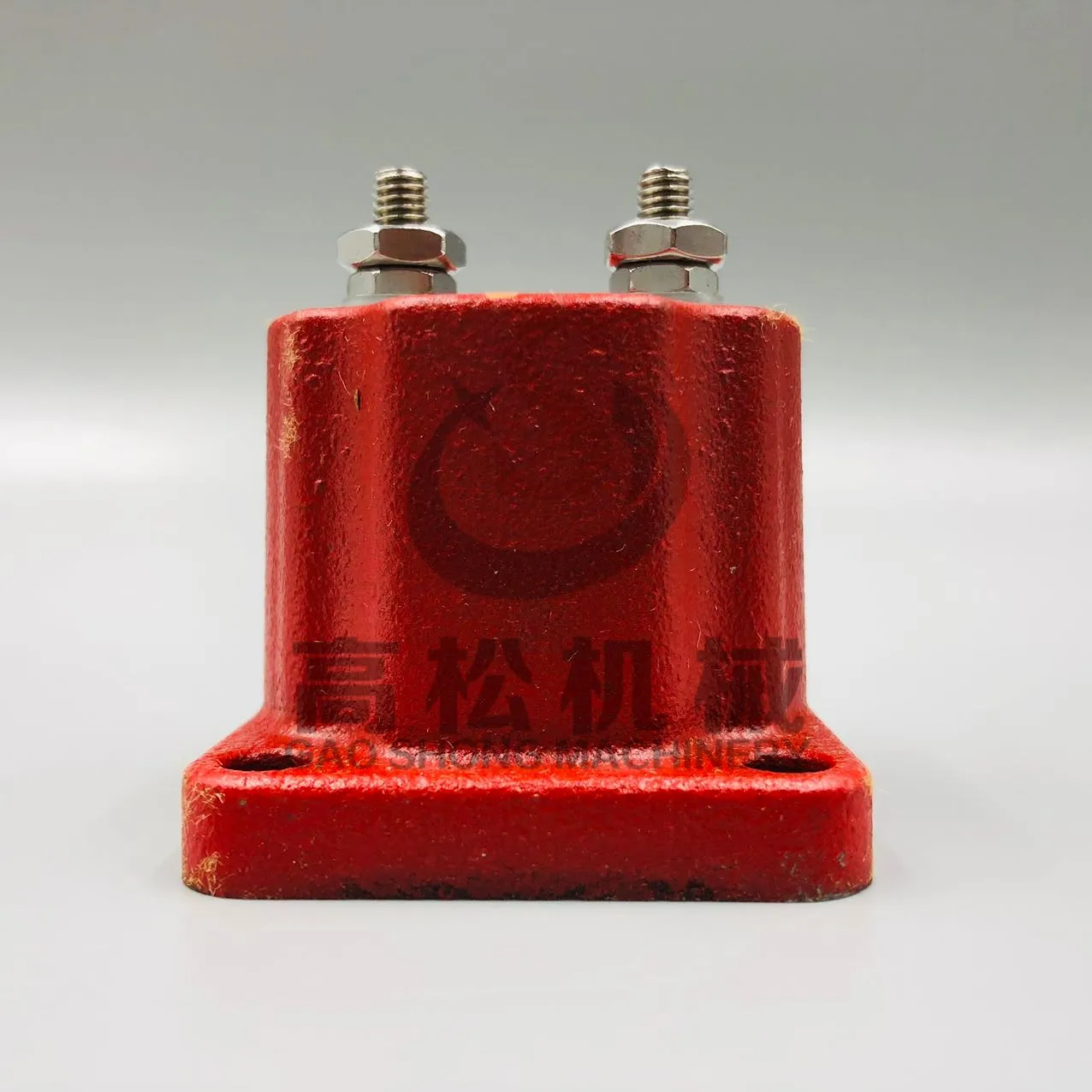 6560-51-1510 SOLENOID (Komatsu)
 -
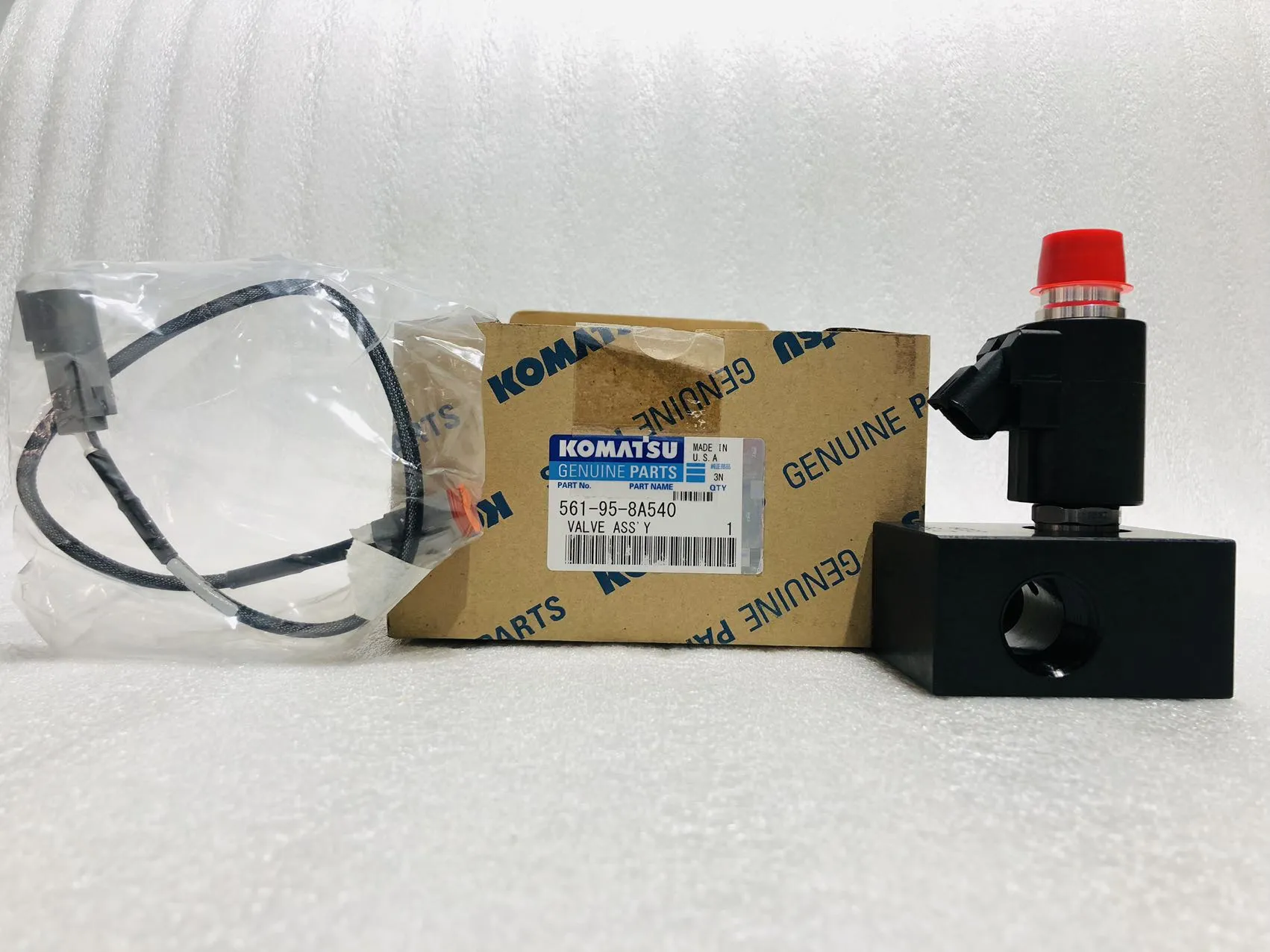 561-95-8A540HD785-7 komatsu
 -
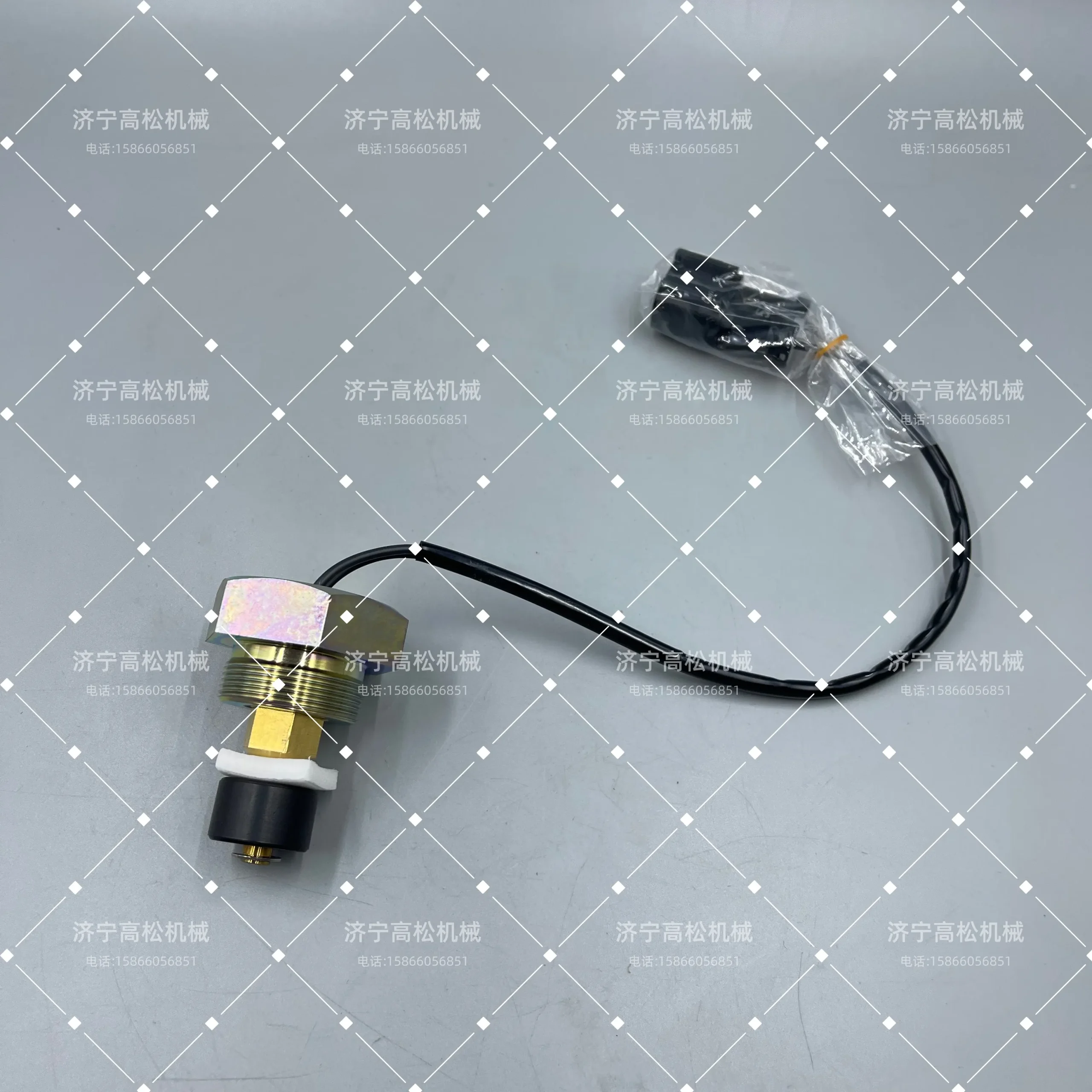 Sensor 7861-92-4500 for KOMATSU WA350-3A-S China…
 -
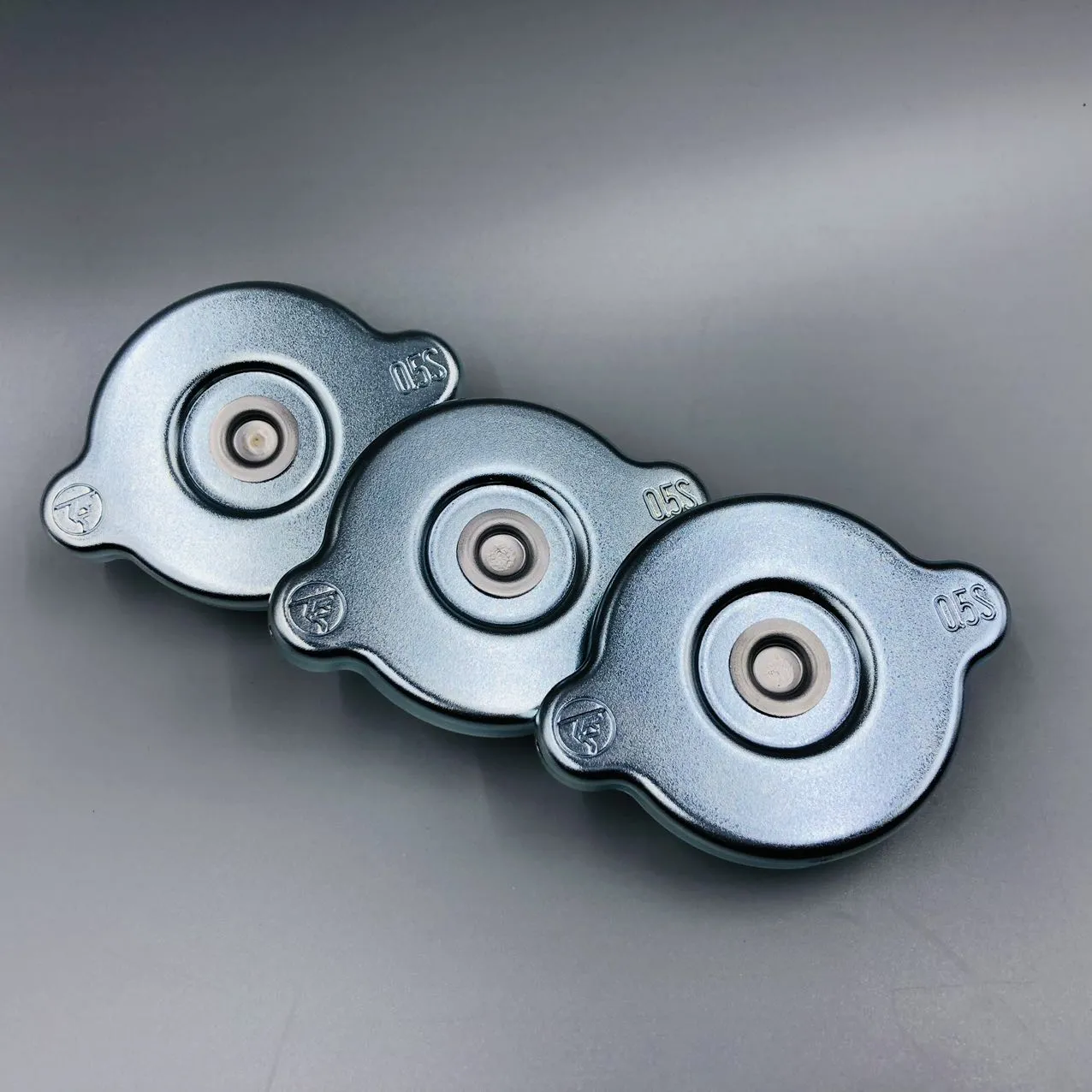 Water Tank Radiator Cap 20Y-03-22110 for Komatsu PC130-8 PC200-8 PC220-8 PC300-8 PC400-8