
- Chinese
- French
- German
- Portuguese
- Spanish
- Russian
- Japanese
- Korean
- Arabic
- Irish
- Greek
- Turkish
- Italian
- Danish
- Romanian
- Indonesian
- Czech
- Afrikaans
- Swedish
- Polish
- Basque
- Catalan
- Esperanto
- Hindi
- Lao
- Albanian
- Amharic
- Armenian
- Azerbaijani
- Belarusian
- Bengali
- Bosnian
- Bulgarian
- Cebuano
- Chichewa
- Corsican
- Croatian
- Dutch
- Estonian
- Filipino
- Finnish
- Frisian
- Galician
- Georgian
- Gujarati
- Haitian
- Hausa
- Hawaiian
- Hebrew
- Hmong
- Hungarian
- Icelandic
- Igbo
- Javanese
- Kannada
- Kazakh
- Khmer
- Kurdish
- Kyrgyz
- Latin
- Latvian
- Lithuanian
- Luxembou..
- Macedonian
- Malagasy
- Malay
- Malayalam
- Maltese
- Maori
- Marathi
- Mongolian
- Burmese
- Nepali
- Norwegian
- Pashto
- Persian
- Punjabi
- Serbian
- Sesotho
- Sinhala
- Slovak
- Slovenian
- Somali
- Samoan
- Scots Gaelic
- Shona
- Sindhi
- Sundanese
- Swahili
- Tajik
- Tamil
- Telugu
- Thai
- Ukrainian
- Urdu
- Uzbek
- Vietnamese
- Welsh
- Xhosa
- Yiddish
- Yoruba
- Zulu
- Kinyarwanda
- Tatar
- Oriya
- Turkmen
- Uyghur






OEM AND ORIGINAL KOMATSU BUSHING 707-46-14050
Let's talk about . If you're searching for that, you're likely in a bind, trying to figure out if an OEM part is the same as an original Komatsu part, or if you can get by with a quality alternative. The terminology here is a minefield. OEM gets thrown around loosely, but in the Komatsu ecosystem, it has a specific, contractual meaning. An OEM product supplier like Jining Gaosong Construction Machinery Co., Ltd. operates under a different framework than a pure aftermarket manufacturer. They're inside the system, which changes everything about the part's provenance, but it's not always the same as the box with the Komatsu logo you'd get from a primary distributor. That's the first layer of confusion we need to peel back.
The Nuance of Original vs. OEM in the Komatsu Chain
I've seen this cause real headaches on projects. A site manager insists on original Komatsu for the Komatsu bushing on, say, a PC300-8 boom linkage. They're picturing the part coming from Komatsu's main logistics pipeline. What often arrives, especially in regions with supply chain gaps, is a part from a certified OEM supplier. Is it original? Technically, yes—it's made to the exact engineering drawings, material specs, and quality gates mandated by Komatsu. The metallurgy for that bushing, the hardening process, the tolerances—they're identical. The difference is the packaging and the path it took to your yard. Companies like the one behind takematsumachinery.com exist precisely to bridge that logistical gap, acting as both an OEM product supplier and a third-party sales channel. Their role is critical in countries where the official pipeline is slow or non-existent.
Where people get burned is with pure aftermarket copies. They might look okay visually, but the brass alloy composition or the wall thickness can be off by a few percent. That doesn't sound like much, but under cyclical loading, it leads to premature wear, ovalization, and then you're looking at consequential damage to the pin and the boss. The failure mode is rarely sudden; it's a costly, gradual increase in downtime. The value of a true OEM part, whether it comes in a Komatsu box or a neutral one from a supplier like Gaosong, is in avoiding that hidden cost.
I recall a contractor in Southeast Asia who opted for a cheaper, uncertified alternative to the . The bushing wore out in under 800 hours, scoring the pin. By the time they replaced both, the downtime and repair cost eclipsed the savings from ten bushings. The lesson wasn't just buy original, but understand your source. A reputable OEM product supplier provides traceability—heat lot codes, material certs—that a random parts shop cannot.
Decoding the Supplier's Role: More Than Just a Vendor
When you look at a company profile like Jining Gaosong's, stating they are an OEM product supplier within the Komatsu system and helping to solve parts supply challenges, that's not marketing fluff. It's a specific operational reality. They aren't reverse-engineering parts. They are producing them under license, often in the same factories that feed Komatsu's primary assembly lines. For a component like the OEM and original Komatsu bushing , this means the production line, the tooling, and the quality inspection protocols are approved and audited by Komatsu.
This setup is a double-edged sword. The upside is guaranteed compatibility and performance. The potential downside, depending on the supplier's internal controls, could be inventory age or batch consistency. I always ask for the manufacturing date. A bushing sitting on a shelf for five years isn't necessarily degraded, but it tells a story about inventory turnover and demand. A supplier deeply embedded in solving supply challenges, like their description implies, tends to have better turnover for common items like linkage bushings.
Their role as a third-party sales company is equally important. It means they can often offer more flexible logistics and payment terms than the official network, especially for urgent or bulk orders. They become a pragmatic solution for fleet managers who need reliability without the bureaucratic overhead, provided you've done your diligence to confirm their OEM status is current and legitimate.
Practical Scenarios and Failure Analysis
Let's get concrete. The isn't a random number. It fits specific machine models and applications. When installing it, the reaming process is critical. Even a perfect original Komatsu bushing can fail if the fit isn't right. I've seen mechanics hammer it in and call it a day, without proper reaming to achieve the specified press fit and oil clearance. The result is a bushing that spins in the housing, destroying both components. The takeaway is that the part's quality is only one variable; proper installation is the other half of the equation.
Another scenario is the mixed fleet problem. A site runs Komatsu and other brands. The purchasing department, seeking to simplify, might try to force a generic equivalent bushing. This is where you must push back. The Komatsu bushing is designed for Komatsu's specific load calculations and lubrication paths. A generic might have different oil groove patterns or a slightly different hardness, leading to improper lubrication and accelerated wear. The cost savings vanish after the first unscheduled service.
From a technical standpoint, when we've conducted post-failure analysis on a prematurely failed bushing, the first thing we check is the part number stamping and material microstructure. A genuine OEM or original part will have a crisp, clean part number and a consistent, fine-grained microstructure. Counterfeits often have fuzzy stamping and show porosity or inconsistent hardness under testing. This is the kind of hands-on check that separates a parts manager from a professional buyer.
Navigating Procurement and Verification
So how do you actually procure the right part? If you're sourcing through a channel like takematsumachinery.com, your verification starts with documentation. Request the Certificate of Conformity (CoC) and the material certification. A legitimate OEM product supplier will have these readily available. Cross-reference the part number on the cert with the physical part. Also, check the packaging. While not in a Komatsu box, proper OEM-supplied parts will still be in sealed, anti-corrosion packaging with labels that match the certs.
Don't just go by the website listing. Pick up the phone. Ask them directly: Is this supplied under your OEM agreement with Komatsu, or is it an aftermarket alternative? Their answer, and the confidence behind it, tells you a lot. A true insider will explain the distinction without hesitation, because their entire business model, like Gaosong's, is built on that legitimate access to the OEM system.
Price is a final, but not definitive, indicator. An OEM part from a secondary supplier will be priced competitively against the official network, but it won't be dirt cheap. If the price is 60% below Komatsu list, it's almost certainly not from the OEM channel. You're likely looking at a copy. The investment in the real OEM and original Komatsu bushing is an investment in machine uptime and total cost of ownership.
Closing Thoughts on Sustainable Operations
Ultimately, the focus on a single component like the is a microcosm of professional equipment management. It's about understanding the layers of the supply chain, recognizing that original can have a couple of valid definitions, and making informed choices based on evidence, not just branding. The existence of specialized companies functioning as OEM product supplier and third-party facilitators is a response to real-world market complexities.
Relying on them requires a shift from simply ordering a part number to building a supplier relationship. You're leveraging their position within the Komatsu system to get authentic engineering quality, paired with the logistical agility to keep your machines running. That's the real value proposition.
So next time you key in that part number, the question shouldn't just be OEM or original? It should be, Who is my source, and can they prove their place in the chain? The answer will determine whether that bushing lasts for thousands of hours or becomes an entry in your next failure report. The devil, as always, is in the details—the material certs, the packaging, the stamping, and the conversation with your supplier.
Related Products
Related Products

Best Selling Products
Best Selling Products-
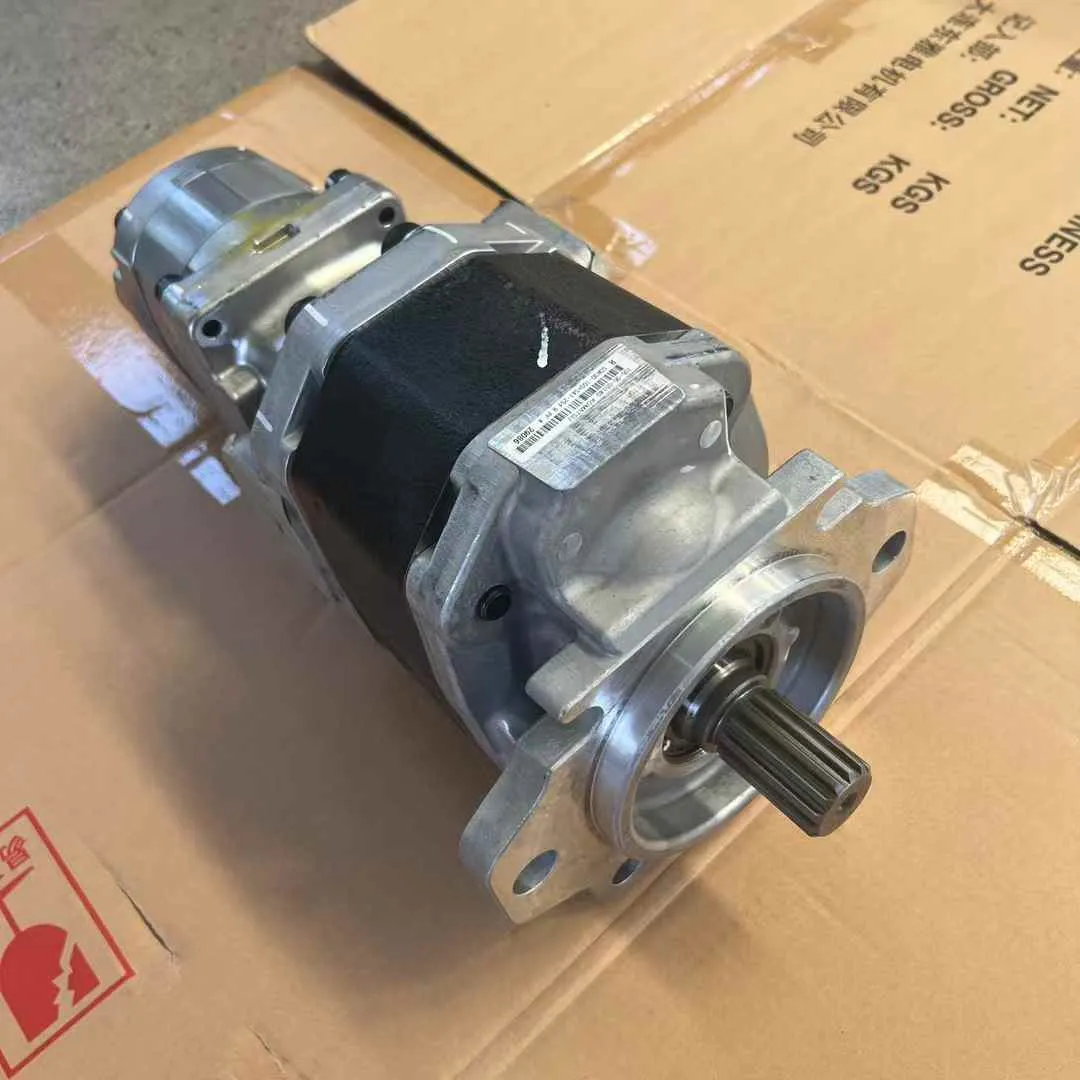 705-95-05140 HydraulicPump
 -
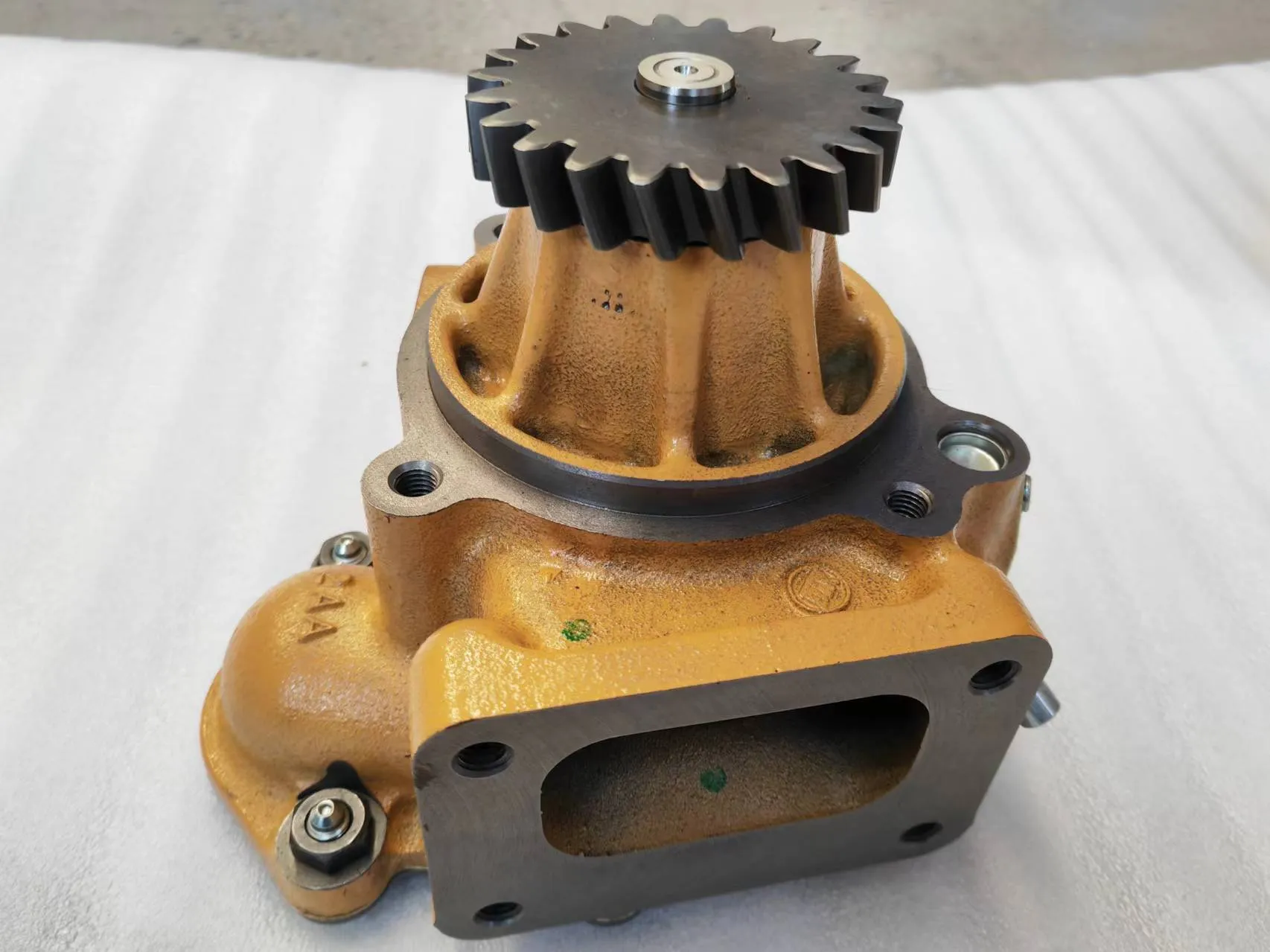 WA480-6 engine water pump 6251-61-1101
 -
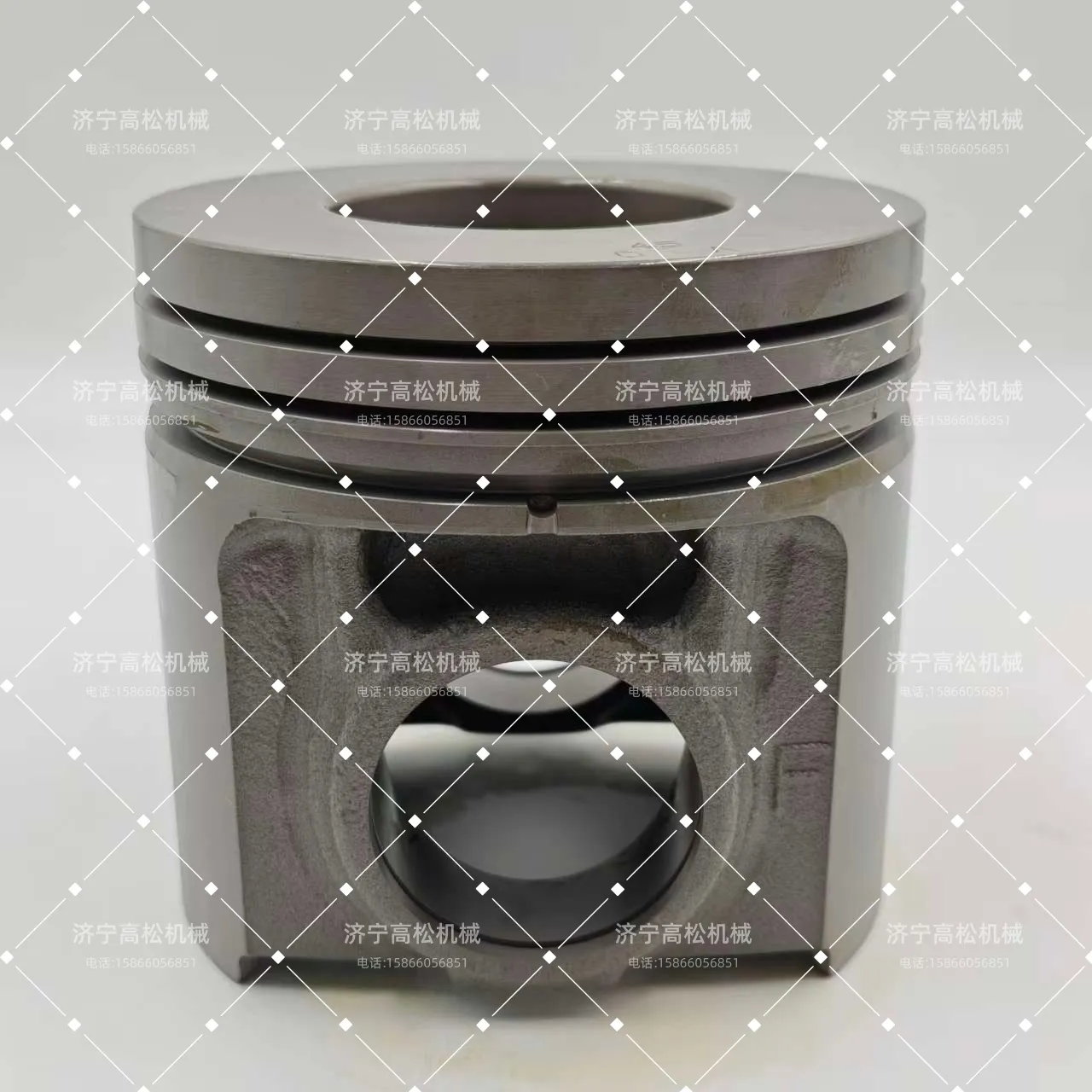 6152-32-2510 Piston for…
 -
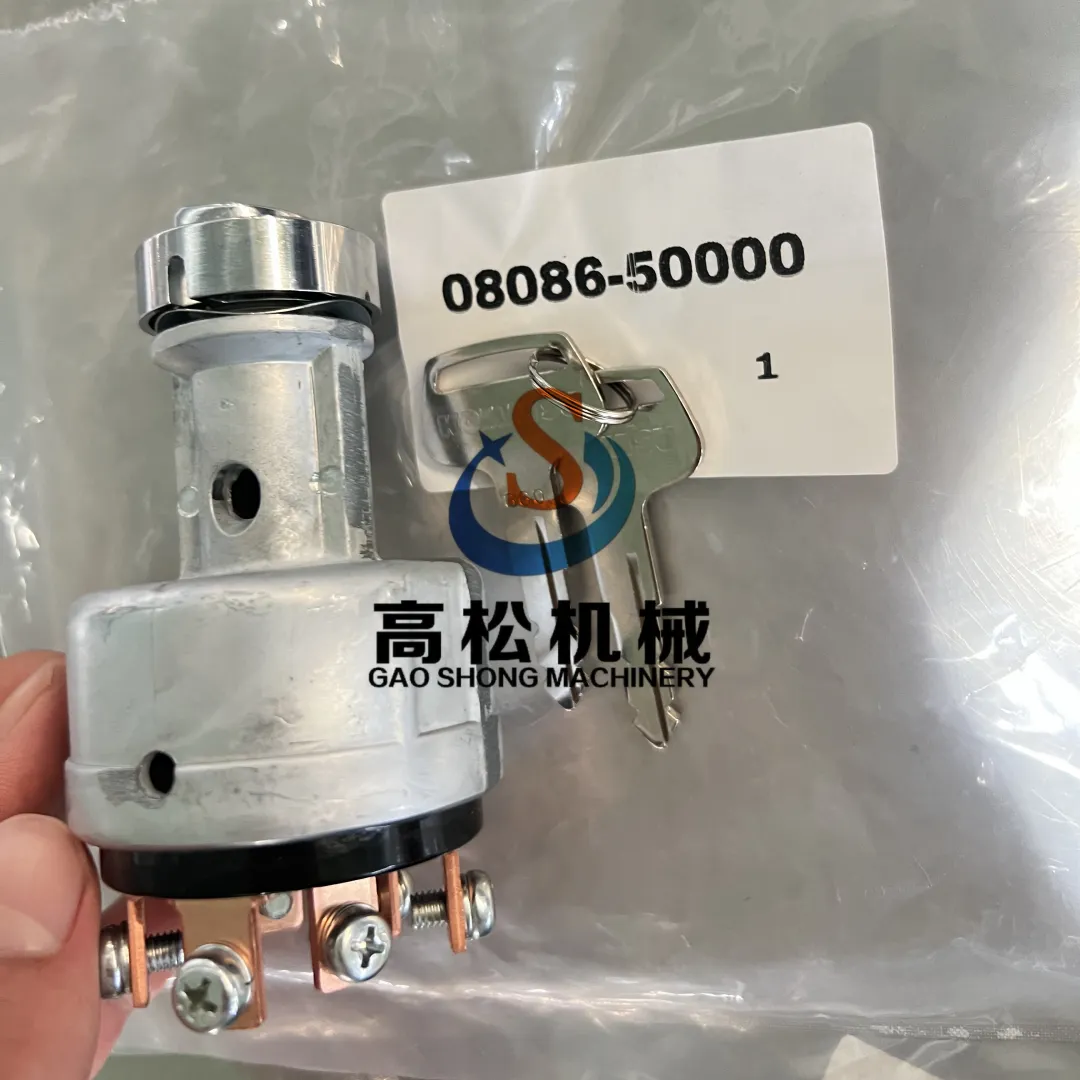 08086-50000Komatsu 08086-50000 Replacement Ignition Switch
 -
 CUSHION 56B-16-11211 – KOMATSU
 -
 22T-06-24110Hd350 2 Front Light Lamp 22t 06 24110
 -
 426-13-48281 SNAP RING KOMATSU
 -
 21N-62-11361 Komatsu FLANGE
 -
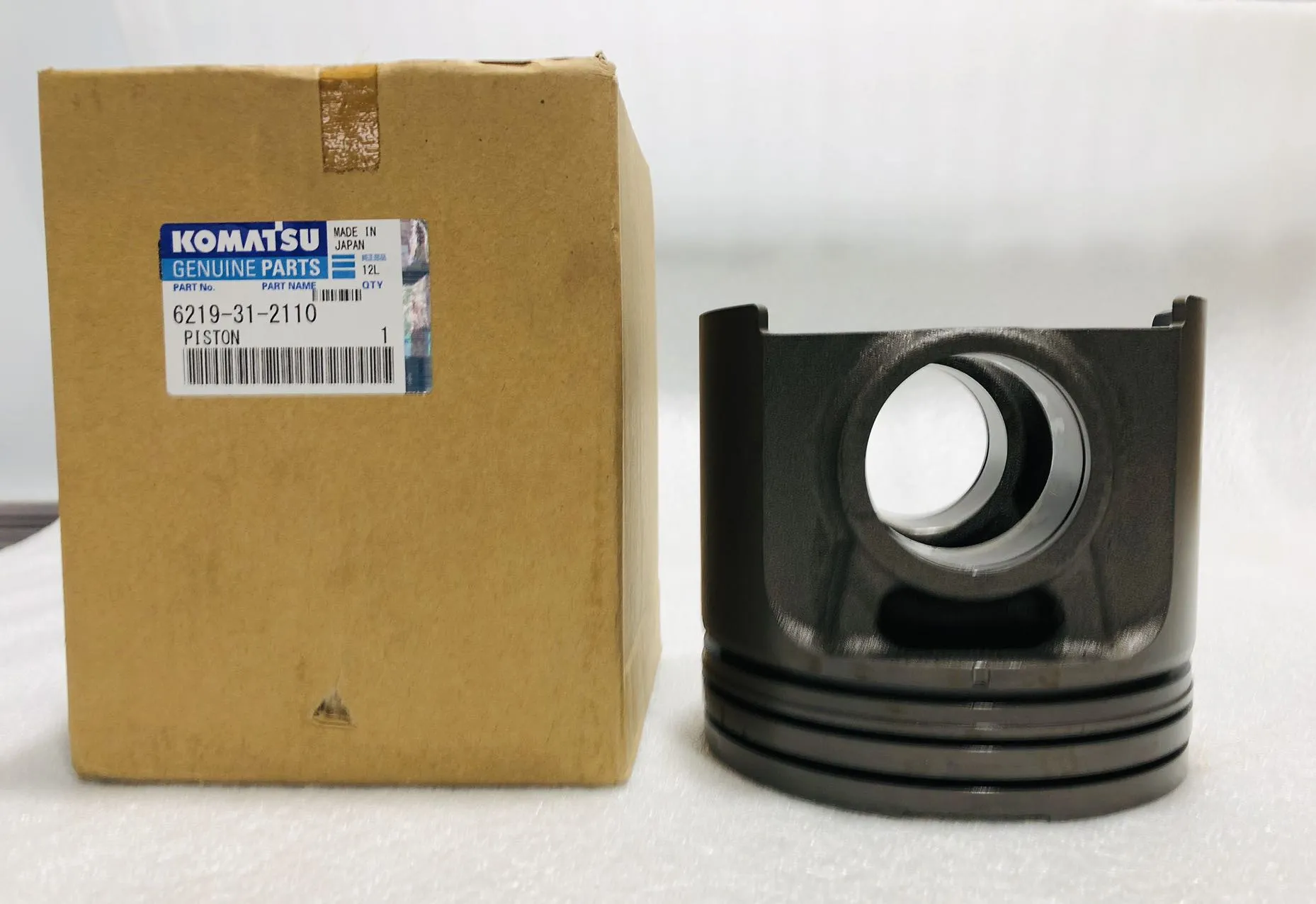 Komatsu 6219-31-2110 PISTON
 -
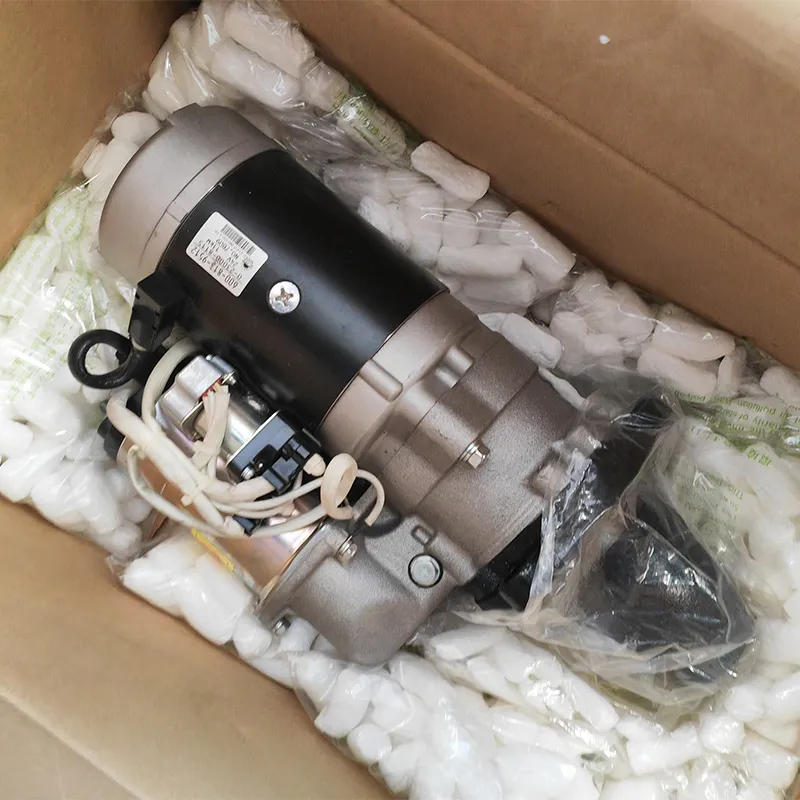 600-813-9512 Original komatsu Starter Motor for PC1250-8 D375-6 WA600-8
 -
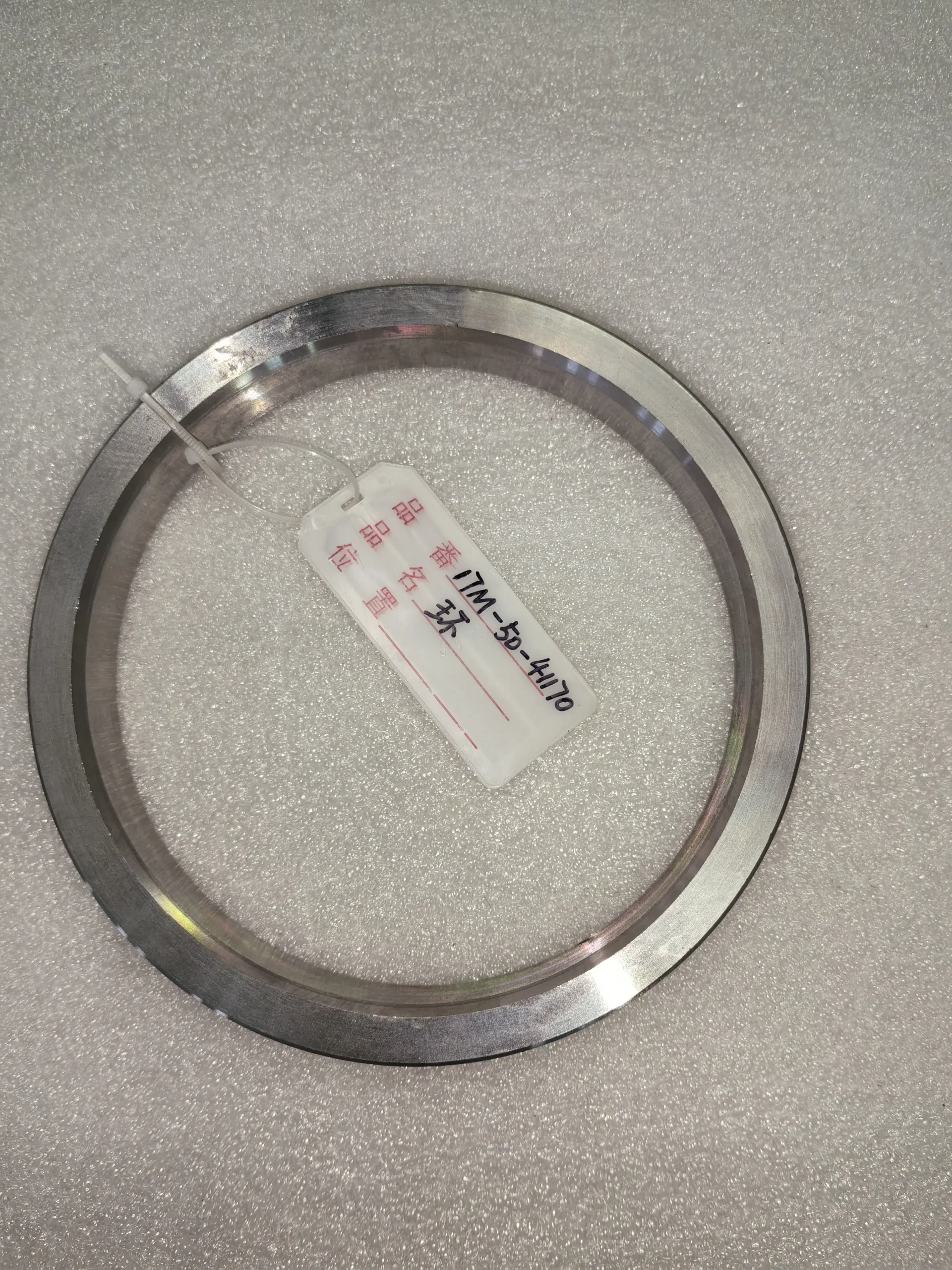 RING 17M-50-41170 – KOMATSU
 -
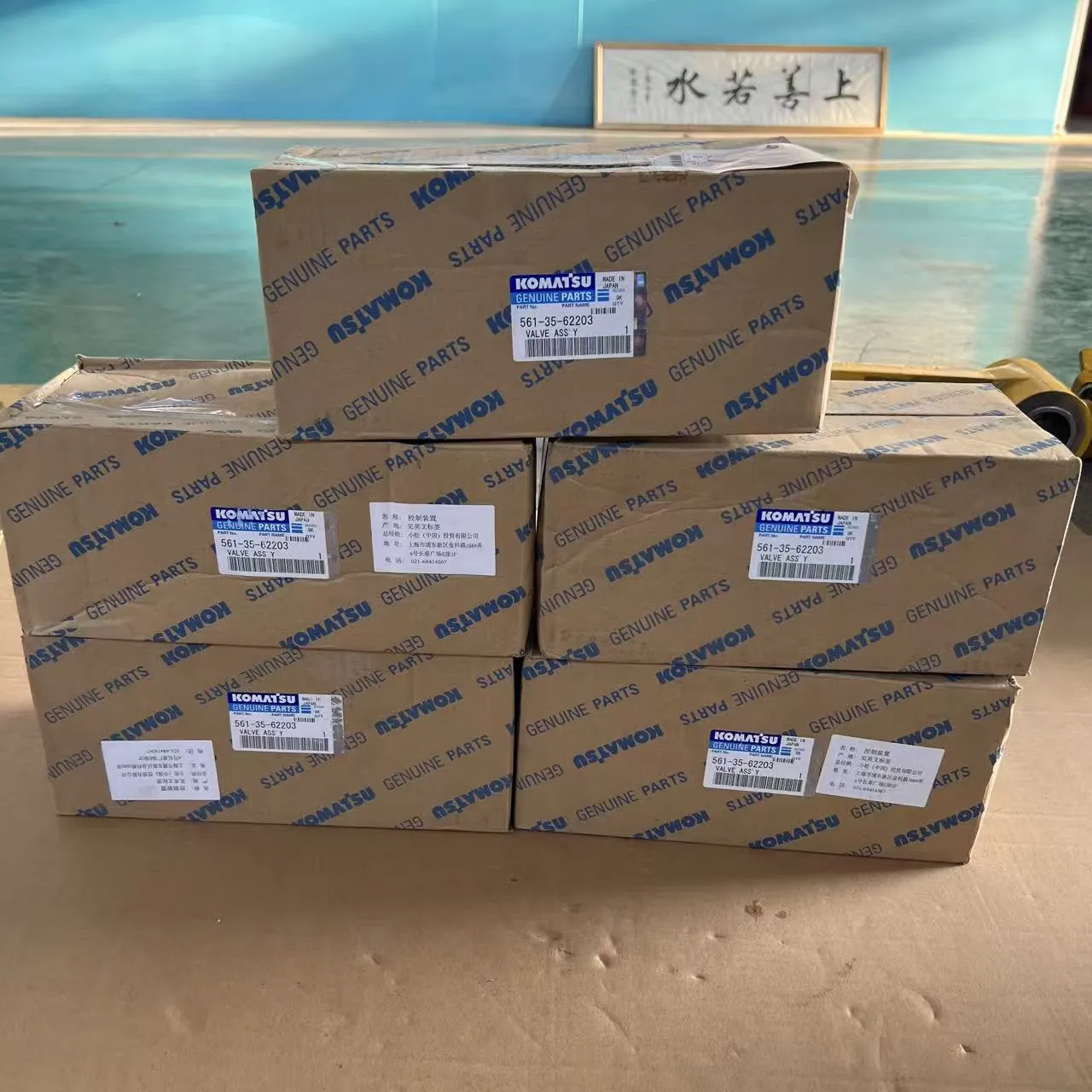 561-35-62203 Valve Assembly