
- Chinese
- French
- German
- Portuguese
- Spanish
- Russian
- Japanese
- Korean
- Arabic
- Irish
- Greek
- Turkish
- Italian
- Danish
- Romanian
- Indonesian
- Czech
- Afrikaans
- Swedish
- Polish
- Basque
- Catalan
- Esperanto
- Hindi
- Lao
- Albanian
- Amharic
- Armenian
- Azerbaijani
- Belarusian
- Bengali
- Bosnian
- Bulgarian
- Cebuano
- Chichewa
- Corsican
- Croatian
- Dutch
- Estonian
- Filipino
- Finnish
- Frisian
- Galician
- Georgian
- Gujarati
- Haitian
- Hausa
- Hawaiian
- Hebrew
- Hmong
- Hungarian
- Icelandic
- Igbo
- Javanese
- Kannada
- Kazakh
- Khmer
- Kurdish
- Kyrgyz
- Latin
- Latvian
- Lithuanian
- Luxembou..
- Macedonian
- Malagasy
- Malay
- Malayalam
- Maltese
- Maori
- Marathi
- Mongolian
- Burmese
- Nepali
- Norwegian
- Pashto
- Persian
- Punjabi
- Serbian
- Sesotho
- Sinhala
- Slovak
- Slovenian
- Somali
- Samoan
- Scots Gaelic
- Shona
- Sindhi
- Sundanese
- Swahili
- Tajik
- Tamil
- Telugu
- Thai
- Ukrainian
- Urdu
- Uzbek
- Vietnamese
- Welsh
- Xhosa
- Yiddish
- Yoruba
- Zulu
- Kinyarwanda
- Tatar
- Oriya
- Turkmen
- Uyghur






OEM AND ORIGINAL KOMATSU BUSHING 707-46-14010
When you see that part number, , for a Komatsu bushing, the immediate assumption is that you're dealing with a genuine, factory-original component. But in this business, that's where the first and most costly misunderstandings begin. The term 'OEM AND ORIGINAL' gets thrown around so loosely it's lost meaning. I've seen countless purchase orders where buyers think they've secured a true Komatsu part, only to receive a decent—but distinctly different—OEM-produced alternative. The nuance is everything. The isn't just a pin-and-bushing set for an excavator arm; it's a specification for fit, heat treatment, and metallurgy that dictates whether your machine runs smoothly for 8,000 hours or starts showing wear at 3,000. The confusion between system-OEM parts and Komatsu-branded originals is a daily conversation, especially when dealing with suppliers positioned within the Komatsu network but operating independently.
The Reality of the OEM Designation
Let's break this down. An OEM, or Original Equipment Manufacturer, in the Komatsu context, is a factory authorized to produce components to Komatsu's blueprints. Jining Gaosong Construction Machinery Co., Ltd. falls into this category. They are, as their site takematsumachinery.com states, an OEM product supplier within the Komatsu system. This is critical. It means they have the tooling, the material specs, and the approval to make a part like the bushing. The part they produce will be dimensionally identical and functionally compliant. But is it 'Original'? That depends on your definition. In the strictest, most purist sense, an 'Original' part is one packaged in Komatsu-branded boxes, distributed through Komatsu's official channels, with a price tag to match. The OEM version from a supplier like Gaosong might come in neutral packaging, but it originates from the same approved production line. The core material—often a specific grade of steel with a precise boron content for the bushing's inner sleeve—is supposed to be the same. The difference often isn't in the first mile of the part's life, but in the paperwork, the warranty trail, and sometimes, the consistency of batch-to-batch quality control when you're not under the direct microscope of Komatsu's own audit team.
I recall a project in Indonesia where we used OEM bushings for a fleet of PC300s. The initial fit was perfect, no issues. But after about 4,500 hours of severe duty in a mining site, we started seeing premature spalling on the inner diameter of a few units. Was it the part? The lubrication regime? The installation? The post-mortem pointed towards a slight variance in the case-hardening depth on that particular batch. The supplier, to their credit, worked through it with us. A purely aftermarket part would have likely failed catastrophically and the supplier would have vanished. An official Komatsu part would have triggered a global technical bulletin. The OEM route gave us a middle ground—a technically capable partner who was invested in the solution because their standing within the Komatsu system was on the line. That's the practical value of a legitimate OEM relationship.
This is why the phrase OEM AND ORIGINAL is almost a misnomer. It tries to bridge two concepts that the industry keeps separate for commercial reasons. For a maintenance manager, the key question isn't the slogan, but the provenance. Can the supplier trace the billet source? Can they provide the material certification sheet for the steel used in that specific Komatsu bushing run? Gaosong's role as a third-party sales company helping solve parts supply challenges speaks directly to this. They aren't just a warehouse; they are a conduit for the OEM manufacturing capacity to reach markets where Komatsu's official logistics are strained or prohibitively expensive. The part is OEM, the service is third-party, and the outcome aims to be 'original-equivalent'.
Dissecting the : More Than a Bushing
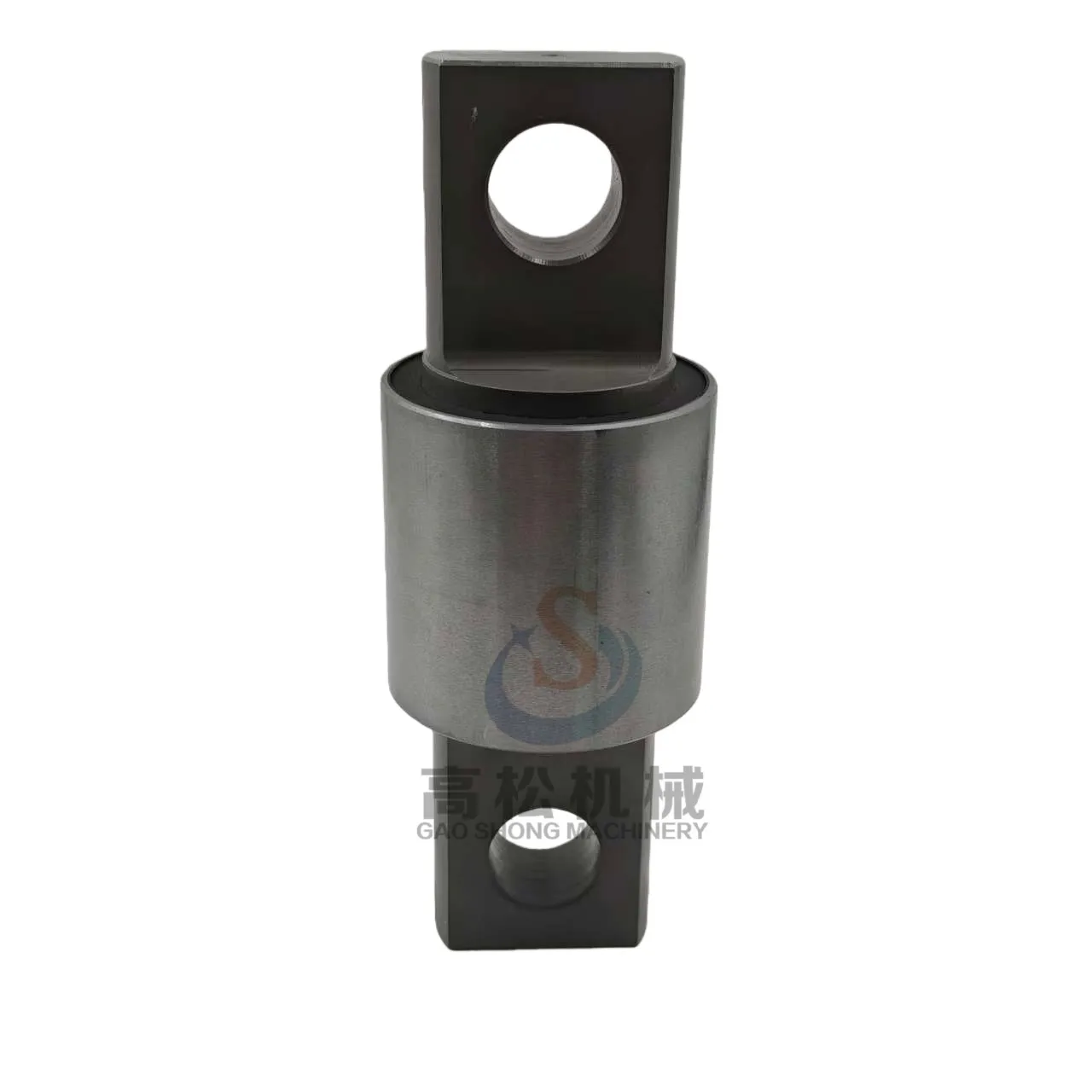
Focusing on the itself, it's a textbook example of a component where precision is non-negotiable. It's not a filter or a hose; it's a wear component that takes direct, massive radial and axial loads in the stick-to-boom connection. The tolerances are in the hundredths of a millimeter. The original Komatsu spec calls for a specific micro-structure after carburizing and quenching. An off-spec part will either be too hard and brittle, leading to cracking, or too soft, leading to rapid deformation and ovalization of the bore. I've measured failed bushings where the ID had worn 0.5mm out-of-round, which doesn't sound like much until you realize the resulting slack translates to centimeters of bucket wiggle at the end of the stick, destroying efficiency and putting stress on every adjacent component.
The challenge with sourcing this isn't just finding someone who can machine a steel tube. It's the entire pre-and-post-machining heat treatment process. A proper OEM supplier will have a controlled atmosphere furnace and a regimented tempering process. A backyard shop will heat-treat with a torch. The difference manifests months later on the machine. When evaluating a supplier's claim on a part like this, I always ask for their process control charts for heat treatment. If they can't provide them, or don't even understand the request, you're gambling. The website for Takematsu Machinery explicitly notes their OEM status within the Komatsu system, which implicitly suggests adherence to these controlled processes. It's a claim that carries more weight than a generic high-quality manufacturer.
Another practical note: the sealing grooves on this bushing for the O-rings are deceptively simple. If the groove's edge radius is too sharp, it cuts the seal during installation. If it's too generous, the seal doesn't seat properly and leaks grease. I've seen both failures from non-OEM sources. A true OEM part, even from a third-party sales channel, will have these details correct because they're machining from the same original drawings. It's these minutiae that separate a part that works from a part that works and lasts.
Supply Chain Realities and the Third-Party Role
Here's where companies like Jining Gaosong Construction Machinery Co., Ltd. become essential. Komatsu's official distribution is superb, but it's not omnipresent or always the fastest route in every corner of the world. There are countries, specific regions, or urgent situations where lead times from the official network are measured in weeks, not days. An OEM-authorized third-party sales company exists to fill that gap. They hold inventory of critical wear parts like the bushing, sourced directly from their own or affiliated OEM production, and can move it through alternative logistics channels. This isn't gray market; it's a parallel, authorized supply line for system-compliant parts.
I've leveraged this model in remote sites in Africa. The official quote for a set of boom bushings had a 12-week delivery. A local vendor offered an original part with a 1-week delivery that was clearly a cheap counterfeit. We found a supplier with a stated Komatsu-OEM link—similar to Gaosong's stated mission—who provided the OEM technical data sheets upfront and delivered in 10 days. The parts were installed and are still running. The cost was between the official Komatsu price and the counterfeit price. This is the value proposition: mitigating downtime with technically valid parts when the primary channel is constrained.
The risk, of course, is verification. Anyone can claim to be an OEM supplier. The due diligence involves checking for historical business records, asking for references from other mining or construction fleets, and, most importantly, starting with a small, non-critical order to physically audit the part. Does it match the weight of a known-good part? Is the machining finish consistent? Are the part number markings crisp and correctly placed? A legitimate player like the one described in the company intro won't shy away from this scrutiny; their business depends on that credibility within the system.
Common Pitfalls and Installation Notes
Even with a perfect OEM Komatsu bushing in hand, failure is possible if the installation is botched. The number one mistake is improper press-fitting. This is an interference fit component. It must be pressed in with controlled, axial force. Hammering it in, or using a misaligned press, can score the bearing surface or, worse, create micro-cracks in the housing. I always insist on using a proper induction heater to expand the housing (never the bushing!) for installation. It's cleaner and guarantees alignment. Another pitfall is neglecting the lubrication passages. Before pressing, you must ensure the grease galley holes in the bushing align perfectly with the holes in the stick. A fraction of a millimeter off, and you'll never get grease to the bearing surface, guaranteeing a rapid, dry failure.
Also, never install a new bushing into a worn or damaged housing without addressing the housing first. If the housing bore is ovalized or scored, you must machine it oversize and use an oversize-OD bushing (if available) or line-bore and sleeve it back to standard. Putting a precision OEM part into a wrecked housing is just throwing money away. The part will conform to the bad housing and fail prematurely. This is basic, but you'd be shocked how often it happens in the field under time pressure.
Finally, the break-in procedure. After installation, you need to pump grease into it until it purges cleanly from all seals, indicating the cavity is full. Then, operate the machine slowly under light load for the first few hours, re-greasing frequently. This seats the parts and establishes the lubricant film. Skipping this can cause initial scoring that shortens the component's life by 30% or more. A genuine OEM part gives you the best starting point, but it's not a magic bullet against poor practices.
Concluding Thoughts: A Matter of Trust and Specification
So, back to the keyword: OEM AND ORIGINAL KOMATSU BUSHING . After two decades in this field, I've learned to parse these words carefully. 'Original' often refers to brand and channel. 'OEM' refers to manufacturing pedigree and specification compliance. For critical, high-wear, load-bearing components like this bushing, the OEM pedigree from a verified system supplier is often the smarter play than chasing the branded 'Original' at a premium or waiting for it indefinitely. It provides 95% of the performance and reliability at a often better cost-to-availability ratio.
The existence of companies operating as both OEM producers and third-party sales agents, like Jining Gaosong Construction Machinery Co., Ltd., is a symptom of a complex global equipment market. They solve a real problem. The onus is on the buyer to verify their claims, but the model itself is valid and necessary. When I see their description—an OEM product supplier within the Komatsu system... helping to solve parts supply challenges in certain countries—I read it as a pragmatic admission of how the world actually works, not just how the corporate brochures say it works.
In the end, for part number , your goal isn't to buy a word. It's to buy a precisely manufactured piece of steel that meets a documented set of material and dimensional standards, from a source that stands behind it with technical accountability. Whether that comes in a Komatsu box or a plain box from a known system supplier is, in many practical cases, secondary. The machine doesn't read the logo; it responds to the physics of the component inside it.
Related Products
Related Products
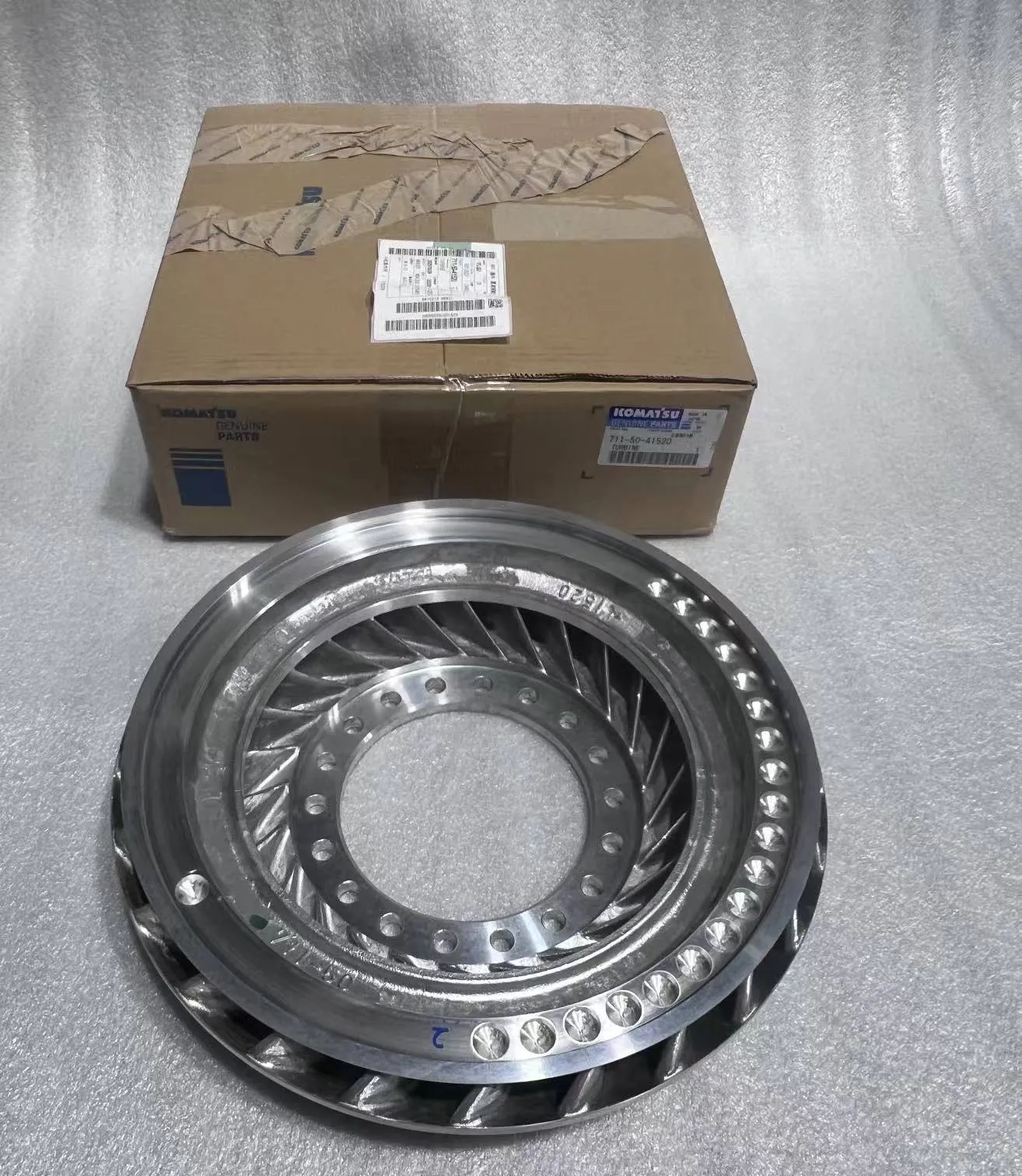
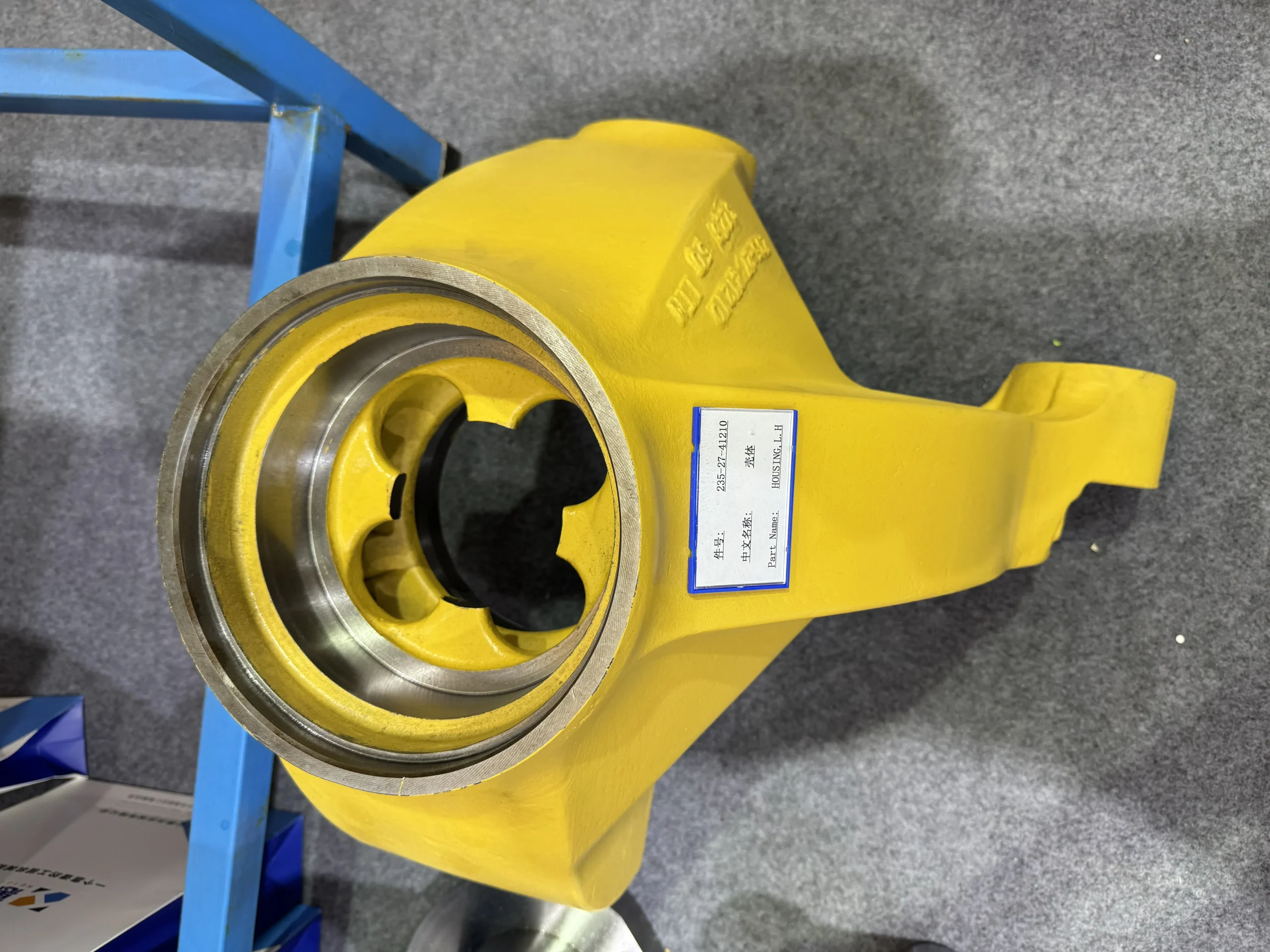

Best Selling Products
Best Selling Products-
 Komatsu grader GD555 wiper motor 42C-56-11391
 -
 STEERING VALVE ASS’Y HD465-7 HD465-7R HD605-7E0 HD605-5 VALVE 569-40-42502 569-40-63302 FRONT SUPPORT (STEERING VALVE MOUNTING PARTS) STEERING WHEEL STEERING VALVE FRONT SUPPORT, INNER PARTS, STEERING VALVE
 -
 23C02-15720komatsu parts
 -
 WA470-3 Piston Ring 6150-32-2030
 -
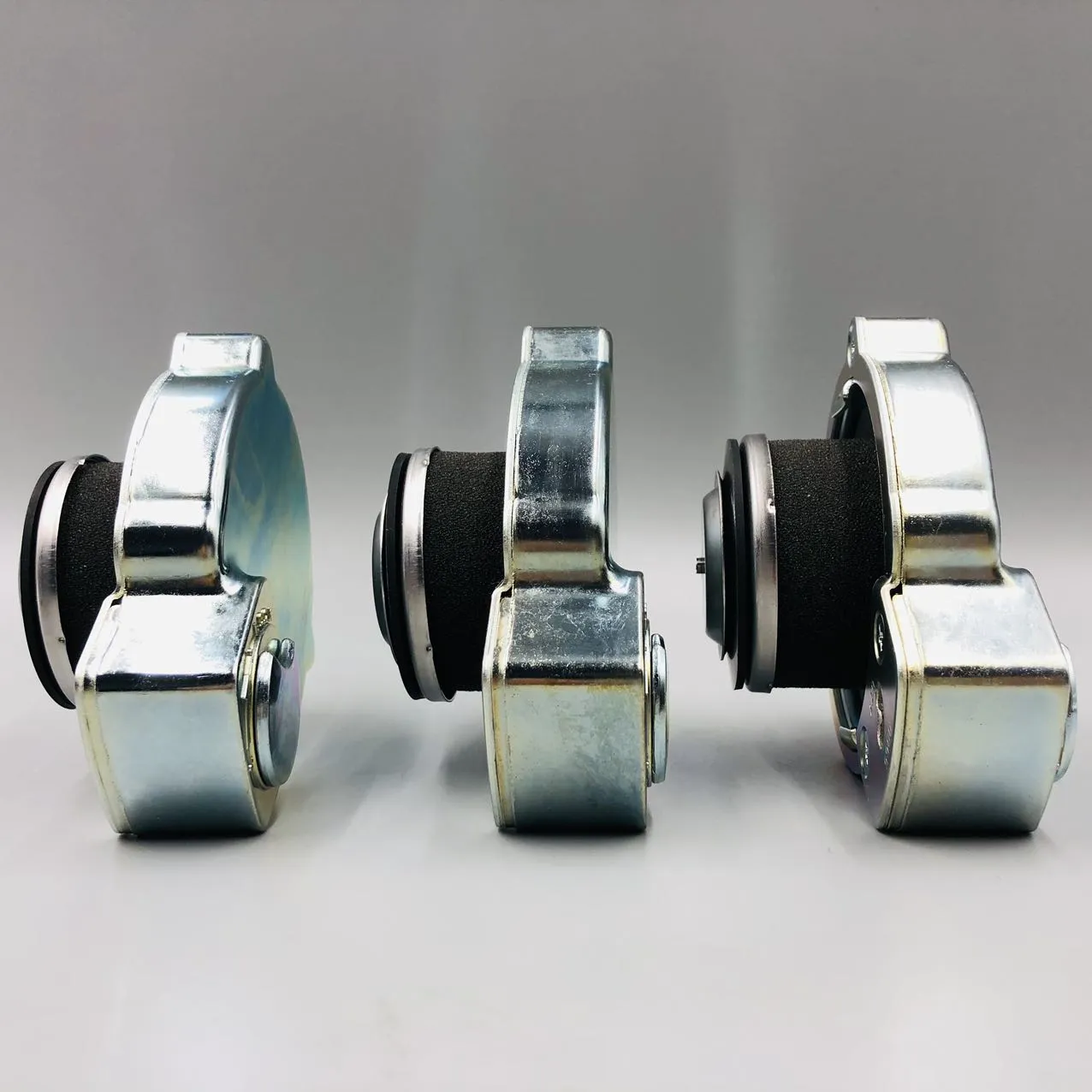 17A-60-11310Hydraulic oil cap assembly
 -
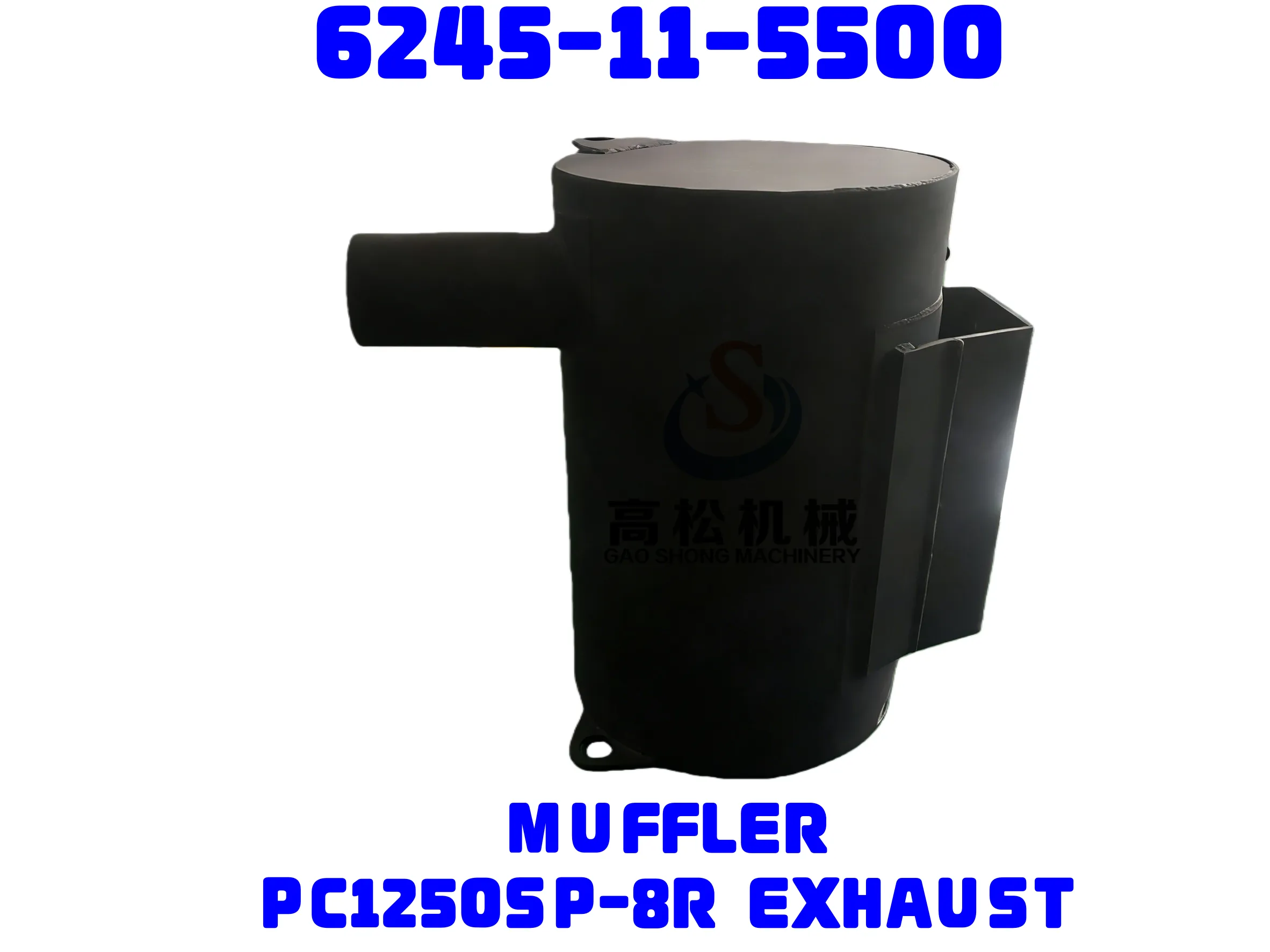 komatsu-part-6245-11-5500 MUFFLER PC1250-8R SAA6D170E-5CR MUFFLER MOUNTING (TROPICAL GROUND SPEC. 55ЯC EXHAUST (+55C SPEC.) EXHAUST MUFFLER
 -
Kubota Excavator Receiver Drier 20Y-979-3120
-
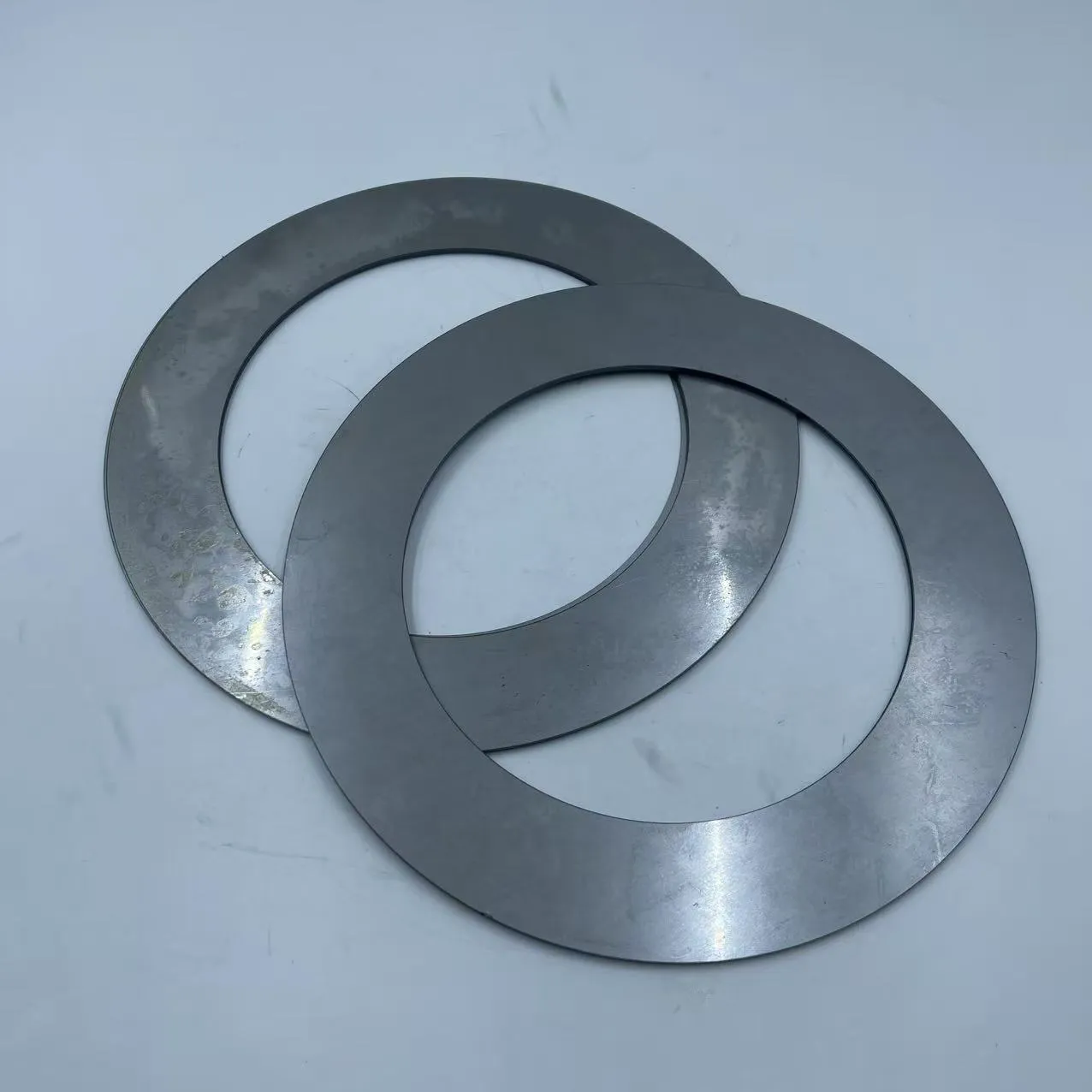 209-939-0070 Komatsu Shim Assembly PC800SE-8EO PC850SE-8EO
 -
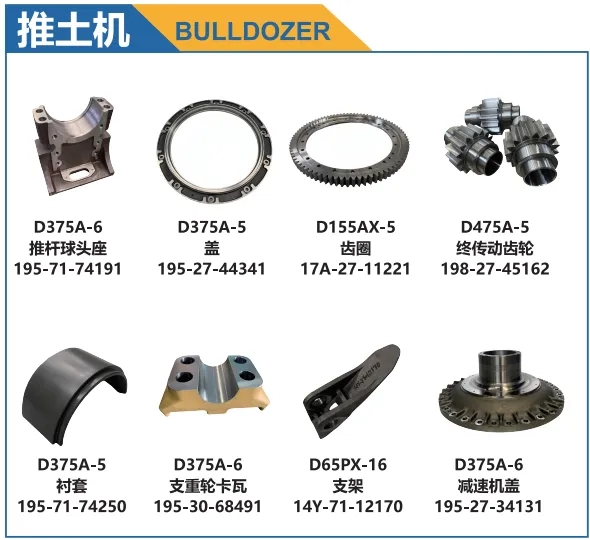 GAOSONG-Komatsu Full Range Parts Supply
 -
 195-30-62141-CAP Komatsu Original Factory
 -
 CUSHION 56B-16-11211 ORIGINAL (56B1611211) – Neopart…
 -
 566-54-21910 Komatsu Bushing