
- Chinese
- French
- German
- Portuguese
- Spanish
- Russian
- Japanese
- Korean
- Arabic
- Irish
- Greek
- Turkish
- Italian
- Danish
- Romanian
- Indonesian
- Czech
- Afrikaans
- Swedish
- Polish
- Basque
- Catalan
- Esperanto
- Hindi
- Lao
- Albanian
- Amharic
- Armenian
- Azerbaijani
- Belarusian
- Bengali
- Bosnian
- Bulgarian
- Cebuano
- Chichewa
- Corsican
- Croatian
- Dutch
- Estonian
- Filipino
- Finnish
- Frisian
- Galician
- Georgian
- Gujarati
- Haitian
- Hausa
- Hawaiian
- Hebrew
- Hmong
- Hungarian
- Icelandic
- Igbo
- Javanese
- Kannada
- Kazakh
- Khmer
- Kurdish
- Kyrgyz
- Latin
- Latvian
- Lithuanian
- Luxembou..
- Macedonian
- Malagasy
- Malay
- Malayalam
- Maltese
- Maori
- Marathi
- Mongolian
- Burmese
- Nepali
- Norwegian
- Pashto
- Persian
- Punjabi
- Serbian
- Sesotho
- Sinhala
- Slovak
- Slovenian
- Somali
- Samoan
- Scots Gaelic
- Shona
- Sindhi
- Sundanese
- Swahili
- Tajik
- Tamil
- Telugu
- Thai
- Ukrainian
- Urdu
- Uzbek
- Vietnamese
- Welsh
- Xhosa
- Yiddish
- Yoruba
- Zulu
- Kinyarwanda
- Tatar
- Oriya
- Turkmen
- Uyghur






OEM AND ORIGINAL KOMATSU BUSHING 707-46-11520
If you're searching for the Komatsu bushing , you've already hit the first industry wall: the muddled mess between 'OEM' and 'Original'. Everyone claims to have it, but half the time, what shows up is a part that fits... kinda. The marking might be right, the packaging convincing, but the performance curve under real load tells a different story. I've seen too many mechanics, in a pinch, grab a supposedly 'OEM' 11520 bushing only to find the wear life is maybe 60% of what the genuine Komatsu part delivers. That's the starting point here—understanding that for critical undercarriage components, the terminology isn't just marketing; it's a direct line to your machine's uptime.
Decoding the Part Number: More Than Just Digits
Let's break down . The 707 series points you squarely at the undercarriage group for specific Komatsu excavators, think the PC300-8, PC360-8 models. The 'bushing' part is obvious, but the nuance is in its application. This isn't a generic pin bushing; it's specifically for the track link assembly. The precision in its internal hardening process is what separates a good part from a great one. I recall a project in Indonesia where a fleet was using a non-genuine 11520. The failure pattern was consistent: premature cracking starting from the inner diameter, not just surface wear. That pointed straight to a core material or heat-treatment flaw. The part number, in essence, is a promise of a specific metallurgical recipe.
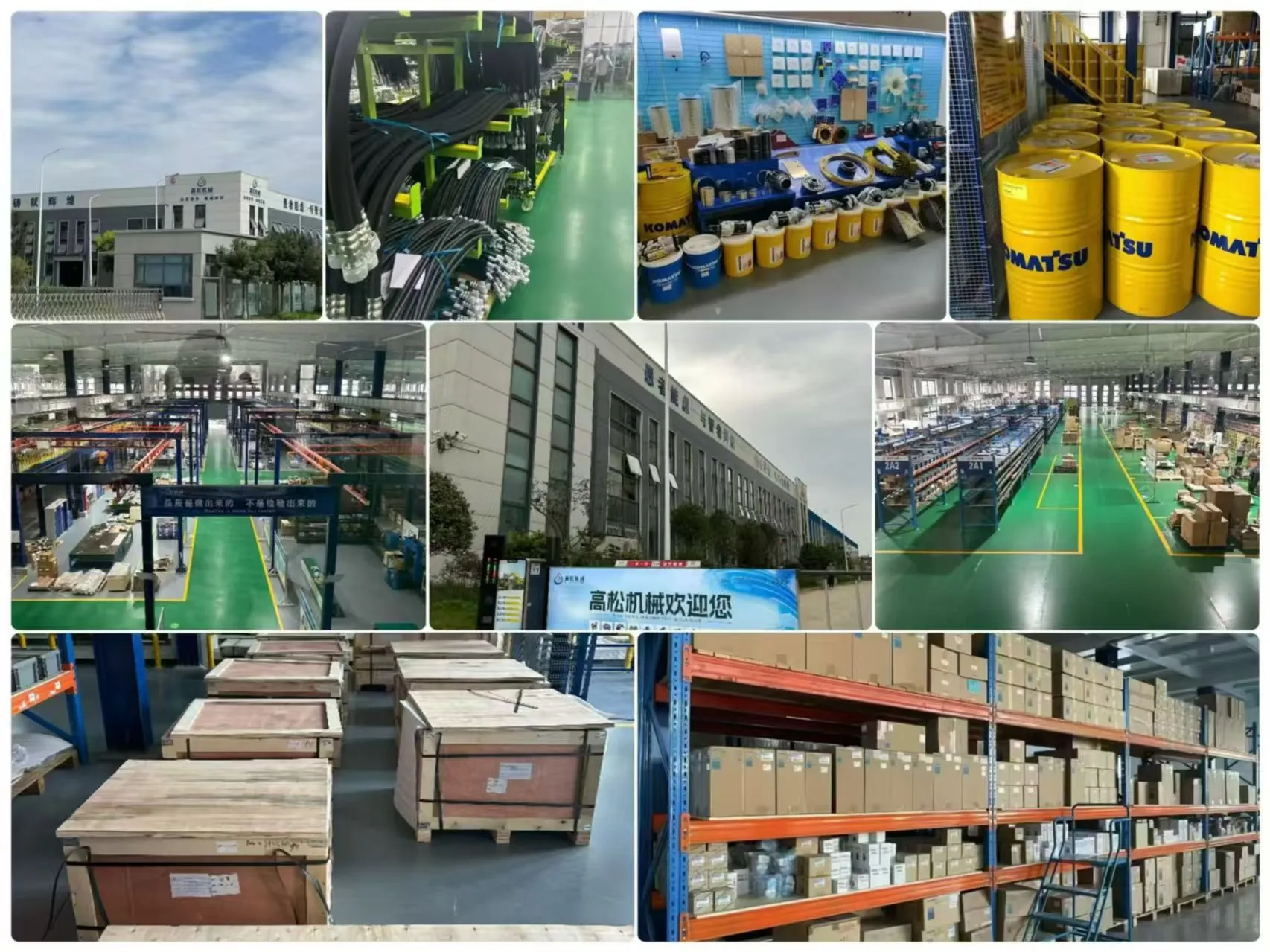
Original Komatsu parts for this bushing come with a traceable manufacturing pedigree. The steel alloy, the carburizing depth, the final grinding tolerance—it's all controlled. An OEM part, in the true sense, should mean it's made in the same factory, on the same line, meeting the same specs as what Komatsu slaps its own label on. This is where a company like Jining Gaosong Construction Machinery Co., Ltd. positions itself. They operate as an OEM product supplier within the Komatsu system. In practice, this means they have access to the same source production for this bushing, but it might not come in the classic Komatsu yellow box. The physical part, however, should be identical.
The confusion often arises with Komatsu-spec or quality-equivalent parts. These are third-party copies. Sometimes they work fine for low-stress applications or older machines nearing retirement. But for a machine in a primary production role? It's a gamble. The hardness might be close on a durometer test, but the material's fatigue resistance under cyclical shock loading is where the clone parts typically reveal their weakness. You don't find that out until you're doing a premature teardown.
The Supply Chain Reality and Jining Gaosong's Role
Here's the operational headache: genuine Komatsu parts distribution isn't seamless everywhere. Some regions face long lead times, or local distributors might not stock deep for every model. This creates a niche for companies that can legitimately bridge the gap. From my understanding, Takematsu Machinery (the online platform for Jining Gaosong) functions precisely in this space. They aren't just another parts reseller; their stated role as a third-party sales company for Komatsu, helping to solve parts supply challenges in certain countries rings true to the market reality I've witnessed.
I've dealt with situations in remote mining sites where waiting for an original part through official channels meant 6 weeks of downtime. A supplier with direct OEM factory access could cut that to 10 days. The cost might be similar, but the value is in the lost production time saved. For a component like the , which is often replaced in sets across a track chain, availability is sometimes more critical than a marginal price difference.
However, this model demands extreme vetting. Just because a company says it's an OEM supplier doesn't make it so. You have to ask for mill certificates for the steel, batch numbers, and ideally, have a prior sample tested. Jining Gaosong's claim places them in a specific tier of suppliers. It implies a formal understanding with Komatsu's manufacturing network, not just a sourcing agreement with a copying factory. That distinction is everything.
Field Verification and Failure Analysis
Talk is cheap. The proof is in the dirt. We did a side-by-side test last year, running an OEM-sourced 11520 (from a supplier with a profile similar to Gaosong) against a documented original Komatsu part on identical machines in a quarry. The goal was to measure wear rate per 1,000 operating hours. The OEM-sourced part held up remarkably well—within a 5-7% wear difference compared to the original by the 2,000-hour mark. That's acceptable for most operations.
The failure we did see was interesting. It wasn't with the bushing itself, but with a batch of so-called original pins paired with it. They wore oval-shaped, indicating a hardness mismatch. The lesson? Even with a verified bushing like the , the entire assembly matters. You can't just drop in one perfect component and expect magic if the mating parts are subpar. This is where a knowledgeable supplier adds value—they can often provide the matched set (pins, bushings, seals) from the same OEM source, ensuring compatibility.
Another practical note: packaging. Genuine Komatsu parts have specific, almost over-engineered packaging. The OEM parts from system suppliers often come in plain white boxes with minimal, technical labels listing the part number, material, and factory code. Don't let that spook you. The flashy box is a cost. I'd rather have the plain box with the right part inside.
Cost-Benefit and Operational Judgment
So, do you always need the boxed original? Not necessarily. For a machine that's a backup unit or in light-duty applications, a verified OEM part from a credible system supplier is a financially sound choice. The cost saving can be 15-25%, which on a track rebuild adds up. The key is verified. You need a paper trail back to the Komatsu production system.
For a primary machine in a 24/7 mining operation, I still lean towards the full original, channel-distributed part. Why? The warranty and support chain is clearer. If a batch issue arises, Komatsu's liability is direct. With an OEM part through a third-party sales company, the claim path goes through them. Companies like Jining Gaosong succeed by building trust that they will honor that chain and have the technical back-end to support it.
It comes down to risk management. The OEM AND ORIGINAL KOMATSU BUSHING debate isn't about good vs. bad. It's about understanding the spectrum: Original (Komatsu-branded, full traceability), OEM System (same factory, different route to market), and Aftermarket (reverse-engineered copy). Each has its place on the cost-reliability curve. Blindly choosing the cheapest OEM listing online is a recipe for failure. But dismissing all non-branded parts is leaving money and potential efficiency on the table.
Closing Thoughts on Sustainable Sourcing
Looking ahead, the role of specialized third-party sales companies is only growing. As Komatsu and other majors streamline their official networks, gaps emerge. Reliable entities that fill those gaps with true OEM-quality parts become strategic partners, not just vendors. Their value isn't just in a warehouse; it's in their logistics and their technical understanding of the product they're moving.
When evaluating a source for something as critical as a track bushing, dig into their relationship with the factory. Can they explain the hardening process for the ? Can they provide material certs without hesitation? Do they understand the common failure modes? That's the dialogue you want. The website takematsumachinery.com presents that kind of focused, solution-oriented profile, which is a step above the generic parts aggregators.
In the end, the part number is just an identifier. The substance is in its provenance and performance. For the 11520, getting that right means more hours on the track, less time in the shop, and a lower cost per hour in the long run—which is the only metric that truly matters on site.
Related Products
Related Products

Best Selling Products
Best Selling Products-
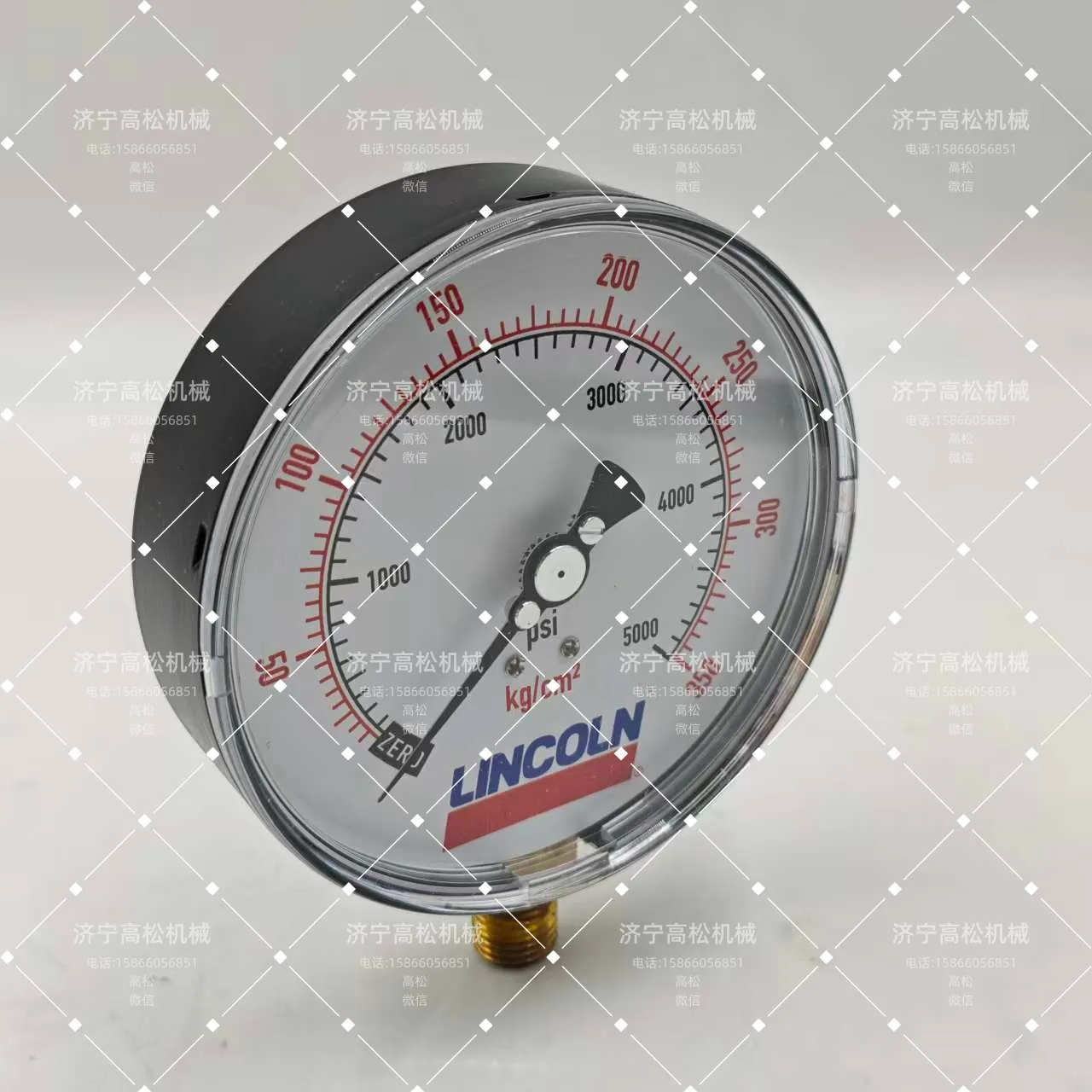 427-S95-2410 Komatsu Gauge, Pressure
 -
 BREAKER 421-06-11440 – KOMATSU
 -
 Valve Assembly 20Y-60-31450 – KOMATSU
 -
 209-38-73281 Block (Komatsu)
 -
 CORE ASSEMBLY 6506-21-5921, myKomatsu
 -
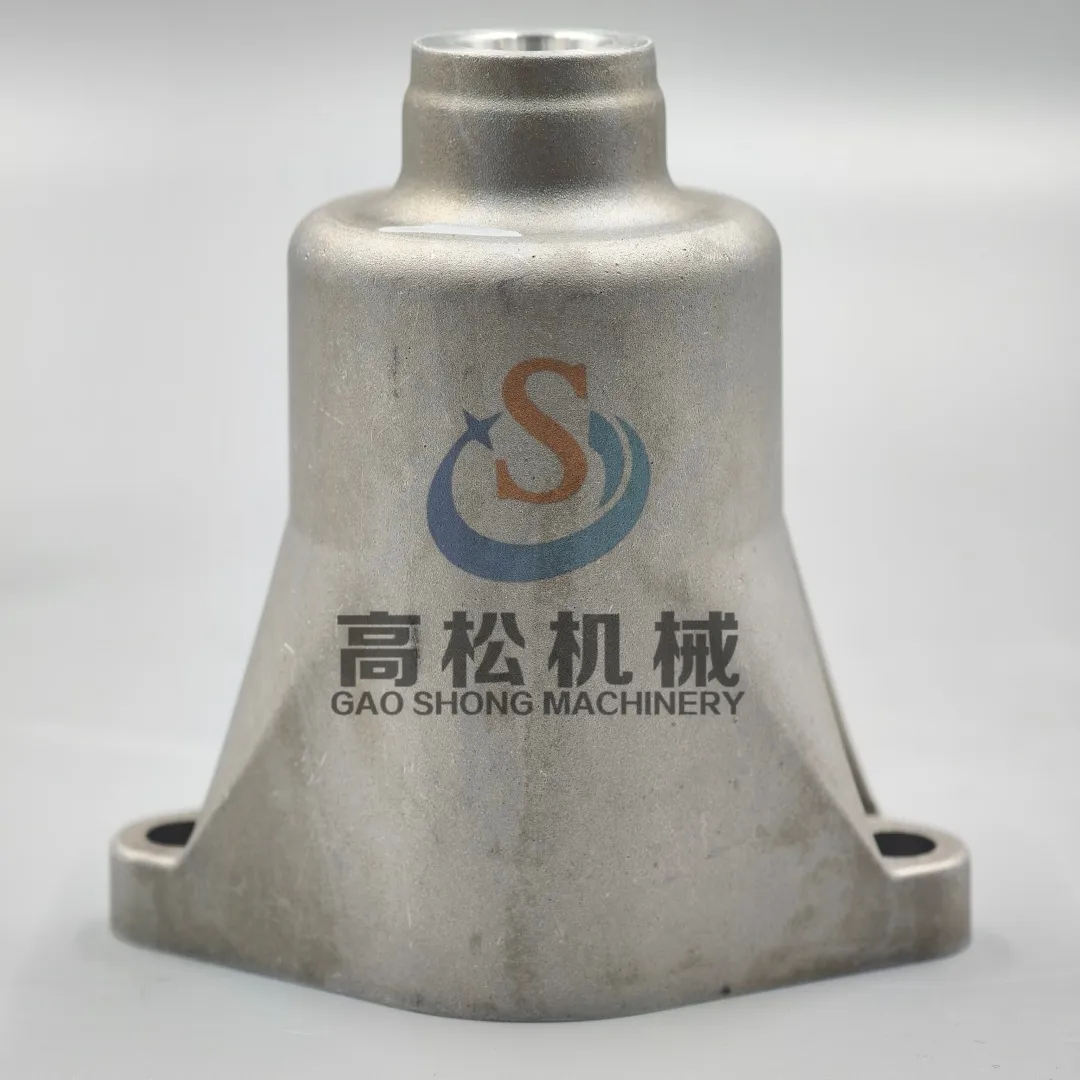 723-46-15111 Control Valve Case for Komatsu PC300 PC350 PC400 Excavator Diesel Fuel Cap Model Engine Parts
 -
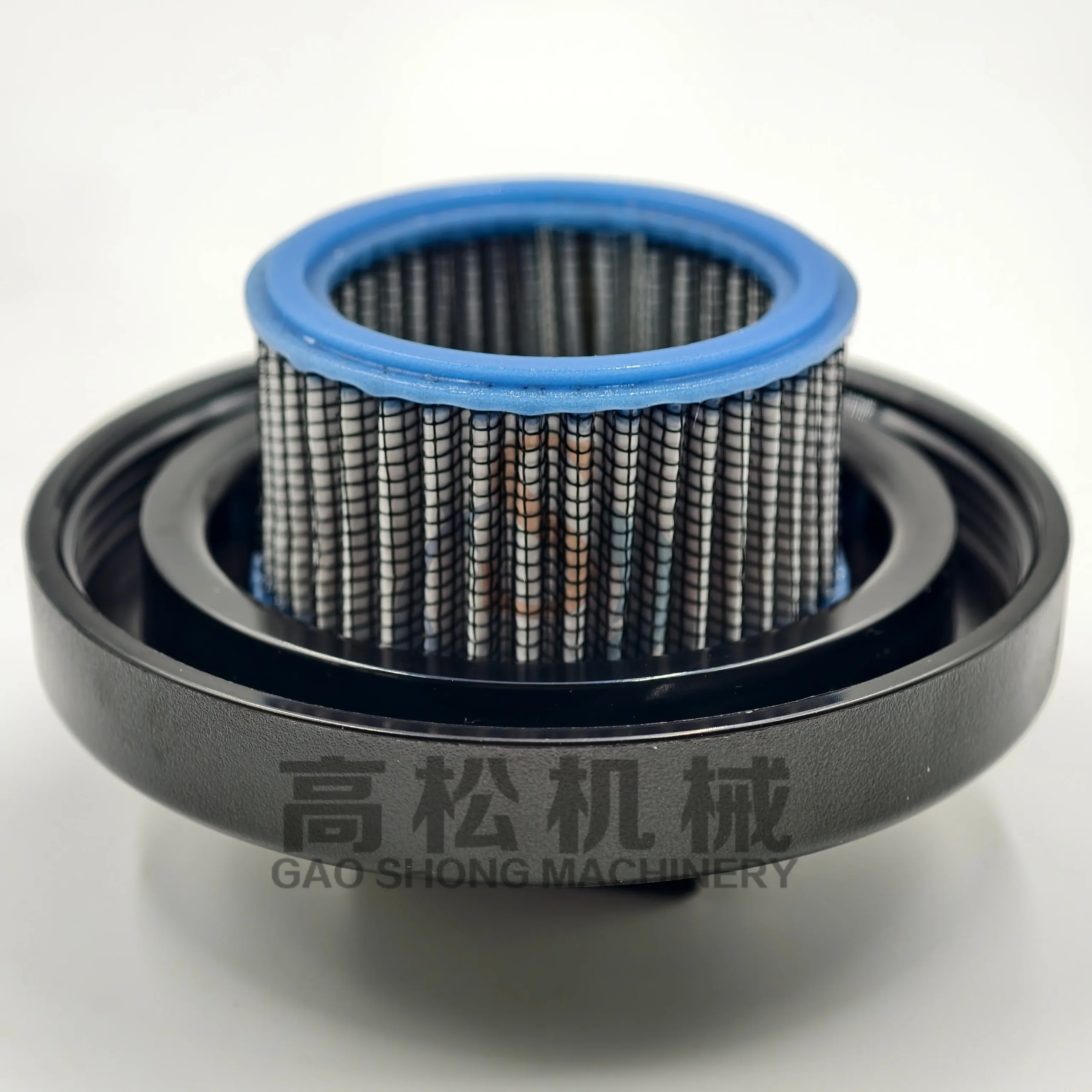 21T-04-31170 Komatsu Cap Assembly
 -
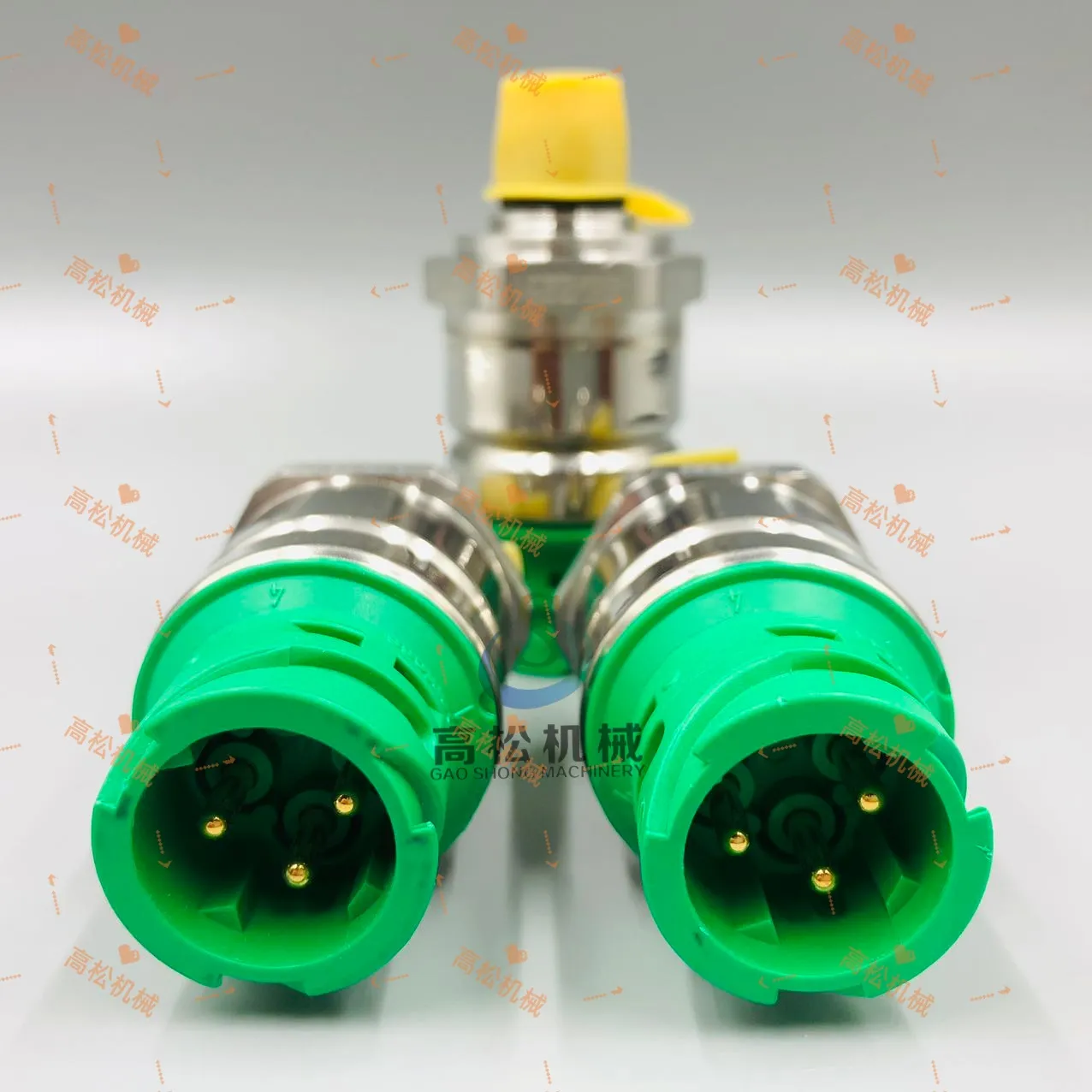 Pressure Sensor for Komatsu HM400 SAA6D140E WA500 6560-61-7201 6560617201
 -
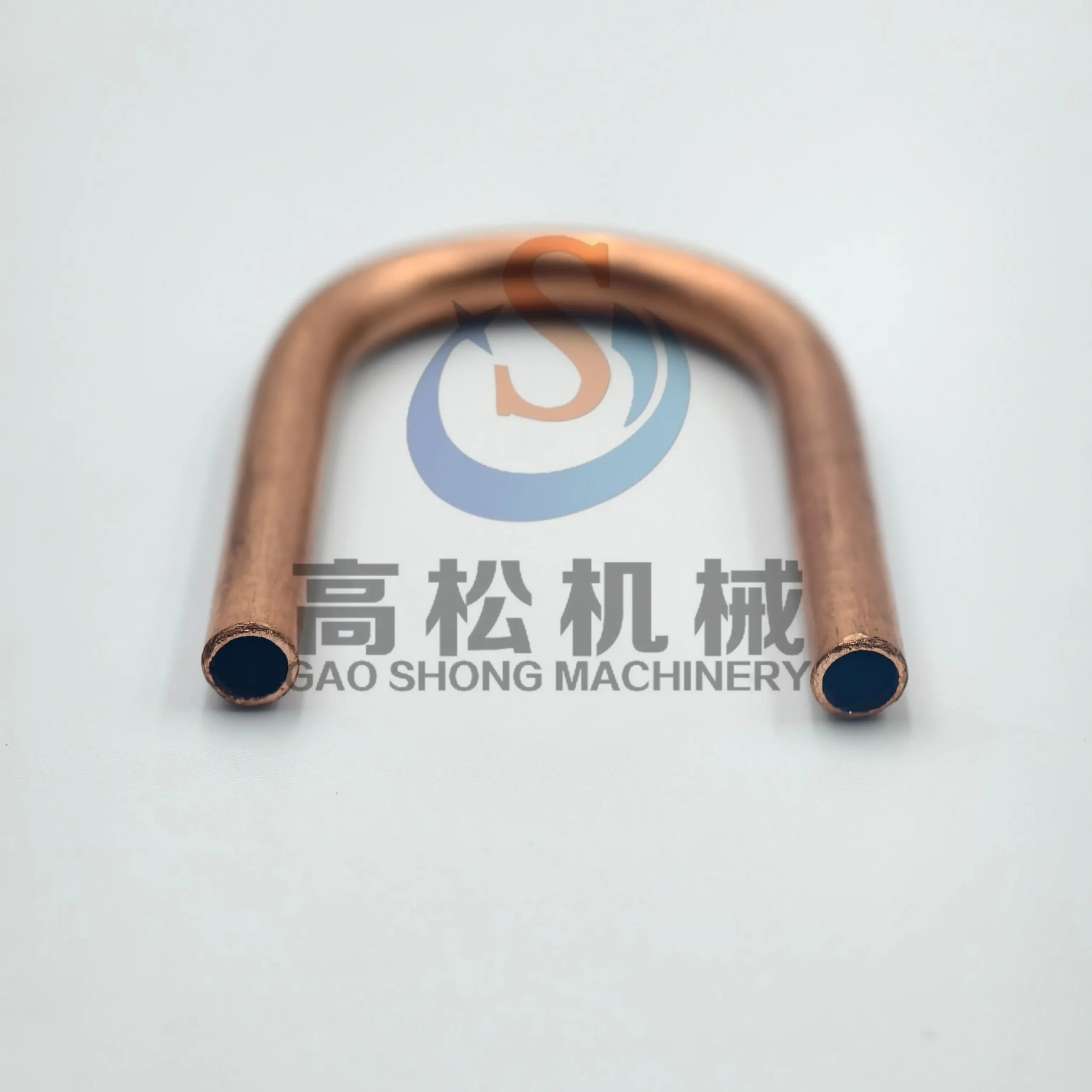 TUBE 21N-68-32360 – KOMATSU
 -
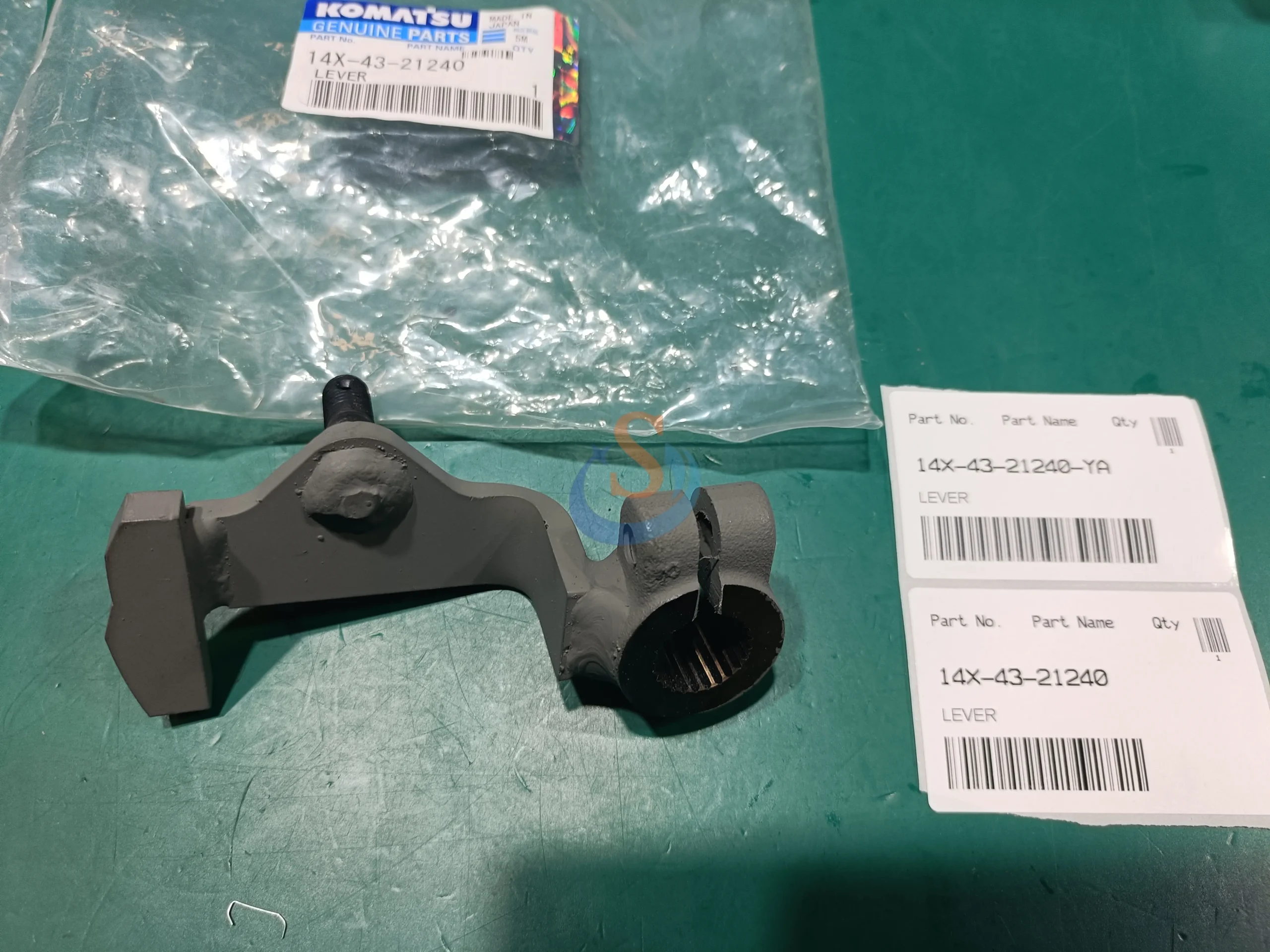 14X-43-21240,LEVER,D65P,D65E,D85E
 -
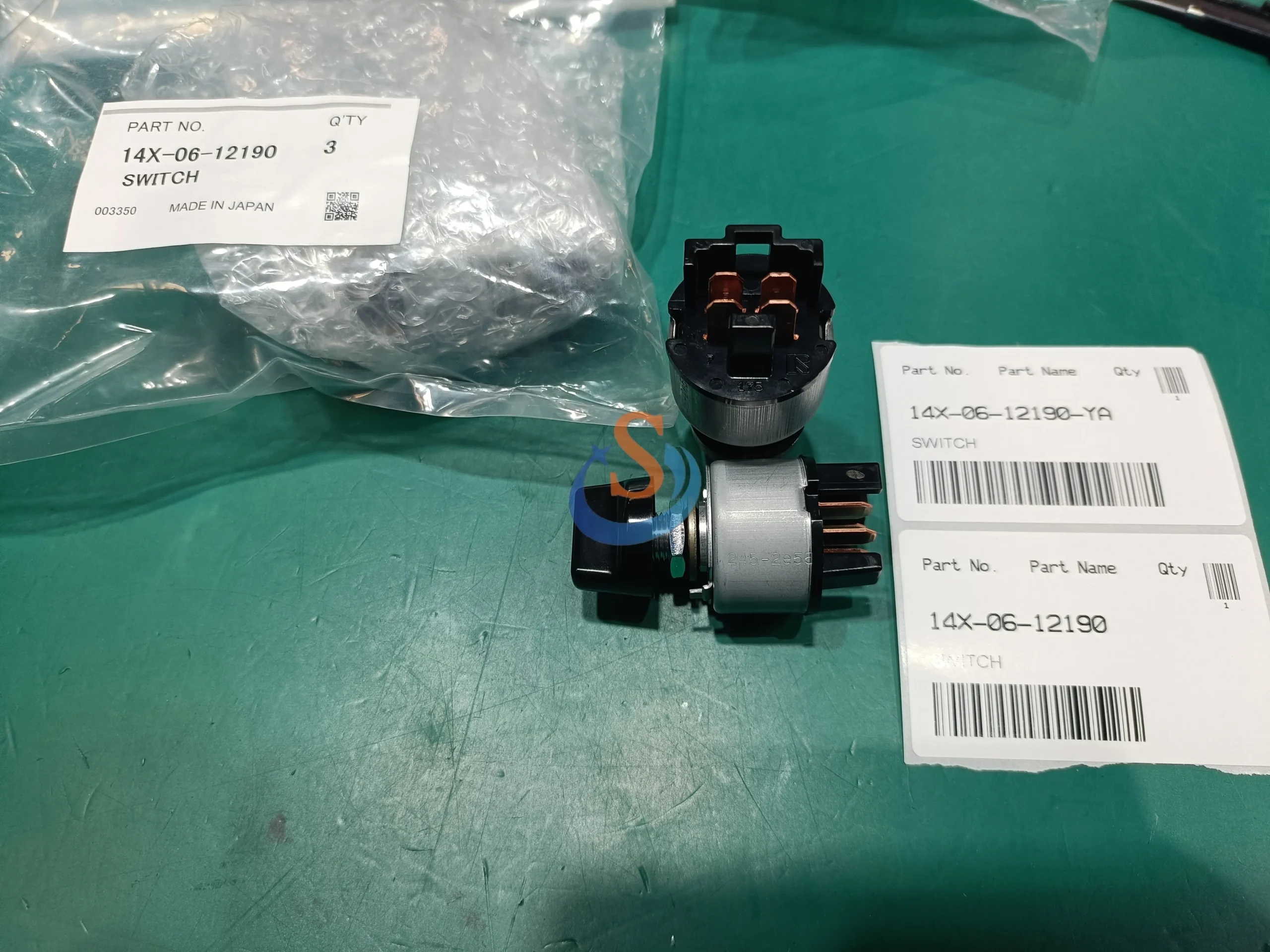 14X-06-12190 SWITCH D375A/D475A
 -
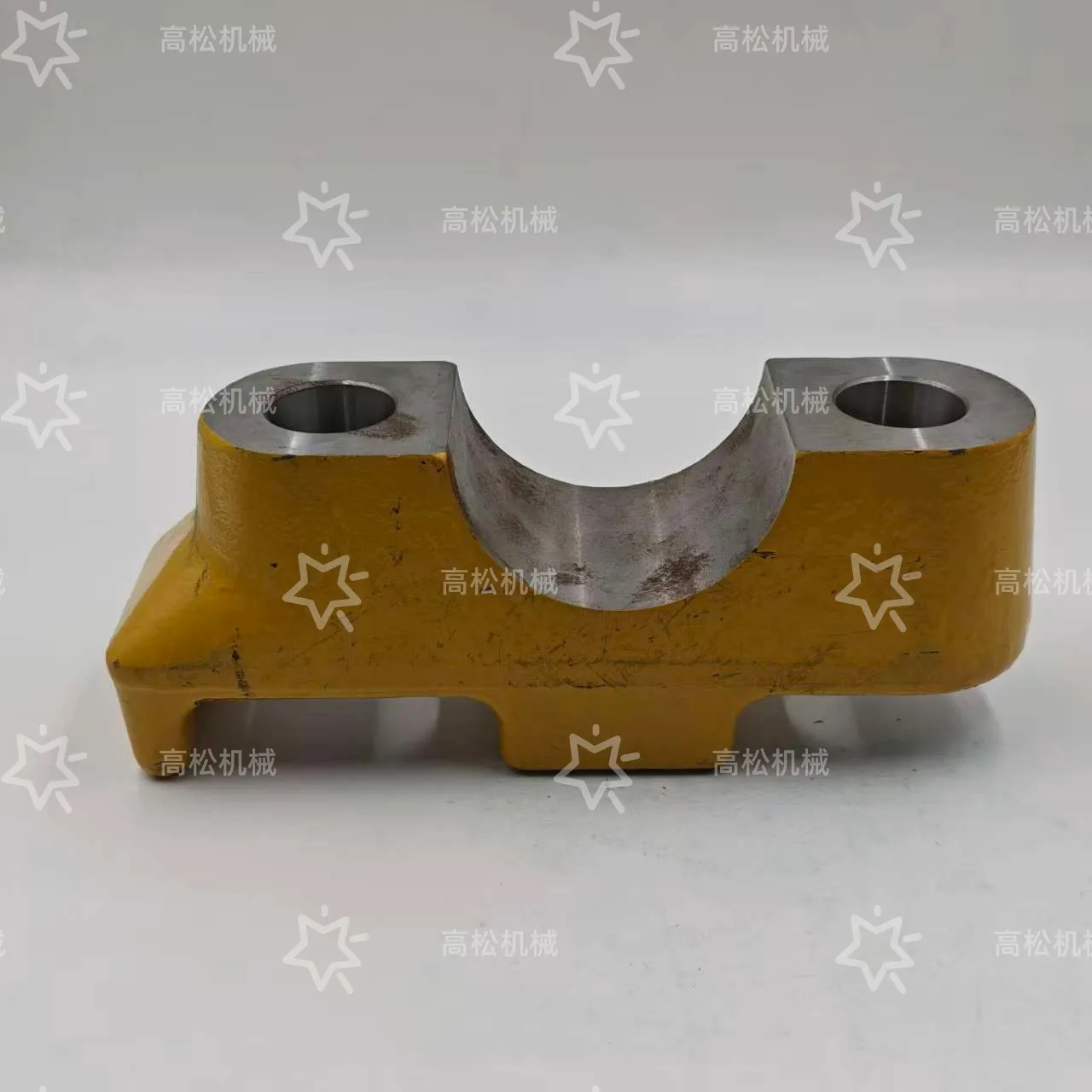 195-30-62141Komatsu Cap 195-30-62141