
- Chinese
- French
- German
- Portuguese
- Spanish
- Russian
- Japanese
- Korean
- Arabic
- Irish
- Greek
- Turkish
- Italian
- Danish
- Romanian
- Indonesian
- Czech
- Afrikaans
- Swedish
- Polish
- Basque
- Catalan
- Esperanto
- Hindi
- Lao
- Albanian
- Amharic
- Armenian
- Azerbaijani
- Belarusian
- Bengali
- Bosnian
- Bulgarian
- Cebuano
- Chichewa
- Corsican
- Croatian
- Dutch
- Estonian
- Filipino
- Finnish
- Frisian
- Galician
- Georgian
- Gujarati
- Haitian
- Hausa
- Hawaiian
- Hebrew
- Hmong
- Hungarian
- Icelandic
- Igbo
- Javanese
- Kannada
- Kazakh
- Khmer
- Kurdish
- Kyrgyz
- Latin
- Latvian
- Lithuanian
- Luxembou..
- Macedonian
- Malagasy
- Malay
- Malayalam
- Maltese
- Maori
- Marathi
- Mongolian
- Burmese
- Nepali
- Norwegian
- Pashto
- Persian
- Punjabi
- Serbian
- Sesotho
- Sinhala
- Slovak
- Slovenian
- Somali
- Samoan
- Scots Gaelic
- Shona
- Sindhi
- Sundanese
- Swahili
- Tajik
- Tamil
- Telugu
- Thai
- Ukrainian
- Urdu
- Uzbek
- Vietnamese
- Welsh
- Xhosa
- Yiddish
- Yoruba
- Zulu
- Kinyarwanda
- Tatar
- Oriya
- Turkmen
- Uyghur






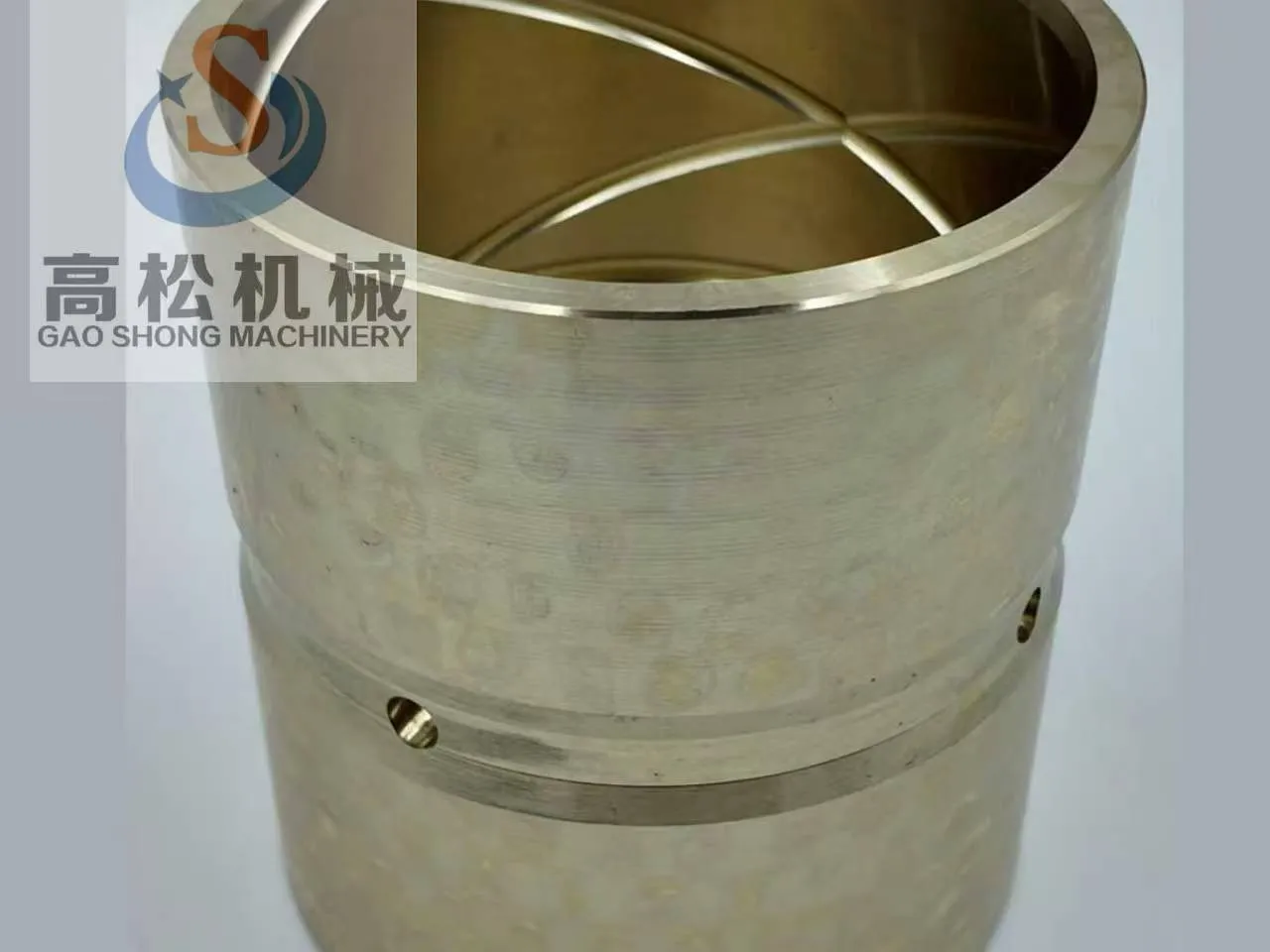
OEM AND ORIGINAL KOMATSU BUSHING 581-40-21340
When you see a part number like OEM AND ORIGINAL KOMATSU BUSHING listed, especially from a third-party supplier, the immediate question isn't about availability—it's about provenance. Is it truly Komatsu-original, or is it an OEM-grade part from the factory that actually forges these components? This distinction is everything in our field, and it's where most misunderstandings happen. Buyers often think OEM means a cheap copy, but in the Komatsu ecosystem, it frequently means the exact same part, from the exact same production line, just without the Komatsu logo painted on or the Komatsu-branded box. The bushing is a perfect case study for this gray area.
The in the Wild
This bushing isn't some obscure item; it's a critical wear component in several Komatsu excavator models, like the PC300 series. It sits in a high-stress pivot point. The failure mode I've seen most isn't catastrophic breakage, but accelerated, uneven wear that leads to excessive play. You'll start noticing slop in the stick movement before you see any metal chips. The tolerance on the ID and the hardness profile of the steel are what make or break it. A genuine one wears slowly and predictably. A bad aftermarket version can wear out in half the expected cycle, causing cascading damage to the pin and the boss.
I remember a job in Indonesia where a fleet owner was burning through these bushings every 800 hours. He was buying original parts from a local vendor at a suspiciously low price. When we pulled one, the surface had a weird, almost polished wear pattern, not the normal matte scoring. The metallurgy was off—it was too soft. We sourced what was claimed to be an OEM AND ORIGINAL KOMATSU BUSHING through a different channel, from a supplier like Jining Gaosong Construction Machinery Co., Ltd., who operates within the Komatsu OEM framework. The difference in the grain of the metal was visible even before installation. The lifespan went back to the standard 1500+ hours.
That's the practical reality. The part number is just a code. The substance is in the manufacturing pedigree. Companies like the one mentioned, which you can find at https://www.takematsumachinery.com, explicitly state their role: they are an OEM product supplier within the Komatsu system. This isn't marketing fluff. It means they have access to the production specifications and often the same foundries and machining centers that feed Komatsu's own parts distribution. Their business model, helping to solve parts supply challenges in certain countries, directly addresses the bottleneck of getting these authentic components into markets where the official pipeline is slow or non-existent.
Decoding OEM vs. Original
This is where you need to read the fine print. When a supplier lists OEM AND ORIGINAL, they are making a specific claim. Original should mean it came from Komatsu's parts distribution network, with all the packaging and logos. OEM means it came from the Original Equipment Manufacturer—the factory contracted by Komatsu to make the part. In an ideal world, they are functionally identical. But you have to trust the supplier's integrity. Is their OEM part from the certified factory, or from another factory that reverse-engineered it? The former is gold; the latter is a gamble.
I've had mixed results. Once, we ordered a batch of bushings labeled as OEM. They arrived in plain white boxes, no Komatsu markings. Physically, they looked perfect—dimensions were on spec, weight was identical. We installed them. Performance was flawless, matching the official part. Another time, from a different vendor also using the OEM term, the bushings had a very slight difference in the chamfer edge, and the oil groove seemed a hair shallower. It was a red flag. We sent one for hardness testing, and it failed. It's these minute details that separate a reliable partner from a parts reseller.
This is why the background of a supplier matters. A company that is a third-party sales company for Komatsu, as noted in the intro for Jining Gaosong, often has a more formalized link to the genuine supply chain. They aren't just buying from the open market and reselling; they are often integrated into Komatsu's solution for non-core markets. They can provide the paperwork, the material certificates, and sometimes even trace the batch back to the forge. For a component like this bushing, that traceability is worth the price premium over a no-name alternative.
Failure Points and Field Observations
Let's talk about what goes wrong. It's rarely the bushing itself that fails. It's the system around it. A sub-par will wear quickly. The resulting clearance allows the pin to hammer the bushing wall, generating fine metallic debris that contaminates the grease. This abrasive paste then accelerates wear on both the pin and the bushing housing. I've seen housings so badly scored they needed to be re-bored and sleeved—a repair that costs ten times what a proper bushing would have.
The installation process is another critical, often overlooked, step. Even a perfect OEM AND ORIGINAL KOMATSU BUSHING can be ruined during press-fitting. It must be pressed in evenly, with proper support. I've witnessed mechanics using a sledgehammer and a drift pin, deforming the bushing before it even sees its first hour of work. The correct tooling and procedure are non-negotiable. Also, lubrication during installation is crucial. The oil grooves are there for a reason; they need to be packed with grease before the pin is inserted.
Another observation: temperature matters. In extremely cold operations, the brittleness of the material can be a factor. A genuine bushing has a controlled tempering process to handle thermal cycling. Knock-offs might not, leading to micro-cracks. It's a slow failure, but it happens. When you're sourcing for projects in varied climates, this isn't an academic point—it's a maintenance schedule variable.
Sourcing Strategy and Practical Advice
So, how do you navigate this? First, abandon the idea of finding the absolute cheapest option for this part. The total cost of a premature failure is too high. Your sourcing should be based on verification. Ask the supplier direct questions: Can you provide the material certification? Which factory produced this? Is this from Komatsu's OEM network? A reputable supplier like the one at takematsumachinery.com will have answers. A vague reseller will not.
Second, consider buying a single unit first for evaluation. Measure it. Weigh it. Compare it to a known-good, worn-out original you've pulled from your machine. Check the finish, the sharpness of the oil groove, the stamping on the side. Install it in one machine and monitor wear rates. This due diligence saves immense headache down the line.
Finally, build a relationship with a specialist supplier. The parts business, especially for Komatsu, is built on long-term trust. A company that positions itself as solving supply challenges is aligning its success with your uptime. They become a resource, not just a vendor. You can call them and say, I'm seeing unusual wear on the , what have others seen? That kind of practical, field-based knowledge is invaluable and is a hallmark of a true industry partner, not just a website with a shopping cart.
Wrapping It Up: The Bottom Line
The keyword OEM AND ORIGINAL KOMATSU BUSHING represents a specific need for authenticity in a murky market. The part is vital, and its quality is binary—it either works as designed or it causes expensive secondary damage. The value of a supplier embedded in the OEM system is that they cut through the murk. They provide a direct line to the quality that the Komatsu name implies, often without the logistical delays of the official network.
It comes down to risk management. Using a verified OEM channel mitigates the risk of machine downtime and collateral damage. It turns a consumable part from a potential point of failure into a predictable maintenance item. In our world, predictability is just as valuable as performance.
So next time you're searching for that part number, look beyond the listing. Look for the supplier's story. Look for phrases like OEM product supplier within the Komatsu system. That's not SEO text. That's a signal that you're dealing with someone who understands the difference between a part that carries a number and a part that carries the engineering intent of the machine itself. And for a workhorse component like the bushing, that intent is what you're really paying for.
Related Products
Related Products


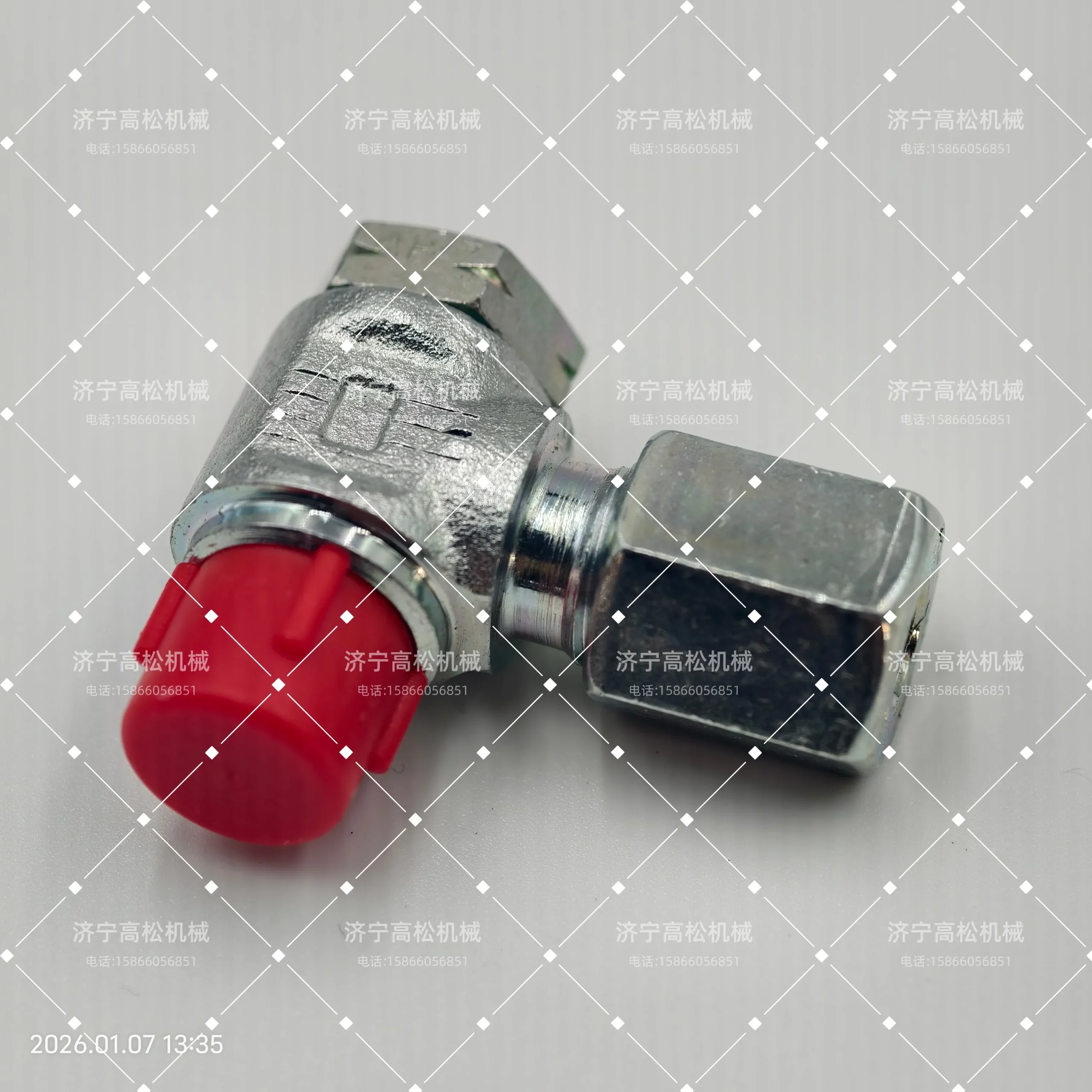

Best Selling Products
Best Selling Products-
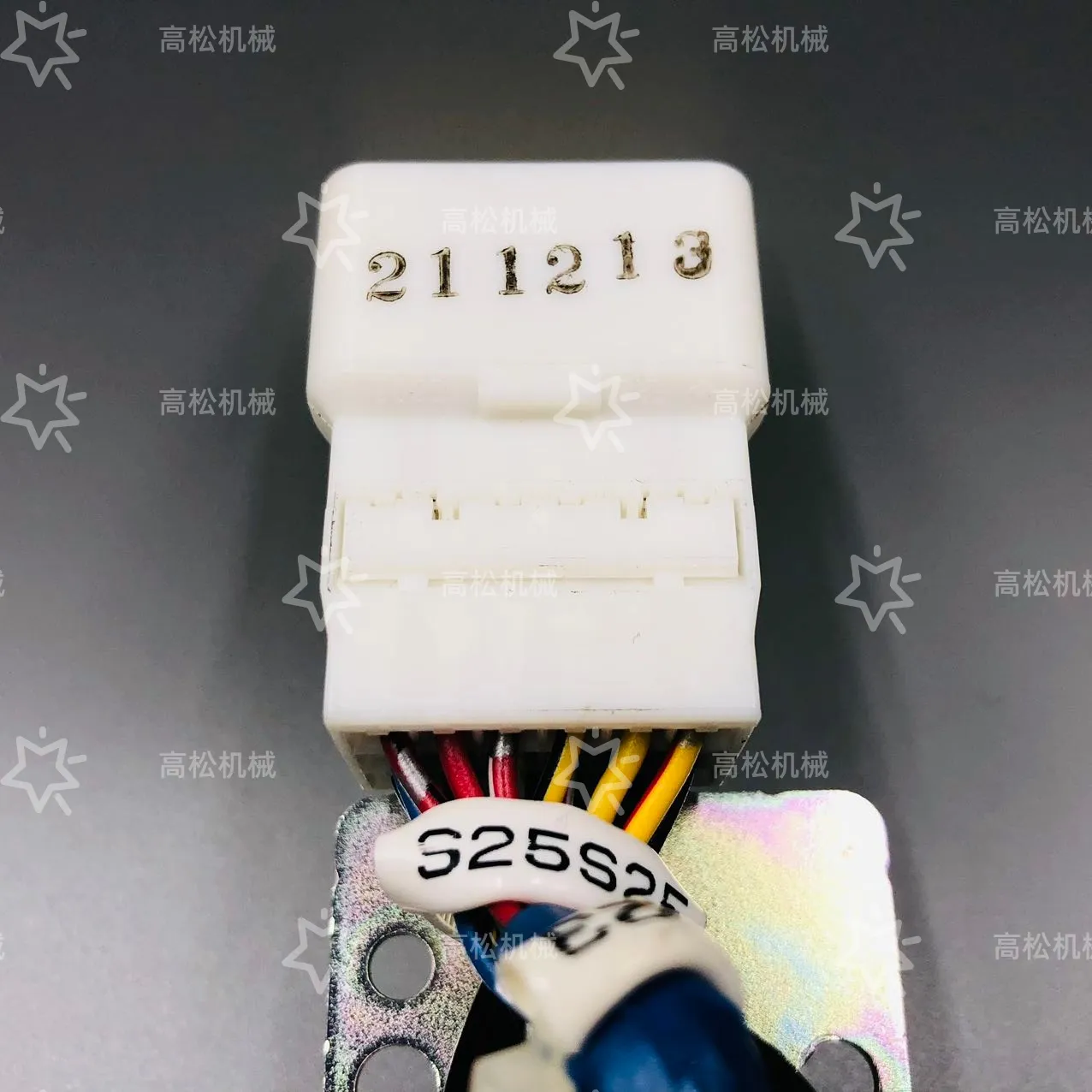 Komatsu Switch 22U-06-22370 for Crawler excavator PC340LC-7K
 -
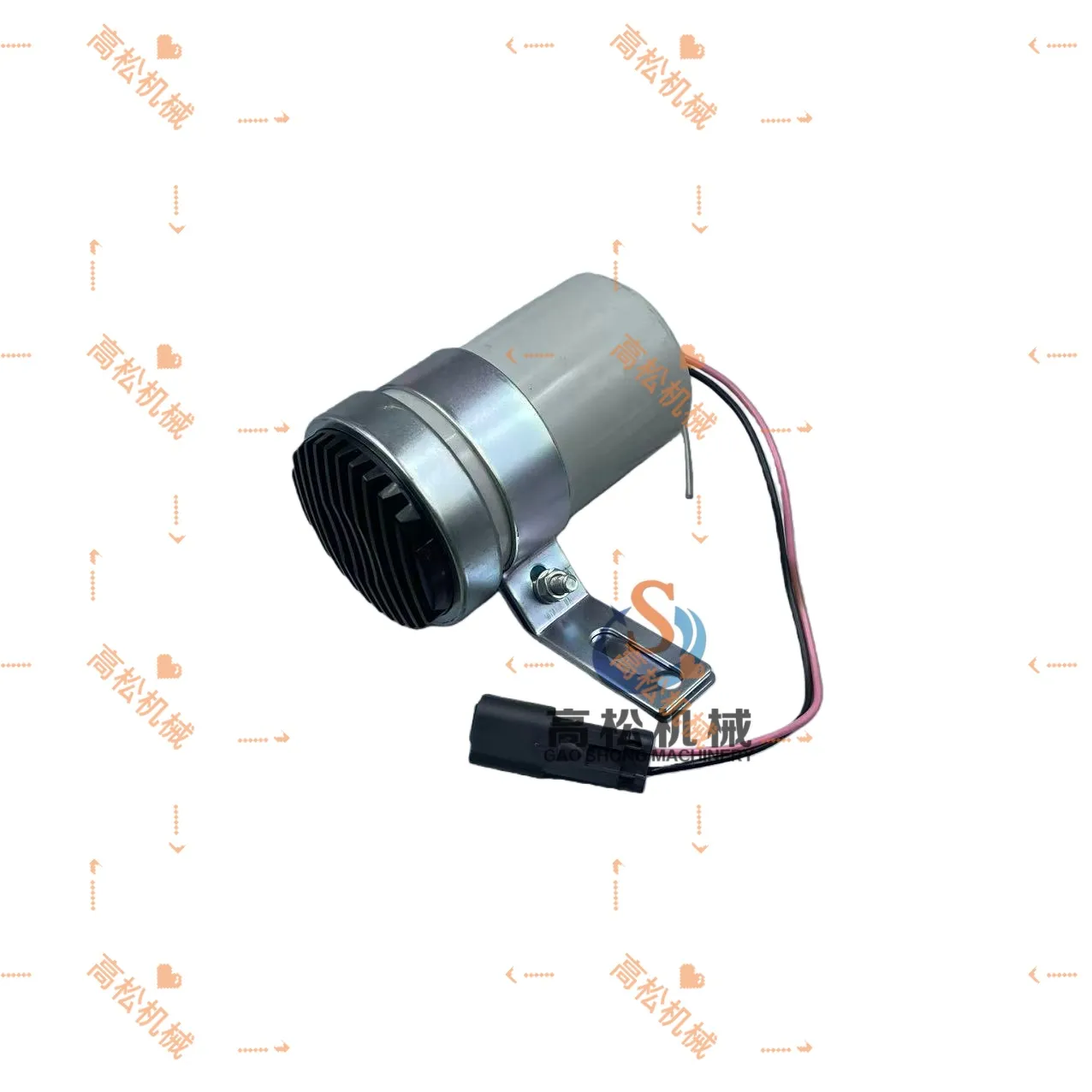 198-06-56570 BUZZER KOMATSU parts D155AX, D275A, D275AX, D375A, D475A, D475ASD, D85EX, D85MS, D85PX, DRAWBAR
 -
 707-40-28020 • SPACER-Komatsu Original Factory
 -
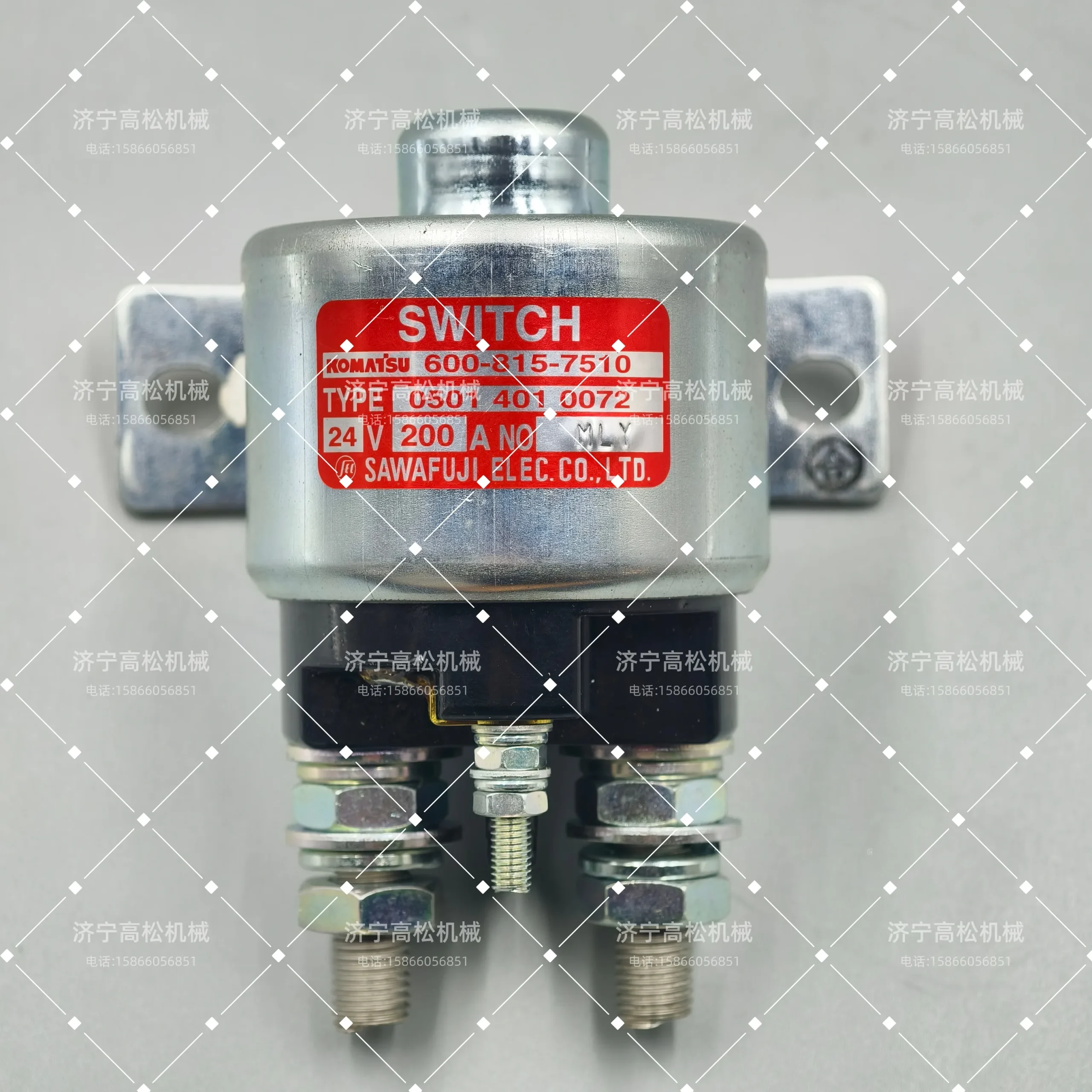 Accessories D375A-5 Switch Heater 600-815-7510 …
 -
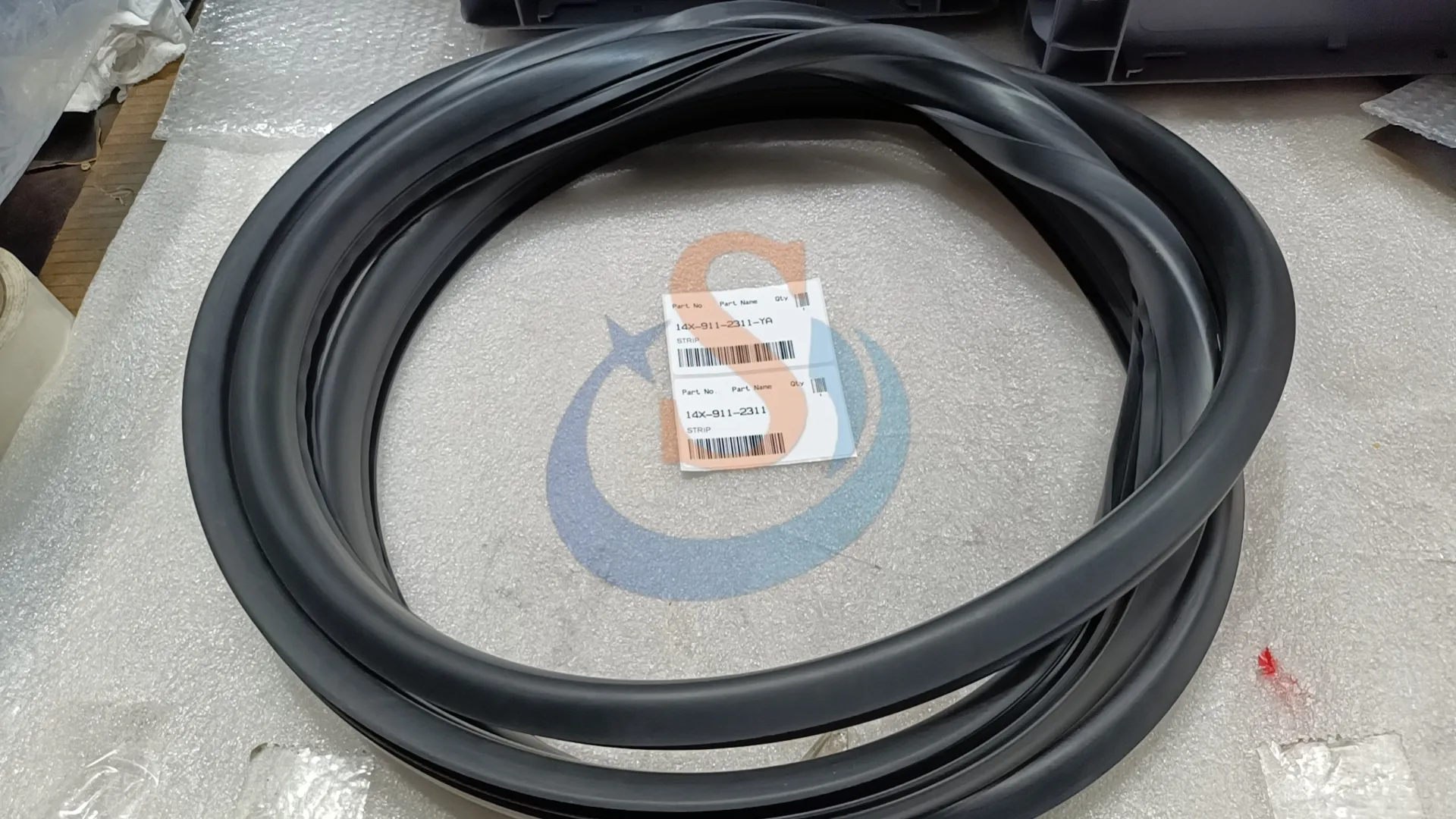 14X-911-2311,STRIP WEATHER,D155A,D375A,D65E
 -
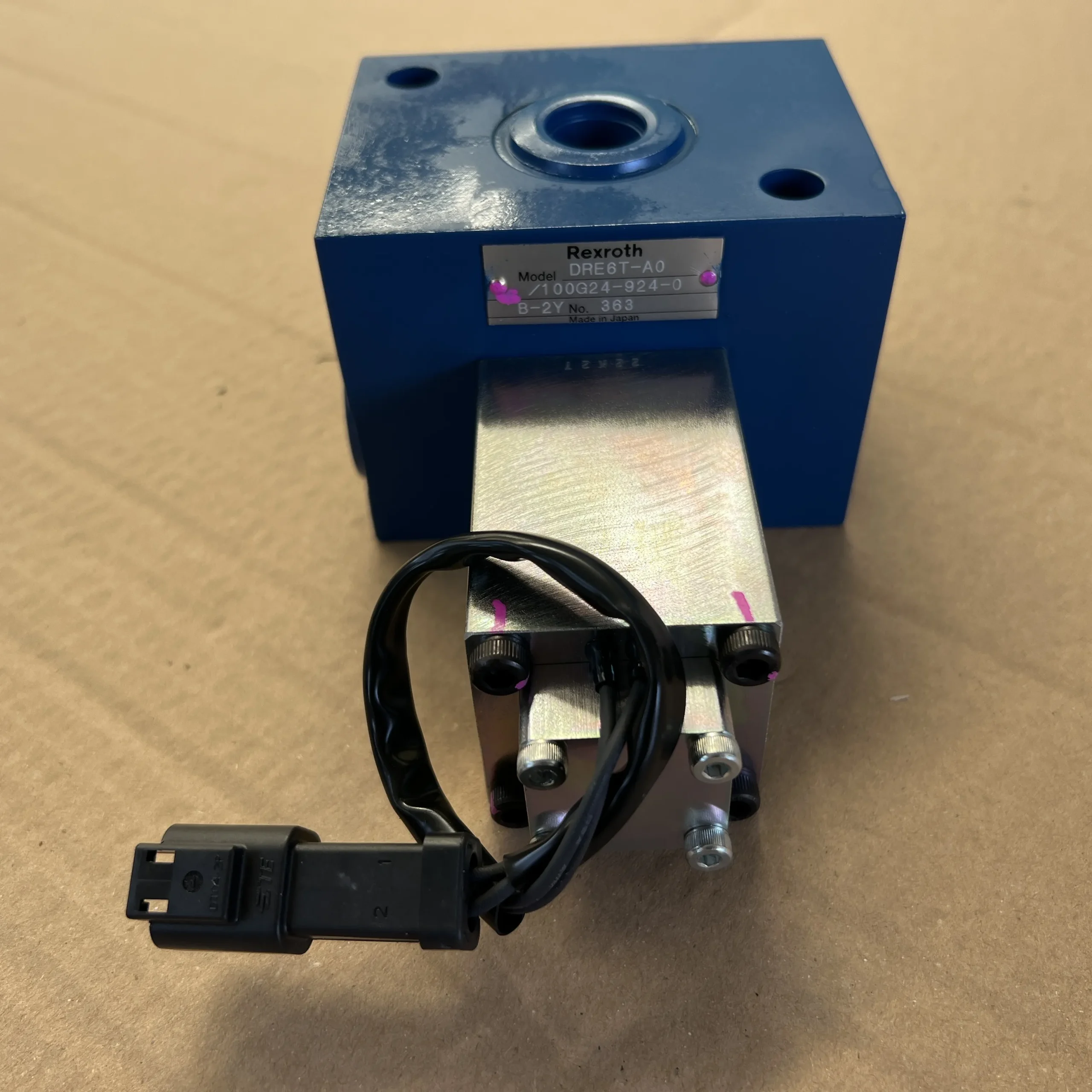 HD465-7 Proportional Solenoid Valve 569-43-83171
 -
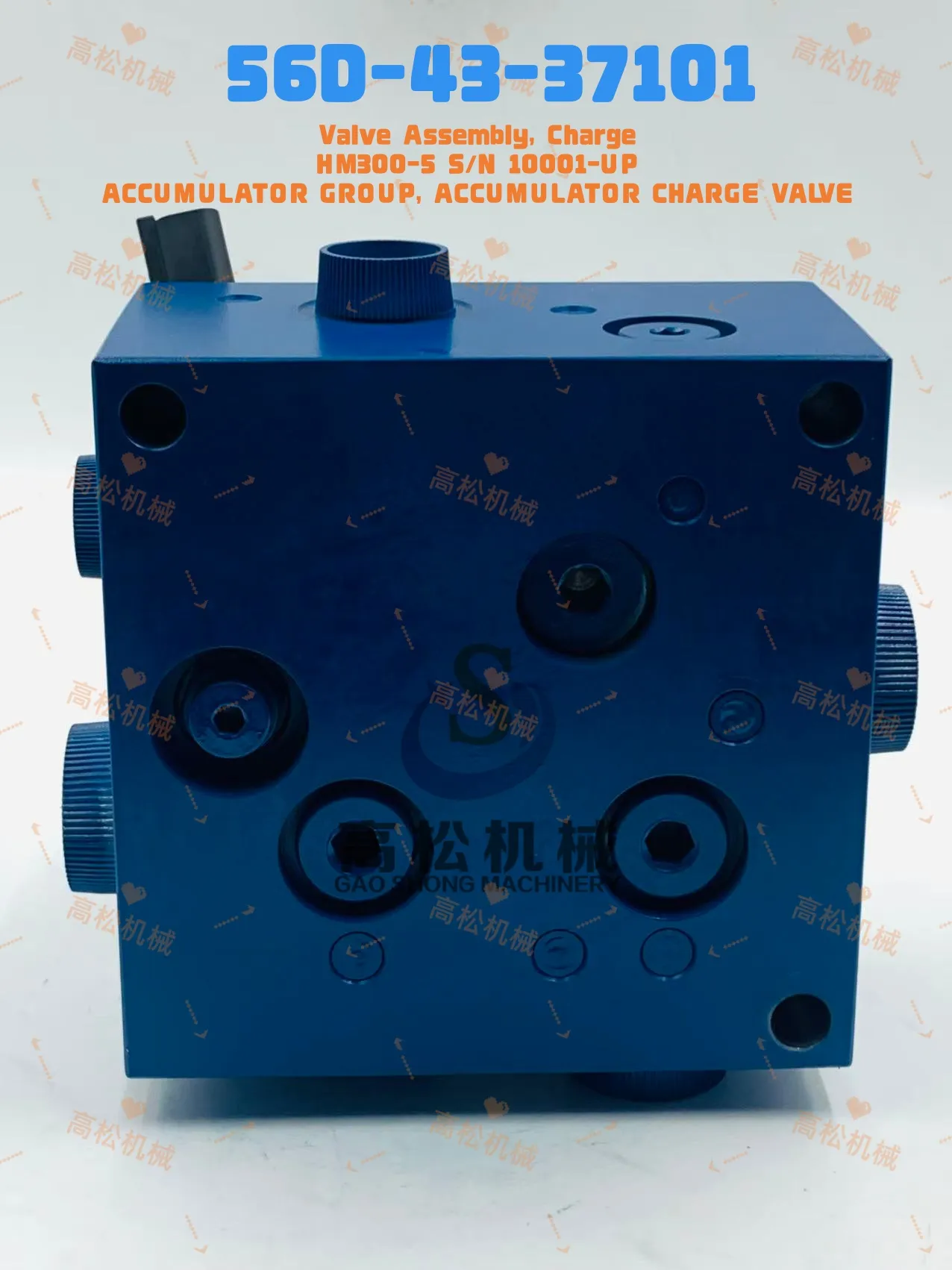 56D-43-37101 Valve Assembly, Charge for HM300 Komatsu Dump Truck Parts High Quality
 -
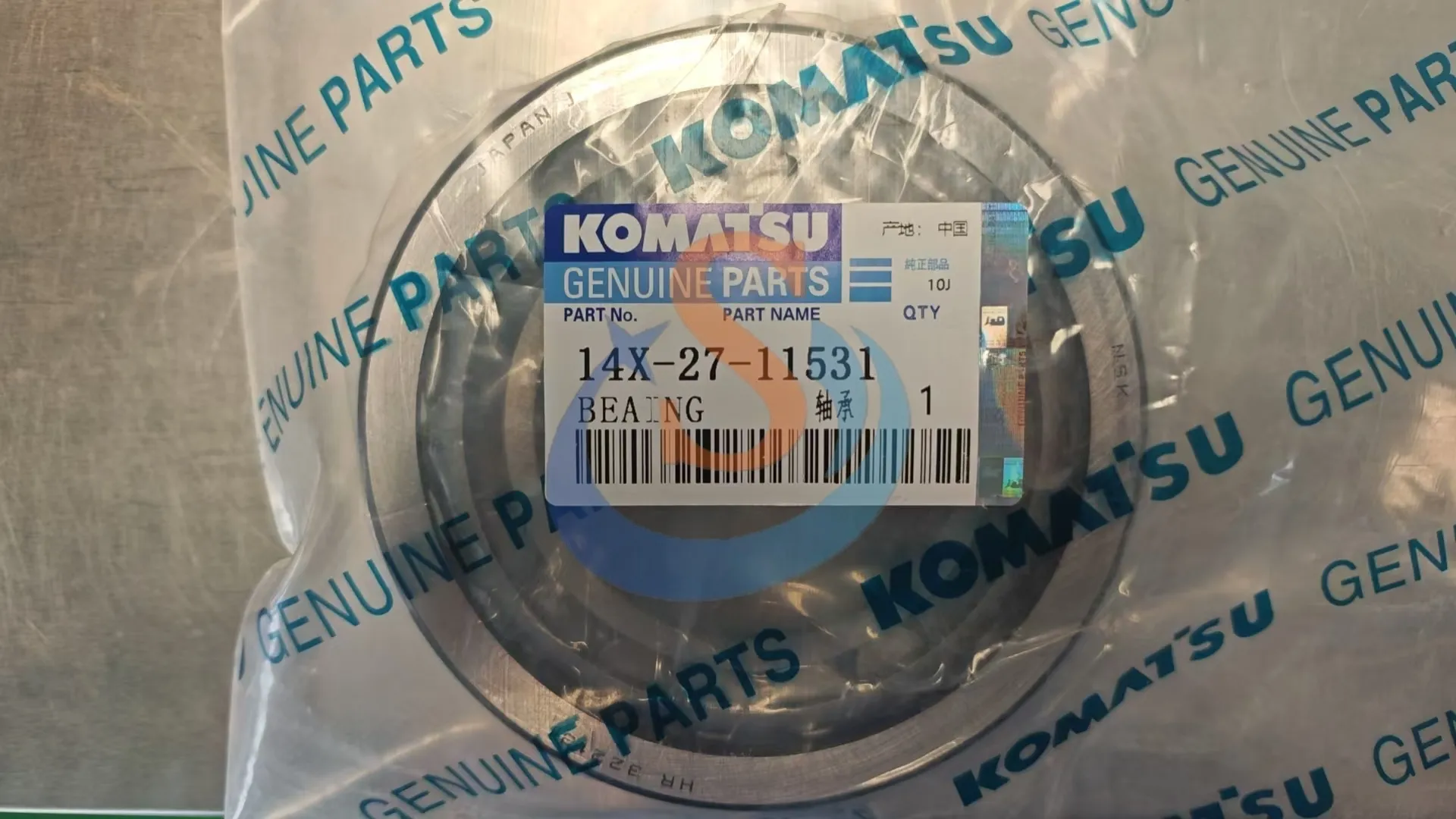 14X-27-11531,BEARING,D65P,D65EX,D65WX
 -
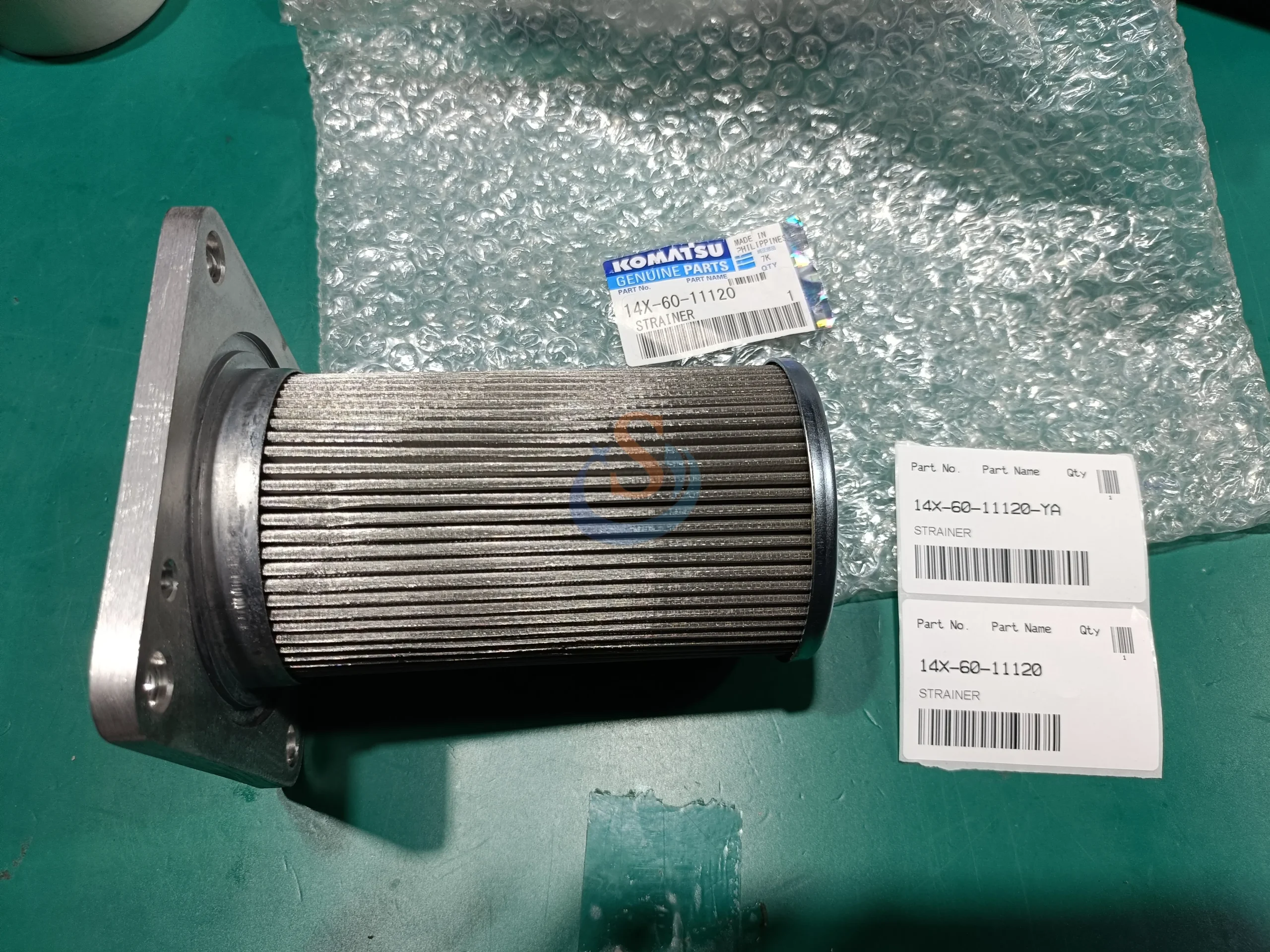 14X-60-11120,STRAINER,D31PX,D31EX,D65PX
 -
 HD785-7 Oil Level Sensor 7861-93-4550
 -
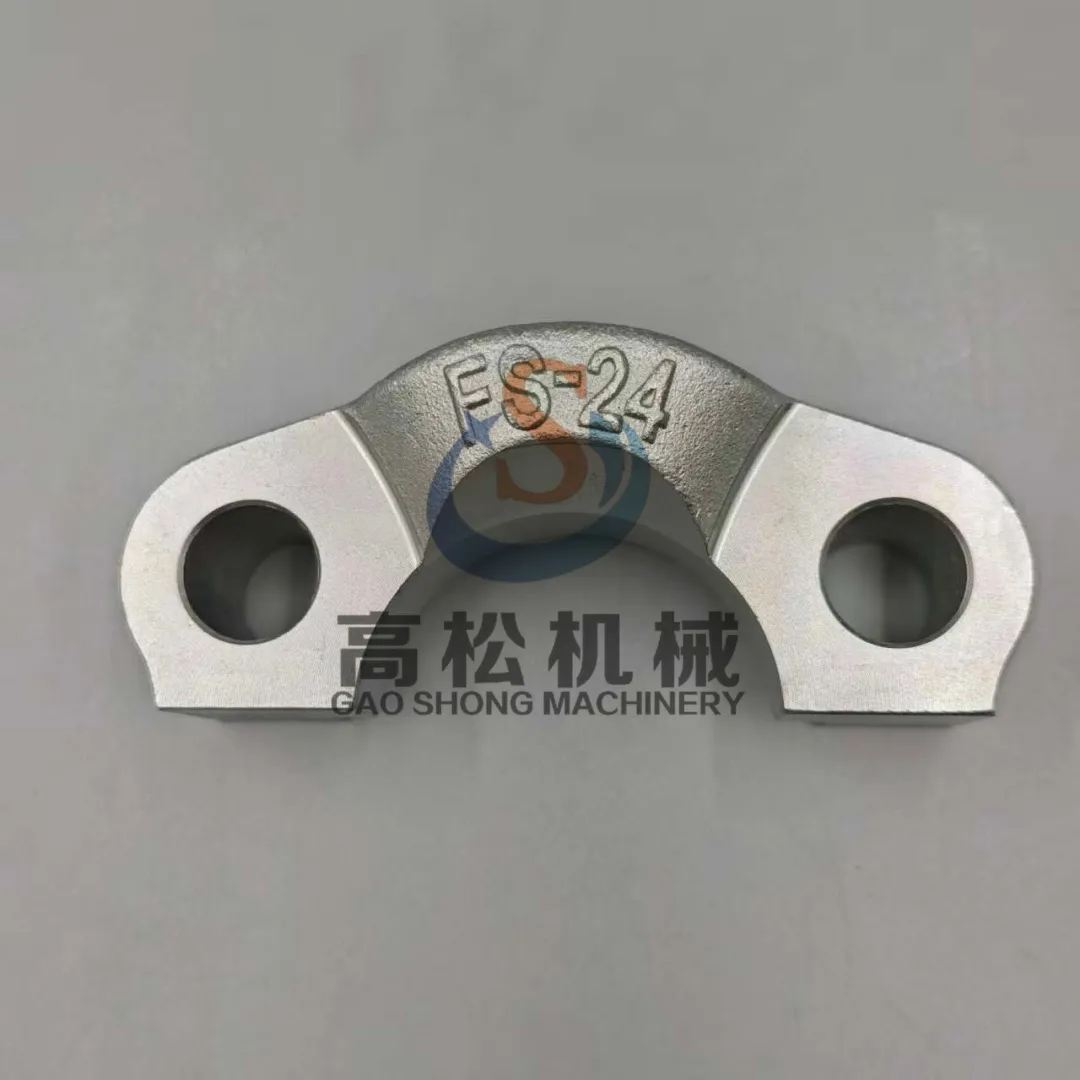 Flange 07371-51470 P60 Komatsu 7371-51470
 -
 Door Lock Assembly 20Y-54-52820 Latch 20Y-53-12201 Handle Ass’s 20Y-54-52300 for Komatsu PC220-8