
- Chinese
- French
- German
- Portuguese
- Spanish
- Russian
- Japanese
- Korean
- Arabic
- Irish
- Greek
- Turkish
- Italian
- Danish
- Romanian
- Indonesian
- Czech
- Afrikaans
- Swedish
- Polish
- Basque
- Catalan
- Esperanto
- Hindi
- Lao
- Albanian
- Amharic
- Armenian
- Azerbaijani
- Belarusian
- Bengali
- Bosnian
- Bulgarian
- Cebuano
- Chichewa
- Corsican
- Croatian
- Dutch
- Estonian
- Filipino
- Finnish
- Frisian
- Galician
- Georgian
- Gujarati
- Haitian
- Hausa
- Hawaiian
- Hebrew
- Hmong
- Hungarian
- Icelandic
- Igbo
- Javanese
- Kannada
- Kazakh
- Khmer
- Kurdish
- Kyrgyz
- Latin
- Latvian
- Lithuanian
- Luxembou..
- Macedonian
- Malagasy
- Malay
- Malayalam
- Maltese
- Maori
- Marathi
- Mongolian
- Burmese
- Nepali
- Norwegian
- Pashto
- Persian
- Punjabi
- Serbian
- Sesotho
- Sinhala
- Slovak
- Slovenian
- Somali
- Samoan
- Scots Gaelic
- Shona
- Sindhi
- Sundanese
- Swahili
- Tajik
- Tamil
- Telugu
- Thai
- Ukrainian
- Urdu
- Uzbek
- Vietnamese
- Welsh
- Xhosa
- Yiddish
- Yoruba
- Zulu
- Kinyarwanda
- Tatar
- Oriya
- Turkmen
- Uyghur





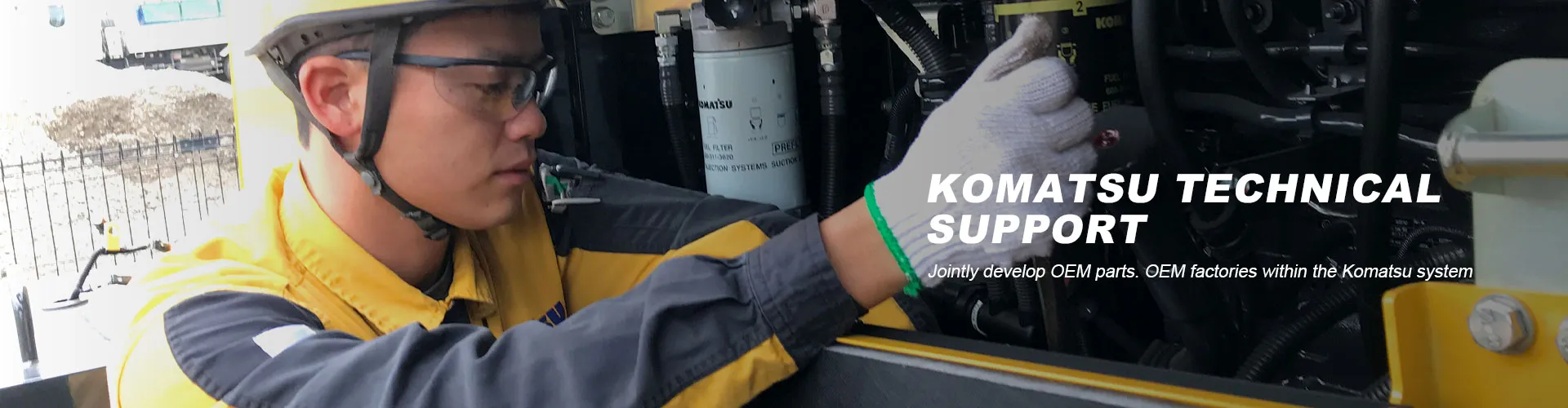
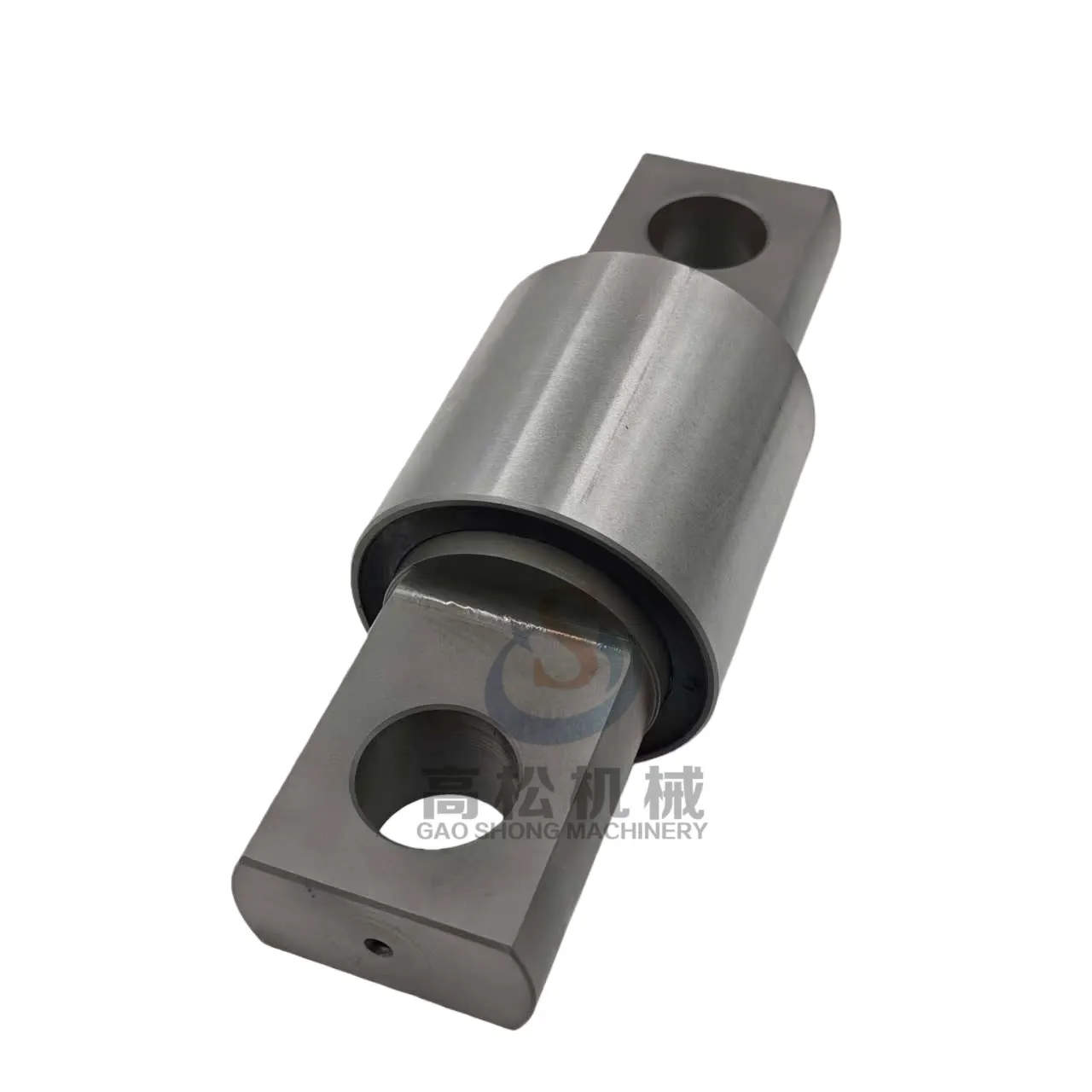
OEM AND ORIGINAL KOMATSU BUSHING 561-40-61260
When you see that part number, , for a Komatsu bushing, the immediate assumption is that you're dealing with a genuine, factory-sealed part. That's where the first pitfall is. In our line of work, the terms 'OEM' and 'Original' get thrown around so loosely they've almost lost meaning. I've seen boxes stamped 'OEM' that contained parts with tolerances so off they'd wreck a pin in under 200 hours. The real conversation starts when you dig into who made it, under what agreement, and what the supply chain actually looks like. It's never just a bushing.
The Nuance Behind OEM Product Supplier
Take a company like Jining Gaosong Construction Machinery Co., Ltd.. Their site, https://www.takematsumachinery.com, states they're an OEM product supplier within the Komatsu system. This is a critical distinction from just being a reseller. It implies a contractual manufacturing relationship. For a part like the bushing, it could mean they are producing to Komatsu's exact material spec and drawing, but perhaps for the aftermarket or for specific regional distribution channels Komatsu itself doesn't want to manage directly.
I've ordered from similar system suppliers. Sometimes the parts are indistinguishable from what comes in the yellow box—same metallurgy reports, same packaging. Other times, you can spot differences in the finish of the bronze or the branding of the grease groove. It's not necessarily inferior; it's just a different point on the same production line. The key is whether the supplier is transparent about it. Gaosong's mention of solving parts supply challenges in certain countries rings true. There are markets where getting official distribution is a nightmare, and a reliable OEM-aligned supplier is the only practical solution to keep equipment running.
The risk, of course, is the blurry line. Some suppliers use OEM to mean compatible with, not manufactured for. With a bushing, a compatible part that saves 15% on cost can lead to a 300% increase in downtime due to premature wear. You have to ask the supplier pointed questions: Can you provide the material certification? Is this from the same forging source as the original? The answers, or lack thereof, tell you everything.
Why the is a Telltale Part
This isn't some generic bucket pin bushing. It's a specific part for a specific application, likely on a mid-sized excavator like a PC200 or similar. The precision here isn't just about inner and outer diameter. It's about the hardness gradient, the oil impregnation in the sintered bronze (if that's the spec), and the crush tolerance when it's pressed into the housing. Get it wrong, and you get a squeal that turns into a catastrophic seize.
We learned this the hard way on a site a few years back. We used a cheaper alternative to the original Komatsu bushing . It pressed in fine, but after about 400 hours, the entire joint developed excessive play. Upon teardown, we found the bushing had worn unevenly, not just the ID, but the OD had fretted against the housing. The failure wasn't dramatic; it was expensive. It required a full housing change, not just a bushing replacement. The labor and secondary damage cost eclipsed any savings from the part ten times over. That's the real cost of a good deal on a critical wear component.
Now, when I source this, I look for the telltale signs. Does the supplier know what machine it's for? Can they talk about the installation pressure or recommend the right drift tool? A website like Takematsu Machinery that positions itself within the OEM framework gives more confidence, but you still verify. I'd want to see a sample, cut it open to check the material consistency. It sounds extreme, but trust is built on proof in this business.
The Third-Party Sales Reality and Sourcing
Their dual role as a third-party sales company is the other side of the coin. This often means they can source genuine, original parts from Komatsu's network when available, and supplement with their OEM production when there's a shortage or a cost-target need. For a buyer, this is actually an advantage if managed correctly. You have a single point of contact that can navigate both streams.
I've dealt with pure third-party sellers who only deal in original packages. When Komatsu has a backorder for six months, they're useless. And I've dealt with pure aftermarket manufacturers whose quality is a roll of the dice. A company that does both, like the model described for Jining Gaosong, can offer a pragmatic path. The original is on global backorder, but we have our OEM stock that meets the spec, here's the certification. That's a valuable conversation.
The challenge is inventory integrity. They must keep the streams separate. Mixing OEM and original stock in the same bin is a cardinal sin. A professional supplier will have different lot codes, maybe even different packaging, to avoid any confusion. When inquiring, you should be able to specify which you want and get a clear confirmation of what you're receiving. Ambiguity on their end is a red flag.
Practical Checks and Industry Chatter
Beyond certifications, there are hands-on checks. The weight of the OEM Komatsu bushing should be nearly identical to the original. A significant difference indicates different material density. The color of the bronze alloy is another clue—a consistent, dull brownish-gold versus a brighter, more coppery hue. The stamping or laser etching of the part number should be crisp, not faint or sloppy.
Word of mouth in the industry is still huge. Before trying a new supplier for a critical part, you ask around. Has anyone used Takematsu Machinery for undercarriage components? What was the fit like? The feedback on forums or from other site managers is often more telling than any brochure. The consensus I've found is that the reliable OEM-aligned suppliers thrive on repeat business from large fleet owners, not one-off sales. Their reputation is their inventory.
Another practical aspect is packaging and documentation. The original part comes with a specific parts manual sheet sometimes. A true OEM-supplied part might come with a simplified data sheet but should still have traceability info. If it arrives in a plain white box with just a sticker, your due diligence needs to double. The packaging is the first layer of the spec.
Wrapping It Back to the Bench
So, when you're looking at the OEM and original Komatsu bushing , you're not just buying a piece of metal. You're buying into a supply chain decision. The option from a company that is both an OEM producer and a third-party seller presents a potentially robust solution, especially in constrained markets. It offers flexibility without necessarily abandoning quality.
The final judgment call always comes down to application. For a machine in a high-production, high-impact environment, I'll wait for the original or pay the premium for verified, traceable OEM stock from a trusted partner. For a secondary machine or in a stop-gap situation, a well-vetted OEM alternative from a transparent supplier becomes a viable, cost-effective tool. The part number is the starting point, but the conversation with your supplier—about origin, spec, and proof—is what determines whether it's just a bushing or the right bushing.
In the end, the goal is uptime. Every part, especially a wear item like this, is a bet on future operational cost. You place that bet based on the information you gather and the trust you build. The labels—OEM, Original, Third-Party—are just guides. The real proof is in the press-fit and the hours it lasts.
Related Products
Related Products
Best Selling Products
Best Selling Products-
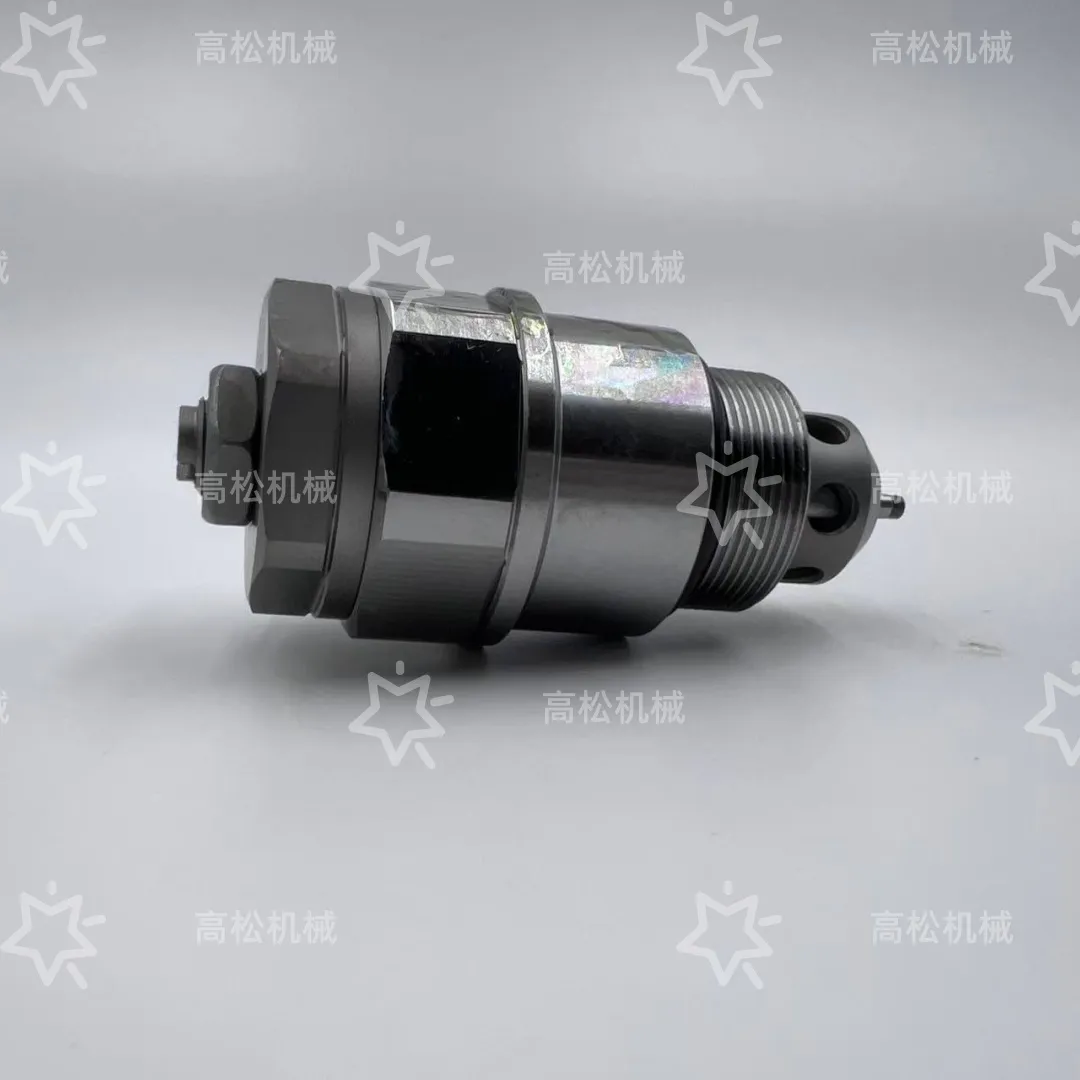 709-90-71700 Valve Assembly, Suction and Relief Komatsu
 -
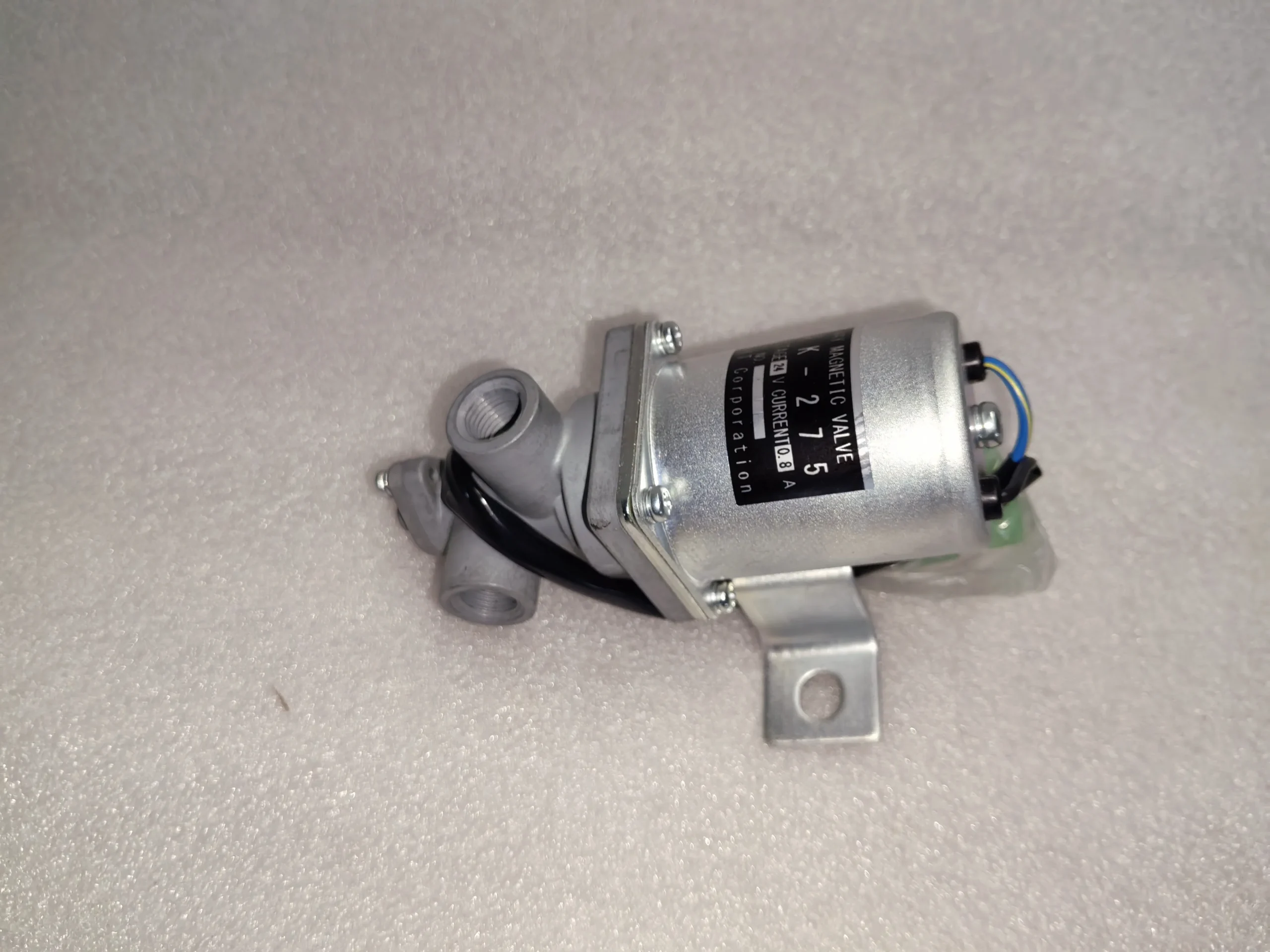 425-06-11150 VALVE Komatsu Original Factory
 -
 Komatsu Main Bearing STD – 6162-23-8010
 -
 21N-38-12310 Komatsu FLANGEKomatsu Original Equipment…
 -
 Komatsu original D65PX-15 Gear Shaft 14X-12-11411
 -
 ROLLER BEARING 170-09-13250 1700913250 for Komatsu Bulldozer D85 D80 SD32 D155 FINAL DRIVE GEAR
 -
 Komatsu 21N-26-31140 Bearing, price for original… — Pricing.Parts
 -
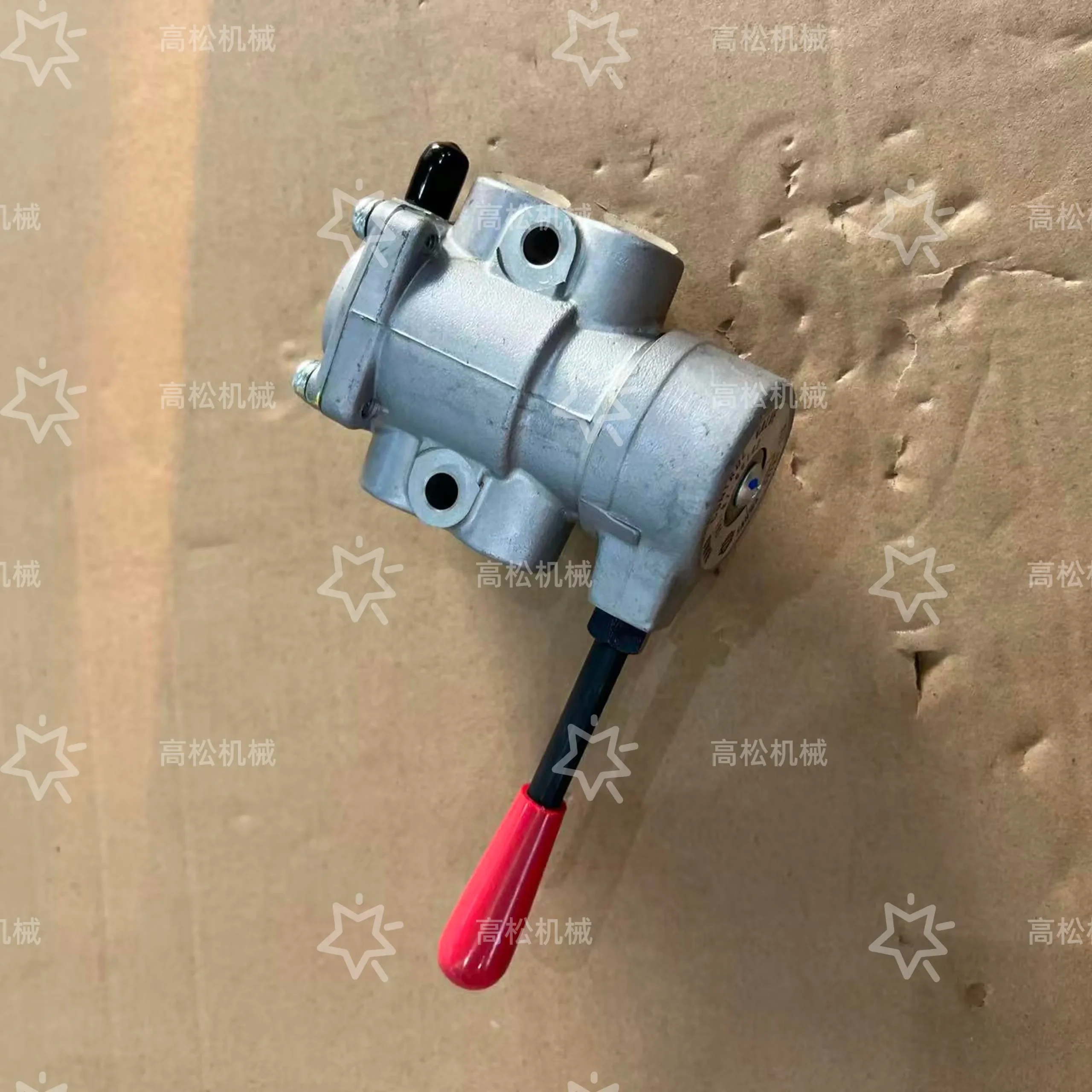 Dump Truck HD605-5 Valve Ass’y, Emergency Brake 561-87-66102 5618766102
 -
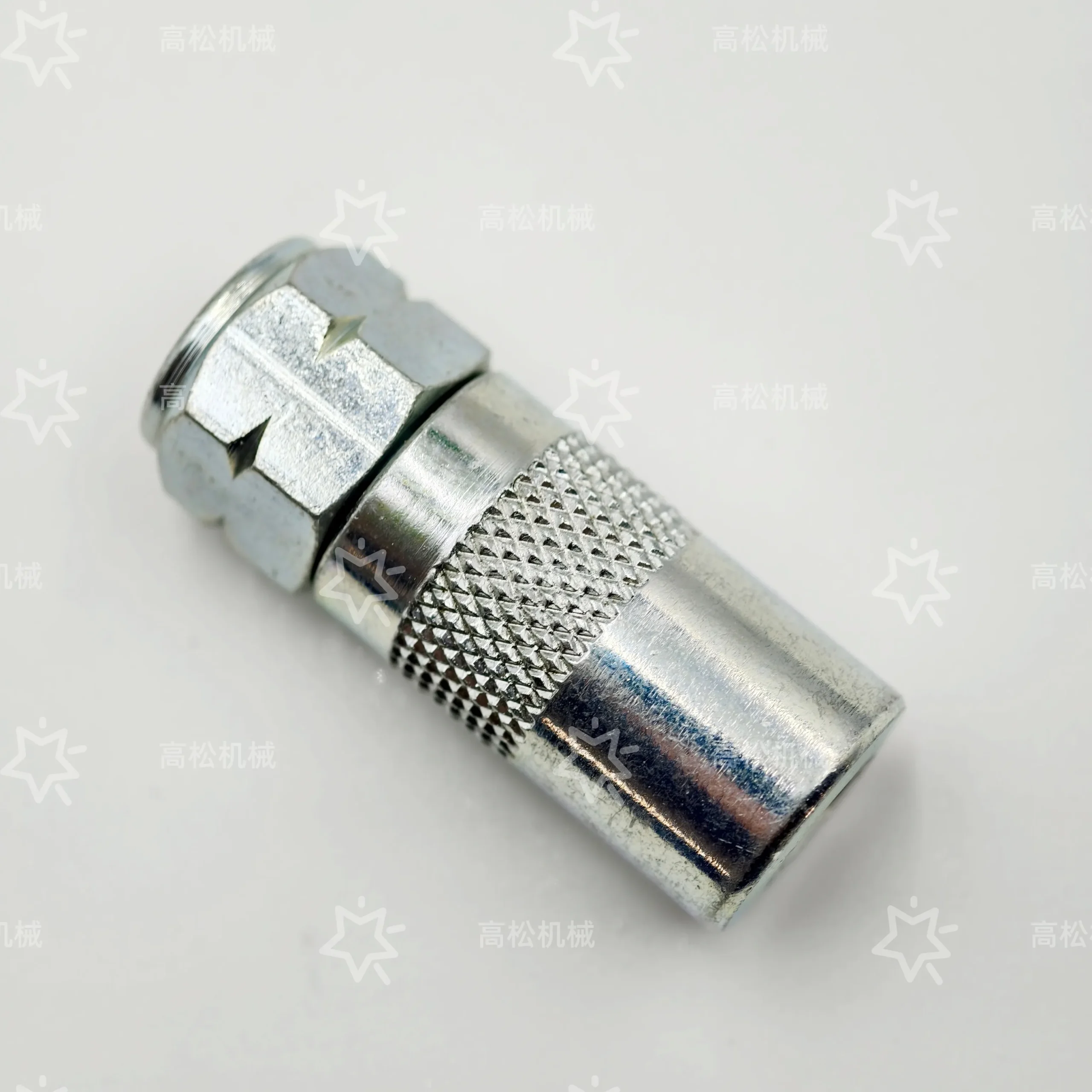 209-68-11640 Komatsu Coupling Assembly
 -
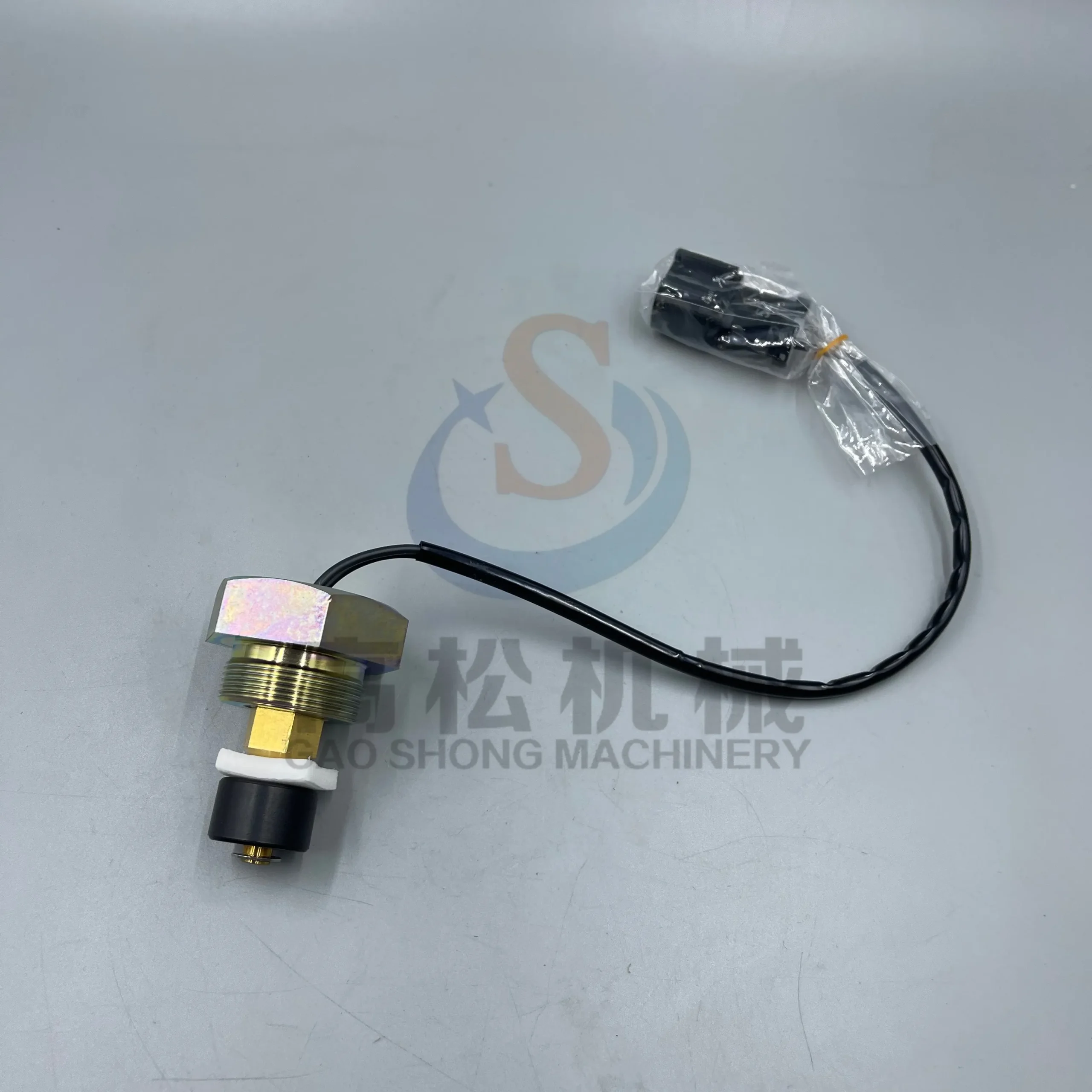 7861-92-4500 Komatsu SENSOR,HYDRAULIC OIL LEVEL
 -
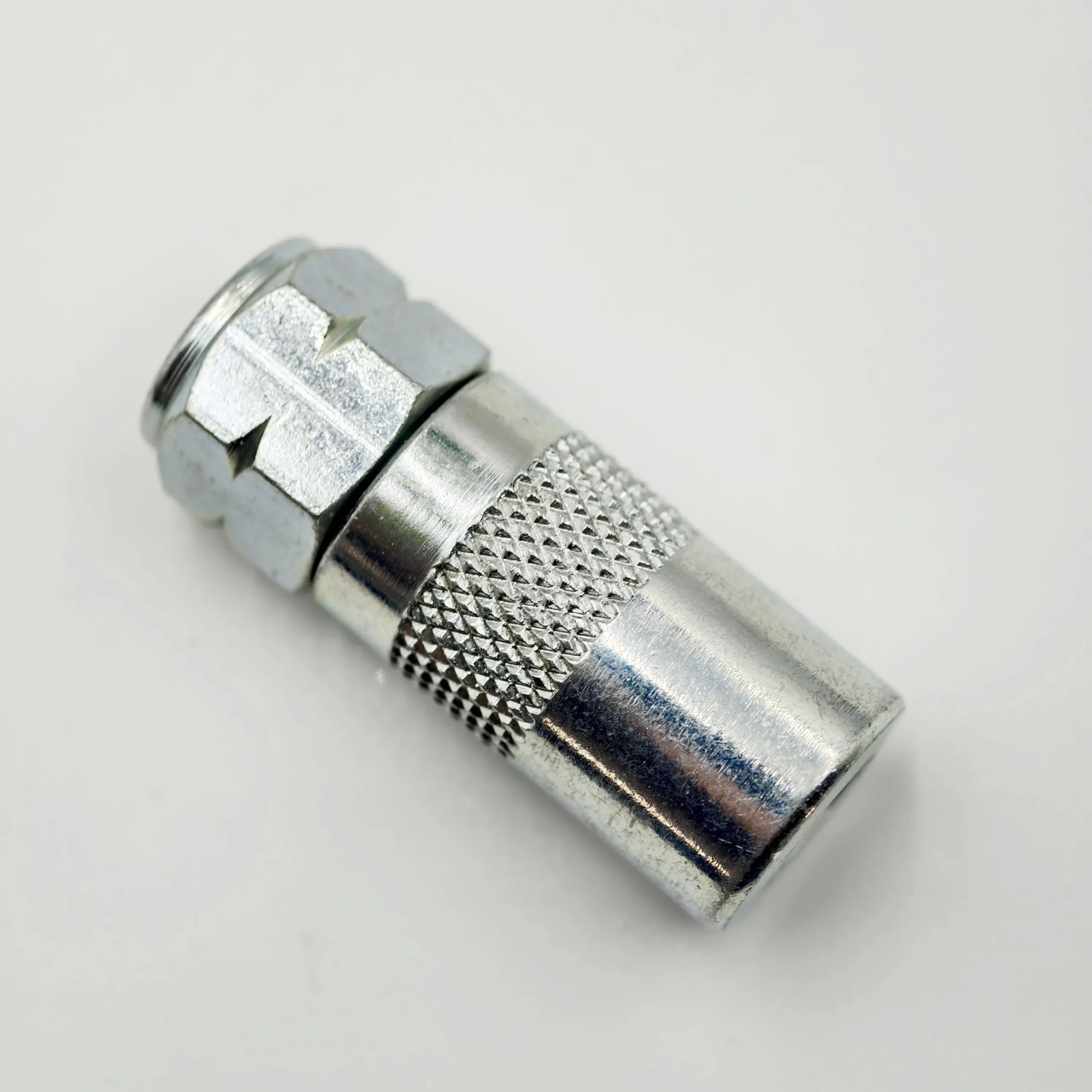 PC600-8/PC2000-8 Coupler 209-68-11640
 -
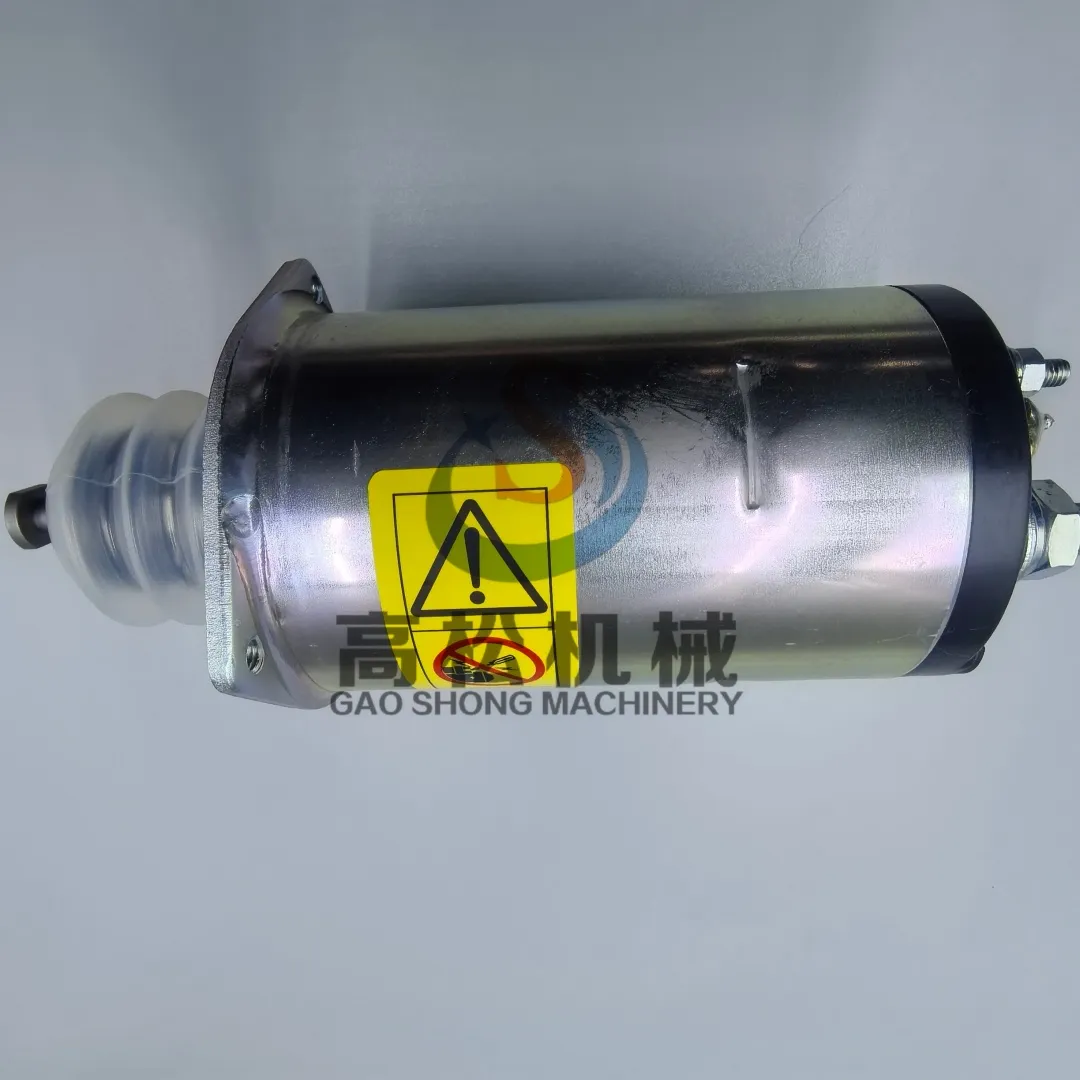 magnetic swi kd7-47100-0274 – fits KOMATSU