
- Chinese
- French
- German
- Portuguese
- Spanish
- Russian
- Japanese
- Korean
- Arabic
- Irish
- Greek
- Turkish
- Italian
- Danish
- Romanian
- Indonesian
- Czech
- Afrikaans
- Swedish
- Polish
- Basque
- Catalan
- Esperanto
- Hindi
- Lao
- Albanian
- Amharic
- Armenian
- Azerbaijani
- Belarusian
- Bengali
- Bosnian
- Bulgarian
- Cebuano
- Chichewa
- Corsican
- Croatian
- Dutch
- Estonian
- Filipino
- Finnish
- Frisian
- Galician
- Georgian
- Gujarati
- Haitian
- Hausa
- Hawaiian
- Hebrew
- Hmong
- Hungarian
- Icelandic
- Igbo
- Javanese
- Kannada
- Kazakh
- Khmer
- Kurdish
- Kyrgyz
- Latin
- Latvian
- Lithuanian
- Luxembou..
- Macedonian
- Malagasy
- Malay
- Malayalam
- Maltese
- Maori
- Marathi
- Mongolian
- Burmese
- Nepali
- Norwegian
- Pashto
- Persian
- Punjabi
- Serbian
- Sesotho
- Sinhala
- Slovak
- Slovenian
- Somali
- Samoan
- Scots Gaelic
- Shona
- Sindhi
- Sundanese
- Swahili
- Tajik
- Tamil
- Telugu
- Thai
- Ukrainian
- Urdu
- Uzbek
- Vietnamese
- Welsh
- Xhosa
- Yiddish
- Yoruba
- Zulu
- Kinyarwanda
- Tatar
- Oriya
- Turkmen
- Uyghur






OEM AND ORIGINAL KOMATSU BUSHING 428-70-11895
When you see that part number, , for a Komatsu bushing, the immediate assumption is that you're dealing with a genuine, factory-original component. But that's where the nuance starts. In our line of work, the terms 'OEM' and 'Original' get thrown around so loosely they've almost lost meaning. I've seen boxes stamped with the right number that contain parts with machining tolerances that are just... off. Not enough to be obvious, but enough to cause premature wear in a pin joint on an excavator arm. The real question isn't just about the number; it's about the provenance and the specification behind it.
The Gray Area of OEM Supply
Here's the practical reality. Komatsu doesn't manufacture every single bushing in-house. They source from a network of certified foundries and machining shops that produce to their exacting blueprints. These are the true OEM product suppliers. When a company like Jining Gaosong Construction Machinery Co., Ltd. states they are an OEM product supplier within the Komatsu system, it signals they are part of that sanctioned manufacturing ecosystem. They're producing the to the same material spec (like specific bronze alloy grades), heat treatment, and dimensional drawing as what gets packaged in a Komatsu-branded box.
The confusion, and often the problem, arises with compatible or aftermarket parts. They might fit, but the metallurgy or surface hardening process is different. I recall a batch of OEM-spec bushings for a PC300 that failed spectrographic analysis—the tin content in the bronze was too low, leading to galling. The downtime cost far outweighed the part savings.
This is precisely where the role of a knowledgeable intermediary matters. A company operating as a third-party sales company for Komatsu isn't just a reseller. They bridge the gap, especially in regions with fragmented supply chains. They can verify the lineage of a part like the , ensuring it comes from the correct production channel rather than a copycat factory.
Decoding the Specifics
Let's talk about this specific bushing. It's not a generic sleeve; it's a critical wear component for a pivot point, likely in a larger machine's linkage. The '428' prefix often ties it to a particular family of Komatsu equipment. The tolerances, particularly the ID finish and the oil groove pattern, are non-negotiable. An original Komatsu bushing will have a specific honed finish inside to retain lubrication and a precise groove depth.
I've measured aftermarket versions where the grooves were machined with a different tool path, making them shallower. This reduces the oil reservoir capacity, leading to a dry start scenario and accelerated wear. The failure mode is insidious—it doesn't seize immediately, but over a few hundred hours, you get increased play and abnormal wear on the mating pin.
When sourcing, the proof is in the documentation and the physical part. A legitimate supplier should be able to trace the batch. The surface should have a consistent, almost polished look from the forging and machining process, not a rough cast finish. The stamping of the part number should be crisp, not etched or painted on.
On-the-Ground Supply Challenges
The theory of global supply chains meets the reality of a broken-down machine in a remote quarry. Official distributors might be out of stock for weeks, or the part might be on a slow boat from another continent. This is the parts supply challenges in certain countries that companies like the one behind https://www.takematsumachinery.com aim to solve. Their value isn't just in having inventory, but in having the correct inventory with verified origins.
I've been in situations where a local dealer offered a genuine at a suspiciously low price. The packaging was convincing, but the weight was off by about 3%. That was the red flag. Density differences point to material substitution. We refused the part and sourced through a channel that provided mill certificates for the bronze alloy. The machine is still running on those bushings two years later.
The alternative—using an unverified part—is a gamble. The immediate installation might seem fine, but you're essentially writing a check for future downtime that will be cashed at the worst possible time. It's a calculus every site manager has to do, but with the right supplier intelligence, the risk drops significantly.
The Practical Verification Process
So, what do you do when a box with on it lands in your yard? First, ignore the box. Look at the part. Check for the proper Komatsu trademark or the supplier's mark if they are a legitimate OEM partner. The machining faces should be clean, with no burrs. The oil holes should be deburred and clean.
Second, ask for paperwork. A credible supplier, especially one positioning themselves as solving supply chain issues, will provide documentation linking the part back to an authorized production run. If they hesitate, that's your answer.
Finally, fit-check with the old part. Not just a visual, but a caliper check on the wall thickness and OD/ID. Even minor deviations can indicate a different, non-conforming drawing was used. An OEM product supplier part will be interchangeable without force or play.
Concluding Thoughts on Value vs. Cost
It boils down to this: the part number is just an address. The OEM AND ORIGINAL claim is the map to get there. In a market flooded with look-alikes, the supplier's integrity and position within the Komatsu ecosystem become the most critical spec. A company that is both a manufacturer within the system and a third-party sales arm has the insight to navigate these waters correctly.
They aren't just selling a piece of metal; they're selling the assurance that the engineering hours Komatsu invested in designing the stress profile and wear life of that bushing are preserved. For a part like the , that assurance is the real product.
The next time you order, think beyond the price and the number. Ask how they have it. The answer will tell you everything about what you're really putting into your machine.
Related Products
Related Products

Best Selling Products
Best Selling Products-
 GL BEARING AS 17A-27-11331 Excavator Engine Loader Truck Bulldozer Grader Roller Spare Parts
 -
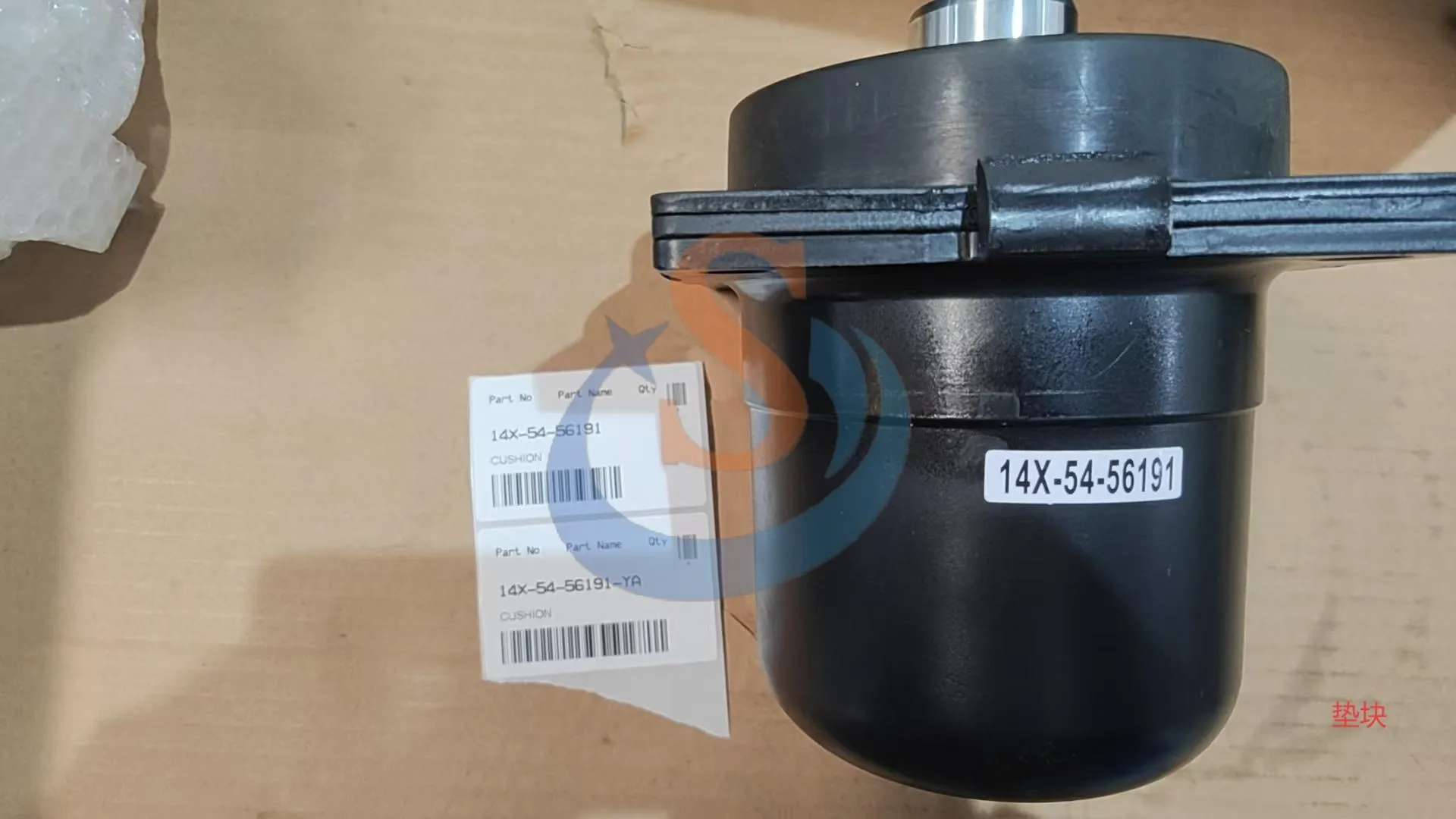 14X-54-56191,Cushion,D65PX,D65WX,D85EX
 -
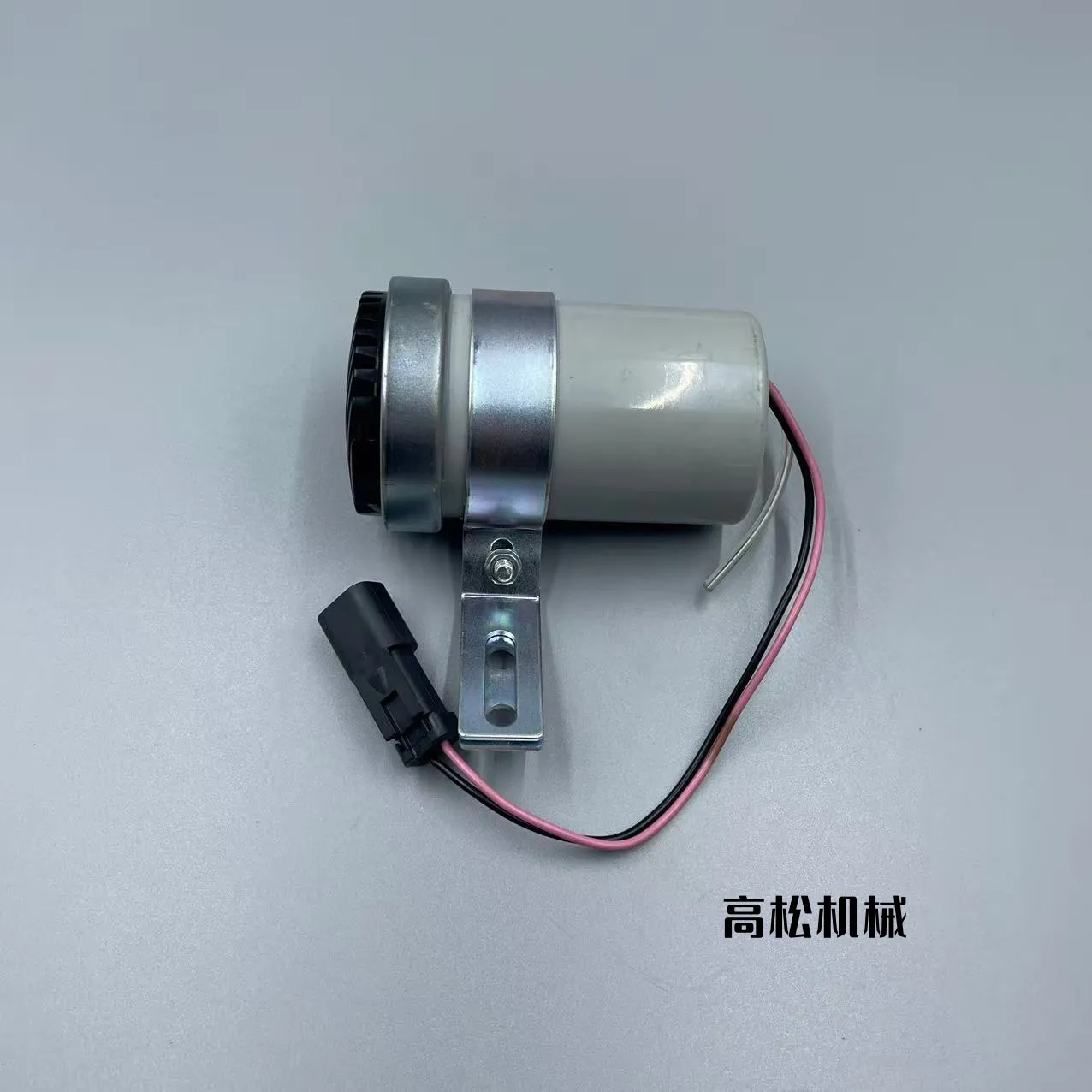 198-06-56570-BUZZER-Komatsu Original Factory
 -
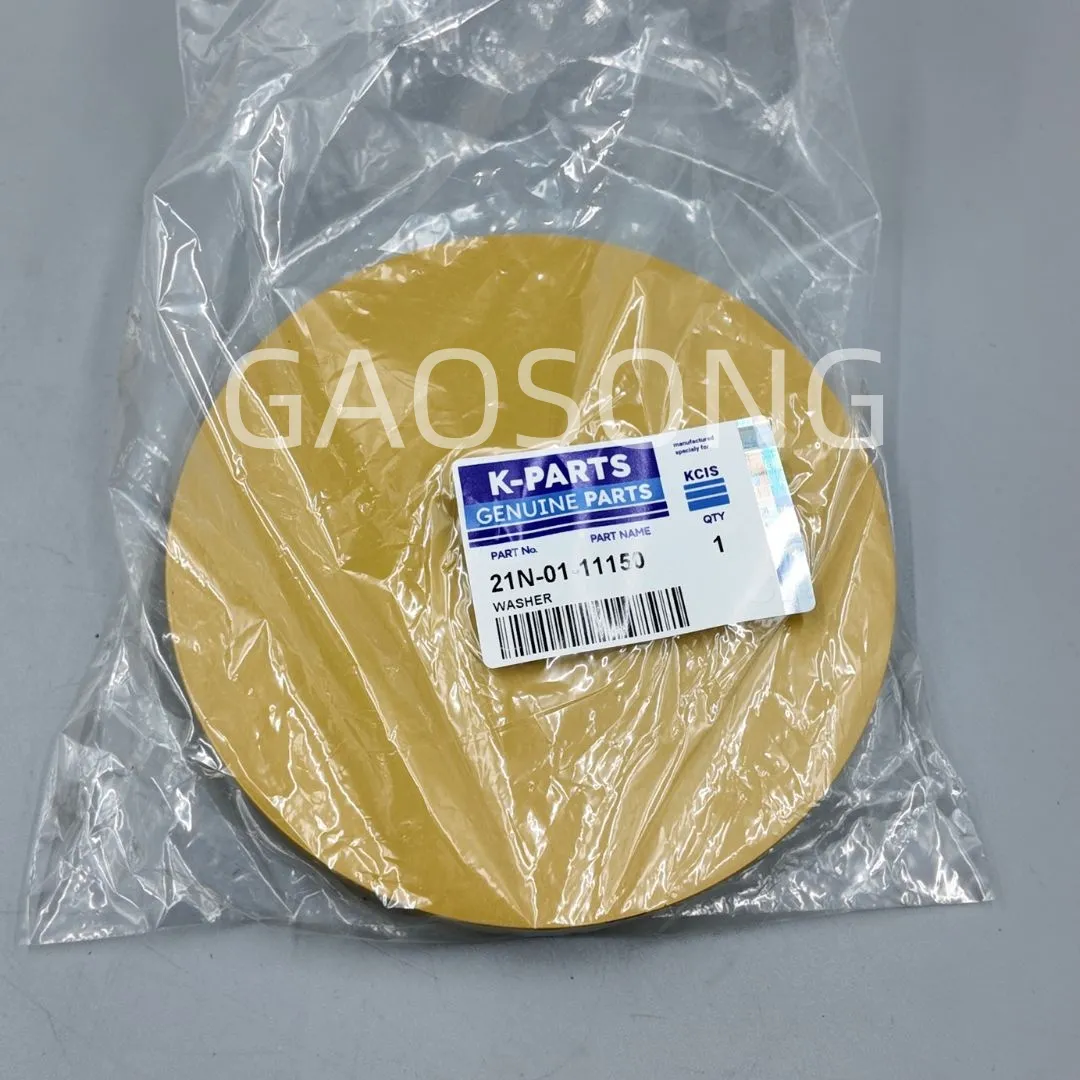 21N-01-11150 WASHER-Komatsu Original Factory
 -
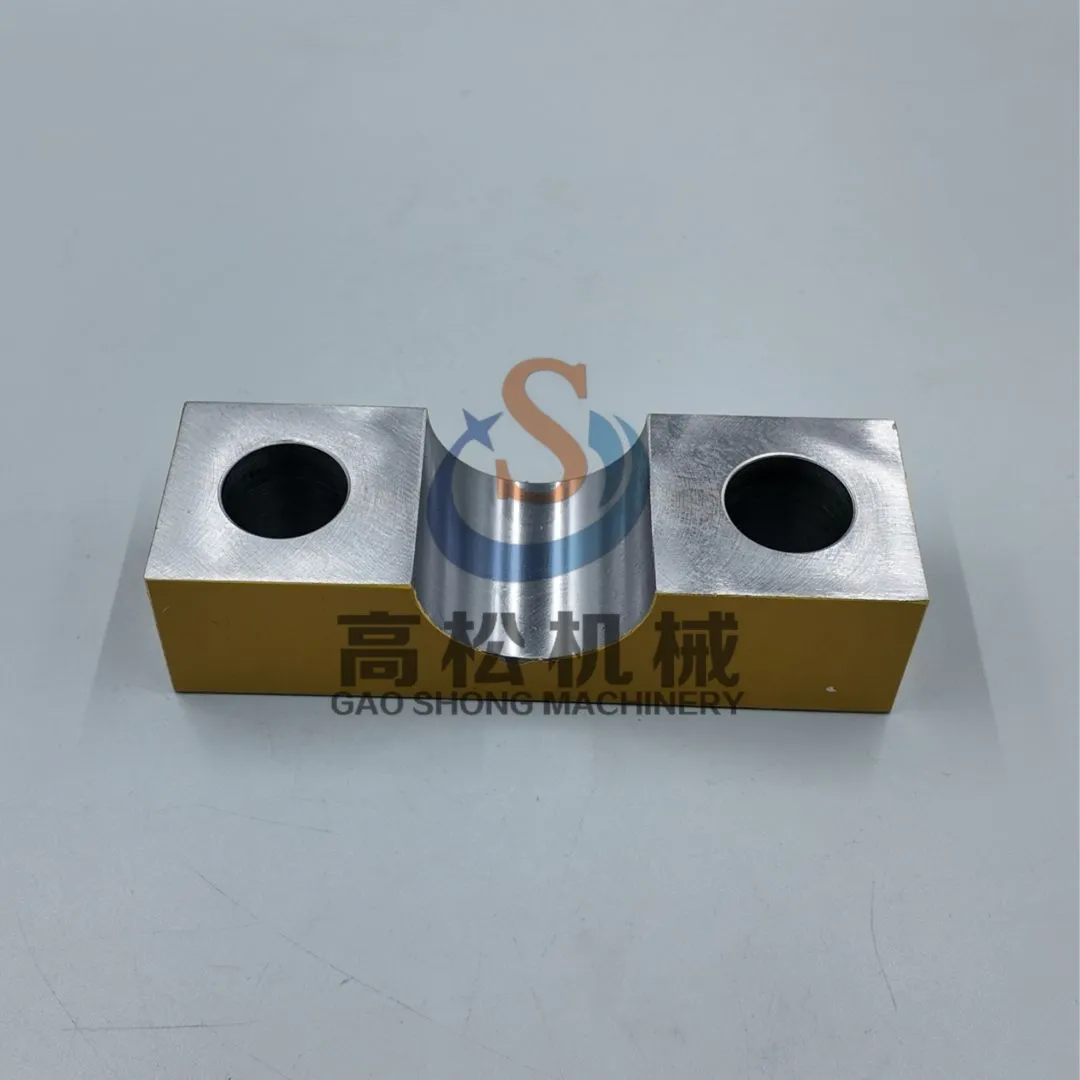 56B-50-12150 Komatsu Plate komatsu original
 -
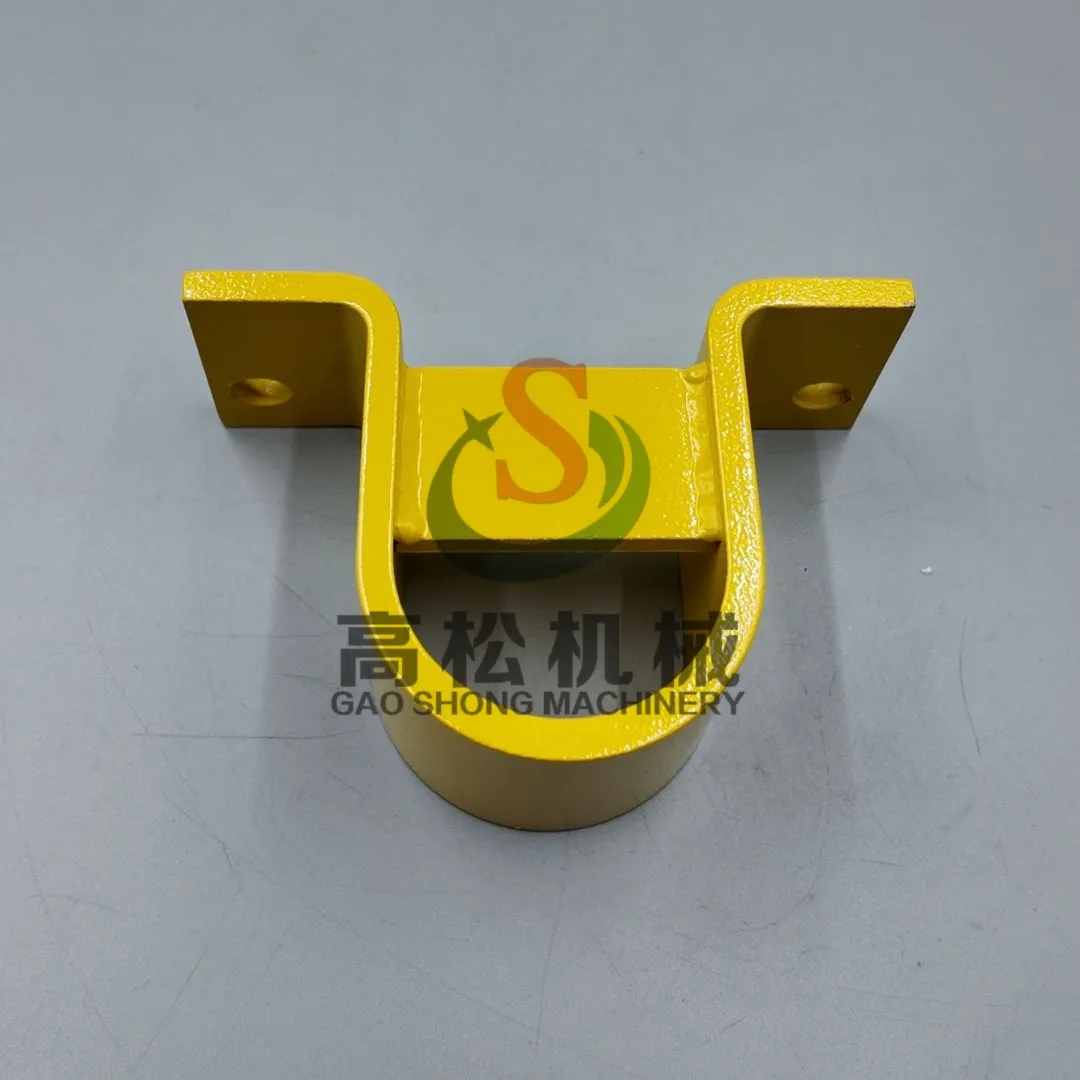 COVER 425-04-21430 for a WA500-3 komatsu original
 -
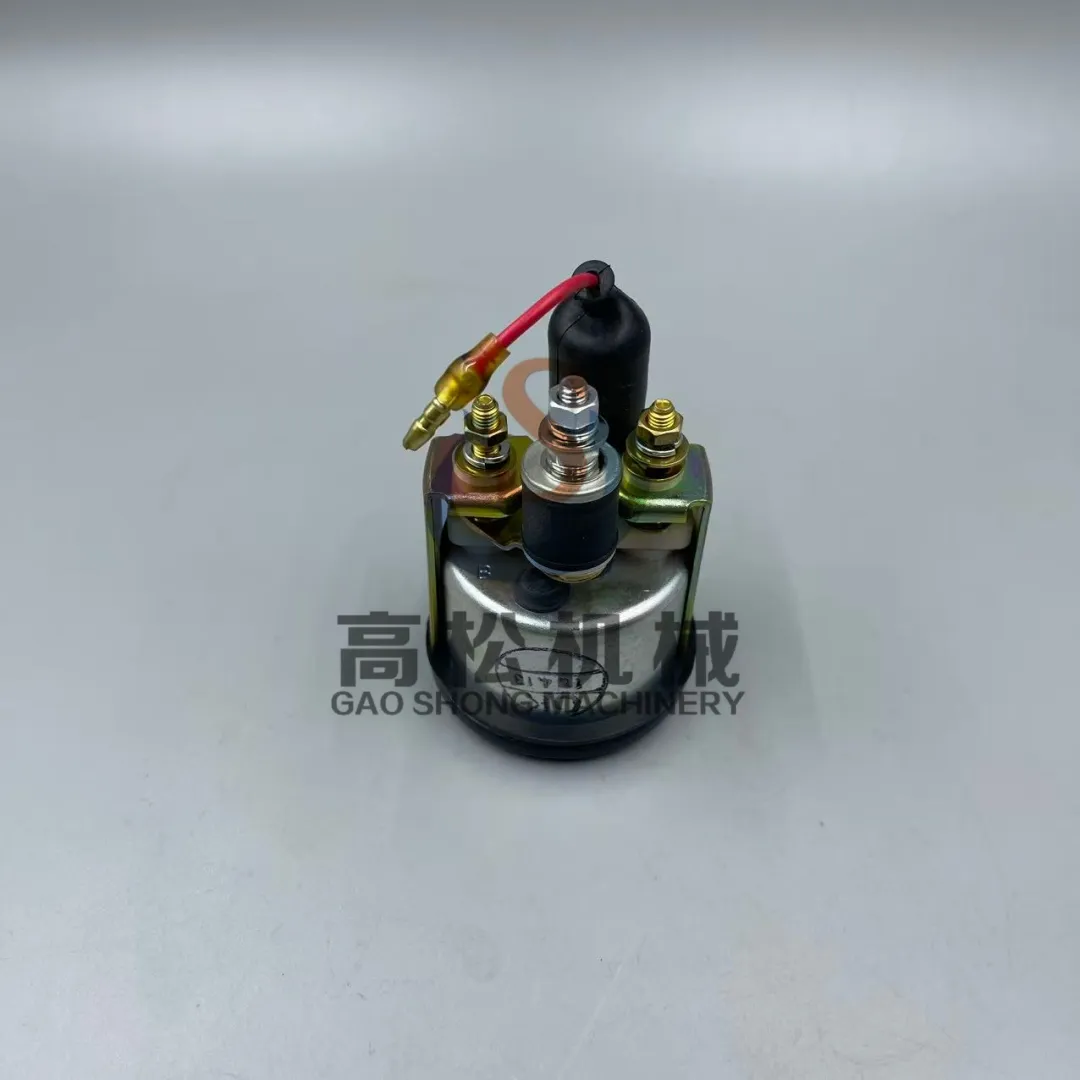 195-06-23110 – GAUGE, WATER TEMP 1950623110 fits KOMATSU
 -
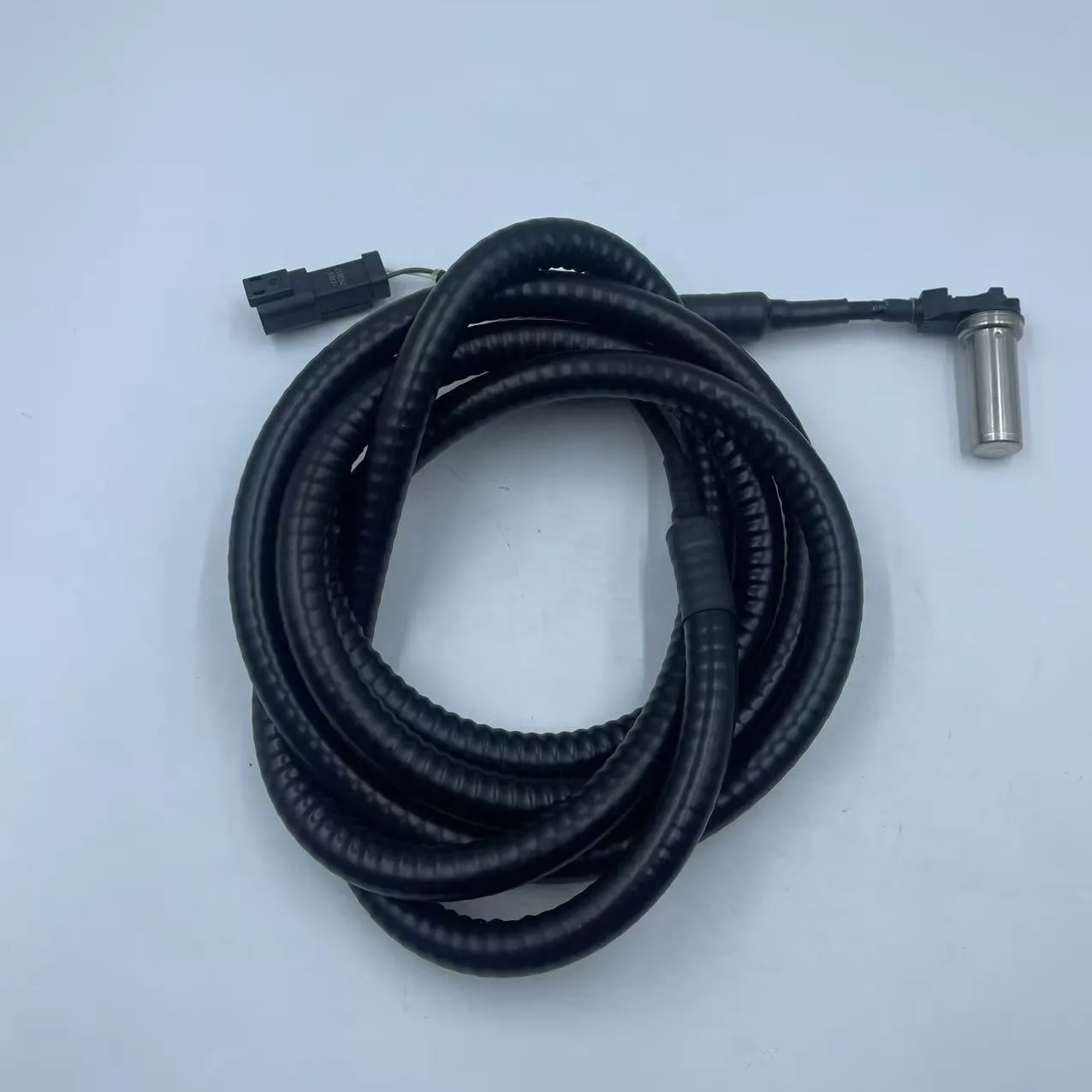 ZGZJYBL Sensor for Komatsu HD785-7 Dump Truck 566-88-66143 5668866143
 -
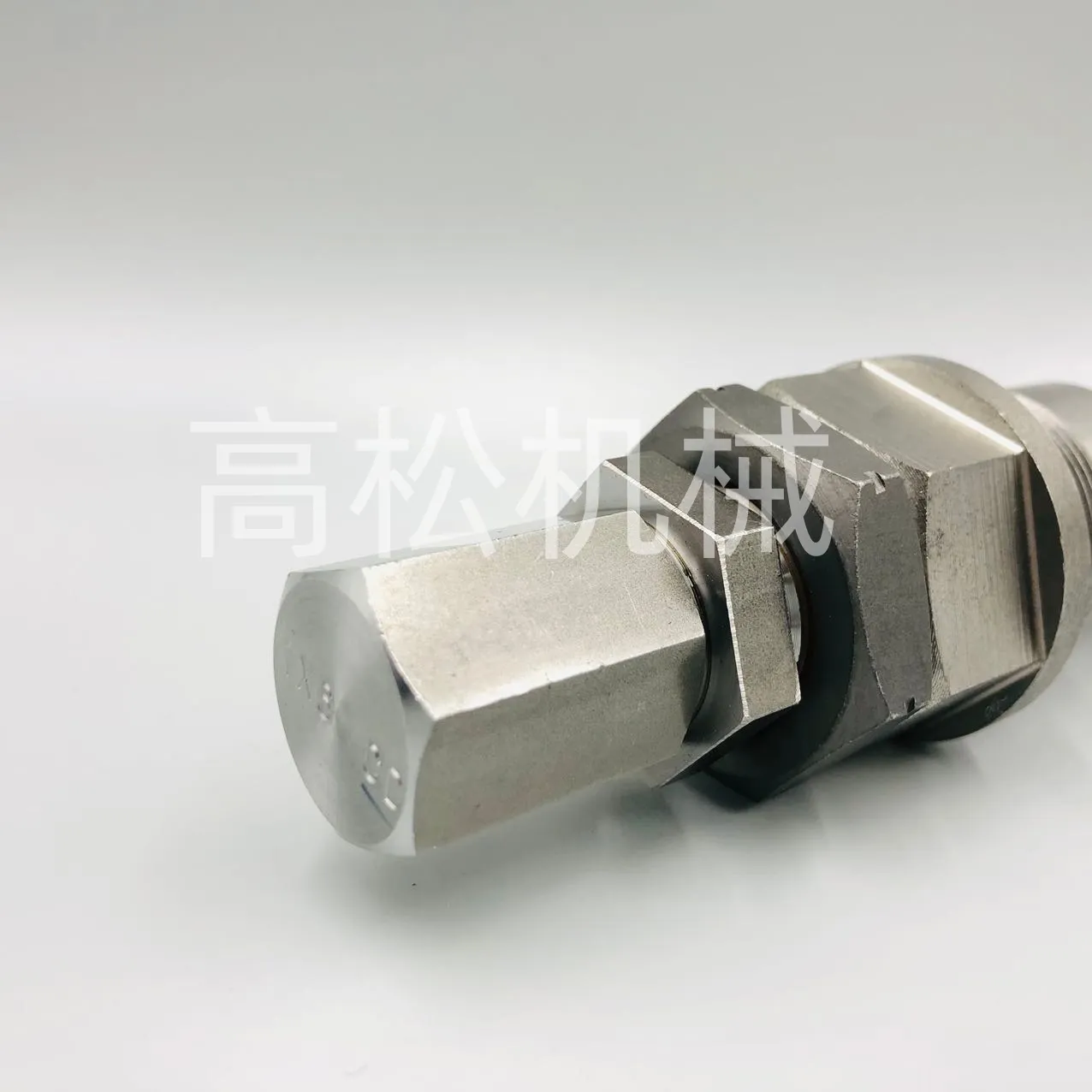 Komatsu700-89-66000 RELIEF VALVE-Komatsu Original Factory
 -
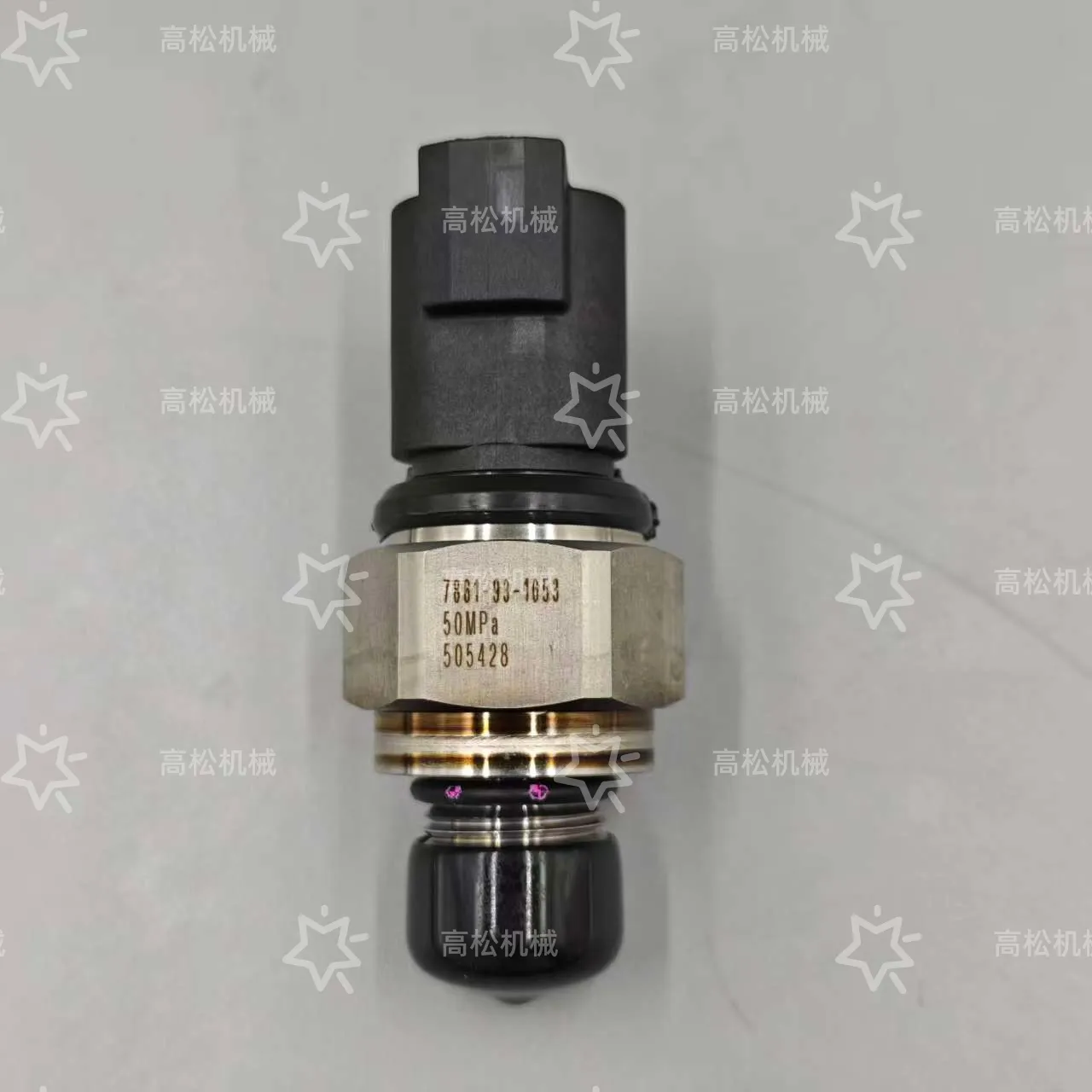 7861-93-1653 7861-93-1652 7861-93-1650 HYDRAULIC PUMP SENSOR for PC300-7
 -
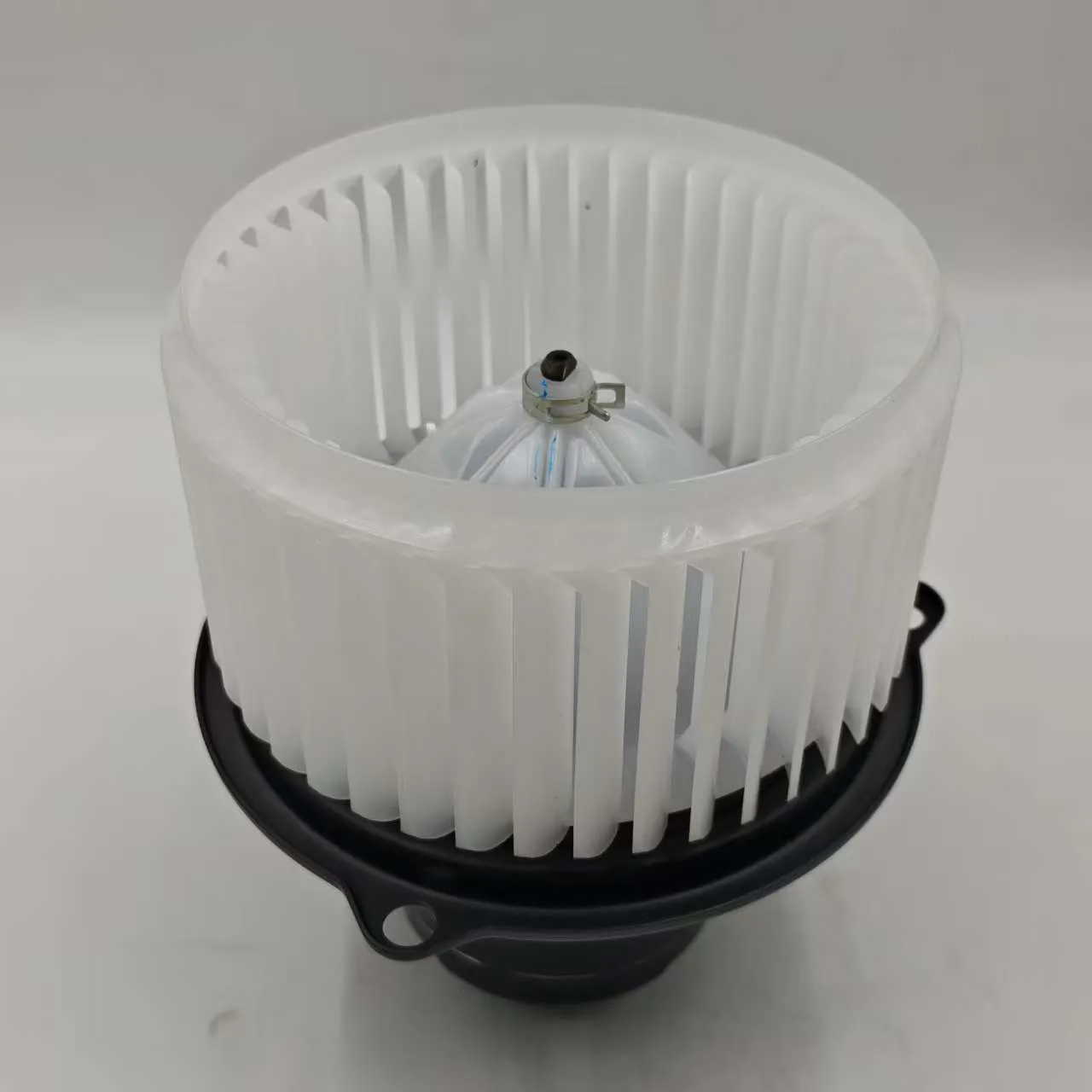 ND116340-3860 ND116340-3320 Compatible With Komatsu PC270LC-7 PC210 Blower Motor PC220 PC230 Excavators(12V)
 -
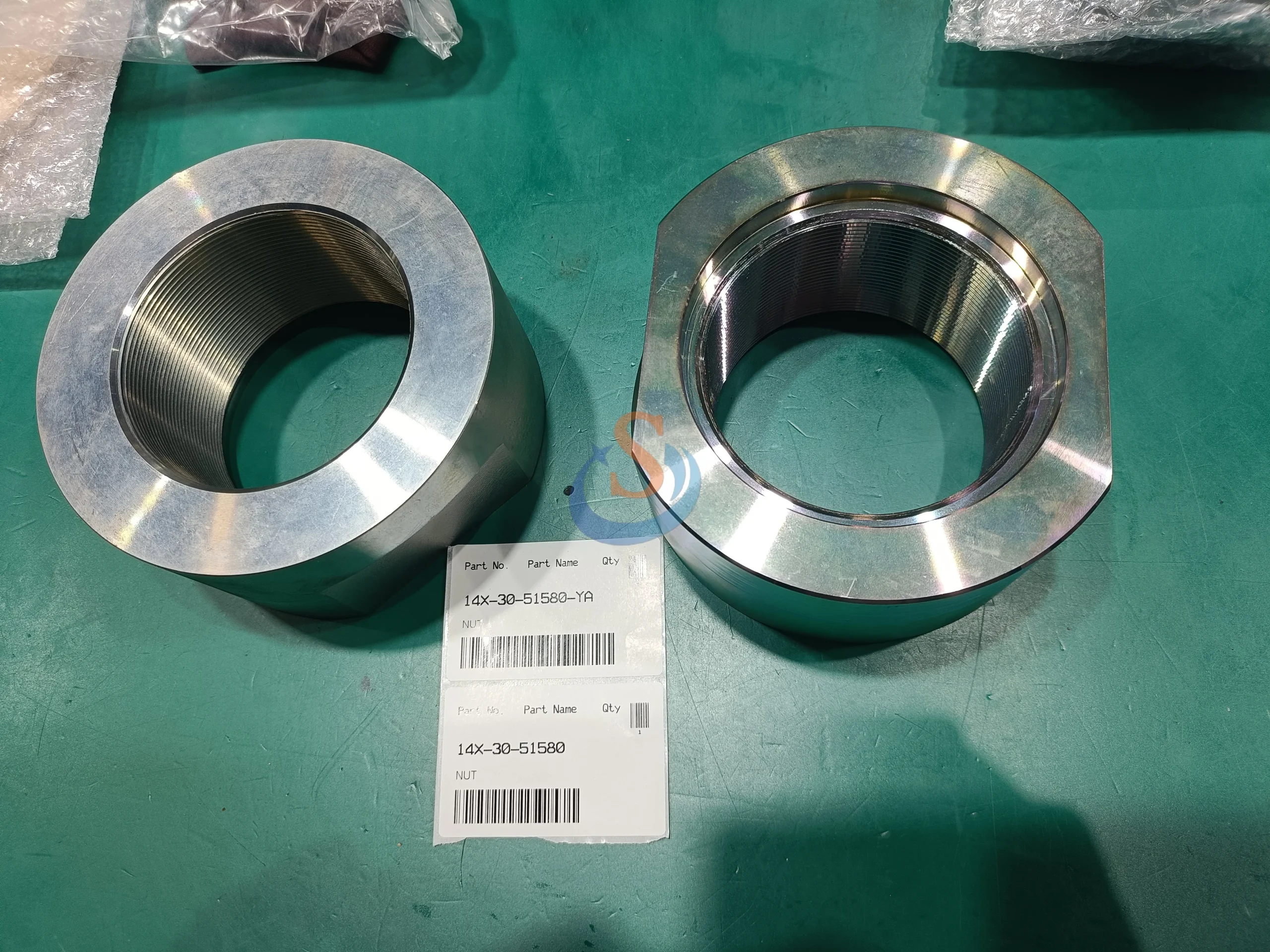 14X-30-51580,NUT,D65EX,D65PX,D65WX