
- Chinese
- French
- German
- Portuguese
- Spanish
- Russian
- Japanese
- Korean
- Arabic
- Irish
- Greek
- Turkish
- Italian
- Danish
- Romanian
- Indonesian
- Czech
- Afrikaans
- Swedish
- Polish
- Basque
- Catalan
- Esperanto
- Hindi
- Lao
- Albanian
- Amharic
- Armenian
- Azerbaijani
- Belarusian
- Bengali
- Bosnian
- Bulgarian
- Cebuano
- Chichewa
- Corsican
- Croatian
- Dutch
- Estonian
- Filipino
- Finnish
- Frisian
- Galician
- Georgian
- Gujarati
- Haitian
- Hausa
- Hawaiian
- Hebrew
- Hmong
- Hungarian
- Icelandic
- Igbo
- Javanese
- Kannada
- Kazakh
- Khmer
- Kurdish
- Kyrgyz
- Latin
- Latvian
- Lithuanian
- Luxembou..
- Macedonian
- Malagasy
- Malay
- Malayalam
- Maltese
- Maori
- Marathi
- Mongolian
- Burmese
- Nepali
- Norwegian
- Pashto
- Persian
- Punjabi
- Serbian
- Sesotho
- Sinhala
- Slovak
- Slovenian
- Somali
- Samoan
- Scots Gaelic
- Shona
- Sindhi
- Sundanese
- Swahili
- Tajik
- Tamil
- Telugu
- Thai
- Ukrainian
- Urdu
- Uzbek
- Vietnamese
- Welsh
- Xhosa
- Yiddish
- Yoruba
- Zulu
- Kinyarwanda
- Tatar
- Oriya
- Turkmen
- Uyghur






OEM AND ORIGINAL KOMATSU BUSHING 427-N42-1133
Let's talk about that part number, 427-N42-1133. If you're ordering it, you're likely dealing with an undercarriage component for a mid-sized Komatsu dozer, maybe a D65 or D85 series. The immediate assumption is that 'OEM' and 'Original' mean the same thing—a genuine part from Komatsu. That's the first pitfall. In our world, 'OEM' can be a gray area; it might mean made in the same factory that supplies Komatsu, but not necessarily passing through Komatsu's own packaging and logistics chain. The 'Original' tag is what you want for a guaranteed fit and lifecycle, but the price difference makes the 'OEM' option tempting. I've seen this confusion cause downtime more than once.
The Nuance in the Supply Chain
My experience with Jining Gaosong Construction Machinery Co., Ltd. actually sheds light on this. They position themselves as an OEM product supplier within the Komatsu system. That's a specific claim. It doesn't mean they are Komatsu, but it suggests a formalized manufacturing relationship. For a part like the 427-N42-1133 bushing, this could mean the forging, heat treatment, and machining follow the exact Komatsu engineering drawings. The material certification might be identical. The practical difference often comes down to final quality audit standards, packaging, and the warranty path.
Where this gets real is in regions with supply bottlenecks. Their stated role as a third-party sales company helping to solve parts supply challenges in certain countries isn't just marketing. I've been in situations where the official distributor had a 12-week lead time for a critical undercarriage component. A supplier like Gaosong, with that OEM-system link, can sometimes bridge that gap with a product that is functionally equivalent, at a lower cost and faster shipping. But you have to verify. Within the Komatsu system requires asking for evidence—batch test reports, material certs.
The risk, of course, is the pure aftermarket copy. A bushing might look right, but the hardness might be off by a few points on the Rockwell C scale. It'll wear out the pin prematurely, leading to a cascade of failures in the link assembly. That's the hidden cost. So when I evaluate a source, I'm not just looking for the part number; I'm looking for the provenance of the manufacturing process. A company like the one at https://www.takematsumachinery.com needs to provide that traceability to be credible.
A Field Test and Its Lessons
We ran a trial about two years back, comparing a set of OEM-system bushings (not necessarily from Gaosong, but a similar supplier) against genuine Komatsu originals on a D65EX-12. The machine was in a fairly abrasive silica sand application. The initial fit and installation were flawless—no drift issues during pressing, which is the first good sign for dimensional accuracy.
At the 500-hour inspection, we measured wear. The OEM-system bushings were within 0.2mm of the genuine ones. That's acceptable for many operations. However, at around 1200 hours, we started seeing a divergence. The wear pattern on the OEM-system part was slightly more uneven, suggesting potential inconsistencies in the case hardening depth. The genuine part wore more uniformly. The takeaway? For a severe application, the marginal extra cost of the true original might pay off in longer total life and protection of adjacent components. For a less punishing environment, the OEM-system part was a viable cost-saving option.
This is where the third-party sales model shows its value. A good supplier in this space should be able to advise on this trade-off, not just sell a box. They should ask about the machine's application, expected service life, and your rebuild practices. If they don't, they're just a warehouse.
The Devil in the Details: 427-N42-1133 Specifically
Zooming in on this specific bushing. It's not a simple sleeve. It's a flange-type bushing, meaning it has a built-in shoulder that locates it precisely within the link. The flange thickness and the surface finish on the OD that presses into the link are critical. I've received parts where the flange was a fraction of a millimeter underspec. It seemed trivial, but it allowed the entire bushing to creep inward under load during operation, changing the track geometry and causing accelerated wear on the track guide.
The metallurgy is the other 90% of the battle. It's not just hard steel. It's a specific alloy designed for a combination of surface hardness to resist abrasion and a tough core to handle shock loading. The quenching and tempering process is everything. A shortcut here leads to a brittle bushing that can crack or spall. When I'm skeptical, I ask for a certificate of analysis for the steel grade. If a supplier hesitates, that's a red flag.
For a part like this, the packaging also tells a story. Genuine Komatsu parts come in distinctive packaging with part number labels and often corrosion-inhibiting grease or paper. An OEM-system part might come in plain brown box with a simple label. That's not a deal-breaker, but it's a visual cue about where you are in the supply chain. The important thing is that the part itself is protected from rust and damage in transit.
Sourcing Strategy and Practical Advice
So, how do you navigate this? First, identify your criticality. Is this for a routine rebuild on a machine in a low-impact job, or is it for your primary machine in a high-production, high-abrasion mine? Your tolerance for risk changes accordingly. For critical applications, I still lean toward the verified original, despite the cost.
For non-critical or backup machines, a reputable OEM-system supplier is a smart financial move. The key is reputable. Look for suppliers that are transparent about their relationship with the OEM. Do they state they are an OEM product supplier clearly, like Gaosong does? Do they provide technical support? Can they reference other customers in similar industries? Their website, takematsumachinery.com, should have more than just a parts catalog; it should have technical bulletins or case studies that demonstrate depth.
Always, always order a sample first if possible. Fit it. Measure it. Compare it physically to a worn original you've pulled out. Check the finish, the stampings, the weight. This hands-on check is worth more than any data sheet. I've caught out-of-spec parts at this stage that saved me a major headache down the line.
Finally, build a relationship with your supplier. Tell them what you're using it for. A good one will remember that and might even advise you to stock an extra set of pins with those OEM AND ORIGINAL KOMATSU BUSHING 427-N42-1133 units because they know the wear rates in your specific material. That's the difference between a parts vendor and a partner who helps solve supply challenges.
Wrapping It Up: Real-World Value
It boils down to informed choice. The part number 427-N42-1133 is just a code. The value is in the engineering and manufacturing integrity behind it. The existence of companies operating within the OEM system, like Jining Gaosong, provides a necessary layer of flexibility in the global parts market. They fill a valid niche, especially where official channels are slow or prohibitively expensive.
But this flexibility demands increased diligence from the buyer. You must become a minor expert on the component. Understand what makes it fail. Know what questions to ask. The goal isn't to always buy the cheapest, or always buy the most expensive. It's to buy the right part for the job, with full awareness of the compromises, if any.
In the end, whether you choose the indisputable original or a well-vetted OEM-system alternative, the decision should be based on evidence and specific need, not just on price or a vague claim. That's how you keep machines running and costs under control. The bushing is a small part, but getting it wrong has outsized consequences. Getting it right is just another day on the job.
Related Products
Related Products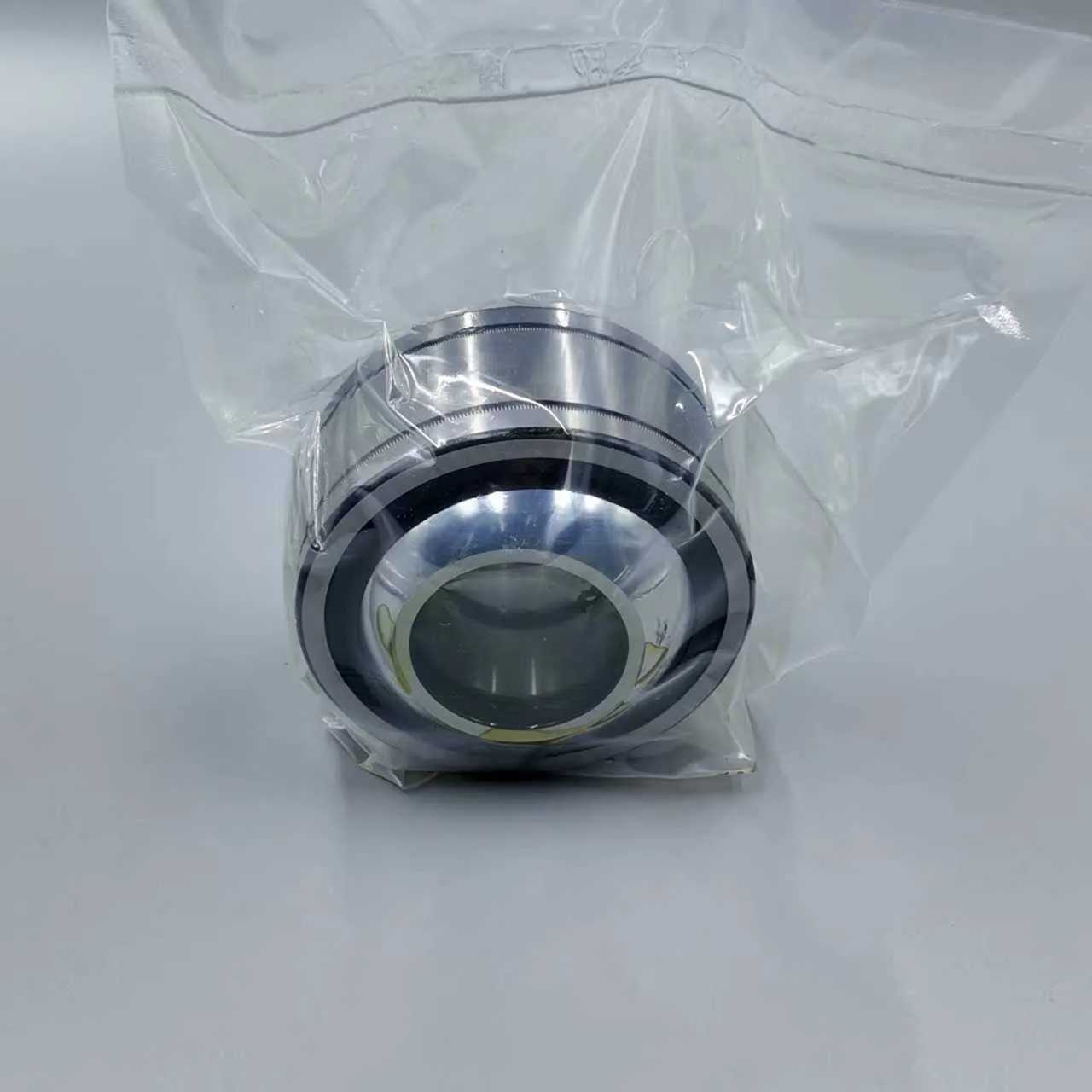
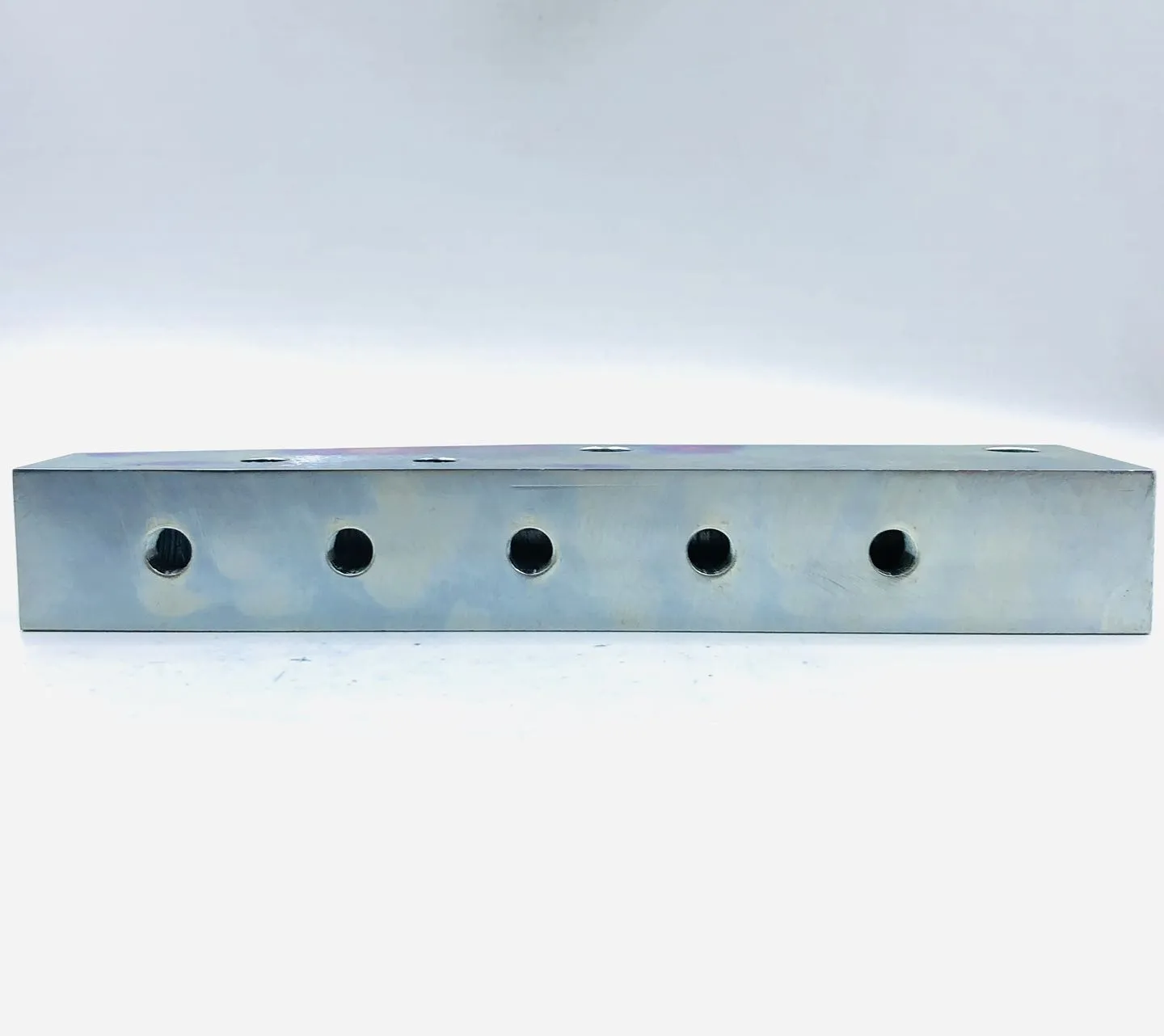
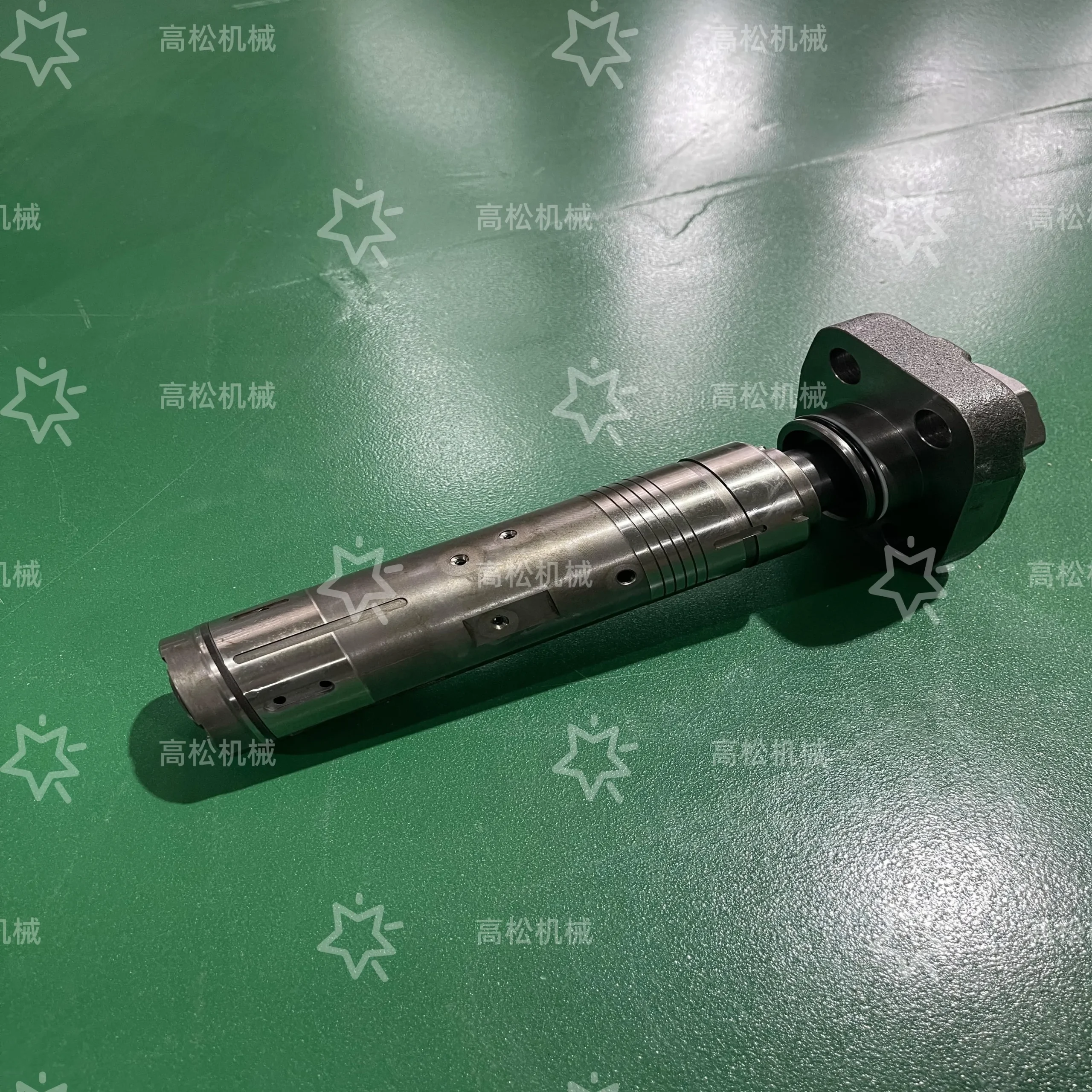
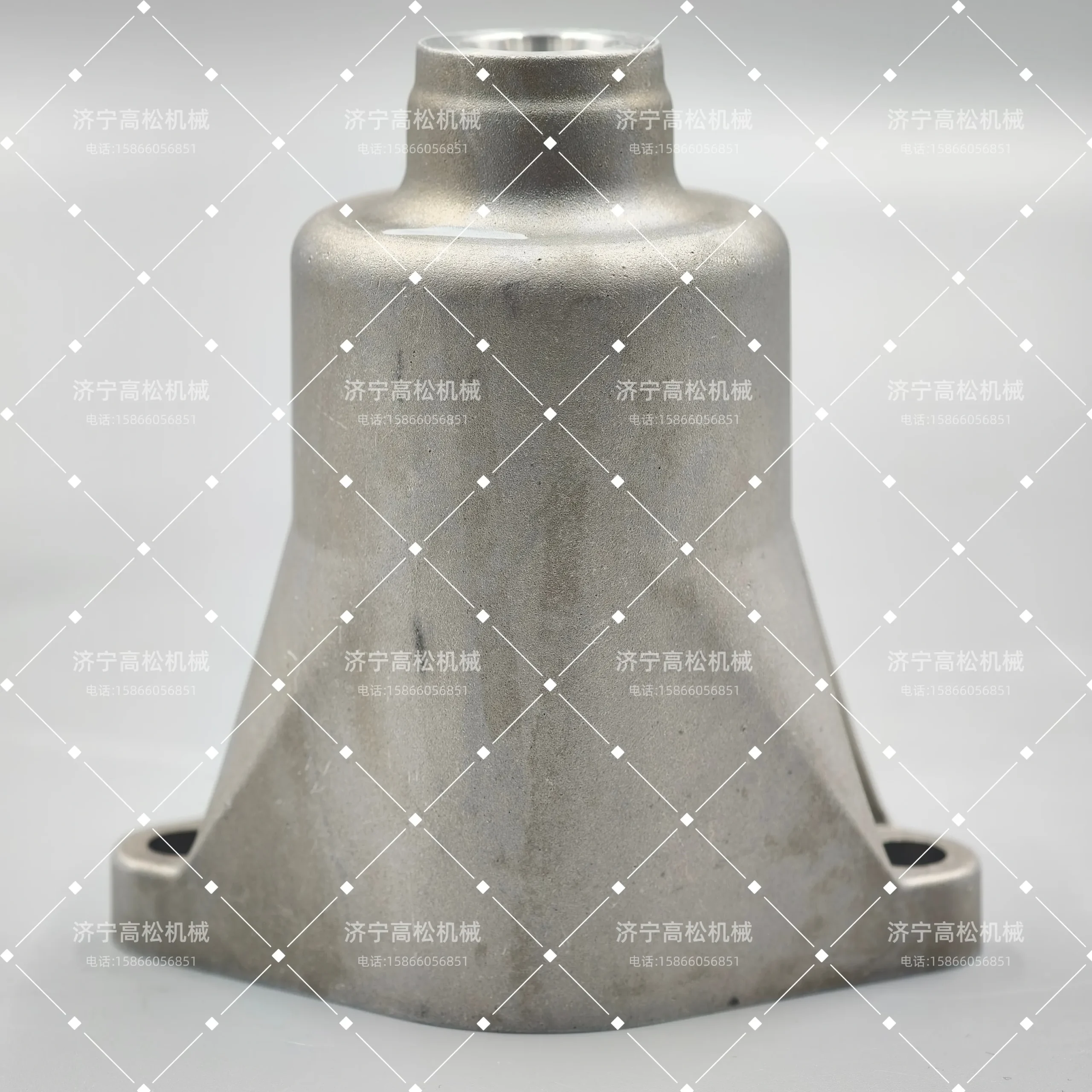


Best Selling Products
Best Selling Products-
 21T-01-11150 21N-01-11120 Cushion KOMATSU Excavator Spare Parts For PC800LC-8E0 PC850-8E0
 -
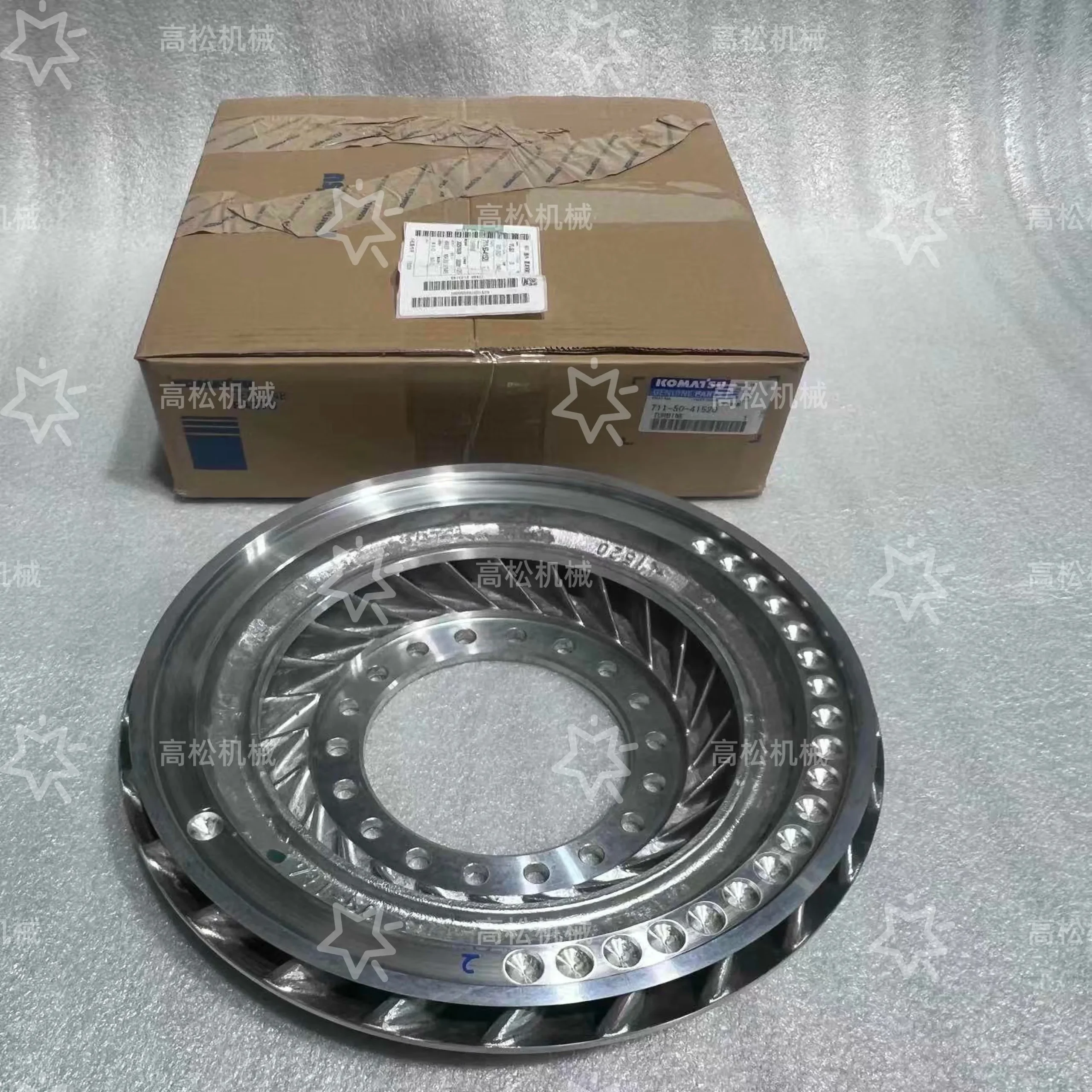 711-50-41520 TURBINE fits KOMATSU
 -
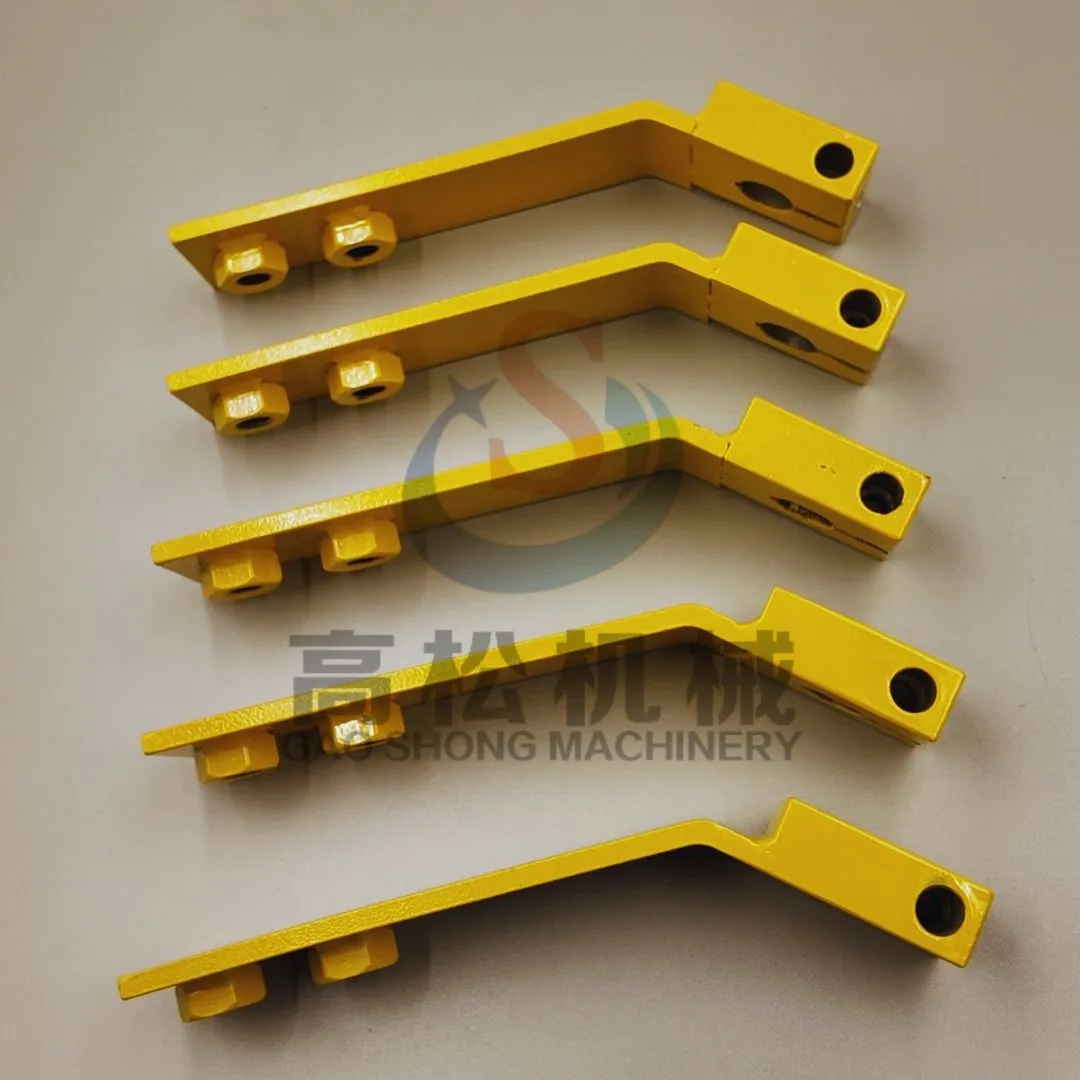 KOMATSU 566-86-6K430 BRACKET
 -
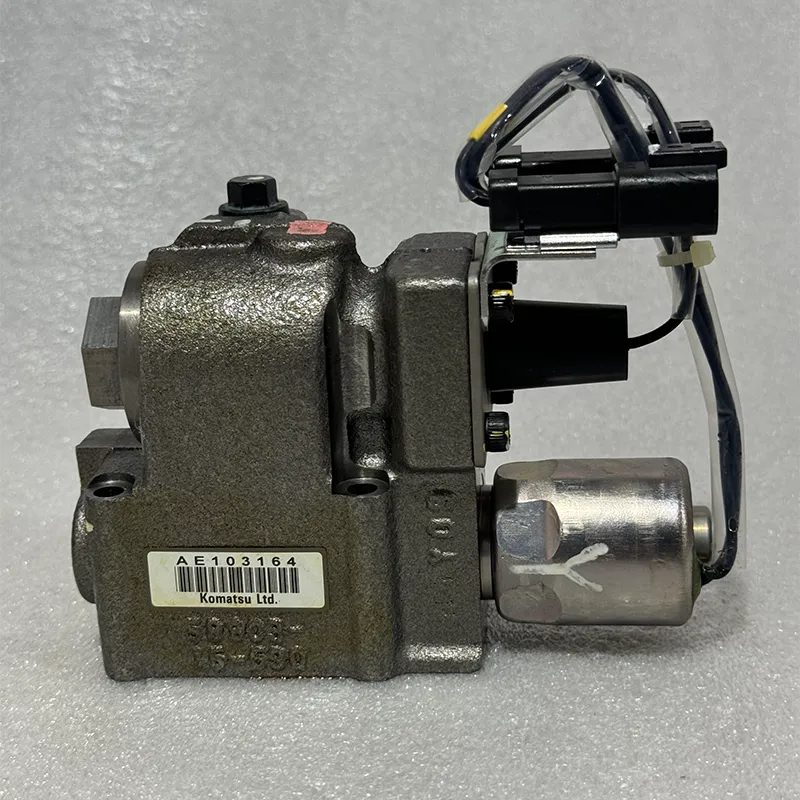 Original komatsu HD785-7 Valve 561-15-75701
 -
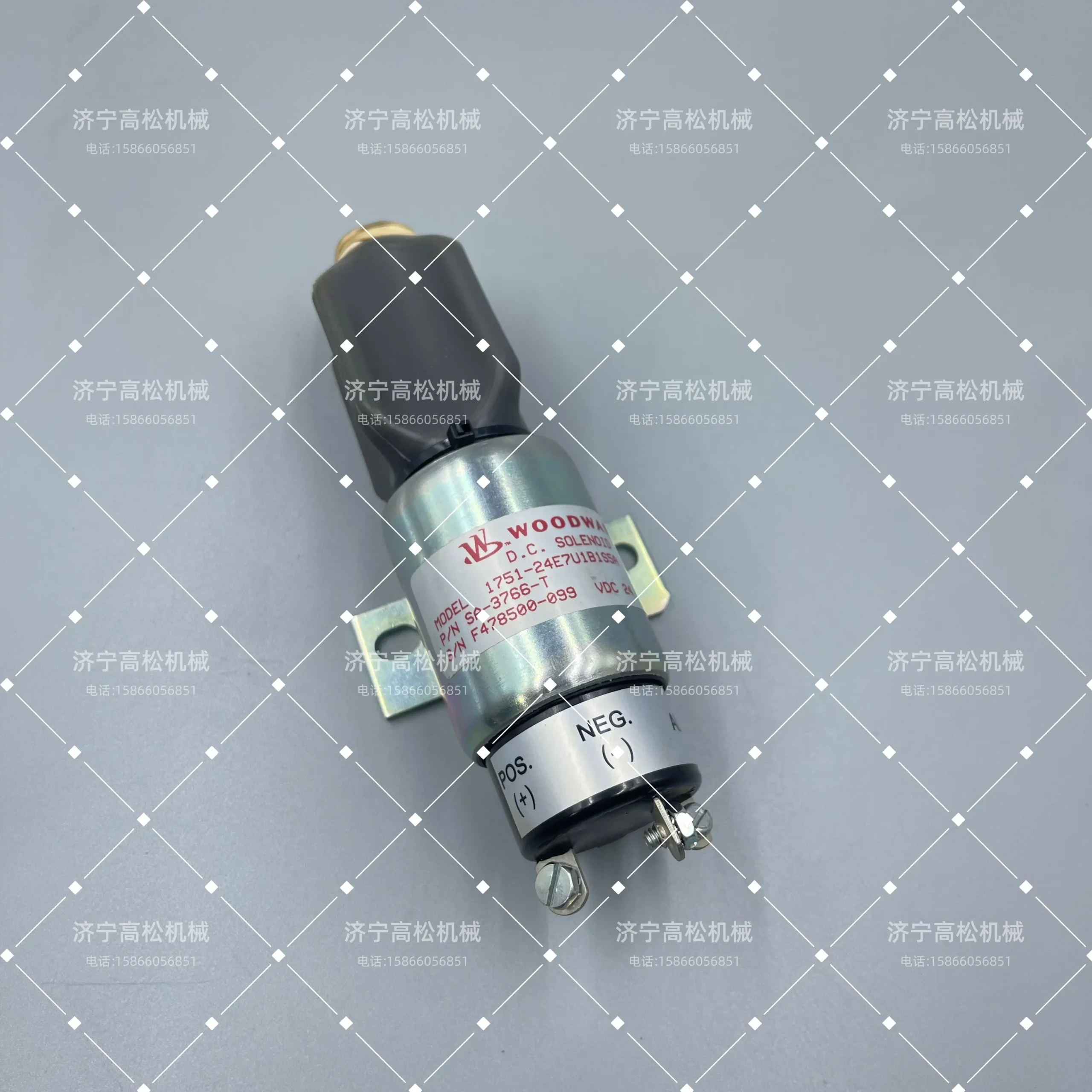 Solenoid Valve 600-815-7550 For Komatsu D41pf-6, High Quality…
 -
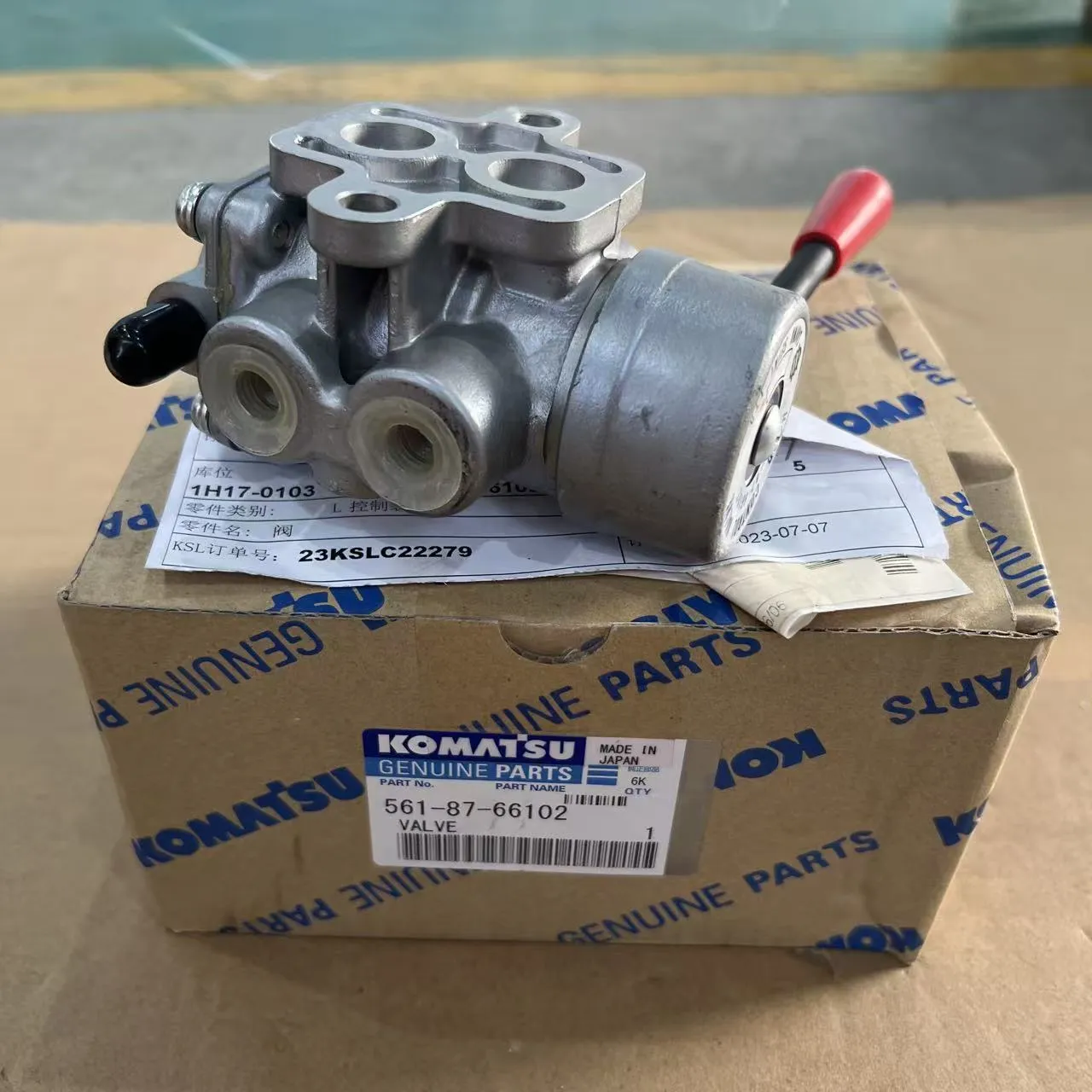 VALVE ASS’Y 561-87-66102 – KOMATSU
 -
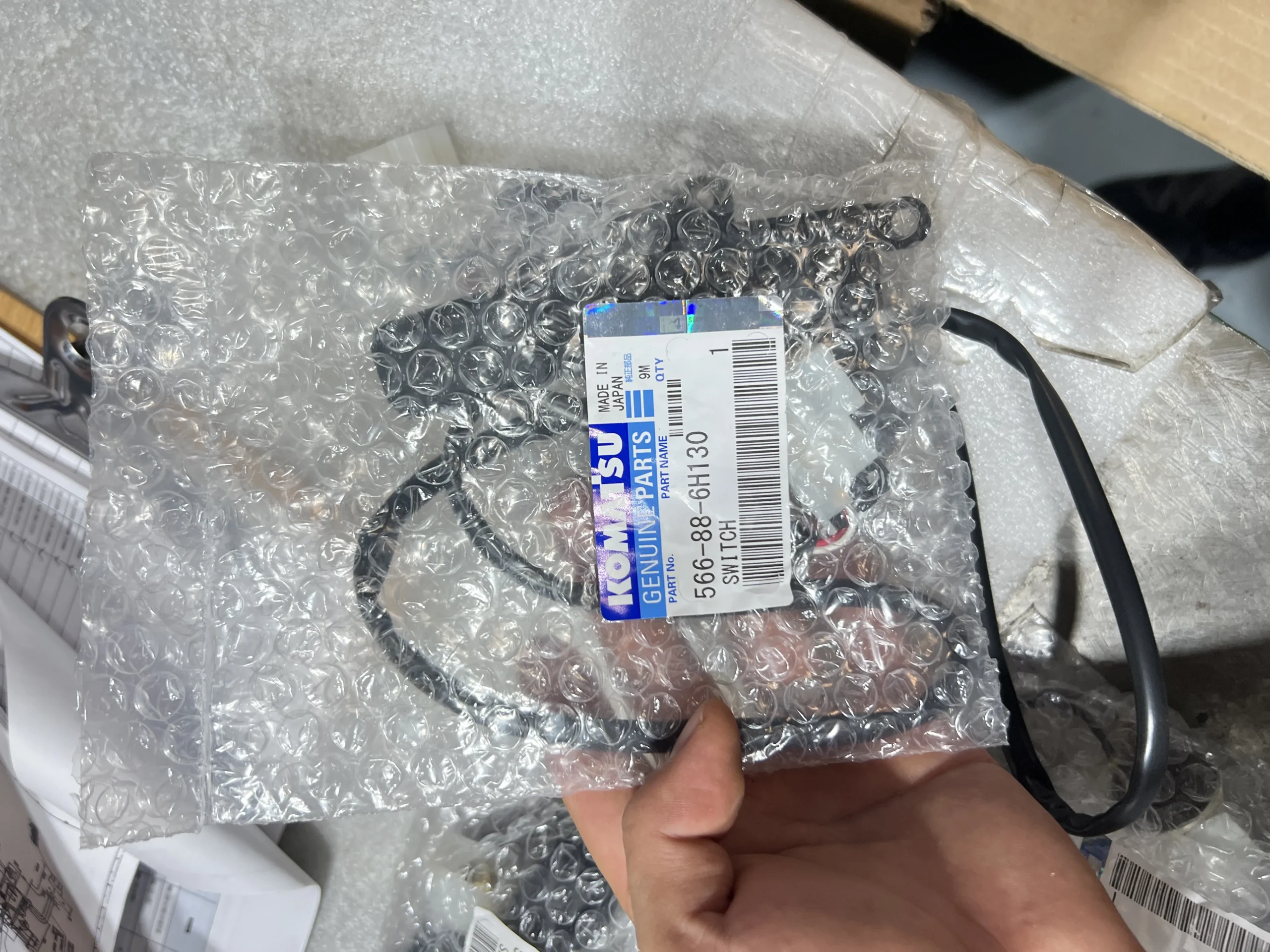 566-88-6H130 Komatsu Switch, Retarder
 -
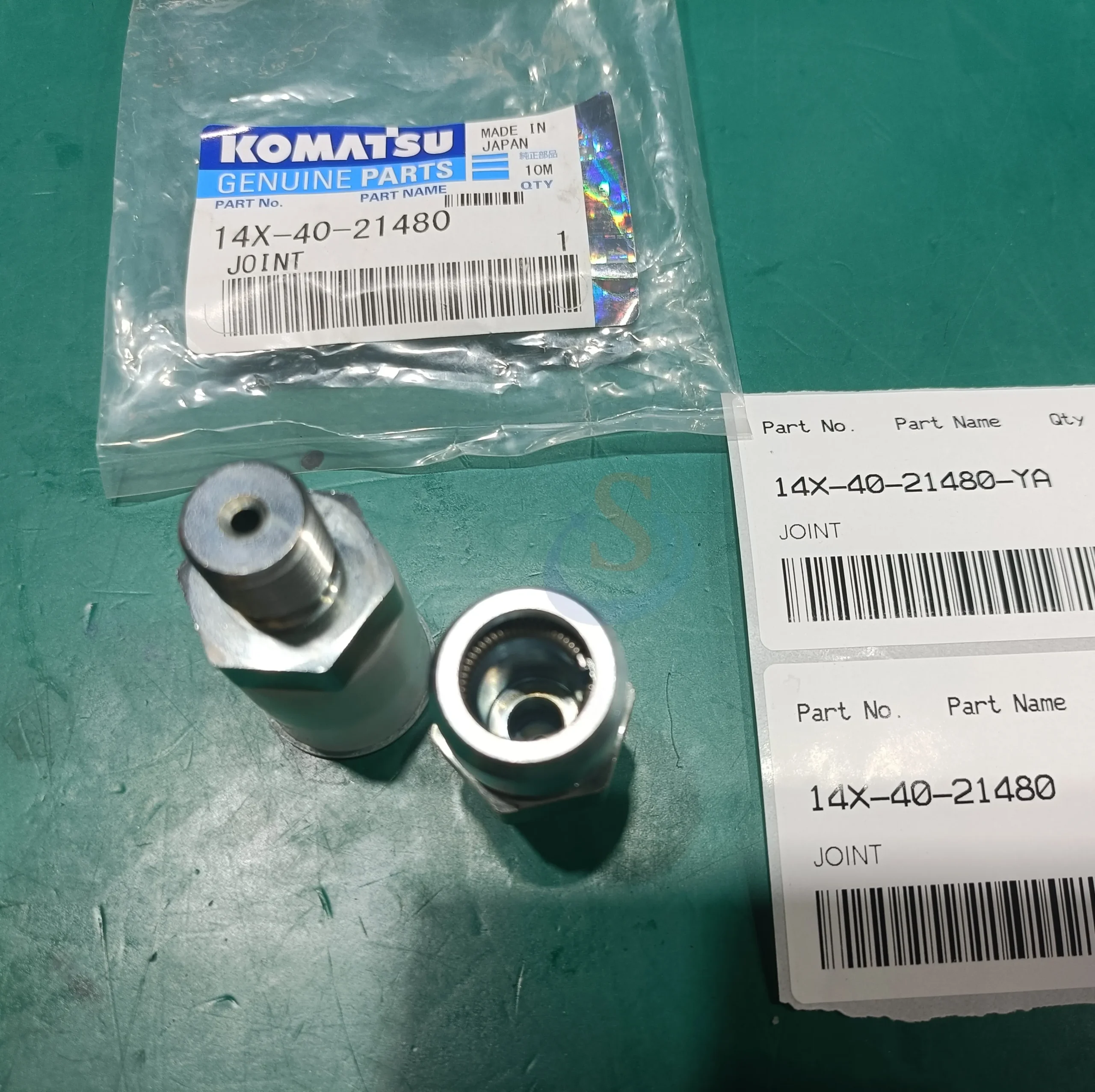 14X-40-21480,JOINT,D65P,D85E,D65E
 -
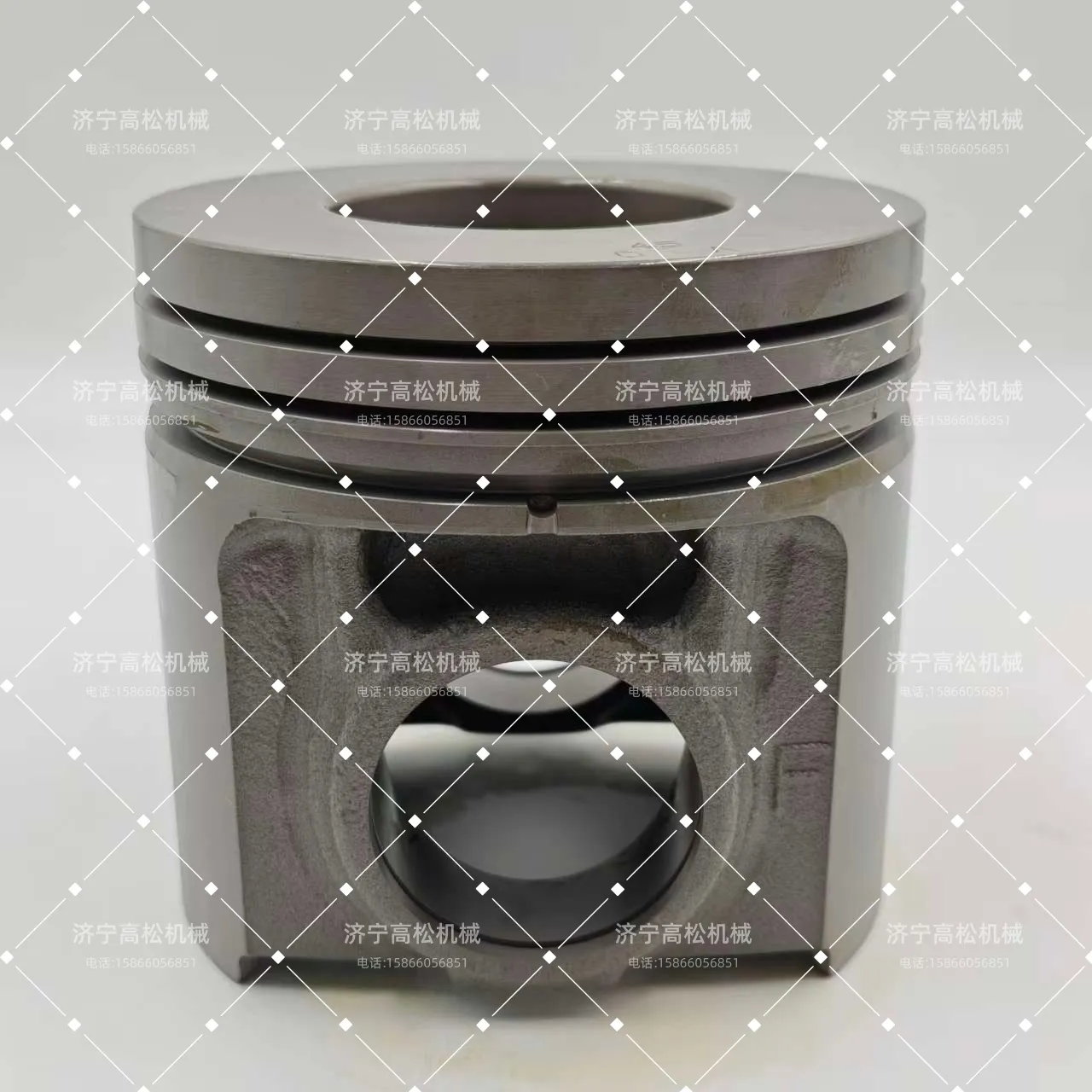 6152-32-2510 Piston for…
 -
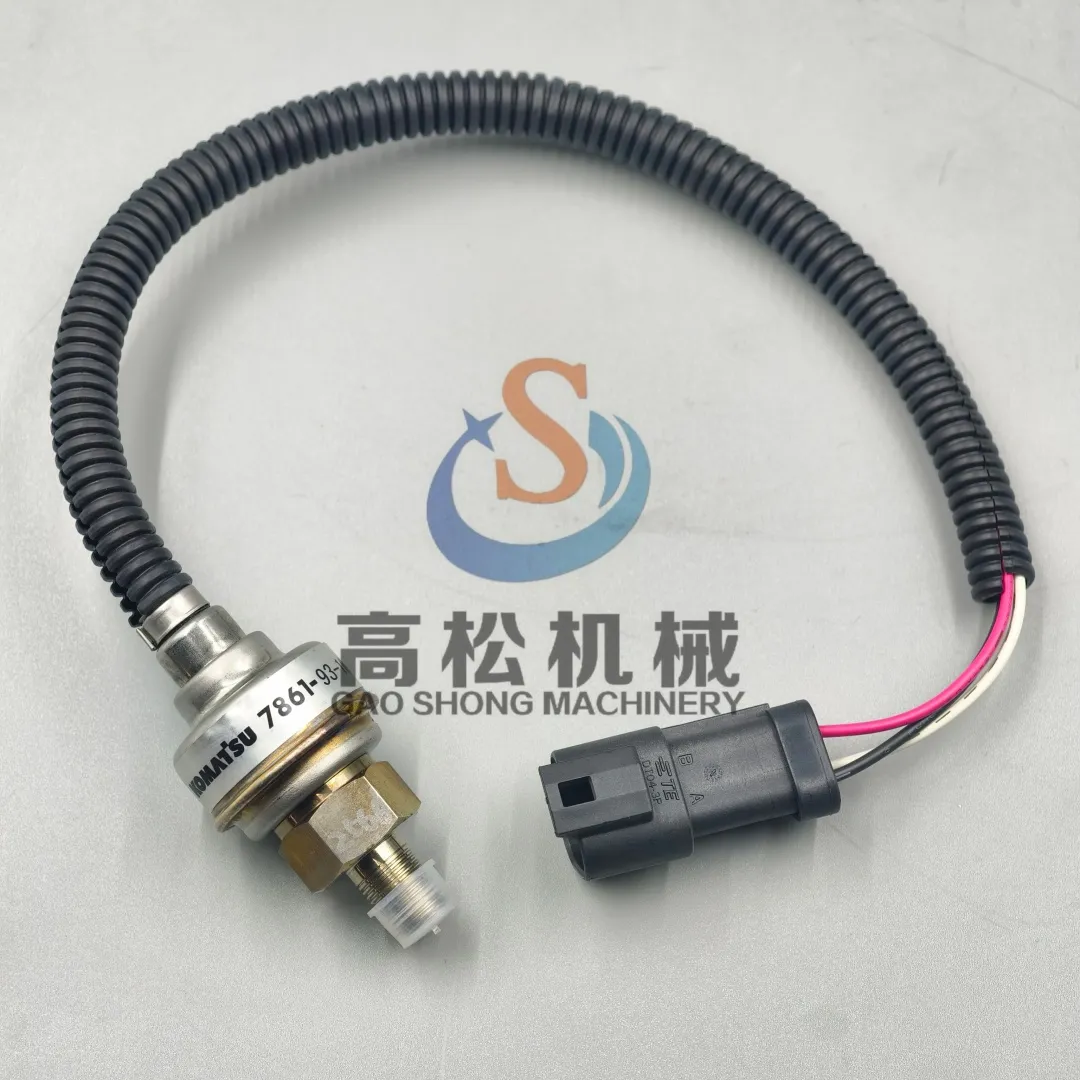 7861-93-1670 Main Pressure Sensor For Komatsu Bulldozers Parts D375 D475
 -
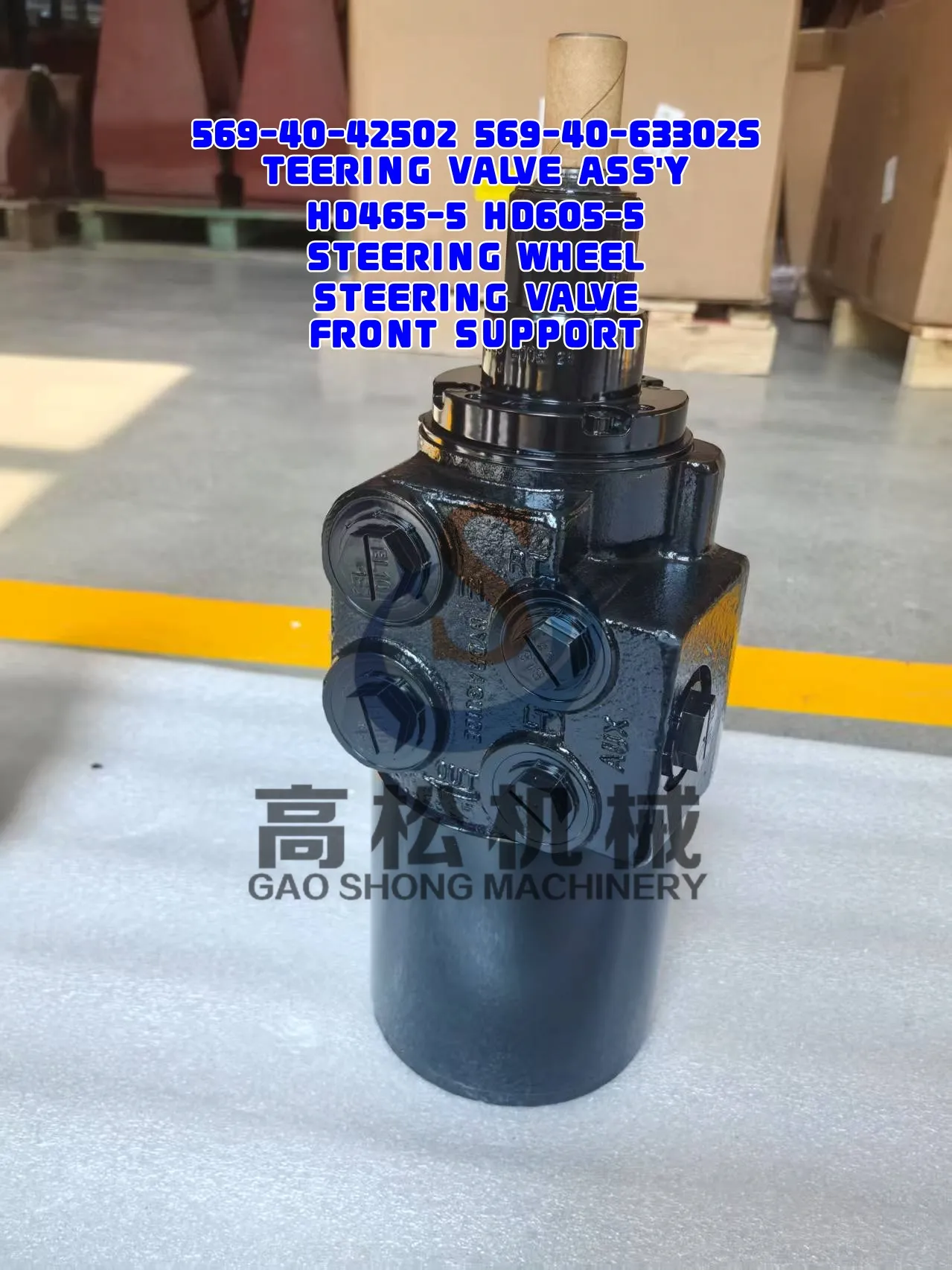 komatsu-part-569-40-42502 569-40-63302 STEERING VALVE ASS’Y HD465-5 HD465-7 HD465-7E1 HD465-7R HD465-7E0 HD605-7R HD605-5 HD605-7 HD465-7E0 STEERING WHEEL STEERING VALVE FRONT SUPPORT (STEERING VALVE MOUNTING PARTS)
 -
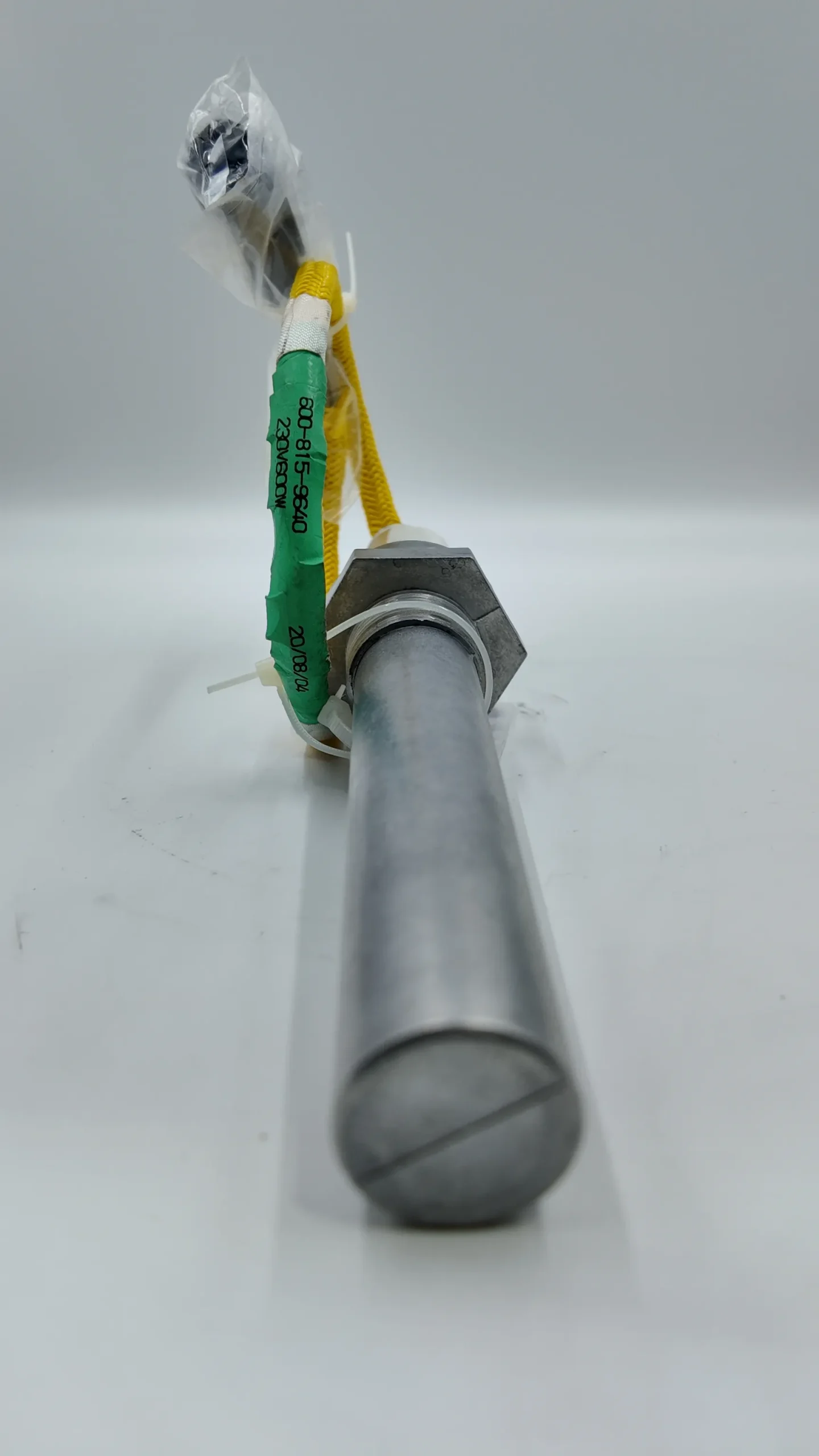 600-815-9640 HEATER-Komatsu Original Factory