
- Chinese
- French
- German
- Portuguese
- Spanish
- Russian
- Japanese
- Korean
- Arabic
- Irish
- Greek
- Turkish
- Italian
- Danish
- Romanian
- Indonesian
- Czech
- Afrikaans
- Swedish
- Polish
- Basque
- Catalan
- Esperanto
- Hindi
- Lao
- Albanian
- Amharic
- Armenian
- Azerbaijani
- Belarusian
- Bengali
- Bosnian
- Bulgarian
- Cebuano
- Chichewa
- Corsican
- Croatian
- Dutch
- Estonian
- Filipino
- Finnish
- Frisian
- Galician
- Georgian
- Gujarati
- Haitian
- Hausa
- Hawaiian
- Hebrew
- Hmong
- Hungarian
- Icelandic
- Igbo
- Javanese
- Kannada
- Kazakh
- Khmer
- Kurdish
- Kyrgyz
- Latin
- Latvian
- Lithuanian
- Luxembou..
- Macedonian
- Malagasy
- Malay
- Malayalam
- Maltese
- Maori
- Marathi
- Mongolian
- Burmese
- Nepali
- Norwegian
- Pashto
- Persian
- Punjabi
- Serbian
- Sesotho
- Sinhala
- Slovak
- Slovenian
- Somali
- Samoan
- Scots Gaelic
- Shona
- Sindhi
- Sundanese
- Swahili
- Tajik
- Tamil
- Telugu
- Thai
- Ukrainian
- Urdu
- Uzbek
- Vietnamese
- Welsh
- Xhosa
- Yiddish
- Yoruba
- Zulu
- Kinyarwanda
- Tatar
- Oriya
- Turkmen
- Uyghur






OEM AND ORIGINAL KOMATSU BUSHING 427-70-11824
When you see that part number, , for a Komatsu bushing, the immediate assumption is that you're dealing with a genuine, factory-original component. But in the trenches, that's where the real conversation starts. The term 'OEM AND ORIGINAL' gets thrown around so loosely it's almost lost meaning. I've seen boxes stamped with it that contain parts with machining marks Komatsu would never let leave their QC line. The real question isn't just about authenticity, it's about traceability and the specific supply chain path that part took to get to your yard. Is it from Komatsu's direct line? Or is it from a system-approved OEM like Jining Gaosong Construction Machinery Co., Ltd.? That distinction matters more than most catalogs let on.
The Nuance Behind OEM in the Komatsu Ecosystem
Here's the thing a lot of procurement guys miss. Komatsu itself doesn't forge every single bushing. They have a network of authorized manufacturers who produce to exact specifications, under strict audit, and that product is considered genuine Komatsu parts. These are the true OEMs. Then there are other factories that might have produced for Komatsu in the past or have reverse-engineered the spec. Their parts might be physically interchangeable, but the material pedigree and heat-treatment protocols can be a gray area. For a critical wear component like a bushing, that gray area translates directly into machine uptime.
My own rule, hammered out by a few expensive lessons, is to always ask for the source documentation. A reputable supplier, especially one positioned as a system-OEM and third-party sales company like the one mentioned on takematsumachinery.com, should be transparent about this. They state they're an OEM product supplier within the Komatsu system. That phrasing is key—it implies a formal relationship, not just a claim. It means they should have access to the same production batches that feed Komatsu's own distribution, which is exactly what you want for .
I recall a job in Indonesia where we had a D375 dozer in for a full undercarriage rebuild. We used an OEM bushing for the track link from a local vendor. It looked perfect, dimensions were on spec. But within 400 hours, we had abnormal wear on the pin. The failure wasn't catastrophic, but it was a tell. The Brinell hardness was off by a few points. That's the difference. A true system-OEM part isn't just made to print; it's made with the same melt of steel, the same quenching oil, the same lot of bearings. That's what solves real parts supply challenges in remote locations.
Why the Specifics Matter
Zooming in on this specific bushing. It's not a generic spacer; it's a precision-fit component for a major pivot point, likely on a larger dozer or excavator arm. The 427-70- prefix ties it to a specific assembly. The tolerance stack here is everything. An out-of-spec ID or OD doesn't just cause slop; it alters load distribution across the entire joint. I've measured original parts where the ID was at the very limit of the tolerance band, and while technically acceptable, it forced us to select a pin from the tighter end of its own tolerance range to get the proper interference fit. That's the kind of hands-on hassle you avoid with parts from a vetted source.
The surface finish on the bore is another dead giveaway. Komatsu's genuine bushings have a consistent, almost polished finish from honing, which aids in lubrication and prevents micro-cracking. Cheaper alternatives often have visible tooling marks or a slightly rougher texture. This might seem minor, but under high oscillating pressure, those microscopic peaks wear down fast, creating clearance and contaminating the grease. When a company like Jining Gaosong says they help solve supply challenges, it's not just about having a part in stock—it's about having the correct part that won't create a secondary failure.
We tried once, under severe time pressure, to use a non-system bushing on a PC700 excavator. The fit was okay during assembly, but the grease grooves weren't as deep. That led to inadequate lubricant retention during the initial break-in period. The result was a scorching mark within the first 50 hours of operation. We caught it early, but it meant another teardown. The cost of the downtime dwarfed the savings on the part itself. That's the calculus that gets forgotten.
Sourcing and the Reality of Third-Party Sales
This is where the model of a company operating as both an OEM supplier and a third-party sales channel becomes practical. For a mine site in a country with import restrictions or a bogged-down official distributor, getting a genuine Komatsu part can take months. A dedicated third-party sales company with OEM ties can navigate that. They aren't just brokers; they should have the technical liaison to verify the part's provenance from the factory floor. Their value is in the logistics and the guarantee.
I've worked with channels that simply drop-ship from a warehouse. You get a box with a part number, and that's it. The better ones provide batch codes, material certificates, and sometimes even the OEM's own inspection report. That's the level of detail that builds trust. If I'm looking at their site, takematsumachinery.com, I'm not just looking for a product listing for . I'm looking for evidence of that technical backbone—maybe a blog post on bushing installation torque specs, or a note about common misapplications. It shows they live in the same world of wrenches and micrometers that we do.
The challenge for them, and for us as buyers, is verification. How do you, sitting in a workshop in Chile, confirm the part from a supplier in China is legit? You develop relationships. You order a sample first. You do a side-by-side comparison with a known-genuine part you've pulled, down to weighing them and checking the hardness. You might even send one out for spectrographic analysis if the job is critical enough. A credible supplier won't balk at this; they'll encourage it.
Practical Takeaways for the Floor Manager
So, what do you do when you need a Komatsu bushing tomorrow? First, dismiss any listing that just slaps OEM on without context. Dig into the supplier's stated capabilities. A clear claim like being an OEM product supplier within the Komatsu system is a strong starting point because it's a verifiable business relationship. It's a more substantial claim than just we make OEM-quality parts.
Second, use the part number as a tool for conversation. When you contact them, ask specific questions: Can you provide the material certification for this batch? or Is this bushing sourced from the same forge as the parts supplied to Komatsu Japan for assembly? Their response time and the substance of their answer will tell you more than any website copy. A technical salesperson will understand why you're asking.
Finally, manage your own process. Document the part you receive. Note the packaging, any labeling, the batch number. During installation, measure it. Keep those records. If the part performs flawlessly for its expected service life, you've found a reliable source. That's how you build a supply chain that works. In the end, whether it's from Komatsu's warehouse or from a capable system-OEM and third-party sales partner like Jining Gaosong, the goal is the same: machine uptime. The part number is just the entry point; the due diligence is what keeps the tracks moving.
Related Products
Related Products

Best Selling Products
Best Selling Products-
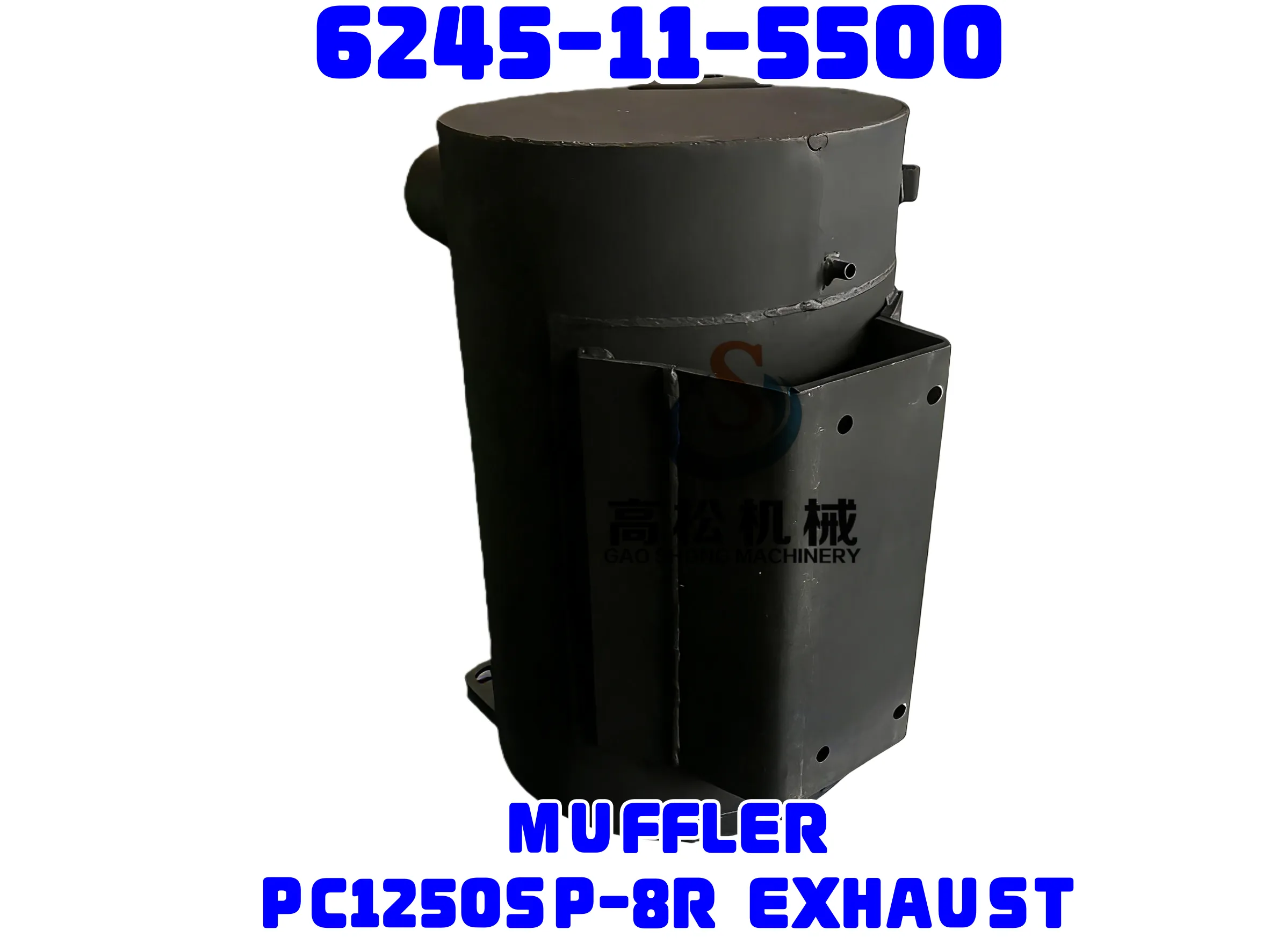 Muffler Silencer 6245-11-5500
 -
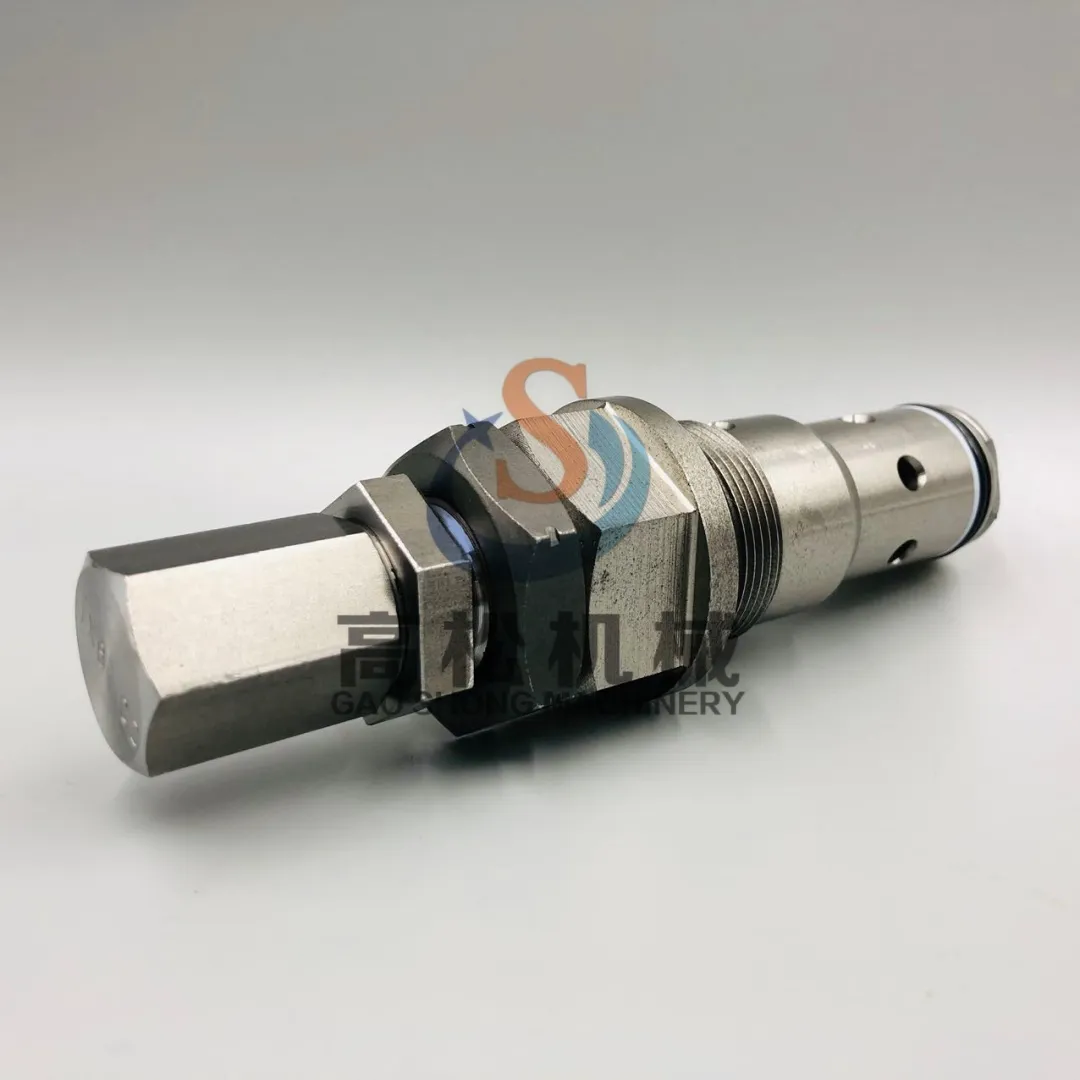 700-89-66000 RELIEF VALVE KOMATSU STEERING VALVE
 -
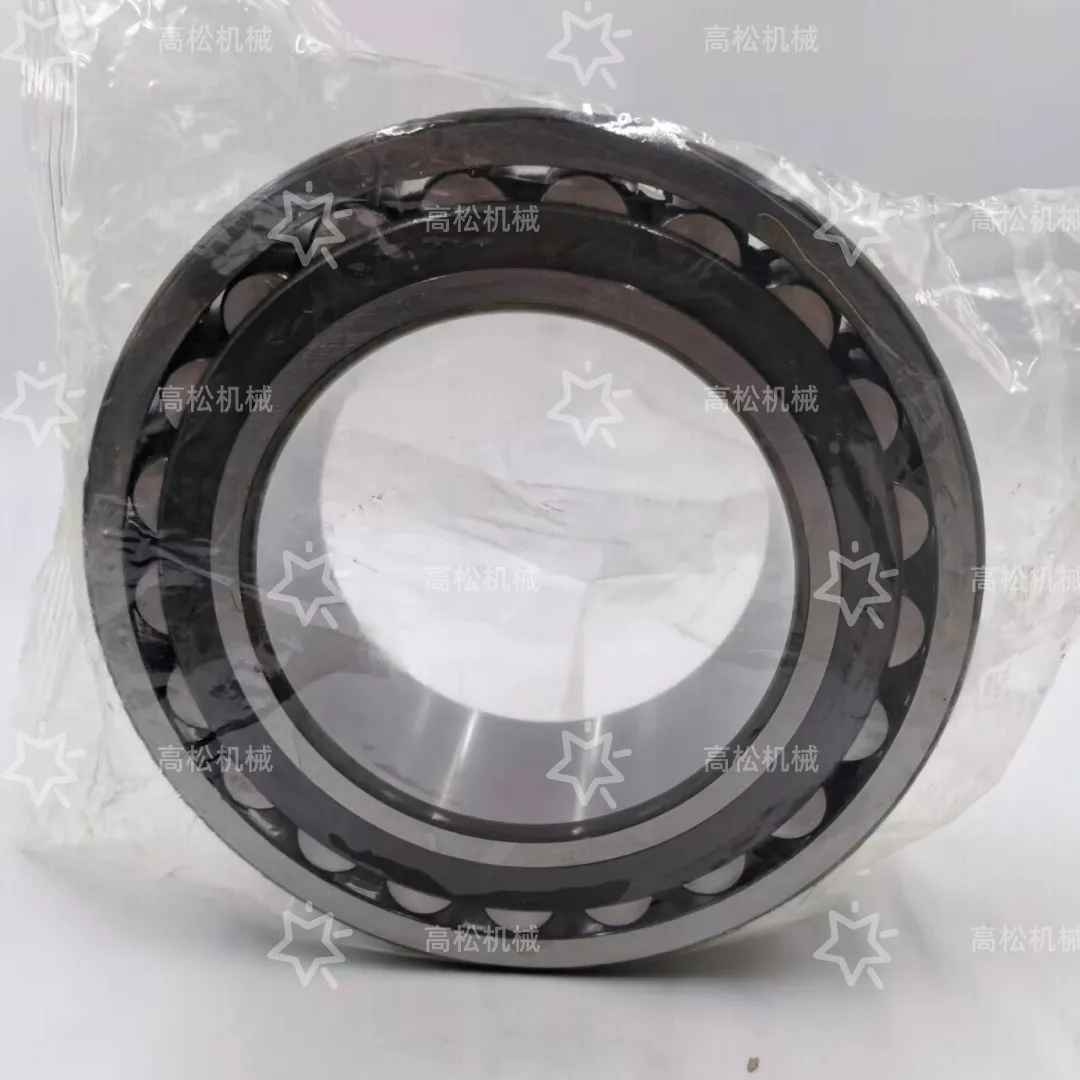 208-26-71530 2082671530 Bearing for Komatsu PC450 PC460 PC500 Excavator Swing Drive Bearing Reducer Bearing
 -
![[Hot Item] Generator Engine Part 600-825-3151 for PC400-6-7](https://www.takematsumachinery.com/wp-content/uploads/微信图片_20251224093522_43_1619-1.webp) [Hot Item] Generator Engine Part 600-825-3151 for PC400-6-7
[Hot Item] Generator Engine Part 600-825-3151 for PC400-6-7 -
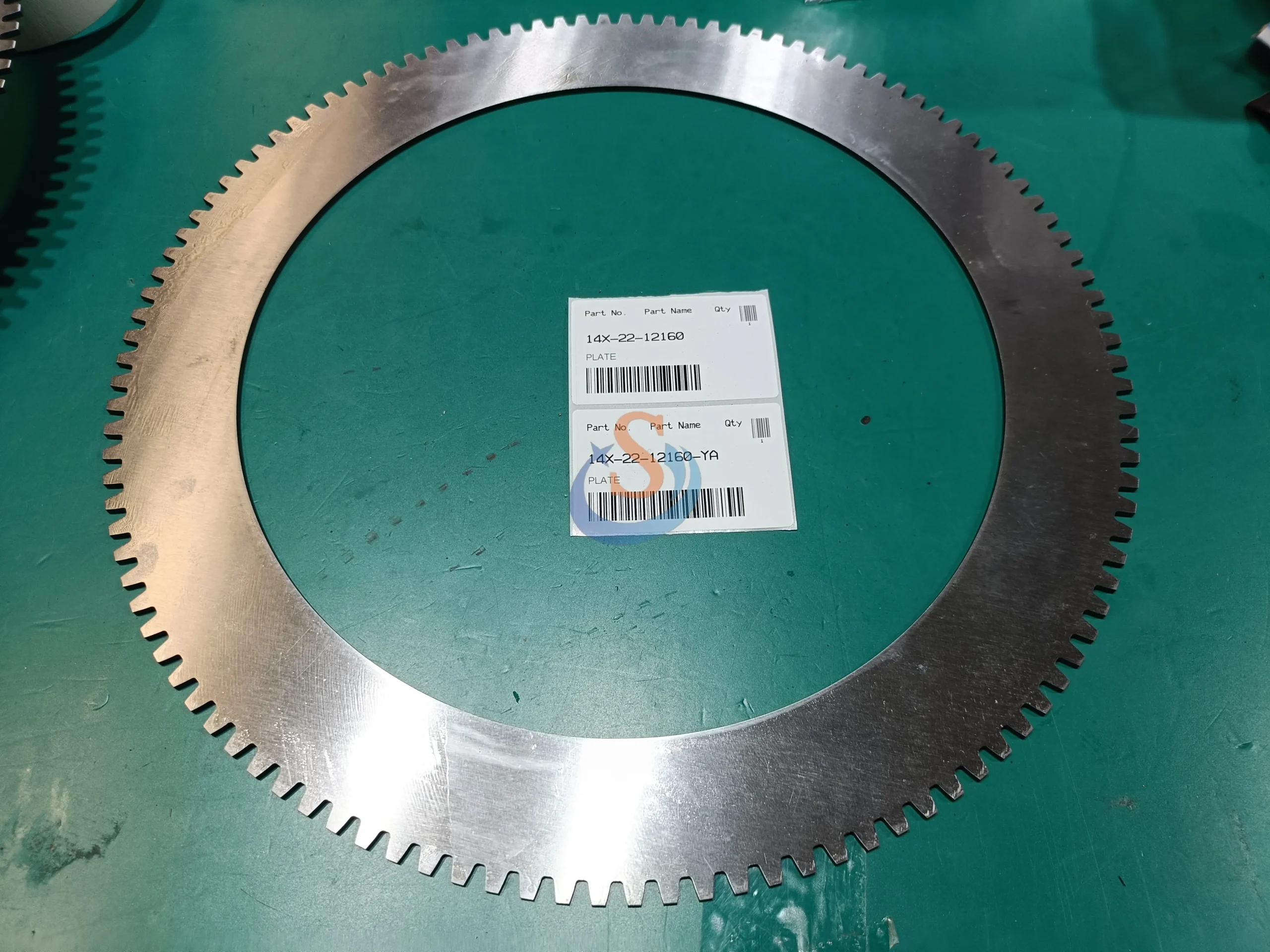 14X-22-12160,PLATE,D275A,D85ESS,D65E
 -
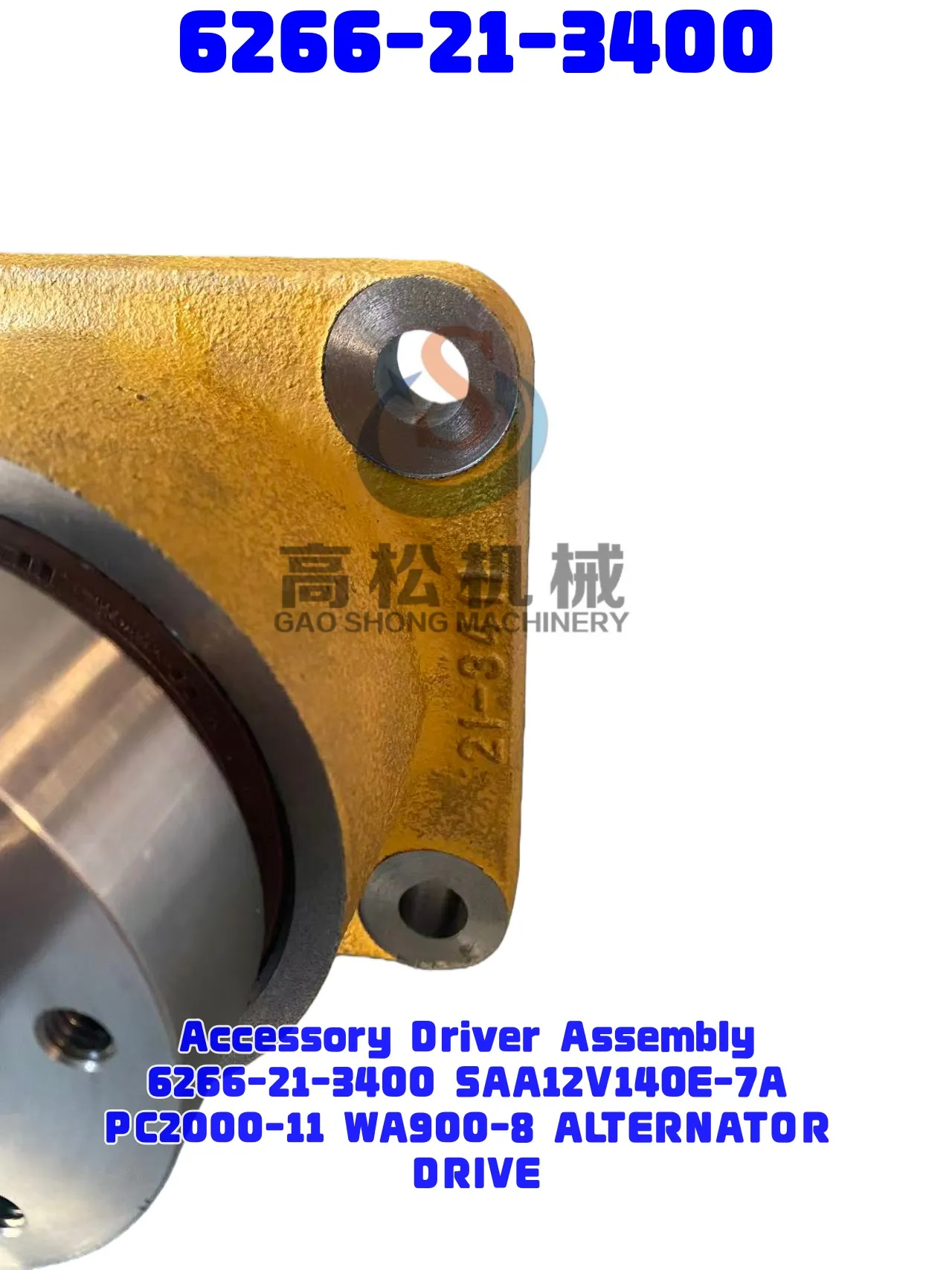 Water Pump 6154-61-1102 6251-61-1105 6251-61-1111 For Komatsu S6D125E PC400-6 PC450-6 New Aftermarket Parts
 -
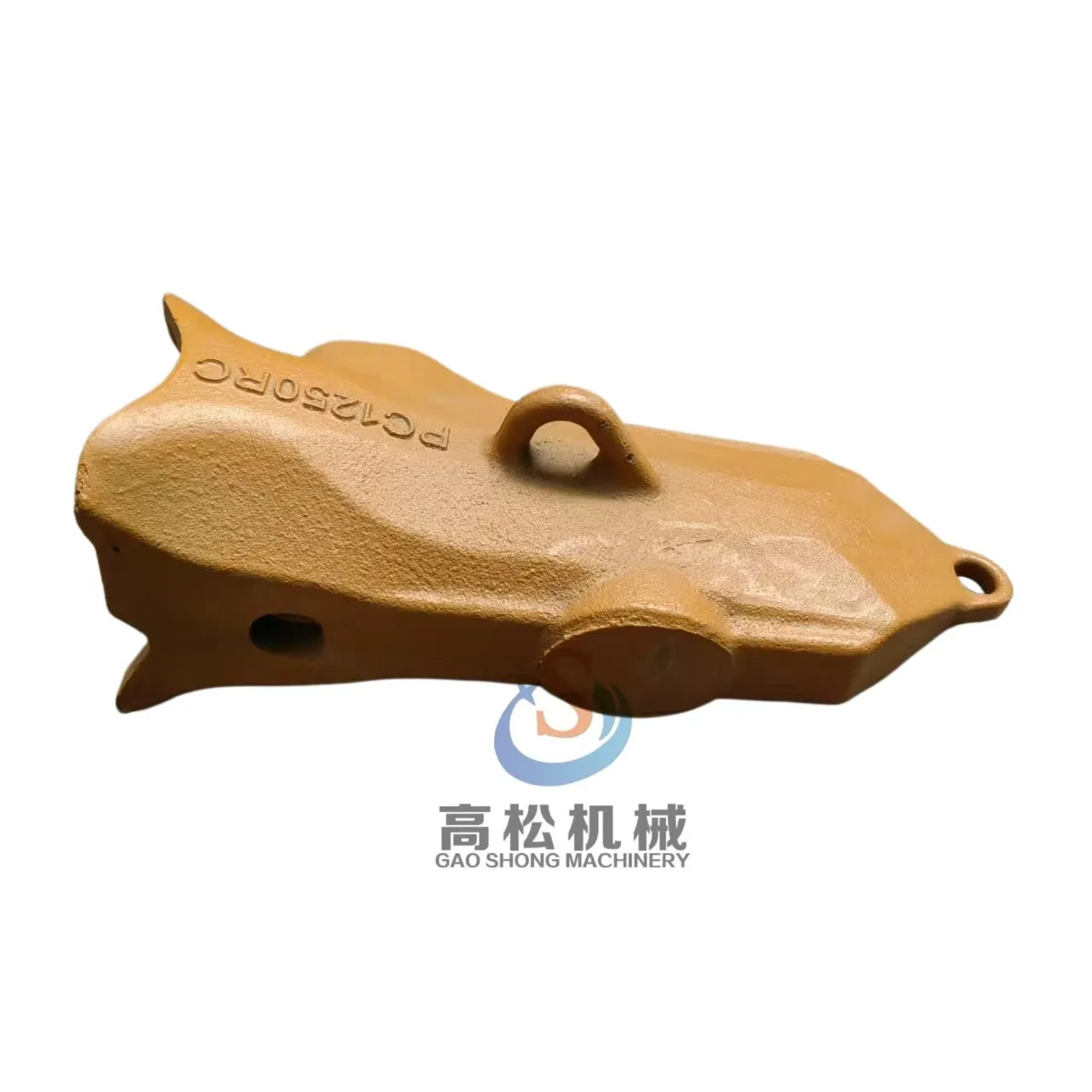 PC1250-8 Bucket Tooth 21N-70-37721 XS115RC
 -
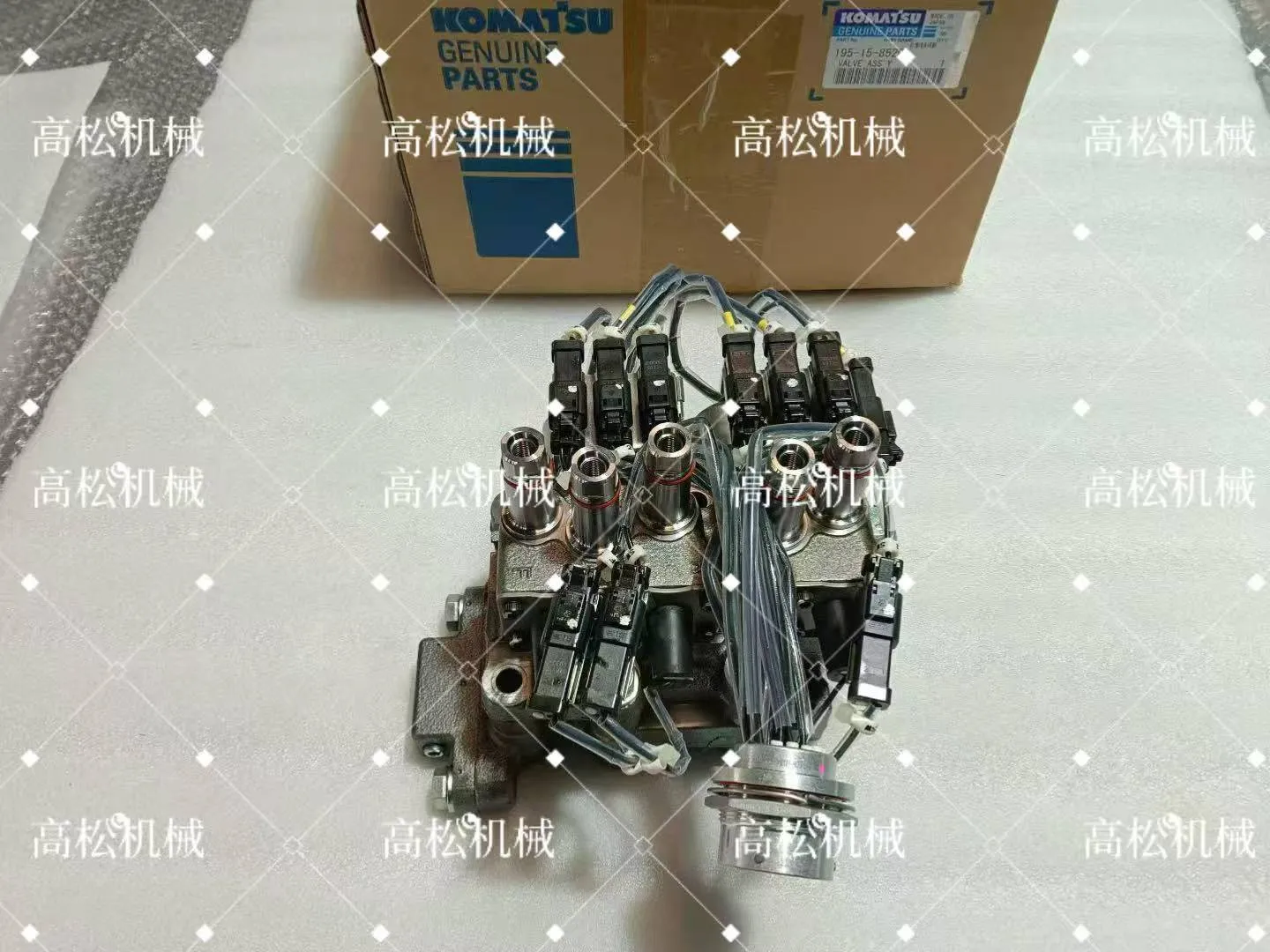 Low price, spot 195-15-85201, valve transmission control for komatsu, parts d375a-6 construction machinery
 -
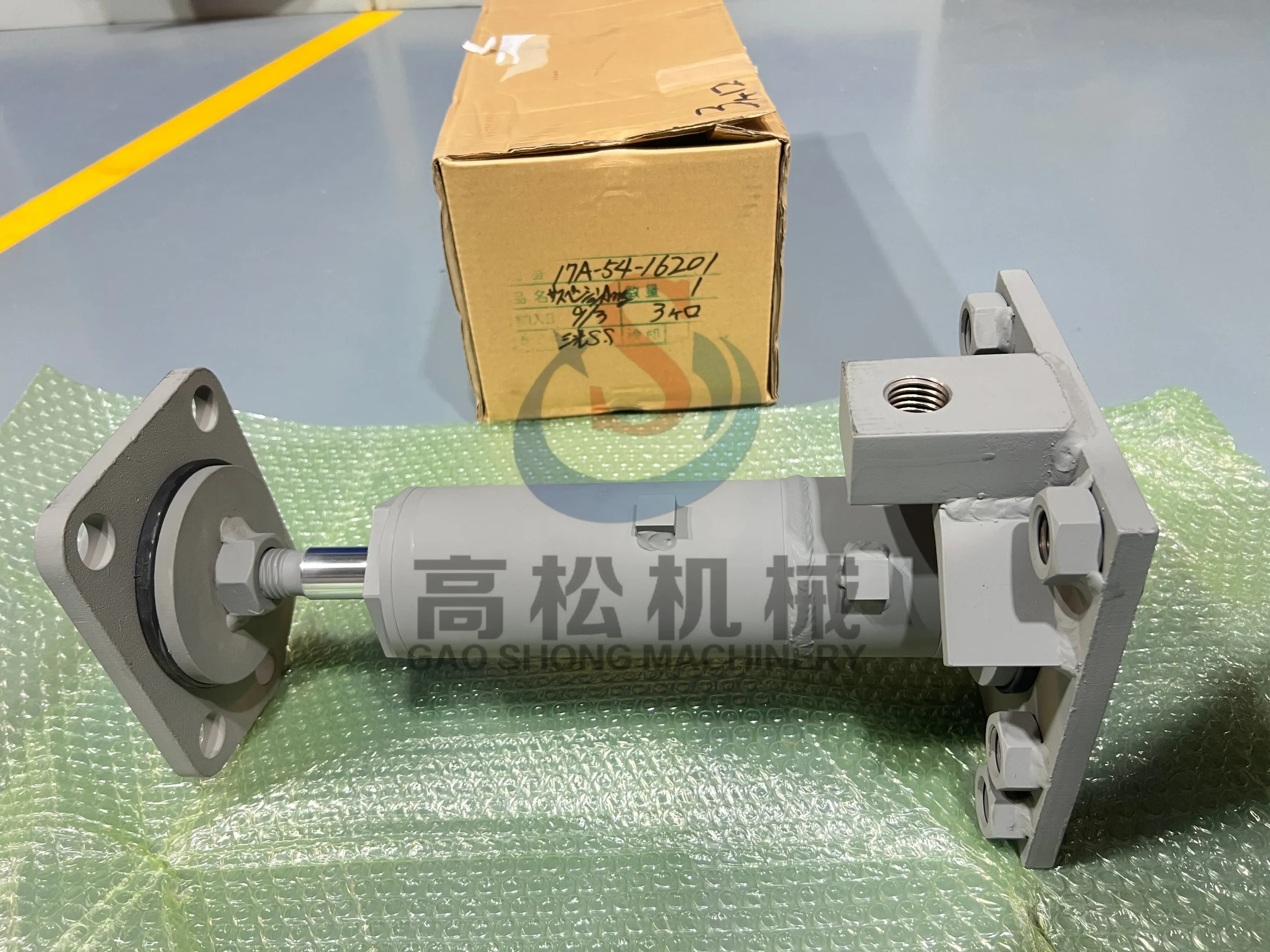 SUSPENSION ASS’Y 17A-54-16201 – KOMATSU
 -
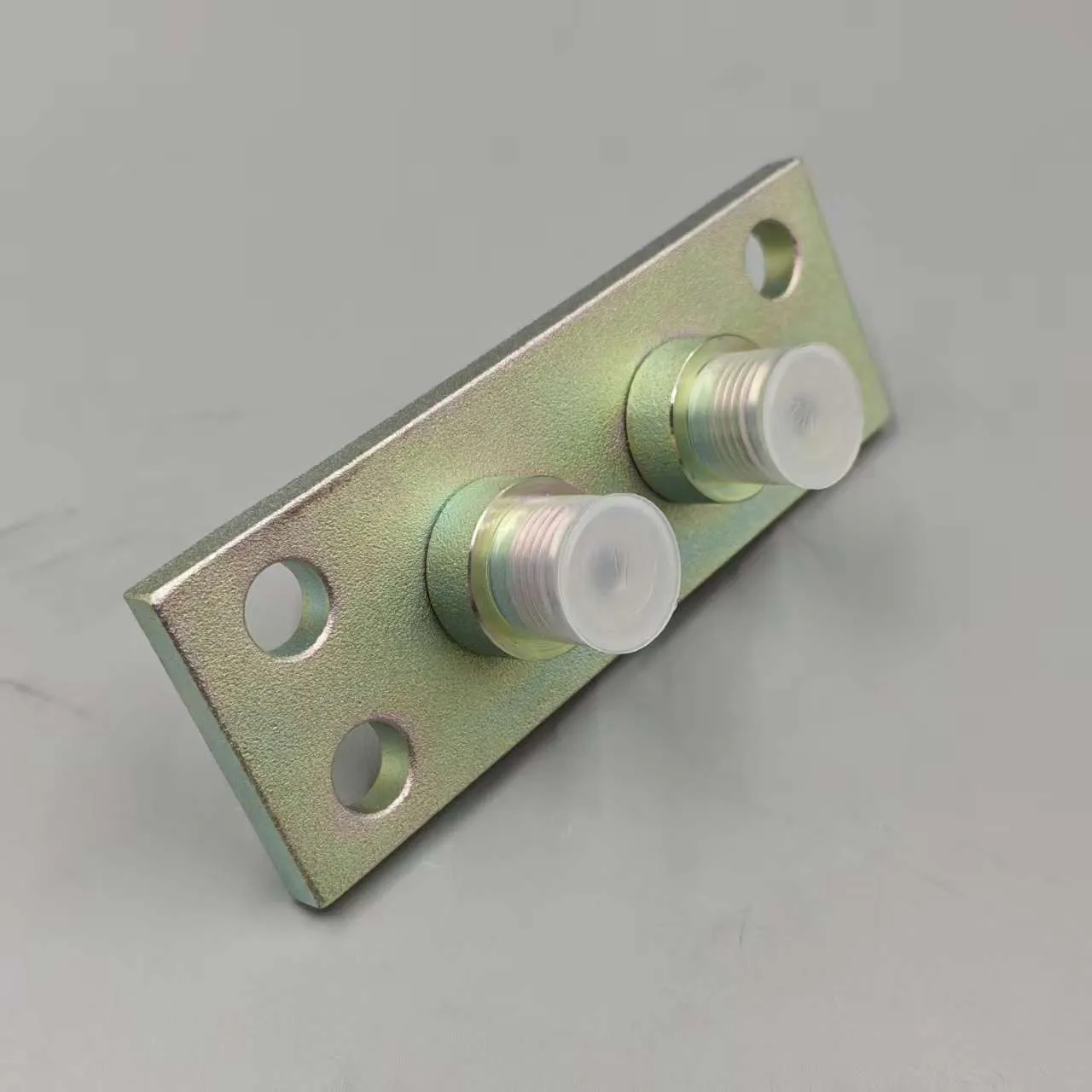 14Y-62-31411 BRACKET KOMATSU parts D60P, D65E, D65EX, D65P, D65PX, D65WX, D85E, D85ESS
 -
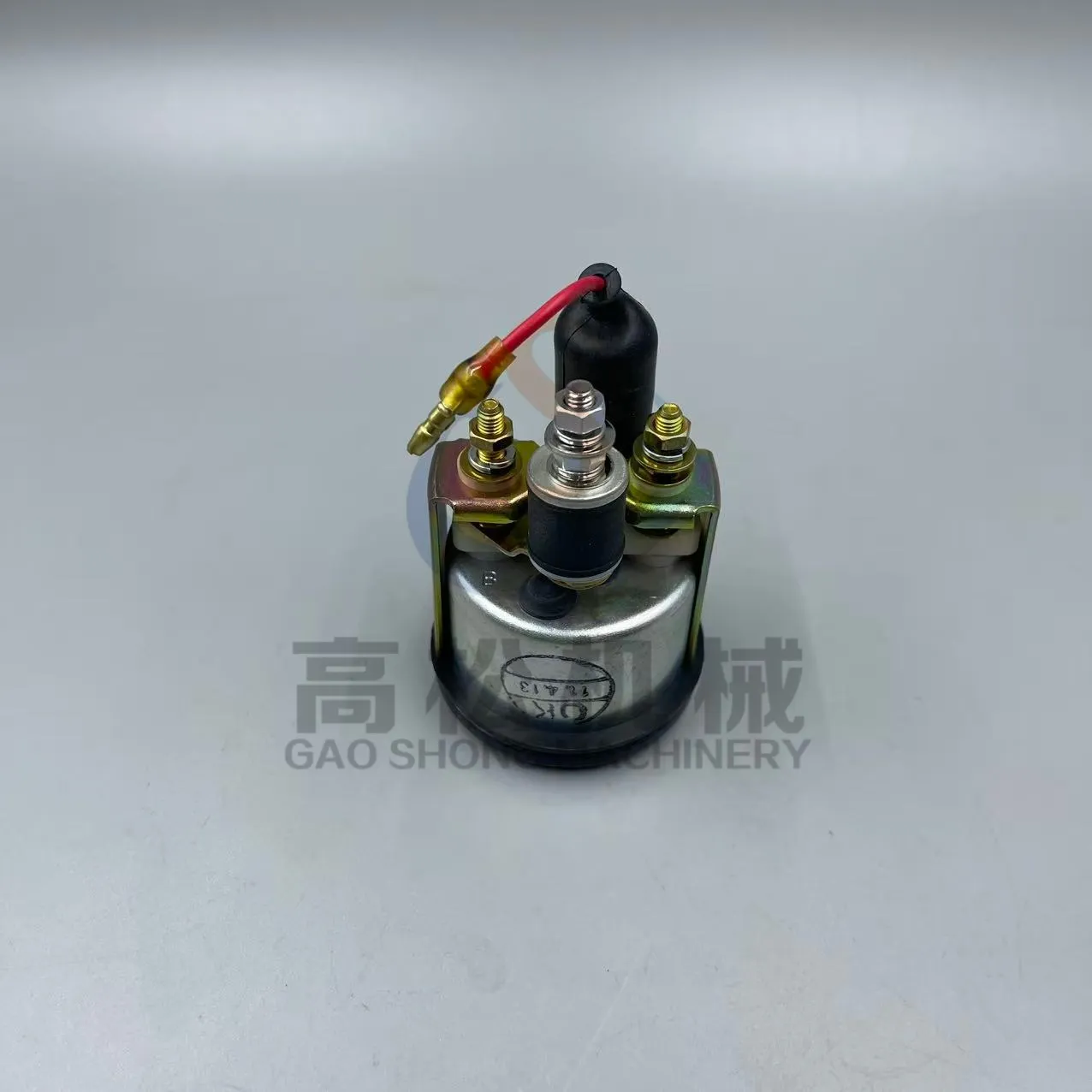 195-06-23110 – GAUGE
 -
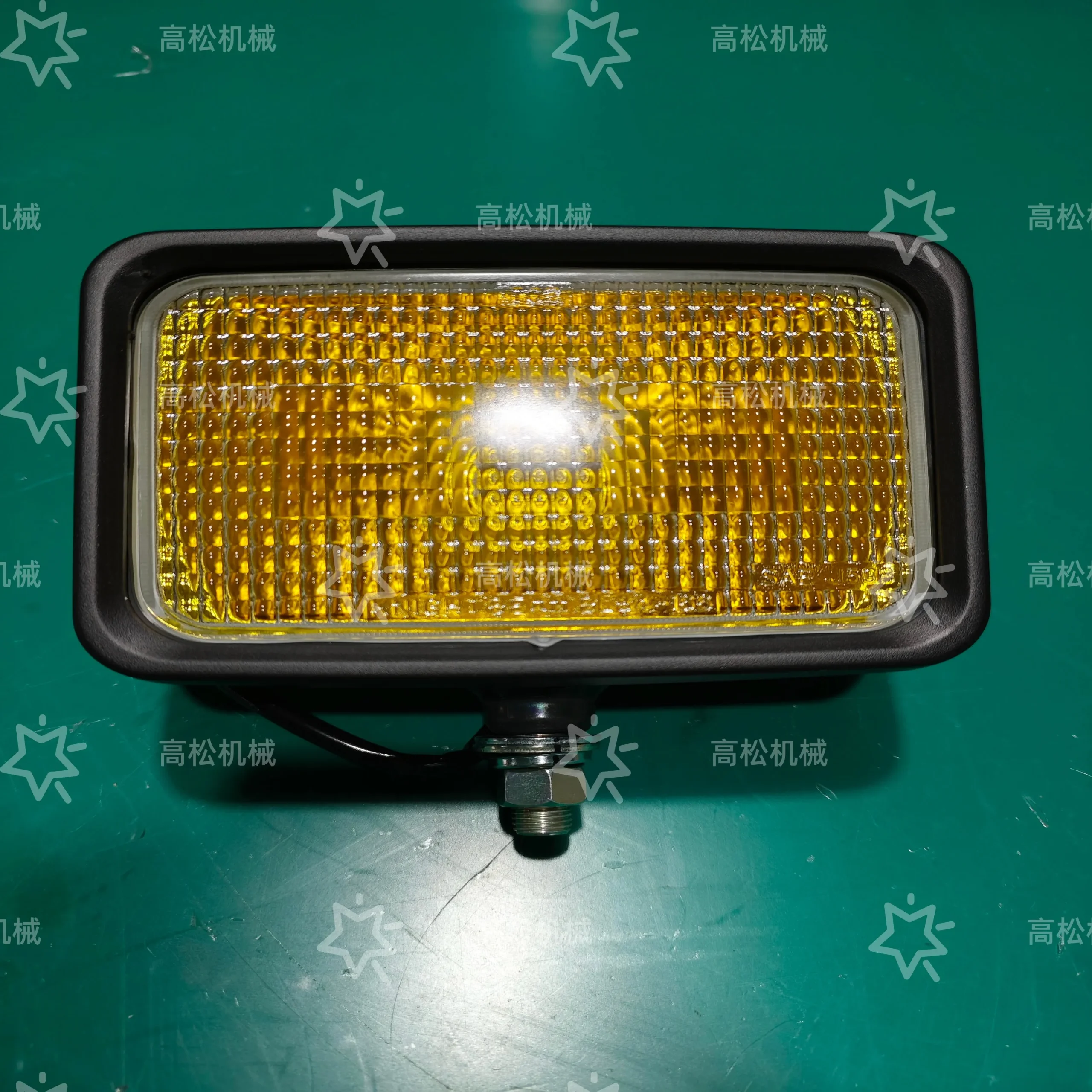 22T-06-24110Hd350 2 Front Light Lamp 22t 06 24110