
- Chinese
- French
- German
- Portuguese
- Spanish
- Russian
- Japanese
- Korean
- Arabic
- Irish
- Greek
- Turkish
- Italian
- Danish
- Romanian
- Indonesian
- Czech
- Afrikaans
- Swedish
- Polish
- Basque
- Catalan
- Esperanto
- Hindi
- Lao
- Albanian
- Amharic
- Armenian
- Azerbaijani
- Belarusian
- Bengali
- Bosnian
- Bulgarian
- Cebuano
- Chichewa
- Corsican
- Croatian
- Dutch
- Estonian
- Filipino
- Finnish
- Frisian
- Galician
- Georgian
- Gujarati
- Haitian
- Hausa
- Hawaiian
- Hebrew
- Hmong
- Hungarian
- Icelandic
- Igbo
- Javanese
- Kannada
- Kazakh
- Khmer
- Kurdish
- Kyrgyz
- Latin
- Latvian
- Lithuanian
- Luxembou..
- Macedonian
- Malagasy
- Malay
- Malayalam
- Maltese
- Maori
- Marathi
- Mongolian
- Burmese
- Nepali
- Norwegian
- Pashto
- Persian
- Punjabi
- Serbian
- Sesotho
- Sinhala
- Slovak
- Slovenian
- Somali
- Samoan
- Scots Gaelic
- Shona
- Sindhi
- Sundanese
- Swahili
- Tajik
- Tamil
- Telugu
- Thai
- Ukrainian
- Urdu
- Uzbek
- Vietnamese
- Welsh
- Xhosa
- Yiddish
- Yoruba
- Zulu
- Kinyarwanda
- Tatar
- Oriya
- Turkmen
- Uyghur






OEM AND ORIGINAL KOMATSU BUSHING 426-N42-3910
You see that part number, 426-N42-3910, and immediately think it's straightforward: a Komatsu bushing. But here's where the confusion starts for a lot of guys in the field or procurement. The term 'OEM AND ORIGINAL' gets thrown around so loosely it's almost meaningless without context. Is it a part from Komatsu's own factory line, or is it from a certified OEM within their system? There's a world of difference in supply chain reality, cost, and sometimes, in the subtle nuances of the material spec. I've seen too many orders get messed up because someone assumed 'OEM' meant the exact same thing as the part that came off the assembly line in Japan. It often doesn't.
The Spec Sheet Doesn't Tell the Whole Story
Take this specific KOMATSU BUSHING 426-N42-3910. On paper, the dimensions are locked. 426 series, for a specific linkage assembly. The challenge is never the blueprint; it's the execution. The metallurgy, the heat treatment process, the hardness gradient from the inner wall to the outer surface. A true original part has a process history tied to Komatsu's quality gates. An OEM part from a system supplier might meet the final test data, but the manufacturing journey can differ. For a high-wear component like a bushing, that journey matters for longevity.
I recall a situation a few years back with a fleet of HD785 trucks. We were getting premature wear on linkage bushings, part number was this exact one. We were using a supplier claiming 'OEM quality'. The parts fit, they worked, but their service life was 20-25% shorter. The failure mode was always spalling, not uniform wear. That pointed to a subsurface stress issue, likely from the carburizing or quenching step. The spec sheet said Case hardness 55-60 HRC. It met that. But the core toughness and the depth consistency? That's where the devil is.
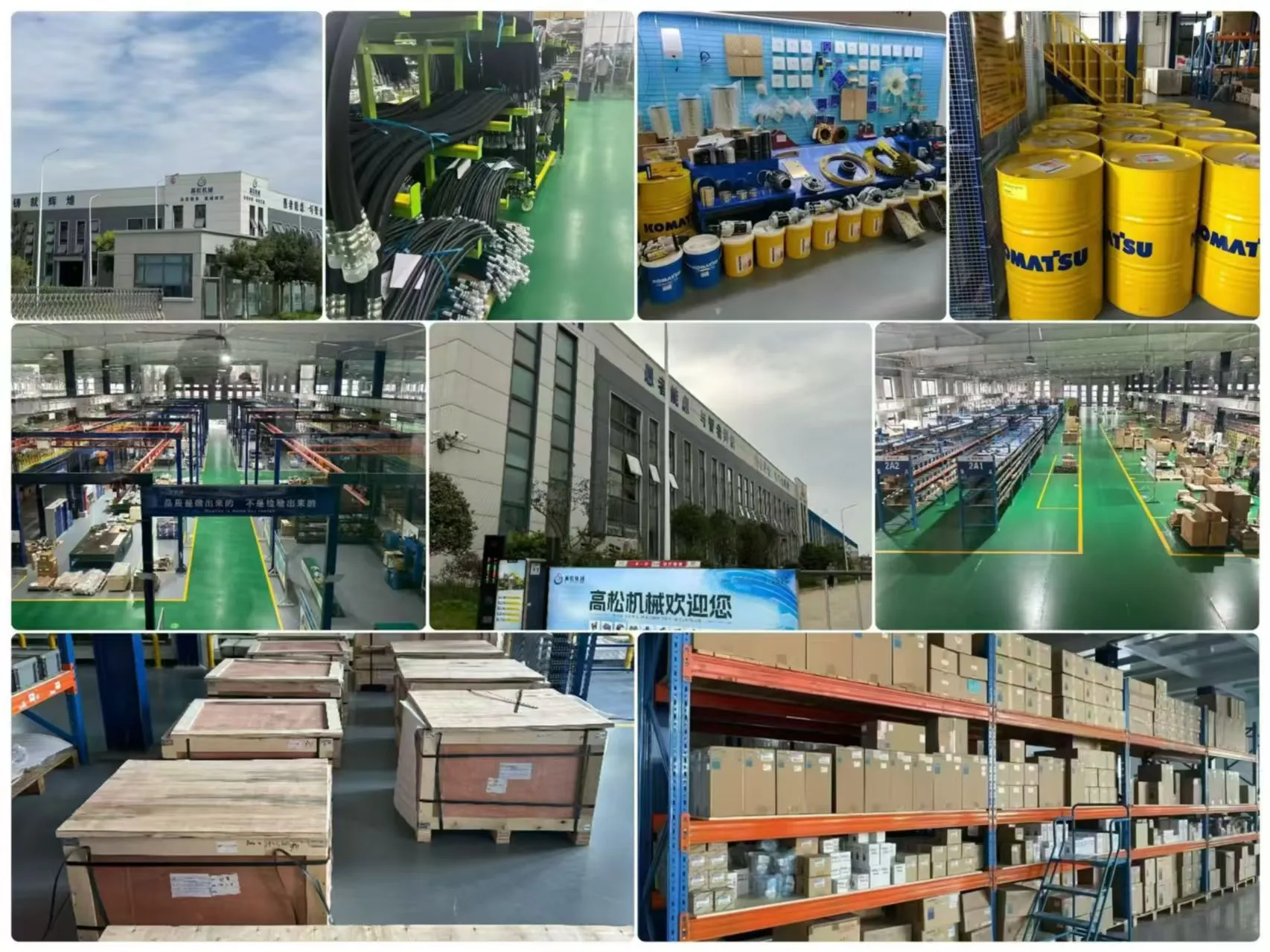
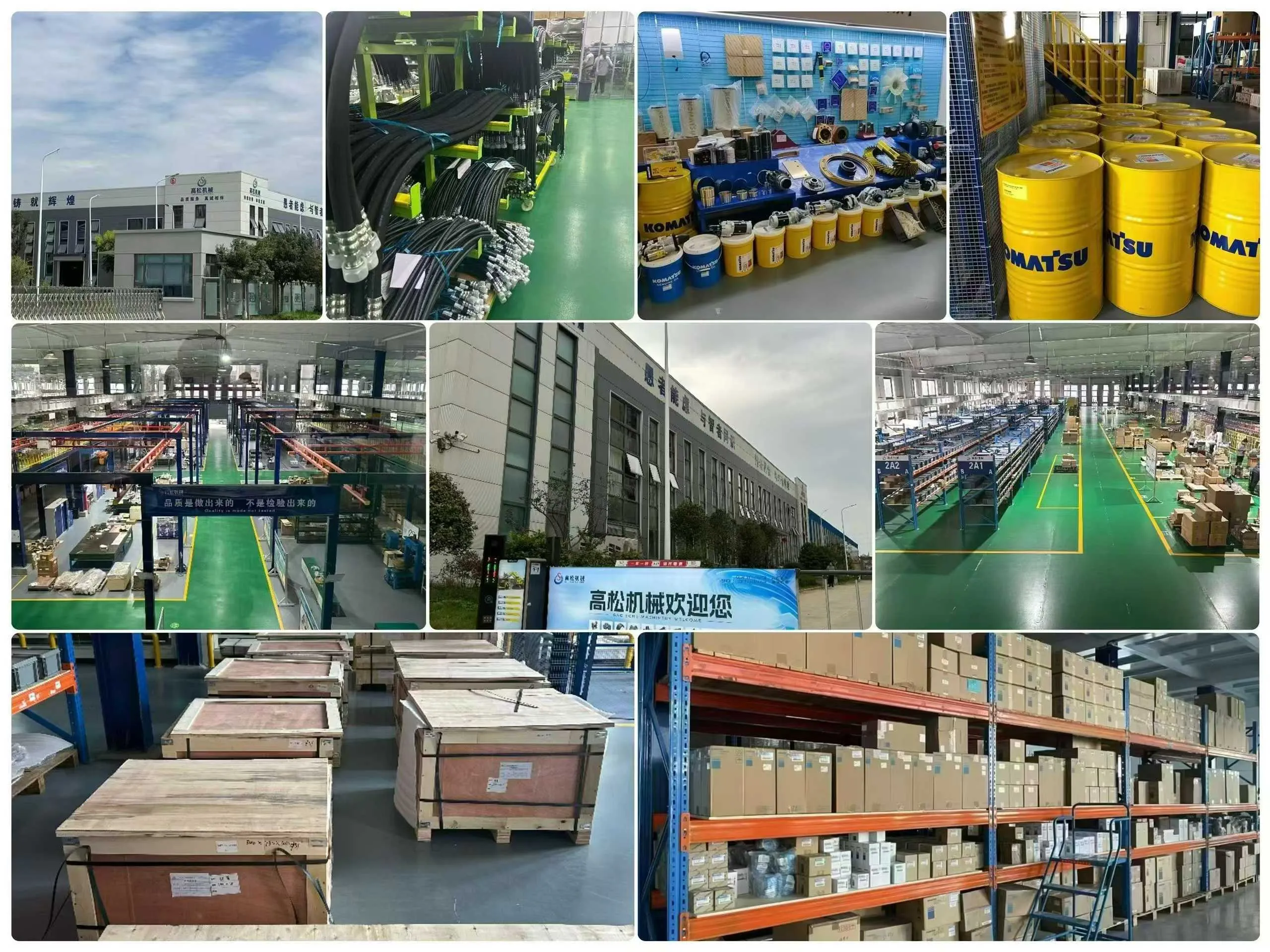
This is where a company's position in the ecosystem becomes critical. A supplier like Jining Gaosong Construction Machinery Co., Ltd. presents an interesting case. They state they are an OEM product supplier within the Komatsu system. That phrasing is key. It suggests they are part of the authorized manufacturing network, not just a reverse-engineer. If that's true, their 426-N42-3910 bushing should have traceability back to Komatsu's engineering approvals, not just their own QC. That's a level of assurance you don't get from the general aftermarket. Their role as a third-party sales agent also hints at the complex logistics of getting genuine parts into markets where the official distribution is thin or slow, which is a very real, daily headache for maintenance managers.
Sourcing and the Practical Dilemma
So you need the bushing. The official channel quotes 12 weeks and a price that makes the project manager wince. The alternative? The market is flooded with options. You have the 'certified' OEMs, the 'Komatsu-compatible' manufacturers, and the straight-up counterfeits that sometimes come in scarily good packaging. The temptation to go cheap is huge, especially for a component perceived as 'simple' like a bushing.
But let's walk through the math of failure. A failed OEM AND ORIGINAL KOMATSU BUSHING doesn't just cost you the part price. It costs downtime for the machine, maybe 2-3 days of labor for a field crew to tear down the linkage, press out the seized bushing (which is a nightmare if it's spun in the housing), repair the bore, and reassemble. Suddenly that 40% savings on the part is a 300% loss on the total job. I learned this the hard way early on. We saved $150 on a bushing and spent over $4k on unscheduled downtime and emergency labor.
This is the niche that a supplier like Gaosong aims to fill. By being inside the OEM system but operating with the flexibility of a third-party, they can potentially offer a more balanced equation: reliability closer to original, with better availability and a more competitive cost than the sole-source channel. Checking their portal at https://www.takematsumachinery.com, you get a sense of this focus. It's not a generic parts bazaar; it's specific to Komatsu lineage. Their stated goal of solving parts supply challenges in certain countries isn't just marketing—it's the exact pain point for operations in remote mining areas or regions with import hurdles.
Validation is Everything – Trust, but Verify
You can't just take a website's word for it. When a new supplier claims OEM-system status, you have to dig. For a critical wear part, I always start with a sample order. Fit and form are the first tests. Does it press in without interference? Does the pin fit with the correct clearance? Then comes the material check. A simple spark test compared to a known original can reveal gross differences in alloy. The paperwork is next: a proper Material Test Report (MTR) or Certificate of Conformance (C of C) that references the Komatsu part number and their approval is worth its weight in gold.
I remember evaluating a sample of a 426-N42-3910 from a different vendor. The part looked perfect. The paperwork was a generic C of C with no traceability. We pushed, and they admitted it was made to OEM-equivalent spec based on their analysis. Red flag. Equivalent based on whose analysis? That's a gamble. In contrast, communication with a system-OEM should yield more specific data, perhaps even batch numbers tied to Komatsu's own quality system. It's a different level of conversation.
Gaosong's claim puts them in this latter category, theoretically. The proof is in how they respond to these technical inquiries. Can they provide the traceability? Do they understand the failure modes of this bushing in specific applications, like high-cyclic loading in a wheel loader versus steady pressure in an excavator? That operational knowledge separates a parts seller from a technical partner.
Beyond the Part Number – Application Nuances
Even with a perfect KOMATSU BUSHING 426-N42-3910, installation is half the battle. The correct press fit, the use of proper lubricant during assembly (never dry!), and ensuring the mating surfaces are clean and free of burrs. I've seen perfect bushings ruined in 50 hours because a mechanic used a torch to remove the old one and warped the housing, then forced the new one in. The part gets blamed, but the failure was procedural.
Another nuance is the inventory strategy. For a high-use part like this, do you stock the original, the system-OEM, or a blend? My approach now is to use the system-OEM part, from a verified supplier like the one we're discussing, for planned maintenance and rebuilds. The cost/benefit works. For emergency breakdown spares on a critical machine, I might still keep one original Komatsu box on the shelf as the golden part. It's expensive insurance, but sometimes necessary for peace of mind.
This dual supply strategy is only possible if you have a reliable source for the system-OEM part. It reduces your dependency on a single, often congested, pipeline. The value of a company operating as Gaosong does is in creating that second, reliable pipeline. They're not replacing the original; they're providing a validated alternative that keeps machines running when the primary channel is constrained.
Wrapping It Up – A Matter of Pragmatism
So, back to the keyword: OEM AND ORIGINAL KOMATSU BUSHING 426-N42-3910. It represents a choice, not just a part. Original is the benchmark, the known quantity. OEM within the Komatsu system is the practical, operational solution that should deliver nearly identical performance without the logistical or financial overhead of the pure original in many cases.
The industry needs transparent suppliers who bridge this gap. It's not about undercutting Komatsu; it's about supporting the global fleet that relies on their equipment. A supplier's ability to clarify their position—we are an OEM product supplier within the Komatsu system—and back it up with technical credibility and traceability, as suggested by Jining Gaosong's stated mission, is what builds long-term trust.
In the end, my take is this: never be dogmatic. Don't insist on original only if it means your machine sits for months. Don't chase the cheapest OEM-compatible and risk catastrophic downtime. Find the middle ground—a technically rigorous, system-integrated OEM supplier. Validate them. Test their parts. Build that relationship. That's how you keep your iron moving, and that's the real-world meaning behind that part number in your search bar.
Related Products
Related Products


Best Selling Products
Best Selling Products-
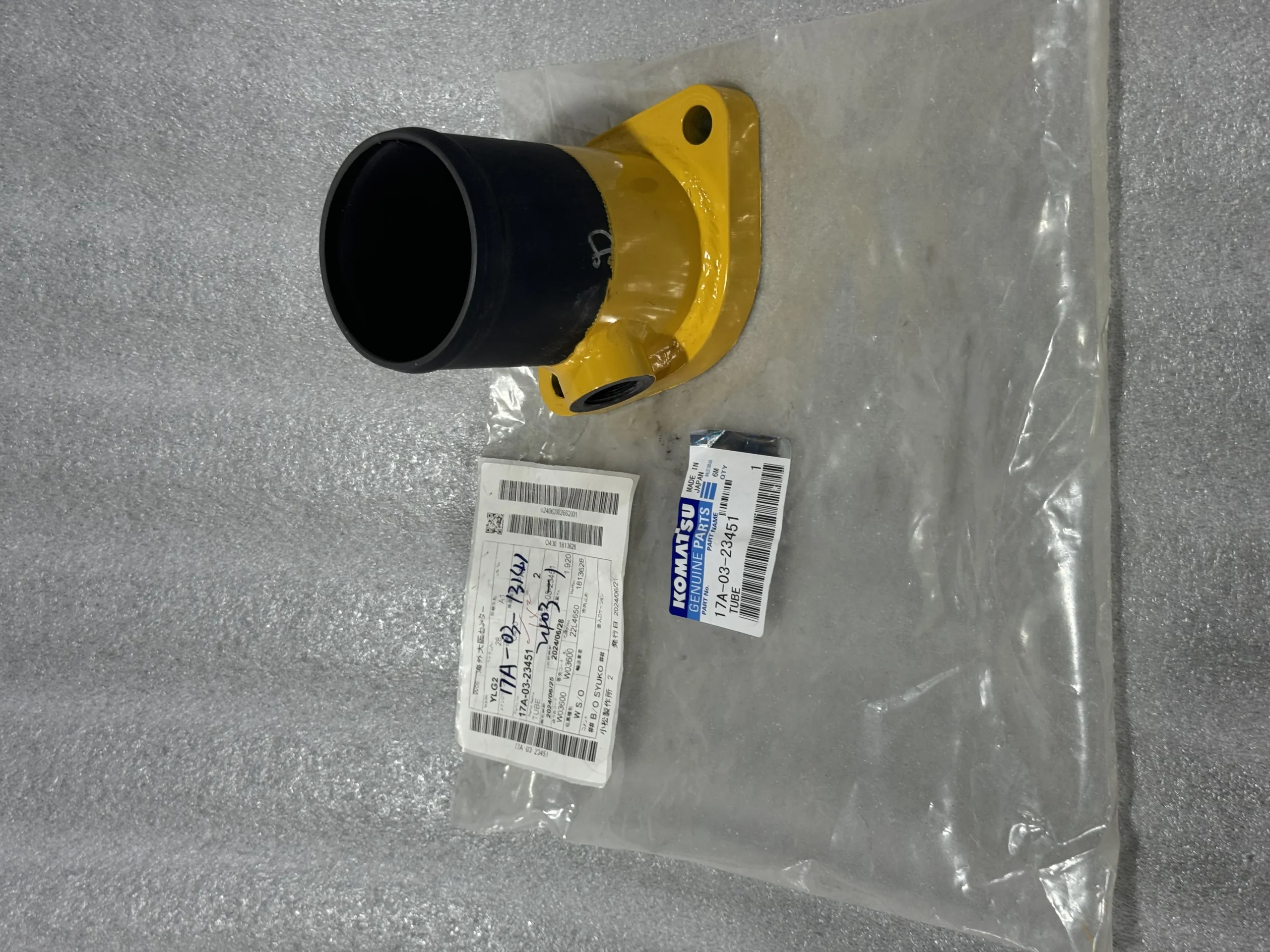 D155AX-5 Tube 17A-03-23451
 -
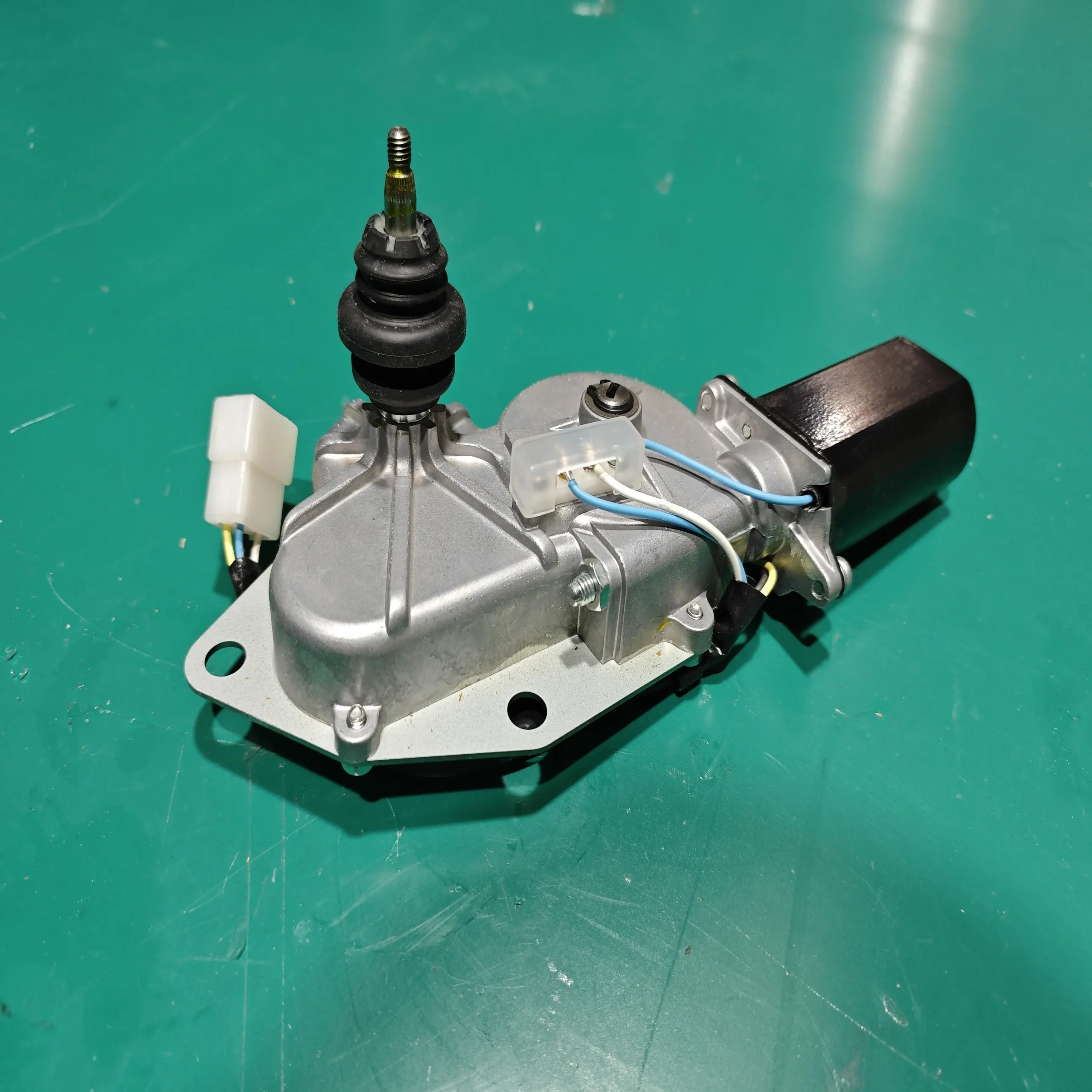 KOMATSUWIPERMOTOR23B-951-2610
 -
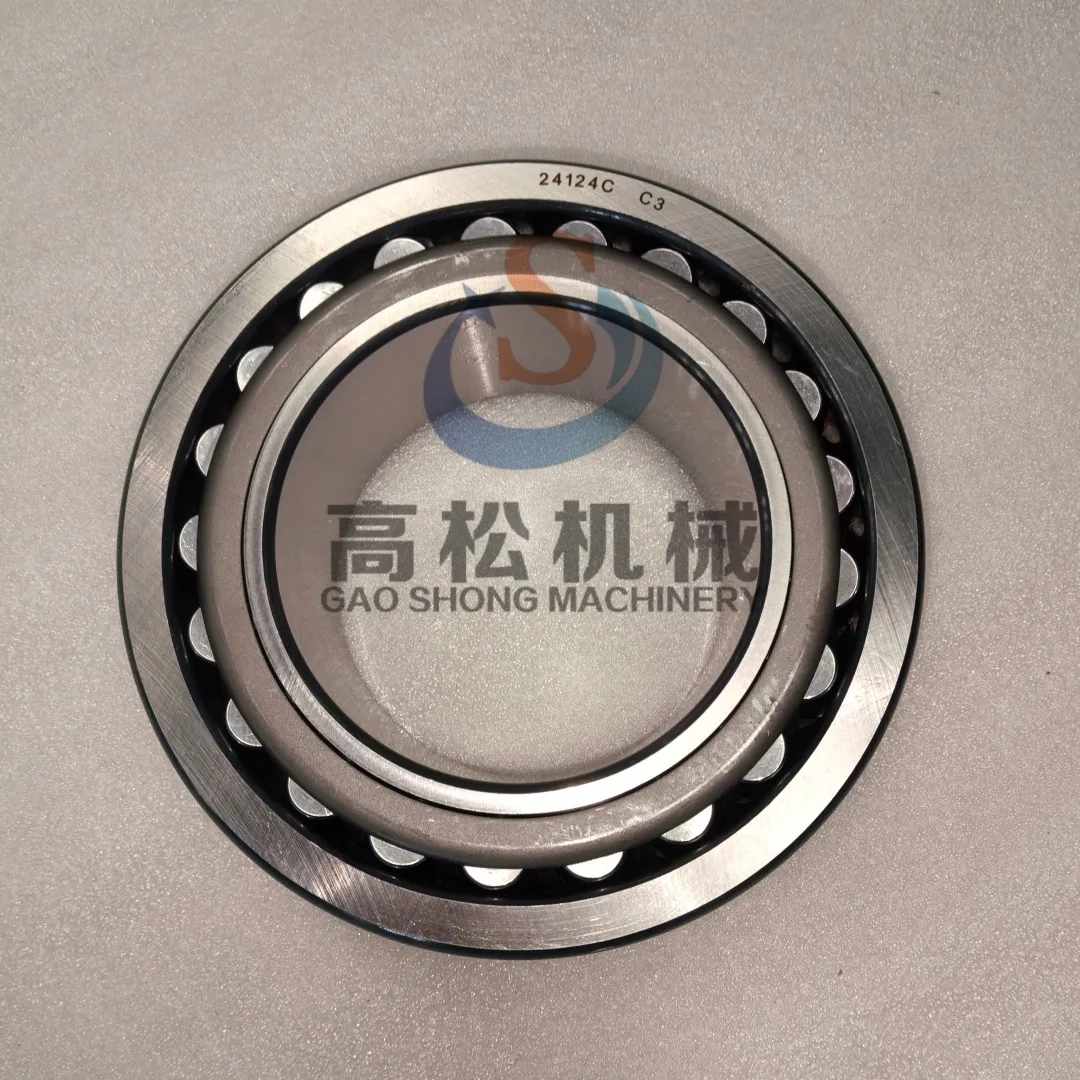 ROLLER BEARING 170-09-13250 1700913250 for Komatsu Bulldozer D85 D80 SD32 D155 FINAL DRIVE GEAR
 -
 Heavy Machines Built to Last 799-101-5160 SOCKET for Komatsu…
 -
 6156-71-1131 6156-71-1132 Fuel Injection Pump Compatible For Komatsu PC450-8 Excavator
 -
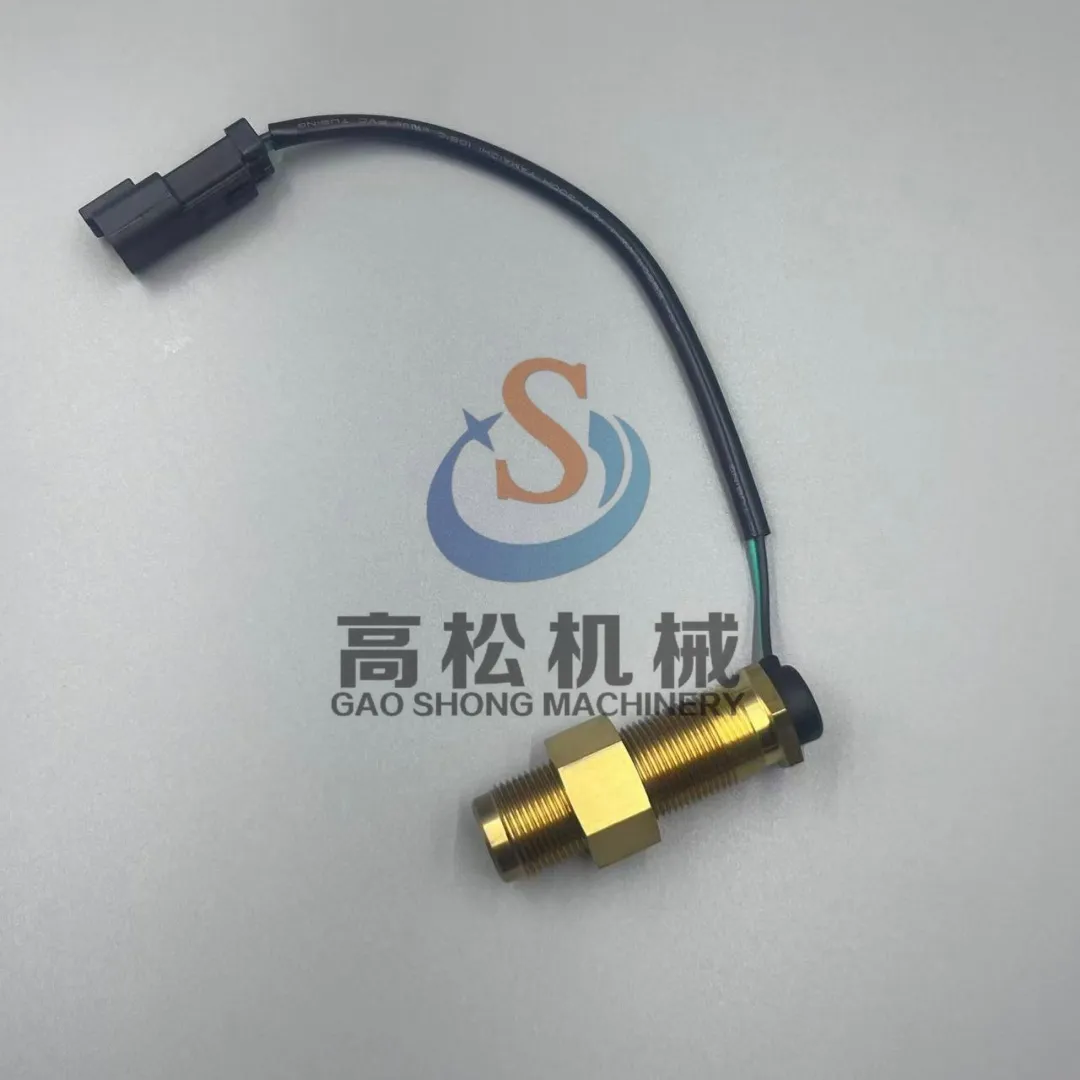 7861-92-2340 7861-93-2330 Fits for Komatsu PC200-3
 -
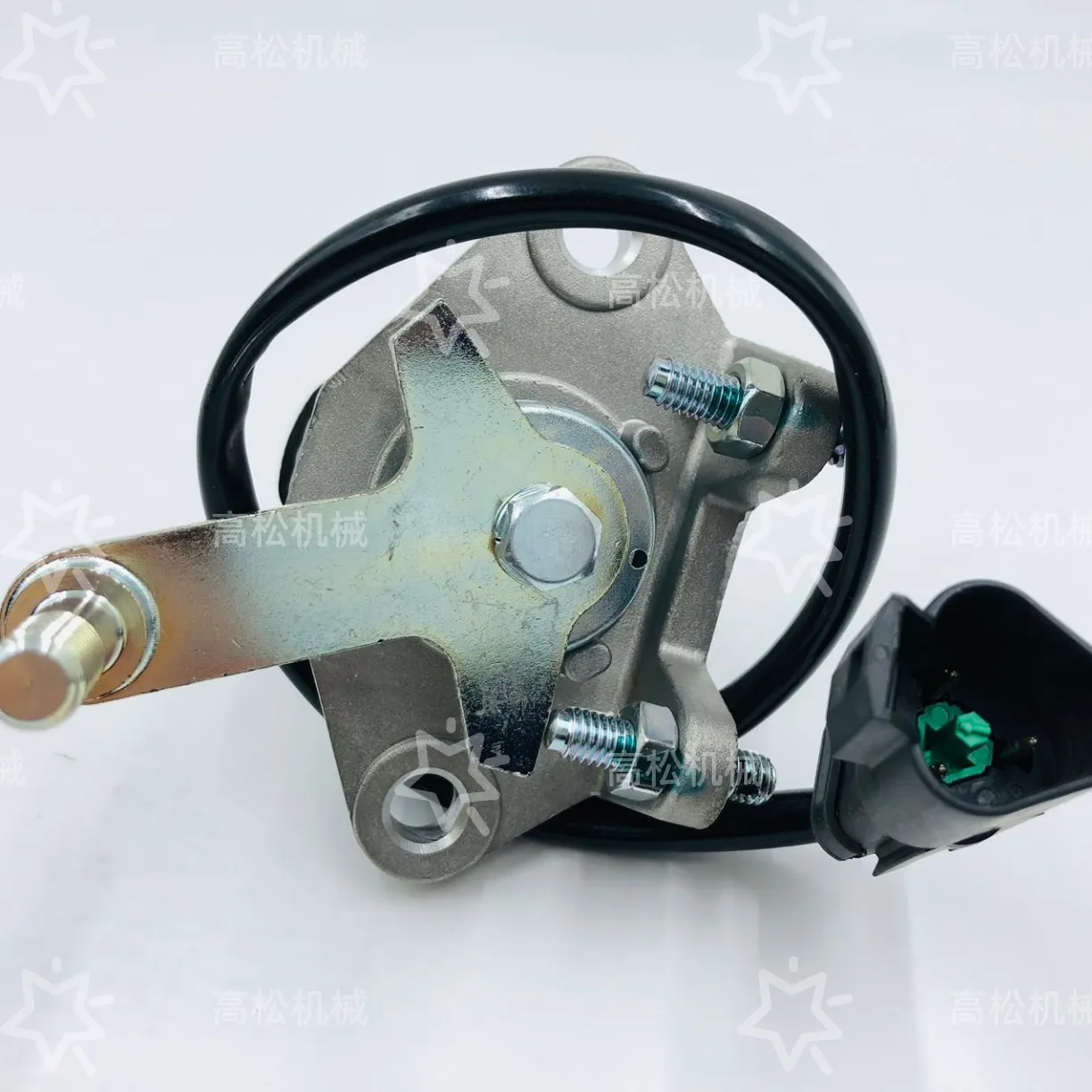 7861-93-4040 Bulldozer D275 D375 Sensor
 -
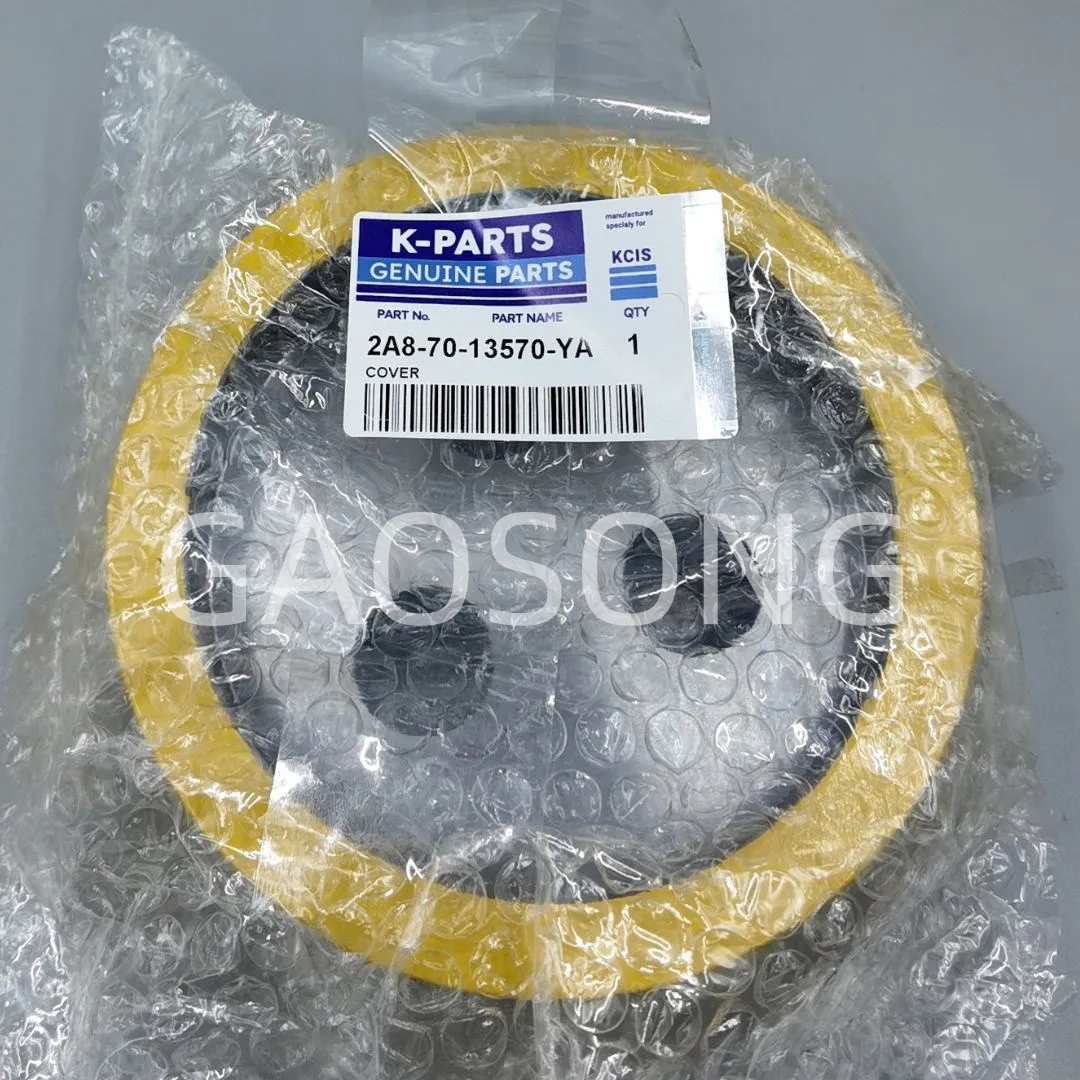 2A8-70-13570 Cover-Komatsu Original Factory
 -
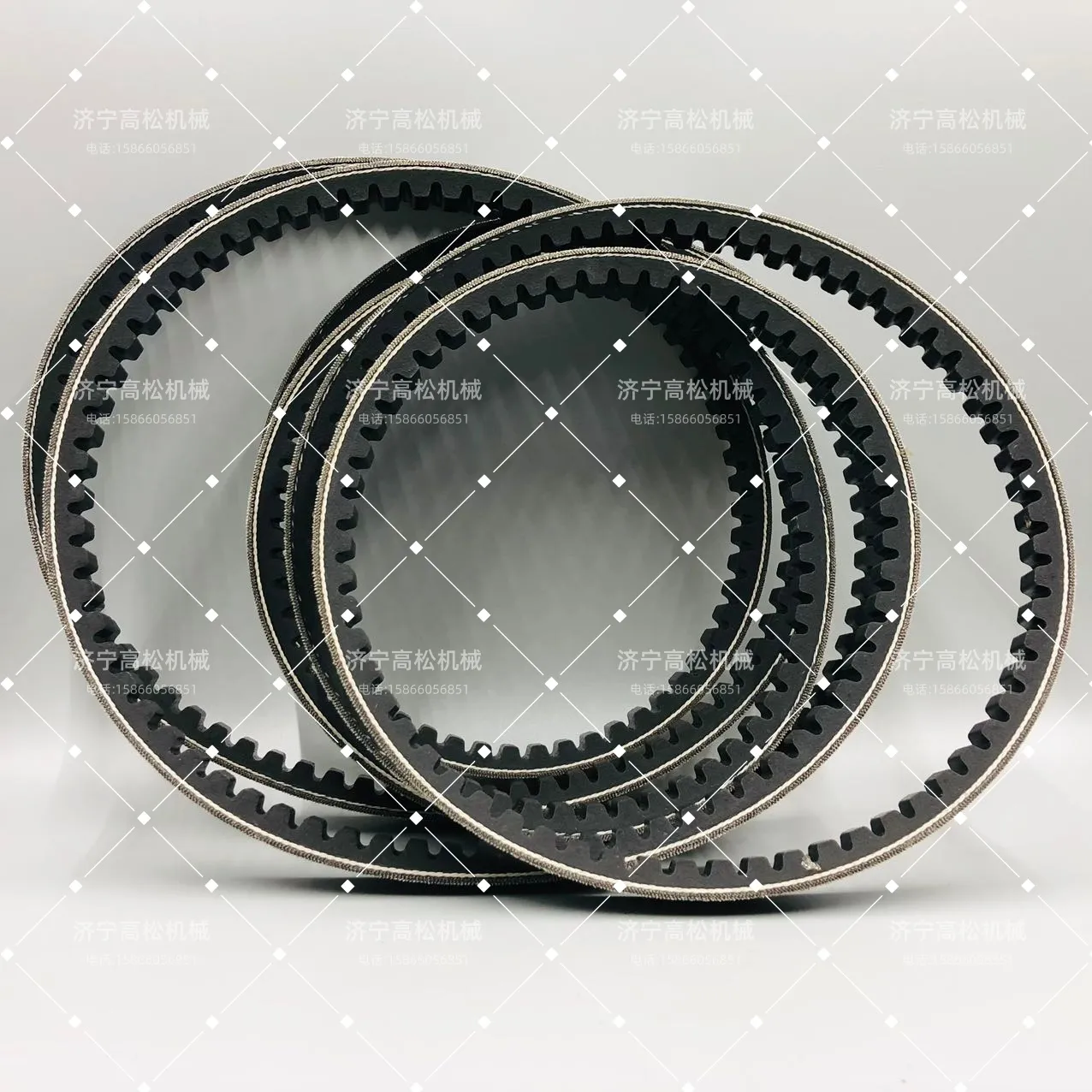 Genuine Komatsu V-Belt 6219-61-3420 for…
 -
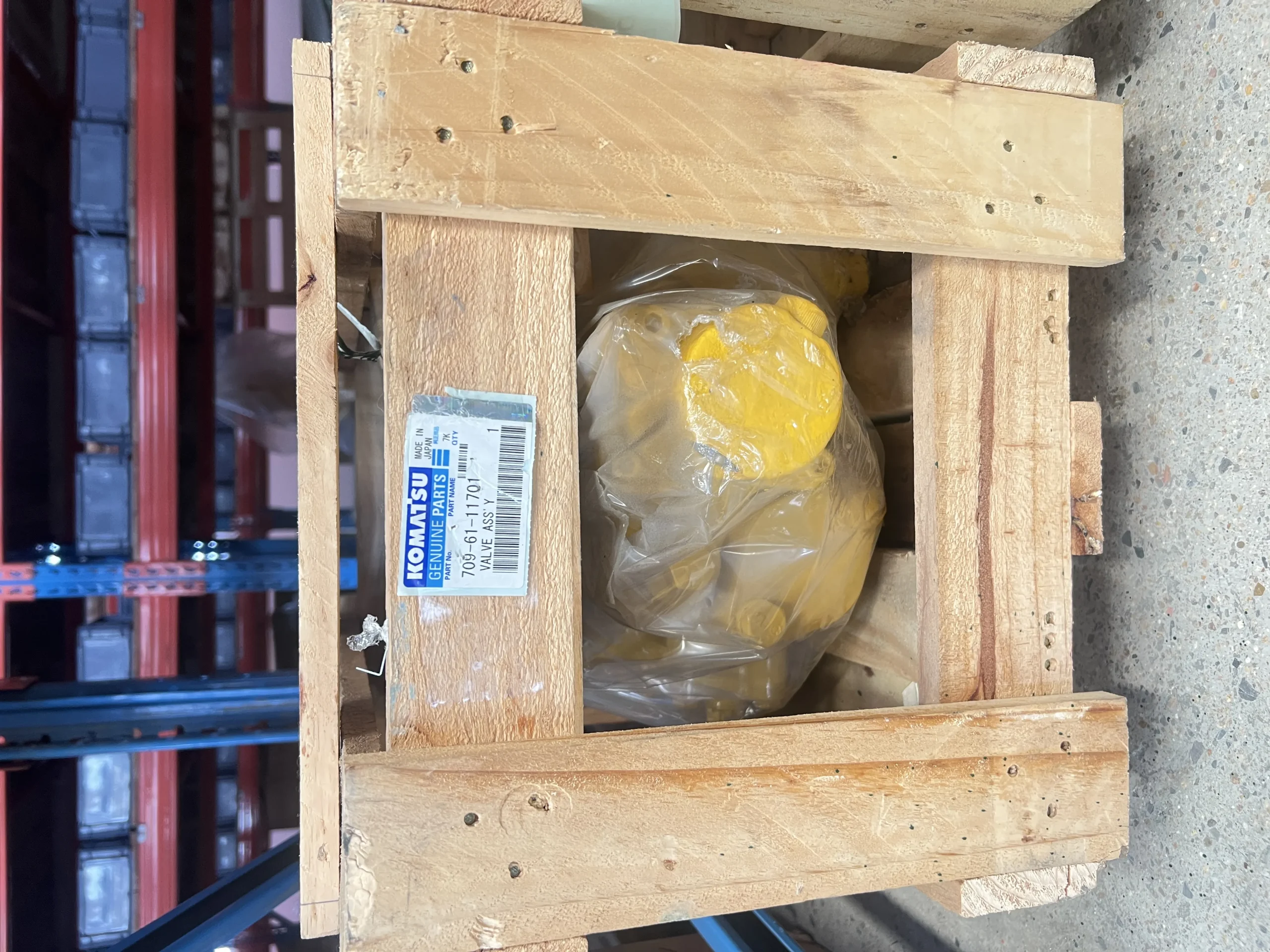 709-61-11701 Valve Assembly for Komatsu D375A-5D
 -
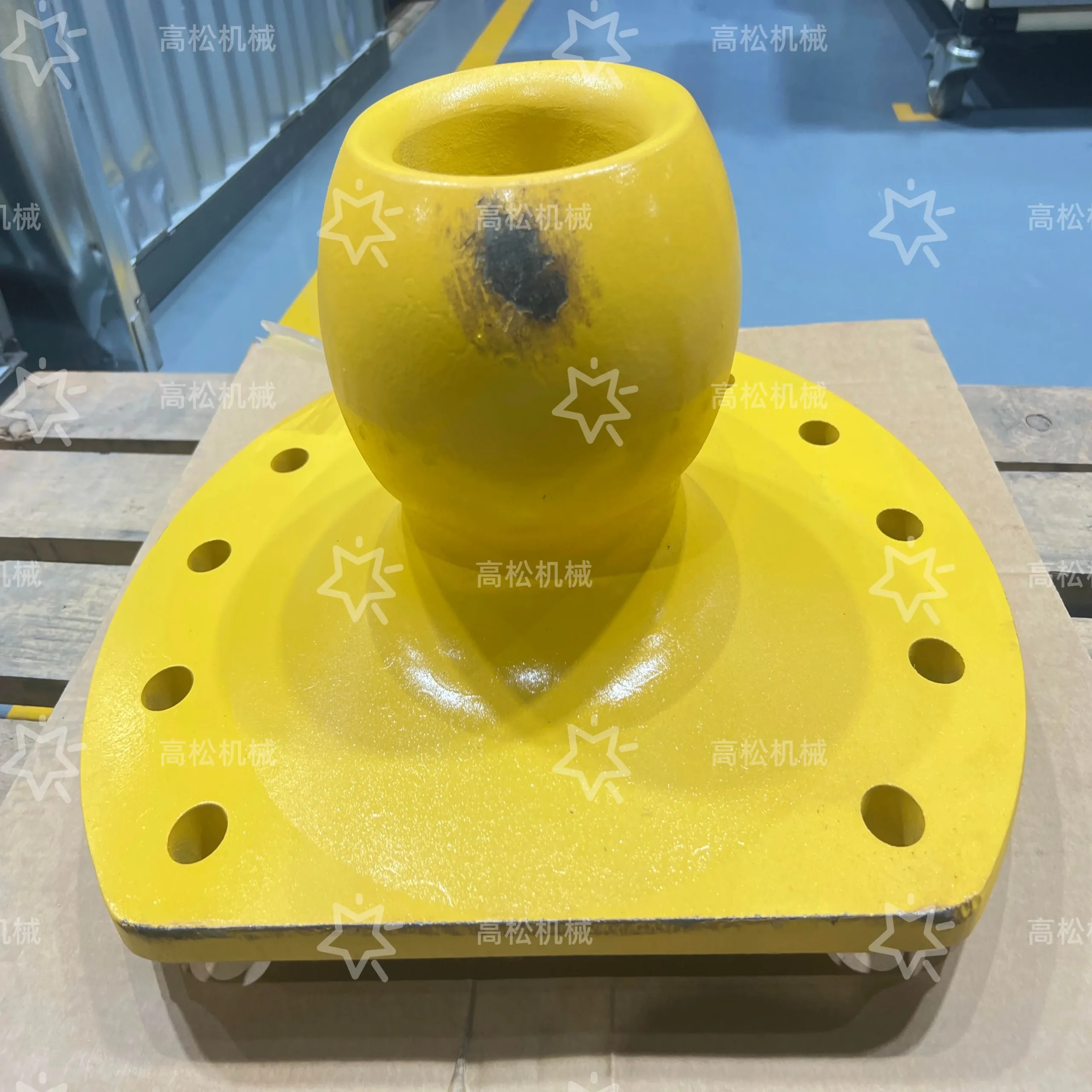 195-71-51191Trunnion 195-71-51191 for Bulldozer D375A-1/3/5/6
 -
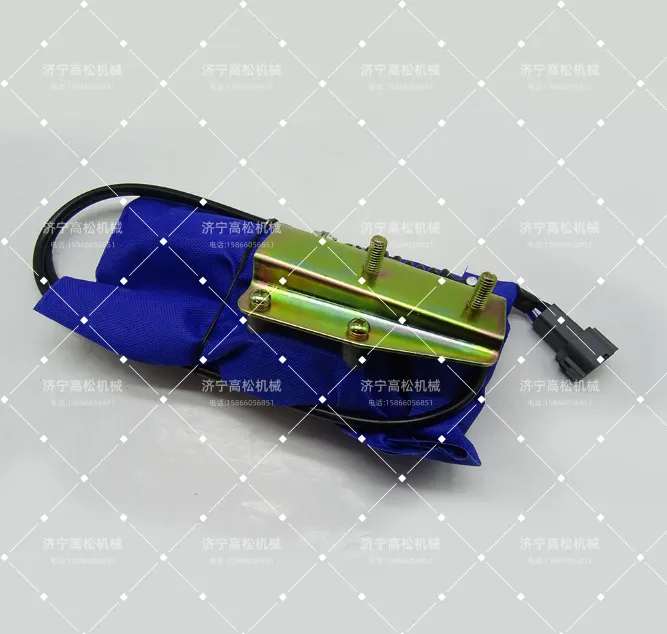 Original Komatsu parts GD305A-1A and GD355A-1 motor assembly, part number 600-815-7650