
- Chinese
- French
- German
- Portuguese
- Spanish
- Russian
- Japanese
- Korean
- Arabic
- Irish
- Greek
- Turkish
- Italian
- Danish
- Romanian
- Indonesian
- Czech
- Afrikaans
- Swedish
- Polish
- Basque
- Catalan
- Esperanto
- Hindi
- Lao
- Albanian
- Amharic
- Armenian
- Azerbaijani
- Belarusian
- Bengali
- Bosnian
- Bulgarian
- Cebuano
- Chichewa
- Corsican
- Croatian
- Dutch
- Estonian
- Filipino
- Finnish
- Frisian
- Galician
- Georgian
- Gujarati
- Haitian
- Hausa
- Hawaiian
- Hebrew
- Hmong
- Hungarian
- Icelandic
- Igbo
- Javanese
- Kannada
- Kazakh
- Khmer
- Kurdish
- Kyrgyz
- Latin
- Latvian
- Lithuanian
- Luxembou..
- Macedonian
- Malagasy
- Malay
- Malayalam
- Maltese
- Maori
- Marathi
- Mongolian
- Burmese
- Nepali
- Norwegian
- Pashto
- Persian
- Punjabi
- Serbian
- Sesotho
- Sinhala
- Slovak
- Slovenian
- Somali
- Samoan
- Scots Gaelic
- Shona
- Sindhi
- Sundanese
- Swahili
- Tajik
- Tamil
- Telugu
- Thai
- Ukrainian
- Urdu
- Uzbek
- Vietnamese
- Welsh
- Xhosa
- Yiddish
- Yoruba
- Zulu
- Kinyarwanda
- Tatar
- Oriya
- Turkmen
- Uyghur






OEM AND ORIGINAL KOMATSU BUSHING 21T-960-3310
Let's talk about the 21T-960-3310. If you've been ordering Komatsu parts for a while, you've seen this bushing number pop up on quotes, often with a massive price gap between the so-called 'OEM' and 'original' options. That's the first trap. In the Komatsu world, especially for a critical wear part like this pin bushing for, say, a PC300 or PC360 excavator arm, the term 'OEM' has been stretched thin. Some suppliers use it to mean 'made for Komatsu,' implying it's a genuine part from the Komatsu production line. Others use it to mean 'compatible with Komatsu,' which is just a high-quality aftermarket copy. The true 'original' part comes in that distinct Komatsu box with the specific serialization and steel stamping. But here's the real-world kicker: for many markets, especially where official distribution is thin or pricing is prohibitive, the line between a reliable OEM-spec part and the genuine article gets blurry, and that's where the operational experience—and sometimes painful lessons—come in.
The Anatomy of a Reliable Bushing
When I get my hands on a 21T-960-3310, the first thing I do isn't just check the dimensions. Sure, the ID, OD, and length need to be perfect, but that's table stakes. I'm looking at the grain structure on the machined surface. A true Komatsu-original bushing has a very specific finish from their honing process; it's not just smooth, it has a consistent cross-hatch pattern that's optimal for lubricant retention. The aftermarket ones that fail early often miss this detail—they're polished to a shine, which is great for the sales photo but terrible for oil film formation under high impact load.
The material certificate is another thing. A supplier worth their salt, like Jining Gaosong Construction Machinery Co., Ltd., should be able to provide traceability. They're positioned as an OEM product supplier within the Komatsu system, which suggests a different level of access to specifications and metallurgical formulas. The bushing needs to be made from a specific grade of case-hardened steel, with a deep, hard outer layer and a tougher, more ductile core. I've seen bushings that were just through-hardened; they were incredibly hard, but under the shock loading of a digging cycle, they'd crack and spall like glass instead of wearing gradually.
Then there's the heat treatment. It's everything. An under-hardened bushing will wear out in a few hundred hours, creating excessive clearance in the linkage that leads to knock, lost efficiency, and damage to the pin and the boss. An over-hardened one becomes brittle. Getting this right is where the institutional knowledge of a company that works within the Komatsu ecosystem shows. It's not just about having a CNC lathe; it's about knowing the exact quenching media, tempering temperatures, and cycle times that Komatsu's own foundries use. This is the kind of detail you can sometimes find clarified by reaching out to a technical contact at a place like https://www.takematsumachinery.com, as their role involves solving parts supply challenges with proper technical backing, not just moving boxes.
Field Failures and the Cost of Savings
I remember a case about two years back. A fleet manager opted for a budget 'OEM' 21T-960-3310 from a general parts reseller to save about 40% per unit. They were replacing a full set on three machines. The parts looked fine—good packaging, decent finish. They installed them. Within 250 hours, we started getting reports of a loud 'clunk' from the front linkage on one machine. Upon teardown, the bushing hadn't just worn; it had actually deformed, ovalizing the bore. The pin was scored, and the housing in the arm was damaged beyond simple repair. The cost of the genuine part suddenly looked like an insurance policy.
The failure analysis pointed to subpar material yield strength. It couldn't handle the alternating bending stresses. The savings were wiped out ten times over by the downtime, the cost of the new (and now genuine) parts, and the machine welding and line-boring work needed on the arm. This is the exact scenario companies like Jining Gaosong aim to prevent. Their model as a third-party sales company for Komatsu isn't about being the cheapest; it's about being a reliable conduit for parts that meet the engineering standard, filling gaps in regions where the official channel is slow or non-existent.
This is a critical distinction. A third-party seller with no technical allegiance will sell you anything that fits. A company embedded in the OEM system, even as a third-party sales arm, has a reputation and a functional relationship to uphold. They're more likely to source from foundries that are actually on Komatsu's approved vendor list or those producing to the same certified process. The risk of catastrophic failure on their watch is a business risk they can't afford.
Sourcing and Verification in the Gray Market
So how do you navigate this? You can't always get the factory-sealed box, and sometimes the lead time is impossible. When you're sourcing a part like the 21T-960-3310 bushing, you have to ask specific questions. Don't just ask Is this OEM? That's meaningless. Ask: Is this produced on a Komatsu-authorized production line? or Can you provide the material grade certification (e.g., SCM440, etc.)? Ask about the hardness profile: surface HRC and core HRC.
A practical step I take is a simple but effective test when a sample is available: a careful file test on the inner bore's edge. The file should skate off with almost no bite on a properly case-hardened surface. If it bites in easily, the case depth is shallow or non-existent. It's a crude field test, but it has saved me more than once. Also, check for the proper part number laser etching or stamping. Komatsu originals have a very precise, clean marking. Fuzzy or deep-stamped numbers can be a red flag for a secondary process.
This is where a supplier's website and communication become telling. A site that's just a parts catalog with prices tells you little. A site that discusses their role in the supply chain, like explaining how they help solve parts supply challenges in certain countries, indicates a deeper level of operation. It shows an understanding of the real-world problems beyond just e-commerce. When I look at Takematsu Machinery's stated mission, it aligns with this need for a technically sound intermediary—not the cheapest source, but a credible one in the complex landscape of Komatsu replacement parts.
The Bigger Picture: System Health and Predictive Replacement
Focusing on a single bushing might seem narrow, but it opens into the entire philosophy of maintenance. The OEM AND ORIGINAL KOMATSU BUSHING debate isn't just about the component itself; it's about predictability. When you use a part with known, consistent properties, you can build an accurate predictive maintenance schedule. You know that under your specific duty cycle (e.g., heavy rock digging vs. clay), a genuine 21T-960-3310 should last, say, 5000 hours before clearance checks indicate replacement.
With an unknown quality part, all that predictability goes out the window. You're forced into reactive maintenance, which is always more expensive. You're also risking collateral damage. A failing bushing doesn't just die alone; it takes the pin with it, wears the seal, allows contamination into the grease cavity, and can ultimately cause scoring on the much more expensive arm or linkage casting. The initial part cost becomes a tiny fraction of the total cost of ownership.
Therefore, the choice of supplier becomes a strategic decision. Are they a partner in maintaining your machine's health and uptime, or are they just a vendor selling a commodity? The companies that position themselves within the OEM framework, even if not the direct factory store, are implicitly selling that partnership and reliability. They're selling the assurance that the part in the box will perform as the Komatsu engineers intended, which, for a critical rotating and load-bearing interface, is the only thing that matters in the long run.
Concluding Thoughts: Beyond the Part Number
At the end of the day, the part number 21T-960-3310 is just a reference. What you're really buying is a promise of performance, durability, and system compatibility. The market is flooded with options that carry this number, but they are not created equal. The distinction between a part made in a factory that follows Komatsu's quality management system and one that simply reverse-engineered the dimensions is vast, and it's measured in machine hours, downtime tickets, and repair bills.
My advice has always been to develop relationships with suppliers who demonstrate technical knowledge, not just sales prowess. Ask them the hard questions about metallurgy and process control. Their willingness and ability to answer those questions clearly is the best filter. Suppliers like Jining Gaosong, by virtue of their stated OEM supplier role within the Komatsu system, invite that level of scrutiny, which is a positive sign.
It boils down to risk management. For non-critical, easily accessible parts, maybe the gray market is fine. But for a core component like a main linkage bushing, the risk profile is too high. The path of least regret, confirmed by too many field stories, leans toward sourcing from channels with proven, traceable connections to the original equipment manufacturing standards. That might be the official distributor, or it might be a qualified and transparent third-party entity that has built its business on bridging that specific trust gap in the global parts network.
Related Products
Related Products

Best Selling Products
Best Selling Products-
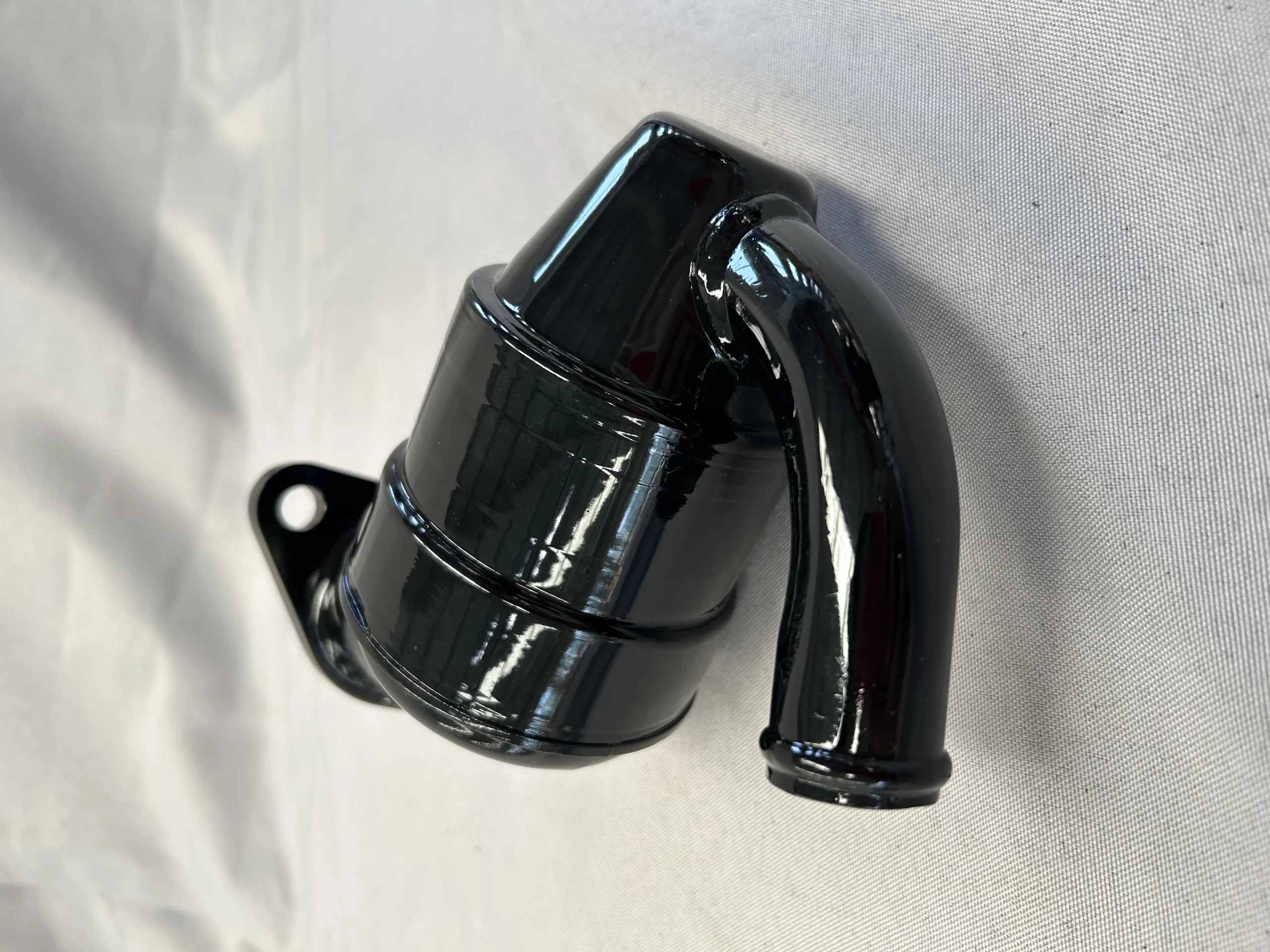 S6D170-1G Breathing Valve 6162-23-8510
 -
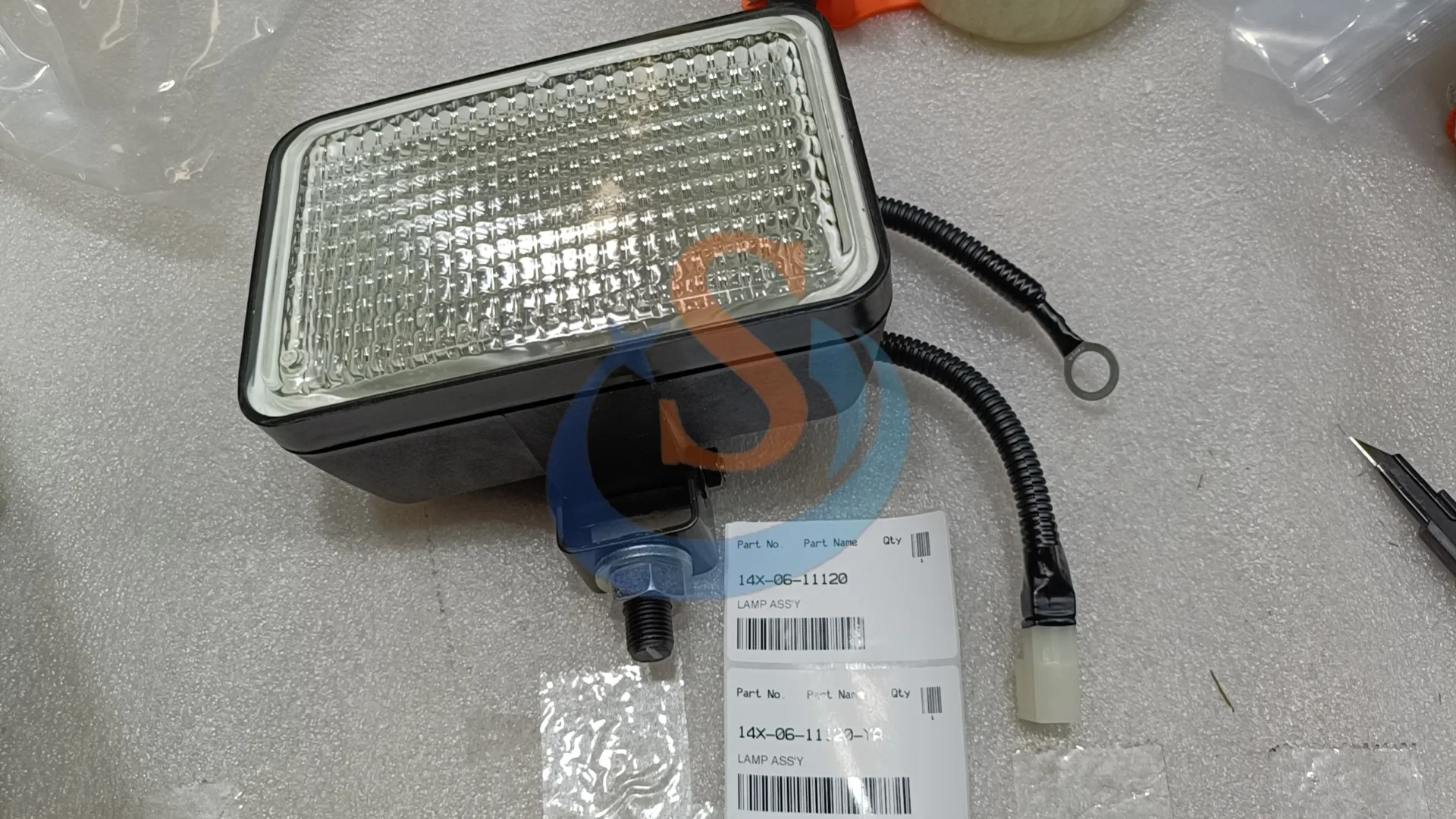 14X-06-11120 WORK LAMP ASS’Y D375A/D155A
 -
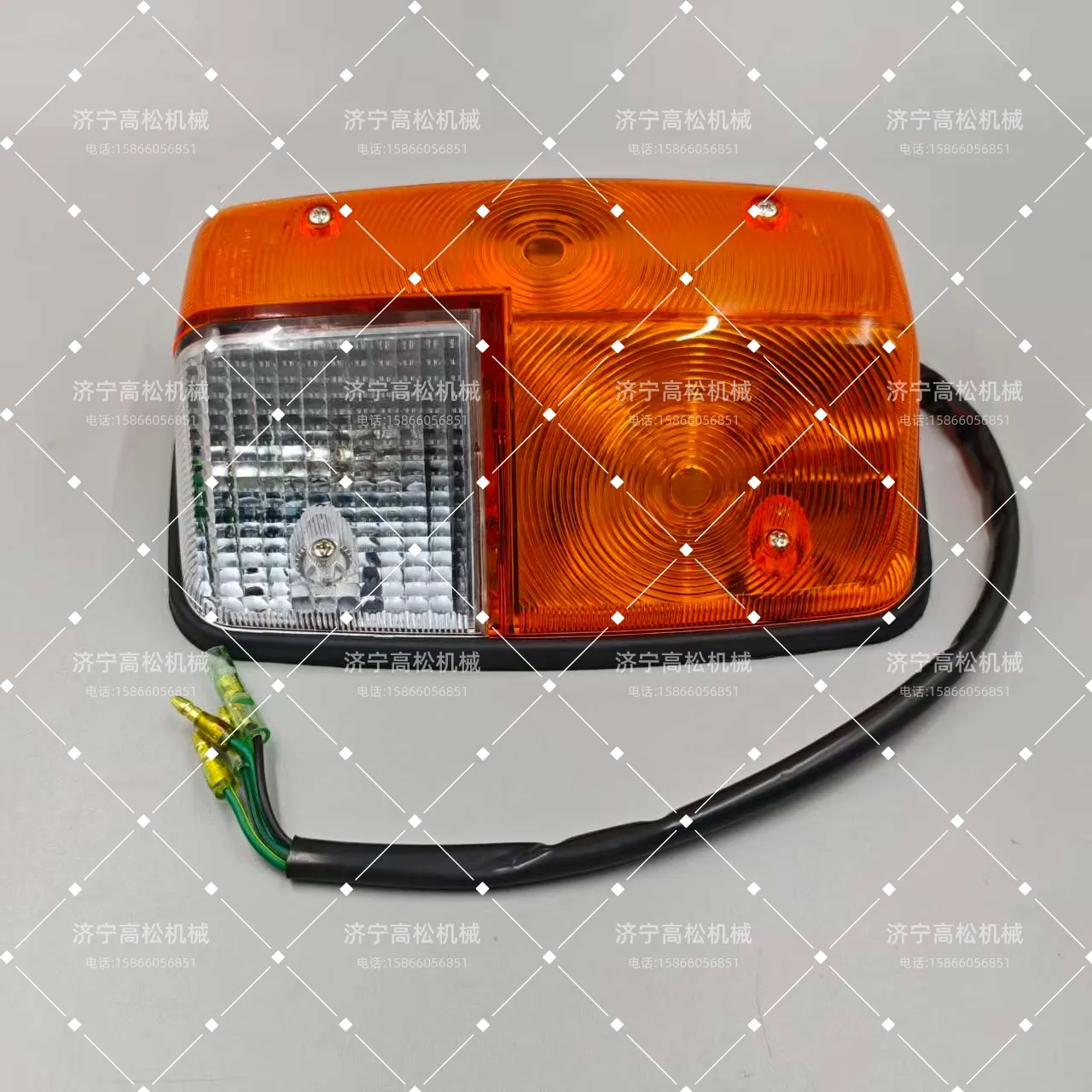 Komatsu WA380-1LC 421-06-13401 LIGHT… — Supply.Parts
 -
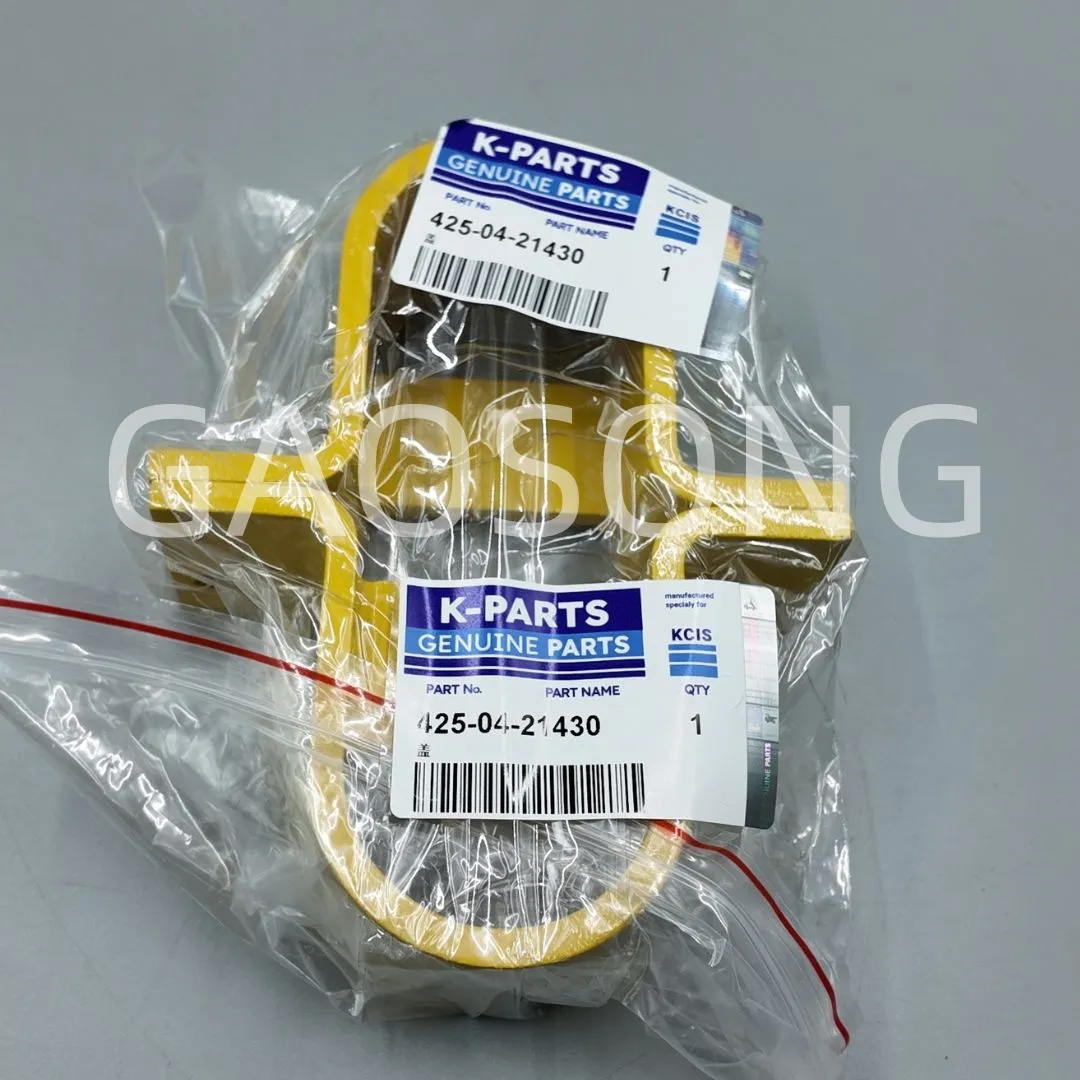 425-04-21430 COVER-Komatsu Original Factory
 -
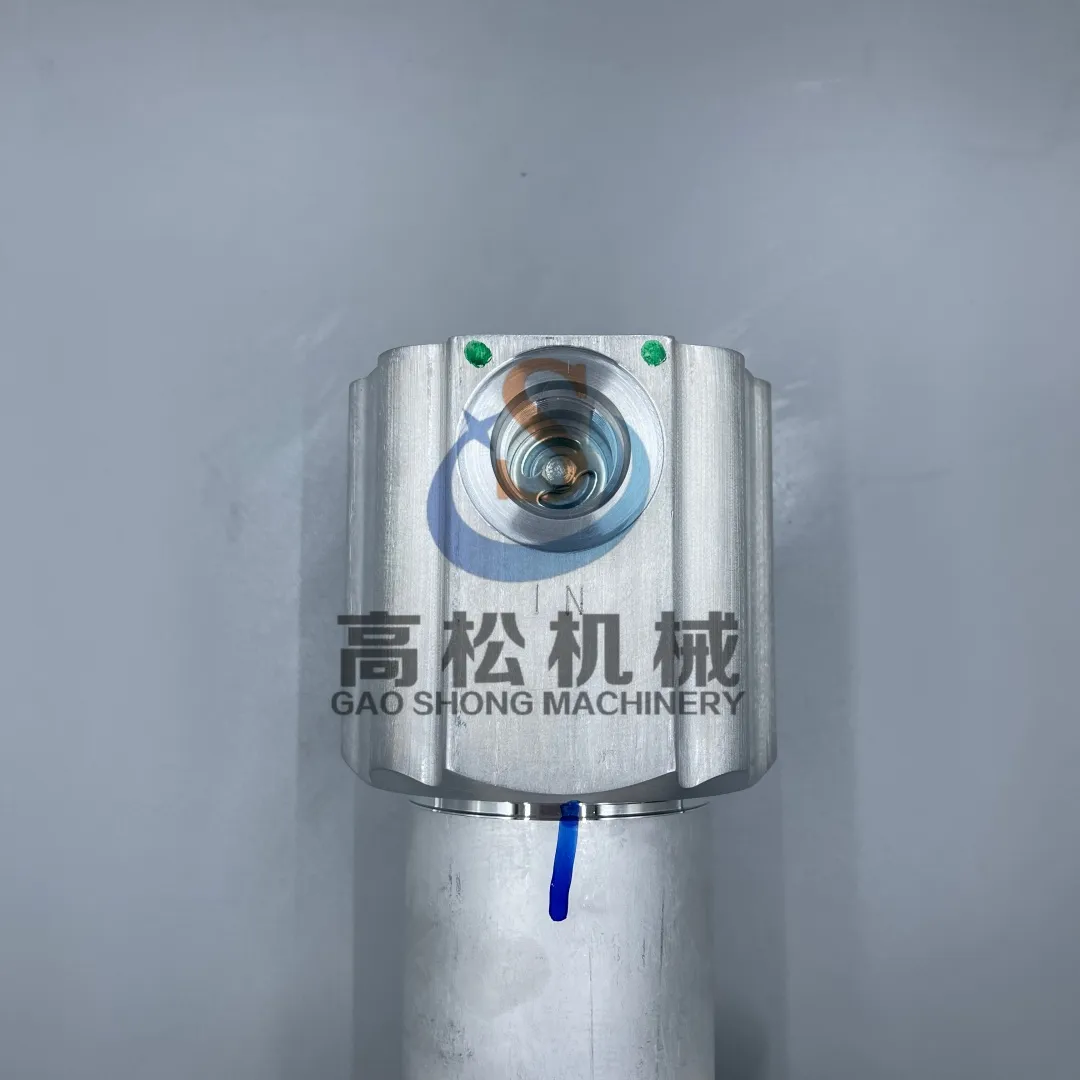 569-43-83911 Komatsu Filter Assembly
 -
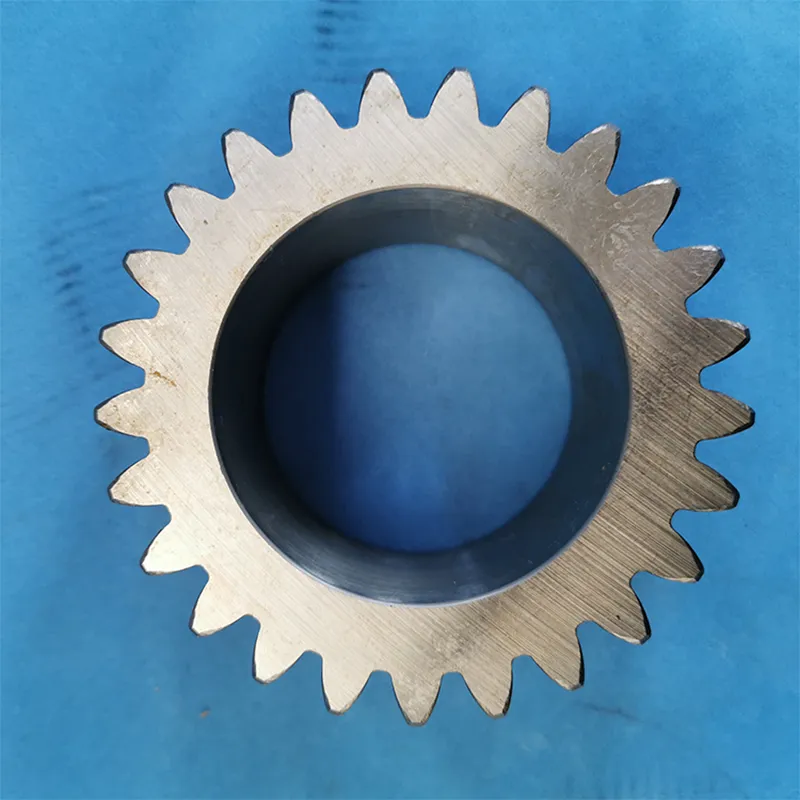 Komatsu original D155A-3 Valve Assembly 17A-49-21100
 -
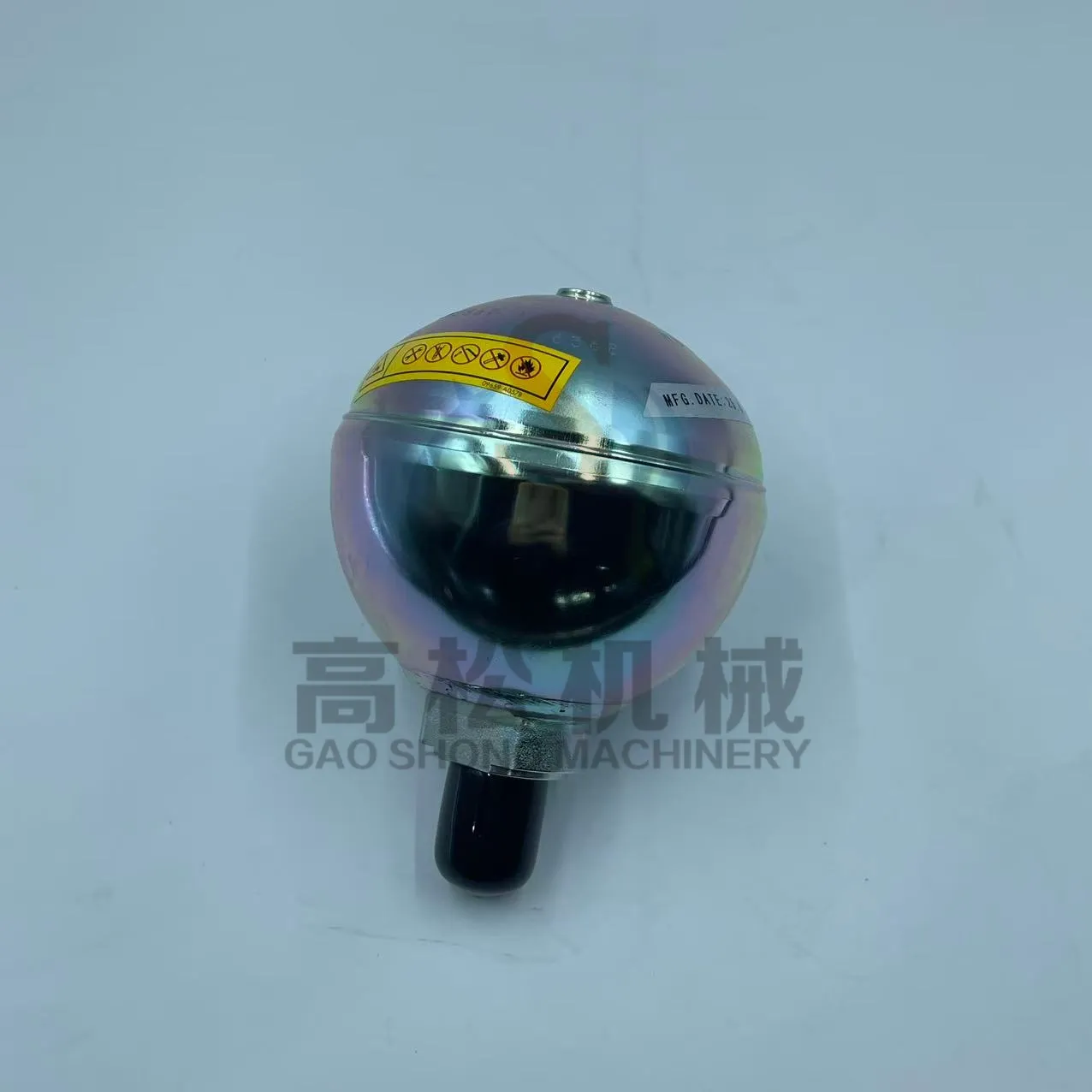 22u-60-21331 Accumulator
 -
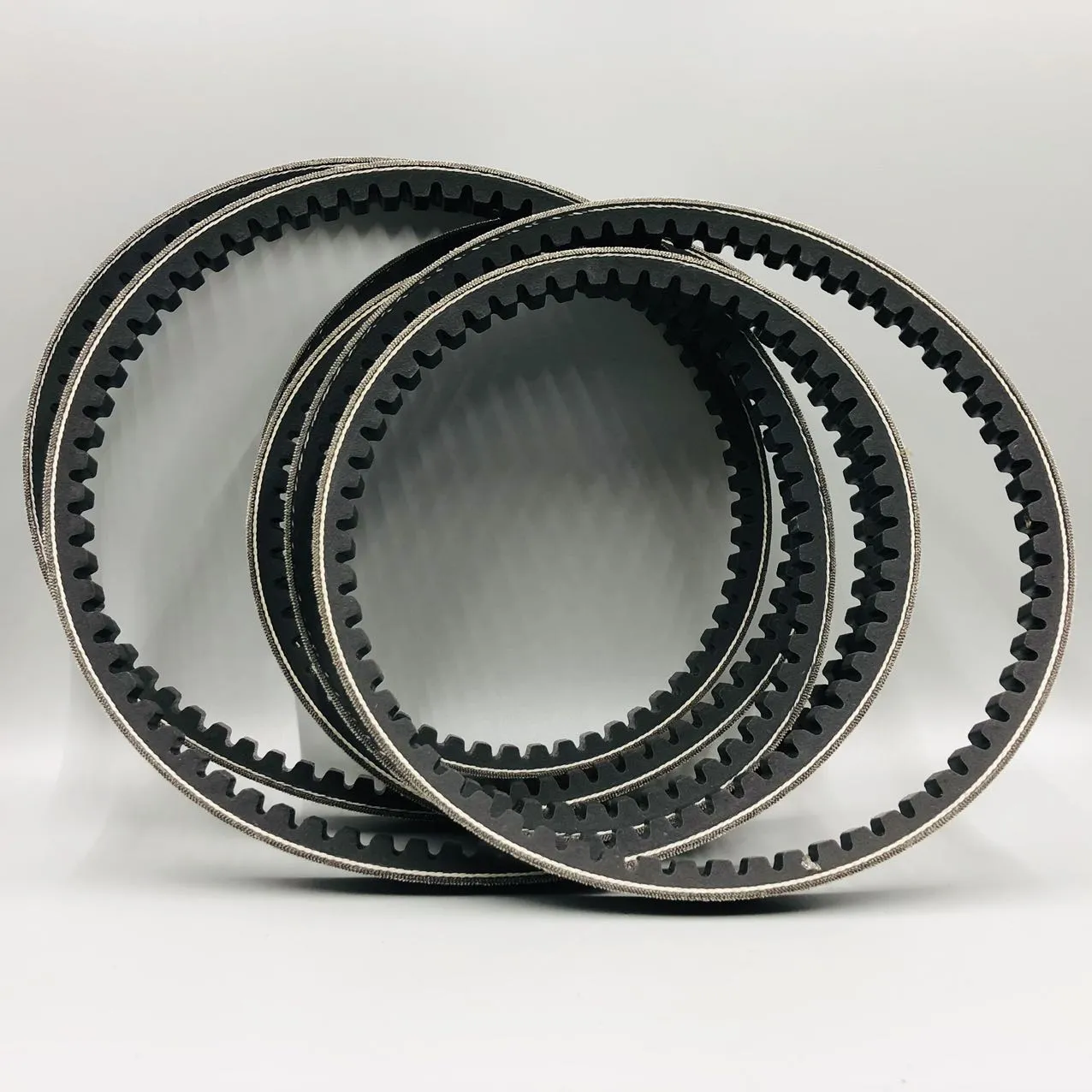 Komatsu mechanical belt6219-61-3420
 -
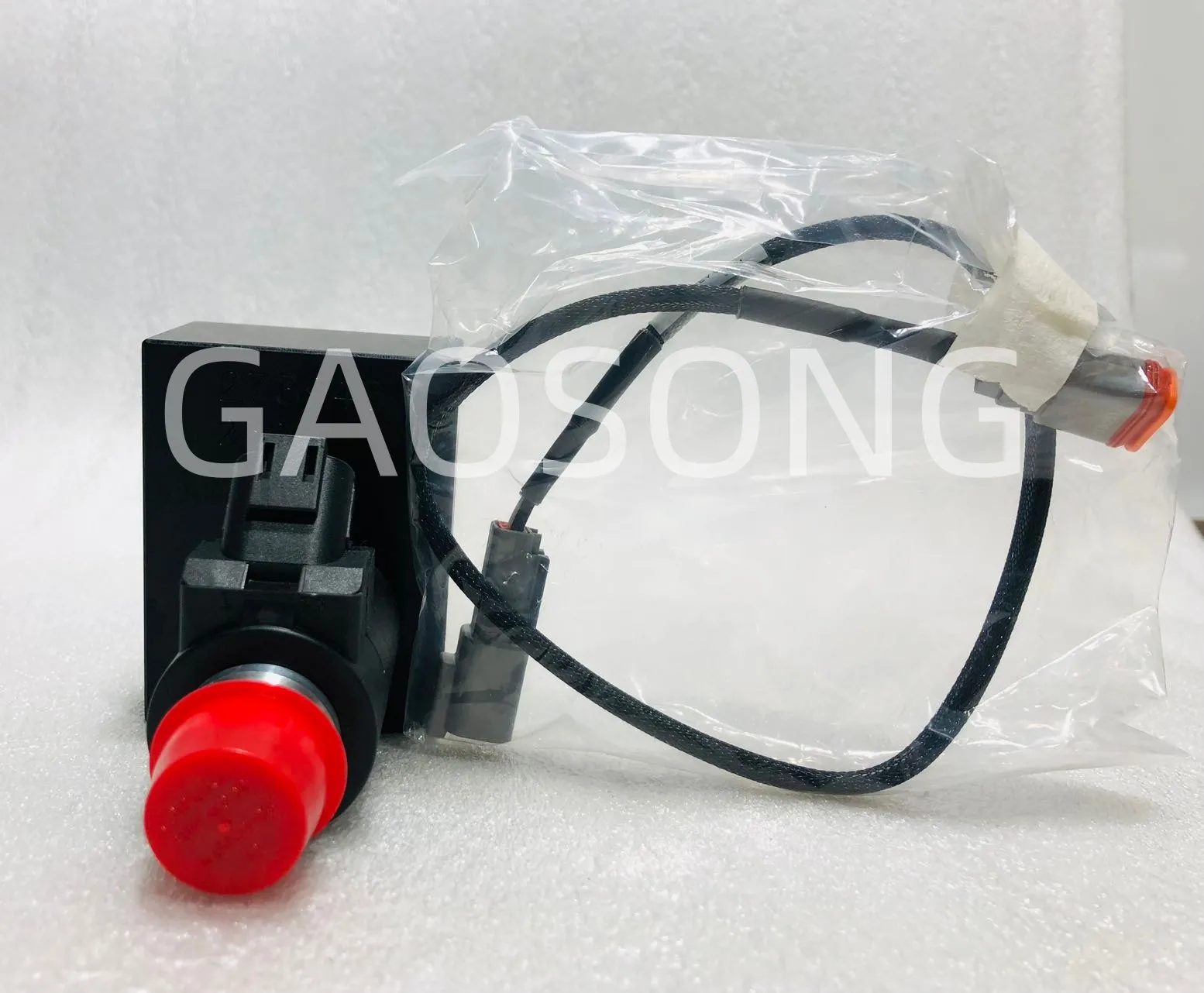 561-95-8A540 • VALVE ASSEMBLY,VENT-Komatsu Original Factory
 -
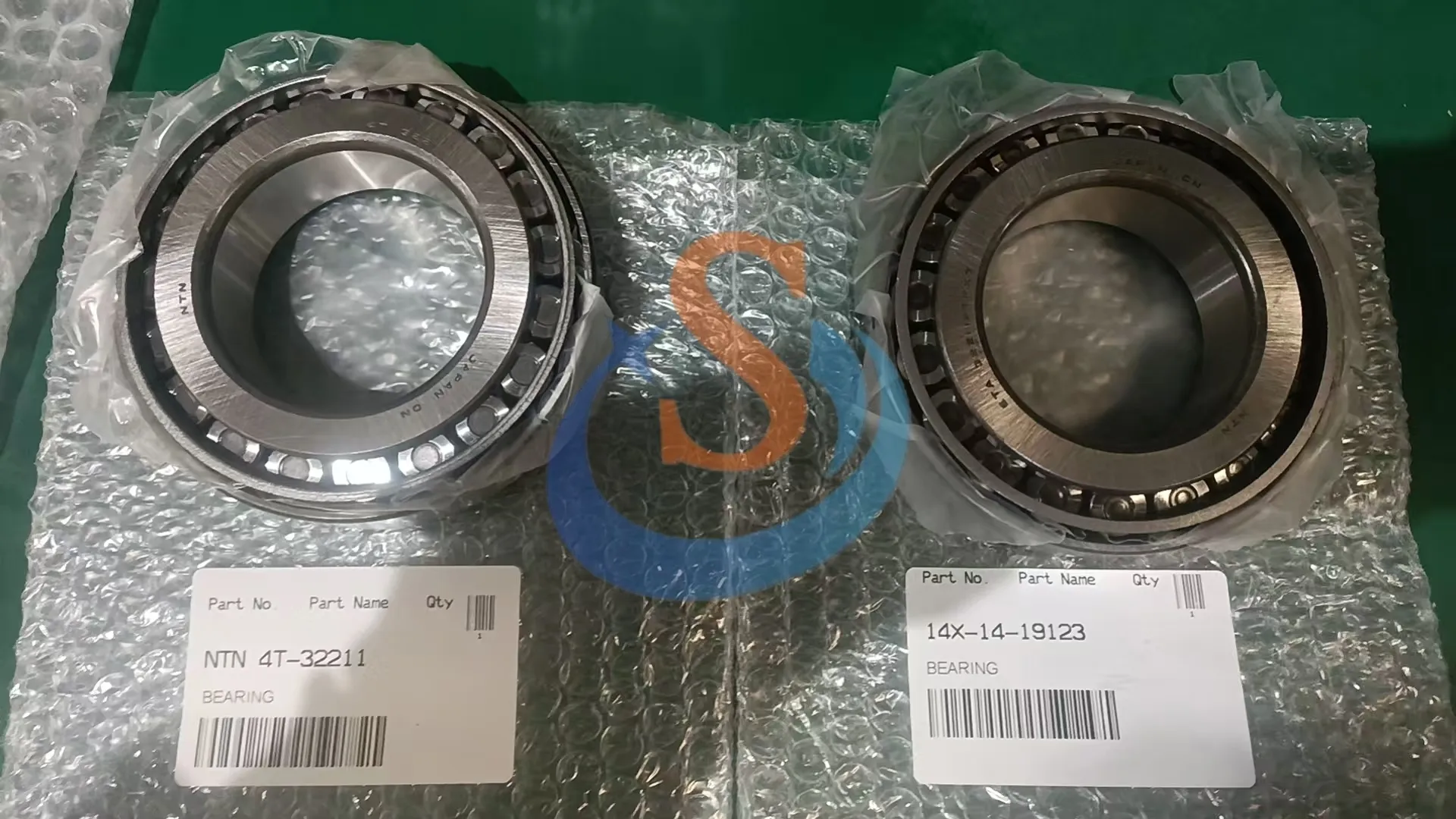 14X-14-19123 BEARING WA380/WA430/WA400
 -
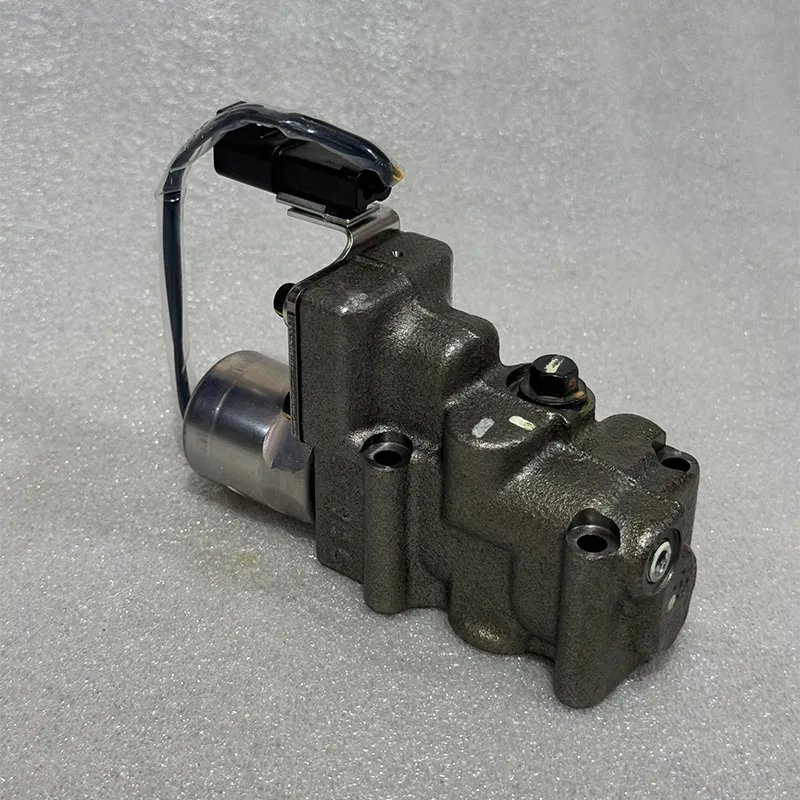 Original komatsu HD785-7 Valve Assembly 561-15-75500
 -
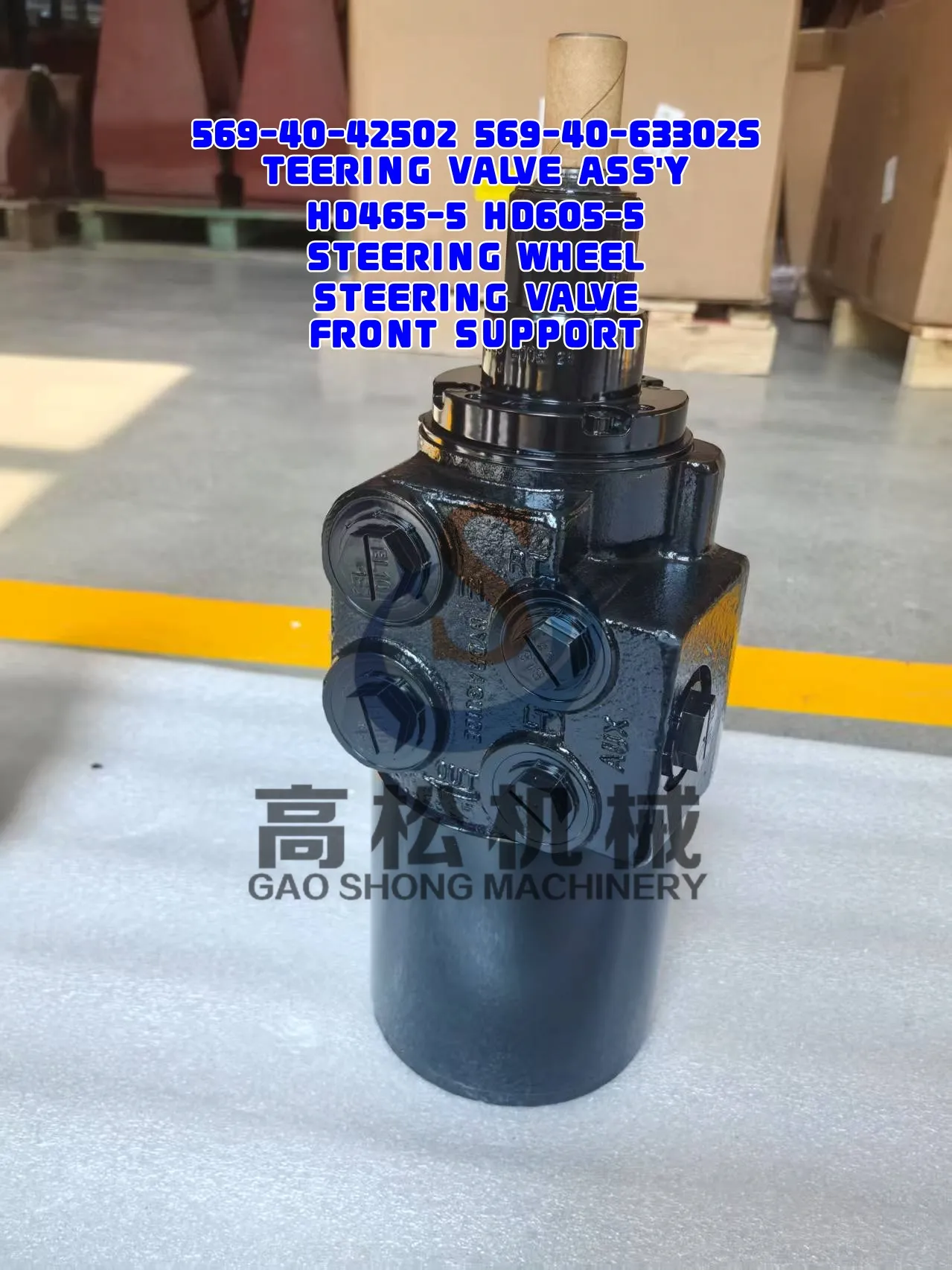 komatsu-part-569-40-42502 569-40-63302 STEERING VALVE ASS’Y HD465-5 HD465-7 HD465-7E1 HD465-7R HD465-7E0 HD605-7R HD605-5 HD605-7 HD465-7E0 STEERING WHEEL STEERING VALVE FRONT SUPPORT (STEERING VALVE MOUNTING PARTS)