
- Chinese
- French
- German
- Portuguese
- Spanish
- Russian
- Japanese
- Korean
- Arabic
- Irish
- Greek
- Turkish
- Italian
- Danish
- Romanian
- Indonesian
- Czech
- Afrikaans
- Swedish
- Polish
- Basque
- Catalan
- Esperanto
- Hindi
- Lao
- Albanian
- Amharic
- Armenian
- Azerbaijani
- Belarusian
- Bengali
- Bosnian
- Bulgarian
- Cebuano
- Chichewa
- Corsican
- Croatian
- Dutch
- Estonian
- Filipino
- Finnish
- Frisian
- Galician
- Georgian
- Gujarati
- Haitian
- Hausa
- Hawaiian
- Hebrew
- Hmong
- Hungarian
- Icelandic
- Igbo
- Javanese
- Kannada
- Kazakh
- Khmer
- Kurdish
- Kyrgyz
- Latin
- Latvian
- Lithuanian
- Luxembou..
- Macedonian
- Malagasy
- Malay
- Malayalam
- Maltese
- Maori
- Marathi
- Mongolian
- Burmese
- Nepali
- Norwegian
- Pashto
- Persian
- Punjabi
- Serbian
- Sesotho
- Sinhala
- Slovak
- Slovenian
- Somali
- Samoan
- Scots Gaelic
- Shona
- Sindhi
- Sundanese
- Swahili
- Tajik
- Tamil
- Telugu
- Thai
- Ukrainian
- Urdu
- Uzbek
- Vietnamese
- Welsh
- Xhosa
- Yiddish
- Yoruba
- Zulu
- Kinyarwanda
- Tatar
- Oriya
- Turkmen
- Uyghur






OEM AND ORIGINAL KOMATSU BUSHING 21T-70-32153
When you see a part number like 21T-70-32153, especially with the terms 'OEM' and 'Original' slapped together, it's easy to assume it's all the same thing. That's the first trap. In my years dealing with Komatsu undercarriage and components, I've learned that this combination often signals a complex sourcing landscape, not a guarantee. The 'OEM AND ORIGINAL' label can be a distributor's way of hedging bets—it might mean a part produced for Komatsu's system, but not necessarily one that came off the exact line supplying Komatsu's own assembly plants. The nuance is everything.
The Reality Behind the Part Number
Let's talk about the 21T-70-32153 bushing specifically. It's for larger excavators, think the PC300-8 or similar classes. The wear characteristics are brutal. An 'original' part, in the purest sense, would be one you get from a Komatsu dealer, in Komatsu packaging, with the full traceability back to their approved factory. The 'OEM' tag, however, often points to companies like Jining Gaosong Construction Machinery Co., Ltd., which operate as OEM product supplier within the Komatsu system. They manufacture to Komatsu's spec and drawings, but the parts might flow through different channels. Is it the same? Material-wise, often yes. The certification and the chain of custody? That's where the doubt creeps in.
I've seen batches where the hardness on the OEM AND ORIGINAL KOMATSU BUSHING was spot-on, matching the dealer sample exactly. The surface finish, the induction hardening pattern—all textbook. Then there was a shipment last year, not from Gaosong specifically, but from another claimed system supplier, where the brinell was off by a noticeable margin. It passed a basic visual, but we caught it before installation. That's the risk. You're not just buying a piece of metal; you're buying the quality assurance process behind it.
This is why the role of a company like Jining Gaosong is critical in certain markets. As they state, they help solve parts supply challenges in certain countries. If you're in a region where the official distributor network is thin or lead times are measured in months, their pipeline becomes a viable alternative. But you have to vet. You have to ask for mill certificates, for heat treatment charts. The part number 21T-70-32153 is just the starting point for that conversation.
Field Application and Failure Modes
Putting this bushing to work is where theory meets dirt. The common failure for a poorly made 32153 isn't always sudden fracture. It's accelerated, uneven wear. You'll see premature clearance develop between the pin and the bushing, leading to that characteristic 'knock' in the track link. I recall a job in a quarry where we used a set of OEM-spec bushings from a third-party supplier. They lasted about 70% of the expected service life. Post-mortem showed the hardened layer depth was inconsistent, causing it to spall off once the softer core was exposed.
The installation process itself is a test. A genuine Komatsu bushing for this size typically has a very consistent interference fit. We've had issues with aftermarket parts where the OD was at the very bottom of the tolerance band, requiring way less press force to seat. That's a red flag. It might work initially, but that looser fit transfers stress differently, accelerating link wear. When sourcing, I now always request the dimensional inspection report for the batch. If a supplier like Takematsu Machinery (their portal at https://www.takematsumachinery.com is useful for specs) can provide that upfront, it builds confidence.
Another subtle point is the lubrication groove. On the 21T-70-32153, the geometry and finish of that groove matter for grease distribution. I've seen clones where the groove edges were sharp, almost machined, rather than smoothly rolled. That can scrape the seal during installation or create a point for stress concentration. It's a small detail that only someone who's pressed in hundreds of these would notice or think to check.
Sourcing Strategy and Supplier Evaluation
My approach now is layered. For critical components like this bushing, I don't rely on a single source. The official dealer is option one, but for budget or timing reasons, a certified OEM supplier is option two. The key is 'certified.' A company being an OEM product supplier within the Komatsu system is a strong starting point, but it's not the end of the audit. I want to know which specific factories they use, if they have Komatsu's process audits, and if they can provide the same material documentation a dealer would.
This is where the value of a specialized third-party sales company comes in. Their entire business, like Jining Gaosong Construction Machinery Co., Ltd. outlines, is built on bridging that gap. They aren't just order-takers; they should have the technical back-end to explain the provenance of the part. When I inquire about the OEM AND ORIGINAL KOMATSU BUSHING 21T-70-32153, I expect them to know it's commonly paired with specific pins and links, and to warn me about common fitment issues with certain machine serial number ranges.
A failed strategy I tried early on was going for the lowest-cost 'OEM' option without this due diligence. It resulted in a costly field breakdown and a full track rebuild much earlier than planned. The savings on the part were obliterated ten times over by downtime and labor. Now, the cost-benefit analysis always includes the supplier's transparency as a primary factor.
The Documentation and Traceability Gap
One of the biggest tangible differences between a dealer part and an OEM-supplied part can be the paperwork. The Komatsu box comes with a detailed certificate. With parts from the broader system, you sometimes get a generic certificate, or one from the foundry, not necessarily tracing it through the entire Komatsu-approved manufacturing route. This traceability isn't just bureaucratic; it's your roadmap if something goes wrong.
I advise teams to create their own traceability. When you receive a shipment of, say, ten 21T-70-32153 bushings, tag them with the supplier's name, PO number, and receipt date. If one fails, you have a direct line back. A professional supplier will welcome this, as it protects both parties. It turns a generic component into a documented asset with a history.
Concluding Thoughts on Value
So, what are you really buying with the OEM AND ORIGINAL KOMATSU BUSHING 21T-70-32153? You're buying a balance. The pure 'original' offers maximum confidence at a premium. The 'OEM' from a reputable system supplier like those represented by Takematsu Machinery offers a very high probability of identical performance, often at a better cost and availability, but it requires more legwork from you. The relationship with the supplier becomes part of your maintenance strategy.
It's never a simple plug-and-play decision. You weigh the machine's criticality, the job's timeline, and the depth of your relationship with the supplier. The part number is fixed, but the supply chain around it is fluid. Navigating that fluidity, knowing what questions to ask about hardness, dimensions, and documentation, is what separates a parts buyer from a cost-effective equipment manager. The goal isn't to always buy the cheapest or the most expensive, but to buy the right one with your eyes wide open to what each label truly implies.
Related Products
Related Products

Best Selling Products
Best Selling Products-
 PC1250-8 Connector 21N-68-32320 For Auto Grease
 -
 magnetic swi kd7-47100-0274 – fits KOMATSU
 -
 6743-11-4931 Komatsu HOSE
 -
 komatsu-part-21T-38-00160 21T-38-00170 21T-38-00180 21T-38-00190 PTO Assembly PC2000-8 PC2000-11 PTO (POWER TAKE OFF), INNER PARTS POWER TAKE OFF
 -
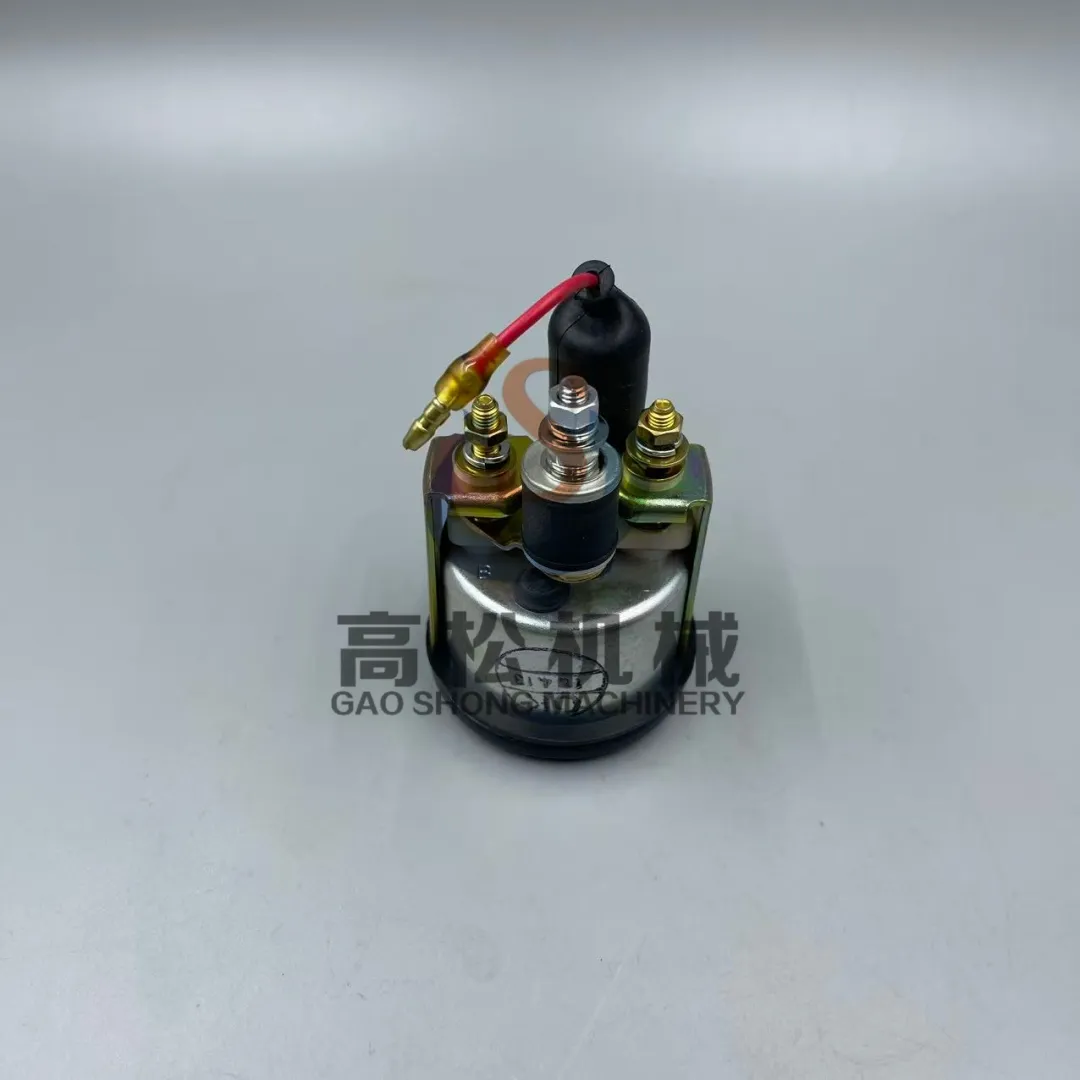 195-06-23110 – GAUGE, WATER TEMP 1950623110 fits KOMATSU
 -
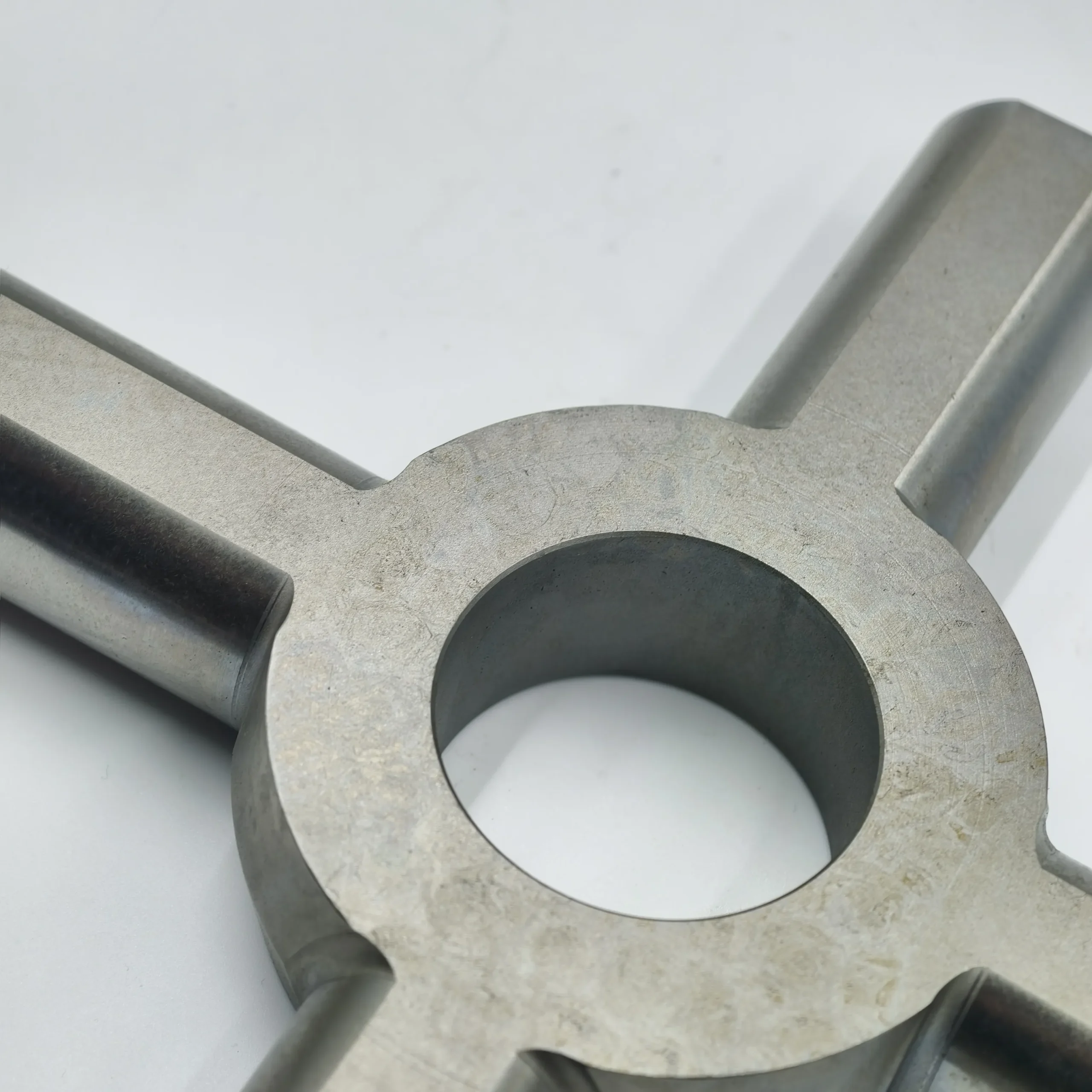 Komatsu Construction Machinery Full Series Accessories 421-22-11440 Loading Parts
 -
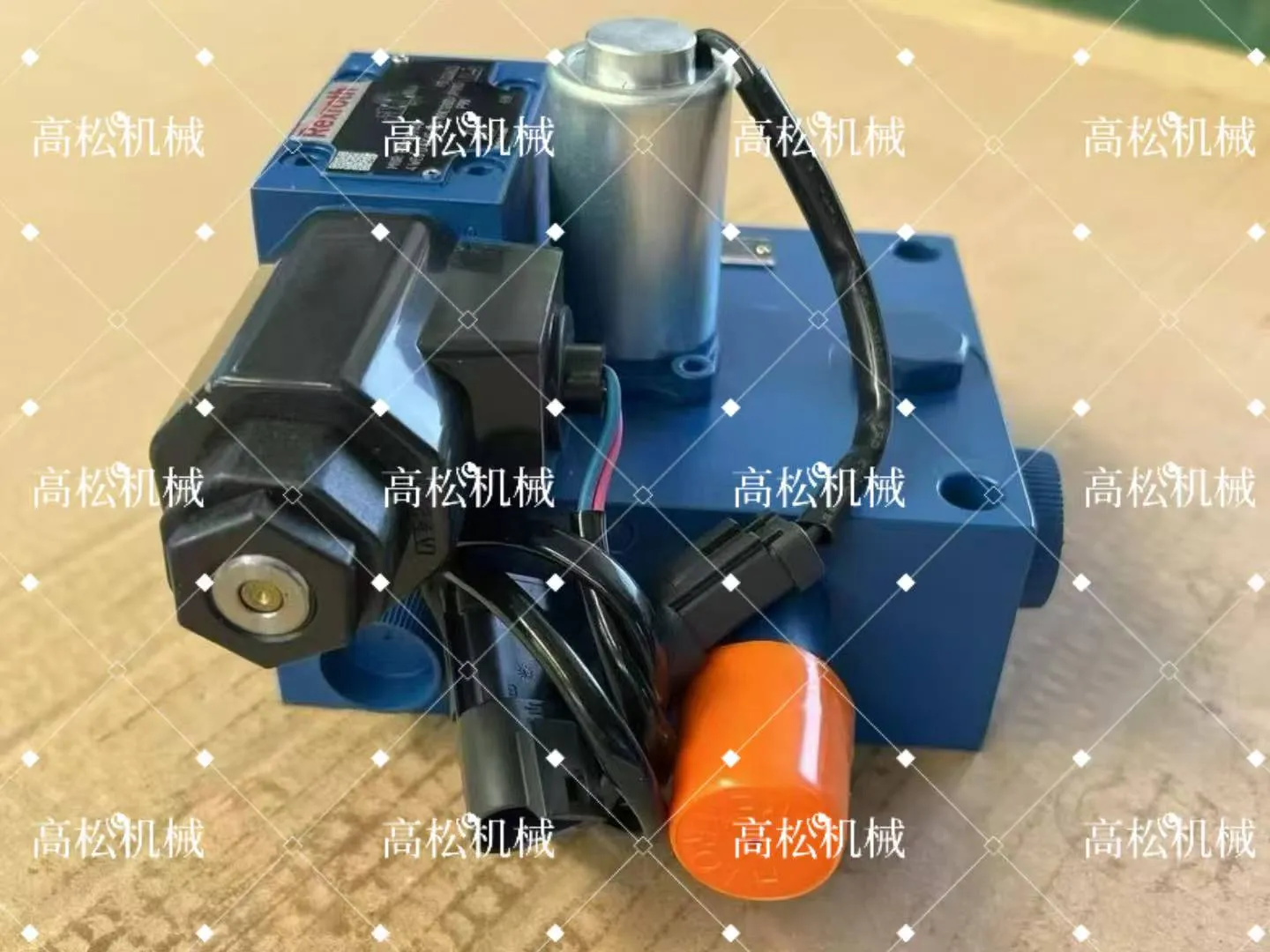 New available valve assembly hm300-5 for charging the hydraulic battery 56d-43-37101 for earth-digging machinery of komatsu
 -
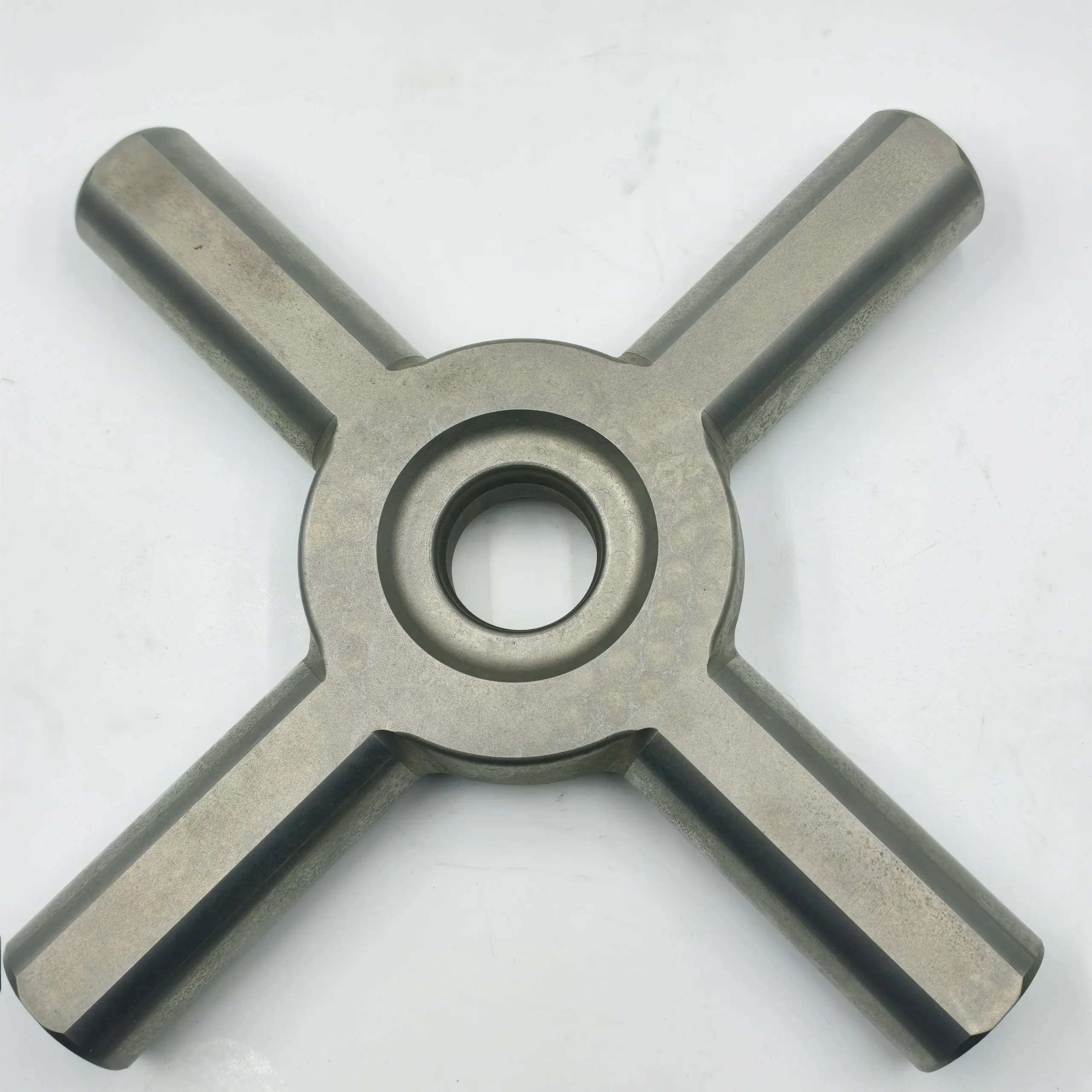 Komatsu Shaft 426-22-21410 for WA600-3 WF650T-3
 -
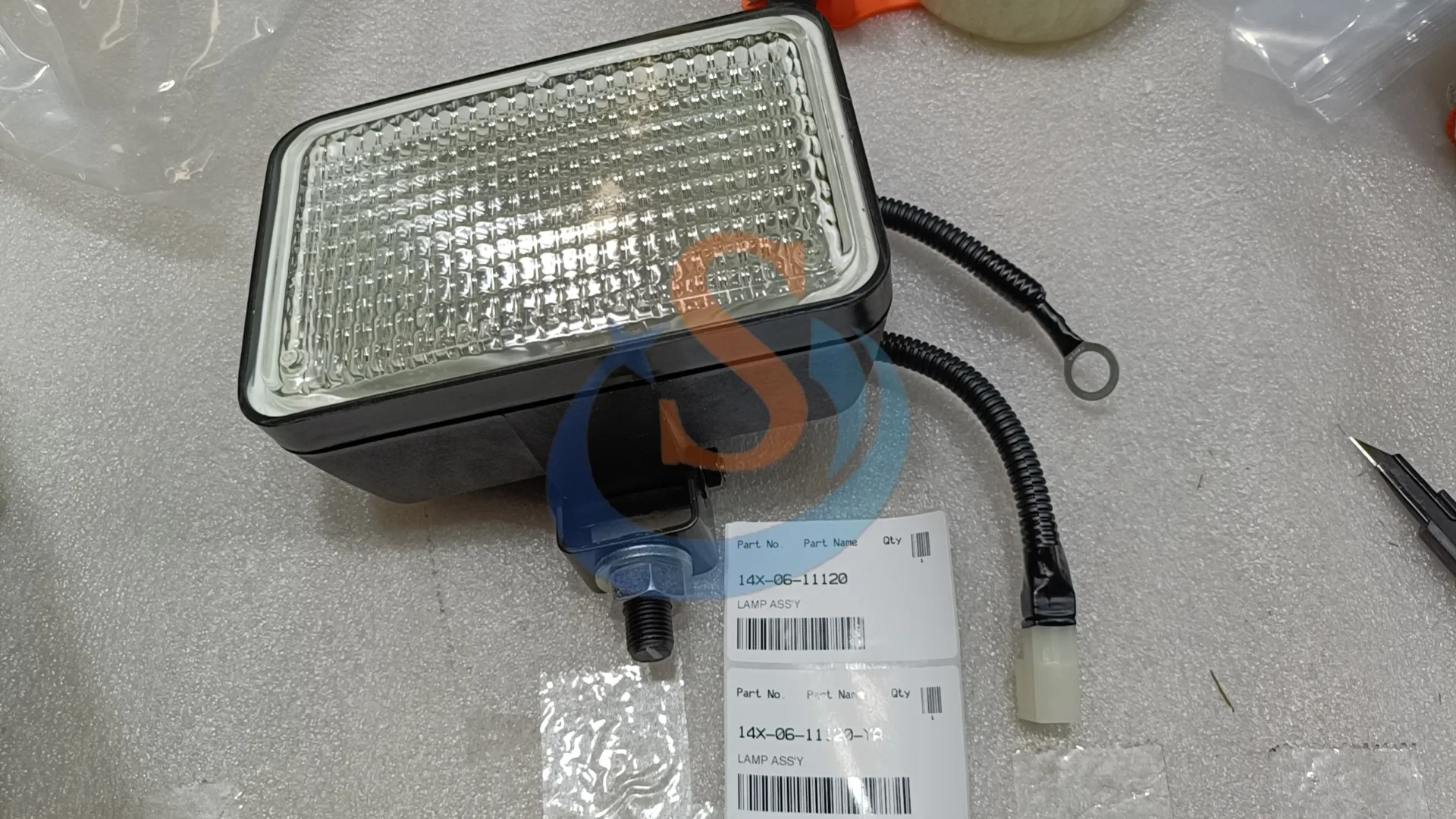 14X-06-11120 WORK LAMP ASS’Y D375A/D155A
 -
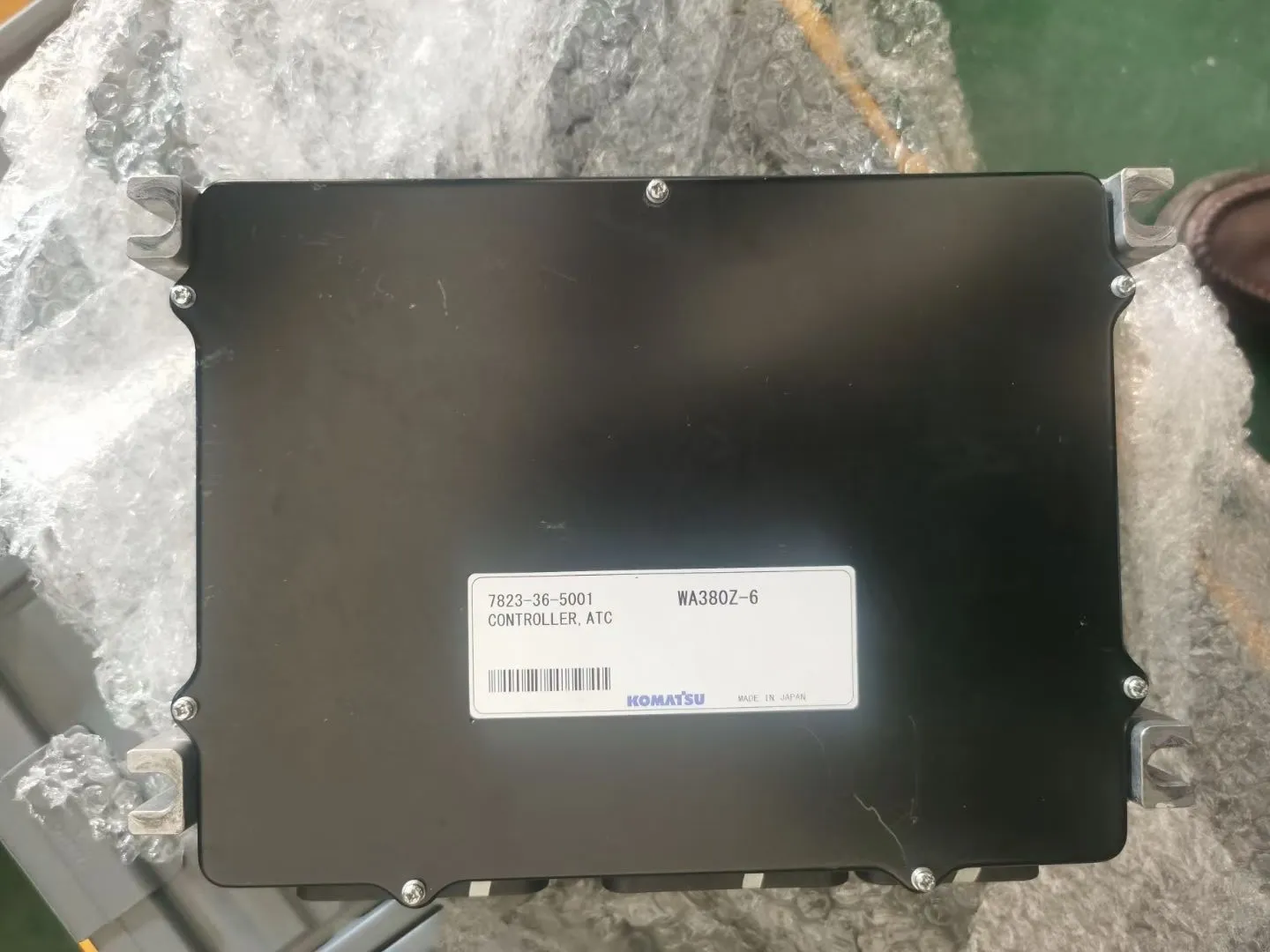 WA380Z-6 Controller 7823-36-5001
 -
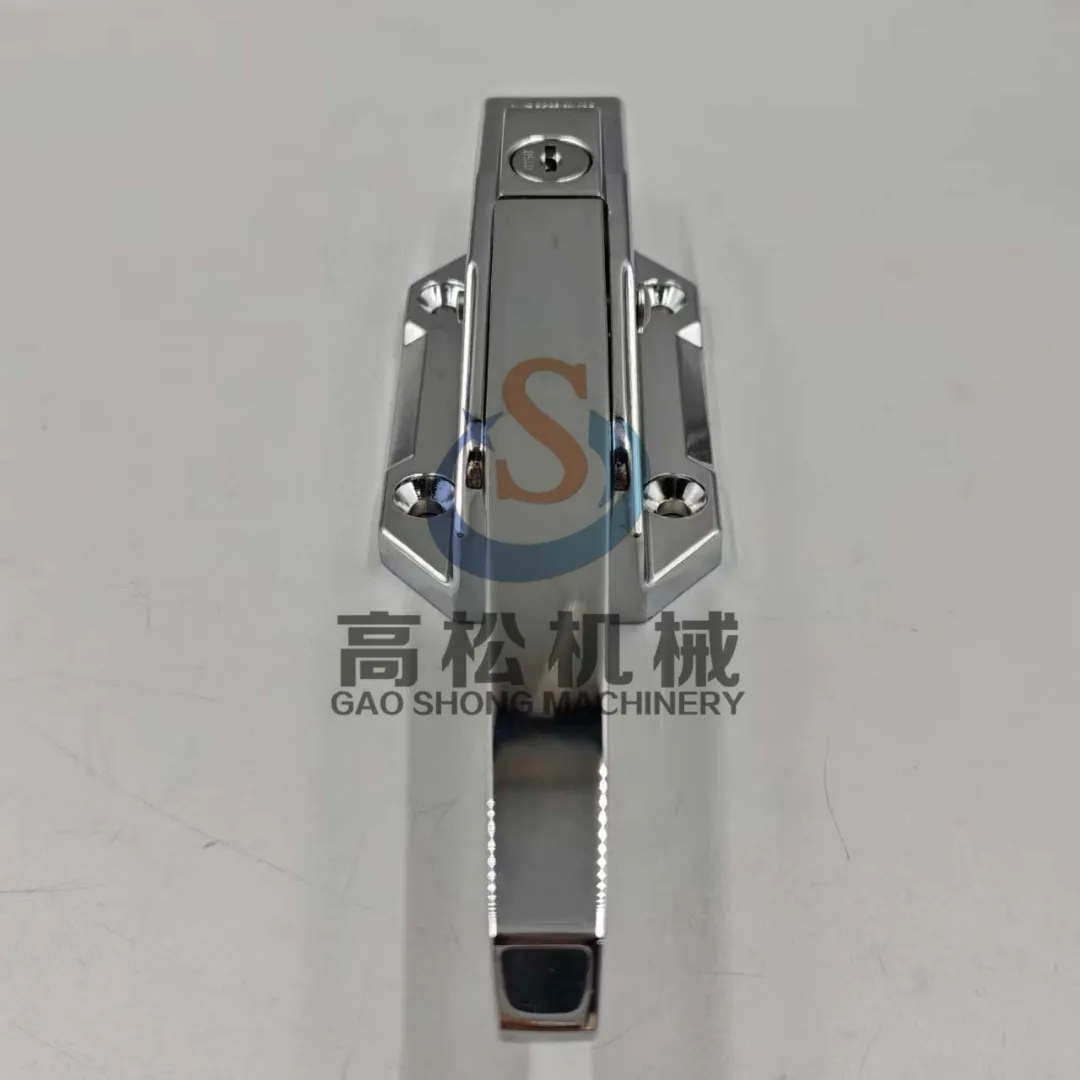 21T-54-35421 Komatsu Handle komatsu original
 -
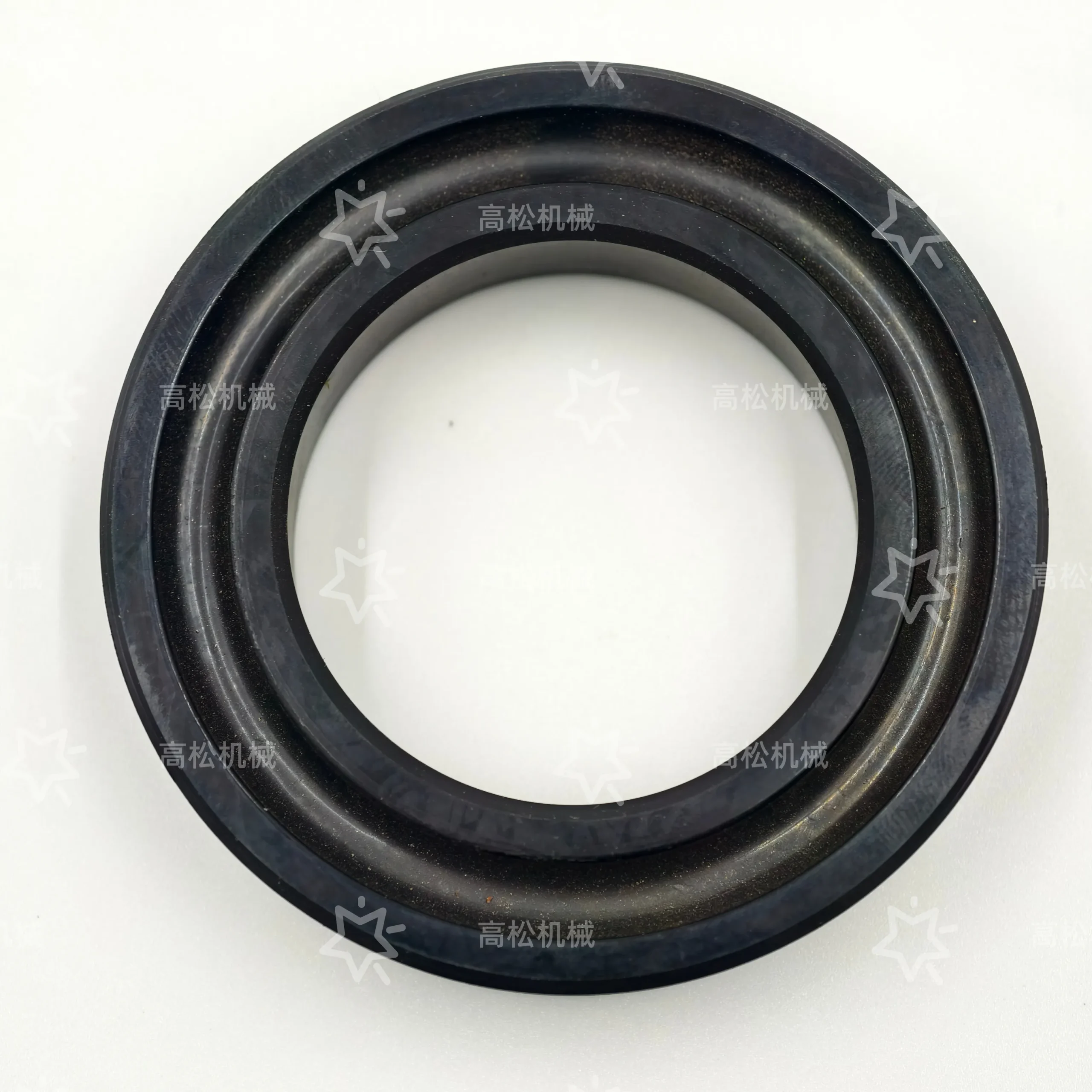 09370-00070 – U-PACKING fits Komatsu