
- Chinese
- French
- German
- Portuguese
- Spanish
- Russian
- Japanese
- Korean
- Arabic
- Irish
- Greek
- Turkish
- Italian
- Danish
- Romanian
- Indonesian
- Czech
- Afrikaans
- Swedish
- Polish
- Basque
- Catalan
- Esperanto
- Hindi
- Lao
- Albanian
- Amharic
- Armenian
- Azerbaijani
- Belarusian
- Bengali
- Bosnian
- Bulgarian
- Cebuano
- Chichewa
- Corsican
- Croatian
- Dutch
- Estonian
- Filipino
- Finnish
- Frisian
- Galician
- Georgian
- Gujarati
- Haitian
- Hausa
- Hawaiian
- Hebrew
- Hmong
- Hungarian
- Icelandic
- Igbo
- Javanese
- Kannada
- Kazakh
- Khmer
- Kurdish
- Kyrgyz
- Latin
- Latvian
- Lithuanian
- Luxembou..
- Macedonian
- Malagasy
- Malay
- Malayalam
- Maltese
- Maori
- Marathi
- Mongolian
- Burmese
- Nepali
- Norwegian
- Pashto
- Persian
- Punjabi
- Serbian
- Sesotho
- Sinhala
- Slovak
- Slovenian
- Somali
- Samoan
- Scots Gaelic
- Shona
- Sindhi
- Sundanese
- Swahili
- Tajik
- Tamil
- Telugu
- Thai
- Ukrainian
- Urdu
- Uzbek
- Vietnamese
- Welsh
- Xhosa
- Yiddish
- Yoruba
- Zulu
- Kinyarwanda
- Tatar
- Oriya
- Turkmen
- Uyghur






OEM AND ORIGINAL KOMATSU BUSHING 21T-70-31250
Let's talk about that part number, 21T-70-31250. If you're ordering it, you're probably dealing with an undercarriage rebuild or a major pivot point repair on a Komatsu excavator, maybe a PC300 or something in that size class. The immediate thought is always get the original. But here's where it gets messy. The term OEM AND ORIGINAL KOMATSU BUSHING gets thrown around so much it's lost meaning. I've seen suppliers slap OEM on a part that just fits, not one that's made for Komatsu. The real distinction? An original part comes from Komatsu's sanctioned supply chain. An OEM part should mean it's made by the same factory that produces for Komatsu, often with the same material spec and process, but maybe sold through a different channel. That's the theory, anyway. The practice is a minefield.
The Gray Market and the Genuine Illusion
We've all been there. A machine is down, the dealer quote for the original Komatsu bushing is sky-high with a six-week lead time, and a dozen other suppliers pop up offering the same part. Some even have convincing packaging. I learned the hard way early on. Ordered a set of 21T-70-31250 bushings from a vendor who swore they were OEM-spec. The hardness seemed off when we pressed them in, but we needed the machine running. They wore out in under 800 hours. The brinelling was all wrong. That's the failure you don't see in a catalog photo—the metallurgy. The original spec for these isn't just about dimensions; it's about the carburizing depth, the core toughness to handle shock load from the track frame.
This is where a company's stated role matters. You see a site like Jining Gaosong Construction Machinery Co., Ltd. (you can find them at takematsumachinery.com) and they explicitly say they're an OEM product supplier within the Komatsu system. That phrasing is specific. It suggests a different access point, not just a generic parts reseller. Their brief intro about solving parts supply challenges in certain countries rings true—I've dealt with embargoes, logistics snarls where the official channel just dries up. Having a source that's inside the OEM system but operates as a third-party seller can be the difference between a site standing still and making payroll.
The challenge is verification. When they say OEM product supplier within the Komatsu system, does that mean they get blanks from Komatsu's forging vendor? Or do they have the technical drawings and audit the manufacturing themselves? For a critical wear component like a bushing, that detail is everything. I'd want to see a material certification, not just a dimensional report. The website takematsumachinery.com positions them in that niche. It's a claim that, if true, addresses the core dilemma: cost versus provenance.
Bench Testing and Real-World Fit
Let's get practical. When a box labeled with 21T-70-31250 arrives, the first thing isn't to install it. You mic it. All of it. Not just the O.D. and I.D., but the chamfers, the oil groove depth and radius. I've had OEM bushings where the oil groove was machined too sharp, creating a stress riser that led to a crack. The original Komatsu parts have a very specific finish on that groove. Then, check the bore for consistency. A slight taper you can't see will cause a press-fit nightmare and improper load distribution.
The other test is the ring test. Suspend the bushing and tap it with a spanner. A good, dense forging has a high-pitched, clear ring. A cheaper casting or a part with internal inconsistencies sounds dull. It's not in any manual, but every old-timer in the rebuild shop does it. For the supposed OEM AND ORIGINAL KOMATSU parts from a third-party, this simple test has been a quick filter. The ones that passed tended to come from suppliers with clearer ties to the manufacturing process, not just a warehouse.
Fitment is the final proof. The original part, in my experience, presses in with steady, predictable resistance. The off-spec ones either go in too easy (bad) or seize halfway (worse). The 21T-70-31250, once installed, shouldn't have any visible gap or walk against the boss. If it does, the sprocket alignment goes out, and you're looking at accelerated wear on the entire track chain. It's never just one part failing.
Cost of Downtime vs. Part Price
This is the calculus that defines our business. The dealer's original Komatsu bushing might cost X. A competitive OEM part might cost 0.6X. The easy math says save the money. But the real math includes the risk of redoing the job. Pressing out a failed bushing, especially one that's galled or seized, can take a day of torch work, machining, and potential damage to the component it's pressed into. That's two more days of downtime, plus labor, plus possibly a more expensive part to repair.
So when evaluating a source, I'm not just buying a part. I'm buying their supply chain integrity. A company that positions itself as part of the OEM system, like Jining Gaosong's description implies, is selling that integrity. They're not just a broker; they're offering a solution to a systemic gap. The question for me becomes: can they provide traceability? If a batch of their 21T-70-31250 bushings has an issue, can they trace it back to the heat lot? A generic parts seller can't do that. This turns a commodity purchase into a risk management decision.
I've shifted to using these hybrid suppliers for certain components, especially in regions where the official distributor is weak. The successful trials always involved clear communication. I'd ask for the specific factory code, the material standard (e.g., is it SCr420H modified?). A vague answer ends the conversation. A detailed one, even if I have to cross-reference it, builds trust. The website takematsumachinery.com would need to back its claim with that level of technical transparency to be a go-to, not just an alternative.
Beyond the Bushing: System Thinking
Focusing solely on the OEM AND ORIGINAL KOMATSU BUSHING is a mistake. It's a system component. When I install a 21T-70-31250, I'm thinking about the sprocket it interfaces with, the track link bore, the seal rings. Using a bushing of questionable hardness can actually wear out a good, original sprocket prematurely. It becomes the abrasive element in the system.
This is where the expertise of the supplier shows. Do they just sell the bushing, or can they speak to the wear patterns on the mating parts? Can they recommend a seal kit or a specific lubricant protocol for the initial run-in? The good ones do. They see the assembly, not just the SKU. A supplier embedded in the Komatsu ecosystem should, in theory, have that holistic view. They've seen what happens when one link in the quality chain fails.
My own rule now is to never source a critical wear component like this in isolation. If I'm trying a new vendor for the bushing, I'll also get the seals and maybe the retaining rings from them, as a system test. It creates a clearer picture of their sourcing depth. If all those components fit and perform as a unit, you've found a resource. If not, the failure is contained and diagnosable. It's a more expensive test upfront, but cheaper than a catastrophic undercarriage failure three months down the line.
The Verdict on 21T-70-31250 Sources
So, back to the original keyword. OEM AND ORIGINAL KOMATSU BUSHING 21T-70-31250 represents a spectrum. At one end, the dealer-sourced, unequivocally original part. At the other, a part that merely fits the hole. The valuable middle ground is occupied by entities that can legitimately claim OEM-level manufacturing pedigree and provide the technical and traceability backbone to prove it.
Companies like Jining Gaosong, through their portal at takematsumachinery.com, are targeting this space by stating their role within the Komatsu system. For a fleet manager or a rebuild shop, that's the starting point for a conversation, not the conclusion. The conclusion comes after you've miked their sample, checked its ring, and seen it perform in the field for 2000 hours.
The part number is just a number. The value is in the supply chain behind it. The goal isn't to always buy the most expensive original, but to find the source where the cost aligns with verifiable, OEM-grade quality and reliability. That often means looking beyond the first page of search results and digging into what OEM supplier within the system actually means on the ground, in the shop, with a press and a micrometer. That's where you find the real product.
Related Products
Related Products

Best Selling Products
Best Selling Products-
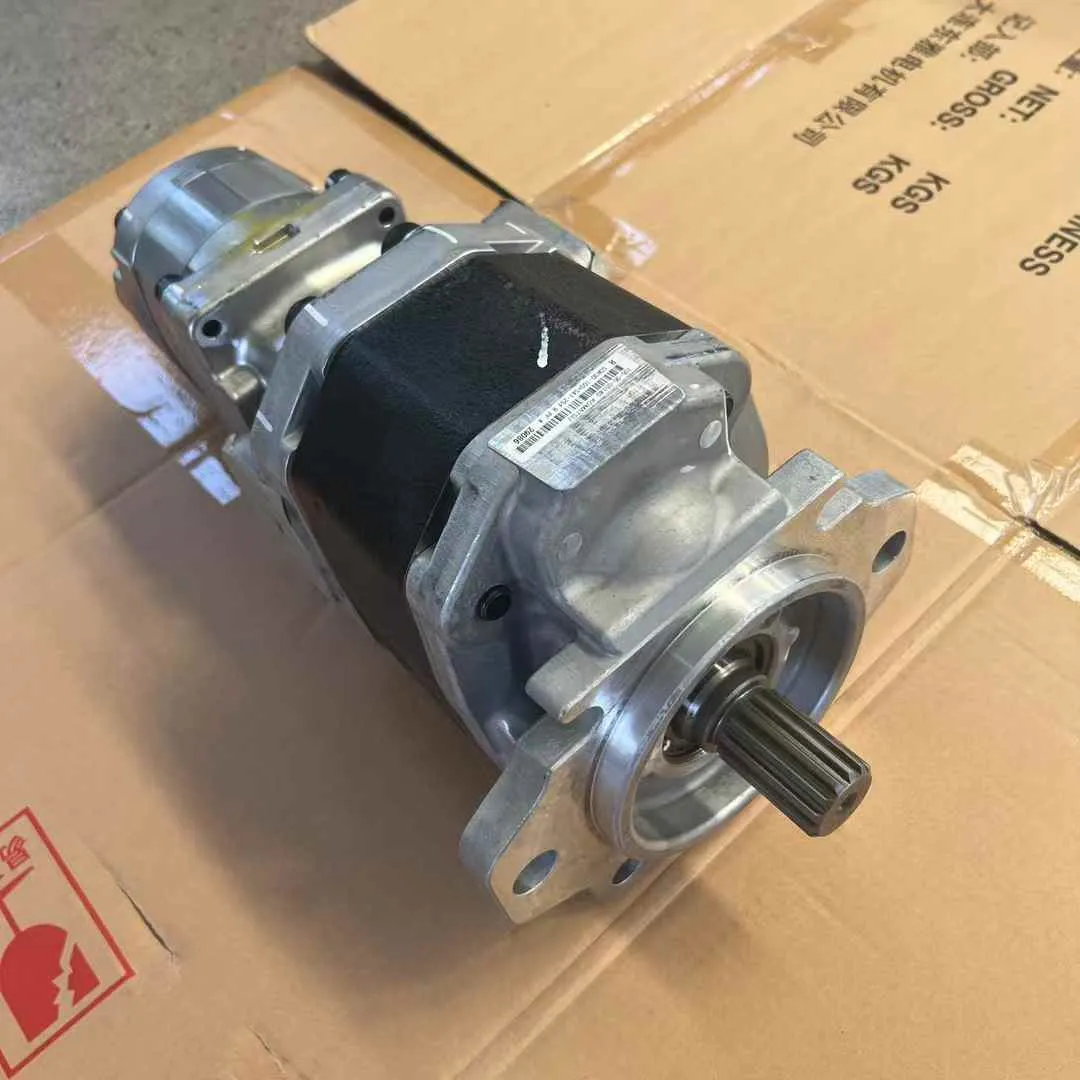 705-95-05140 HydraulicPump
 -
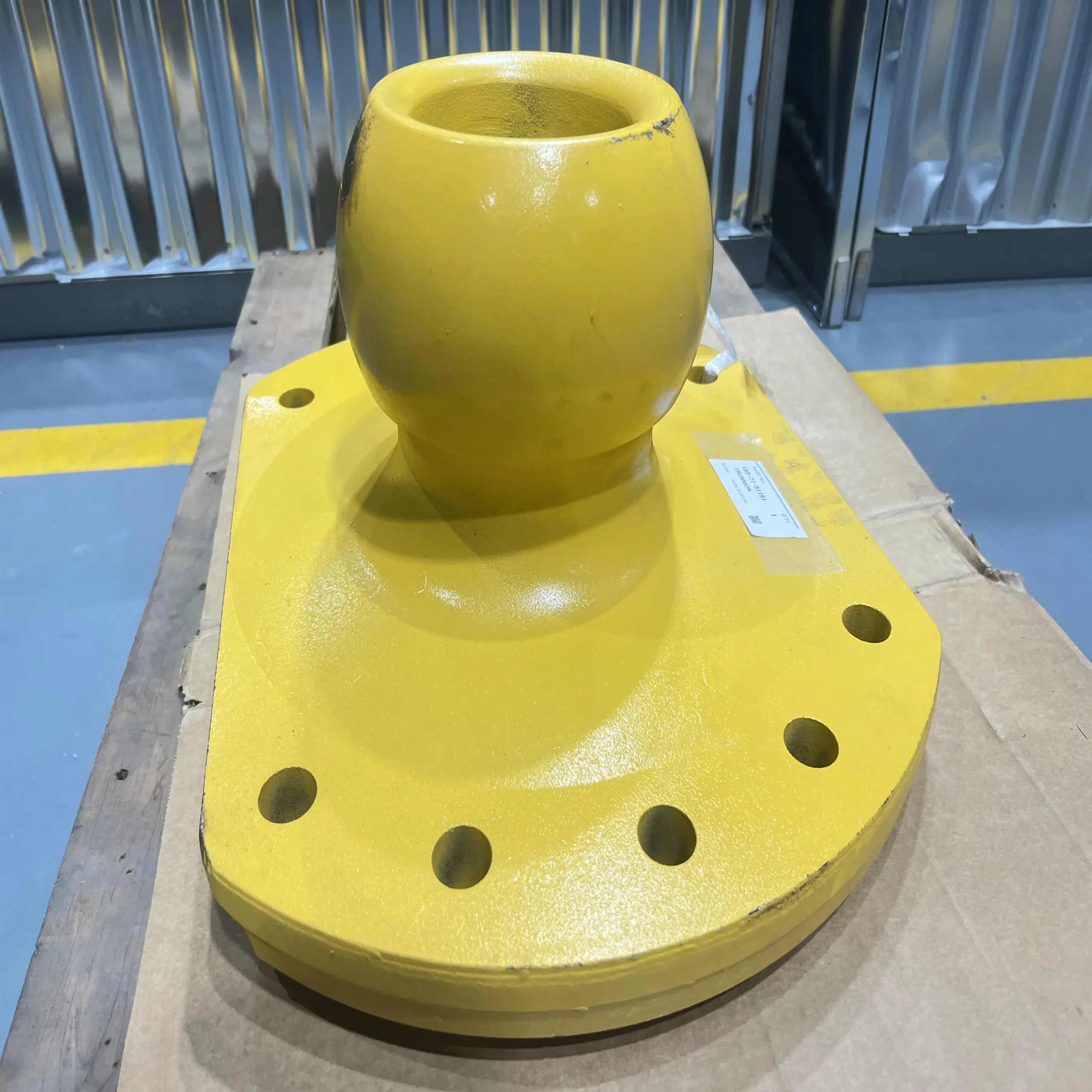 Suitable for Komatsu D375 pin/195-30-62100/195-71-51191/195-71-00342
 -
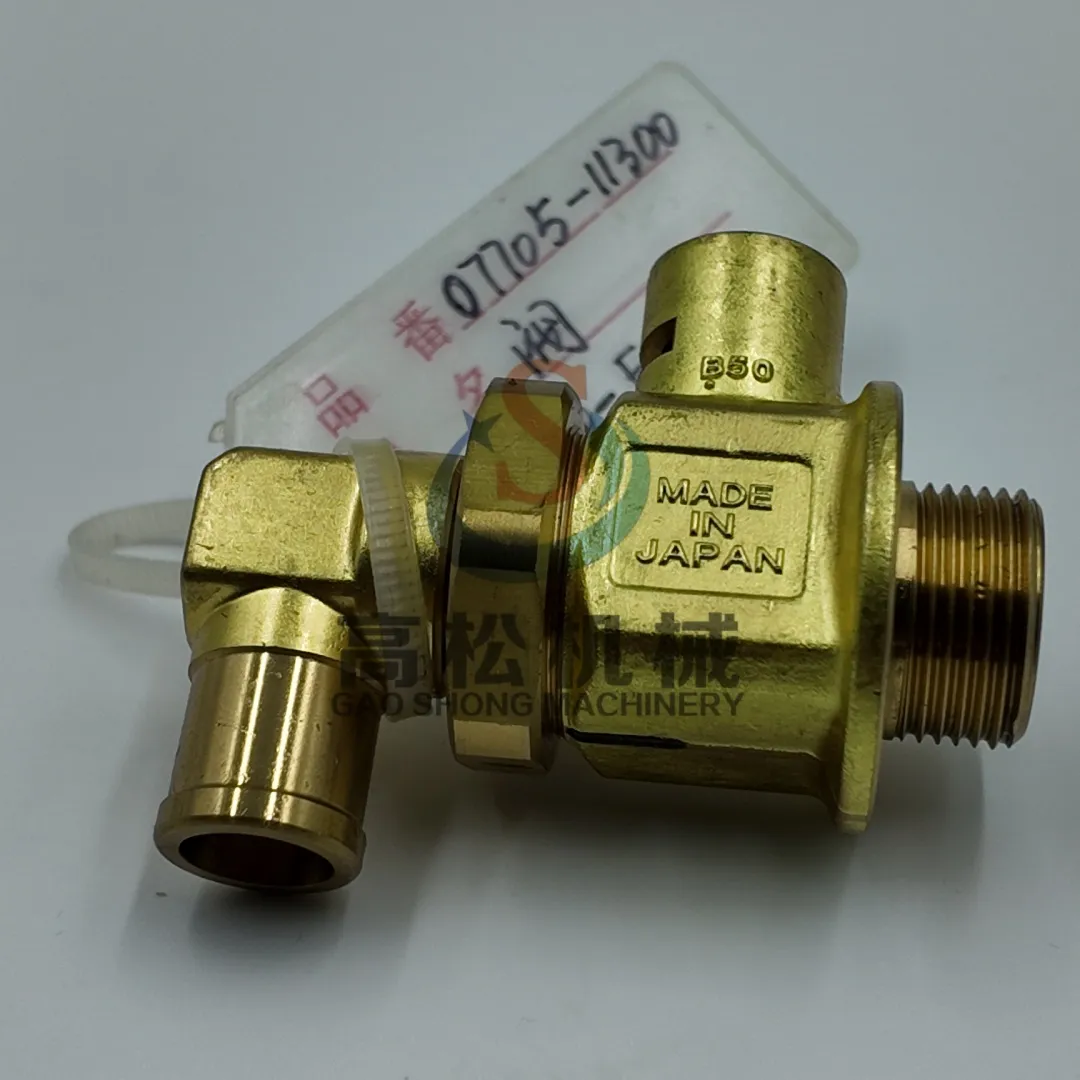 VALVE DRAIN 07705-11300 Komatsu Parts
 -
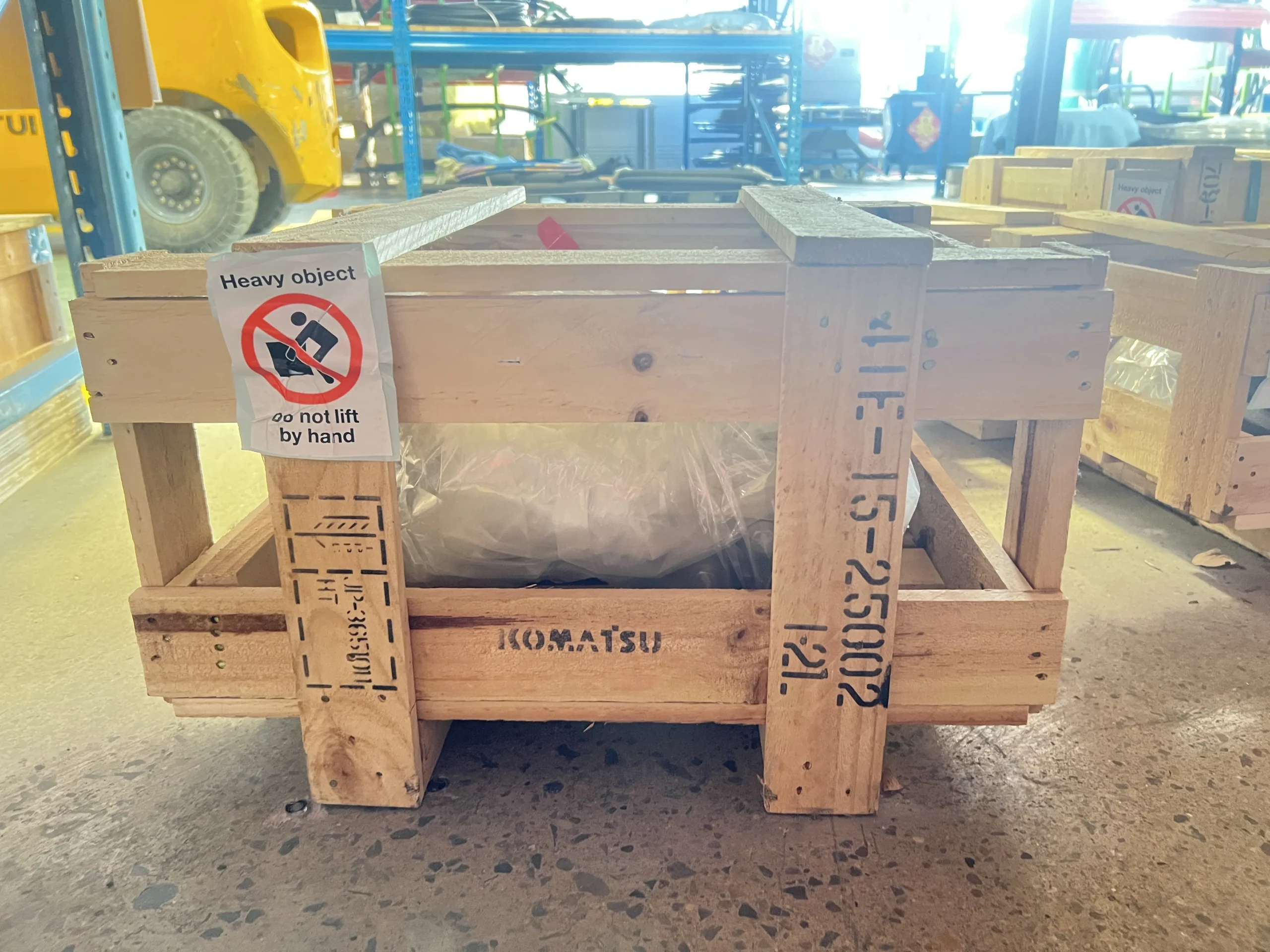 WD600-3 Control Valve Assembly 41E-15-25002
 -
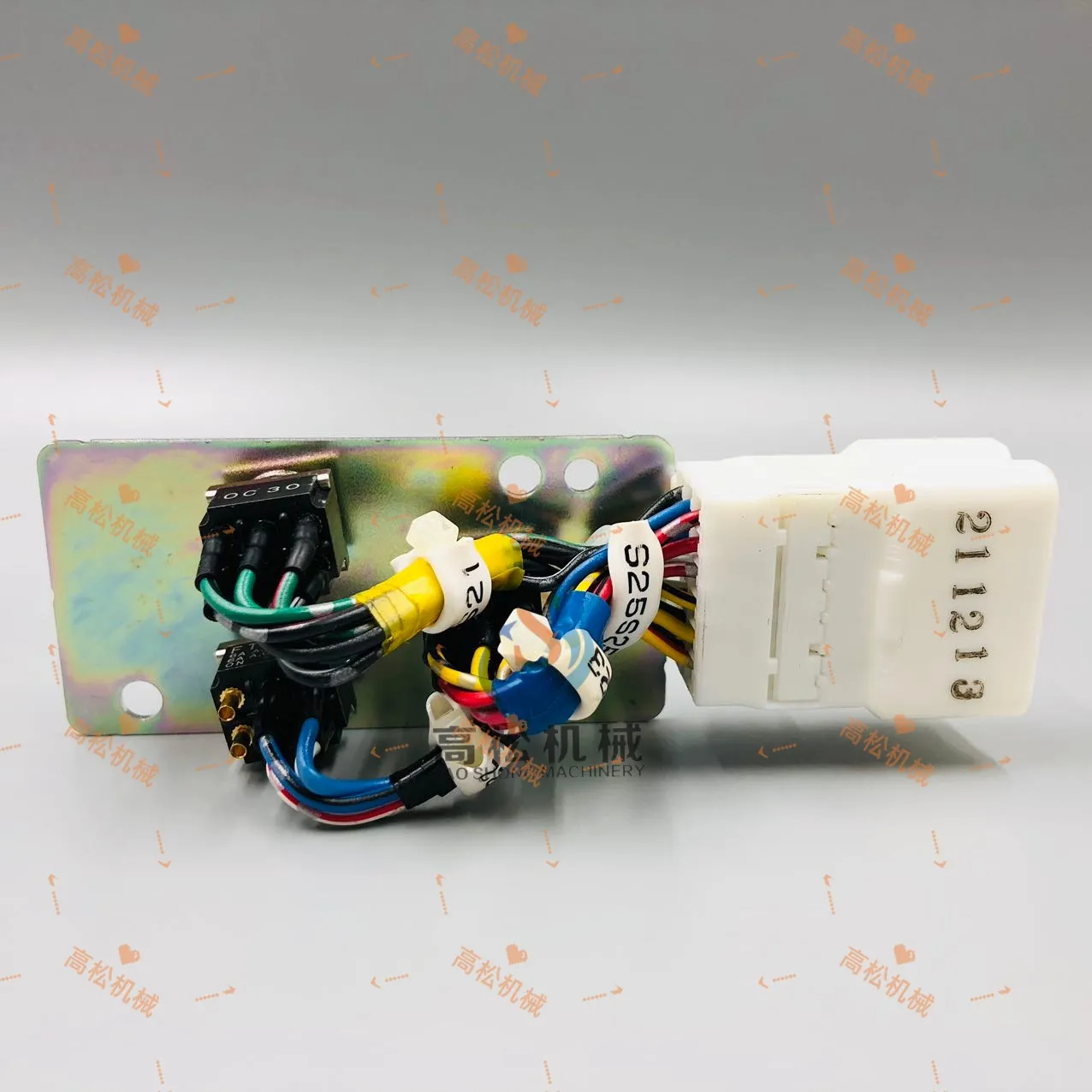 22u-06-22370 Komatsu PC228us-3 SWITCH ASS’Y submit for PC200LL, PC220LL, PC228, PC228US, PC270, PC270LL, PC300, PC300HD, PC300L, PC340, PC350, PC380
 -
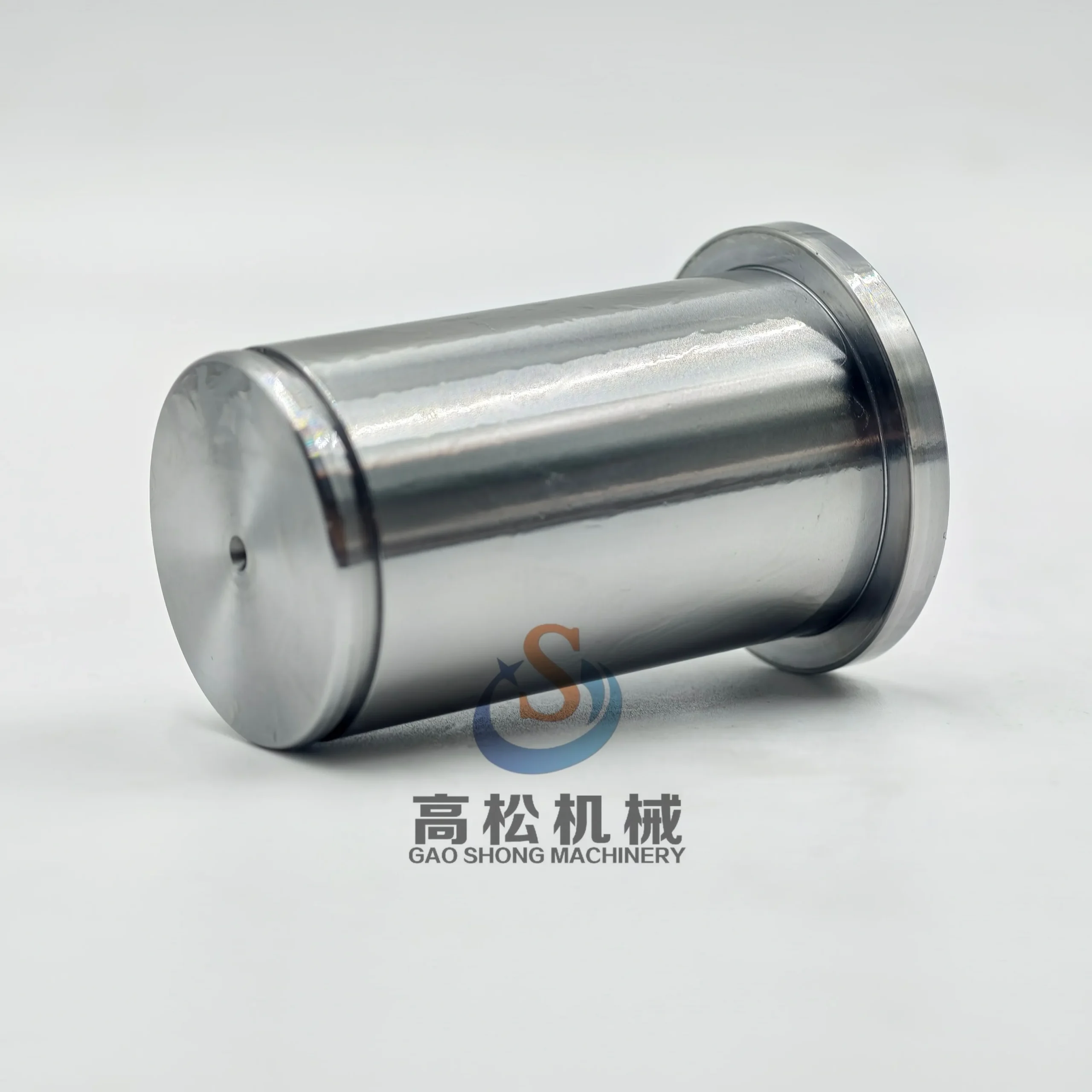 komatsu parts 21N-26-33240 Pin PC1250-11 SWING MACHINERY AND MOTOR, FRONT
 -
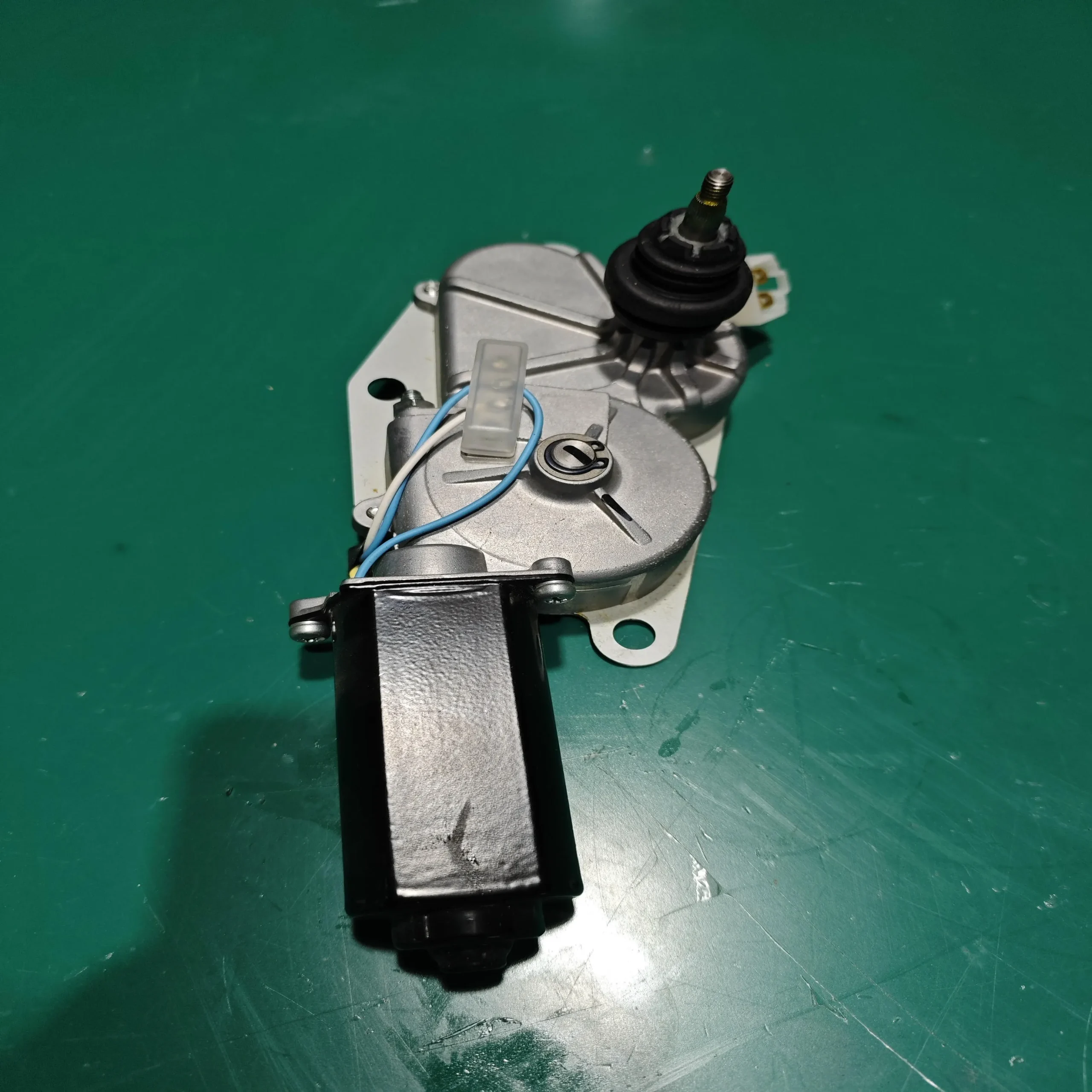 Komatsu Construction Machinery Full Series Accessories 23B-951-2610 Loader Parts
 -
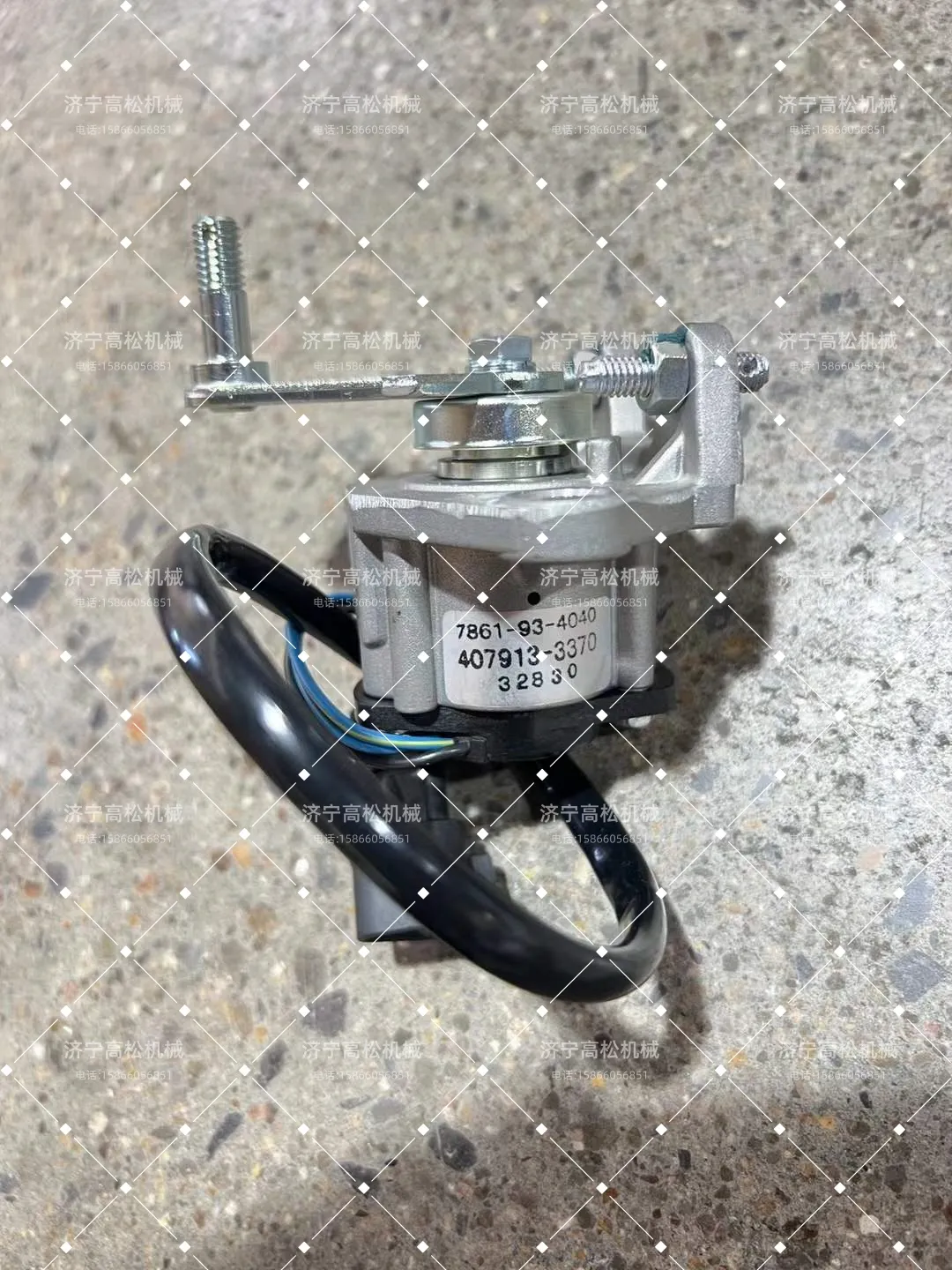 Bulldozer D275 D375 Sensor 7861-93-4040| Alibaba.com
 -
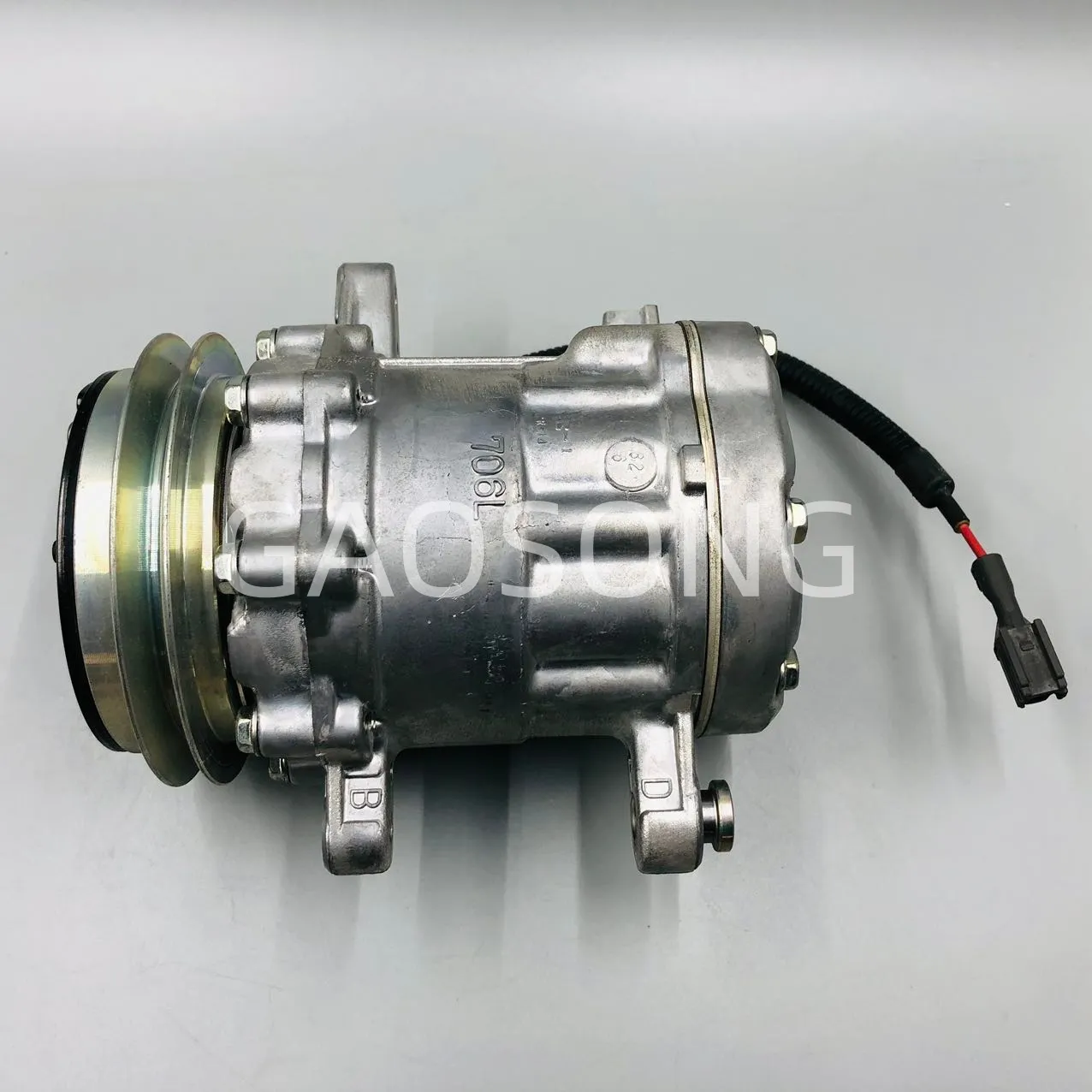 22L-979-2200 • COMPRESSOR-Komatsu Original Factory
 -
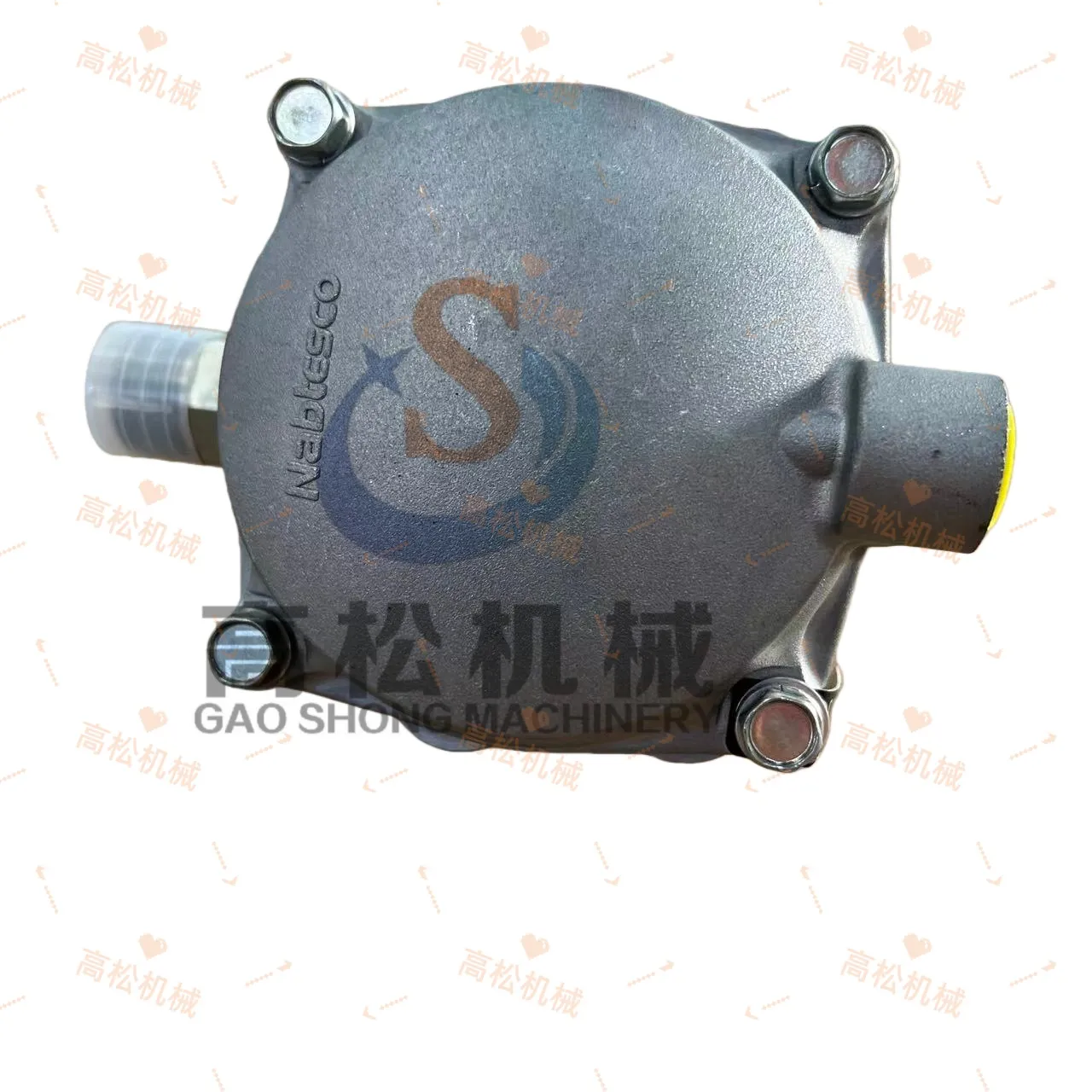 Komatsu HD785-5 Relay Valve 565-44-11200
 -
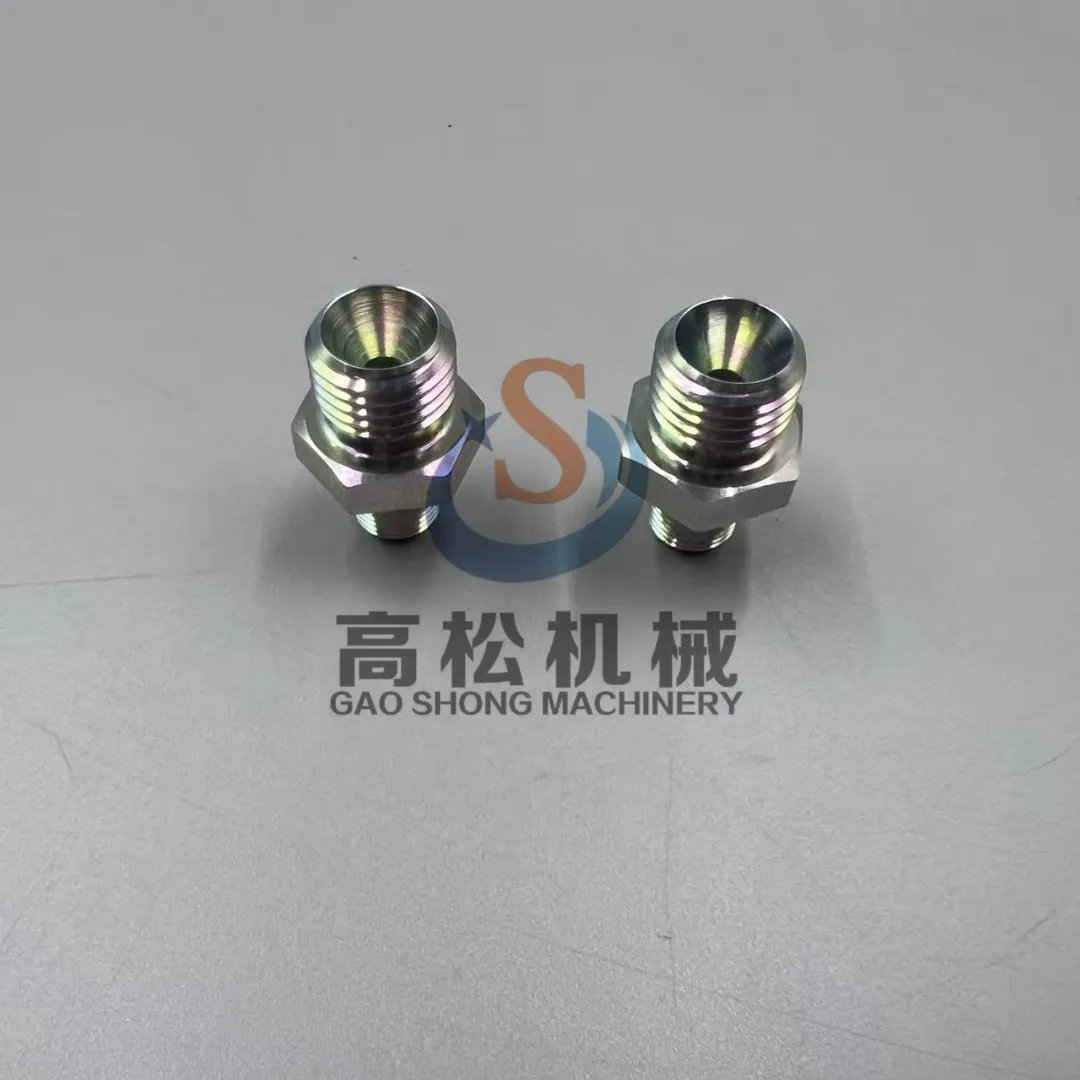 07213-50710 Connector for Komat Su D275A/D375A/D475A/PC600/PC1250
 -
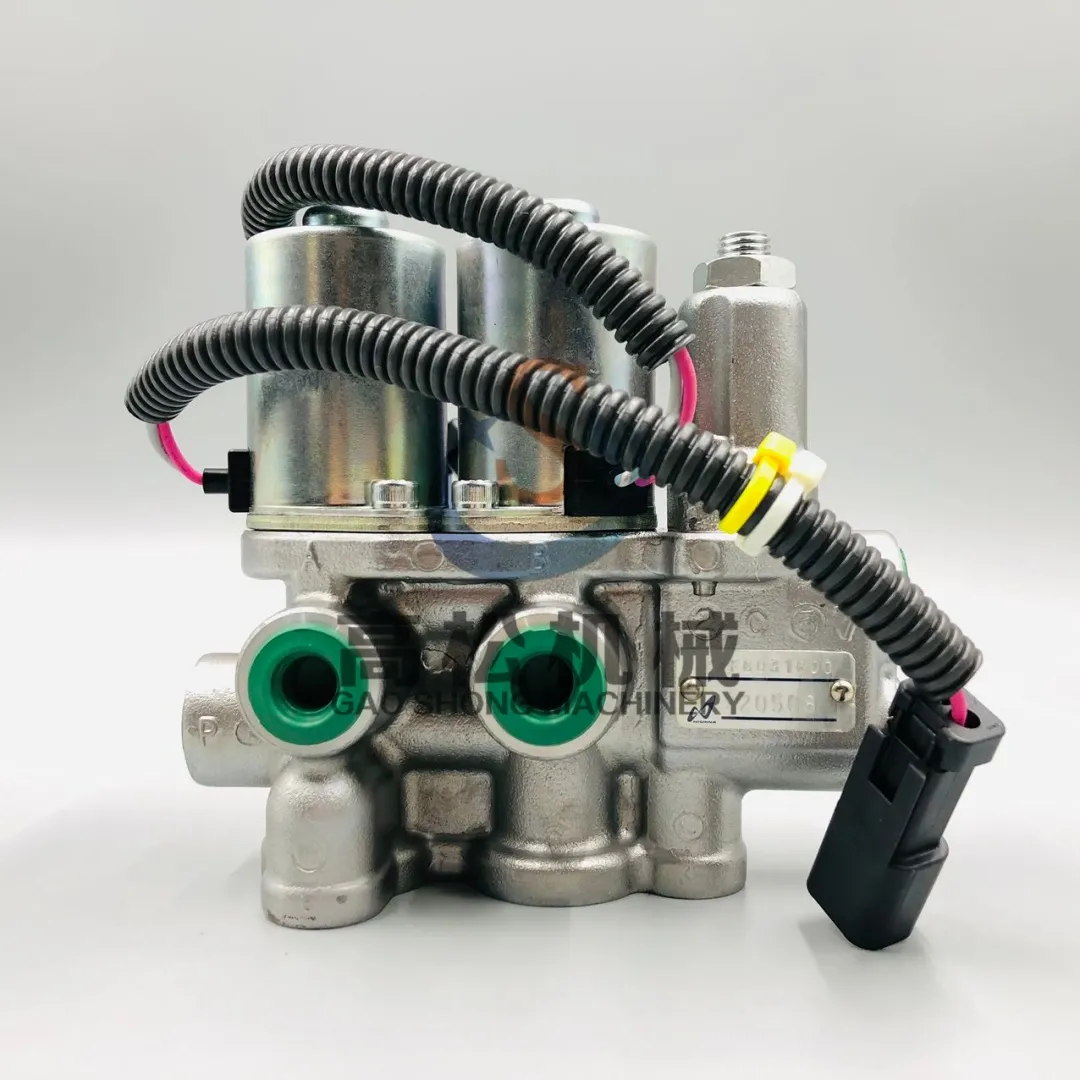 22F-60-31600 Solenoid Valve Ass’y for Komatsu PC18MR-3 PC35MR-3 PC45MR-3 PC55MR-3