
- Chinese
- French
- German
- Portuguese
- Spanish
- Russian
- Japanese
- Korean
- Arabic
- Irish
- Greek
- Turkish
- Italian
- Danish
- Romanian
- Indonesian
- Czech
- Afrikaans
- Swedish
- Polish
- Basque
- Catalan
- Esperanto
- Hindi
- Lao
- Albanian
- Amharic
- Armenian
- Azerbaijani
- Belarusian
- Bengali
- Bosnian
- Bulgarian
- Cebuano
- Chichewa
- Corsican
- Croatian
- Dutch
- Estonian
- Filipino
- Finnish
- Frisian
- Galician
- Georgian
- Gujarati
- Haitian
- Hausa
- Hawaiian
- Hebrew
- Hmong
- Hungarian
- Icelandic
- Igbo
- Javanese
- Kannada
- Kazakh
- Khmer
- Kurdish
- Kyrgyz
- Latin
- Latvian
- Lithuanian
- Luxembou..
- Macedonian
- Malagasy
- Malay
- Malayalam
- Maltese
- Maori
- Marathi
- Mongolian
- Burmese
- Nepali
- Norwegian
- Pashto
- Persian
- Punjabi
- Serbian
- Sesotho
- Sinhala
- Slovak
- Slovenian
- Somali
- Samoan
- Scots Gaelic
- Shona
- Sindhi
- Sundanese
- Swahili
- Tajik
- Tamil
- Telugu
- Thai
- Ukrainian
- Urdu
- Uzbek
- Vietnamese
- Welsh
- Xhosa
- Yiddish
- Yoruba
- Zulu
- Kinyarwanda
- Tatar
- Oriya
- Turkmen
- Uyghur






OEM AND ORIGINAL KOMATSU BUSHING 21T-70-31213
Let's talk about 21T-70-31213. If you're ordering this bushing, you're likely dealing with an undercarriage rebuild or a major repair on a Komatsu dozer, maybe a D65 or D85 series. The part number itself is straightforward, but the market around it is a mess. The biggest confusion I see is people thinking OEM and Original are the same thing. They're not. Not anymore. An Original part comes through Komatsu's official channels, with the full traceability and the peace of mind—and the price tag—that entails. An OEM part, like those supplied by a system partner such as Jining Gaosong Construction Machinery Co., Ltd., is built to the same drawings and specs, often in the same foundries that feed Komatsu's line, but it travels a different, less costly route to your yard. That distinction is everything when you're trying to keep a machine running in a region where the official supply chain is thin or painfully slow.
The Specs Aren't Just Numbers
Looking at 21T-70-31213, it's not a glamorous part. It's a bushing, a sleeve that takes a brutal pounding. The spec sheet will give you hardness, tensile strength, and dimensional tolerances. But the real test is in the microstructure of the steel and the precision of the heat treatment. I've seen aftermarket versions that hit the hardness number on paper but are brittle. They crack under cyclical loading instead of wearing gradually. A proper OEM bushing from a certified supplier should have the same forged steel core and induction-hardened outer surface as the original, giving you that predictable wear pattern. You can actually measure the wear over time and plan your maintenance, rather than having it fail catastrophically.
Where you source it matters immensely. A company like Jining Gaosong positions itself in that crucial space. They're not just a reseller; as an OEM product supplier within the Komatsu system, they have access to the technical specifications and manufacturing protocols. This is different from a generic parts trader. It means their 21T-70-31213 bushing is produced under the same quality management system audits that Komatsu requires. I've ordered from their portal at takematsumachinery.com for projects in areas where the official distributor was quoting 12-week lead times. The parts that arrived had different packaging—plain boxes instead of Komatsu yellow—but the machining marks, the chamfering, and the finish were identical to what I'd pulled out of the machine.
The failure mode of a bad bushing is instructive. It's rarely a sudden snap. It starts with abnormal wear on the pin, increased track slack, and then accelerated wear on the link rails. You end up replacing more than just the bushing. I learned this the hard way years ago trying to save money on a compatible part for a PC200. The bushing wore oval in under 400 hours, scoring the pin and ruining the link. The total repair cost tripled. After that, for core undercarriage components, I never stray from OEM-spec or original. The risk is too high.
Navigating the Supply Chain Gray Areas
This is where the practical reality hits. Komatsu's official network is robust, but it has gaps, especially in certain developing markets or for older, still-active machines. Their stated mission to solve parts supply challenges in certain countries is exactly what companies like Gaosong address. They fill the logistical gap without compromising on the engineering spec. It's a third-party sales channel, but with a direct line back to the OEM manufacturing base. For a fleet manager, this is a lifeline. You're not buying a mystery part; you're buying the same physical component, just without the branded box and the associated markup that covers a vast corporate logistics network.
I remember a specific instance in a remote mining operation. We needed a set of 21T-70-31213 bushings for a D65EX-12. The local Komatsu dealer had them on backorder from Japan. The downtime cost was astronomical. We sourced a set through Jining Gaosong Construction Machinery Co., Ltd.. The lead time was 7 days air freight. Were they Original? Technically, no. Were they OEM to Komatsu spec? Yes. We installed them. That was three years ago. That machine is still running, and the undercarriage wear measurements are right on the curve for that operating environment. That's the real-world validation.
There's a trust factor you build with suppliers in this space. It's not about flashy websites; it's about consistency, technical knowledge, and transparency. When you call, they need to know what the 21T-70-31213 is for, what the installation torque specs are, and whether there's a service bulletin about a running change in the material. The good ones do. They operate as an extension of the engineering support you wish you always had.
Installation Nuances That Matter
Even with a perfect OEM AND ORIGINAL KOMATSU BUSHING 21T-70-31213, you can ruin it during installation. The press fit is critical. You need the right mandrel and a controlled hydraulic press. I've seen mechanics use a sledgehammer and a drift pin. It works, but you risk creating micro-fractures in the bushing's hardened surface or misaligning it in the link. That misalignment creates a point load, and wear accelerates exponentially. The manual gives you a press tonnage for a reason. Follow it.
Another detail is lubrication. The initial grease between the pin and bushing is meant to be squeezed out during the first few hours of operation, leaving a polished, wear-matched surface. Using the wrong grease—something too thick or with extreme pressure additives that don't burnish away—can actually hinder proper seating. Komatsu specifies a type. It's worth using it. This is where sourcing from a knowledgeable supplier pays off again. They often can supply the correct Komatsu-specified grease alongside the bushing, ensuring the entire wear-in process is by the book.
Post-installation, the tracking is key. Measure the track tension and the pitch of the links regularly. A graph of bushing wear over time should be a smooth, gradual curve. Any sudden change in the slope of that curve tells you something is wrong—maybe an issue with the sprocket, improper track alignment, or, if it's very early, a problem with the bushing material itself. This data is your ultimate proof of part quality.
The Cost-Benefit Analysis Isn't Simple
Putting a price on Original vs. OEM is more than a line-item comparison. The original part from Komatsu includes a warranty, direct technical support, and the full weight of their liability. It's the zero-risk option, priced accordingly. The OEM-spec part from a system supplier like Gaosong offers a significant cost reduction—sometimes 30-40%—while maintaining the functional integrity of the part. The risk is marginally higher, but for operations where official channels are problematic or cost-prohibitive, it's a calculated and often necessary risk.
The analysis fails when people compare an OEM-spec part to a cheap imitation. That's not a fair fight. The imitation might be 70% cheaper, but its total cost of ownership, through premature failure and collateral damage, will be multiples higher. The real decision is between the premium original and the value-engineered OEM. For most ongoing fleet maintenance where you have good mechanics and proper procedures, the OEM route from a trusted supplier is the sustainable choice. It keeps machines running and budgets in check.
This brings us back to the part number: 21T-70-31213. It's a code that represents a specific piece of engineered steel. But it also represents a choice in how you maintain your equipment. You can choose the branded, guaranteed path. Or you can choose the technically equivalent, more accessible path provided by specialized third-party companies embedded in the OEM ecosystem. The latter isn't a compromise on quality; it's a pragmatic adaptation to the realities of global machinery support. In my book, keeping a dozer moving with a properly made bushing is always better than having it sit idle waiting for a box with a specific logo on it.
Related Products
Related Products

Best Selling Products
Best Selling Products-
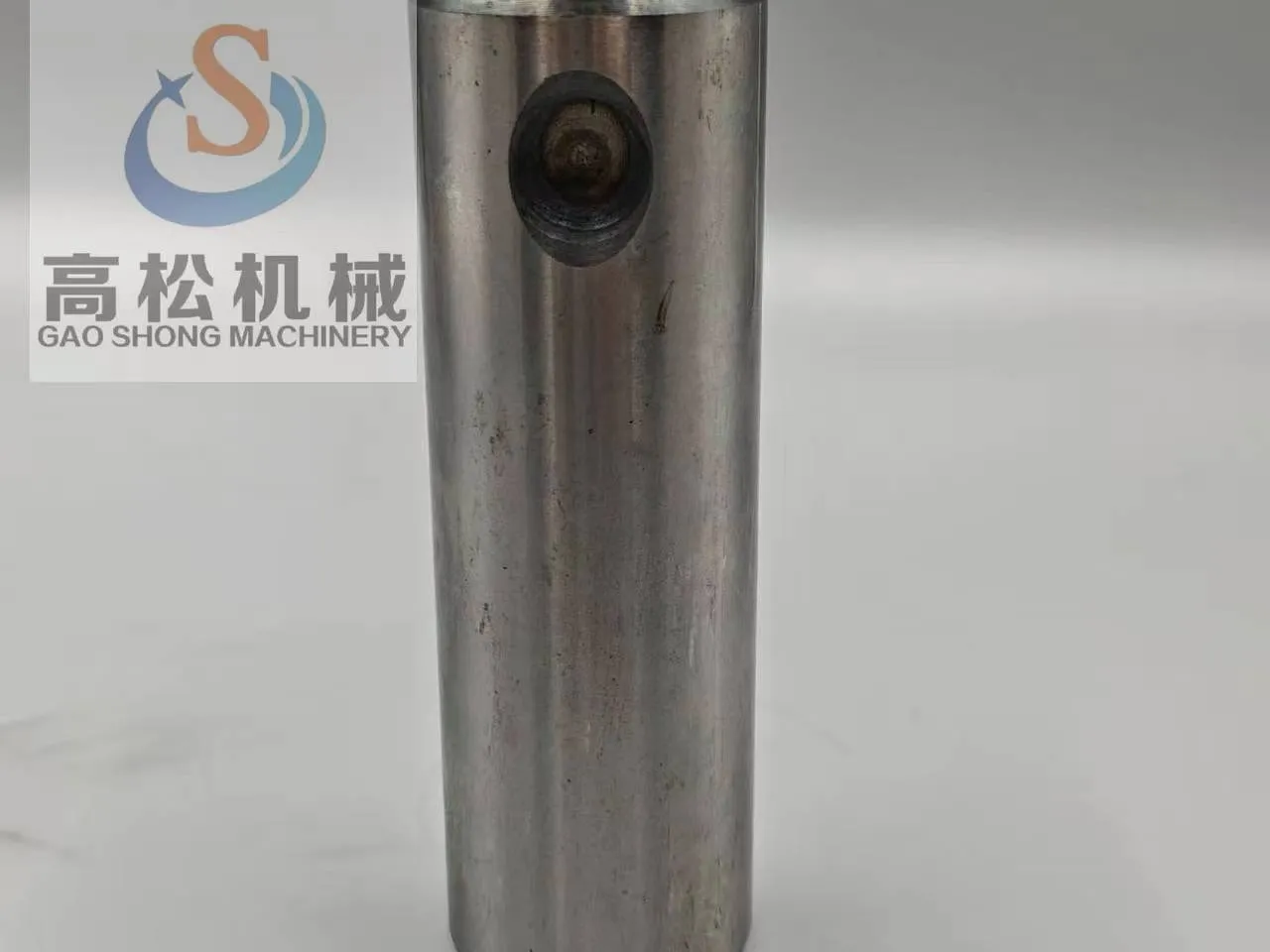 Komatsu Pin, 20Y-27-31160 Komatsu Sales, 20Y-27-31160
 -
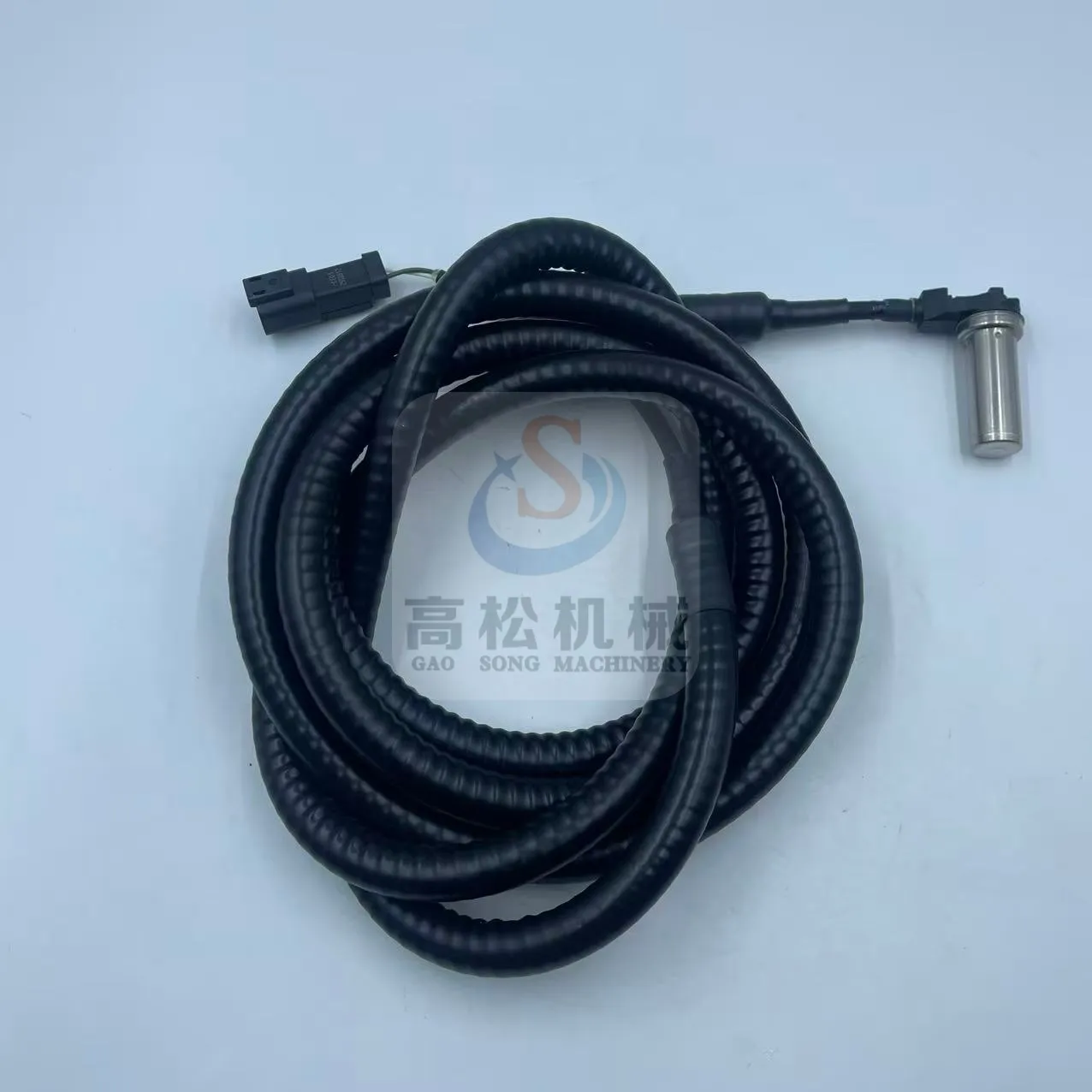 566-88-66143 sensor for Komatsu HD465-7
 -
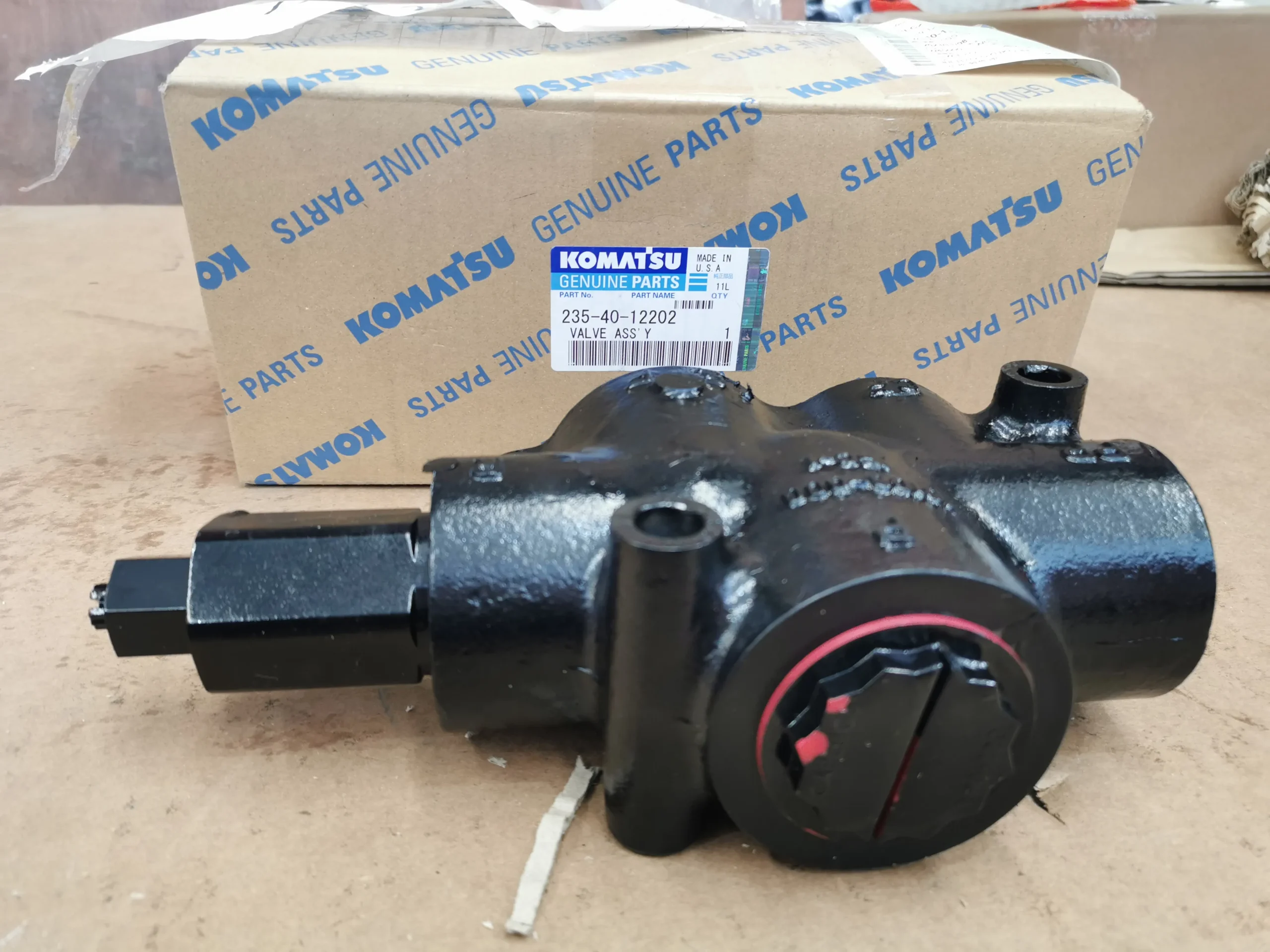 GD825A-2 valve assembly 235-40-12202
 -
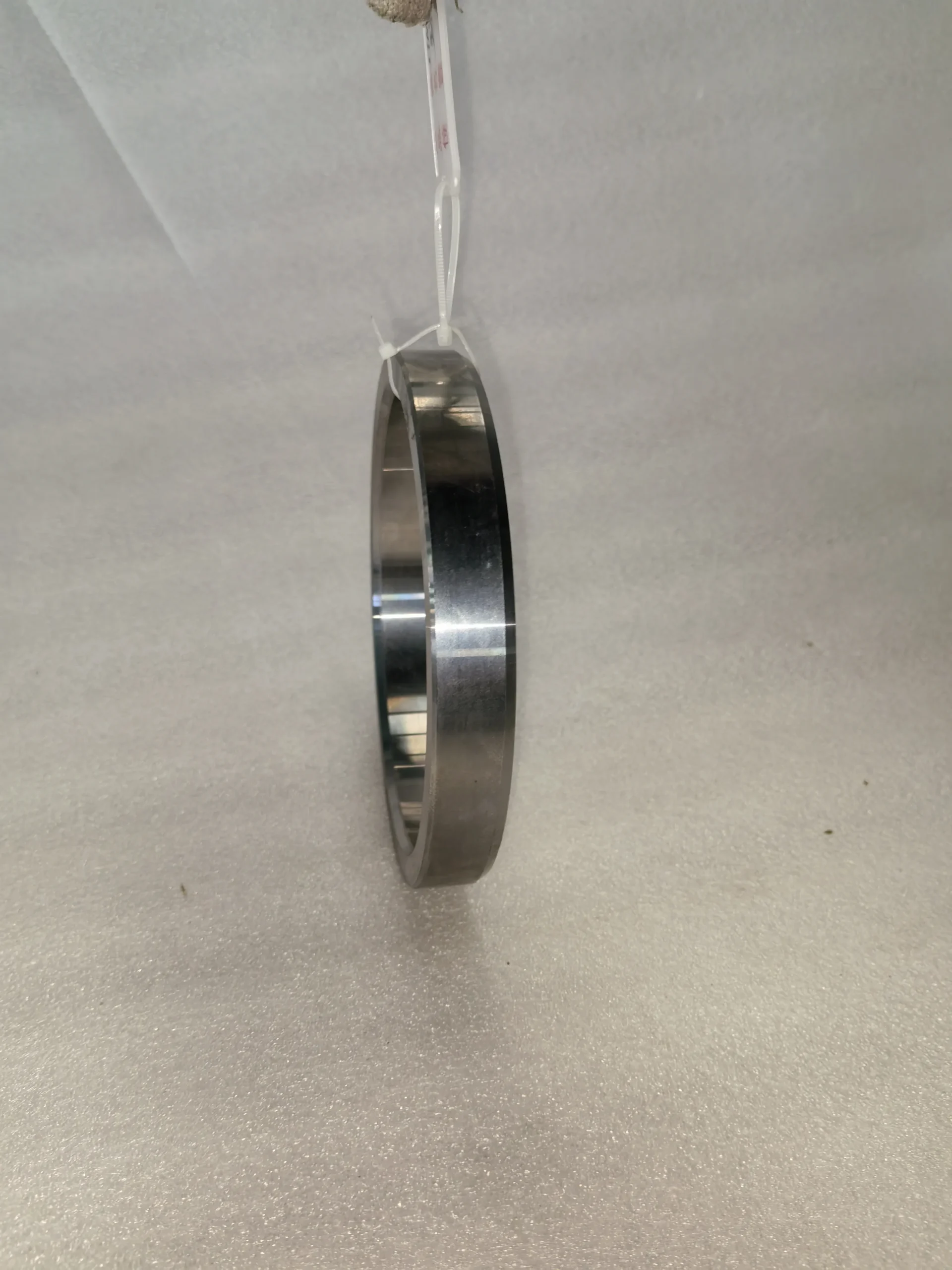 17m5041170-RING-Komatsu Original Factory
 -
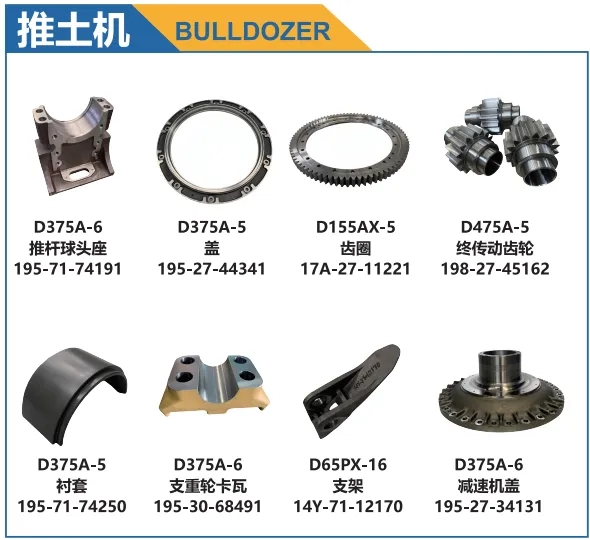 GAOSONG-Komatsu Full Range Parts Supply
 -
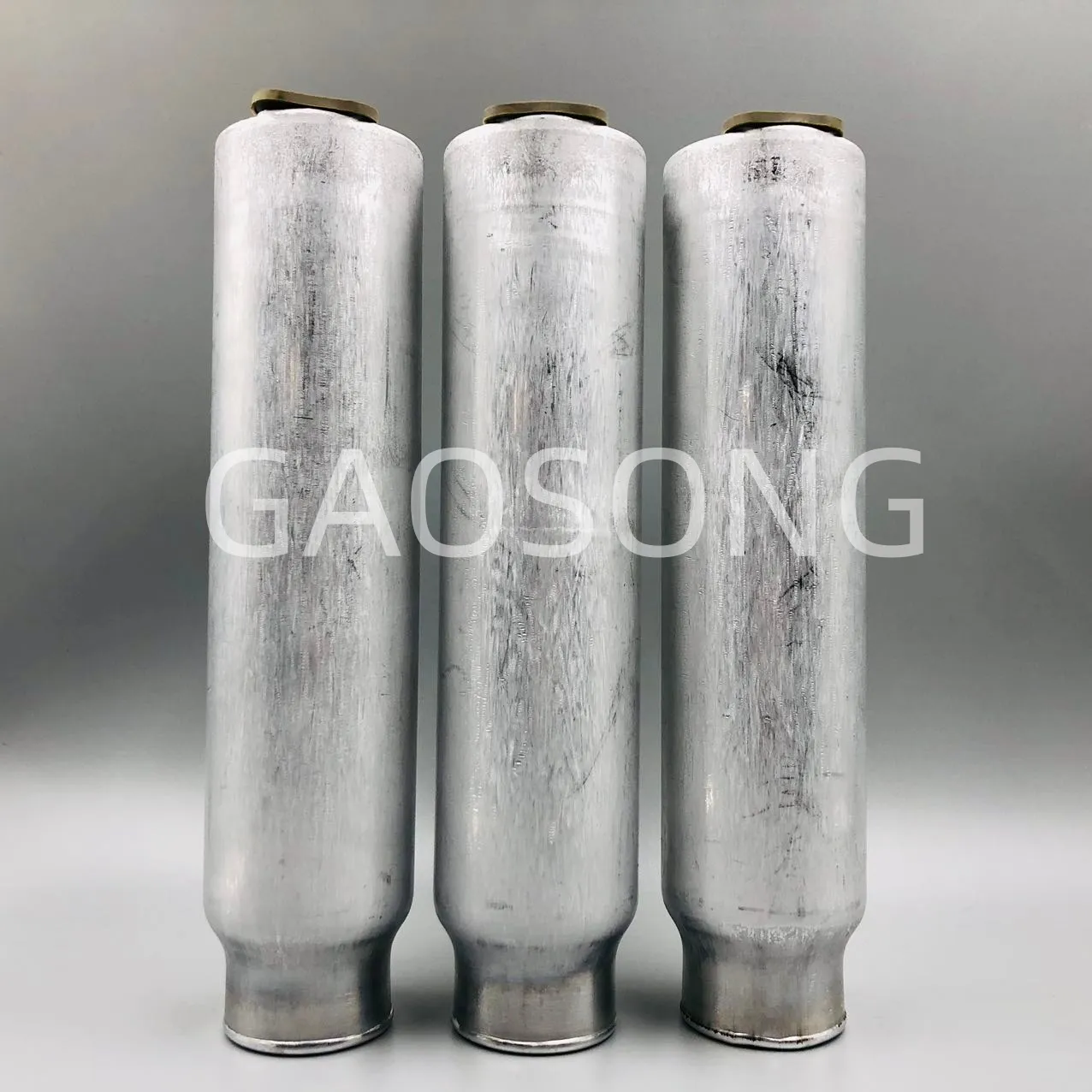 20Y-979-3120 TANK.-Komatsu Original Factory
 -
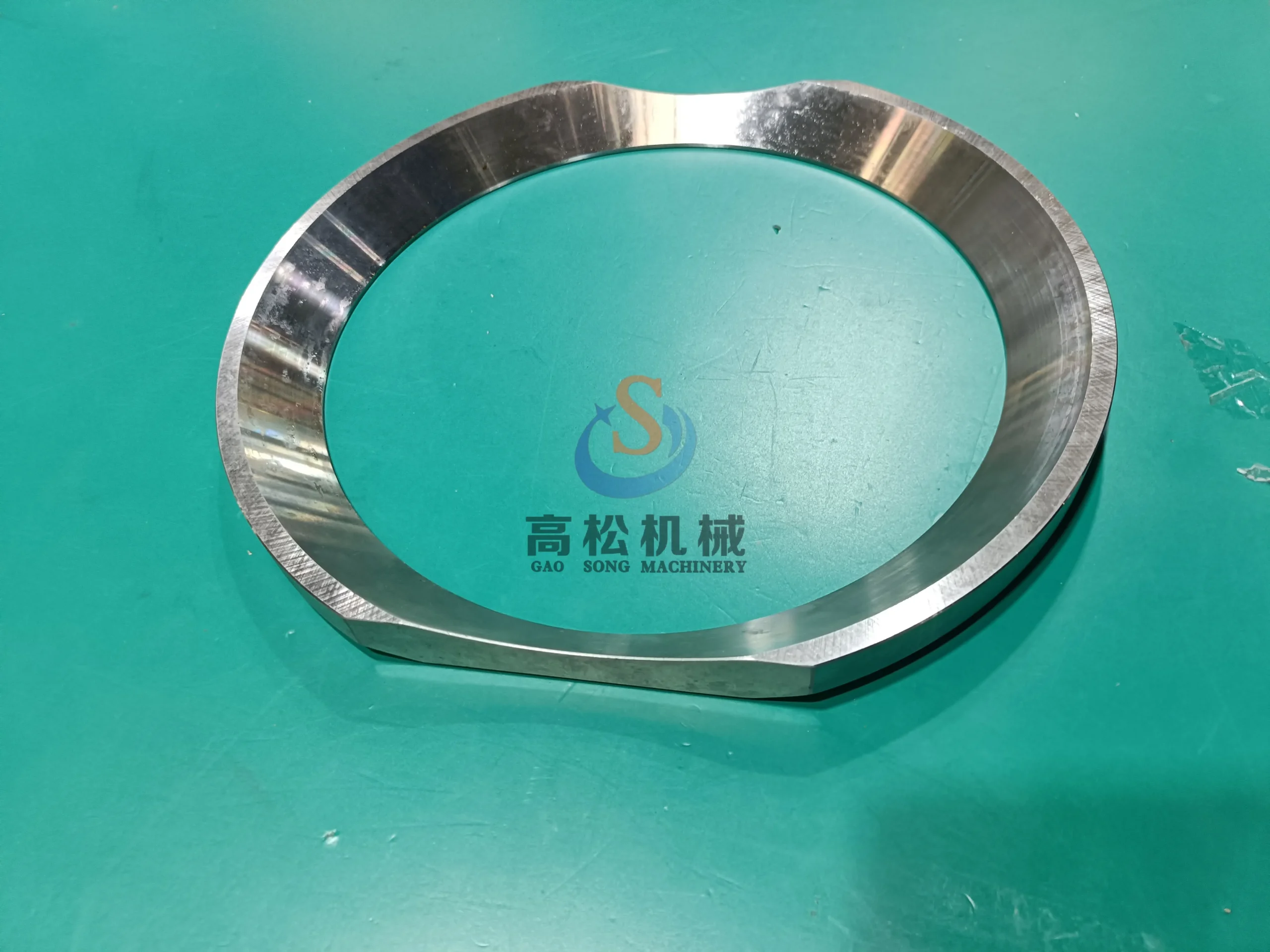 154-27-72350 komatsu COLLAR-D85
 -
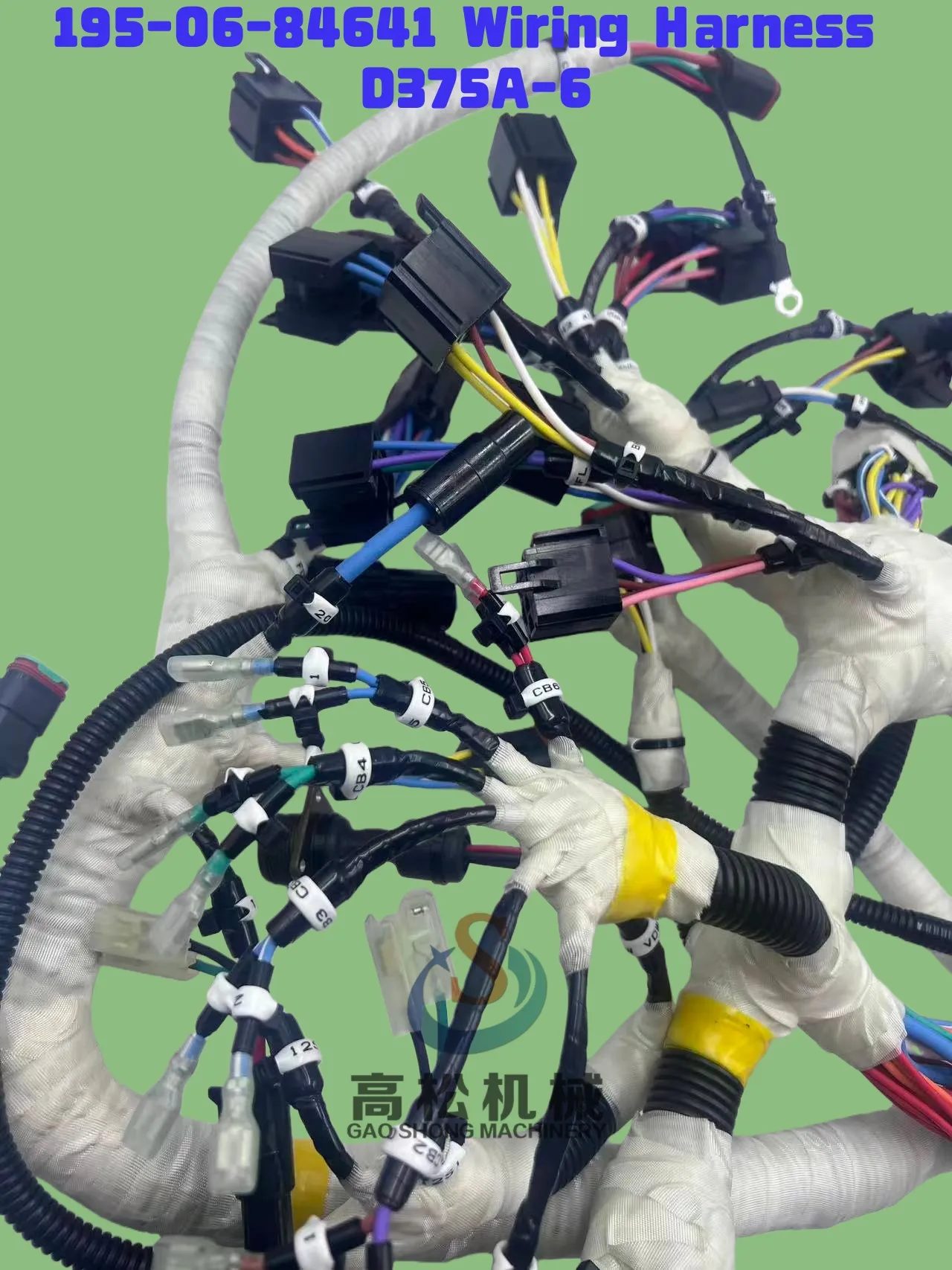 D375A-6Wiring harness 195-06-84641
 -
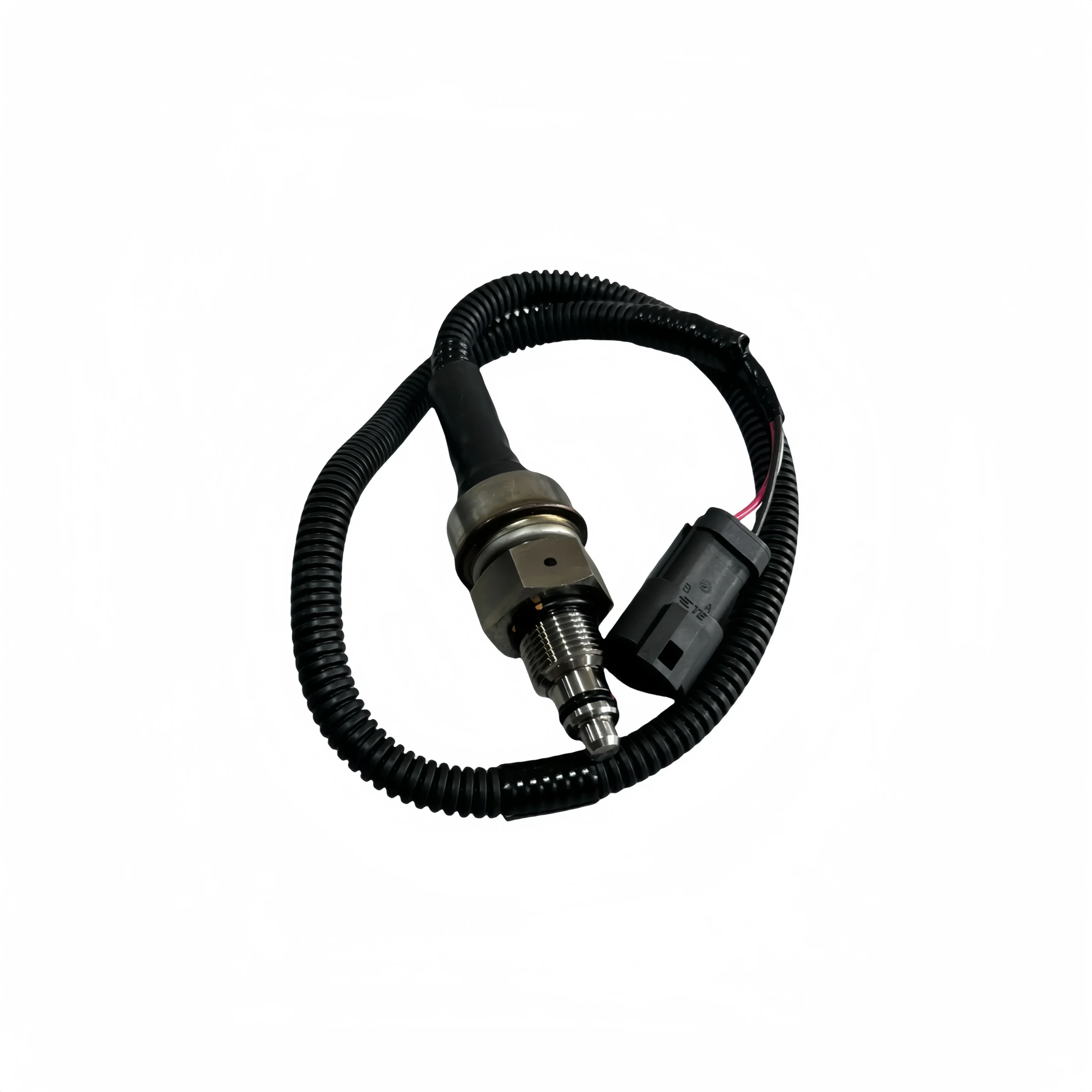 7861-93-1620 Suspension Pressure Sensor for Komatsu HD465-7
 -
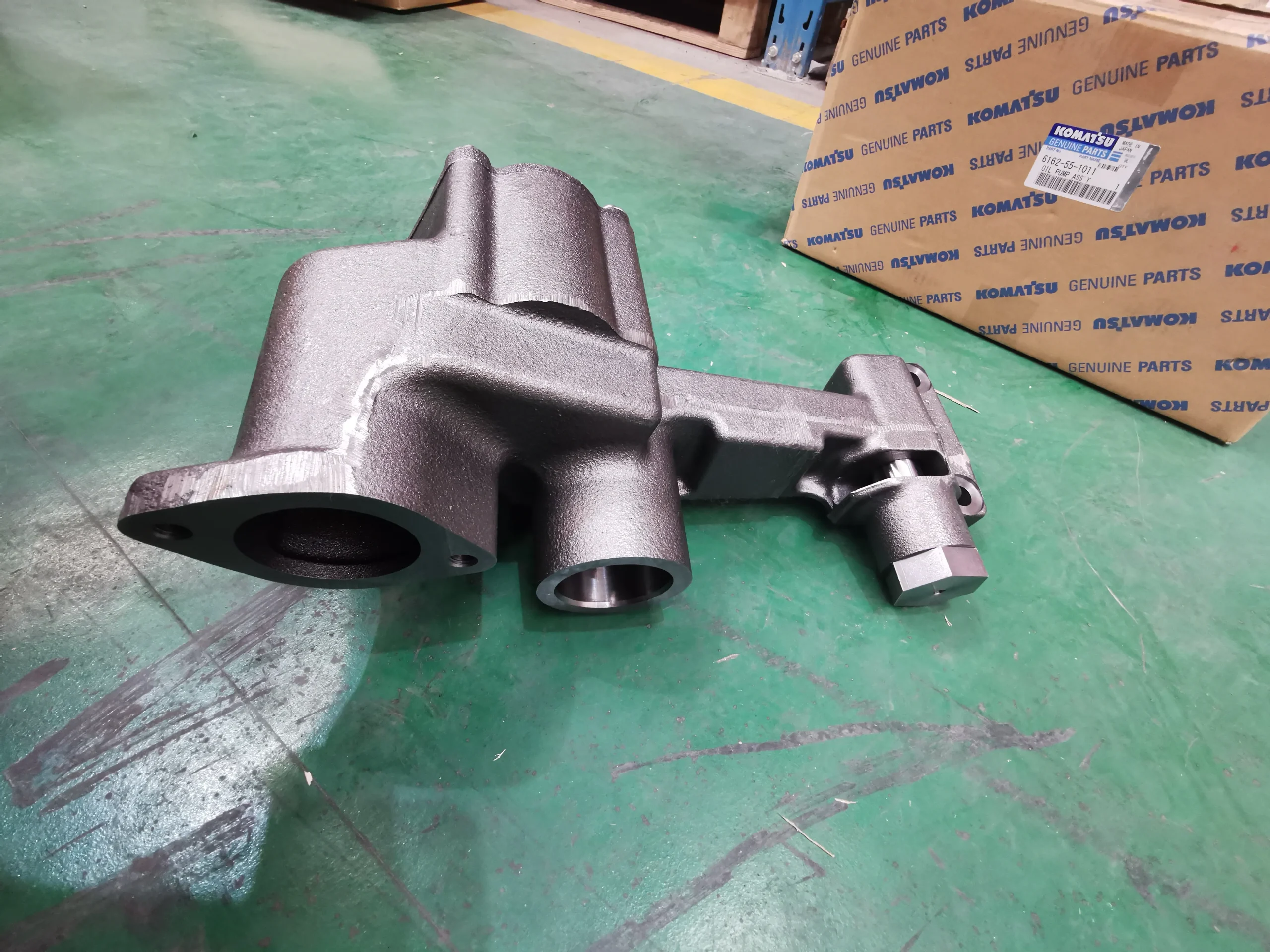 Supply Komatsu S6D170E-2A Oil Pump 6162-55-1011
 -
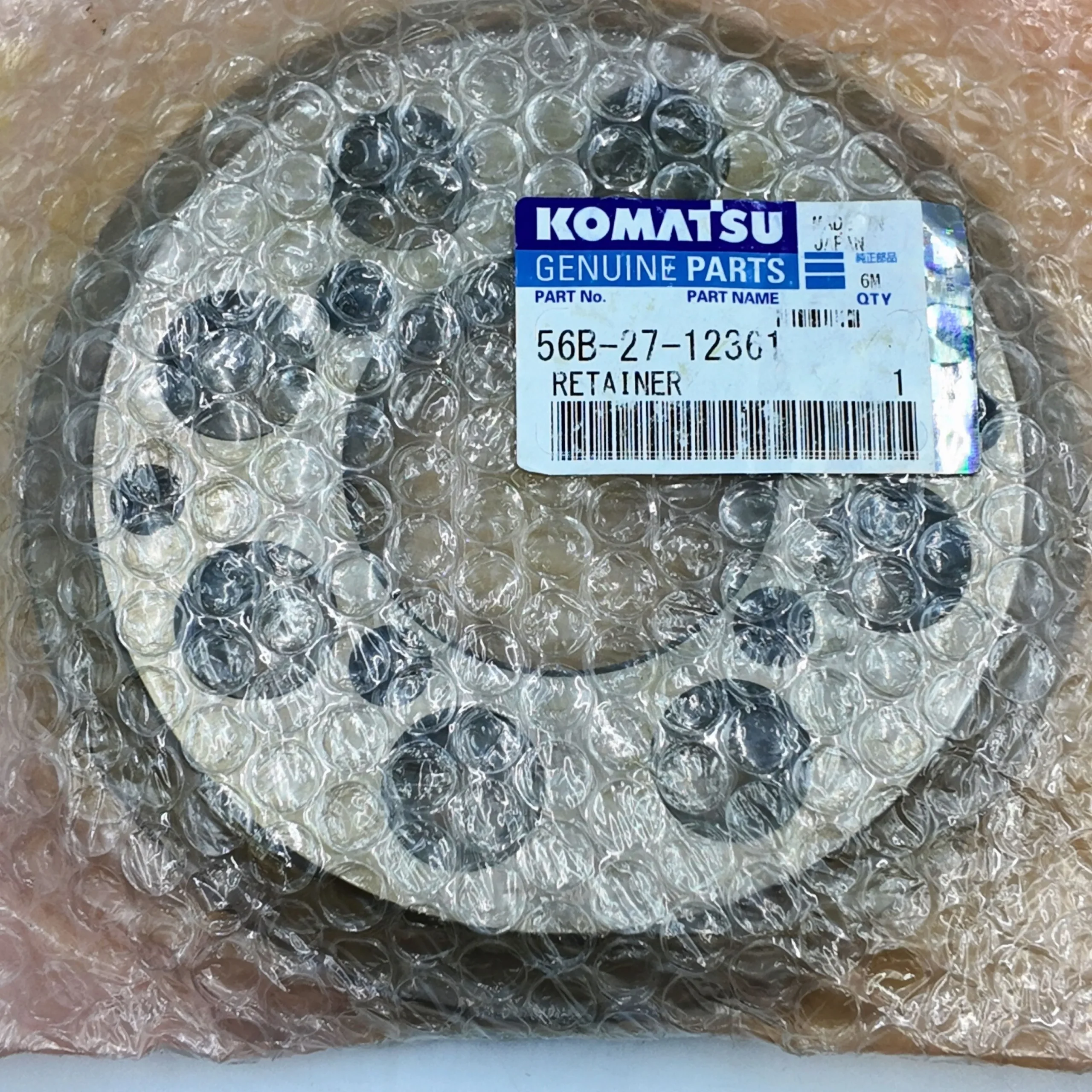 56B-27-12361•• RETAINER-Komatsu Original Factory
 -
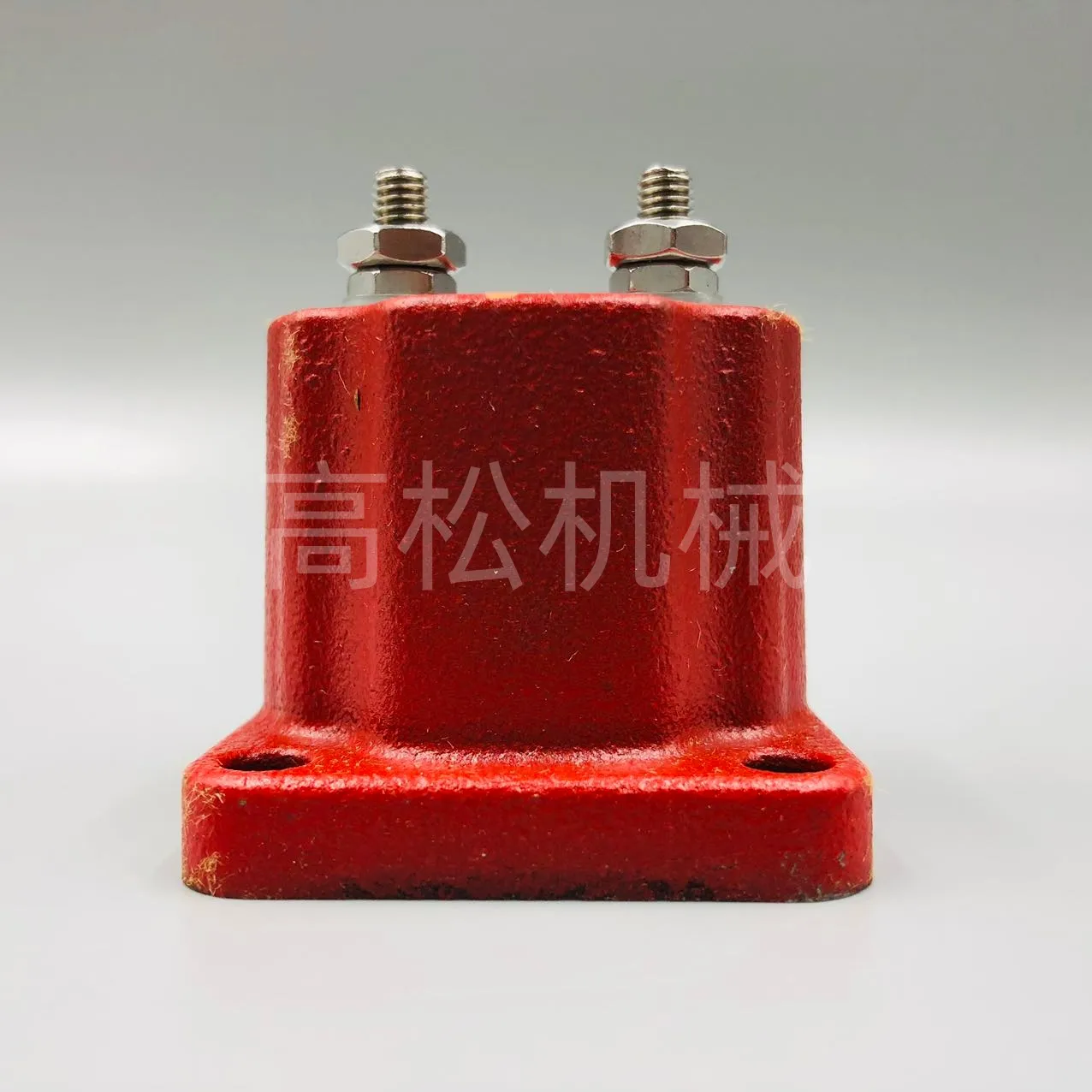 6560-51-1510 • SOLENOID-Komatsu Original Factory