
- Chinese
- French
- German
- Portuguese
- Spanish
- Russian
- Japanese
- Korean
- Arabic
- Irish
- Greek
- Turkish
- Italian
- Danish
- Romanian
- Indonesian
- Czech
- Afrikaans
- Swedish
- Polish
- Basque
- Catalan
- Esperanto
- Hindi
- Lao
- Albanian
- Amharic
- Armenian
- Azerbaijani
- Belarusian
- Bengali
- Bosnian
- Bulgarian
- Cebuano
- Chichewa
- Corsican
- Croatian
- Dutch
- Estonian
- Filipino
- Finnish
- Frisian
- Galician
- Georgian
- Gujarati
- Haitian
- Hausa
- Hawaiian
- Hebrew
- Hmong
- Hungarian
- Icelandic
- Igbo
- Javanese
- Kannada
- Kazakh
- Khmer
- Kurdish
- Kyrgyz
- Latin
- Latvian
- Lithuanian
- Luxembou..
- Macedonian
- Malagasy
- Malay
- Malayalam
- Maltese
- Maori
- Marathi
- Mongolian
- Burmese
- Nepali
- Norwegian
- Pashto
- Persian
- Punjabi
- Serbian
- Sesotho
- Sinhala
- Slovak
- Slovenian
- Somali
- Samoan
- Scots Gaelic
- Shona
- Sindhi
- Sundanese
- Swahili
- Tajik
- Tamil
- Telugu
- Thai
- Ukrainian
- Urdu
- Uzbek
- Vietnamese
- Welsh
- Xhosa
- Yiddish
- Yoruba
- Zulu
- Kinyarwanda
- Tatar
- Oriya
- Turkmen
- Uyghur






OEM AND ORIGINAL KOMATSU BRAKE CHAMBER 561-35-61400
Let's talk about the . If you're sourcing this part, you're likely deep in the weeds of Komatsu equipment maintenance, probably for a haul truck or large dozer. The immediate assumption many make is that 'OEM' and 'Original' are the same thing. In the real world, especially when dealing with legacy or supply-constrained parts, that's where the complications start. I've seen too many orders get messed up because someone didn't understand the nuance.
The Nuance Between OEM and Original
Here's the core of it. When Komatsu lists a part as OEM AND ORIGINAL KOMATSU BRAKE CHAMBER , they are specifying it as a genuine part produced under their direct authorization. The 'OEM' here means the supplier is part of Komatsu's manufacturing system. But in the aftermarket, 'OEM' gets thrown around loosely. A third-party might claim their part is 'OEM quality' or even 'OEM,' but if it didn't come from Komatsu's certified supply chain, it's not the 'Original' referenced in that full description. This isn't just semantics; it's about traceability and liability.
I recall a situation in a South American mine. They ordered what was advertised as an OEM brake chamber for a 930E truck. It arrived, looked perfect, even had similar packaging. But the failure rate was absurd—diaphragms blowing within 200 hours. The issue? It was a licensed copy from a factory whose standards had slipped, not from the primary system. The part number was right, but the provenance was wrong. That's the gamble.
This is precisely where a company's positioning matters. Take Jining Gaosong Construction Machinery Co., Ltd.. They state they are an OEM product supplier within the Komatsu system. That's a specific claim. It suggests they aren't just a reseller; they might be involved in the authorized production flow for certain components or assemblies. Their additional role as a third-party sales company for Komatsu is key—it means they are recognized by Komatsu to help distribute parts, especially in regions where the official supply chain is thin. You can find them at https://www.takematsumachinery.com. Their stated goal of helping to solve parts supply challenges in certain countries rings true for parts like the , which can be on long backorder.
Why the Specifically Can Be a Headache
This isn't a common filter or seal. It's a brake chamber, a critical safety component. The reference points to a specific design, bolt pattern, stroke, and diaphragm specification for a range of Komatsu mining and construction equipment. Using a non-conforming unit doesn't just risk downtime; it's a major safety hazard. The pressure ratings have to be exact.
The challenge is availability. For older models still in operation, Komatsu's main warehouses might deprioritize stock. You're left scouring the market. You'll find three tiers: 1) Genuine/OEM from Komatsu's direct channel (expensive, long lead time), 2) OEM-spec from authorized system suppliers like the one mentioned above (potentially more accessible), and 3) pure aftermarket copies (wildly variable quality).
I've opted for tier 2 in a pinch, but not blindly. It requires verification. Does the supplier have a Komatsu vendor code? Can they provide batch testing documentation? For a brake chamber, I'd want to see a certificate for the diaphragm rubber compound's resistance to oil and temperature cycling. A casual website won't have that; you have to ask. The legitimate ones in this space expect these questions.
Field Observations and Failure Points
Installing these, you notice details. The original has a specific finish on the clamping ring and a very distinct, almost matte, paint on the housing. Cheaper copies often have a glossier, thinner paint that chips easily and rusts quickly in a mining environment. The pushrod clevis pin is another tell—on the genuine part, the machining is crisp, with no burrs. I've seen copies where the pin hole was slightly misaligned, causing binding and accelerated wear.
The most common field failure I've traced back to non-original parts isn't the diaphragm—it's the internal return spring. It fatigues prematurely under the constant cycling, losing tension. The symptom is a sluggish brake release, which cooks the linings. You replace the linings, but the root cause is still there in that chamber. You end up chasing the wrong problem.
This is where the value of a proper OEM-system supplier comes in. They should be sourcing or manufacturing the sub-components (springs, diaphragms) to the same material specs. If Jining Gaosong is truly embedded in the system, their version of the OEM AND ORIGINAL KOMATSU BRAKE CHAMBER should have spring wire from an approved source, not just a generic equivalent. That's the difference between a part that lasts 5,000 hours and one that fails at 1,500.
The Procurement Decision: More Than Price
When the machine is down and the pressure is on, the easy button is to buy the cheapest thing that fits. That's a short-term win with long-term pain. The calculation for a critical component like this has to include Mean Time Between Failure (MTBF), safety risk, and the cost of secondary damage (like ruined brake drums).
I've learned to build a shortlist of suppliers who operate in that middle space—the authorized system suppliers. Their pricing is usually between genuine Komatsu and the open aftermarket. Their lead time is often better than genuine because they might hold strategic stock for high-demand regions. Their website, like Takematsu Machinery's, might look straightforward, but the real test is in the technical dialogue. Can they confirm the interchange? Do they know which serial number ranges had the minor revision to the port thread?
For a part like this, I'd use their platform (https://www.takematsumachinery.com) as a starting point, but the order would follow a phone call or email with specific technical questions. Their company description aligns with what you need for this part: solving supply challenges with system-backed quality. It's about managed risk.
Wrapping It Up: A Matter of Trust and Spec
So, back to the OEM AND ORIGINAL KOMATSU BRAKE CHAMBER . The keyword string itself is a perfect search term for someone who knows what they need and wants to cut through the noise. It signals a demand for authenticity within the supply constraints.
The landscape is filled with options, but not all are equal. The distinction between a part from Komatsu's direct network and one from an integrated OEM supplier within their system can be minimal in quality but significant in accessibility. The third category—pure imitation—is a minefield.
Ultimately, it comes down to this: for safety-critical, high-uptime components, partnering with a supplier that has a formal link to the OEM system, like the model described by Jining Gaosong, isn't just convenient; it's the prudent choice. It reduces the variables in an equation where failure is expensive and dangerous. You're not just buying a part; you're buying a slice of the OEM's specification and testing protocol, delivered through a more agile channel. That's the real value proposition.
Related Products
Related Products

Best Selling Products
Best Selling Products-
 154-27-72350 komatsu Bushing
 -
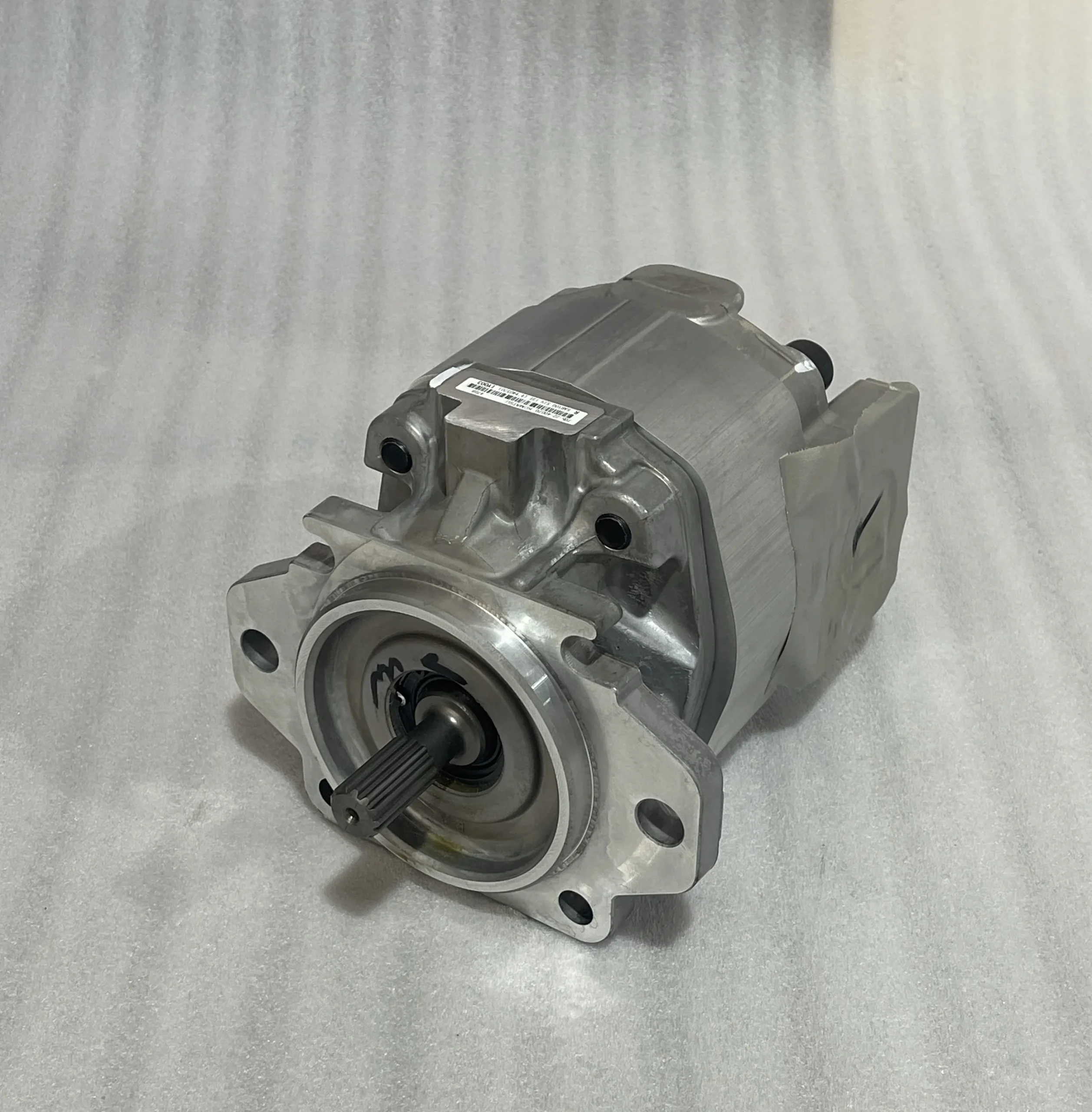 WA470-3 Gear Pump 705-22-40070
 -
 209-60-77220 Komatsu Valve Assembly
 -
 Komatsu21T-04-31170 Cap Assembly
 -
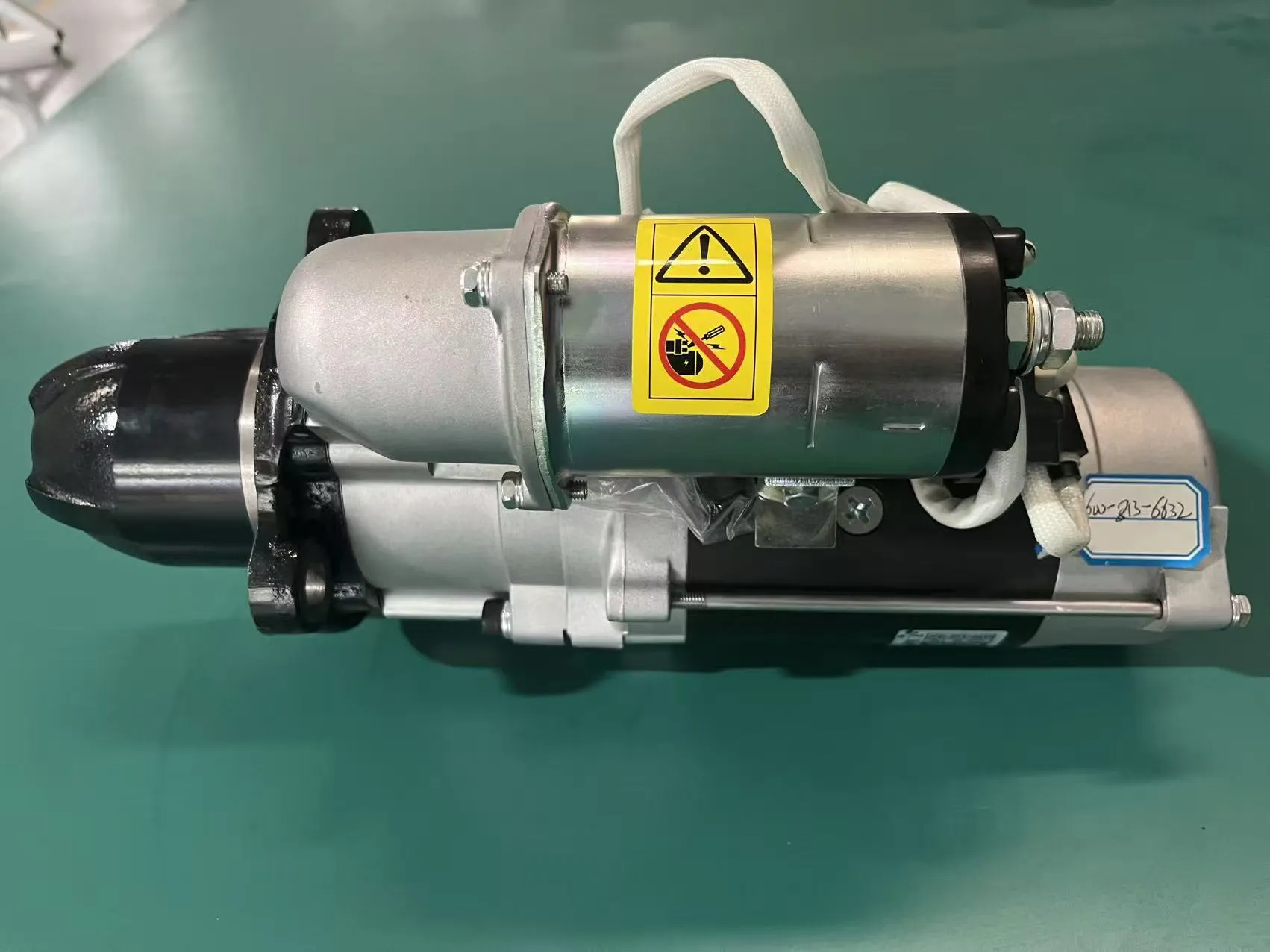 High Quality Excavator Spare Parts 600-813-6632 PC400-8 Start…
 -
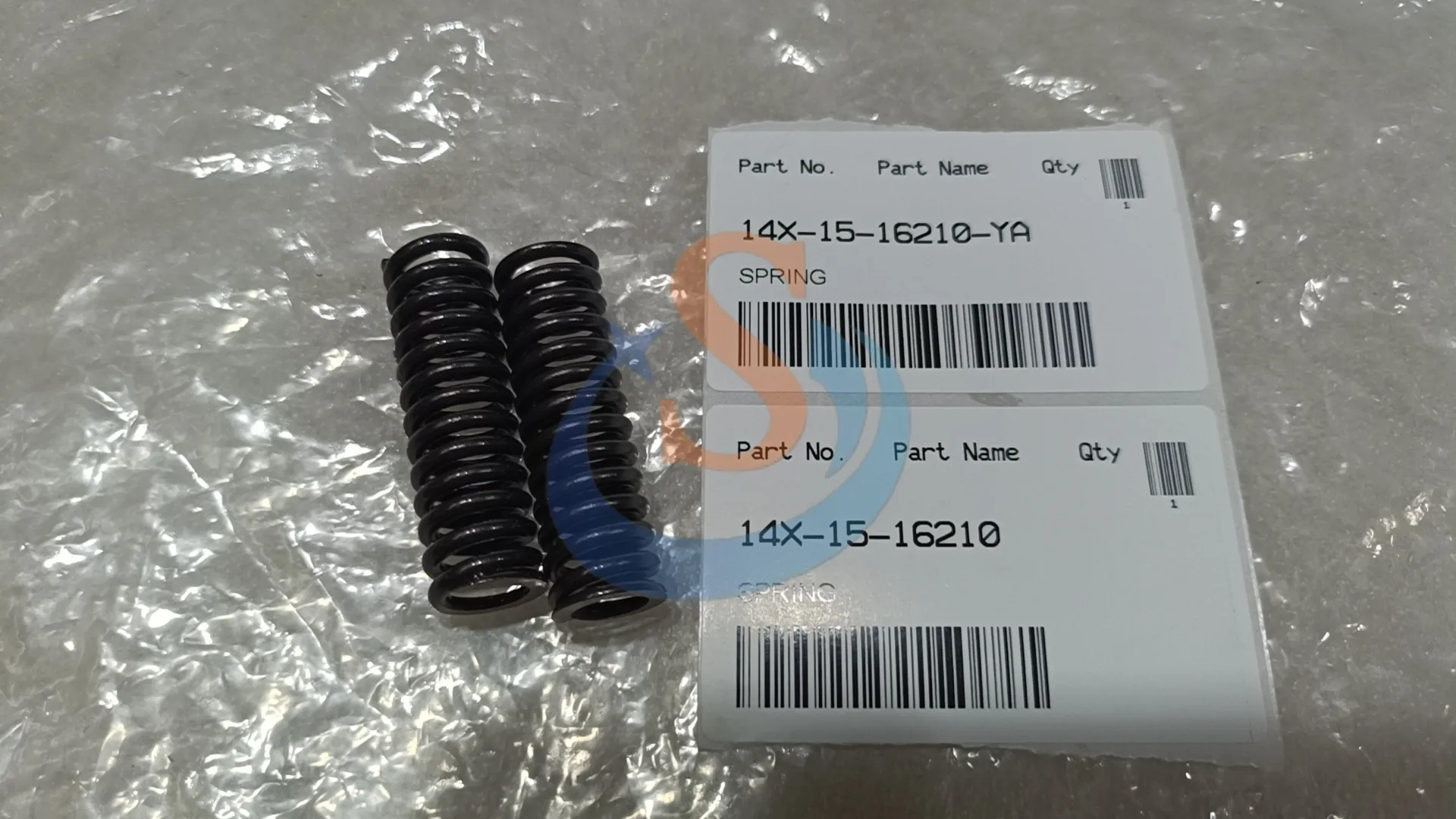 14X-15-16210 komatsu vavle WA400/WA500/WA600
 -
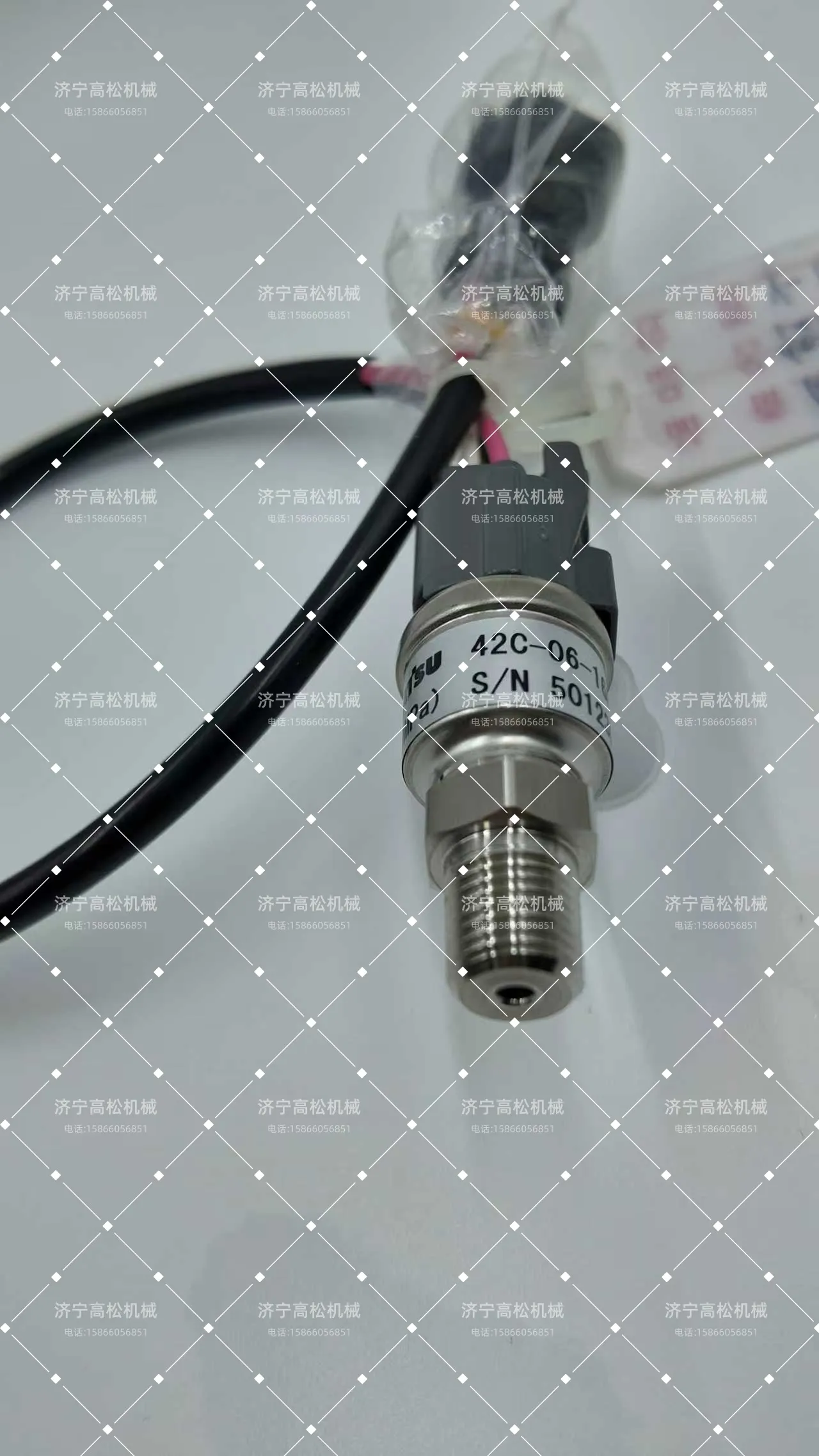 7861-93-1680 Pressure Sensor For Komatsu WA1200 SDA12V140E
 -
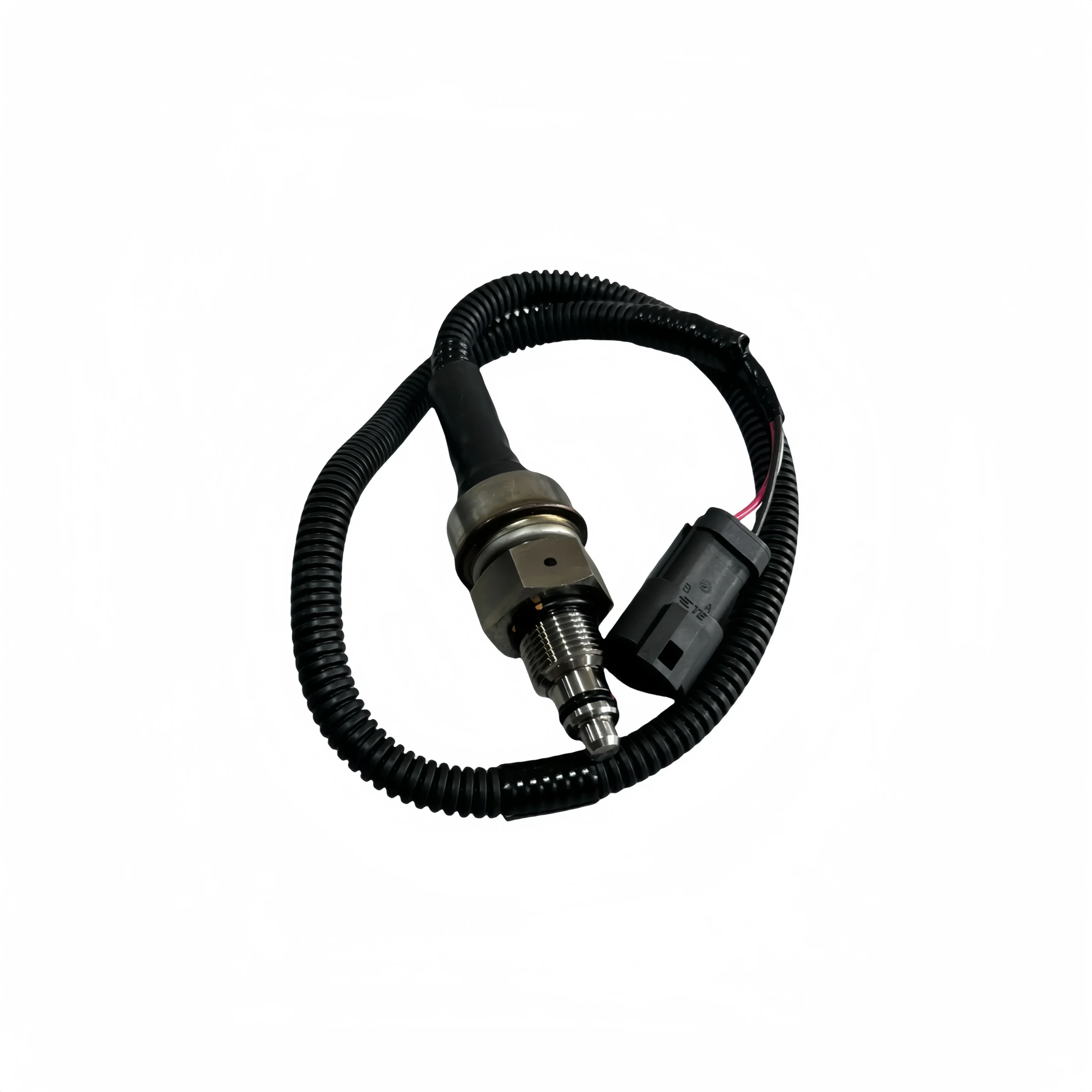 7861-93-1620 Suspension Pressure Sensor for Komatsu HD465-7
 -
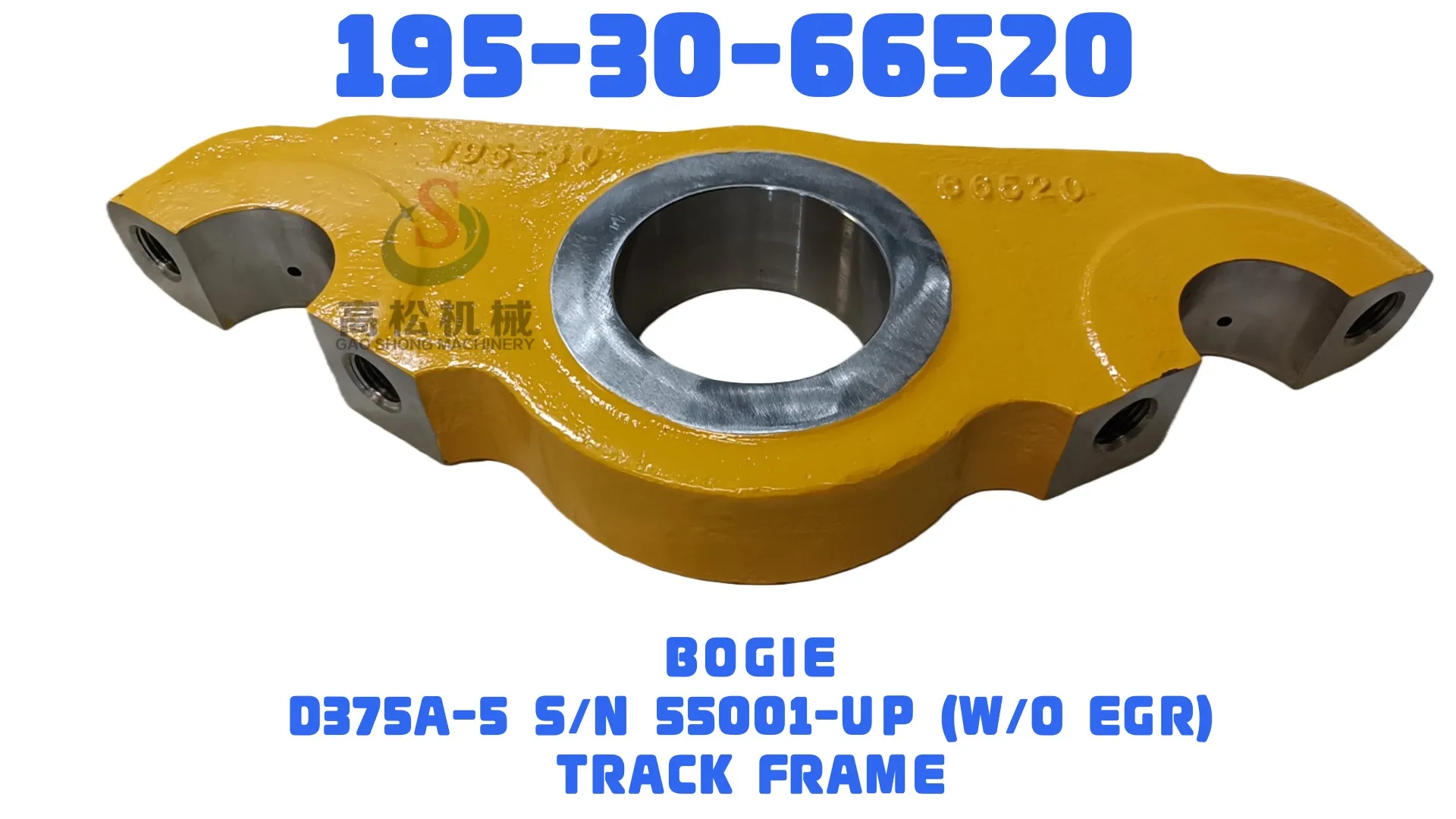 komatsu-part-195-30-66520 17M-30-66122 BOGIE D375A-5 D375A-6 D375A-6R TRACK FRAME (L.H.) BOGIE (L.H.) (FIRST) (FOR FULL ROLLER GUARD) TRACK FRAME, BOGIE, 2ND AND 3RD, L.H.
 -
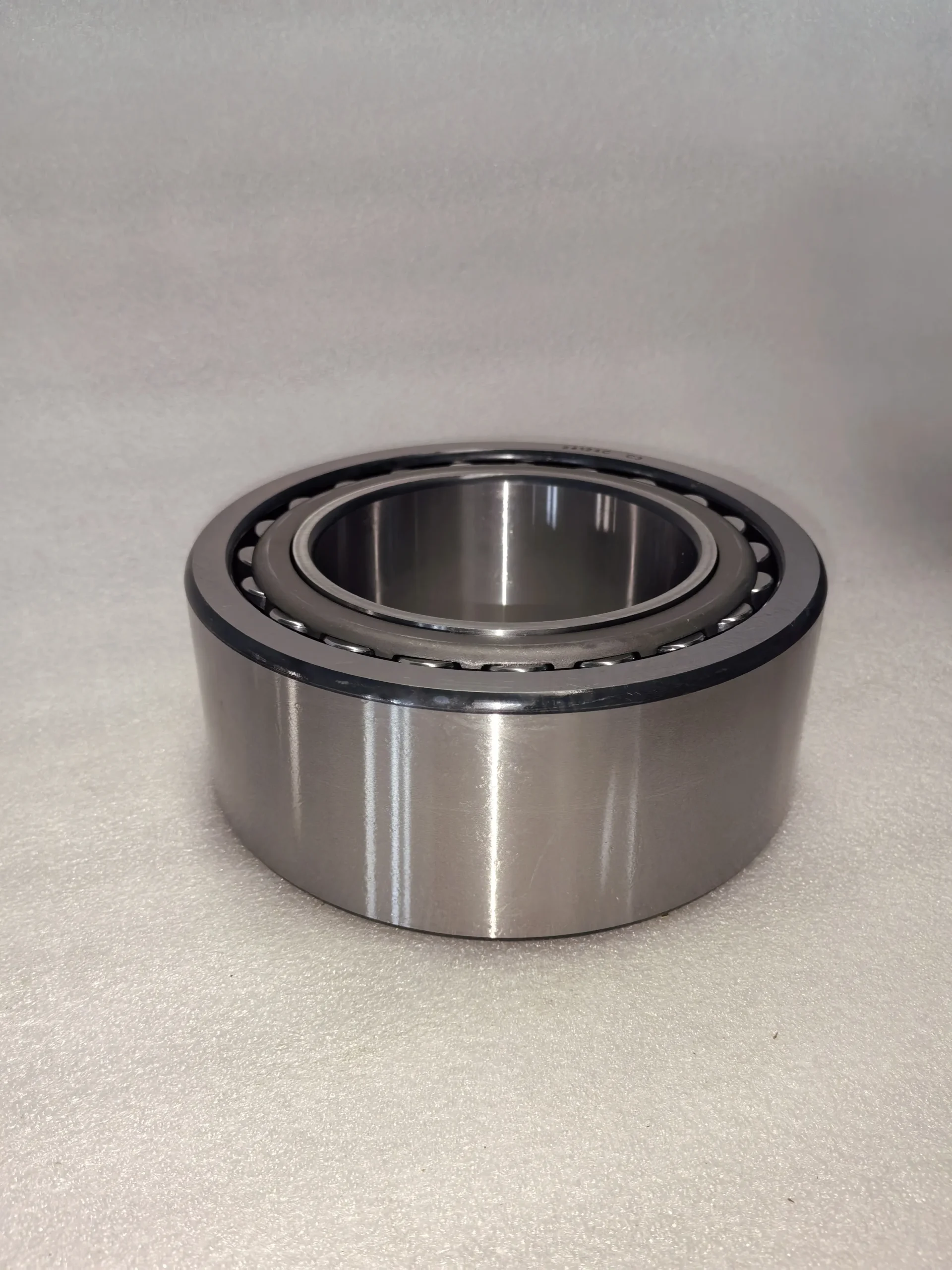 170-09-13250 Komatsu Bearing – Komatsu
 -
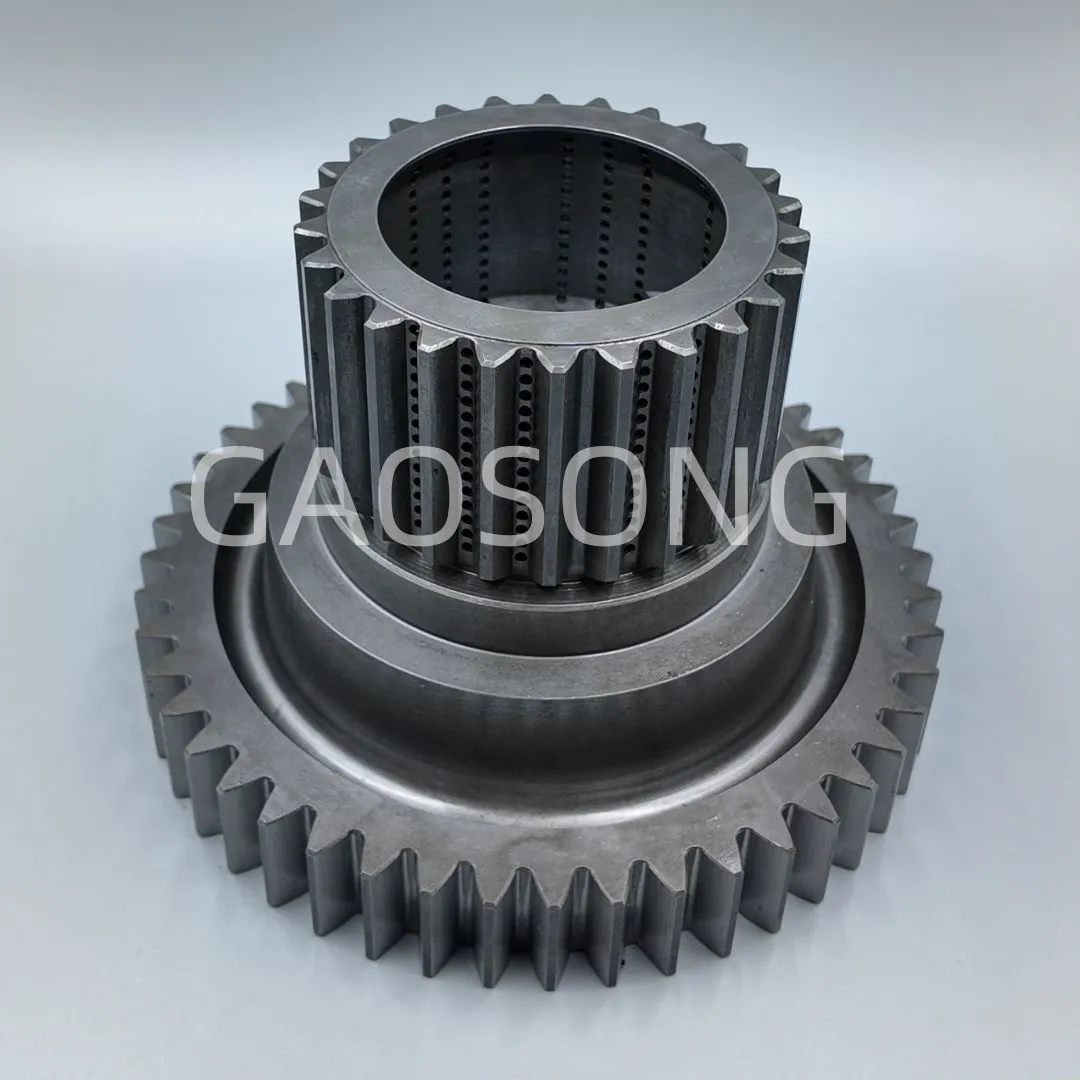 714-07-12420 •• GEAR¤ 48 TEETH,FORWARD–Komatsu Original Factory
 -
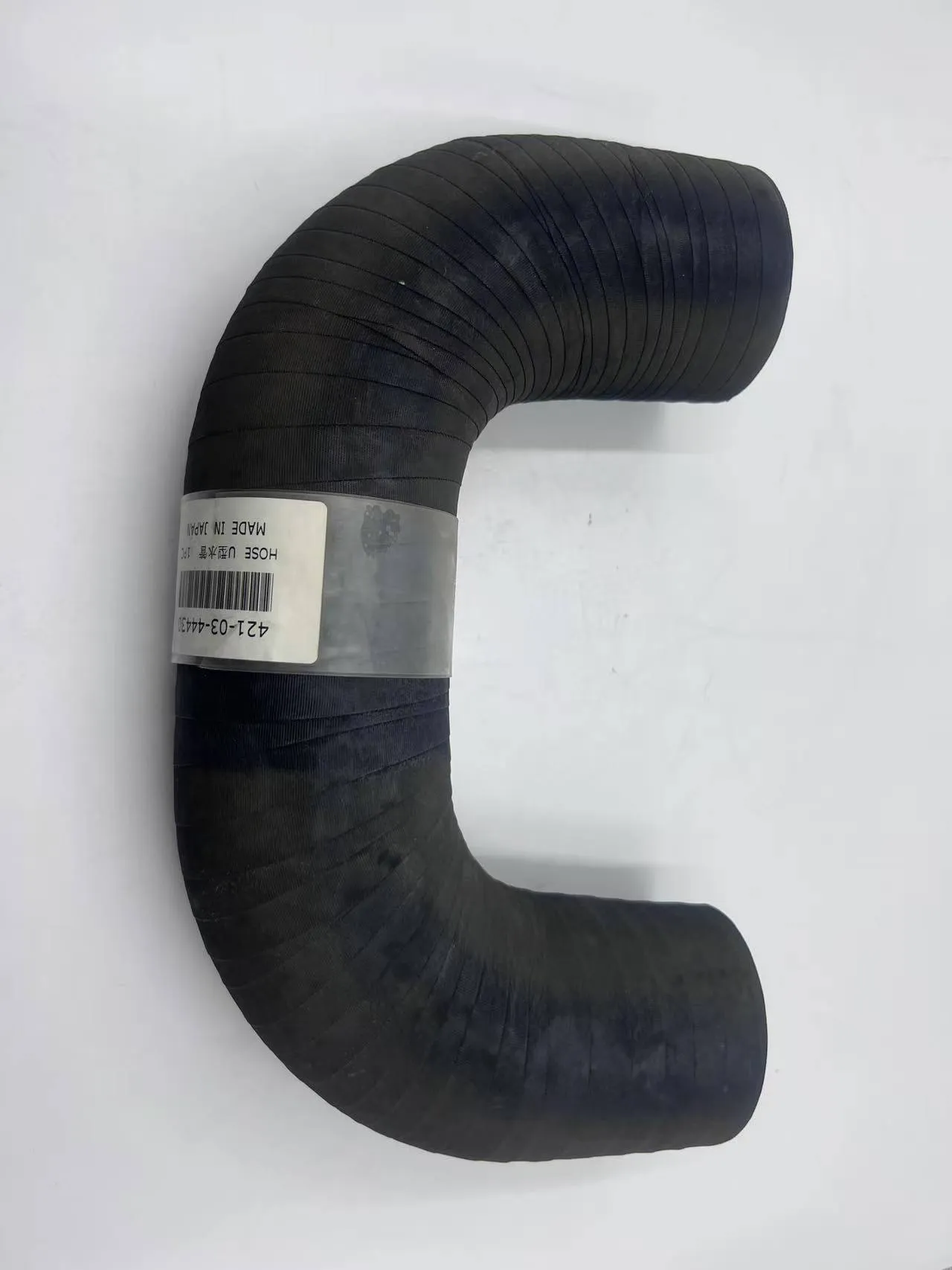 421-03-44430 • HOSE Applicable: Komatsu WA loader series