
- Chinese
- French
- German
- Portuguese
- Spanish
- Russian
- Japanese
- Korean
- Arabic
- Irish
- Greek
- Turkish
- Italian
- Danish
- Romanian
- Indonesian
- Czech
- Afrikaans
- Swedish
- Polish
- Basque
- Catalan
- Esperanto
- Hindi
- Lao
- Albanian
- Amharic
- Armenian
- Azerbaijani
- Belarusian
- Bengali
- Bosnian
- Bulgarian
- Cebuano
- Chichewa
- Corsican
- Croatian
- Dutch
- Estonian
- Filipino
- Finnish
- Frisian
- Galician
- Georgian
- Gujarati
- Haitian
- Hausa
- Hawaiian
- Hebrew
- Hmong
- Hungarian
- Icelandic
- Igbo
- Javanese
- Kannada
- Kazakh
- Khmer
- Kurdish
- Kyrgyz
- Latin
- Latvian
- Lithuanian
- Luxembou..
- Macedonian
- Malagasy
- Malay
- Malayalam
- Maltese
- Maori
- Marathi
- Mongolian
- Burmese
- Nepali
- Norwegian
- Pashto
- Persian
- Punjabi
- Serbian
- Sesotho
- Sinhala
- Slovak
- Slovenian
- Somali
- Samoan
- Scots Gaelic
- Shona
- Sindhi
- Sundanese
- Swahili
- Tajik
- Tamil
- Telugu
- Thai
- Ukrainian
- Urdu
- Uzbek
- Vietnamese
- Welsh
- Xhosa
- Yiddish
- Yoruba
- Zulu
- Kinyarwanda
- Tatar
- Oriya
- Turkmen
- Uyghur






OEM AND ORIGINAL KOMATSU BRACKET 41E-70-25590
When you see that part number, 41E-70-25590, pop up on a screen or a quote, the immediate assumption is it's a Komatsu bracket. But that's where the nuance starts. In our world, OEM AND ORIGINAL slapped together in a search term usually signals a buyer caught between two worlds: the genuine pipeline and the aftermarket maze. The bracket itself, for a Komatsu excavator's front attachment linkage, isn't a glamorous part. It's a workhorse. But the distinction between a true Komatsu-original part and an OEM-supplied one is everything for uptime. I've seen too many folks think they're the same thing. They're not. One comes from Komatsu's branded distribution, the other might come from the same factory floor but through a different channel, like us at Jining Gaosong Construction Machinery Co., Ltd.. That channel difference dictates price, availability, and sometimes, the paperwork that gets it through customs in places where official distribution is thin.
The OEM Reality vs. The Original Myth
Let's get straight on terminology, because it costs people real money. Komatsu, like all major OEMs, doesn't forge every bracket in-house. They source from dedicated suppliers who manufacture to exact Komatsu prints and material specs. When we at Gaosong supply an OEM product, we are often supplying the identical physical part from that very supplier network. It is, for all functional purposes, the original part. It's not a copy. It's the same item before it gets the Komatsu logo painted on and enters their official, price-controlled system.
The confusion—and the risk—comes from the gray market. A part can be OEM-spec or OEM-quality, which is marketing talk for a reverse-engineered reproduction. These can be hit or miss. I recall a batch of 25590 brackets from a non-approved foundry a few years back. The dimensions checked out on the CMM, but the grade of steel was off. They'd pass visual inspection, but under cyclical loading on a PC300, they'd develop hairline cracks around the pin bores in half the expected service life. The failure wasn't catastrophic, but it caused unplanned downtime and a pissed-off site manager. That's the hidden cost.
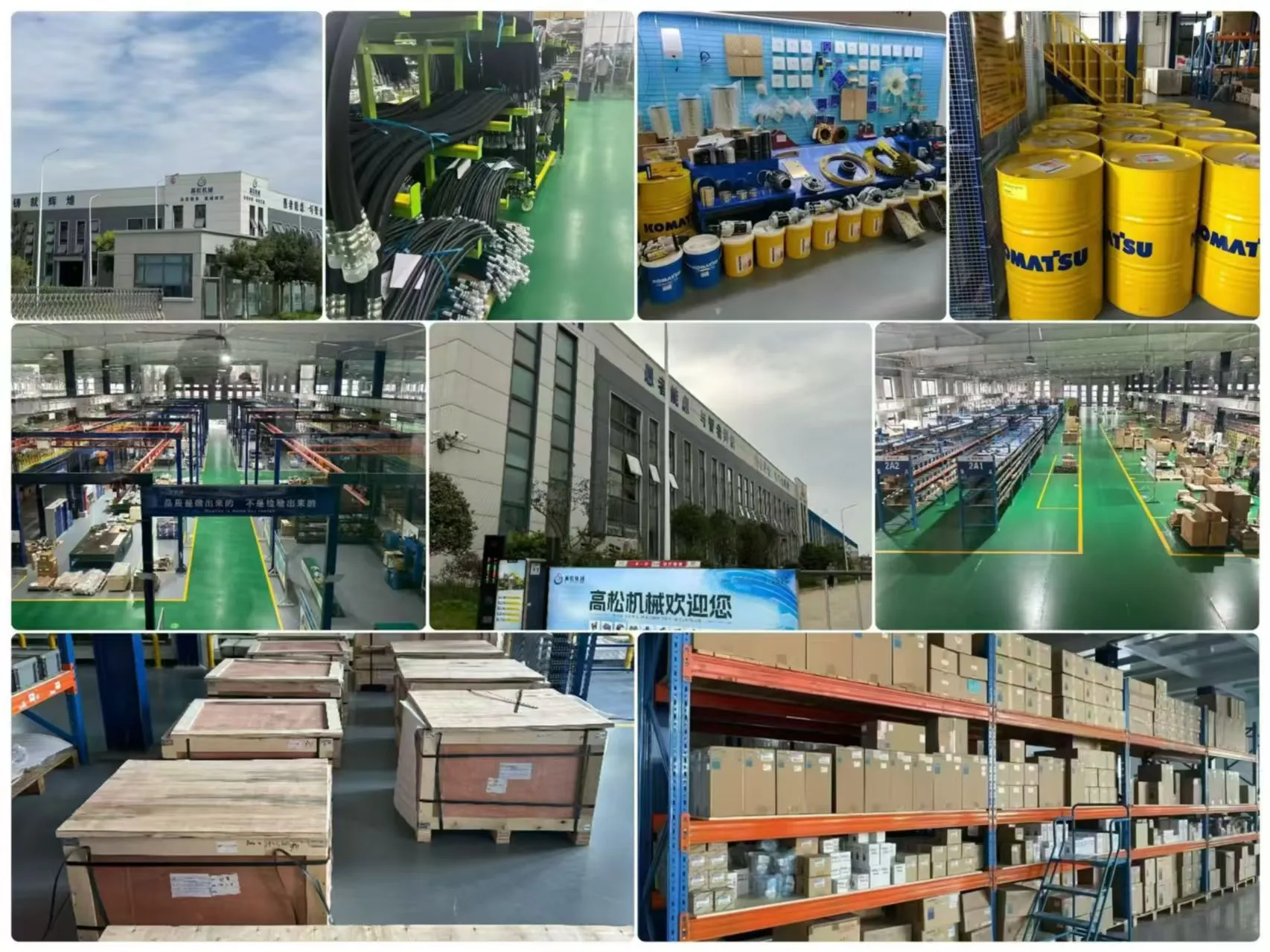
So our role, as spelled out on our site https://www.takematsumachinery.com, is to bridge that gap. We are within the Komatsu system as an OEM supplier, but we operate as a third-party sales channel. This isn't about undercutting Komatsu; it's about solving the logistical reality in certain regions. If you're in a country where the official Komatsu parts depot has a 12-week backorder for this bracket, but the machine is down now, we provide a legitimate alternative path to the same component. The tag OEM AND ORIGINAL in a search, then, should lead you to a supplier who can transparently trace that lineage.
Spotting the Difference: It's in the Details
You can't always trust the packaging. I've seen perfect counterfeit Komatsu boxes. The tell-tales are subtler. For a bracket like the 41E-70-25590, look at the casting marks. The genuine/OEM part will have a clear, sharp part number cast into it, often with a supplier code and a heat lot number. The finish on the machined surfaces—the pin bores especially—should be consistent, without obvious tooling marks or burrs. The paint, if it's pre-painted, is a specific shade of Komatsu yellow. A reproduction is often slightly off—a bit more orange or a bit more green.
Weight is a quick, dirty check. Grab a known-good bracket and a suspect one. A reproduction using inferior material or with less dense casting might be noticeably lighter. It's not foolproof, but it's a red flag. The other thing is the certificate. We provide material certification from the foundry for critical components like this. If a supplier balks at providing traceable certs, walk away. They're selling a guess, not a part.
Then there's the fit. The most frustrating calls are about OEM parts that don't fit. The 25590 has to align with the stick and the attachment. We had a case where a customer bought a cheaper alternative, and the pin wouldn't seat because the bore alignment was out by a degree. They had to ream it out on-site, which compromises the hardness of the bore surface and leads to rapid wear. The labor to fix it wiped out any savings. Our value is in having handled these parts, knowing which production batches from our sources have flawless fit-up, and supplying those. It's hands-on knowledge you don't get from a catalog.
The Supply Chain Tangles We Untangle
The company intro on our website isn't just fluff. Helping to solve parts supply challenges in certain countries is the daily grind. Here's a real scenario: A mining contractor in West Africa needed four 41E-70-25590 brackets for their fleet of PC400s. The local Komatsu dealer quoted a 90-day lead time due to global supply chain issues. The machine downtime was costing them six figures a month.
They found us. Because we operate as a third-party sales company within the Komatsu ecosystem, we could access the OEM supplier's inventory directly. We didn't have to wait for Komatsu's central warehouse to allocate stock to that region. We checked the supplier's schedule, confirmed the heat lot certs were valid, and had the brackets air-freighted from the factory dock in 10 days. They paid more for the freight than the parts, but the machine was back earning money in two weeks.
This is the niche. We're not magic. We're just plugged into a different node of the same network. The challenge is often documentation for import. We provide the full commercial invoice, packing list, and certificates of origin/conformity that clearly state the parts are OEM-manufactured, which smooths customs clearance. An aftermarket part might get held up or rejected for not meeting local equipment regulations. Our paperwork legitimizes the shipment. It turns a logistical nightmare into a routine delivery.
When Original Isn't the Only Answer
This might sound contradictory, but sometimes the true Komatsu-original part isn't the smartest play, even if you can get it. For a non-critical, wear-prone bracket on an older machine, say a Komatsu Dash-5 series that's on its last leg, a high-quality aftermarket part from a reputable manufacturer might be the economically rational choice. The key is making that decision consciously, not by accident.
We've steered customers that way. If a client with an older machine needs the Komatsu bracket 41E-70-25590 but is on a tight budget and the machine isn't in critical production, we might suggest a vetted alternative. We're clear about the trade-off: likely shorter lifespan, potential for slight fitment fuss, but a 40% cost saving. The integrity is in the consultation, not just the sale. Pushing the highest-margin item every time burns trust.
But for a machine under warranty, or in a high-production, high-availability environment, there is no substitute. The risk calculus changes entirely. Here, the OEM AND ORIGINAL path—whether through the official dealer or through a parallel channel like ours that guarantees OEM provenance—is the only sane choice. The cost of a single failure event dwarfs the part's price. It's about total cost of ownership, not just the line item on the invoice.
Wrapping It Up: A Matter of Provenance
So, back to that keyword string. OEM AND ORIGINAL KOMATSU BRACKET 41E-70-25590. It's a search born of frustration and need. The buyer knows they need the real deal, but the market is murky. They're looking for a signal of authenticity.
The takeaway is this: The part number is just the start. The real product is the provenance. Can the supplier trace it back to an approved Komatsu manufacturing source? Can they provide the paperwork to prove it? Do they understand the application and the consequences of failure? That's what separates a parts seller from a solutions provider.
At the end of the day, whether you go through the main dealer or a company like Jining Gaosong, the goal is the same: get the right part, to the right place, at the right time, with zero doubt about its integrity. For that bracket, and hundreds like it, that often means navigating the OEM's own network, just through a different door. That's the practical reality of keeping iron moving today.
Related Products
Related Products

Best Selling Products
Best Selling Products-
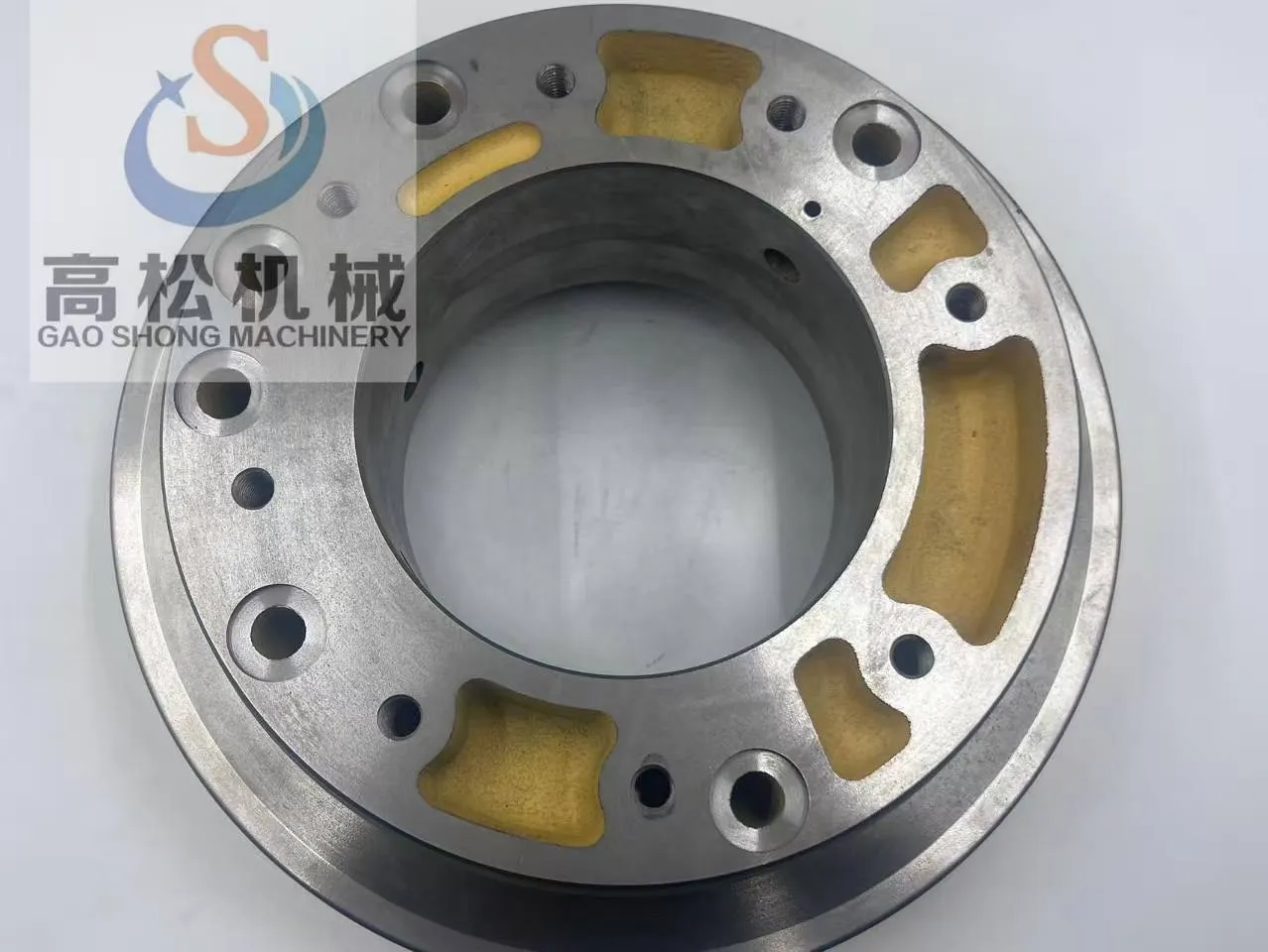 Komatsu D155A-5 cylinder 17A-22-11132
 -
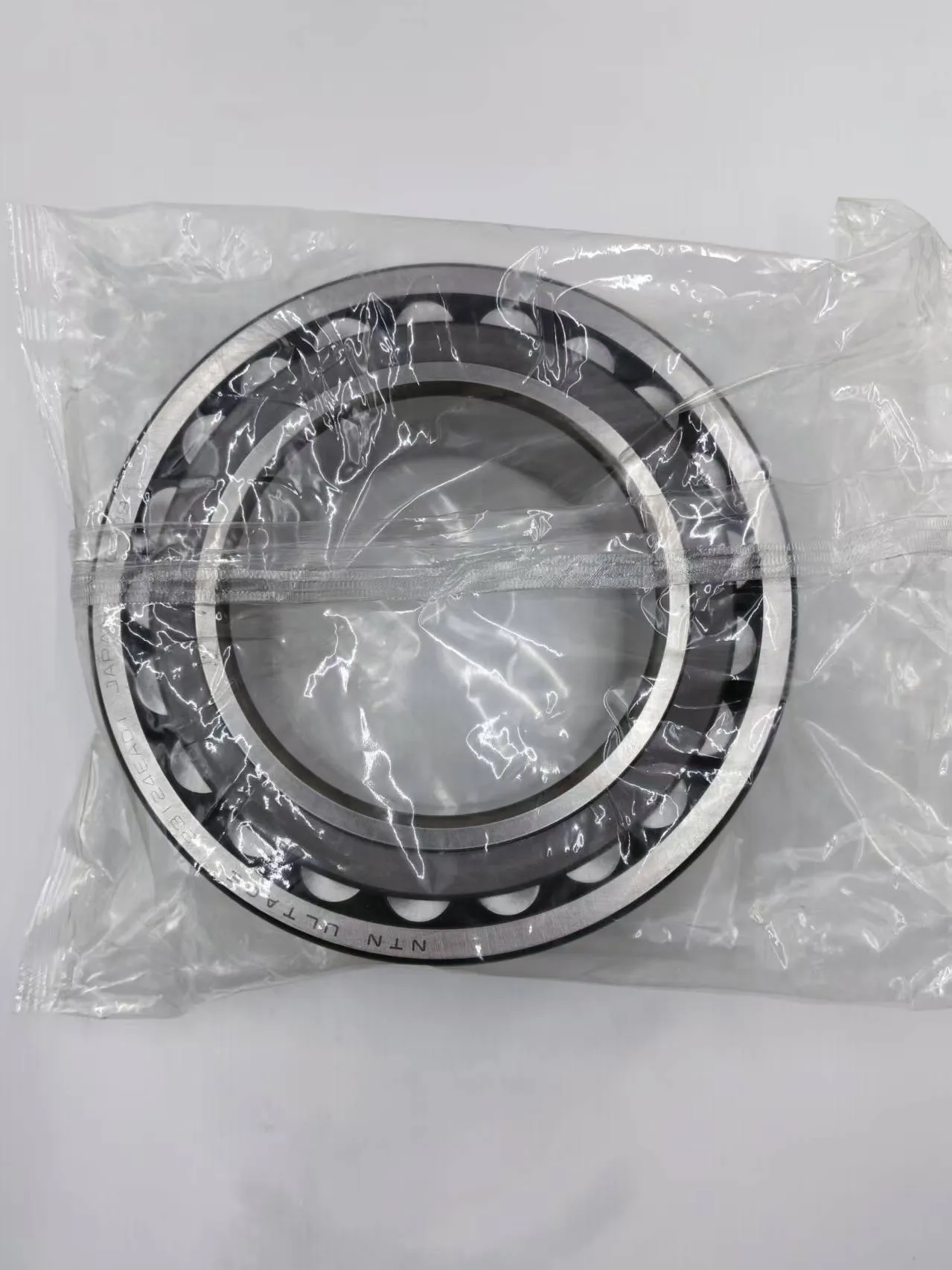 208-26-71530 Bearing for Komatsu PC450 PC460 PC500 Excavator Swing Drive Bearing Reducer Bearing
 -
 Komatsu 711-50-41520 Impeller for WA380-3 Wheel loader
 -
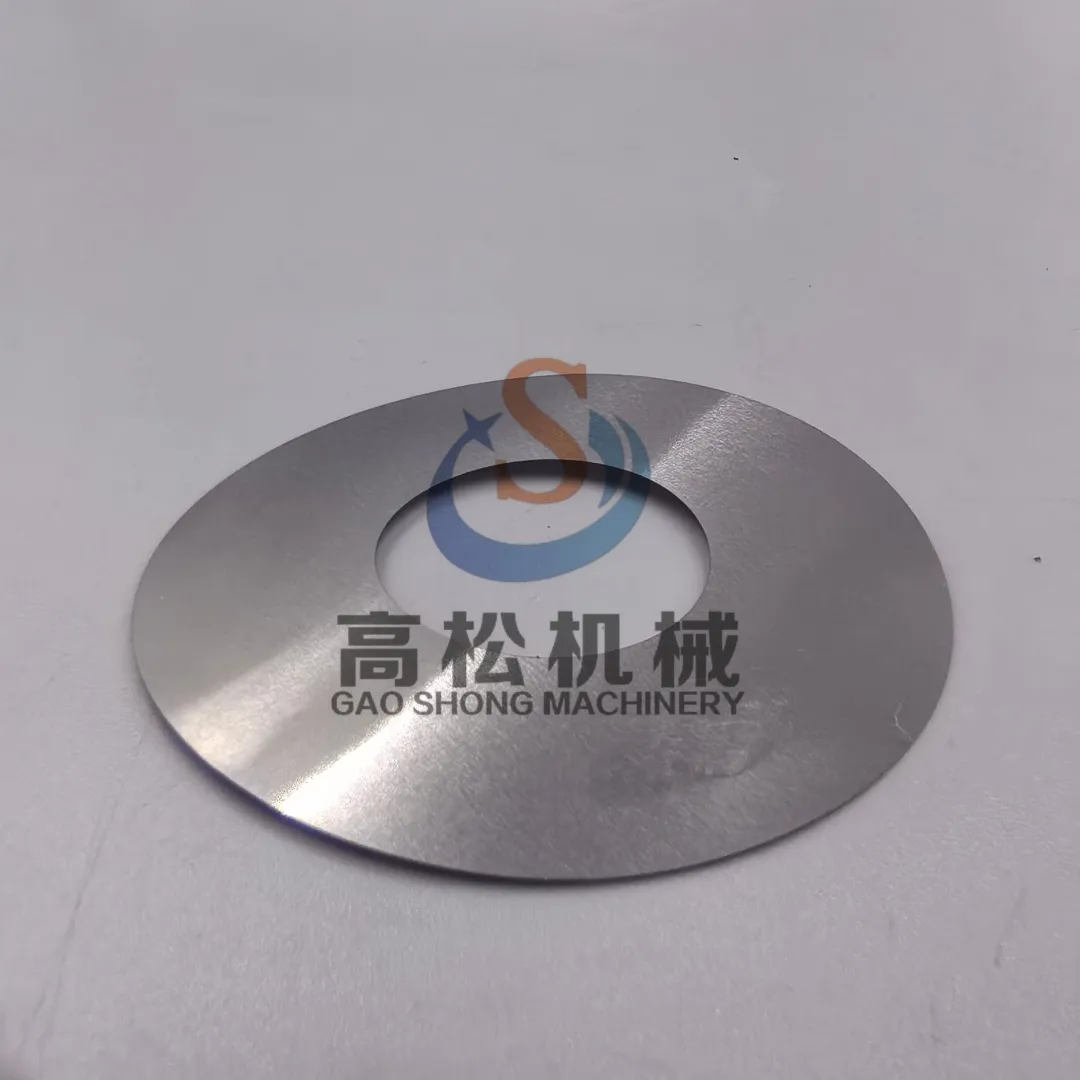 Spare part 23W-22-21560 SHIM 0.05MM Komatsu
 -
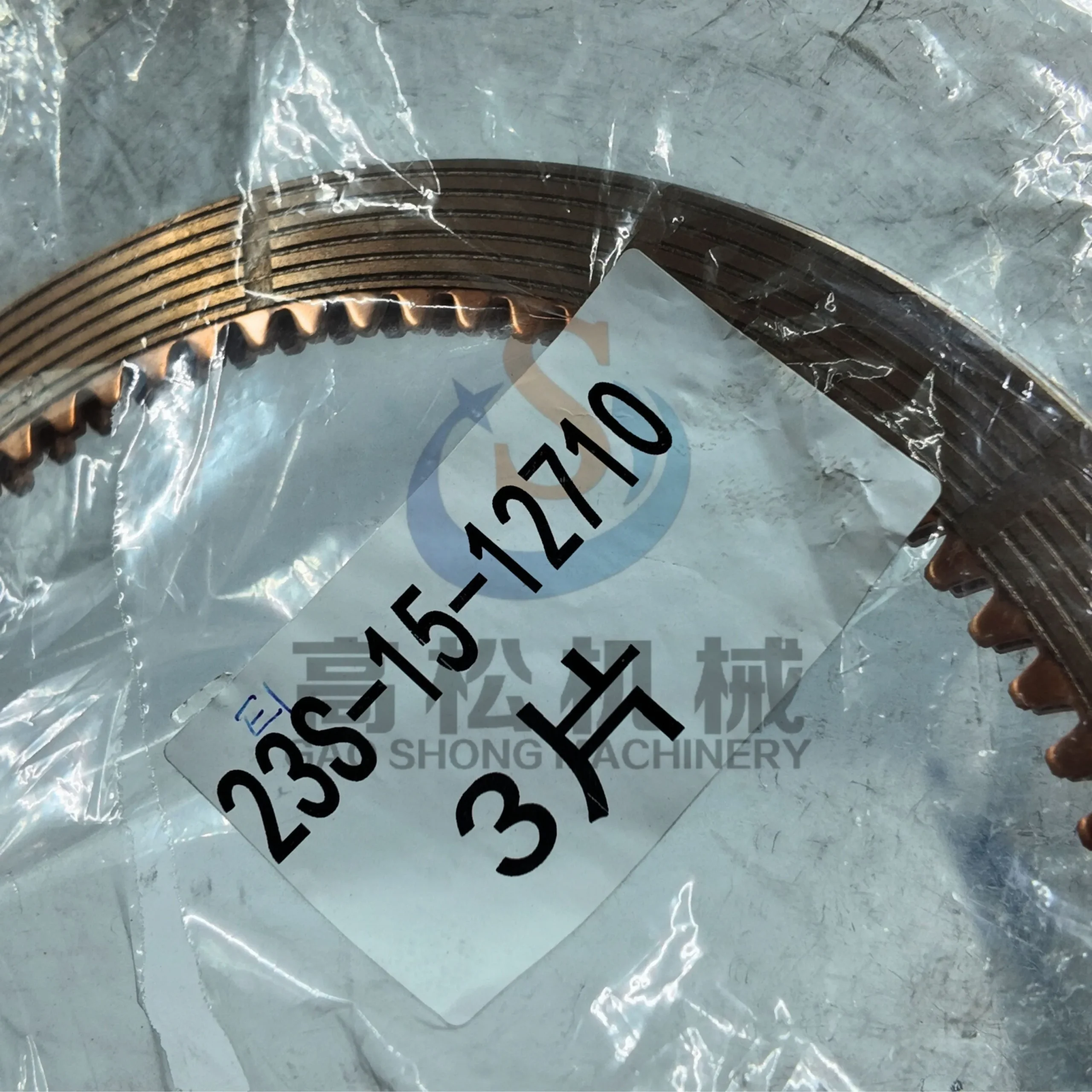 23S-15-12710 Komatsu Disc
 -
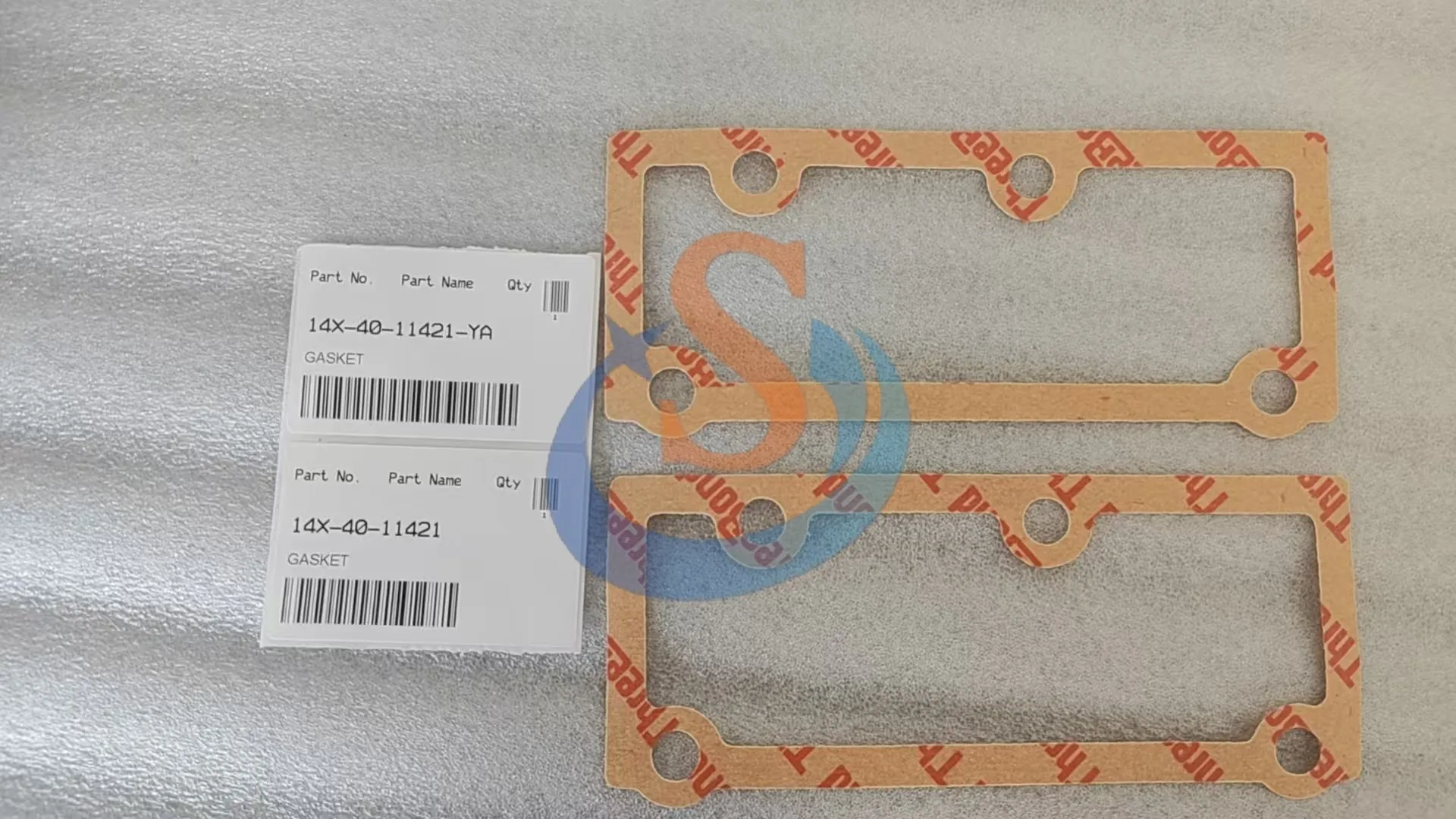 14X-40-11421,GASKET,D375A,D475A,D85ESS
 -
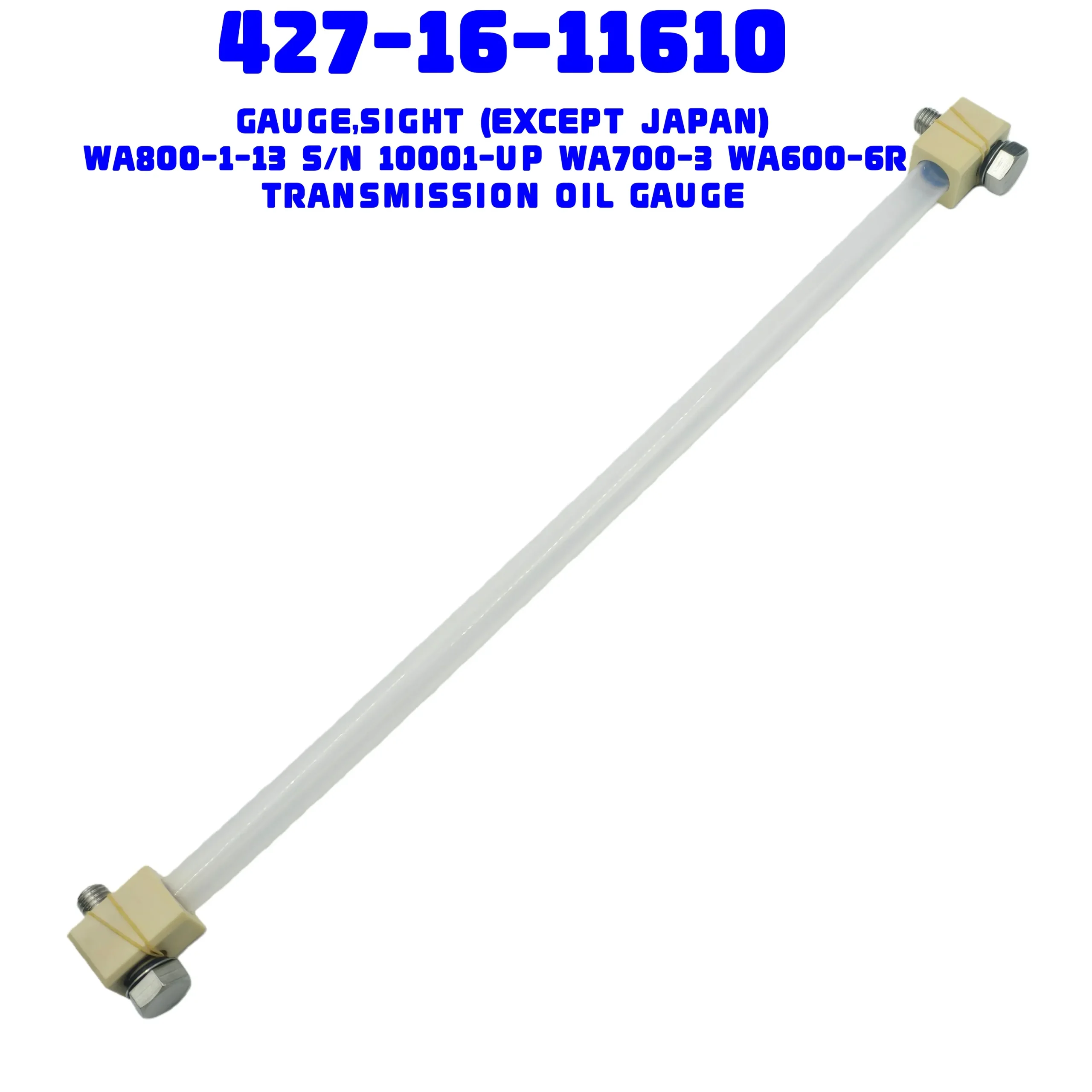 komatsu parts427-16-11610 GAUGE,SIGHT (EXCEPT JAPAN) WA800-1-13 S/N 10001-UP TRANSMISSION OIL GAUGE427-16-11610 GAUGE,SIGHT KOMATSU parts WA1200, WA600, WA700, WA800, WA800L, WA900, WA900L, WD600, WD900
 -
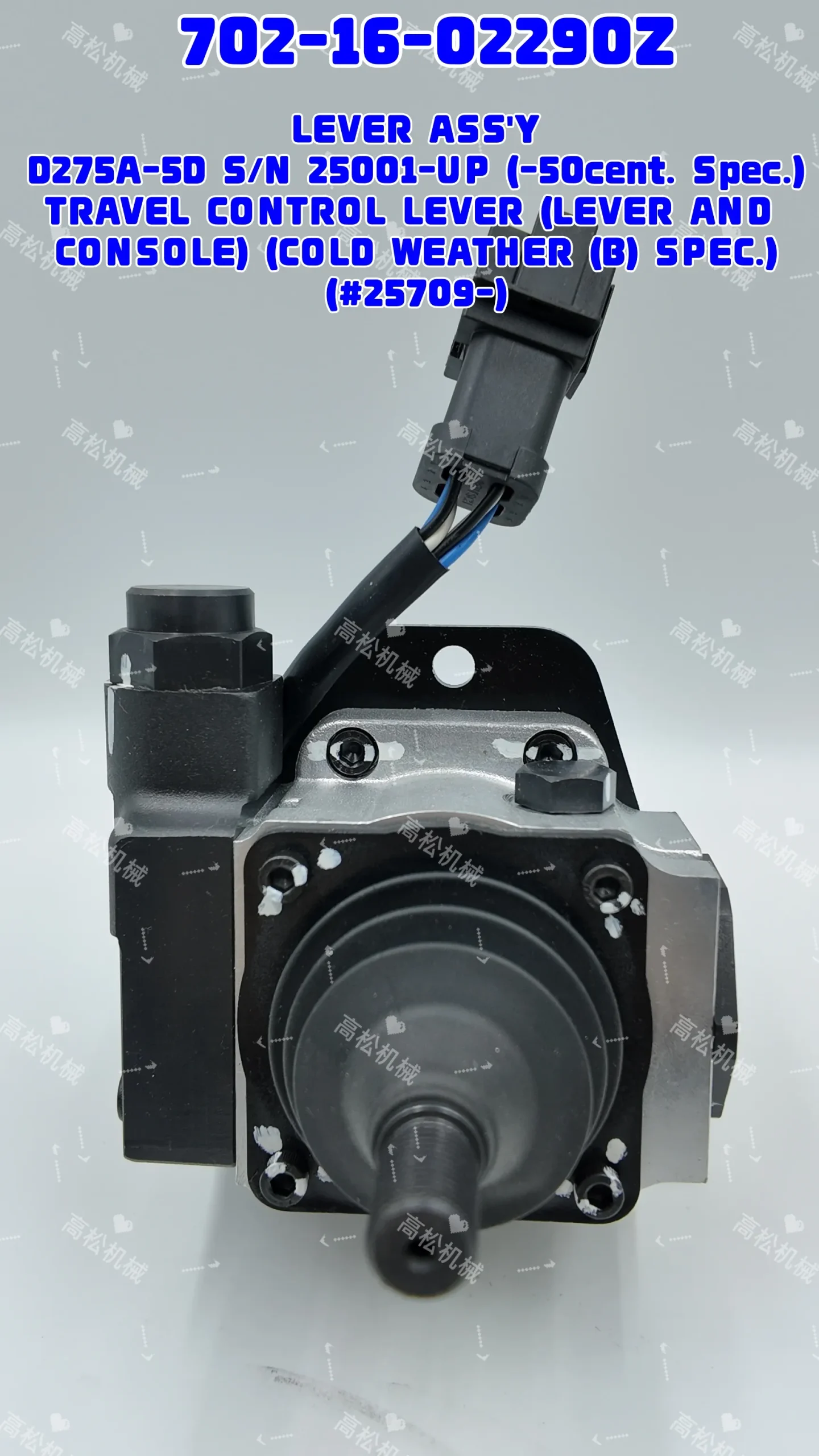 komatsu-part-702-16-02290 LEVER ASS’Y D65PX-15E0 D155AX-6 D155AX-8 D275A-5R D85EXI-18 FLOOR FRAME, TRAVEL CONTROL LEVER FLOOR FRAME, LEVER ROPS CAB, PCCS (PALM COMMAND CONTROL SYSTEM) LEVER
 -
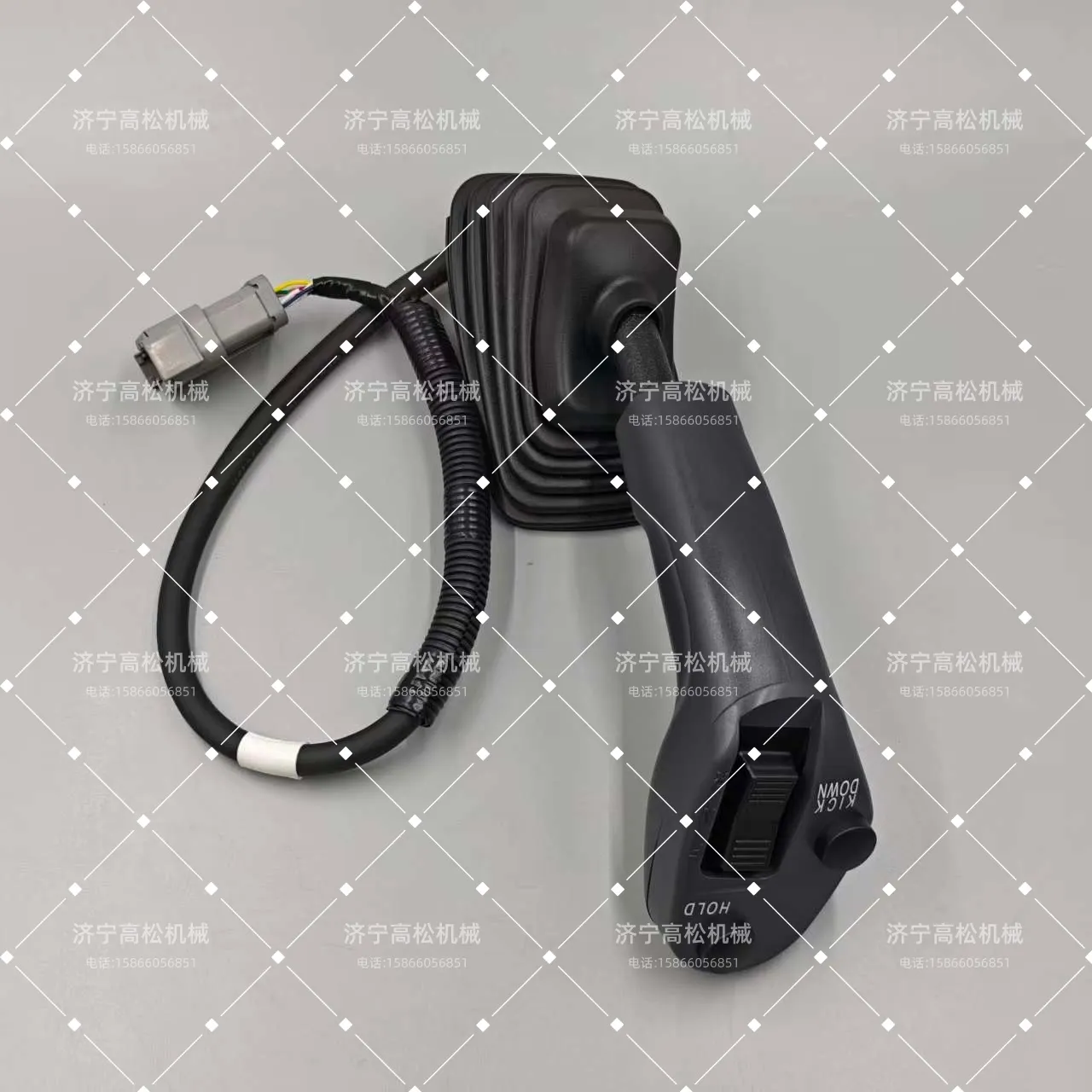 Original Brand New LEVER ASSEMBLY 423-V91-4144 for Komatsu…
 -
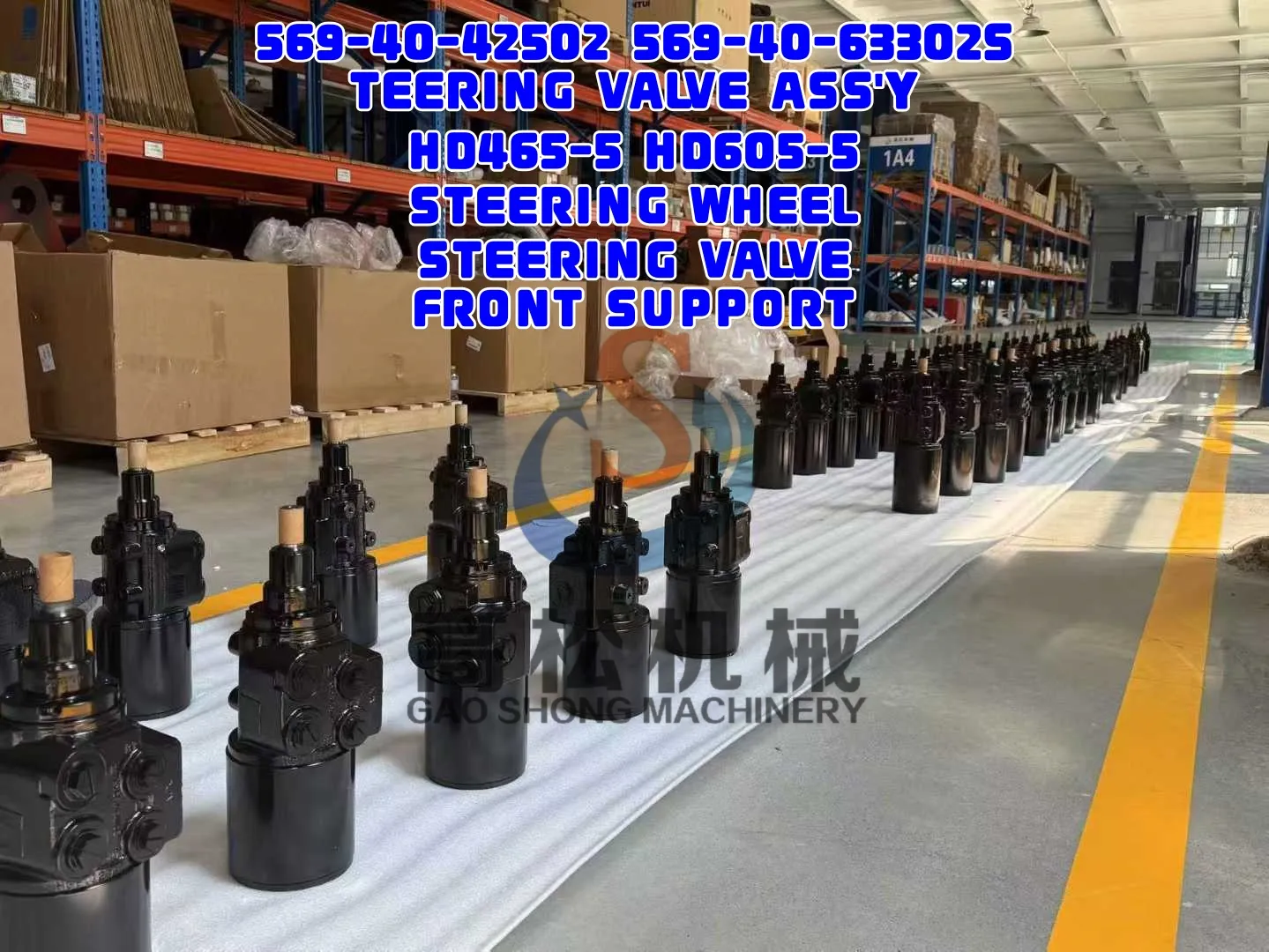 HD465-7-komatsu-part-569-40-42502 569-40-63302 STEERING VALVE ASS’Y HD465-5 HD465-7 HD605-7 HD605-5 FRONT SUPPORT (STEERING VALVE MOUNTING PARTS) STEERING WHEEL STEERING VALVE
 -
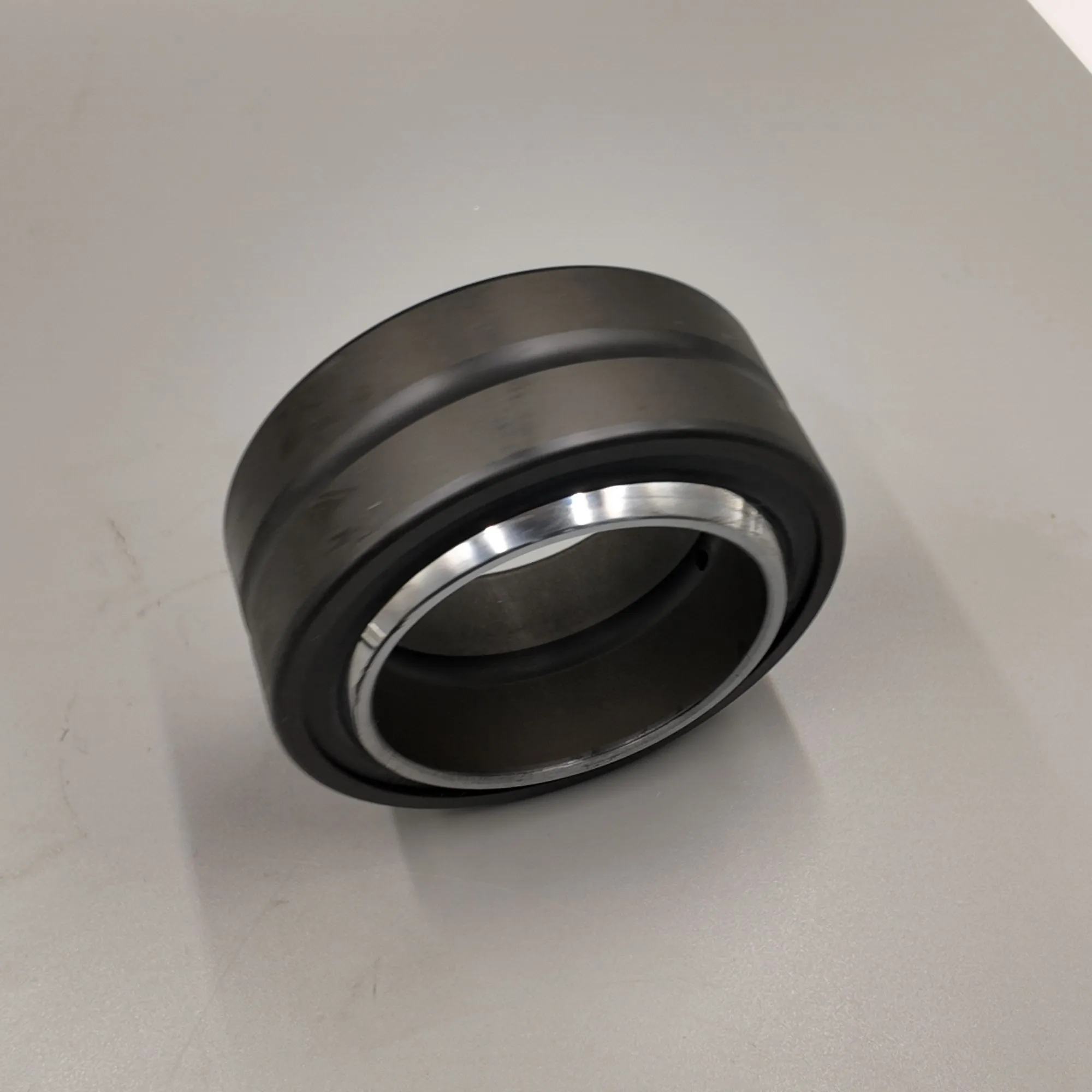 707-46-07040 • Bushing-Komatsu Original Factory
 -
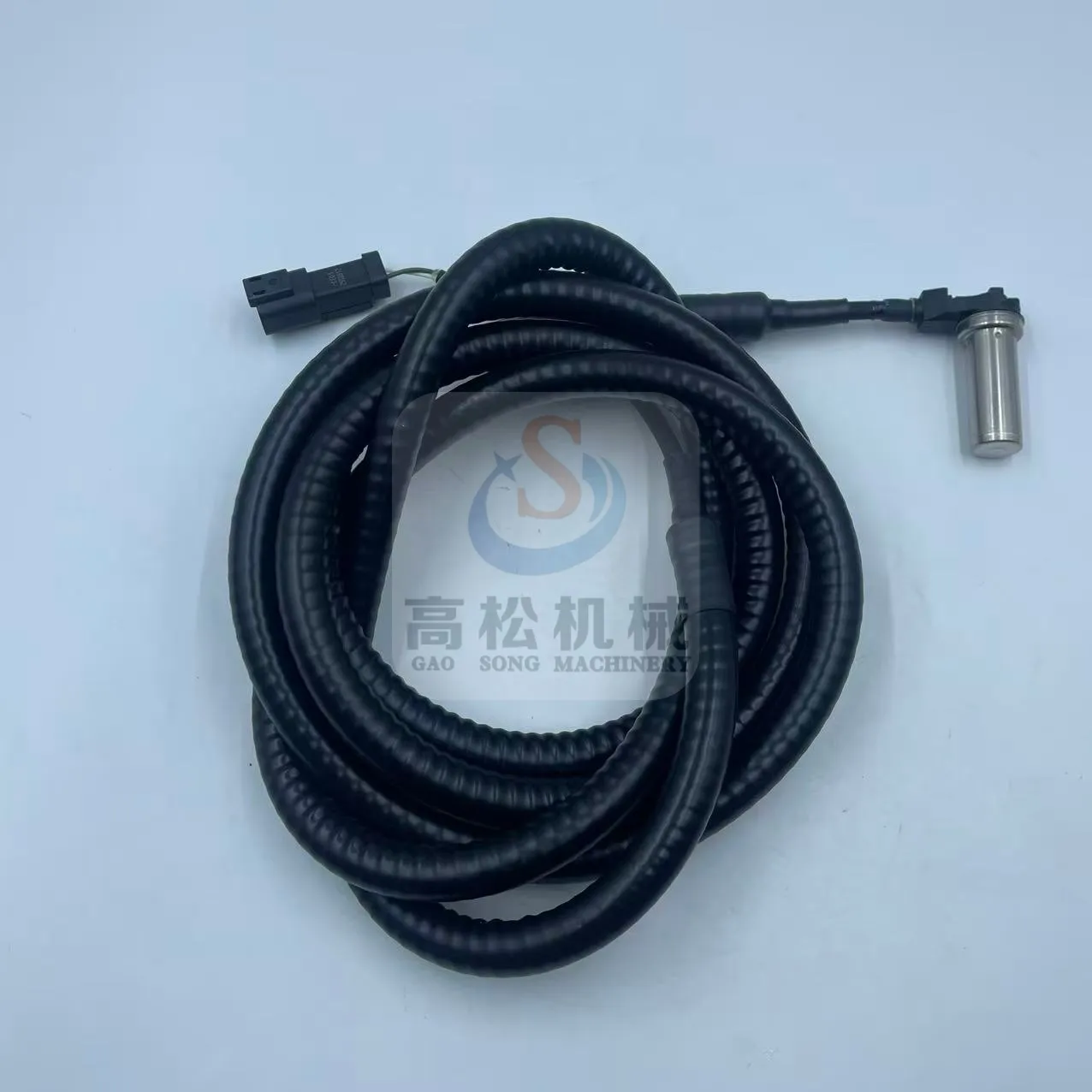 566-88-66143 sensor for Komatsu HD465-7