
- Chinese
- French
- German
- Portuguese
- Spanish
- Russian
- Japanese
- Korean
- Arabic
- Irish
- Greek
- Turkish
- Italian
- Danish
- Romanian
- Indonesian
- Czech
- Afrikaans
- Swedish
- Polish
- Basque
- Catalan
- Esperanto
- Hindi
- Lao
- Albanian
- Amharic
- Armenian
- Azerbaijani
- Belarusian
- Bengali
- Bosnian
- Bulgarian
- Cebuano
- Chichewa
- Corsican
- Croatian
- Dutch
- Estonian
- Filipino
- Finnish
- Frisian
- Galician
- Georgian
- Gujarati
- Haitian
- Hausa
- Hawaiian
- Hebrew
- Hmong
- Hungarian
- Icelandic
- Igbo
- Javanese
- Kannada
- Kazakh
- Khmer
- Kurdish
- Kyrgyz
- Latin
- Latvian
- Lithuanian
- Luxembou..
- Macedonian
- Malagasy
- Malay
- Malayalam
- Maltese
- Maori
- Marathi
- Mongolian
- Burmese
- Nepali
- Norwegian
- Pashto
- Persian
- Punjabi
- Serbian
- Sesotho
- Sinhala
- Slovak
- Slovenian
- Somali
- Samoan
- Scots Gaelic
- Shona
- Sindhi
- Sundanese
- Swahili
- Tajik
- Tamil
- Telugu
- Thai
- Ukrainian
- Urdu
- Uzbek
- Vietnamese
- Welsh
- Xhosa
- Yiddish
- Yoruba
- Zulu
- Kinyarwanda
- Tatar
- Oriya
- Turkmen
- Uyghur





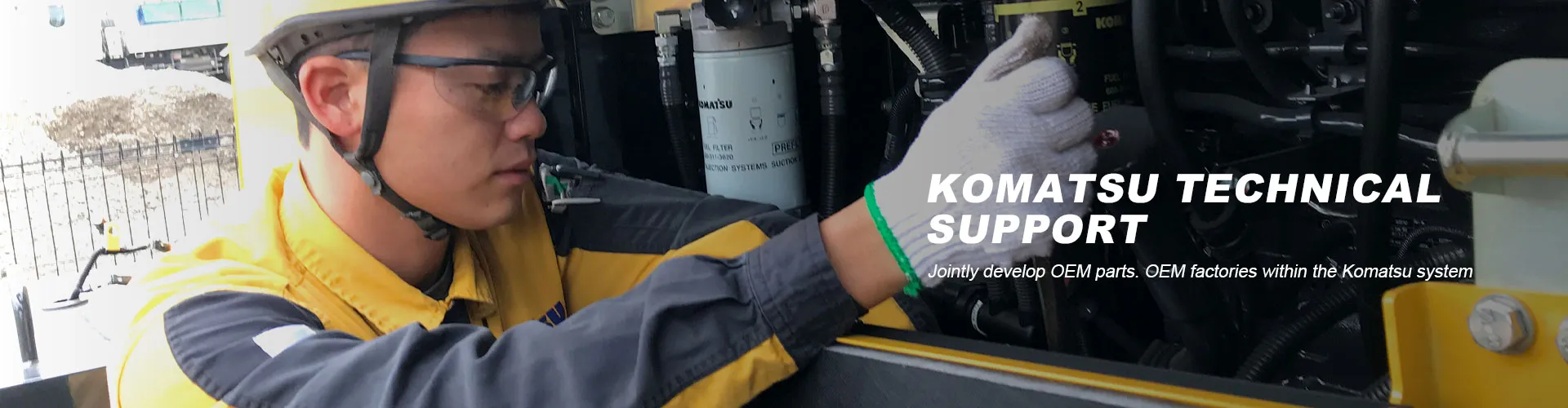
OEM AND ORIGINAL KOMATSU BRACKET 41E-70-15E20
Let's talk about that part number, 41E-70-15E20. If you're sourcing this bracket, you're likely deep in a Komatsu excavator repair, probably for a PC300 or a similar model. The immediate assumption is that OEM and Original are the same thing. In the day-to-day scramble to get a machine back up, that's the first and most costly misconception. I've seen shops wait weeks for a genuine part, paying a premium, when a properly manufactured OEM alternative was on a shelf at Jining Gaosong Construction Machinery Co., Ltd.. Their role as an OEM product supplier within the Komatsu system is precisely the grey area that causes confusion but also offers a solution.
The Nuance Between a Label and a Specification
Here's the core of it. Original typically means it came through Komatsu's official parts distribution network, with the Komatsu logo and packaging. The OEM AND ORIGINAL KOMATSU BRACKET debate hinges on manufacturing origin. Komatsu doesn't forge every bracket in-house. They contract specialized foundries and machining shops—OEM suppliers—to produce to their exact engineering specs (ES). The part number 41E-70-15E20 isn't just an ID; it's a full specification package: material grade (often a specific tensile strength steel), casting process, machining tolerances, and finish.
When a company like Gaosong states they are an OEM product supplier within the Komatsu system, it implies they have the technical data package for this bracket. They're producing the same physical component, likely on the same production line, but it may be sold outside the official channel. The original one gets the Komatsu label and a 40% markup for the logistics and brand assurance. The OEM one from a supplier like them gets you the same geometry and material, but you're trusting their quality assurance audit trail, not Komatsu's.
I learned this the hard way a few years back. A client insisted on original only for a critical linkage. Supply chain delays were 12 weeks out. We sourced an OEM bracket from a reputable system supplier. The fit was perfect, but we skipped a step: verifying the hardness rating. The bracket failed under cyclical loading in about 400 hours. It looked right, felt right, but the heat treat was off-spec. That's the real risk. It wasn't a counterfeit; it was a quality escape from a factory that probably also supplied Komatsu. This is where a supplier's reputation is everything.
Why Supply Channels Matter More Than Ever
The website https://www.takematsumachinery.com frames their mission well: helping to solve parts supply challenges in certain countries. This isn't marketing fluff. If you're operating in regions where Komatsu's official distribution is thin or embargoed, your machine is a paperweight without companies like this. They function as a critical third-party sales company for Komatsu parts, but the key is their OEM linkage. They aren't selling reverse-engineered copies; they're providing access to the systemic supply chain.
For the 41E-70-15E20 specifically, this bracket is a mounting point for something like a cylinder or a linkage. Stress concentration is high. A visual copy from a random workshop won't cut it. You need the certified material traceability. When I evaluate a supplier, I ask for the Material Test Certificate (MTC) for the steel lot. A genuine OEM-system supplier can provide that. A generic parts trader cannot. Gaosong's positioning suggests they operate at this level of documentation.
In practice, we've started auditing suppliers by ordering non-critical brackets first. We'll measure, test hardness, even do a dye penetrant check for casting flaws. For a bracket like the 41E-70-15E20, if it passes those checks and comes with paperwork, it's functionally identical to the original part. The cost savings can be 25-30%, which on a fleet repair bill is substantial. The risk is managed by the supplier's transparency.
On-the-Ground Verification and Fail Points
Let's get practical. When you receive an OEM AND ORIGINAL KOMATSU BRACKET claiming to be from the system, don't just bolt it on. First, check the casting marks. Genuine Komatsu parts have very specific foundry marks and alphanumeric casting numbers. An OEM supplier using the same tooling will have identical marks. If the marks are ground off or different, that's a red flag.
Second, the finish. Komatsu uses specific phosphate or paint coatings for corrosion resistance. A cheap copy might just be painted black. The 41E-70-15E20 often has a dull, grey phosphate finish. A supplier cutting corners might skip this, leading to premature rust in the pin bore, causing seizure.
The most common fail point I've seen on these mounting brackets isn't the bracket itself, but the mating fit. If the machining tolerance on the pin bore is even a few hundredths of a millimeter off, it creates a point load. We once had a bracket that looked perfect but wore out a new pin in 50 hours because the bore was slightly elliptical. The problem wasn't the steel; it was the final machining step. This is the detail an experienced supplier monitors.
The Role of a Specialized Third-Party
This is where a company like Jining Gaosong Construction Machinery Co., Ltd. adds value beyond just having stock. As a third-party sales company for Komatsu, they understand the application. A good sales engineer there should be able to tell you what machine models use the 41E-70-15E20, the common failure modes (e.g., cracking from the third weld bead up), and whether there's a superseded part number. This contextual knowledge separates a parts specialist from a warehouse clerk.
Their position in the ecosystem allows them to aggregate demand. Komatsu might not prioritize a run of a specific bracket for a regional market, but an OEM supplier serving multiple third-party channels can keep that part in production. This sustains the availability of parts for older models that are phased out of official support. For a PC300-6 still working hard in a quarry, this is a lifeline.
However, the relationship requires due diligence. I always ask for references or case studies. Can they show they've supplied this exact bracket to a large fleet operation? What's their returns process for a non-conforming part? The answers tell you if they're a partner or just a broker.
Wrapping It Up: A Matter of Trust and Specs
So, back to the original keyword: OEM AND ORIGINAL KOMATSU BRACKET 41E-70-15E20. The AND is misleading. It's usually an OR. You either get the original with the brand premium and full warranty, or you get the OEM-spec part with a different warranty, often at a better price and lead time. For most operational needs where downtime cost is king, the OEM-spec part from a vetted system supplier is the rational choice.
The goal is machine uptime. If a supplier like Gaosong, with their stated OEM role, can provide the 41E-70-15E20 with full traceability and it bolts up perfectly, then the debate is academic. You've solved the problem. The industry runs on these nuanced channels. Ignoring them means longer waits and higher costs; trusting them blindly without verification means risking a failure. The balance is in asking the right technical questions and demanding proof, not just a label.
In the end, the part number is the true spec. If the supplier's component meets every requirement of 41E-70-15E20, then for all functional purposes, it is that part. The rest is supply chain logistics and brand economics. Understanding that difference is what keeps machines moving when the official pipeline is dry.
Related Products
Related Products
Best Selling Products
Best Selling Products-
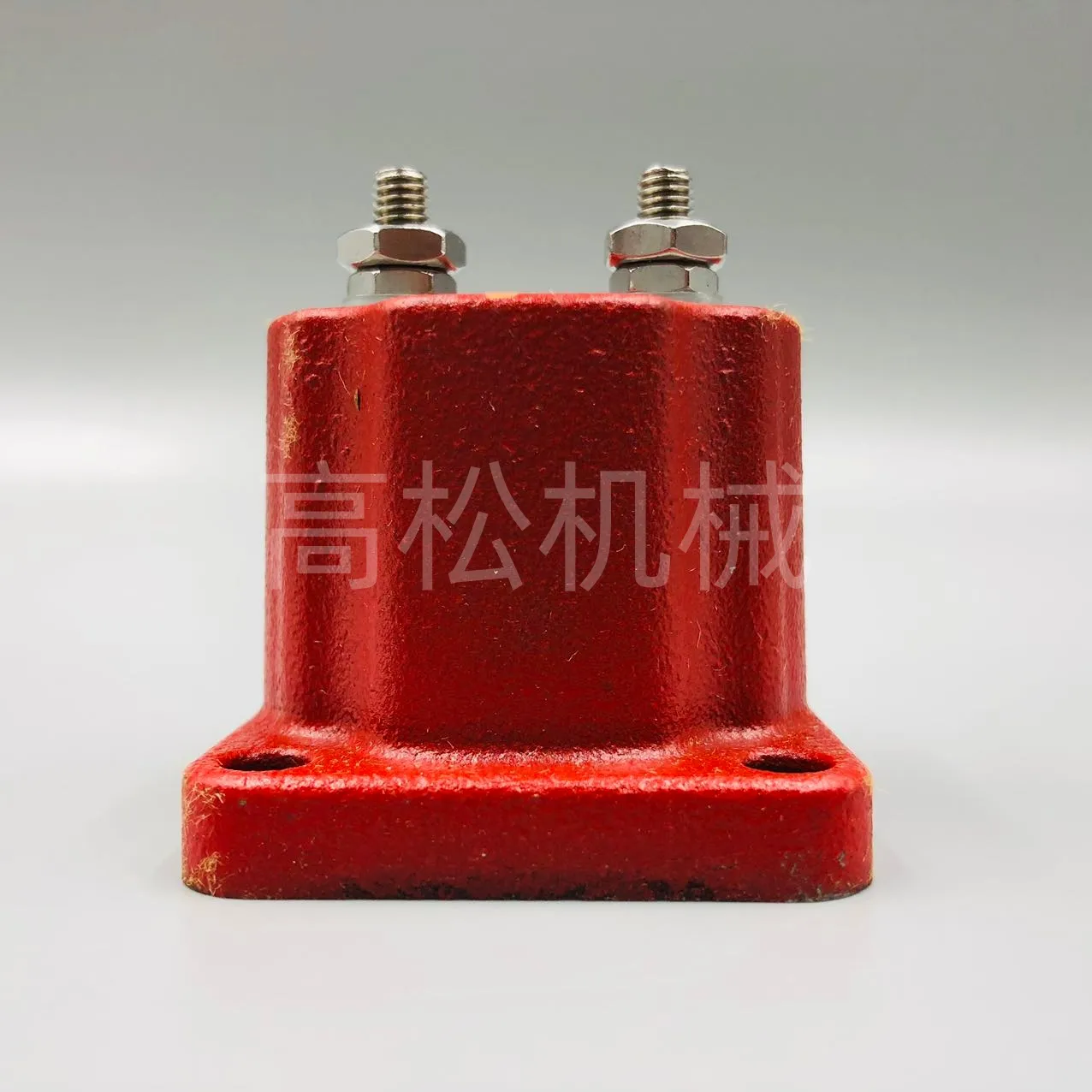 6560-51-1510 • SOLENOID-Komatsu Original Factory
 -
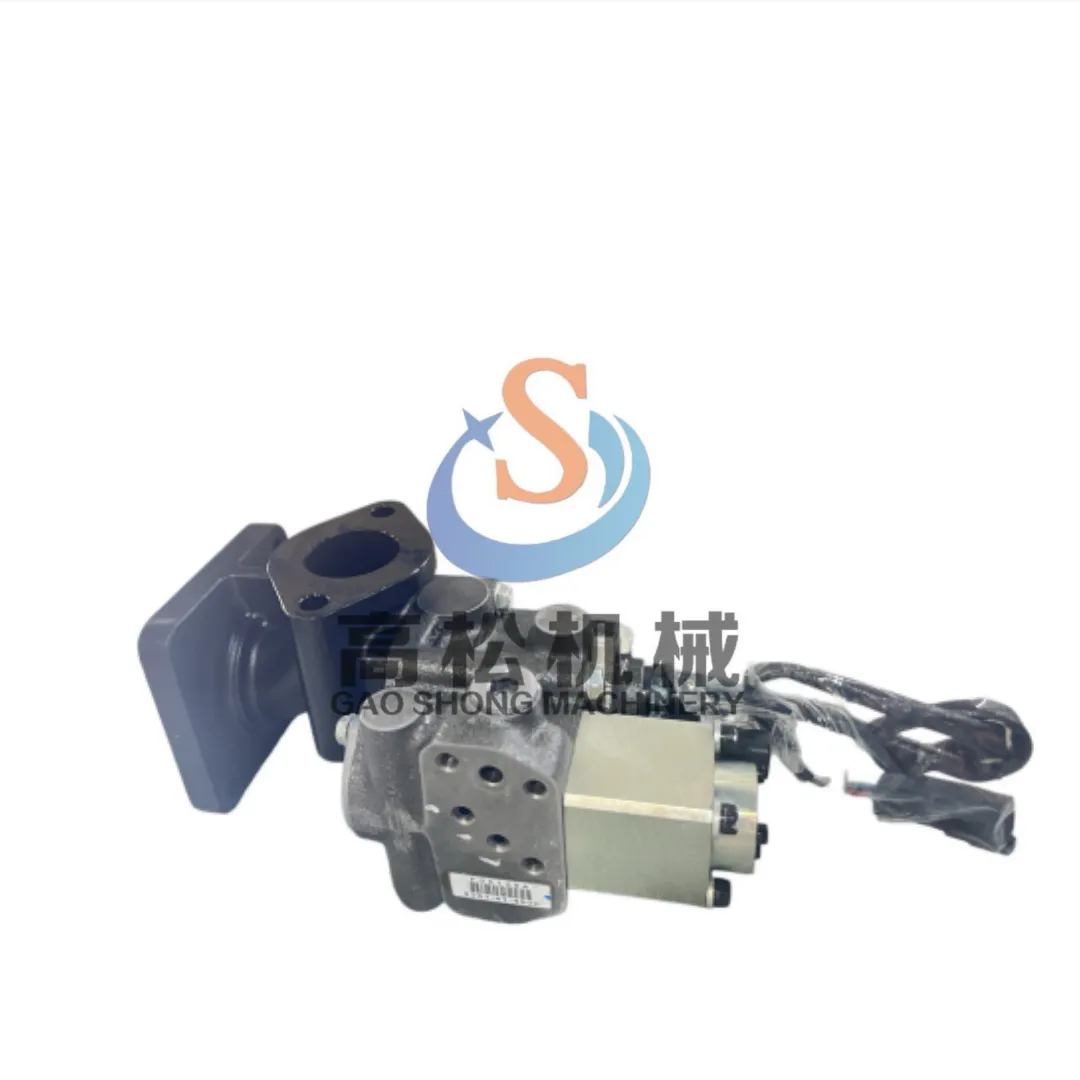 Excavator For Komatsu PC400-7 PC450-7 Control Solenoid Valve 6261-41-4900
 -
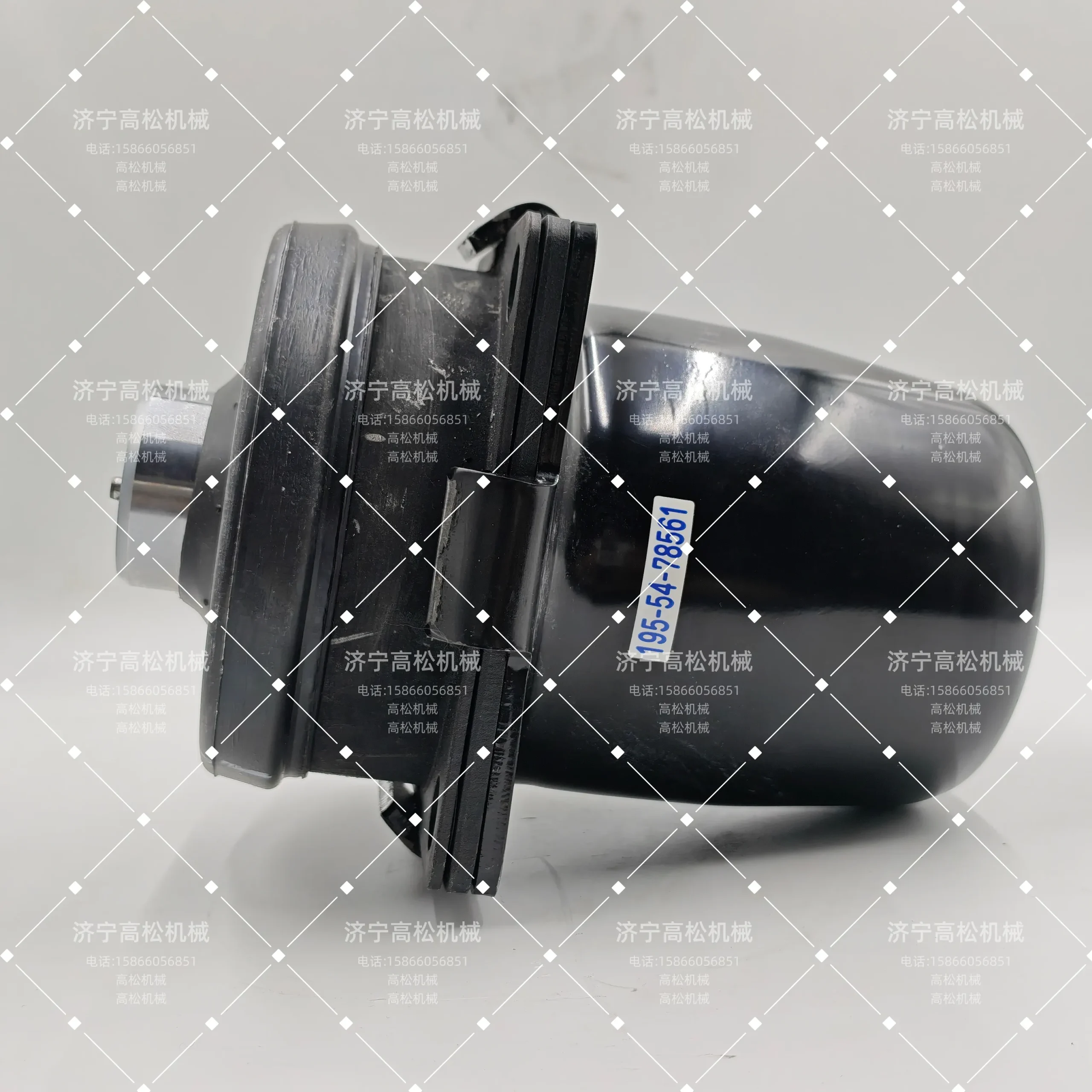 Komatsu Shock Absorbers 195-54-78412 195-54-78561 for D375A-6
 -
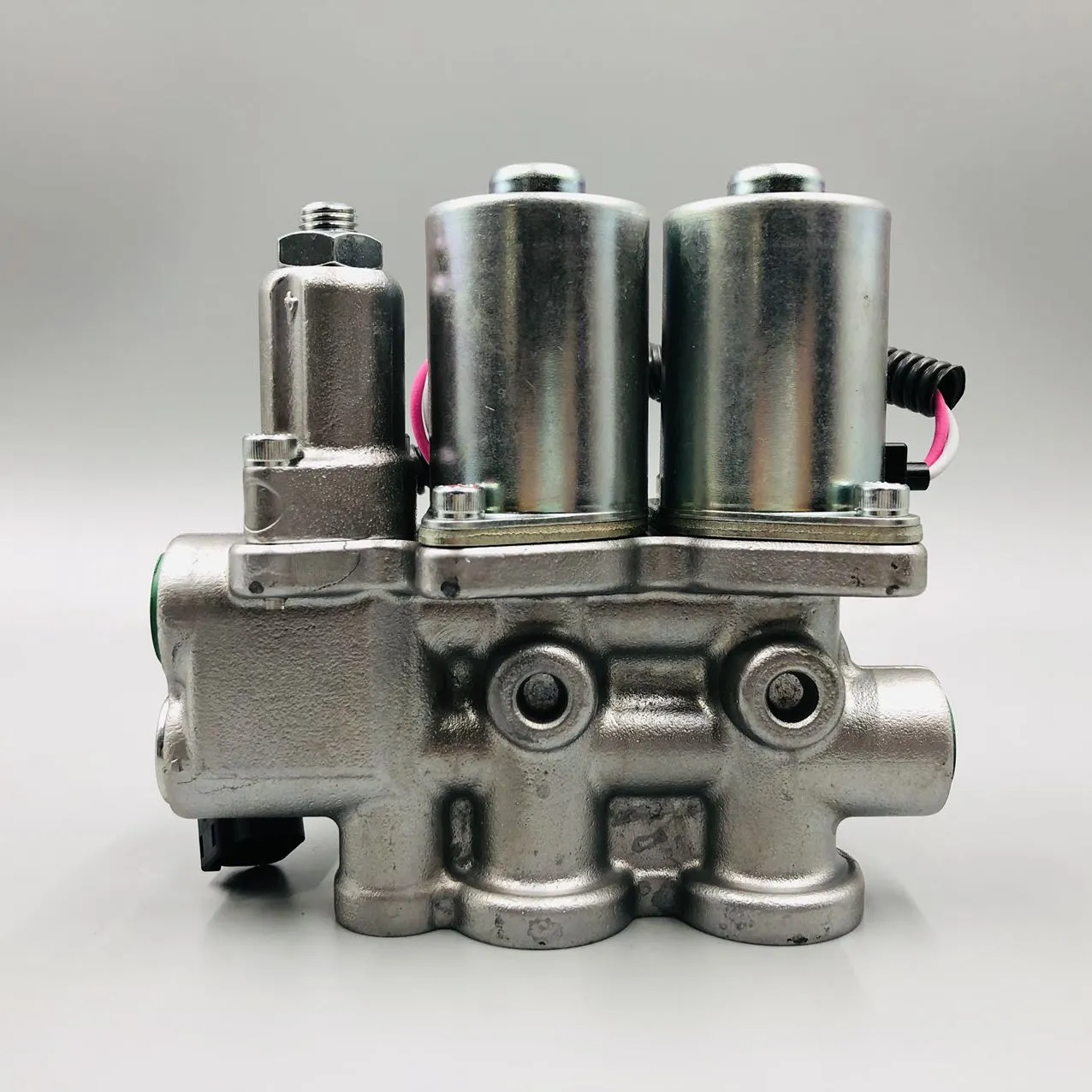 Valve Assembly22F-60-31600
 -
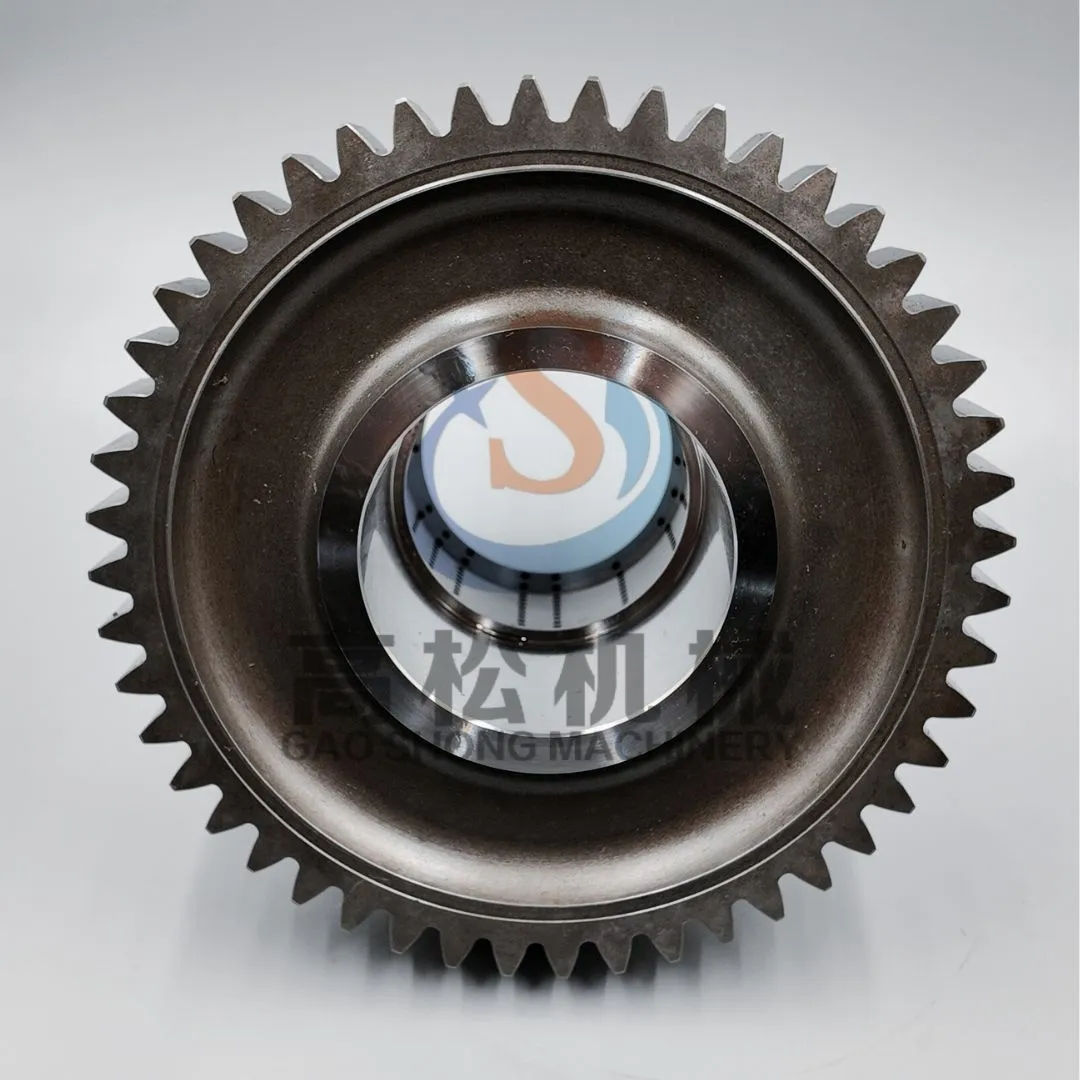 714-07-12420 Komatsu GEAR, 48 TEETH,FORWARD
 -
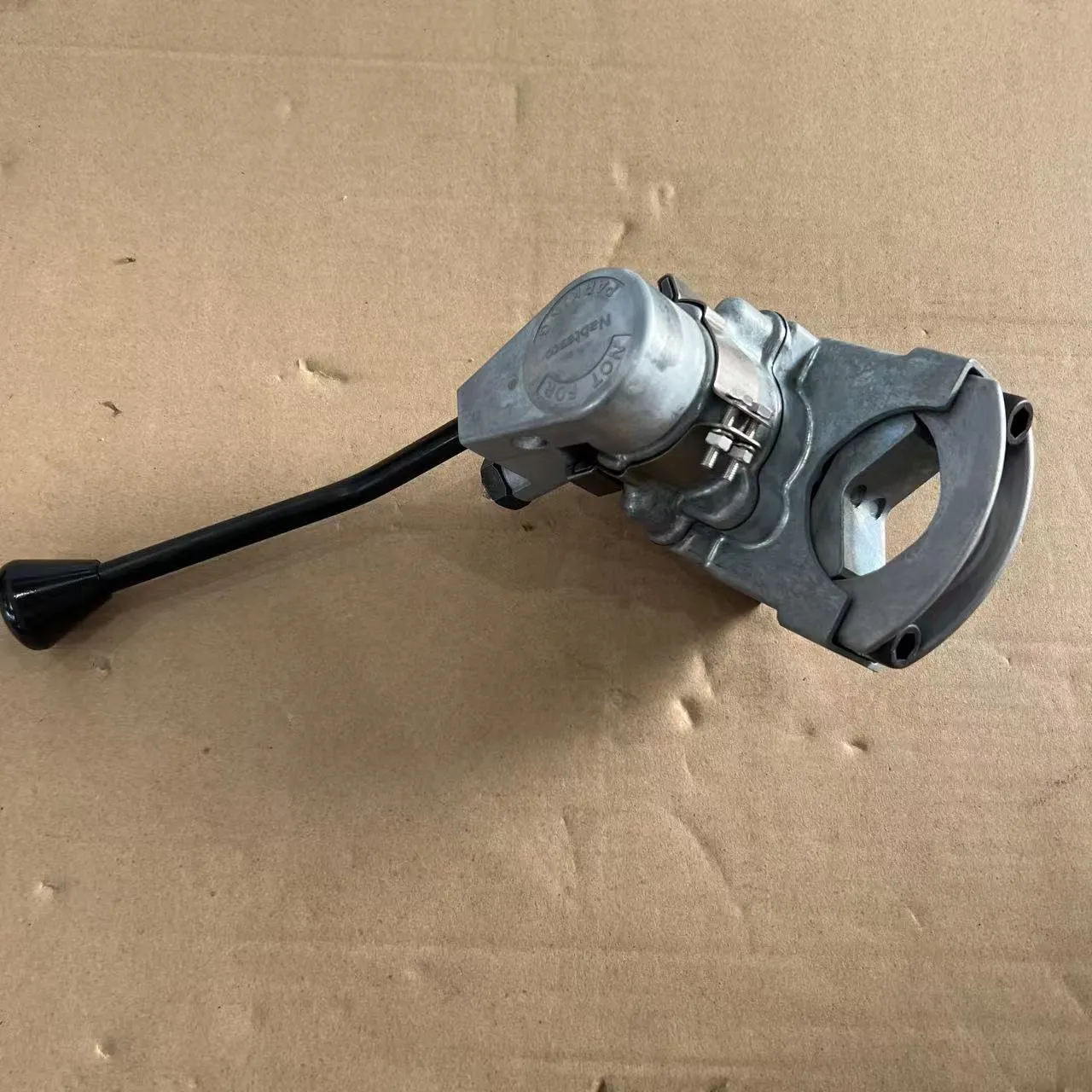 Hd785-5 Retarder 561-35-62203 For Dump Truck Original Parts, High…
 -
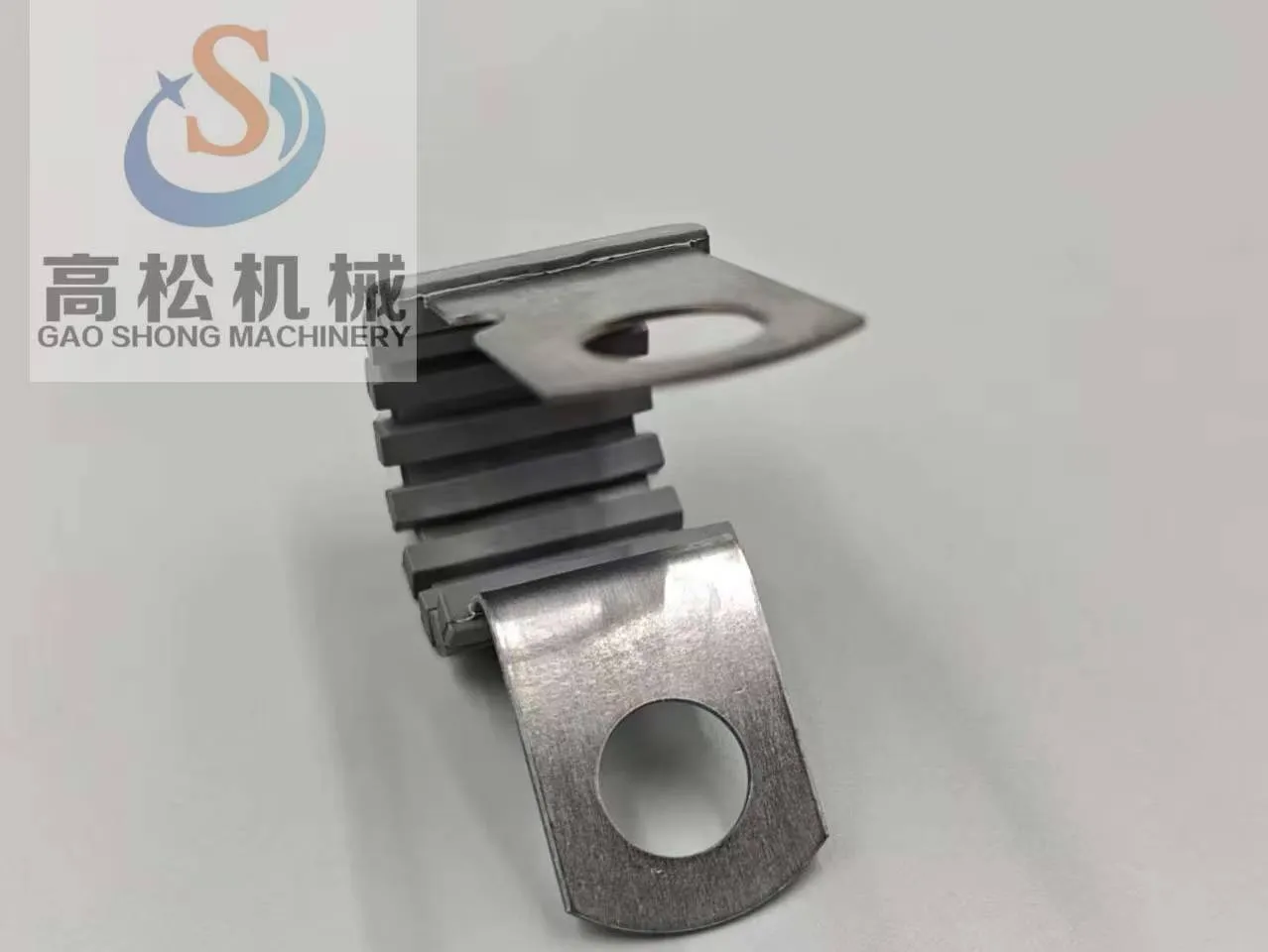 600-051-2180 Compatible models: D65 WA470-6 GD675 Komatsu original clip. Large inventory available.
 -
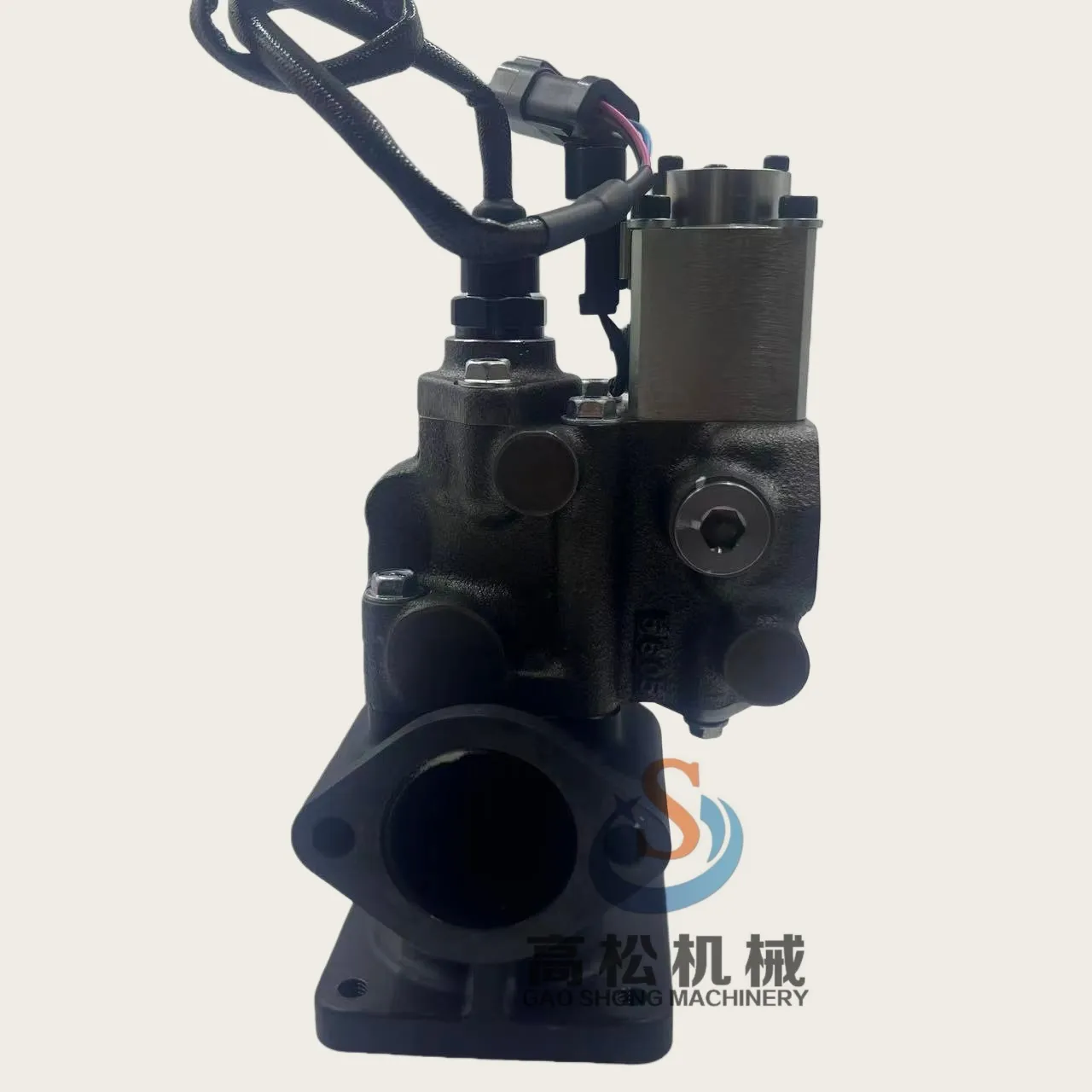 VALVE ASS’Y BYPASS 6261-41-9500 SAA6D140E-5C-01 SAA6D170E-5C EXHAUST GAS RECIRCULATION VALVE HM400-2 HM350-2 WA500-6
 -
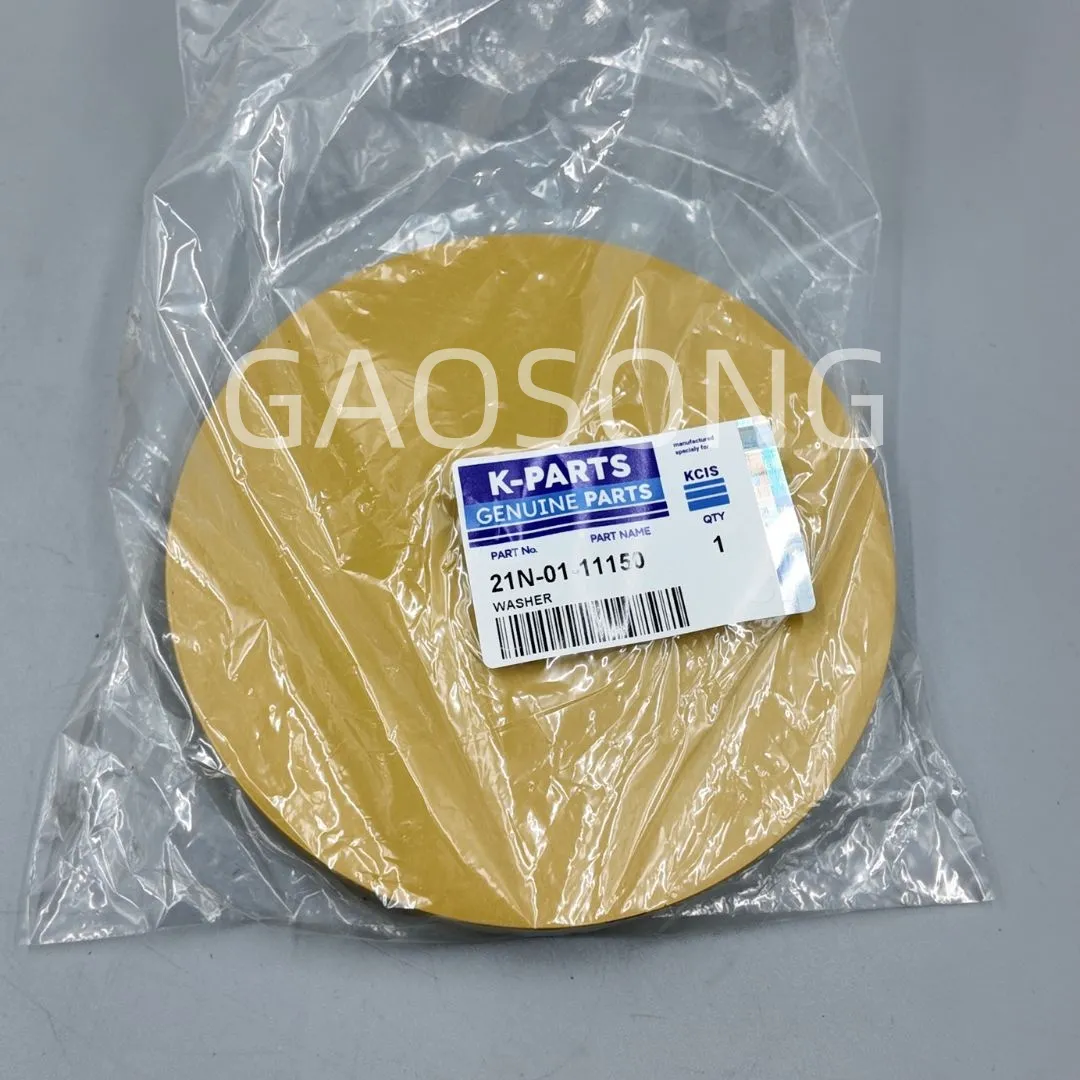 21N-01-11150 WASHER-Komatsu Original Factory
 -
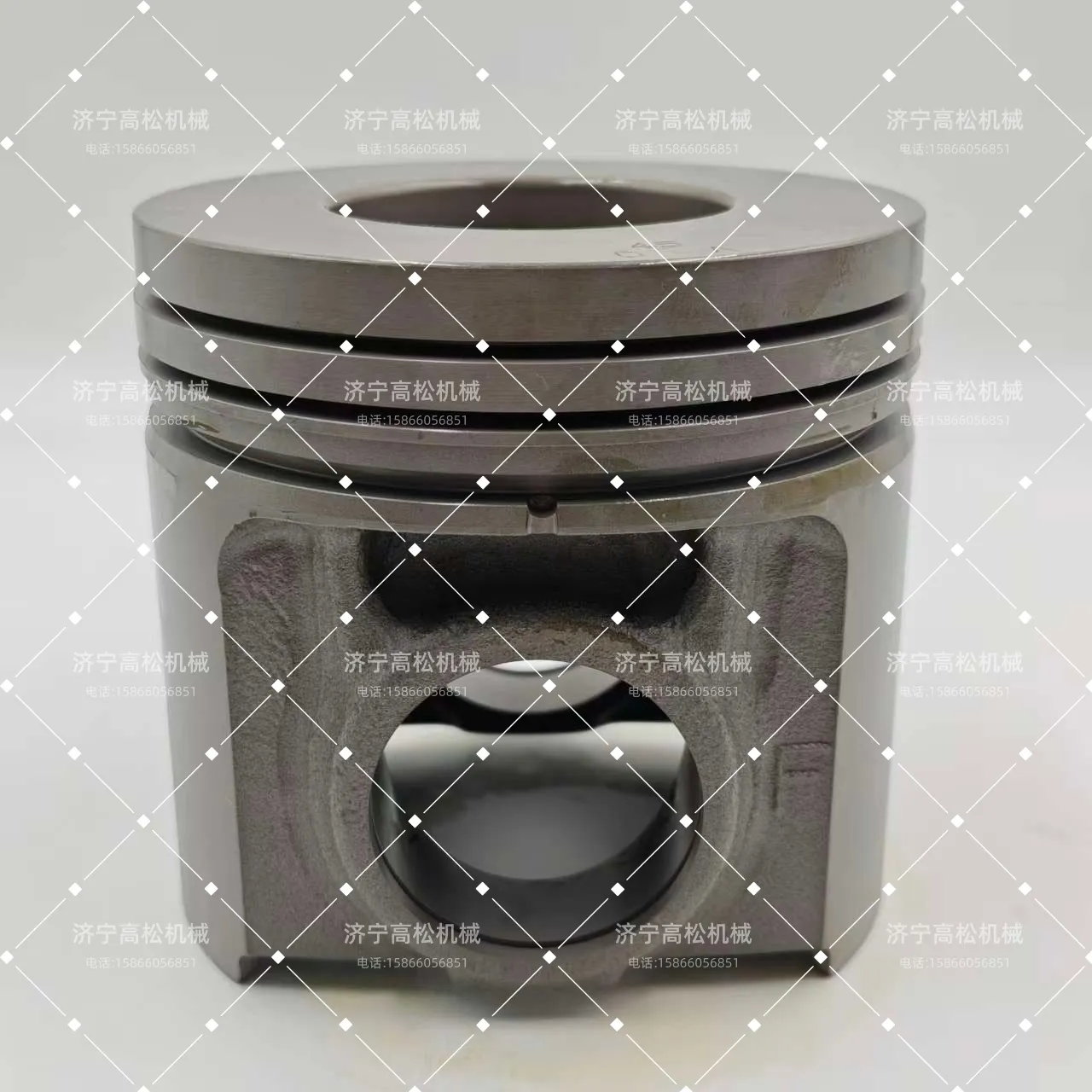 6152-32-2510 Piston for…
 -
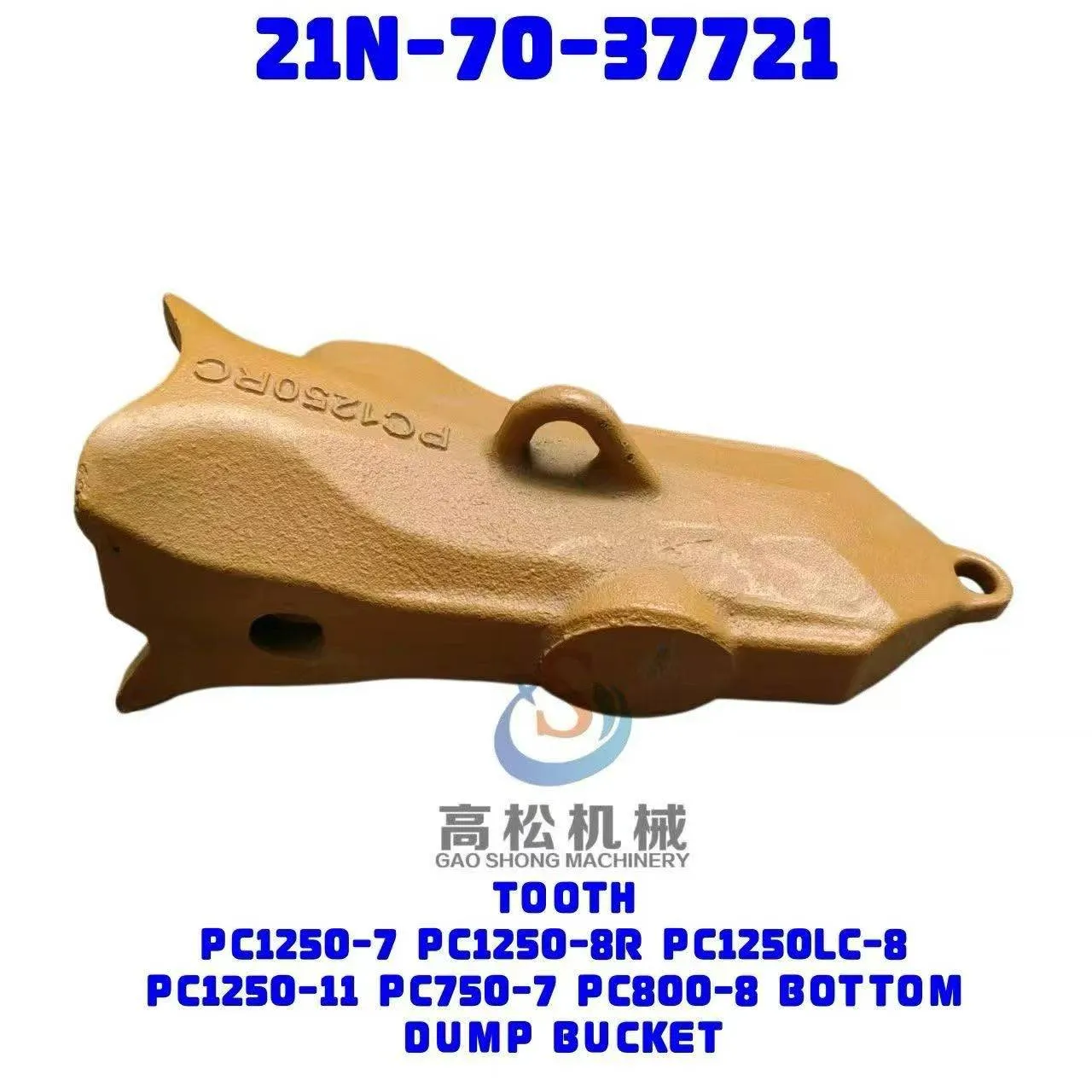 21n-70-37721 Bucket teeth, suitable for the following vehicle models. PC1250-7 PC1250-8R PC1250LC-8 PC1250-11 PC750-7 PC800-8 BOTTOM TOOTH PC1250-7 PC1250-8R PC1250LC-8 PC1250-11 PC750-7 PC800-8 BOTTOM DUMP BUCKET
 -
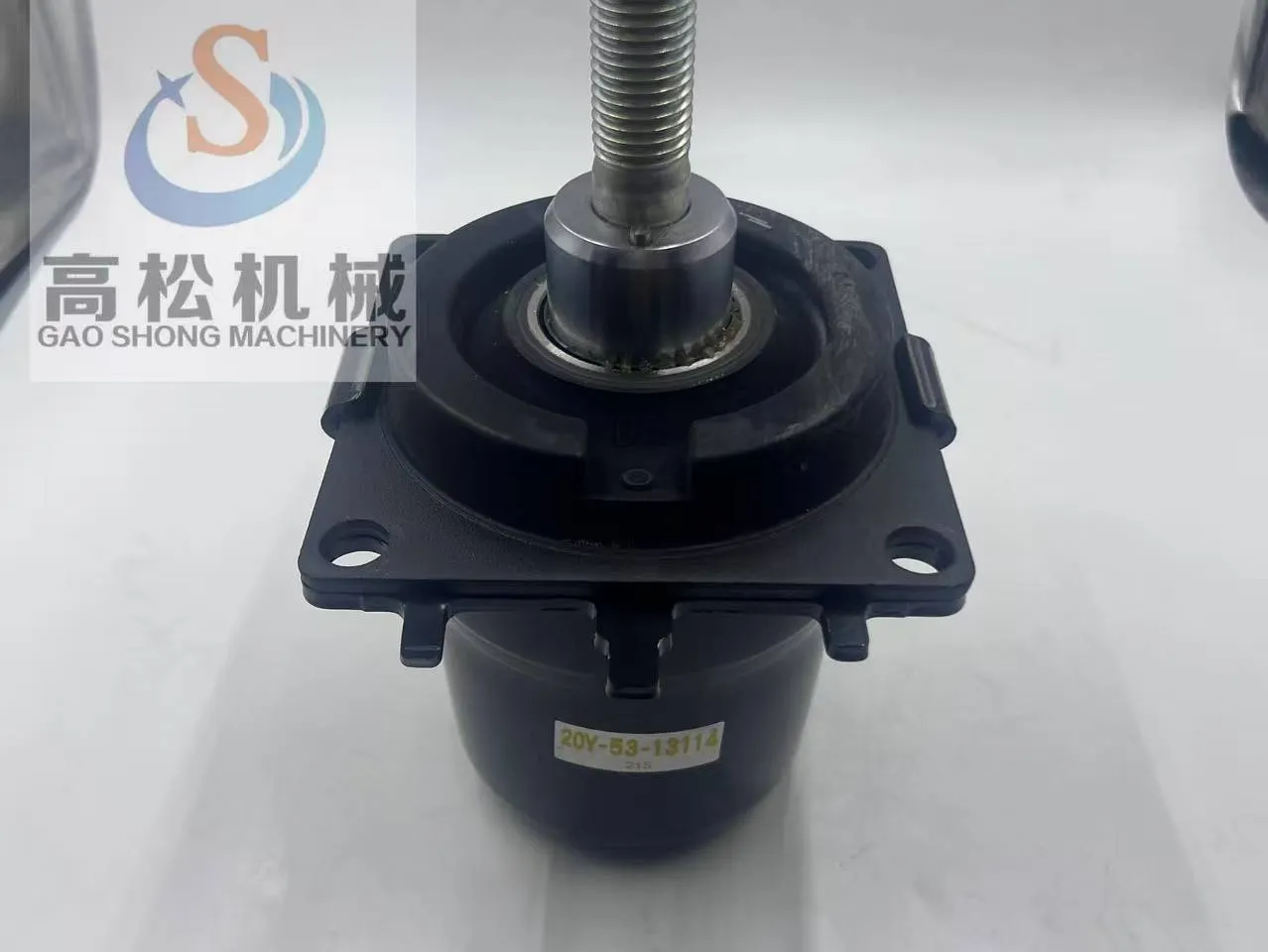 20Y-53-13114 Compatible with PC200-8, Komatsu original buffer.