
- Chinese
- French
- German
- Portuguese
- Spanish
- Russian
- Japanese
- Korean
- Arabic
- Irish
- Greek
- Turkish
- Italian
- Danish
- Romanian
- Indonesian
- Czech
- Afrikaans
- Swedish
- Polish
- Basque
- Catalan
- Esperanto
- Hindi
- Lao
- Albanian
- Amharic
- Armenian
- Azerbaijani
- Belarusian
- Bengali
- Bosnian
- Bulgarian
- Cebuano
- Chichewa
- Corsican
- Croatian
- Dutch
- Estonian
- Filipino
- Finnish
- Frisian
- Galician
- Georgian
- Gujarati
- Haitian
- Hausa
- Hawaiian
- Hebrew
- Hmong
- Hungarian
- Icelandic
- Igbo
- Javanese
- Kannada
- Kazakh
- Khmer
- Kurdish
- Kyrgyz
- Latin
- Latvian
- Lithuanian
- Luxembou..
- Macedonian
- Malagasy
- Malay
- Malayalam
- Maltese
- Maori
- Marathi
- Mongolian
- Burmese
- Nepali
- Norwegian
- Pashto
- Persian
- Punjabi
- Serbian
- Sesotho
- Sinhala
- Slovak
- Slovenian
- Somali
- Samoan
- Scots Gaelic
- Shona
- Sindhi
- Sundanese
- Swahili
- Tajik
- Tamil
- Telugu
- Thai
- Ukrainian
- Urdu
- Uzbek
- Vietnamese
- Welsh
- Xhosa
- Yiddish
- Yoruba
- Zulu
- Kinyarwanda
- Tatar
- Oriya
- Turkmen
- Uyghur






OEM AND ORIGINAL KOMATSU BRACKET 235-27-31410
When you see that part number, , for a Komatsu bracket, the immediate assumption is you're getting the genuine article. But here's the rub: the terms OEM AND ORIGINAL KOMATSU BRACKET get thrown around so loosely in the aftermarket that they've almost lost meaning. I've seen boxes stamped OEM that contained decent copies, and I've seen original parts that were just well-made compatibles. The real distinction isn't just in the stamping or the finish—though those are telltale signs—it's in the supply chain pedigree and the metallurgical paperwork that nobody asks for until a bracket fails under stress. Most buyers just want the machine running, but the difference shows up at the 5,000-hour mark.
The Original Illusion and the OEM Reality
Let's break this down. For a bracket like the , used on a number of mid-sized Komatsu excavators, original should mean it came off the same line that supplies Komatsu's own assembly plants. It has the Komatsu part number etched, not just a sticker, and the casting marks are crisp. An OEM product supplier within the Komatsu system, however, is a different tier. This is a company authorized to produce the part to the exact material and engineering specifications. They are the source. In practice, this is where companies like Jining Gaosong Construction Machinery Co., Ltd. operate. They are in the system, producing the bracket, which then might be sold as a Komatsu-branded part or through their own channels. Their website, https://www.takematsumachinery.com, frames it well: they are an OEM supplier and a third-party sales company, helping solve supply gaps. This isn't a back-alley operation; it's a formal part of the logistics chain that keeps machines running in markets where the official distribution is slow or non-existent.
The common mistake is equating OEM quality with OEM source. I've ordered parts billed as OEM quality that were functionally fine for a year. But when we had a fleet machine doing heavy, cyclical loading, the fatigue life was different. The failure wasn't catastrophic; it was a hairline crack at the weld point on a mounting ear. The original Komatsu bracket on a sister machine showed no such stress. The quality part used a similar grade steel, but the heat treatment or the purity of the casting was off. You don't get a spec sheet with aftermarket parts, but with a true OEM supplier part, you should be able to trace it back.
So, for the , the question becomes: are you buying from a seller who sources from the actual factory (like Gaosong, which is the factory), or from a reseller who might have inventory of mixed provenance? The price difference is often the clue. If it's 40% below Komatsu list price, it's likely a licensed OEM part from the supplier. If it's 70% below, it's almost certainly a copy. The OEM part from the system supplier is the sweet spot for cost-conscious but risk-averse operations.
Field Verification and the Gotcha Moments
You learn to verify in the yard, not from the invoice. The first thing I do with a bracket like this is check the weight. A genuine or proper OEM-sourced has a specific heft. Counterfeits are often lighter—less material, cheaper alloy. Then, look at the bolt holes. The threads on an original are clean, often with a slight oil coating for protection, and the holes are perfectly deburred. On a lower-tier copy, you'll feel a slight catch when threading a bolt, or see machining marks. This isn't just cosmetic; misaligned threads induce stress and can lead to bolt seizure or failure.
I recall a project in Southeast Asia where we sourced a batch of these brackets from a local vendor who swore they were original. They looked the part, packaging was decent. We installed them on three machines. Within eight months, all three showed excessive wear at the pivot pin bore. The problem? The surface hardness was insufficient. The original Komatsu bracket has a hardened inner surface on that bore. These were just plain, machined steel. The pins wore, then the bracket wore, leading to slop and eventual replacement of the entire assembly. A costly save that turned into a major downtime event. After that, we started dealing directly with identifiable OEM suppliers, even if it meant longer lead times. The website for Takematsu Machinery explicitly mentions solving parts supply challenges, which is exactly the niche they fill—providing the system-OEM part without the brand-name markup and distribution lag.
Another detail is the paint. A trivial thing, right? Not really. Original parts often have a specific, slightly textured paint that is corrosion-resistant. Many aftermarket parts use a cheaper, glossier paint that chips easily and rusts underneath. The is often in a high-splash, debris-ridden environment. Poor paint leads to rust, which leads to material pitting, which becomes a stress concentrator. It's a slow-motion failure. When you get a part from a known OEM supplier, the finish is usually correct because it's part of the same production batch that would go to Komatsu.
The Supplier's Role: More Than Just Manufacturing
This is where the model of a company like Jining Gaosong is interesting. They're not just a factory making a copy. As an OEM product supplier within the Komatsu system, they are likely bound by technical agreements. They get the blueprints, the material specs, the QC protocols. When they sell as a third-party, they are selling the same physical item, but the packaging and the path to market are different. This is crucial for operations in countries where the official Komatsu parts network is thin. You're not buying a will-fit; you're buying the is-it, just without the Komatsu logo on the box sometimes.
Their stated mission—helping to solve parts supply challenges in certain countries—rings true from experience. I've been in situations where the official dealer quoted a 90-day lead time for a simple bracket, halting a critical machine. Sourcing from the OEM supplier directly, often through channels like their online platform, cut that to three weeks. The part arrived, and upon inspection (weight, threads, casting marks, paint), it was identical to the one we took off the machine, which had a Komatsu sticker on it. The savings were substantial, but more importantly, the machine was back earning money.
The risk, of course, is in the distribution. How do you know you're really dealing with the supplier? That's where reputation and traceability matter. A proper supplier company will have a history, contactable engineers, and sometimes even provide material certificates upon request (though you usually have to ask and pay extra). The website is a starting point, but the real test is in the first order. Do they understand the application? Can they discuss the heat treatment of the ? Or do they just talk price and shipping?
Application Specifics: Why This Bracket Matters
The isn't a decorative cover. It's a structural bracket, typically for mounting linkages, cylinders, or counterweights. Its failure doesn't just stop a function; it can cause cascading damage. If a cylinder mounting bracket fails, the cylinder can swing loose. I've seen it shear hydraulic lines. Therefore, the integrity of this OEM AND ORIGINAL KOMATSU BRACKET is non-negotiable for safe operation.
In the shop, we always magnaflux or dye-penetrant test critical brackets from new, unknown sources, especially after that Southeast Asia lesson. For a trusted OEM supplier part, we might do a spot check. The process adds cost, but it's cheaper than a field failure. The point is, you develop a protocol based on the source. If I'm buying from a known entity within the Komatsu system, my inspection confidence is higher, and my testing protocol is lighter.
The takeaway is to build a vetted supplier list. For components like this bracket, having a direct line to an OEM producer who also sells third-party, like the model described by Jining Gaosong, is a strategic advantage. It turns a parts procurement problem into a reliability solution. You stop worrying about is this original? and start managing lead times and logistics instead.
Closing the Loop: Sourcing Strategy
So, what's the practical move for a fleet manager or a service shop? First, stop searching just for . Search for OEM supplier for Komatsu bracket . You'll filter out the pure resellers. Look for companies that state their manufacturing role. Evaluate their online presence—a site like https://www.takematsumachinery.com that clearly explains their position in the ecosystem is a good sign. It shows they're not hiding their role as a system supplier and third-party seller.
Second, order a sample. Test it. Compare it to a known-original part you've removed. Measure, weigh, install. If it passes, you've found a viable source for the long term. The goal is to establish a pipeline for OEM AND ORIGINAL KOMATSU BRACKET parts that balances cost, availability, and guaranteed integrity. In many cases, that pipeline leads back to the OEM supplier factories themselves, who have the capacity and the authorization to produce the real thing and sell it through parallel channels.
Ultimately, the part number is just a code. The value is in the provenance. For a workhorse component like the bracket, knowing that your supplier is the same one that feeds Komatsu's production line is the only assurance that matters. It turns a commodity purchase into a technical procurement decision, which is how it should be.
Related Products
Related Products

Best Selling Products
Best Selling Products-
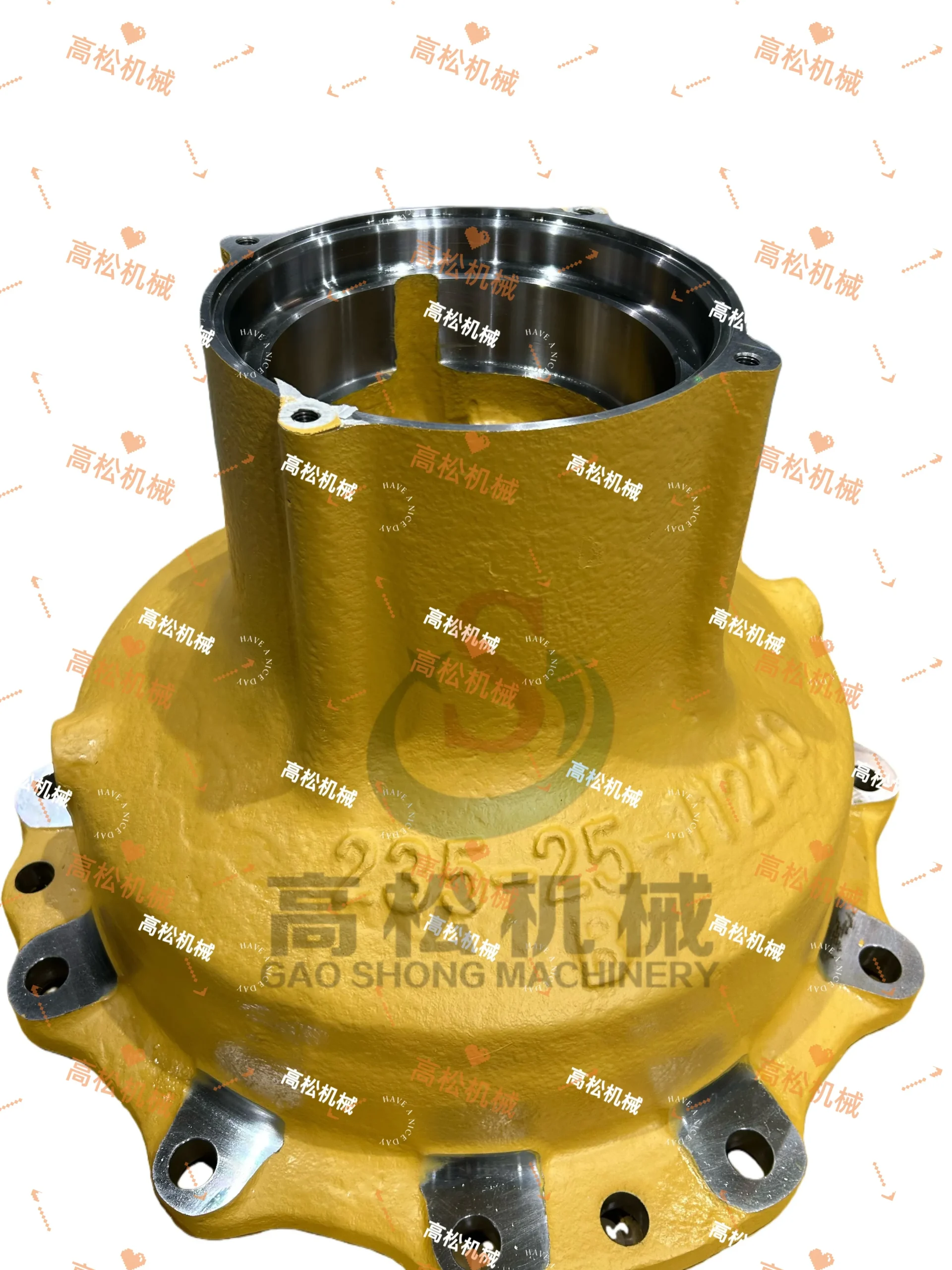 CAGE 235-25-11220 CAGE GD825A-2 S/N 11001-UP TANDEM DRIVE GEAR AND CHAIN
 -
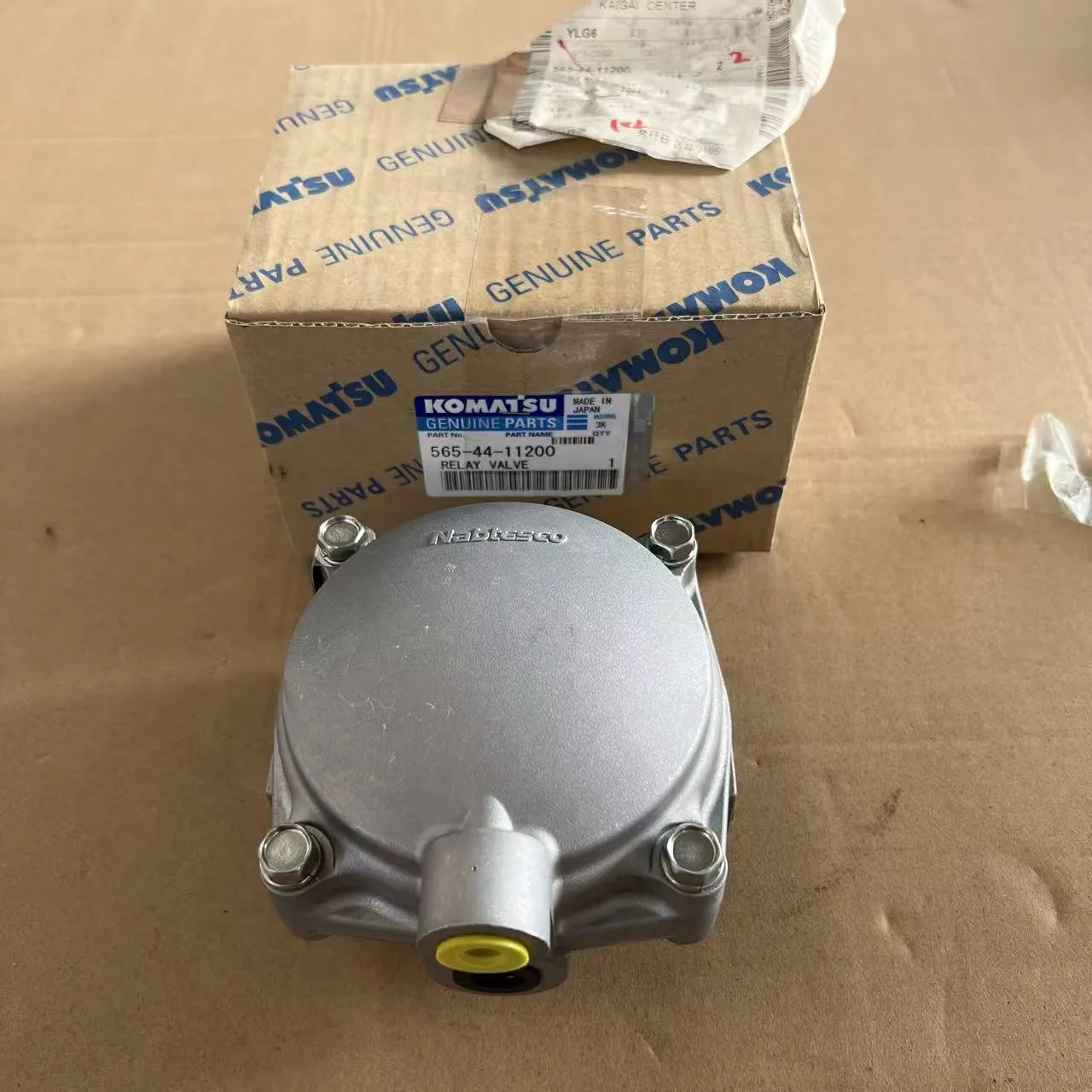 Komatsu (565-44-11200) VALVE ASS’Y, PARKING… — Pricing.Parts
 -
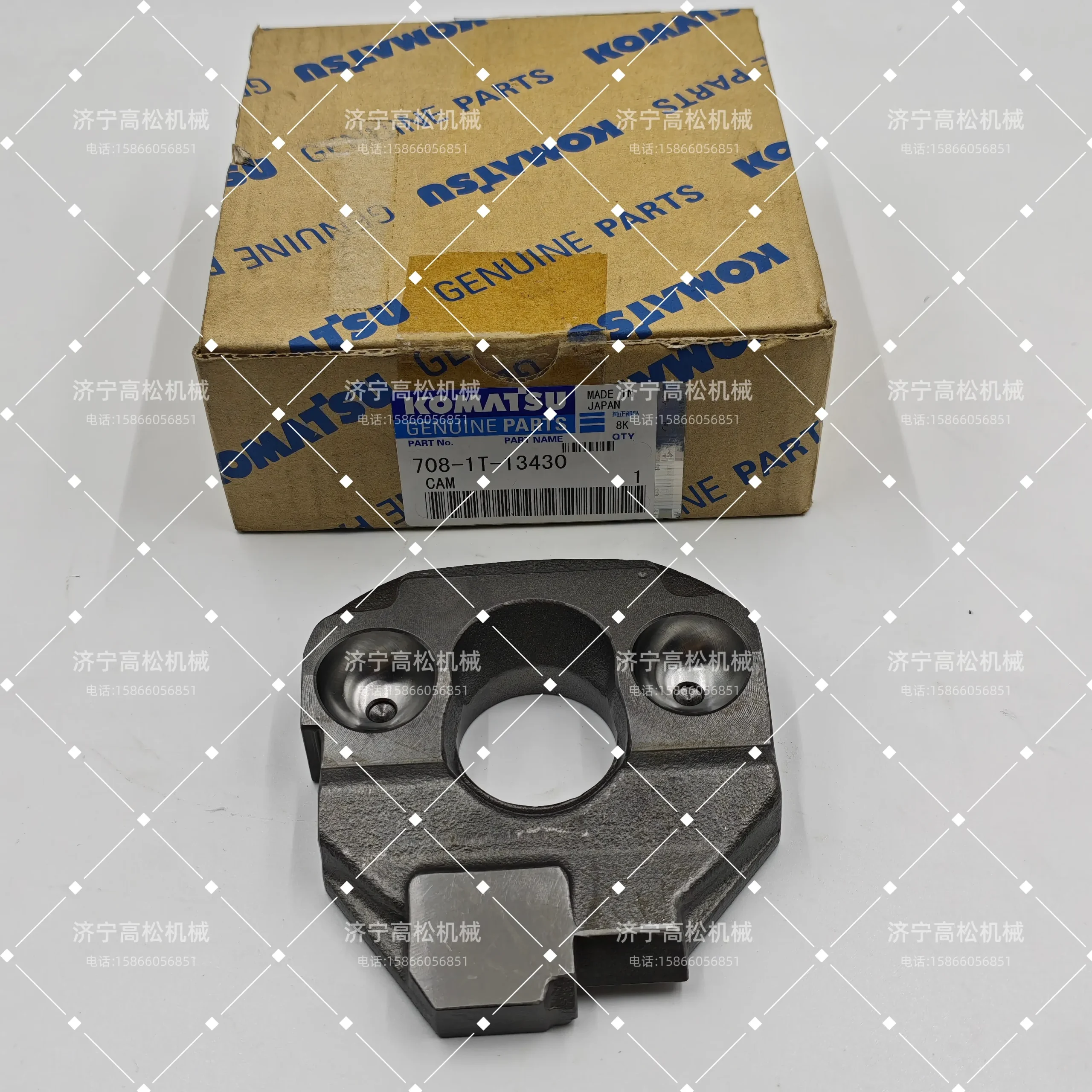 708-1T-13430 Komatsu Cam, Rocker
 -
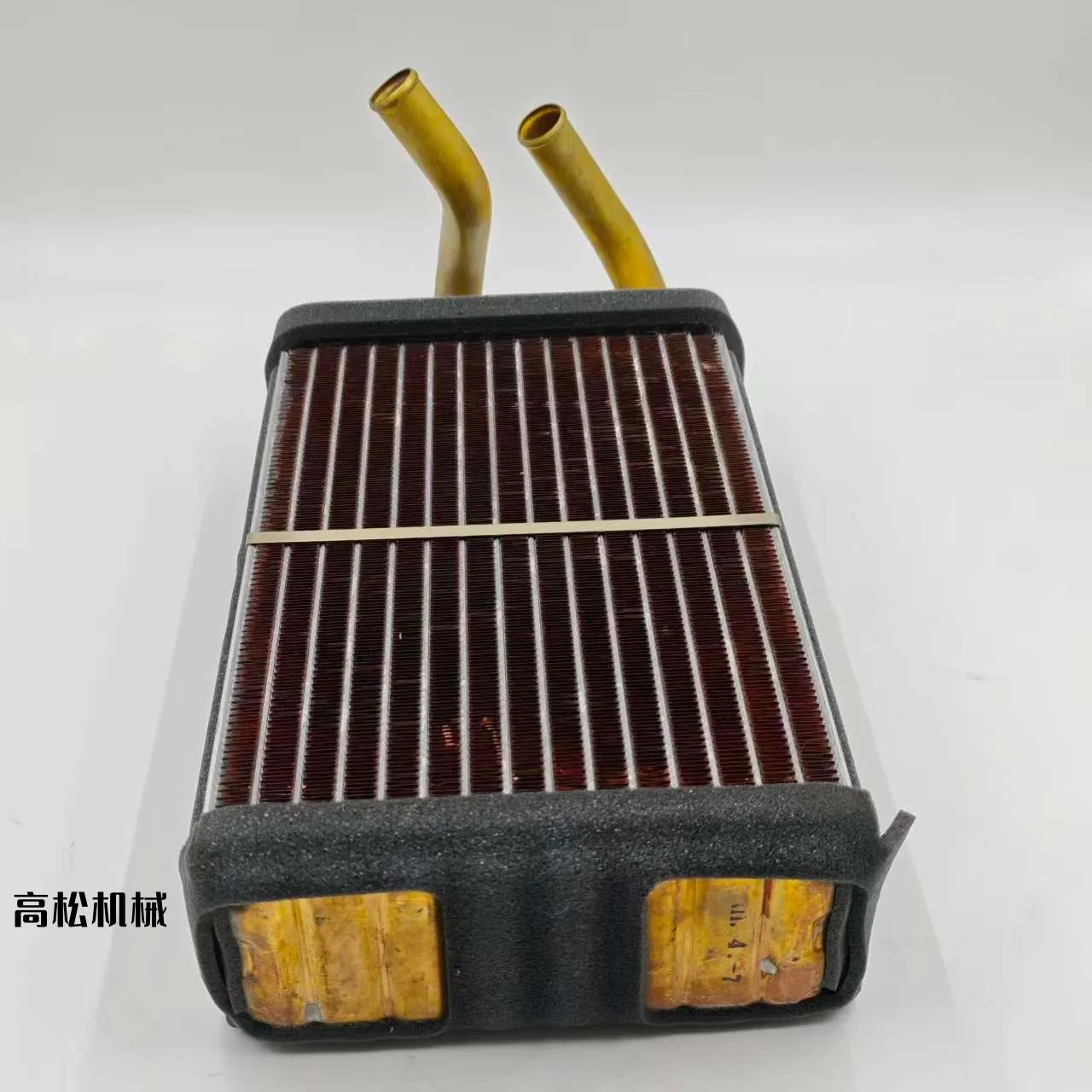 ND116410-9681 •• UNIT SUB ASS’Y-Komatsu Original Factory
 -
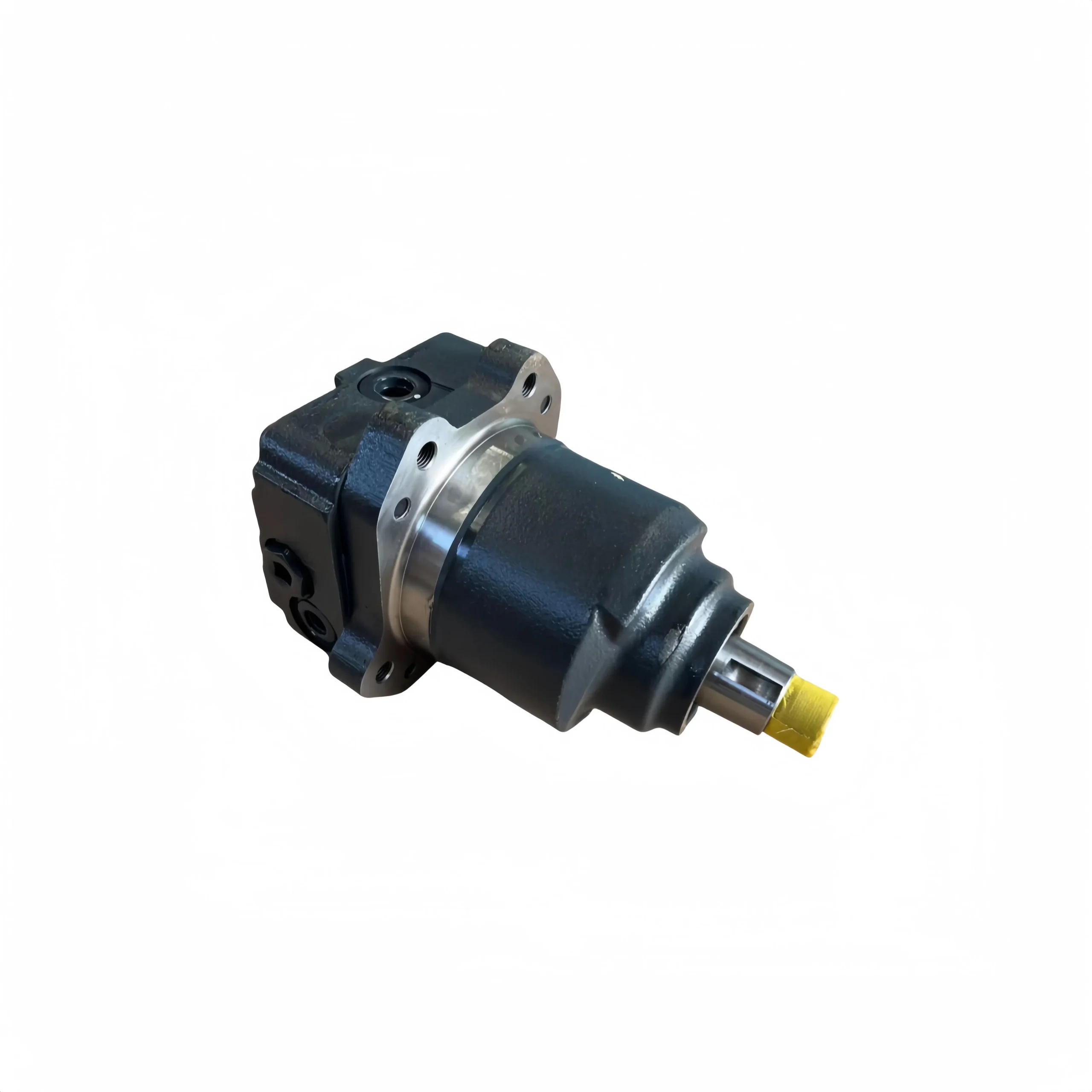 708-7W-00021 Fan Motor for Komatsu D275A-5D
 -
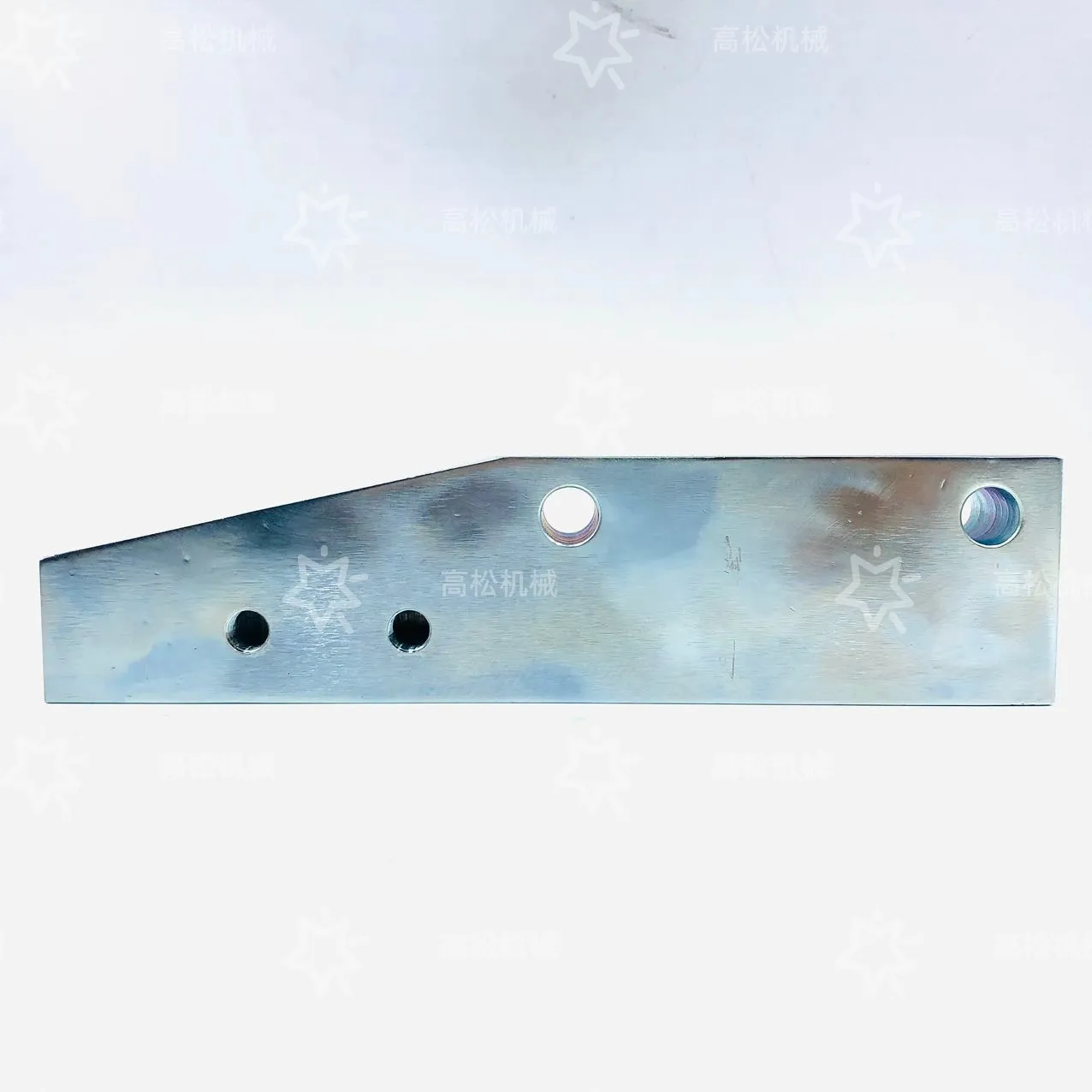 209-38-73281 BLOCK made to fit KOMATSU
 -
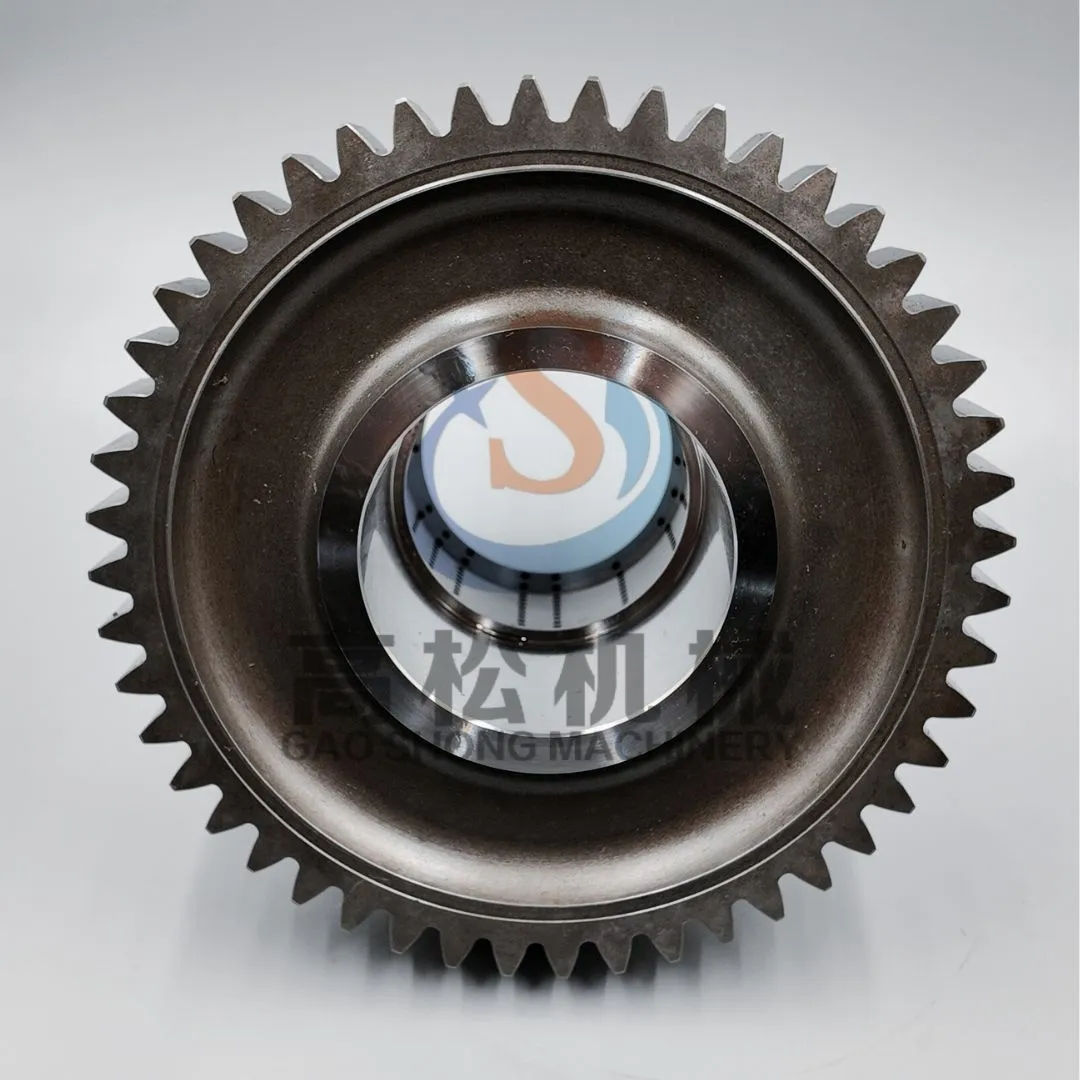 714-07-12420 Komatsu GEAR, 48 TEETH,FORWARD
 -
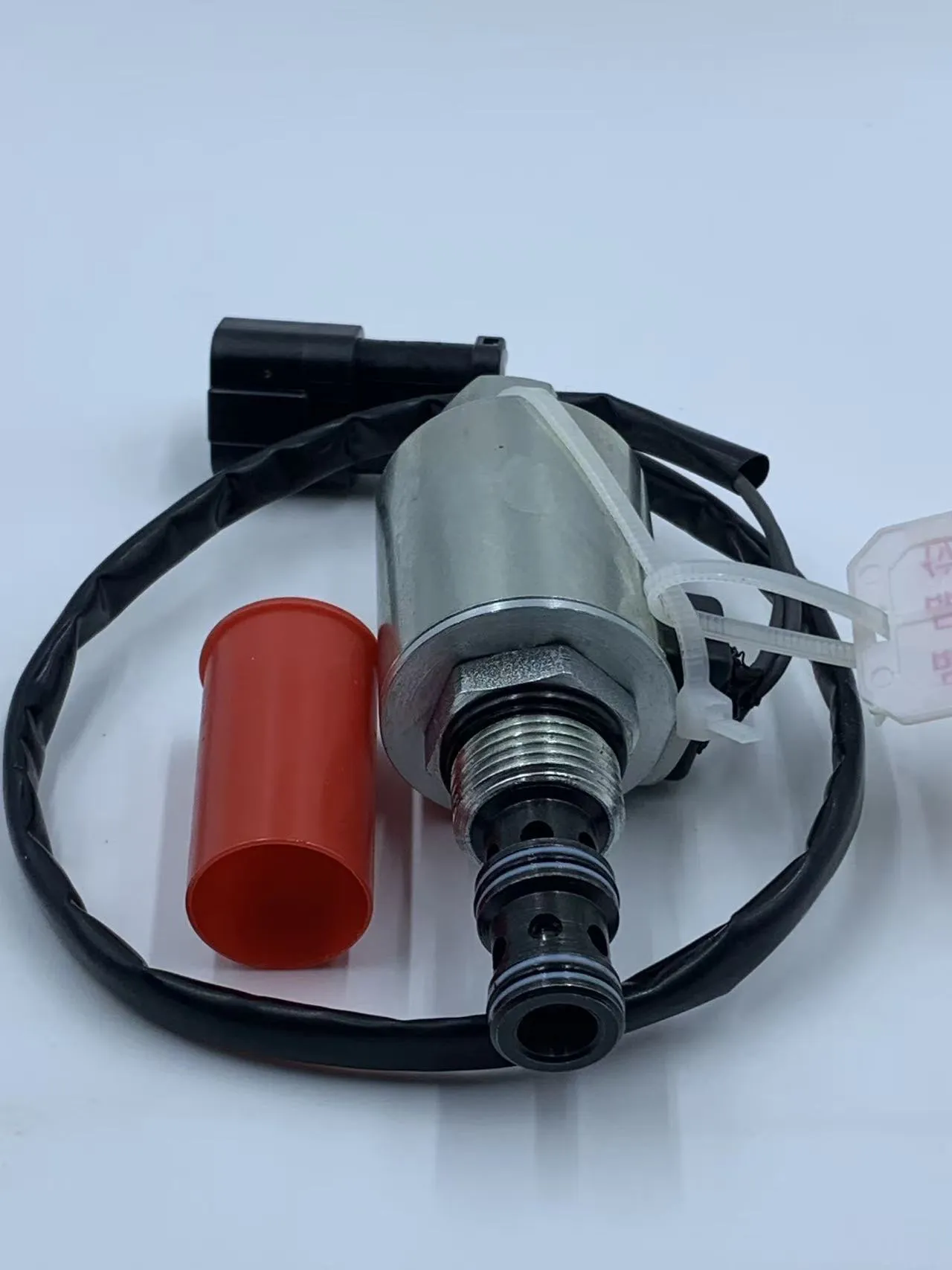 New Rotary Pump Solenoid Coil 20Y-60-11713 for Komatsu… | eBay
 -
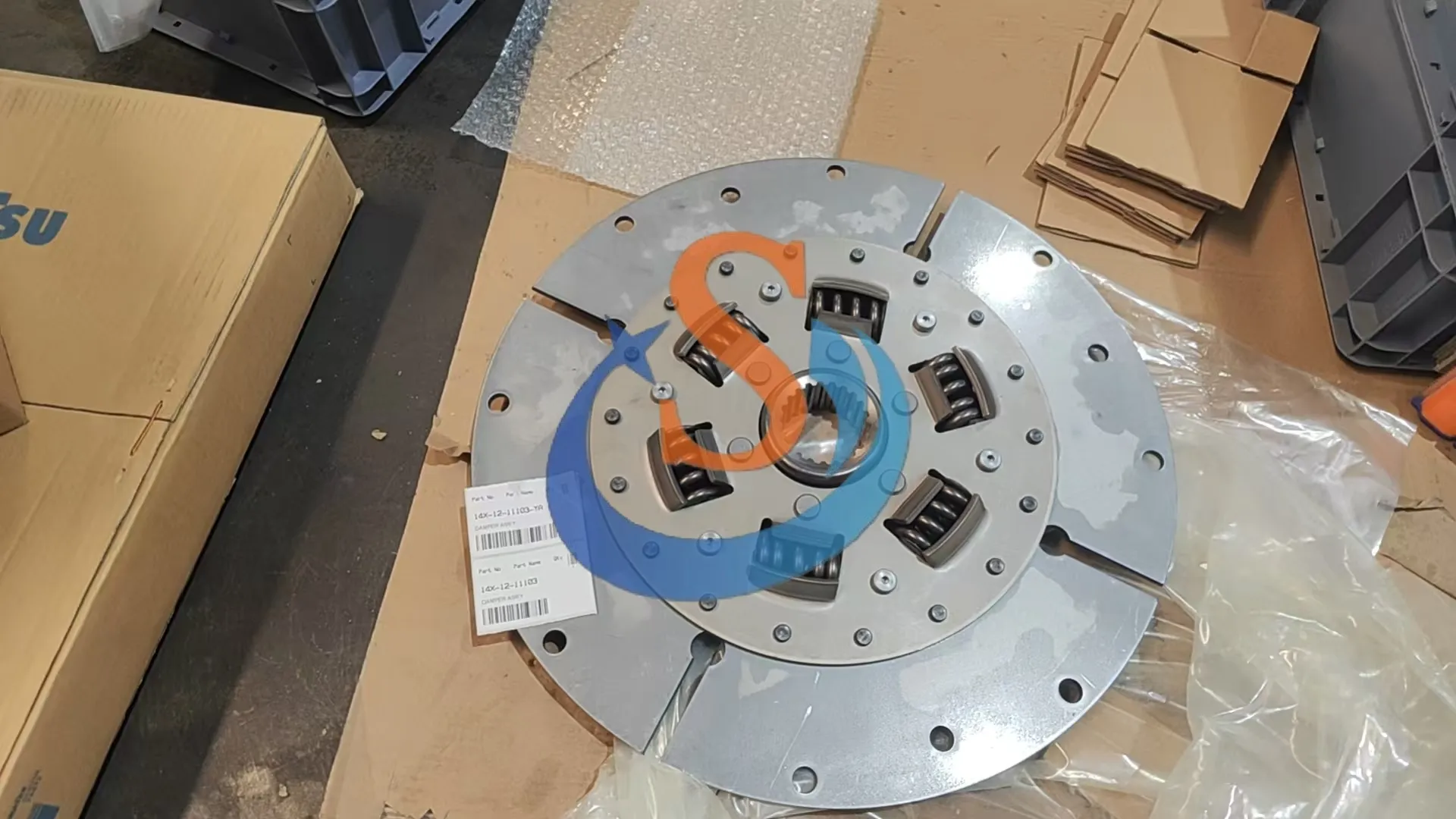 14X-12-11103 Damper Disc ASS’Y D65/D85
 -
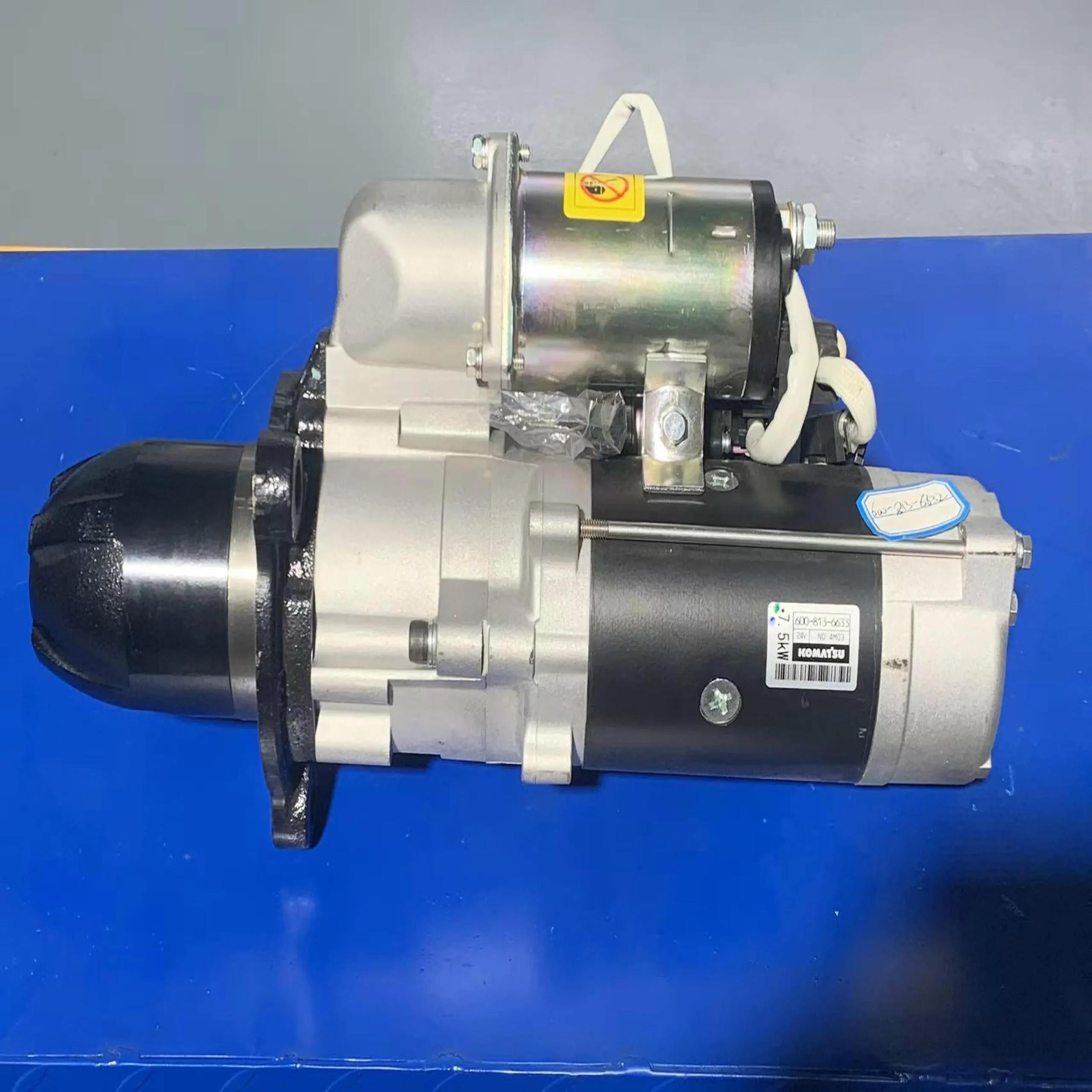 600-813-6632 PC400-8 Start Motor
 -
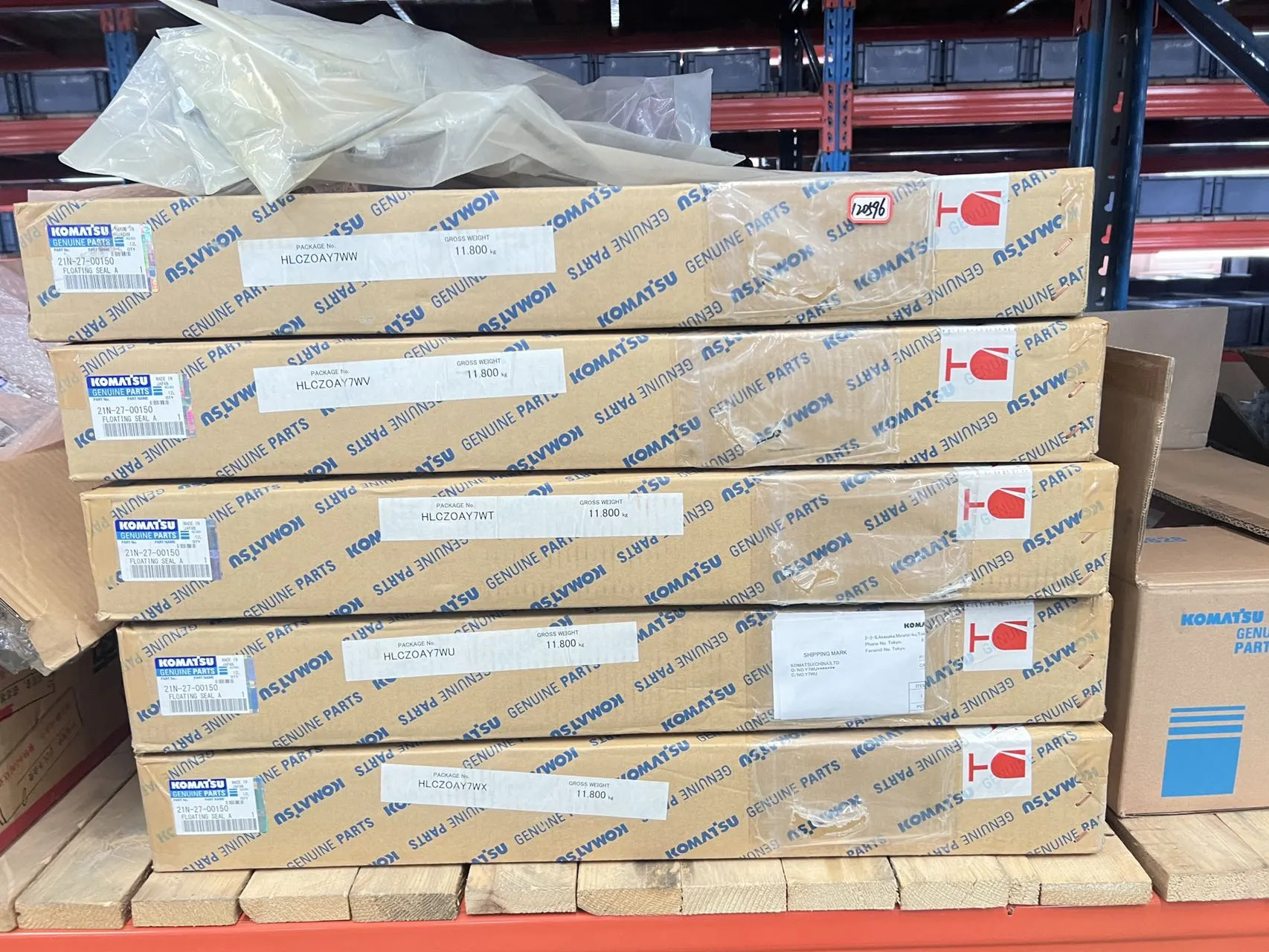 21N-27-00150 floating seal for Komastu PC1250-8 EXCAVATOR
 -
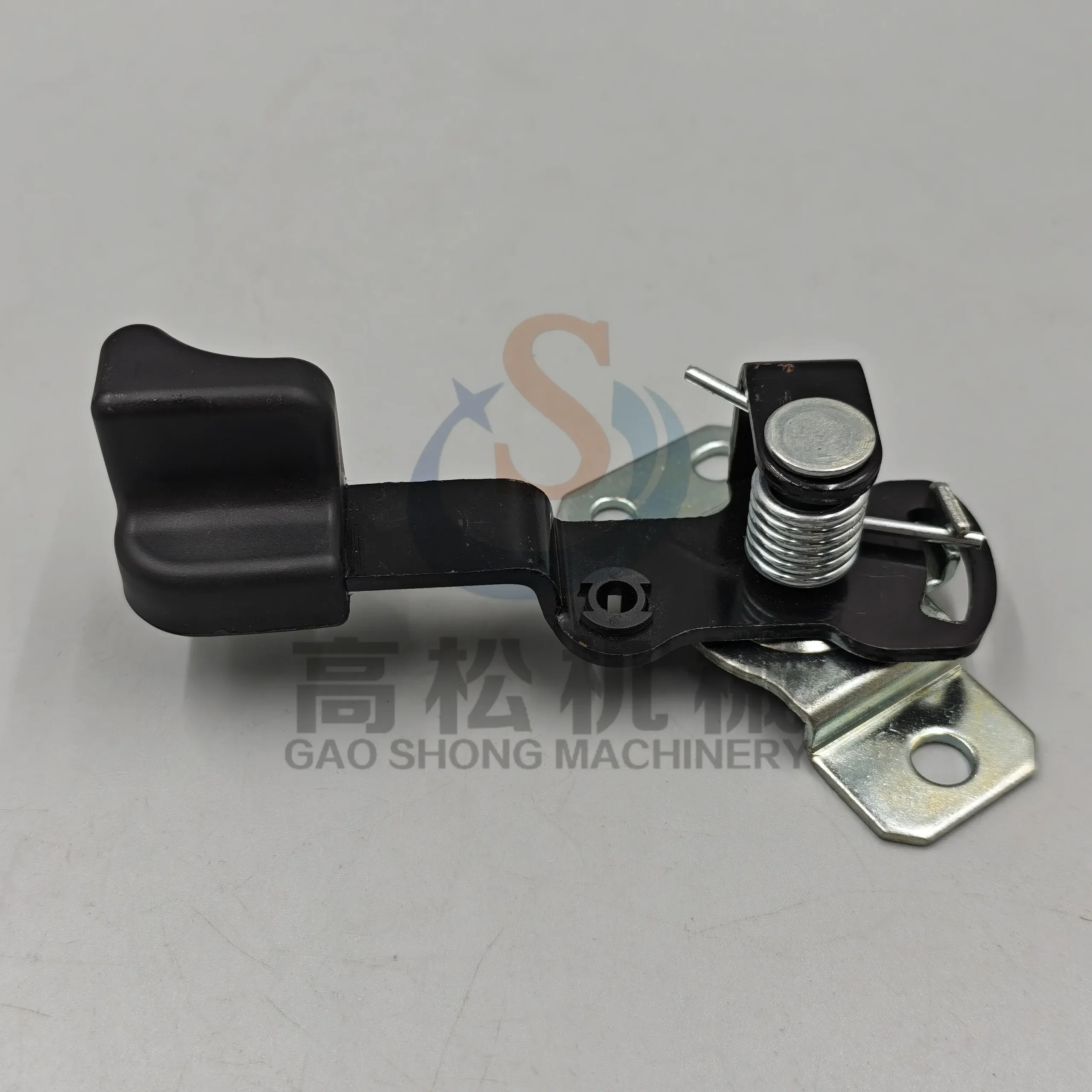 20Y-54-52300 Komatsu Handle Assembly