
- Chinese
- French
- German
- Portuguese
- Spanish
- Russian
- Japanese
- Korean
- Arabic
- Irish
- Greek
- Turkish
- Italian
- Danish
- Romanian
- Indonesian
- Czech
- Afrikaans
- Swedish
- Polish
- Basque
- Catalan
- Esperanto
- Hindi
- Lao
- Albanian
- Amharic
- Armenian
- Azerbaijani
- Belarusian
- Bengali
- Bosnian
- Bulgarian
- Cebuano
- Chichewa
- Corsican
- Croatian
- Dutch
- Estonian
- Filipino
- Finnish
- Frisian
- Galician
- Georgian
- Gujarati
- Haitian
- Hausa
- Hawaiian
- Hebrew
- Hmong
- Hungarian
- Icelandic
- Igbo
- Javanese
- Kannada
- Kazakh
- Khmer
- Kurdish
- Kyrgyz
- Latin
- Latvian
- Lithuanian
- Luxembou..
- Macedonian
- Malagasy
- Malay
- Malayalam
- Maltese
- Maori
- Marathi
- Mongolian
- Burmese
- Nepali
- Norwegian
- Pashto
- Persian
- Punjabi
- Serbian
- Sesotho
- Sinhala
- Slovak
- Slovenian
- Somali
- Samoan
- Scots Gaelic
- Shona
- Sindhi
- Sundanese
- Swahili
- Tajik
- Tamil
- Telugu
- Thai
- Ukrainian
- Urdu
- Uzbek
- Vietnamese
- Welsh
- Xhosa
- Yiddish
- Yoruba
- Zulu
- Kinyarwanda
- Tatar
- Oriya
- Turkmen
- Uyghur






OEM AND ORIGINAL KOMATSU BRACKET 195-71-74281
Let's talk about that part number, . It's a bracket, seems straightforward. But in the Komatsu world, especially with older models or machines operating in regions with spotty dealer support, this number becomes a rabbit hole. The big misconception? That OEM and Original are the same thing when you're sourcing outside the official network. They're not. One is a specification, the other is a provenance. I've seen too many guys order what they think is an original Komatsu bracket, pay a premium, and get a part that fits but doesn't last. The fatigue life is off, or the steel grade isn't quite right for the vibrational stress. That's the gap between a drawing-matched OEM part and a genuine Komatsu box.
The Spec vs. The Source
Here's the practical breakdown from the ground. An OEM product supplier within the Komatsu system, like Jining Gaosong, manufactures components to Komatsu's engineering drawings and material specs. The bracket from such a source should be dimensionally and metallurgically identical to what Komatsu's own factory installs. The key word is should. The trust comes from the supplier's integration into Komatsu's quality control protocols. It's not a copy; it's a licensed production. I've worked with parts from Jining Gaosong Construction Machinery Co., Ltd. before, and their role is interesting. They are, as their site states, an OEM product supplier within the system and a third-party sales channel. This dual role is crucial. It means they can produce the bracket to spec and also distribute it through alternative routes to solve parts supply challenges, which is a polite way of saying getting critical parts to places where the main pipeline is clogged or non-existent.
The Original tag, however, implies it came off Komatsu's own assembly line or was packaged for their parts counters. The paper trail leads back to Komatsu directly. In a perfect world, you want that. But in the real world—say, a PC300-6 working a quarry in a country with import hurdles—waiting for that Original part can mean weeks of downtime. That's where the value of a verified OEM supplier comes in. You're trading the brand's packaging for a functionally identical part that gets the machine back to work tomorrow. The risk isn't in the geometry; it's in trusting the supplier's claim of being a true system-integrated OEM.
I recall a site manager in Southeast Asia who insisted on only Original for a final drive housing. He waited 11 weeks. The machine was a revenue-generating asset, just sitting. We finally convinced him to try a bracket (a different number, but same principle) from a certified OEM source. He was skeptical. We installed it, torqued it to spec, and monitored. Three years later, it's still on there, no stress cracks, no issues. The lesson was cost-of-downtime versus pedigree. For a non-safety-critical structural component like a bracket, the certified OEM route is often the smarter business decision.
Dissecting : More Than a Hunk of Metal
So, what's special about this particular bracket? isn't a generic L-angle. It's likely a mounting bracket for a pump, valve bank, or cab component on a mid-size Komatsu excavator, maybe in the PC200/220/300 series family. The number tells a story. The 195 series often relates to a component group, like hydraulic attachments. The precision is in the bends, the weld points, and the bolt hole tolerances. A half-millimeter deviation can throw off an entire assembly, causing misalignment that leads to premature hose wear or seal failure.
I've seen aftermarket versions of these. They look right until you put a caliper on the bolt hole centers or check the thickness. They might use A36 steel instead of a higher-tensile grade. In service, under constant vibration, that cheaper steel work-hardens and becomes brittle. A crack starts near a weld. It's not a catastrophic failure, but it's a nuisance failure that costs labor to fix. The OEM version from a proper supplier will have the correct grade, often with a traceable heat number. The difference is in the service interval.
Another detail is the surface treatment. Is it primed? Painted Komatsu yellow? Or just a raw mill finish? An original part will have the correct corrosion protection for its intended environment. A good OEM supplier replicates this. A bad one skips it to save cost. When you're evaluating a source, ask about the finish. It's a telltale sign of attention to detail. For a bracket exposed to the elements, that paint is a functional coating, not just cosmetics.
The Third-Party Channel: Solving the Real-World Logjam
This is where companies like Jining Gaosong fill a critical niche. Komatsu's primary distribution is designed for efficiency in major markets. But in emerging markets or countries with complex customs, that system can break down. A local dealer might not have the part, and the regional warehouse might be out of stock. The official lead time becomes a fiction. As a third-party sales company for Komatsu, they operate as a parallel, often more agile, supply line. They aren't just selling random parts; they're providing a specific solution for supply chain fractures.
I've used their channel. The process is different. You're not going through Komatsu's main parts system. You're dealing with a company that has direct access to OEM production and can ship internationally under different terms. The documentation might not be the standard Komatsu parts sheet, but it should include material certifications and dimensional reports. The value proposition is speed and availability, not just price. For a fleet manager with a downed machine, that's everything.
There's a caveat, though. Not all third-party sellers are equal. The term is unregulated. Their claim of being within the Komatsu system is what you need to verify. Can they provide evidence of their OEM manufacturing agreement? For a part like the Komatsu bracket , this verification is the due diligence. When it checks out, you've got a reliable alternative. When it doesn't, you're rolling the dice with an aftermarket copy.
Failure Points and Field Observations
Let's talk about what goes wrong. It's rarely the bracket snapping in two. More common is elongation of bolt holes. You go to re-torque during a service and find the bolts are loose. The hole isn't round anymore; it's oval. That's a sign of either insufficient hardness around the hole or incorrect clamping force during installation. I've observed this more on unbranded replacements. The OEM-spec part usually has a thicker boss or a hardened washer face machined in.
Another failure is galvanic corrosion. If the bracket is aluminum and it's mounting a steel component, you need the right isolators. Does the supplied part include them? Or does it assume you'll reuse the old, possibly degraded ones? A proper kit from a good supplier will include new isolators or shims as per the original assembly. It's these little things that separate a parts changer from a technician. When sourcing, ask what's included. Just the bare bracket? Or the full hardware kit?
We tried once, under severe time pressure, to fabricate a bracket like this in a local shop. We had the old one as a template. The welder was good. It looked perfect. We installed it. The machine ran for about 200 hours before we noticed a harmonic vibration at a specific RPM. The bracket's natural frequency, determined by its mass and stiffness, was different. It was resonating. We replaced it with a proper OEM-supplied unit, and the vibration vanished. The lesson was that replication isn't just about shape; it's about the intrinsic physical properties of the part. You can't eyeball that.
Sourcing Strategy: A Practical Take
So, what's the play when you need a ? First, check the official channel. Get the lead time and cost. If it's acceptable, buy it. If it's not, start evaluating OEM suppliers. Your first question should be about their relationship with Komatsu. Are you a licensed OEM manufacturer for this component group? Ask for a reference project or a certificate. Companies like Jining Gaosong explicitly position themselves this way, which is a good starting point. Their stated mission of helping to solve parts supply challenges in certain countries aligns with the reality many of us face.
Second, request material and testing documentation. A reputable supplier won't balk at this. For a bracket, a material test report (MTR) showing the steel grade and yield strength is a minimum.
Finally, consider the total cost of ownership. The cheaper aftermarket bracket might be 40% less upfront. But if it fails in 12 months and requires 8 hours of labor to replace, while the OEM-spec part lasts the life of the machine, the math changes. For structural and mounting components, lean towards quality. For purely decorative parts, maybe you can compromise. The OEM and original Komatsu bracket debate ultimately boils down to this: trust in the supply chain. When the official chain is broken, your job is to find the most trustworthy link in the alternative chain. That's usually the supplier who is transparent about their role, their specs, and their limitations.
Related Products
Related Products

Best Selling Products
Best Selling Products-
 14-07-40010 714-07-48540 421-62-45450 spare parts for front loader wa470-6 hydraulic transformer and coupling transmission 714-07-49731
 -
 High Quality Excavator Spare Parts 600-813-6632 PC400-8 Start…
 -
 561-27-61960 for Komatsu HD785-5LC HD985-5
 -
 56D-15-19250 RING
 -
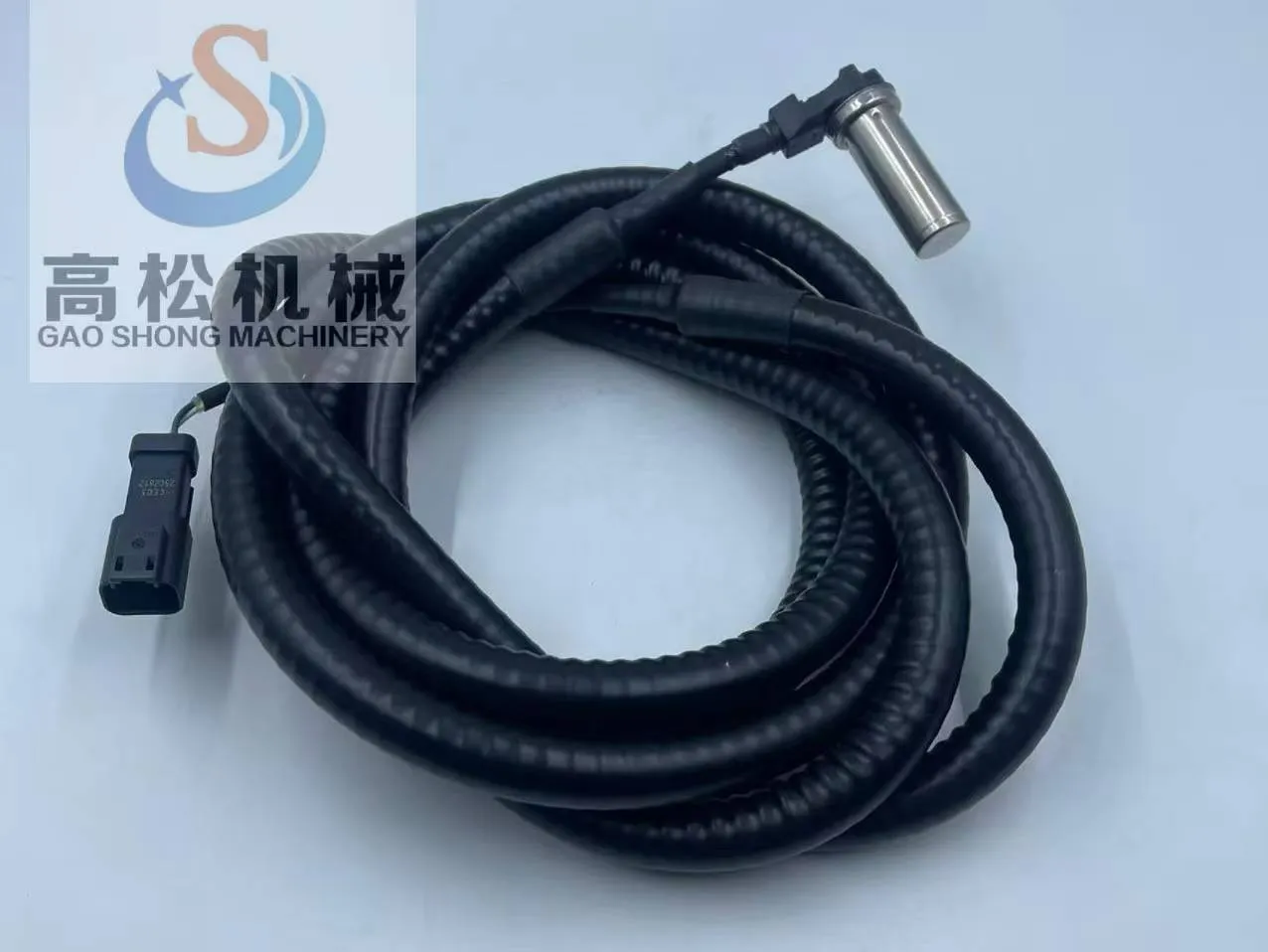 Sensor for Komatsu HD785-7 Dump Truck 566-88-66143
 -
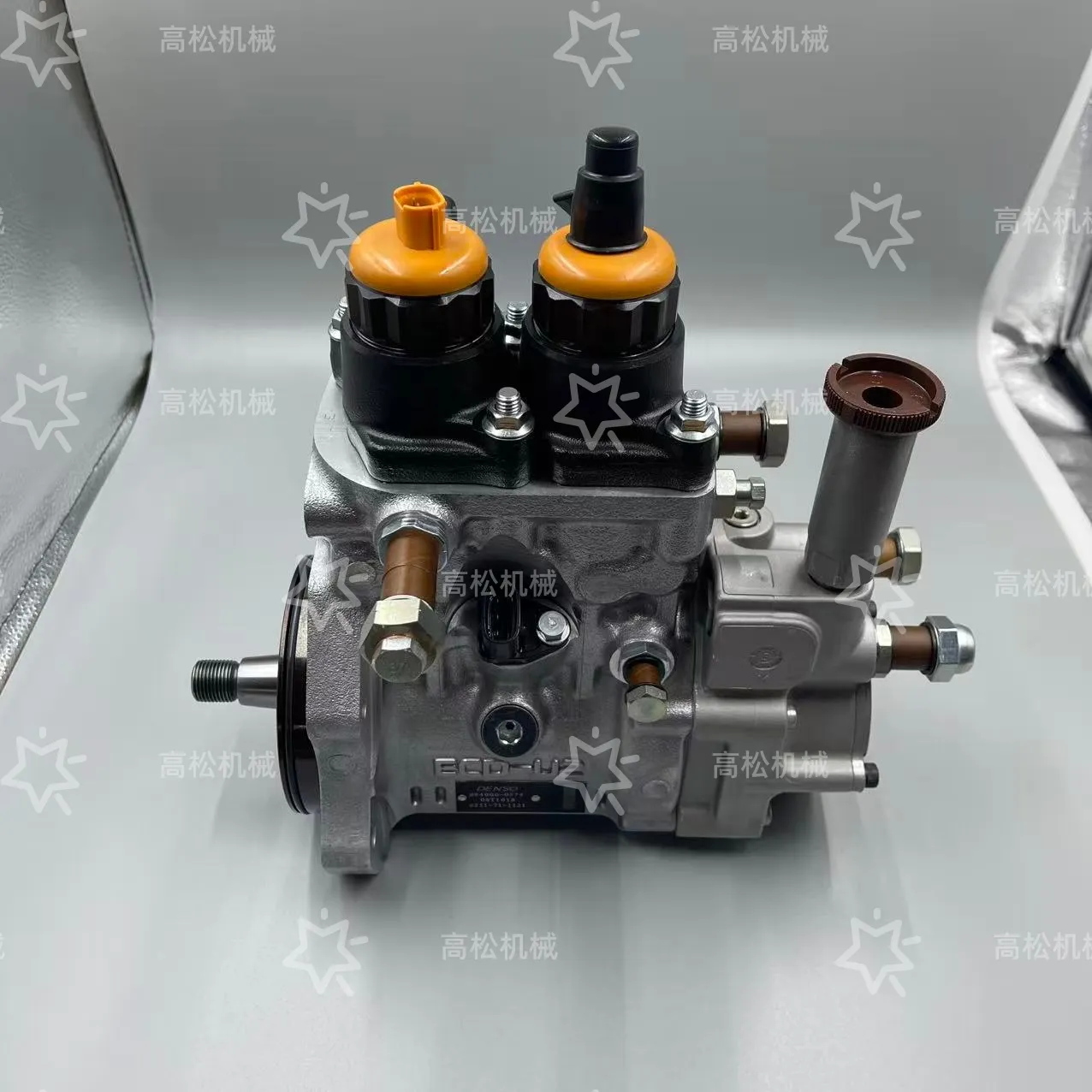 Fuel Injection Pump For Komatsu PC400-8 6251-71-1120 6251-71-1121 094000-057
 -
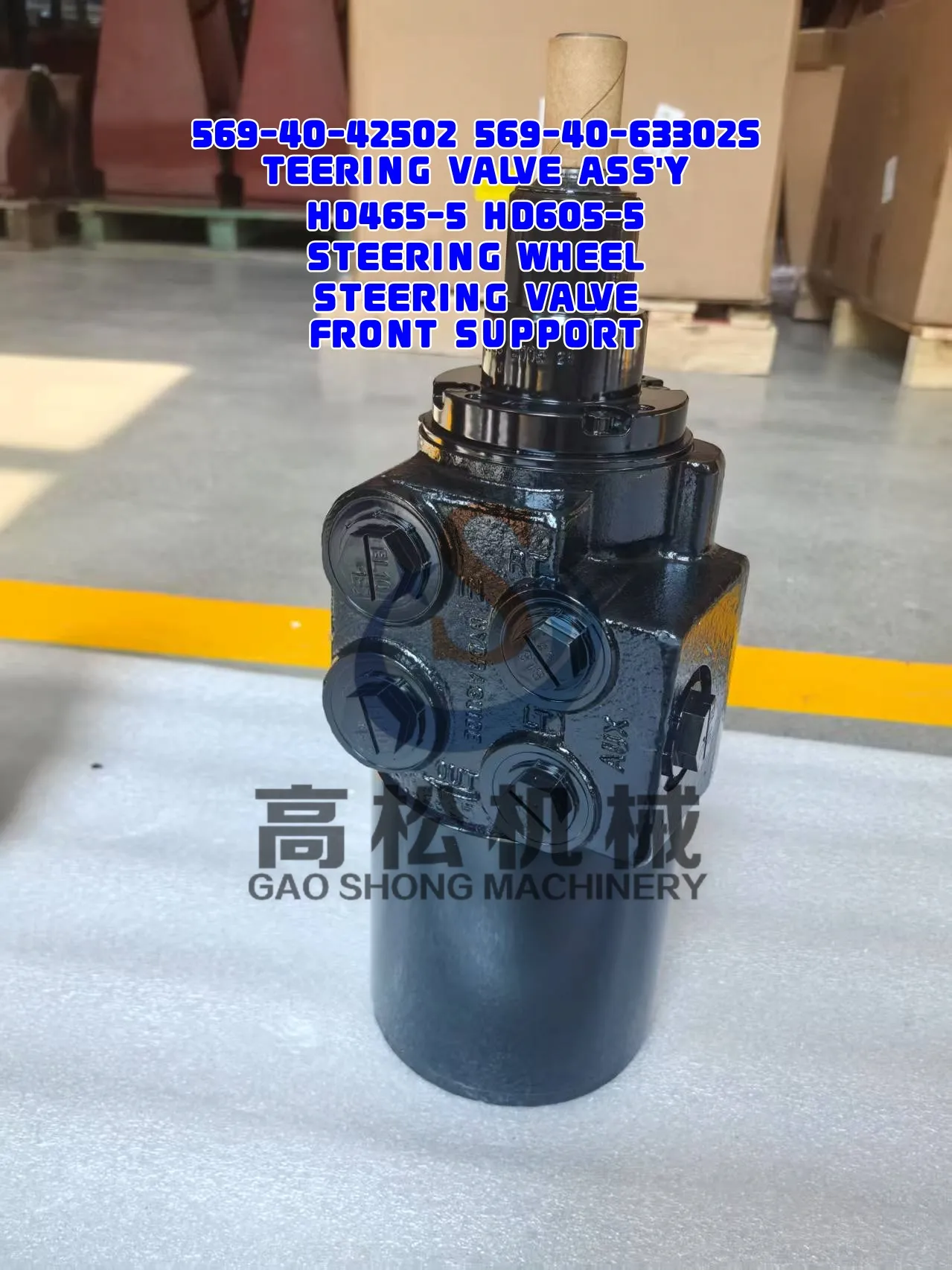 komatsu-part-569-40-42502 569-40-63302 STEERING VALVE ASS’Y HD465-5 HD465-7 HD465-7E1 HD465-7R HD465-7E0 HD605-7R HD605-5 HD605-7 HD465-7E0 STEERING WHEEL STEERING VALVE FRONT SUPPORT (STEERING VALVE MOUNTING PARTS)
 -
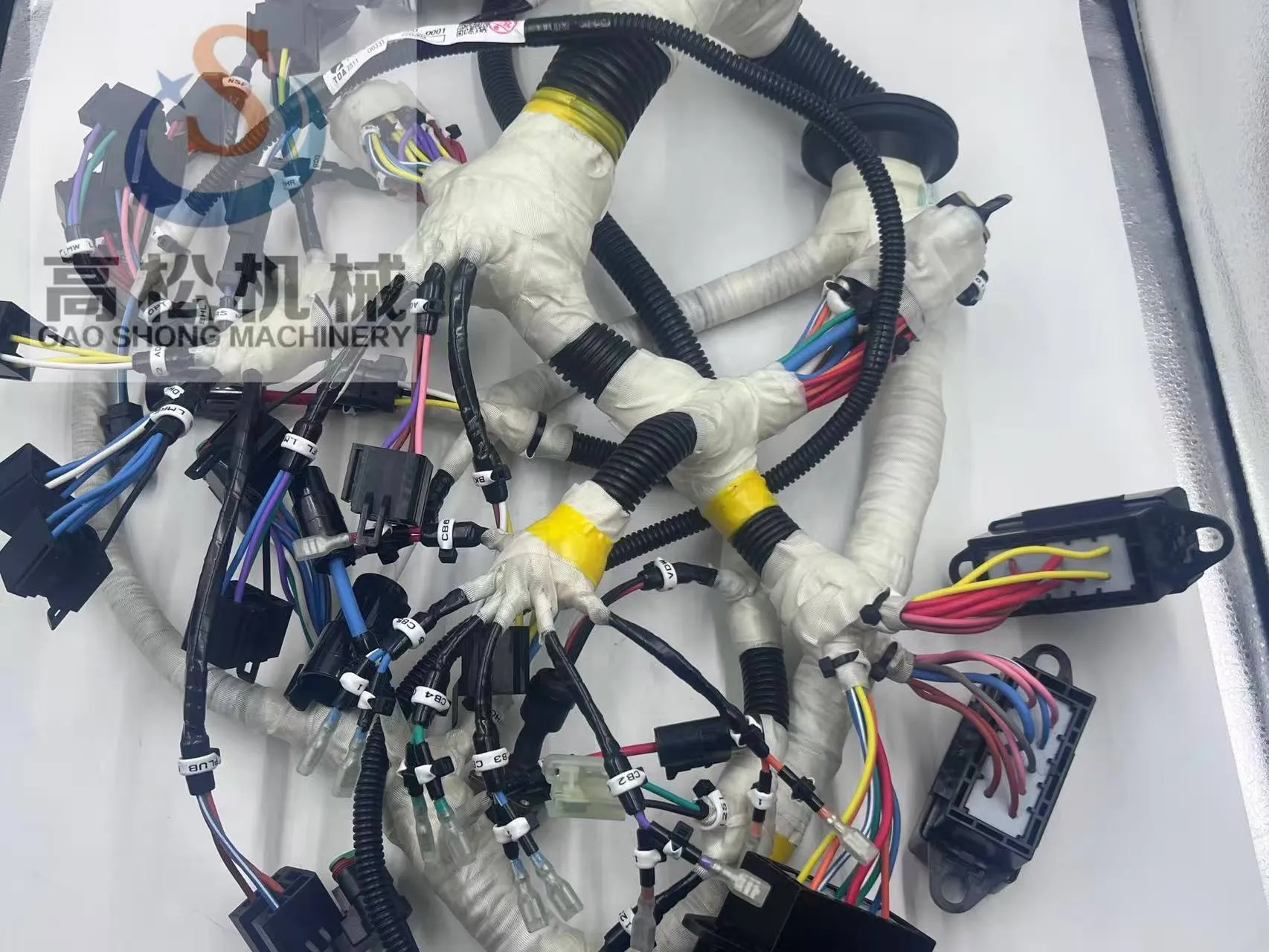 D375A-6Wiring harness 195-06-84641
 -
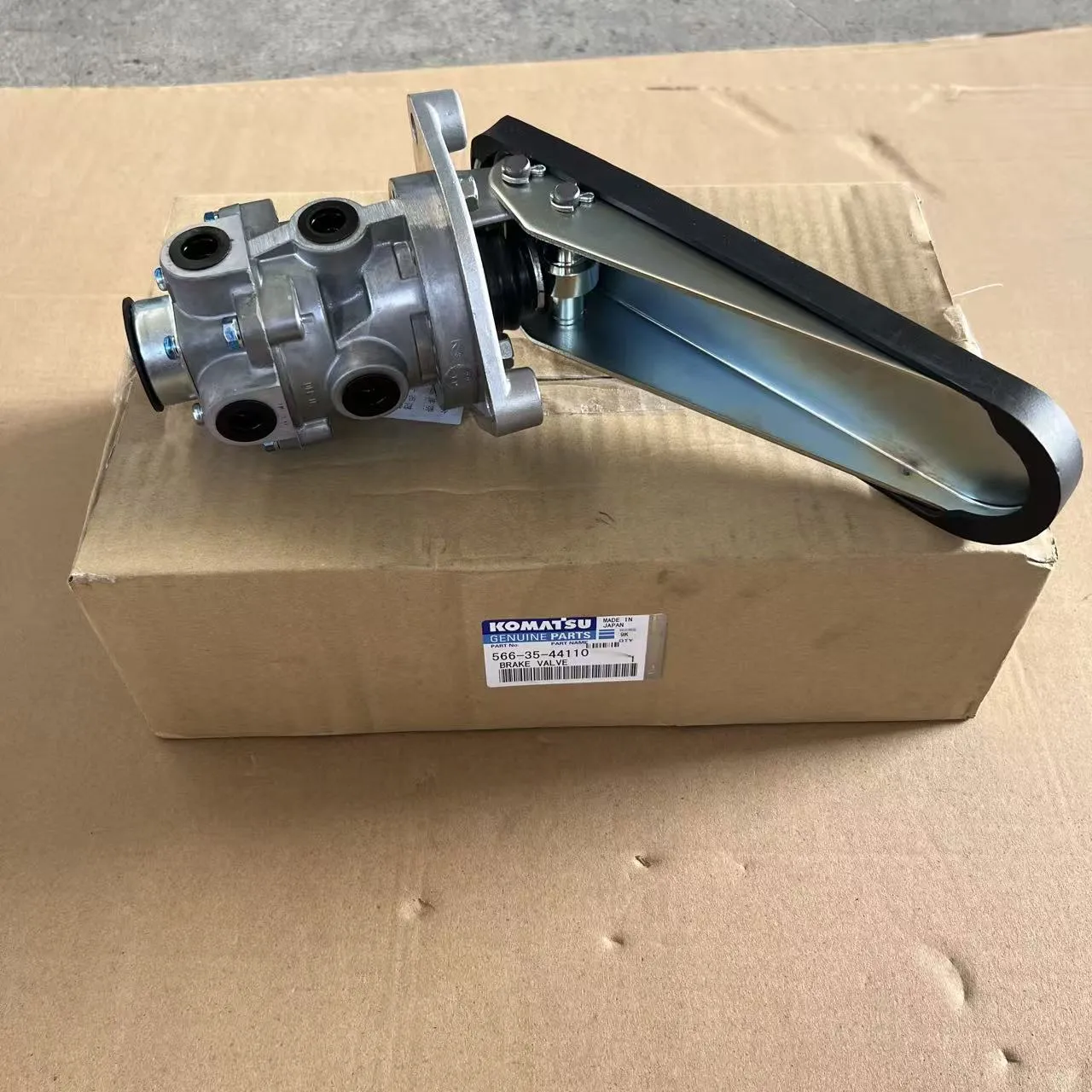 Komatsu Dump Truck Original HD785-5 Brake Valve 566-35-44110
 -
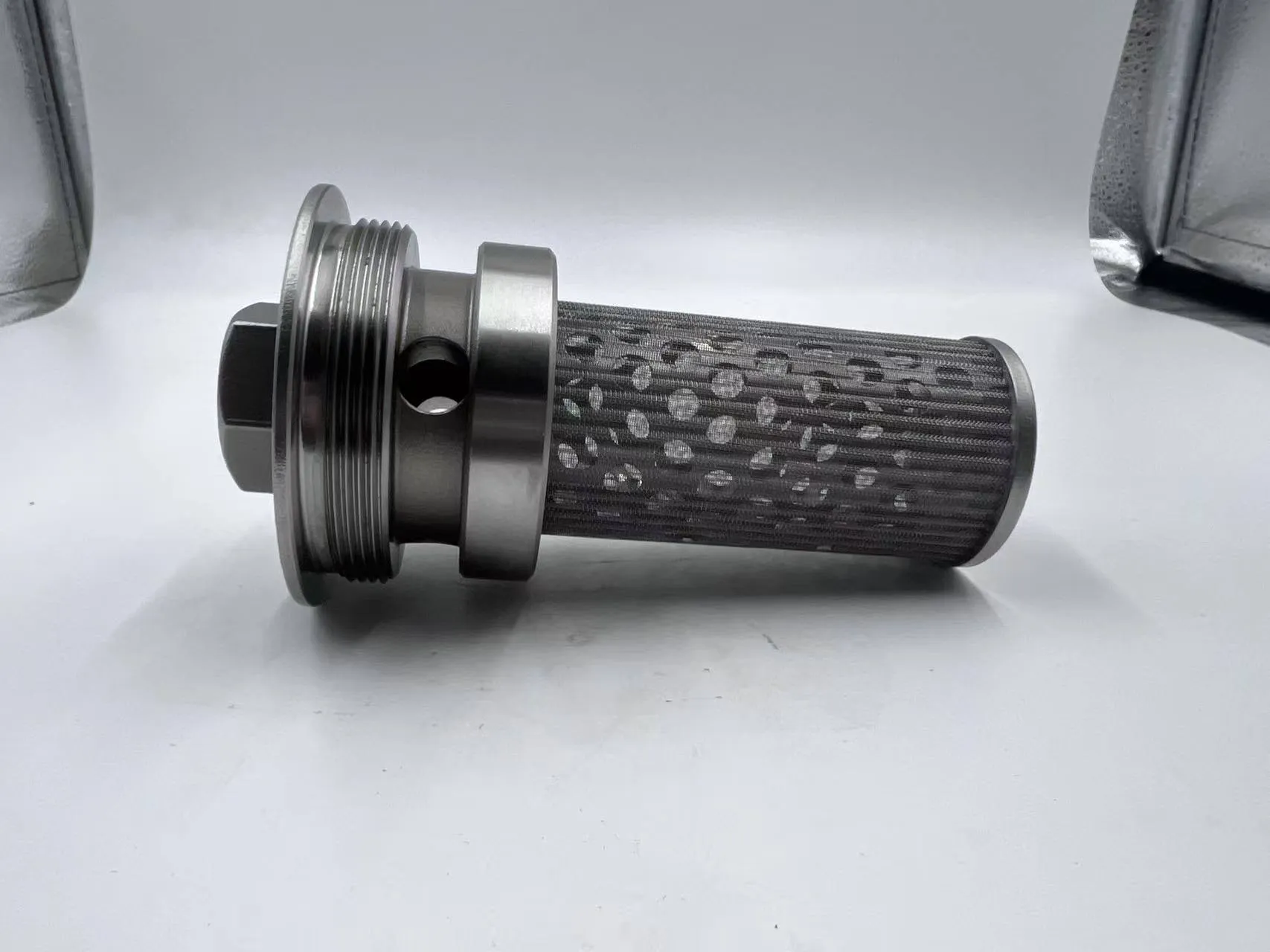 Hello friend 195-04-11150 17M-71-21530 17M-50-49290 is suitable for Komatsu Machinery
 -
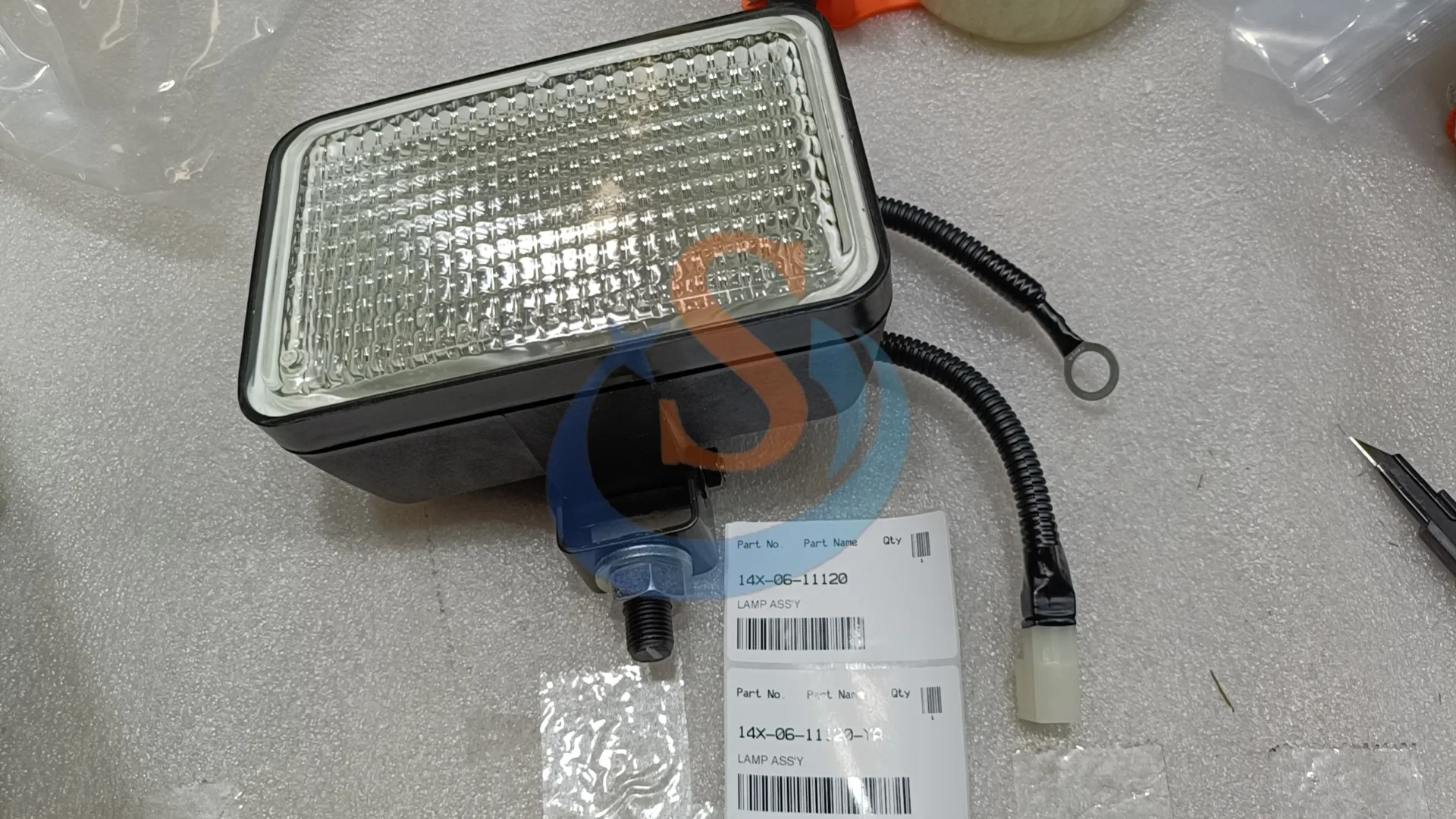 14X-06-11120 WORK LAMP ASS’Y D375A/D155A
 -
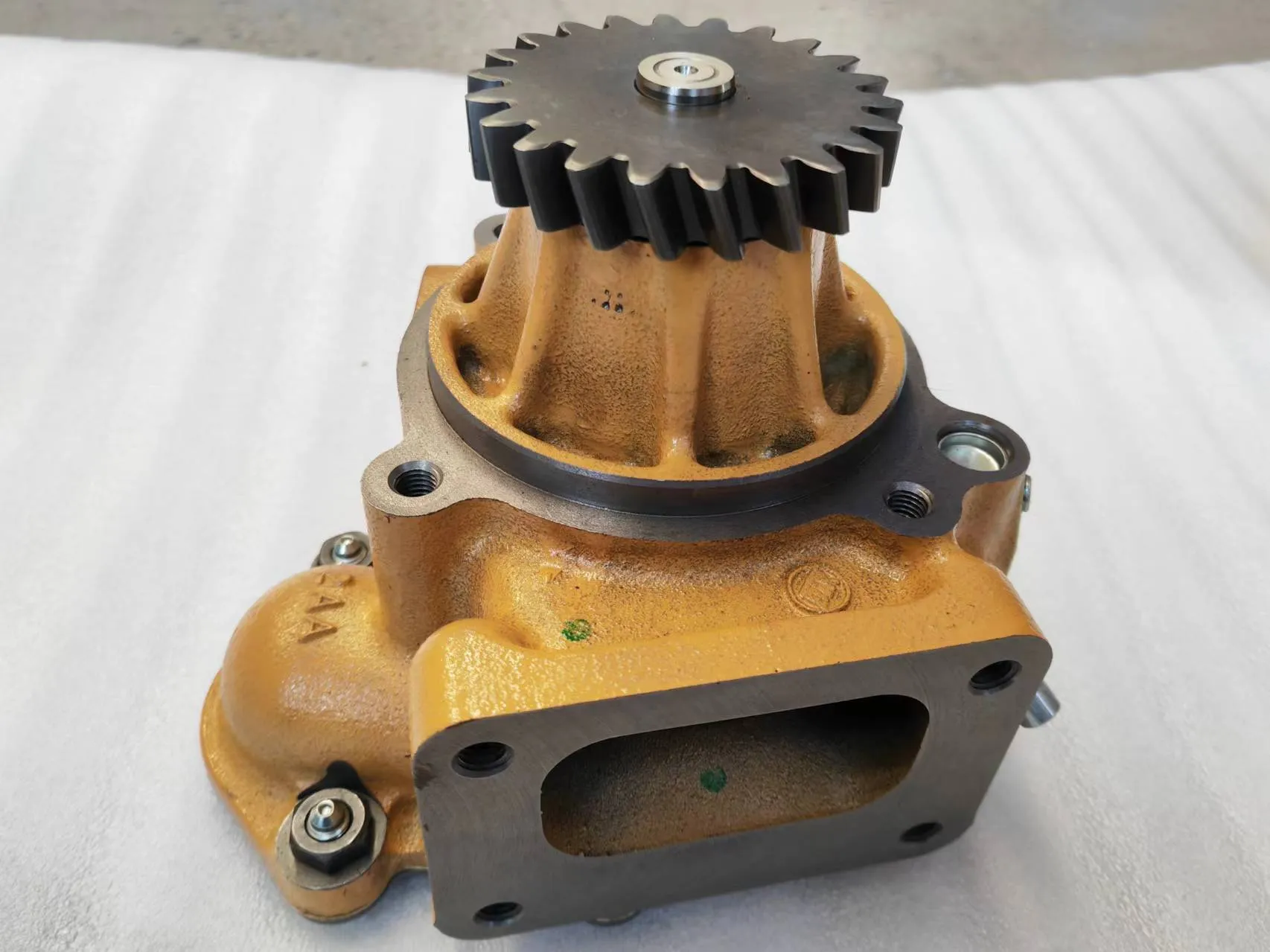 WA480-6 engine water pump 6251-61-1101