
- Chinese
- French
- German
- Portuguese
- Spanish
- Russian
- Japanese
- Korean
- Arabic
- Irish
- Greek
- Turkish
- Italian
- Danish
- Romanian
- Indonesian
- Czech
- Afrikaans
- Swedish
- Polish
- Basque
- Catalan
- Esperanto
- Hindi
- Lao
- Albanian
- Amharic
- Armenian
- Azerbaijani
- Belarusian
- Bengali
- Bosnian
- Bulgarian
- Cebuano
- Chichewa
- Corsican
- Croatian
- Dutch
- Estonian
- Filipino
- Finnish
- Frisian
- Galician
- Georgian
- Gujarati
- Haitian
- Hausa
- Hawaiian
- Hebrew
- Hmong
- Hungarian
- Icelandic
- Igbo
- Javanese
- Kannada
- Kazakh
- Khmer
- Kurdish
- Kyrgyz
- Latin
- Latvian
- Lithuanian
- Luxembou..
- Macedonian
- Malagasy
- Malay
- Malayalam
- Maltese
- Maori
- Marathi
- Mongolian
- Burmese
- Nepali
- Norwegian
- Pashto
- Persian
- Punjabi
- Serbian
- Sesotho
- Sinhala
- Slovak
- Slovenian
- Somali
- Samoan
- Scots Gaelic
- Shona
- Sindhi
- Sundanese
- Swahili
- Tajik
- Tamil
- Telugu
- Thai
- Ukrainian
- Urdu
- Uzbek
- Vietnamese
- Welsh
- Xhosa
- Yiddish
- Yoruba
- Zulu
- Kinyarwanda
- Tatar
- Oriya
- Turkmen
- Uyghur






OEM AND ORIGINAL KOMATSU BRACKET 195-71-74191
When you see a listing for 'OEM AND ORIGINAL KOMATSU BRACKET ', the immediate assumption is often black and white: it's either a genuine Komatsu part from the factory line, or it's a counterfeit. The reality in the trenches is much messier. That 'AND' in the keyword is a red flag for anyone who's been burned before, but it's also a symptom of a broader supply chain headache. I've seen too many guys order this bracket, expecting a pristine, stamped Komatsu part, only to receive something that looks right but lacks the specific forging marks or has a slightly different finish on the weld seams. It forces you to ask: what does 'OEM' actually mean here? Is it a part produced for Komatsu's assembly line, or is it a part made to the same drawing by a certified supplier but sold outside Komatsu's official channels? That distinction is everything for fit, function, and machine uptime.
The in the Wild: More Than Just a Bracket
Let's get specific. The isn't some generic linkage. It's a critical mounting bracket, often for hydraulic lines or cab components on older PC series excavators. The failure mode isn't always catastrophic breakage; it's fatigue. A slight variance in the steel grade or the heat treatment can mean the difference between a bracket that lasts 10,000 hours and one that starts developing hairline cracks at 6,000. I recall a site where we had recurring failures on a PC300-6. We kept replacing it with what was sold as 'original', but the problem persisted. Finally, we got a hold of a bracket sourced directly from a Komatsu depot. Side-by-side, the weight was identical, the dimensions were within a fraction of a millimeter, but the grain structure on a filed edge was different. The 'OEM AND ORIGINAL' part was likely made to spec, but the metallurgical certs were missing. It passed the eyeball test but failed the stress test.
This is where the role of a company like Jining Gaosong Construction Machinery Co., Ltd. becomes tangible. They position themselves as an OEM product supplier within the Komatsu system. In practice, this often means they have access to production from factories that are, or were, on Komatsu's approved vendor list. For a part like the , they might be sourcing from the same foundry that Komatsu uses, but the parts could be from a separate production run. They're not pulling parts from Komatsu's central warehouse; they're accessing a parallel stream. Their stated goal of helping to solve parts supply challenges in certain countries is real. If you're in a region where the official distributor has a 90-day backorder for this bracket, their channel might be the only way to get a machine back online in a week.
Navigating their website, https://www.takematsumachinery.com, you have to read between the lines. The phrasing OEM product supplier within the Komatsu system is a careful one. It doesn't claim they are Komatsu. It implies a formal relationship, which could range from a current manufacturing contract to a historical one. For a buyer, the key question isn't just about authenticity, but about traceability. Will they provide the material certification for that batch of brackets? Sometimes they can, sometimes they can't. When they can, it bridges the gap between pure aftermarket and official parts.
The Cost of Good Enough
The temptation is always price. An 'OEM AND ORIGINAL' part from a third-party sales company can be 40-50% cheaper than the boxed part from Komatsu. For a fleet manager under pressure, it's a compelling argument. I've made that call myself. On a machine slated for resale in a year, maybe you roll the dice. But on a core machine expected to run another 10,000 hours? That's a harder justification. The hidden cost isn't just the part failing again; it's the collateral damage. A failing bracket can lead to stressed hydraulic hoses, fluid leaks, or even damage to the components it's meant to support. Suddenly, the savings on the bracket are wiped out by hose replacements and extra labor.
We tried a batch of these brackets from a supplier with a similar profile to Gaosong on a few of our mid-life machines. Installation was fine, fit was acceptable. The issue surfaced months later during a routine detailed inspection. Using a dye penetrant check, we found micro-cracks starting at the radius of a bend on two out of five brackets. The official Komatsu part on the same machine models showed no such signs. It wasn't a failure, but it was a future failure point we now had to schedule around. The lesson was that 'good enough' often has a timer on it.
This experience shapes how I view the promise of solving parts supply challenges. It does solve the immediate challenge of physical availability. It does not automatically solve the challenge of long-term reliability. The supplier's integrity is paramount. Do they understand the application and stress points of the , or are they just moving metal? When I communicate with such companies, I now push for specifics: Can you confirm the grade of steel used per drawing KES-XXX? or Do these parts carry the same warranty on material defects as the official line? The answers tell you more than the product listing ever could.
Verification and the Paper Trail
So, how do you protect your operation? It starts by treating every 'OEM AND ORIGINAL' claim as a hypothesis, not a fact. The first step is a physical audit. For this specific bracket, check the casting marks. Komatsu parts often have very specific, crisp foundry logos and part numbers cast in, not just stamped or laser-etched. Compare the paint color and texture; Komatsu's factory paint has a particular sheen and thickness. Weigh it. A discrepancy of more than a few percent is a major red flag.
The second, more crucial step is documentation. This is where a legitimate OEM product supplier should be able to engage. Request a Certificate of Conformity (CoC) or a Material Test Report (MTR). A genuine OEM-level supplier, even if they are a third-party sales company, will often have these documents from the manufacturing plant. If they hesitate or provide something generic, your skepticism should spike. I've found that companies like Jining Gaosong, when they are confident in their supply chain, can sometimes provide these docs upon request for critical components. It's a transaction cost worth incurring.
Finally, run a small-scale trial. Don't buy ten brackets. Buy one or two. Install them on a machine where you can monitor them closely. Perform vibration analysis or regular penetrant checks during PMs. Track their service life against the official part's history. This real-world data is gold. It tells you if the part performs to the same duty cycle, or if it's a compromise. Sometimes, the third-party channel delivers a product that is functionally equivalent for a lower cost. Other times, you confirm the old adage: you get what you pay for.
Beyond the Bracket: A System View
Focusing solely on the part number misses the bigger picture. The existence and demand for keywords like OEM AND ORIGINAL KOMATSU BRACKET highlight a systemic friction in the global equipment market. Official distribution channels are lean and can be brittle, especially for older models. Companies filling this gap, whether as authorized partners or agile independents, are responding to a real market signal. The risk for the end user is assuming parity.
My takeaway after two decades isn't to avoid these channels, but to engage with them intelligently. They are a tool. For non-critical, cosmetic, or easily accessible parts, the savings can be genuine and worthwhile. For structurally critical, fatigue-prone components like the mounting bracket, the calculus changes. The premium for the official part isn't just for the metal; it's for the guaranteed pedigree, the engineering validation, and the systemic liability. When a third-party supplier can approach that level of assurance—through transparency, documentation, and technical support—they become a valuable partner, not just a vendor.
In the end, the part number is just a code. The value is in the integrity of the supply chain behind it. Whether it comes from Komatsu's warehouse in Tokyo or through a company like Jining Gaosong, the question remains the same: can you trace its journey back to a controlled, qualified manufacturing process? For that bracket holding a high-pressure hydraulic line, the answer better be yes.
Related Products
Related Products

Best Selling Products
Best Selling Products-
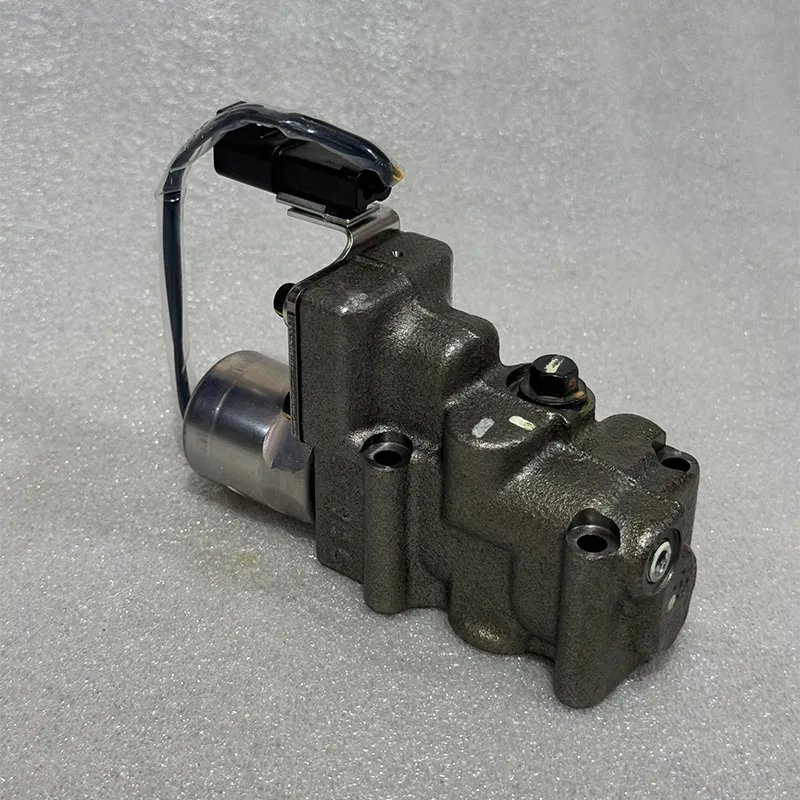 Original komatsu HD785-7 Valve Assembly 561-15-75500
 -
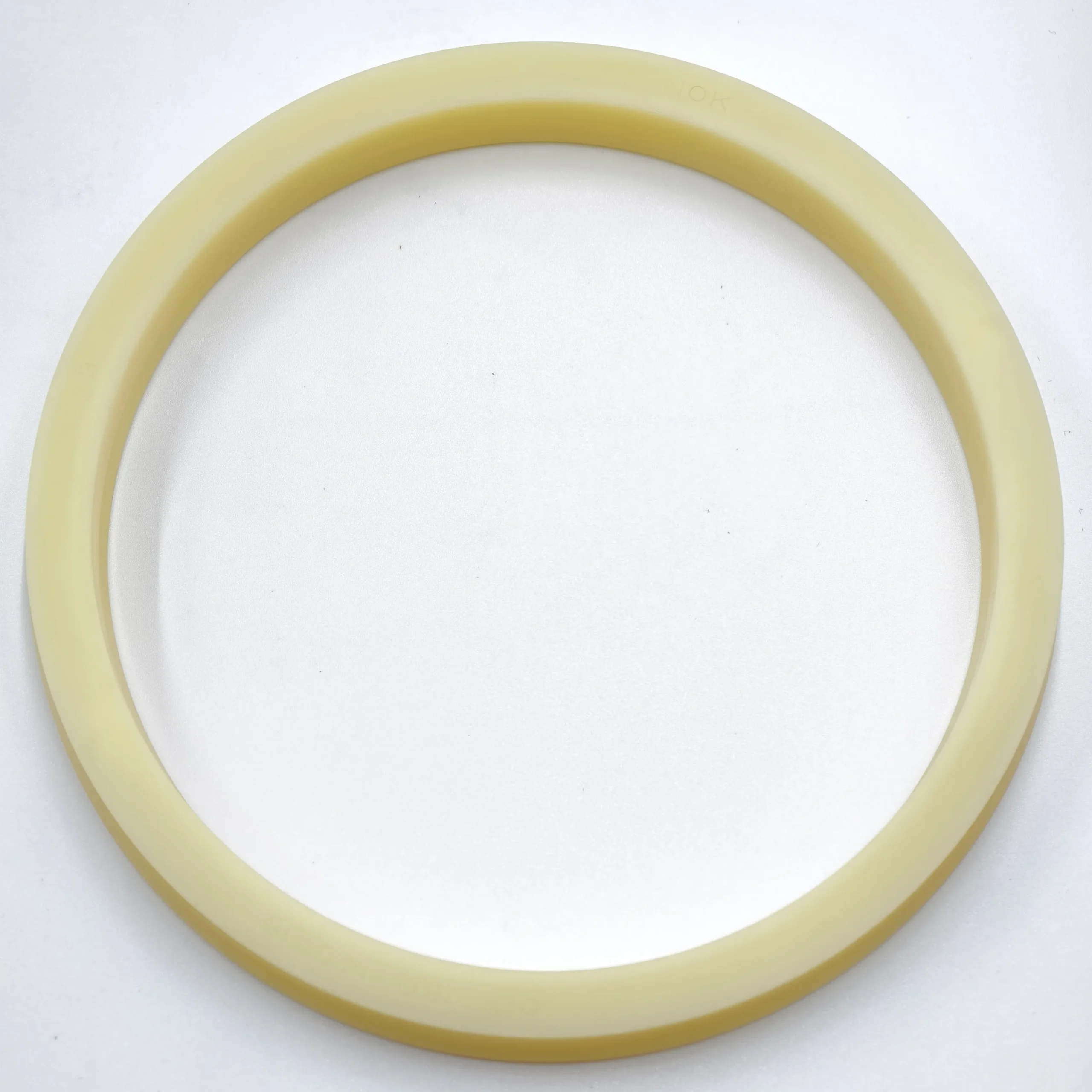 Komatsu 21N-30-14160 PACKING, price for original… — Pricing.Parts
 -
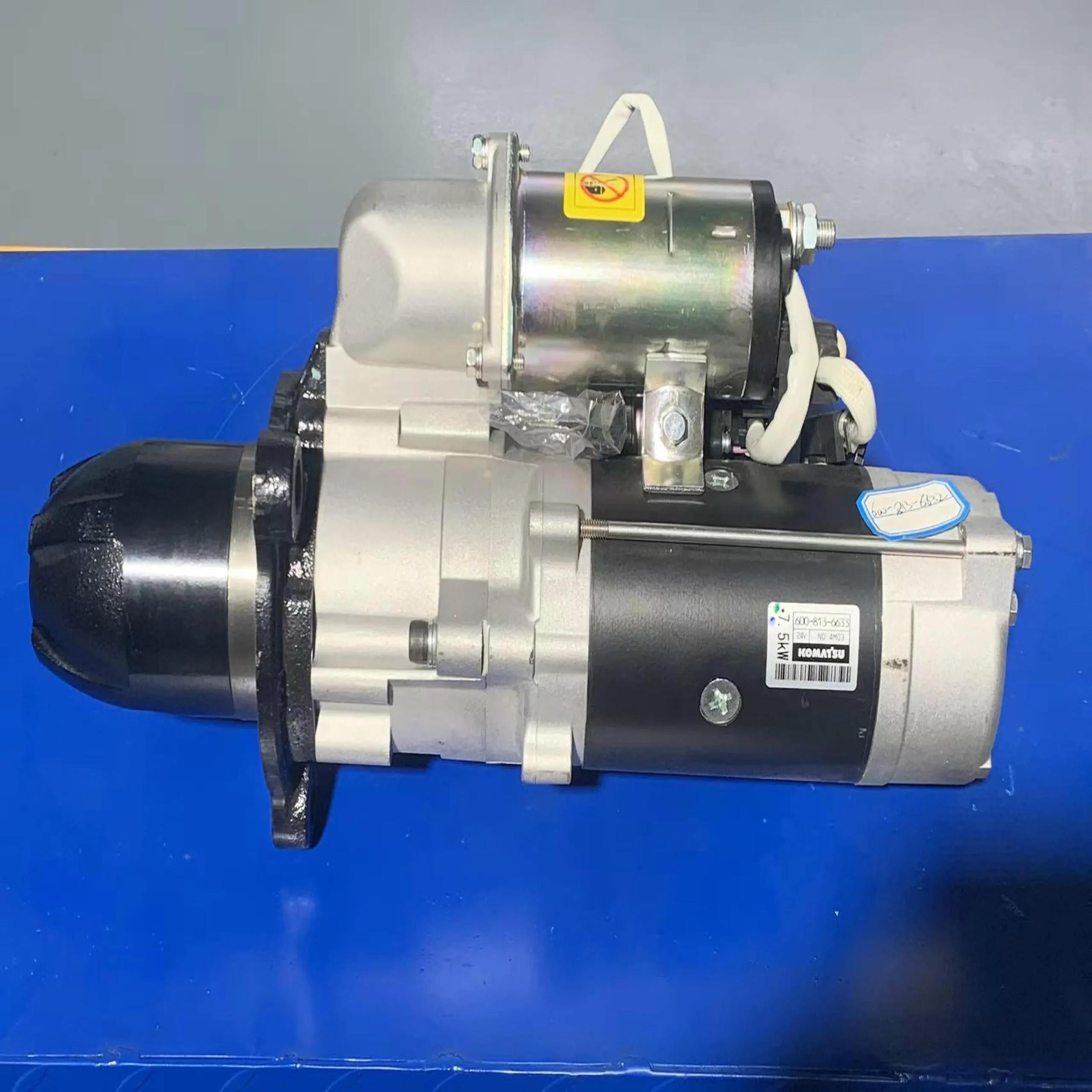 600-813-6632 PC400-8 Start Motor
 -
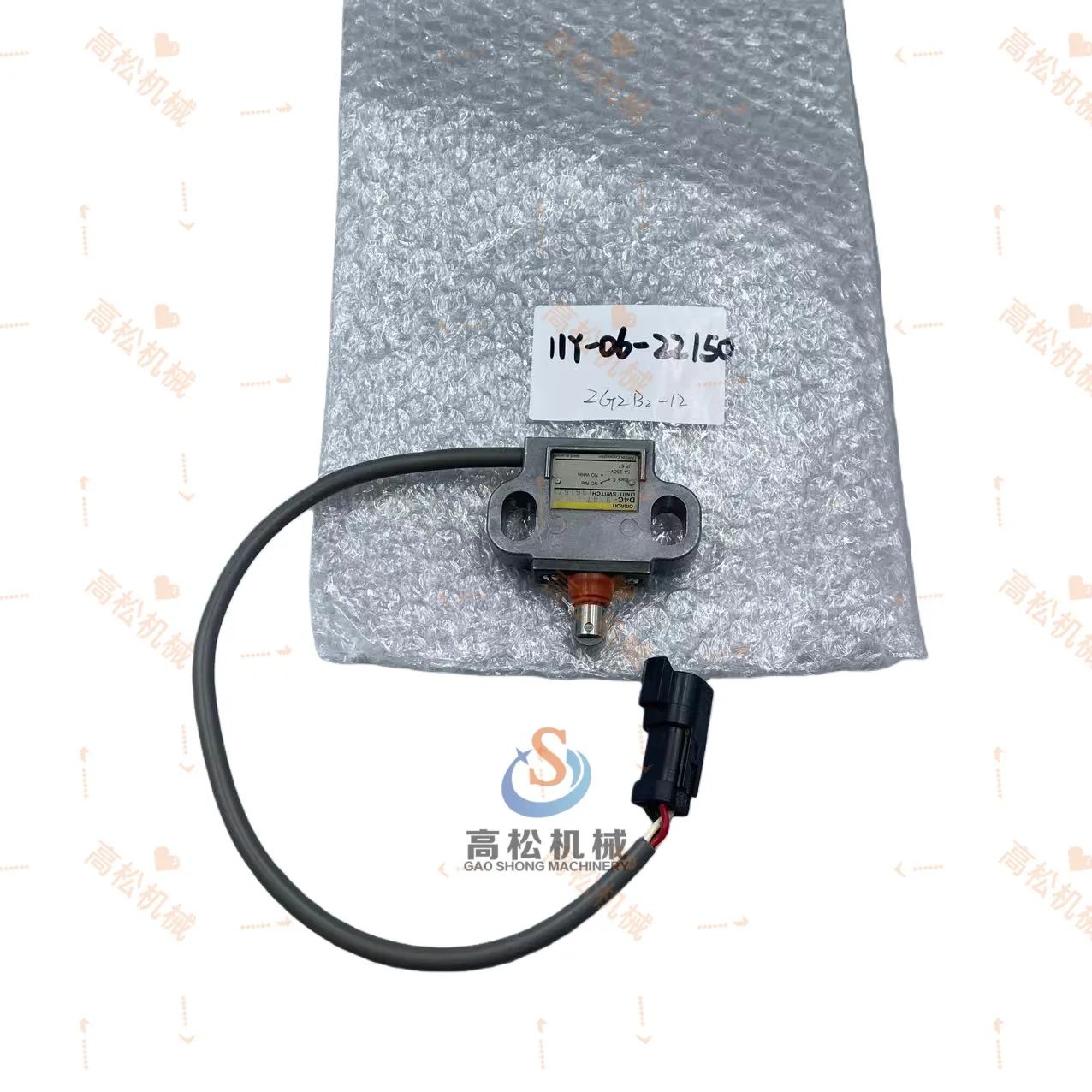 Komatsu original factory switch 11Y-06-22150
 -
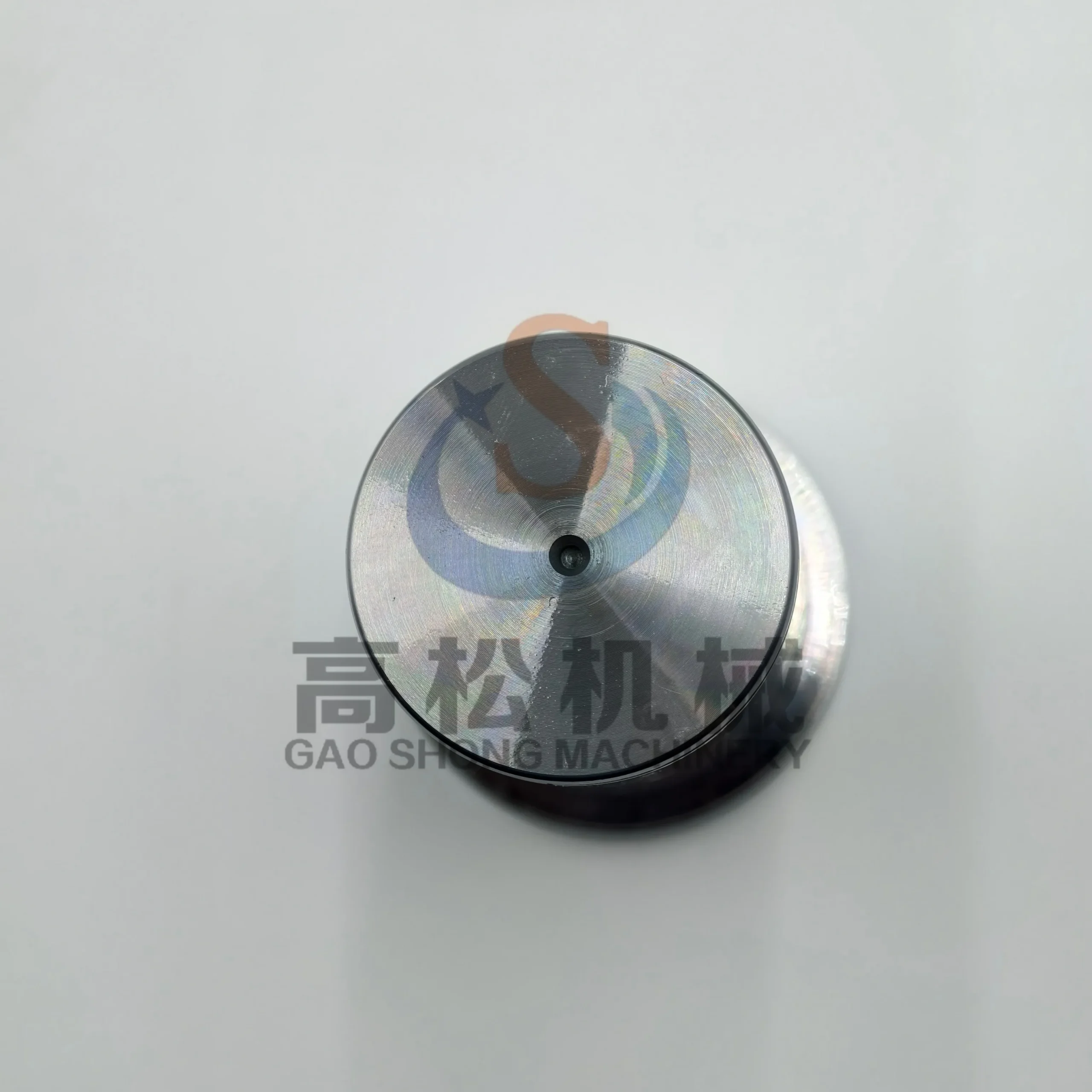 21N-26-33240 Komatsu Pin
 -
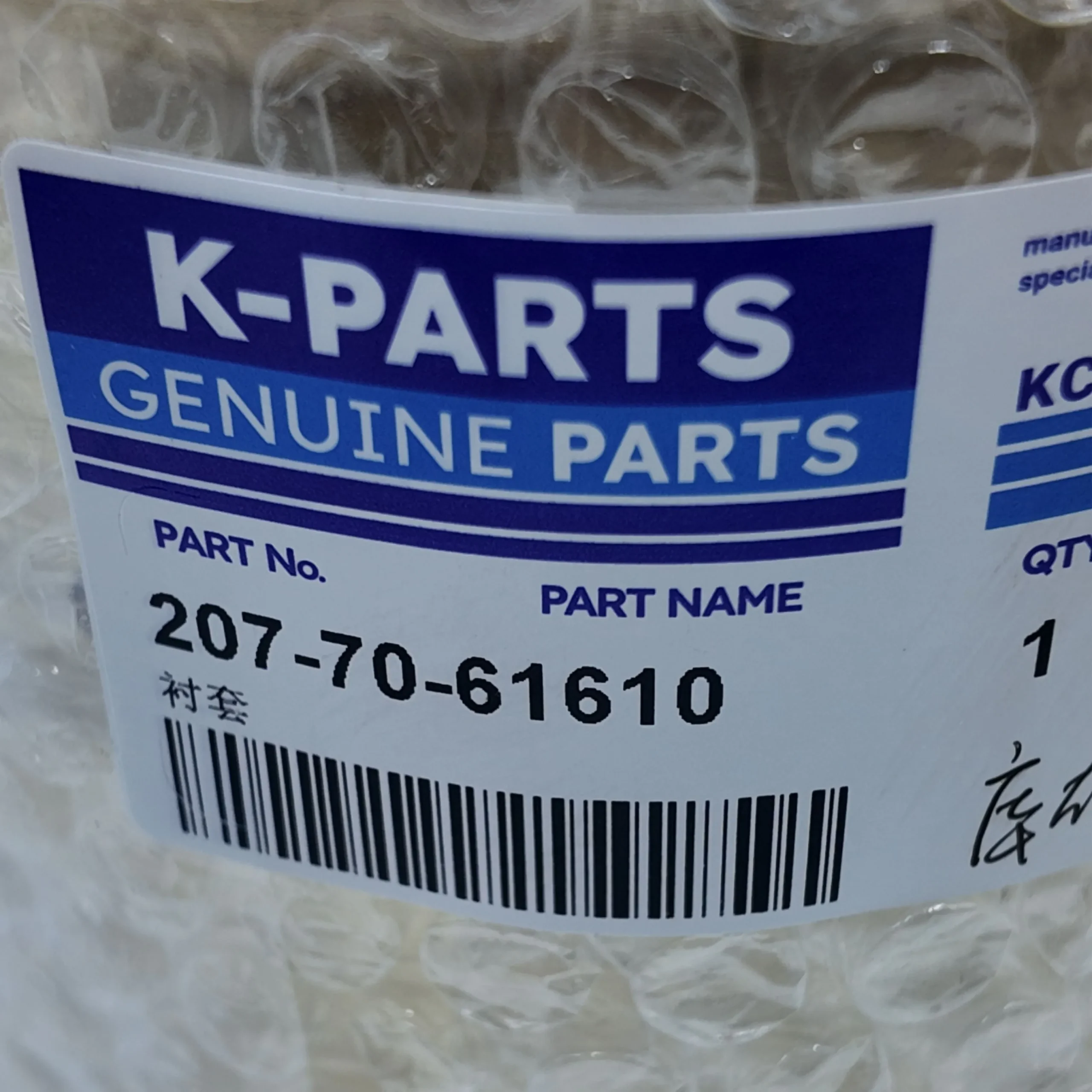 207-70-61610• BUSHING Komatsu Original Factory
 -
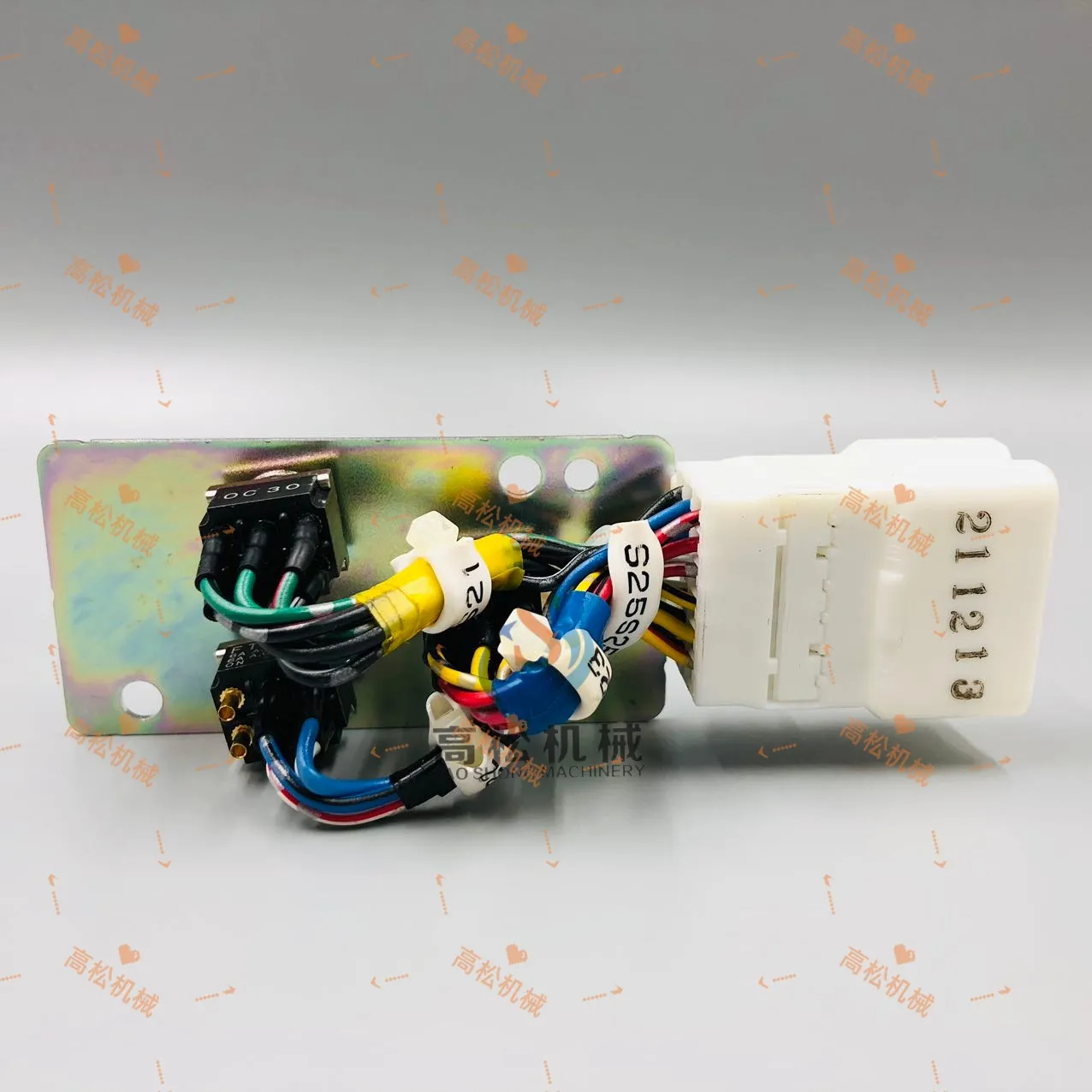 22u-06-22370 Komatsu PC228us-3 SWITCH ASS’Y submit for PC200LL, PC220LL, PC228, PC228US, PC270, PC270LL, PC300, PC300HD, PC300L, PC340, PC350, PC380
 -
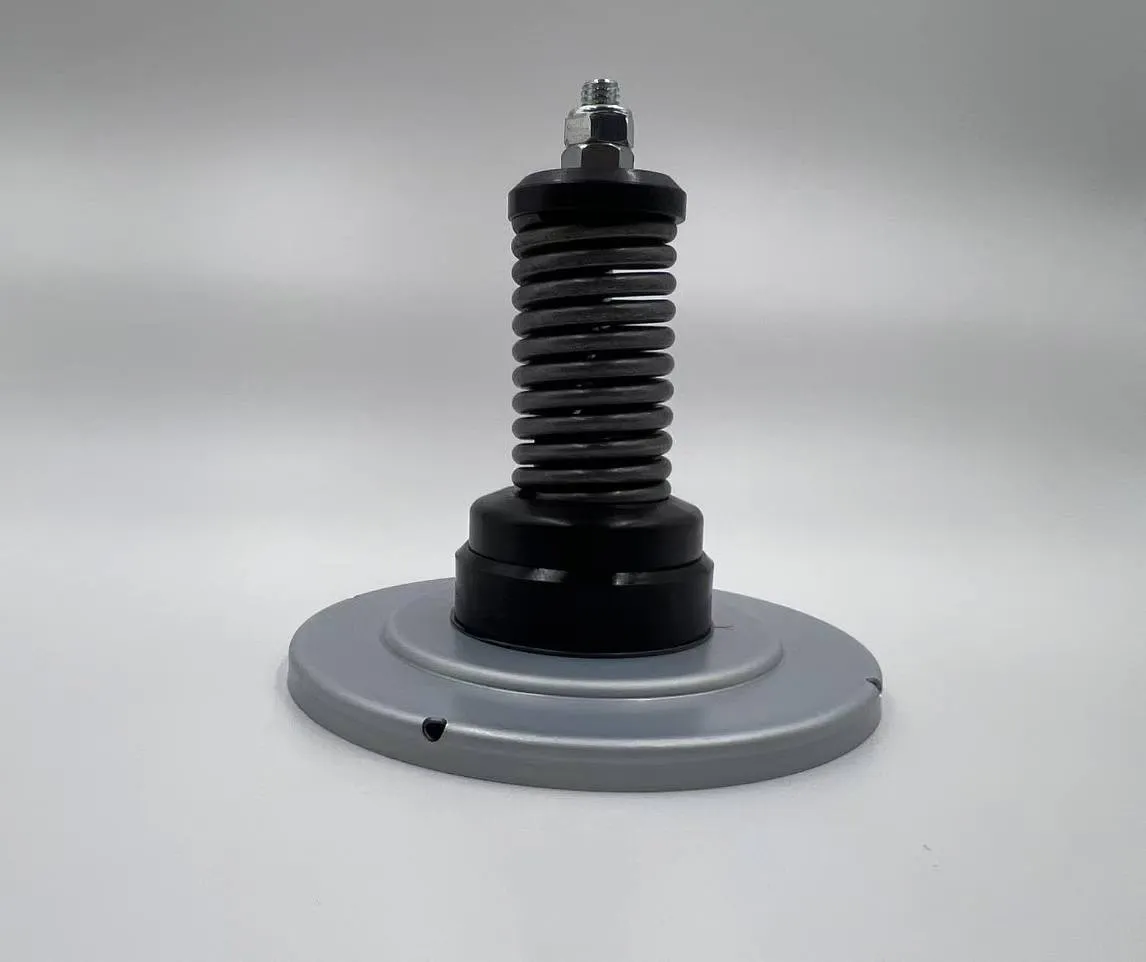 20Y-60-31450 Komatsu Valve Assembly
 -
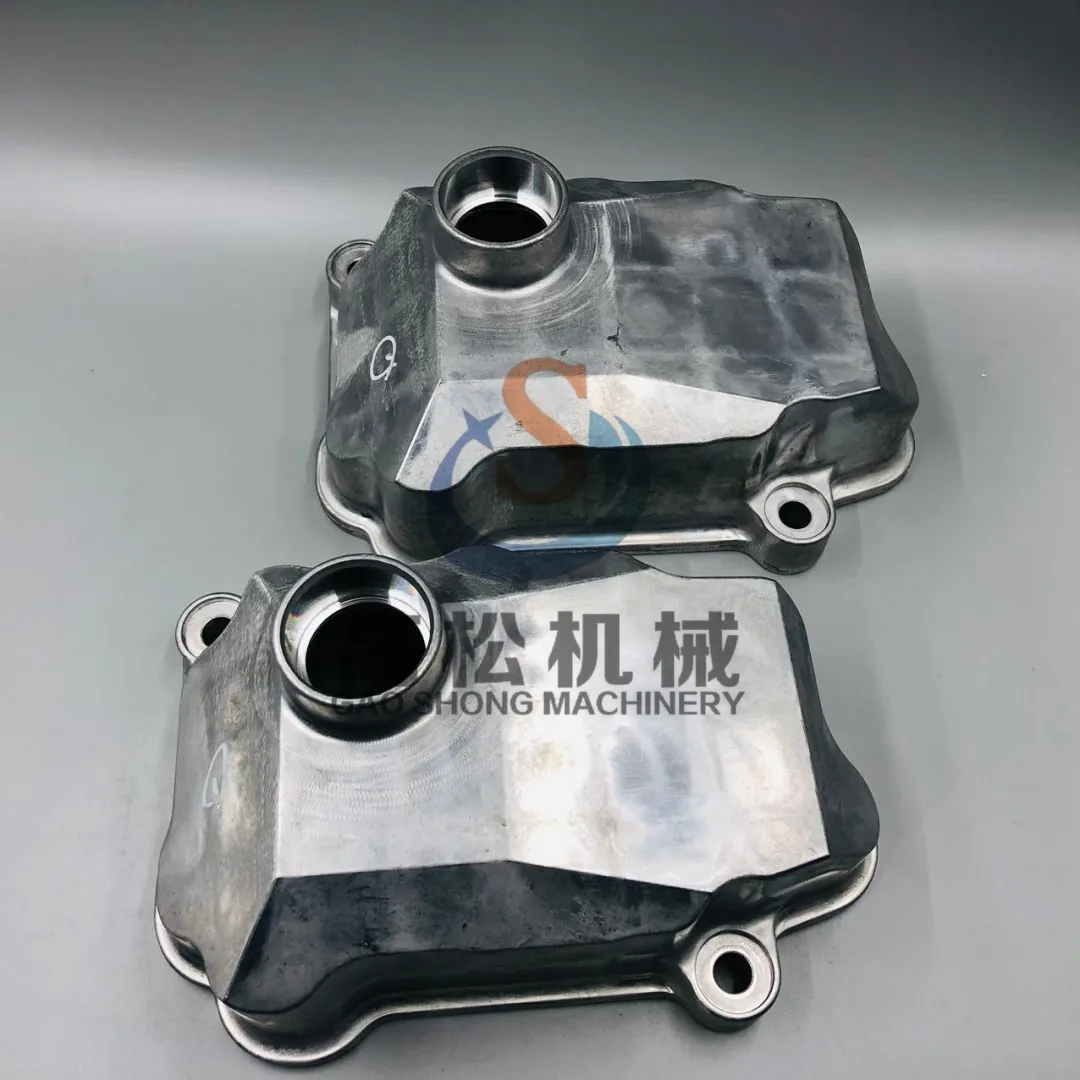 Komatsu SAA6D125E-5 Valve Cover | Part Number 6251-11-8150
 -
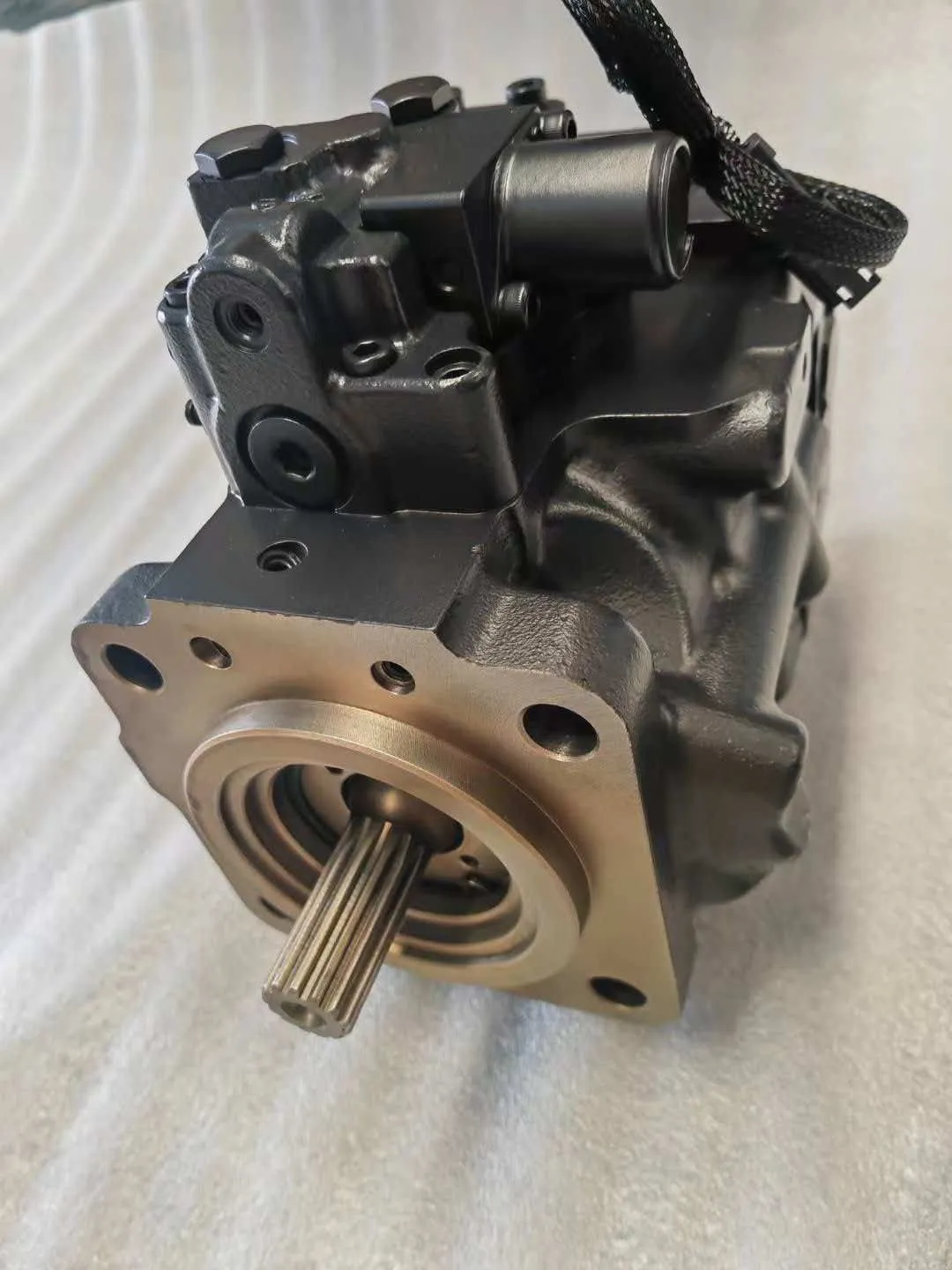 Compatible for Komatsu D61EX-16 D61PX-16 D65PX-17 D65EX-17 GD755-5R Bulldozer Fan Pump 708-1S-00460
 -
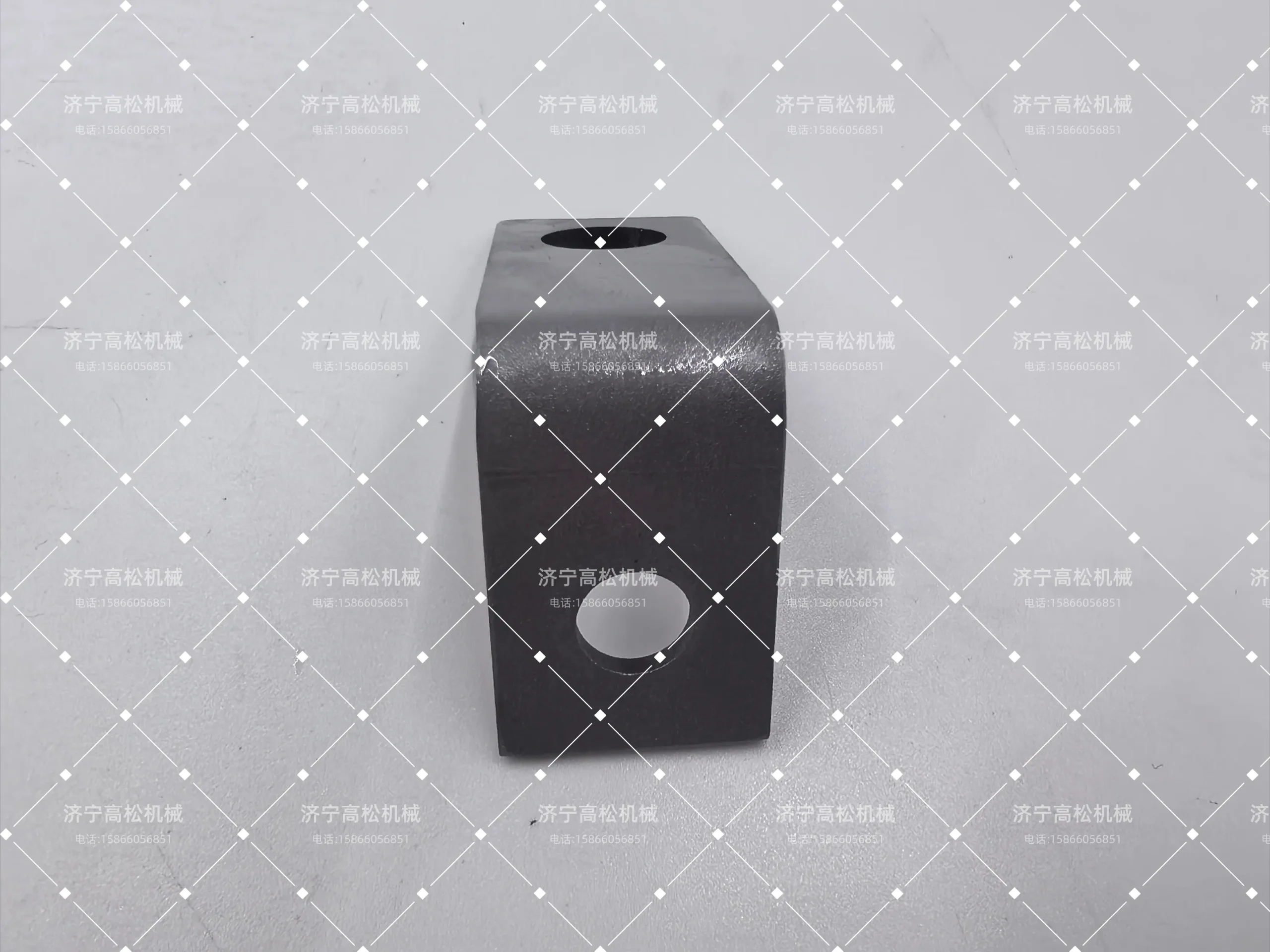 original-komatsu-23c02-15720_supplier
 -
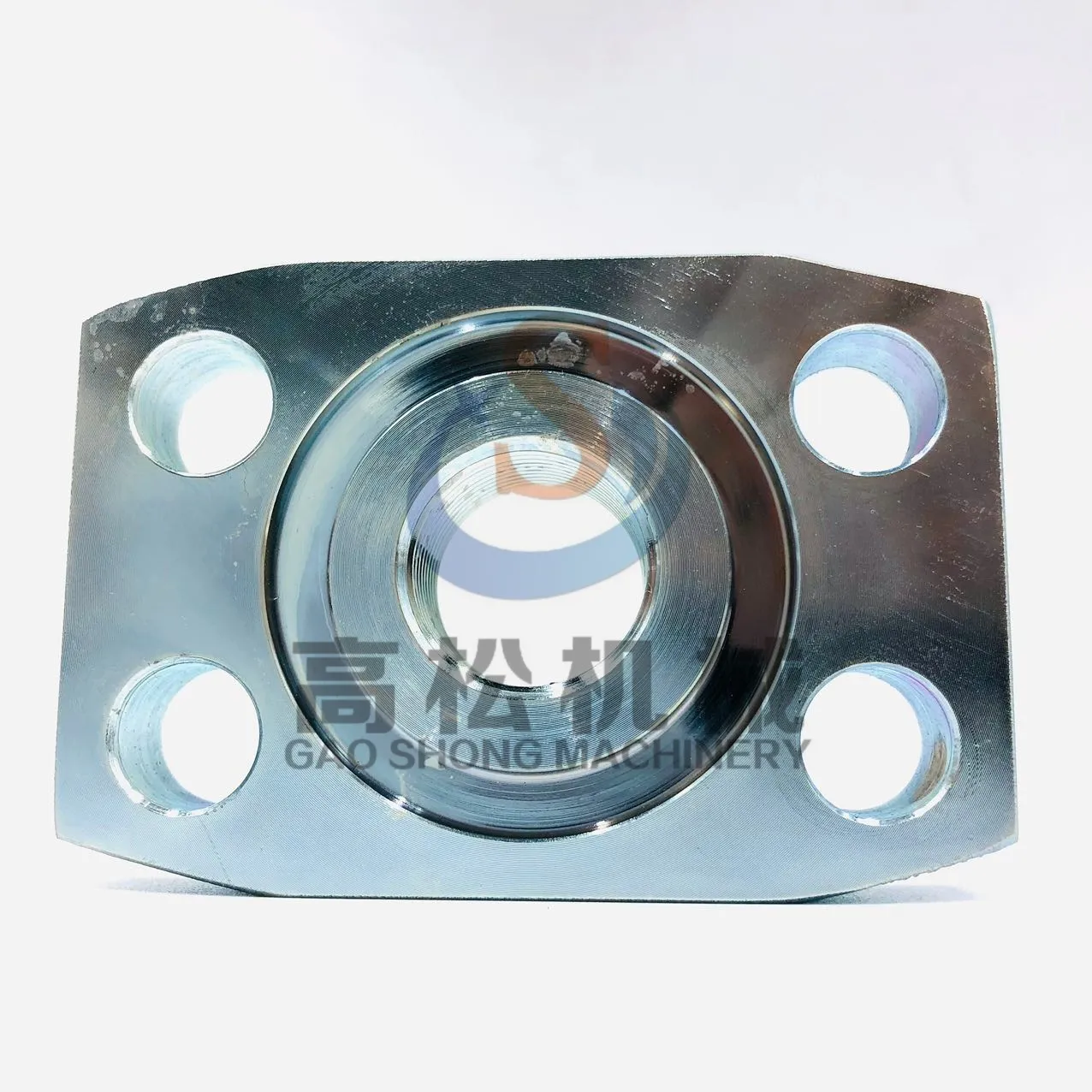 Spare part 21N-38-12310 Flange (Komatsu)