
- Chinese
- French
- German
- Portuguese
- Spanish
- Russian
- Japanese
- Korean
- Arabic
- Irish
- Greek
- Turkish
- Italian
- Danish
- Romanian
- Indonesian
- Czech
- Afrikaans
- Swedish
- Polish
- Basque
- Catalan
- Esperanto
- Hindi
- Lao
- Albanian
- Amharic
- Armenian
- Azerbaijani
- Belarusian
- Bengali
- Bosnian
- Bulgarian
- Cebuano
- Chichewa
- Corsican
- Croatian
- Dutch
- Estonian
- Filipino
- Finnish
- Frisian
- Galician
- Georgian
- Gujarati
- Haitian
- Hausa
- Hawaiian
- Hebrew
- Hmong
- Hungarian
- Icelandic
- Igbo
- Javanese
- Kannada
- Kazakh
- Khmer
- Kurdish
- Kyrgyz
- Latin
- Latvian
- Lithuanian
- Luxembou..
- Macedonian
- Malagasy
- Malay
- Malayalam
- Maltese
- Maori
- Marathi
- Mongolian
- Burmese
- Nepali
- Norwegian
- Pashto
- Persian
- Punjabi
- Serbian
- Sesotho
- Sinhala
- Slovak
- Slovenian
- Somali
- Samoan
- Scots Gaelic
- Shona
- Sindhi
- Sundanese
- Swahili
- Tajik
- Tamil
- Telugu
- Thai
- Ukrainian
- Urdu
- Uzbek
- Vietnamese
- Welsh
- Xhosa
- Yiddish
- Yoruba
- Zulu
- Kinyarwanda
- Tatar
- Oriya
- Turkmen
- Uyghur






OEM AND ORIGINAL KOMATSU BRACKET 17M-71-41951
When you see that part number – 17M-71-41951 – pop up on a screen, especially paired with terms like 'OEM' and 'original,' the immediate assumption is you're getting the exact same bracket that came off the Komatsu production line. That's the first pitfall. In our world, 'OEM' has layers. It can mean the part is made by Komatsu's contracted factory, or it can mean it's made to the exact same spec by a different, but still Komatsu-system-approved, facility. The bracket for, say, a PC300-8 excavator's hydraulic line routing isn't just a chunk of metal; its fatigue life, weld penetration, and even the grade of steel are specified. I've seen too many guys order what they think is an original Komatsu bracket, only to find the bolt hole alignment is off by a millimeter or the metal thickness is subpar, leading to a stress fracture in six months. The devil is in the certification trail, not just the stamp.
The Gray Zone of Genuine Supply
This is where companies like Jining Gaosong Construction Machinery Co., Ltd. operate. They list themselves as an OEM product supplier within the Komatsu system. In practice, this often means they have the technical drawings and material specifications from Komatsu's supply chain and are producing components like the 17M-71-41951 bracket under license or a supply agreement. It's not the genuine part you'd get from a Komatsu dealer's shiny shelf, but it's not a knock-off either. It's a system part. Their stated role in helping solve parts supply challenges in certain countries rings true – I've been in situations where the official channel had a 12-week lead time for a simple bracket, halting a machine. A reliable system supplier bridges that gap.
The risk isn't usually in the initial quality. If a company like Gaosong is legitimately within the system, their first articles and batch samples are rigorously tested. The risk comes later, in years two or three of production, if quality control slips or material sourcing changes to cut costs. I once received a batch of brackets where the zinc plating was thinner than spec. It passed a visual check, but in a coastal environment, it started to show rust in weeks, while the older, true-OEM brackets beside it were fine. The part number was identical, the supplier was approved, but the nuance was in the unstated details.
So, when you're on a site like takematsumachinery.com looking at this part, the question isn't just Is this OEM? It's What tier of OEM is this? Is it from the primary forge that supplies Komatsu's assembly line directly, or is it from a secondary, system-authorized manufacturer? Both can legitimately use the term OEM. The price difference often tells you, but not always. You have to dig into the company's documentation and, frankly, their reputation. Gaosong's pitch as a third-party sales company for Komatsu adds another layer – they might be moving surplus genuine stock alongside their own system-manufactured parts. Clarity from them is key.
Field Failures and the Bracket's Real Job
Let's talk about what the 17M-71-41951 actually does. It's not a decorative piece. On the machines I've worked on, it's a structural support bracket, often for hydraulic valve banks or conduit. Its failure is rarely catastrophic on its own, but it's a domino. A cracked bracket leads to vibration, which leads to hose chafing, which leads to a high-pressure leak and sudden downtime. I recall a PC360 where an aftermarket bracket (not even a system-OEM one) failed. The vibration it introduced caused a sensor wire to fatigue and break, throwing the machine into a diagnostic mode that took us two days to trace back to the root cause – a $150 part causing $10k in downtime.
This is why the material and heat treatment matter so much. An original Komatsu bracket will have a specific ductility to absorb operational vibration. Cheaper versions can be too brittle or too soft. We tried a budget alternative once, sourced from a non-system supplier. It looked perfect. But under a torque wrench, the flange nuts began to pull through the mounting holes – the metal was simply too soft. It hadn't been heat-treated correctly. That experiment cost us a day's labor and reinforced the value of traceability.
The lesson? Even with a seemingly simple component, you need to understand its function in the system. Is it purely load-bearing? Does it manage harmonic vibration? The 17M-71-41951, in my experience, often plays a role in both. Sourcing it requires asking the supplier not just for the part, but for the material certs. A reputable system supplier should be able to provide that, or at least attest to its compliance.
Verifying a System Supplier
So how do you vet a claim from a website like https://www.takematsumachinery.com? First, look for transparency. Do they openly state they are a manufacturer and a distributor? Jining Gaosong's description does that. Second, look for specificity. Do they mention working with Komatsu's engineering codes or quality standards (like KES)? A vague claim of OEM quality is a red flag; a claim of manufactured to Komatsu drawing 17M-71-41951 is more tangible.
I always recommend a small test order. Order one bracket. Put it side-by-side with a known-genuine part from a decommissioned machine. Measure every dimension. Check the weight. Examine the welding bead consistency and the finish. Most importantly, install it and monitor it. Does it fit without persuasion? Does it sit flush? A legitimate system-OEM part will.
The digital storefront is just that – a front. The real verification happens with a purchase order and a dialogue. Ask them directly: Is this part sourced from Komatsu's direct factory, or is it manufactured by your company to Komatsu's OEM specification? Their answer will tell you everything. A good supplier won't hedge. They'll explain their position in the supply chain clearly, because their long-term business relies on being trusted for solving those parts supply challenges.
The Cost of Downtime vs. Part Price
This is the ultimate calculus for any fleet manager or site mechanic. The price delta between a non-genuine bracket, a system-OEM bracket (like what Gaosong likely supplies), and a dealer-genuine bracket can be significant. But you have to measure it against the machine's hourly rate. If a $75 system-OEM bracket lasts the life of the machine, and a $35 knock-off fails in a year and causes 8 hours of downtime on a $200/hour machine, you've lost $1600 plus the cost of the second replacement bracket.
My rule has become this: for critical structural brackets, especially those insulating sensitive components from vibration, I opt for system-OEM or genuine. The premium is insurance. For a non-critical, purely aesthetic cover bracket, the budget option might suffice. The 17M-71-41951, given its typical application, falls into the critical category for me. The extra $40 for a part with verifiable provenance from a known system supplier is a no-brainer.
This is the value a company in Gaosong's niche provides. They aren't selling the cheapest option. They're selling a reliable, traceable, and available option that prevents catastrophic downtime. Their existence acknowledges a reality: the official global parts network has gaps and delays, and a robust, quality-conscious secondary system is not just convenient, it's essential for keeping iron moving.
Wrapping It Up: A Practical Sourcing Approach
When the 17M-71-41951 bracket is needed tomorrow, and the dealer is back-ordered, here's my process. First, check the inventory of known system suppliers – their lead times are usually better. I'd look at a site like takematsumachinery.com with a specific set of questions ready. I need to confirm manufacturing origin and request material documentation if possible.
Second, if the supplier confirms they are an OEM product supplier within the Komatsu system, I place a trial order. I inspect it upon arrival with the scrutiny I've described. I keep the old, broken bracket for comparison. The installation is the final test.
Finally, I document the outcome. Which supplier did I use? What was the part's performance? This creates a personal database of reliable sources for the next crisis. The goal isn't to always buy the absolute cheapest Komatsu bracket, but to buy the most cost-effective over the total lifecycle of the machine. Sometimes that's a genuine part, sometimes it's a high-tier system-OEM part. Knowing the difference, and having suppliers you can trust for each scenario, is what separates a reactive mechanic from a proactive asset manager. It turns a simple bracket from a commodity into a strategic purchase.
Related Products
Related Products
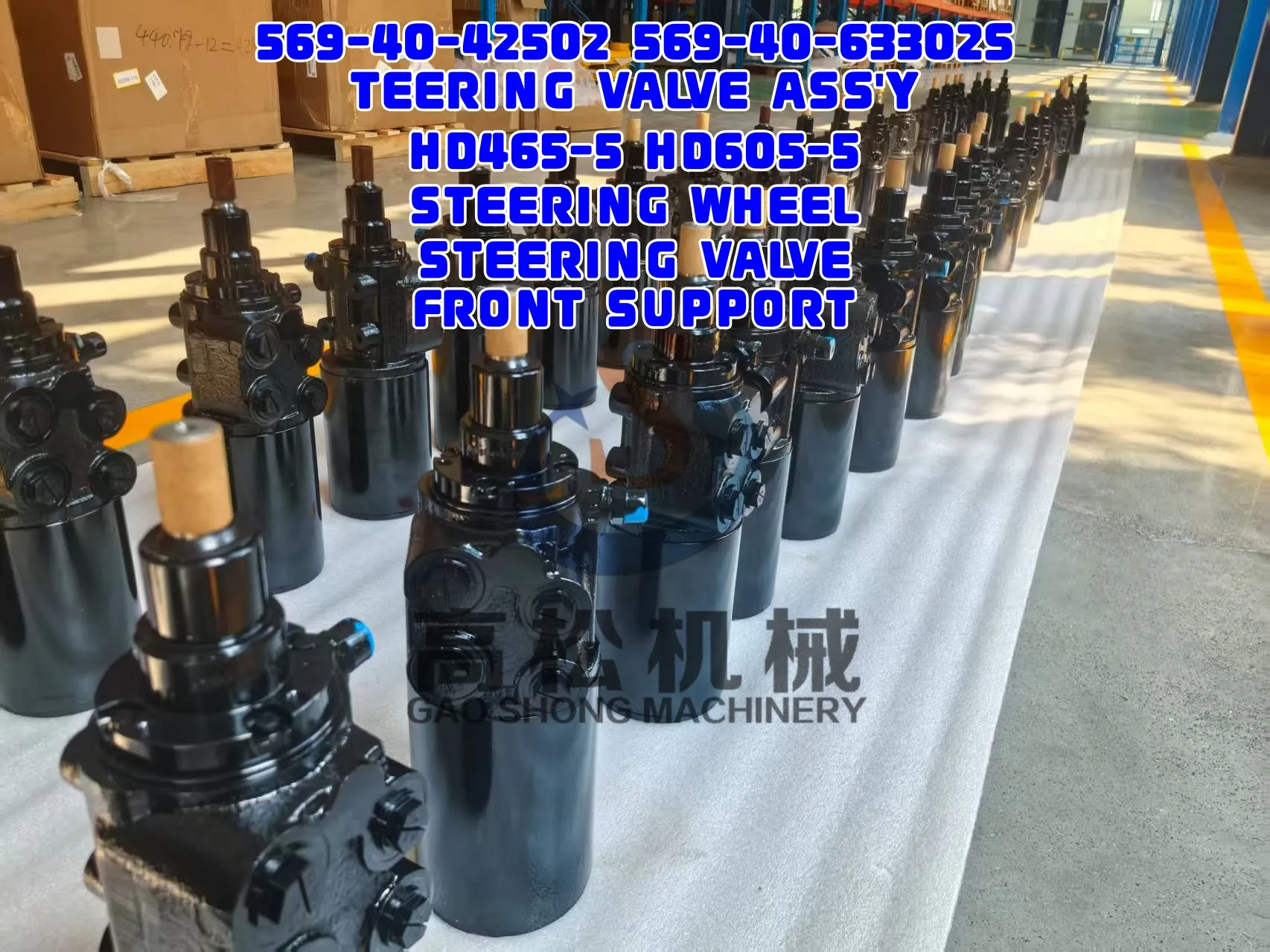
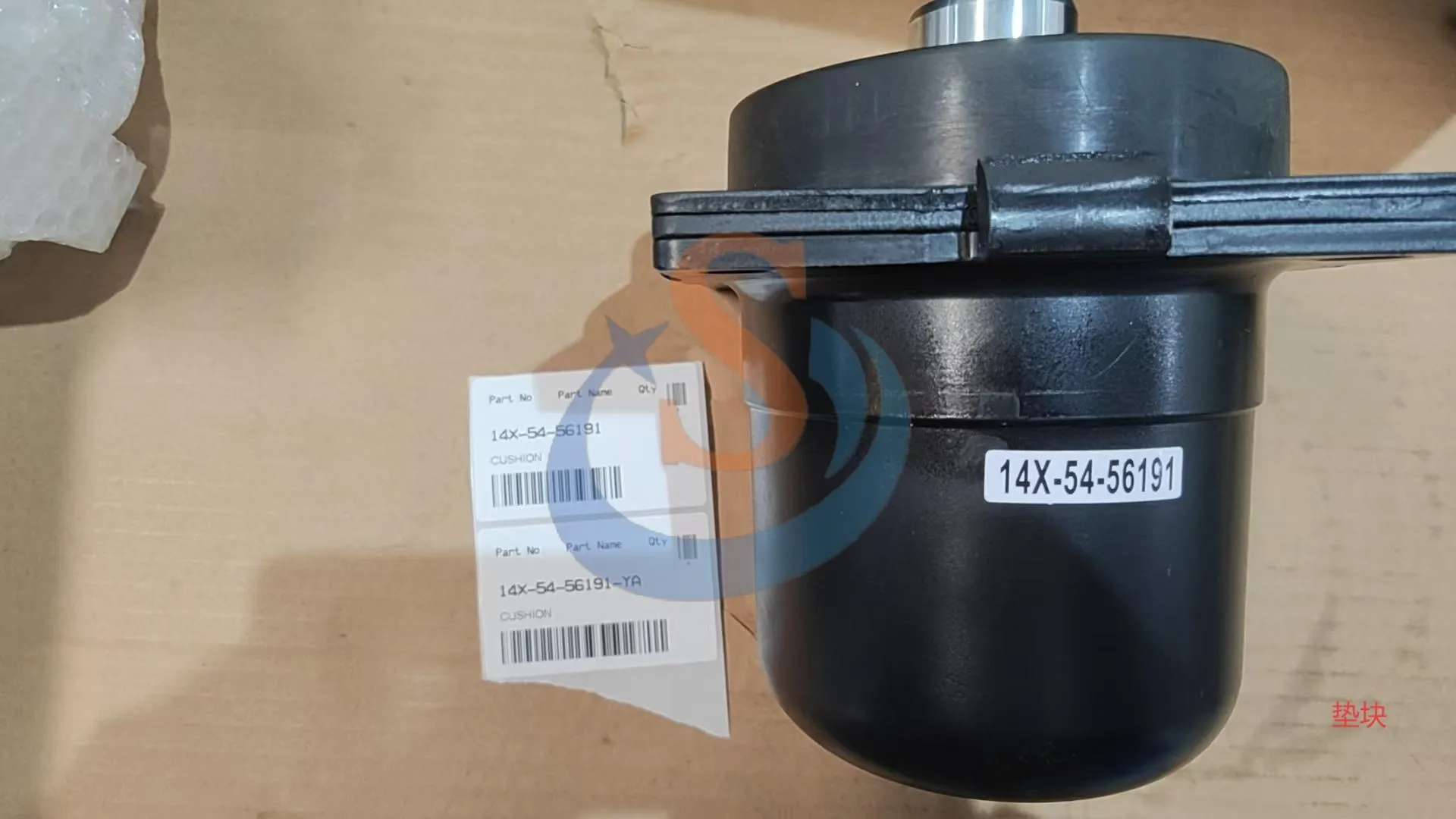
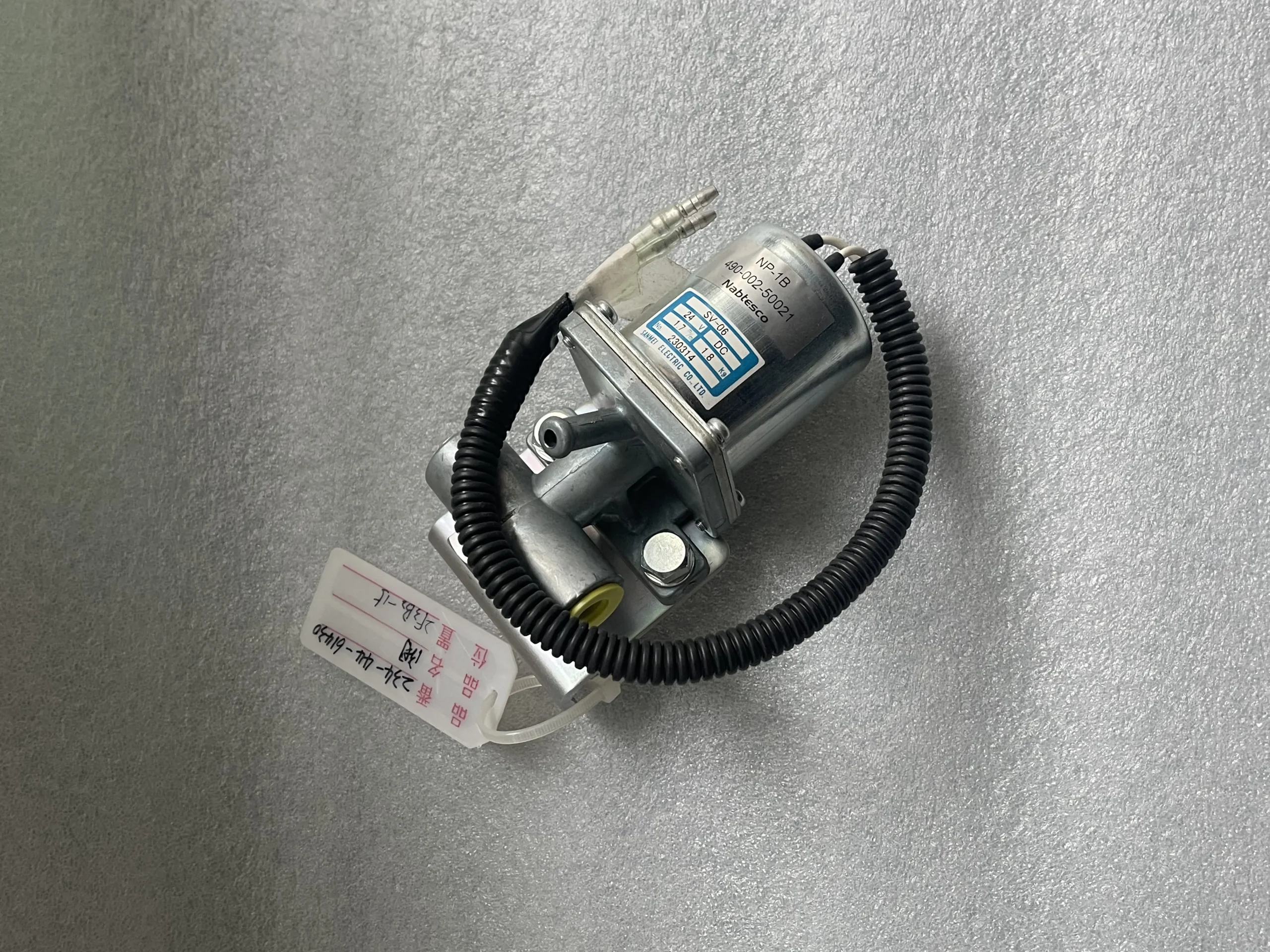

Best Selling Products
Best Selling Products-
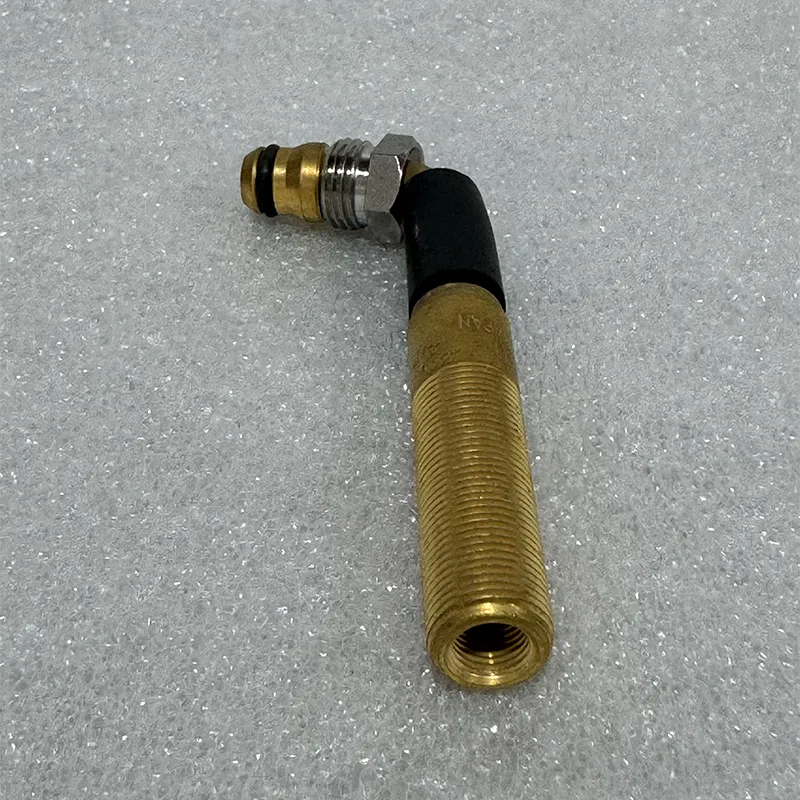 Original komatsu WA200-6 valve stem 09280-10130
 -
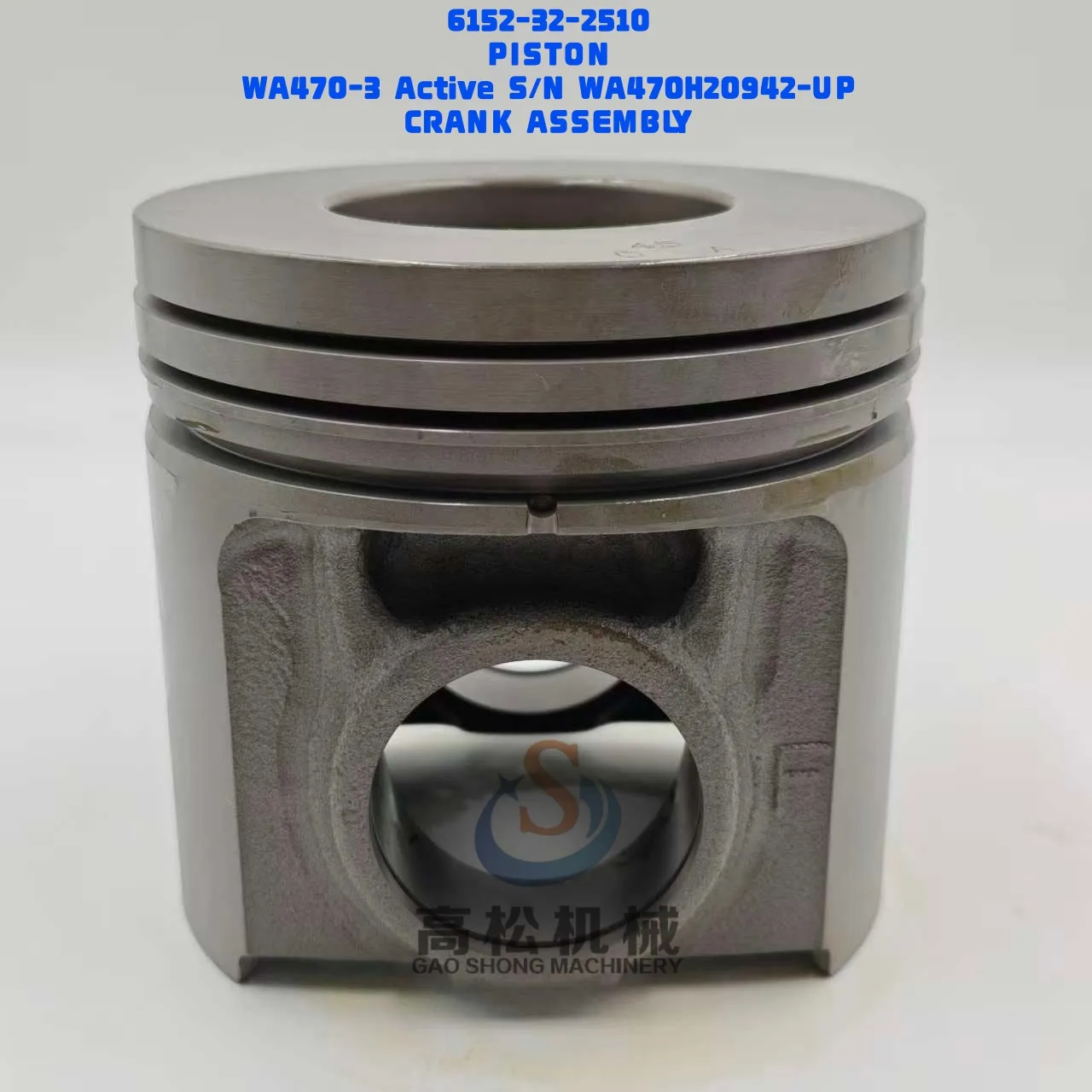 6152-32-2510 PISTON KOMATSU parts D87E, D87P, DCA, EGS360,380, PC400, PW400MH, S6D125E, SA6D125E, SAA6D125E, WA450, WA470, WA480
 -
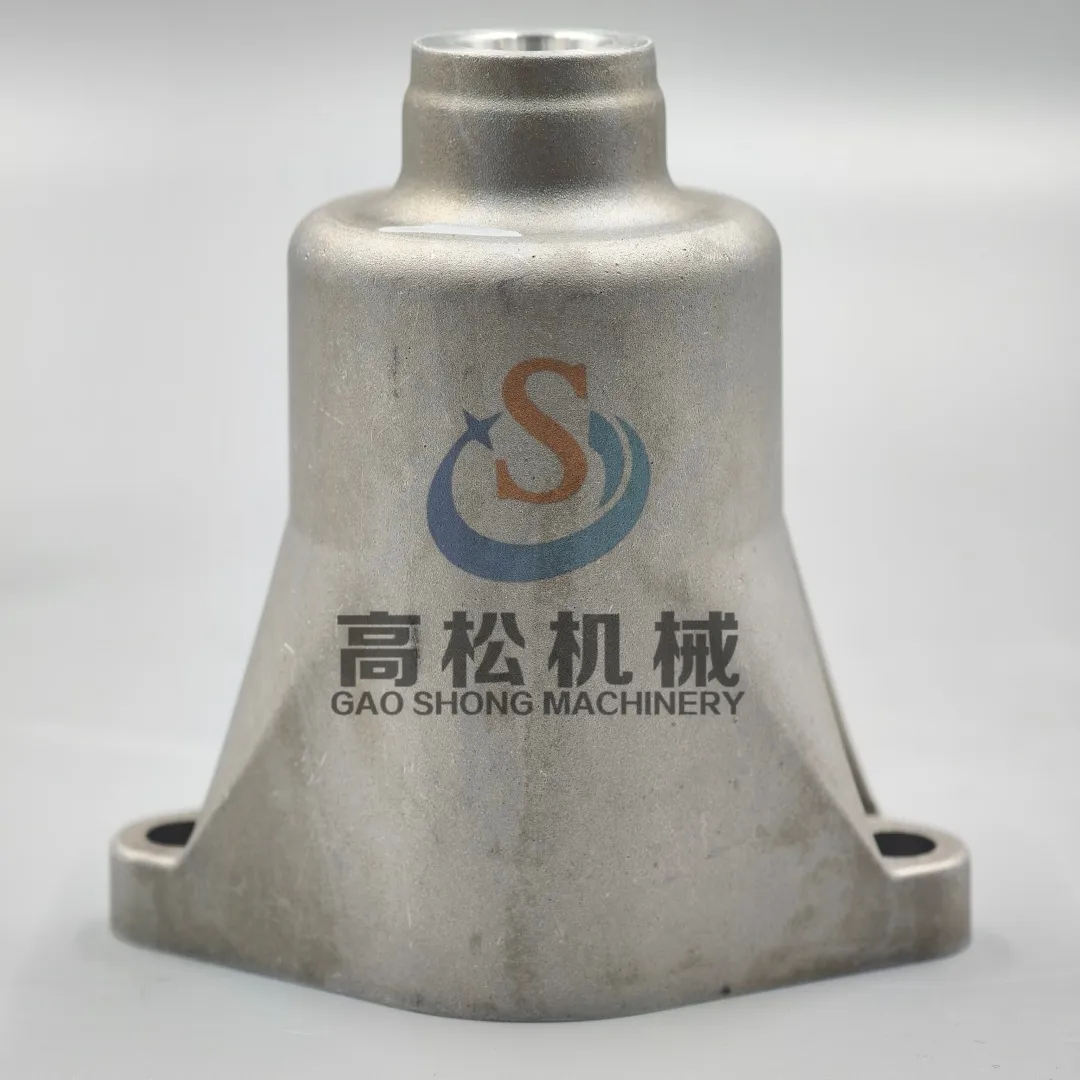 723-46-15111 Control Valve Case for Komatsu PC300 PC350 PC400 Excavator Diesel Fuel Cap Model Engine Parts
 -
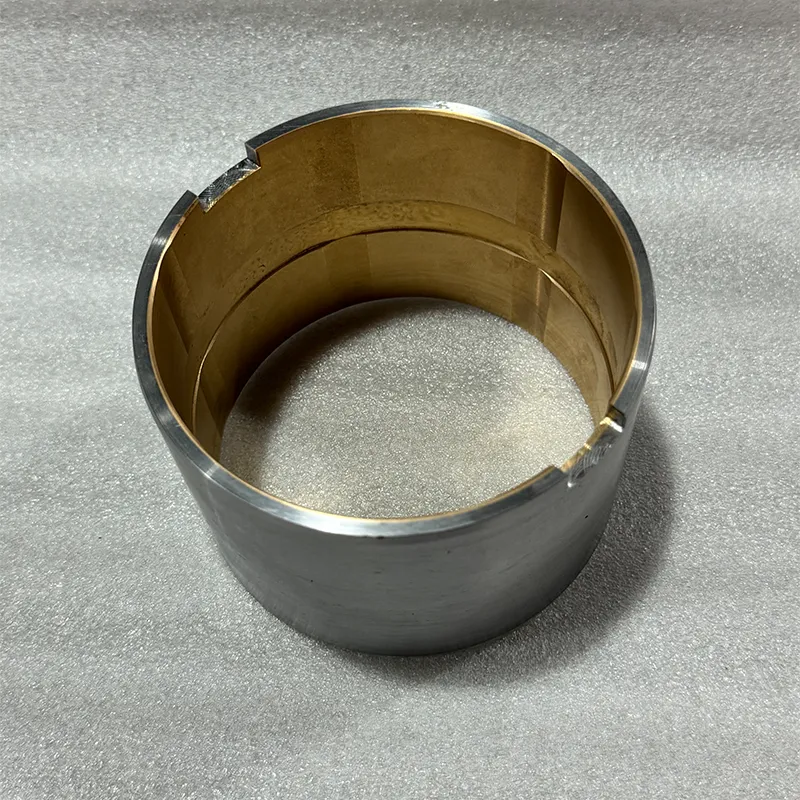 Komatsu original D375A-1 Sleeve 195-61-41160
 -
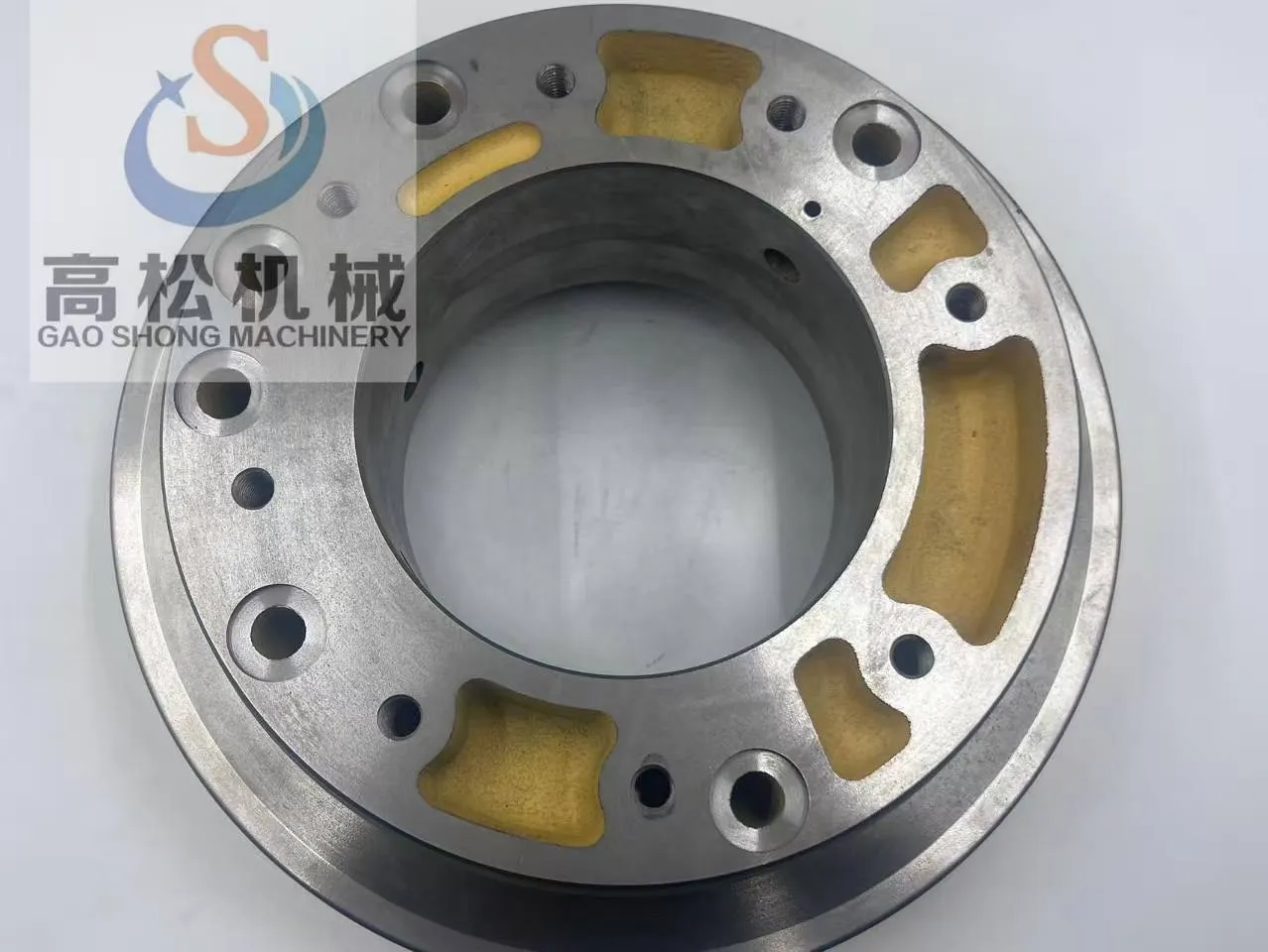 Komatsu D155A-5 cylinder 17A-22-11132
 -
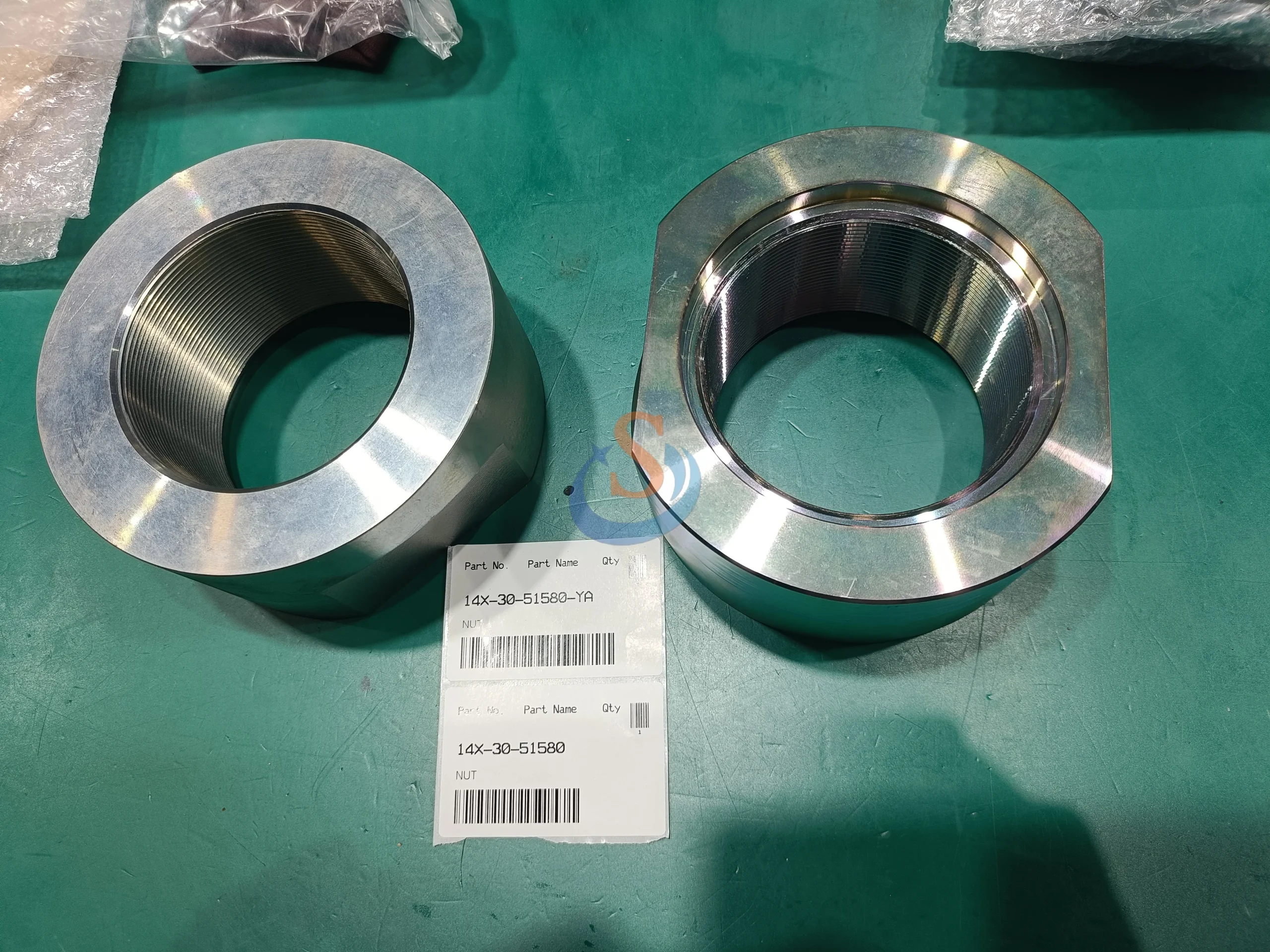 14X-30-51580,NUT,D65EX,D65PX,D65WX
 -
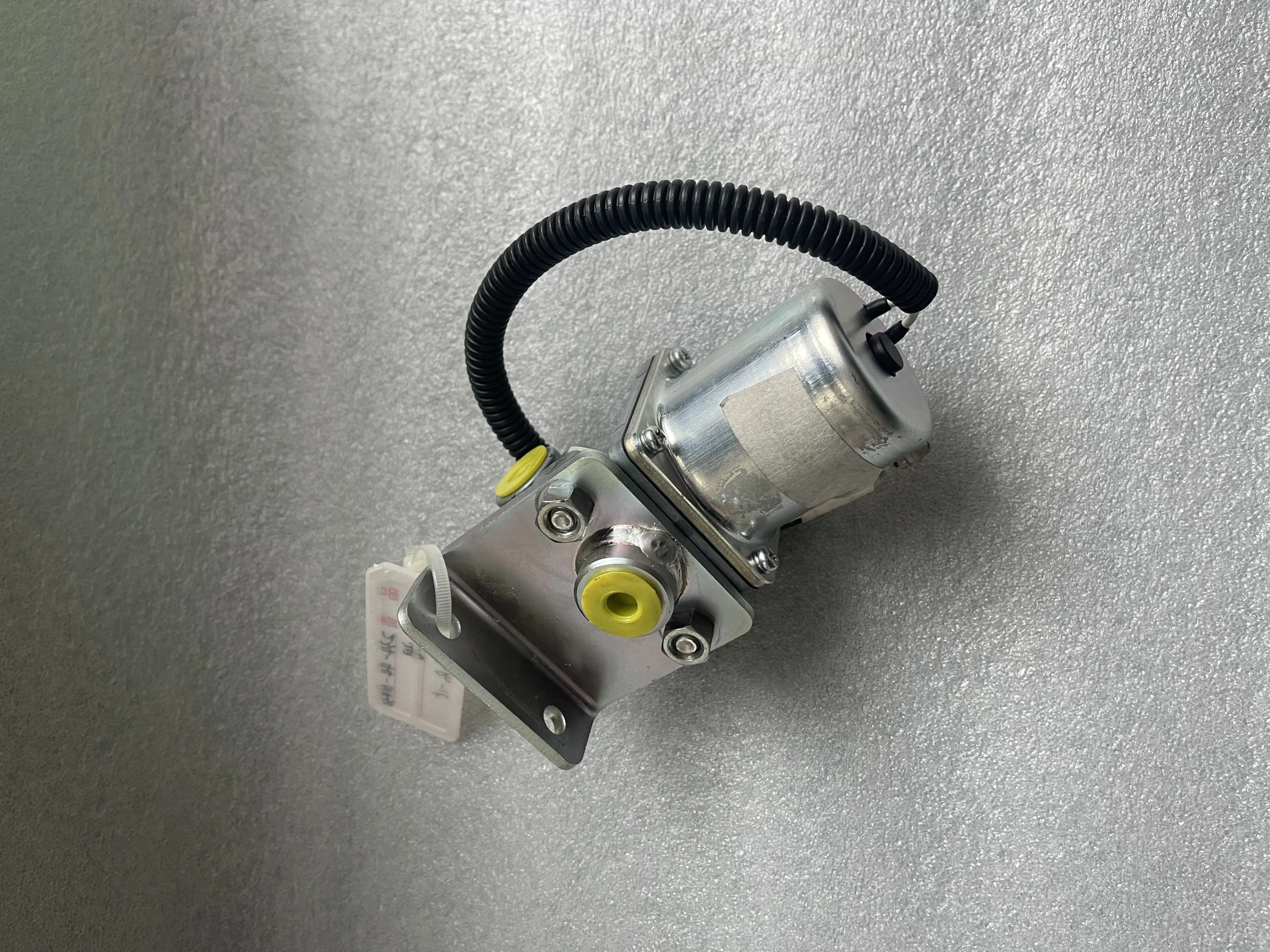 234-44-61430-VALVE Applicable: Komatsu GD825 / GD705
 -
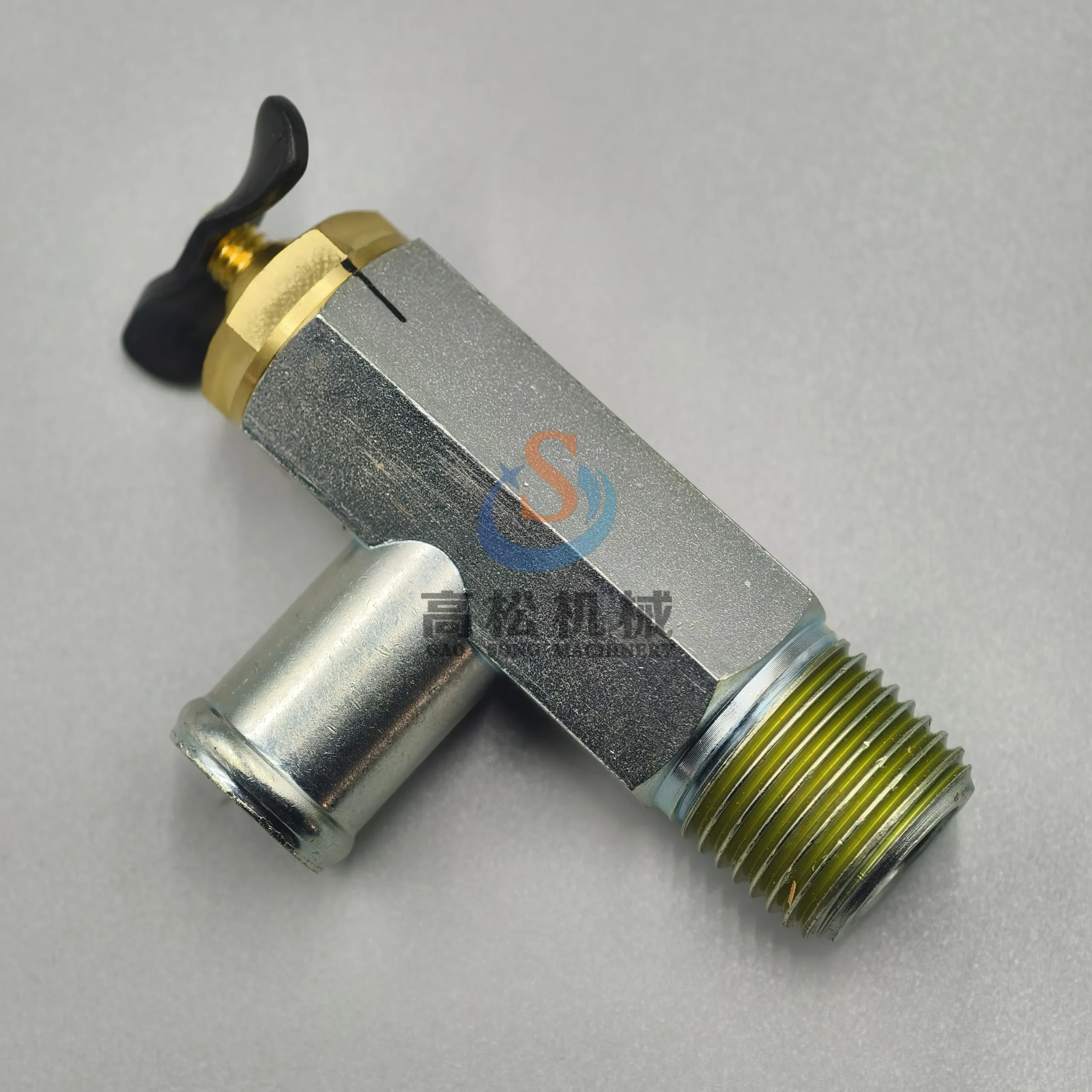 09482-10000 komatsu vavle-D275A/PC750/WA800
 -
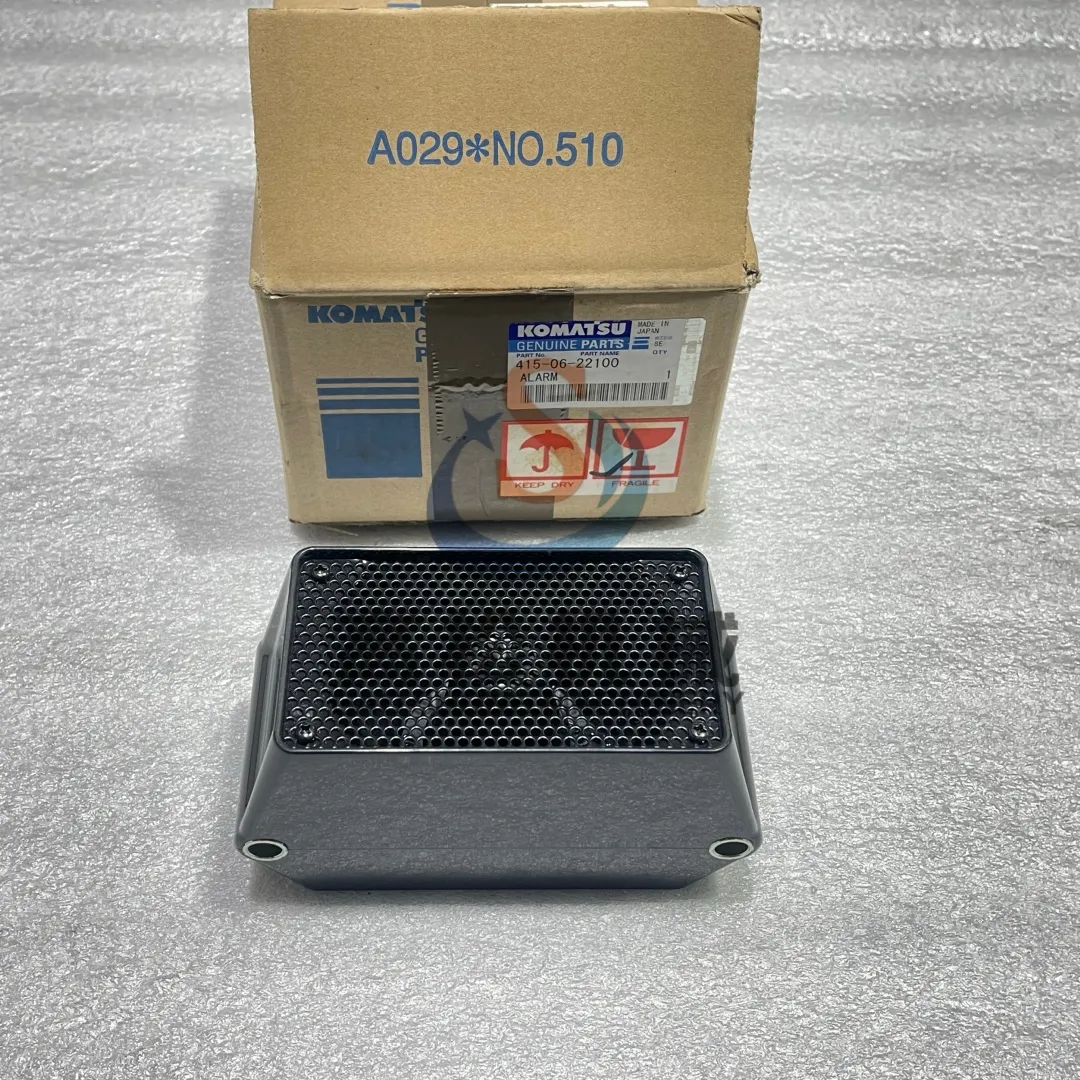 alarm 415-06-22100 – komatsu
 -
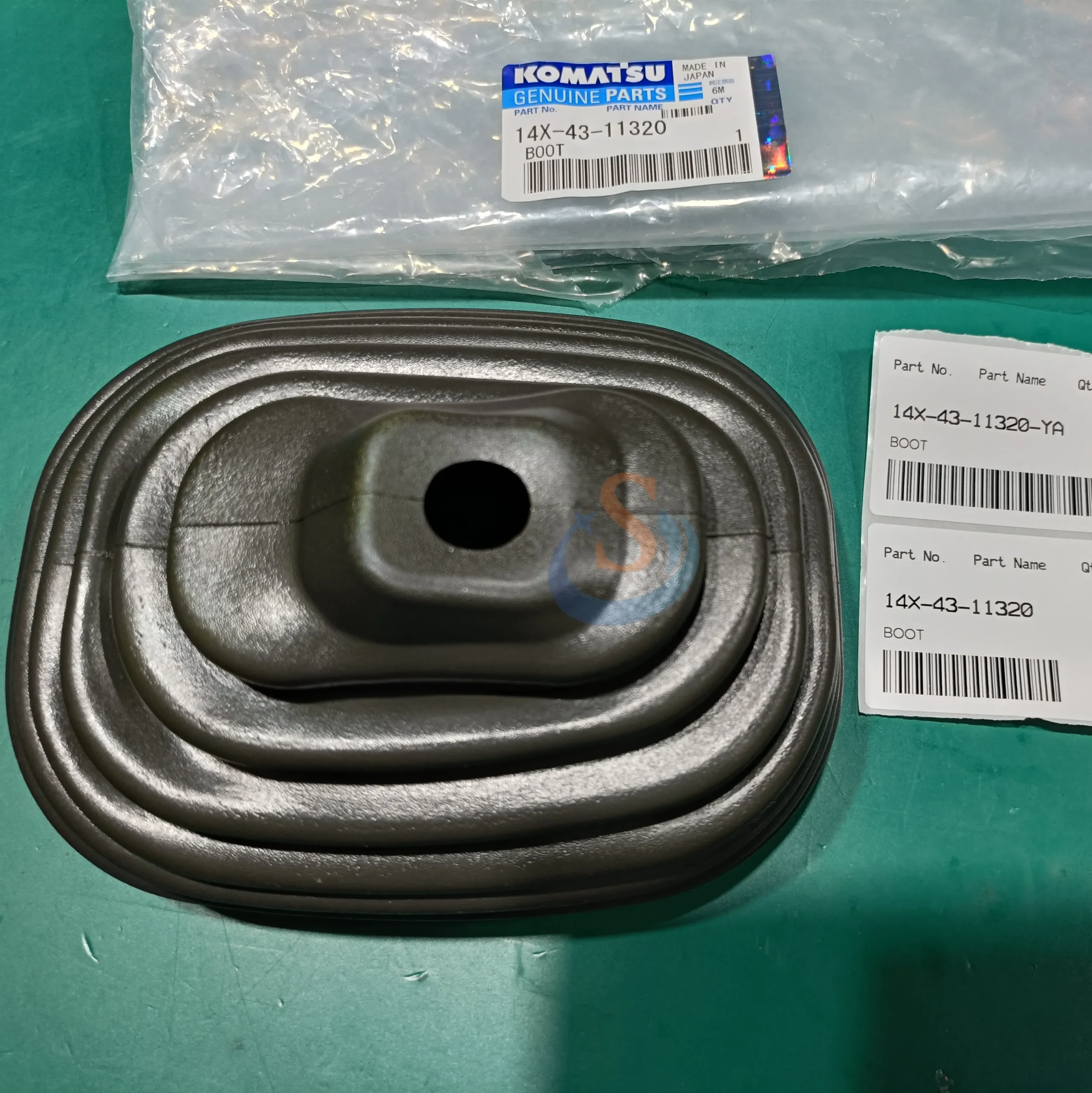 14X-43-11320,BOOT,D65PX,D85E,D155A
 -
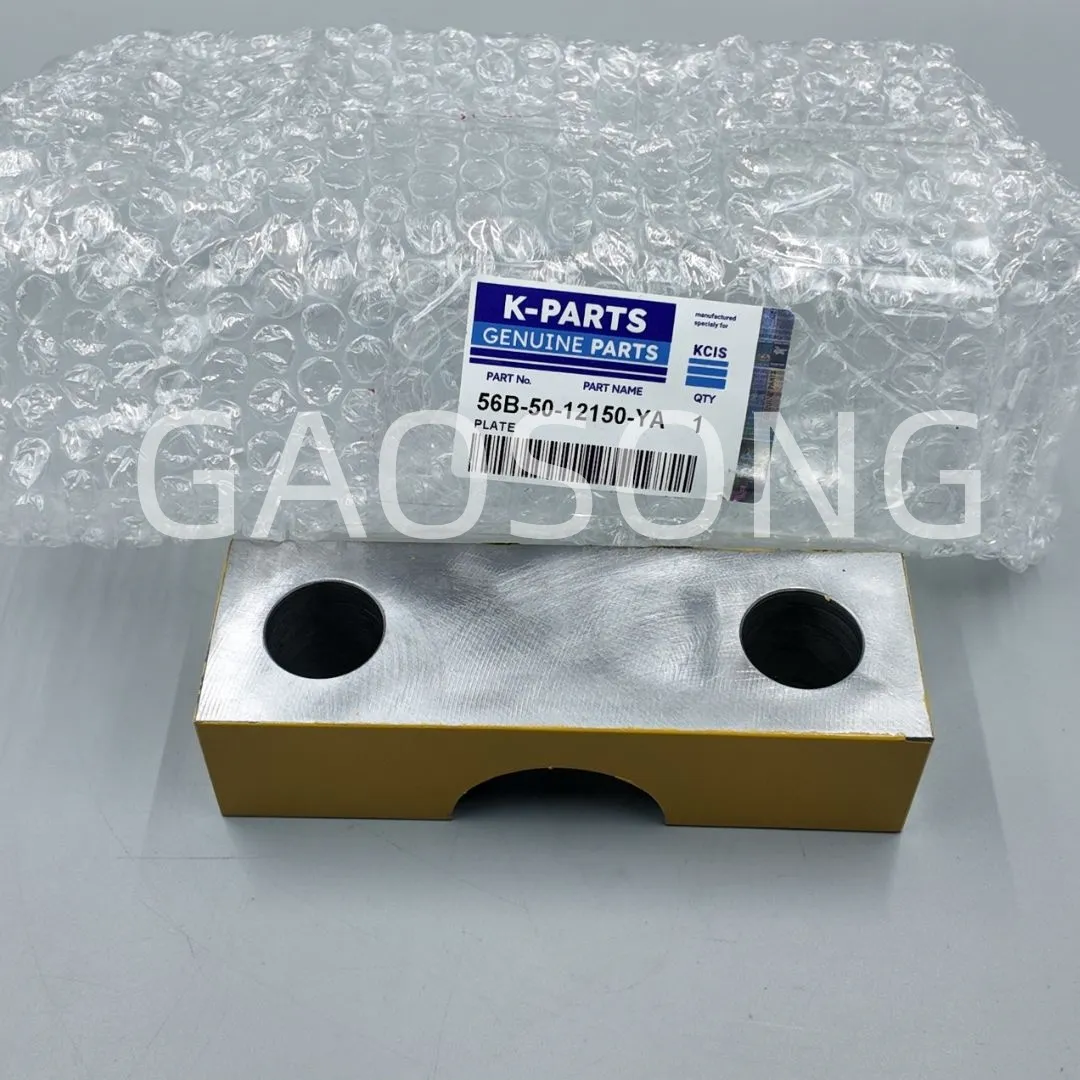 56B-50-12150 PLATE-Komatsu Original Factory
 -
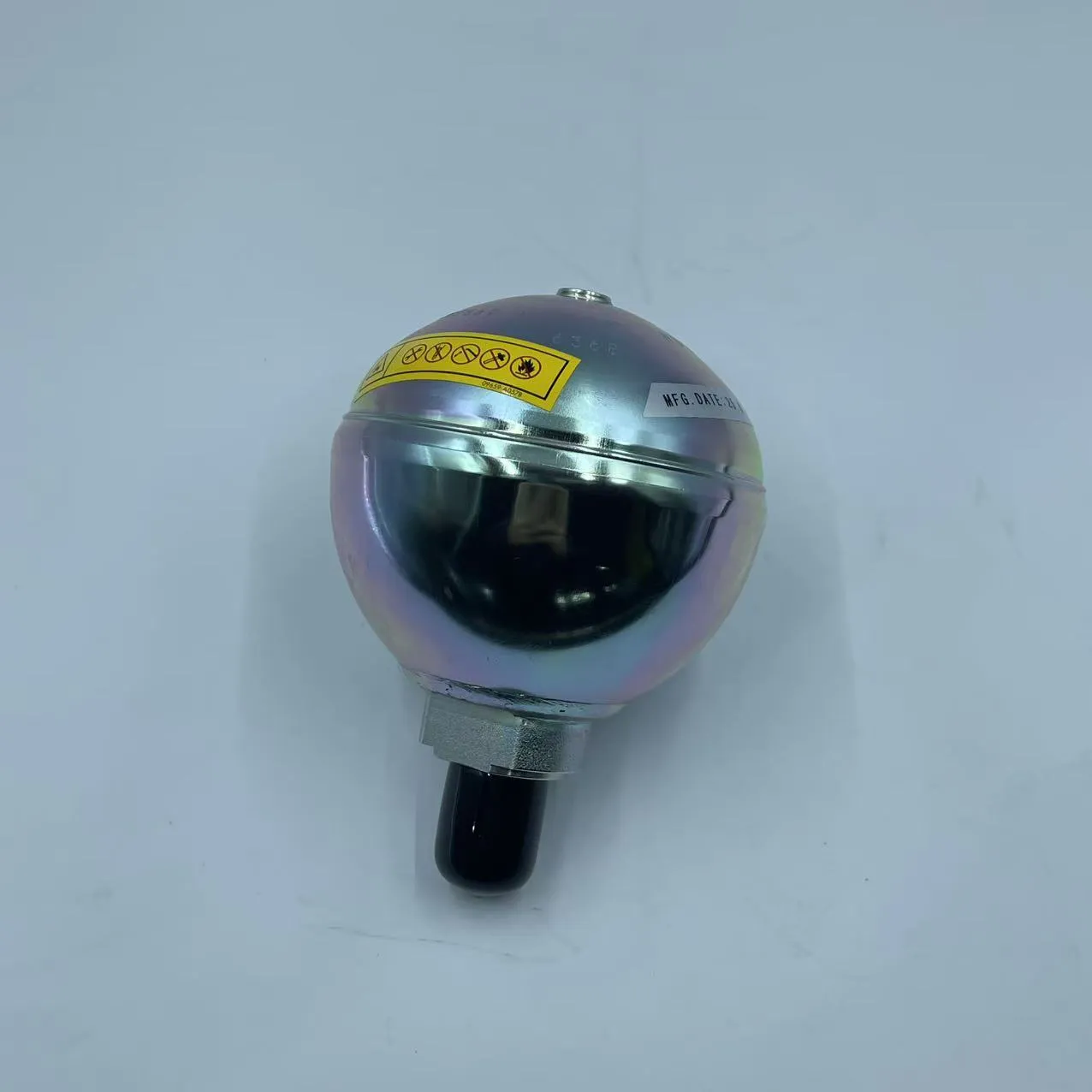 accumulator 22U-60-21331 22U-60-21330 For Komatsu PC300-8 excavator