
- Chinese
- French
- German
- Portuguese
- Spanish
- Russian
- Japanese
- Korean
- Arabic
- Irish
- Greek
- Turkish
- Italian
- Danish
- Romanian
- Indonesian
- Czech
- Afrikaans
- Swedish
- Polish
- Basque
- Catalan
- Esperanto
- Hindi
- Lao
- Albanian
- Amharic
- Armenian
- Azerbaijani
- Belarusian
- Bengali
- Bosnian
- Bulgarian
- Cebuano
- Chichewa
- Corsican
- Croatian
- Dutch
- Estonian
- Filipino
- Finnish
- Frisian
- Galician
- Georgian
- Gujarati
- Haitian
- Hausa
- Hawaiian
- Hebrew
- Hmong
- Hungarian
- Icelandic
- Igbo
- Javanese
- Kannada
- Kazakh
- Khmer
- Kurdish
- Kyrgyz
- Latin
- Latvian
- Lithuanian
- Luxembou..
- Macedonian
- Malagasy
- Malay
- Malayalam
- Maltese
- Maori
- Marathi
- Mongolian
- Burmese
- Nepali
- Norwegian
- Pashto
- Persian
- Punjabi
- Serbian
- Sesotho
- Sinhala
- Slovak
- Slovenian
- Somali
- Samoan
- Scots Gaelic
- Shona
- Sindhi
- Sundanese
- Swahili
- Tajik
- Tamil
- Telugu
- Thai
- Ukrainian
- Urdu
- Uzbek
- Vietnamese
- Welsh
- Xhosa
- Yiddish
- Yoruba
- Zulu
- Kinyarwanda
- Tatar
- Oriya
- Turkmen
- Uyghur






OEM AND ORIGINAL KOMATSU BRACKET 17A-71-12231
When you see a part number like 17A-71-12231, especially with the terms OEM and Original attached, it's easy to assume it's a straightforward Komatsu boxed part. But in the field, that's where the real conversation starts. The bracket itself is a critical structural component, often for mounting or linkage on larger machines. The confusion, and frankly the market mess, begins with how those terms are used. Many suppliers will list OEM to imply genuine quality, but in our world, OEM can mean the part is made to original specs by a factory authorized by Komatsu, not necessarily packaged and sold by Komatsu's own distribution network. Original is even trickier—it's become a marketing word. I've seen bins of parts labeled Original Komatsu that were clearly aftermarket copies, decent ones sometimes, but not original. The 17A-71-12231 bracket is a perfect example of a part where the difference matters. A failure here isn't about a leaky seal; it's about structural integrity. You don't want a bracket snapping under load because someone saved fifty bucks on a questionable casting.
The Reality of the OEM Supply Chain
This is where companies like Jining Gaosong Construction Machinery Co., Ltd. come into the picture. Their stated role as an OEM product supplier within the Komatsu system and a third-party sales company is exactly the kind of operation that exists in the practical, global parts ecosystem. They aren't Komatsu, but they function within approved channels to manufacture or supply components that meet the engineering drawings and material specs. For a bracket like the 17A-71-12231, this is crucial. It means the steel grade, heat treatment, dimensional tolerances, and weld points should be identical to what comes off Komatsu's own line. The website, https://www.takematsumachinery.com, positions them as a solution for parts supply challenges in certain countries, which is a diplomatic way of saying they fill gaps where official distribution is slow, expensive, or non-existent.
I've worked with similar suppliers. The good ones provide traceability. They can tell you which foundry produced the steel casting for the bracket and might even share batch certification. The less scrupulous ones just have a generic OEM stamp and a good price. The challenge for a mechanic or fleet manager is verification. With a genuine Komatsu part, the validation is in the purchase order from the dealer. With an OEM-supplied part from a third-party, you're often relying on the supplier's reputation and your own inspection. Does the weight match? Are the part number and any casting marks crisp and correctly positioned? Is the surface finish and primer consistent? These are the tangible checks.
We tried a batch of OEM 17A-71-12231 brackets from a new vendor about two years ago for a fleet of PC300s. Price was about 30% below dealer net. On visual inspection, three out of ten had slight porosity in the casting near a critical mounting hole—a potential stress riser. We magnafluxed them and found minor flaws. Sent them back. The supplier argued it was within commercial grade standards. That's the red flag. For Komatsu, there's no commercial grade for a structural bracket; there's the spec and that's it. We ended up sourcing from a more established partner, which I believe Jining Gaosong aims to be, where the first question they asked was about our application load cycle, not just our quantity.
Original vs. Genuine: A Costly Misunderstanding
Let's dissect Original. In parts listings, you'll see Original Komatsu Bracket 17A-71-12231. Legally, if it's not in a Komatsu box with a Komatsu parts document, it's not genuine Komatsu. But Original has been co-opted to mean made to original design. It's semantics, but expensive semantics. I've had procurement teams buy Original parts, thinking they got a deal on genuine stock, only to find out later the warranty claim was denied because the part lacked the proper provenance. The bracket 17A-71-12231, if it's a genuine Komatsu part, will have specific packaging, labeling, and often a unique supplier code on the part itself.
The aftermarket copies are a different tier altogether. They might reverse-engineer from a worn part, so dimensions can be off by a millimeter or two. For a bracket, that misalignment can transfer stress to bolts or adjacent structures, causing premature failure elsewhere. You might fix the bracket only to have the frame crack six months later. It's a cascade failure. A true OEM supplier, which Jining Gaosong claims to be, should be working from the source Technical Data Sheet (TDS), not a physical sample. That's the fundamental difference.
In one case, we had a machine down for a week waiting for a genuine bracket from the dealer. A local supplier offered an original one overnight. We were desperate. The part fit, but the bolt holes were just a hair too perfect—no machining allowance. We had to heat the bracket and use a drift pin to get the bolts started, which likely altered the temper of the metal. It worked as a temporary fix, but we replaced it with a properly sourced OEM equivalent at the next service interval. The labor cost of doing the job twice wiped out any part savings.
The Role of Third-Party Sales in Solving Real Problems
The business model highlighted by Jining Gaosong's description—acting as a third-party sales company for Komatsu—is more common than people think. Komatsu's official network can't be everywhere, and for older models or machines operating in remote regions, the lead time for a part like 17A-71-12231 can be prohibitive. A reputable third-party company with OEM ties can warehouse these parts globally, cutting logistics time from months to weeks or days. Their value isn't just in having the part; it's in having the correct part with validated quality.
I've dealt with situations in parts of Africa and Southeast Asia where the official channel required a 12-week lead time for a bracket. A local supplier had one in stock, but it was clearly a poor copy. Finding a third-party sales company with direct ties to OEM factories was the middle ground. They could provide the manufacturing certificate and ship from a nearer hub. It solved the immediate machine downtime without compromising on the component's reliability. For a fleet manager, that's the sweet spot.
However, this requires deep vetting. Not all companies claiming this role can back it up. You have to ask for their authorization proof, their quality control process for a critical part like the 17A-71-12231 bracket, and references from other mining or construction operations. Do they pressure-test their castings? What's their non-destructive testing protocol? Their answers, or lack thereof, tell you everything.
Field Observations and Failure Analysis
Let's talk about the bracket itself. The 17A-71-12231 isn't a decorative cover; it's a load-bearing component. In my experience, common failure modes for brackets like this, when sub-par parts are used, are fatigue cracks originating from sharp internal corners (poor casting design or finishing) and wear in bushing holes due to incorrect surface hardness. A genuine or proper OEM part will have radii in those corners and a hardened surface where needed.
I recall a post-failure analysis on a similar bracket (a different part number, but same family) where the aftermarket part failed at 1800 hours. The metallurgy report showed a lower-than-specified chromium and molybdenum content, making it more brittle under cyclical loading. The OEM-spec part from a certified supplier ran over 10,000 hours in the same application. The cost of the unplanned downtime, the secondary damage to the linkage, and the repair labor was twenty times the price difference between the cheap part and the proper OEM Komatsu bracket.
This is why the distinction matters. It's not academic. When you're ordering, you need to be specific. Are you ordering a Genuine Komatsu 17A-71-12231, an OEM-equivalent 17A-71-12231 from an authorized supplier, or an aftermarket replacement for 17A-71-12231? Each has a different price, lead time, and risk profile. Companies that are transparent about which category they fall into, like Jining Gaosong explicitly stating their OEM supplier role, are starting from a position of honesty, which is rare enough in this business.
Sourcing Strategy and Final Thoughts
So, what's the practical takeaway for dealing with a part number like OEM and Original Komatsu bracket 17A-71-12231? First, understand your own risk tolerance. For a machine in a high-production, high-availability environment, pay for genuine or a vetted OEM supplier with full documentation. The premium is insurance. For a backup machine or a lower-stress application, a well-reviewed OEM equivalent from a transparent supplier might be a calculated risk that pays off.
Second, build relationships with suppliers who explain their supply chain. A good sign is if they proactively offer material certs or factory audit reports. The description from https://www.takematsumachinery.com suggests they operate in this space—solving supply challenges by leveraging their position within the system. They're not pretending to be the Komatsu dealer; they're offering an alternative channel for the same core quality.
Finally, always inspect the physical part upon arrival, regardless of the source. Check for the markers of quality: consistent material, clean casting, accurate markings, and proper protective coating. For a bracket, a simple dimensional check with calipers against a known-good part or the spec sheet can save a world of trouble. The market for parts like this is complex and often murky, but doing the homework on the front end—understanding what OEM really means from that specific supplier—is what separates a smooth operation from a costly, dusty yard of broken iron.
Related Products
Related Products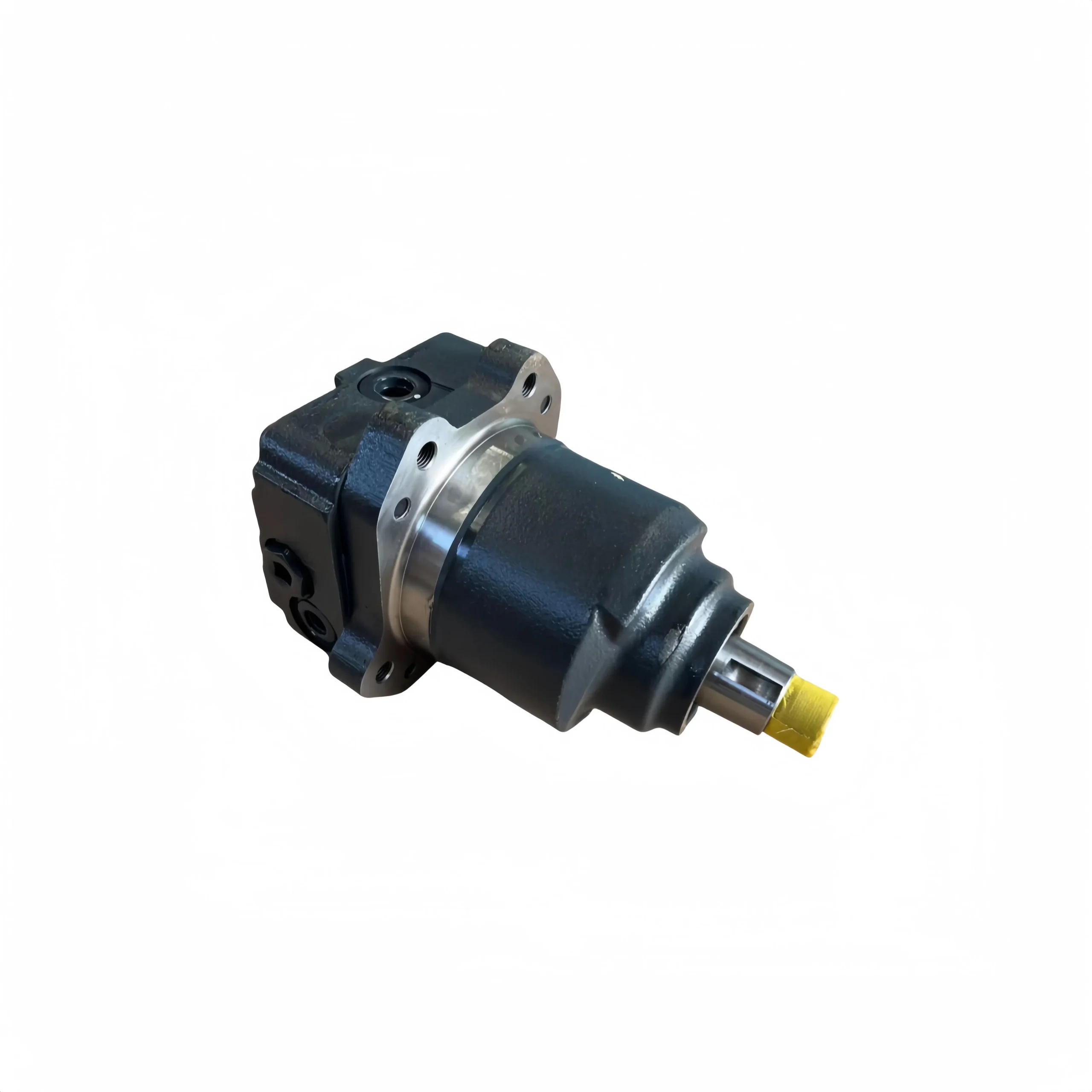
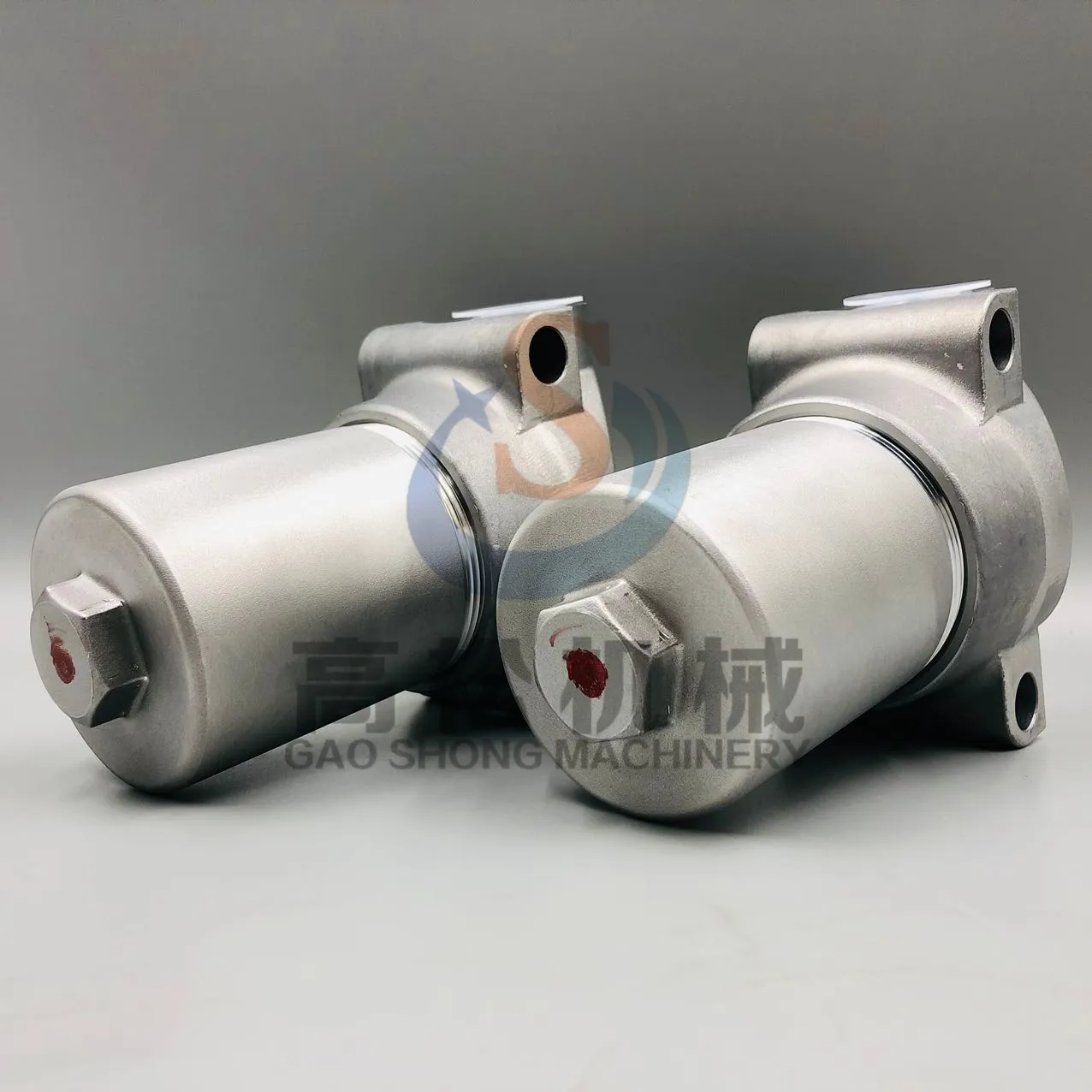
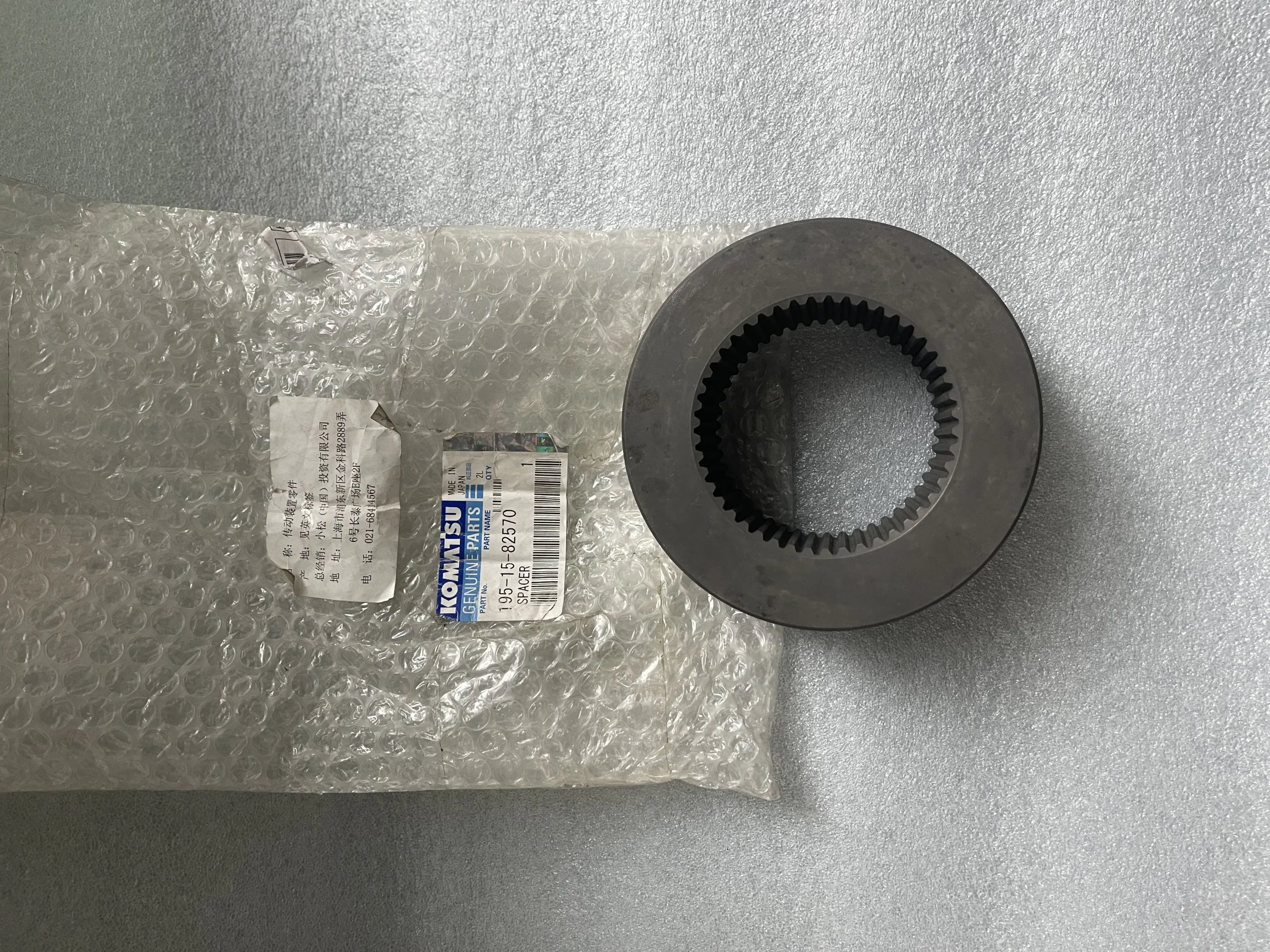

Best Selling Products
Best Selling Products-
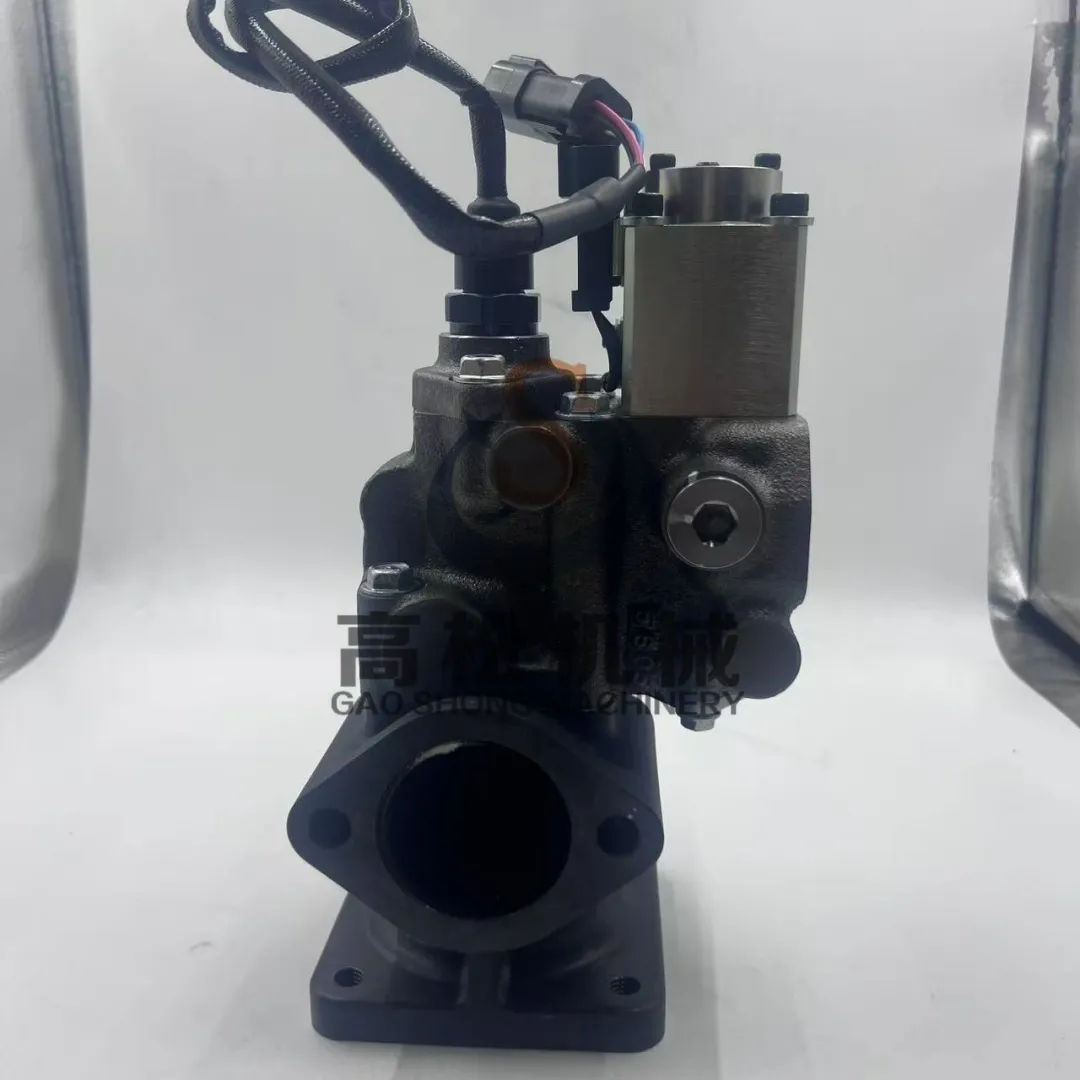 626141-9500komatsu parts
 -
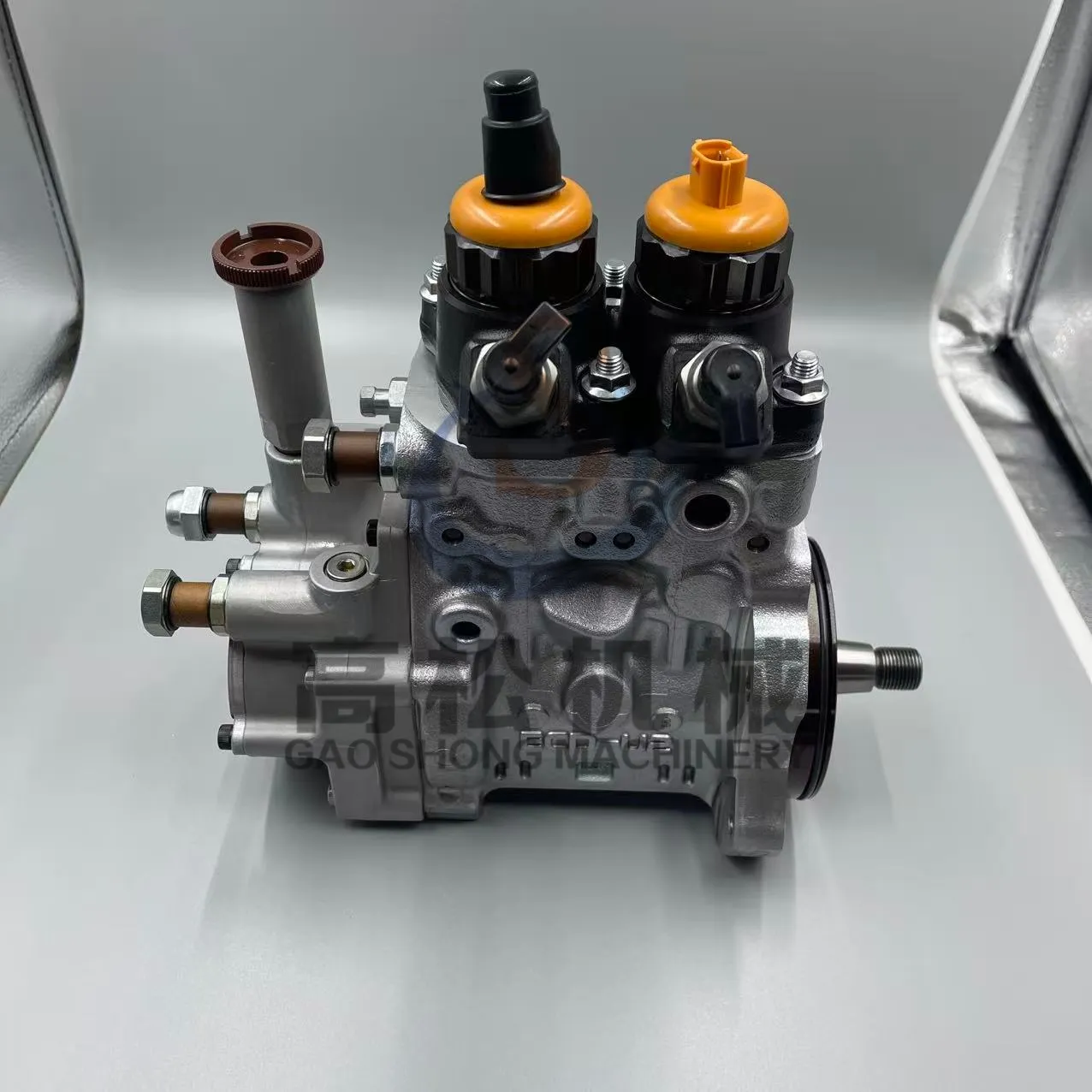 6251-71-1121 Fuel Injector Pump
 -
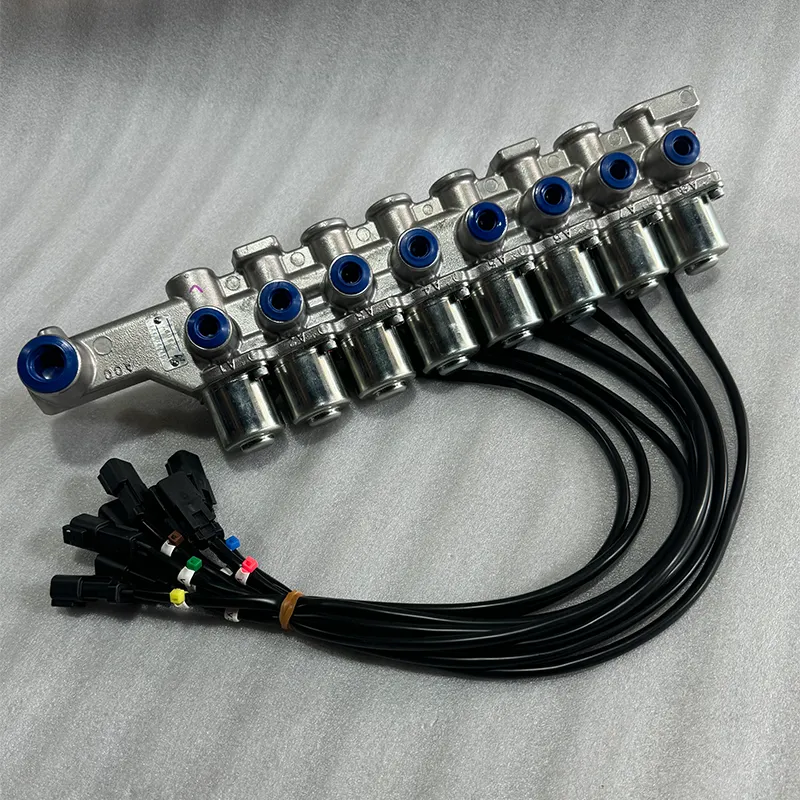 Original komatsu PC800-8 Solenoid Valve Assembly 209-60-41310
 -
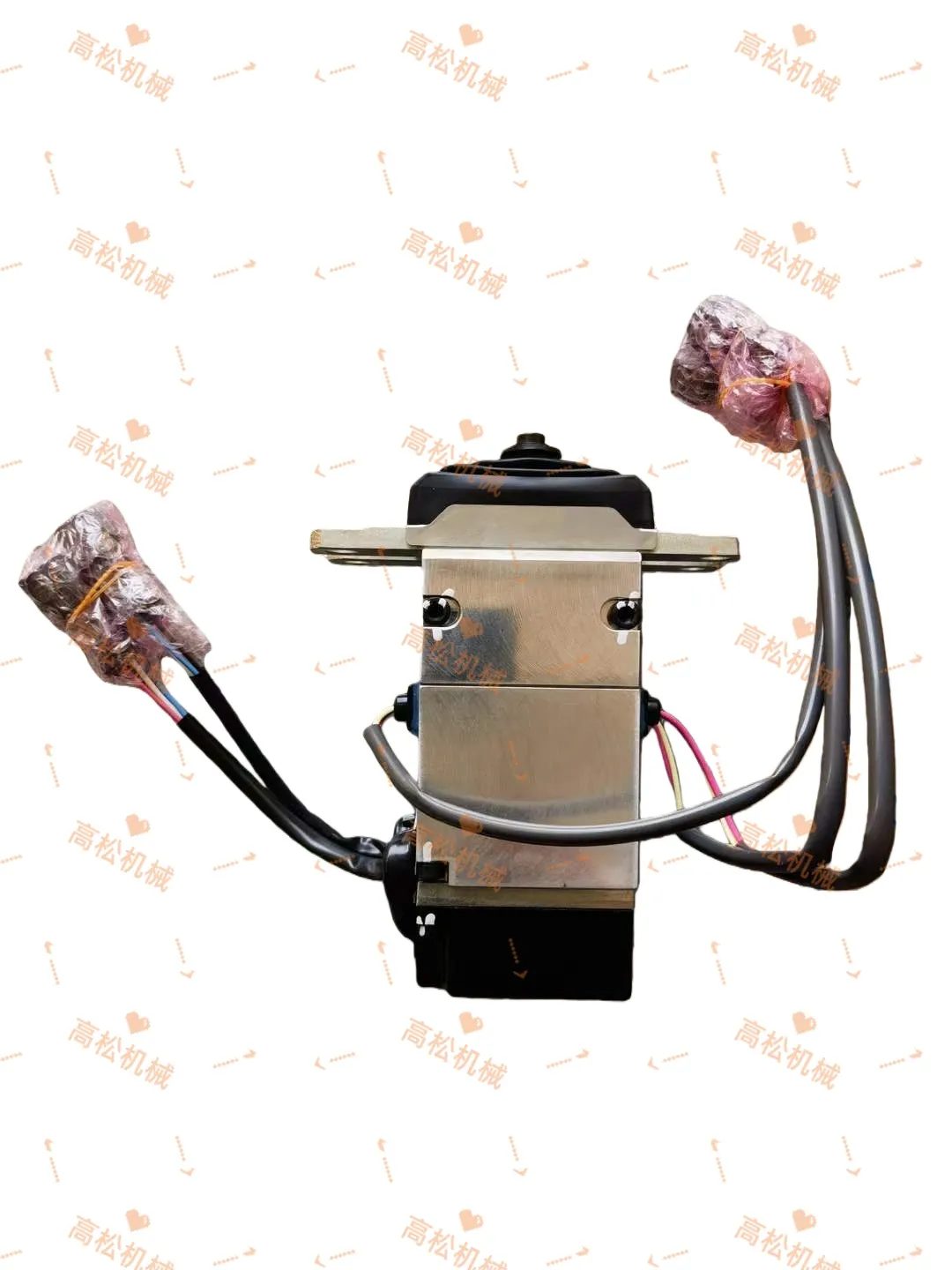 Komatsu Wheel loader machines WA500 WA480 WA470 702-16-02144 702-16-02143 Komatsu Control lever 702-16-02144 for Wheel loader WA480-5H
 -
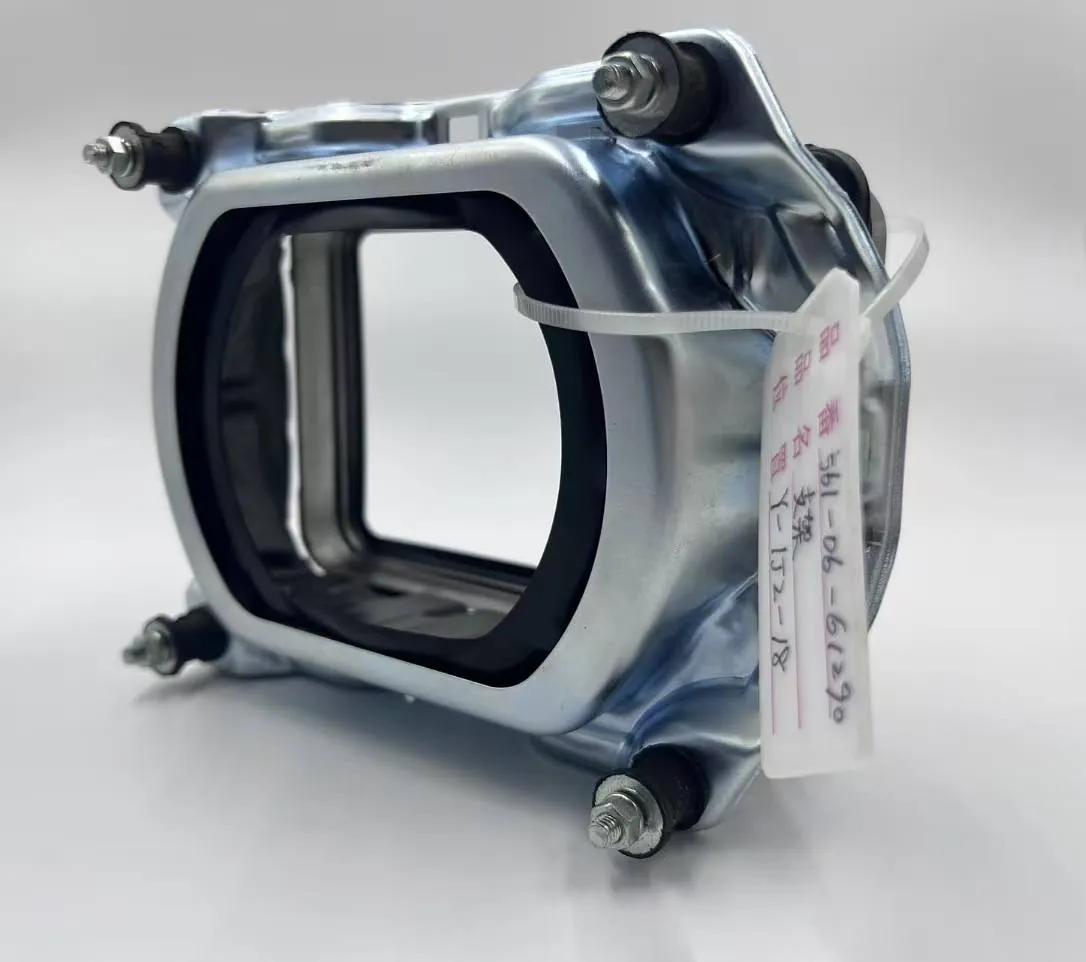 561-06-61290 – bracket komatsu
 -
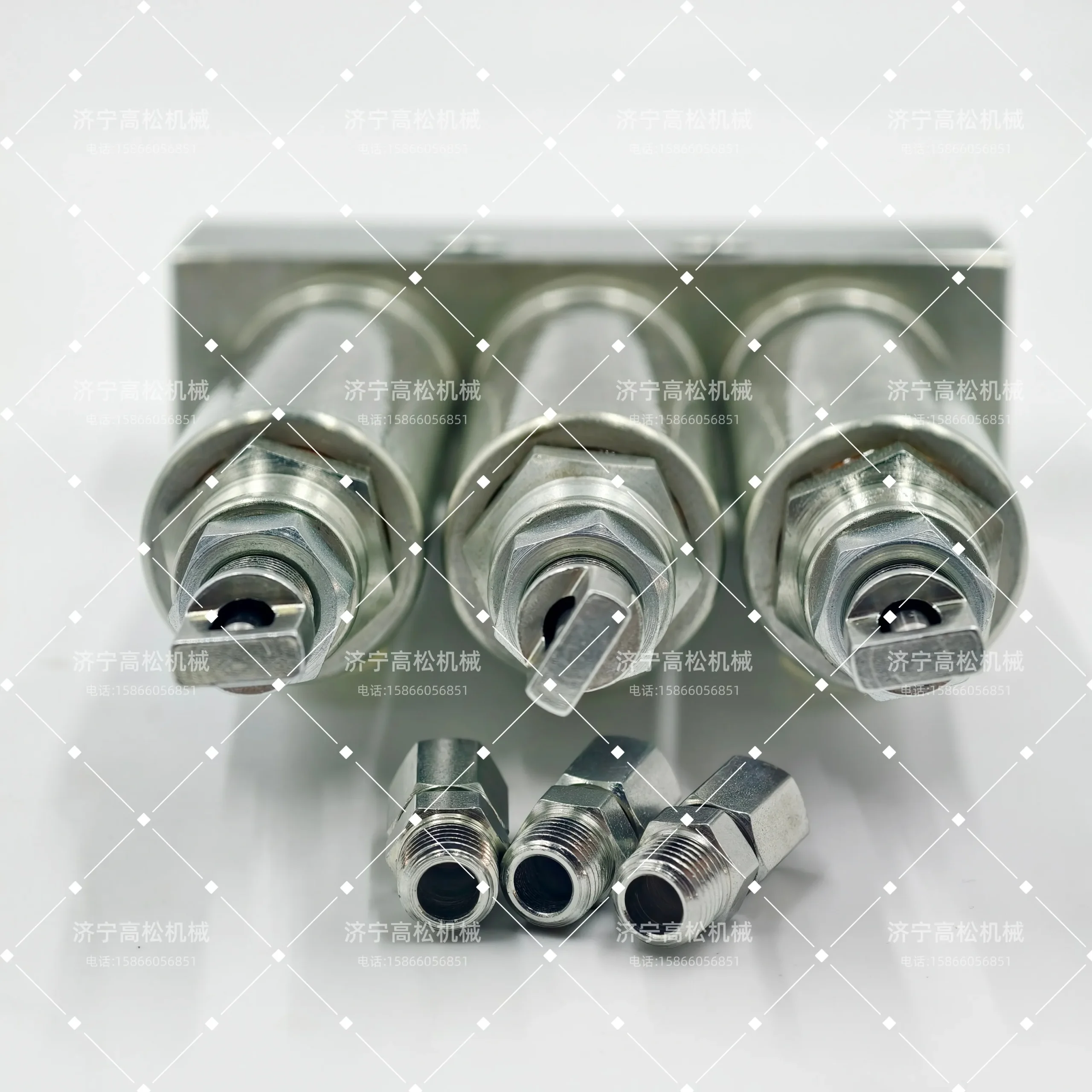 HD785 fuel injector 5819-961-9520
 -
 RING 234-15-29220
 -
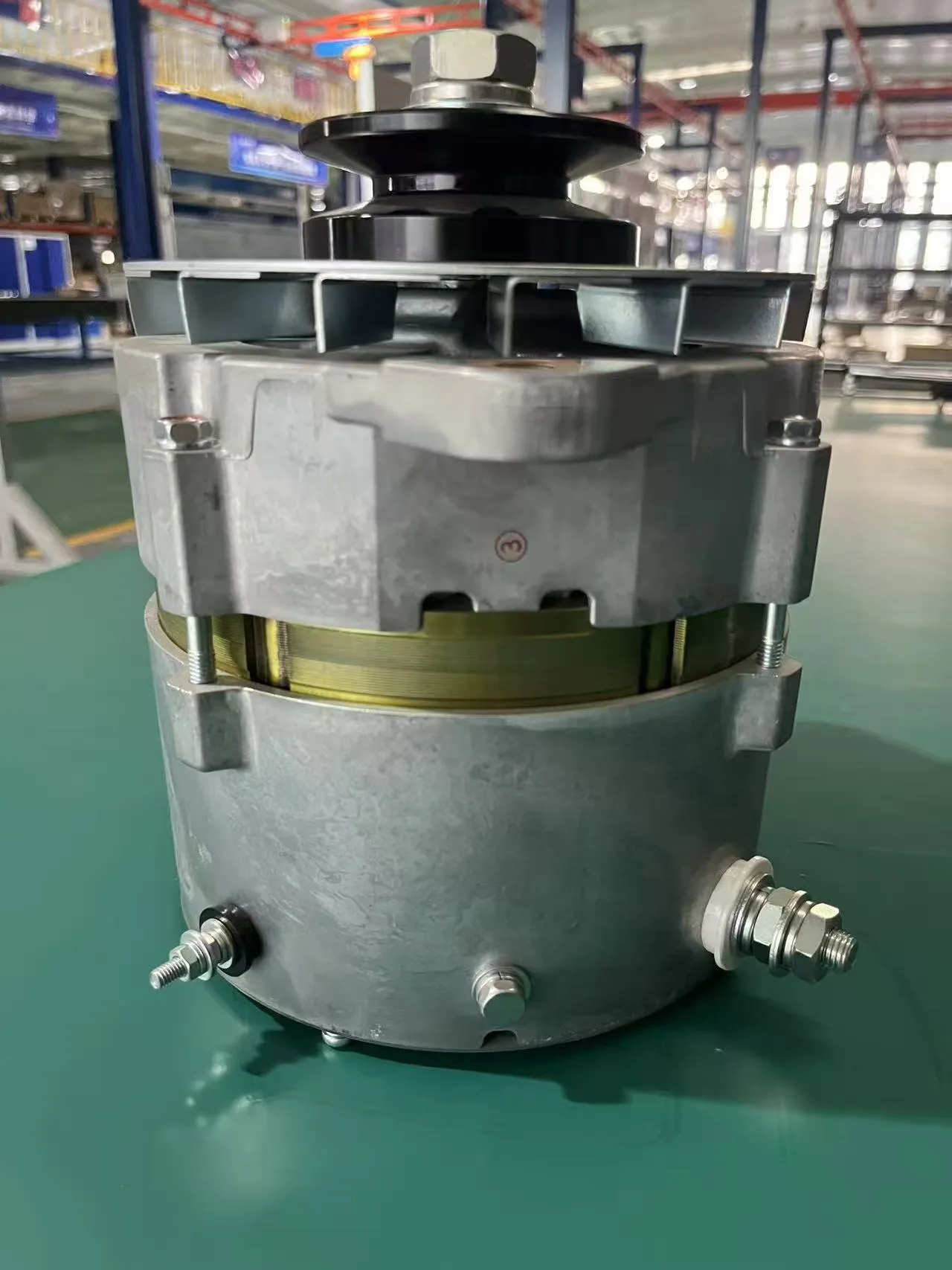 Hd 6d170 12v140 Engine Alternator Parts 600-821-9631…
 -
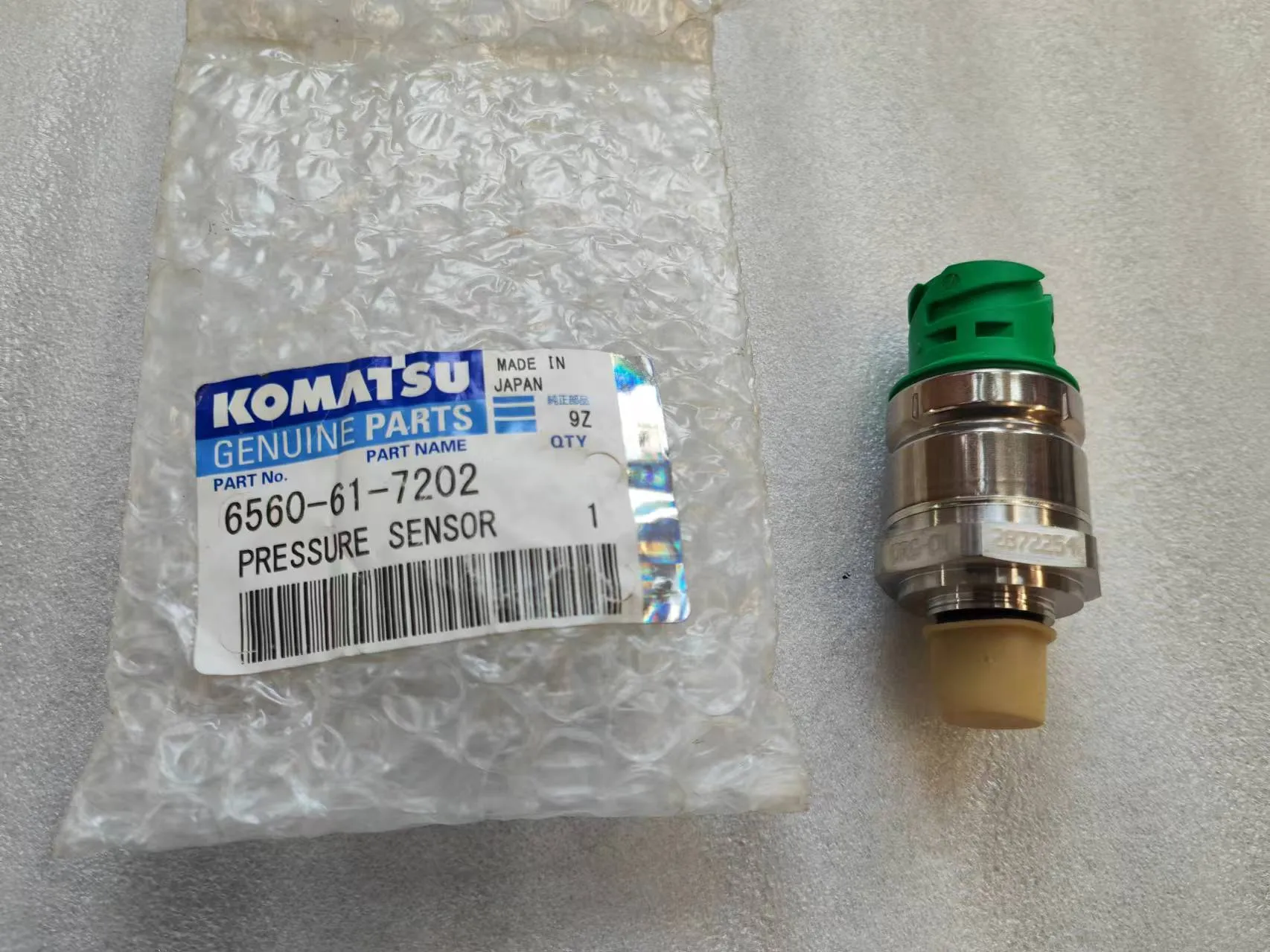 D155AX-6 Pressure Sensor 6560-61-7202
 -
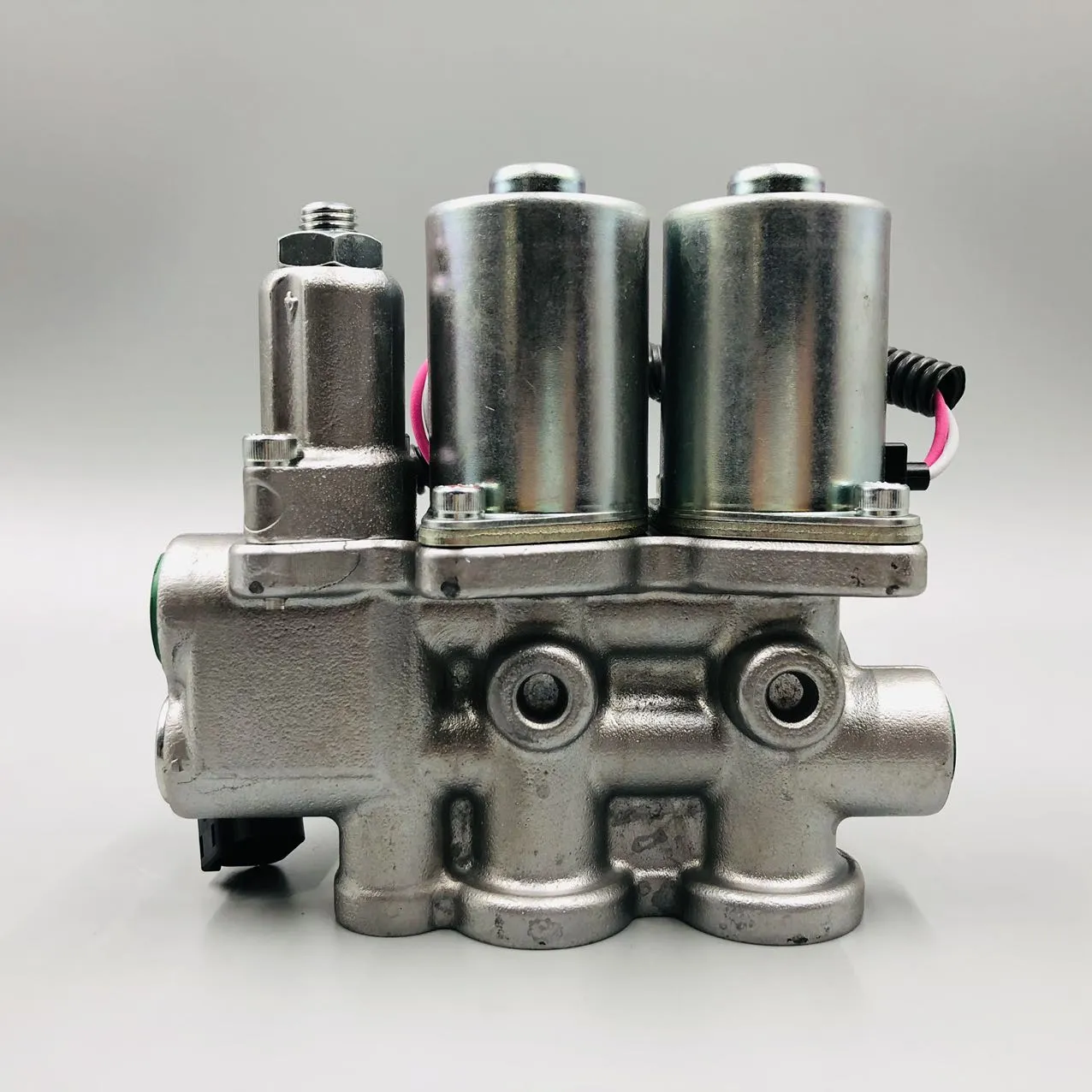 22F-60-31600Valve assembly
 -
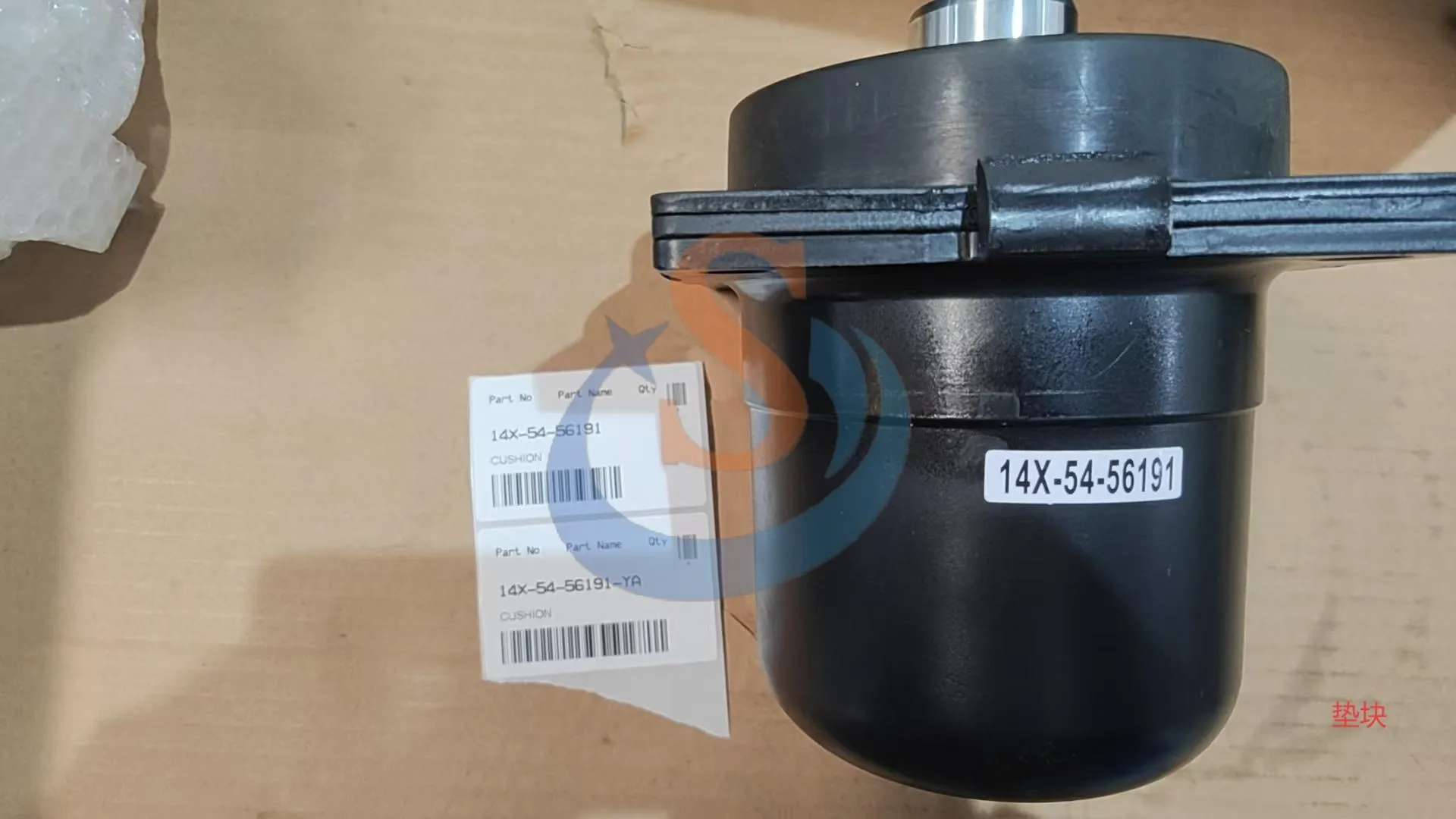 14X-54-56191,Cushion
 -
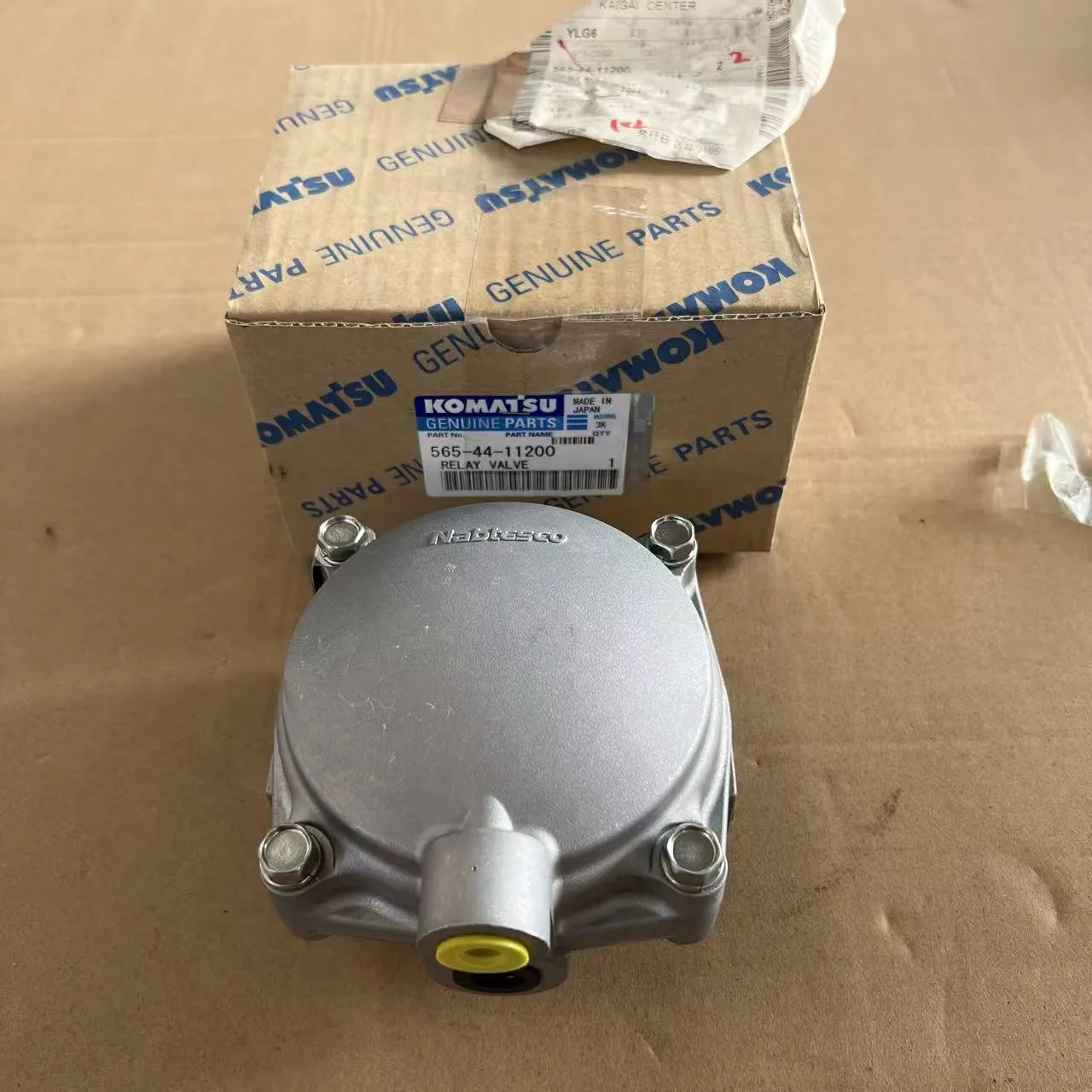 Komatsu (565-44-11200) VALVE ASS’Y, PARKING… — Pricing.Parts
Related Search
Related Search- komatsu kmax teeth
- OEM AND ORIGINAL KOMATSU SUPPORT 427-46-12122
- komatsu pc35 hydraulic pump
- genuine parts komatsu
- 195-15-12560
- OEM AND ORIGINAL KOMATSU CAP 195-71-61291
- used komatsu excavator parts
- Komatsu travel motor
- OEM AND ORIGINAL KOMATSU VALVE ASSY 702-16-42005
- OEM AND ORIGINAL KOMATSU PIN 235-46-45110