
- Chinese
- French
- German
- Portuguese
- Spanish
- Russian
- Japanese
- Korean
- Arabic
- Irish
- Greek
- Turkish
- Italian
- Danish
- Romanian
- Indonesian
- Czech
- Afrikaans
- Swedish
- Polish
- Basque
- Catalan
- Esperanto
- Hindi
- Lao
- Albanian
- Amharic
- Armenian
- Azerbaijani
- Belarusian
- Bengali
- Bosnian
- Bulgarian
- Cebuano
- Chichewa
- Corsican
- Croatian
- Dutch
- Estonian
- Filipino
- Finnish
- Frisian
- Galician
- Georgian
- Gujarati
- Haitian
- Hausa
- Hawaiian
- Hebrew
- Hmong
- Hungarian
- Icelandic
- Igbo
- Javanese
- Kannada
- Kazakh
- Khmer
- Kurdish
- Kyrgyz
- Latin
- Latvian
- Lithuanian
- Luxembou..
- Macedonian
- Malagasy
- Malay
- Malayalam
- Maltese
- Maori
- Marathi
- Mongolian
- Burmese
- Nepali
- Norwegian
- Pashto
- Persian
- Punjabi
- Serbian
- Sesotho
- Sinhala
- Slovak
- Slovenian
- Somali
- Samoan
- Scots Gaelic
- Shona
- Sindhi
- Sundanese
- Swahili
- Tajik
- Tamil
- Telugu
- Thai
- Ukrainian
- Urdu
- Uzbek
- Vietnamese
- Welsh
- Xhosa
- Yiddish
- Yoruba
- Zulu
- Kinyarwanda
- Tatar
- Oriya
- Turkmen
- Uyghur






OEM AND ORIGINAL KOMATSU BRACKET 154-71-71731
When you see that part number, , pop up on a screen or a quote, the immediate assumption is that you're dealing with a genuine Komatsu part. But that's where the first, and biggest, industry misconception lies. Just because a bracket carries that number doesn't automatically mean it came off a Komatsu production line. The term 'OEM' gets thrown around so loosely it's lost its edge. In my experience, this specific bracket—often for mounting or linkage on mid-sized excavators—is a perfect case study in the blurred lines between 'original,' 'OEM-system,' and outright copy. I've seen machines down for weeks because someone assumed 'OEM' on a packing list meant the same as the part in the Komatsu box.
The Nuance of OEM Within the Komatsu System
This is the critical distinction most procurement guys miss. A true original Komatsu bracket is sourced through Komatsu's official channels, with all the traceability, metallurgy specs, and QC stamps that entails. Then there's the other kind. Companies like Jining Gaosong Construction Machinery Co., Ltd. operate in a specific space. Their website states they're an OEM product supplier within the Komatsu system. In practice, what this often means is they are a certified manufacturer producing this very bracket—the —to Komatsu's exact drawings and material specifications, but not necessarily for Komatsu's own branded supply chain at that moment. They might be producing under contract during a capacity crunch, or for specific regional markets where Komatsu's direct logistics are tangled.
So, is it original? Technically, yes, if by original you mean made to the original design. Is it a Komatsu part? That depends on your definition. If it comes in a Komatsu box with a Komatsu parts invoice, it's one thing. If it comes from Jining Gaosong in their own packaging, it's functionally identical but administratively different. This isn't a grey market part; it's a parallel, legitimate supply line. The failure point comes when the buyer doesn't understand this difference and pays a pure original price for the OEM-system product, or vice-versa.
I recall a situation in Indonesia where a fleet manager insisted on only original codes. He got the OEM Komatsu bracket from a system supplier at a good lead time, but because it didn't have the Komatsu logo laser-etched in the same spot (a cosmetic, non-spec difference), he rejected the entire shipment. Cost him two more weeks of downtime. The spec sheet was perfect, the part was sound, but the perception wasn't managed.
Why the Bracket Itself Tells a Story
Let's talk about the physical piece. The isn't a simple L-shaped gusset. It's a fabricated bracket, usually involving formed plate, specific weld sequences, and critical bore tolerances for pin alignment. The failure mode for a bad one isn't always catastrophic breakage; it's often premature wear on the pin and bushing it houses because the bore alignment or surface hardness is off by a few tenths.
When you hold a genuine one and a low-quality copy side by side, the weight and the finish of the weld bead are the first giveaways. The OEM-system part, like from a proper supplier in the network, should be indistinguishable from the one in the Komatsu box on these physical points. The challenge is that many third-party sellers claim OEM but are just reselling pattern parts. That's where a company's stated role matters. Takematsu Machinery's site explicitly notes they help solve parts supply challenges in certain countries. This is a real scenario: they can provide this bracket as an OEM-system product where the official channel is blocked or backlogged, filling a genuine gap without resorting to inferior copies.
I've tested brackets from ambiguous sources. One batch for a PC300 had the correct Rockwell hardness on the main plate, but the weld filler material was wrong, leading to hairline cracks at the stress risers after only 400 hours. The part number was right, the geometry was right, but the material science was lazy. An OEM-system supplier stakes their certification on not making that error.
The Logistics and Verification Game
Procuring this bracket is rarely just a click. If you're ordering a true original, you're often at the mercy of Komatsu's regional warehouse stock. For the OEM and original Komatsu bracket, the lead time can be a killer. This is where the value of a knowledgeable third-party sales company comes in. They aren't just order-takers; they should know which stock pools hold what. Is the part available as a genuine from Singapore? Is there an OEM-system batch available ex-stock in Shanghai that meets the spec? A company acting as a third-party sales arm for Komatsu, like Gaosong describes itself, should have that visibility.
The verification step is key. When a quote comes in for the , my first question isn't about price. It's What is the source, and can you provide the material certification? A legitimate OEM-system supplier will have that. A pattern part seller will waffle. I ask for photos of the actual part, specifically the weld detail and any casting marks. It sounds tedious, but it's the only way to pre-qualify.
We tried once to streamline by trusting a supplier's OEM claim without full docs for a rush job. The brackets arrived, looked okay, and got installed. Three months later, we had a series of unexpected seal failures on the adjacent cylinder. The root cause? The bracket's bore had a slight surface imperfection that acted like a lathe, slowly scoring the pin. The downtime cost dwarfed any savings. Now, the paperwork is non-negotiable.
Pricing and Value: More Than a Number
The price spread for the same part number can be 300%. The cheapest is a pattern part—avoid it for anything critical. The middle tier is the OEM-system product, which offers the best value: genuine spec without the brand premium. The top tier is the boxed Komatsu original, which you pay for when your contract, warranty, or risk tolerance demands it.
The value of a supplier like Jining Gaosong is in honestly positioning where their product sits on that spectrum. If they are truly an OEM supplier within the system, their price for the bracket should be competitive against the pure original, but their real advantage is availability and knowledge. They can say, We make this to the Komatsu drawing, here's the cert, and we can ship it Tuesday, whereas the official channel might be back-ordered for a month.
It comes down to total cost, not unit cost. A bracket that costs 15% less but causes 40 hours of troubleshooting downtime is a massive loss. The professional's job is to match the part's provenance to the application's criticality. For a machine in a remote quarry, the OEM-system part from a reliable source is often the smartest play.
Final Take: Navigating the Landscape
So, with the OEM AND ORIGINAL KOMATSU BRACKET , you have options. The key is informed navigation. Don't just buy a part number; buy a provenance. Understand that OEM within the system from a company like Jining Gaosong Construction Machinery Co., Ltd. represents a legitimate, quality-assured alternative to the branded original, designed to solve specific supply chain issues. It's different from an unbranded aftermarket part.
The industry is moving this way. Pure brand-only procurement is becoming unsustainable for many operations due to cost and availability. The savvy folks are building relationships with a mix of suppliers: the official distributor for some things, and trusted OEM-system and third-party sales companies for items like this bracket where the spec is clear and the supplier is transparent.
Always circle back to the physical part and the paperwork. Demand the evidence that matches the claim. For , that means material certs, dimensional reports if possible, and a supplier who understands the difference they're selling. That's how you keep machines running and avoid costly assumptions.
Related Products
Related Products

Best Selling Products
Best Selling Products-
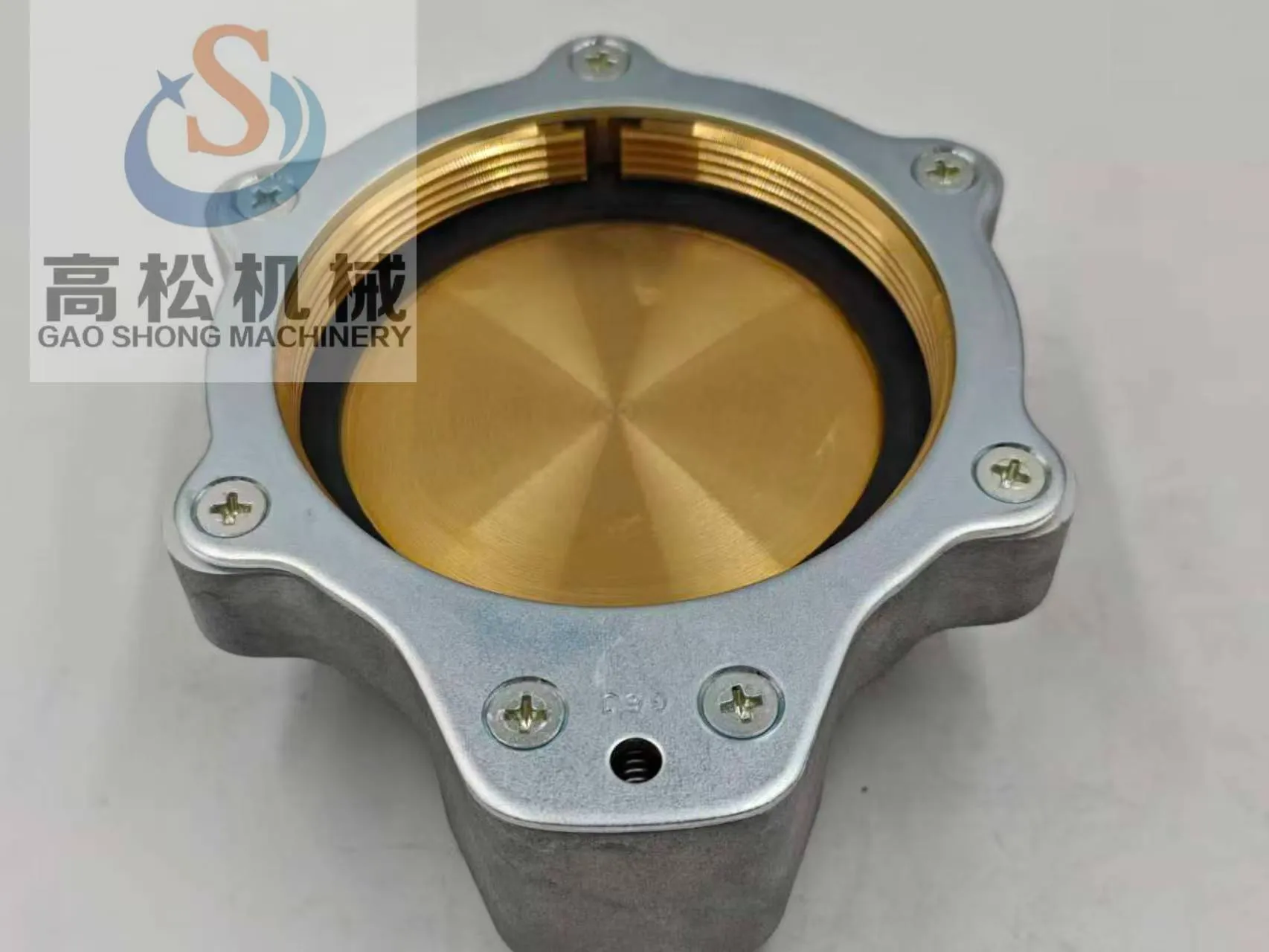 Original new water tank lid 07093-20000 lid suitable for bulldozer komatsu d85 d275
 -
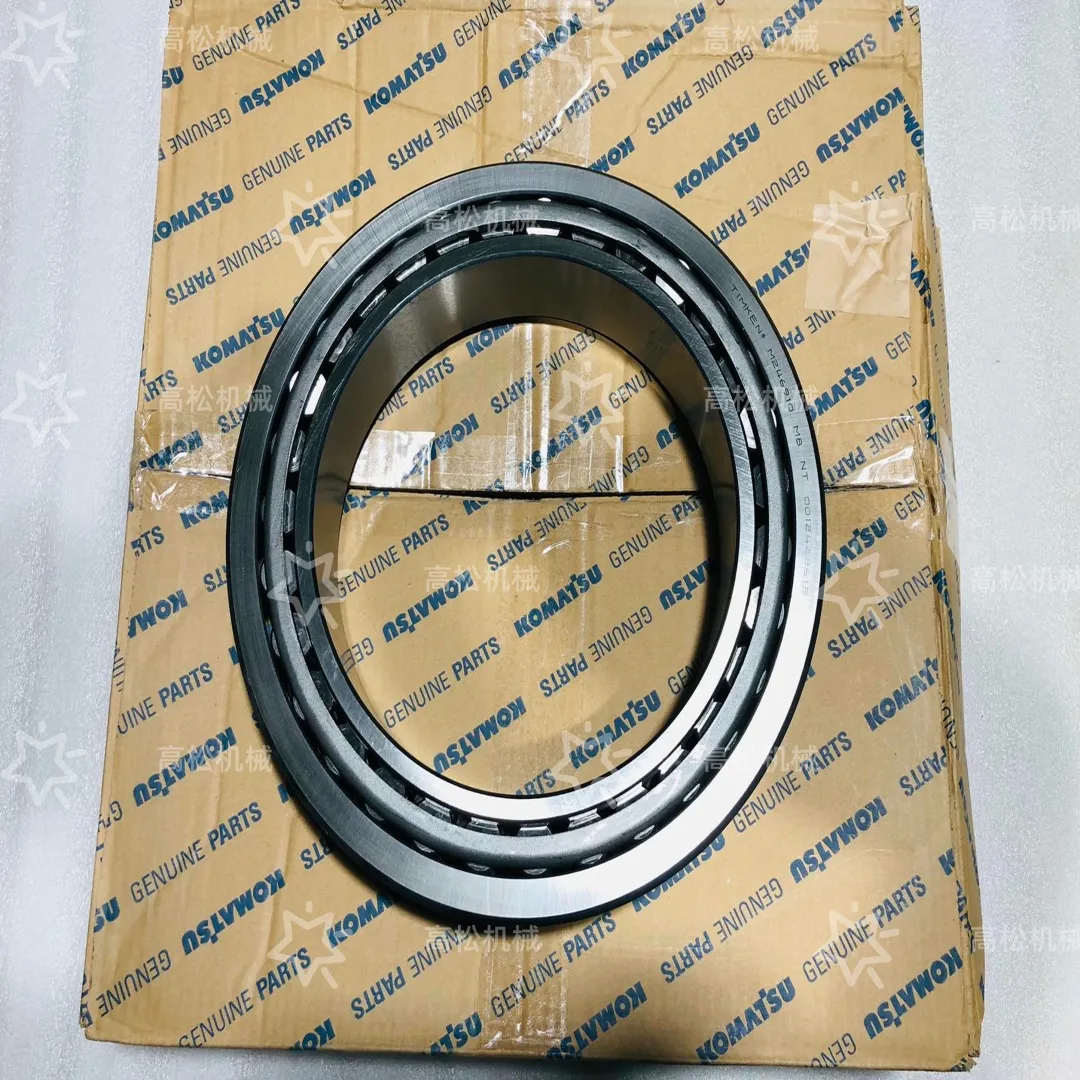 GL BEARING AS 17A-27-11331 Excavator Engine Loader Truck Bulldozer Grader Roller Spare Parts
 -
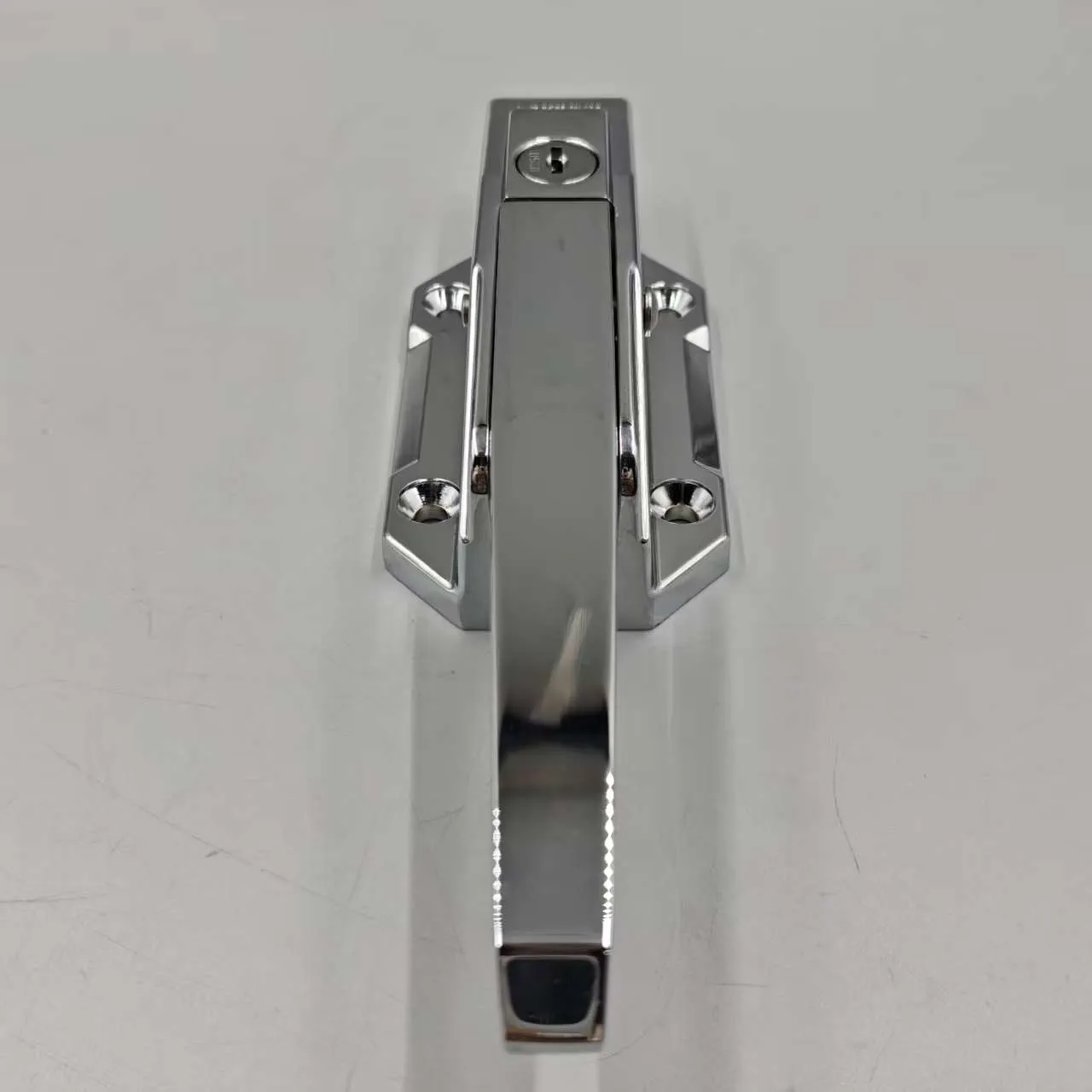 21T-54-35421excavator handle
 -
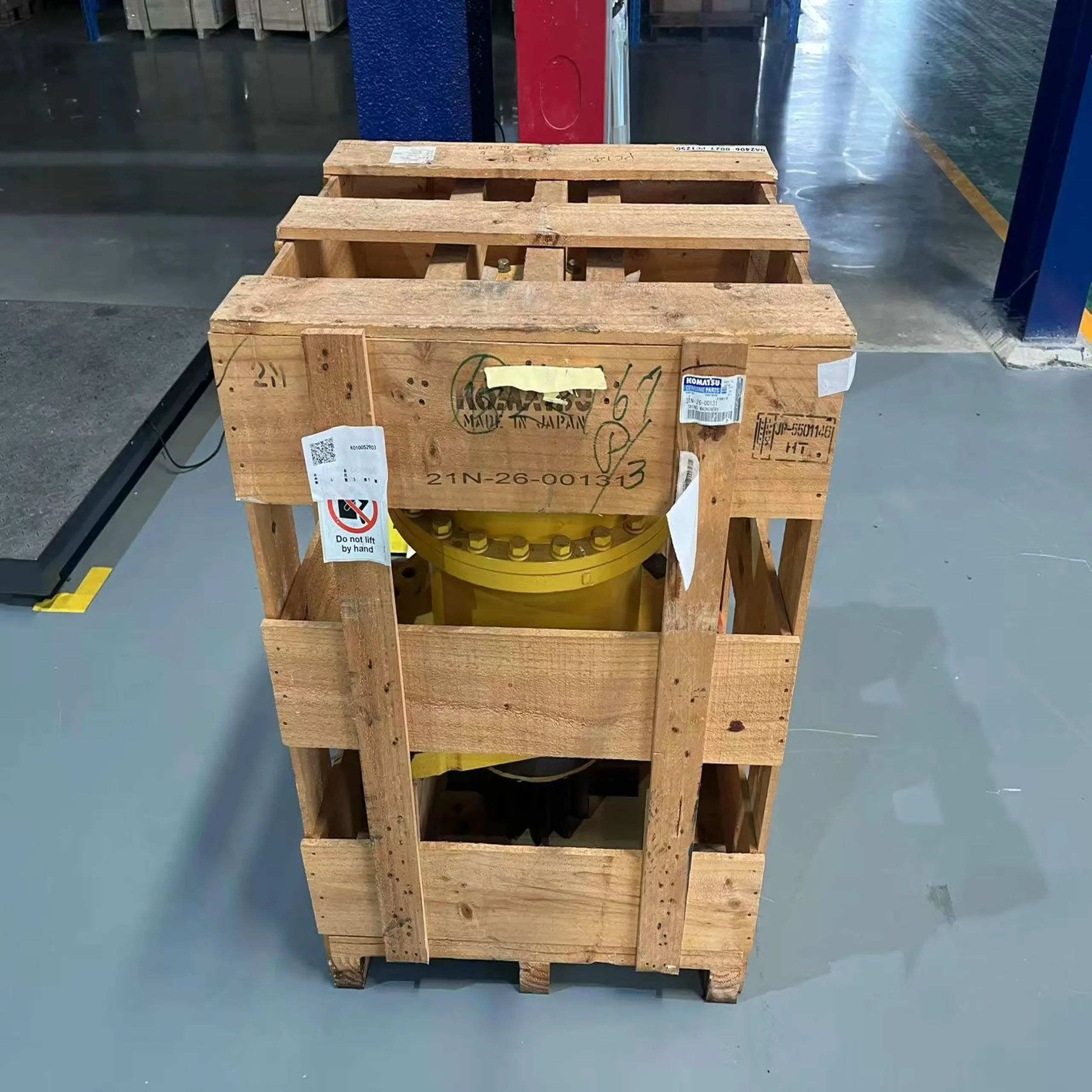 Komatsu Original Factory Brand New PC1250-8 Excavator Rotary Motor 21N-26-00110
 -
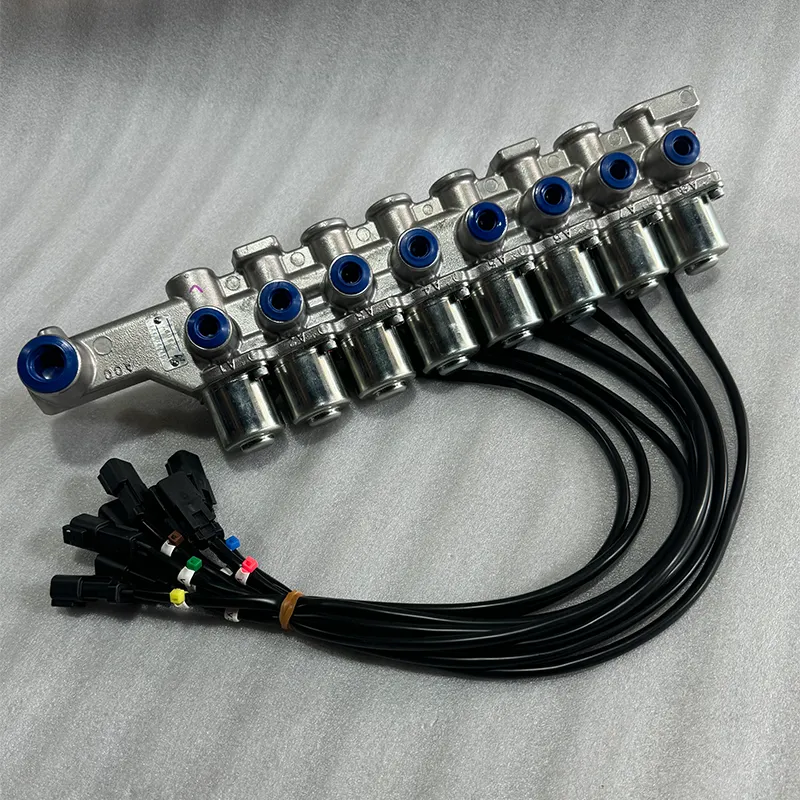 Original komatsu PC800-8 Solenoid Valve Assembly 209-60-41310
 -
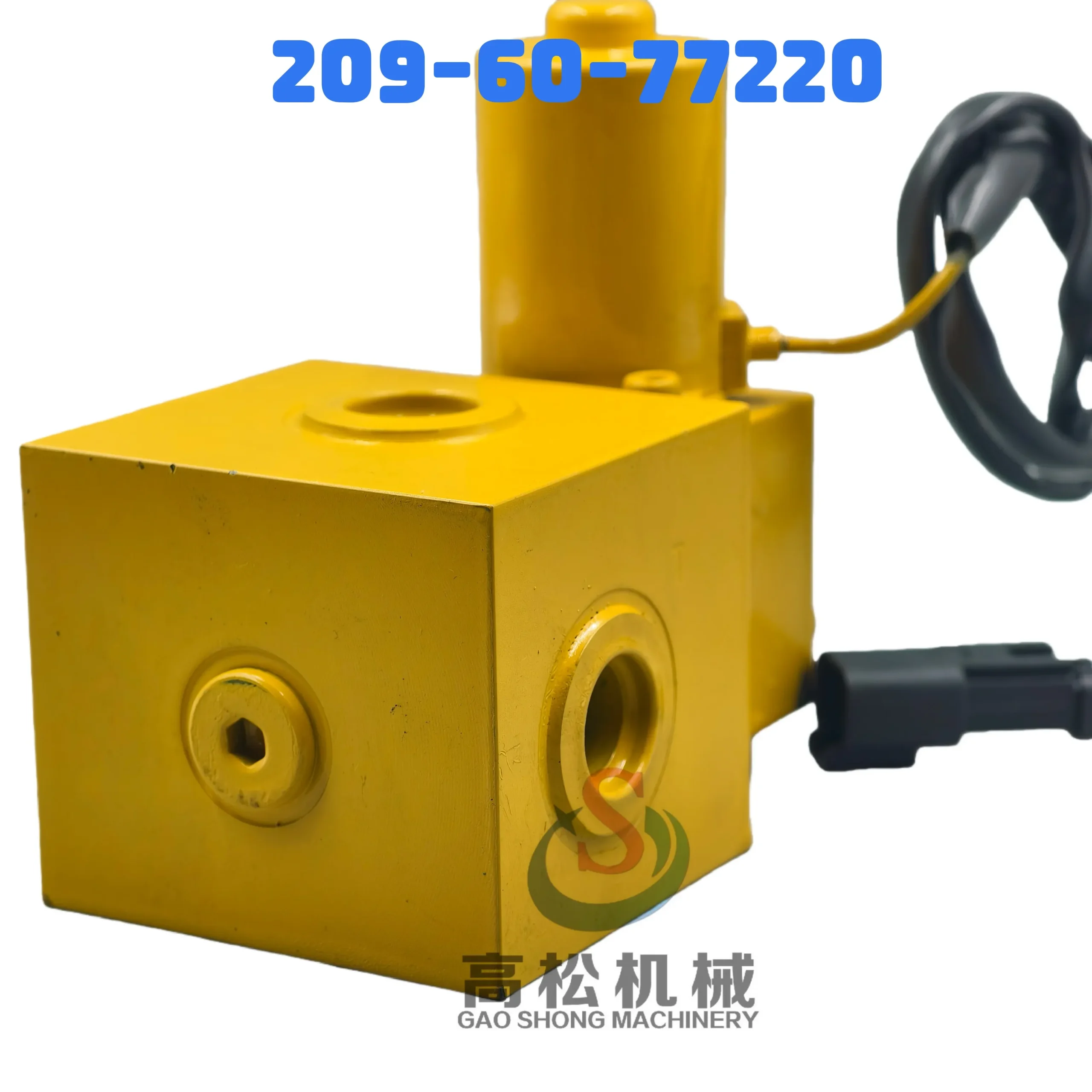 Valve 209-60-77220 for Komatsu
 -
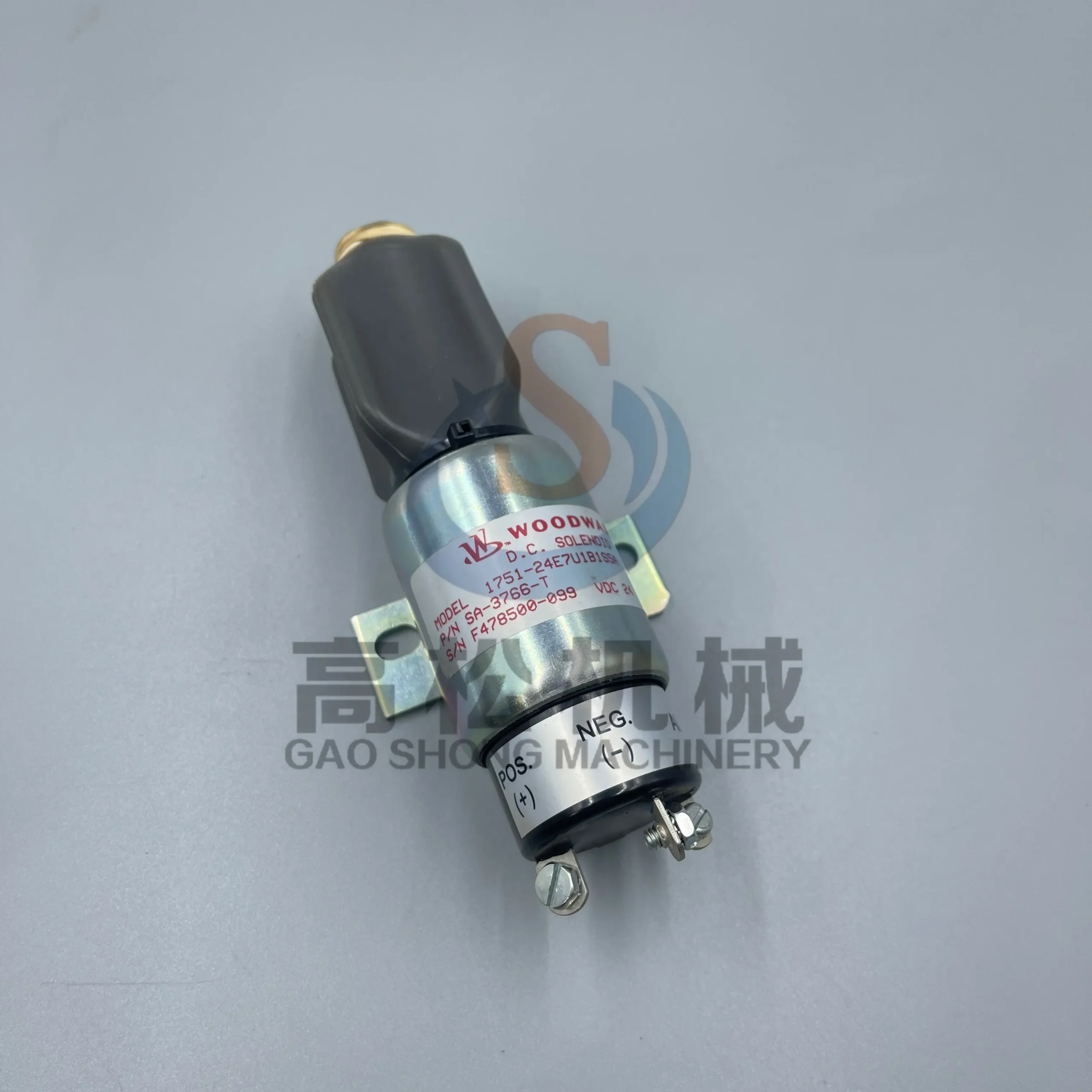 Stop Solenoid 600-815-7550
 -
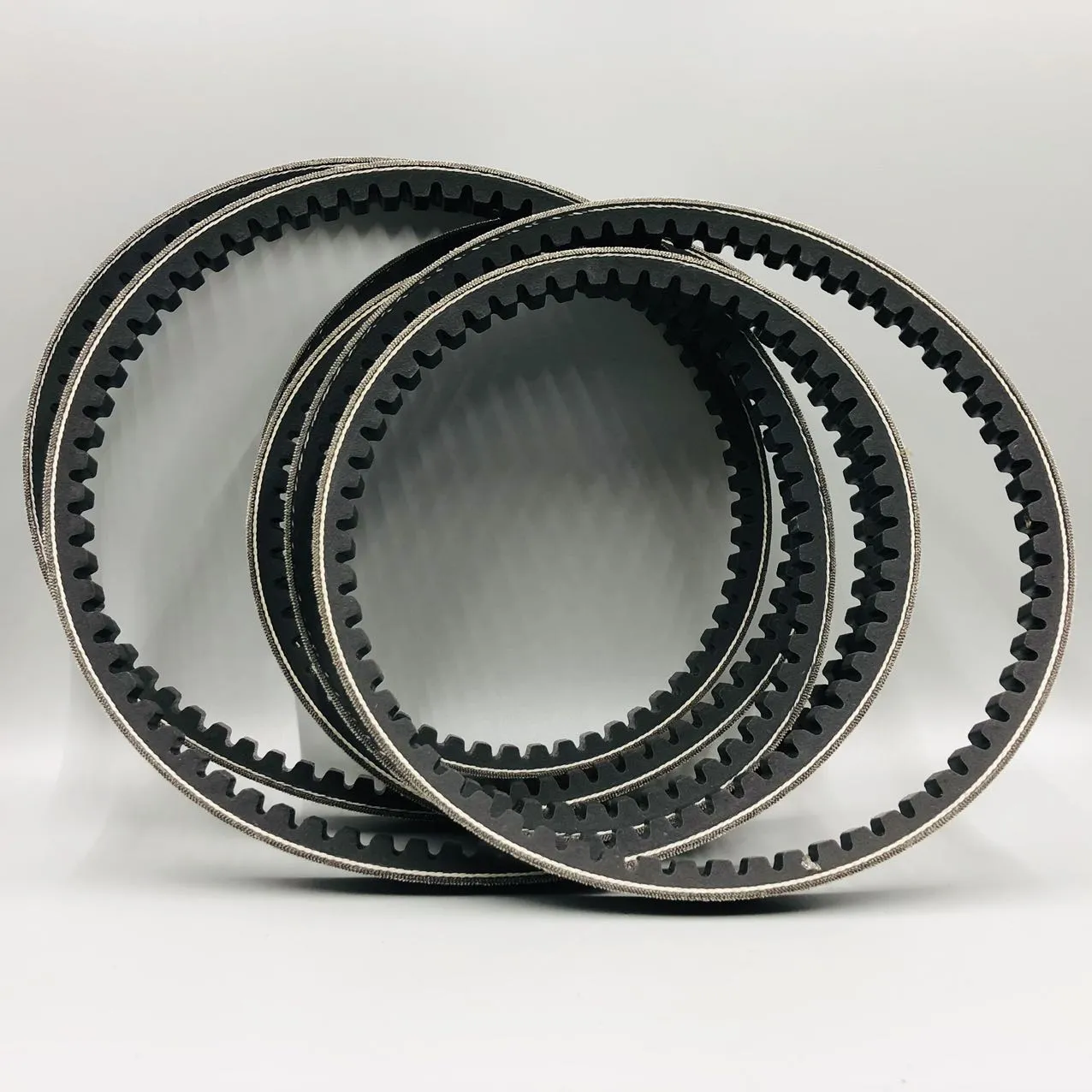 Komatsu mechanical belt6219-61-3420
 -
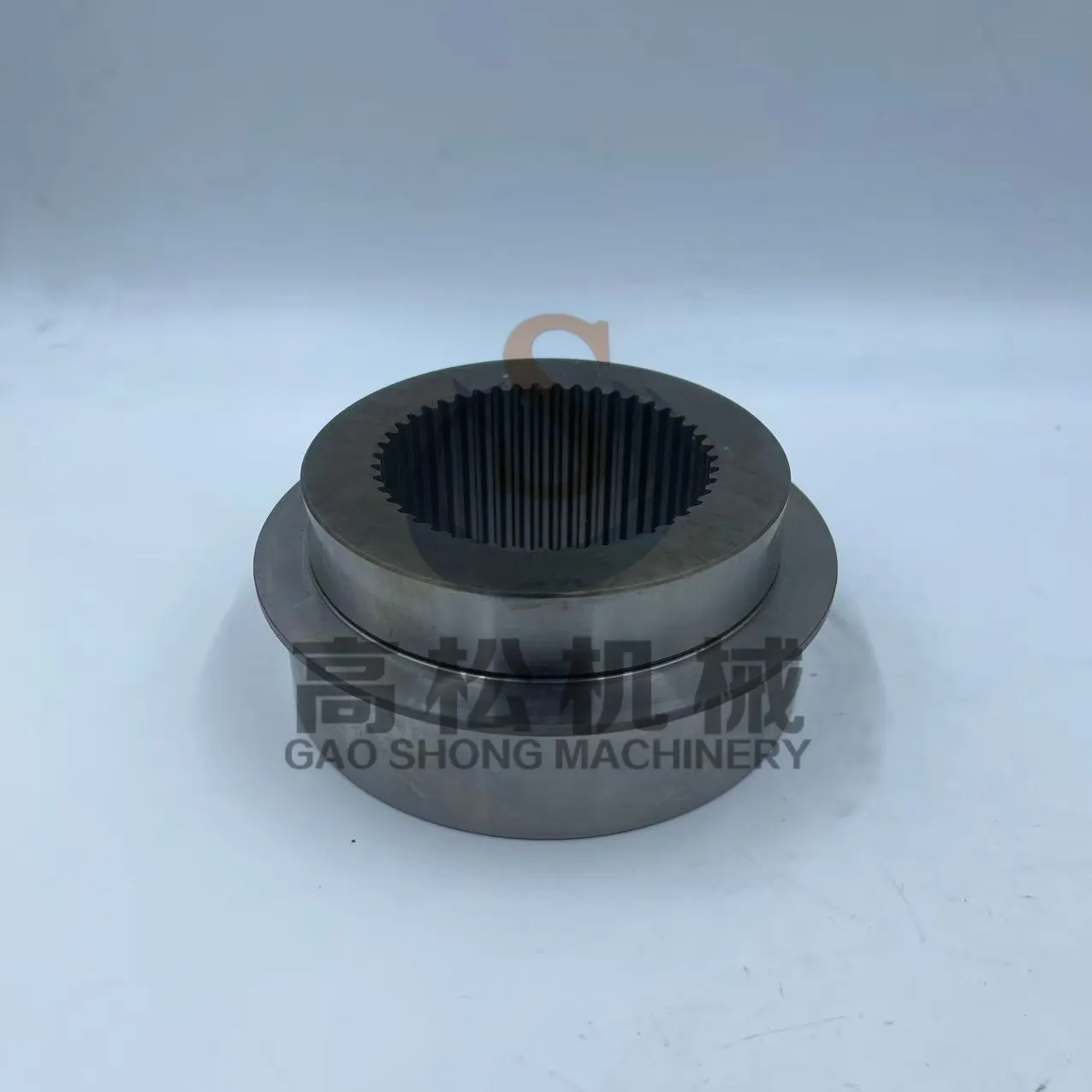 Komatsu 195-15-82570 Spacer
 -
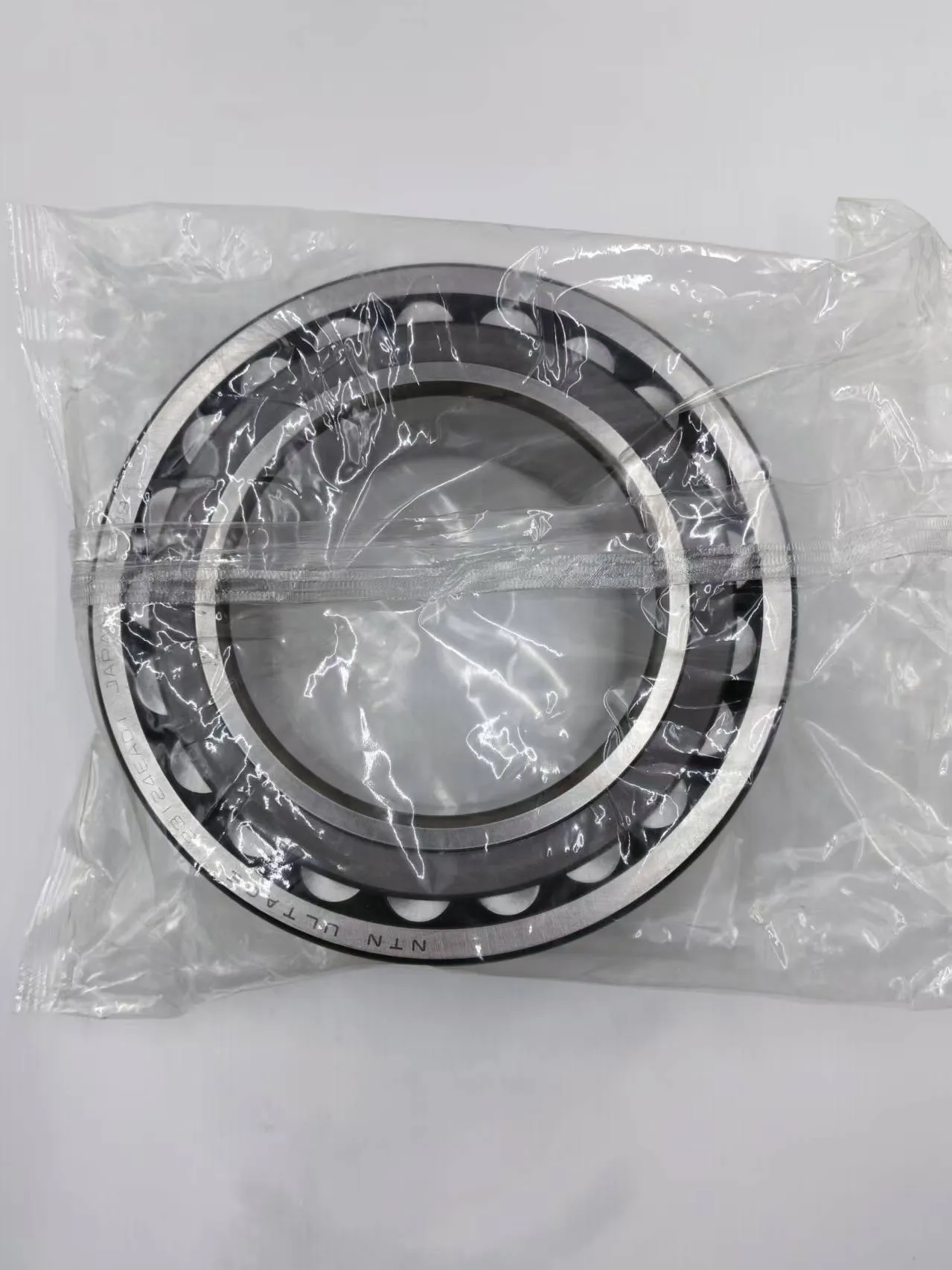 208-26-71530 Bearing for Komatsu PC450 PC460 PC500 Excavator Swing Drive Bearing Reducer Bearing
 -
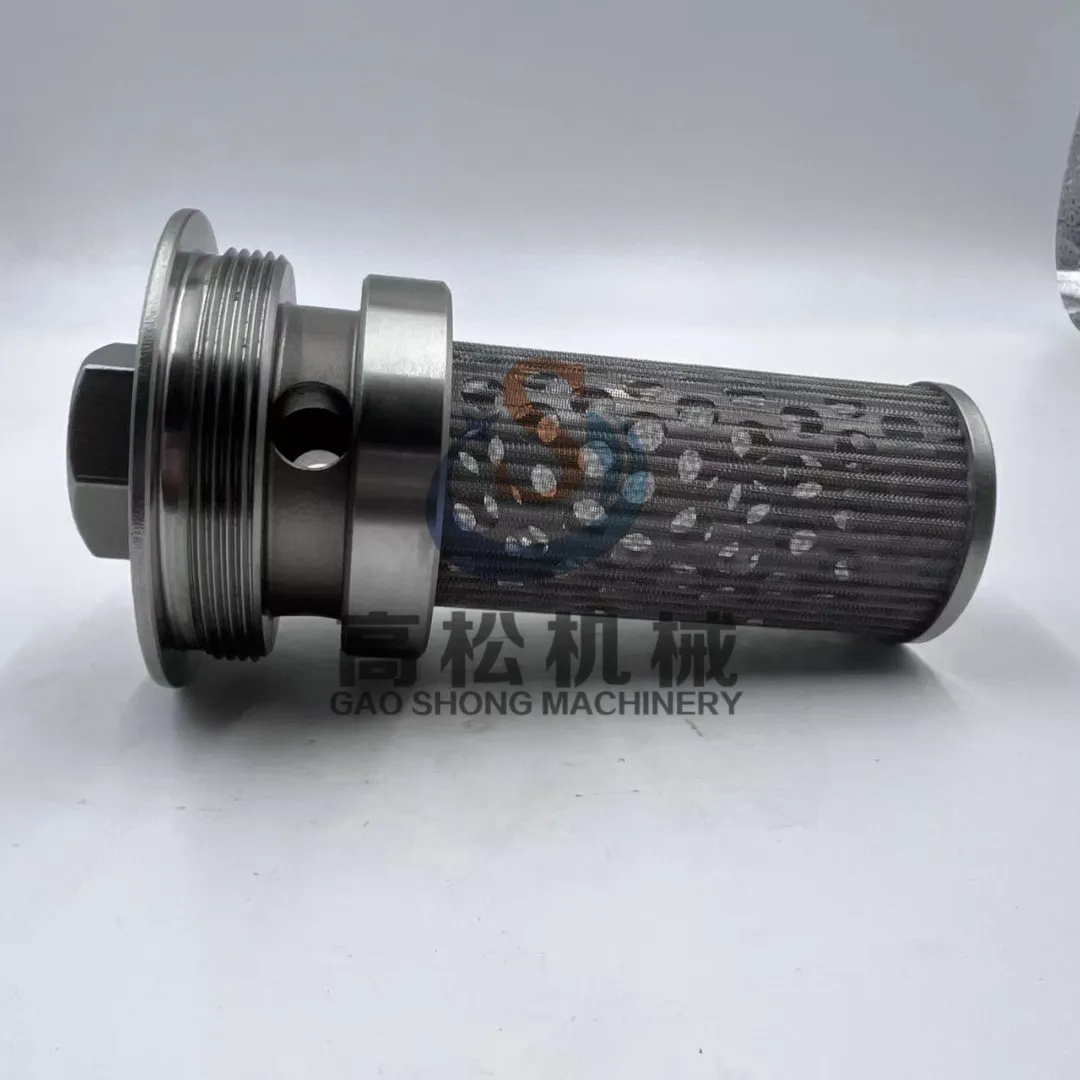 Komatsu 195-04-11150 Strainer 195041150
 -
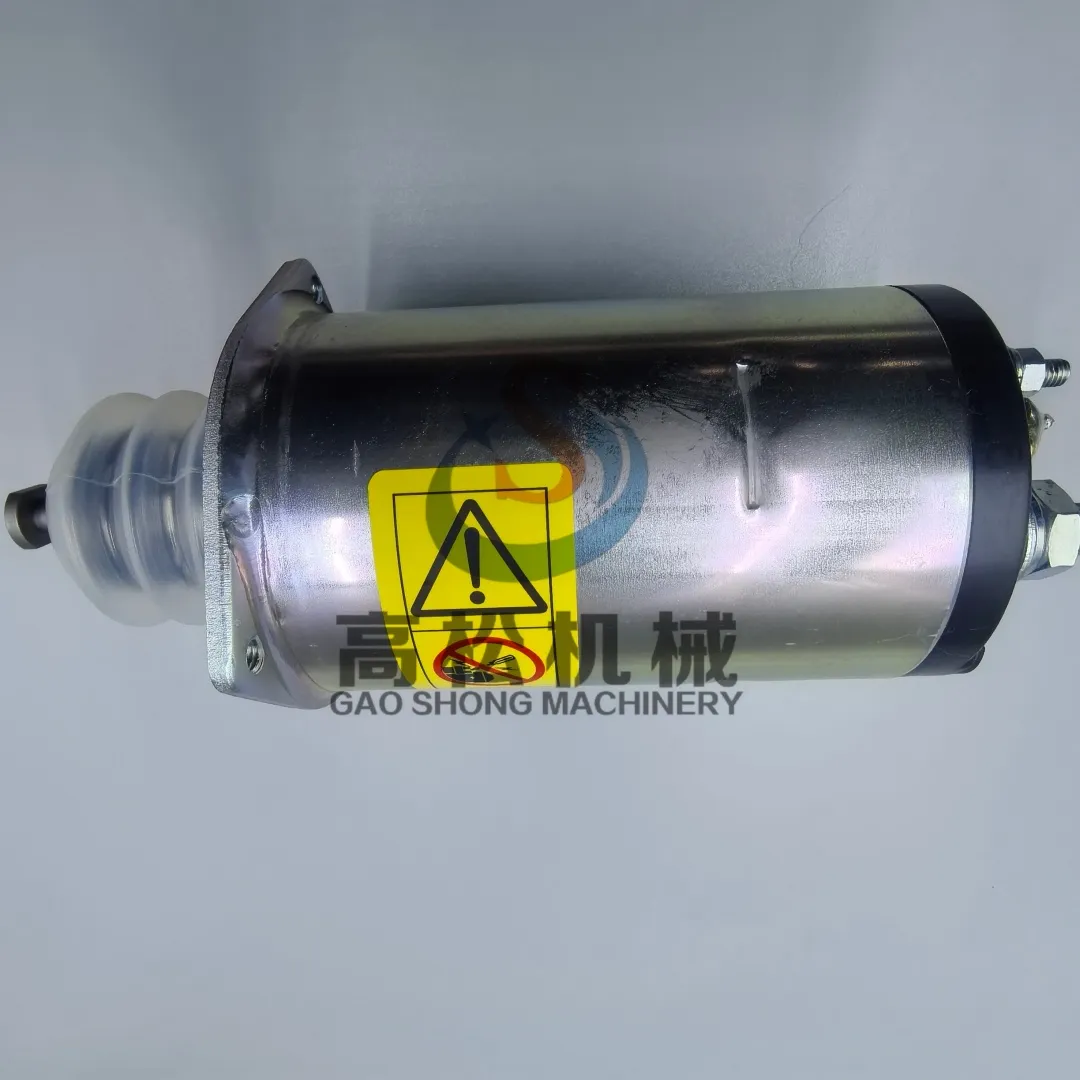 magnetic swi kd7-47100-0274 – fits KOMATSU