
- Chinese
- French
- German
- Portuguese
- Spanish
- Russian
- Japanese
- Korean
- Arabic
- Irish
- Greek
- Turkish
- Italian
- Danish
- Romanian
- Indonesian
- Czech
- Afrikaans
- Swedish
- Polish
- Basque
- Catalan
- Esperanto
- Hindi
- Lao
- Albanian
- Amharic
- Armenian
- Azerbaijani
- Belarusian
- Bengali
- Bosnian
- Bulgarian
- Cebuano
- Chichewa
- Corsican
- Croatian
- Dutch
- Estonian
- Filipino
- Finnish
- Frisian
- Galician
- Georgian
- Gujarati
- Haitian
- Hausa
- Hawaiian
- Hebrew
- Hmong
- Hungarian
- Icelandic
- Igbo
- Javanese
- Kannada
- Kazakh
- Khmer
- Kurdish
- Kyrgyz
- Latin
- Latvian
- Lithuanian
- Luxembou..
- Macedonian
- Malagasy
- Malay
- Malayalam
- Maltese
- Maori
- Marathi
- Mongolian
- Burmese
- Nepali
- Norwegian
- Pashto
- Persian
- Punjabi
- Serbian
- Sesotho
- Sinhala
- Slovak
- Slovenian
- Somali
- Samoan
- Scots Gaelic
- Shona
- Sindhi
- Sundanese
- Swahili
- Tajik
- Tamil
- Telugu
- Thai
- Ukrainian
- Urdu
- Uzbek
- Vietnamese
- Welsh
- Xhosa
- Yiddish
- Yoruba
- Zulu
- Kinyarwanda
- Tatar
- Oriya
- Turkmen
- Uyghur






OEM AND ORIGINAL KOMATSU BRACKET 154-71-71340
When you see a part number like , especially with the terms 'OEM' and 'Original Komatsu' attached, the immediate assumption in many markets is that it's a genuine part straight from Komatsu's own production line. But in the trenches, that's where the real story begins. The bracket is a classic example. It's a mounting bracket, likely for a hydraulic line or a component guard on a mid-sized excavator, maybe a PC200 or PC220 series. The nuance between an OEM-supplied part and an 'original' Komatsu part is where most of the confusion—and opportunity—lies. I've seen too many orders where the buyer paid a premium for what they thought was a factory-original part, only to receive a well-made OEM alternative, or worse, a misrepresented copy. The 'OEM' designation within the Komatsu system is specific: it means the part is produced by a company authorized and contracted by Komatsu to manufacture that component to their exact specifications. It is, for all functional purposes, the 'original' part, but it doesn't always come in a Komatsu-branded box. That distinction causes more headaches in procurement than almost any technical fault.
The Reality of the OEM Supply Chain
Let's talk about Jining Gaosong Construction Machinery Co., Ltd.. Their site, takematsumachinery.com, states their position clearly: an OEM product supplier within the Komatsu system and a third-party sales company. This dual role is crucial. It means they have access to the production lines that make authorized parts like the Komatsu bracket , but they also operate independently to distribute them. This model directly addresses the supply chain gaps in certain countries where official Komatsu distribution is thin or slow. I've worked with similar suppliers. You don't just get a part; you get the context. They might tell you, This batch of brackets uses the SCM440 steel, heat-treated to the same spec as last year, but the coating process was updated for better salt-spray resistance. That's the kind of detail that comes from being inside the system.
The practical benefit is availability and sometimes cost, but never at the expense of being 'non-original'. The bracket must mate perfectly with the existing bolt holes on the machine's main frame and bear the same vibrational loads. An off-spec part here doesn't just fail; it can cause collateral damage. I recall a case where a non-certified bracket for a similar Komatsu model sheared, letting a hydraulic line chafe against the track link. The resulting leak and downtime cost far more than the price difference between a proper OEM part and a cheap imitation. The takeaway? The supplier's claim of being within the Komatsu OEM system is your first checkpoint. It's not just paperwork; it's a guarantee of dimensional and material integrity.
So when you're sourcing this bracket, the question isn't just Is it original? It's Who made it, and under what agreement? A company like Jining Gaosong, by virtue of its stated role, implies it sources from those authorized production channels. You need to probe that. Ask for mill certificates for the steel, or the Komatsu internal drawing number that the part was built from. A real OEM supplier will have that traceability, or at least be able to get it. A trader won't.
Field Observations and Common Pitfalls
In the yard, the OEM and original Komatsu bracket reveals its truth. The first thing we do is a visual and tactile comparison with a worn-out original. The casting marks, the finish of the machined surfaces, the weight. The genuine/OEM part will have crisp, clean casting numbers and often a supplier code—not just the part number stamped on. The paint or phosphate coating should be even, not pooled or flaky. I've seen aftermarket versions where the bolt holes were slightly misaligned, maybe half a millimeter off. You can force the bolts in, but that creates a stress point. Within 500 hours, you get a hairline crack propagating from the hole.
Another pitfall is assuming all brackets with this number are identical across machine generations. Komatsu does make silent revisions. The bracket from a -8 series machine might have a slightly thicker reinforcement rib than the one from a -7 series. An integrated supplier familiar with the OEM flow is more likely to catch that nuance and ask for your machine's serial number range. A pure third-party seller might just ship the most common version, leading to a frustrating fit-up on site. It's these subtle, undocumented details that separate a smooth installation from a half-day of grinding and shimming.
Then there's packaging and documentation. The truly original part from Komatsu's own warehouse comes with a specific packing slip. The OEM part from an authorized factory might come in a plain box, but with a certificate of conformity referencing Komatsu's quality standard. Jining Gaosong's operation, as a third-party sales company, might repackage for logistics. That's fine, but the part's provenance must remain clear. If all traceability is stripped away, you're taking a risk, no matter how credible the seller looks.
The Value of a Specialized Third-Party
This is where the model of a company like Jining Gaosong makes sense. As an OEM supplier and a third-party sales agent, they can navigate the formal system to source authentic parts, but also move with the agility that many official distributors lack. For a part like the bracket, which is a wear-and-tear item but not a common fast-moving filter, official channels in some regions might have long lead times or simply not stock it. A specialized third-party with OEM ties can tap into the production schedule or regional warehouse stocks that aren't visible on the main distributor network.
Their website, https://www.takematsumachinery.com, frames their mission around solving parts supply challenges. From experience, that challenge is rarely about the part not existing; it's about access and velocity. They can often consolidate shipments of such brackets with other components for a specific machine model, reducing freight costs per unit. For a fleet manager, that's tangible value. It's not just about buying a bracket; it's about minimizing machine downtime. If they can get a genuine-spec bracket to a port in Nigeria or Kazakhstan two weeks faster than the official route, that's a serious operational advantage.
However, this requires a high level of technical literacy from the supplier. They need to understand that a bracket isn't just a piece of metal. They need to be able to field technical queries. A good test is to ask them about the torque sequence for the bracket's mounting bolts, or the recommended thread locker. If they can refer to the Komatsu service manual or provide a snippet, it shows deeper engagement. If they just say tighten it good, then their role is purely logistical, not technical, and that adds risk.
Case in Point: A Failed Experiment
I remember a cost-saving initiative a few years back where we tried sourcing a batch of what was advertised as 'OEM-equivalent' brackets, including the , from a non-authorized foundry. The savings were about 40%. The parts looked decent superficially. They passed a basic caliper check. But we didn't do material spectroscopy. After about 1200 hours in a high-vibration application, we started seeing cracks. Not at the welds or bolt holes, but in the body of the casting itself. The failure analysis pointed to inferior-grade steel with higher sulfur content, making it more brittle under cyclic loading. It was a classic fatigue failure that a proper OEM and original Komatsu spec part is designed to avoid.
The fallout wasn't just replacing the brackets. We had to inspect every machine that received one, which meant downtime for dozens of units. The labor cost alone wiped out the savings ten times over. More importantly, it eroded trust. The lesson was brutal: for critical structural brackets, 'equivalent' is a marketing term, not an engineering one. The OEM system exists precisely to prevent this. It enforces material standards, manufacturing processes, and quality checks that are non-negotiable.
This experience made us much stricter with suppliers. Now, for any load-bearing part, we insist on evidence of OEM authorization or direct lineage. For a company positioning itself as we are an OEM product supplier within the Komatsu system, that's the exact assurance they need to provide—not just a claim on a website, but a verifiable link back to an authorized manufacturing source for the specific part number in question.
Concluding Thoughts on Sourcing Strategy
So, what's the bottom line on sourcing something like the Komatsu bracket ? First, abandon the binary of 'genuine' vs. 'aftermarket'. Embrace the spectrum: Komatsu-branded original, OEM-original (authorized production), and then everything else. Your goal should be to secure a part in the first two categories. A supplier like Jining Gaosong, with its stated dual function, aims to occupy that OEM-original space while providing the logistical bridge.
Second, due diligence is hands-on. Even when using a reputable third-party, request material certifications for critical components. For a bracket, that's the steel grade and coating spec. Compare physical samples if possible. Use your network to see if others have sourced the same part number from them and what the field performance has been.
Finally, view the part in the context of total cost of ownership. The price premium for an OEM-original bracket is insurance against unplanned downtime, collateral damage, and safety incidents. In our field, a broken bracket is never just a broken bracket. It's a machine standing still, a missed deadline, and a repair bill that's always larger than expected. Sourcing from a specialized conduit within the OEM ecosystem, one that understands these real-world stakes, is often the most pragmatic path to reliability. It's not about brand loyalty; it's about physics, metallurgy, and keeping the fleet moving.
Related Products
Related Products

Best Selling Products
Best Selling Products-
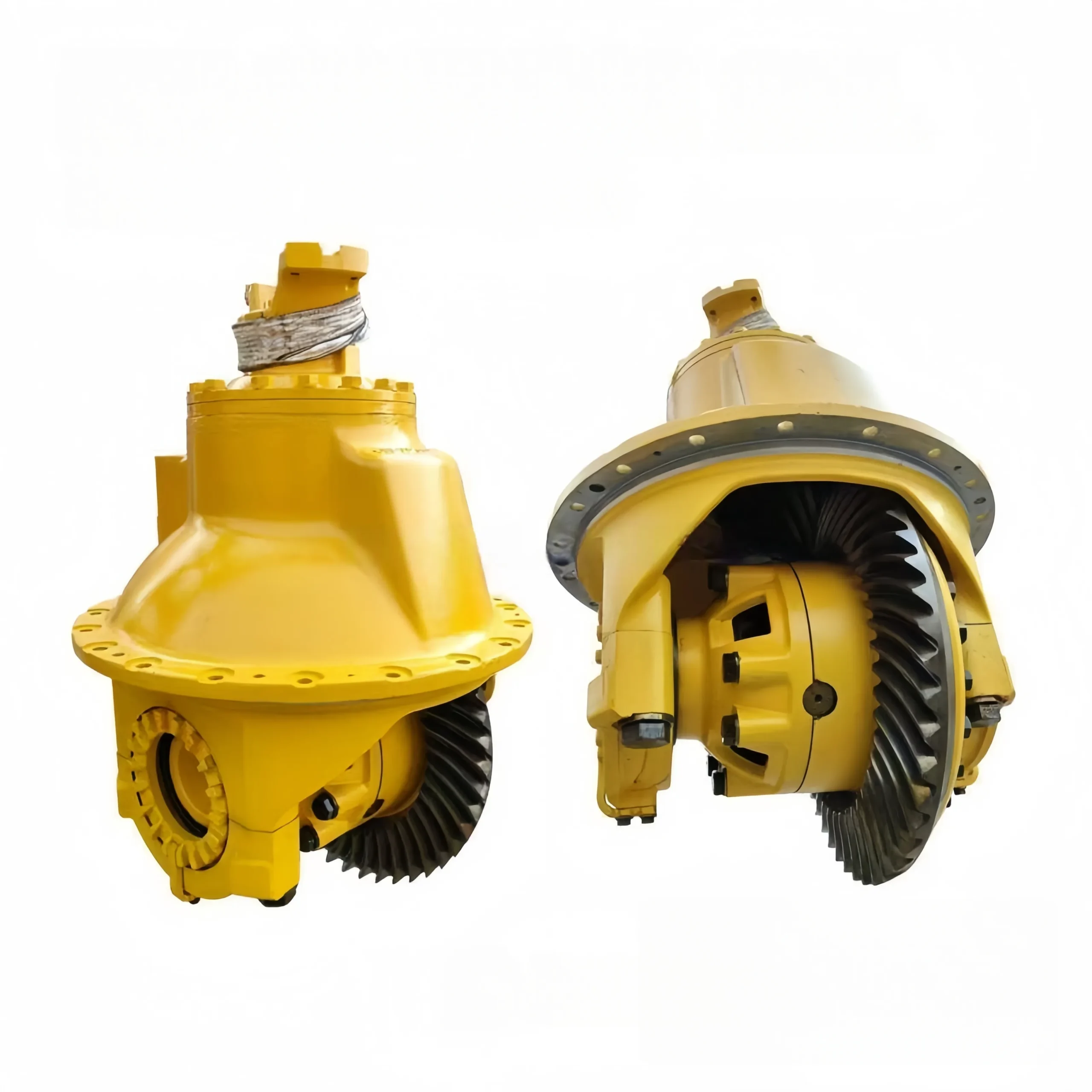 komatsu-part-569-22-71002 RM569-22-71002 569-22-71001 DIFFERENTIAL ASS’Y HD465-7 HD605-7 REAR AXLE (REAR DIFFERENTIAL)
 -
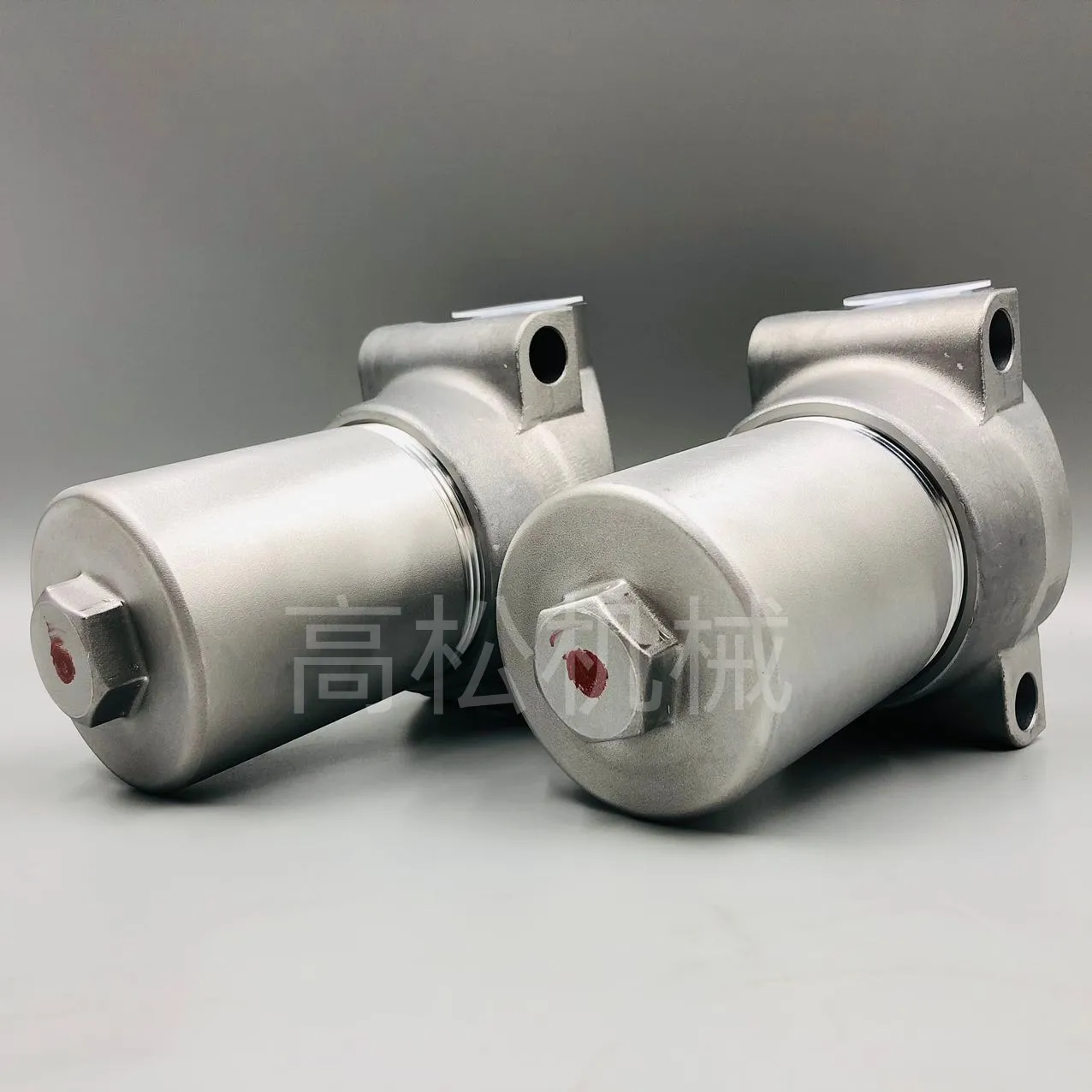 20Y-62-51681 FILTER ASS’Y-Komatsu Original Factory
 -
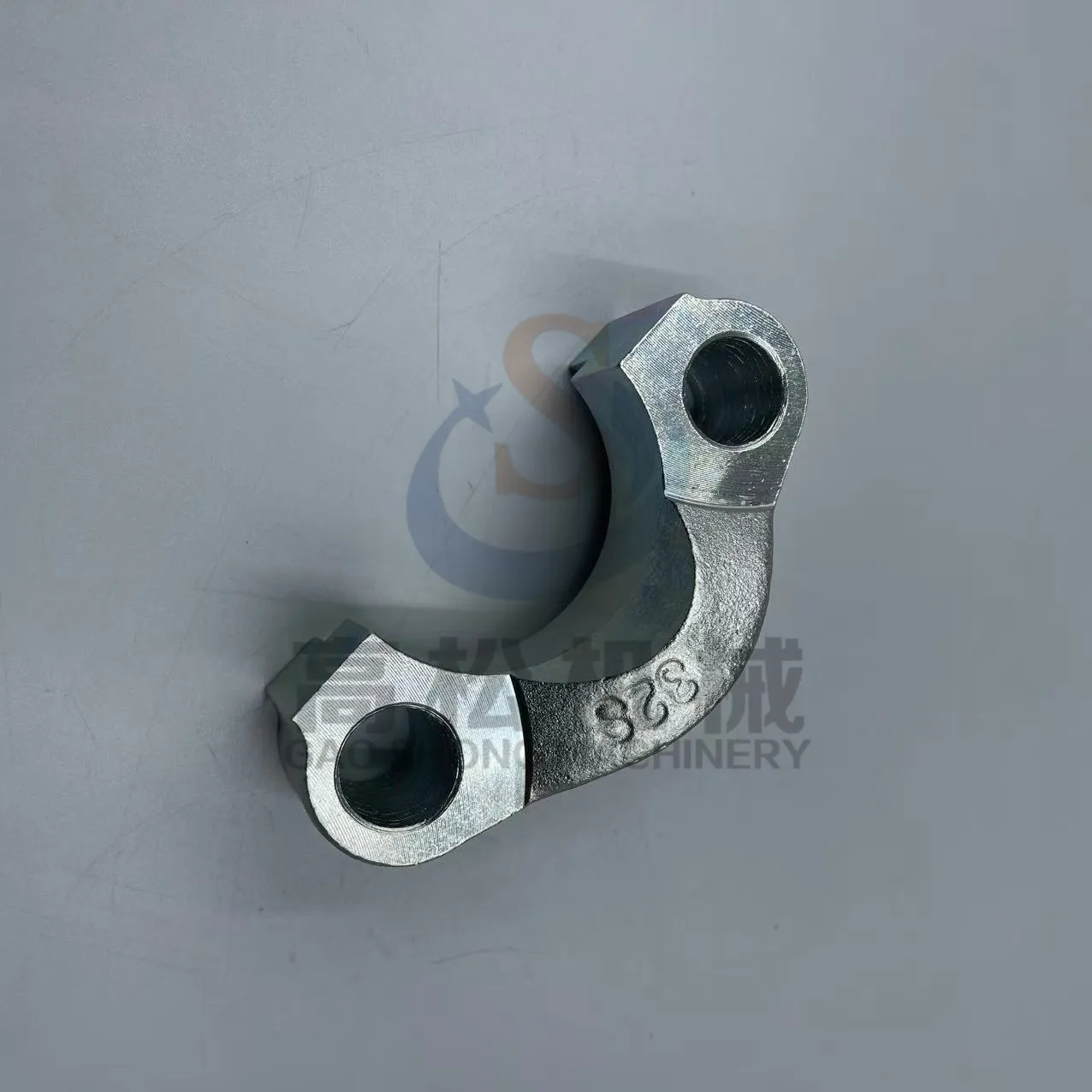 FLANGE 07371-52080 – KOMATSU
 -
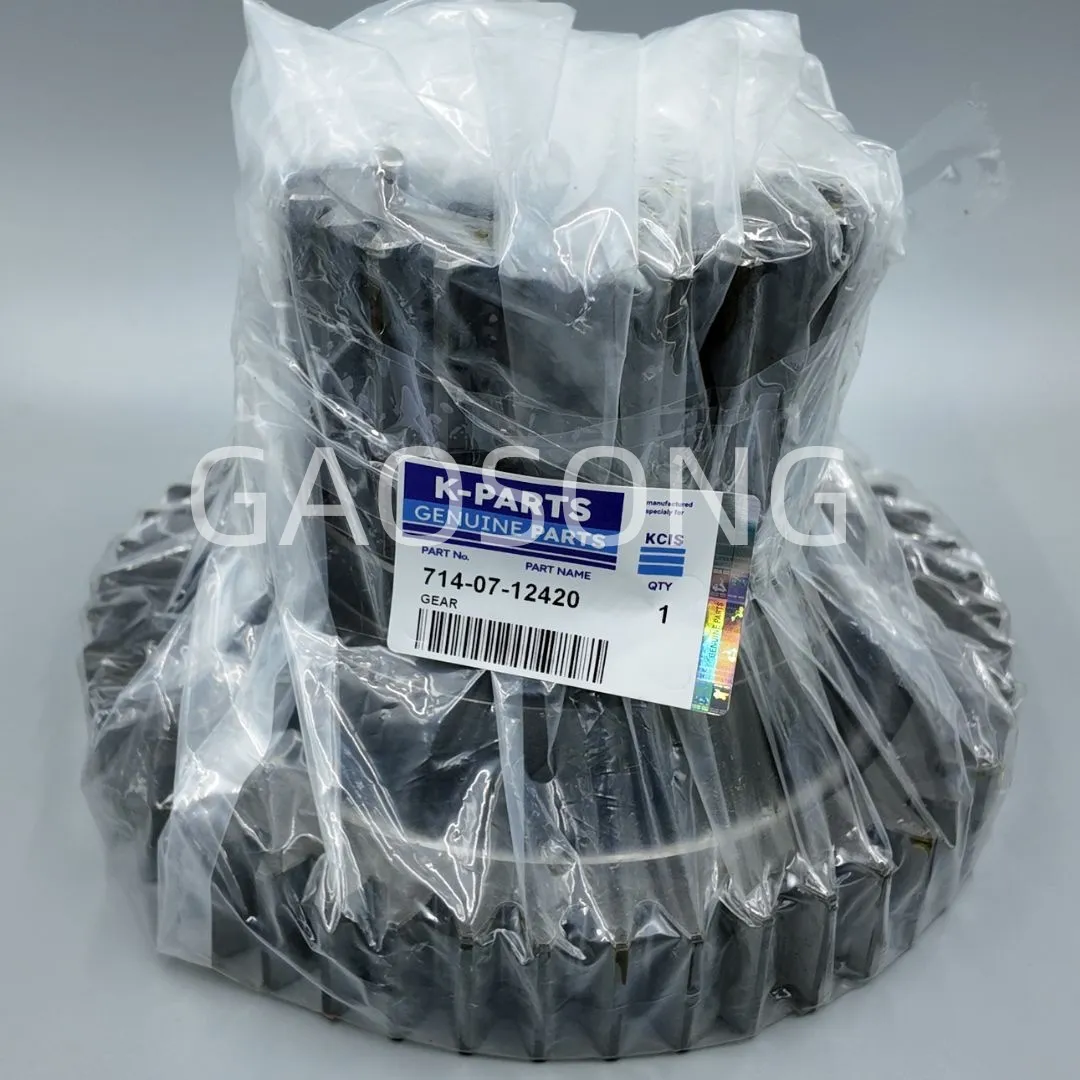 714-07-12420 •• GEAR¤ 48 TEETH,FORWARD-Komatsu Original Factory
 -
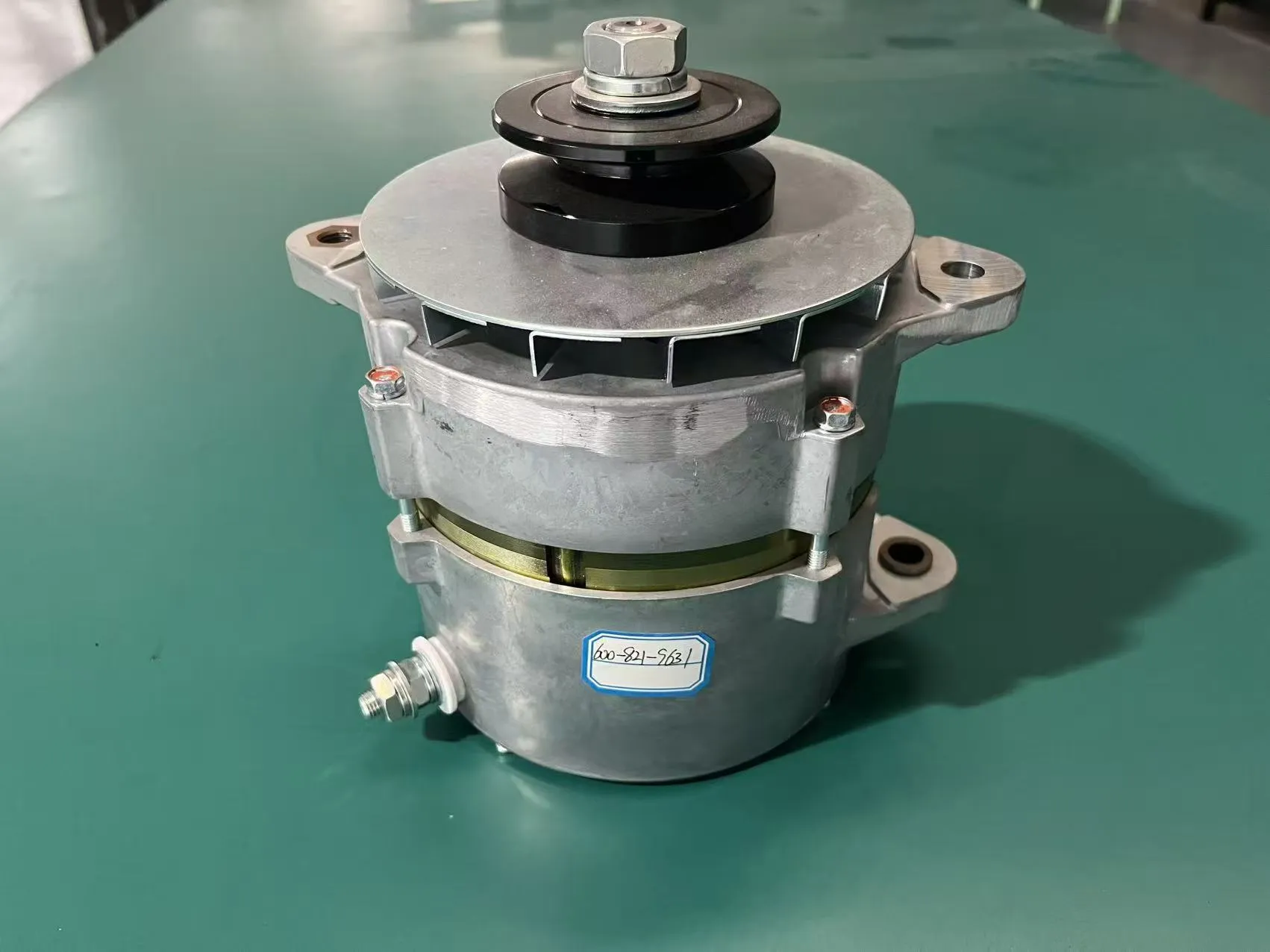 600-821-9631 Komatsu SA12V140 ALTERNATOR
 -
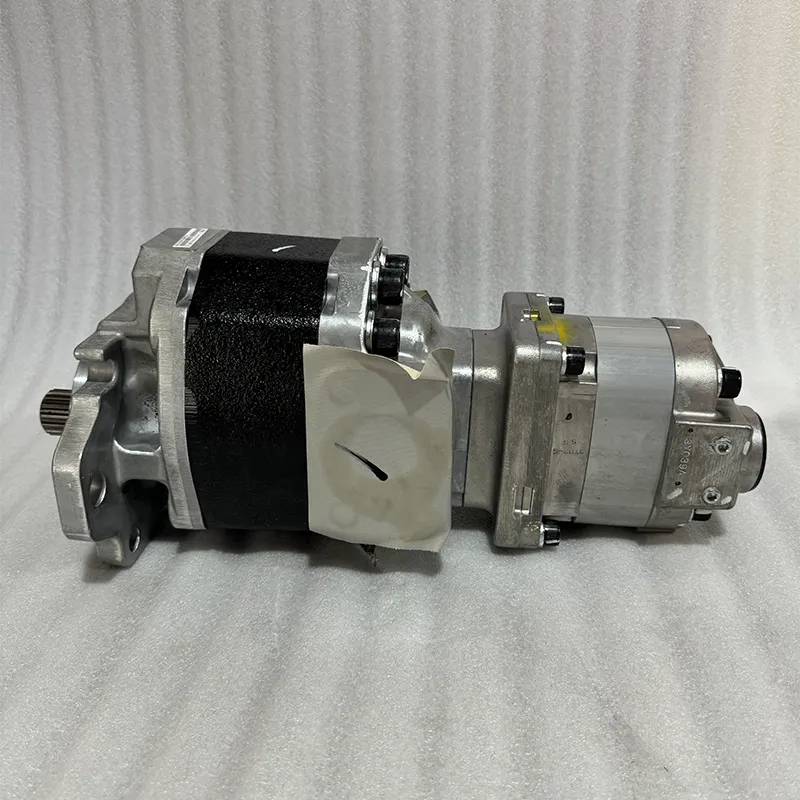 Original komatsu HD605-7R Gear Pump 705-95-05140
 -
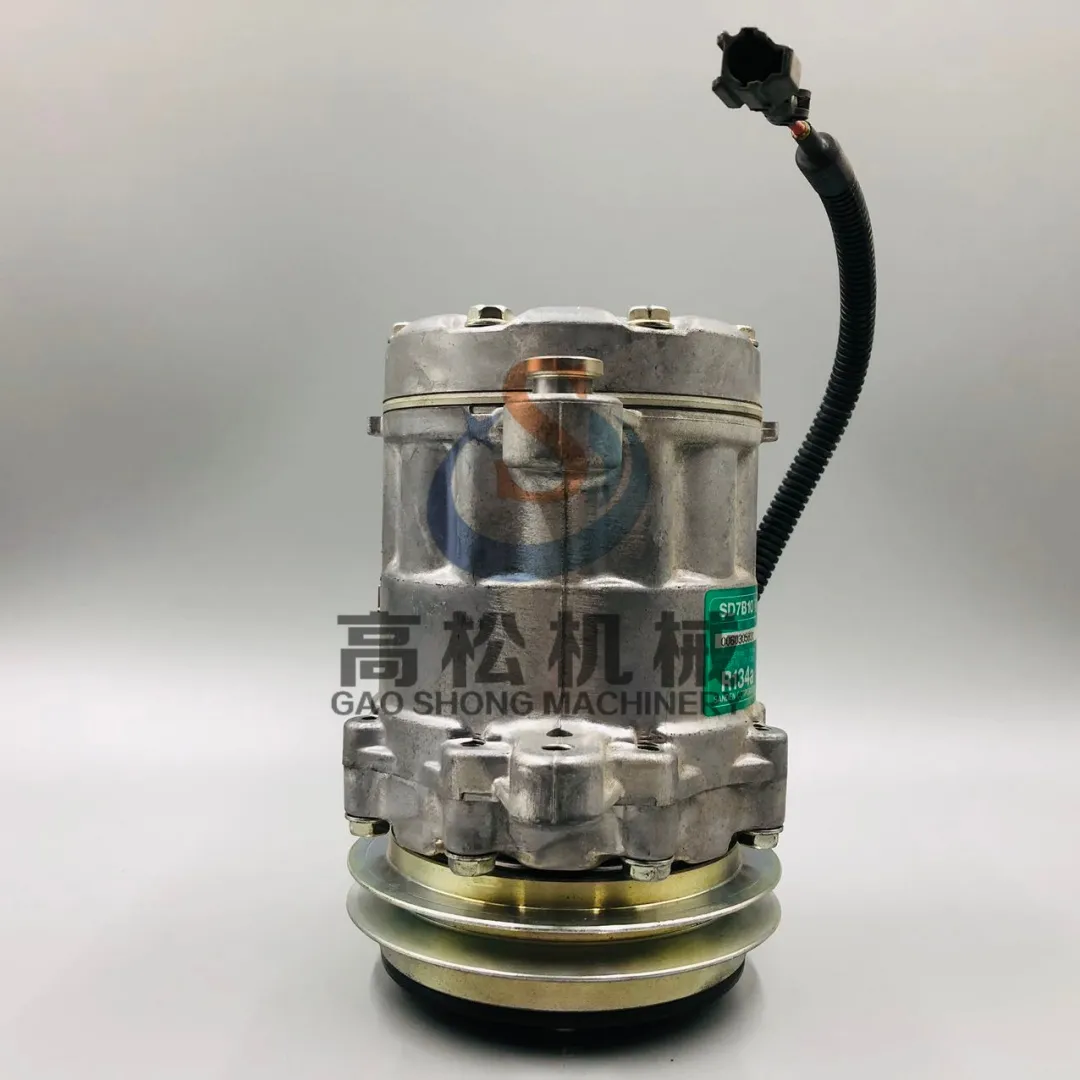 A/C Compressor 22L-979-2200 For Komatsu
 -
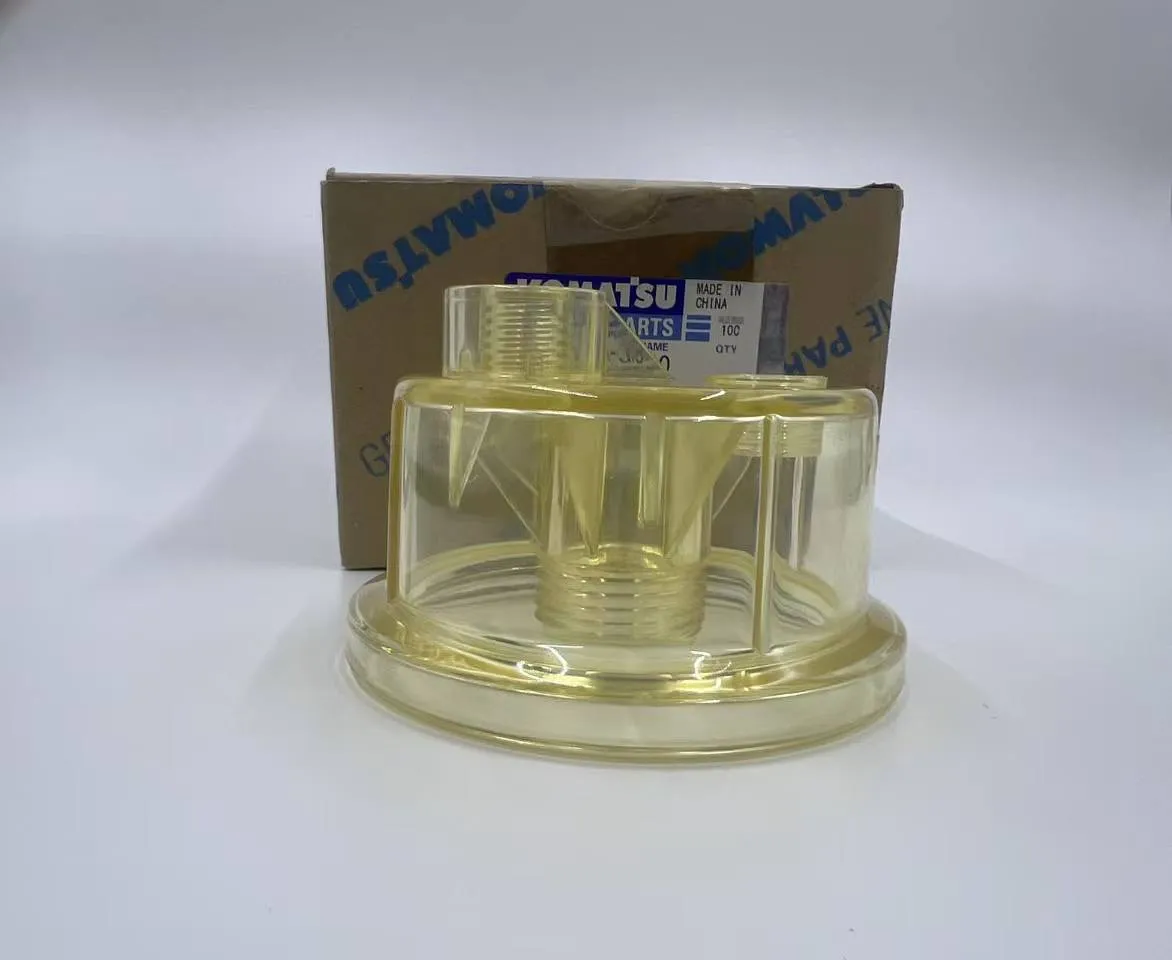 600-311-3640 • BOWL-Komatsu Original Factory
 -
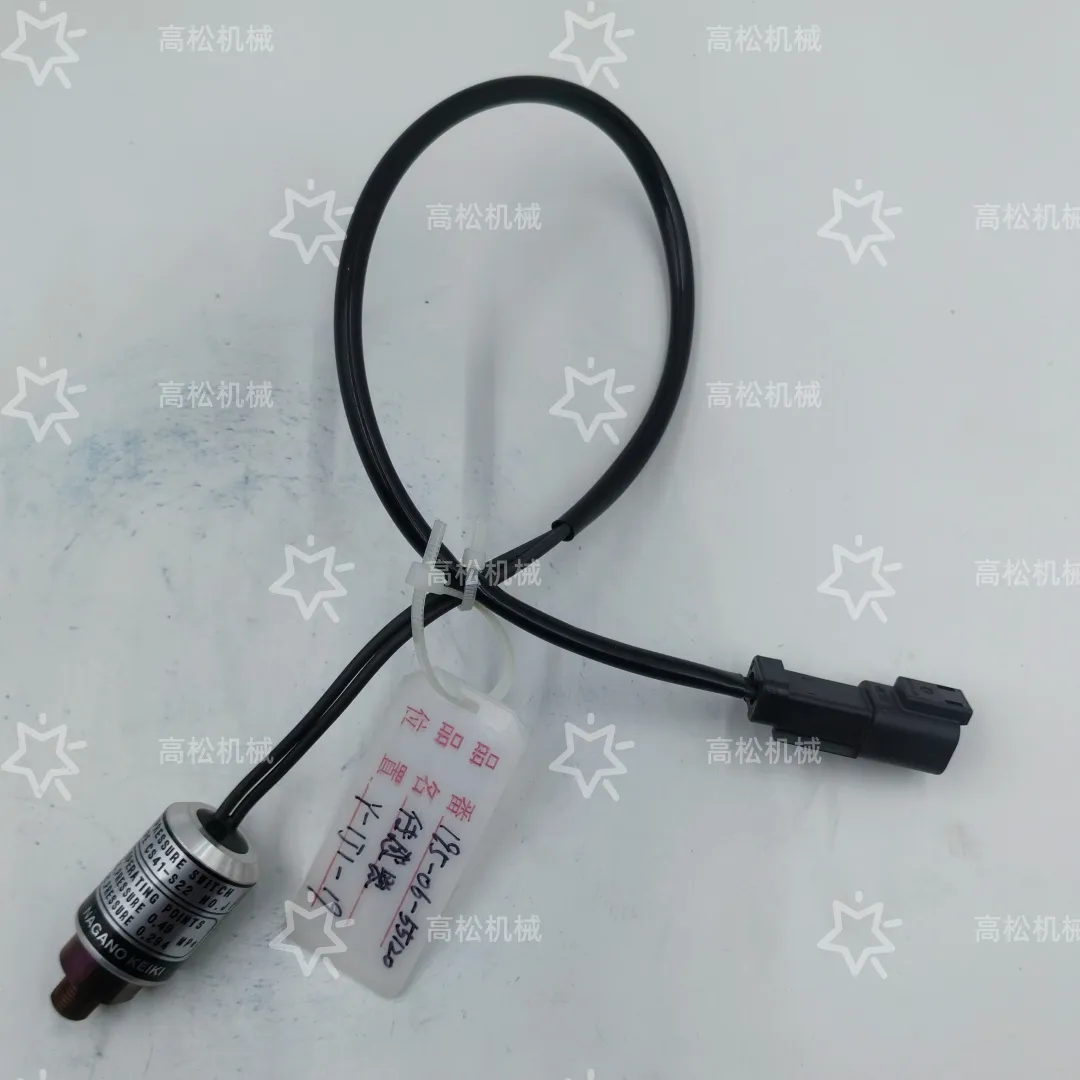 SWITCH 195-06-55120 – KOMATSU
 -
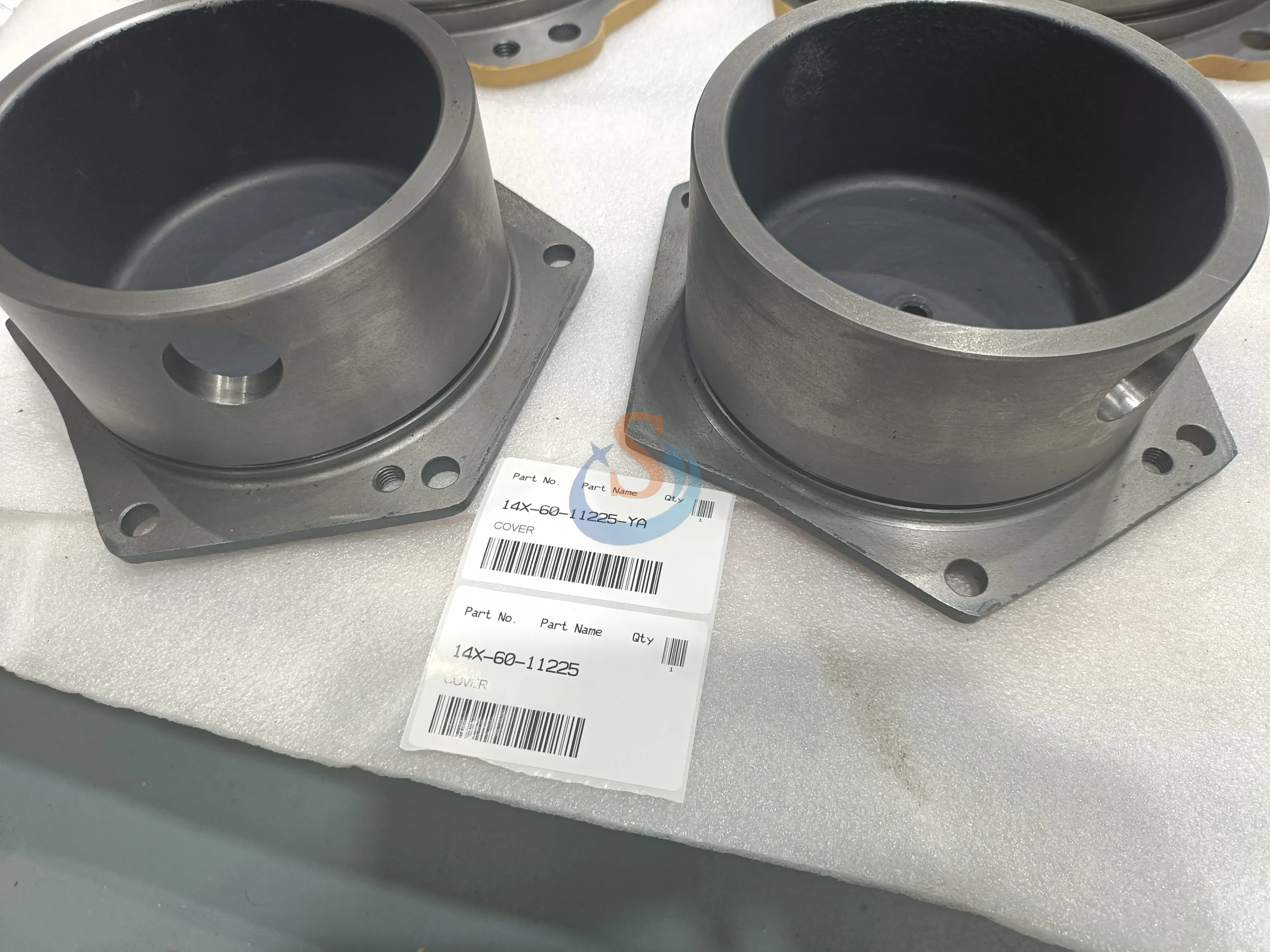 14X-60-11225,COVER,D65PX,D85ESS
 -
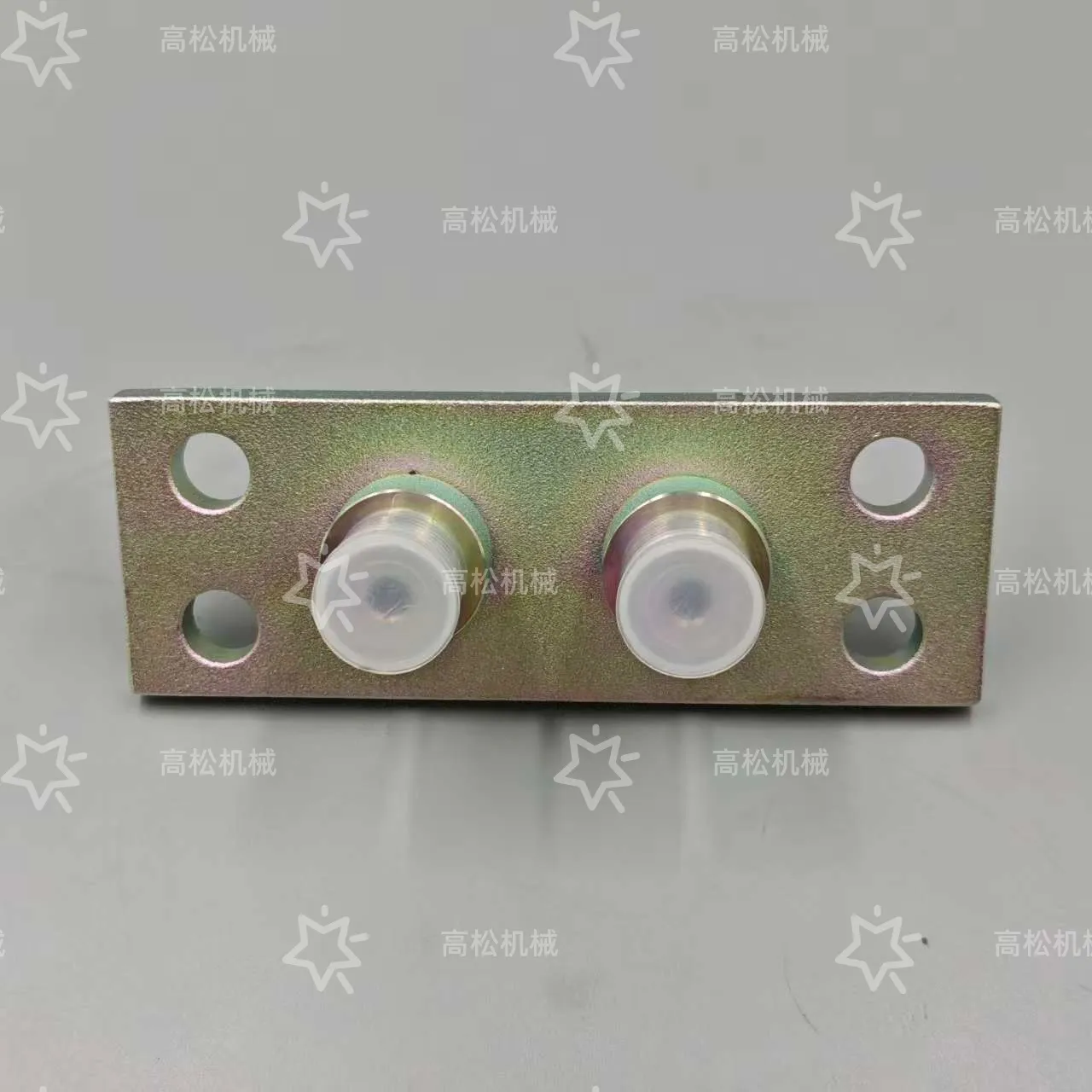 14Y-62-31411 BRACKET made to fit KOMATSU
 -
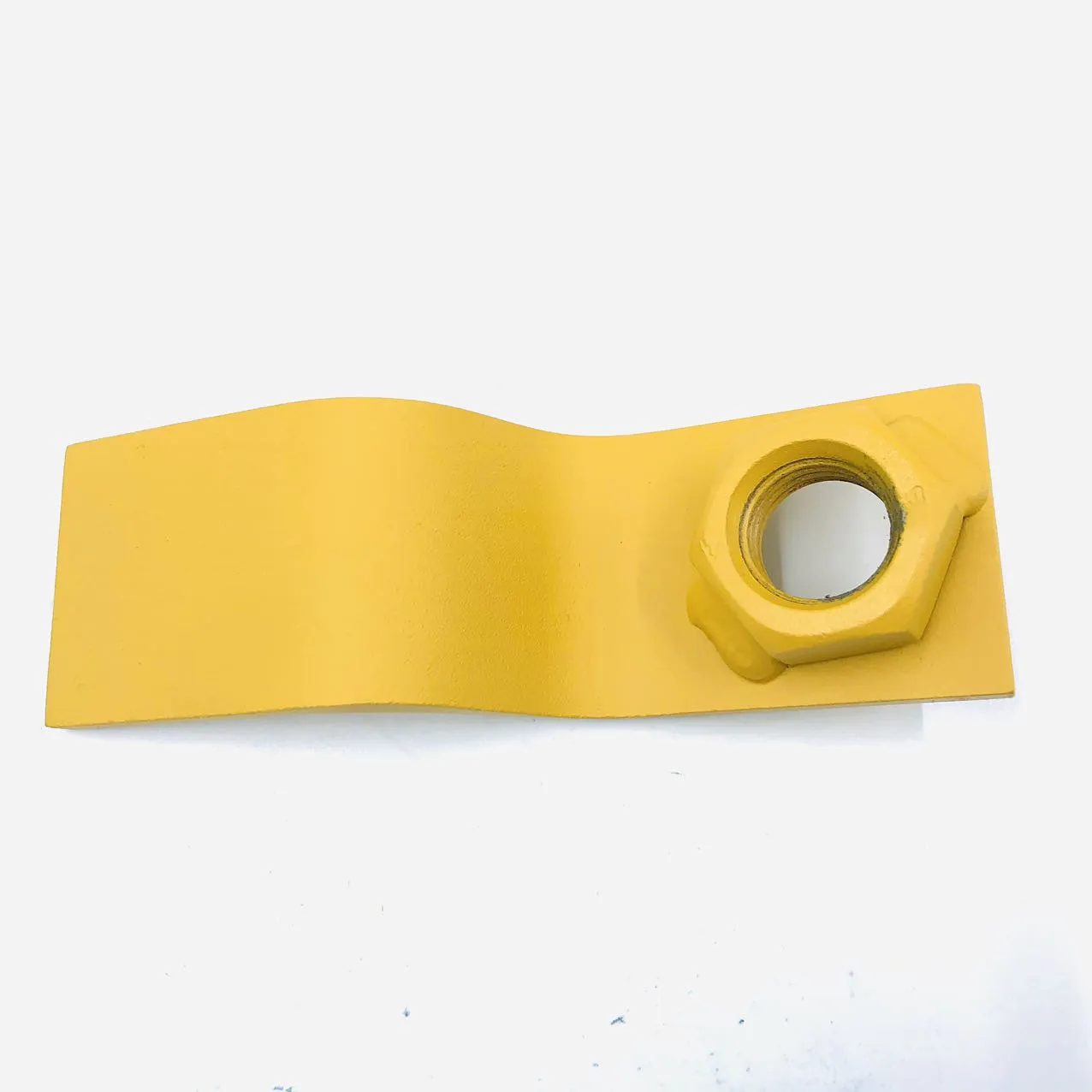 21T-00-67330 Plate -Komatsu.