
- Chinese
- French
- German
- Portuguese
- Spanish
- Russian
- Japanese
- Korean
- Arabic
- Irish
- Greek
- Turkish
- Italian
- Danish
- Romanian
- Indonesian
- Czech
- Afrikaans
- Swedish
- Polish
- Basque
- Catalan
- Esperanto
- Hindi
- Lao
- Albanian
- Amharic
- Armenian
- Azerbaijani
- Belarusian
- Bengali
- Bosnian
- Bulgarian
- Cebuano
- Chichewa
- Corsican
- Croatian
- Dutch
- Estonian
- Filipino
- Finnish
- Frisian
- Galician
- Georgian
- Gujarati
- Haitian
- Hausa
- Hawaiian
- Hebrew
- Hmong
- Hungarian
- Icelandic
- Igbo
- Javanese
- Kannada
- Kazakh
- Khmer
- Kurdish
- Kyrgyz
- Latin
- Latvian
- Lithuanian
- Luxembou..
- Macedonian
- Malagasy
- Malay
- Malayalam
- Maltese
- Maori
- Marathi
- Mongolian
- Burmese
- Nepali
- Norwegian
- Pashto
- Persian
- Punjabi
- Serbian
- Sesotho
- Sinhala
- Slovak
- Slovenian
- Somali
- Samoan
- Scots Gaelic
- Shona
- Sindhi
- Sundanese
- Swahili
- Tajik
- Tamil
- Telugu
- Thai
- Ukrainian
- Urdu
- Uzbek
- Vietnamese
- Welsh
- Xhosa
- Yiddish
- Yoruba
- Zulu
- Kinyarwanda
- Tatar
- Oriya
- Turkmen
- Uyghur






OEM AND ORIGINAL KOMATSU BEARING 566-22-12190
Let's talk about that part number, . If you're sourcing bearings for Komatsu equipment, you've seen it. The immediate assumption is that 'OEM' and 'Original' are the same thing. In an ideal world, yes. In the trenches of global parts supply, especially for older or region-specific models, that's where the distinction gets messy and expensive. I've seen too many projects stall because someone bought a box with the right number but the wrong provenance. The bearing itself is critical, often found in final drives or swing circles of mid-to-late 2000s excavators like the PC300-7 or PC400-6. But the story isn't just the bearing; it's the ecosystem you buy it from.
The OEM vs. Original Conundrum in the Field
Here's the practical breakdown that manuals don't give you. When Komatsu lists a part as OEM AND ORIGINAL KOMATSU BEARING , they mean it was produced under their direct specification and quality audit for assembly line or genuine parts distribution. The 'OEM' tag, however, gets slapped on components made by the same factory that supplied Komatsu, but outside of the official production run. The metallurgy might be identical, the tolerances might be within the same micron range, but the certification chain is different. For a peace-of-mind rebuild where you're handing the machine back to a major contractor, you want the full pedigree. For a machine in a remote quarry where downtime is measured in thousands per hour, a verified OEM-spec part from a trusted pipeline can be the pragmatic choice.
I learned this the hard way on a project in Southeast Asia. We had a PC360LC-8 with a failing swing bearing. The local supplier promised original at half the price of the Komatsu dealer. The packaging was convincing, the seals looked right. Installed it, and within 200 hours, we had premature spalling and unacceptable noise. Post-mortem showed the case hardening depth was inconsistent—a classic sign of a batch that didn't pass Komatsu's final QC but was diverted to the aftermarket. The cost of the second repair, including crane time and labor, dwarfed the initial savings. That's the real price of a bad bearing.
This is where a supplier's role becomes crucial. You need a partner who is transparent about the source. Are they pulling from Komatsu's genuine network, or do they have a direct channel to the manufacturing OEM? Companies that operate within both spheres, like Jining Gaosong Construction Machinery Co., Ltd., are positioned uniquely. They state they are an OEM product supplier within the Komatsu system, which suggests a formal relationship with the production side, not just a reseller. Their parallel role as a third-party sales company for Komatsu indicates they can also access the genuine channel. This dual capability is key for solving actual supply challenges, not just moving boxes.
Beyond the Part Number: The Devil in the Details
Even with a legitimate OEM AND ORIGINAL KOMATSU BEARING , installation is a minefield. The torque sequence for the mounting bolts is non-negotiable. I've witnessed a technician use an impact gun to snug them up, which almost guarantees uneven preload on the bearing race. The result? A localized stress point that will fail prematurely, and you'll blame the part, not the process. The bearing often requires a specific preload or clearance setting post-installation, something the generic service data might gloss over. You need the machine's specific service manual, not a generic bearing guide.
Then there's the seal kit. The bearing might be perfect, but if you pair it with a subpar seal, contamination gets in and the game is over. The OEM bearing often comes with matched seals, or at least a specified part number for them. When buying an OEM-spec bearing from a secondary supplier, you must verify if the seals are included and to what standard. I always cross-reference the seal numbers independently. A good supplier will provide that data upfront or have it available when asked. If they hesitate, it's a red flag.
Storage and handling before it even gets to you is another silent killer. These are large, heavy-duty bearings. If they've been stored horizontally without proper support, or dropped during logistics, you can induce brinelling—permanent indentations on the raceways. A visual inspection might not catch it. You need to check for smooth, silent rotation before installation. A reputable supplier understands this chain of custody. Their logistics, like those implied by a professional operation behind a site like https://www.takematsumachinery.com, should be part of their value proposition, ensuring parts arrive in factory-fresh condition.
When the Official Channel Dries Up
This is the reality for many older Komatsu machines or those in regions with complex import rules. The official Komatsu distributor might de-list the part, have a 90-day lead time, or quote a prohibitive price. This is the parts supply challenges in certain countries that companies like Jining Gaosong mention. They aren't just selling a part; they're providing an alternative supply route. The critical question is: how do they ensure quality when not sourcing directly from Komatsu's genuine parts network?
The answer lies in their OEM supplier relationships. If they are truly embedded within that system, they can commission production runs of the OEM AND ORIGINAL KOMATSU BEARING to the original specifications, using the same tooling and material certs. This isn't a reverse-engineered part; it's a continuation of the original production. You need to ask for material certifications and proof of origin. A credible supplier will have these documents, often traceable back to the foundry and forging plant.
I used this approach for a fleet of PC220-5s in a remote mining operation. The official bearing was obsolete. A supplier with strong OEM ties was able to furnish a batch of bearings with full documentation. We paired them with genuine Komatsu seals sourced separately. Three years on, those machines are still running without issue. The takeaway? The part number is the starting point. The supplier's provenance and your due diligence on the ancillary components complete the picture.
The Cost Equation: More Than Unit Price
Everyone focuses on the price per bearing. The real cost is Total Cost of Ownership (TCO) for that component. A genuine Komatsu bearing at $2,500 might seem high compared to an aftermarket version at $800. But factor in the risk of a 48-hour downtime event at $15,000 per day, plus the cost of a second repair, and the math changes instantly. The OEM-spec option from a validated channel, perhaps at $1,600, becomes the sweet spot for many operational budgets—mitigating risk without the full premium.
This calculation depends entirely on machine criticality. Is it your primary production machine, or a backup unit? What's the local service capability? If you have a master mechanic on site who can do a swap in a day, your risk tolerance might be higher for a non-genuine part. If you're relying on flown-in technicians, you cannot afford a callback. A supplier who understands these operational realities, rather than just pushing a catalog, adds immense value. Their job is to help you navigate this decision, not just take an order.
Transparency in this cost conversation is what separates a parts vendor from a solutions partner. When a company explicitly states its mission is helping to solve parts supply challenges, it signals an understanding of this broader TCO perspective. It's not about having the cheapest ; it's about having the right one for your specific challenge, with the paperwork and performance history to back it up.
Verification and Building Trust
So, how do you vet a supplier for something as critical as this bearing? First, technical dialogue. Call them. Ask about the load ratings for the , the cage material, the lubricant pre-pack. A salesperson reading from a sheet will stumble; someone with engineering backing or deep field experience will explain it conversationally. Ask for a reference installation in a similar machine model. A confident supplier can provide this.
Second, inspect their digital footprint. A professional, informative website like the one at Takematsumachinery.com is a baseline. It should provide clear contact paths for technical inquiry, not just sales. Look for evidence of long-term industry presence. Do they list specific projects or partner testimonials? Jining Gaosong's stated dual role as an OEM supplier and Komatsu third-party seller is a strong signal—it shows they are inside the ecosystem, not just observers.
Finally, start small. If possible, order a less critical part first. Assess their packaging, documentation, and communication. Do they proactively provide shipping updates and customs documentation for international orders? The process of getting the part to your door is a preview of how they'll handle a crisis. For the OEM AND ORIGINAL KOMATSU BEARING and other core components, this supply chain reliability is as important as the component itself. The right partner makes the part number just an entry point to a solution, not the end of the story.
Related Products
Related Products

Best Selling Products
Best Selling Products-
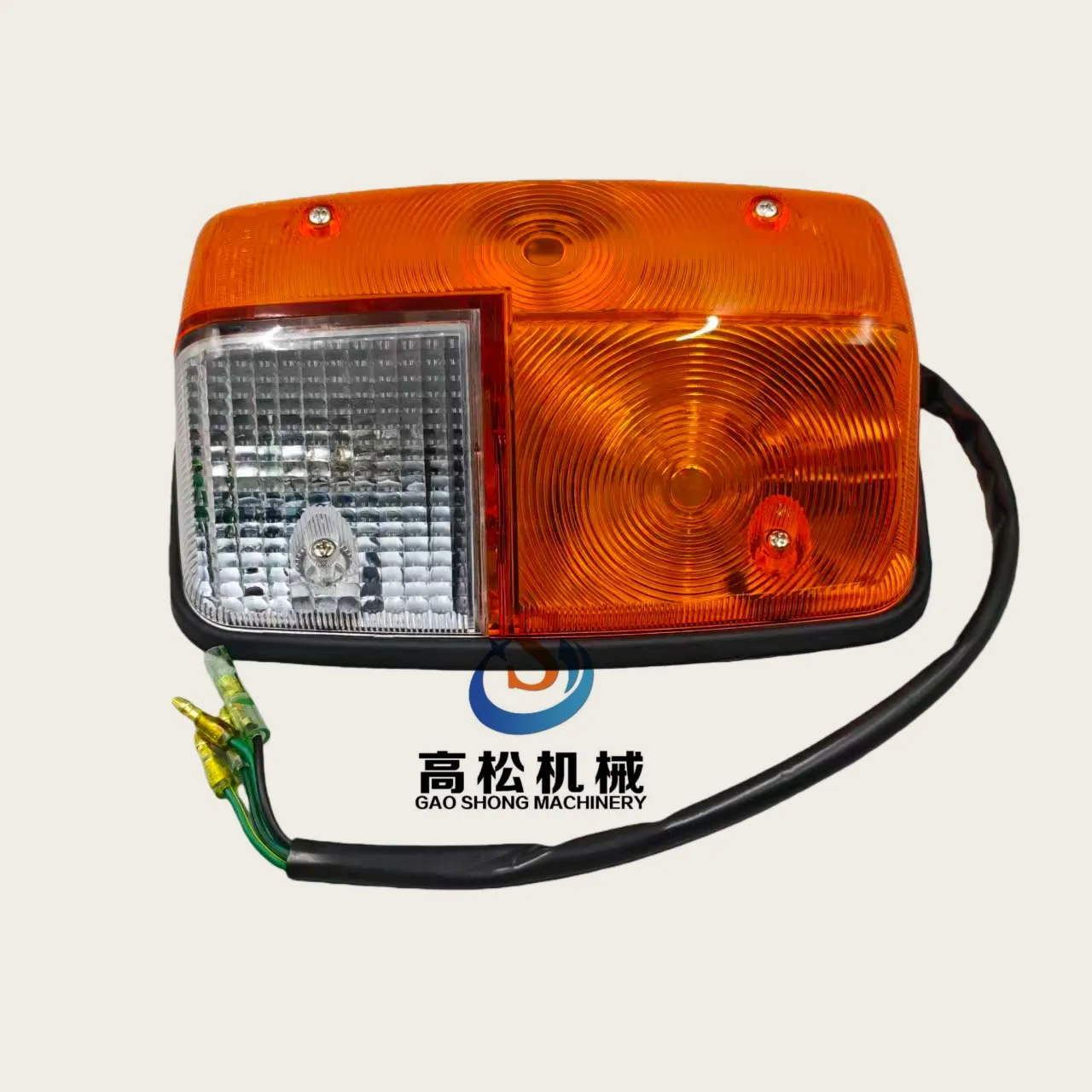 421-06-13401 LAMP ASS’Y,R.H. ELECTRICAL SYSTEM HD255-5 GS360-2 GD405A-2 GD355A-1 HD605-7 HD465-7 HD785-5 HD985-5
 -
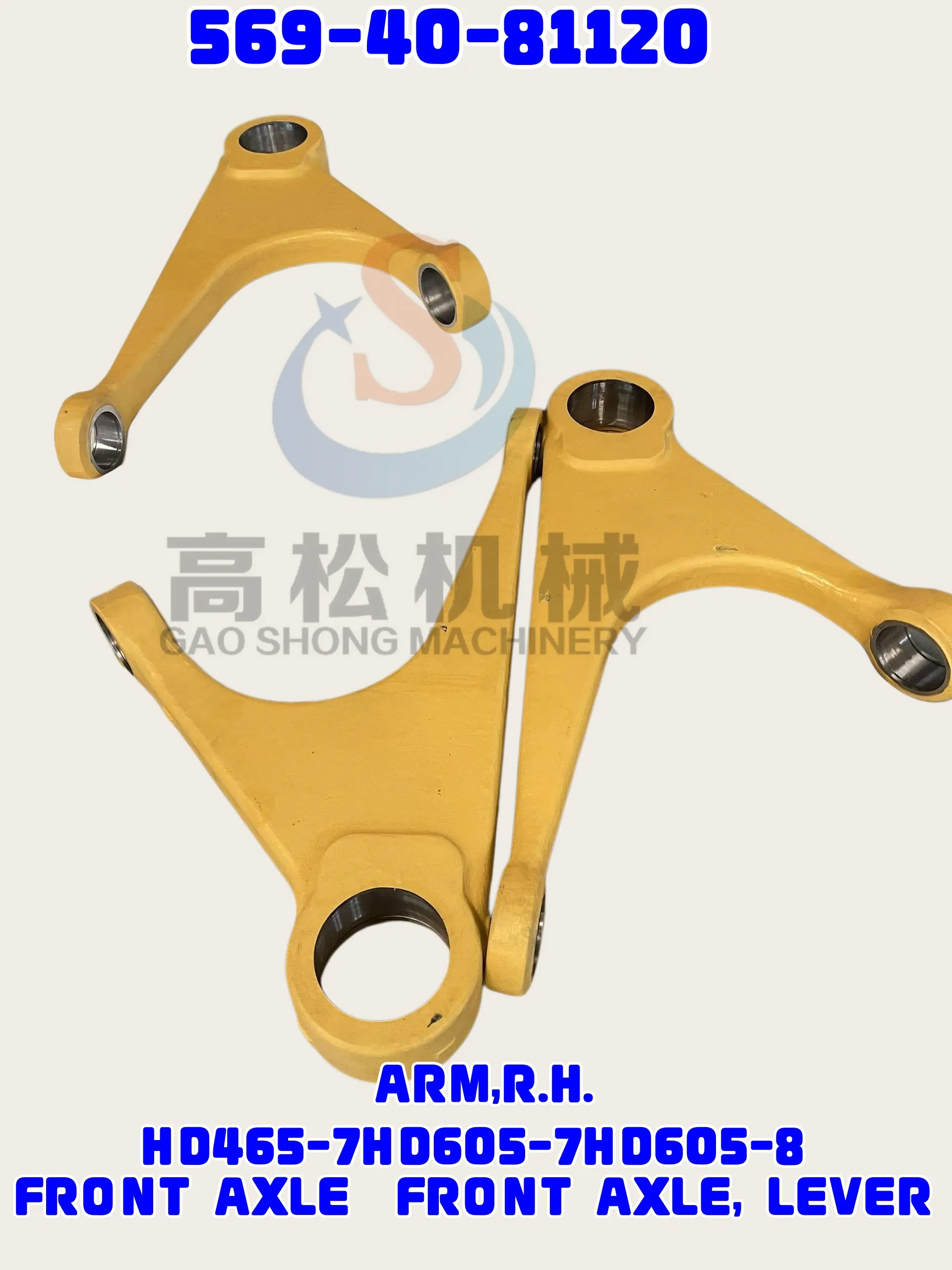 HD465-7 komatsu-part-569-40-81120 ARM,R.H. HD605-7 HD465-7 HD605-7E HD605-7E1 HD465-8 HD465-7R FRONT AXLE (R.H.) (KNUCKLE AND ARM LEVER)
 -
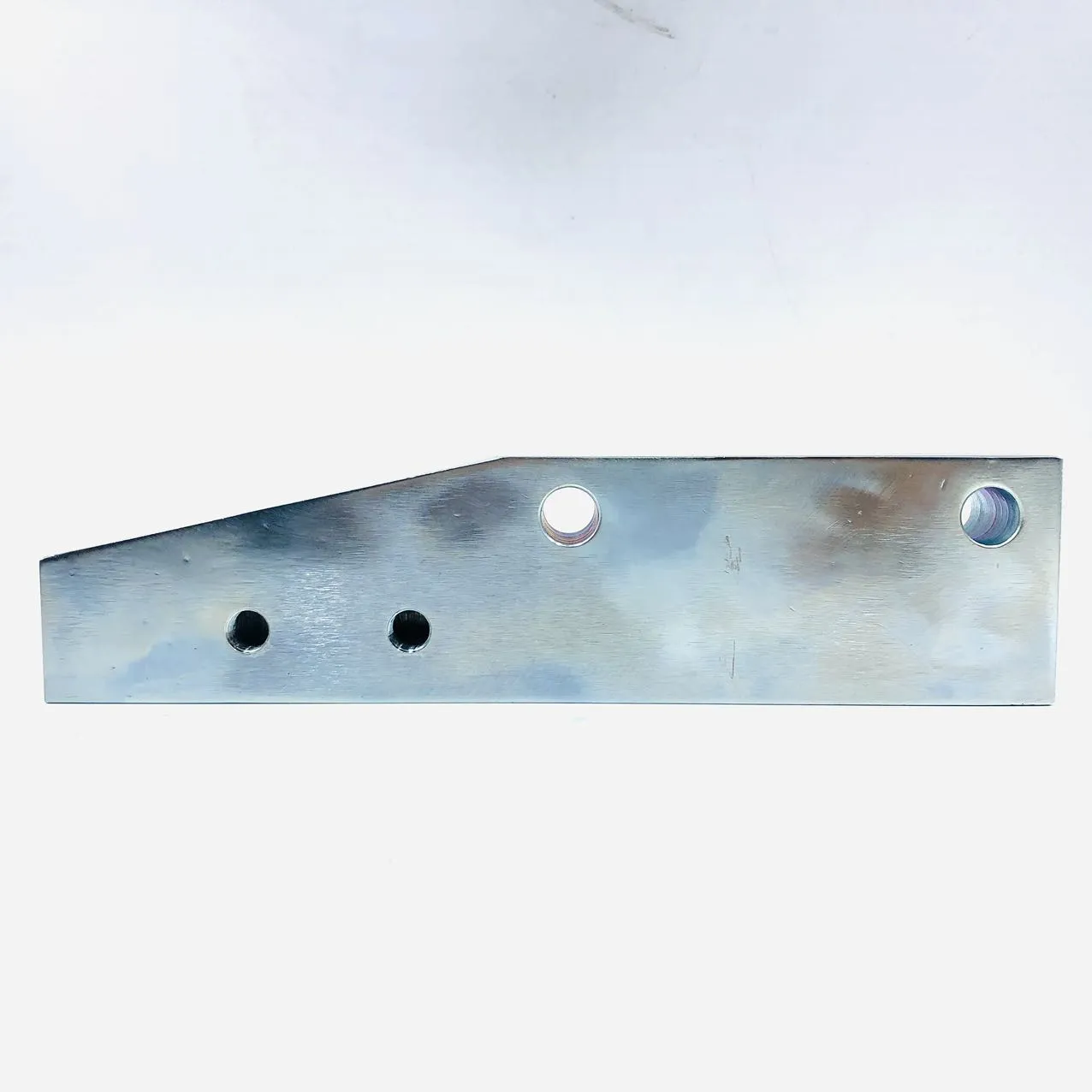 209-38-73281-BLOCK Komatsu Original Factory
 -
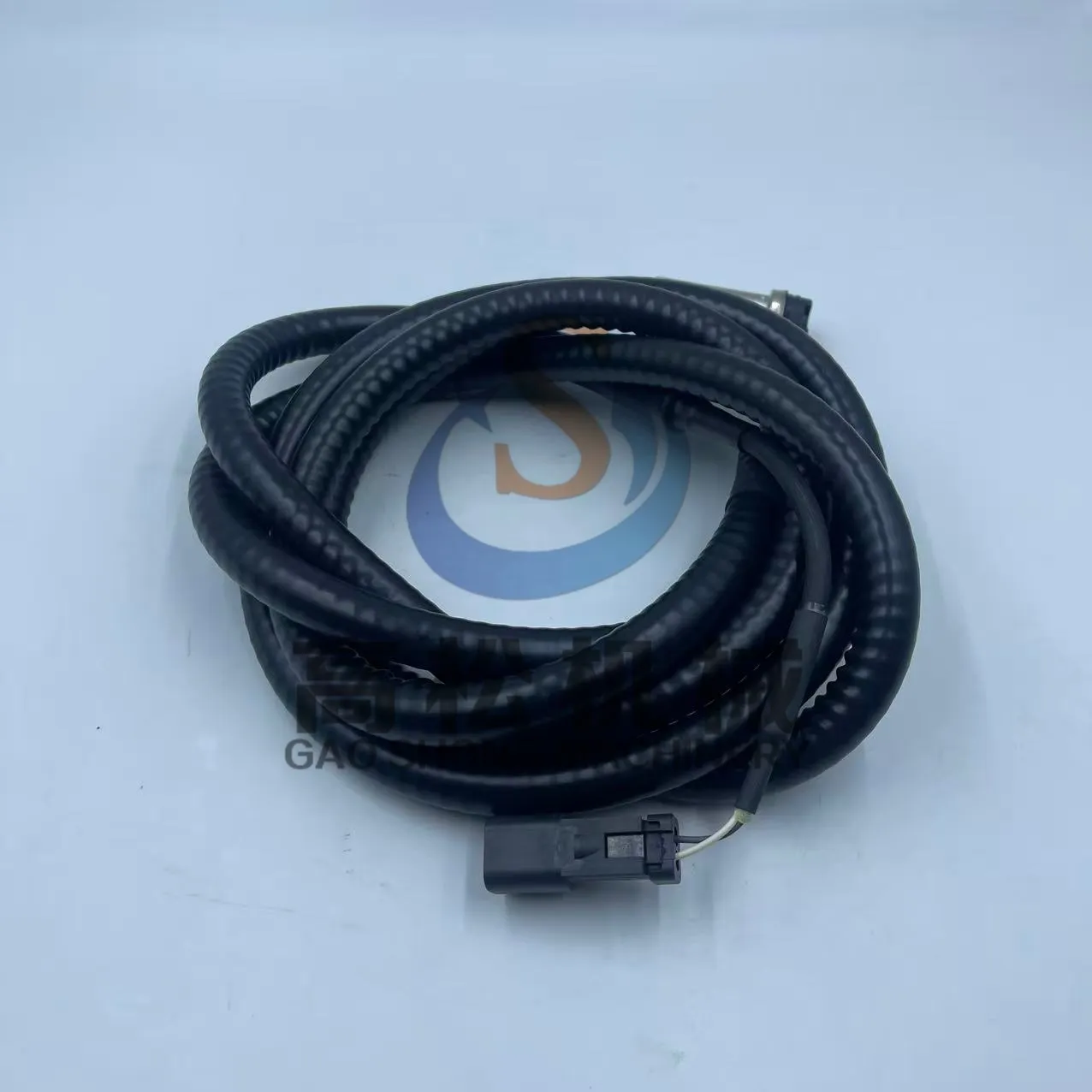 566-88-66143 – KOMATSU SENSOR
 -
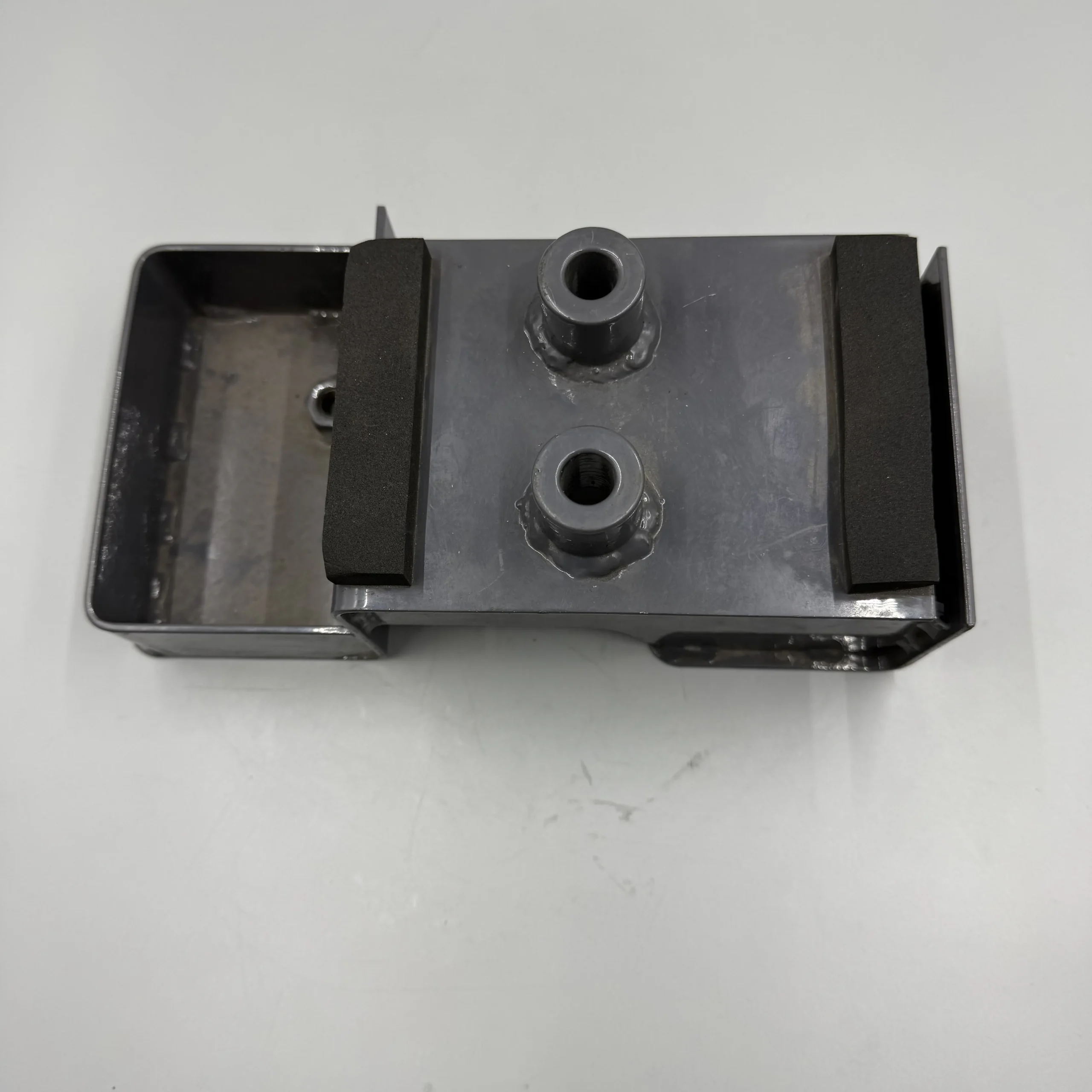 17A-911-1910Bracket
 -
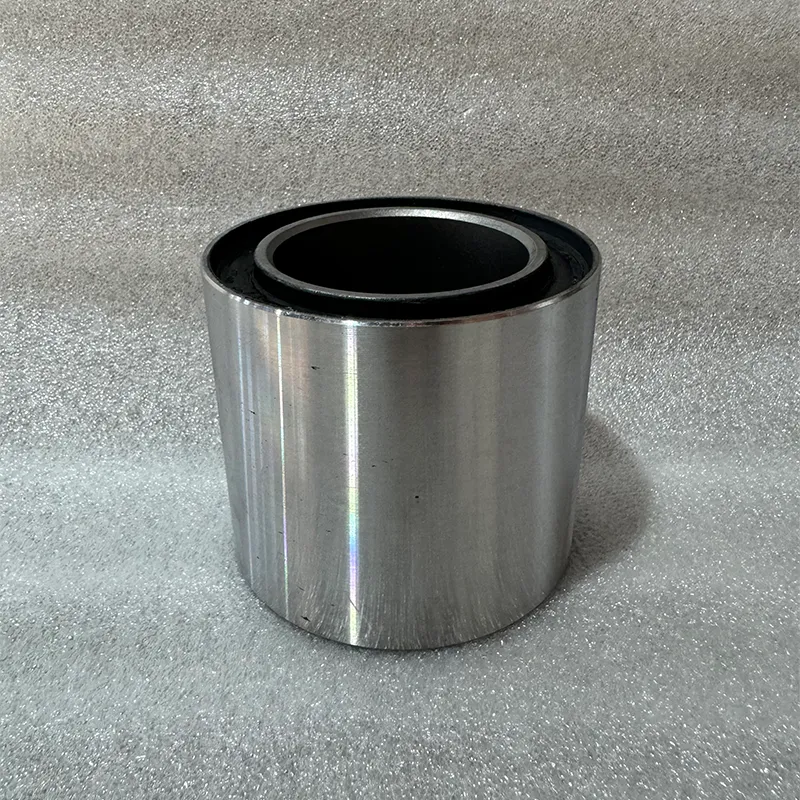 Original komatsu WA900-3 pad 569-14-41130
 -
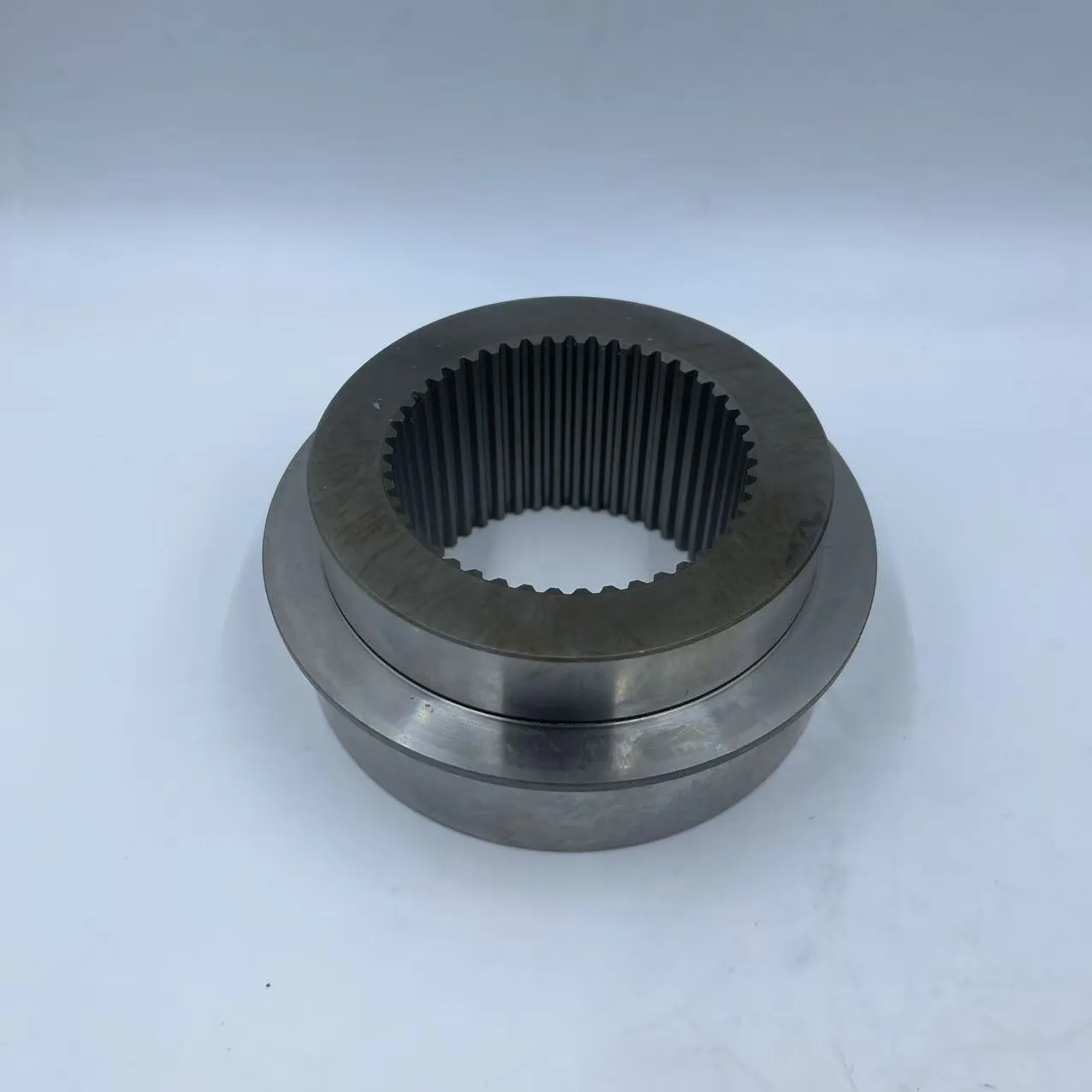 Standard D375A-5 Spacer 195-15-82570 for Komatsu Mining Equipment
 -
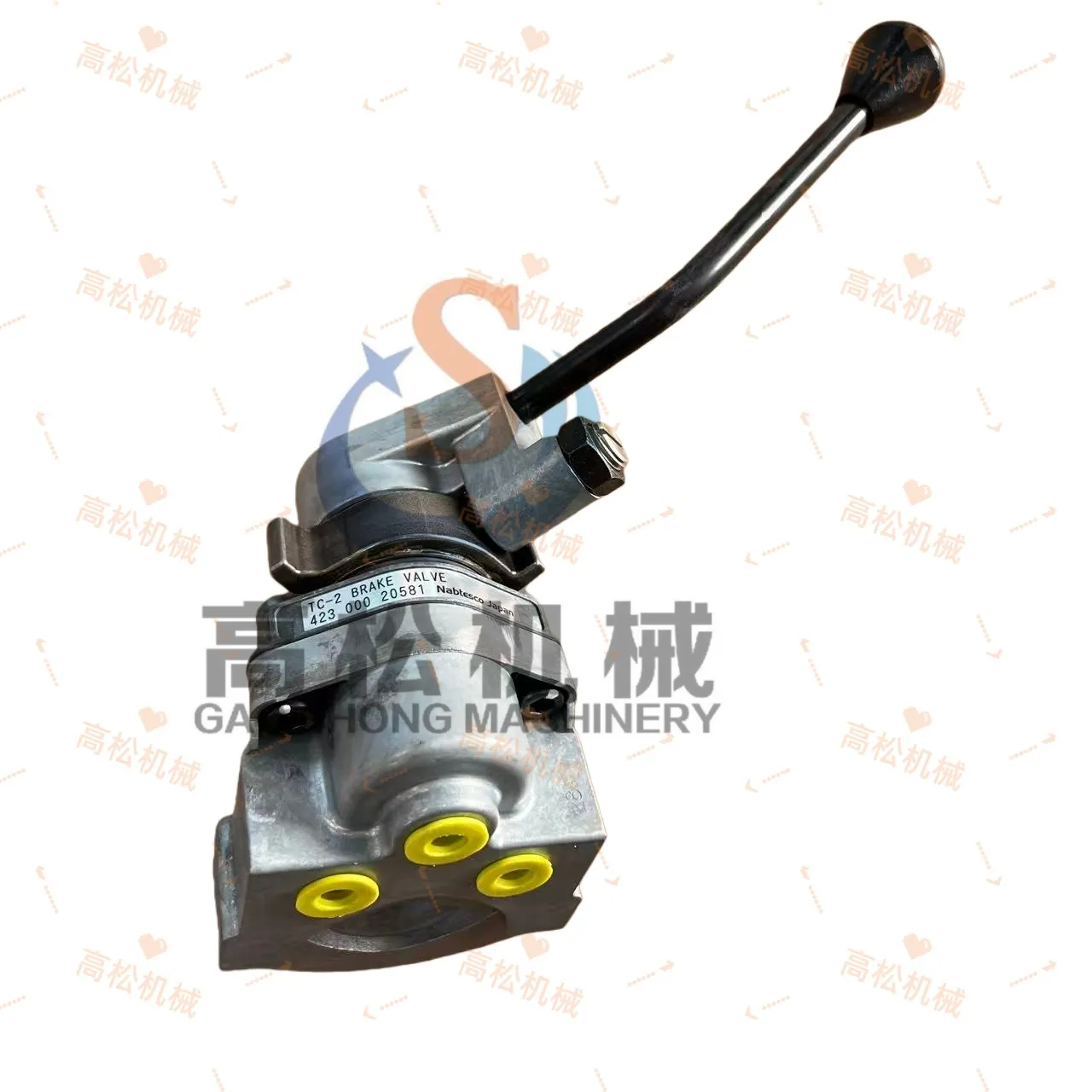 RETARDER VALVE ASS’Y HD785-5 RETARDER VALVE ASS’Y HD985-5 RETARDER VALVE ASS’Y HD255-5
 -
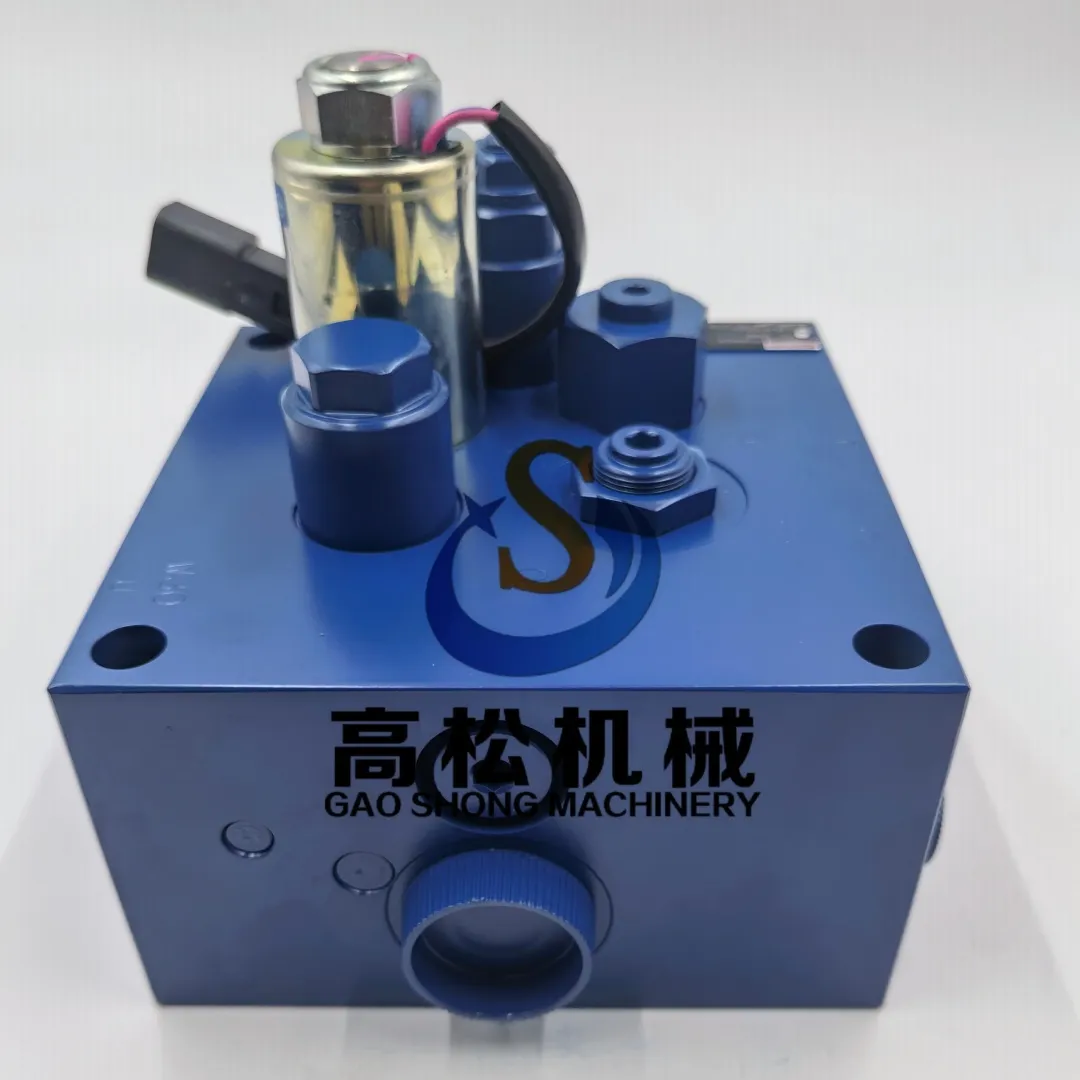 56D-43-37101Z56D-43-37101 Valve Assembly
 -
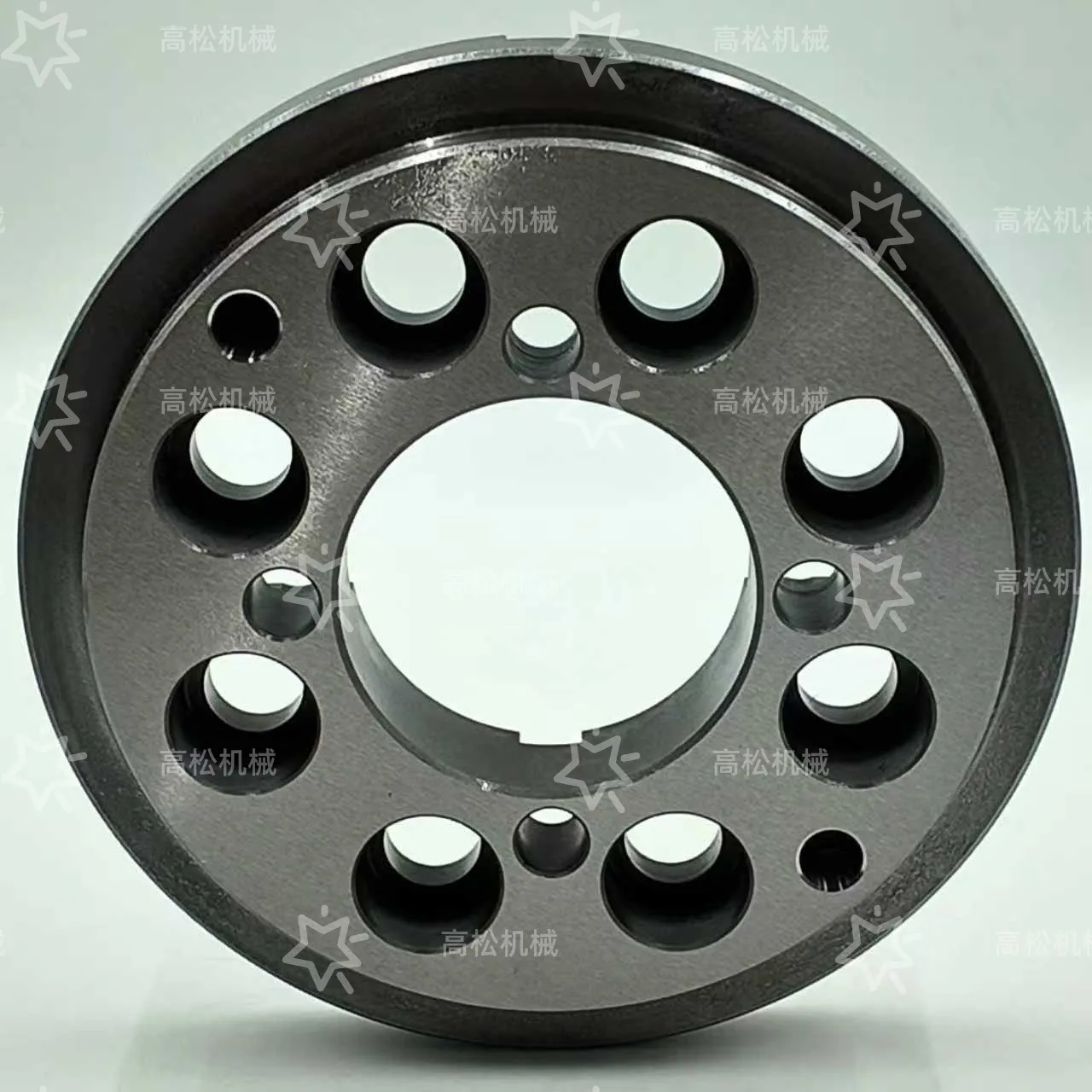 Komatsu Genuine Parts 56B-27-12361 Retainer NOP
 -
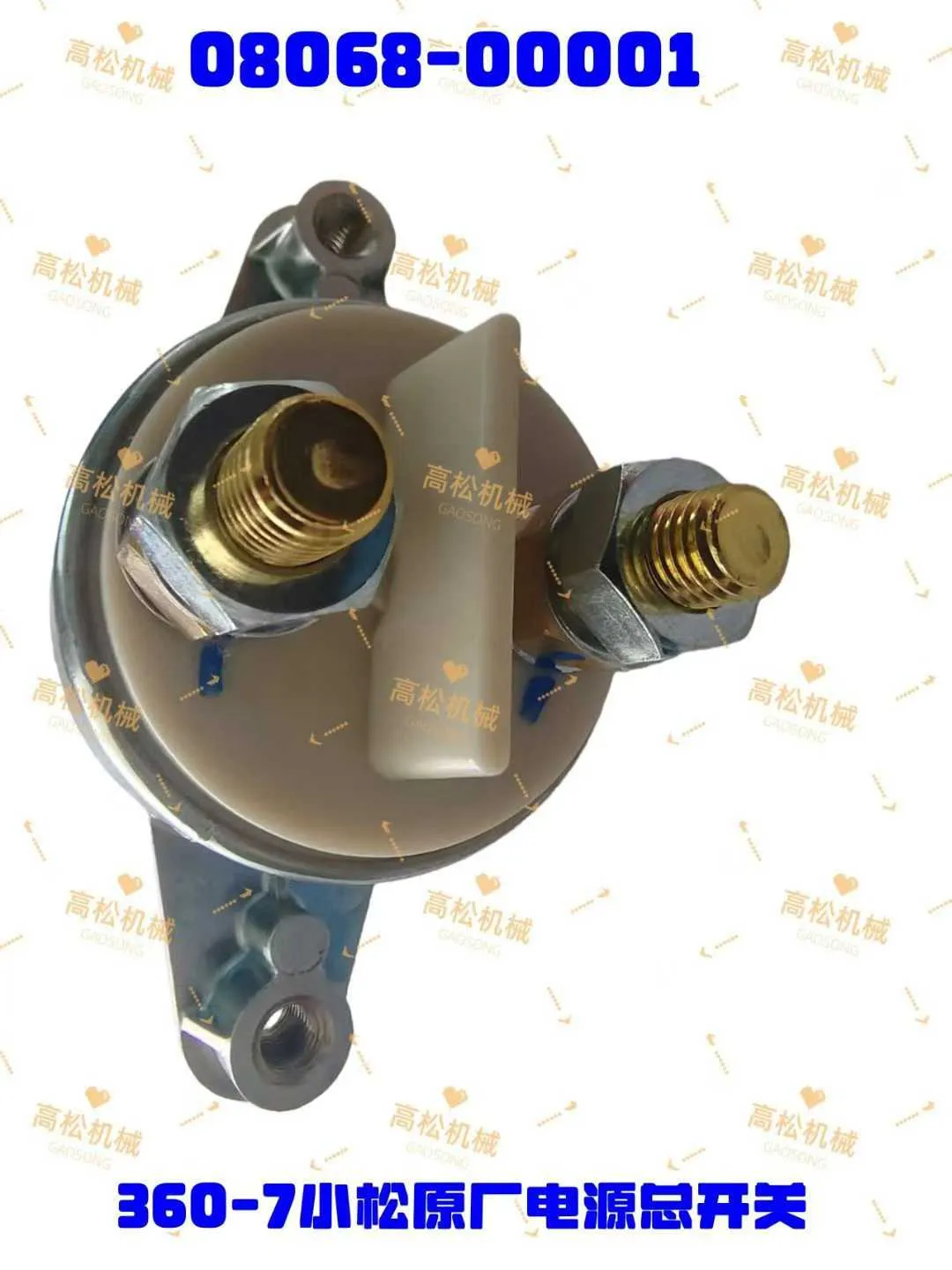 Part Number: 08068-00001 S; Applicable Model: PC360-7
 -
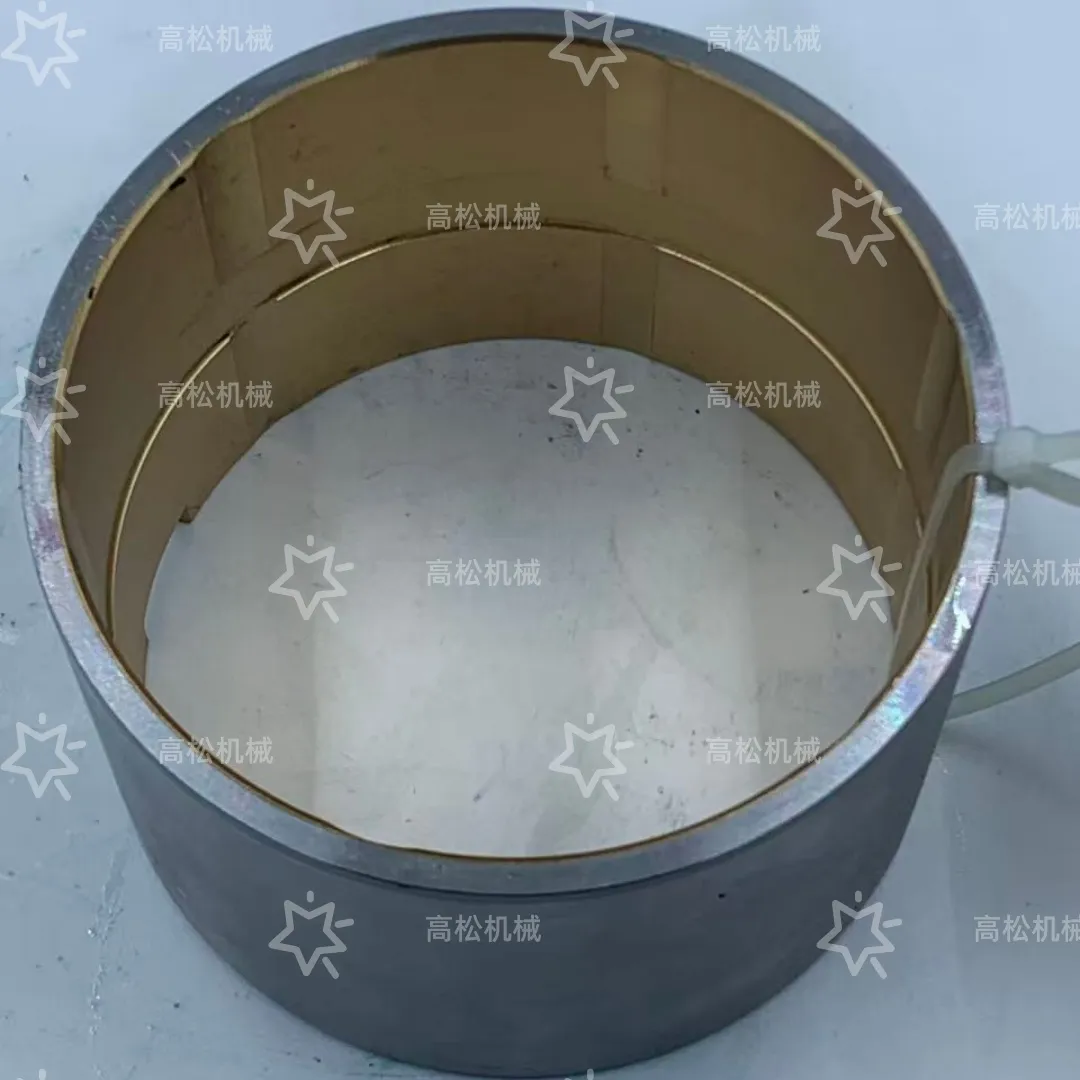 Bulldozer D375A-1 Bushing 195-61-41160 1956141160