
- Chinese
- French
- German
- Portuguese
- Spanish
- Russian
- Japanese
- Korean
- Arabic
- Irish
- Greek
- Turkish
- Italian
- Danish
- Romanian
- Indonesian
- Czech
- Afrikaans
- Swedish
- Polish
- Basque
- Catalan
- Esperanto
- Hindi
- Lao
- Albanian
- Amharic
- Armenian
- Azerbaijani
- Belarusian
- Bengali
- Bosnian
- Bulgarian
- Cebuano
- Chichewa
- Corsican
- Croatian
- Dutch
- Estonian
- Filipino
- Finnish
- Frisian
- Galician
- Georgian
- Gujarati
- Haitian
- Hausa
- Hawaiian
- Hebrew
- Hmong
- Hungarian
- Icelandic
- Igbo
- Javanese
- Kannada
- Kazakh
- Khmer
- Kurdish
- Kyrgyz
- Latin
- Latvian
- Lithuanian
- Luxembou..
- Macedonian
- Malagasy
- Malay
- Malayalam
- Maltese
- Maori
- Marathi
- Mongolian
- Burmese
- Nepali
- Norwegian
- Pashto
- Persian
- Punjabi
- Serbian
- Sesotho
- Sinhala
- Slovak
- Slovenian
- Somali
- Samoan
- Scots Gaelic
- Shona
- Sindhi
- Sundanese
- Swahili
- Tajik
- Tamil
- Telugu
- Thai
- Ukrainian
- Urdu
- Uzbek
- Vietnamese
- Welsh
- Xhosa
- Yiddish
- Yoruba
- Zulu
- Kinyarwanda
- Tatar
- Oriya
- Turkmen
- Uyghur






OEM AND ORIGINAL KOMATSU BEARING 561-27-71960
When you see that part number, , for a Komatsu bearing, the immediate assumption is that it's a straightforward request. You need the bearing that fits, say, a specific pump or final drive assembly. But the terms 'OEM' and 'Original' in the same phrase? That's where the real conversation starts in our line of work. I've seen too many purchase orders where those terms are used interchangeably, and it leads to confusion, delays, and sometimes, costly downtime. An 'Original' part implies it came off the exact line that supplies Komatsu's assembly plants, with the full traceability and packaging. 'OEM' within the Komatsu system, however, can mean something slightly different—it's produced to the same specifications, often in the same or a licensed facility, but might enter the supply chain through different channels. For a critical component like this bearing, understanding that nuance isn't academic; it's operational.
The Specifics of
Let's talk about this specific bearing. It's not some generic roller bearing you find everywhere. The is a precision component, often tied to applications in Komatsu excavator swing drives or travel motors. The tolerances are tight, the heat treatment is specific, and the sealing (if it's a sealed unit) is designed for high-pressure washdown and particulate ingress. I recall a project where a customer insisted on a 'compatible' bearing for this number. It fit, physically. But within 400 hours, the premature wear caused a cascade failure in the gear set. The cost of the 'saved' bearing was multiplied tenfold in repair labor and machine downtime. That's the risk with anything less than the proper spec.
What makes an original genuine? It's the paperwork and the physical markers. The packaging will have specific lot codes, often a Komatsu-branded box or a sealed bag from a known system supplier like NTN or KOYO, who are common OEMs for Komatsu. The bearing itself will have the part number etched or stamped cleanly, along with the manufacturer's own code. A true OEM AND ORIGINAL KOMATSU BEARING will have both lineages visible. If you only see a generic number or the stamping looks shallow and uneven, that's your first red flag. It sounds simple, but under the grime and in poor light on a job site, these details get missed.
Another practical point: availability. This isn't always a shelf item at every local dealer, especially in regions with complex supply chains. That's where the model of a company like Jining Gaosong Construction Machinery Co., Ltd. becomes relevant. They operate as an OEM product supplier within the Komatsu system, which means they have access to these authentic, specification-compliant parts through the official channels. Their role as a third-party sales company helps bridge the gap when local distribution is limited or non-existent. You're not buying from a random parts aggregator; you're sourcing from a node within the legitimate supply web, which is crucial for a part with this level of criticality.
Where Sourcing Goes Wrong
I've been on the wrong end of a bad sourcing decision, more than once in my earlier days. The biggest trap is the looks the same pitfall. We once needed a urgently for a PC300-6 that was holding up a whole site. A supplier had one in stock at a 30% discount. It arrived in plain white box, the bearing looked new, dimensions checked out with calipers. We installed it. The machine ran for a week before a high-pitched whine developed. Upon teardown, we found the cage material was inferior; it hadn't withstood the torsional loads, leading to roller misalignment and rapid wear. The metallurgy was off. It was a visual replica, not a functional one. The discount cost us two weeks of rental on a replacement machine.
This is why the distinction on their website, https://www.takematsumachinery.com, about helping to solve parts supply challenges in certain countries resonates. The challenge isn't just finding a bearing, it's finding the one that won't fail prematurely. In many markets, the landscape is flooded with copies that range from decent to dangerous. A supplier embedded in the OEM system acts as a filter. They aren't just selling a product; they're providing a guarantee of provenance, which is the single most important factor for a core mechanical component like this.
Price is always a discussion, but it's the wrong first question. The first question should be what is the source? With a genuine OEM AND ORIGINAL KOMATSU BEARING, you're paying for the R&D, the quality control, the material science, and the validation testing that Komatsu and its partners have already done. The cheaper alternative makes you the product tester, and your machine is the lab. That's an expensive way to save a few hundred dollars.
The Practicalities of Verification and Use
So you get the bearing in hand. Before it even goes near the machine, the inspection is key. Clean a spot on the outer race. Look for the engraved markings. They should be crisp. The original grease (if pre-lubricated) should have a specific smell and consistency—weird, but true, experienced techs can sometimes tell by that. Check the seals or shields. Are they seated perfectly flush, with no tooling marks from a sloppy assembly? For a , the seal integrity is often as important as the bearing races themselves.
Installation is another moment of truth. Even a perfect bearing can be destroyed in minutes with improper installation. The right drivers, the correct press fit tolerances, and absolutely no hammering directly on the races. I've seen people heat a bearing to fit it on a shaft, but overheat it and you anneal the steel, destroying its hardness. The procedure matters as much as the part. The technical specs for installation of this bearing are in the Komatsu service manual for a reason—it's not a suggestion.
Post-installation, monitor. The first 50 hours are critical. Use a temperature gun on the housing during the first few work cycles. Listen for changes in sound. An original part, installed correctly, will settle in smoothly. A sub-par part will often announce its failure early through excess heat or noise. This monitoring isn't paranoid; it's preventative diagnostics. It turns a potential catastrophic failure into a scheduled stop.
Why the System Supplier Model Matters
This brings us back to the supply chain. A company operating as an authorized conduit within the Komatsu ecosystem, like Jining Gaosong, isn't just a warehouse. They understand the application context. If you call them for a , a good parts specialist might ask What's the serial number prefix on your machine? or Is this for the swing motor or the travel motor? because there can be subtle revisions. A generic parts seller just sells you the number you asked for. The system supplier helps you get the right part, even if there's been a silent engineering change.
Their stated role is critical in emerging markets or areas hit by trade disruptions. When official channels are thin or backlogged, they provide a legitimate alternative to the gray market. You can view their site, takematsumachinery.com, as a specialized access point. It's more reliable than hoping a random eBay seller has a genuine item, and faster than waiting on a backorder from a continental distribution center that might not prioritize your region.
In the end, for a part number like , you're not buying a piece of metal. You're buying reliability, machine uptime, and the assurance that the rest of the expensive components around that bearing are protected. Sourcing from within the OEM system, whether directly or through a recognized system supplier, is the only way to de-risk that purchase. It turns a potential point of failure into a point of confidence. Everything else is just gambling with your equipment's health, and the odds are never in your favor.
Related Products
Related Products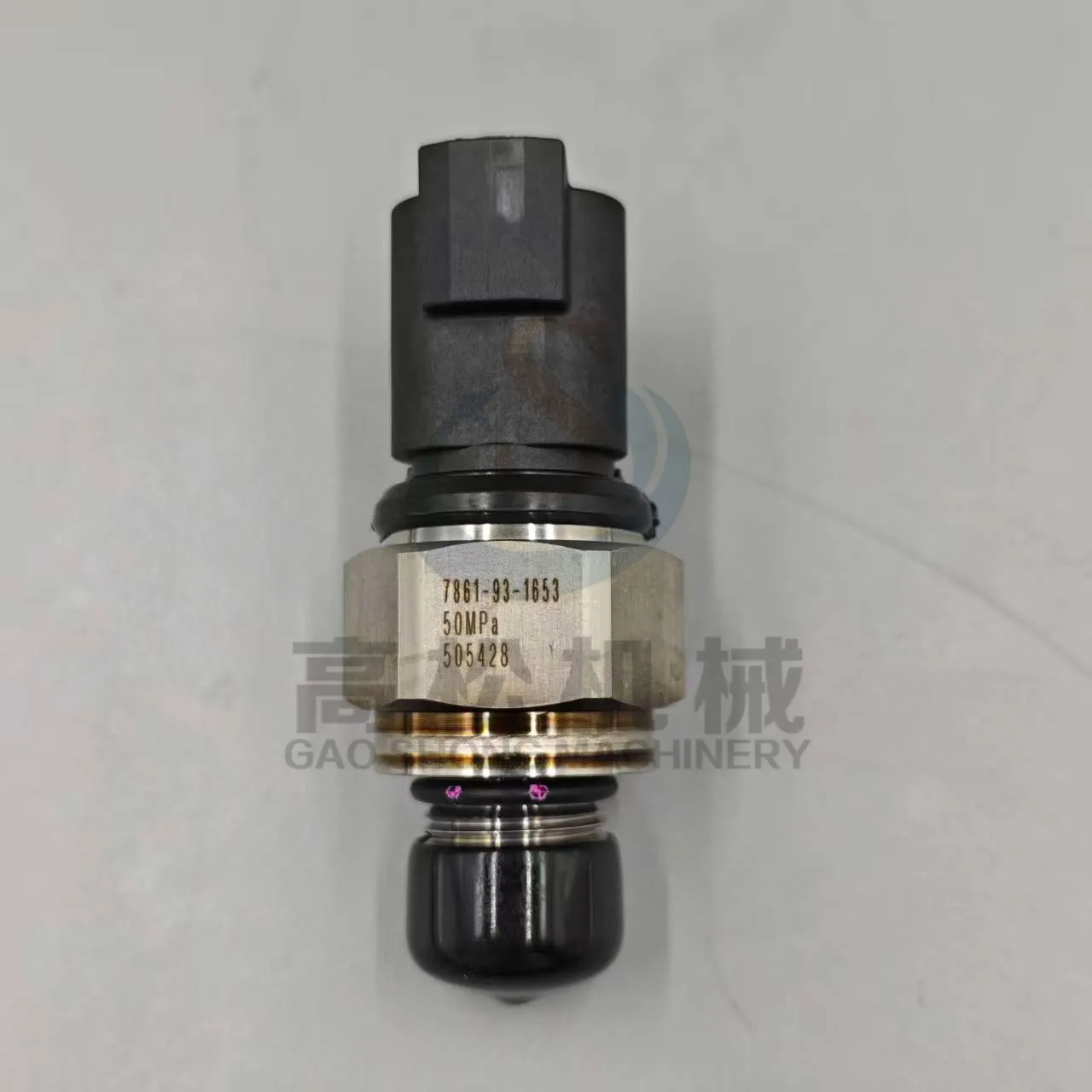
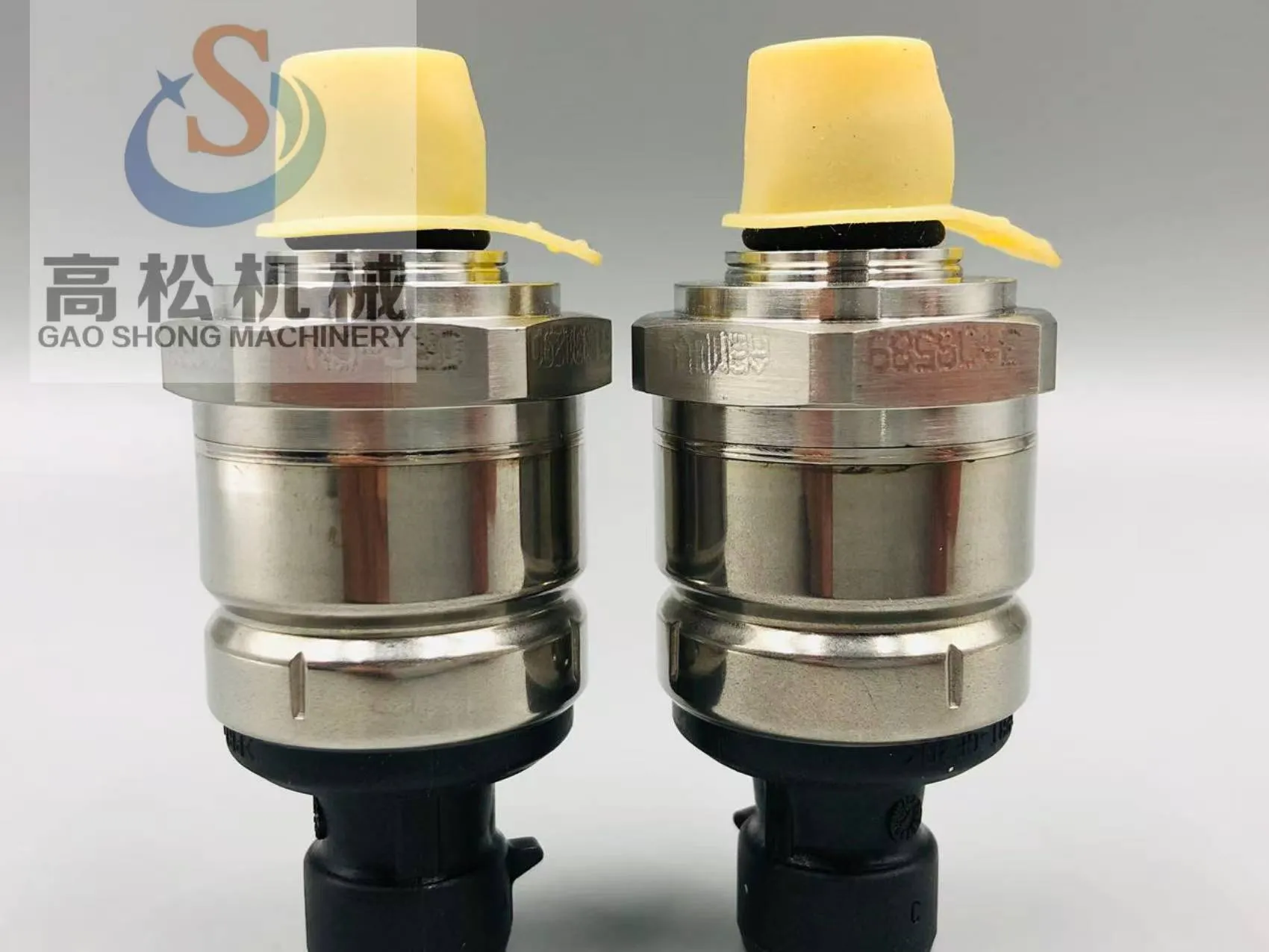
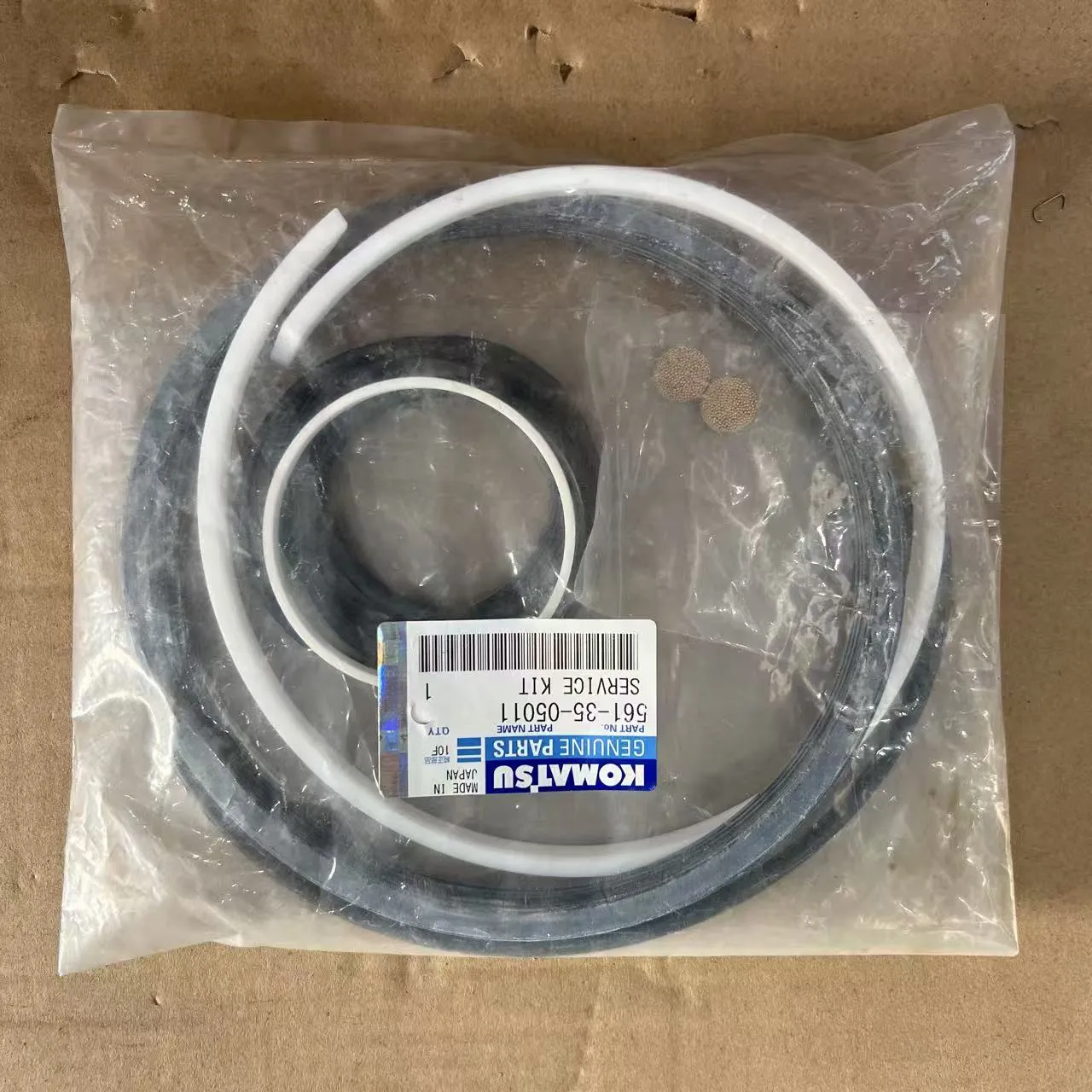
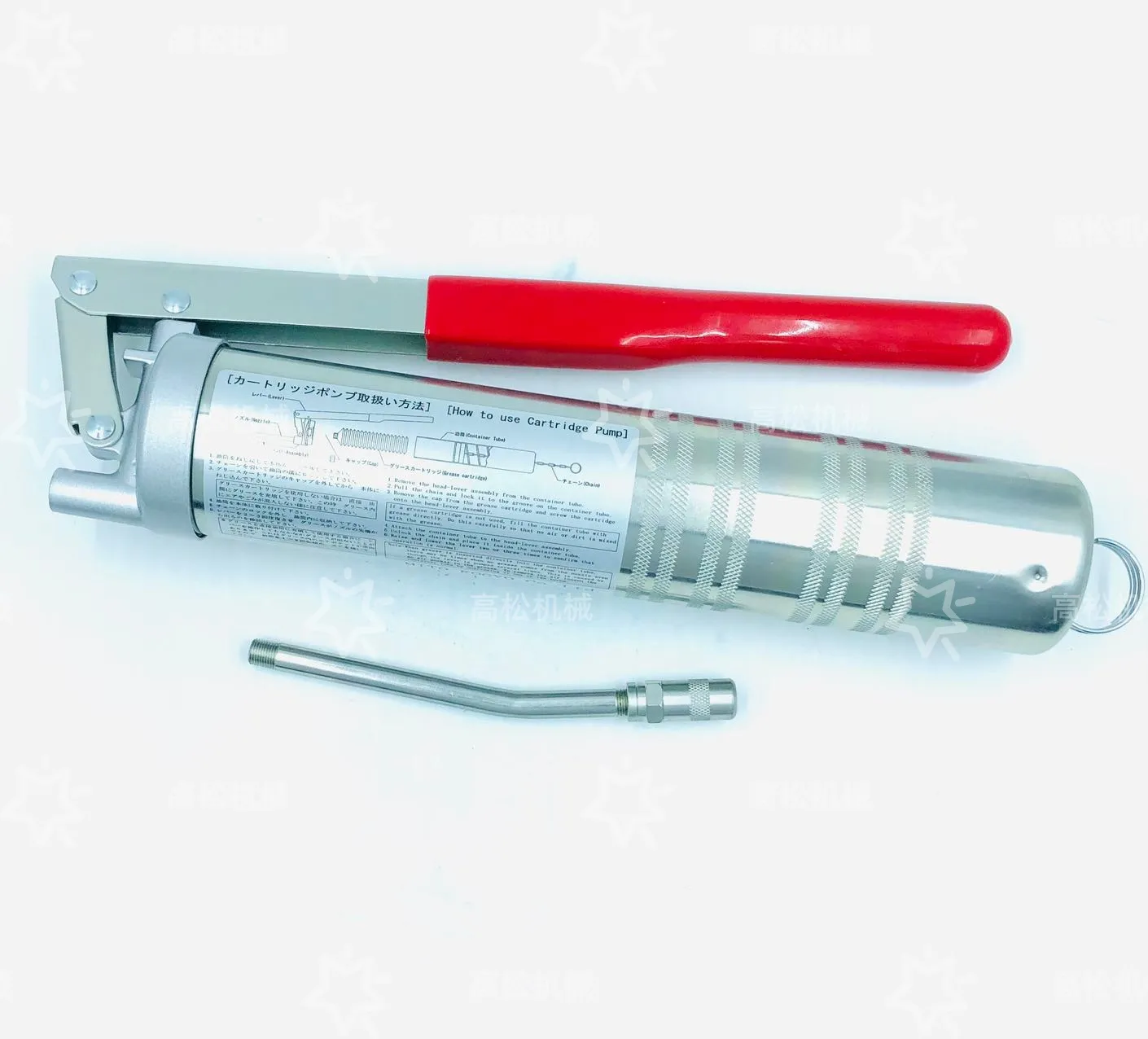

Best Selling Products
Best Selling Products-
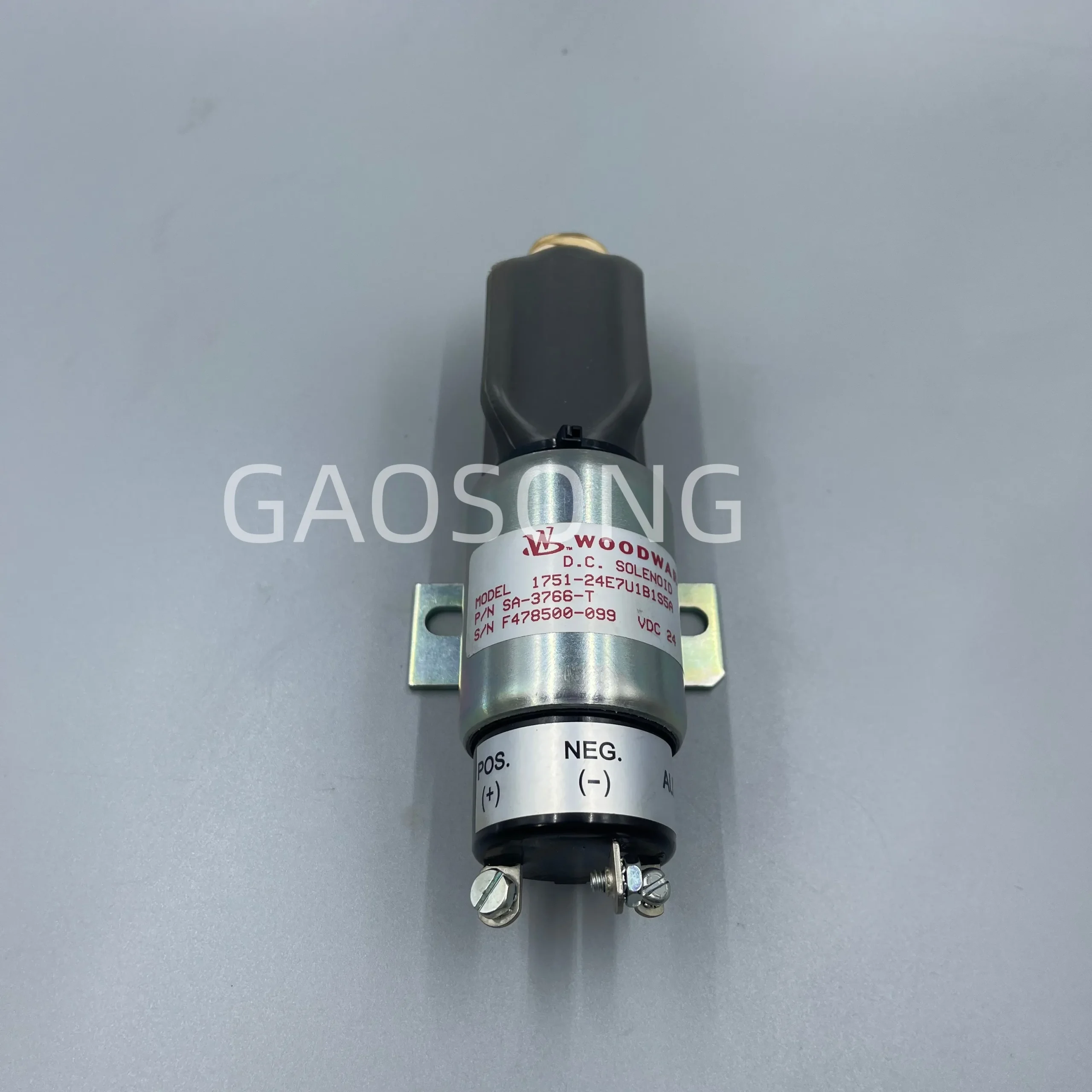 600-815-7550 SOLENOID ASS’Y–Komatsu Original Factory
 -
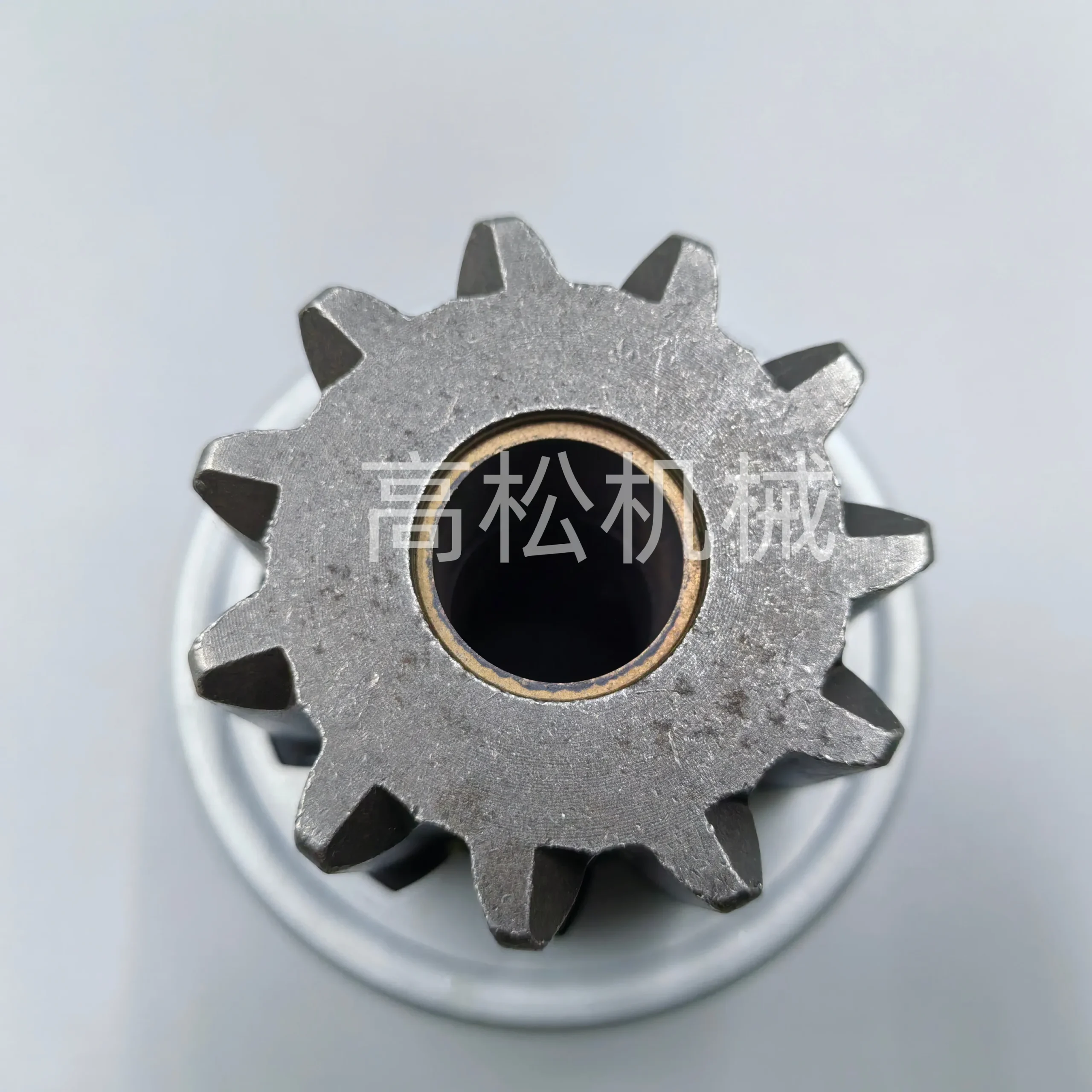 KD0-23500-1024 Komatsu Clutch Assembly
 -
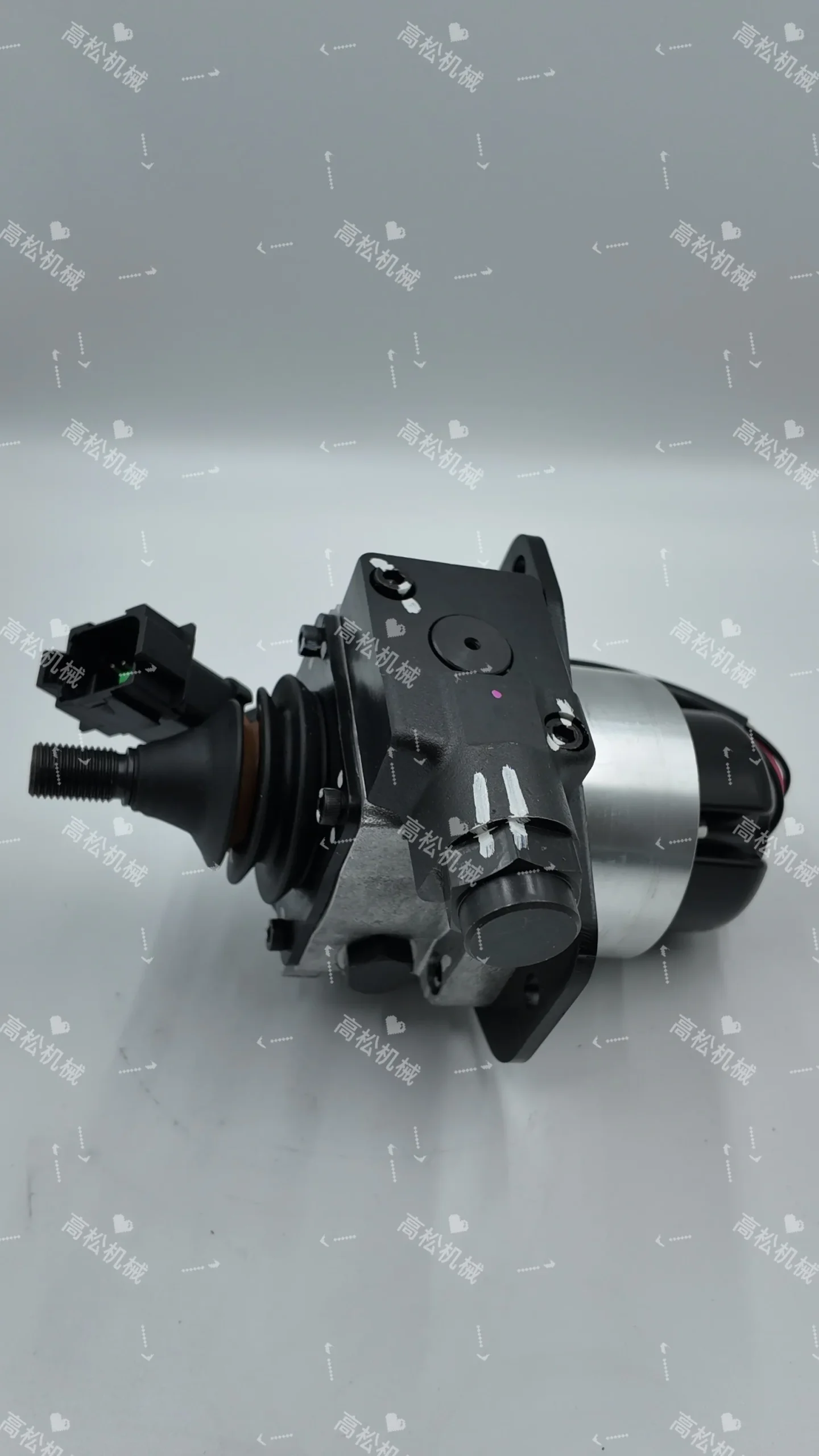 IMIFAFTAbT 702-16-02290 702-16-02210 Lever Assembly Fits for Komatsu D65EX-16 D65PX-16 D65WX-16 D275A-5R D155AX-6 Bulldozer
 -
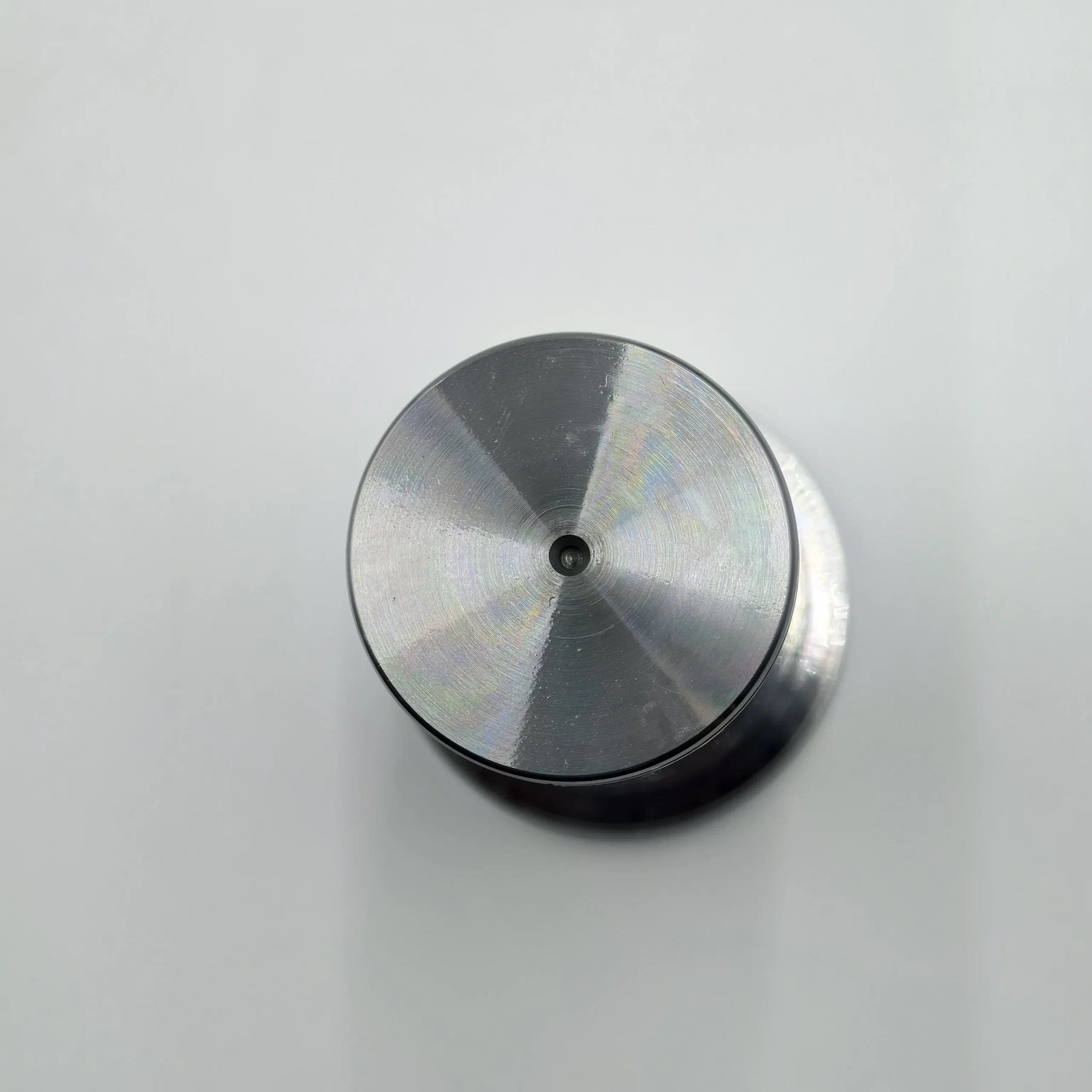 21N-26-33240Komatsu original factory accessories
 -
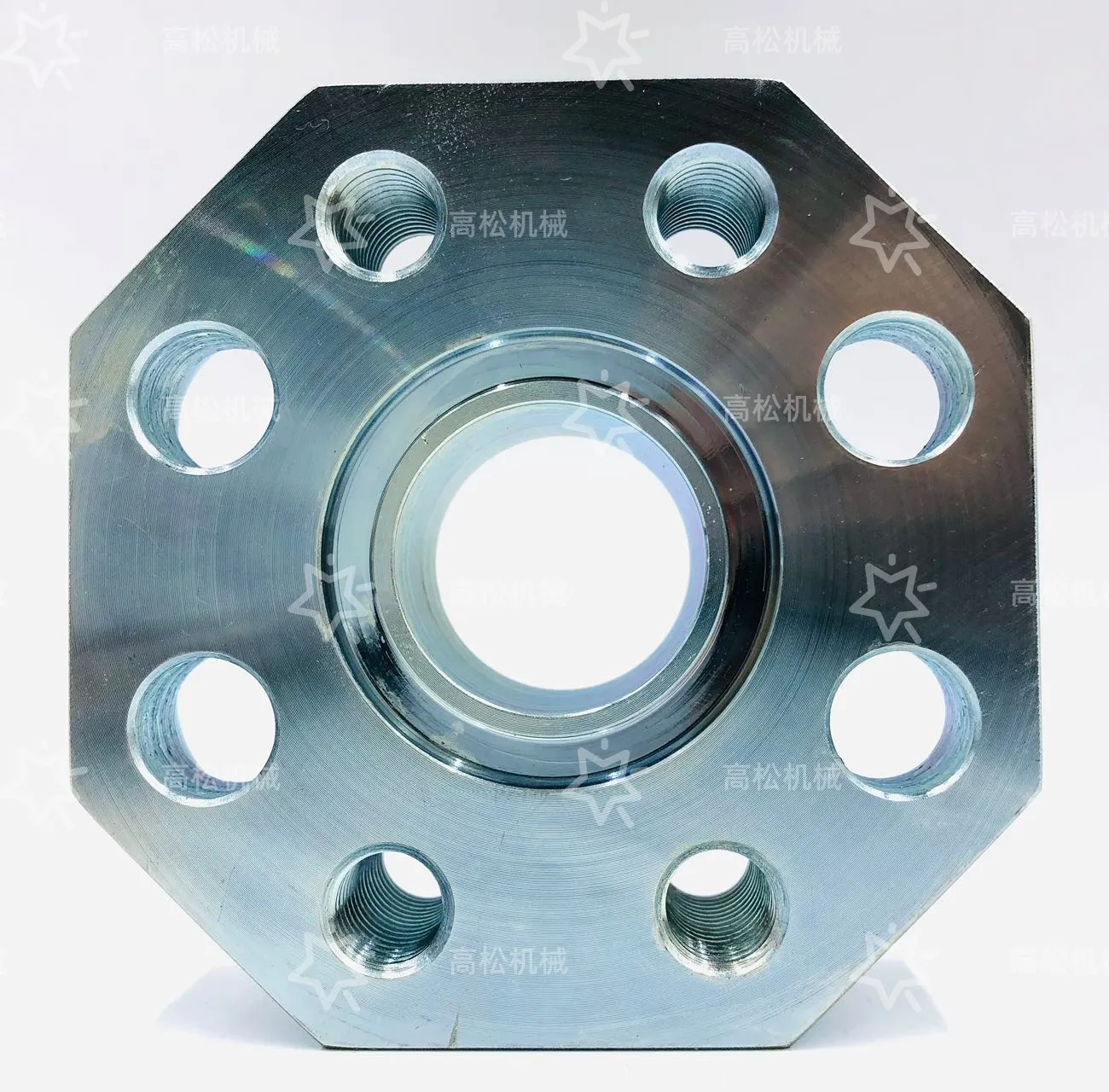 21N-62-11361 Komatsu FLANGE
 -
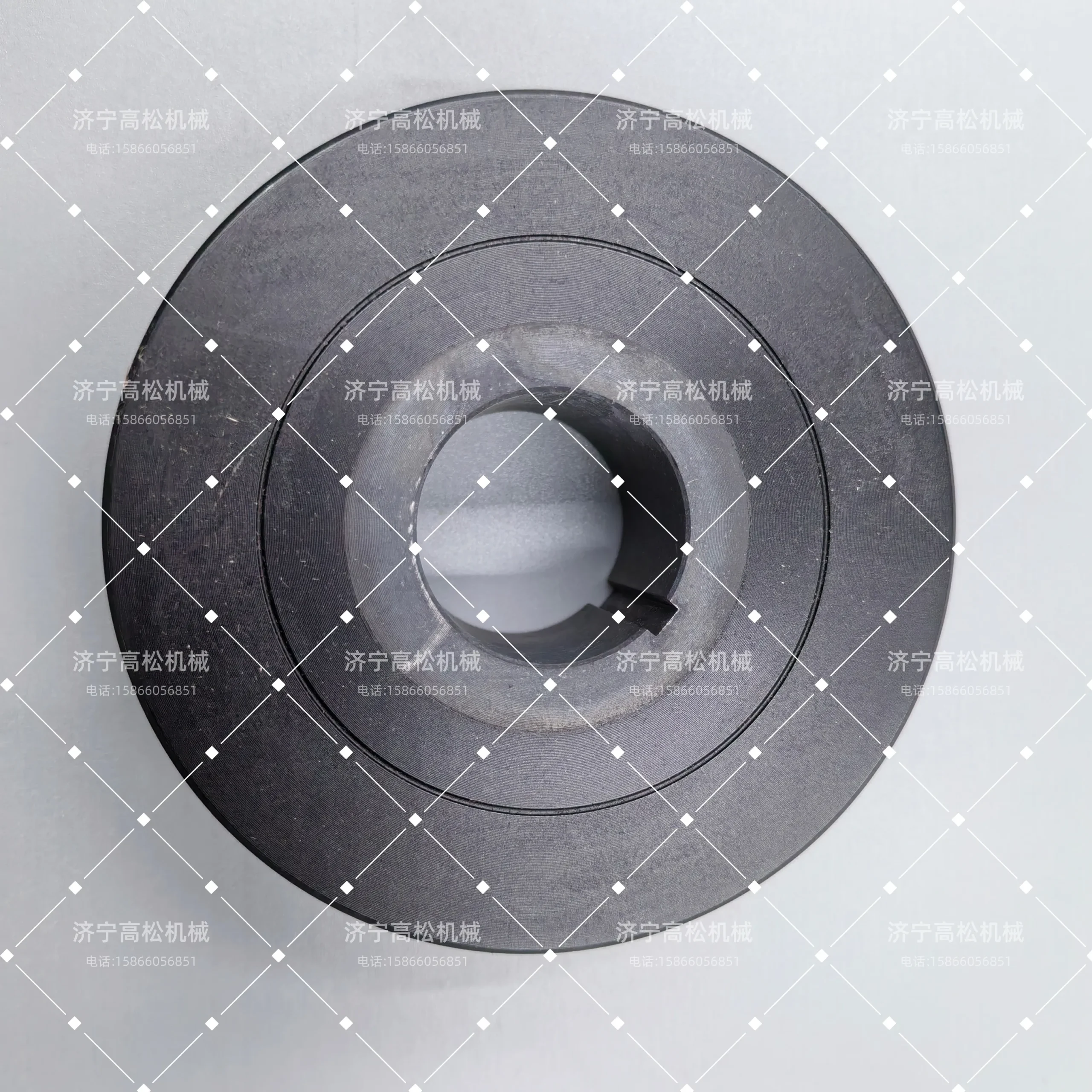 Original Parts Kd0-35411-0854 Pulley, High Quality Original Parts…
 -
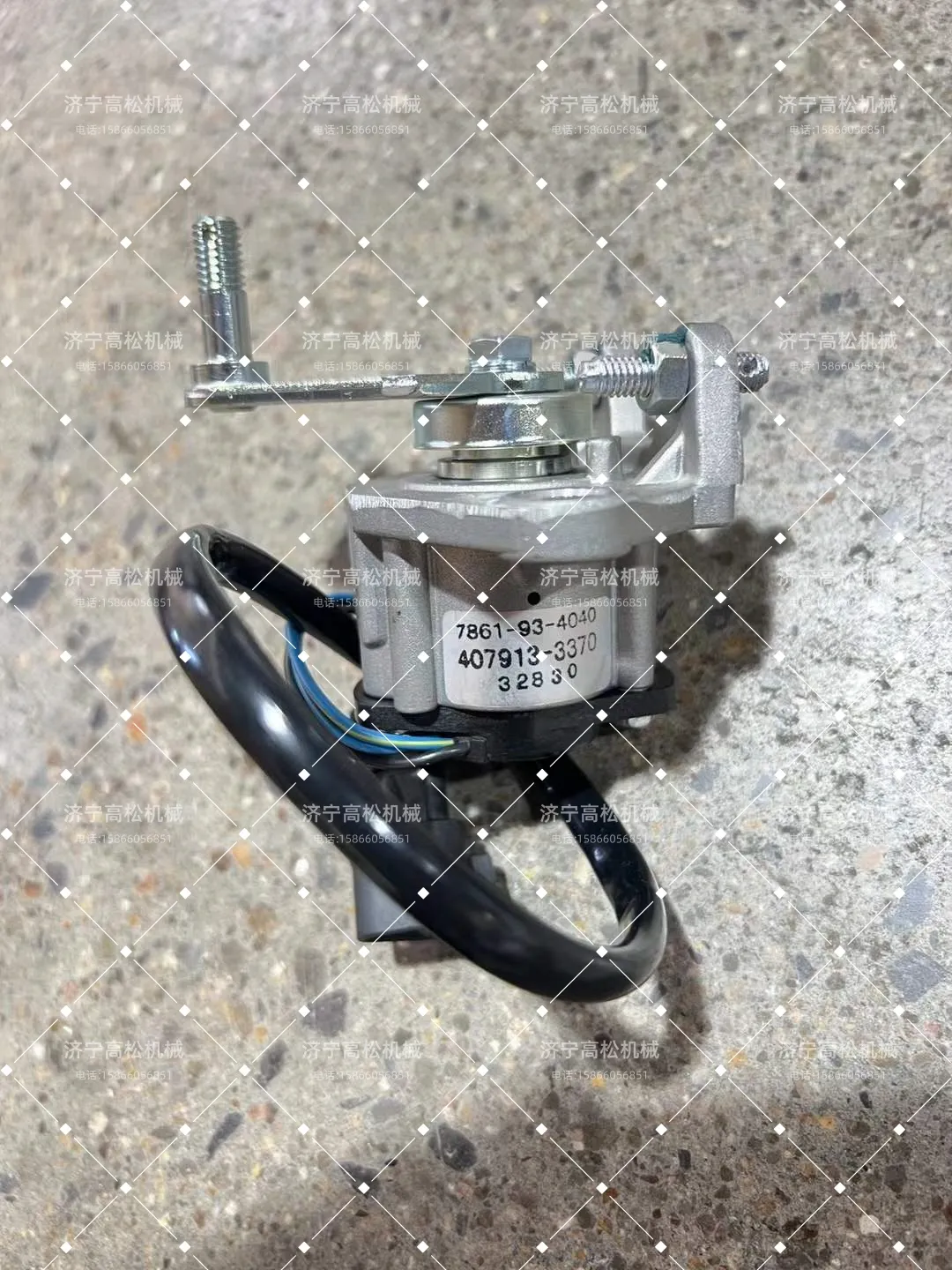 Bulldozer D275 D375 Sensor 7861-93-4040| Alibaba.com
 -
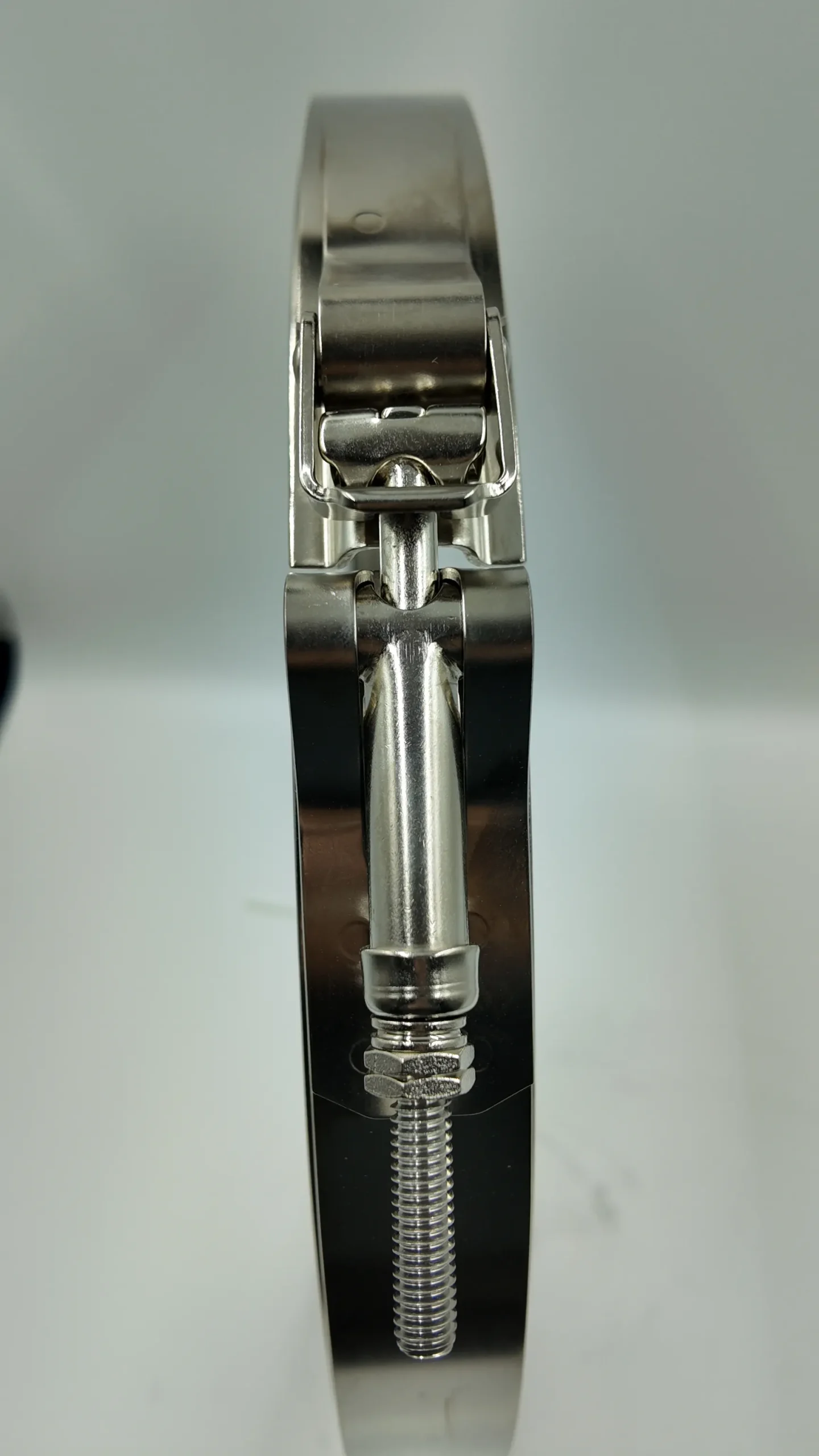 195-21-32821 COUPLING HEAVY DUTY Komatsu
 -
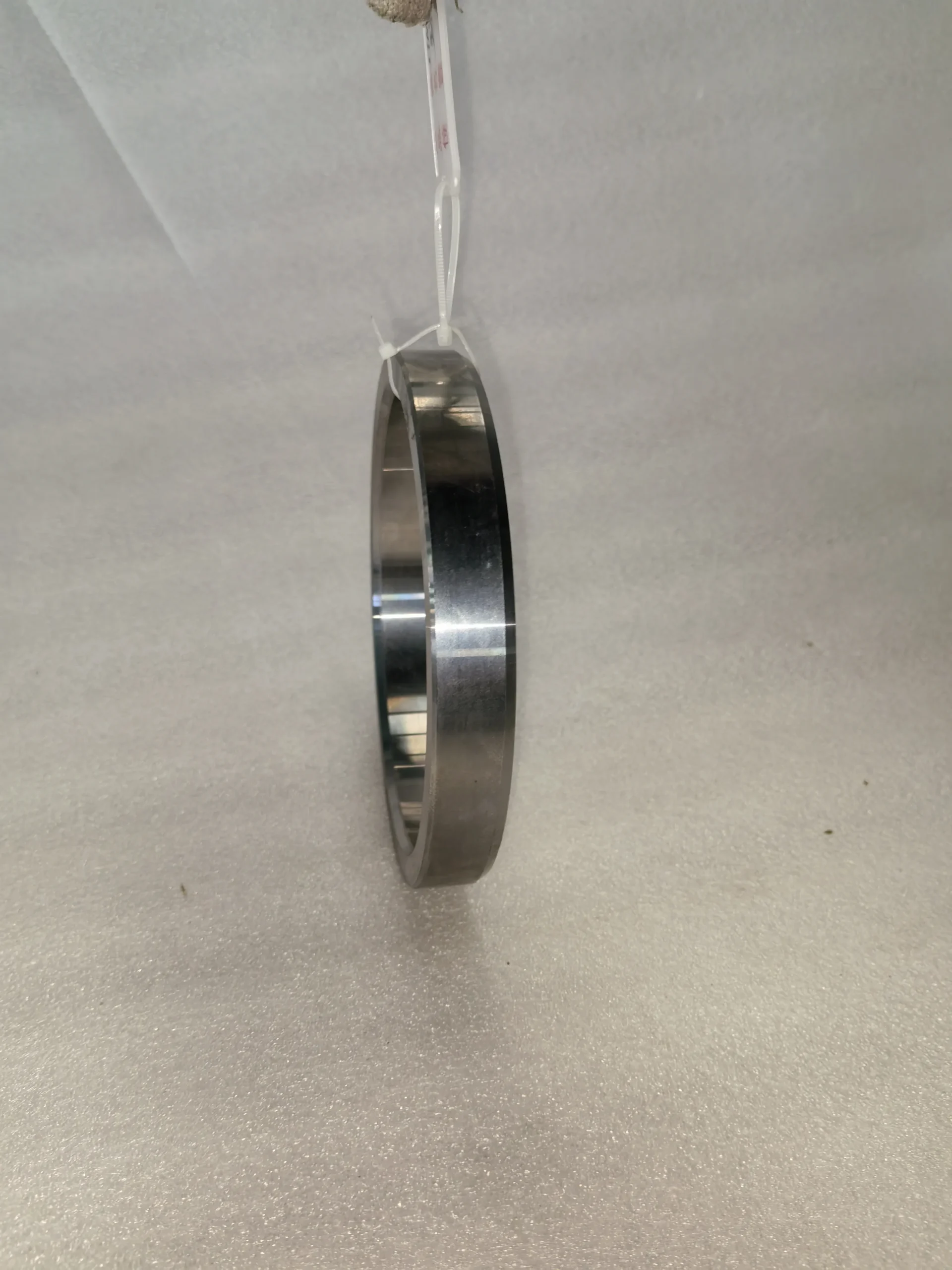 17m5041170-RING-Komatsu Original Factory
 -
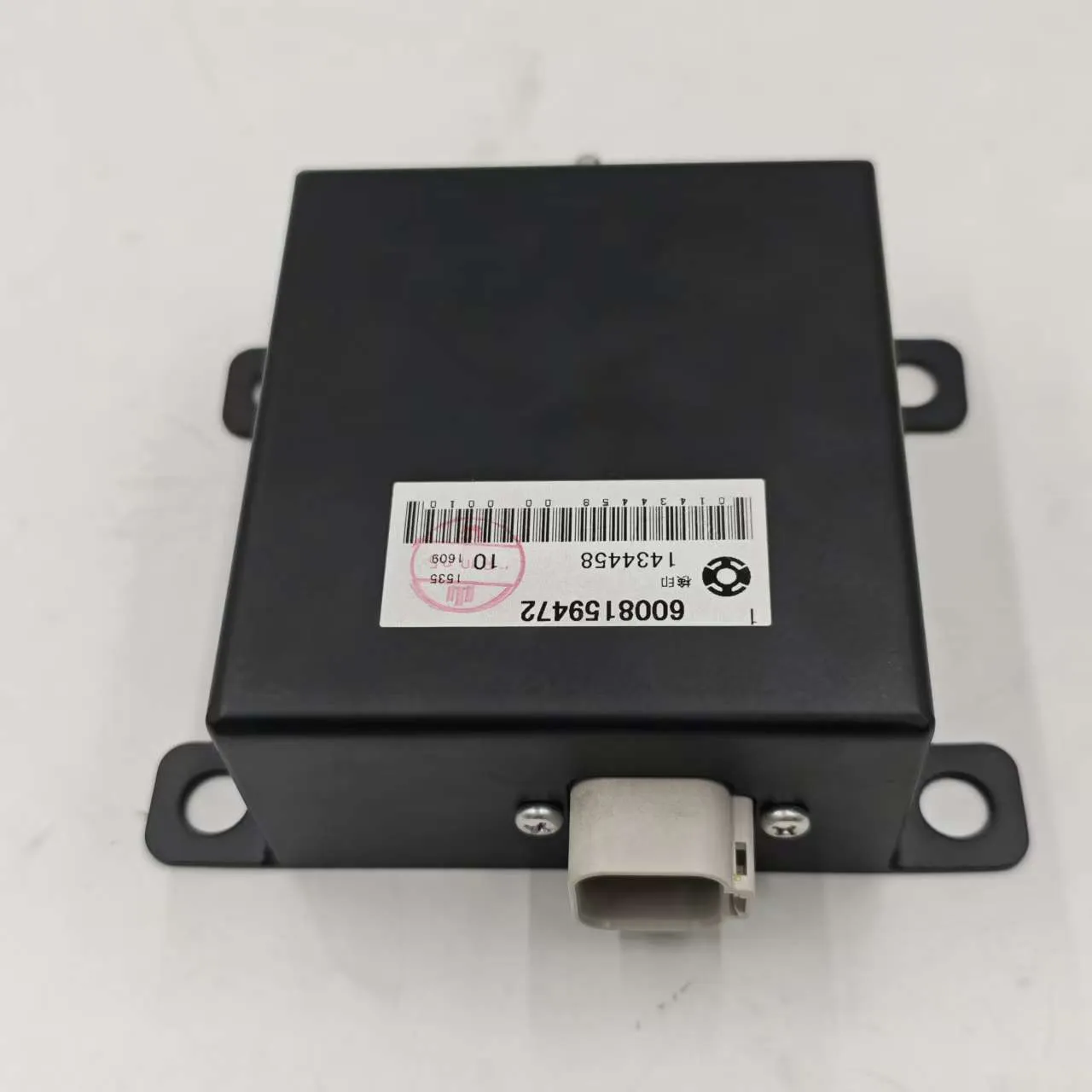 Switch 600-815-9472 HD785 Dump Truck Spare Parts
 -
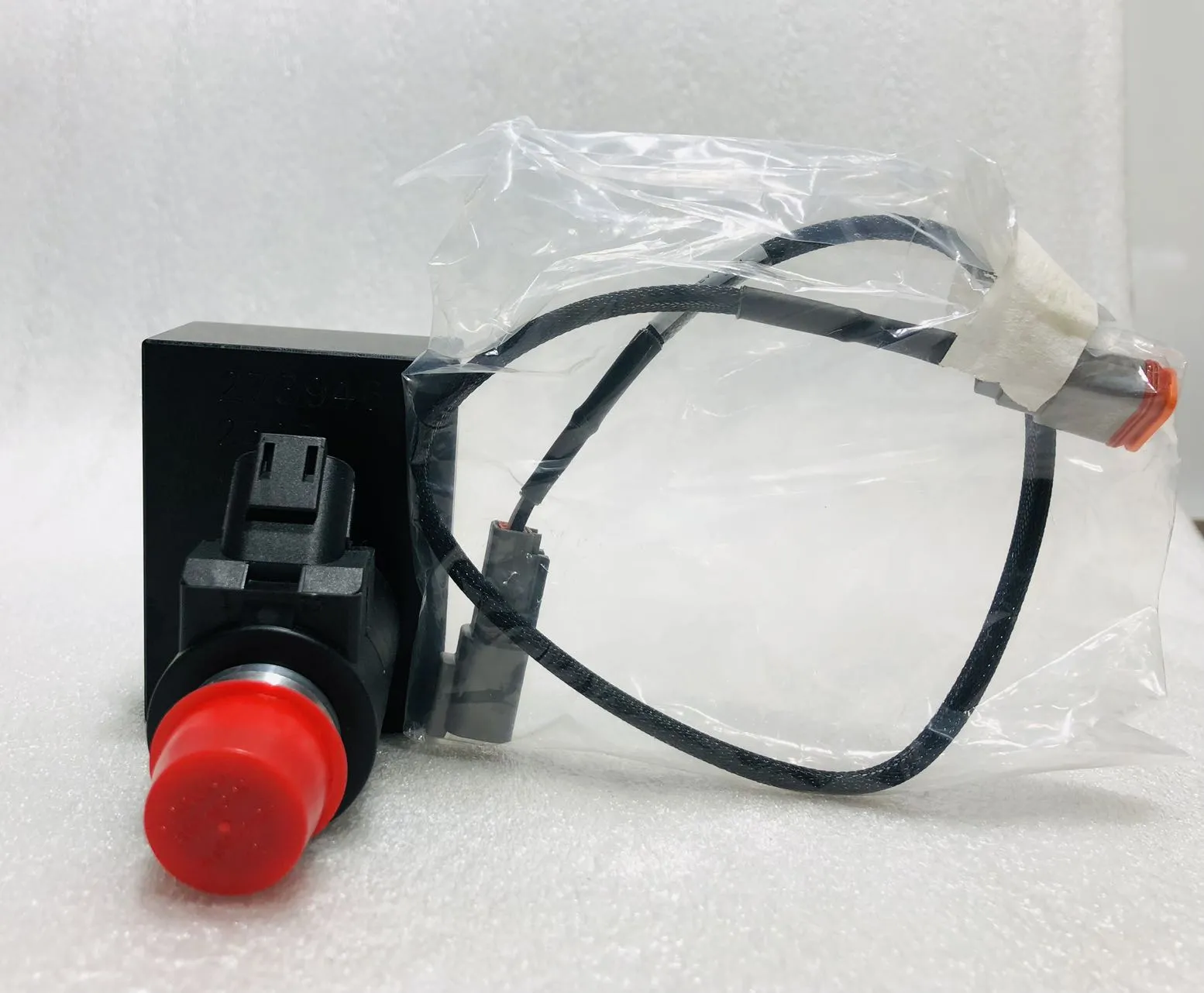 561-95-8A530• PUMP ASSEMBLY Applicable: Komatsu self-unloading truck HD series
 -
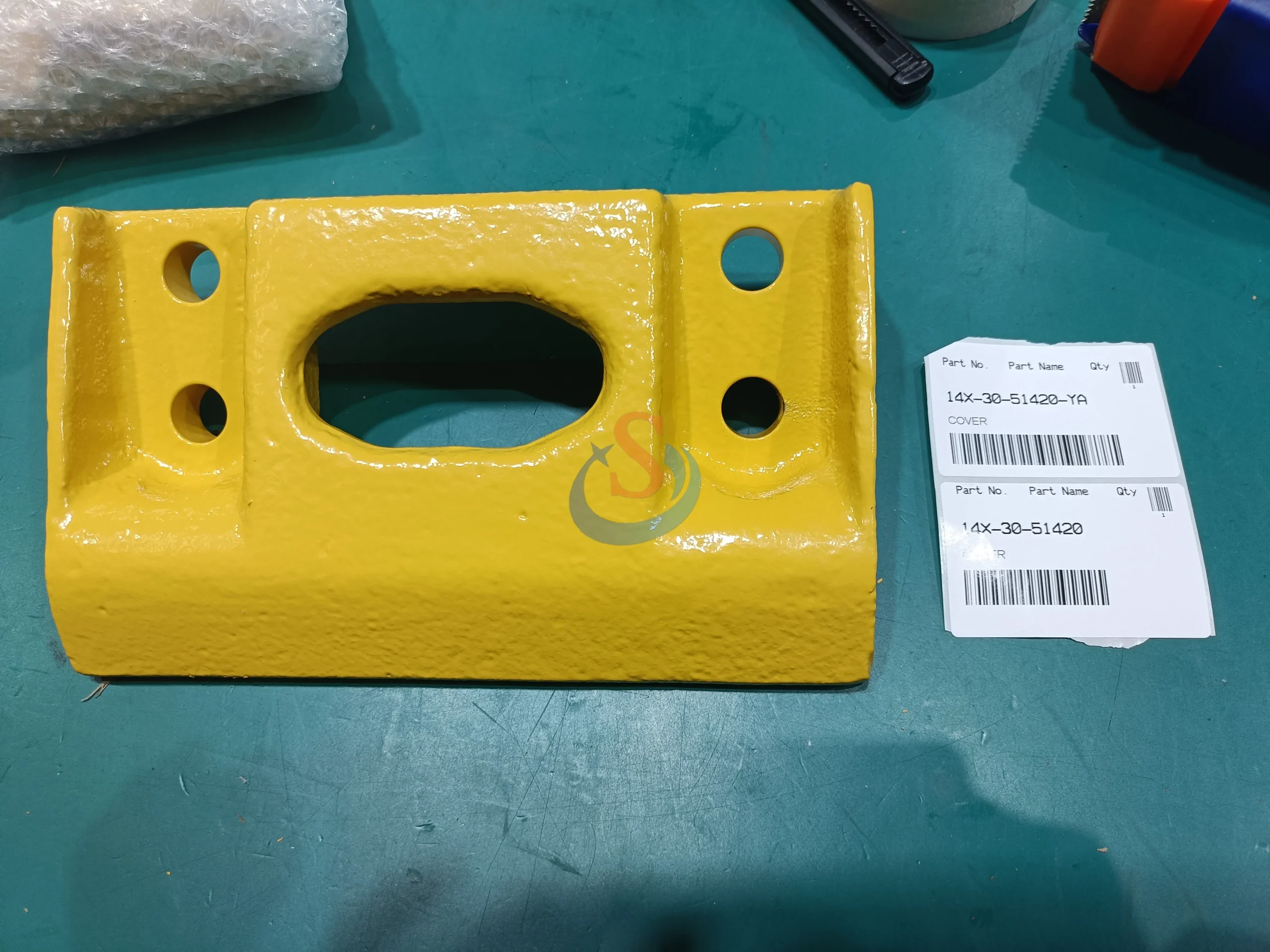 14X-30-51420,Cover,D65PX,D65WX,D65EX