
- Chinese
- French
- German
- Portuguese
- Spanish
- Russian
- Japanese
- Korean
- Arabic
- Irish
- Greek
- Turkish
- Italian
- Danish
- Romanian
- Indonesian
- Czech
- Afrikaans
- Swedish
- Polish
- Basque
- Catalan
- Esperanto
- Hindi
- Lao
- Albanian
- Amharic
- Armenian
- Azerbaijani
- Belarusian
- Bengali
- Bosnian
- Bulgarian
- Cebuano
- Chichewa
- Corsican
- Croatian
- Dutch
- Estonian
- Filipino
- Finnish
- Frisian
- Galician
- Georgian
- Gujarati
- Haitian
- Hausa
- Hawaiian
- Hebrew
- Hmong
- Hungarian
- Icelandic
- Igbo
- Javanese
- Kannada
- Kazakh
- Khmer
- Kurdish
- Kyrgyz
- Latin
- Latvian
- Lithuanian
- Luxembou..
- Macedonian
- Malagasy
- Malay
- Malayalam
- Maltese
- Maori
- Marathi
- Mongolian
- Burmese
- Nepali
- Norwegian
- Pashto
- Persian
- Punjabi
- Serbian
- Sesotho
- Sinhala
- Slovak
- Slovenian
- Somali
- Samoan
- Scots Gaelic
- Shona
- Sindhi
- Sundanese
- Swahili
- Tajik
- Tamil
- Telugu
- Thai
- Ukrainian
- Urdu
- Uzbek
- Vietnamese
- Welsh
- Xhosa
- Yiddish
- Yoruba
- Zulu
- Kinyarwanda
- Tatar
- Oriya
- Turkmen
- Uyghur






OEM AND ORIGINAL KOMATSU BEARING 561-27-61940
Let's cut straight to it: when someone is searching for 'OEM AND ORIGINAL KOMATSU BEARING ', they're usually in a bind. They've got a machine down, pressure from the site manager, and a procurement system screaming for a genuine part number. The immediate assumption is that 'OEM' and 'Original' are the same thing. In the world of Komatsu, that's where the first trap is laid. I've seen too many guys order what they think is a factory-sealed box with the Komatsu logo, only to receive a part that, while functionally an OEM product, comes through a different supply channel entirely. The bearing is a perfect example of this ecosystem. It's a critical component in several mid-range excavator swing drives, and its failure isn't an option. But the path to getting a reliable one isn't as simple as the parts catalog makes it seem.
The OEM vs. Original Conundrum in Practice
Here's the reality check. Komatsu doesn't manufacture every single bearing in-house. They source from a network of certified bearing manufacturers who produce to Komatsu's exact specifications—these are the true OEM products. The part number is assigned by Komatsu to a specific bearing specification. When you buy it from a Komatsu dealer, packaged in Komatsu-branded box, you're paying for the entire logistics, warranty, and brand assurance chain. That's the Original channel.
However, the same physical bearing, made on the same production line by the same factory, can enter the market without the Komatsu packaging and dealer markup. This is where companies like Jining Gaosong Construction Machinery Co., Ltd. operate. They exist within the Komatsu system as an OEM product supplier. Their role is nuanced: they help alleviate parts supply bottlenecks, especially in regions where the official distribution network is thin or backlogged. So, when you see offered by them, you're likely looking at the same manufactured item, but the context of the sale is different. It's not aftermarket; it's parallel supply.
The risk isn't in the bearing's metallurgy or tolerances—if it's a true OEM-spec part. The risk is in the handling, storage, and documentation. I've received bearings from unofficial-but-legitimate channels where the grease had begun to separate because of long-term storage in a humid warehouse. The part was technically correct, but its condition was compromised. The lesson? The source matters as much as the specification. A reliable supplier's integrity is the warranty.
Case in Point: The Failure That Wasn't
I recall a site in Southeast Asia where a PC300-8's swing became noisy and jerky. The local mechanic diagnosed it as a failed swing bearing and quoted a fortune for an original part with a 6-week lead time. The site manager, desperate, started searching online and found the bearing listed on a site like https://www.takematsumachinery.com. The listing explicitly stated it was an OEM product for Komatsu. Skepticism was high, but the downtime costs were higher.
We decided to take a calculated risk. The bearing arrived in plain, industrial packaging. No Komatsu logos. But the markings on the bearing race itself—the part number, the manufacturer's code—matched exactly what we'd expect from the OEM source. We cross-referenced the dimensions and load ratings with the technical data sheet we had on file. It checked out. Installation was smooth, and the machine has been running for over 3000 hours since with no issue.
This experience underscores their stated role as a company helping to solve parts supply challenges in certain countries. They didn't sell us a counterfeit; they provided access to the genuine article through an alternative, efficient route. The key was our ability to verify. You can't just look at the box; you have to know how to read the part itself.
Where Things Can Go Wrong: The Compatible Mirage
This brings me to the biggest pitfall. The market is flooded with compatible bearings for . These are not OEM products. They are reverse-engineered, often with subtle differences in heat treatment, sealing, or radial play. They might fit and even work for a few hundred hours. I've been burned by this before, early in my career. The price was tempting, the supplier assured same-same. The bearing failed catastrophically within two months, scoring the swing gear and turning a $1,000 part replacement into a $15,000 rebuild.
The distinction is everything. An OEM product for Komatsu is made to Komatsu's print. A compatible or will-fit part is made to approximate that print. For a non-critical, low-load application, maybe you gamble. For a swing bearing carrying the entire upper structure? Never. The stress cycles are immense. The failure mode of the original Komatsu bearing is usually predictable wear over thousands of hours. The failure mode of a substandard copy is often sudden and destructive.
When evaluating a source, I now look for transparency. Does the supplier, like Gaosong, explicitly state their position within the OEM system? Or do they use vague terms like high quality replacement? The former suggests a direct pipeline. The latter is a red flag. Their website's description of being a third-party sales company for Komatsu is a specific and credible claim in this industry.
Verification and the Art of Due Diligence
So, how do you proceed when you need a and the official channel is problematic? First, accept that you're entering a gray zone that requires your own quality gate. Request material certificates or mill test reports. A legitimate OEM-level supplier should be able to provide traceability, at least to the manufacturing batch. Inspect the physical part upon arrival. Look for crisp laser etching of the part number, clean machining surfaces, and high-quality, intact seals. The grease should be fresh and evenly distributed.
Second, engage with the supplier technically. Ask where they source from. A vague answer is a bad sign. A reference to specific bearing manufacturers or their role in the Komatsu supply ecosystem is a good one. The value of a company positioned as Gaosong is that they understand this dance. They're not just order-takers; they should be able to explain why their part is valid for your application.
Finally, document everything. Keep the shipping records, the communications, and the part's own markings. If an issue arises, this is your only recourse. The relationship with a supplier in this space is built on a series of successful transactions. Your first order should be treated as a test. Order one, inspect it meticulously, install it, and monitor. If it performs as an original Komatsu bearing should, you've found a valuable alternative source for the future.
Wrapping It Up: A Pragmatic View
At the end of the day, the keyword 'OEM AND ORIGINAL KOMATSU BEARING ' represents a need for certainty in an uncertain supply chain. The Original path offers maximum certainty at maximum cost and sometimes maximum delay. The OEM path, through established system suppliers, offers a pragmatic middle ground—if you have the knowledge to navigate it.
It's not about finding cheap parts. It's about finding authentic parts efficiently. For operations in regions with supply challenges, leveraging third-party companies that are integrated into the OEM network isn't a compromise; it's a strategic necessity. They fill the gaps that the primary distribution model can't always cover.
The bearing will keep coming up. Each time, the decision will hinge on the same factors: time, cost, risk, and your confidence in the source. Building that confidence requires moving beyond the part number and understanding the complex, layered world behind it. Sometimes, the right part doesn't come in the familiar box.
Related Products
Related Products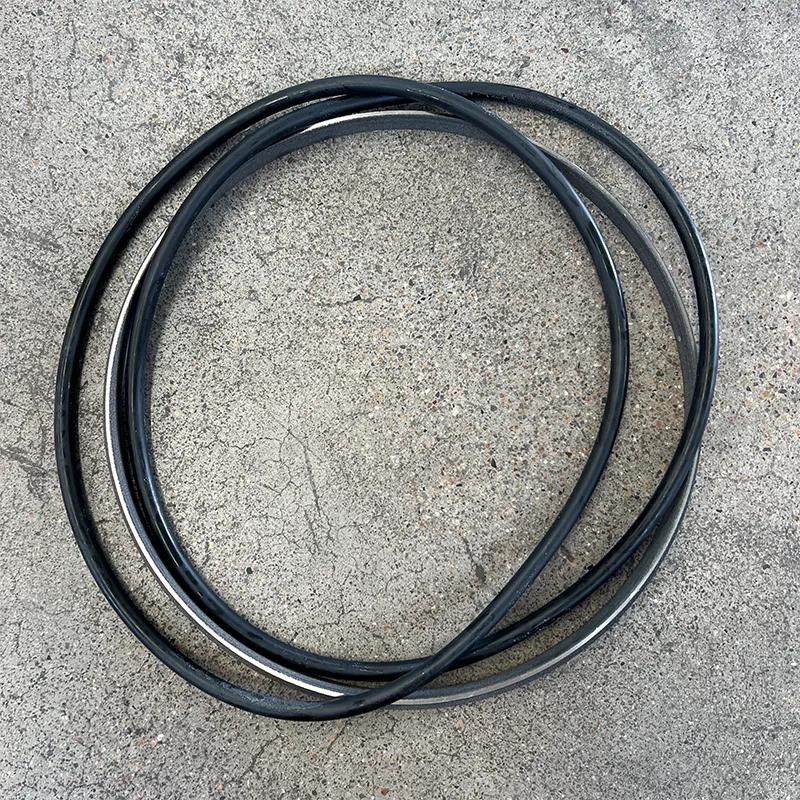
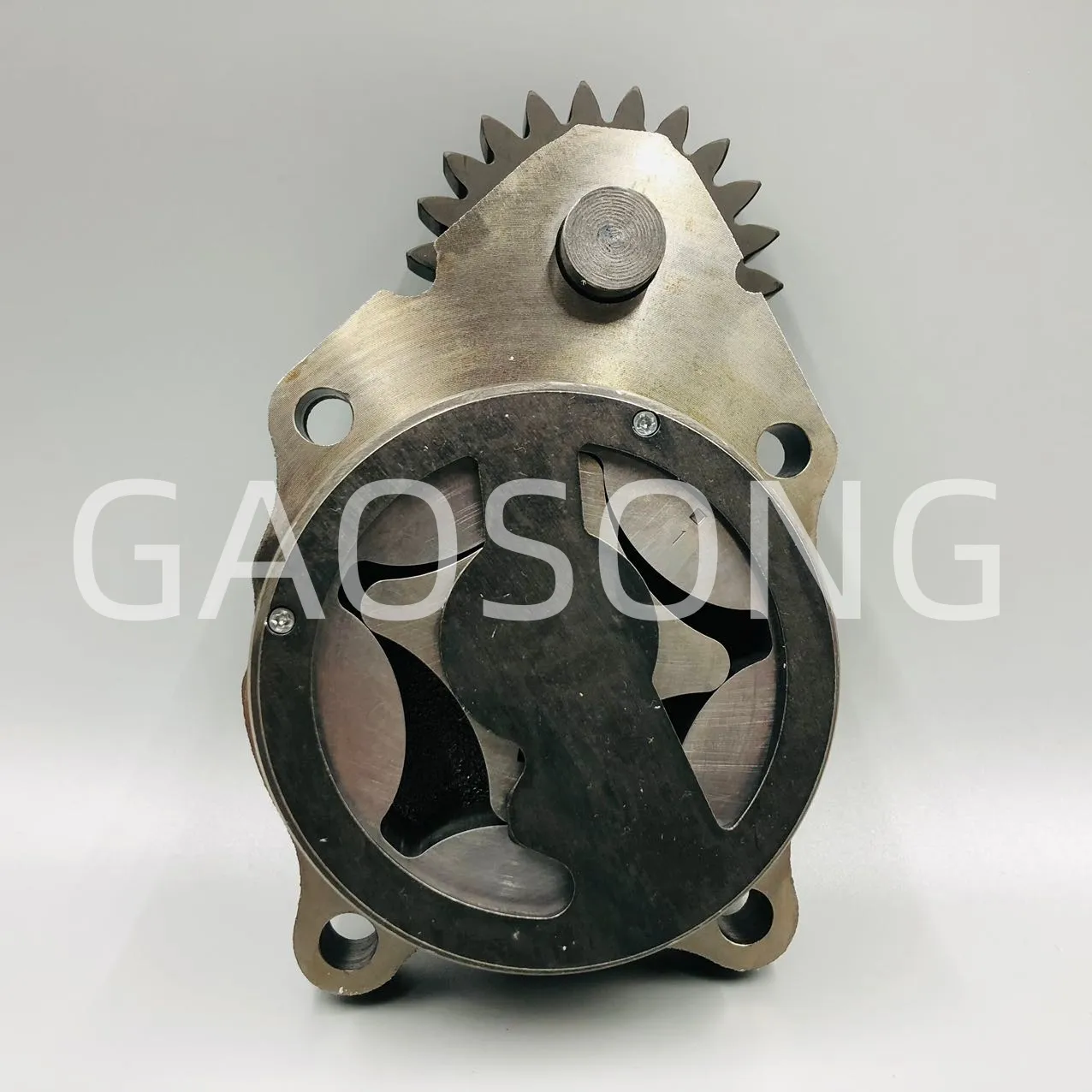
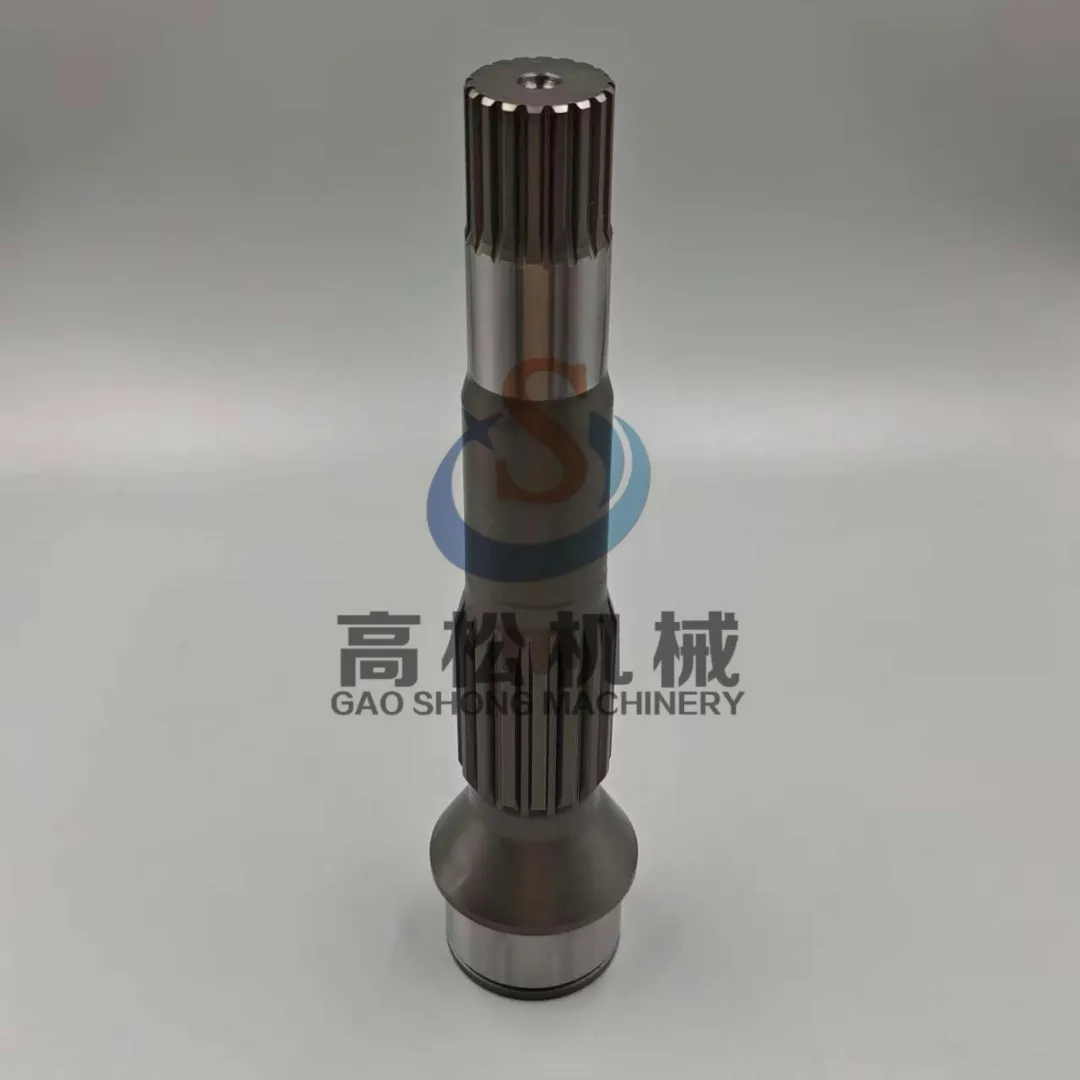
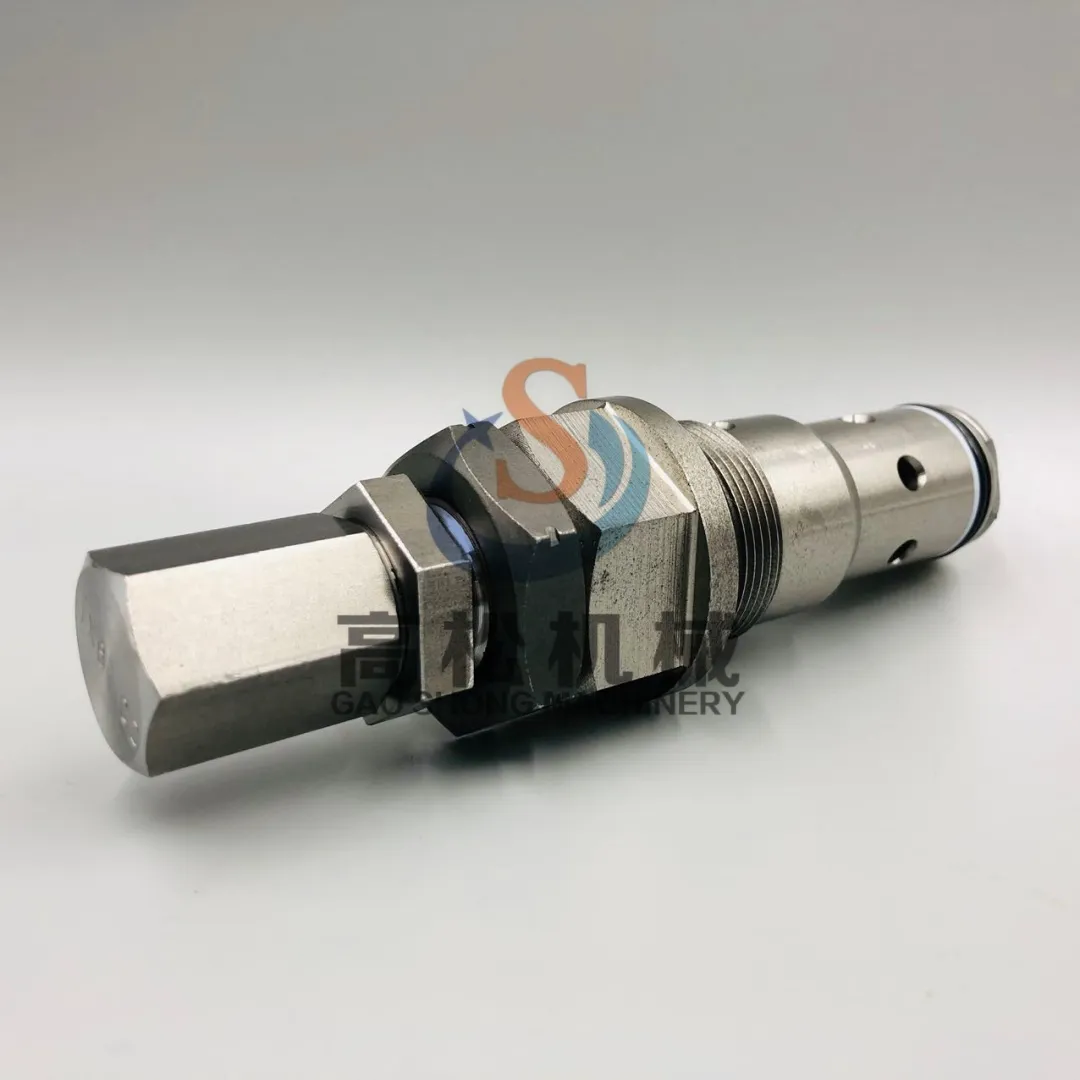

Best Selling Products
Best Selling Products-
 Heavy Machines Built to Last 799-101-5160 SOCKET for Komatsu…
 -
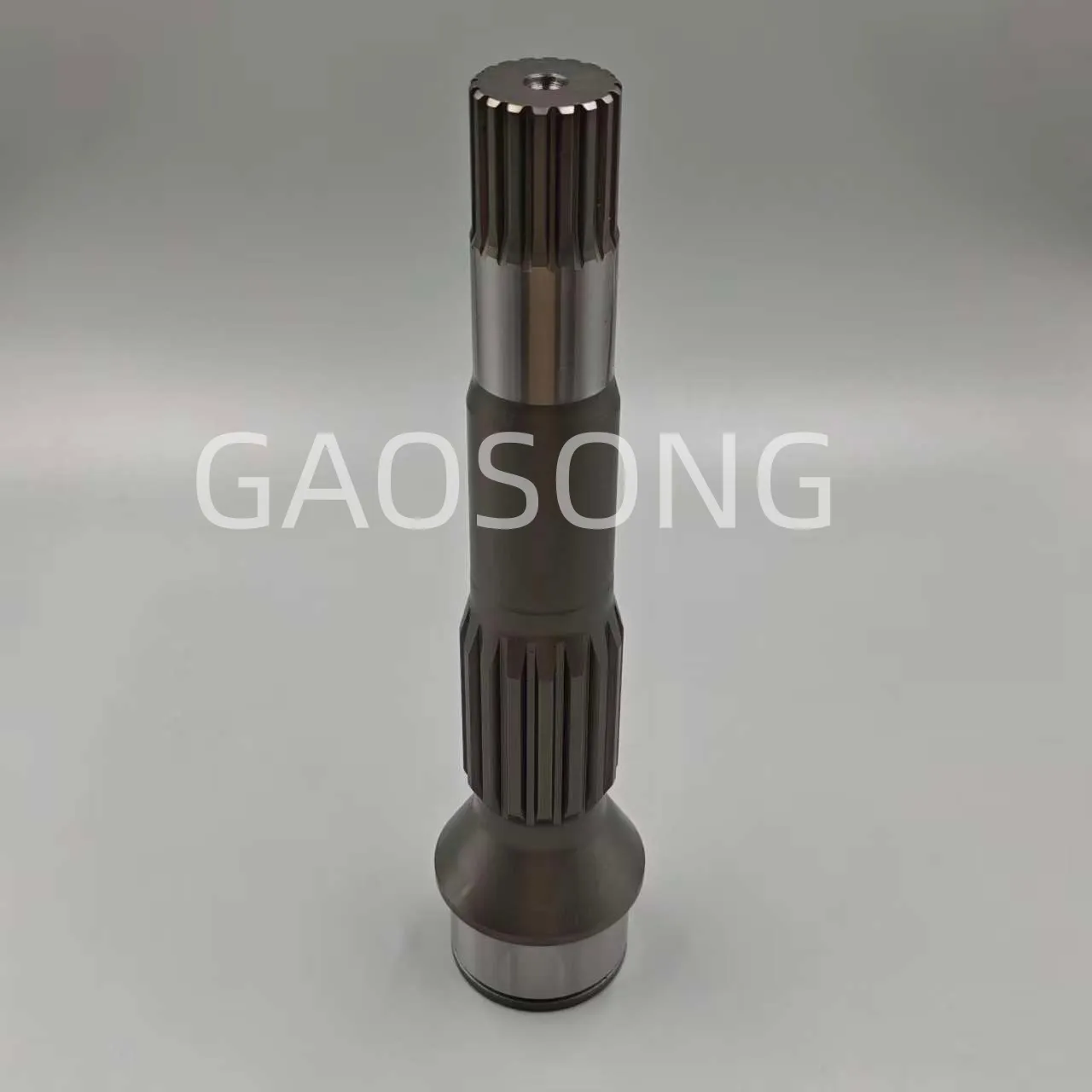 708-2G-12121 •• SHAFT-Komatsu Original Factory
 -
 04065-07030komatsu parts original
 -
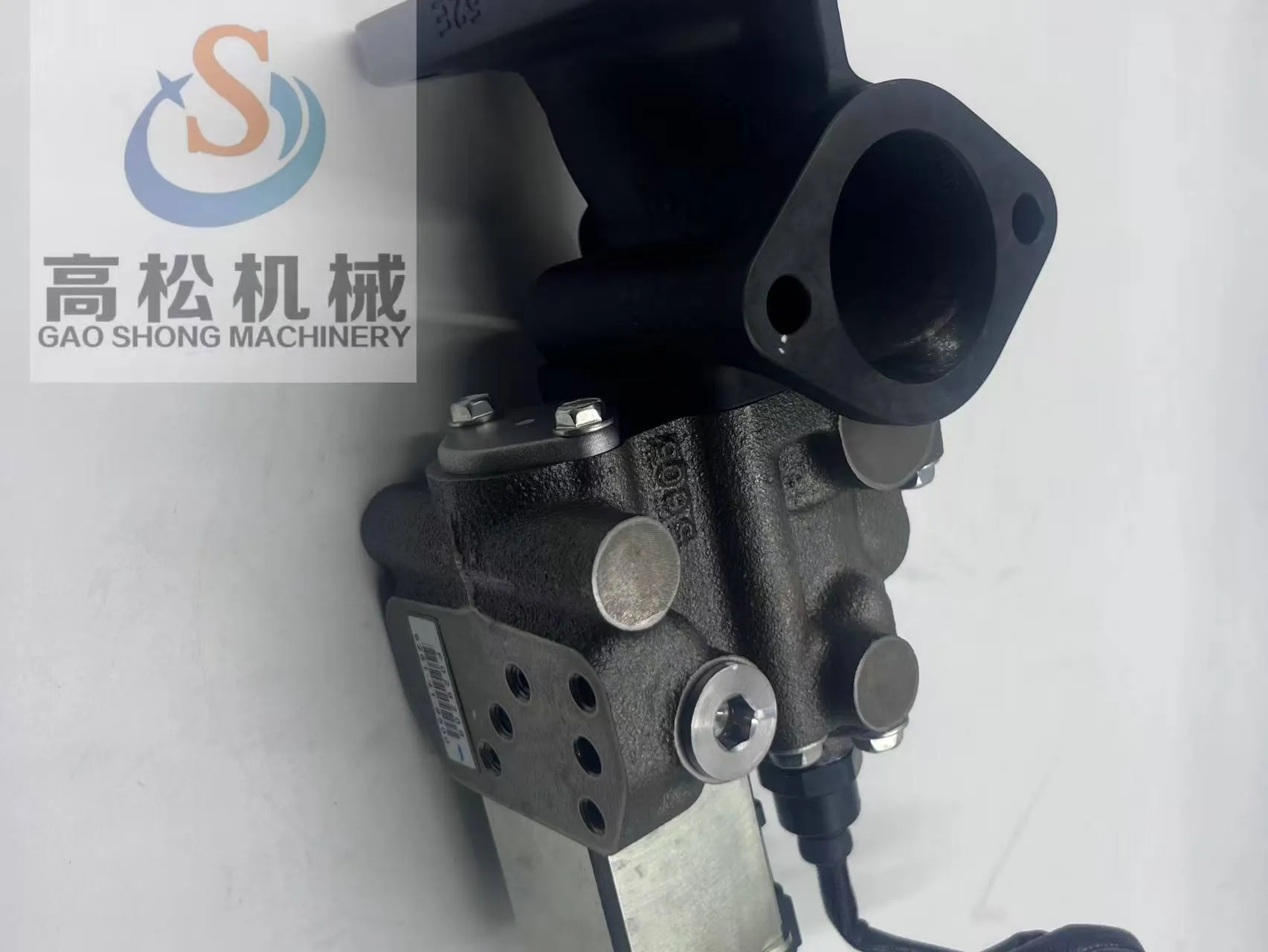 Dump truck HD465-7 valve assembly 6261-41-9500 6261419500
 -
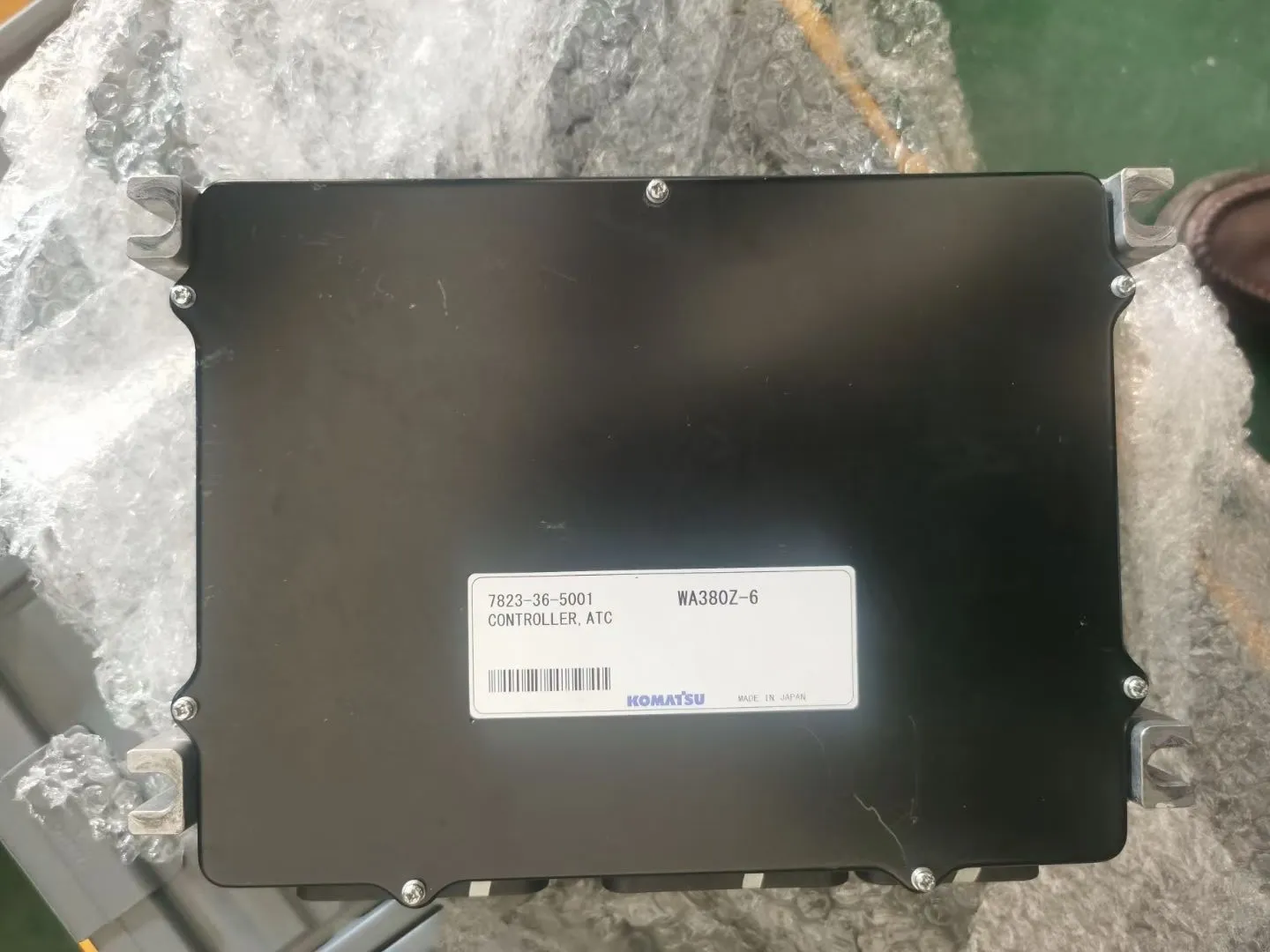 WA380Z-6 Controller 7823-36-5001
 -
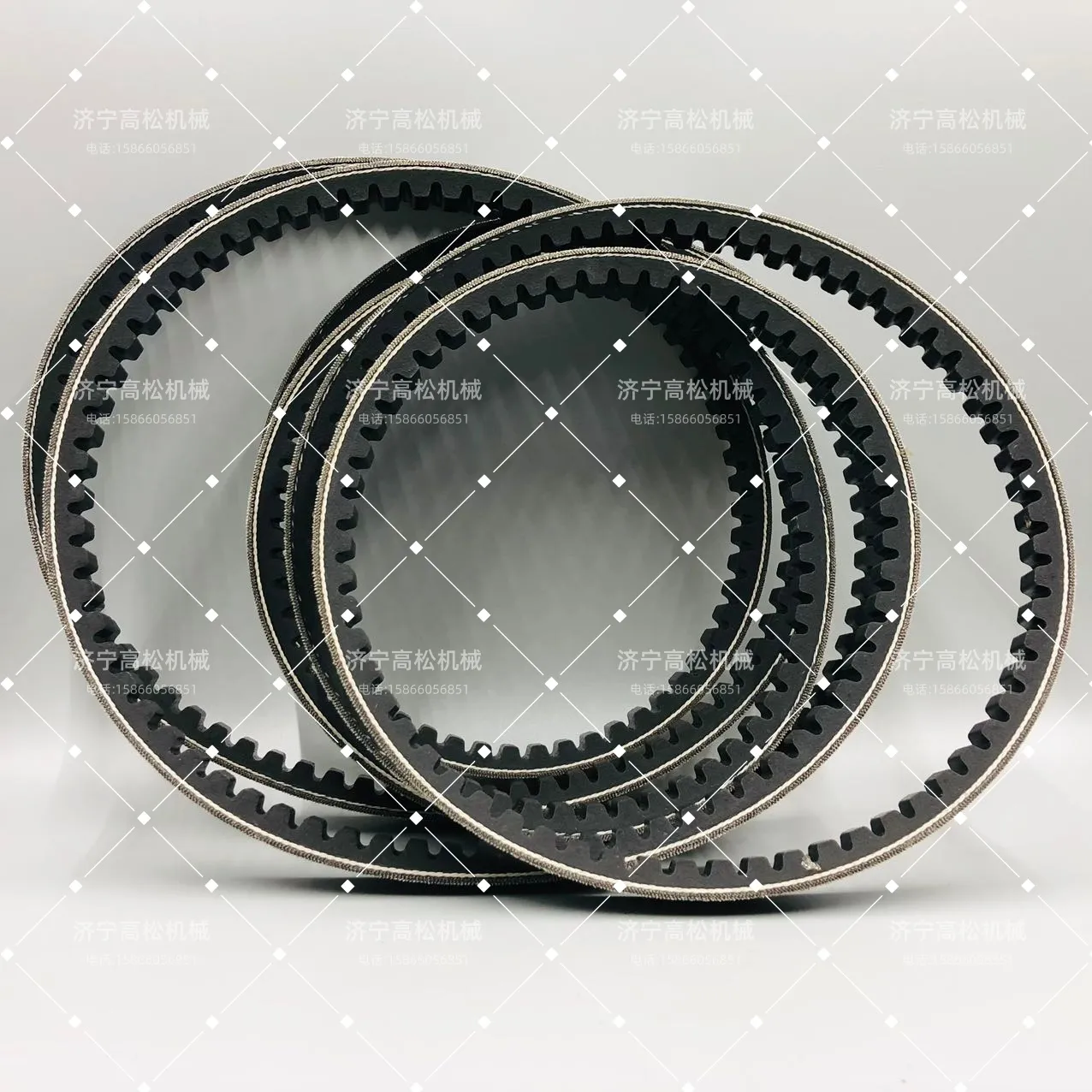 Genuine Komatsu V-Belt 6219-61-3420 for…
 -
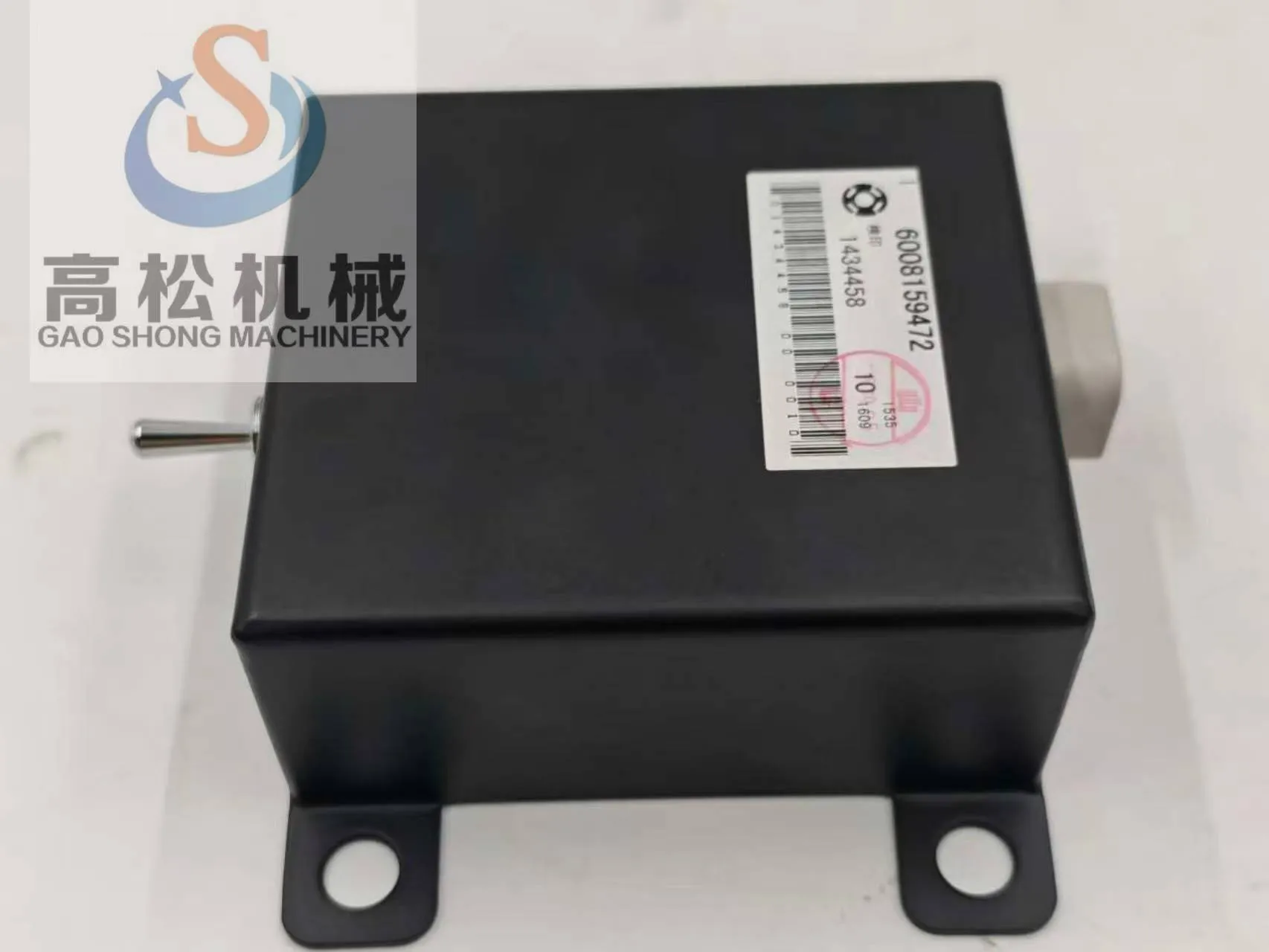 Original new switch 600-815-9472 for d375a-6 bulldozer komatsu pc1250sp-8r hd785-7 dump truck
 -
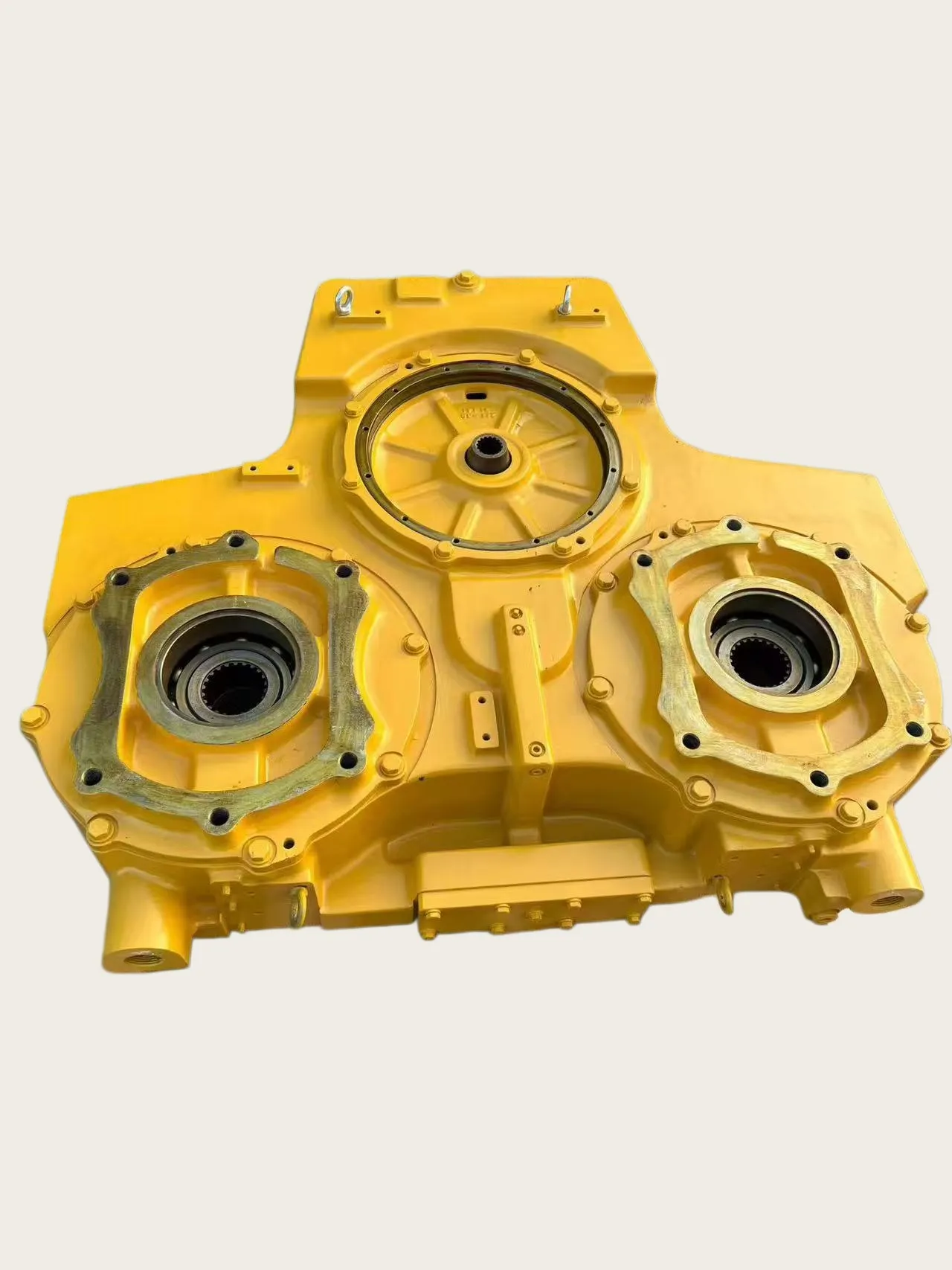 komatsu-part-21T-38-00160 21T-38-00170 21T-38-00180 21T-38-00190 PTO Assembly PC2000-8 PC2000-11 PTO (POWER TAKE OFF), INNER PARTS POWER TAKE OFF
 -
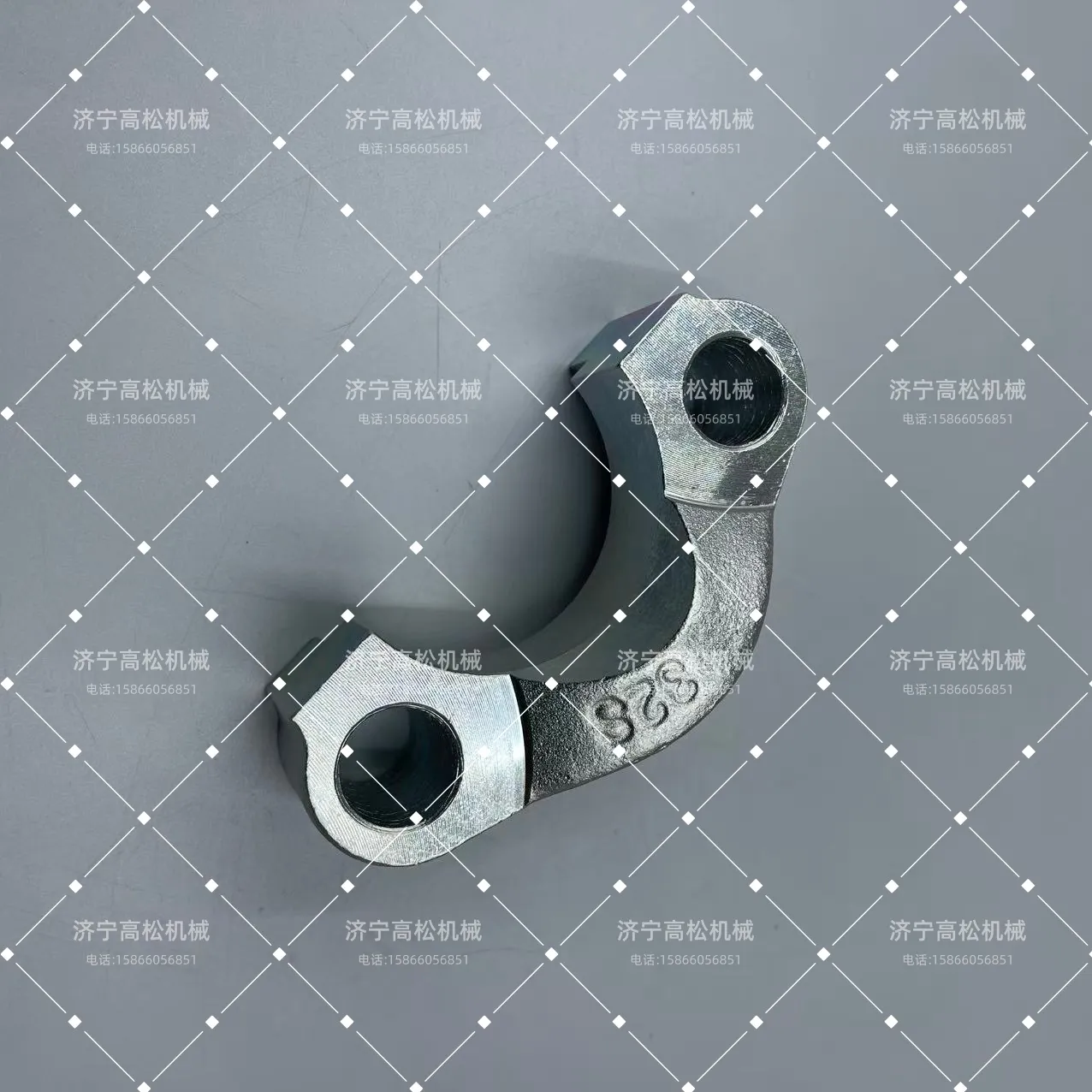 07371-52080 Komatsu FLANGE | AGA Parts
 -
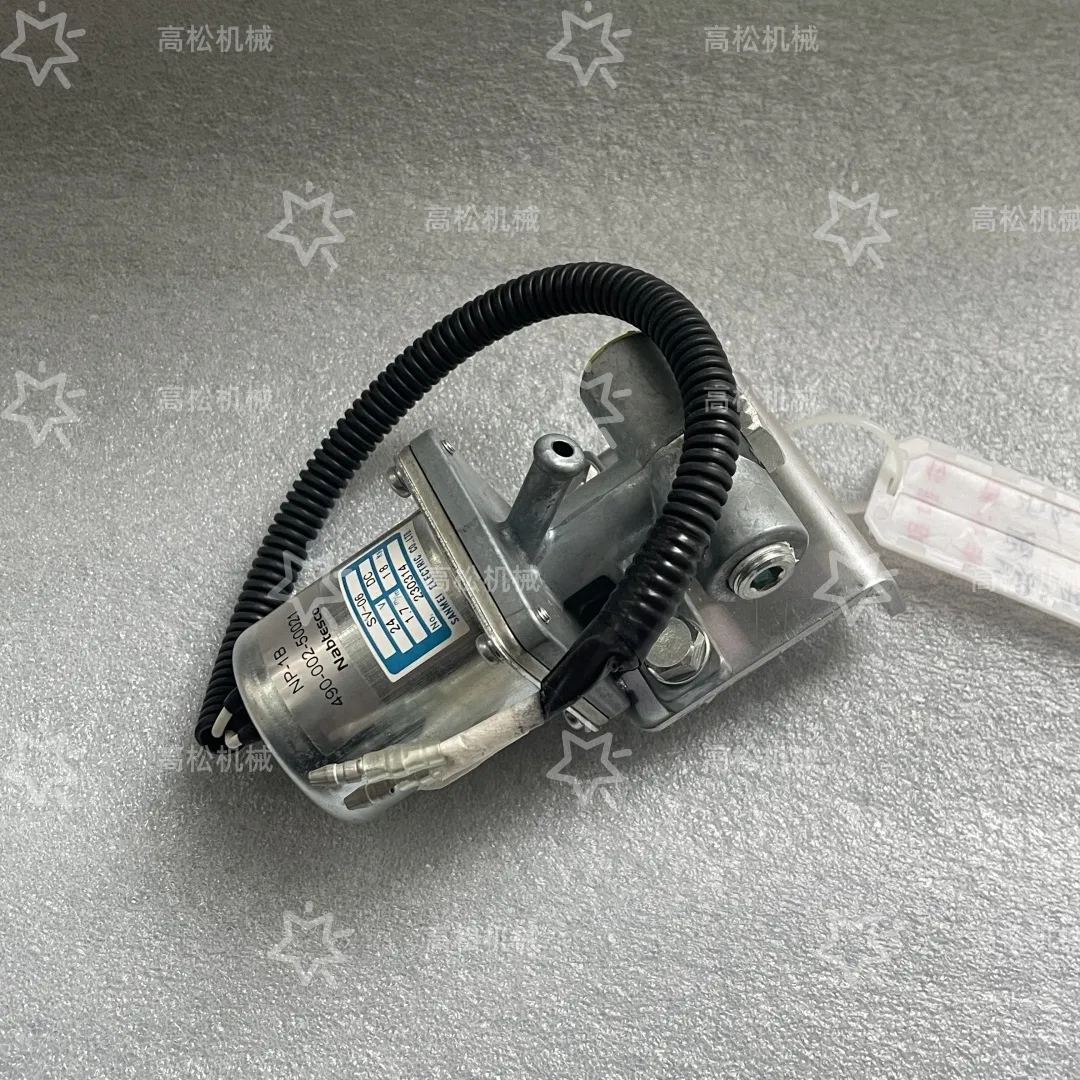 234-44-61430SOLENOID VALVE 234-44-61430 BANK CUTTING CONTROL PIPING AUTO TRANSMISSION SPEC for GD705/825
 -
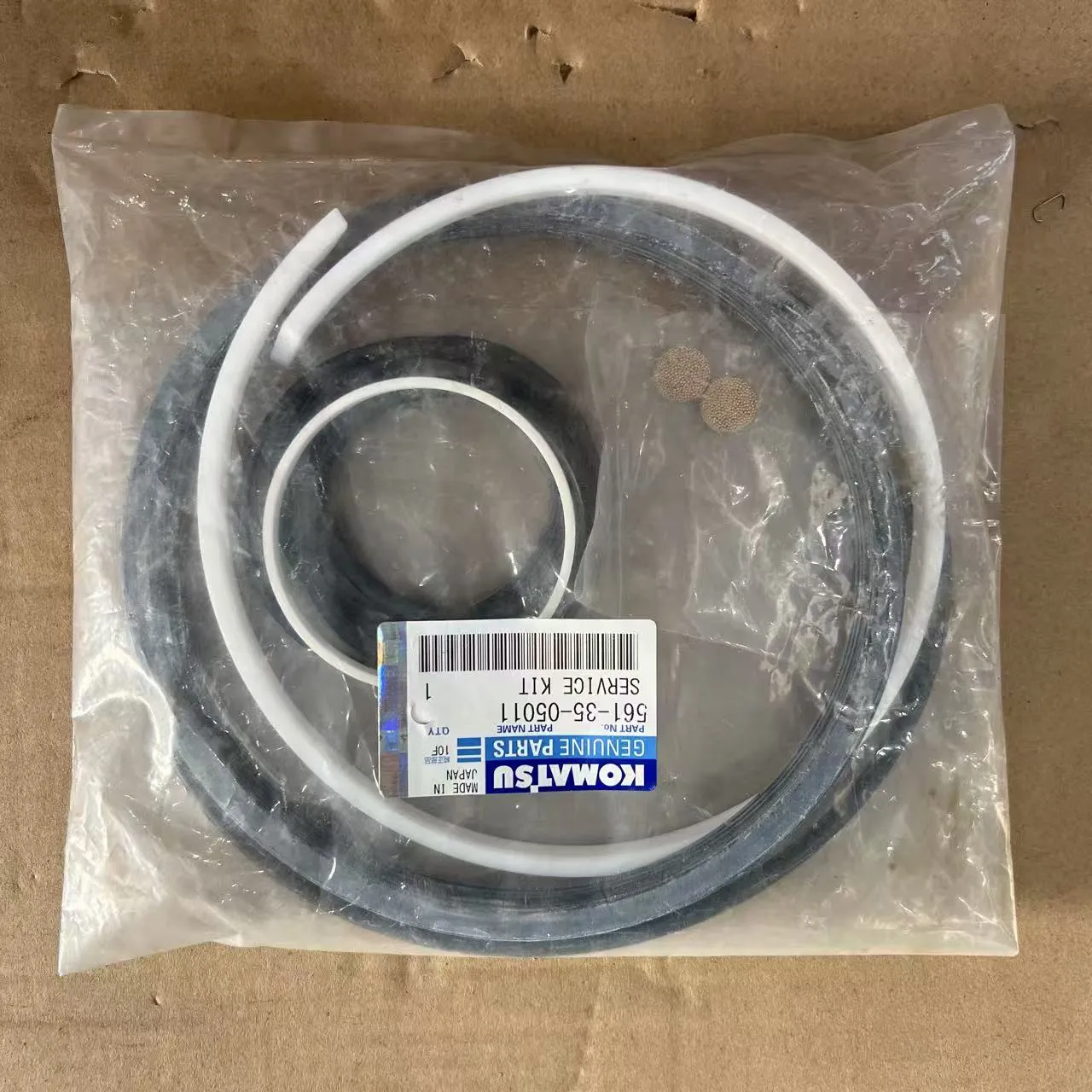 SERVICE KIT – 561-35-05011
 -
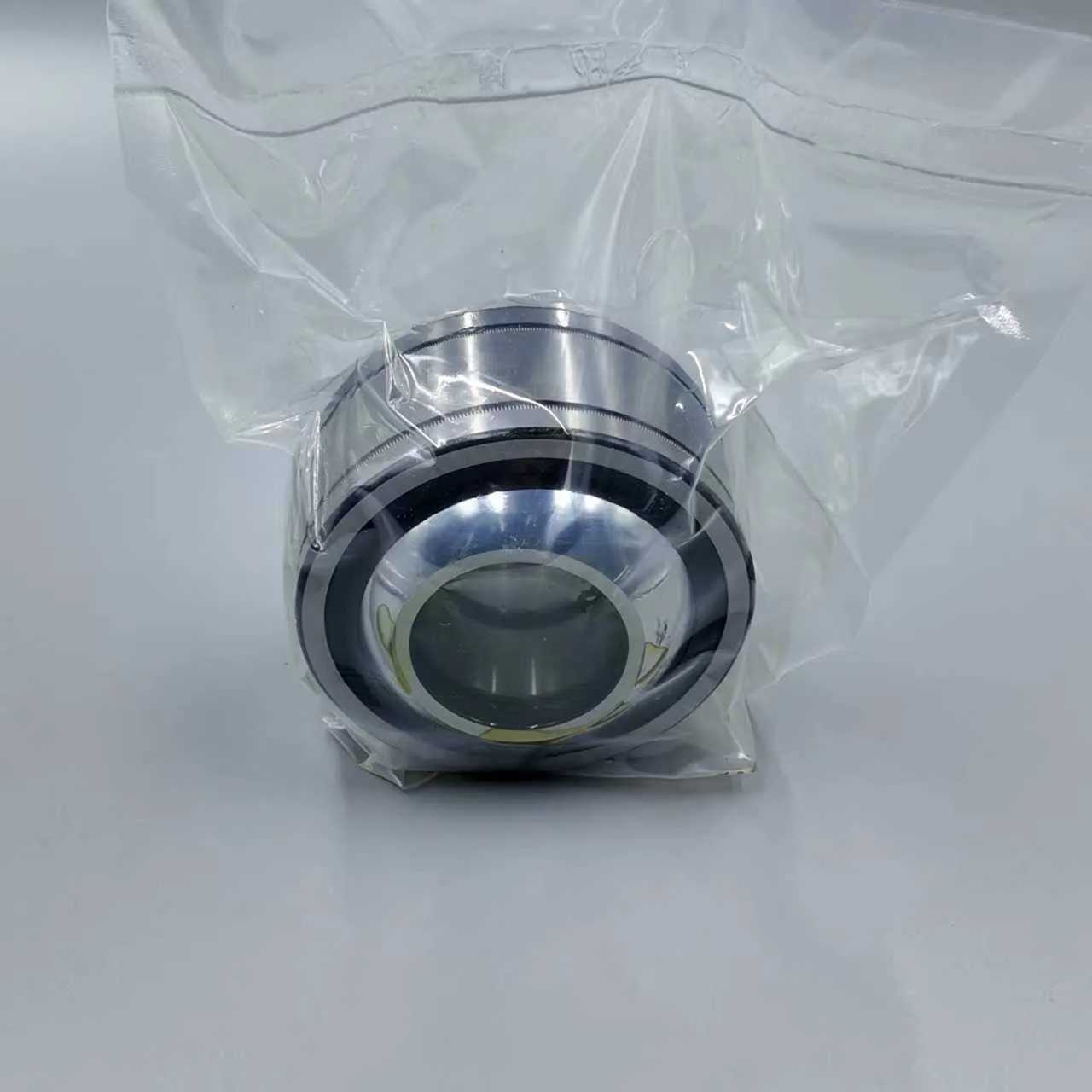 07137-04006 • BUSHING-Komatsu Original Factory
Related Search
Related Search- OEM AND ORIGINAL KOMATSU SHAFT 235-27-31120
- komatsu 830e parts manual
- 195-71-61590
- OEM AND ORIGINAL KOMATSU WIRING HARNESS 21T-06-32265
- OEM AND ORIGINAL KOMATSU BUSHING 21T-70-31250
- Komatsu Genuine & OEM Parts Full Precision Match for All Global Hot Komatsu Models
- OEM AND ORIGINAL KOMATSU SENSOR 566-88-66143
- komatsu aftermarket parts usa
- Komatsu controller
- komatsu pc200 engine