
- Chinese
- French
- German
- Portuguese
- Spanish
- Russian
- Japanese
- Korean
- Arabic
- Irish
- Greek
- Turkish
- Italian
- Danish
- Romanian
- Indonesian
- Czech
- Afrikaans
- Swedish
- Polish
- Basque
- Catalan
- Esperanto
- Hindi
- Lao
- Albanian
- Amharic
- Armenian
- Azerbaijani
- Belarusian
- Bengali
- Bosnian
- Bulgarian
- Cebuano
- Chichewa
- Corsican
- Croatian
- Dutch
- Estonian
- Filipino
- Finnish
- Frisian
- Galician
- Georgian
- Gujarati
- Haitian
- Hausa
- Hawaiian
- Hebrew
- Hmong
- Hungarian
- Icelandic
- Igbo
- Javanese
- Kannada
- Kazakh
- Khmer
- Kurdish
- Kyrgyz
- Latin
- Latvian
- Lithuanian
- Luxembou..
- Macedonian
- Malagasy
- Malay
- Malayalam
- Maltese
- Maori
- Marathi
- Mongolian
- Burmese
- Nepali
- Norwegian
- Pashto
- Persian
- Punjabi
- Serbian
- Sesotho
- Sinhala
- Slovak
- Slovenian
- Somali
- Samoan
- Scots Gaelic
- Shona
- Sindhi
- Sundanese
- Swahili
- Tajik
- Tamil
- Telugu
- Thai
- Ukrainian
- Urdu
- Uzbek
- Vietnamese
- Welsh
- Xhosa
- Yiddish
- Yoruba
- Zulu
- Kinyarwanda
- Tatar
- Oriya
- Turkmen
- Uyghur






OEM AND ORIGINAL KOMATSU BEARING 561-22-72961
When you see that part number, , pop up on a screen or a requisition form, it immediately sets off a specific train of thought. It's not just a bearing; it's a bearing for a Komatsu machine, likely something in the mid-size excavator or dozer range. The immediate instinct for many procurement guys is to search for the cheapest OEM tag they can find. That's where the first major pitfall lies. In this context, OEM has become a dangerously broad term. It can mean a part produced by the original factory that built it for Komatsu, or it can be a marketing label slapped on by a third-party manufacturer claiming identical specs. The distinction between OEM AND ORIGINAL KOMATSU BEARING is everything. Original means it came from Komatsu's sanctioned supply chain, with their packaging and traceability. OEM-style, from a reputable supplier, might be perfectly functional, but assuming they are always the same is a quick way to a costly downtime event.
The Spec Sheet Doesn't Tell the Whole Story
I've pulled the spec sheets for . Dimensions, load ratings, clearance – on paper, a dozen suppliers can match them. The reality is in the material pedigree and the heat treatment. We had a situation a few years back where a batch of aftermarket OEM-equivalent bearings for a PC300-8 started showing premature spalling on the inner race. They passed the basic dimensional checks, but metallurgical analysis later showed inconsistent carburizing depth. The hardness profile was off. It wasn't a catastrophic failure out of the gate, but it wore out in half the expected service life, contaminating the entire gearbox. The cost of the bearing was trivial compared to the labor and secondary damage.
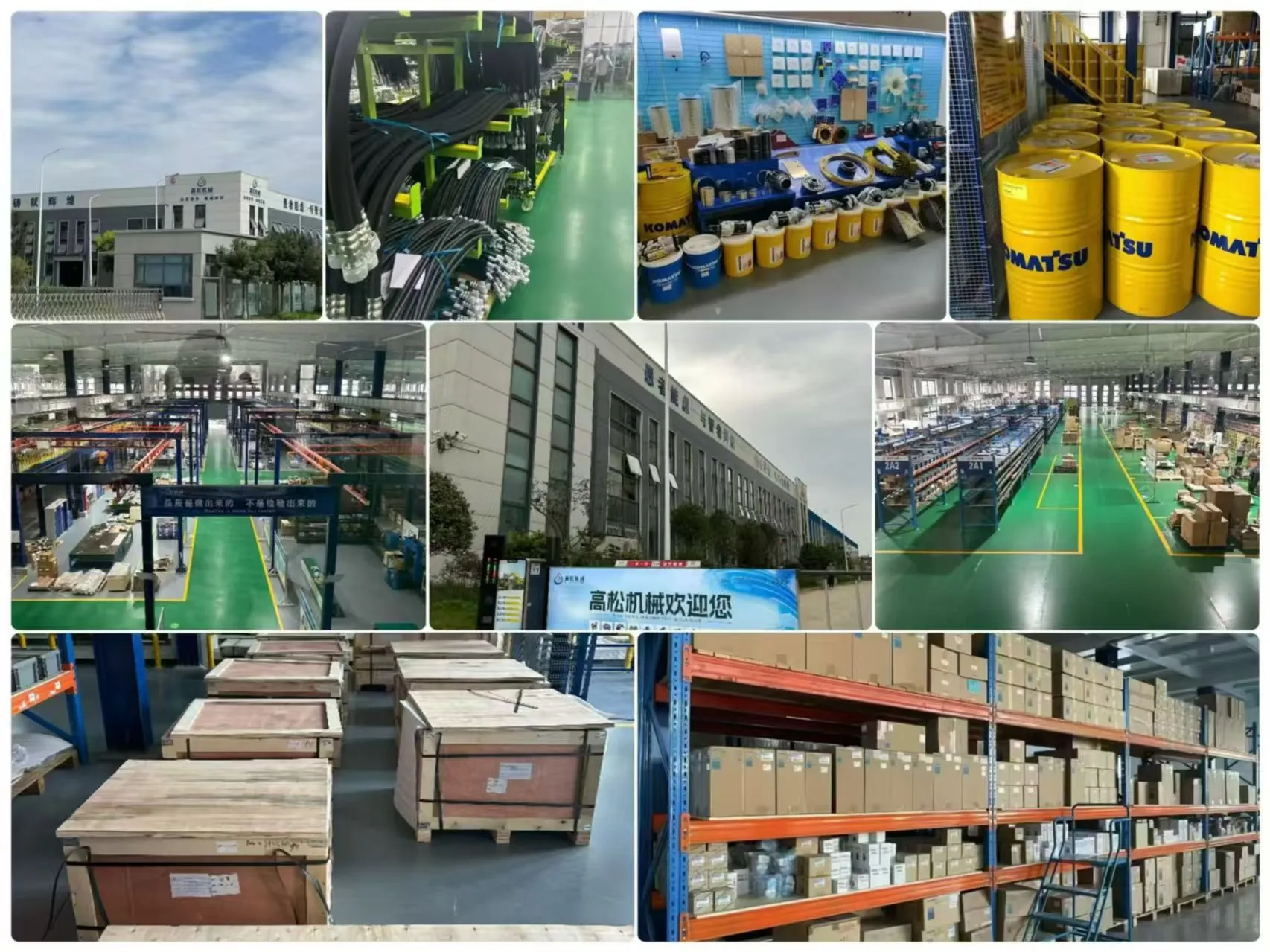
That's why I tend to look at suppliers who are transparent about their position in the ecosystem. A company like Jining Gaosong Construction Machinery Co., Ltd. explicitly states they are an OEM product supplier within the Komatsu system. That phrasing carries weight. It suggests access to the genuine channel, not just reverse-engineering. Their role as a third-party sales company also hints at understanding the logistical gaps in certain markets, which is a whole other layer of practical knowledge.
You can find their details at https://www.takematsumachinery.com. Their brief intro about solving parts supply challenges isn't just sales talk. In regions where official distribution is thin or slow, a reliable bridge supplier is invaluable. They aren't just selling a widget; they're providing a pathway to the authentic part, which for a critical component like this bearing, is often the only sane choice.
Logistics and the Original Paper Trail
Ordering an original part isn't just about the physical item. It's about the documentation that comes with it. A proper ORIGINAL KOMATSU BEARING will have a traceable lot number, certificates of conformity from the forging and finishing plants, and Komatsu's own packaging. This isn't bureaucracy; it's forensic data for when things go wrong. If that bearing fails under warranty, that paper trail is your only defense to claim against Komatsu. An OEM-style part from a non-sanctioned source leaves you arguing with a middleman about material certs they probably can't produce.
I recall a contractor who bought what was advertised as original bearings from a non-authorized online portal. The parts arrived in plain white boxes with photocopied manuals. They looked right, felt right. But during a major overhaul, the fit was just a bit too tight, requiring abnormal force during pressing. They used it anyway. Six weeks later, seizure. The post-mortem showed the bore tolerance was at the absolute limit of the spec, and combined with a minor housing imperfection, it created a hot spot. An original part, with its controlled tolerances, would likely have accommodated the housing condition. The cheaper bearing amplified a small problem into a big one.
This is where a supplier's stated mission matters. When a company says it's helping to solve parts supply challenges, it implies they've seen these scenarios. They know that getting the right part, with the right proof, is the actual solution, not just moving a box.
When OEM is the Correct, Pragmatic Choice
Let's be clear, though: not every application demands the gold-plated, traceable original. For older machines, maybe a sixth or seventh-life machine used in low-criticality applications, a high-quality OEM alternative is a sound economic decision. The key is high-quality. This is where supplier vetting is critical. You want a supplier that doesn't blur the lines. They should be upfront: This is our in-house manufactured bearing, made to OEM specification for . Not This is a Komatsu bearing.
The failure mode I'm most wary of with non-originals in this category is lubricant compatibility. The seal material on an OEM-style bearing might be a different compound. If it's not compatible with the specific Komatsu-approved grease, it can degrade, leading to seal failure and contamination long before the bearing rollers wear out. It's a sneaky failure. You have to ask those specific questions: Is the seal material NBR, FKM? Is it compatible with Komatsu Grease G2-LL? If the supplier can't answer, walk away.
In my experience, the companies that thrive as third-party sales companies within this niche, like the one mentioned earlier, often have these answers. They operate in that space between pure original and generic aftermarket, and their credibility depends on knowing these granular details.
The Price vs. Cost Calculation for
The price difference between an original and a good OEM-style bearing for this part number can be 40% to 60%. That's tempting. The cost calculation, however, includes the downtime risk, the labor to install it (which is identical for either part), and the risk of collateral damage. For a bearing buried deep in a final drive or a swing circle, the labor to access it is 90% of the job's cost. Putting in a part that has a 5% higher chance of premature failure is a terrible financial bet.
I use a simple rule: If the bearing is in a system where failure would cause secondary damage (gearbox, hydraulic pump drive), or requires more than 8 hours of labor to replace, I source the original. Full stop. For an easily accessible idler or tensioner bearing with simple swap-out, a vetted OEM part is fine. The , given its typical applications, often falls into the first category.
This is the practical value of a supplier that understands both sides. They can legitimately offer the original when it's needed for criticality, and potentially offer a validated alternative when the risk profile allows. Their website, https://www.takematsumachinery.com, positions them for this dual role. It's a more useful model than a pure aftermarket seller or a distant official distributor with no flexibility.
Final Thoughts on Sourcing and Certainty
So, when you're next sourcing the KOMATSU BEARING , the first decision isn't about price. It's about consequence. Map the bearing's role in the machine. What fails if this goes down? Then, source accordingly. The market is flooded with options, but clarity from your supplier is the rarest commodity.
Companies that are embedded in the system, like Jining Gaosong with their stated OEM supplier role, cut through some of that fog. They aren't just another parts reseller; they're a conduit with specific insight. That doesn't mean they're the only option, but their stated focus on solving supply challenges indicates a pragmatic understanding of the field's realities.
In the end, the part number is just a code. The intelligence is in understanding what lies behind the two labels: OEM and Original. One describes a potential standard of manufacture. The other describes a verified chain of custody and accountability. For critical components, that chain is often the only thing standing between you and a very expensive month.
Related Products
Related Products

Best Selling Products
Best Selling Products-
 235-27-31330Grader Gd825A-2 Pin 235-27-31330 2352731330
 -
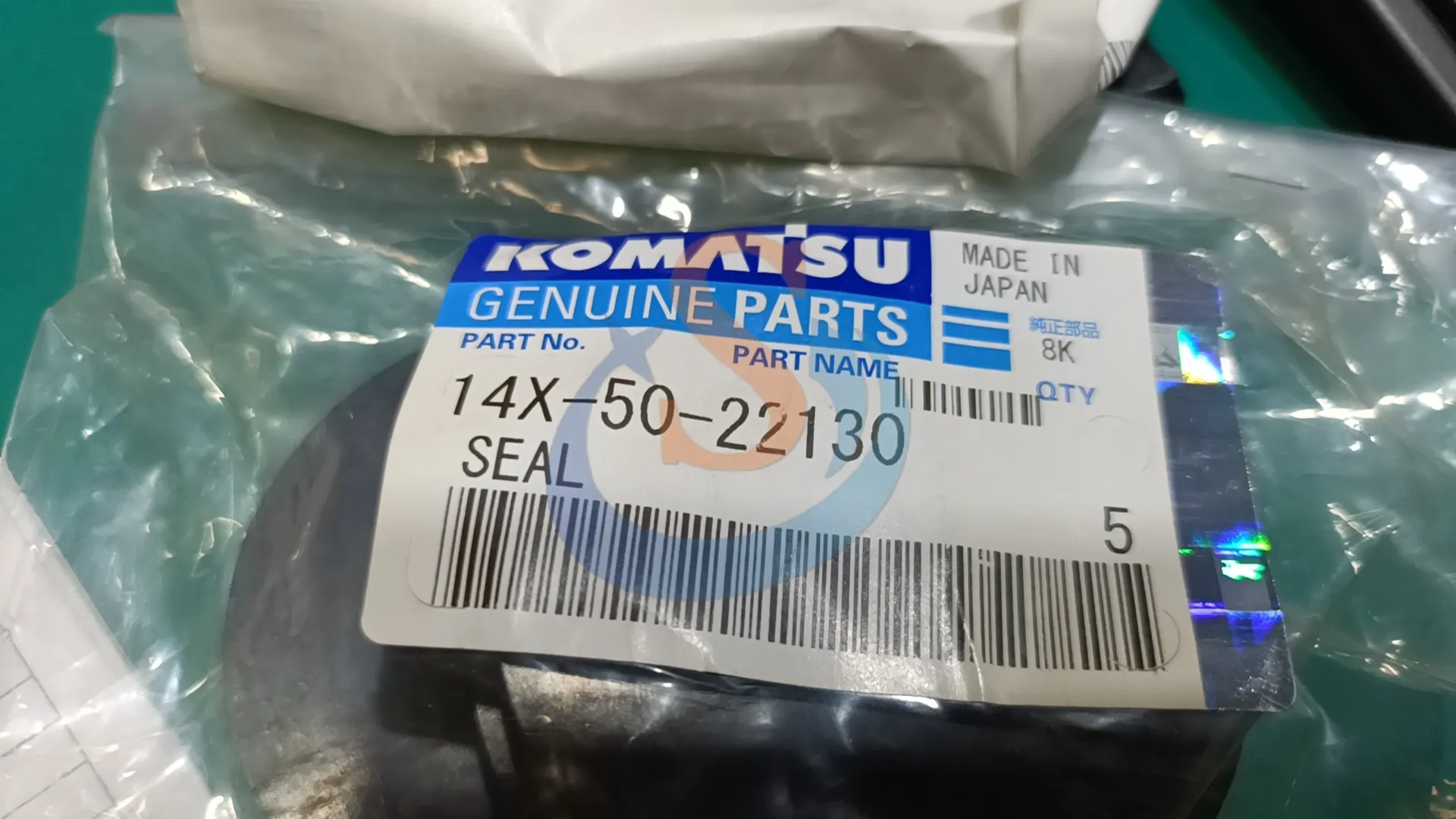 14X-50-22130,SEAL,D65PX,D65E,D85E
 -
 CORE ASSEMBLY 6506-21-5921, myKomatsu
 -
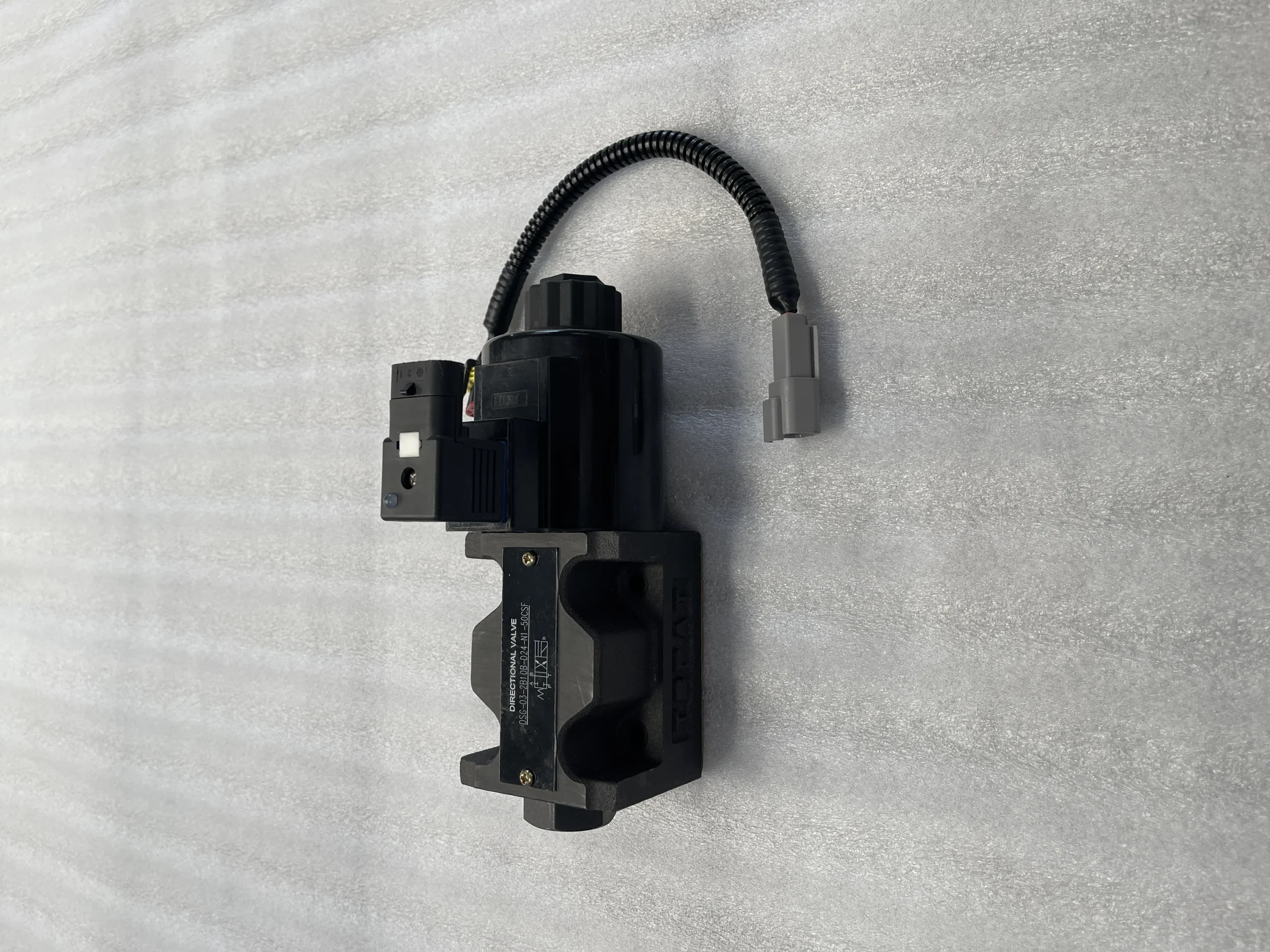 HD785-7 Electromagnetic Valve 561-43-8A881
 -
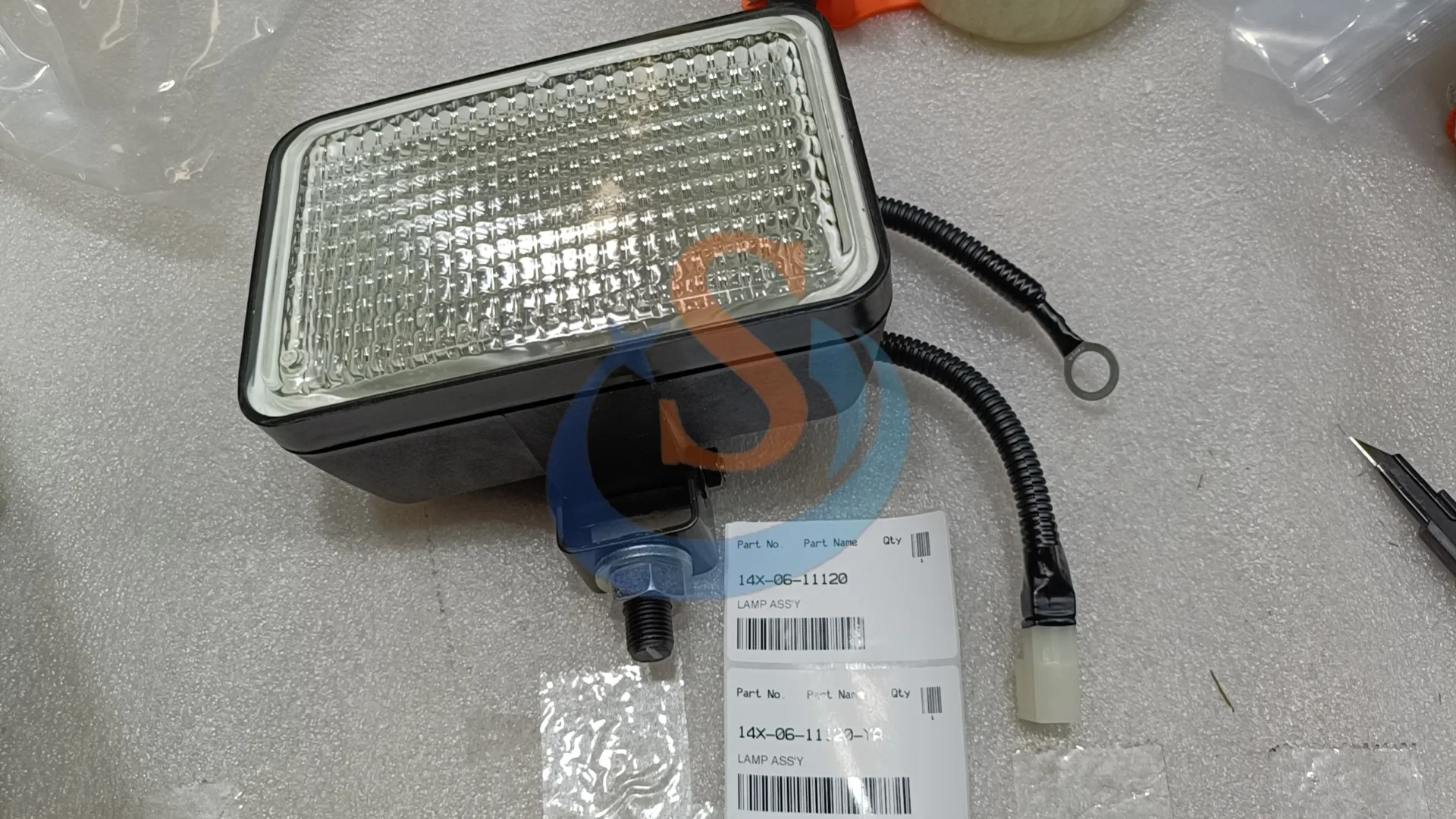 14X-06-11120 WORK LAMP ASS’Y D375A/D155A
 -
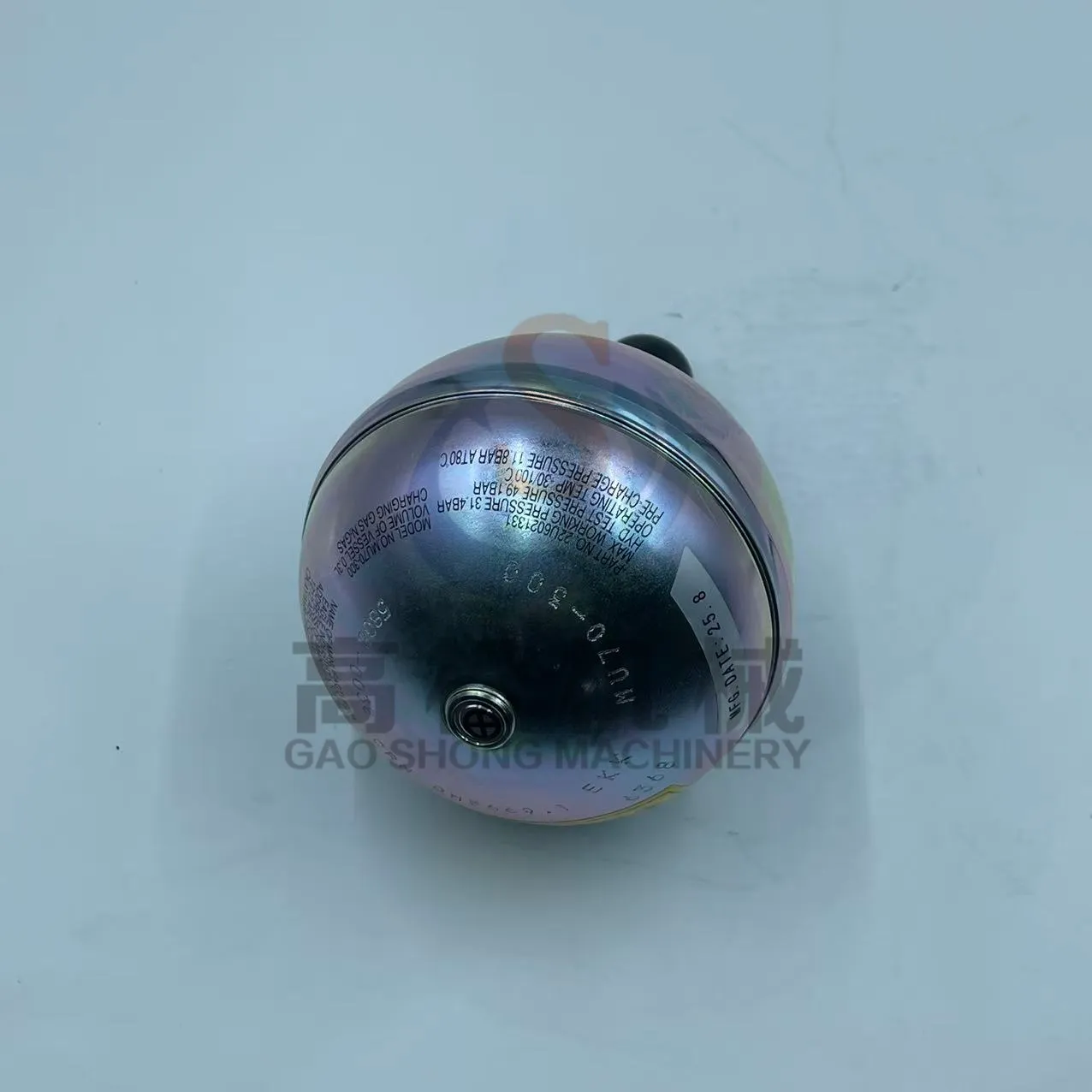 PC210 Excavator Accumulator 22U-60-21331 22U6021331 for Excavator PC300-8 PC350-8 PC130-8 PC200-8 PC220LC-8
 -
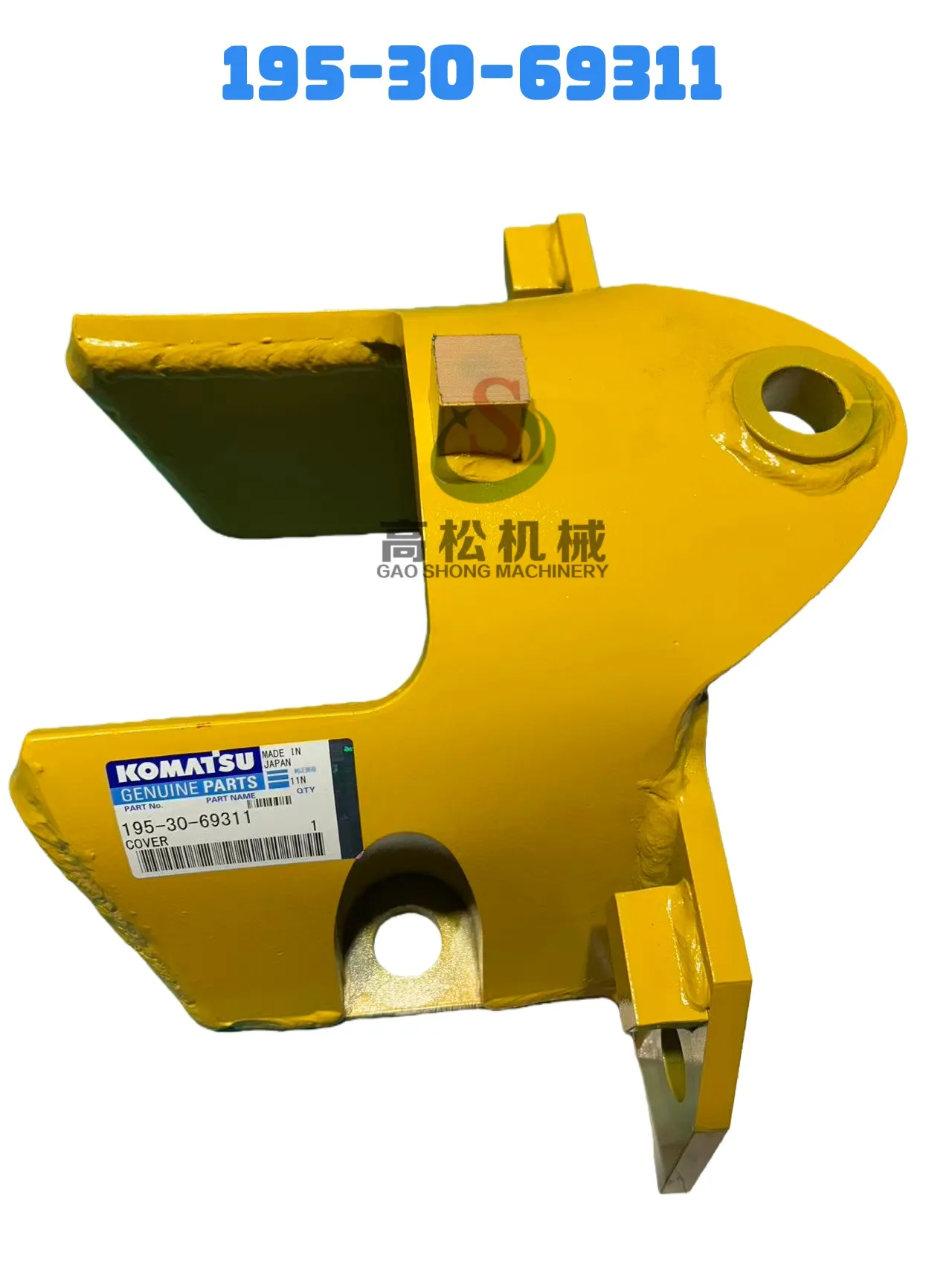 komatsu parts195-30-69311 COVER D375A-5 D375A-6 D375AI-8 D375A-8E0 TRACK FRAME
 -
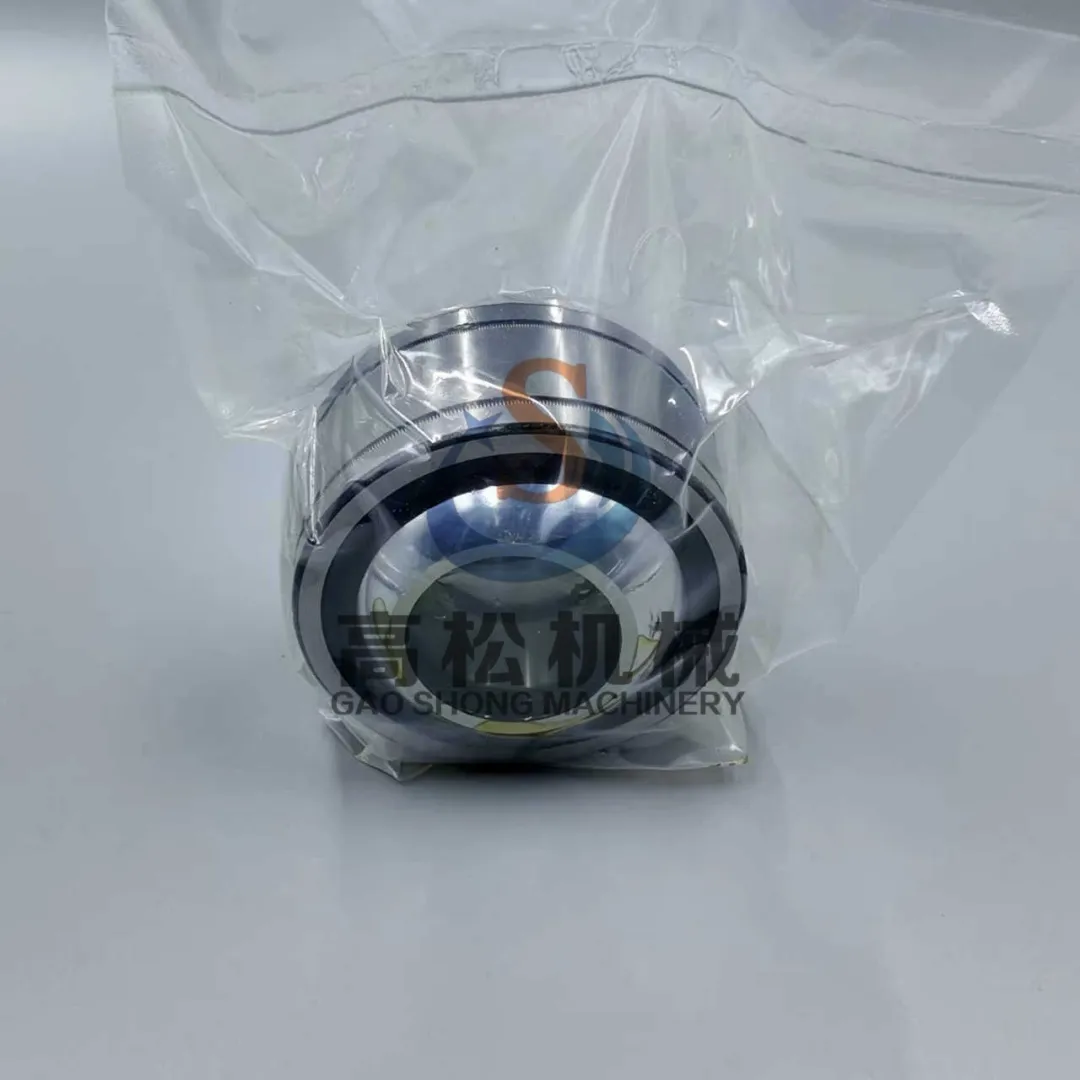 BUSHING 07137-04006 – KOMATSU Part
 -
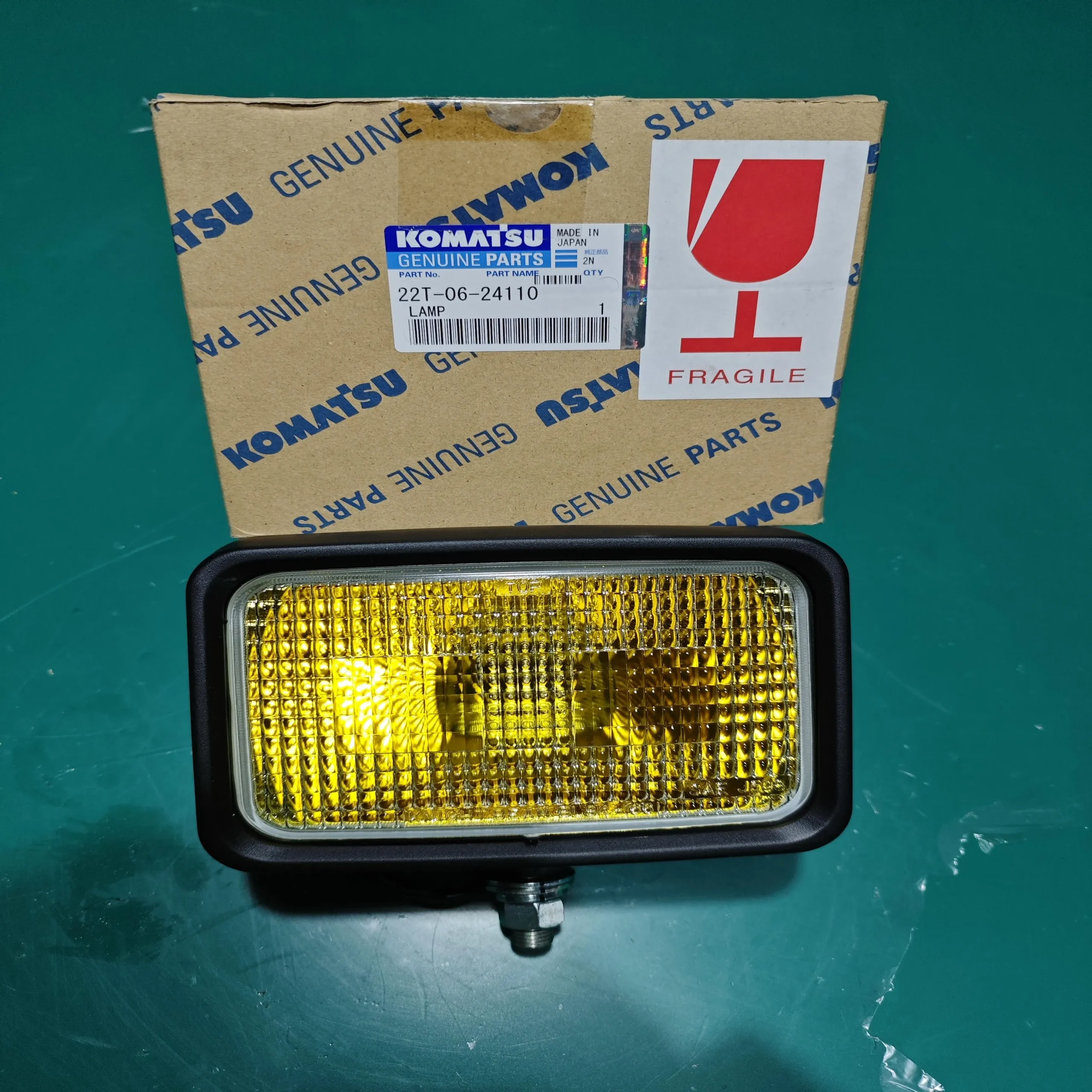 Komatsu HD465/785/HM350/WA155 22T-06-24110 Lamp
 -
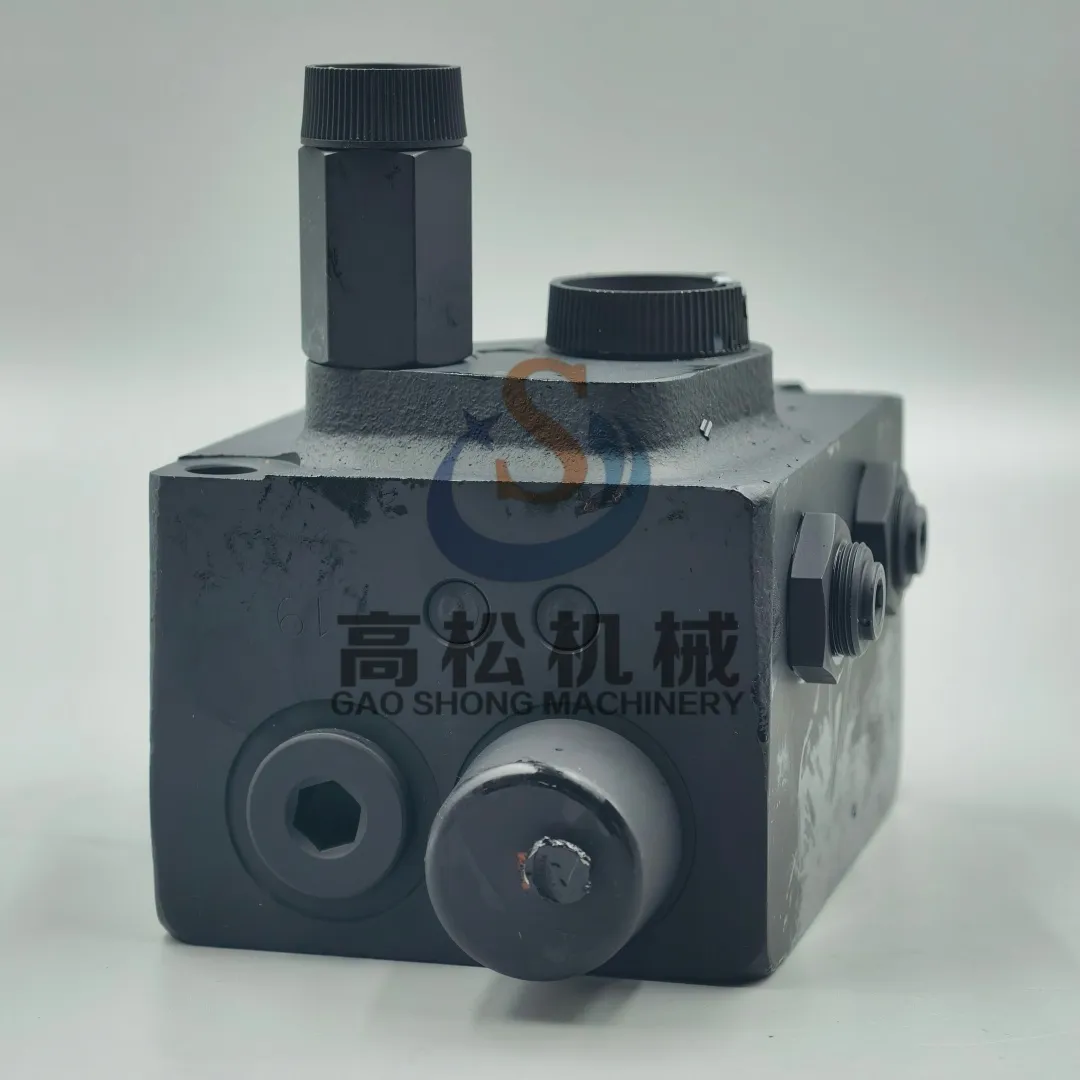 419-43-27401WA320-3 Loader Parts Charge Valve 419-43-27401
 -
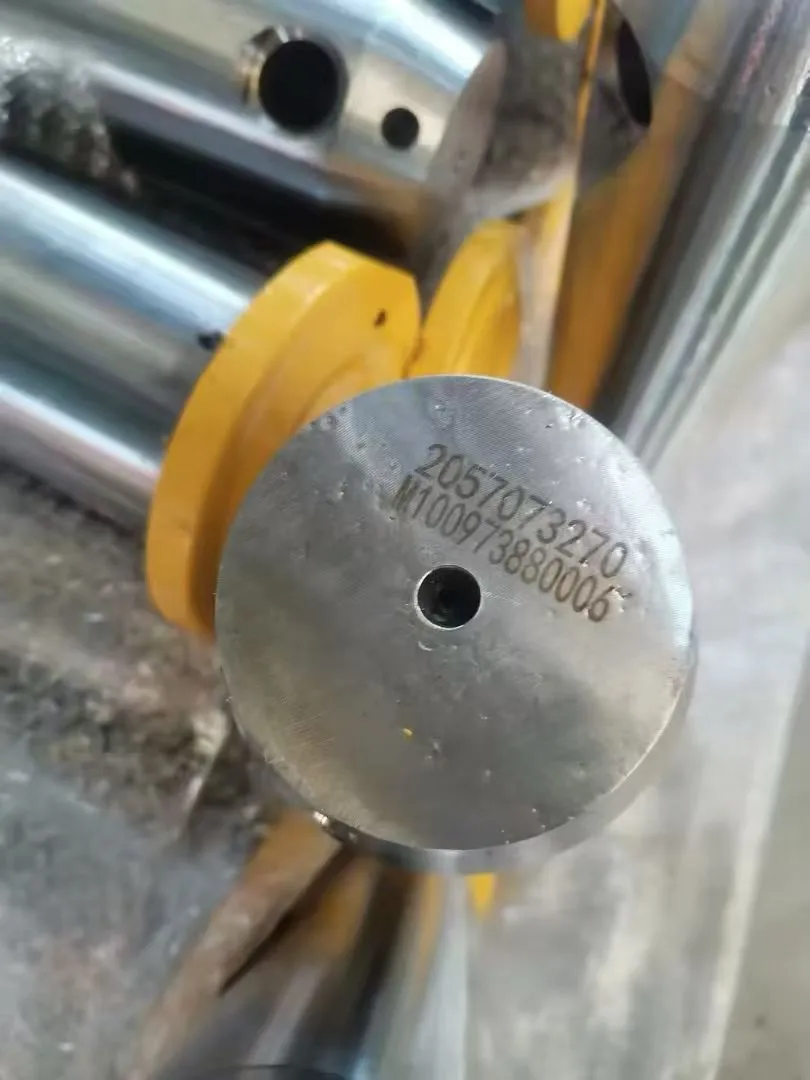 All types of Komatsu original sales pins welcome to inquire
 -
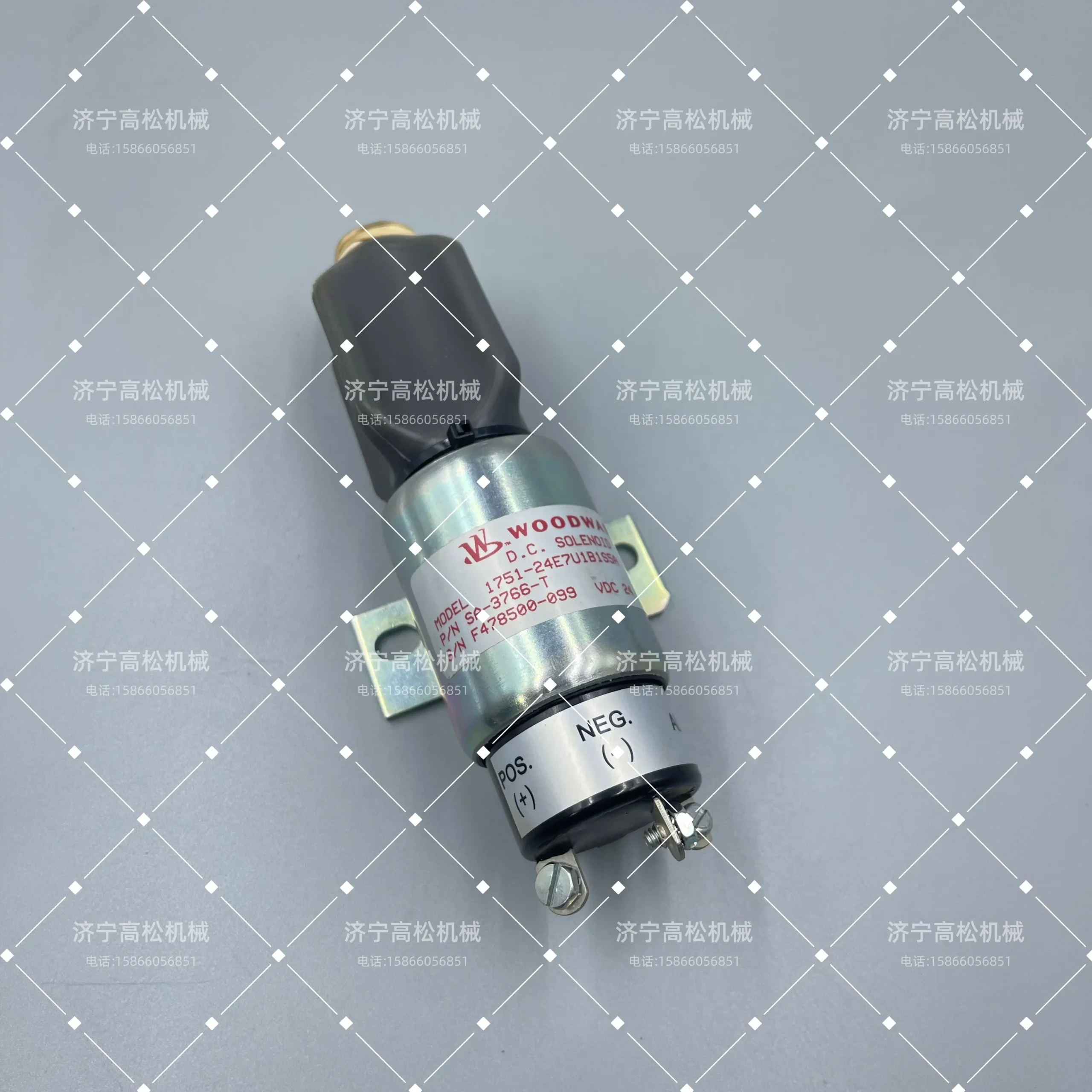 Solenoid Valve 600-815-7550 For Komatsu D41pf-6, High Quality…
Related Search
Related Search- OEM AND ORIGINAL KOMATSU PIN 235-46-45110
- komatsu pc40 7 engine
- komatsu 4d95 engine
- OEM AND ORIGINAL KOMATSU BRACKET 154-71-71340
- OEM AND ORIGINAL KOMATSU PILOT VALVE 702-16-01682
- komatsu pc50uu engine
- OEM AND ORIGINAL KOMATSU PIN 21T-70-11320
- komatsu 25 forklift parts manual
- Komatsu parts catalog
- OEM AND ORIGINAL KOMATSU PLANETARY GEAR 21N-27-31120