
- Chinese
- French
- German
- Portuguese
- Spanish
- Russian
- Japanese
- Korean
- Arabic
- Irish
- Greek
- Turkish
- Italian
- Danish
- Romanian
- Indonesian
- Czech
- Afrikaans
- Swedish
- Polish
- Basque
- Catalan
- Esperanto
- Hindi
- Lao
- Albanian
- Amharic
- Armenian
- Azerbaijani
- Belarusian
- Bengali
- Bosnian
- Bulgarian
- Cebuano
- Chichewa
- Corsican
- Croatian
- Dutch
- Estonian
- Filipino
- Finnish
- Frisian
- Galician
- Georgian
- Gujarati
- Haitian
- Hausa
- Hawaiian
- Hebrew
- Hmong
- Hungarian
- Icelandic
- Igbo
- Javanese
- Kannada
- Kazakh
- Khmer
- Kurdish
- Kyrgyz
- Latin
- Latvian
- Lithuanian
- Luxembou..
- Macedonian
- Malagasy
- Malay
- Malayalam
- Maltese
- Maori
- Marathi
- Mongolian
- Burmese
- Nepali
- Norwegian
- Pashto
- Persian
- Punjabi
- Serbian
- Sesotho
- Sinhala
- Slovak
- Slovenian
- Somali
- Samoan
- Scots Gaelic
- Shona
- Sindhi
- Sundanese
- Swahili
- Tajik
- Tamil
- Telugu
- Thai
- Ukrainian
- Urdu
- Uzbek
- Vietnamese
- Welsh
- Xhosa
- Yiddish
- Yoruba
- Zulu
- Kinyarwanda
- Tatar
- Oriya
- Turkmen
- Uyghur






OEM AND ORIGINAL KOMATSU BEARING 426-46-31320
When someone searches for 'OEM AND ORIGINAL KOMATSU BEARING ', they're usually in a bind. A machine is down, pressure is on, and they need the right part. But that phrase itself—tying OEM and Original together—already hints at the confusion in the market. Is there a difference? In my experience, absolutely. An OEM bearing might come from a certified supplier within Komatsu's system, made to their prints, while 'Original' often implies the box with the Komatsu logo, shipped from the main factory. For a critical component like this bearing in a pump or final drive, that distinction matters more than people think.
The Reality of the in the Field
Let's talk about the specifically. It's not some generic roller bearing you find everywhere. This one goes into demanding applications, often in older or specific Komatsu excavator models. The failure pattern I've seen isn't always catastrophic seizure; it's often premature wear leading to loss of hydraulic pressure or unusual gear noise. When you pull it, the cage might be intact, but the raceways show spalling that shouldn't be there after the machine's hours. That's the first clue: maybe the last replacement wasn't up to spec.
I remember a job in Indonesia where we fought with a recurring failure on a PC300-6. They'd replaced the bearing twice in 18 months, each time with a part sold as original Komatsu. The third time, we dug deeper. The packaging was flawless, the markings were laser-etched, but the steel hardness was off by a few points when we checked it—nothing a casual inspection would catch. It turned out to be a high-grade counterfeit. The lesson? Original on a invoice doesn't guarantee it came from Komatsu's supply chain. This is where a legitimate OEM product supplier within the Komatsu system becomes invaluable, as they have traceability back to the approved manufacturer.
This is precisely the gap companies like Jining Gaosong Construction Machinery Co., Ltd. aim to fill. As an OEM product supplier within the Komatsu system, their role isn't just to sell a box. They provide the technical pedigree. For a bearing like the , they can often verify the production batch and provide the material certificates that match Komatsu's engineering standards. You can check their approach at their portal, https://www.takematsumachinery.com. Their model of also acting as a third-party sales channel makes sense in regions where direct OEM distribution is slow or clogged, directly addressing those parts supply challenges.
Why the OEM Route Isn't Just About Price
A common trap is chasing the lowest price for a critical bearing. I've been guilty of it early in my career, thinking a 40% savings was a win. The bearing that arrived for a order looked perfect, dimensions checked out with calipers. But it failed in under 800 hours. The post-mortem showed inferior grease packing and micro-fractures in the inner ring—likely a heat treatment issue. The downtime cost eclipsed the savings ten times over. An authentic OEM bearing from the proper channel has a controlled manufacturing and lubrication process designed for Komatsu's specific duty cycles.
It's not just about the bearing itself. The kit matters. A genuine or proper OEM-sourced often comes with the correct seals, shims, or locking plates specified for that assembly. Using a bearing alone and reusing old ancillary parts is a shortcut to another failure. I've seen mechanics skip the new seal because it wasn't in the bearing-only package, leading to contamination and a repeat failure. A good supplier understands the assembly context.
This is where the dual role of a company like Jining Gaosong is practical. They're not just a parts warehouse. Their position as part of the system means they understand that a bearing isn't an isolated SKU. They can flag if you need related gaskets or O-rings for that specific application, preventing a callback. It's this practical, field-level knowledge that separates a parts seller from a solutions provider.
Identifying the Real Thing: More Than a Part Number
So how do you vet a ? First, throw out the idea that packaging is the ultimate proof. It's the easiest thing to fake. Focus on the part itself. The marking should be crisp, not stamped or painted on in a way that wears off. The grinding finish on the raceways should be mirror-smooth with a consistent pattern. Most importantly, the paperwork trail. A legitimate supplier should provide, at minimum, a certificate of conformity. If they balk at that, walk away.
Another practical tip: weight. Get a known-good bearing and weigh it. Counterfeits often use cheaper, less dense steel alloys. A weight discrepancy of more than a few percent is a huge red flag. I keep a small digital scale in my tool crib for this exact reason. For the , the weight should be consistent to within a very tight tolerance.
Dealing with specialized suppliers mitigates this hassle. When you source through a recognized channel like the one at takematsumachinery.com, you're buying their reputation. Their business as an OEM product supplier hinges on providing components that don't fail prematurely and cause reputational damage. Their value is in filtering the noise and risk for you, especially in markets flooded with look-alikes.
When Original Supply Chains Break Down
There are legitimate times when the official Original Komatsu part is unobtainable—backorders, discontinued support for older models, or geopolitical trade issues. This is the reality for many fleets outside major markets. In these scenarios, having a trusted OEM bearing source is a lifeline. It's not a compromise; it's a necessary alternative to keep machines running.
I worked on a fleet of older Komatsu dozers in a remote location. The official dealer quoted a 90-day lead time for the . We sourced through a third-party supplier within the Komatsu system, like the model Jining Gaosong operates under. The bearing arrived in 10 days. We installed it with the usual checks, and it's been running for over 5000 hours without a hitch. The key was the supplier's credibility and their ability to navigate the global supply web to solve these exact challenges.
This experience solidified my view. Original is an ideal, but OEM-specification from a verified system partner is the practical, reliable standard for daily operations. It ensures compatibility and durability without the dead ends of a purely centralized distribution model.
Final Take: Spec, Source, and Sanity Check
At the end of the day, the bearing number is just a code. What you're really buying is engineered reliability. The spec is defined by Komatsu. The source should be a vetted partner who respects that spec. The sanity check is your own due diligence: inspect, document, and verify.
Don't get hung up on semantics. Whether it's called OEM, Original, or Genuine, the proof is in the performance and the provenance. A supplier that transparently positions itself within the ecosystem, like Jining Gaosong Construction Machinery Co., Ltd. does, is often more reliable than a faceless online parts aggregator. Their stated mission—to solve parts supply challenges—is exactly what field engineers and fleet managers need to hear.
So next time you need that bearing, look past the keyword. Ask for the data behind the part. A reliable partner won't hesitate to provide it. That's how you keep your machines turning and avoid the costly cycle of premature failure.
Related Products
Related Products

Best Selling Products
Best Selling Products-
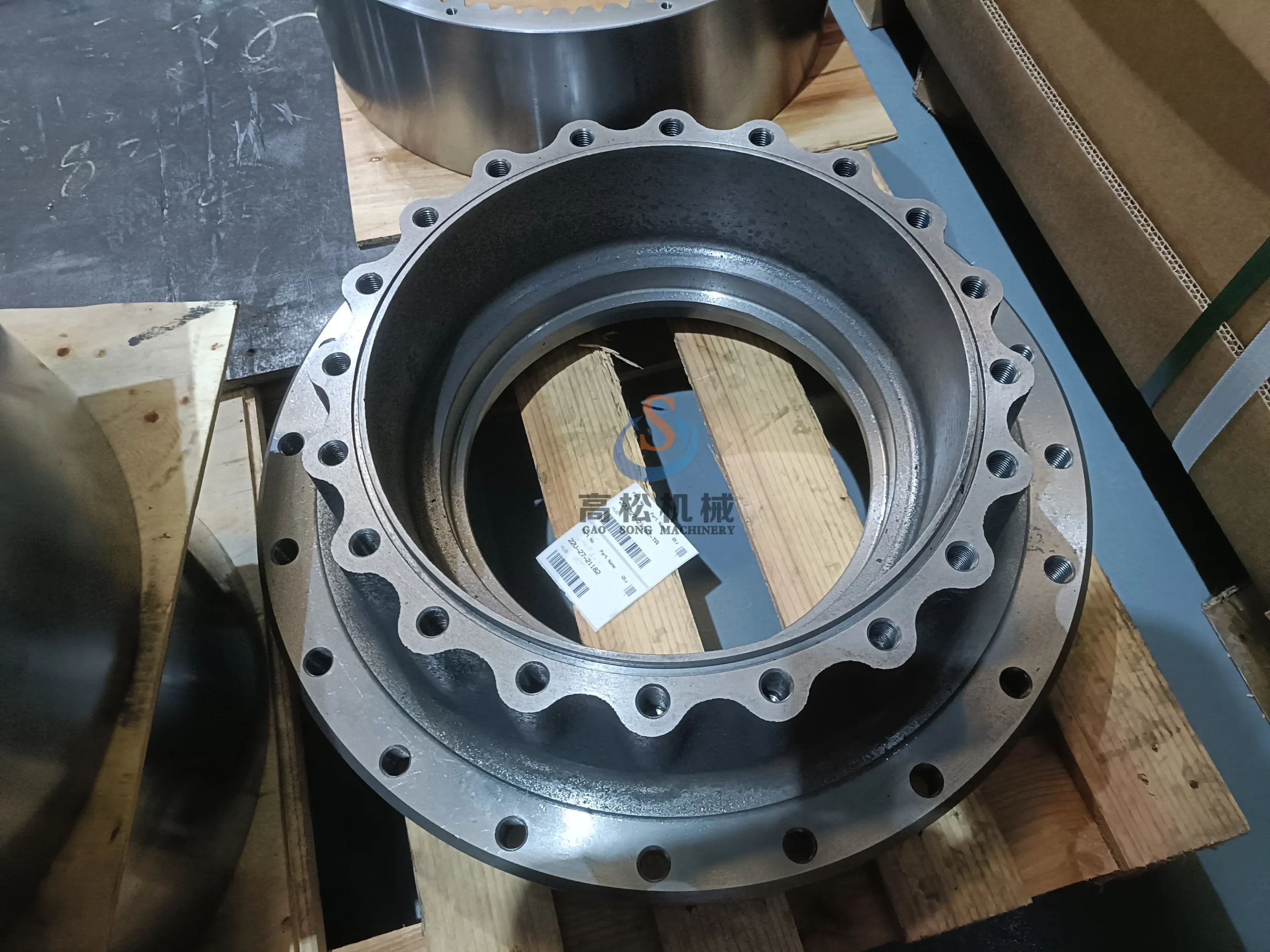 22U-27-21182 komatsu HUB-PC200/PC220/PC228
 -
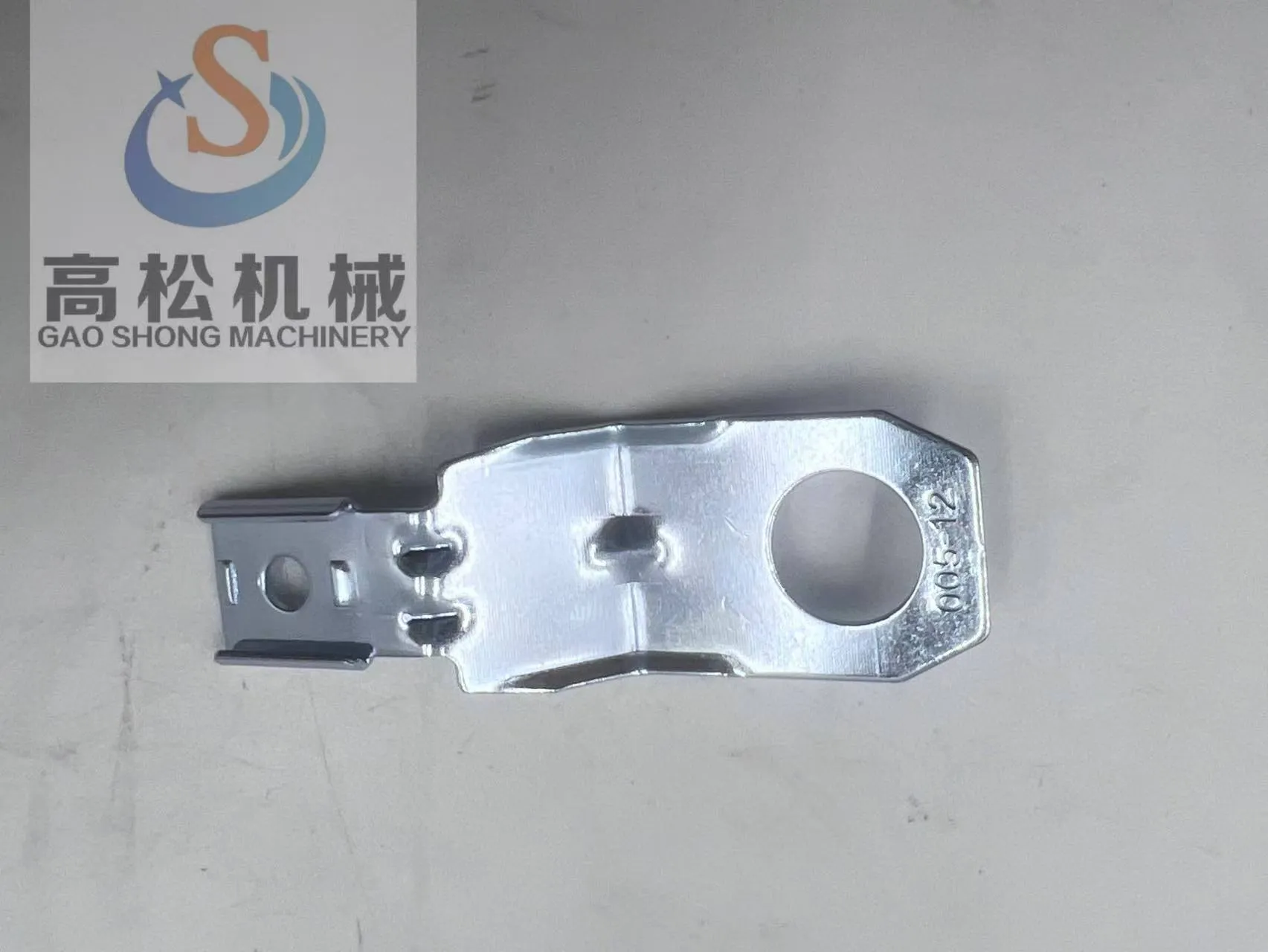 WA200-6 PC350-8 PC200-8用挖掘机接线夹08193-21012
 -
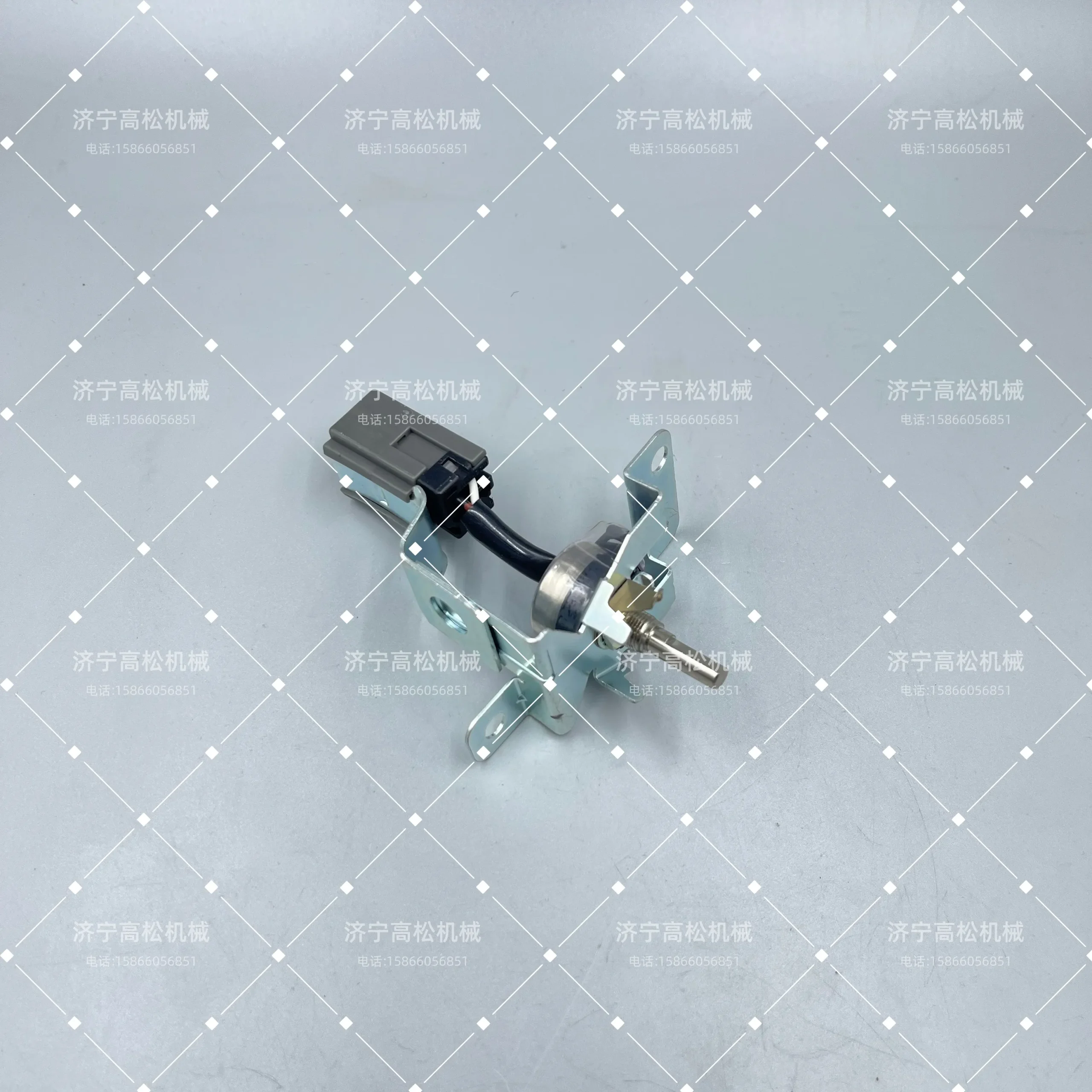 Komatsu PC200-7 PC200-8 Throttle Rotary Knob CAP 22U-06-22420
 -
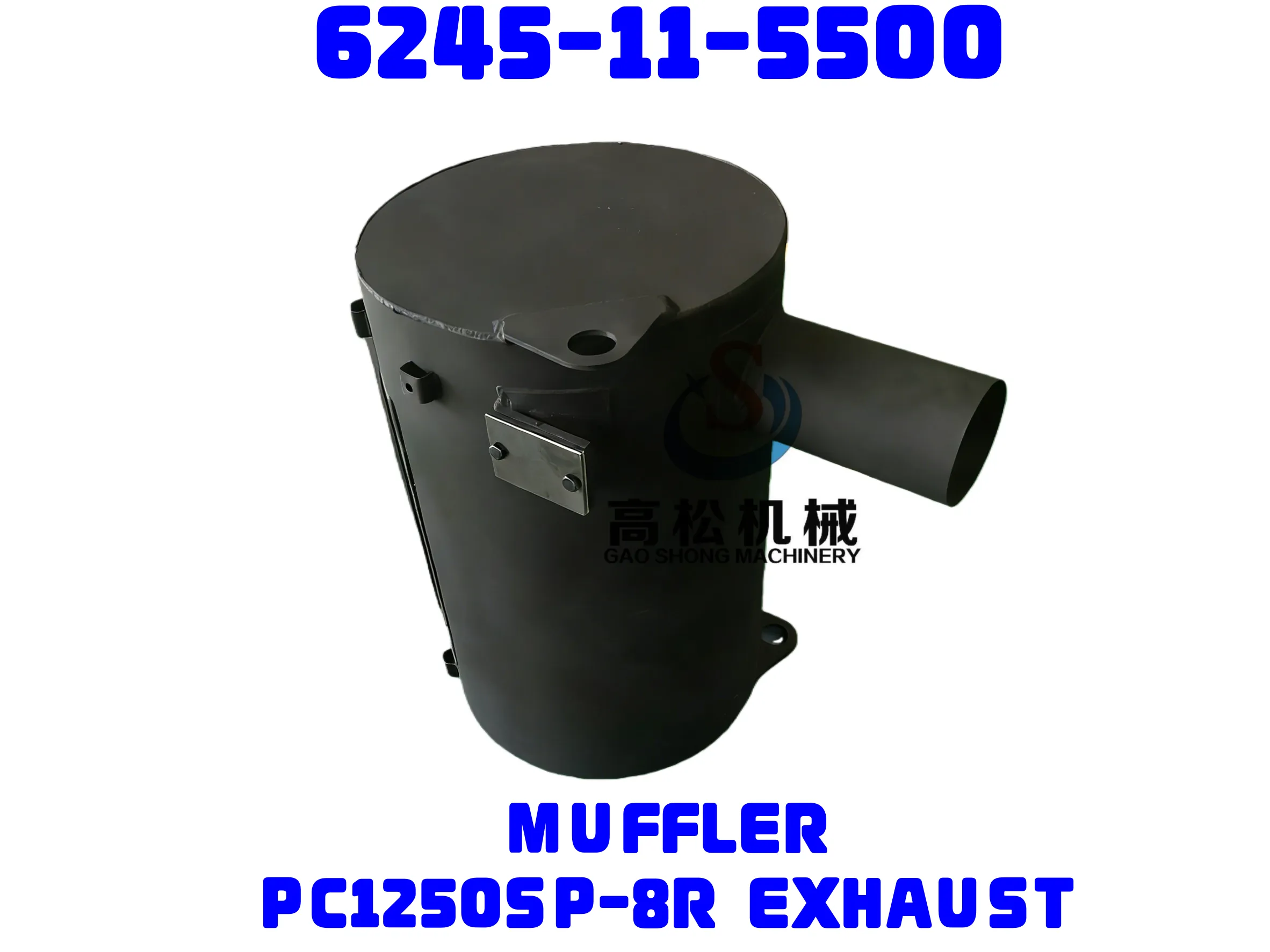 komatsu parts 6245-11-5500 MUFFLER PC1250SP-8R EXHAUST MUFFLER SAA6D170E-5CR-W MUFFLER MOUNTING
 -
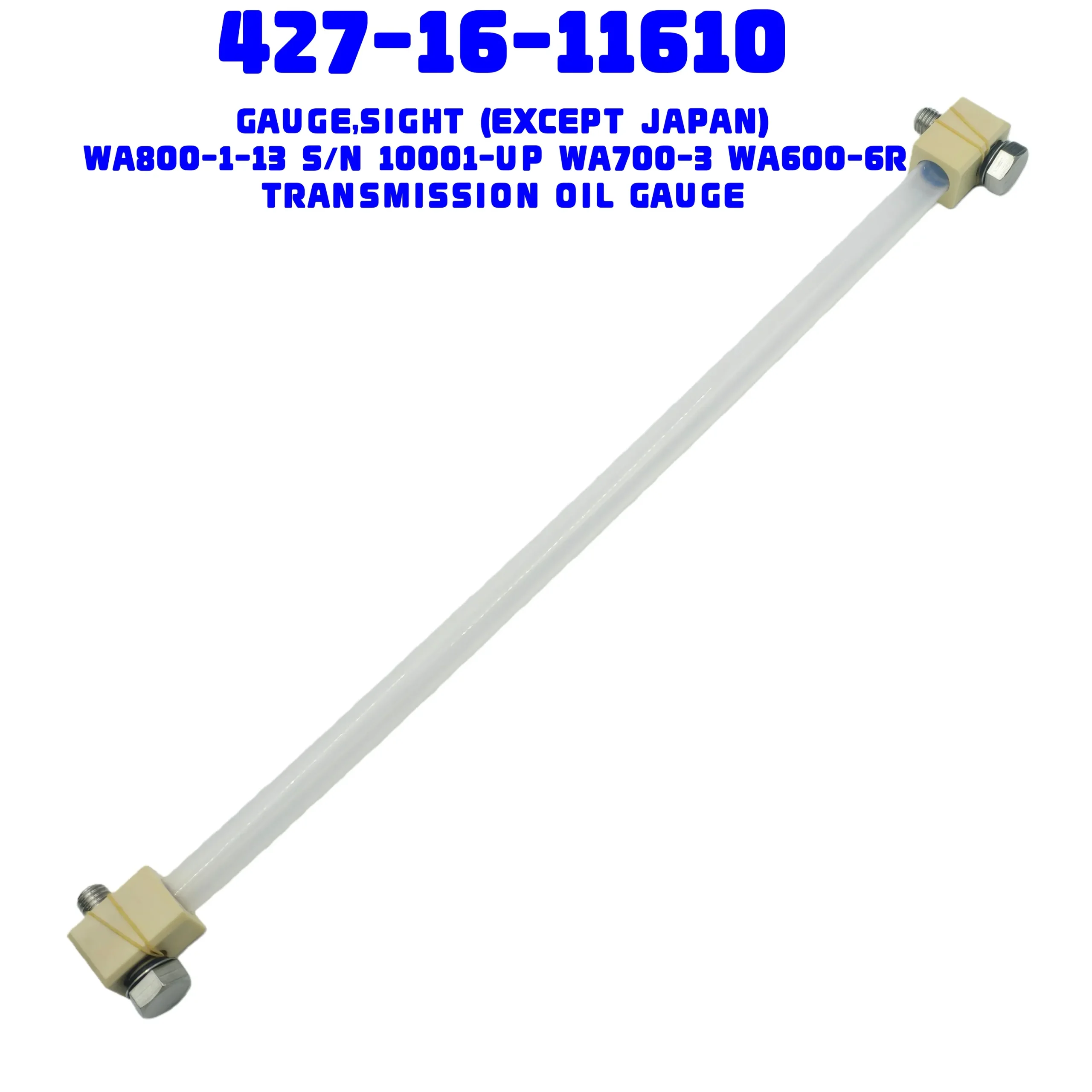 komatsu parts427-16-11610 GAUGE,SIGHT (EXCEPT JAPAN) WA800-1-13 S/N 10001-UP TRANSMISSION OIL GAUGE427-16-11610 GAUGE,SIGHT KOMATSU parts WA1200, WA600, WA700, WA800, WA800L, WA900, WA900L, WD600, WD900
 -
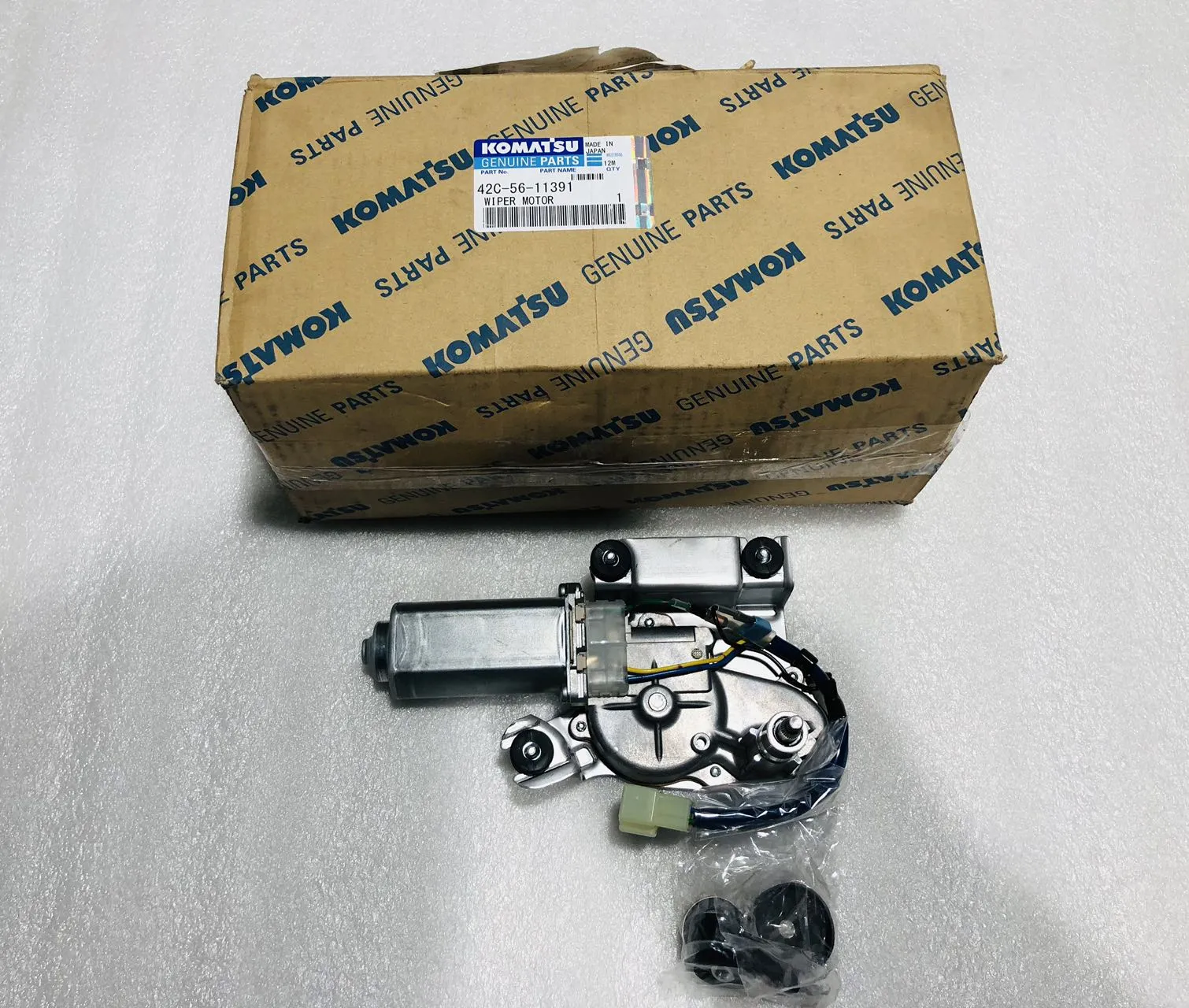 Komatsu grader GD555 wiper motor 42C-56-11391
 -
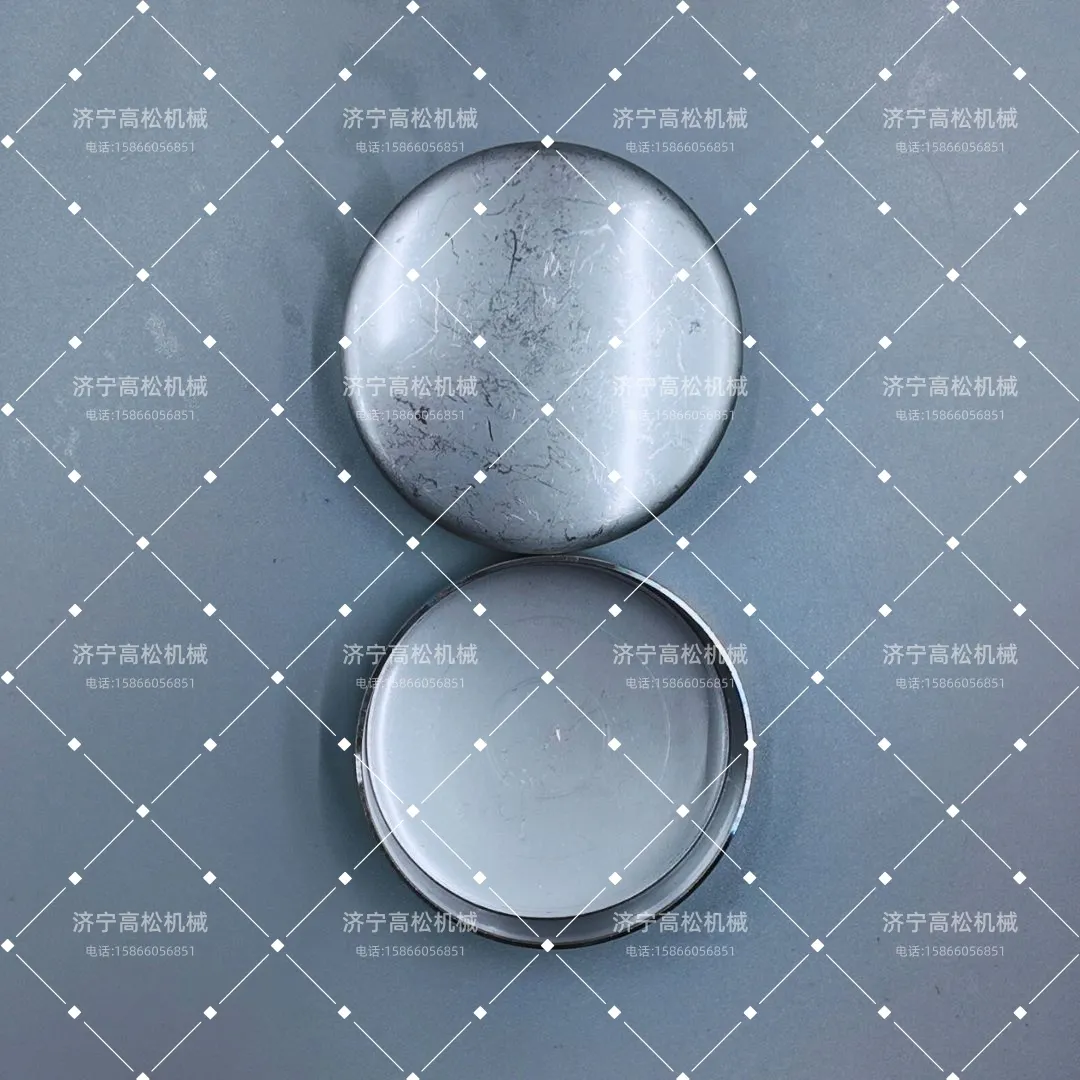 195-49-75280 Komatsu O-ring
 -
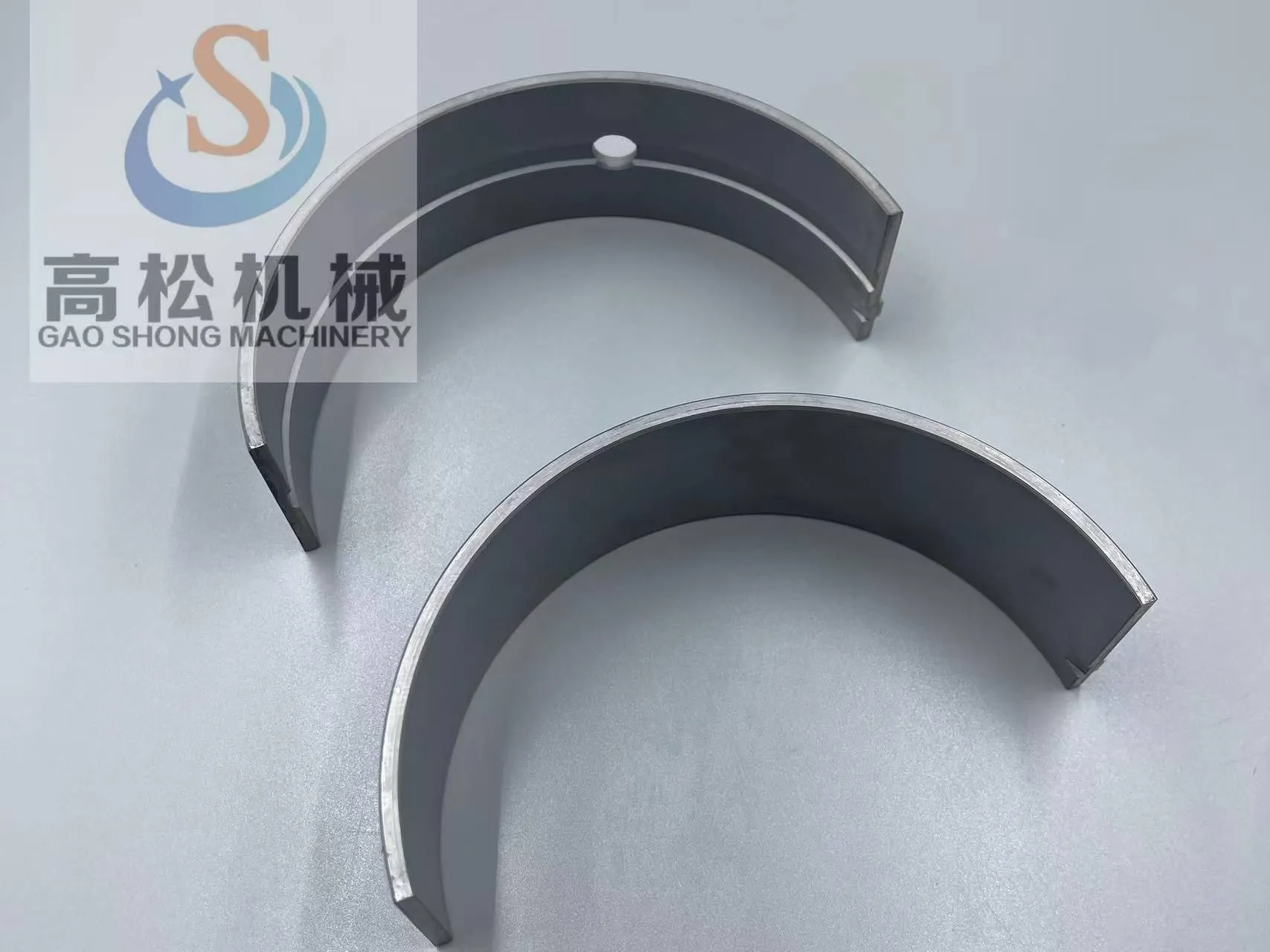 Main bearing of mechanical engine 6162-23-8010, applicable to S6d170 wheel loader, WA600 type Buildozer D375 engine
 -
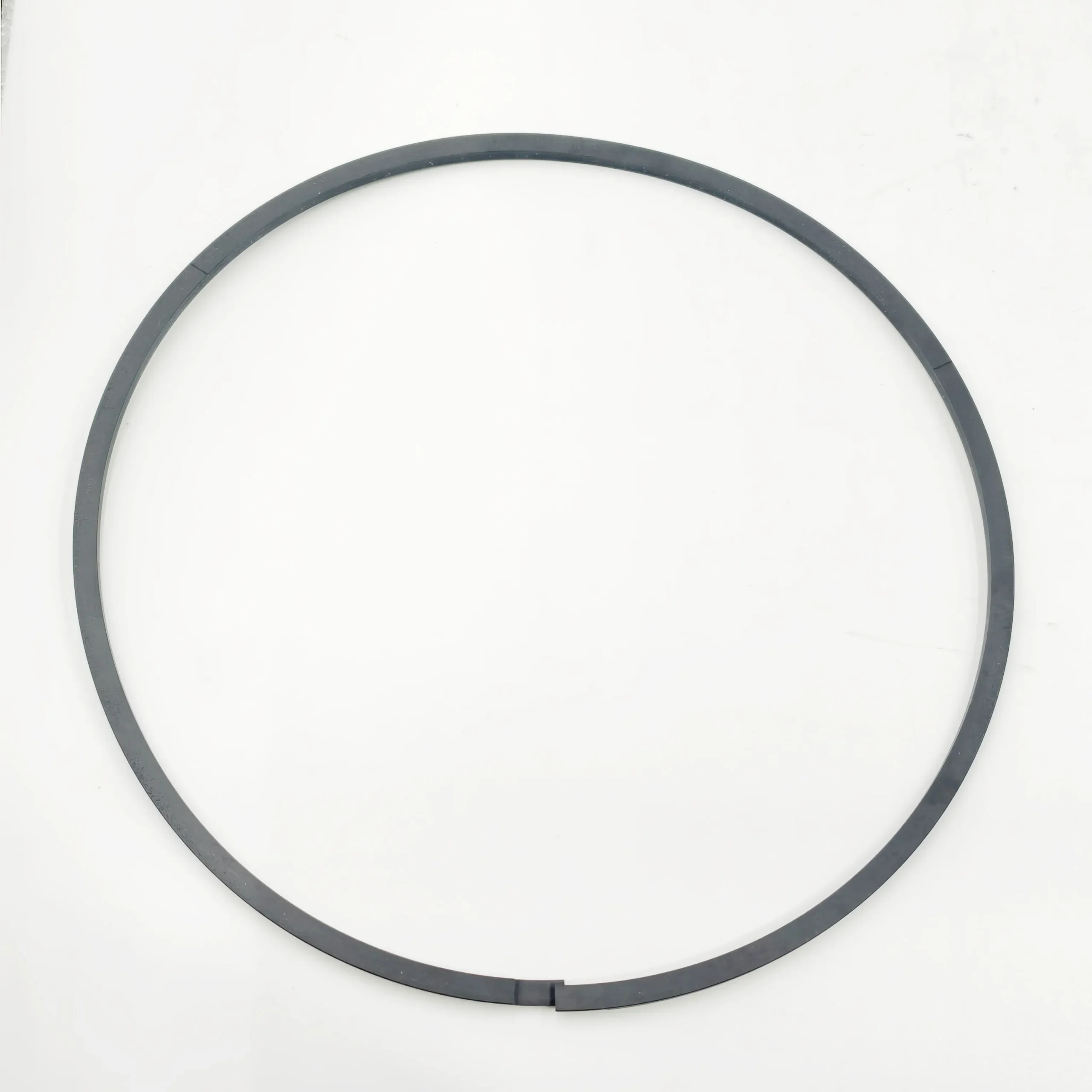 KOMATSU-SEAL RING 14X-15-19210
 -
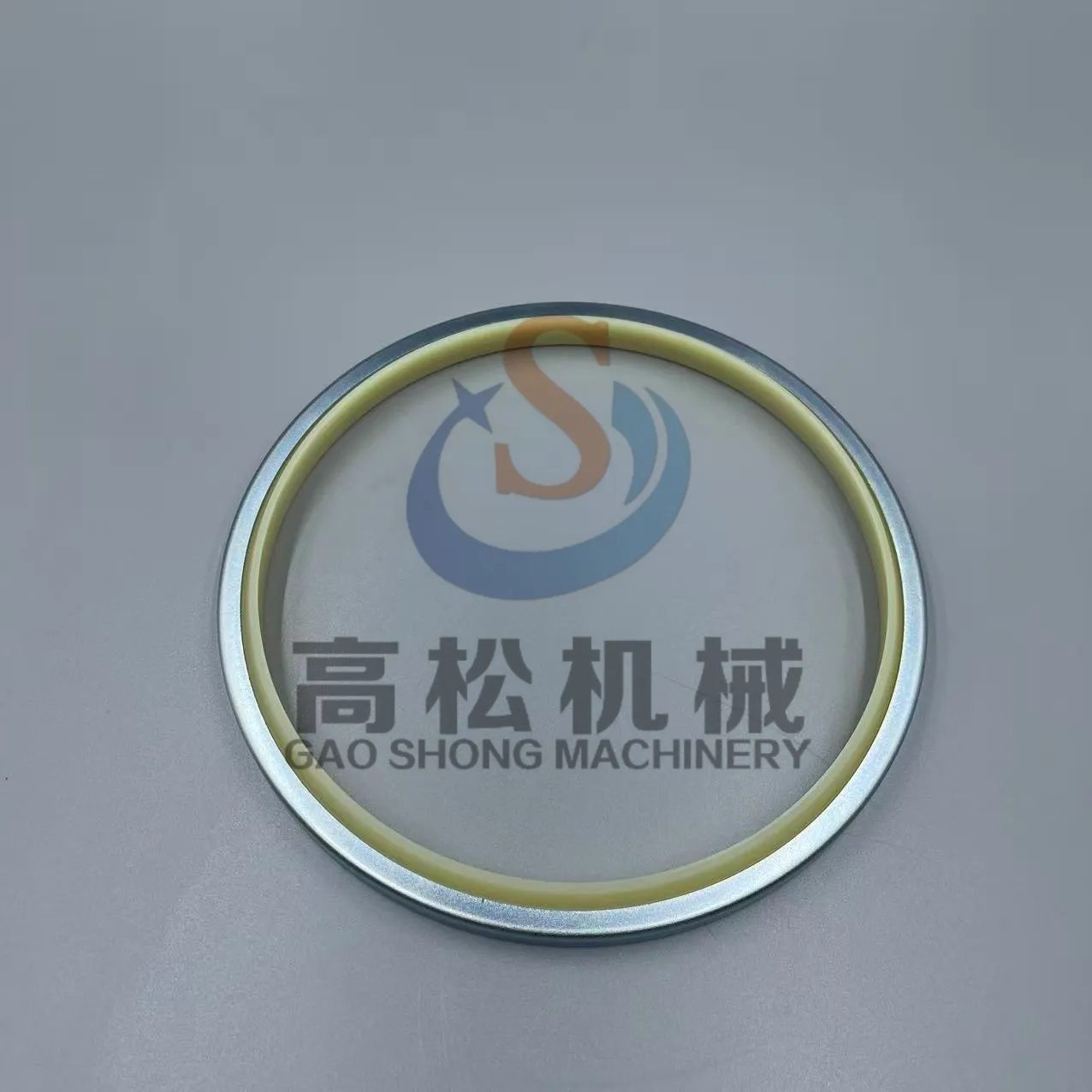 Seal 21N-30-14180 – KOMATSU
 -
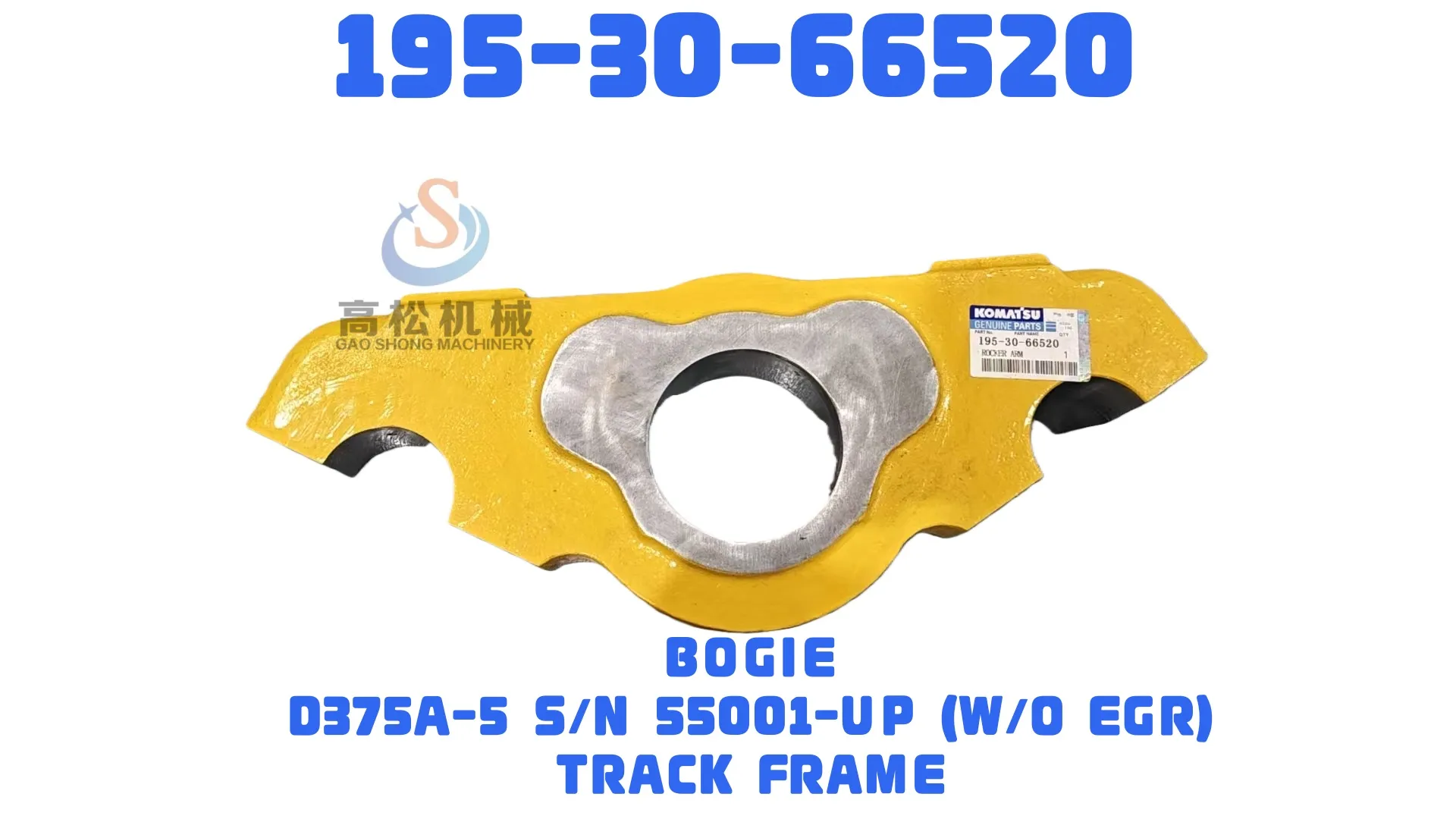 195-30-66520 – Bogie
 -
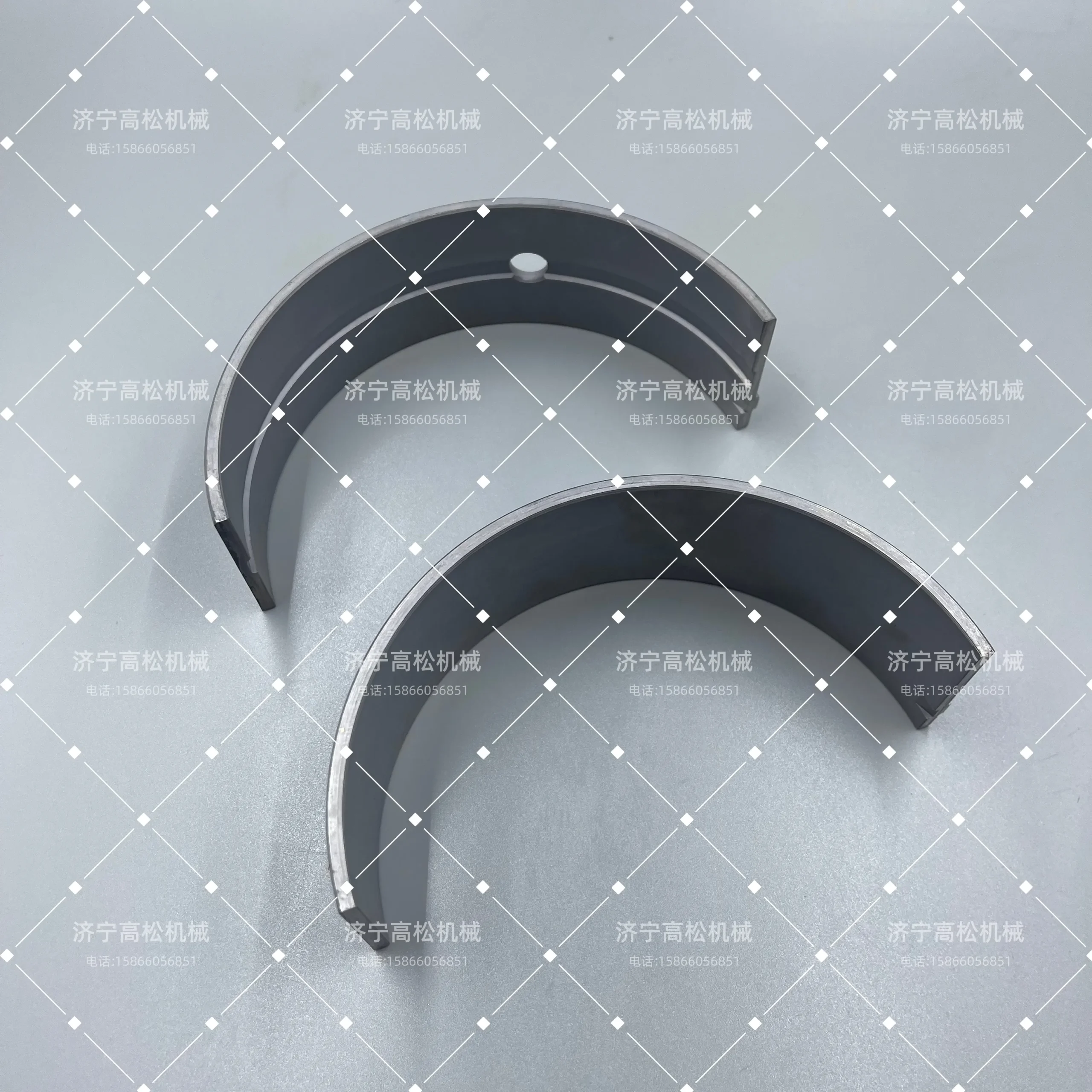 Komatsu Main Bearing STD – 6162-23-8010