
- Chinese
- French
- German
- Portuguese
- Spanish
- Russian
- Japanese
- Korean
- Arabic
- Irish
- Greek
- Turkish
- Italian
- Danish
- Romanian
- Indonesian
- Czech
- Afrikaans
- Swedish
- Polish
- Basque
- Catalan
- Esperanto
- Hindi
- Lao
- Albanian
- Amharic
- Armenian
- Azerbaijani
- Belarusian
- Bengali
- Bosnian
- Bulgarian
- Cebuano
- Chichewa
- Corsican
- Croatian
- Dutch
- Estonian
- Filipino
- Finnish
- Frisian
- Galician
- Georgian
- Gujarati
- Haitian
- Hausa
- Hawaiian
- Hebrew
- Hmong
- Hungarian
- Icelandic
- Igbo
- Javanese
- Kannada
- Kazakh
- Khmer
- Kurdish
- Kyrgyz
- Latin
- Latvian
- Lithuanian
- Luxembou..
- Macedonian
- Malagasy
- Malay
- Malayalam
- Maltese
- Maori
- Marathi
- Mongolian
- Burmese
- Nepali
- Norwegian
- Pashto
- Persian
- Punjabi
- Serbian
- Sesotho
- Sinhala
- Slovak
- Slovenian
- Somali
- Samoan
- Scots Gaelic
- Shona
- Sindhi
- Sundanese
- Swahili
- Tajik
- Tamil
- Telugu
- Thai
- Ukrainian
- Urdu
- Uzbek
- Vietnamese
- Welsh
- Xhosa
- Yiddish
- Yoruba
- Zulu
- Kinyarwanda
- Tatar
- Oriya
- Turkmen
- Uyghur






OEM AND ORIGINAL KOMATSU BEARING 426-46-12167
When you see a part number like , especially attached to a Komatsu bearing, the immediate assumption in many shops is that original and OEM are the same thing. That's where the trouble often starts. In my experience, they're not interchangeable terms, and confusing them can lead to costly downtime. The OEM AND ORIGINAL KOMATSU BEARING is a perfect case study. An original part comes through Komatsu's official channels, with all the traceability and price tag that implies. An OEM part, however, is made by a factory authorized by Komatsu to produce that exact specification, but it might reach the market through different supply paths. This distinction isn't academic; it's about availability, cost, and sometimes, navigating grey areas to keep a machine running.
The Reality of the in the Field
This particular bearing isn't some obscure component; you'll find it in the final drives and swing circles of older but still widely operational models like the PC300 or PC400. The challenge is, Komatsu's official network might phase out or have intermittent stock for such parts in certain regions. I've been in situations where the official dealer quoted a 12-week lead time. You can't tell a contractor to park a 40-ton excavator for three months. That's when you start looking at the OEM supply chain.
This is where a company like Jining Gaosong Construction Machinery Co., Ltd. comes into the picture. They operate precisely in that space they describe: an OEM product supplier within the Komatsu system. Finding their site, https://www.takematsumachinery.com, was a relief during one particular procurement headache. Their model—acting as both an OEM supplier and a third-party sales channel—addresses the very parts supply challenges in certain countries they mention. It's not just marketing talk; it's a real operational gap they fill.
The bearing you get from such a source should be, in theory, identical to the one in a Komatsu box. It should have the same metallurgy, the same precision grinding on the raceways, and the same sealing specifications. But should be is the operative phrase. I've seen bearings with the stamp that had subtle differences in the rubber compound of the seals, making them less tolerant to extreme heat. It wasn't a failure out of the box, but it showed up in the machine's service logs about 400 hours earlier than expected.
Verifying Authenticity and Navigating Risk
So, how do you mitigate that risk? It's not about avoiding OEM parts—that's often impractical. It's about verification. First, packaging. A proper OEM part from a legitimate supplier like Gaosong won't come in a plain white box. It should have factory codes, batch numbers, and often, the OEM manufacturer's own branding alongside the Komatsu part number. The bearing itself should be coated in a proper rust-inhibitive grease, not a cheap, watery oil.
The most telling detail is often the stamping. The should be laser-etched or chemically etched cleanly, not stamped so deeply it creates a stress riser. I recall a batch where the font was slightly off—the 4 looked different. That was a red flag. We cross-referenced with a known-good original bearing from a decommissioned machine and found dimensional variances in the inner bore on a micrometer. That batch was rejected.
This process isn't foolproof. Sometimes you have to make a judgment call based on the supplier's reputation and the machine's criticality. For a non-critical application, a well-vetted OEM part is a smart economic choice. For a bearing taking full load in a final drive, the risk calculus changes. I've learned to keep at least one certified original Komatsu bearing on the shelf for such critical roles, using OEM parts for less strenuous applications or as temporary fixes.
Case in Point: A Hydraulic Contamination Saga
Let me give you a concrete example. A client had a PC300-6 with a failing swing bearing. The official channel was backlogged. We sourced an OEM from a supplier, which included Gaosong in the vetting chain. The physical bearing looked impeccable. The installation went smoothly. But within 50 hours, the hydraulic system started showing contamination spikes.
After a frustrating diagnostic process, we traced it back to the new bearing's integral seal. It was ever-so-slightly less pliable than the original. Under the high cyclical load of swinging, it allowed a minimal amount of external grit to ingress, which then found its way into the hydraulic system via a shared cavity. The bearing itself was fine, but a secondary effect caused a major problem. The lesson? It's not just the bearing's load capacity. Every interface, especially seals, must be considered. We solved it by replacing just the seal with a higher-grade aftermarket one from a different supplier, but it was an expensive lesson in system thinking.
This incident reinforced why the OEM AND ORIGINAL distinction matters. An original part is validated as a complete system component. An OEM part is validated to the print, but sometimes the validation of its interaction with adjacent systems isn't as comprehensive. You, as the technician, inherit that system integration responsibility.
The Supplier's Role and Practical Sourcing
This is why the profile of a supplier is crucial. A company stating they are an OEM product supplier within the Komatsu system is making a specific claim. It suggests direct access to the authorized manufacturing pipeline, not just a warehouse of reverse-engineered parts. When I engage with such suppliers, my first questions are about origin factories and compliance certificates. Can they provide material certifications? A reputable one usually can.
For the , asking these questions filters out the noise. Many third-party sellers just move generic inventory. A true specialist will know this bearing's common failure modes—often spalling on the lower raceway due to inadequate lubrication—and might even offer advice on pre-installation checks. The Jining Gaosong Construction Machinery website explicitly mentions solving supply challenges, which indicates they understand the logistical pain points, not just the transactional ones.
In practice, my sourcing checklist now includes: 1) Verify supplier's stated OEM relationship (ask for specific factory names), 2) Insist on detailed product imagery before shipment, focusing on stamping and sealing, 3) For critical applications, order with a lead time that allows for dimensional verification upon arrival, and 4) Always, always check the seal compatibility with your machine's specific service environment.
Concluding Thoughts: A Matter of Informed Choice
There's no universal right answer between OEM and original for the Komatsu bearing . It's a spectrum of cost, risk, and availability. Dismissing OEM parts outright is naive and expensive. Blindly trusting any part with the right number is reckless. The professional approach is informed pragmatism.
The value of specialized suppliers in this ecosystem is immense. They provide an alternative route that keeps capital equipment working. Their success, and yours in using them, hinges on transparency and technical diligence. It's less about buying a part and more about managing a technical supply chain risk.
So, when you next search for , look beyond the keywords. Look for the context the supplier provides, the evidence of provenance, and align that with your application's demands. The goal isn't to find the cheapest part or the most official one; it's to find the most reliable solution for the machine's duty cycle, and that often lies in the nuanced space between OEM and original.
Related Products
Related Products

Best Selling Products
Best Selling Products-
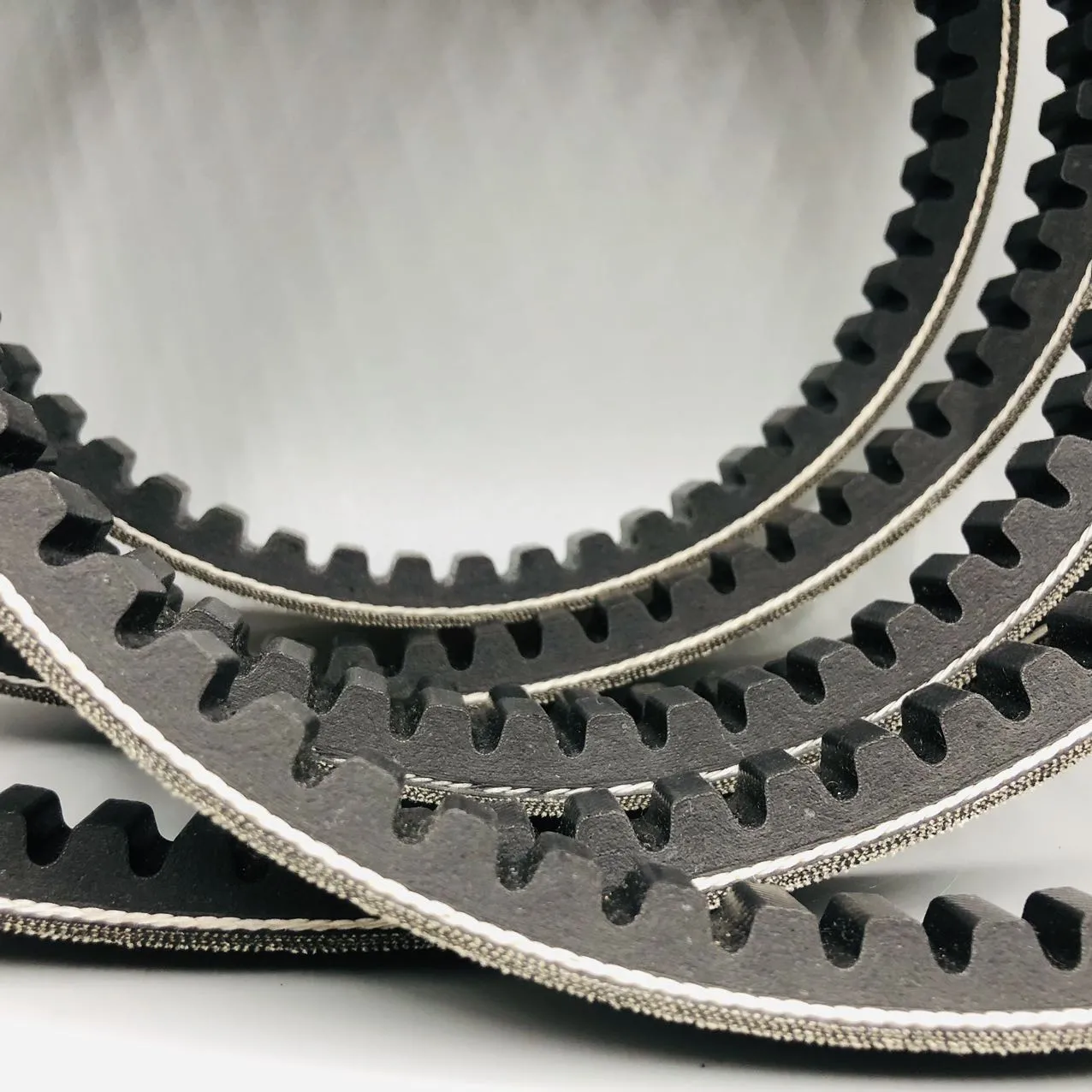 Komatsu mechanical belt6219-61-3420
 -
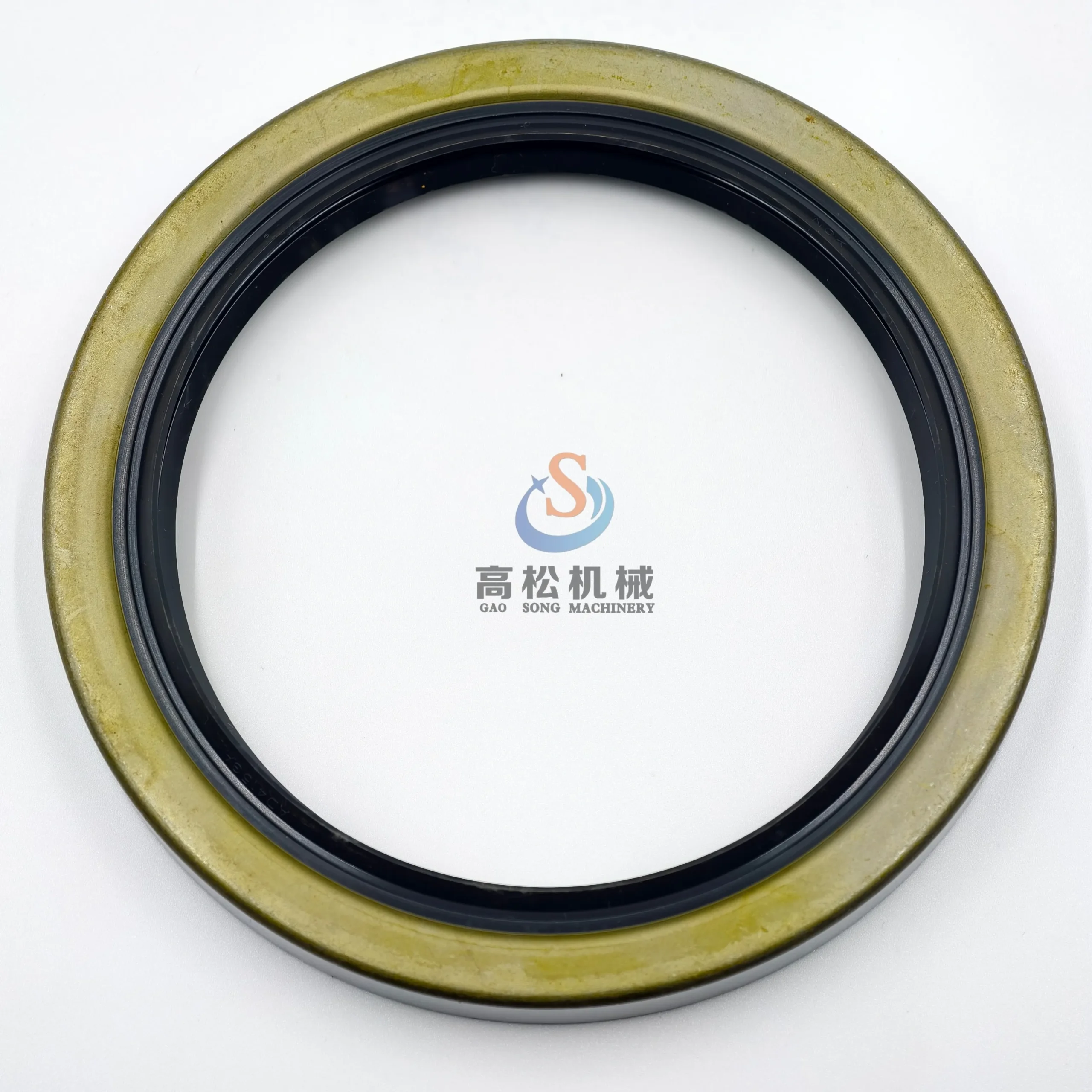 425-20-15740 komatsu-parts SEAL,OIL
 -
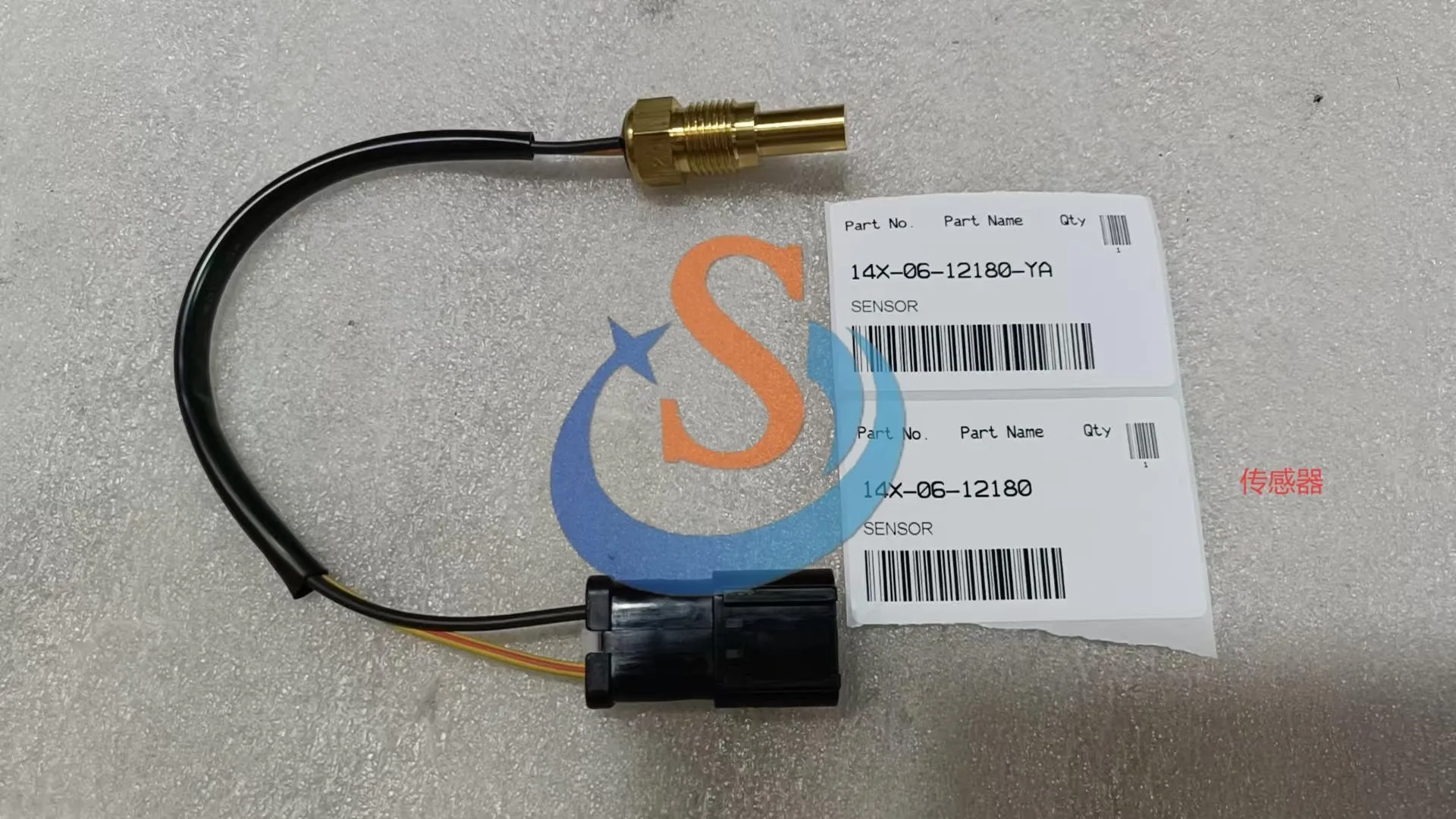 14X-06-12180 SENSOR D65/D85/D155A
 -
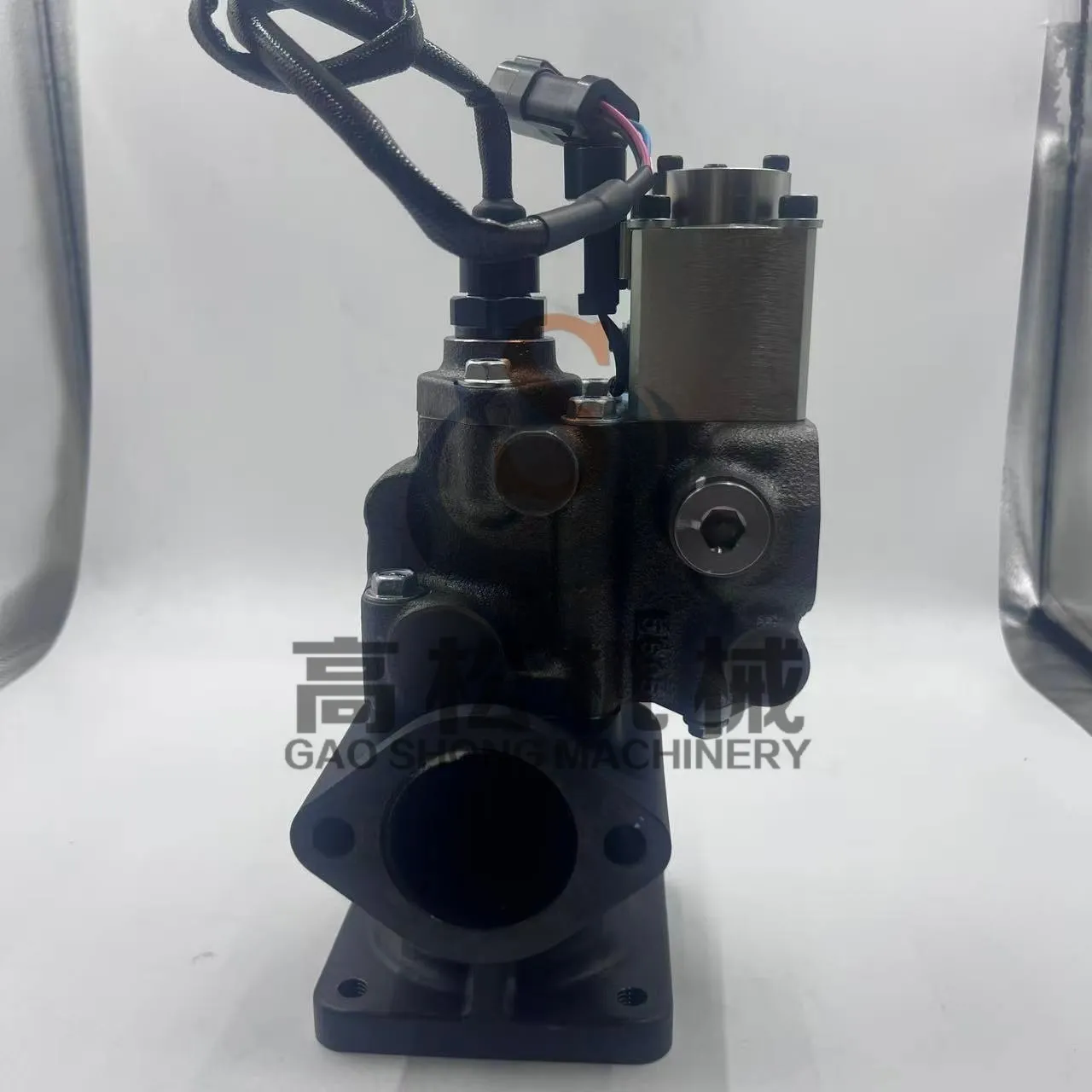 6261-41-9500 Komatsu Valve Assembly
 -
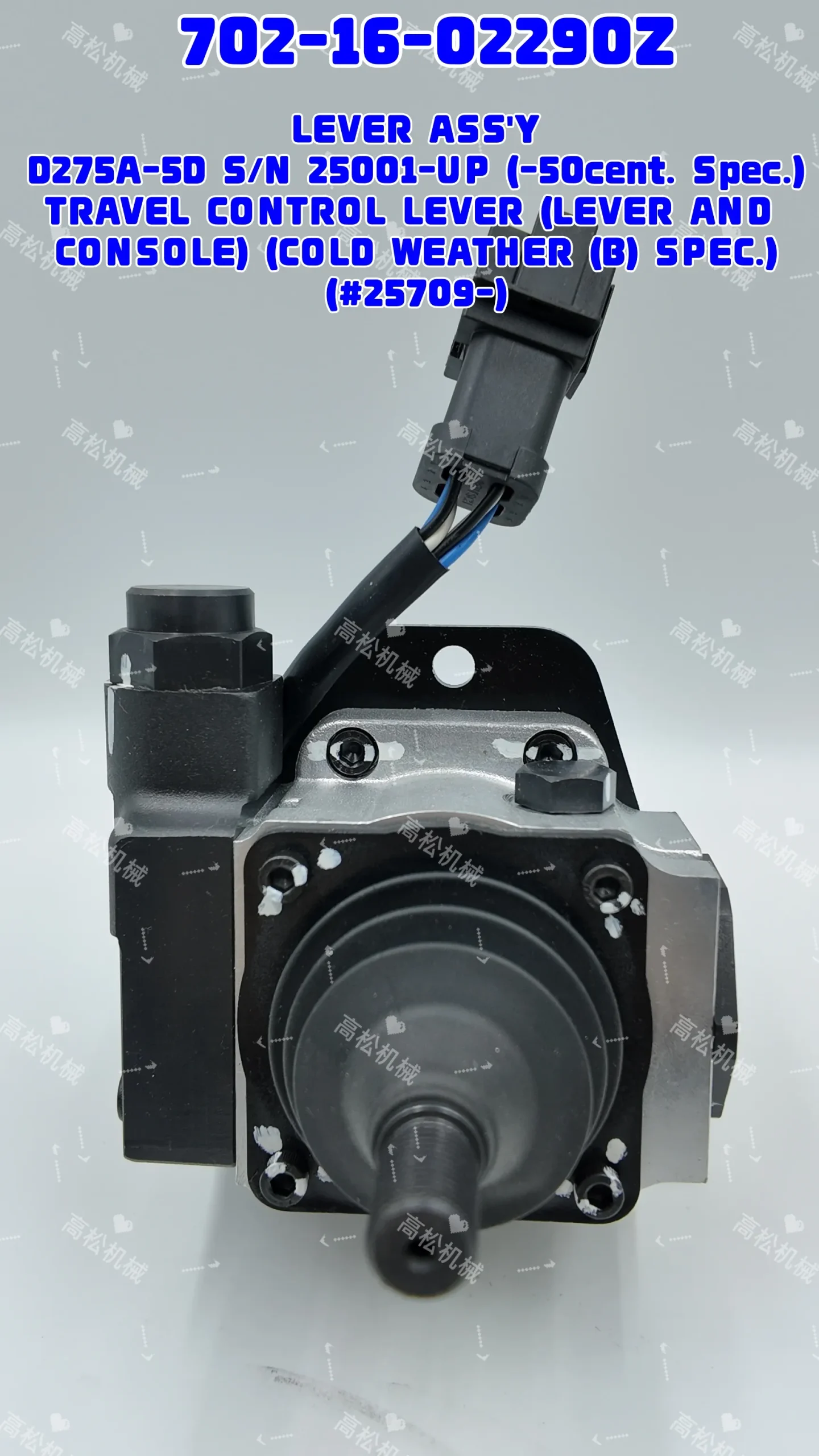 komatsu-part-702-16-02290 LEVER ASS’Y D65PX-15E0 D155AX-6 D155AX-8 D275A-5R D85EXI-18 FLOOR FRAME, TRAVEL CONTROL LEVER FLOOR FRAME, LEVER ROPS CAB, PCCS (PALM COMMAND CONTROL SYSTEM) LEVER
 -
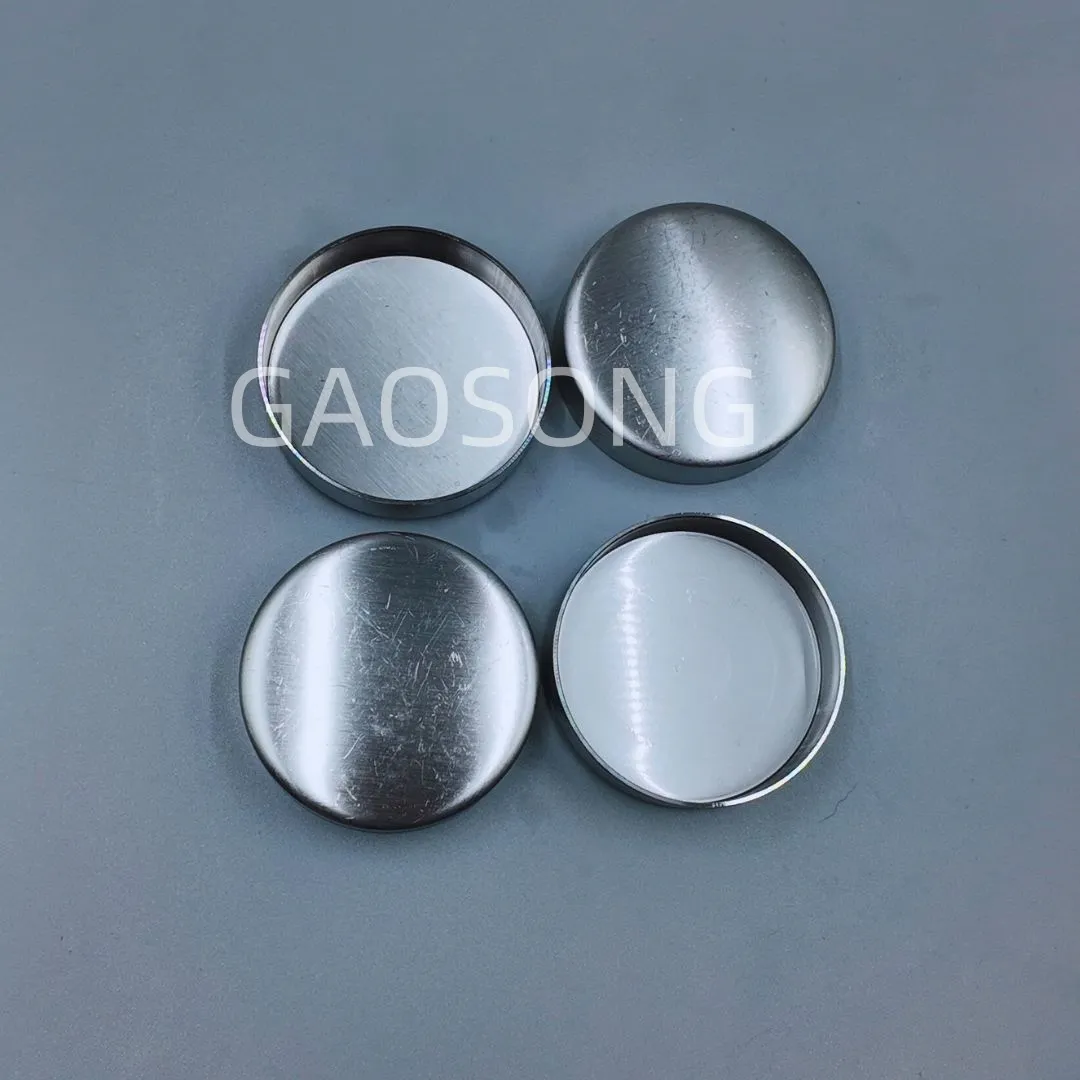 195-49-75280 O-ring–Komatsu Original Factory
 -
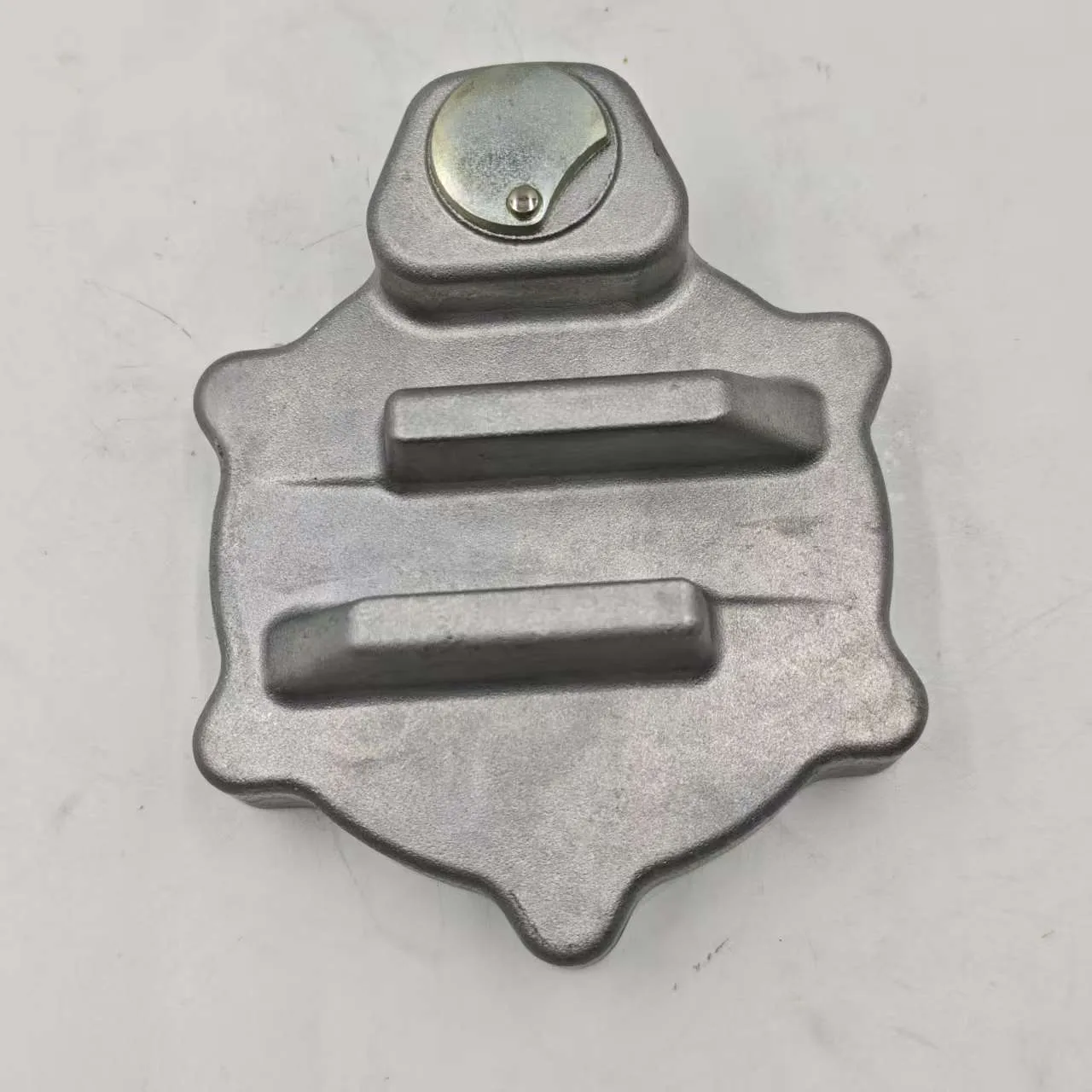 07053-10000 Cap-Radiator Fits KOMATSUU Models
 -
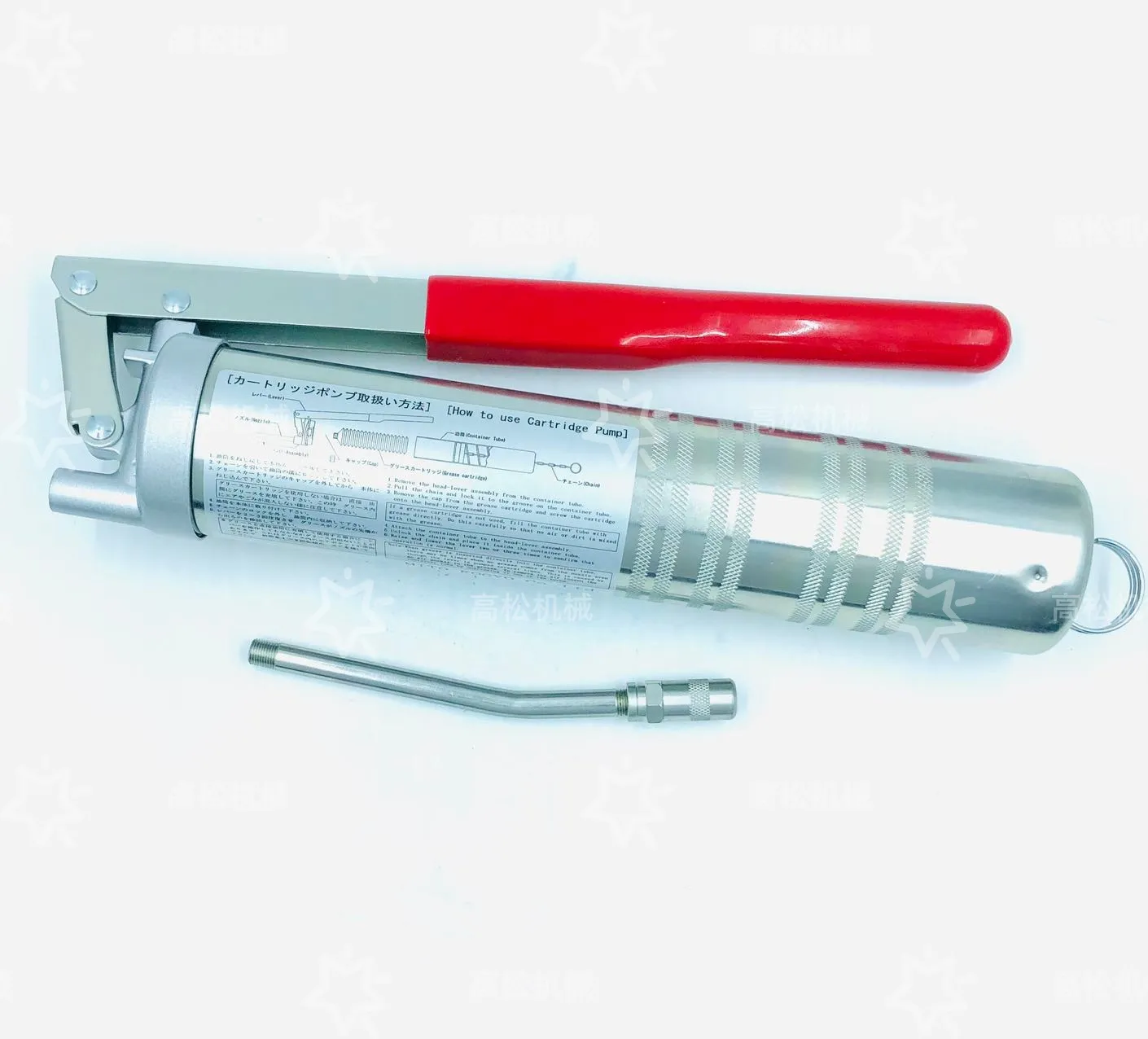 HM400 GREASE PUMP 07952-70014 07952-70004 For Komatsu Original
 -
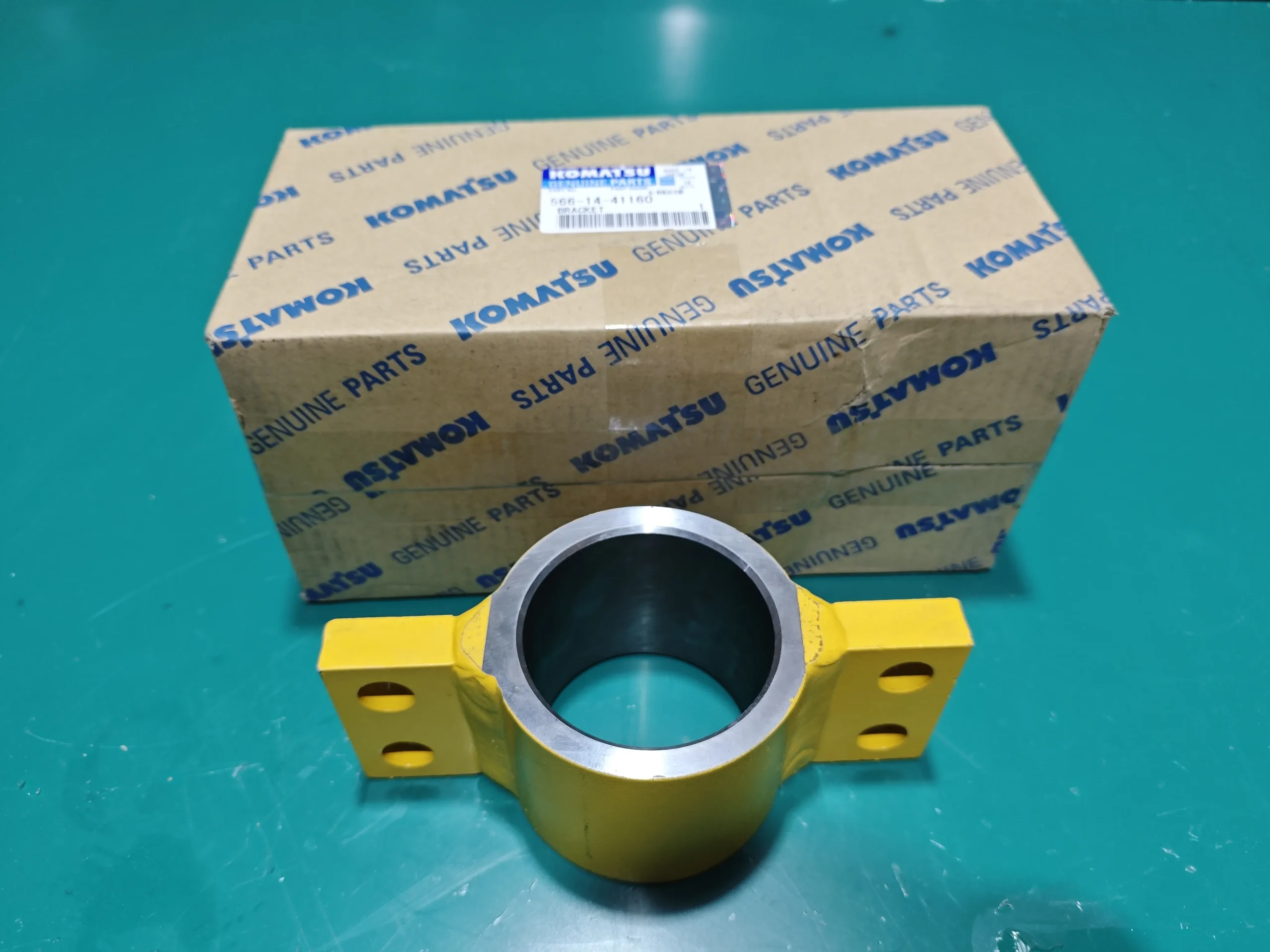 UrParts – Komatsu – Loader Parts – WA600-1H – 566-14-41160…
 -
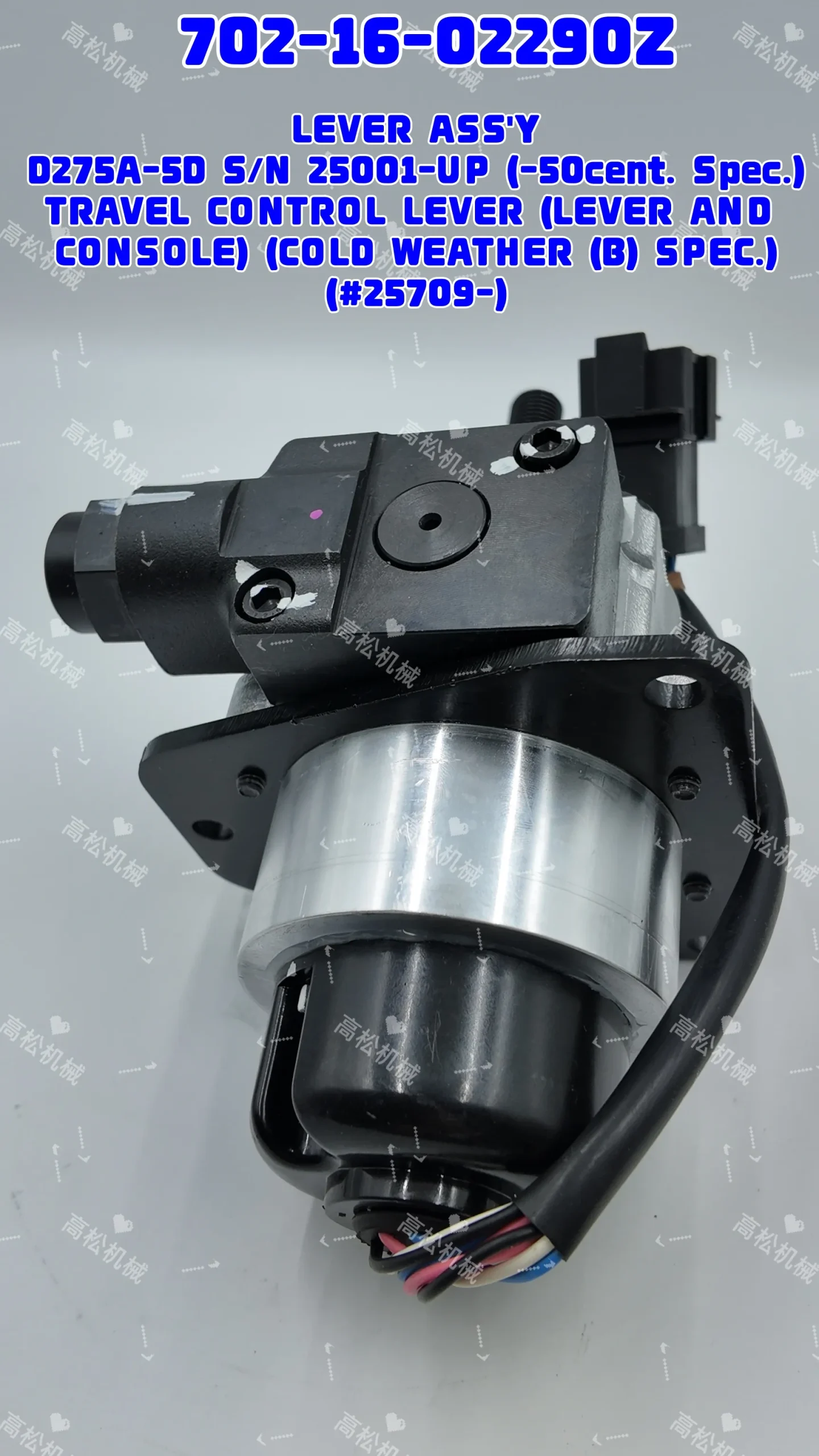 702-16-02290 Original Lever Assy for Bulldozer D275A-5r D65ex-16 D65px D155ax-6 in Stock
 -
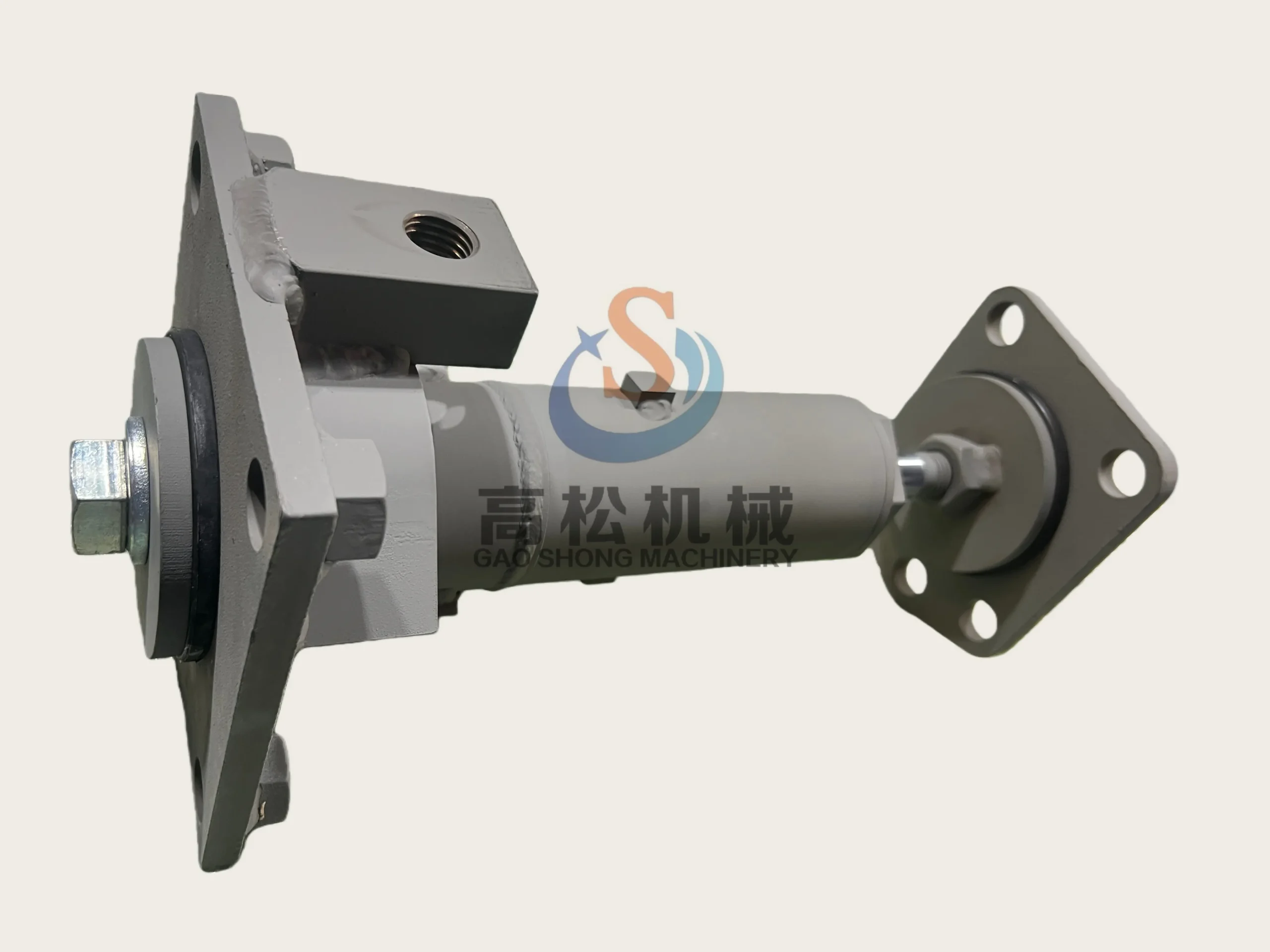 SUSPENSION ASS’Y 17A-54-16201 D155AX-3 D155AX-3 FLOOR FRAME MOUNT
 -
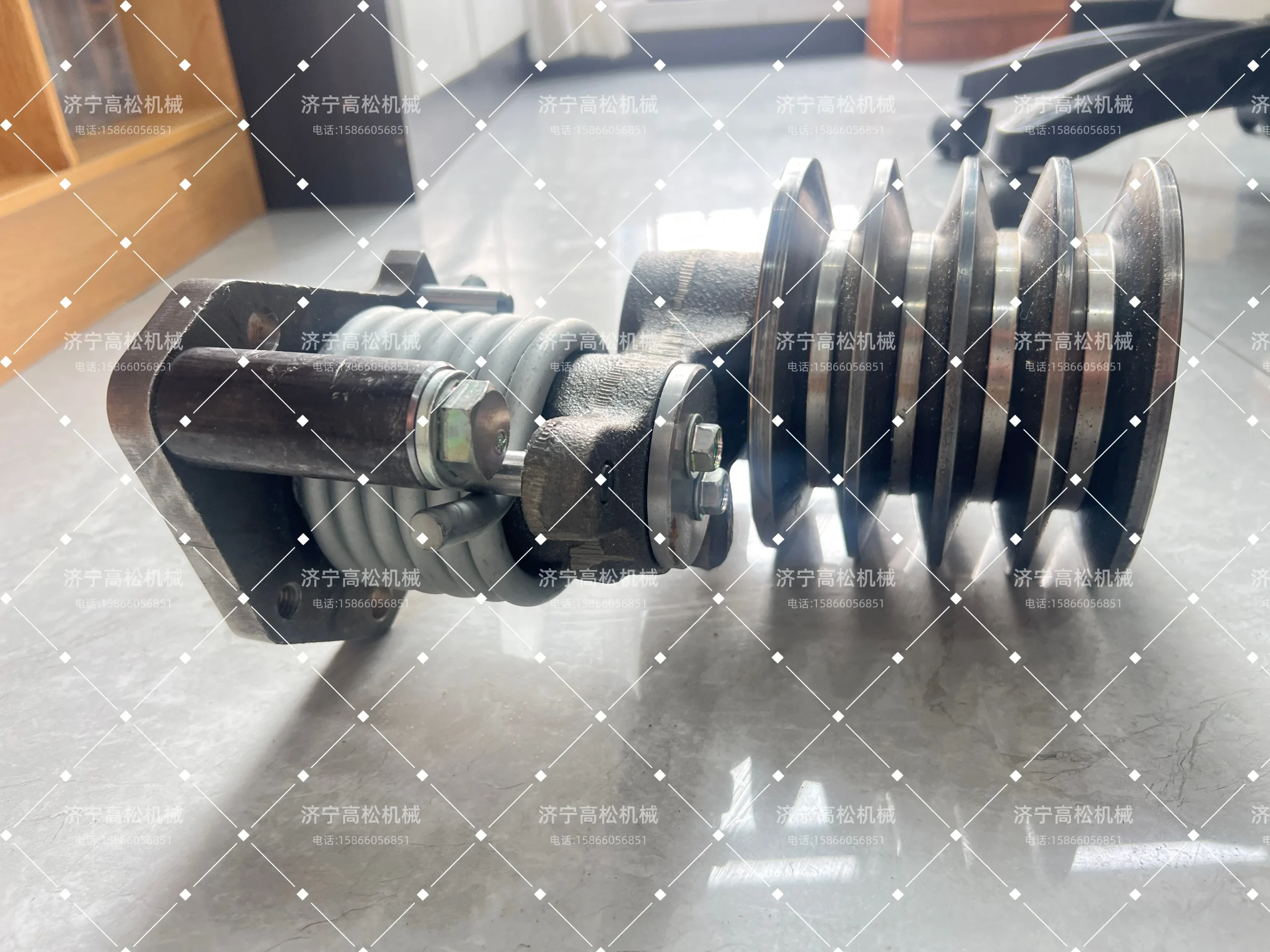 Original Hot Sale TENSION PULLEY ASS’Y 6240-61-4500 TENSION…