
- Chinese
- French
- German
- Portuguese
- Spanish
- Russian
- Japanese
- Korean
- Arabic
- Irish
- Greek
- Turkish
- Italian
- Danish
- Romanian
- Indonesian
- Czech
- Afrikaans
- Swedish
- Polish
- Basque
- Catalan
- Esperanto
- Hindi
- Lao
- Albanian
- Amharic
- Armenian
- Azerbaijani
- Belarusian
- Bengali
- Bosnian
- Bulgarian
- Cebuano
- Chichewa
- Corsican
- Croatian
- Dutch
- Estonian
- Filipino
- Finnish
- Frisian
- Galician
- Georgian
- Gujarati
- Haitian
- Hausa
- Hawaiian
- Hebrew
- Hmong
- Hungarian
- Icelandic
- Igbo
- Javanese
- Kannada
- Kazakh
- Khmer
- Kurdish
- Kyrgyz
- Latin
- Latvian
- Lithuanian
- Luxembou..
- Macedonian
- Malagasy
- Malay
- Malayalam
- Maltese
- Maori
- Marathi
- Mongolian
- Burmese
- Nepali
- Norwegian
- Pashto
- Persian
- Punjabi
- Serbian
- Sesotho
- Sinhala
- Slovak
- Slovenian
- Somali
- Samoan
- Scots Gaelic
- Shona
- Sindhi
- Sundanese
- Swahili
- Tajik
- Tamil
- Telugu
- Thai
- Ukrainian
- Urdu
- Uzbek
- Vietnamese
- Welsh
- Xhosa
- Yiddish
- Yoruba
- Zulu
- Kinyarwanda
- Tatar
- Oriya
- Turkmen
- Uyghur





OEM AND ORIGINAL KOMATSU BEARING 421-20-15123
When you see that part number, , pop up on a screen or a quote, the immediate instinct is to source the original Komatsu box. But here's the thing—in the real world of keeping machines running, the distinction between OEM and original Komatsu bearing is where the entire game is played. A lot of folks, even seasoned buyers, conflate them. They think if it's not in the branded Komatsu package, it's automatically inferior or aftermarket. That's a costly misconception. The genuine article for this bearing, the one that comes in the Komatsu box, is almost certainly manufactured by a dedicated bearing company under strict Komatsu specifications. The OEM product is that same physical bearing, often from the same production line, but supplied through different channels, sometimes without the final Komatsu branding and packaging. The core of the issue isn't the metal; it's the pedigree, the paperwork, and the supply chain integrity that backs it up.
The Nuance in the Supply Chain
My experience with the specifically is tied to hydraulic pump and motor rebuilds on older PC models. You pull the old one out, and the cage might be worn, or you see slight spalling on the outer race. The immediate reaction is to call your local Komatsu dealer. What you get is a perfect, sealed box, a premium price, and a lead time that can stretch if you're in a remote project. That's the original path.
Now, the alternative path is through a system supplier, an outfit that operates within Komatsu's own authorized manufacturing network. This is where companies like Jining Gaosong Construction Machinery Co., Ltd. come into the picture. From what I've gathered and verified through cross-checking part batches, they position themselves as an OEM product supplier within the Komatsu system. This isn't some back-alley operation. It means they have access to the component-level supply, the bearings, seals, and gears that are built to the exact material and tolerance specs Komatsu mandates for assembly. The bearing they supply is, for all engineering intents and purposes, the original part. The difference is it might arrive in a plain white box with the part number laser-etched on the bearing itself, not stamped with the Komatsu logo.
I learned this the hard way years ago. We had a critical machine down. The dealer was out of stock, but a third-party vendor offered OEM-quality with a three-day delivery. Skeptical, we ordered it alongside the dealer's back-ordered part. When both arrived, we did a side-by-side. Measurements: identical. Material certificate from the bearing foundry for the OEM part: matched the grade. The only visible difference was the absence of the Komatsu branding on the seal. It ran for over 8,000 hours without issue. That was the lesson: the origin is the foundry and the spec sheet, not the cardboard box.
The Practical Reality of Sourcing
This leads to the practical headache: availability. In certain regions, especially in developing markets or for older, phased-out machines, the official Komatsu parts network can have gaps. This isn't a criticism; it's a logistics reality. Their focus is naturally on current models and high-volume parts. A bearing for a 10-year-old excavator might not be a priority stock item in every warehouse globally.
This is the explicit value of a third-party sales company that specializes in Komatsu parts. Their entire business model, as hinted at by Jining Gaosong's stated role in helping to solve parts supply challenges in certain countries, is to fill these exact gaps. They aren't trying to replace the dealer for a brand-new PC490; they're the lifeline for a PC300-7 that's still working hard but is off the mainstream support radar. For a part like , they might hold stock precisely because they've identified it as a common failure point in a legacy fleet.
The sourcing process from such a company feels different. You're not just getting a price and an ETA. You're often getting a conversation. What's the serial number of the pump? Is this for the main or the swing motor? They ask because the context matters. A slight design change in 2012 might mean a different sealant, and a good supplier will know that and confirm. I recall one instance where the vendor, upon hearing the machine serial, advised that for that specific block, we should also replace a specific O-ring (they gave the size) that always failed when this bearing was replaced due to a design quirk. That's practical, field-level knowledge you don't get from a standard parts catalog lookup.
Verification and the Risk of Fake OEM
Of course, the landscape is murky. The term OEM is abused. There's OEM-quality, which is marketing speak for we copied the dimensions, and then there's true OEM product supply. The risk is real. I've seen bearings labeled as that were visually correct but made from inferior steel. They'd fail within 500 hours under load, causing catastrophic pump failure. The cost savings were obliterated ten times over by the subsequent damage.
The verification is key. For a reputable supplier, you should be able to request and receive traceability. This doesn't mean a Komatsu certificate of conformity (which they legally cannot provide for a non-branded part), but a mill certificate from the steel producer and a certificate from the bearing manufacturer. The website takematsumachinery.com, which I've browsed, presents Jining Gaosong as being embedded in the system. The credibility comes from that claimed position. When evaluating, I'd ask them directly: Can you provide the material certification for the bearing steel for part ? A legitimate supplier won't hesitate; a dubious one will deflect.
Another tangible check is the packaging and the part itself. A genuine bearing, whether original or OEM-supplied, will have crisp, laser-etched markings. The grinding finish on the races will be mirror-smooth. The grease, if pre-lubricated, will be clean and have a specific smell (weird, but true—experienced mechanics can tell). The white box it comes in should still be sturdy, with the part number clearly printed, not slapped on with a sticker. These are the tactile details that signal provenance.
Cost vs. Value in the Long Run
Let's talk money. The original Komatsu-bearing from the dealer carries a price that includes the brand premium, the dealer network overhead, and the warranty administration. It's the safe, no-questions-asked choice. The true OEM version from a system supplier like the one mentioned might come in at 20% to 40% less. That's significant on a component that itself might cost several hundred dollars.
But the value calculation isn't just the invoice price. It's the total cost of downtime. If the OEM part from a reliable channel gets the machine back running 5 days faster and performs identically, the value is immense. The flip side is also true: if a cheap imitation fails, the value is deeply negative. The judgment call rests on vetting the supplier. Their longevity, their technical specificity (do they just sell parts, or do they understand the machines?), and their willingness to provide technical data are the real cost factors.
In one project in Southeast Asia, we standardized sourcing for components like this through a vetted third-party. For the , we maintained a small stock sourced as OEM product. Over two years and about 15 replacements, we had zero bearing-related failures. The cost savings funded an extra set of hydraulic hoses for the fleet. That's the tangible outcome. It wasn't about cutting corners; it was about understanding the component's origin and bypassing supply chain bottlenecks without compromising on the physical specification of the part itself.
Closing Thoughts on a Specific Part
So, circling back to that string of numbers: . It's not just a bearing. It's a test case for how you manage your maintenance philosophy. Do you pay for absolute brand assurance, or do you invest time in building a verified, alternative supply chain that offers resilience and cost efficiency? There's no universally right answer.
For me, the evidence leans toward the latter, provided the due diligence is obsessive. The existence of specialized companies operating as authorized third-party sales channels validates that this is a legitimate, necessary layer in the global equipment ecosystem. They aren't competitors to Komatsu; they're extenders of its parts ecosystem into areas and timelines where the primary network doesn't reach.
The key takeaway is to move beyond the binary of original vs. aftermarket. The meaningful spectrum is between specification-compliant and non-compliant. A true OEM product supplier within the Komatsu system delivers the former. Your job is to prove they are what they say they are. Start with one non-critical part, do the tear-down comparison, monitor the hours. For bearings like the , that hands-on verification is the only manual that matters.
Related Products
Related Products
Best Selling Products
Best Selling Products-
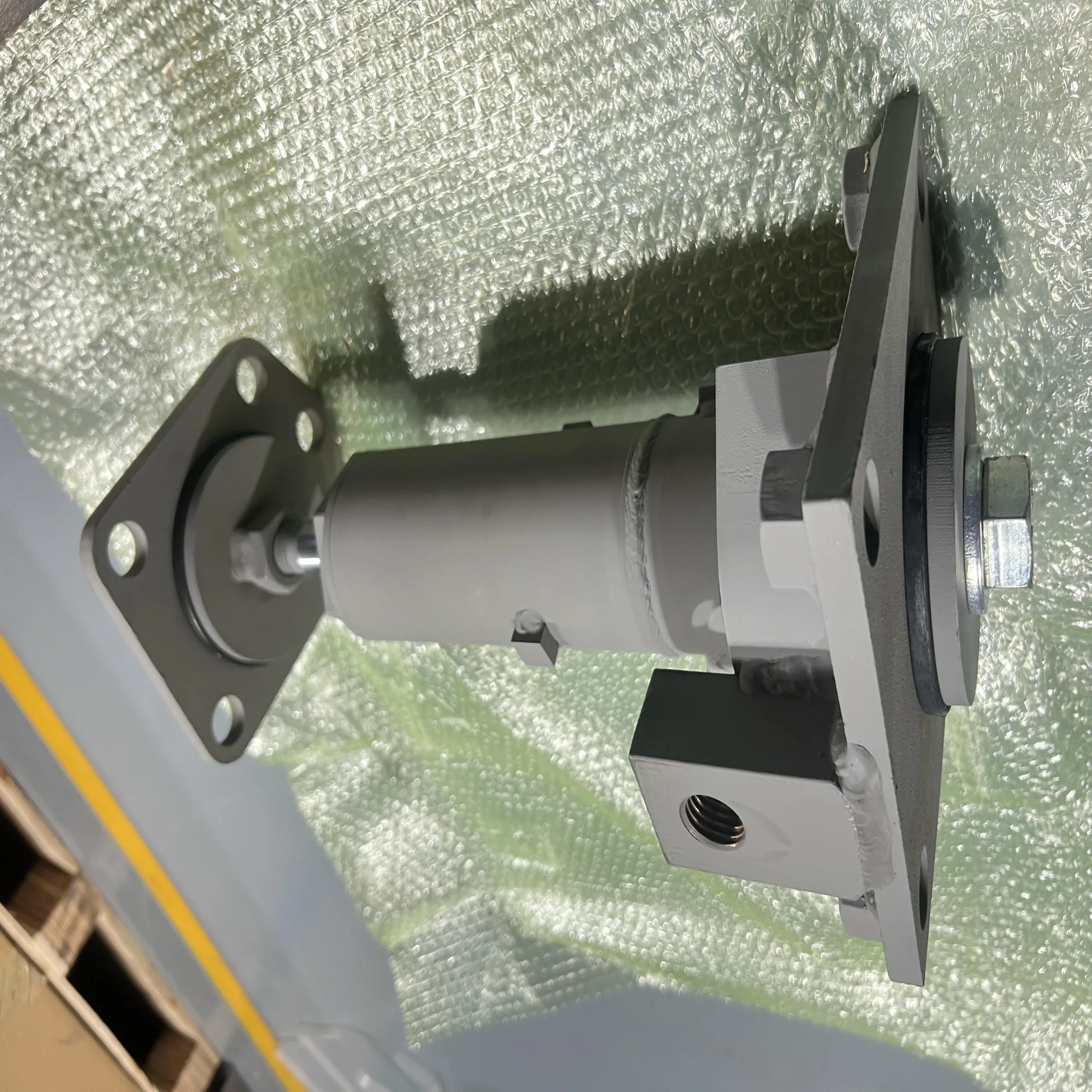 SUSPENSION ASS’Y 17A-54-16201 – KOMATSU
 -
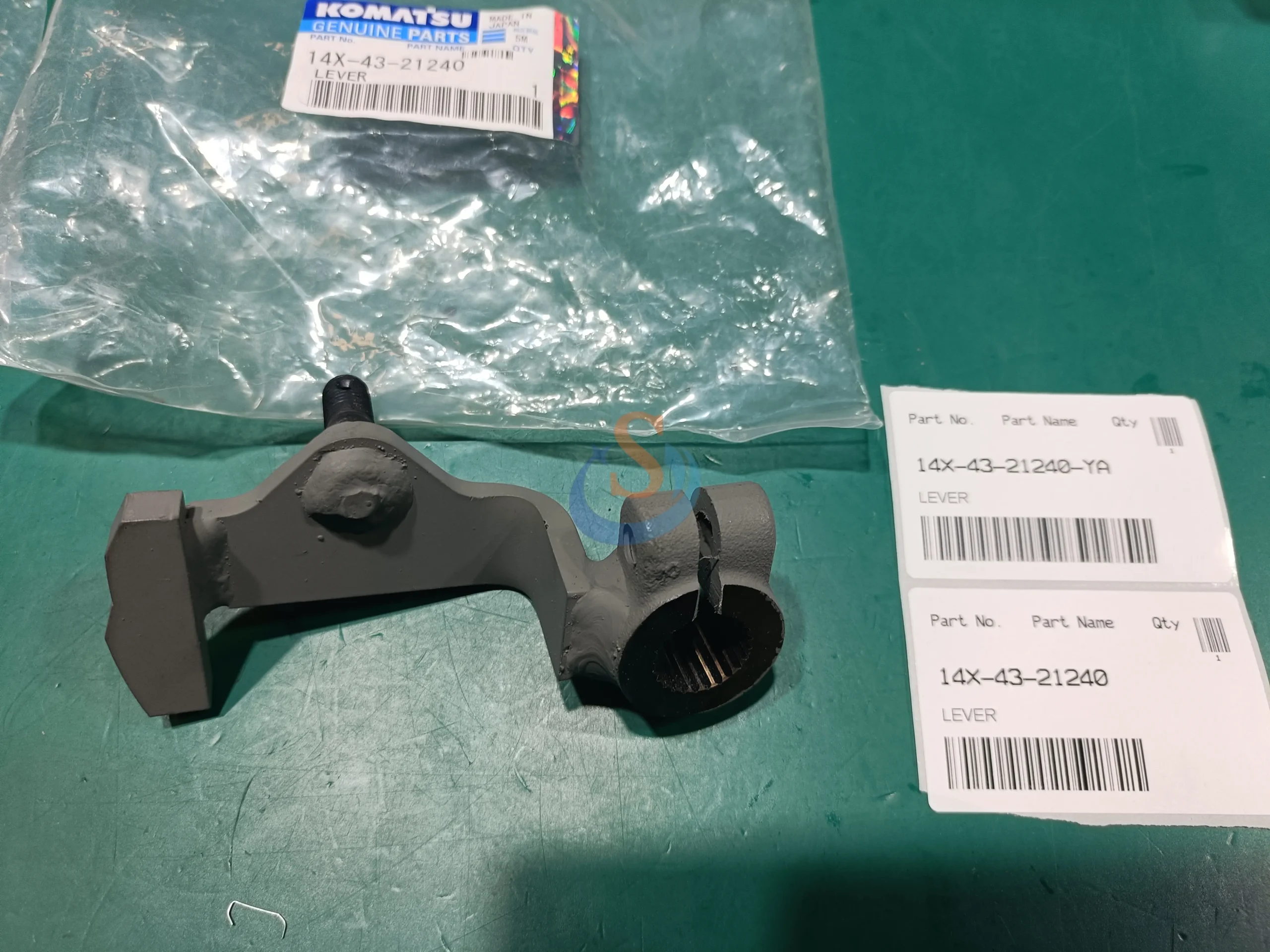 14X-43-21240,LEVER,D65P,D65E,D85E
 -
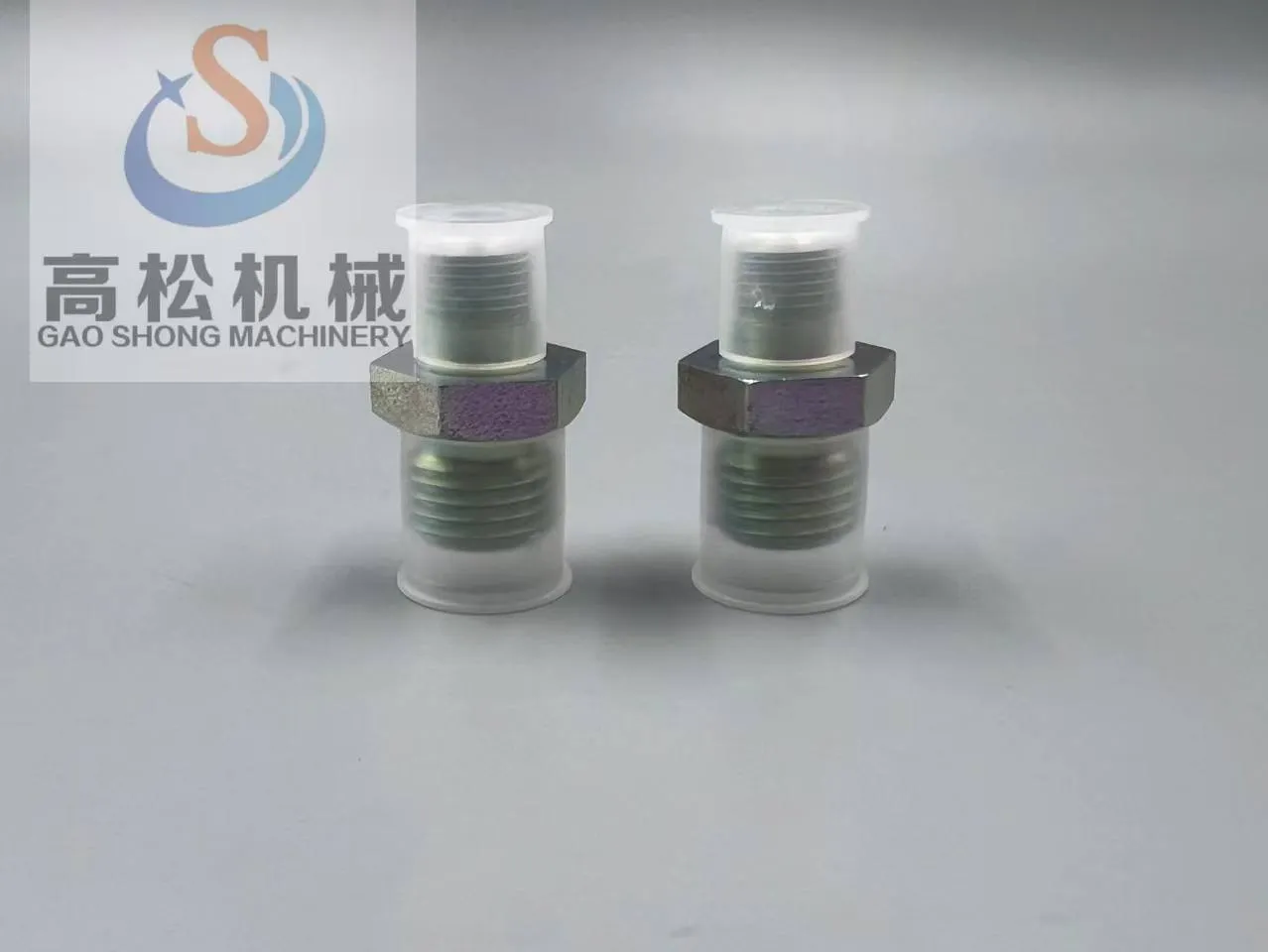 07213-50710 Connector, suitable for Komat Su D275A/D375A/D475A/PC600/PC1250
 -
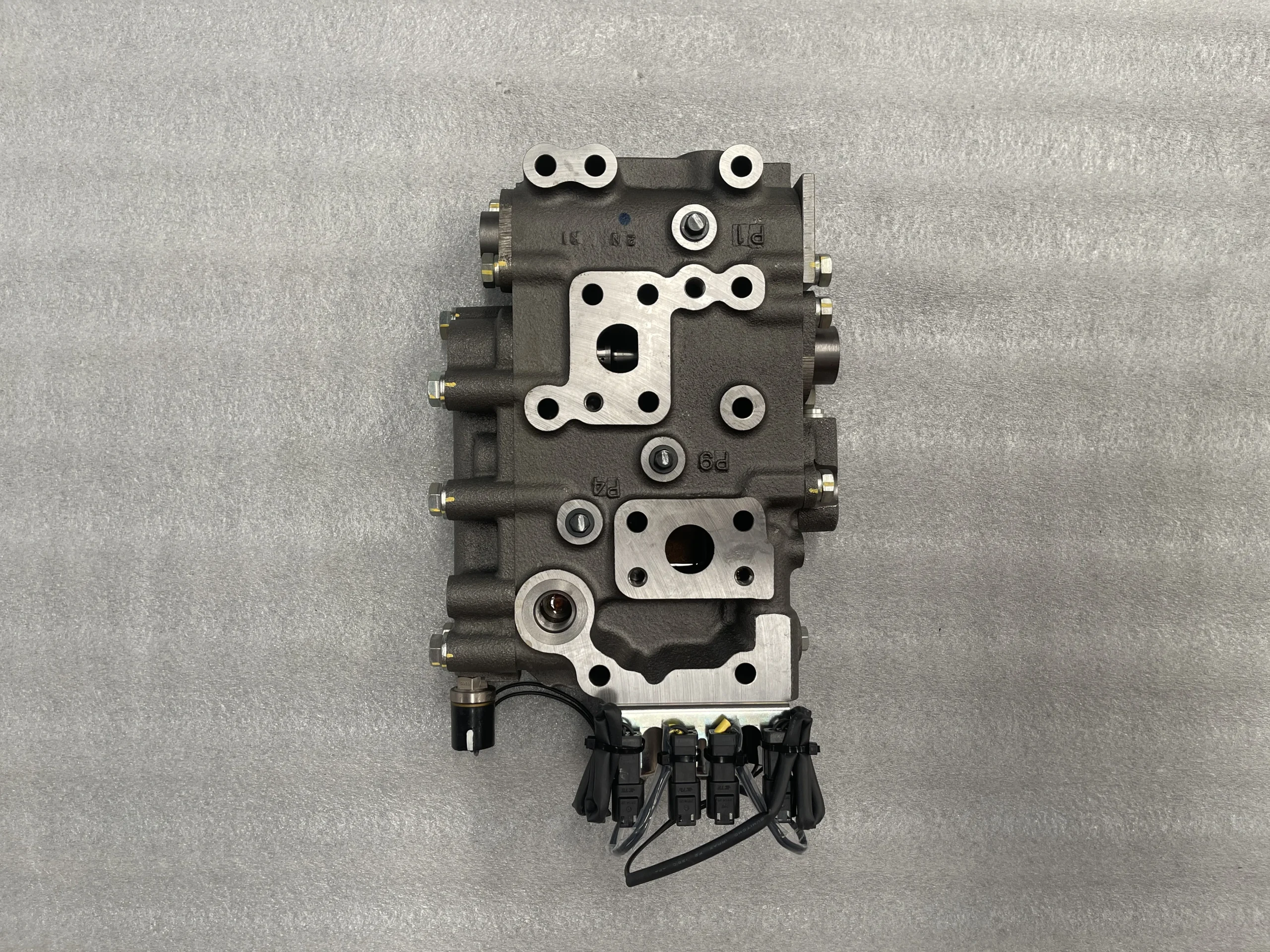 7830-62-2007 Komatsu Controller for Komatsu D85
 -
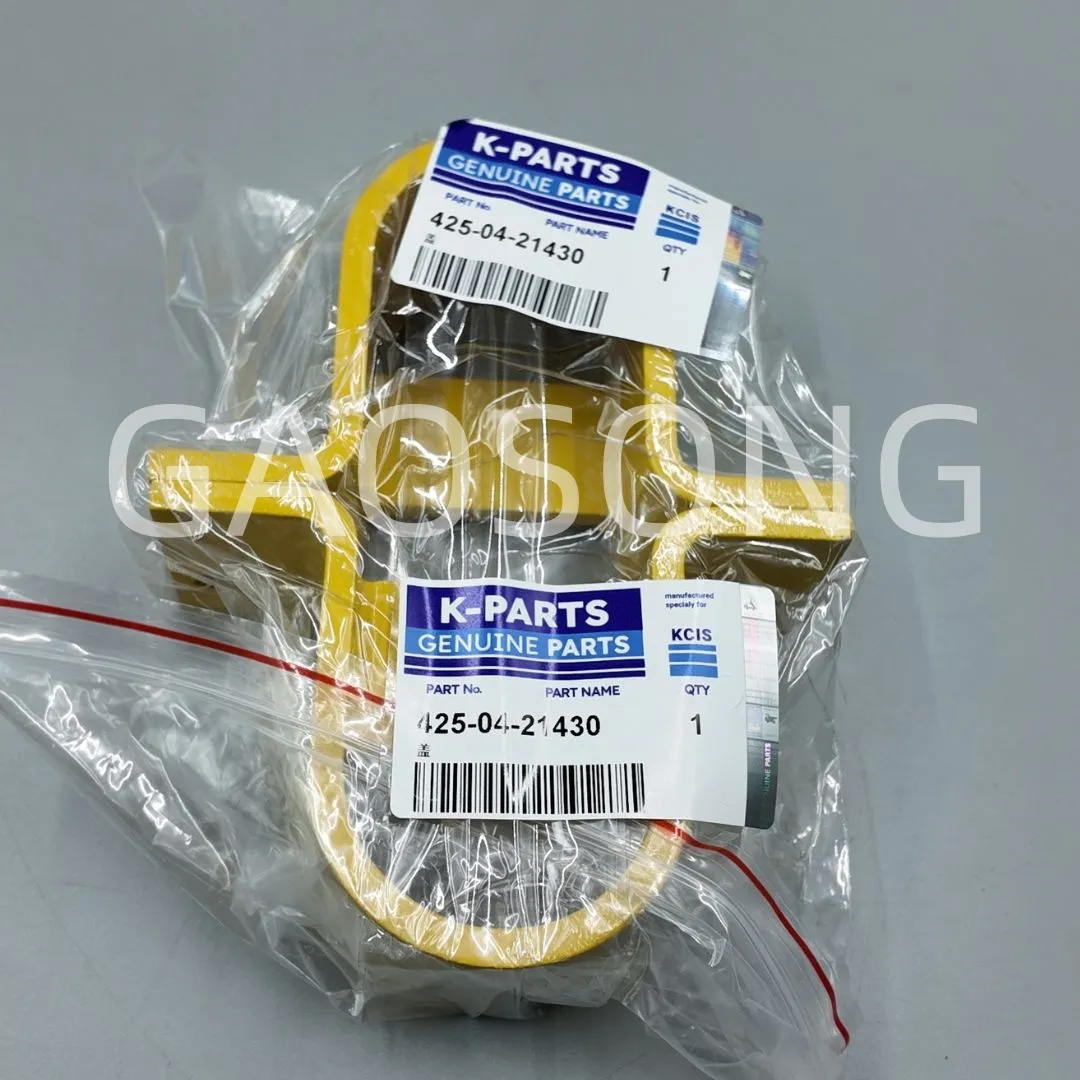 425-04-21430 COVER-Komatsu Original Factory
 -
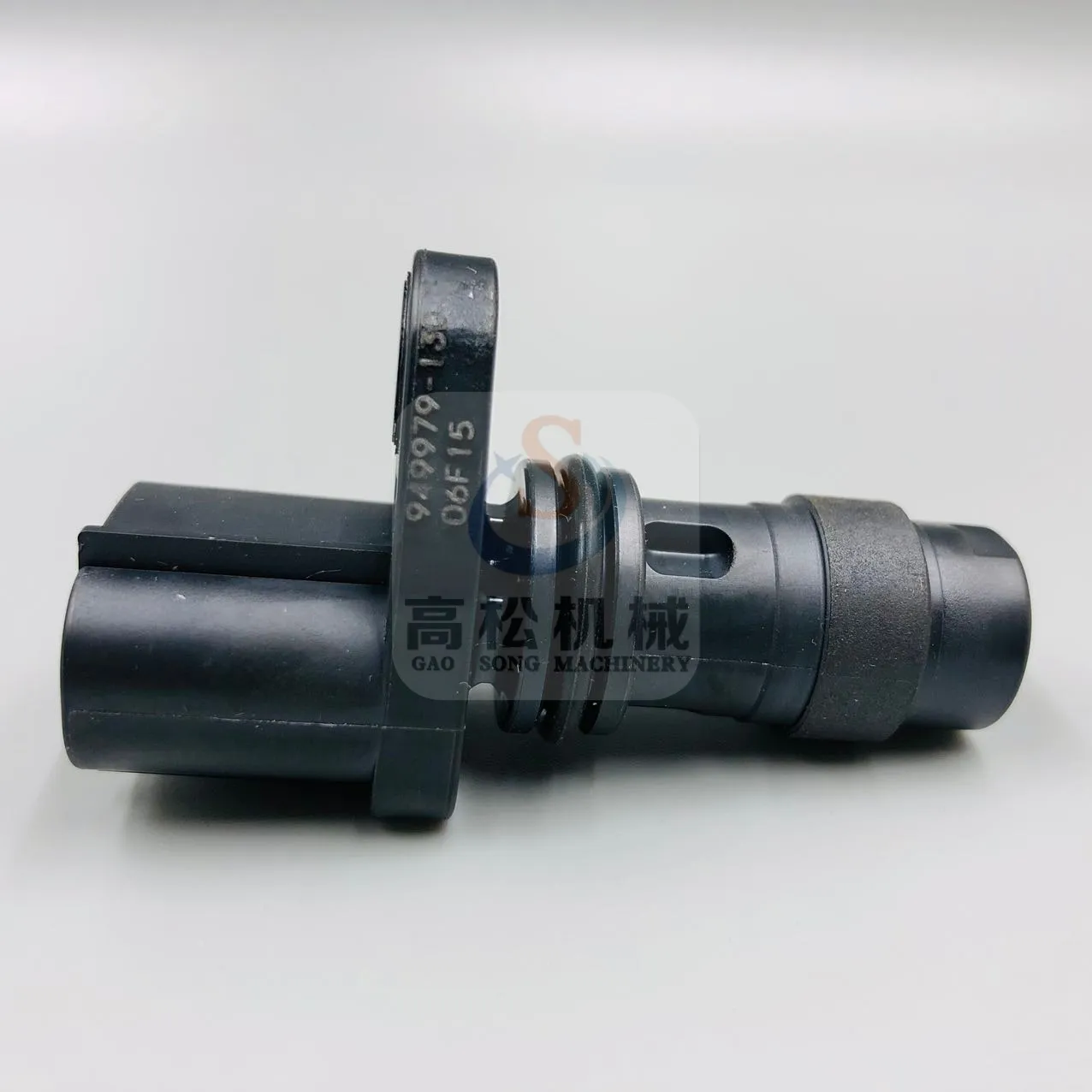 ND949979-1300 fuel pump sensor for Komatsu PC2000-8
 -
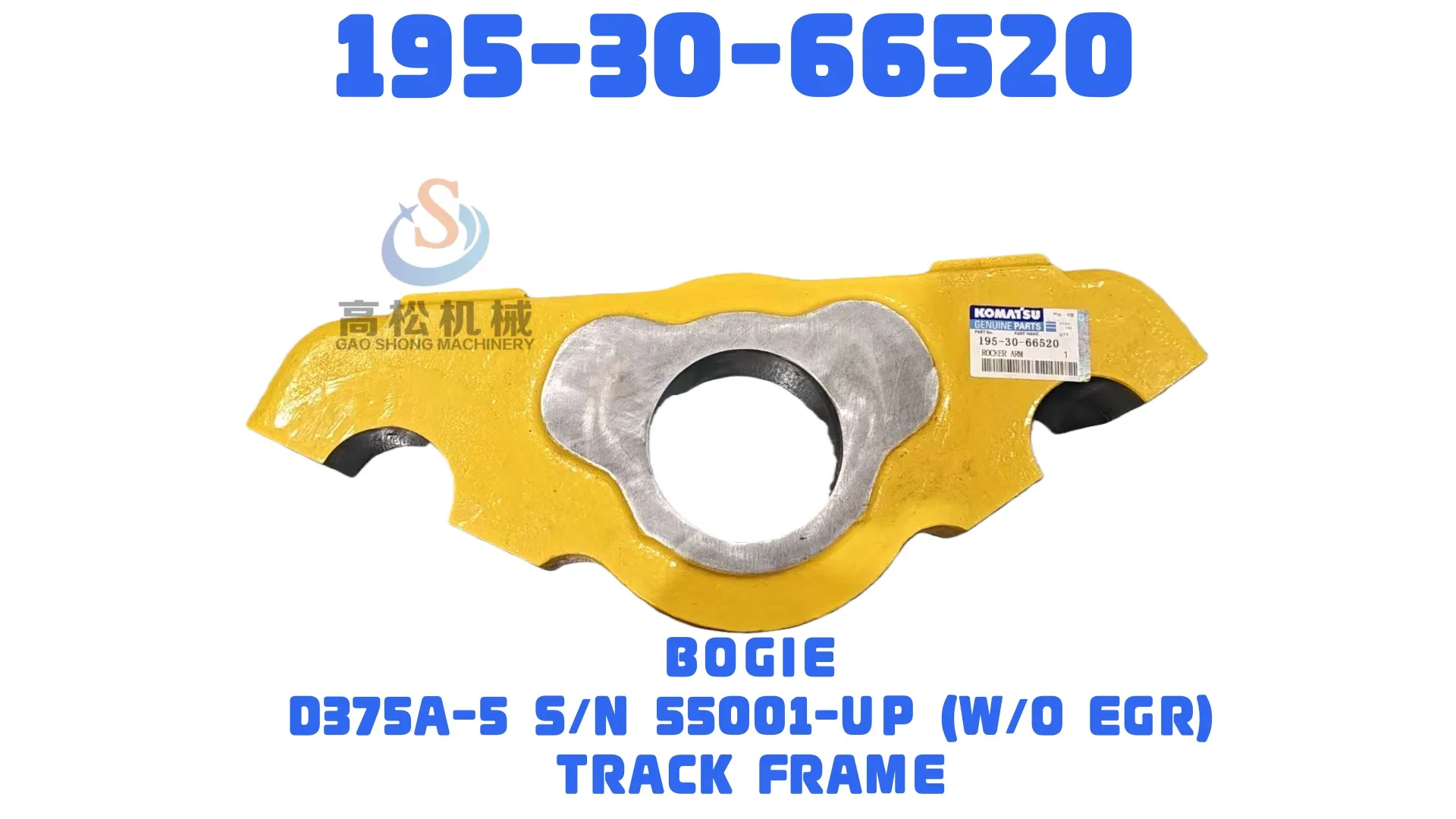 BOGIE 195-30-66520 D375A-5 D375A-6 TRACK FRAME Bogie, Minor D375A-6R TRACK FRAME, BOGIE
 -
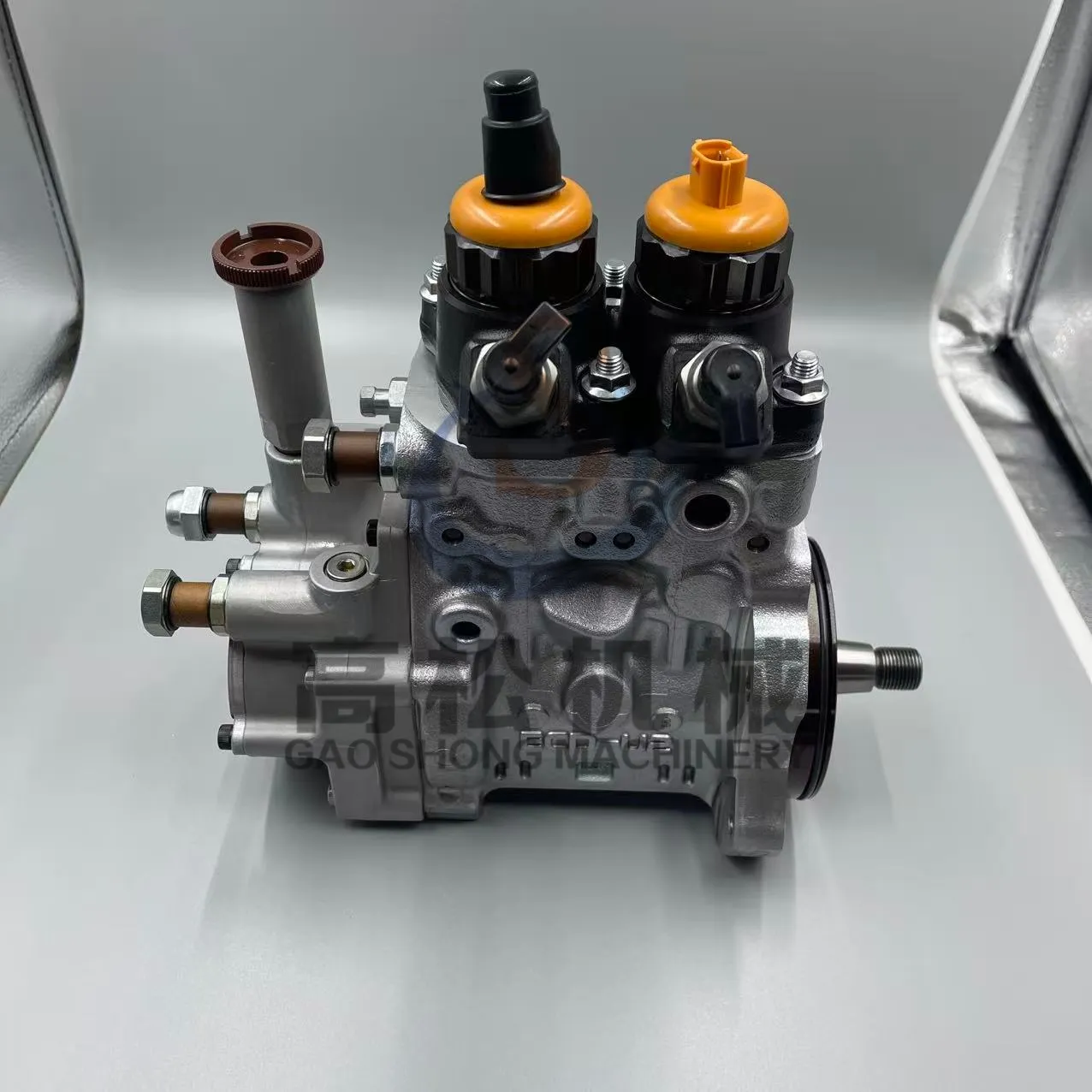 6251-71-1121 Fuel Injector Pump
 -
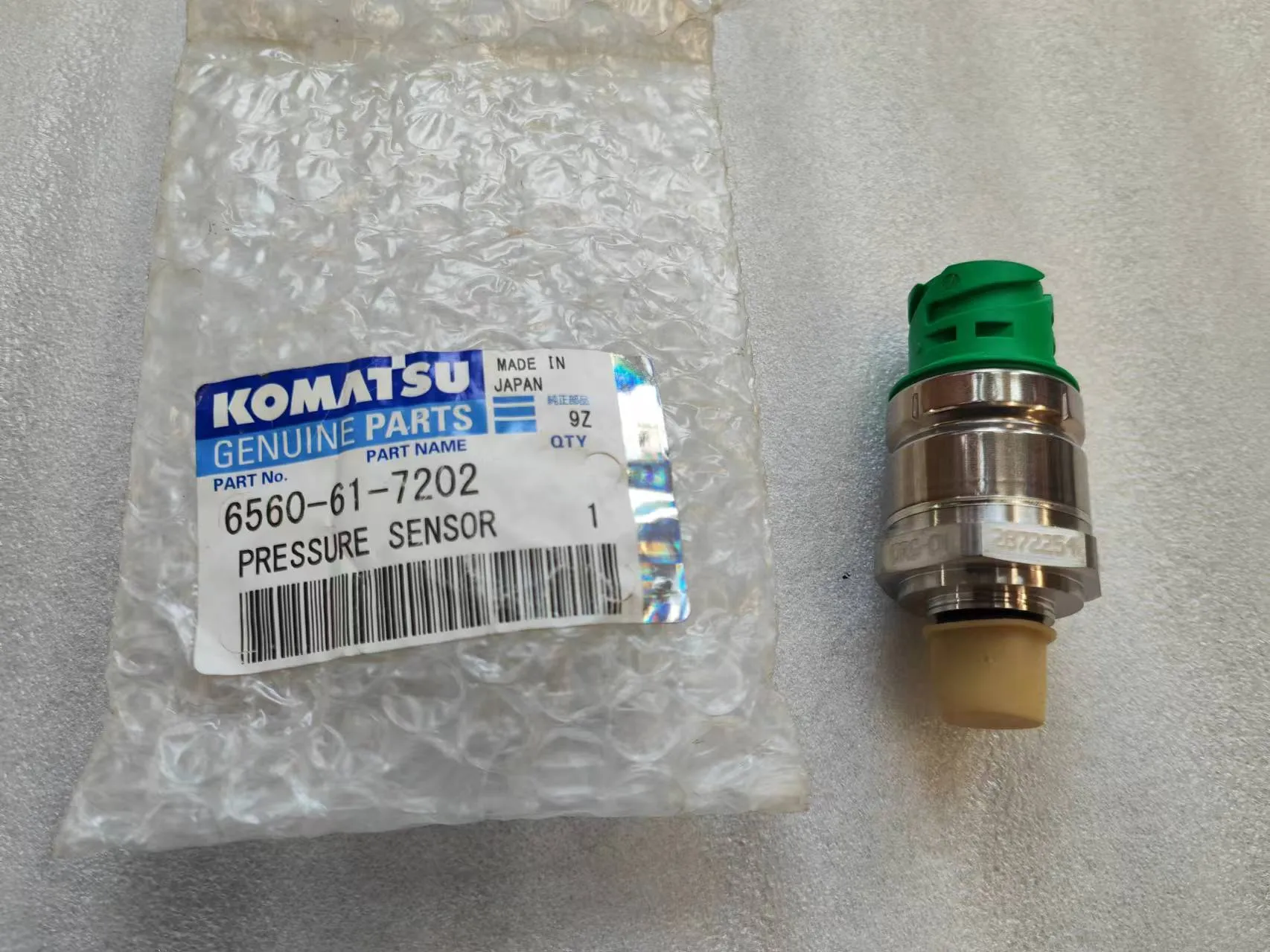 D155AX-6 Pressure Sensor 6560-61-7202
 -
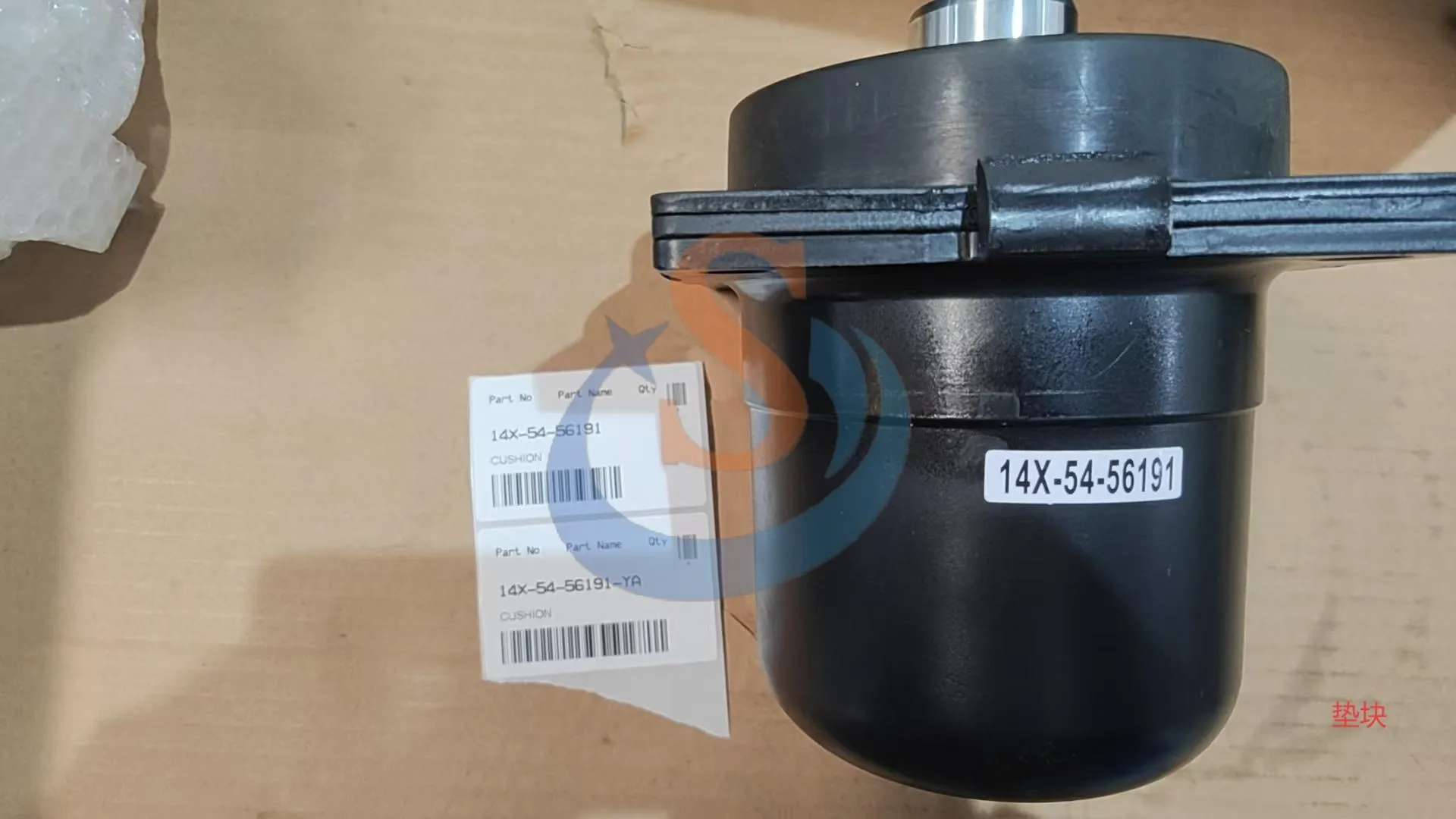 14X-54-56191,Cushion,D65PX,D65WX,D85EX
 -
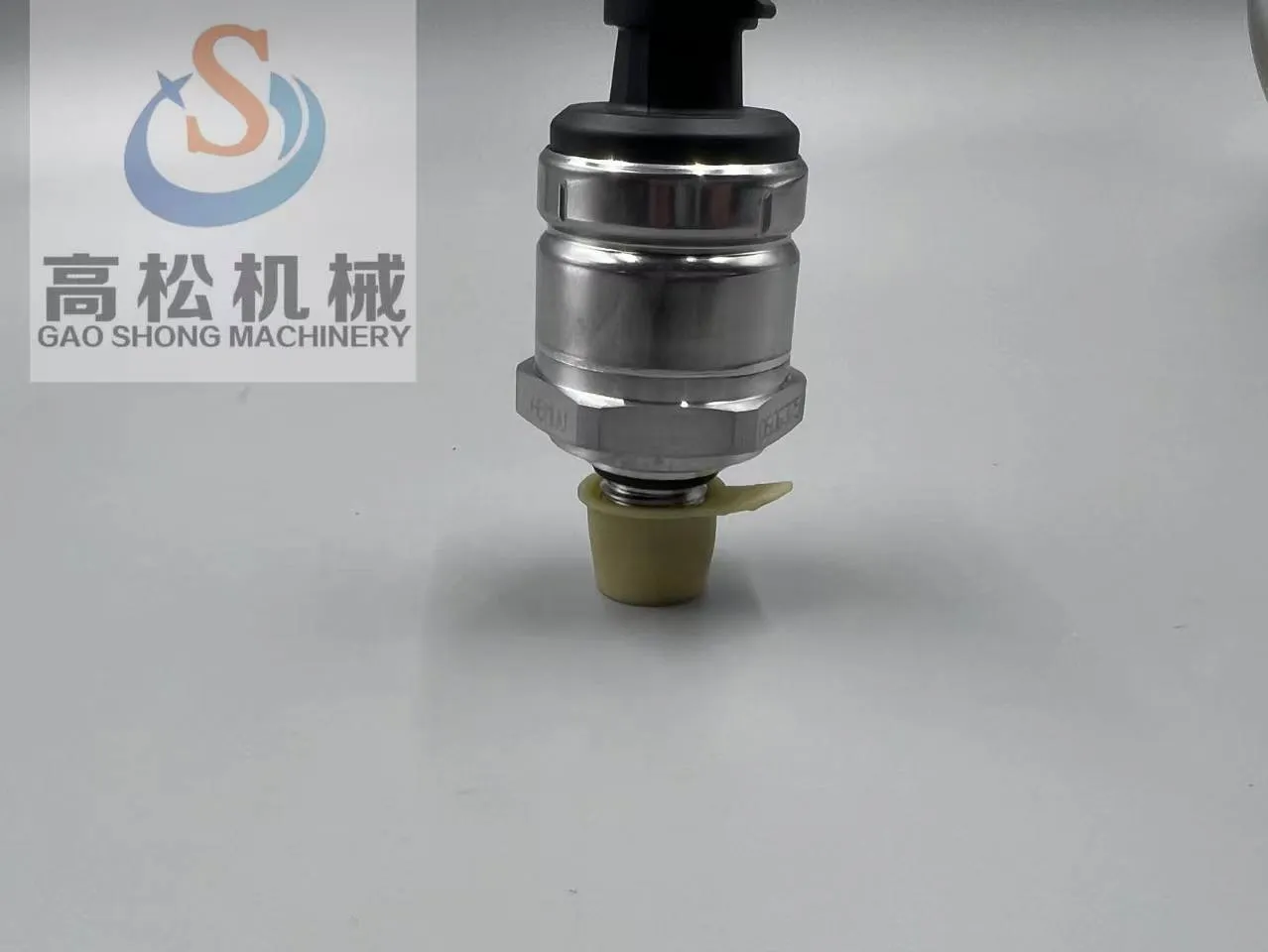 New fuel adjustment sensor sa6d170e-3 6560-51-6201 for komatsu heavy machinery spare parts
 -
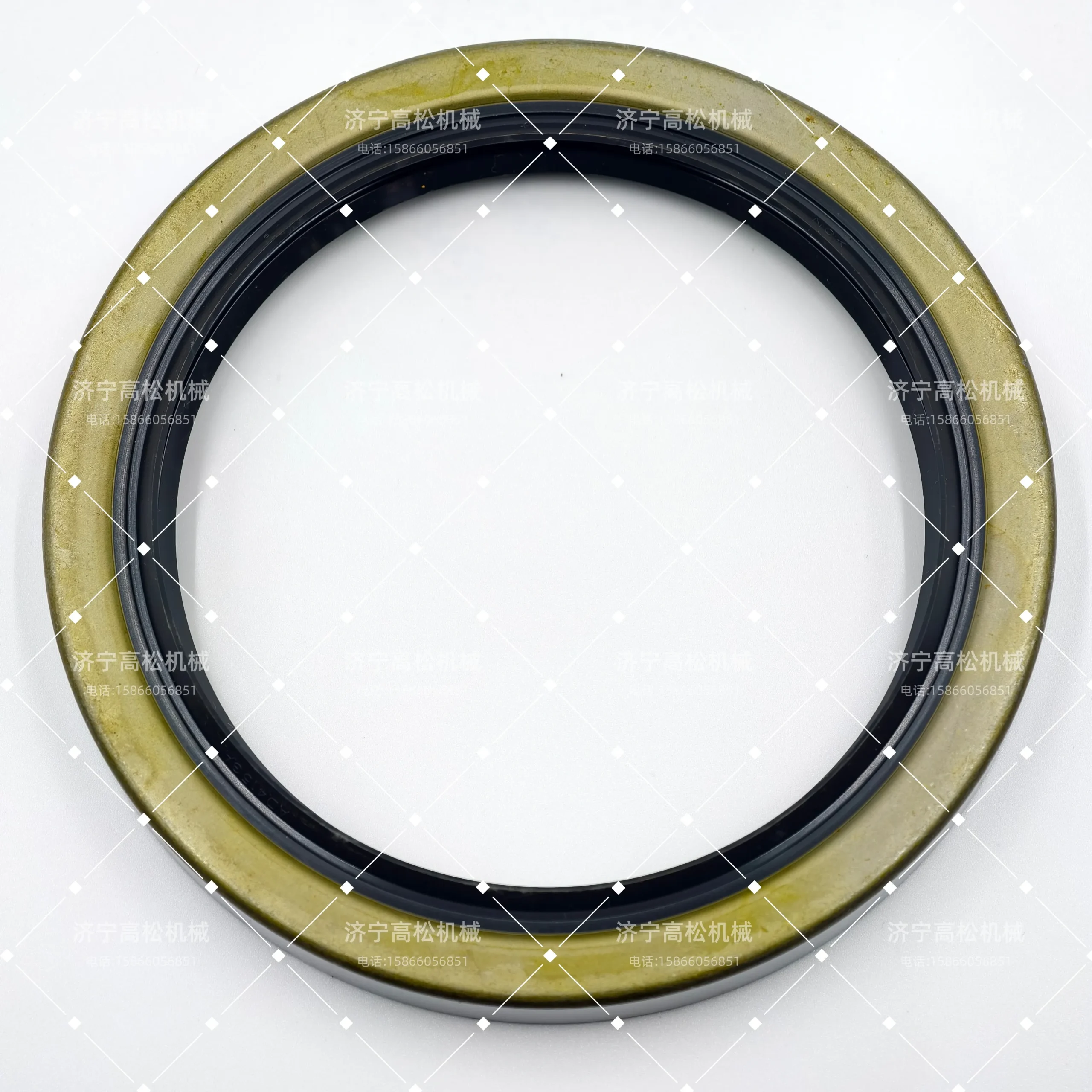 WA500-3 Oil Seal 425-20-15740 China Manufacturers Suppliers…