
- Chinese
- French
- German
- Portuguese
- Spanish
- Russian
- Japanese
- Korean
- Arabic
- Irish
- Greek
- Turkish
- Italian
- Danish
- Romanian
- Indonesian
- Czech
- Afrikaans
- Swedish
- Polish
- Basque
- Catalan
- Esperanto
- Hindi
- Lao
- Albanian
- Amharic
- Armenian
- Azerbaijani
- Belarusian
- Bengali
- Bosnian
- Bulgarian
- Cebuano
- Chichewa
- Corsican
- Croatian
- Dutch
- Estonian
- Filipino
- Finnish
- Frisian
- Galician
- Georgian
- Gujarati
- Haitian
- Hausa
- Hawaiian
- Hebrew
- Hmong
- Hungarian
- Icelandic
- Igbo
- Javanese
- Kannada
- Kazakh
- Khmer
- Kurdish
- Kyrgyz
- Latin
- Latvian
- Lithuanian
- Luxembou..
- Macedonian
- Malagasy
- Malay
- Malayalam
- Maltese
- Maori
- Marathi
- Mongolian
- Burmese
- Nepali
- Norwegian
- Pashto
- Persian
- Punjabi
- Serbian
- Sesotho
- Sinhala
- Slovak
- Slovenian
- Somali
- Samoan
- Scots Gaelic
- Shona
- Sindhi
- Sundanese
- Swahili
- Tajik
- Tamil
- Telugu
- Thai
- Ukrainian
- Urdu
- Uzbek
- Vietnamese
- Welsh
- Xhosa
- Yiddish
- Yoruba
- Zulu
- Kinyarwanda
- Tatar
- Oriya
- Turkmen
- Uyghur






OEM AND ORIGINAL KOMATSU BEARING 2A8-27-11260
Let's talk about the 2A. If you're searching for this, you're likely in a bind, trying to source a bearing for a Komatsu excavator or dozer, probably a mid-sized model. The immediate confusion for most people is right there in the search term: OEM AND ORIGINAL KOMATSU BEARING. In our world, those are often two different paths. OEM means it's made by the original equipment manufacturer—the factory that Komatsu contracts to produce this part. Original Komatsu means it comes in the branded Komatsu box, through their official channels. The catch? They can be the exact same physical bearing, or they can be worlds apart. I've seen the 2A come from at least three different bearing plants over the years, all supplying Komatsu. The metallurgy and heat treatment specs are the key; the box is just logistics.
The Reality of the Supply Chain
This is where companies like Jining Gaosong Construction Machinery Co., Ltd. operate. They list themselves as an OEM product supplier within the Komatsu system. In practice, this often means they have access to the same manufacturing sources that feed Komatsu's parts network, but they can distribute outside of the official, and sometimes restrictive, regional dealership channels. Their site, takematsumachinery.com, frames it as solving parts supply challenges in certain countries. I can attest to that being a real pain point. I've waited 12 weeks for an original 2A through a dealer for a client in a remote mining operation, while an OEM-spec part from a parallel supplier was on the ground in 10 days.
The risk, of course, is verification. Just because a supplier says it's OEM doesn't mean it meets the spec. For a bearing like this, which handles immense radial loads in a final drive or swing circle, a minor deviation in case hardening depth is a failure waiting to happen. I don't just take a supplier's word for it. The first thing I do with a batch of 2A bearings from a new source is check the packaging and markings. The genuine OEM part will have laser-etched codes on the bearing face that trace back to the production batch and plant. Counterfeits often have shallow, stamped markings that look off.
I remember a case where a contractor bought what was sold as an OEM-quality 2A from a non-authorized vendor. It failed catastrophically in under 200 hours, seizing and taking out the gear teeth. The post-mortem showed inconsistent carbon content in the steel. It was a forgery. The lesson wasn't to never use parallel suppliers, but to use ones embedded in the system. A supplier like Gaosong, which positions itself within the Komatsu ecosystem, is theoretically more accountable. They have a relationship with the factories to maintain. It's a different risk profile than a pure aftermarket parts trader.
Field Observations and Failure Modes
In the field, the failure of this specific bearing rarely comes out of the blue. It's usually preceded by increased noise in the final drive—a kind of grinding growl that changes with load. The irony is that by the time you hear it, the damage is often done. We've pulled original bearings that failed prematurely due to improper installation—a hammer used where a press was needed, damaging the cage. The part number 2A doesn't care if it came in a yellow Komatsu box or a plain white one at that point.
Another practical detail: the seal kits. When you replace this bearing, you must replace the accompanying seals. The OEM bearing is sometimes sold as a kit with the correct, matched seals. A pure OEM bearing from the factory might not include them, leaving you to source separately. This is a tiny detail that causes huge headaches. I've seen mechanics reuse old seals to save time or cost, contaminating the new bearing within hours. A good supplier should flag this. Looking at Gaosong's scope, as a third-party sales company for Komatsu, they should ideally provide these kits or at least have the correct Komatsu seal part numbers on hand. It's that kind of holistic support that separates a parts seller from a solutions provider.
The tolerance stack-up is another thing you learn the hard way. On a rebuild, if the housing is even slightly worn, pressing in a new OEM AND ORIGINAL KOMATSU BEARING 2A won't fix the problem. The bearing will walk, the pre-load will be wrong, and it'll overheat. You need to measure the housing bore. Sometimes, you need a bearing with a slightly different tolerance class—something the official Komatsu system might not readily offer or admit to, but an experienced OEM supplier might be able to guide you on or even source.
Cost vs. Value Calculation
Let's talk money. The official Original Komatsu bearing carries a hefty premium. You're paying for the warranty, the logistics, and the brand. The OEM equivalent, sourced through a parallel channel, can be 30-40% less. For a fleet manager, that's tempting. But the calculation isn't that simple. If the OEM part fails and causes secondary damage, Komatsu's warranty on the original part might not cover it, but your supplier might have liability. Does a company like Jining Gaosong Construction Machinery Co., Ltd. offer any warranty or technical support that mirrors the OEM? That's a key question. Their website says they help solve supply challenges, but the depth of that support is critical.
I've opted for the OEM route from similar suppliers for non-critical applications or for machines nearing end-of-life, where the cost-benefit is clear. For a machine under a strict maintenance contract or in a critical, high-availability role, I still lean toward the traceability of the official channel, despite the cost and wait time. It's a risk management decision. The 2A isn't a filter; it's a core structural component.
There's also the issue of documentation. For some regulated job sites, you need a certificate of conformity or material traceability for major components. The official Komatsu part comes with that paperwork automatically. An OEM supplier may or may not be able to provide it. You have to ask upfront. I've been caught out before, having to pull a perfectly good bearing because I couldn't produce the paperwork for the site safety auditor.
Sourcing and Verification Tactics
So how do I source this part today? My first call is still to my local Komatsu dealer for a quote and lead time. If it's prohibitive, I turn to a shortlist of trusted intermediary suppliers. I evaluate them on a few things: Can they provide the factory origin? Can they share the technical datasheet for the bearing? Do they understand the application, or are they just reading a part number from a screen? A supplier that is an OEM product supplier within the Komatsu system should, in theory, be strong on these fronts.
When a shipment arrives, the inspection is ritualistic. Weight is a quick tell—a counterfeit is often lighter. The finish on the raceway should be mirror-smooth, not machined. The grease, if pre-lubricated, should be the correct, specified type—Komatsu often uses their own branded grease. I once received a bearing packed in a generic lithium grease that would break down at the operating temperature. It was a small thing that invalidated the whole part.
Building a relationship with a single point of contact at a company like Gaosong is more valuable than just shopping on a website. You need someone who can answer the phone when you have a technical doubt about the 2A, not just process an order. The real test of a supplier isn't when the order goes smoothly, but when there's a problem. Will they help you diagnose a potential issue, or just send another part?
Concluding Thoughts on the Original Label
At the end of the day, the part number 2A is a specification. Original is a supply chain status. They are not synonymous. The industry is moving towards a more blended model, where authorized third-parties play a crucial role in global parts availability. The value of a supplier lies in their technical knowledge, their quality control, and their accountability—not just whether they have the word Komatsu on their website.
For a part this critical, blind price shopping is a trap. You need a source that provides clarity: is this bearing from the recognized OEM factory, meeting all Komatsu engineering drawings? If a company like Gaosong can consistently provide that clarity and proof, along with reliable logistics, then they are fulfilling a genuine need that the rigid official system sometimes creates. The bearing doesn't know whose invoice it's on. It only knows if it was made right, installed right, and maintained right.
My advice? Do your due diligence on any supplier. Ask for references, ask for sample documentation, and start with a small, non-critical order. For the 2A, the stakes are too high to guess. The right supplier, whether it's the dealer or a competent intermediary, becomes a partner in your machine's uptime.
Related Products
Related Products

Best Selling Products
Best Selling Products-
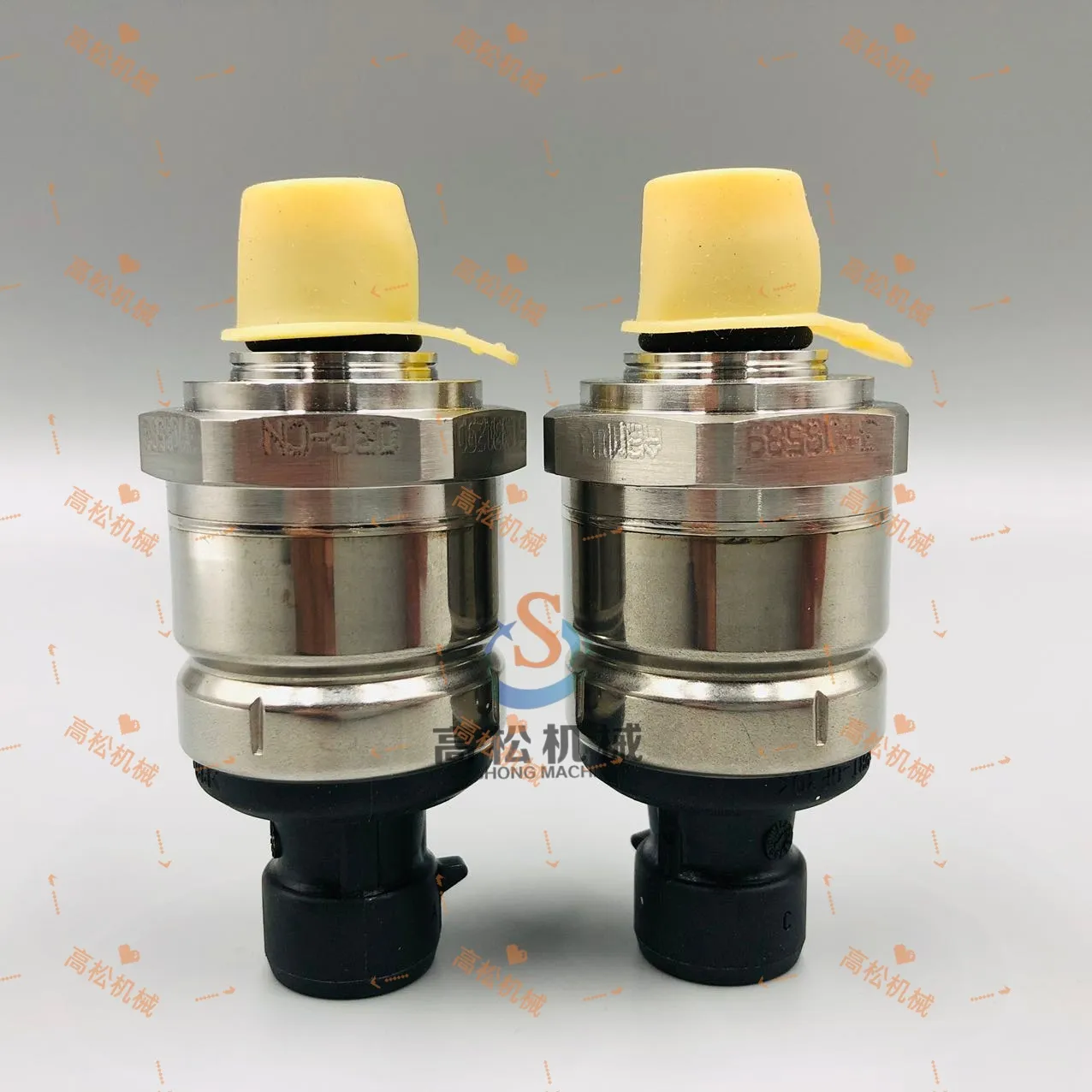 Pressure Sensor for Komatsu HM400 SAA6D140E WA500 6560-61-7201 6560617201
 -
 7861-93-5410Komatsu Acceleration Sensor, 7861-93-5410
 -
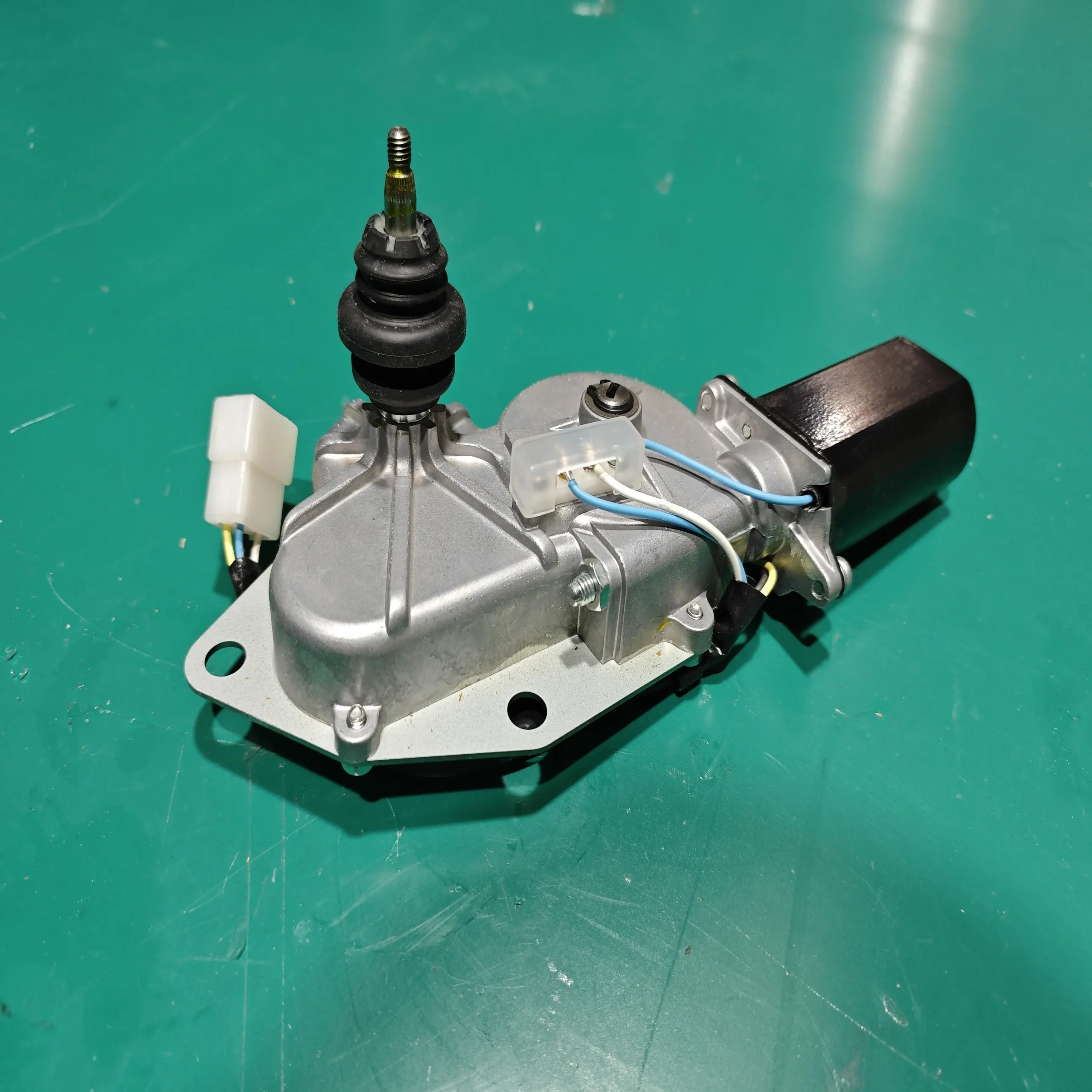 KOMATSUWIPERMOTOR23B-951-2610
 -
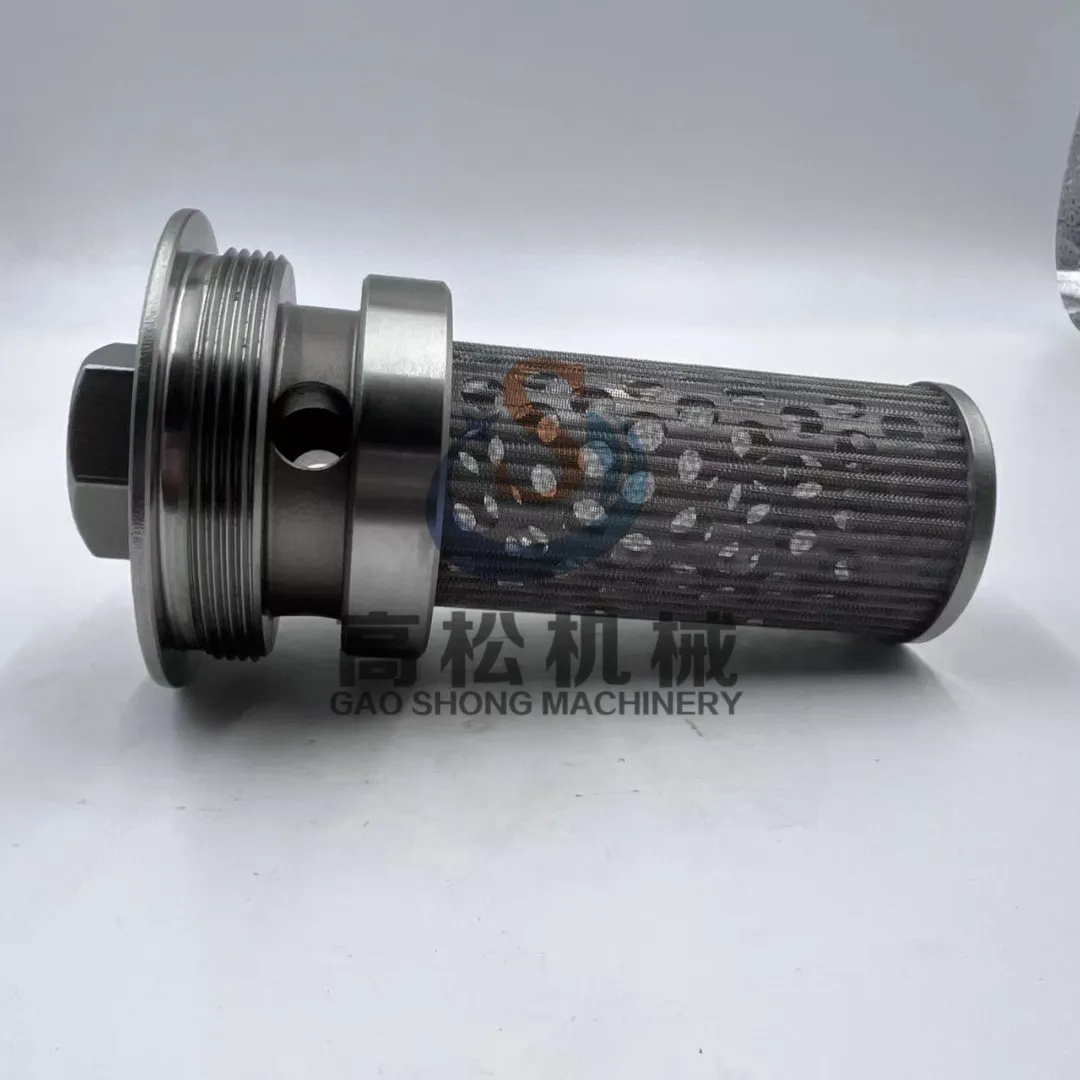 Komatsu 195-04-11150 Strainer 195041150
 -
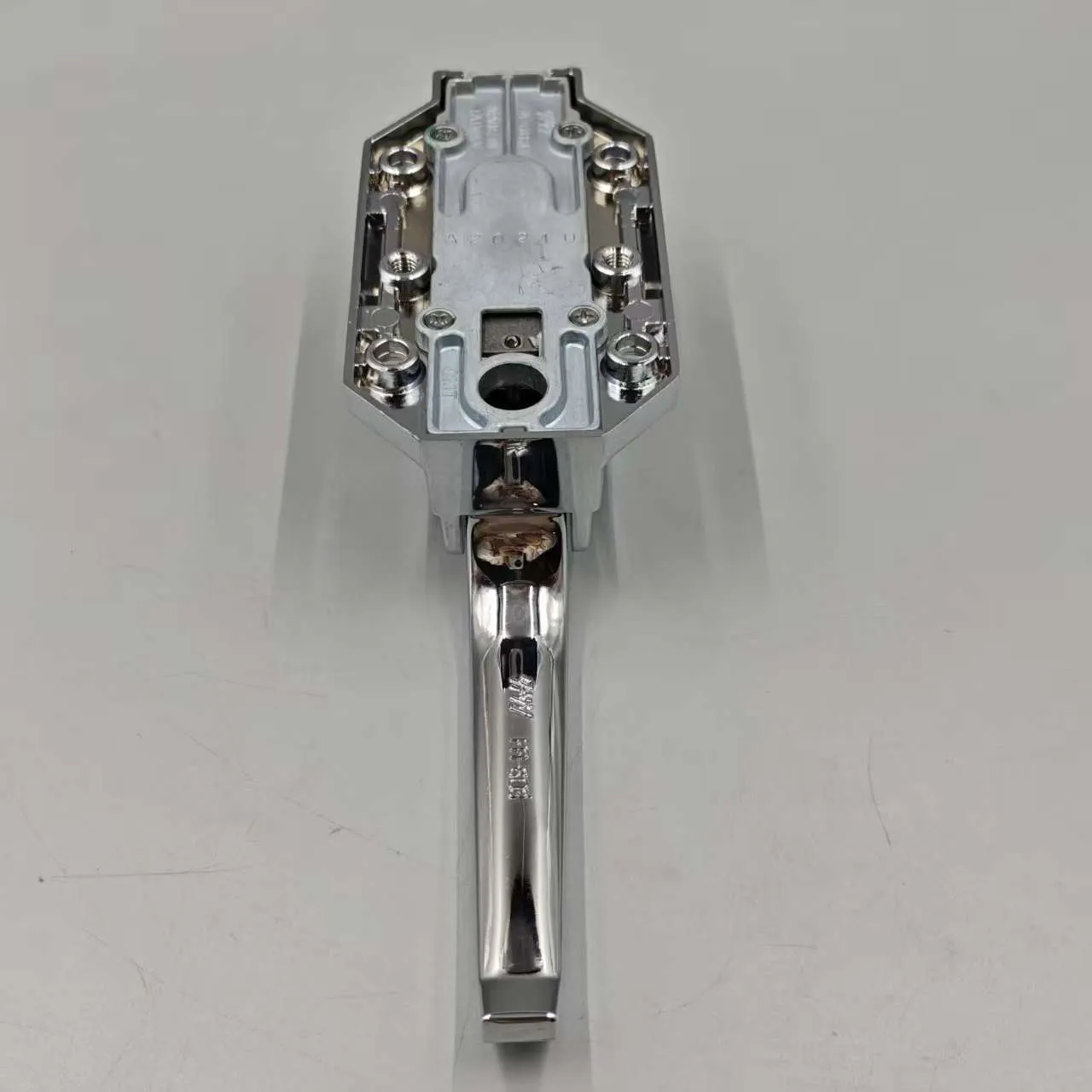 21T-54-35421 Komatsu Handle
 -
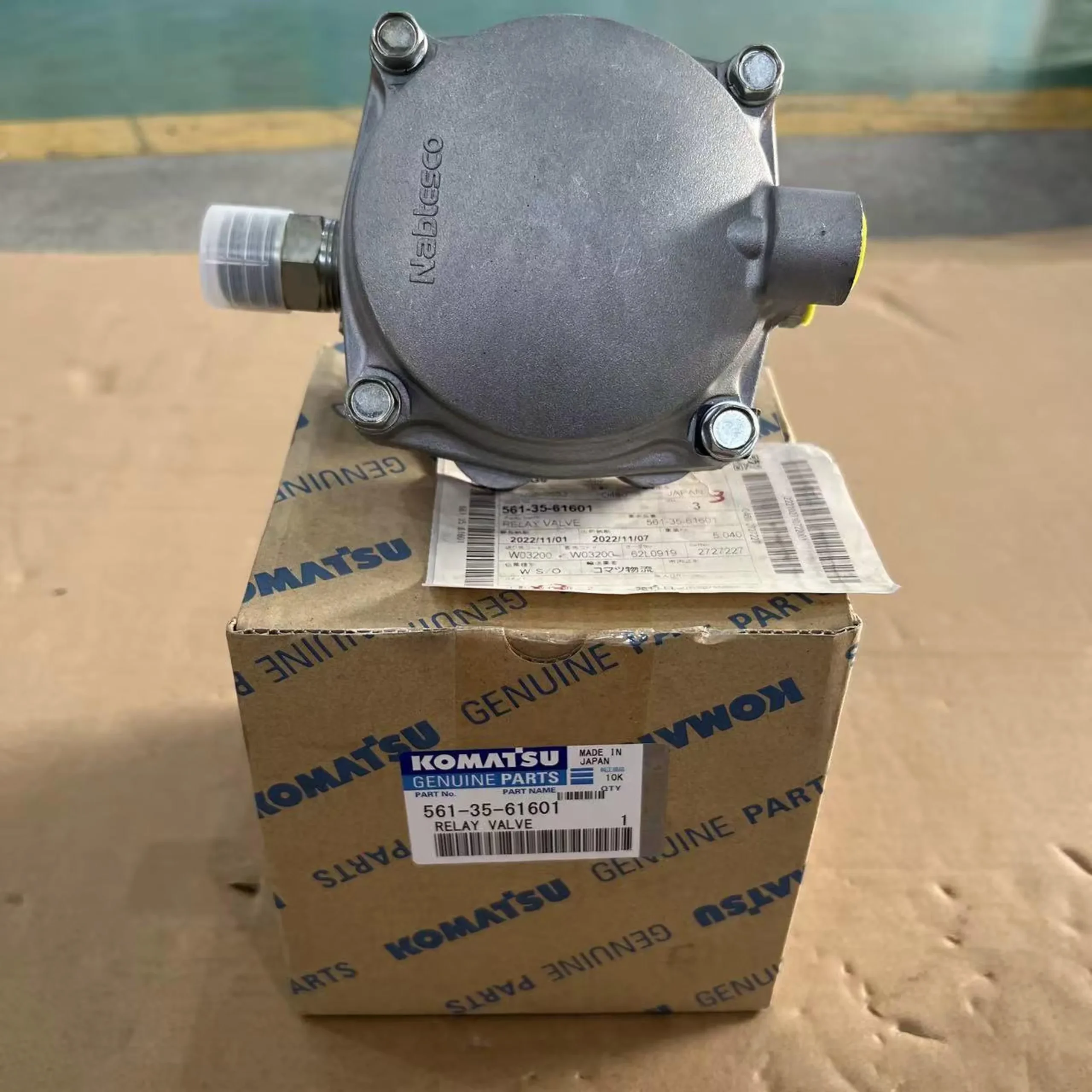 Valve 561-35-61601 for Komatsu Rigid Dumper
 -
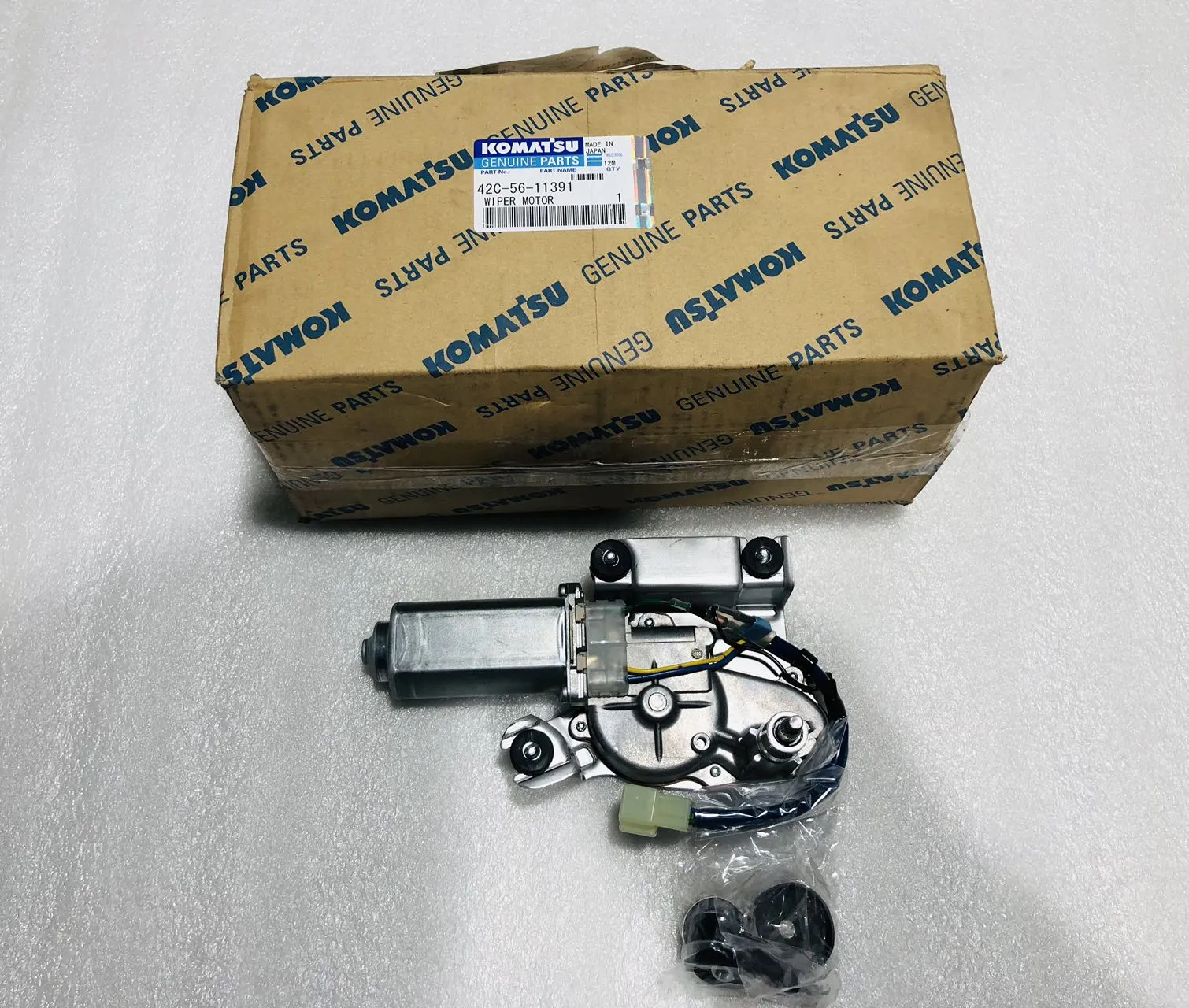 Komatsu 42C-56-11391 WIPER MOTOR
 -
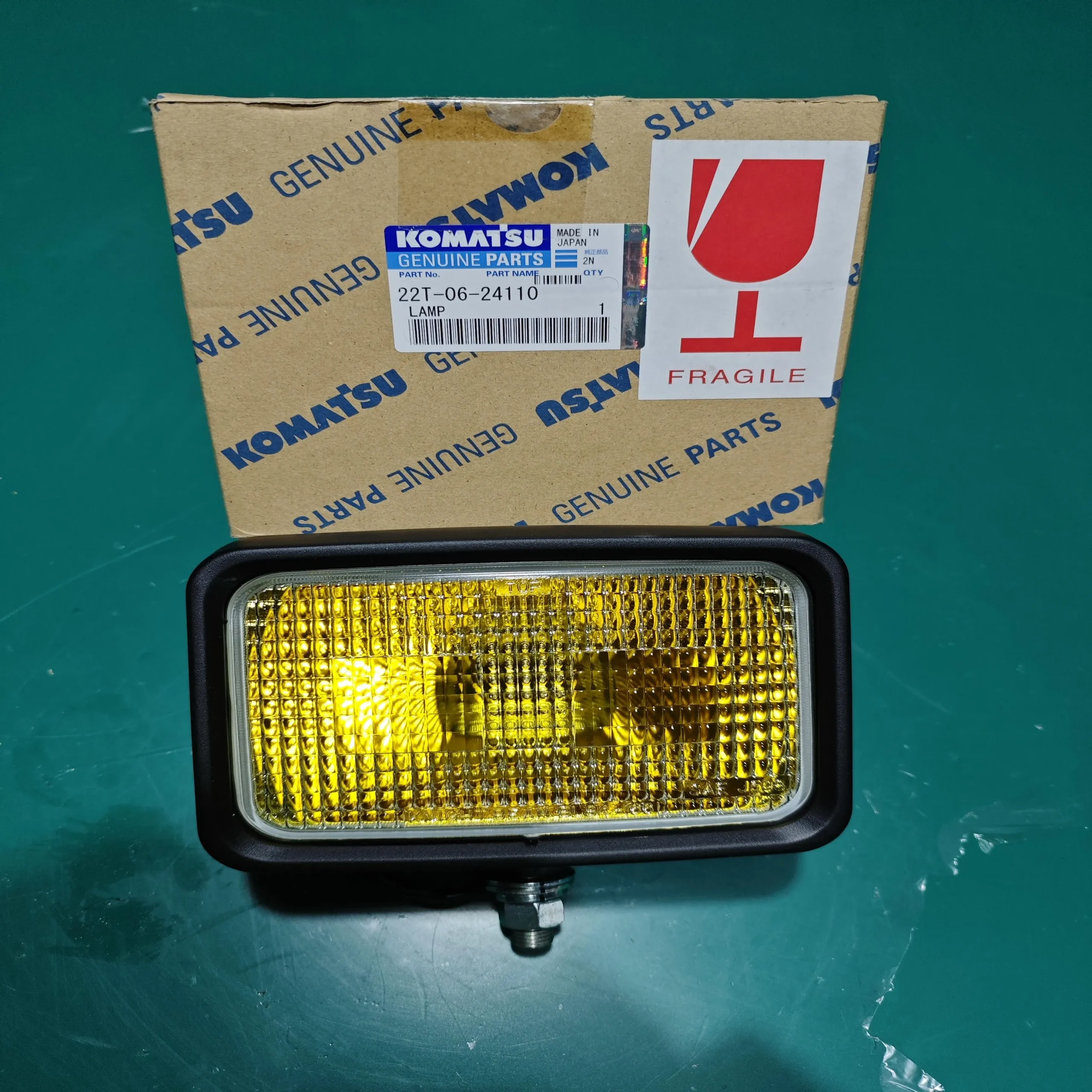 Komatsu HD465/785/HM350/WA155 22T-06-24110 Lamp
 -
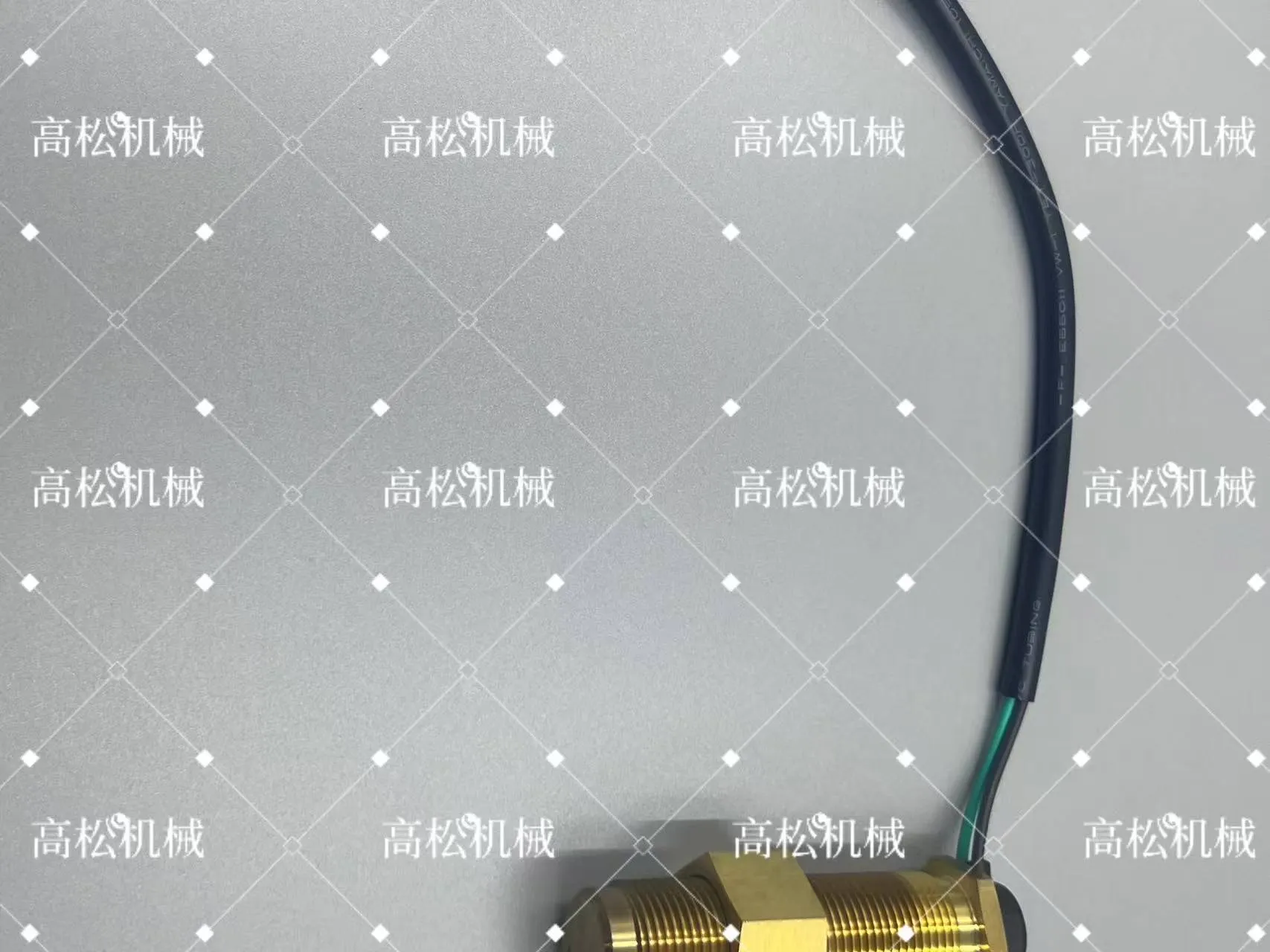 The PC300-6 tachometer sensor 7861-93-2330 is suitable for Komatsu parts
 -
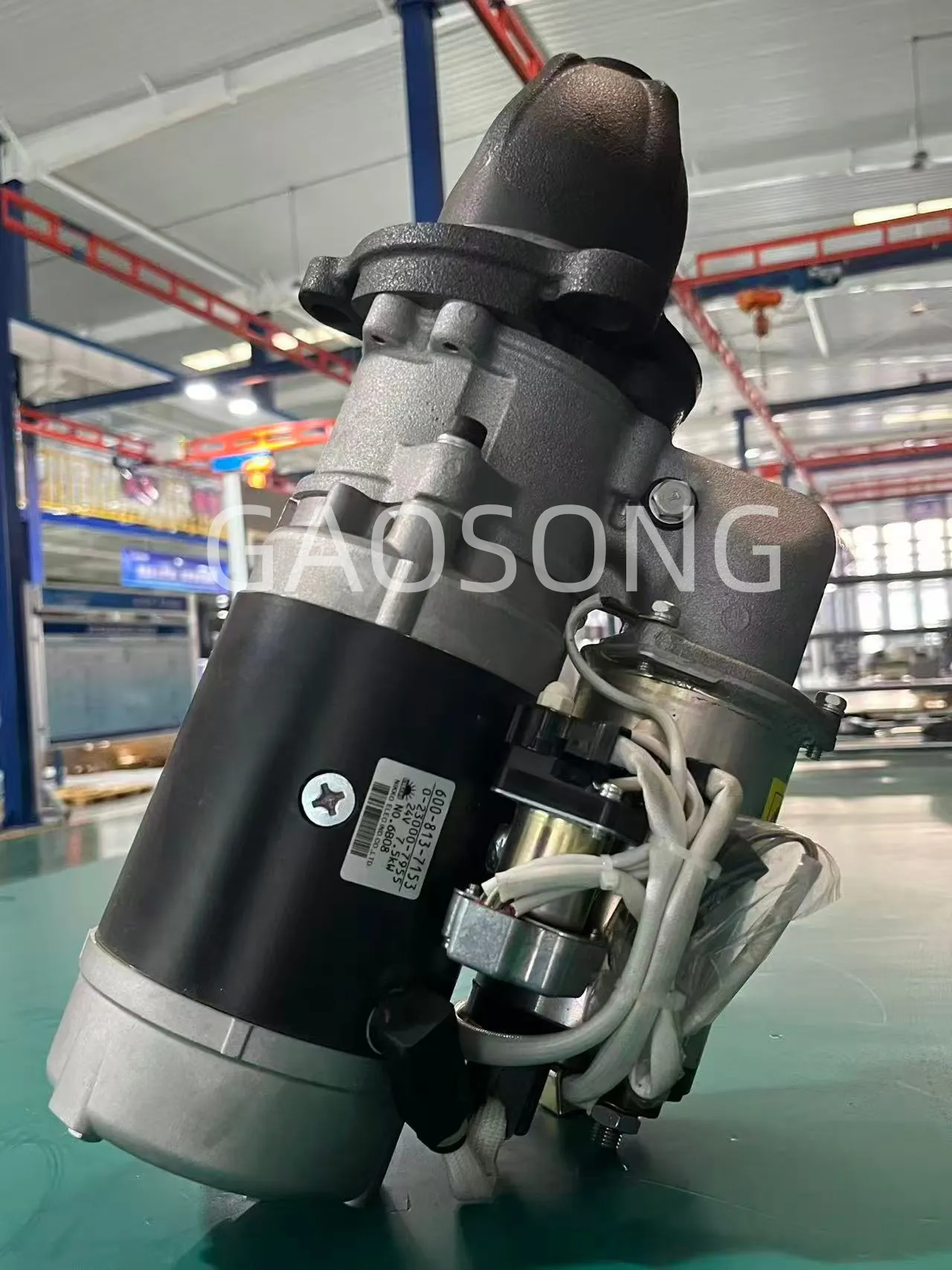 600-813-7153 Starting Motor, -Komatsu Original Factory
 -
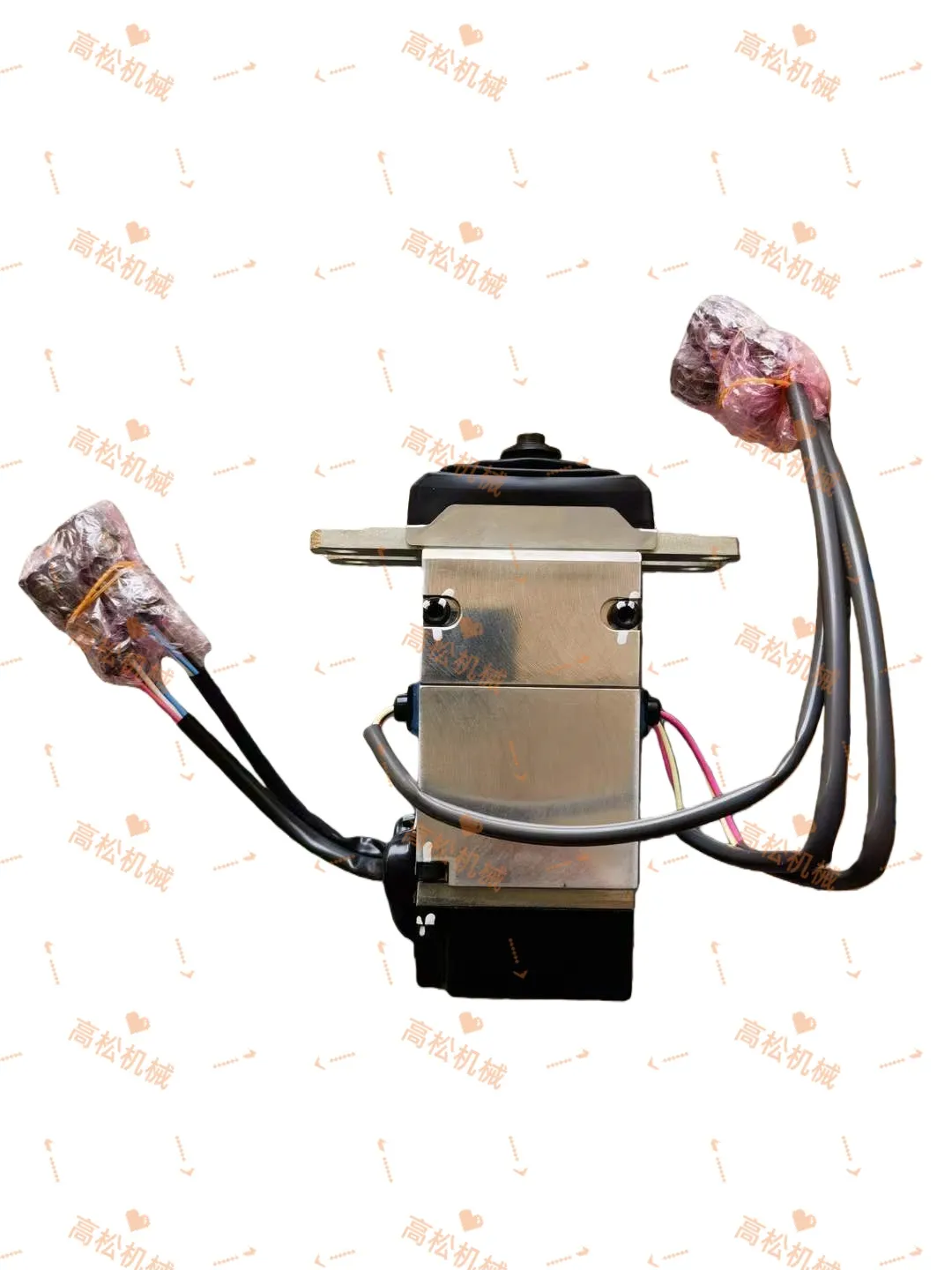 komatsu-part-702-16-02144 Lever Assembly D155A-6R D155AX-8E0 D475A-5E0 D85MS-15 D85EX-15E0 D65PX-18 D155AX-7 LEVER AND CONSOLE FLOOR FRAME TRAVEL CONTROL LEVER ROPS CAB, PCCS (PALM COMMAND CONTROL SYSTEM) LEVER
 -
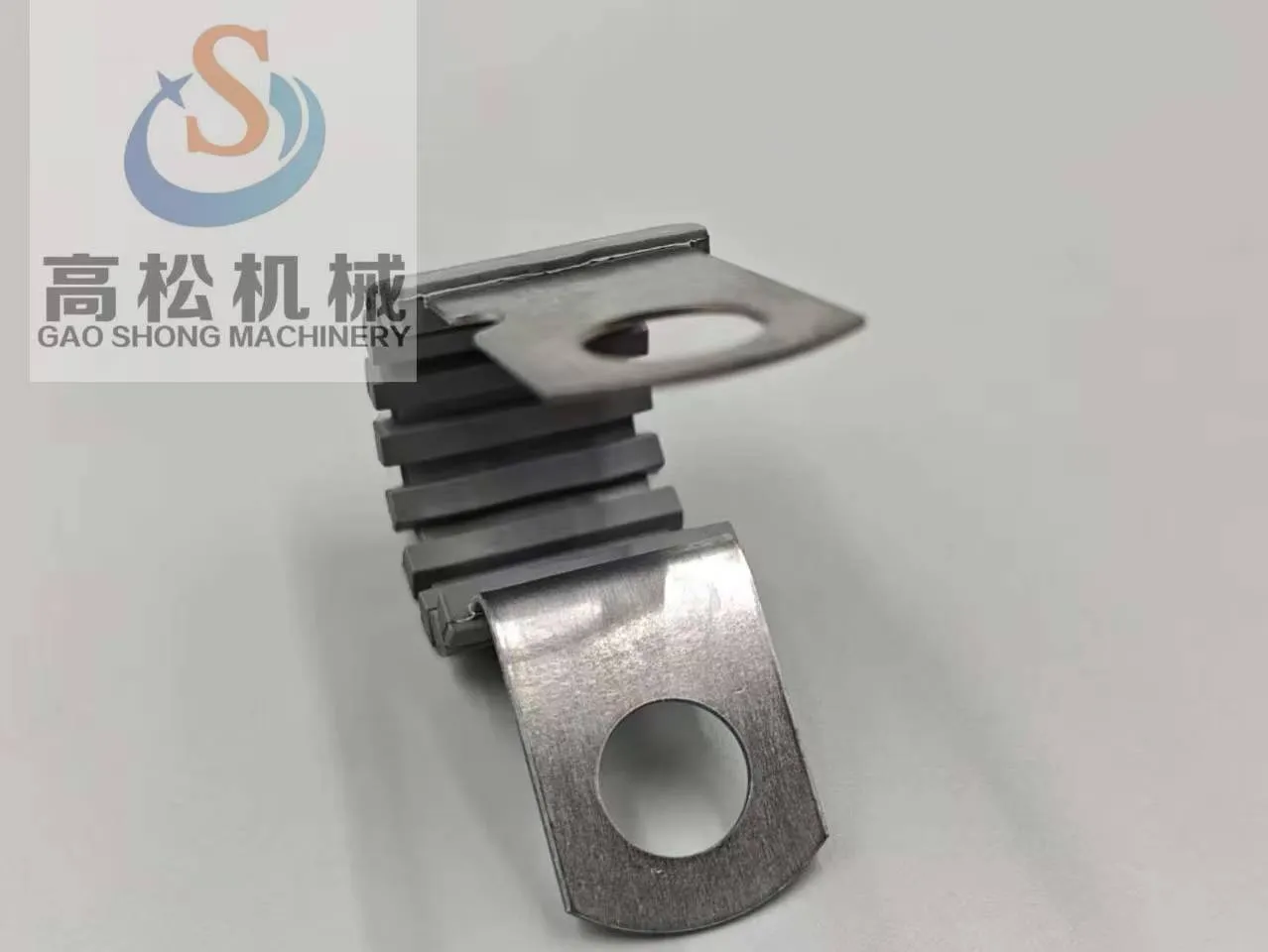 600-051-2180 Compatible models: D65 WA470-6 GD675 Komatsu original clip. Large inventory available.