
- Chinese
- French
- German
- Portuguese
- Spanish
- Russian
- Japanese
- Korean
- Arabic
- Irish
- Greek
- Turkish
- Italian
- Danish
- Romanian
- Indonesian
- Czech
- Afrikaans
- Swedish
- Polish
- Basque
- Catalan
- Esperanto
- Hindi
- Lao
- Albanian
- Amharic
- Armenian
- Azerbaijani
- Belarusian
- Bengali
- Bosnian
- Bulgarian
- Cebuano
- Chichewa
- Corsican
- Croatian
- Dutch
- Estonian
- Filipino
- Finnish
- Frisian
- Galician
- Georgian
- Gujarati
- Haitian
- Hausa
- Hawaiian
- Hebrew
- Hmong
- Hungarian
- Icelandic
- Igbo
- Javanese
- Kannada
- Kazakh
- Khmer
- Kurdish
- Kyrgyz
- Latin
- Latvian
- Lithuanian
- Luxembou..
- Macedonian
- Malagasy
- Malay
- Malayalam
- Maltese
- Maori
- Marathi
- Mongolian
- Burmese
- Nepali
- Norwegian
- Pashto
- Persian
- Punjabi
- Serbian
- Sesotho
- Sinhala
- Slovak
- Slovenian
- Somali
- Samoan
- Scots Gaelic
- Shona
- Sindhi
- Sundanese
- Swahili
- Tajik
- Tamil
- Telugu
- Thai
- Ukrainian
- Urdu
- Uzbek
- Vietnamese
- Welsh
- Xhosa
- Yiddish
- Yoruba
- Zulu
- Kinyarwanda
- Tatar
- Oriya
- Turkmen
- Uyghur






OEM AND ORIGINAL KOMATSU BEARING 21T-27-71390
If you're sourcing a Komatsu bearing 21T-27-71390, you've likely hit the wall of confusion between 'OEM' and 'Original' labels. It's a mess out there, and getting it wrong means downtime. Let's cut through the noise.
The Label Game and Why It Matters
First, a crucial distinction many miss. When we talk about OEM within the Komatsu system, we're referring to parts produced by the original design manufacturer—the factory contracted by Komatsu. These are the genuine articles, built to the exact material and tolerance specs. The term 'Original' should mean the same thing, but in the aftermarket, it's often slapped on anything that looks close. For a critical component like the 21T-27-71390 bearing, which sees heavy load in final drives or swing circles, that difference is everything. A true OEM part has traceability back to the production batch that supplied Komatsu's own assembly line.
I've seen suppliers present beautifully packaged bearings with Komatsu-style part numbers, claiming 'original quality.' But when you cross-check the metallurgy report or even just look at the sealing lip design, it's off. The risk isn't just premature failure; it's cascading damage. A subpar bearing in that application can take out the gear or housing. The cost multiplies fast.
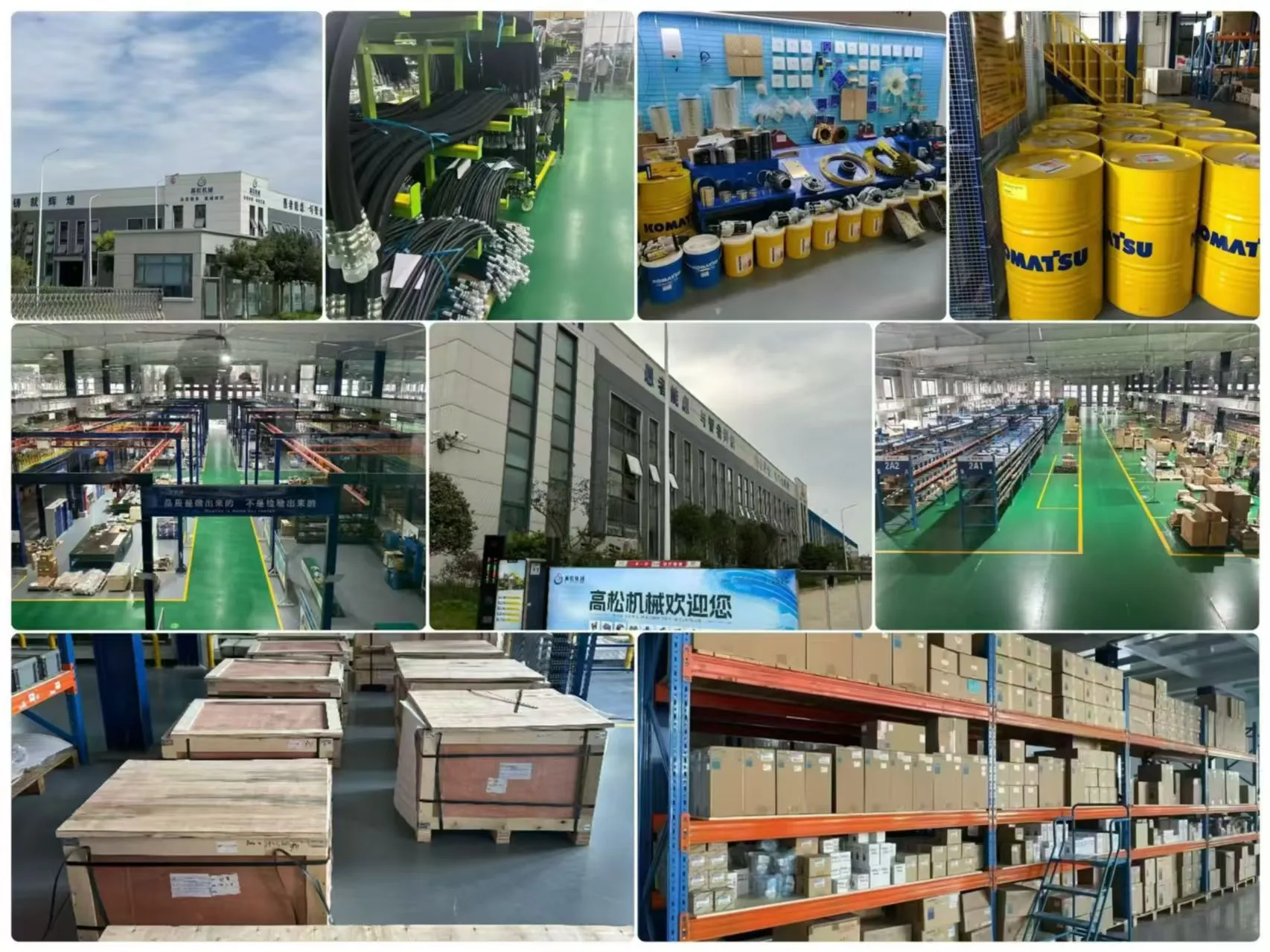
This is precisely where a supplier's position in the supply chain is critical. A company like Jining Gaosong Construction Machinery Co., Ltd. operates with a dual role. They are an OEM product supplier within Komatsu's system, meaning they have access to the authentic pipeline. But they also function as a third-party sales channel. This isn't contradictory; it's pragmatic. They help bridge parts supply gaps in regions where the official distribution is thin or slow, but they do it with the right parts. That's the key service: solving supply challenges without compromising on the component's integrity.
Verification in the Field: More Than a Part Number
So, how do you verify? The part number 21T-27-71390 is just the start. A true OEM bearing will have specific laser etchings or stamps on the race itself, not just on the box. The packaging, while less important, should also align. Komatsu's OEM parts don't come in flimsy, unbranded plastic. There's usually a specific parts bag with Komatsu's logo and the correct, full part number. If a supplier can't provide clear, high-resolution photos of these markings on the actual part before shipment, that's a major red flag.
I recall a project in Southeast Asia where a contractor bought what was sold as an 'original' 21T-27-71390 from a local vendor. It failed within 400 hours. When we pulled it, the cage design was different—it used a cheaper, pressed steel design instead of the machined brass. The heat dissipation was poor, leading to rapid grease breakdown and seizure. The downtime cost far exceeded the savings from the cheaper part. The lesson was hard: always insist on documentation, even if it's a simple certificate of conformity from a recognized OEM supplier.
This is where the practical value of a specialist third-party company comes in. They aren't just order-takers. A good supplier will ask you for the machine model and serial number to confirm the exact bearing variant. The 21T-27-71390 might have sub-versions for different Komatsu excavator series. Their job is to navigate that nuance for you.
The Pitfalls of Compatible Alternatives
The market is flooded with 'compatible' bearings for this SKU. Some are decent, many are not. The temptation is the price, sometimes 40-50% lower. But compatibility often only means dimensional interchangeability—the inner and outer diameters match. It says nothing about load ratings, heat treatment, lubricant retention, or sealing effectiveness.
For a high-stress application, the dynamic load rating (C value) is non-negotiable. A lower-grade 'compatible' bearing might have a C value 20% below the OEM spec. It will pass a static fit check but will fatigue and spall much faster under real-world cyclical loading. I've tested this. We ran two bearings side-by-side in a controlled rebuild: one OEM, one premium 'compatible.' The OEM unit showed uniform wear patterns at the 2000-hour inspection. The compatible one had early signs of micropitting on the raceway. The data doesn't lie.
Therefore, the guidance is strict: for planetary or swing applications, never downgrade. Use the true OEM Komatsu bearing or a certified, performance-equivalent substitute from a top-tier bearing manufacturer (like NTN or KOYO, who are often the actual OEMs anyway). The supplier's brief on their site about solving parts supply challenges is valid, but the unspoken half is that they do it without pushing unvetted alternatives. Their value is in providing the real thing through a more agile channel.
Logistics and the Real-World Supply Chain
Let's talk about lead times. Waiting eight weeks for an official parts depot order can cripple a project. This is the gap that third-party suppliers within the system fill. They often hold strategic stock of high-wear items like the 21T-27-71390. Their business model is based on forecasting common failures. You get the part in days, not months. But you must vet their source. Ask: Is this from Komatsu's OEM factory or a parallel production line? A legitimate supplier will be transparent. They might say it's from the same factory that fulfills Komatsu's orders, just allocated to their distribution network.
I've worked with channels that get parts from regions with surplus. It's a complex, global dance. The bearing you get in South America might have been sourced from stock in Singapore. The point is, the part's pedigree remains intact. The supplier's role is to manage that complexity so you don't have to. Their company description—being an OEM product supplier within the Komatsu system—is essentially a promise of that pedigree. It means they are plugged into the authentic manufacturing and logistics stream, not just buying from the open market and reselling.
A practical tip: when you receive the bearing, check the country of origin on the box and part. Komatsu's OEM bearings for this model are typically manufactured in Japan. If it says otherwise, like a different Southeast Asian country, it doesn't automatically mean it's fake, but it requires more scrutiny. Cross-reference with the supplier's documentation.
Cost vs. Value: A Final Calculation
It always circles back to cost. The true OEM Komatsu bearing 21T-27-71390 commands a premium. But the calculation is total cost of ownership. Factor in the labor for installation (which is significant for a final drive bearing), the cost of downtime per hour for your machine, and the risk of collateral damage. Suddenly, the premium for the verified part shrinks to a minor insurance policy.
We did a rough calculation for a PC300-8 excavator. Downtime cost was estimated at $180/hour. A bearing failure from a suspect part could mean 24-48 hours of downtime for disassembly, sourcing a correct replacement, and reassembly. That's $4,000-$8,000 in lost revenue, plus a second bearing and additional labor. The price difference between a questionable part and a verified OEM part was about $300. The math is embarrassingly clear.
In the end, sourcing is about risk management. Partners who explicitly state their role as part of the OEM system, like Jining Gaosong, are offering more than a part; they are offering a reduction in supply chain risk. They provide a path to the authentic 21T-27-71390 without the bureaucratic delays of the official channel. That's their niche. For fleet managers and rebuild shops, that's a tangible, valuable service. It turns a potential headache—a critical bearing failure—into a simple logistics transaction. And in this business, that's worth its weight in gold.
Related Products
Related Products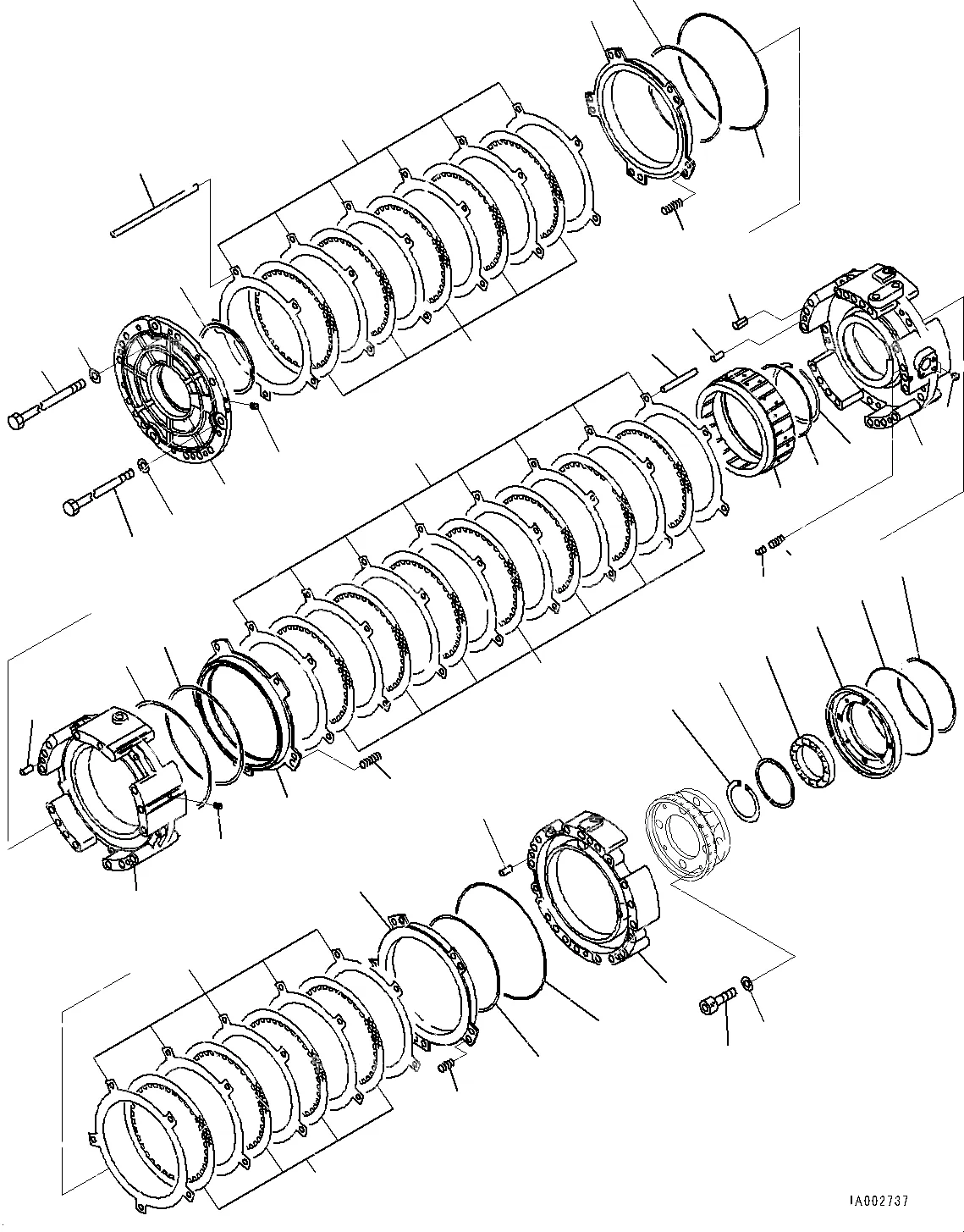

Best Selling Products
Best Selling Products-
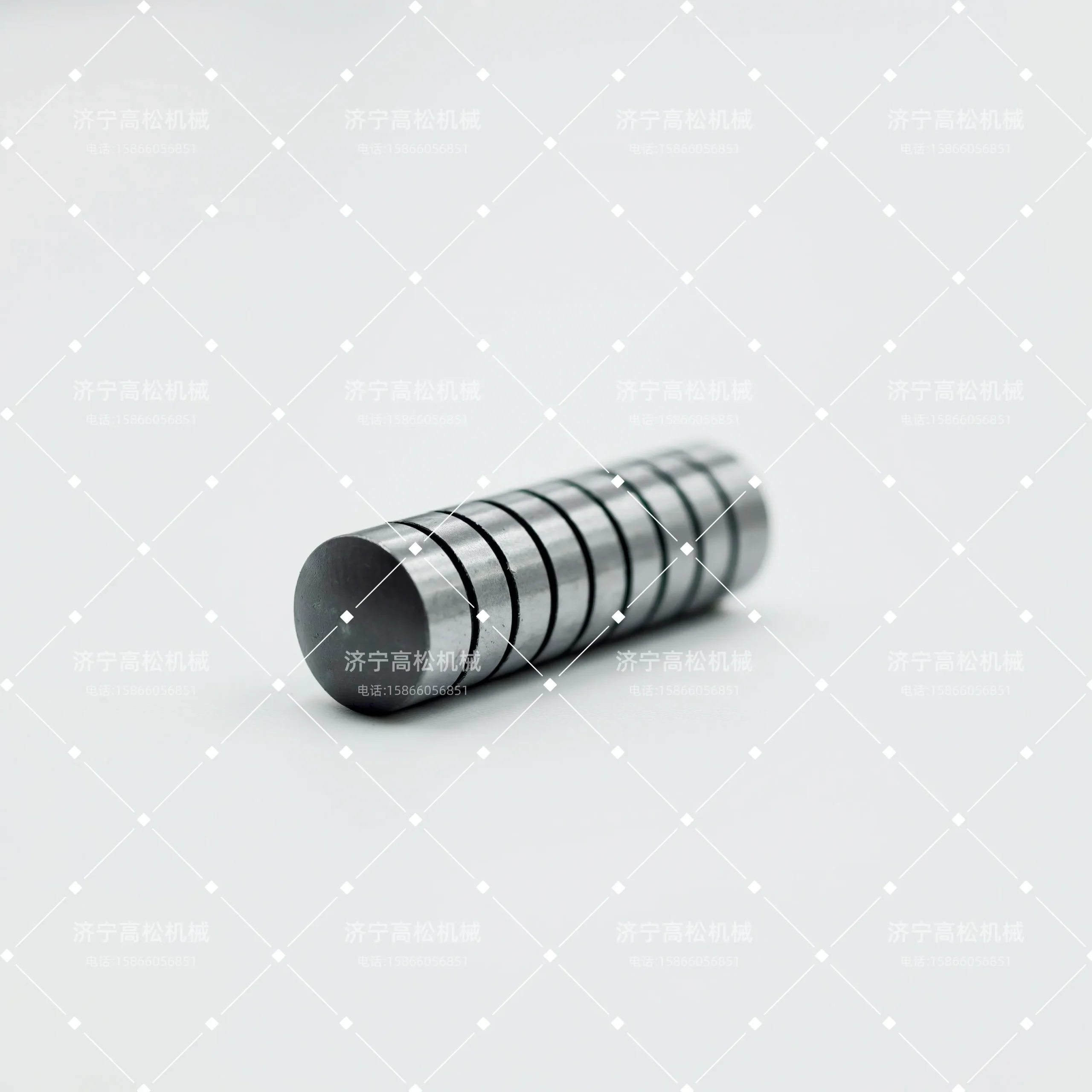 19M-40-11160 Komatsu PISTON
 -
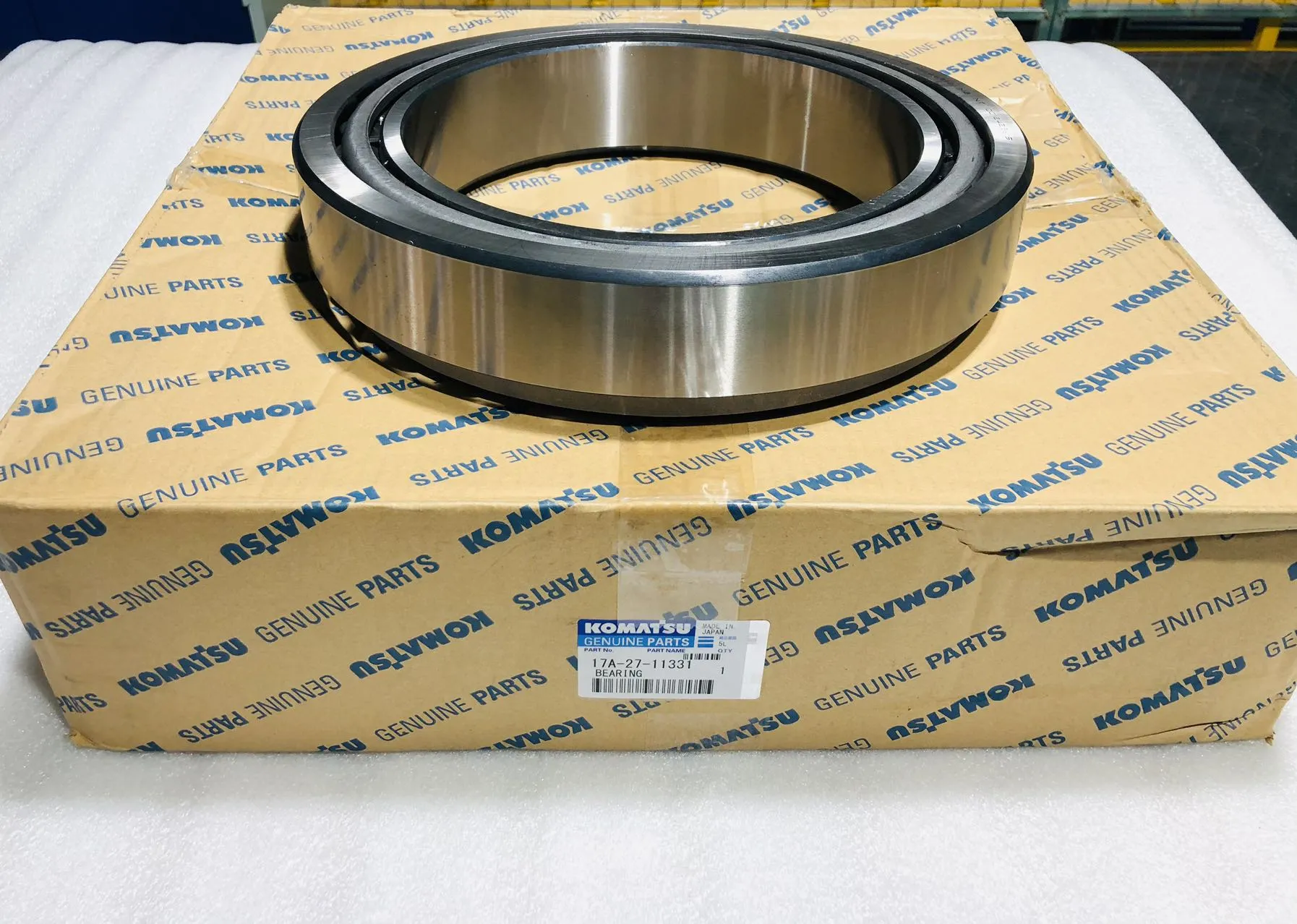 17A-27-11331 Komatsu D155
 -
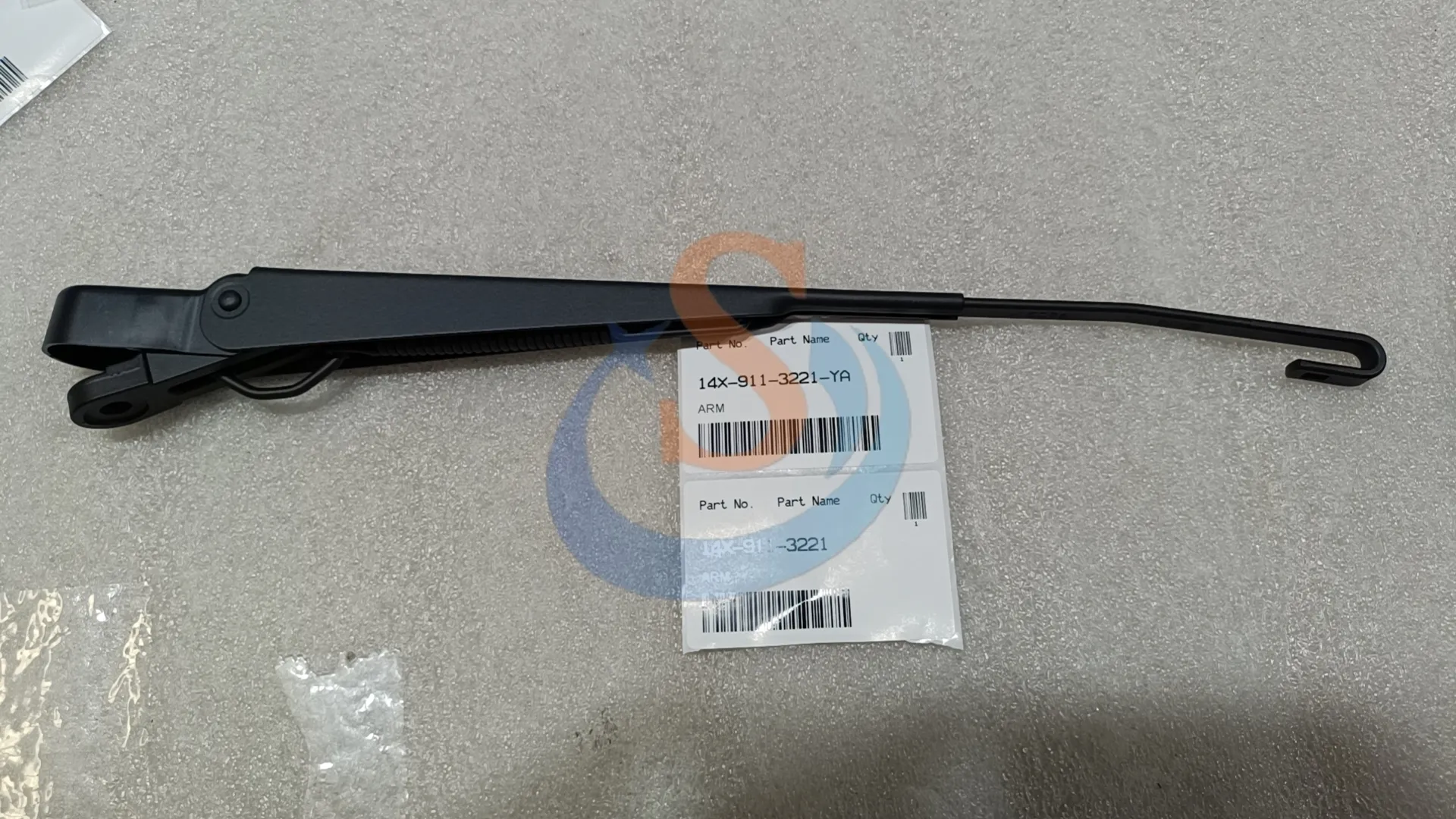 14X-911-3221,ARM,D155AX,D375A,D475A
 -
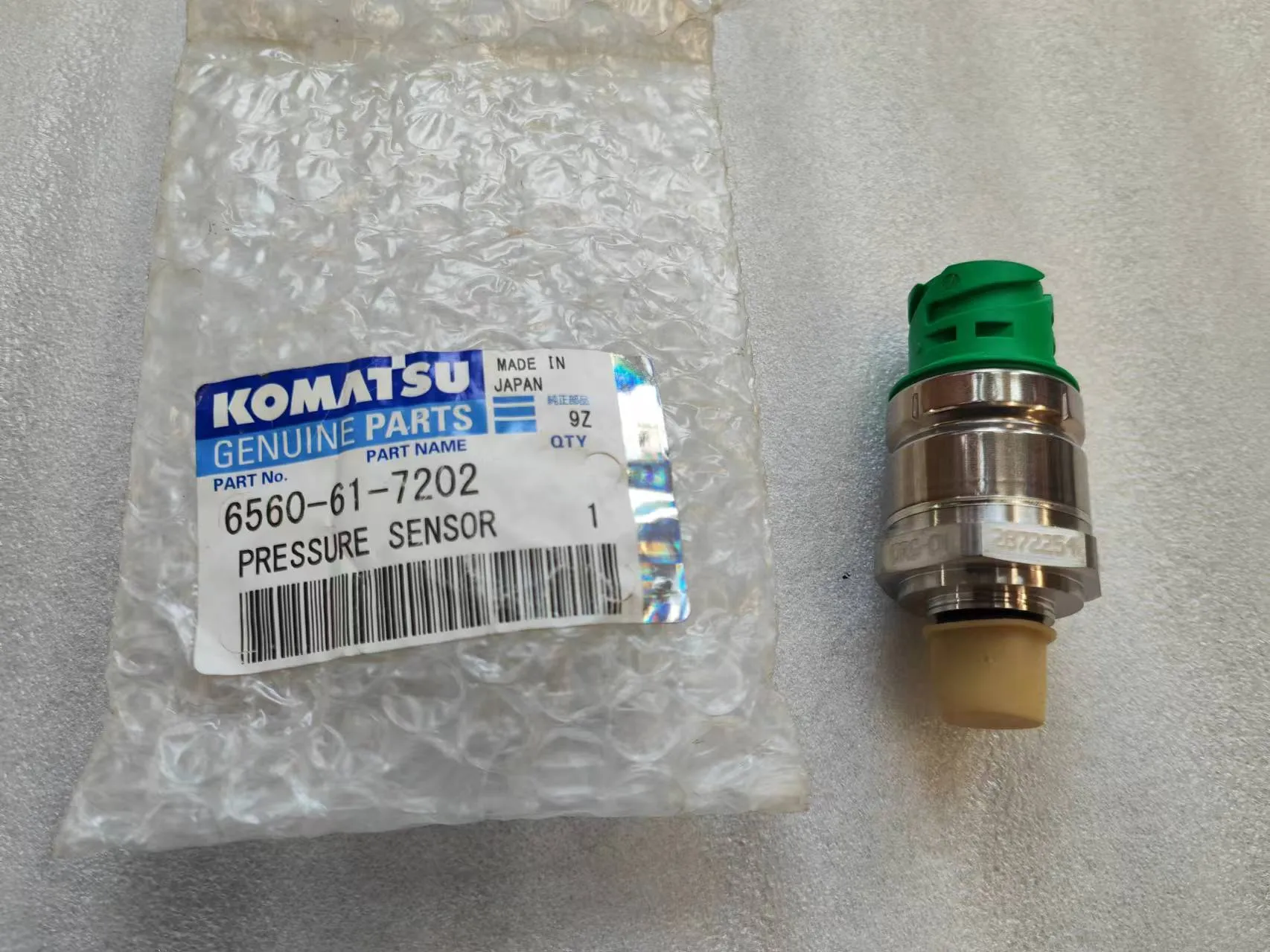 D155AX-6 Pressure Sensor 6560-61-7202
 -
 HD785-7 center exhaust manifold 6215-11-5172
 -
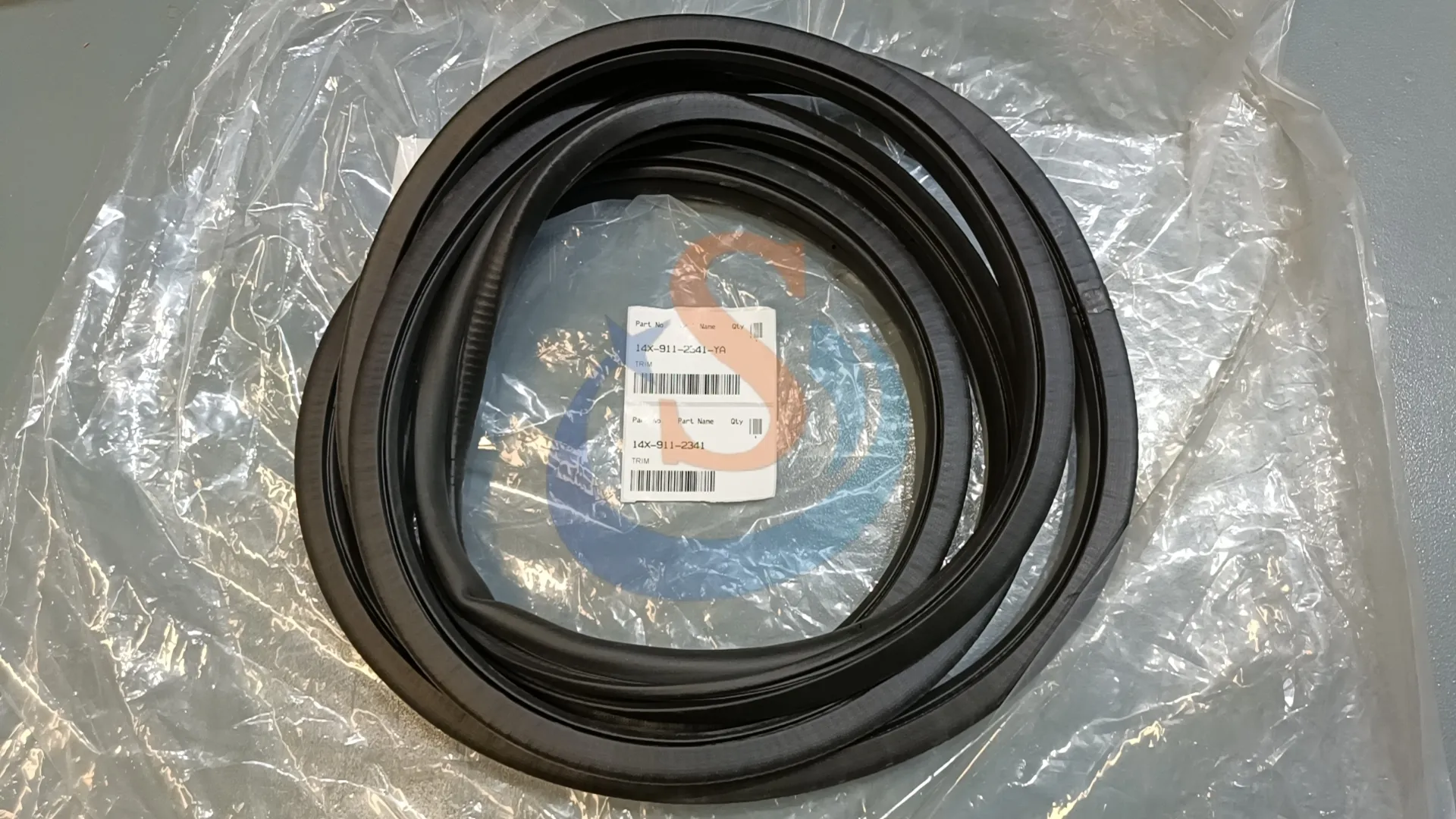 14X-911-2341,TRIM,D155A,D375A,D61EX
 -
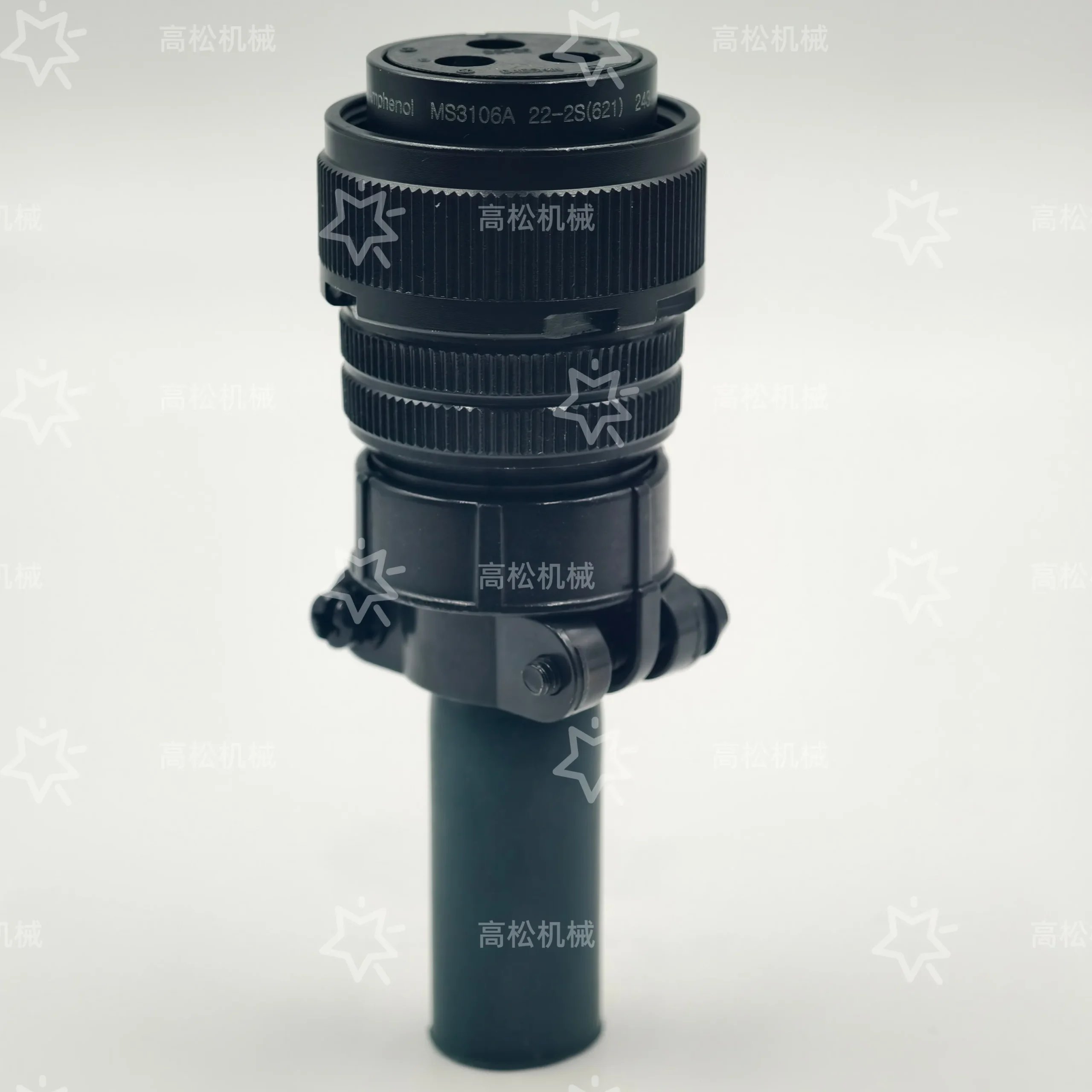 175-06-37871 komatsu Plug
 -
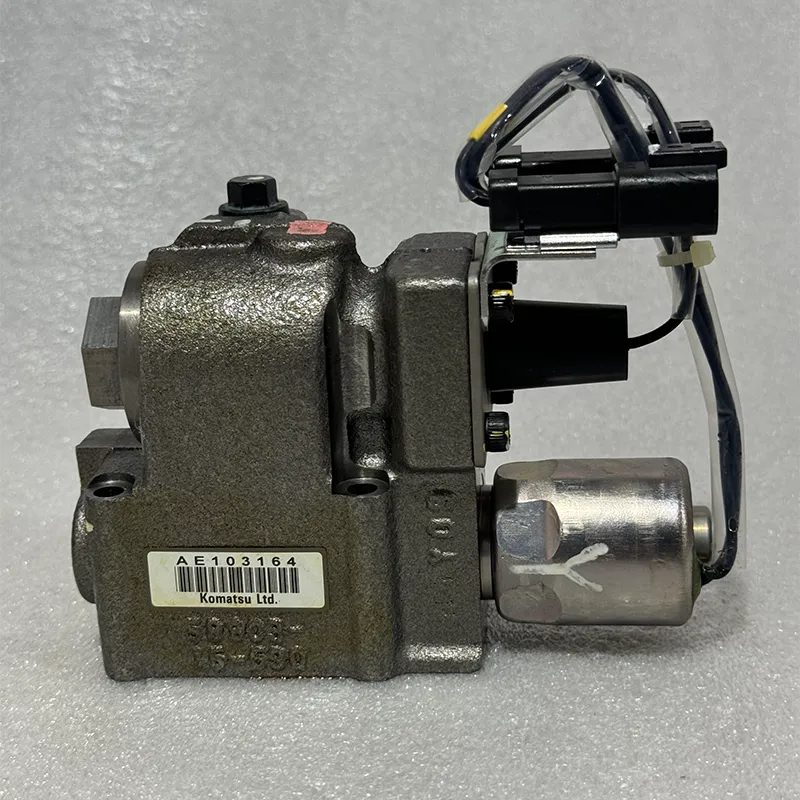 Original komatsu HD785-7 Valve 561-15-75701
 -
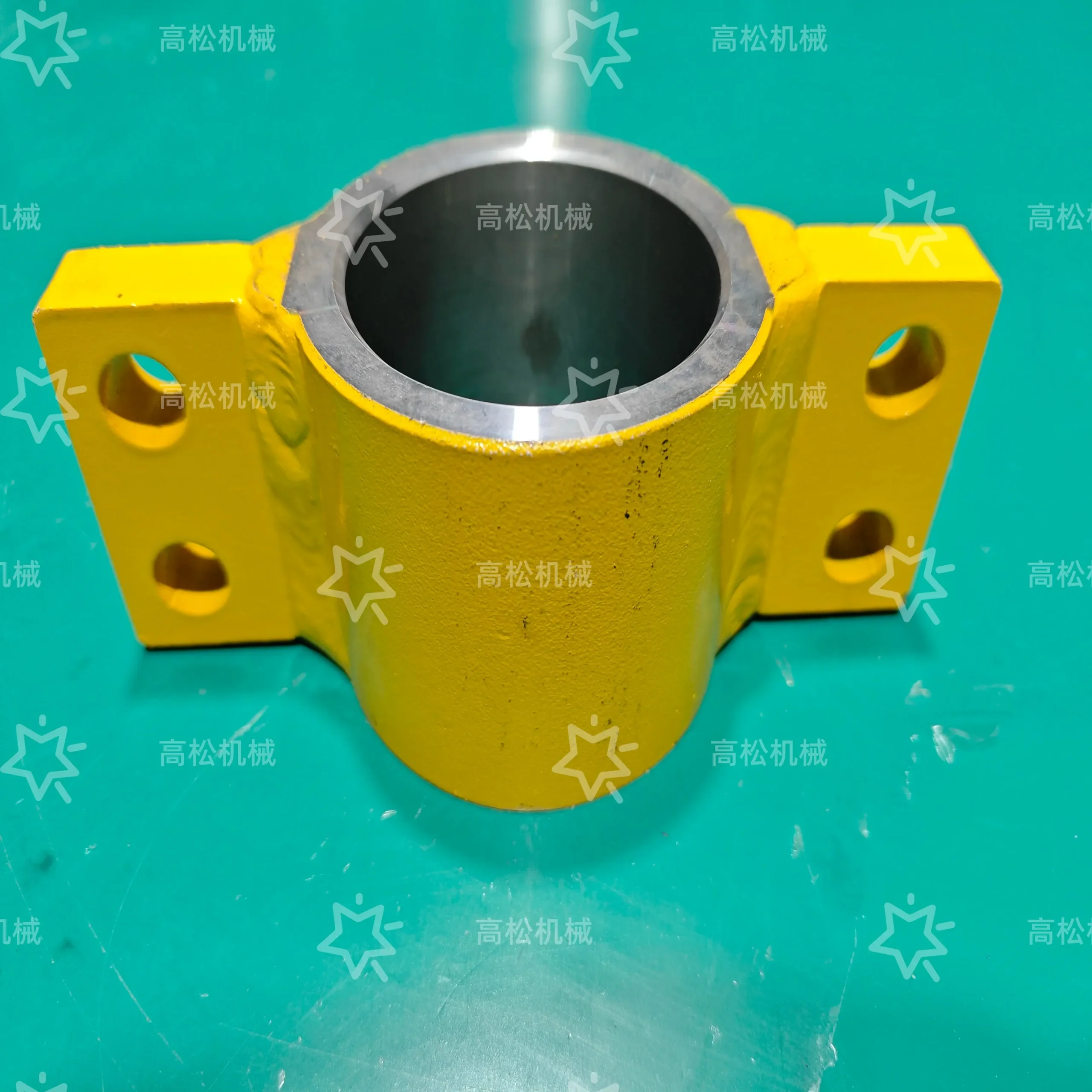 Komatsu Push± Machine Parts 195-20-35100
 -
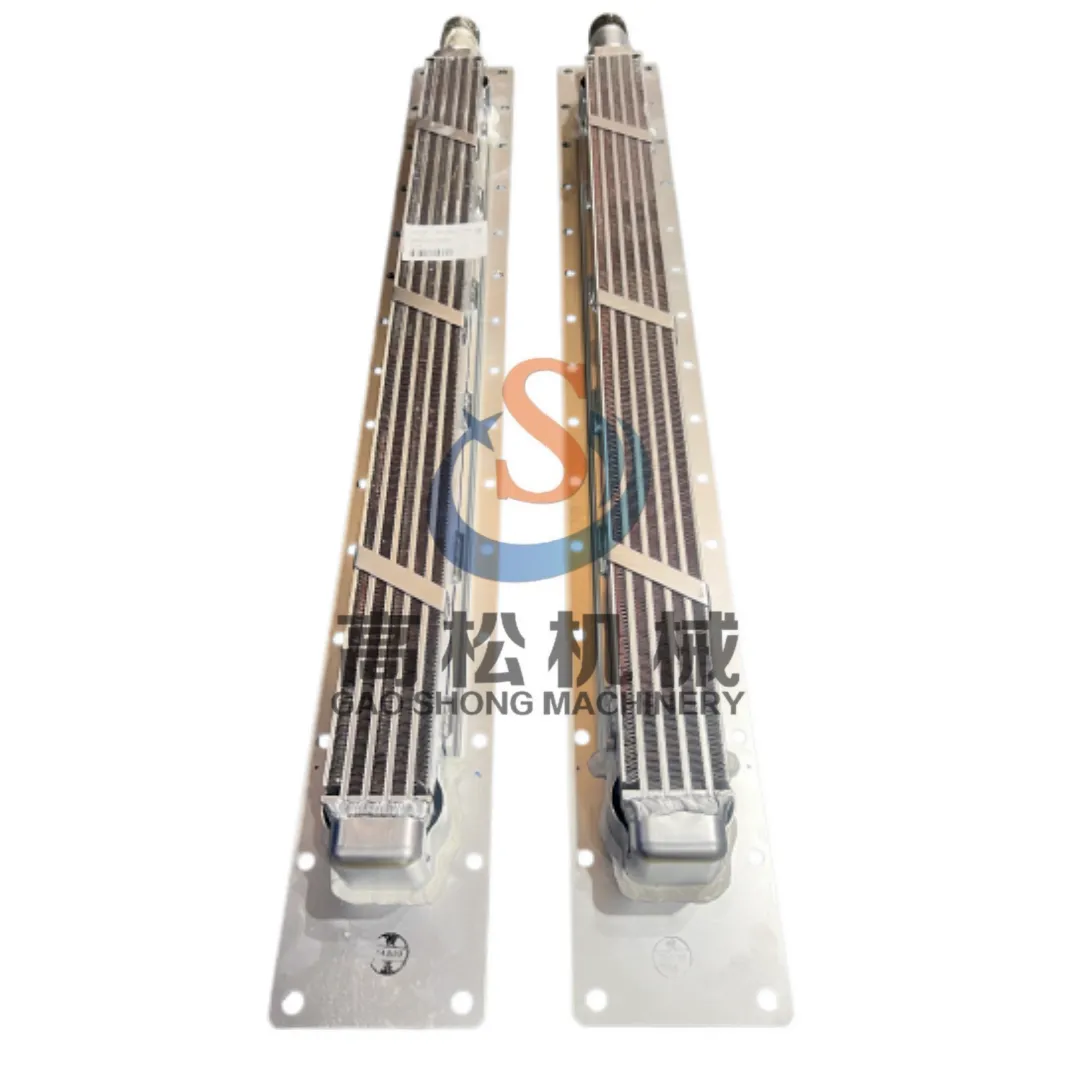 Original Stock Engine Parts Core 6212-61-6121 Is Suitable for Komatsu SA6D140-1 Engine – Image 2 Original Stock Engine Parts Core 6212-61-6121 Is Suitable for Komatsu SA6D140-1 Engine – Image 3 Original Stock Engine Parts Core 6212-61-6121 Is Suitable for Komatsu SA6D140-1 Engine – Image 4 Original Stock Engine Parts Core 6212-61-6121 Is Suitable for Komatsu SA6D140-1 Engine – Image 5 Original Stock Engine Parts Core 6212-61-6121 Is Suitable for Komatsu SA6D140-1 Engine – Image 6 Original Stock Engine Parts Core 6212-61-6121 Is Suitable for Komatsu SA6D140-1 Engine
 -
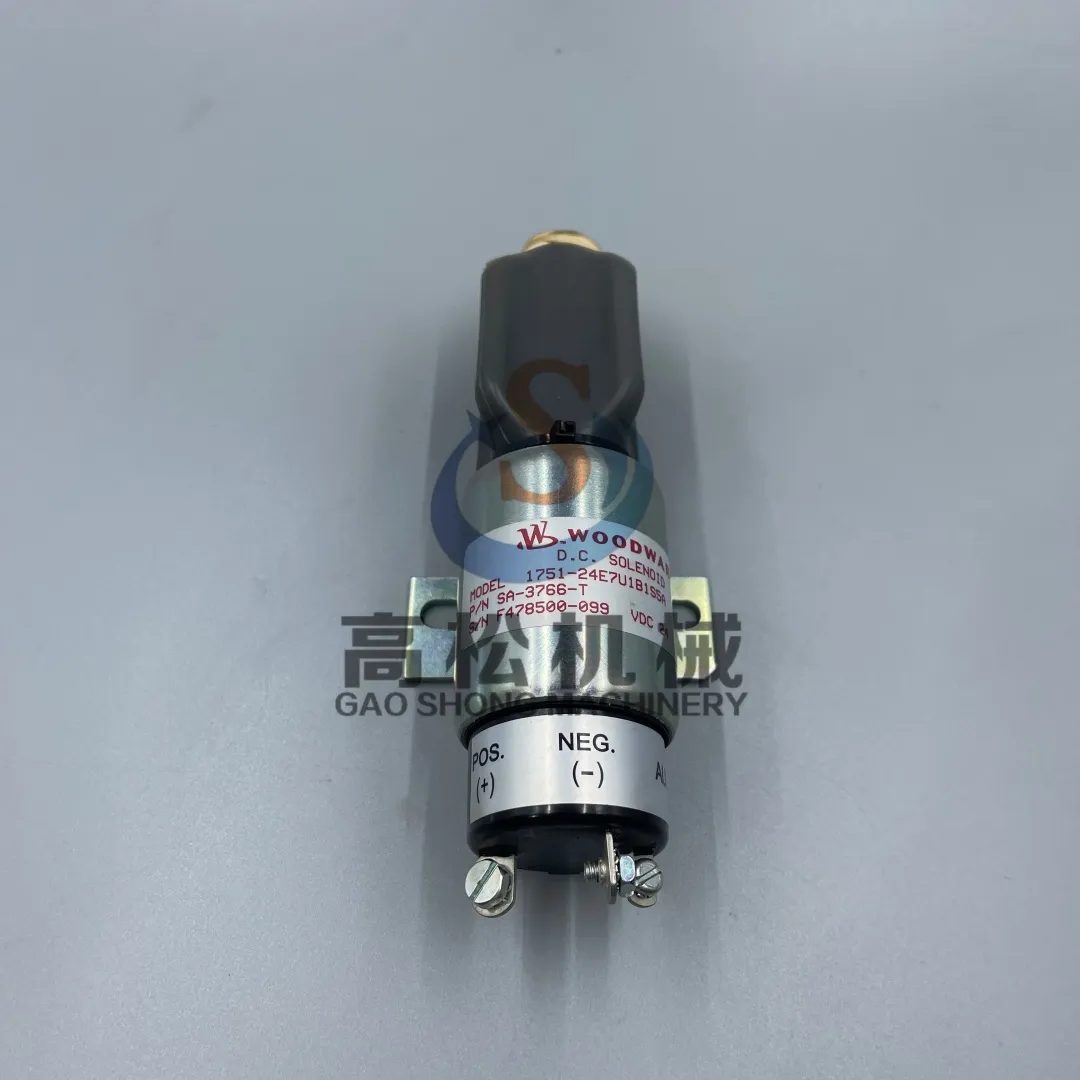 600-815-7550 Fuel Stop Solenoid Valve For Komatsu PC75UU-3 PC200LC-6 PC228UU-1
 -
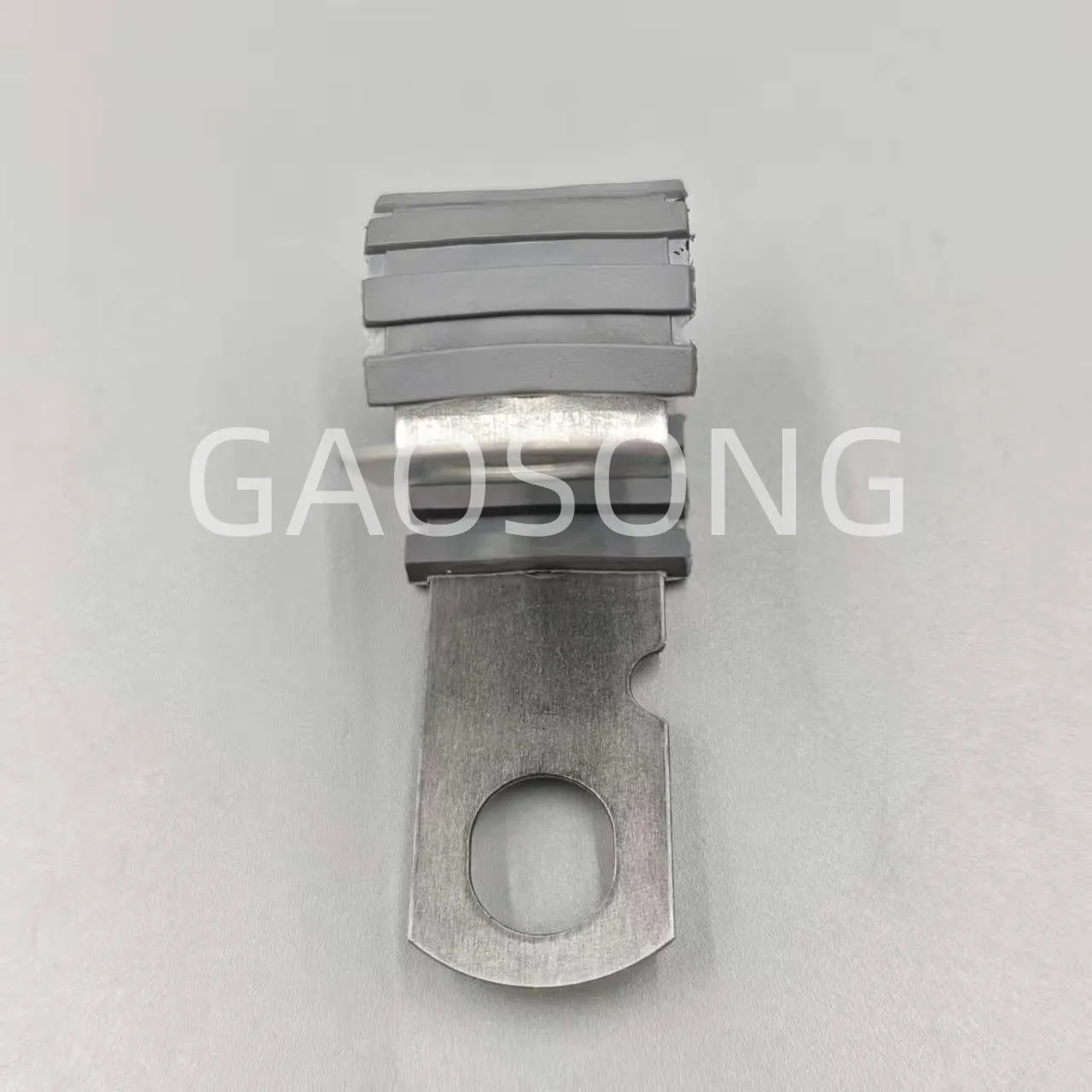 600-051-2180 CLIP-Komatsu Original Factory