
- Chinese
- French
- German
- Portuguese
- Spanish
- Russian
- Japanese
- Korean
- Arabic
- Irish
- Greek
- Turkish
- Italian
- Danish
- Romanian
- Indonesian
- Czech
- Afrikaans
- Swedish
- Polish
- Basque
- Catalan
- Esperanto
- Hindi
- Lao
- Albanian
- Amharic
- Armenian
- Azerbaijani
- Belarusian
- Bengali
- Bosnian
- Bulgarian
- Cebuano
- Chichewa
- Corsican
- Croatian
- Dutch
- Estonian
- Filipino
- Finnish
- Frisian
- Galician
- Georgian
- Gujarati
- Haitian
- Hausa
- Hawaiian
- Hebrew
- Hmong
- Hungarian
- Icelandic
- Igbo
- Javanese
- Kannada
- Kazakh
- Khmer
- Kurdish
- Kyrgyz
- Latin
- Latvian
- Lithuanian
- Luxembou..
- Macedonian
- Malagasy
- Malay
- Malayalam
- Maltese
- Maori
- Marathi
- Mongolian
- Burmese
- Nepali
- Norwegian
- Pashto
- Persian
- Punjabi
- Serbian
- Sesotho
- Sinhala
- Slovak
- Slovenian
- Somali
- Samoan
- Scots Gaelic
- Shona
- Sindhi
- Sundanese
- Swahili
- Tajik
- Tamil
- Telugu
- Thai
- Ukrainian
- Urdu
- Uzbek
- Vietnamese
- Welsh
- Xhosa
- Yiddish
- Yoruba
- Zulu
- Kinyarwanda
- Tatar
- Oriya
- Turkmen
- Uyghur






OEM AND ORIGINAL KOMATSU BEARING 21T-09-31120
When you see that part number, 21T-09-31120, pop up on a screen or a quote, the immediate assumption is you're dealing with a genuine Komatsu part. But that's where the first pitfall is. In our line, the term 'OEM and Original' gets tossed around so much it's lost a bit of its edge. I've seen boxes that look perfect, with the right logos, but the bearing inside... well, let's just say its lifespan in a PC300-8 pump would tell a different story. The real conversation starts when you dig into the supply chain. Companies like Jining Gaosong Construction Machinery Co., Ltd. position themselves within that gray area—an OEM product supplier in the Komatsu system and a third-party sales channel. That dual role is crucial to understand. It means they might have access to lines that produce to Komatsu's spec, but the part that reaches you, especially in regions with supply bottlenecks, might not have come directly from Komatsu's own parts distribution center. The bearing's provenance is everything.
The Spec Sheet vs. The Workshop Floor
Pulling the technical data for the 21T-09-31120 bearing is straightforward. It's a specific tapered roller bearing for Komatsu's hydraulic pump applications. The dimensions, load ratings, and clearances are all documented. But here's the rub: an OEM-spec part from a system supplier should match this exactly. In theory, it does. In practice, the devil is in the metallurgy and the heat treatment. I recall a batch we tested a few years back—the hardness was off by a few points on the Rockwell C scale. Not enough to fail a casual inspection, but enough to cause premature spalling under constant high-pressure cyclical loading. The failure wasn't catastrophic; it was a slow grind, increasing contamination in the hydraulic system over 800 hours. That's the kind of problem that doesn't show up immediately, it just kills your pump's efficiency gradually.
This is where the value of a supplier's transparency matters. If you're sourcing from a third-party sales company like the one mentioned, their entire pitch should be about solving supply challenges, not just undercutting price. A reliable one will tell you straight: This is from our OEM partner line, here's the mill certificate for the steel. The dodgy ones just keep repeating original, original while avoiding the traceability paperwork. For a critical wear component like this bearing, the certificate of conformity isn't bureaucracy; it's your first line of defense.
Another practical nuance is the sealing and lubrication. The genuine 21T-09-31120 comes with a specific, factory-applied grease. Some aftermarket or even parallel-OEM parts might use a different grease compound. If it's incompatible with the system's hydraulic fluid or has a lower drop point, it can wash out or coke up under the pump's operating temperature. I've had to flush systems because a 'compatible' bearing introduced a grease that reacted poorly. Now, it's a checklist item: ask about the pre-lube spec, not just the bearing dimensions.
Navigating the Komatsu System Supplier Network
The phrase OEM product supplier within the Komatsu system is a key piece of jargon. It doesn't mean Komatsu owns the factory. It typically means that supplier has a contract to manufacture components or whole assemblies to Komatsu's engineering drawings and quality protocols. For a period, they are part of the approved production chain. However, when that contract ends or during off-peak periods, that same factory may run the same part on the same line, but it's no longer destined for Komatsu's official inventory. It becomes what the industry calls parallel OEM or system-spec stock. This is often what companies like Jining Gaosong Construction Machinery Co., Ltd. access. It's not counterfeit, but its path to market is different.
This model is a double-edged sword. For markets where the official Komatsu parts distribution is thin or backlogged, it's a lifeline. A project in a remote location can't wait 12 weeks for a bearing. But the risk is quality fade. Without Komatsu's direct incoming quality control (IQC) audits on that specific batch, consistency can slip. I've used their channel, found at takematsumachinery.com, for non-critical seals and hoses with good results. For a core pump bearing like the 21T-09-31120, I'd be more cautious. I'd want their assurance that the batch was from an active production window for Komatsu, not a warehouse clearance of older stock.
The website states they help solve parts supply challenges in certain countries. That's an honest admission. They're not claiming to be the primary distributor. Their role is to fill gaps. When engaging with such a supplier, your due diligence shifts. Instead of just verifying the part, you need to verify their source's current standing. A simple question like Can you provide the manufacturer's lot code and the name of the production plant? separates the serious players from the drop-shippers. If they balk, you have your answer.
Field Failures and Diagnostic Blind Spots
Let's talk about what happens when it's wrong. A failing 21T-09-31120 bearing in a hydraulic pump doesn't always scream. The initial symptoms are increased noise—a high-frequency whine over the normal pump groan—and a slight drop in hydraulic pressure and flow. Most mechanics will first suspect pump wear or valve issues. They might change the hydraulic filters, see contamination, and blame it on a cylinder seal. The bearing is buried deep. I've been part of that misdiagnosis. We replaced the entire pump assembly at great cost, only to find the new one developed the same issue within 200 hours. The root cause? A pallet of these OEM and original Komatsu bearing units from a new supplier that had subtle raceway machining imperfections.
The lesson was expensive. Now, any recurring pump issue triggers a specific tear-down protocol for the bearing. We look for patterned wear, not just random scoring. True abrasive wear looks different from fatigue spalling caused by a sub-par bearing. Documenting these failures and sharing the lot numbers with your supplier is critical. It turns a cost-center repair into a feedback loop that either validates or condemns your supply chain. A good third-party sales company should want this data. If they don't, walk away.
This also ties into inventory strategy. For critical, high-wear items like this, I no longer buy just one. I buy a matched set from the same certified lot if possible. It reduces variables. If one fails prematurely, you have a comparator from the same batch for forensic analysis, and you know the rest of that batch in your stock is likely compromised. It's a more expensive upfront approach, but it saves downtime and diagnostic chaos.
The Price Paradox and Total Cost of Ownership
Everyone chases the price on a line item. A genuine Komatsu boxed bearing for the 21T-09-31120 can be 60-70% more expensive than one offered as OEM original from a system supplier. The temptation to save thousands on a fleet-wide purchase is huge. But the math of total cost of ownership (TCO) rarely supports the cheaper option for this component class. Factor in the labor for the repair (12-18 hours for a pump R&R and rebuild), the machine downtime (at $150+/hour for a mid-sized excavator), the hydraulic fluid and filter costs, and the risk of collateral damage to other pump components.
Suddenly, that 70% premium for the part with unequivocal provenance looks like cheap insurance. The value proposition of a company like Gaosong isn't necessarily that they are the absolute cheapest. It should be that they offer a traceable, system-spec part at a point that makes the TCO favorable compared to the official channel, especially when lead times from the official channel are prohibitive. Their job is to mitigate the supply challenge without introducing a quality gamble. That's a hard balance to strike.
I've had good and bad experiences. One time, their part was indistinguishable from the one I pulled from a Komatsu box, down to the packaging of the seals. Another time, the inner race had a different finish—not worse, just different—that gave me pause. I installed it with monitoring, and it performed to spec. That's the reality: it's not always black and white. You build a relationship, you start with less critical components, and you establish trust. You never stop inspecting every single piece that comes in, regardless of the source.
Verification Tactics Beyond the Label
So, how do you check? The label and hologram on the box can be faked. The part number laser-etched on the bearing can be copied. You need to go deeper. First, weight. A genuine bearing has a very specific weight. Get a precise scale. A deviation of more than a few grams indicates a different material density or missing material. Second, the magnetic signature. This sounds esoteric, but bearing steel has a specific magnetic permeability. Advanced workshops use handheld testers. A simpler trick is the ring test—suspending the bearing and lightly tapping it. The sound and decay of the ring are distinctive for a given steel and hardening process. It takes a trained ear, but a side-by-side comparison with a known-good part is revealing.
Third, and most telling, is the packaging of the ancillary items. The genuine Komatsu bearing 21T-09-31120 comes with specific seals and often a small packet of moly grease for installation. The quality of those seals—the flexibility of the rubber, the precision of the metal casing—is often a better tell than the bearing itself. Counterfeiters master the hard part but get sloppy on the cheap seals. If the seals feel brittle or the grease packet is unmarked, the whole unit is suspect.
Finally, engage your supplier in this process. Ask them what verification they perform. Do they do batch sampling? Do they have gauge reports for critical dimensions? A credible supplier, especially one operating as a problem-solver for supply gaps, will have these answers. They might even welcome you to visit or share audit reports. The website takematsumachinery.com presents a professional front; the real test is the technical dialogue that happens after the initial inquiry. That's where you feel out if they're parts peddlers or genuine engineering partners. For something as pivotal as a pump bearing, that distinction is the only thing that matters.
Related Products
Related Products

Best Selling Products
Best Selling Products-
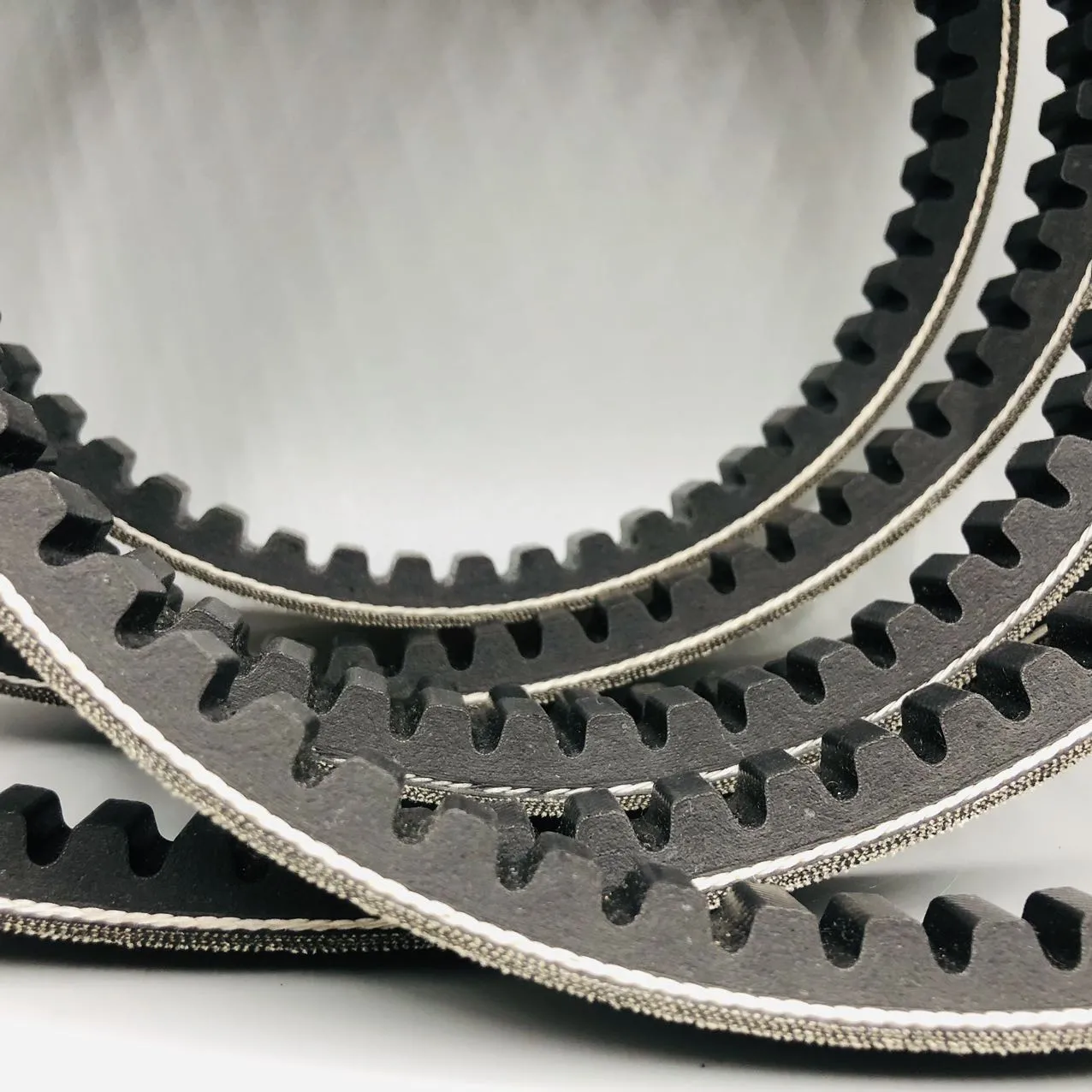 Komatsu mechanical belt6219-61-3420
 -
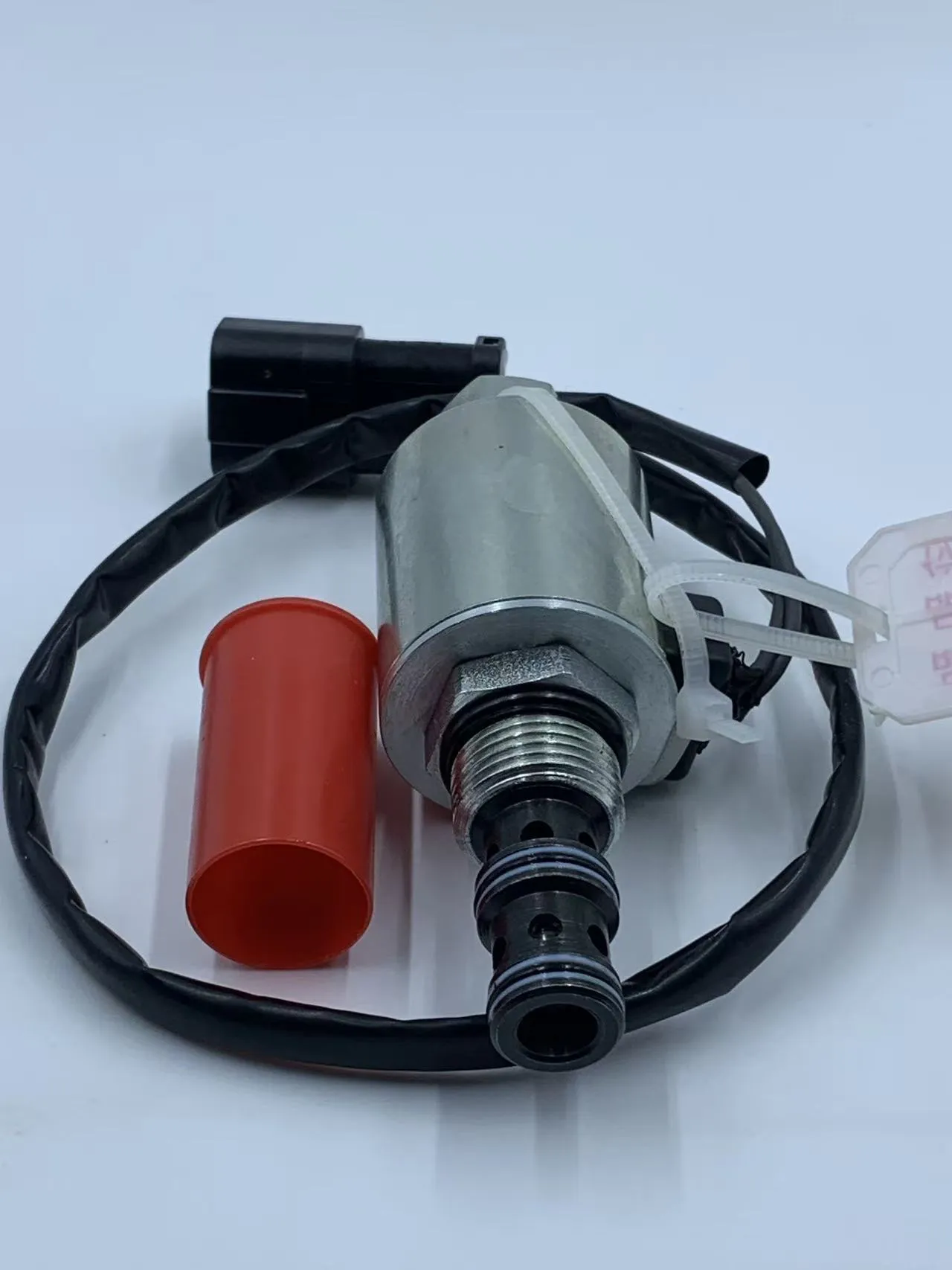 20Y6011713 excavator solenoid valve construction machinery parts suitable for Komatsu PC200-7 20Y-60-11713
 -
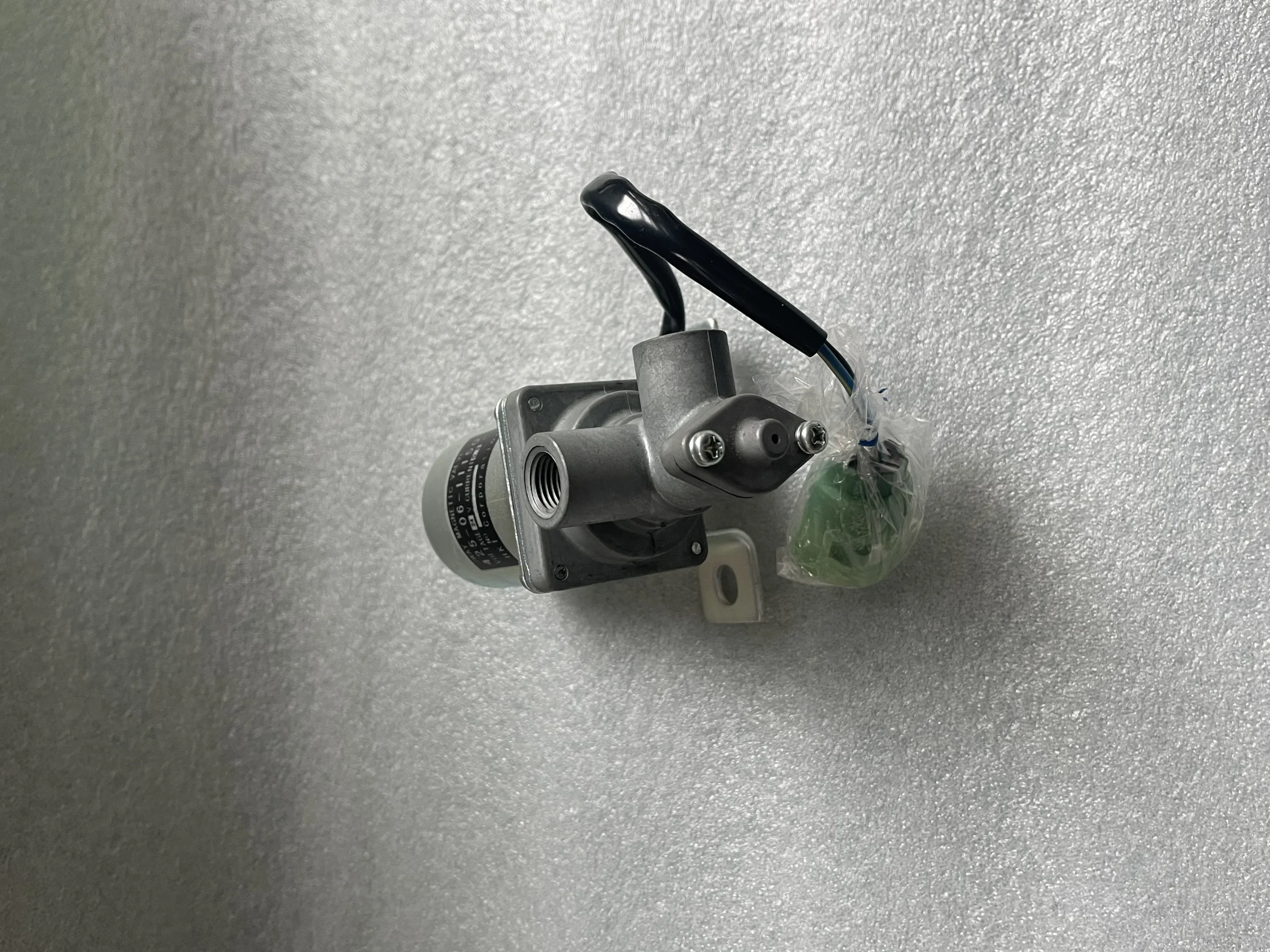 Valve,Parking brake425-06-11150
 -
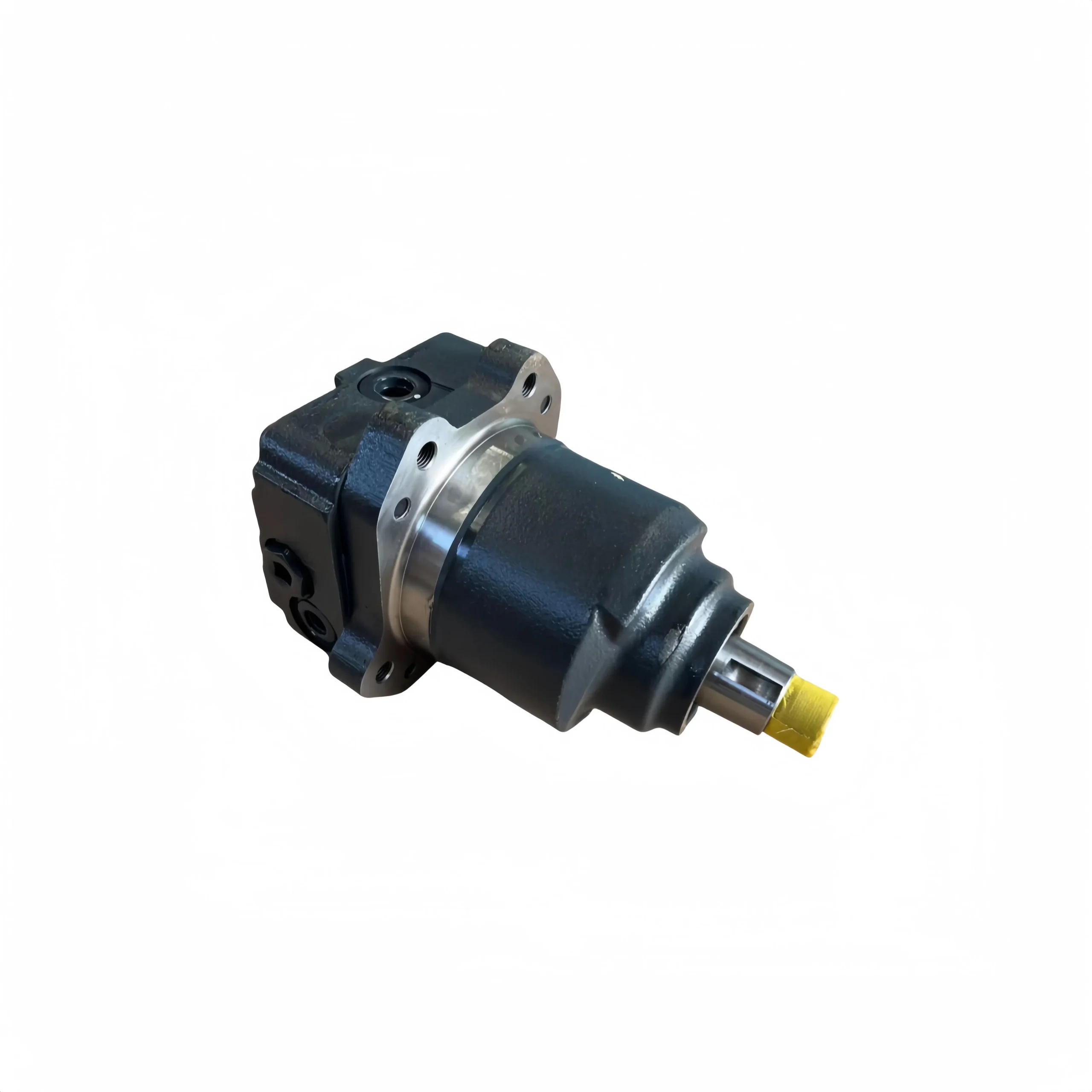 708-7W-00021 Fan Motor for Komatsu D275A-5D
 -
 569-40-83470komatsu HD405-7 HD325-7 HD605-7R HD465-7E0 HD785-7
 -
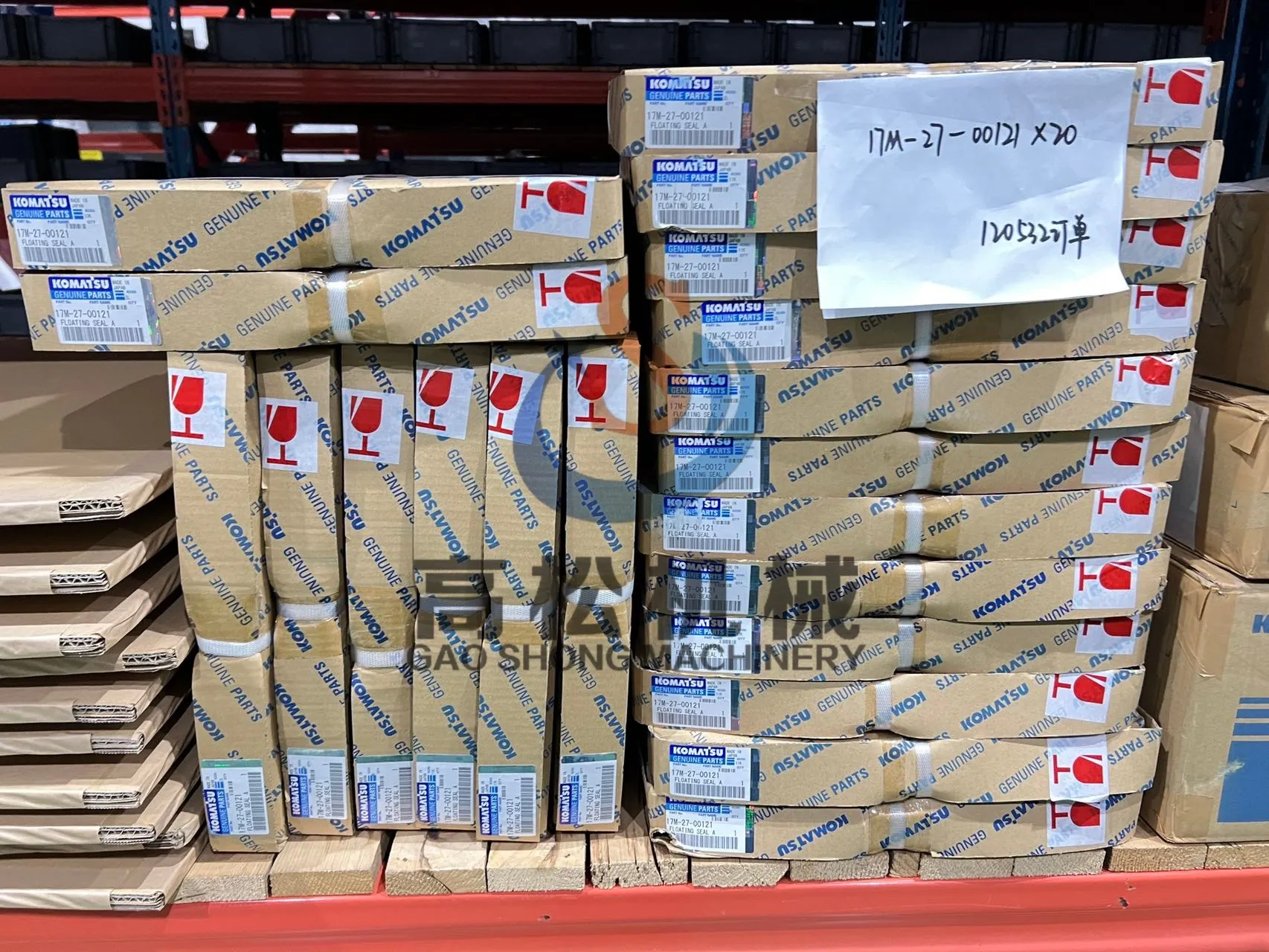 17M-27-00121 FLOATING SEAL ASSY
 -
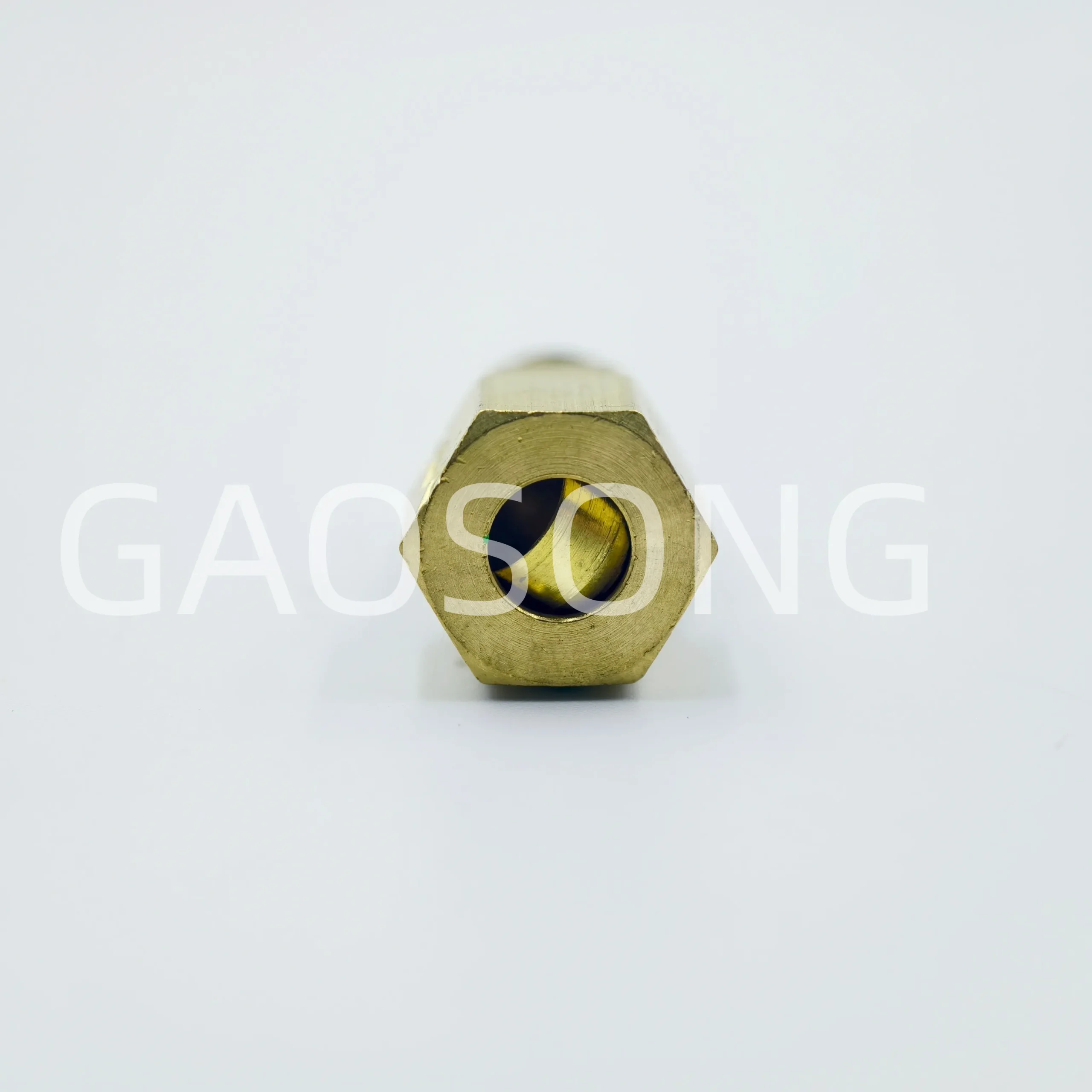 Komatsu 21N-68-32320 CONNECTOR-Komatsu Original Factory CONNECTOR PC1250SP-8R PC1800-6 PC1100SP-6 PC2000-8
 -
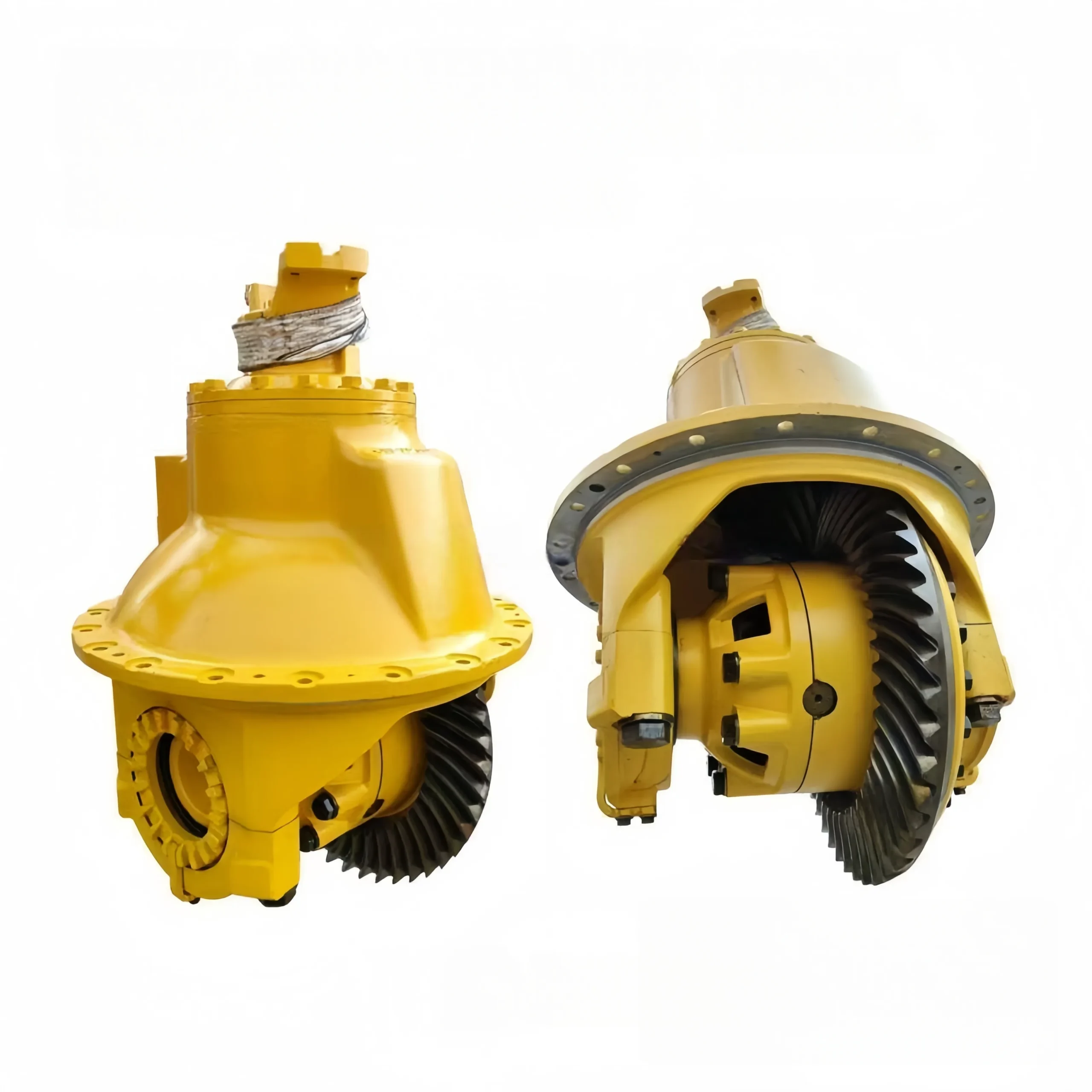 komatsu-part-569-22-71002 RM569-22-71002 569-22-71001 DIFFERENTIAL ASS’Y HD465-7 HD605-7 REAR AXLE (REAR DIFFERENTIAL)
 -
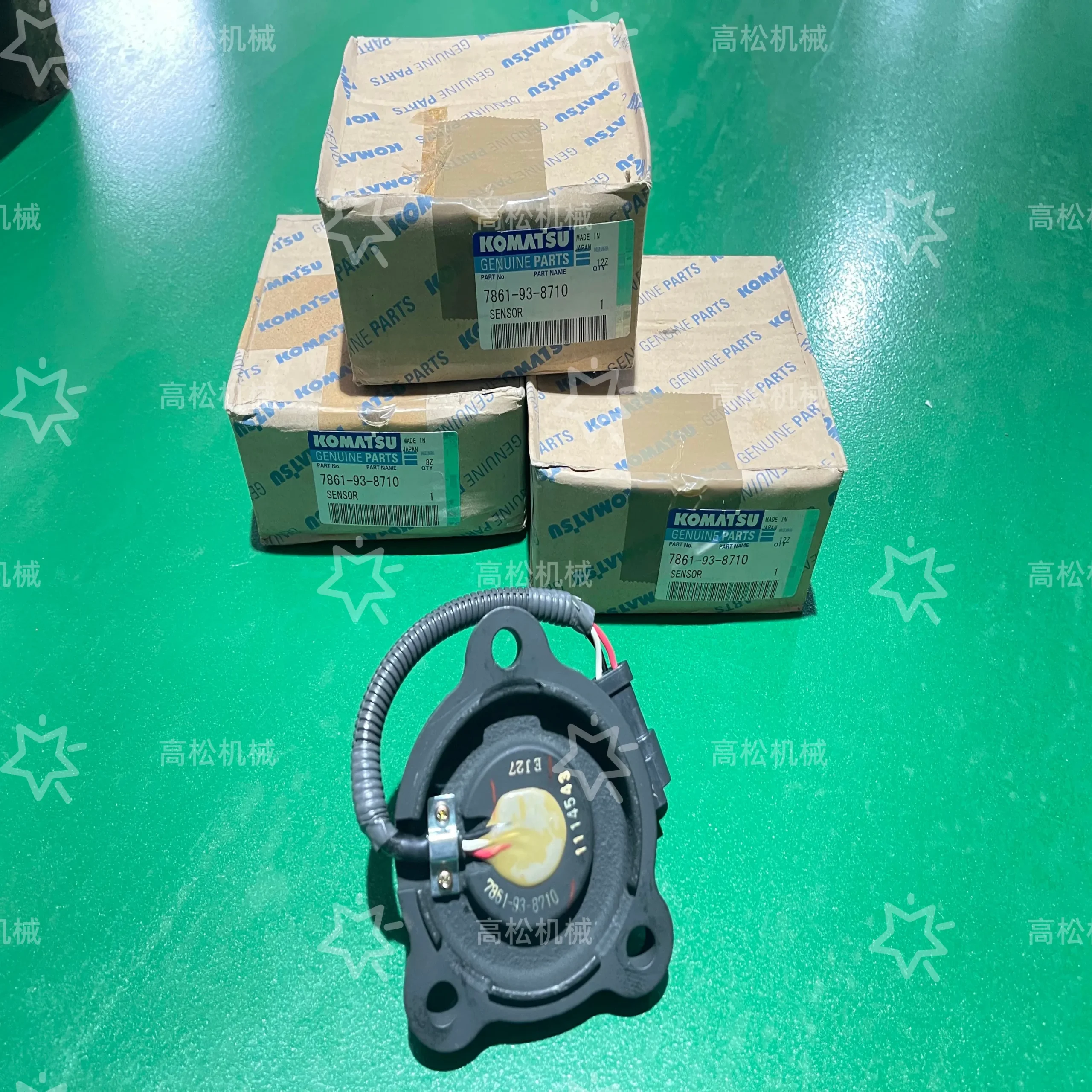 Steering Angle Sensor 7861-93-8710 Compatible with Komatsu HD325-7 HD405-7 HD465-7E0 HD605-7E0 HD785-7 HM300-1 HM300-2 HM350-2 HM400-2 PC228US-3N-W1 PC228USLC-3N-W1 PC58UU-3-N PC78MR-6-N
 -
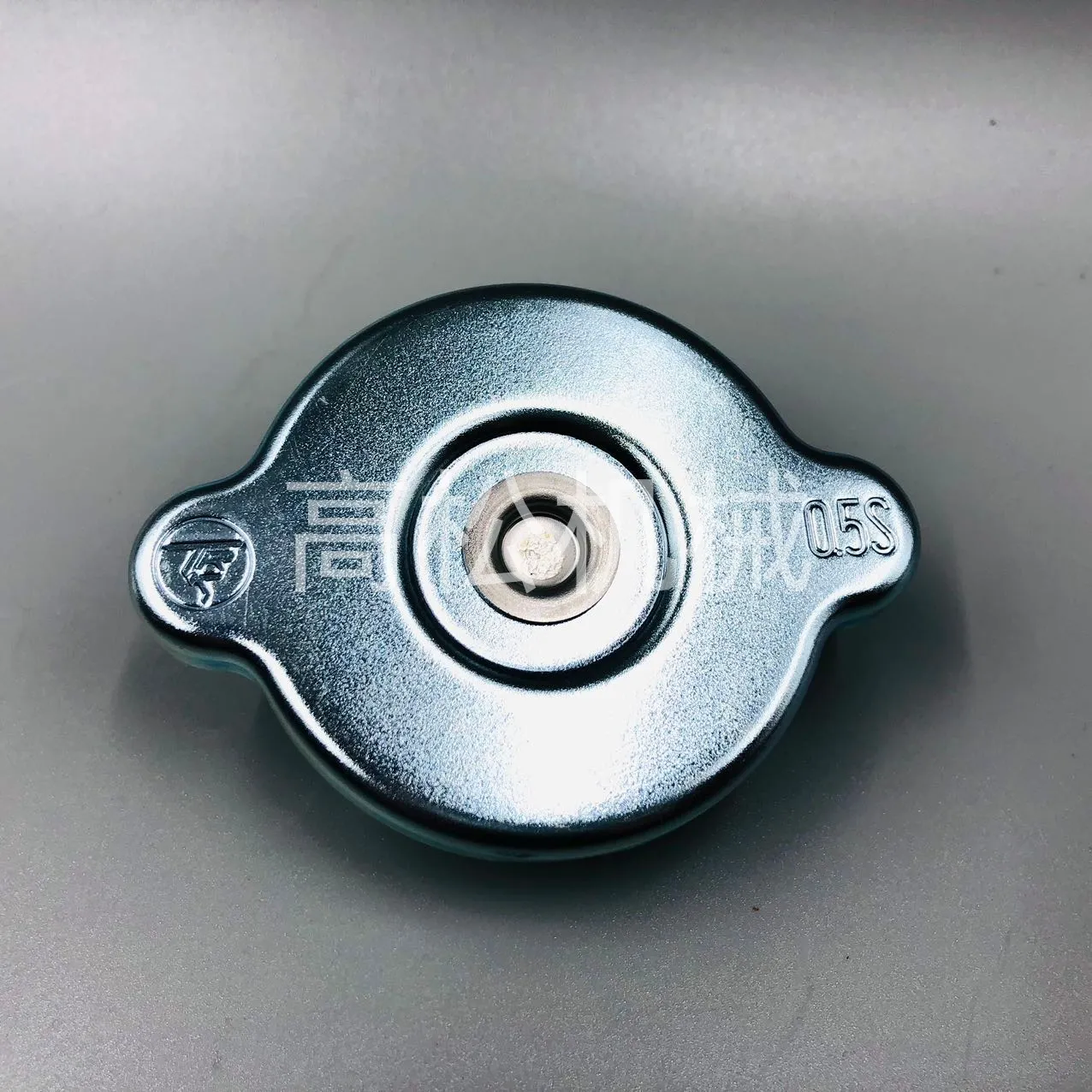 20Y-03-22110-CAP-Komatsu Original Factory
 -
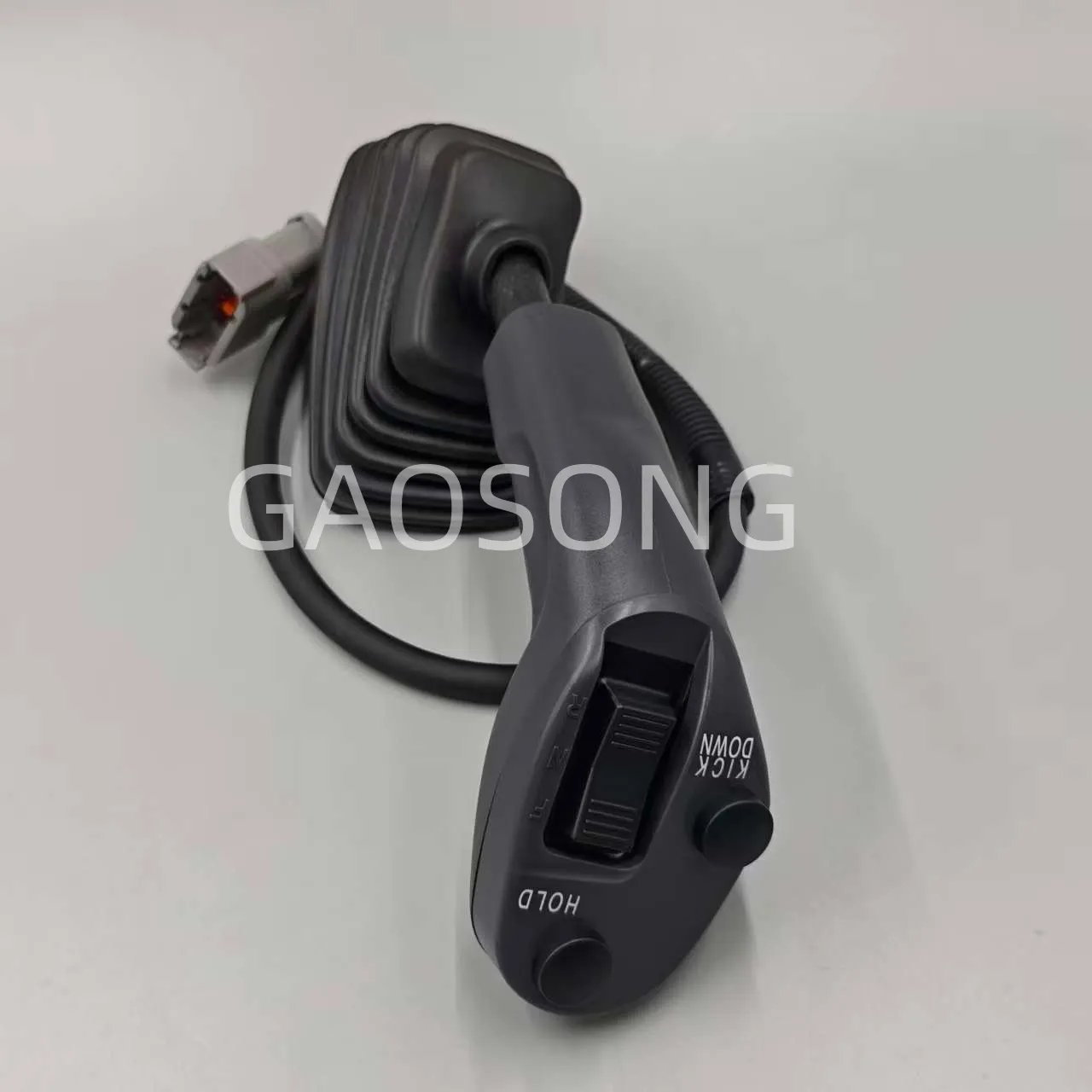 423-V91-4144 Lever Assembly-Komatsu Original Factory
 -
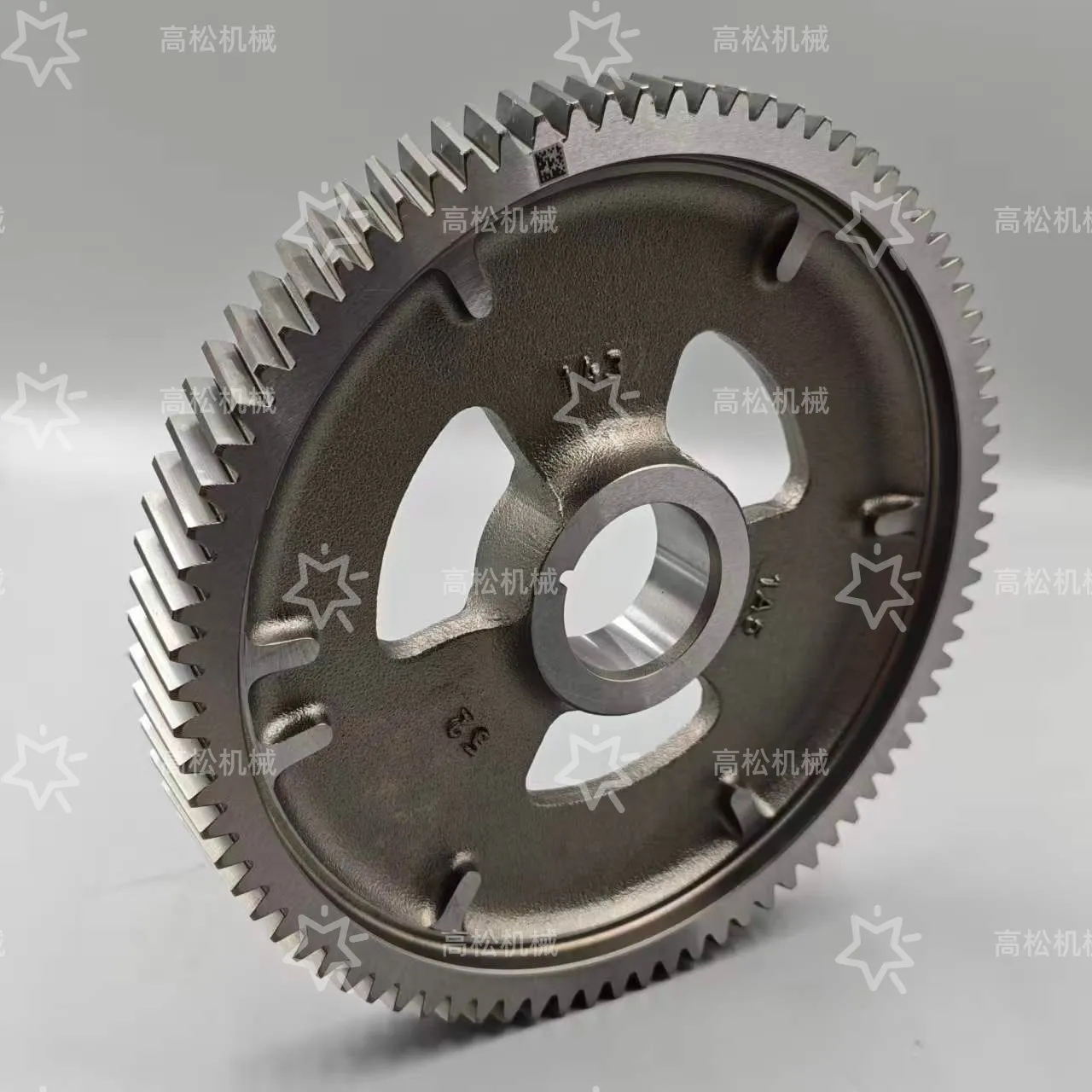 6745-41-1131 GEAR – CAMSHAFT Suitable for komatsu