
- Chinese
- French
- German
- Portuguese
- Spanish
- Russian
- Japanese
- Korean
- Arabic
- Irish
- Greek
- Turkish
- Italian
- Danish
- Romanian
- Indonesian
- Czech
- Afrikaans
- Swedish
- Polish
- Basque
- Catalan
- Esperanto
- Hindi
- Lao
- Albanian
- Amharic
- Armenian
- Azerbaijani
- Belarusian
- Bengali
- Bosnian
- Bulgarian
- Cebuano
- Chichewa
- Corsican
- Croatian
- Dutch
- Estonian
- Filipino
- Finnish
- Frisian
- Galician
- Georgian
- Gujarati
- Haitian
- Hausa
- Hawaiian
- Hebrew
- Hmong
- Hungarian
- Icelandic
- Igbo
- Javanese
- Kannada
- Kazakh
- Khmer
- Kurdish
- Kyrgyz
- Latin
- Latvian
- Lithuanian
- Luxembou..
- Macedonian
- Malagasy
- Malay
- Malayalam
- Maltese
- Maori
- Marathi
- Mongolian
- Burmese
- Nepali
- Norwegian
- Pashto
- Persian
- Punjabi
- Serbian
- Sesotho
- Sinhala
- Slovak
- Slovenian
- Somali
- Samoan
- Scots Gaelic
- Shona
- Sindhi
- Sundanese
- Swahili
- Tajik
- Tamil
- Telugu
- Thai
- Ukrainian
- Urdu
- Uzbek
- Vietnamese
- Welsh
- Xhosa
- Yiddish
- Yoruba
- Zulu
- Kinyarwanda
- Tatar
- Oriya
- Turkmen
- Uyghur






OEM AND ORIGINAL KOMATSU BEARING 21N-26-31140
Let's cut through the noise. When you see 'OEM AND ORIGINAL KOMATSU BEARING 21N-26-31140' in a listing, your first thought shouldn't be 'it's the same as what Komatsu ships.' It's more nuanced. In our line, 'OEM' can mean the bearing was made for Komatsu by their contracted factory, while 'Original' should mean it came from Komatsu's own parts distribution. But here's the rub: that 21N-26-31140 number is gold, and everyone wants to claim it. I've seen boxes that look perfect, but the heat treatment on the raceway is off by a shade. It doesn't fail immediately, maybe 800 hours in, under full load in a PC300's swing circle. That's where the real cost hits.
The Gray Zone of OEM Supply
This is where companies like Jining Gaosong Construction Machinery Co., Ltd. operate. They state they're an OEM product supplier within the Komatsu system. That phrasing is key. It doesn't mean they are Komatsu. It likely means they have a channel to the actual manufacturing plants that produce for Komatsu, the ones that stamp the 21N-26-31140 part number. I've dealt with similar suppliers. Their value is access. When official channels are blocked or have lead times of 12 weeks, they can sometimes get the same physical product from the same production line, just before it gets the Komatsu logo and packaging. But you must verify. It's not automatic.
I remember a shipment for a client in South America. The bearing looked identical to the original Komatsu bearing we had in stock—same Japanese steel markings, same cage design. But the grease felt different. Less viscous. Upon checking, it was the factory's standard grease, not Komatsu's specified one. The bearing itself? Probably fine. But for a customer running equipment in high-dust mining, that grease spec matters. We had to clean and re-grease before installation. A small detail that causes big headaches.
So, their other role as a third-party sales company for Komatsu makes sense. They help solve parts supply challenges in certain countries, as their site says. This isn't just moving boxes. It's navigating export controls, customs, and regional distributor agreements. A bearing like the 21N-26-31140 might be restricted from official export to a sanctioned market. A third-party with the right relationships can sometimes legally facilitate that movement, providing a lifeline for a fleet that would otherwise be down.
Decoding the 21N-26-31140 Itself
This isn't a generic roller bearing. It's specific to Komatsu excavators and likely some dozers. The 21N prefix tells you that. If you're sourcing this, you need to know not just the number, but its application—axial load capacity, rotational speed, sealing type. I've had guys try to substitute a cheaper, similar-sized bearing. It fits in the housing, sure. But the internal clearance was for a different application. Result? Overheating and spalling within 200 hours. The machine owner blamed us, even though we supplied the correct part. The mechanic had taken a shortcut.
The 'Original' tag is what everyone pays for. But on the ground, you develop tests. Weight is one. A genuine 21N-26-31140 has a specific heft. Counterfeits are often lighter—different material grade. The stamping on the race is another. Genuine stamping is sharp, not etched. The packaging, while often dismissed, tells a story. Original Komatsu packaging has a specific cardboard quality and printing clarity. The suppliers who care, like the one mentioned, will often ship in neutral boxes but provide the factory batch code. That code is your trail back to the production date and line.
Failure points I've seen? Usually not the bearing itself if it's true OEM/Original. It's the installation. Improper press-fitting, using a hammer (yes, still happens), or misalignment during assembly. This bearing often sits in a tough spot. Contamination during install is the killer. No matter how perfect your OEM and original Komatsu bearing 21N-26-31140 is, if dirt gets in during those two hours of fitting, you've just thrown that money away.
Practical Sourcing and Verification
Going to a source like https://www.takematsumachinery.com represents a modern sourcing strategy. You're not just buying a part; you're buying their supply chain integrity. The question to ask isn't Is this original? They'll all say yes. The question is, Can you provide the mill certificate for the steel batch? or What is the country of origin for this specific bearing? A legitimate supplier will have that, or get it. A broker won't.
We did a trial order once from a new vendor claiming OEM status. The price was 30% below market. Should've been the first red flag. The bearings arrived, and visually, they passed. But the packaging was just off—the plastic wrapping was too brittle. We put one on a test rig. The noise profile was wrong. A high-frequency whine emerged under load. We pulled it apart. The grinding finish on the roller path was a grade coarser than Komatsu spec. It was a factory reject, likely meant for scrap, that entered the gray market. That's the risk.
My process now? For critical components like this, I prefer suppliers who are transparent about their position. The description from Jining Gaosong is actually quite accurate: they are within the system and they solve challenges. That implies they know the gaps and work within them. I'd use them for a market where the official dealer is absent or priced prohibitively. I'd still, however, run my own checks upon receipt. Trust, but verify. Always.
The Real Cost of Savings
Let's talk money. An original 21N-26-31140 from a Komatsu dealer might be $X. An OEM-spec from a trusted third-party might be 20% less. A counterfeit can be 60% less. The machine downtime cost for a failed bearing? Easily 50 times the price difference. It's never just the part. It's the mechanic's time, the lost production, the potential collateral damage to the gear it's mounted in. I've seen a failed swing bearing take out the pinion and the motor seals. The bill went from $2,000 for the bearing to $15,000 for the whole repair.
This is why the role of a competent third-party is valuable. They aren't just selling a cheaper alternative. They are providing the correct, system-approved part through a parallel channel. Their entire business relies on the part not failing. If that bearing they sell fails prematurely, their reputation in that niche market is finished. So their incentive aligns with yours: get the right part installed correctly.
So, when you evaluate, look at the whole picture. Does the supplier understand the application? Can they tell you the common failure modes for this bearing in a PC360LC-8? Do they ask about the machine serial number to check for any running changes? That's the professional touch. The ones who just ask for a part number and quote a price are commodities. The ones who ask for context are partners. In this business, you need partners for critical components.
Wrapping It Up: A Matter of Trust and Detail
There's no magic bullet. The keyword string OEM AND ORIGINAL KOMATSU BEARING 21N-26-31140 is a beacon for both the best and the worst in the parts market. Your job is to separate them. It comes down to provenance, verification, and the credibility of your source. A website and a claim are just the starting point.
The companies that last, the ones you go back to, are those that don't shy away from details. They'll send you close-up photos of the stamping before shipping. They'll explain that a certain batch has a slightly different seal color because the factory changed suppliers, and it's still to Komatsu spec. That level of detail shows they're in the trenches. It's not just a sales transaction.
So, for that bearing sitting in your cart or on that quote, pause. Think about the supply chain behind it. If it's from a source that positions itself as a solution to supply challenges, that's a good sign. But let your own verification protocol be the final gatekeeper. The machine on site doesn't care about the deal you got; it only cares if the part works. And so does your client.
Related Products
Related Products

Best Selling Products
Best Selling Products-
 209-68-11640 Komatsu Coupling Assembly
 -
 HD785 HD985HD465 HD605-5 HD255-5 561-35-61601RELAY VALVE ASS’Y
 -
 Water Pump Assembly 6219-61-1100 6219-61-1101 6219-61-1102 for Komatsu Engine SA12V140 SAA12V140E SDA12V140 Dump Truck HD785-7
 -
 For Komatsu 702-21-07620 7022107620 High Quality Hydraulic…
 -
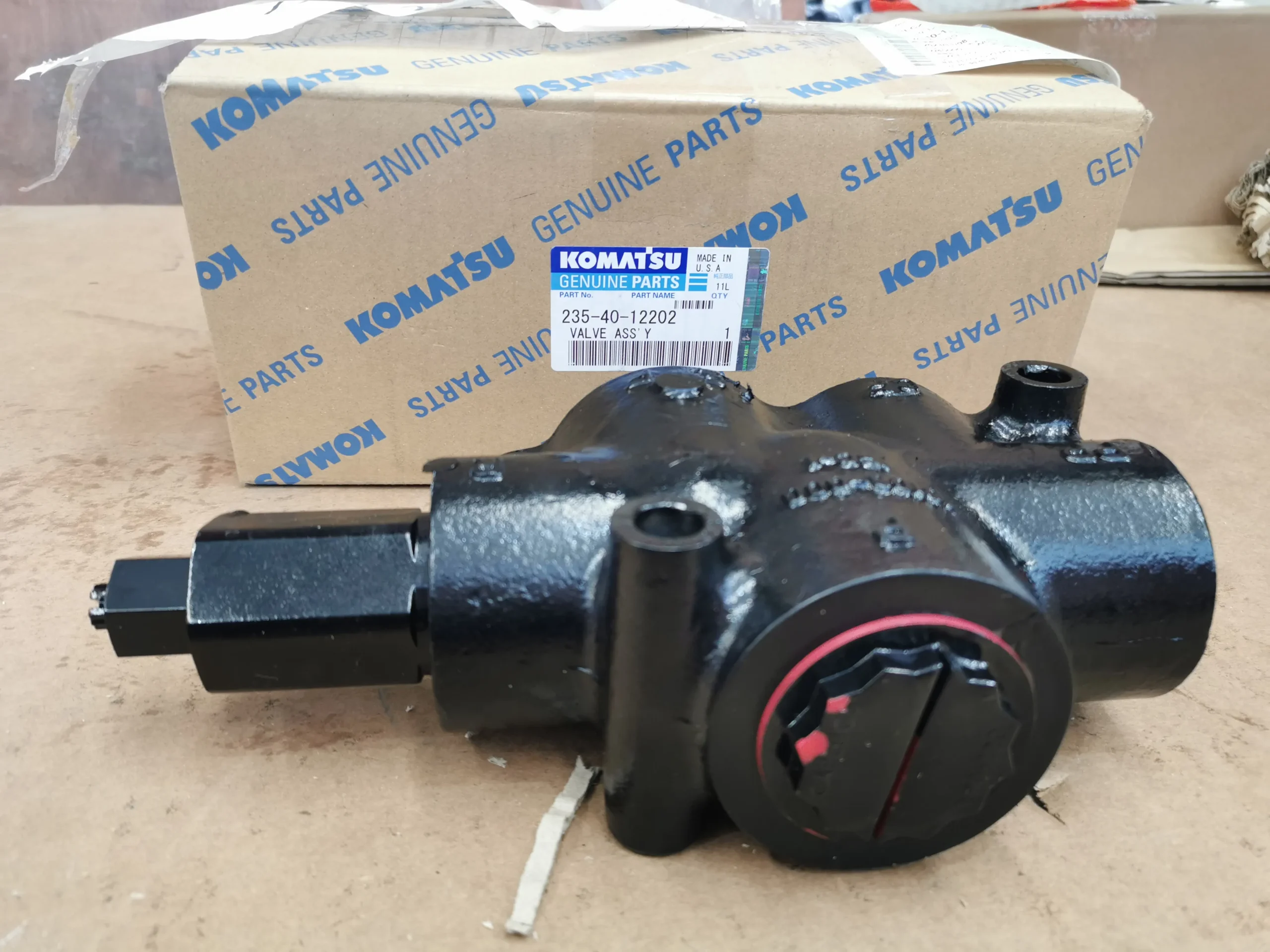 GD825A-2 valve assembly 235-40-12202
 -
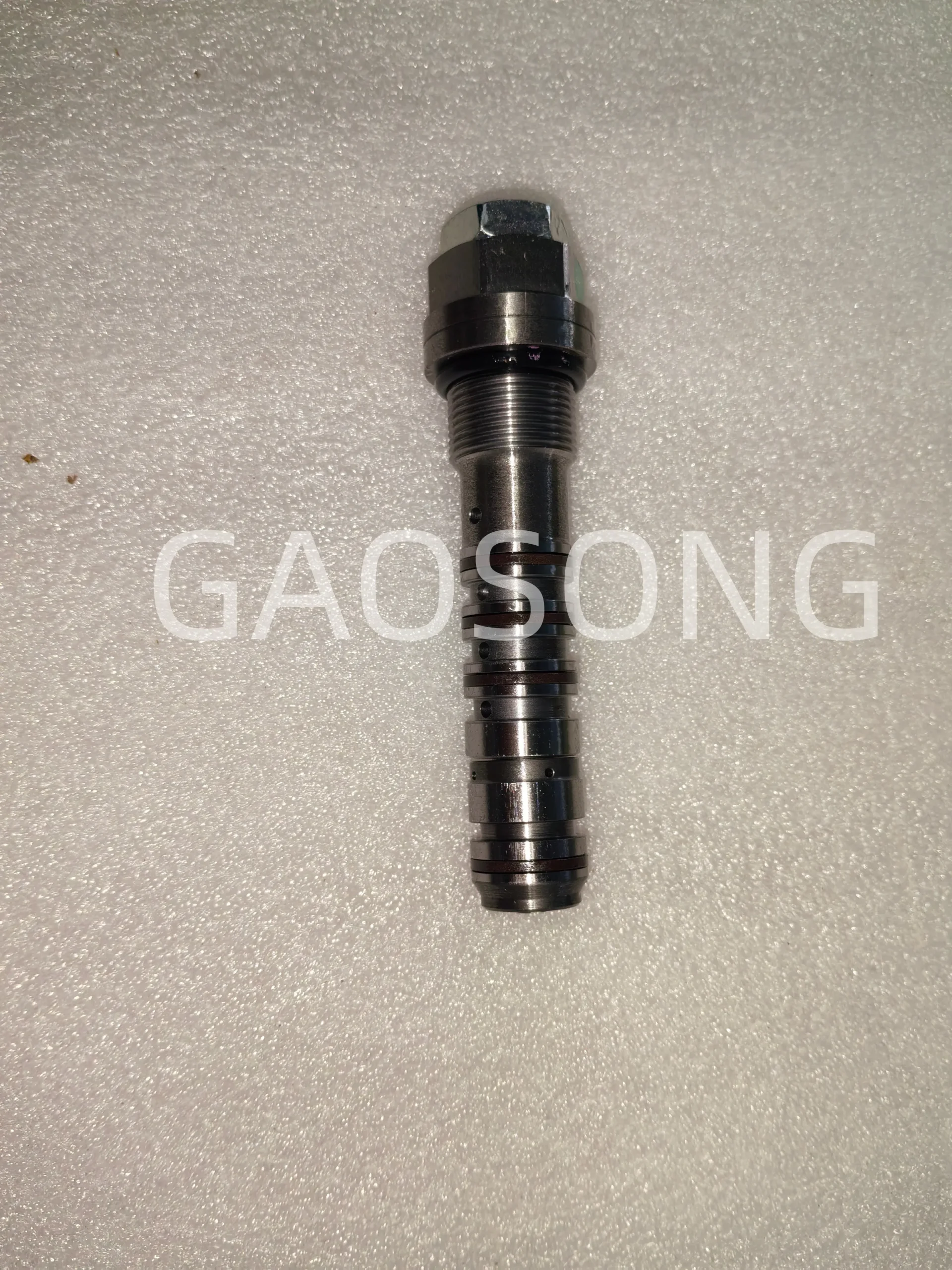 708-2G-03720 • Valve Assembly-Komatsu Original Factory
 -
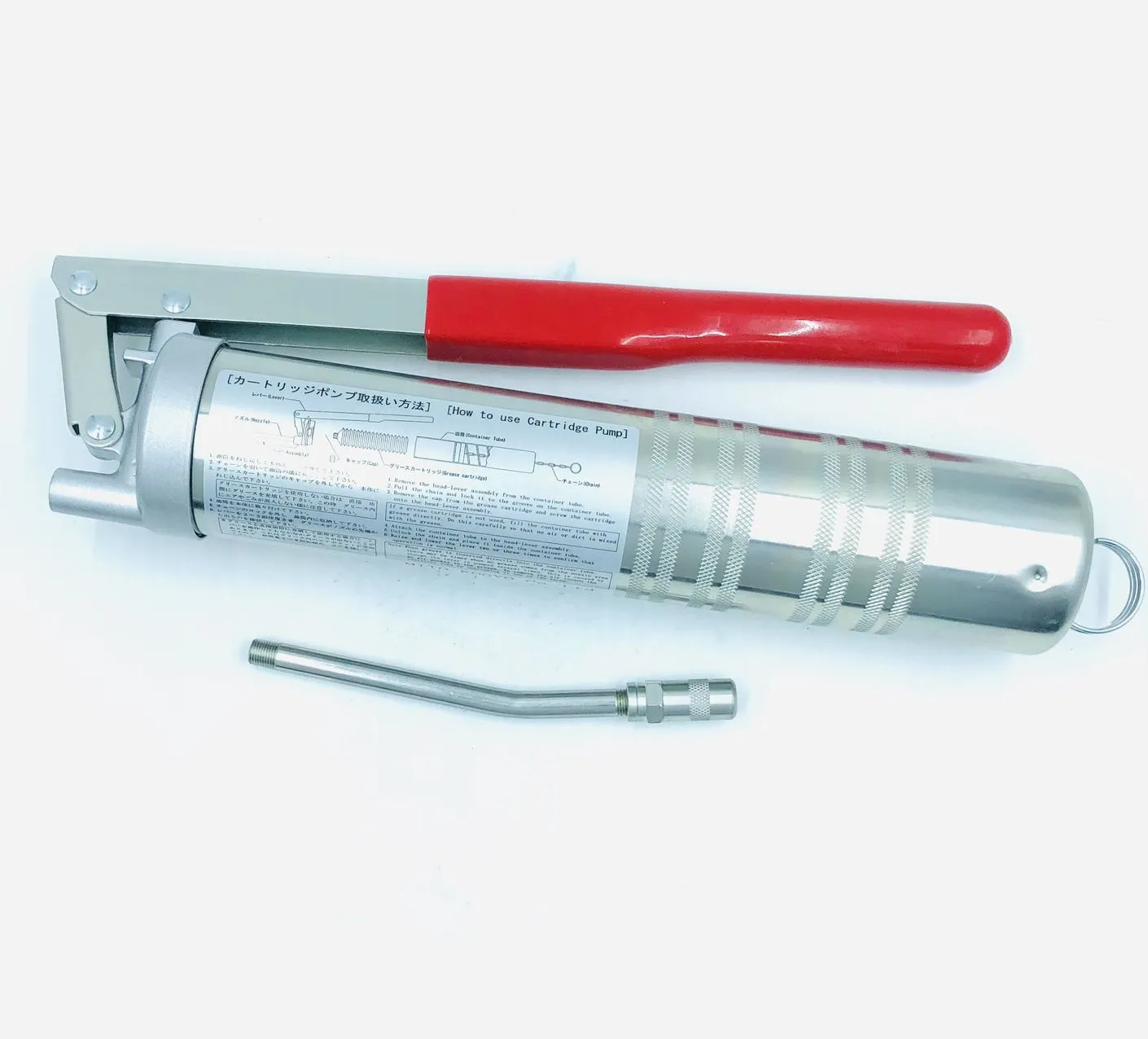 07952-70014- Pump Assembly-Komatsu Original Factory
 -
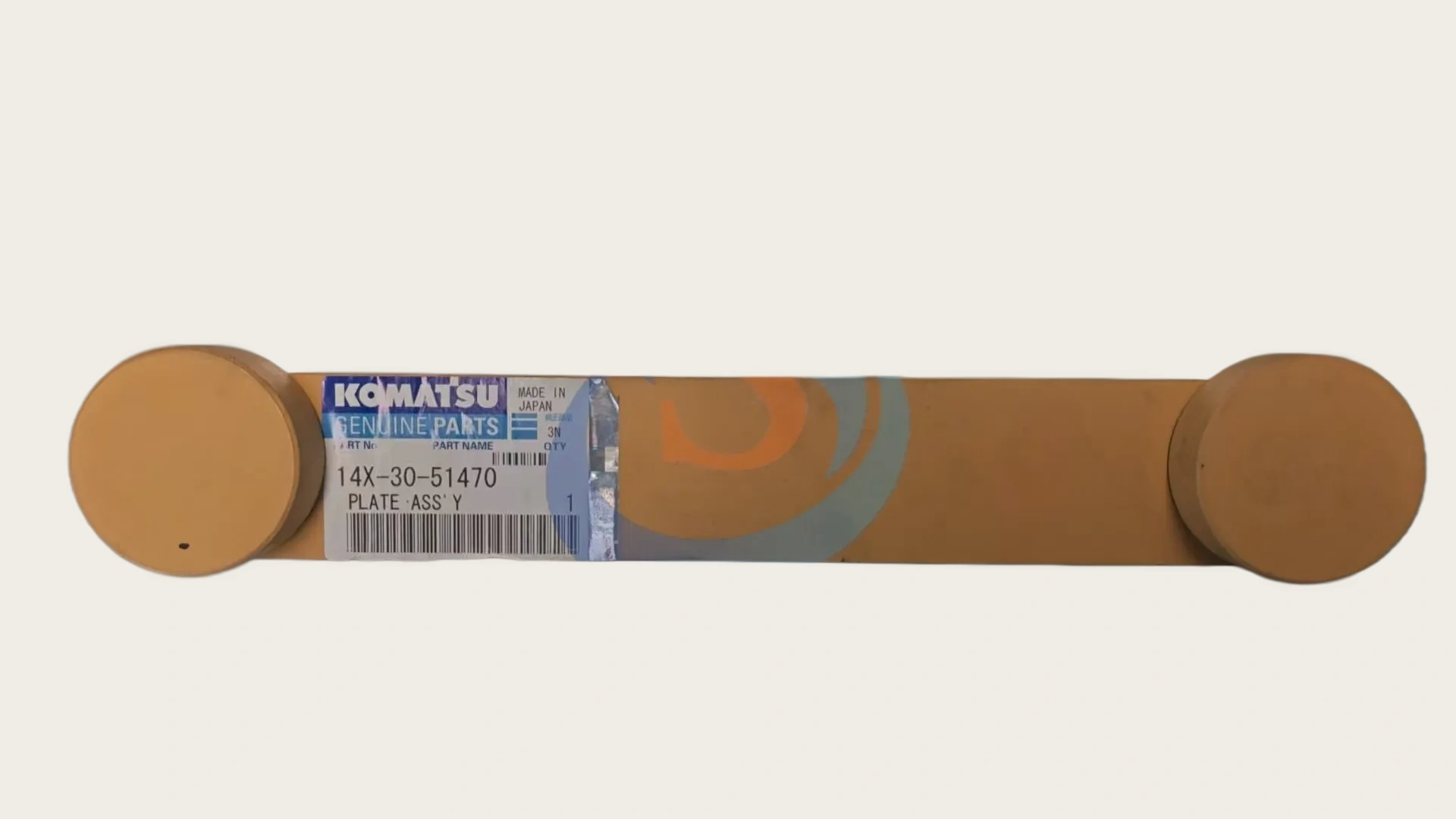 komatsu-part-14X-30-51470 Plate Assembly D65PX-16 D65WX-17 D65EXI-18 D65EX-18E0 FRONT IDLER
 -
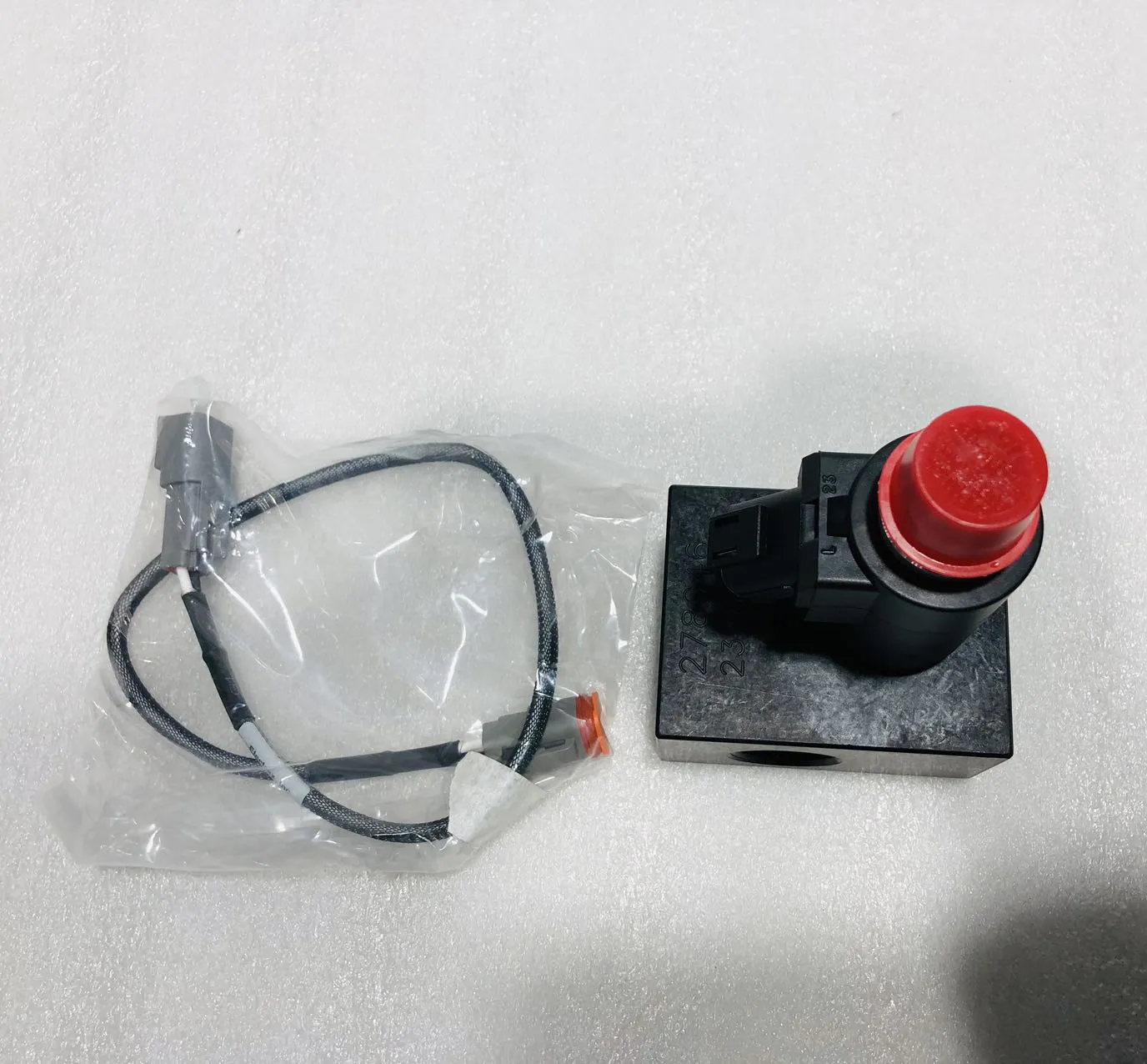 Komatsu 561-95-8A540 VALVE… — Pricing.Parts
 -
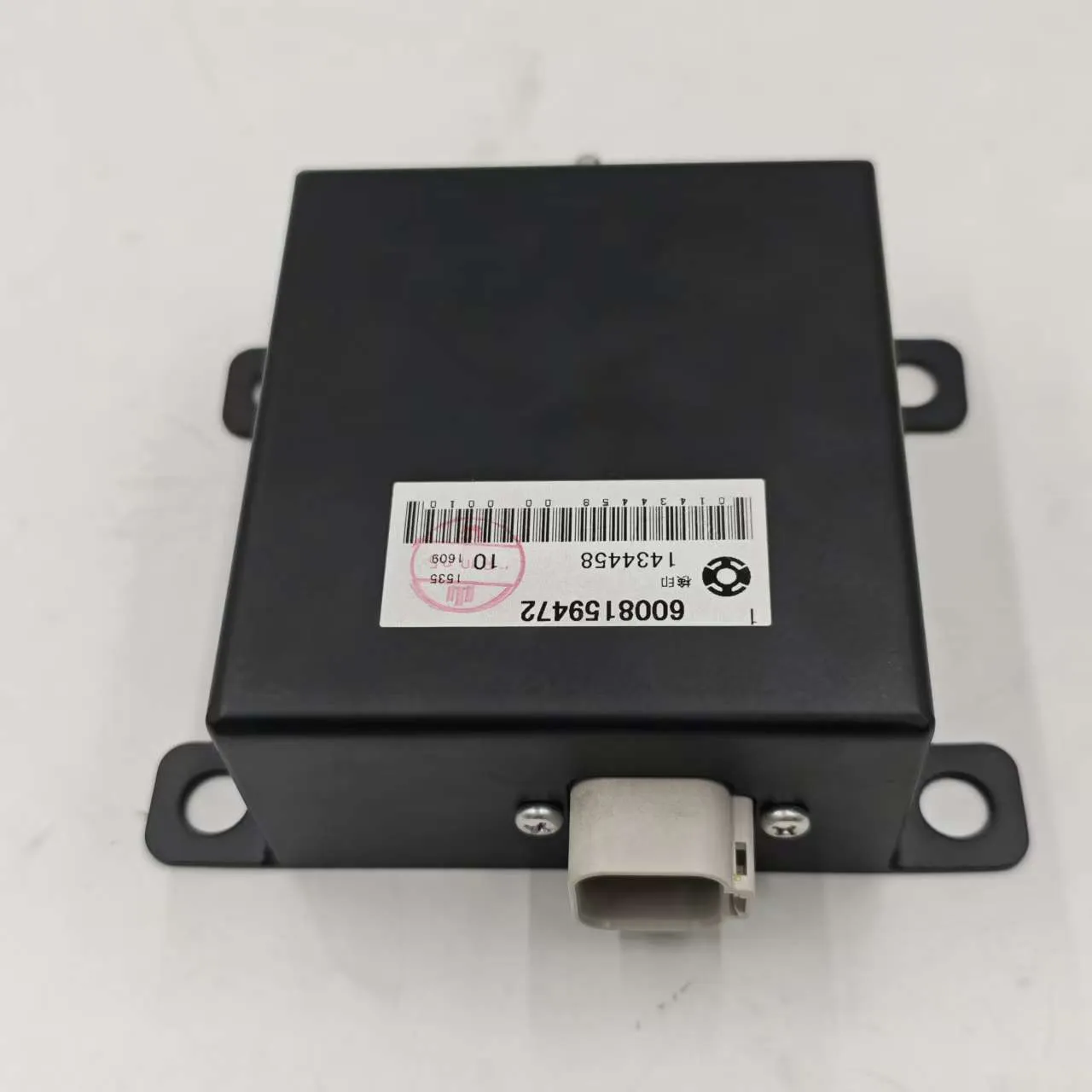 Switch 600-815-9472 HD785 Dump Truck Spare Parts
 -
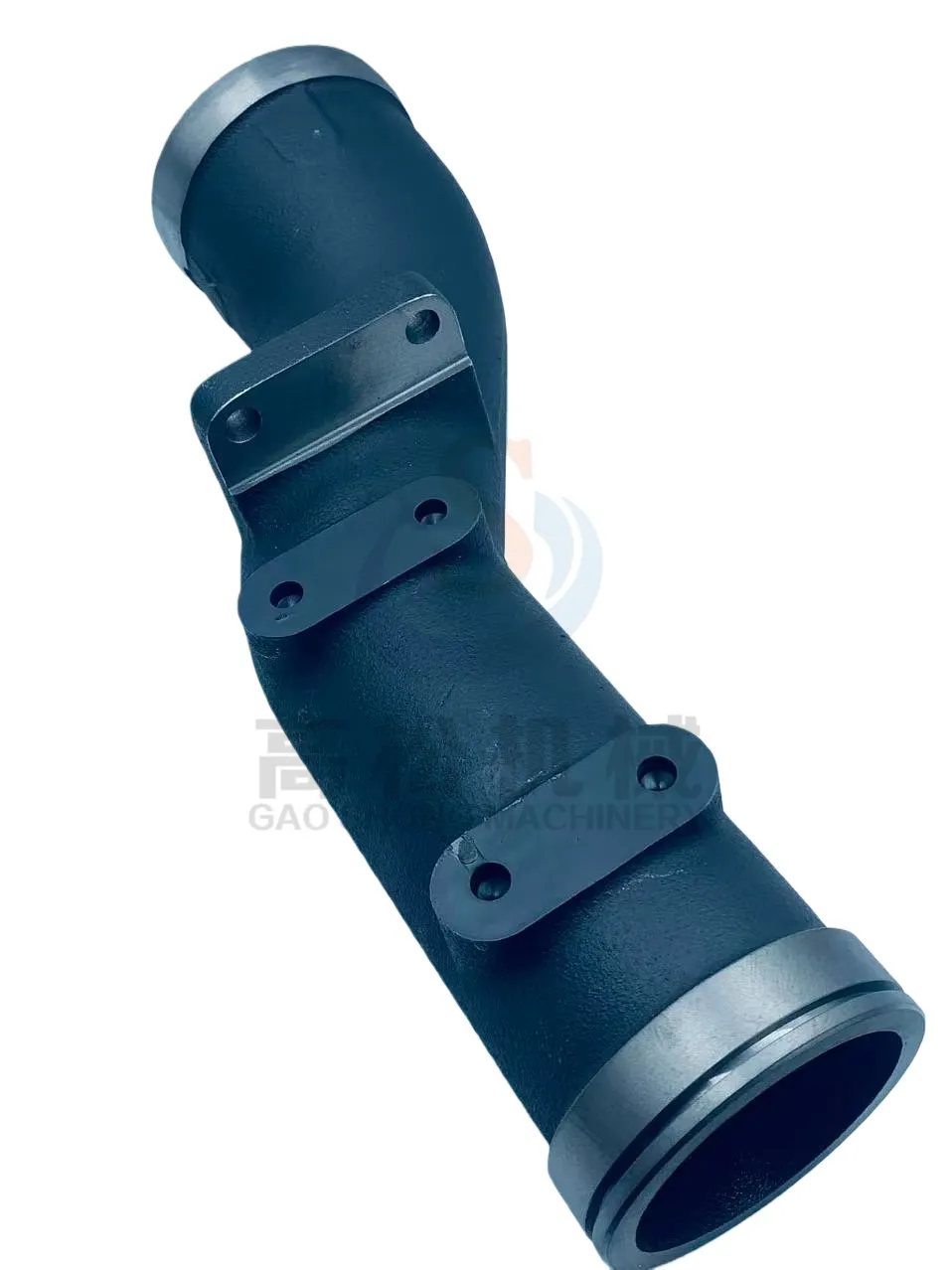 KOMATSU CONNECTOR 6156-11-5521 PC400-7 MUFFLER CONNECTOR SAA6D125E-3K-8W MUFFLER
 -
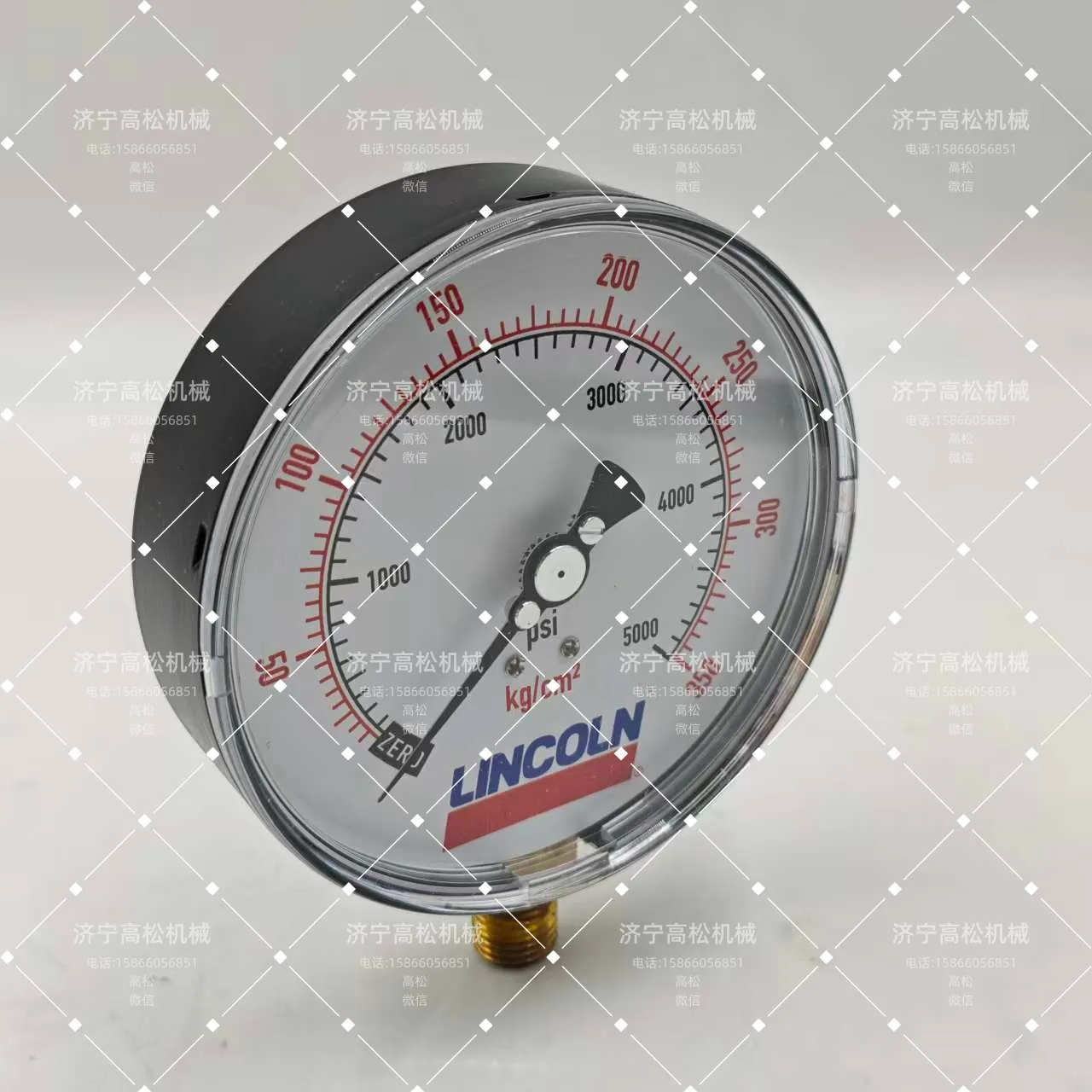 427-S95-2410 Komatsu Gauge, Pressure