
- Chinese
- French
- German
- Portuguese
- Spanish
- Russian
- Japanese
- Korean
- Arabic
- Irish
- Greek
- Turkish
- Italian
- Danish
- Romanian
- Indonesian
- Czech
- Afrikaans
- Swedish
- Polish
- Basque
- Catalan
- Esperanto
- Hindi
- Lao
- Albanian
- Amharic
- Armenian
- Azerbaijani
- Belarusian
- Bengali
- Bosnian
- Bulgarian
- Cebuano
- Chichewa
- Corsican
- Croatian
- Dutch
- Estonian
- Filipino
- Finnish
- Frisian
- Galician
- Georgian
- Gujarati
- Haitian
- Hausa
- Hawaiian
- Hebrew
- Hmong
- Hungarian
- Icelandic
- Igbo
- Javanese
- Kannada
- Kazakh
- Khmer
- Kurdish
- Kyrgyz
- Latin
- Latvian
- Lithuanian
- Luxembou..
- Macedonian
- Malagasy
- Malay
- Malayalam
- Maltese
- Maori
- Marathi
- Mongolian
- Burmese
- Nepali
- Norwegian
- Pashto
- Persian
- Punjabi
- Serbian
- Sesotho
- Sinhala
- Slovak
- Slovenian
- Somali
- Samoan
- Scots Gaelic
- Shona
- Sindhi
- Sundanese
- Swahili
- Tajik
- Tamil
- Telugu
- Thai
- Ukrainian
- Urdu
- Uzbek
- Vietnamese
- Welsh
- Xhosa
- Yiddish
- Yoruba
- Zulu
- Kinyarwanda
- Tatar
- Oriya
- Turkmen
- Uyghur






OEM AND ORIGINAL KOMATSU BEARING 209-27-61520
When you see a search term like 'OEM AND ORIGINAL KOMATSU BEARING ', it immediately flags a common, and costly, point of confusion in the field. Many assume OEM and Original are interchangeable, especially for a critical component like this specific Komatsu bearing. They're not. In my experience, that part number, , is a perfect case study. An 'Original' part comes in a Komatsu box, with the full traceability and warranty, direct from Komatsu's supply chain. An 'OEM' part, while often manufactured to the same blueprint, comes from a supplier within Komatsu's authorized manufacturing network but may be distributed through different channels. The performance can be identical, but the paperwork, liability chain, and sometimes the price, are different. This distinction isn't academic—it's the difference between a smooth rebuild and a warranty claim getting rejected.
The Reality of the in the Field
This bearing isn't some obscure item; it's a workhorse in several Komatsu excavator and dozer models. When it fails, it's rarely a quiet failure. You get increased vibration, unusual noise from the final drive or a pivot point, and if left unchecked, catastrophic secondary damage. The temptation is always to find the cheapest replacement fast. I've seen mechanics order a generic '' from a non-vetted online seller, only to find the metallurgy is subpar or the tolerances are just a hair off. It fits, it runs, but it wears out in half the expected service life. That's a false economy.
This is where understanding the OEM pathway is crucial. Companies that are genuine OEM suppliers within the Komatsu system are integral. They're building these components to Komatsu's exact material and engineering specifications. For instance, in my sourcing, I've worked with Jining Gaosong Construction Machinery Co., Ltd.. They position themselves precisely in that space—an OEM product supplier within the Komatsu system. Their role clarifies the model. They aren't selling counterfeit parts; they're providing access to the genuine article, but through the OEM-manufacturer channel rather than the official Komatsu parts counter.
The practical advantage? Availability and sometimes cost. In certain regions, getting an 'Original' Komatsu boxed part can mean a 12-week backorder from the official distributor. A project can't wait that long. A reliable OEM supplier, like the one mentioned, can often have the same physically identical bearing—the OEM AND ORIGINAL KOMATSU BEARING in spirit and substance—shipped in days. The risk of getting a inferior copy is massively reduced because you're dealing with a node in the authentic manufacturing chain, not a copycat.
Where Sourcing Goes Wrong: A Cautionary Tale
Let me give you a real scenario. We had a PC360-7 down with a failed swing circle bearing. The part number cross-referenced to, among others, the . The official dealer quote was sky-high with a long lead time. We found a supplier offering it at 40% less, promising OEM quality. The part arrived. Packaging was decent, the bearing looked right, stamps were there. But during installation, the fit was just... too perfect. No slight resistance, it slid in like butter. That was the first red flag. A genuine bearing has precise tolerances that usually require a careful press fit.
We ran it. Within 200 hours, the same failure symptoms returned. Upon teardown, we found spalling on the raceway that shouldn't have happened. The hardness was wrong. We'd saved money on the part but lost triple in labor and downtime. The lesson was brutal: OEM quality is a marketing term. OEM manufacture is a factual statement about provenance. You must verify the latter.
This is the specific challenge that companies like Jining Gaosong aim to solve. As they note, they help solve parts supply challenges in certain countries. Their value isn't just in having the part, but in providing the assurance that it originates from the certified production line. You're not buying a mystery from a parts aggregator; you're buying from a known quantity in the ecosystem. For a component as precision-critical as a Komatsu bearing, that assurance is everything.
Verifying Provenance: It's More Than a Part Number
So, how do you, on the ground, make the call? First, ditch the idea that the part number is a magic code. It's just a reference. Counterfeiters laser-etch it perfectly. You need to look deeper. For a genuine OEM-origin part, check the packaging material and the print quality on the label. There should be a manufacturer's batch code, not just the Komatsu number. Reputable suppliers will provide documentation, often a certificate of conformity or material certification, traceable back to their factory.
I always ask direct questions: Are you the OEM manufacturer for this Komatsu part? and Can you provide the Komatsu drawing number this was built to? Vague answers are a deal-breaker. A company that is truly embedded as an OEM product supplier will have that information and won't hesitate to clarify their relationship. They might say, We produce this for Komatsu's assembly line, and this is surplus or channel inventory. That's a credible answer.
Physical inspection remains key. For the , look at the grinding patterns on the raceways—they should be consistent and fine. The grease, if pre-lubricated, should be clean and odorless. The stamping should be sharp but not overly deep, which can create stress points. These are the nuances you learn from having a few failed examples side-by-side with a known-good one.
The Economic and Operational Calculus
Let's talk straight about cost. Yes, a verified OEM-sourced bearing from a third-party sales company will usually cost less than the boxed Original from Komatsu. That's because you're bypassing some of the layers of distribution and branding markup. But it should not be dirt cheap. If the price is 70% below dealer list, physics and economics have been violated. You're paying for the engineering, the quality control, and the material science.
The total cost of ownership for the true OEM AND ORIGINAL KOMATSU BEARING —whether in an Original or OEM-supplied box—is lower. It lasts for the designed service interval. It doesn't cause knock-on failures. This is the core value proposition of using a specialized third-party sales company for Komatsu parts. They aren't just selling a commodity; they are providing a supply chain solution that balances cost, authenticity, and availability.
In practice, this means building relationships with a shortlist of trusted suppliers. You test them with one or two critical but not catastrophic parts. You verify performance. For the bearing in question, after our earlier failure, we sourced a unit through a channel that included Takematsu Machinery's platform. The process was straightforward, the documentation was clear, and the part's performance in the machine matched the OEM standard. It validated the model of using such specialized distributors.
Closing Thoughts: Beyond the Bearing
This deep dive on the isn't just about one bearing. It's a template for navigating the entire aftermarket for Komatsu, or any major brand. The keywords 'OEM' and 'Original' are signposts. Your job is to understand the road they point down. Original means the complete, branded supply chain. OEM means the manufacturing source of that same component. The smart play is to find the legitimate bridges between the two when the official channel is blocked or prohibitively expensive.
The industry is filled with gray areas, but components like bearings are black and white. They work or they fail. The company profile I referenced earlier, Jining Gaosong Construction Machinery Co., Ltd., exemplifies a legitimate player in this space. They aren't magicians; they are facilitators within the existing Komatsu manufacturing framework. That's a credible position.
So next time you search for that bearing, look beyond the part number. Look for the story behind the supplier. Ask the hard questions about provenance. Your machine's uptime depends on that granular, unsexy detail—the literal nuts and bolts, or in this case, the rollers and races, of where a part truly comes from.
Related Products
Related Products

Best Selling Products
Best Selling Products-
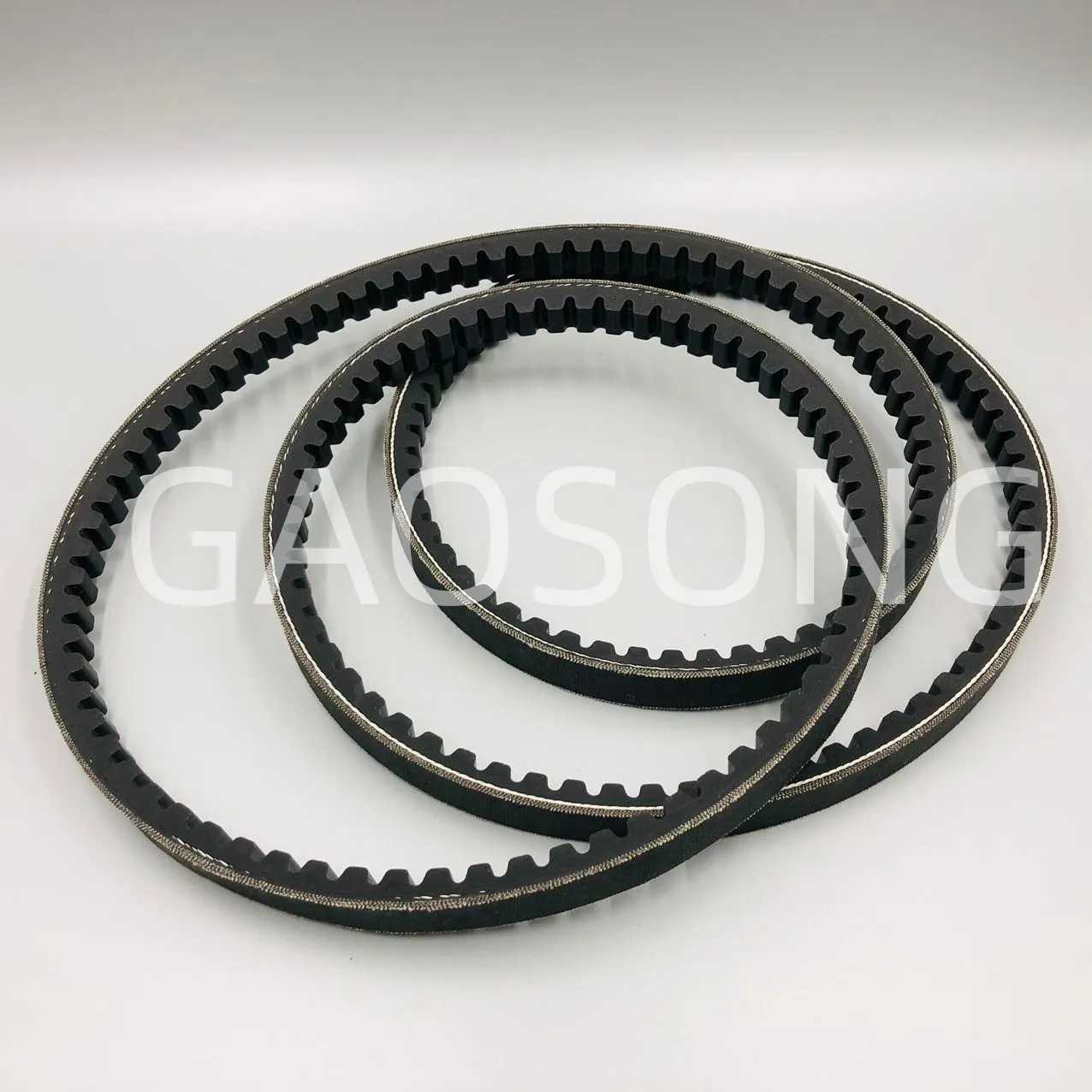 6219- 61- 3420 Komatsu factory belt
 -
 7861-93-5410Komatsu Acceleration Sensor, 7861-93-5410
 -
 Komatsu Wheel loader machines WA500 WA480 WA470 702-16-02144 702-16-02143 Komatsu Control lever 702-16-02144 for Wheel loader WA480-5H
 -
 561-03-81550Shock Absorber KOMATSU HD465 HD785 PARTS for Komatsu
 -
 Suitable for Komatsu D375 pin/195-30-62100/195-71-51191/195-71-00342
 -
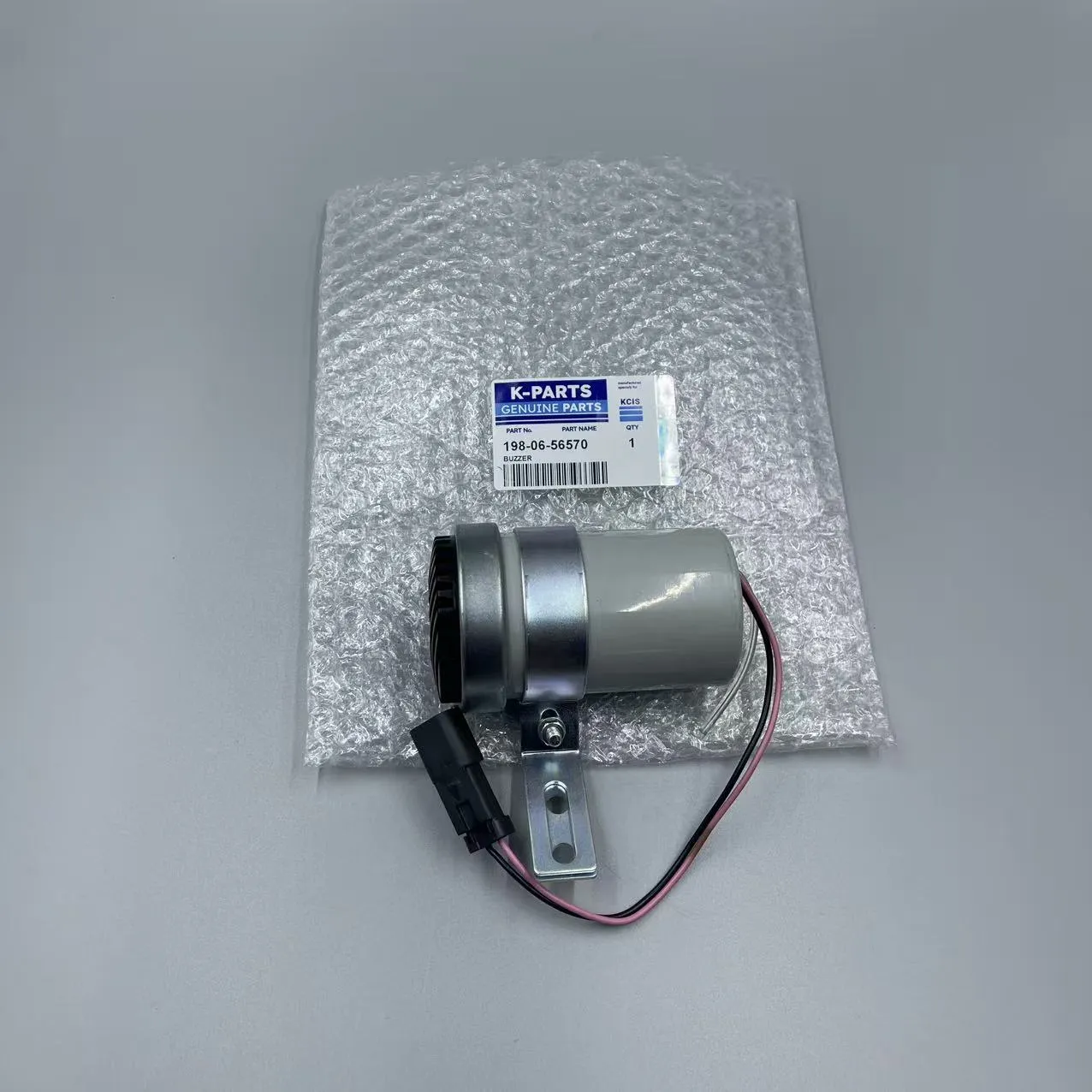 Buzzer198-06-56570
 -
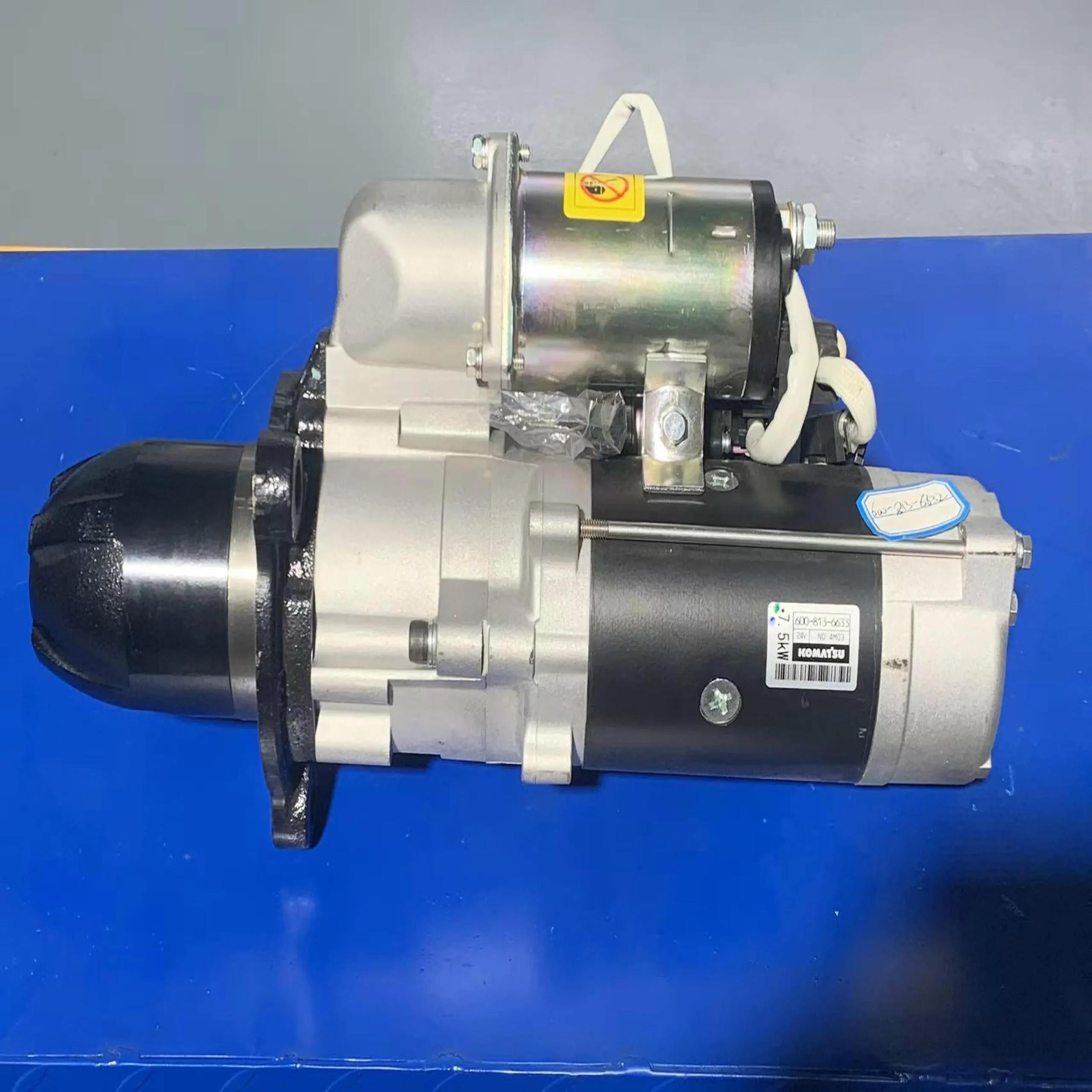 600-813-6632 PC400-8 Start Motor
 -
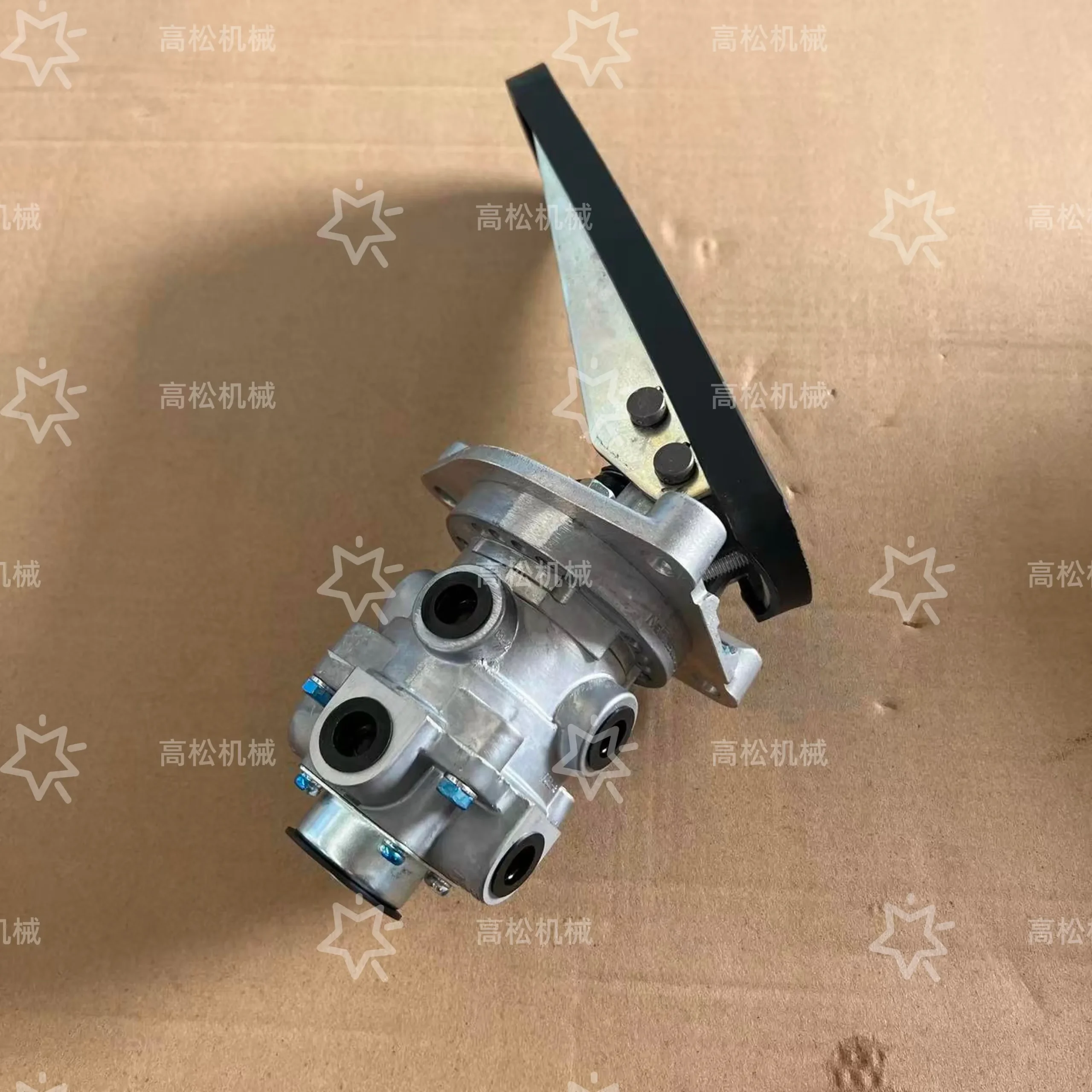 Valve 566-35-44110 for Komatsu Rigid Dumper HD465-5
 -
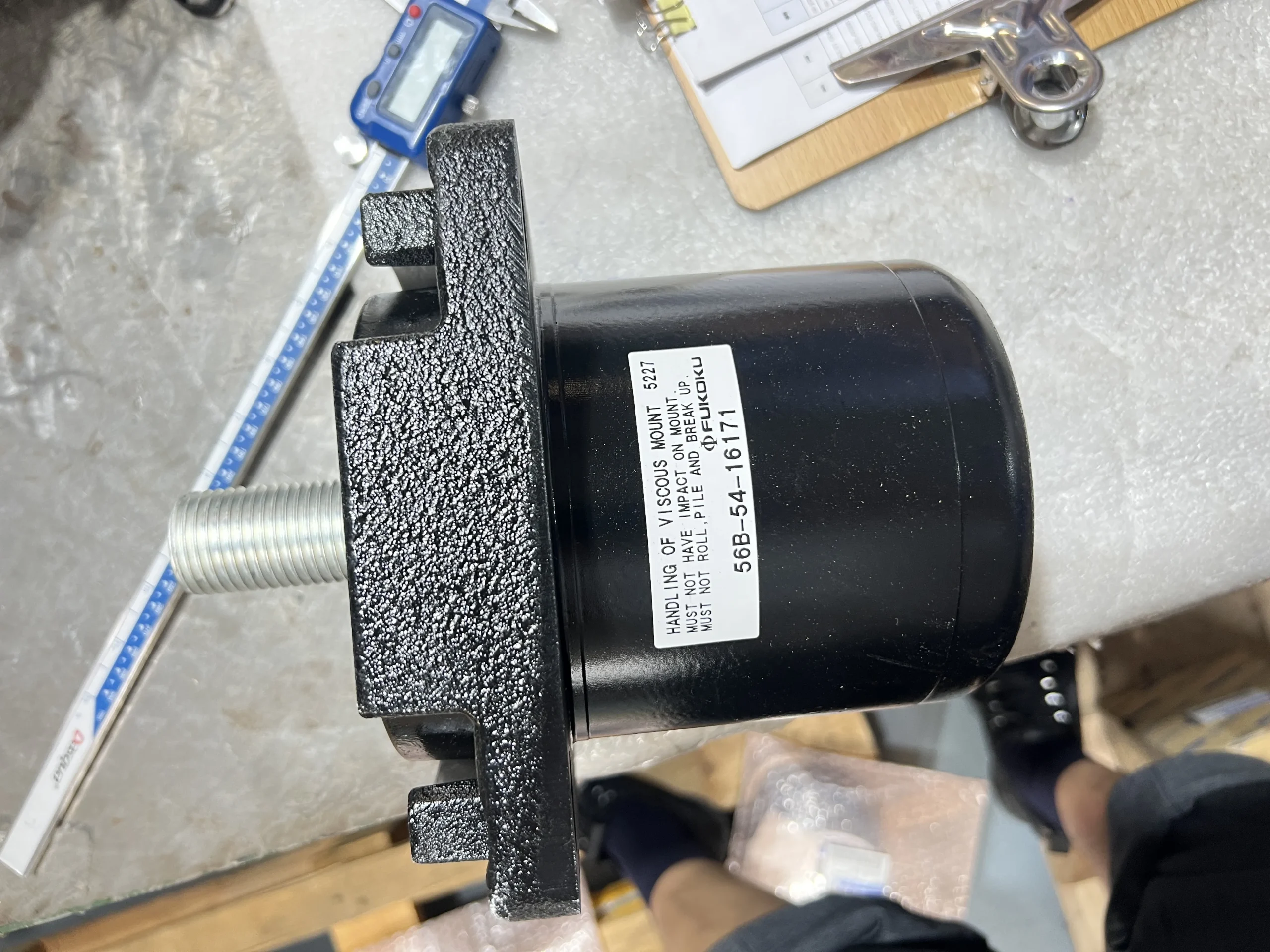 56B-54-16171 Cabin Mount
 -
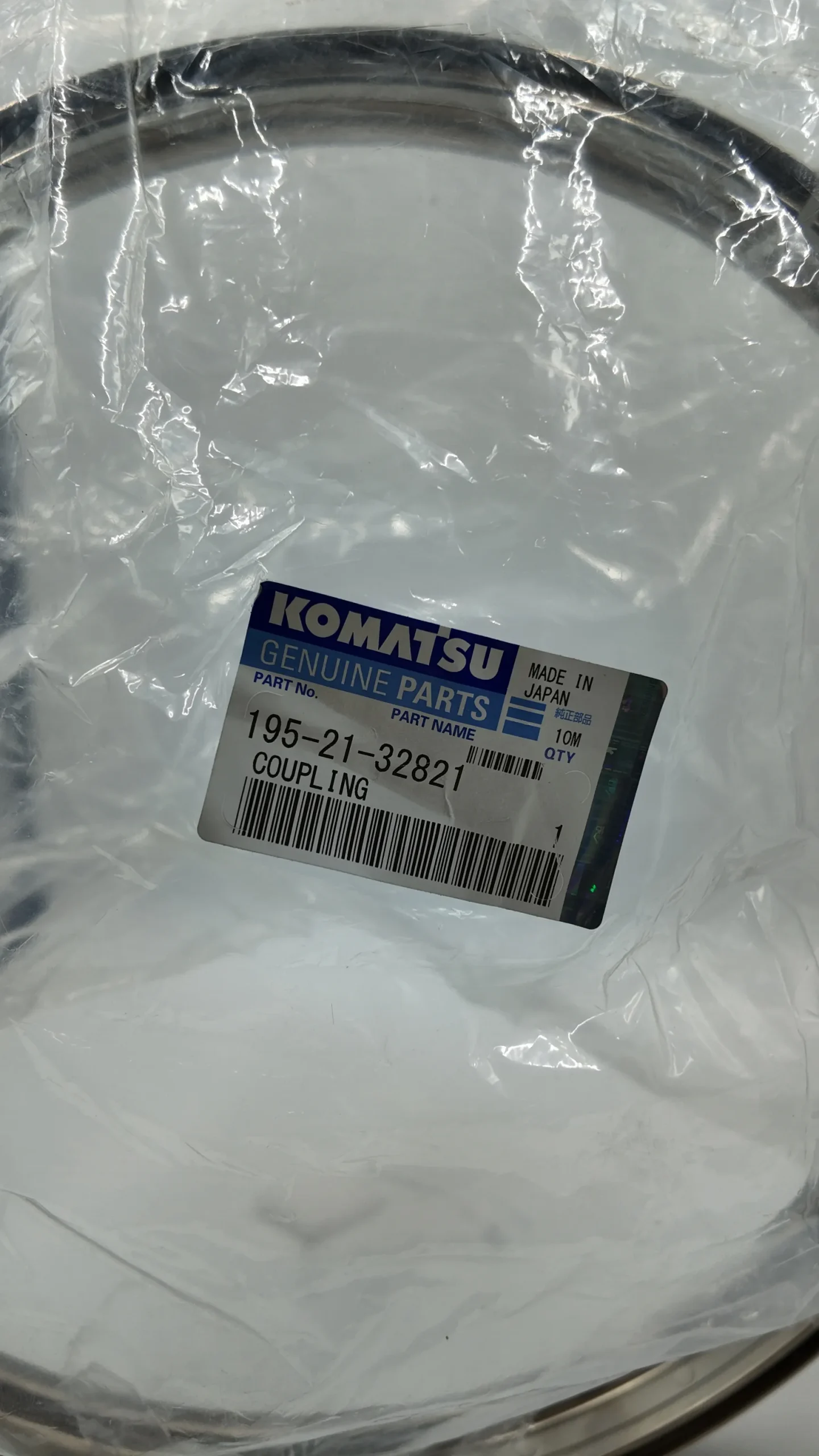 195-21-32821 COUPLING,(HEAVY DUTY) (Komatsu)
 -
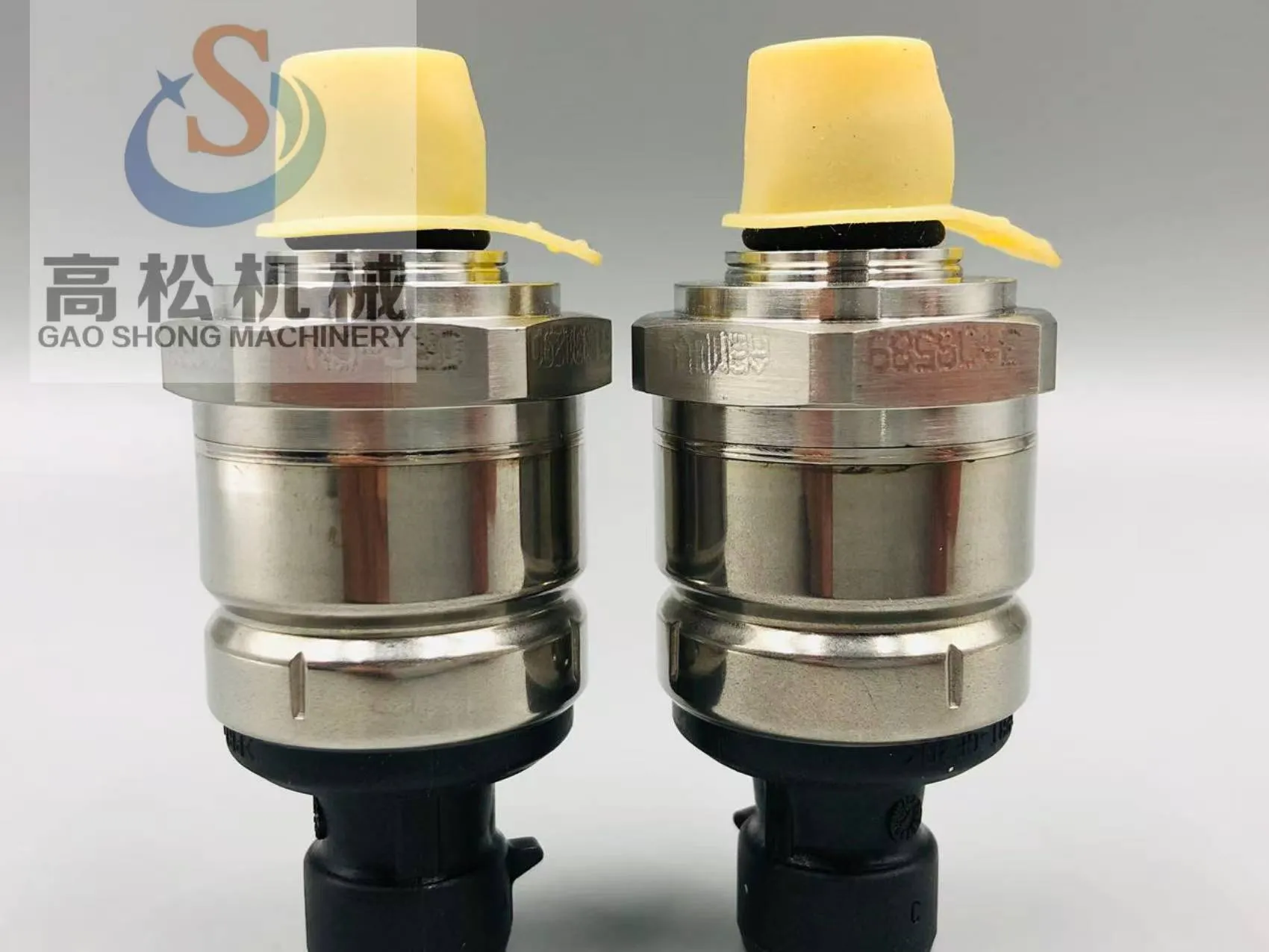 Cummins diesel engine high-pressure sensor 3408589 6560-61-7101 6560-61-7102komatsu
 -
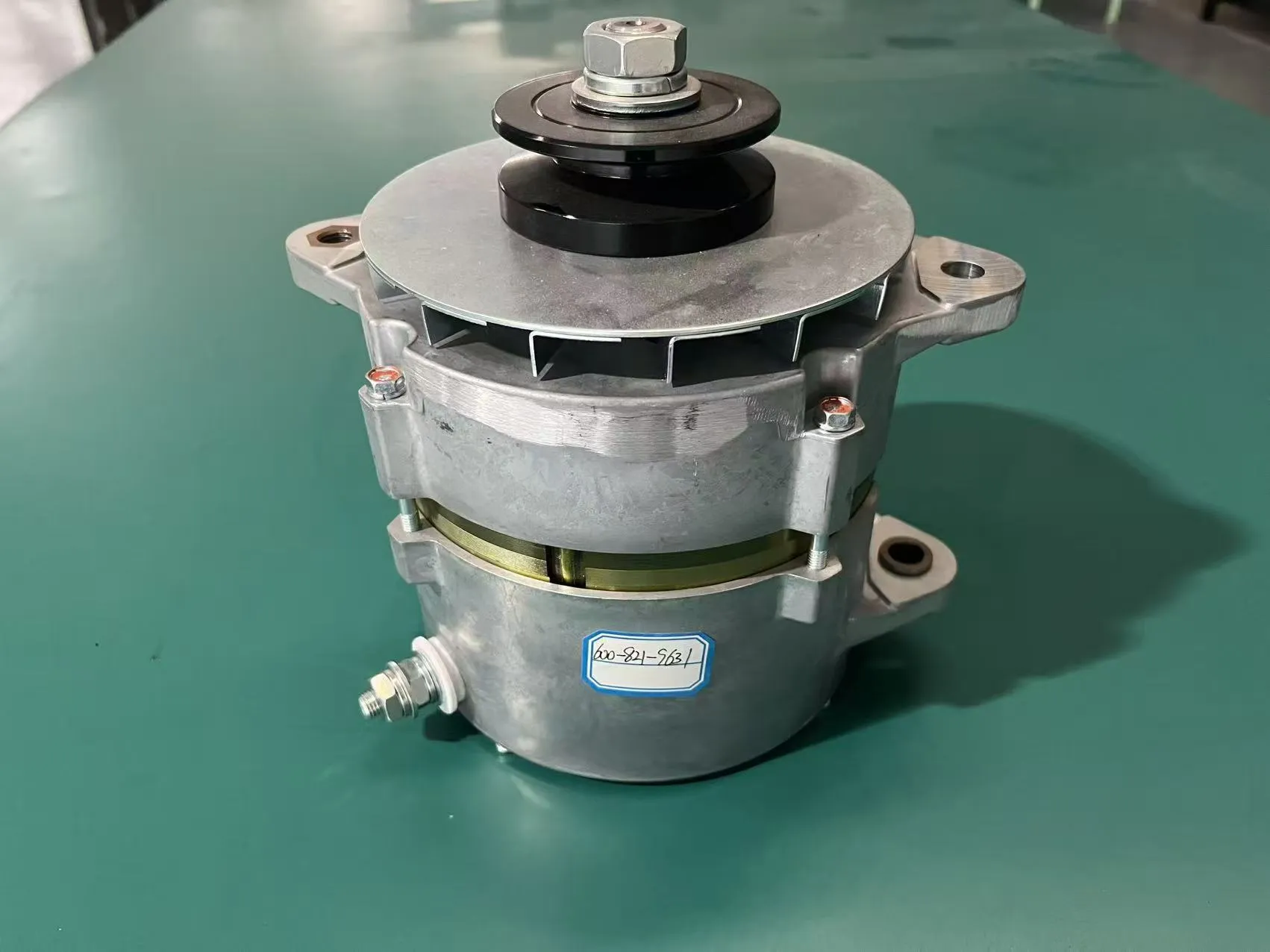 600-821-9631 Komatsu SA12V140 ALTERNATOR